Sacred place · Medieval
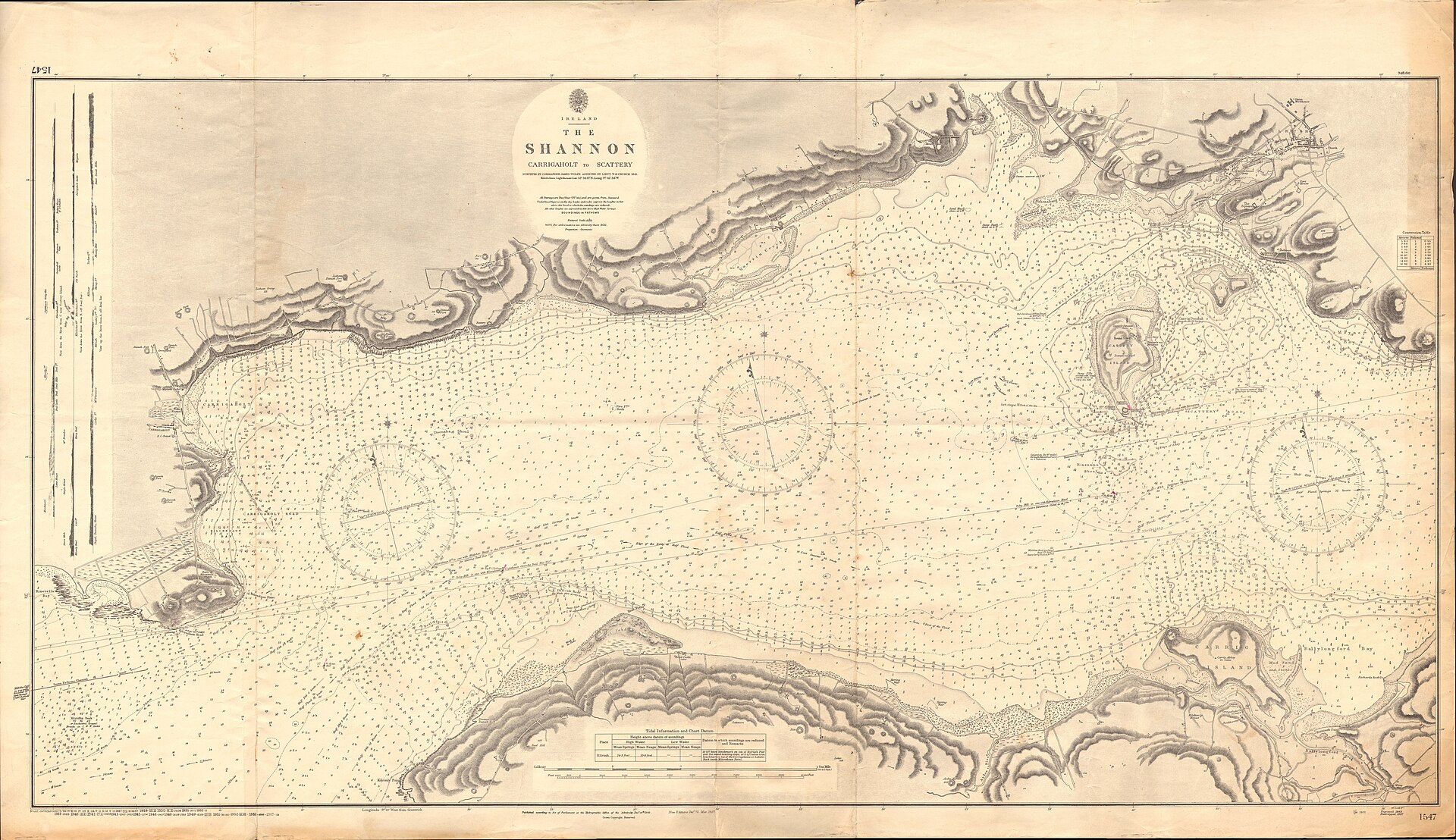
Inis Cathaigh
County Clare
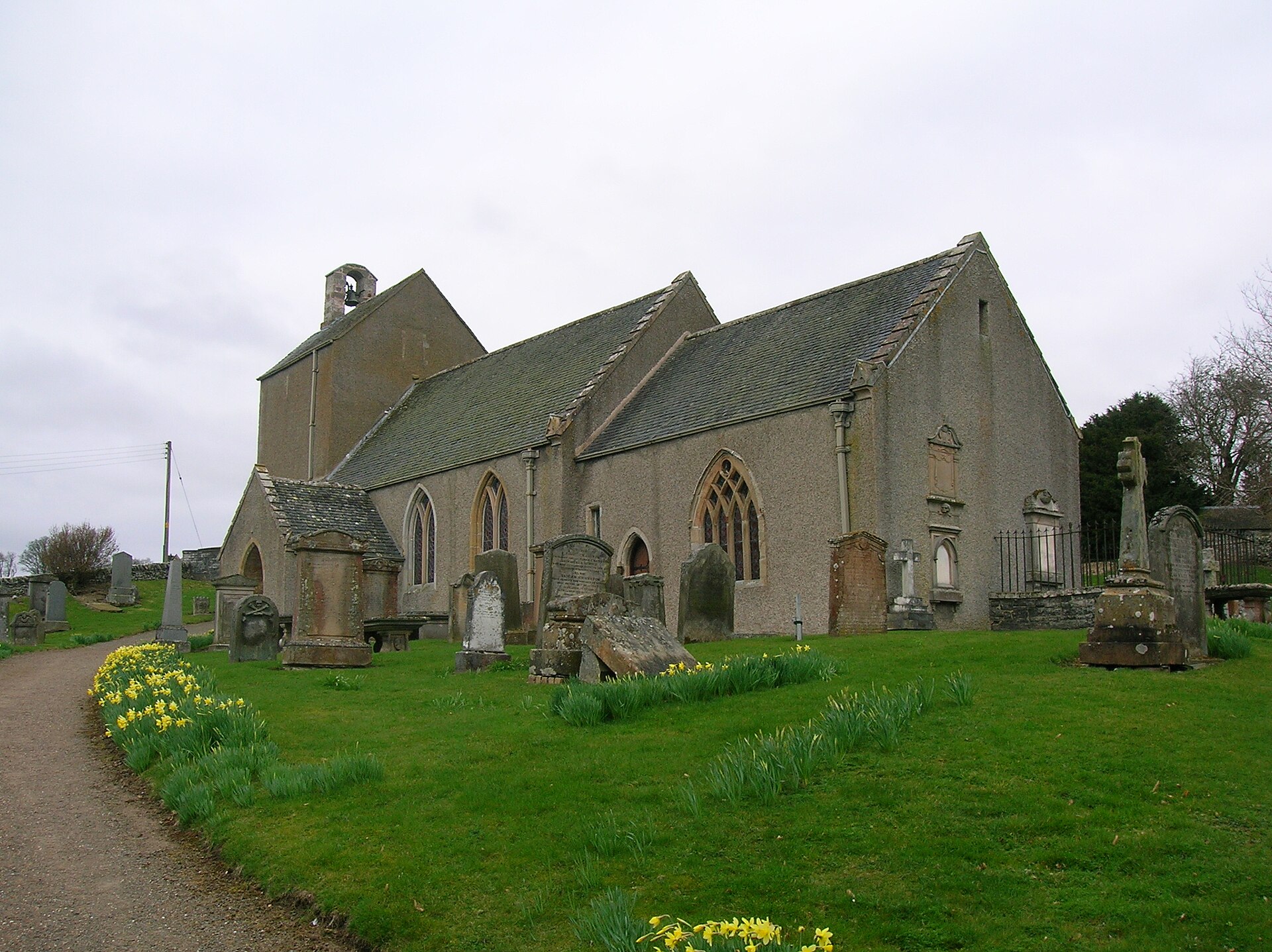
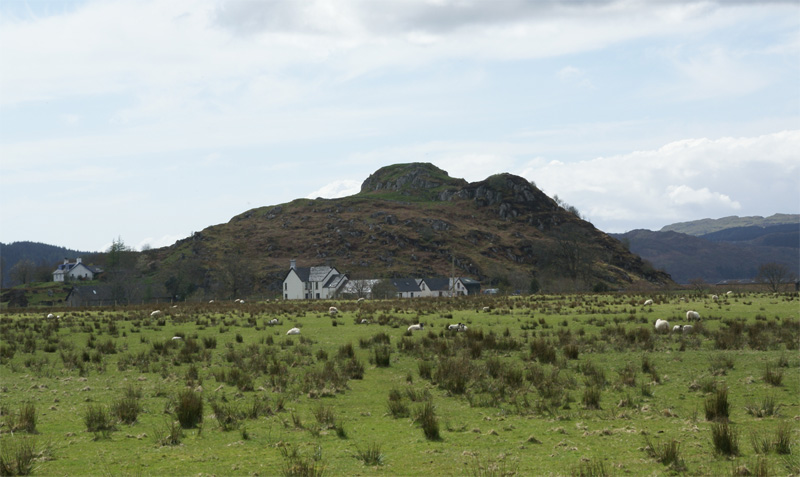
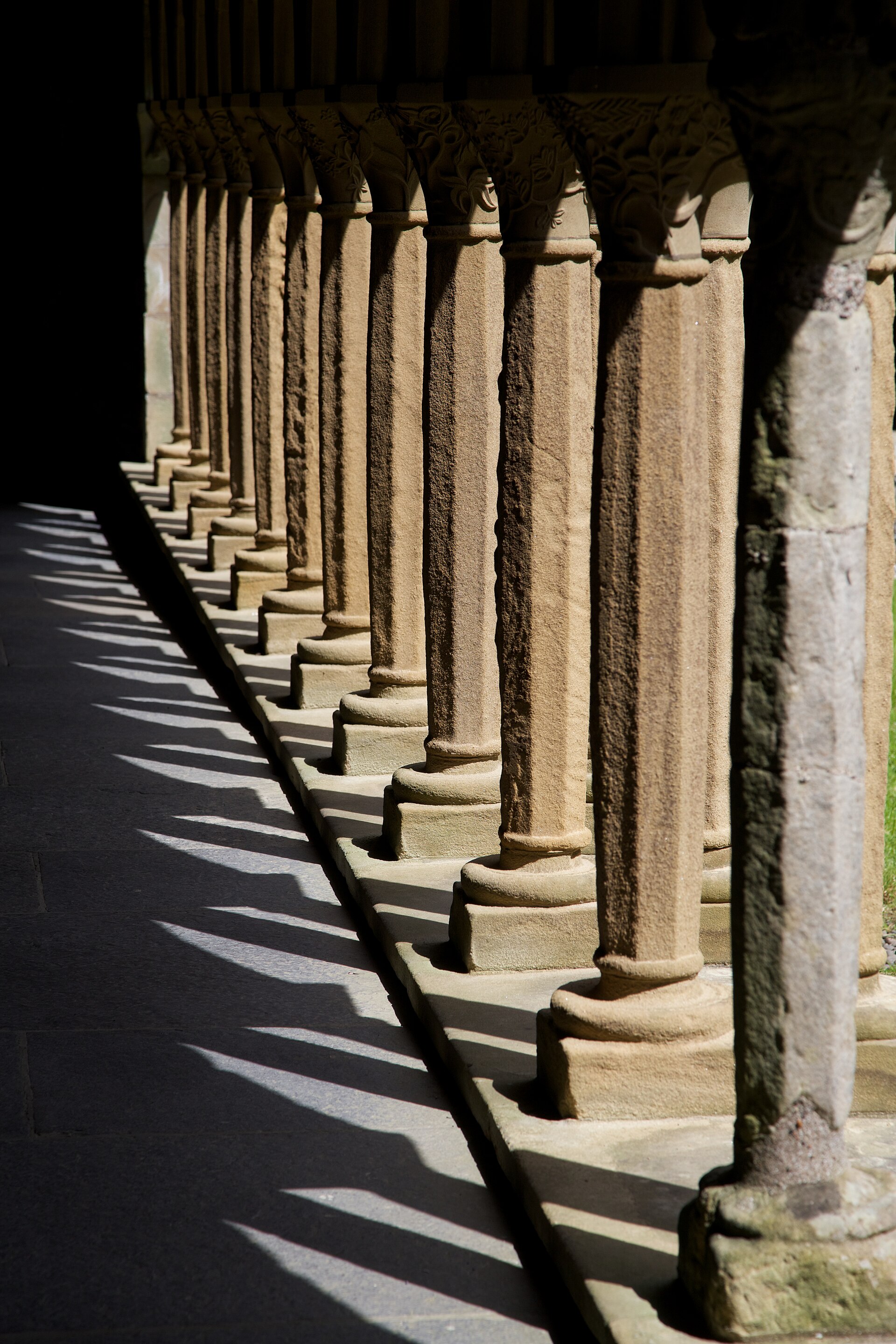
Inis Cathaigh, or Scattery Island, preserves a major early Christian monastery, round tower and later military battery at the strategic mouth of th…
- Near Kilrush
- Some walking
The directory
4619 ancient and historic places across Britain and Ireland. Browse the directory, or filter by type, period, region and access.
Page 1 of 47. Browsing 100 of 4619: search and the map cover all of them.
Sacred place · Medieval
County Clare
Inis Cathaigh, or Scattery Island, preserves a major early Christian monastery, round tower and later military battery at the strategic mouth of th…
Fortified place · Medieval
Aberdeenshire
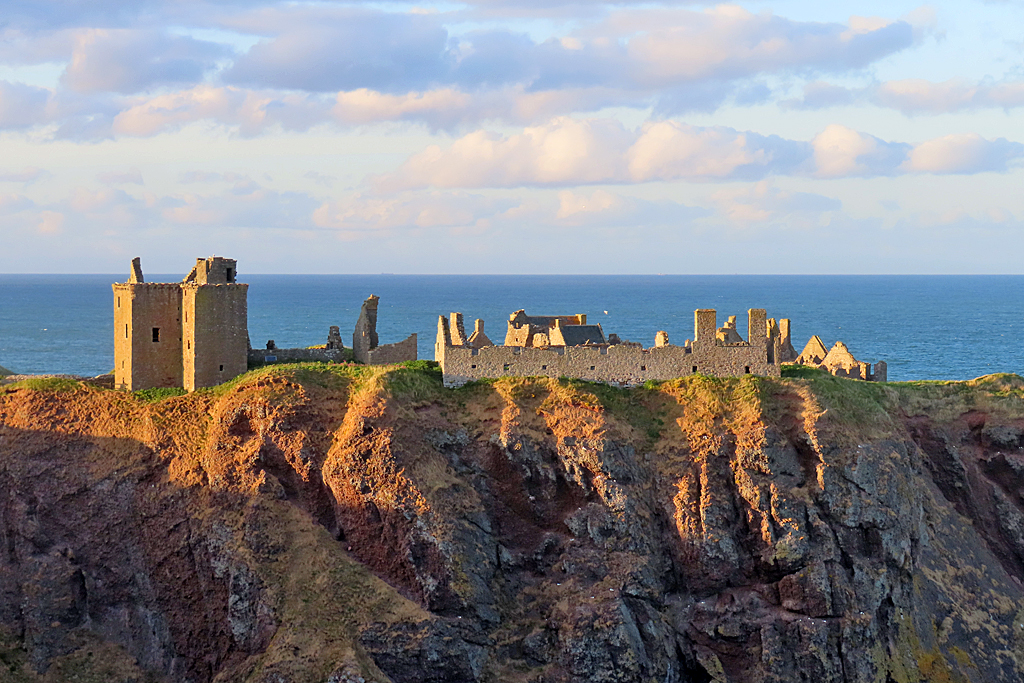
Four successive castles rose on this one riverside site, each rebuilt by the Gordons after fire, siege or royal demolition: a single ruin holding f…
Fortified place · Medieval
Berkshire
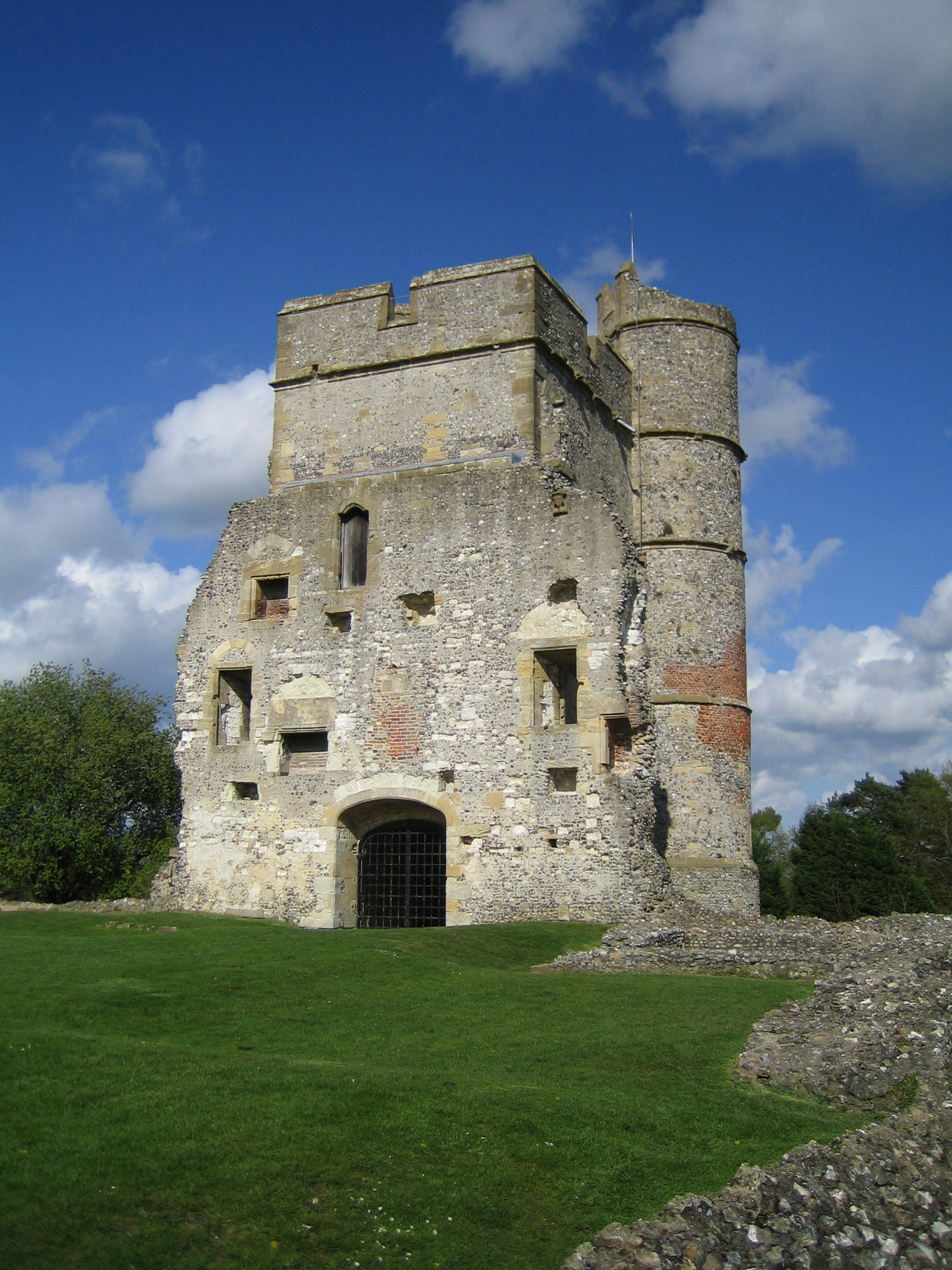
Its lone three-storey gatehouse survived only because Parliament's 1646 demolition order stopped short, the price of an 18-month Royalist siege tha…
Sacred place · Medieval
Cambridgeshire
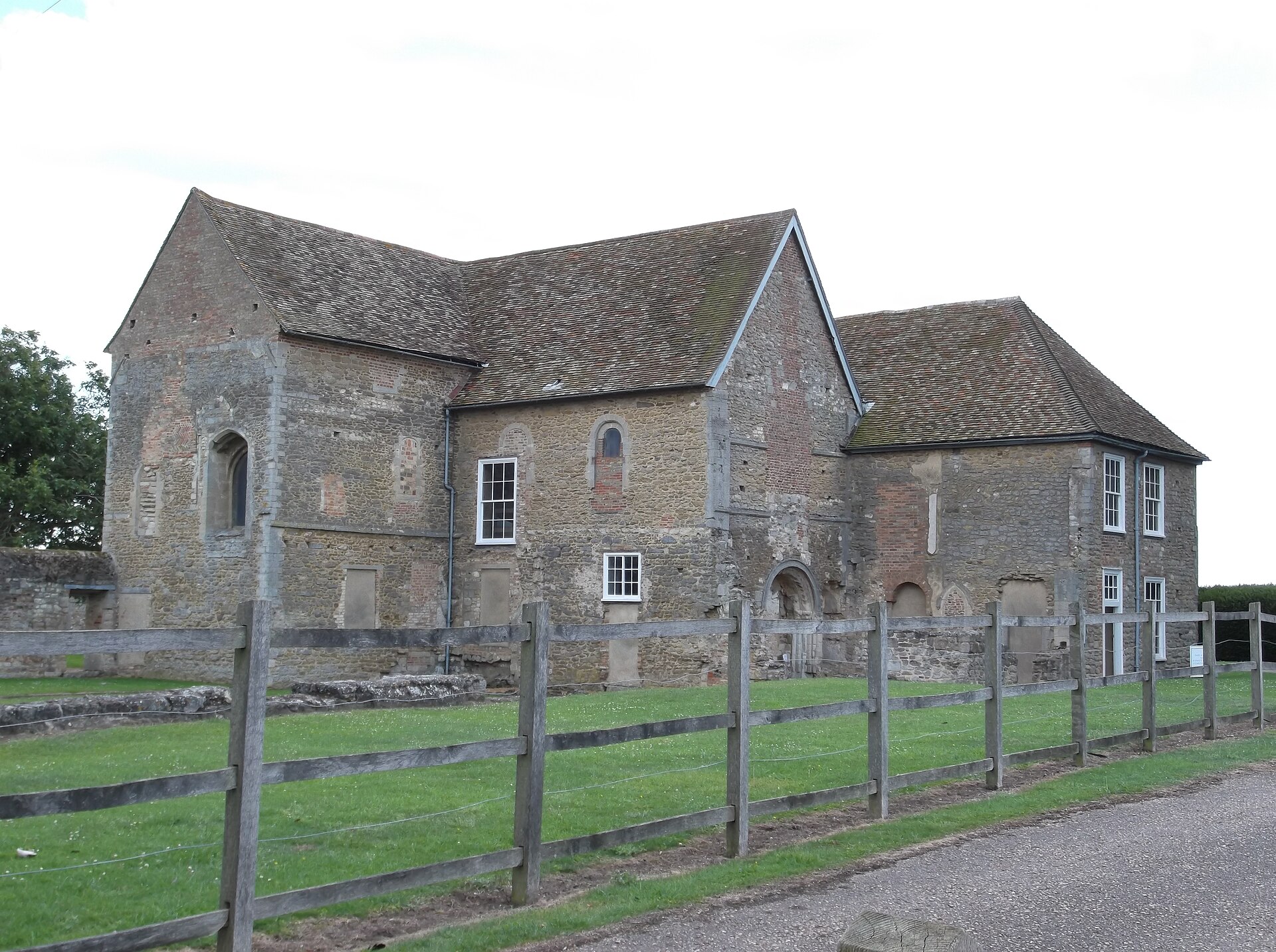
Three unrelated religious orders in turn occupied the same buildings, and a countess who founded a Cambridge college is buried somewhere beneath th…
Tomb or burial place · Prehistoric
isle-of-anglesey
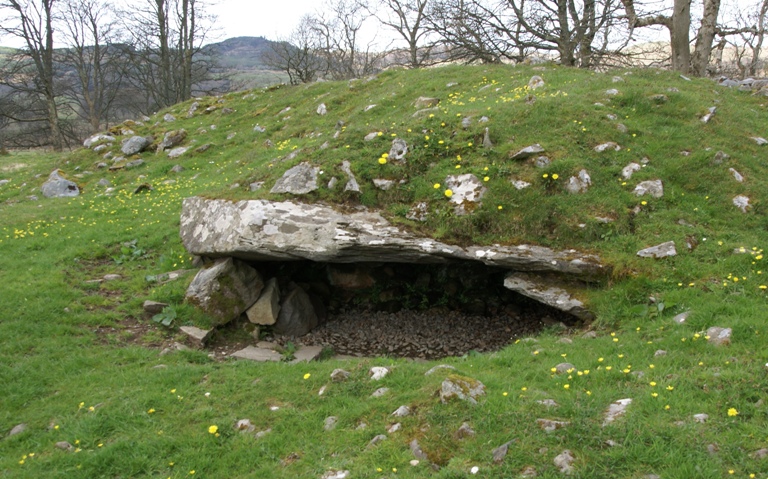
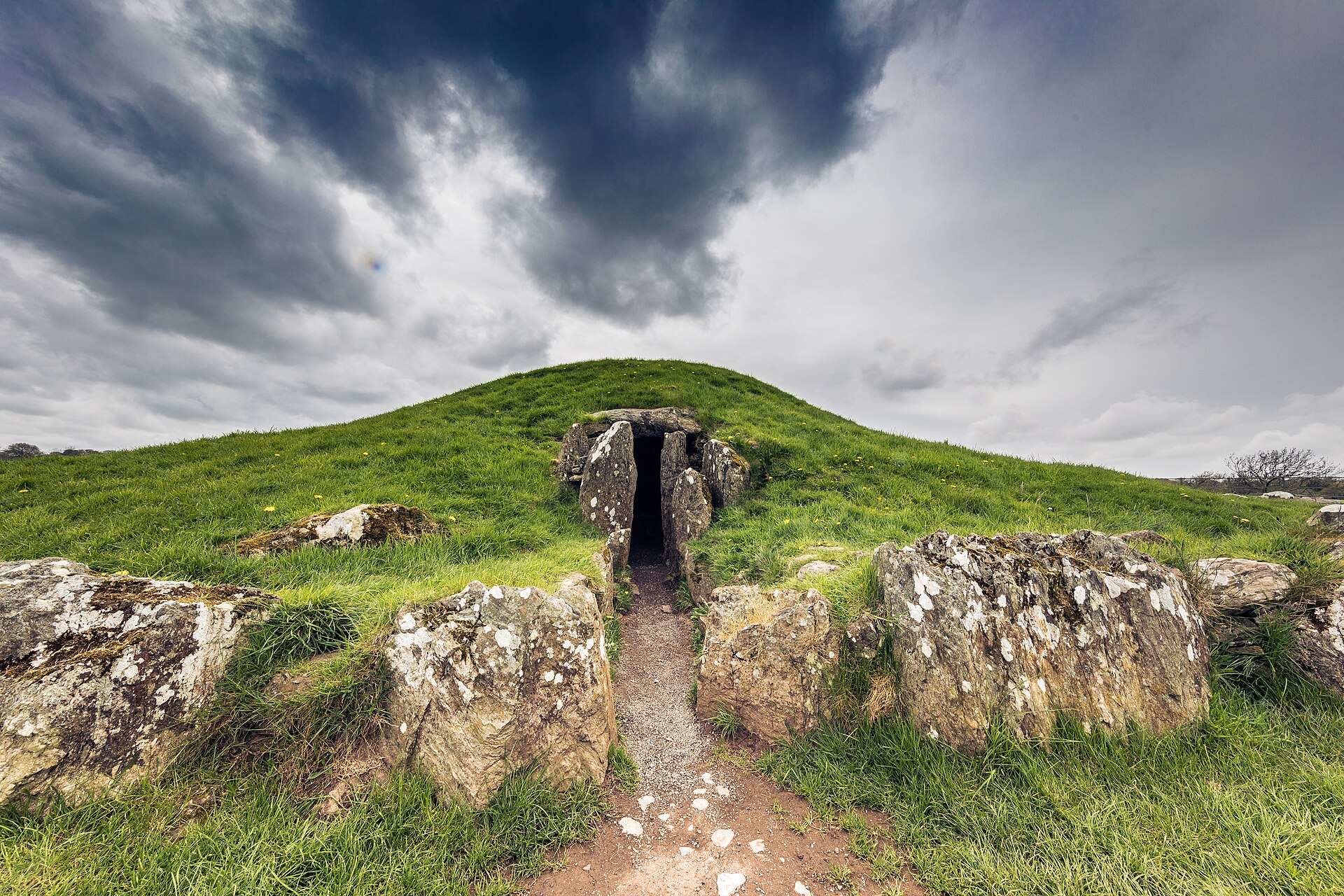
A tomb reached by a stone-lined passage, built around 2000 BC by smashing the stone circle that stood here first, and aligned so midsummer sunrise…
Fortified place · Medieval
County Limerick
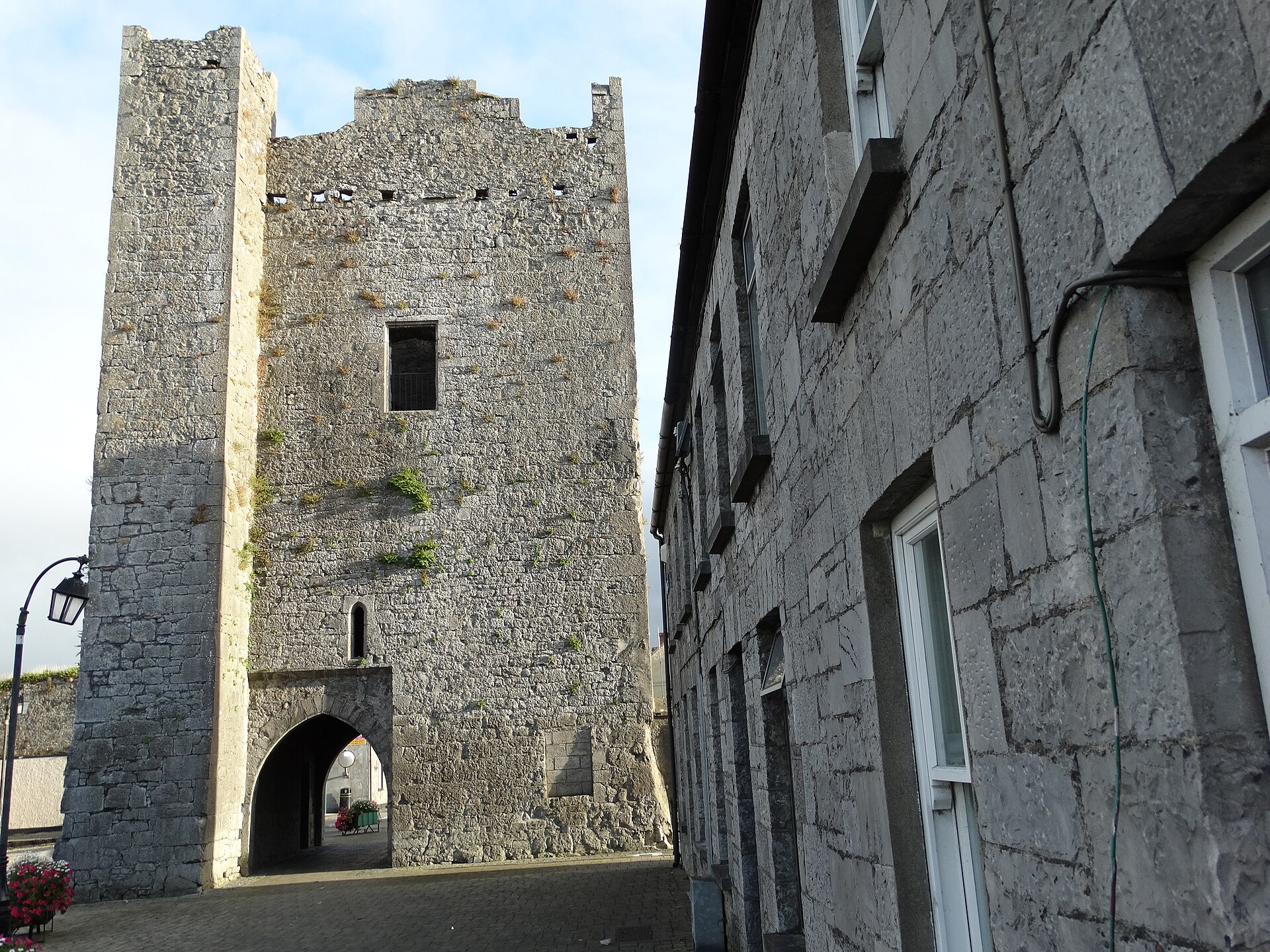
A fifteenth-century tower house whose name borrows the prestige of Limerick's grander castle, now pierced clean through by a single large Gothic arch.
Carved stone · Pictish & early medieval
Cornwall
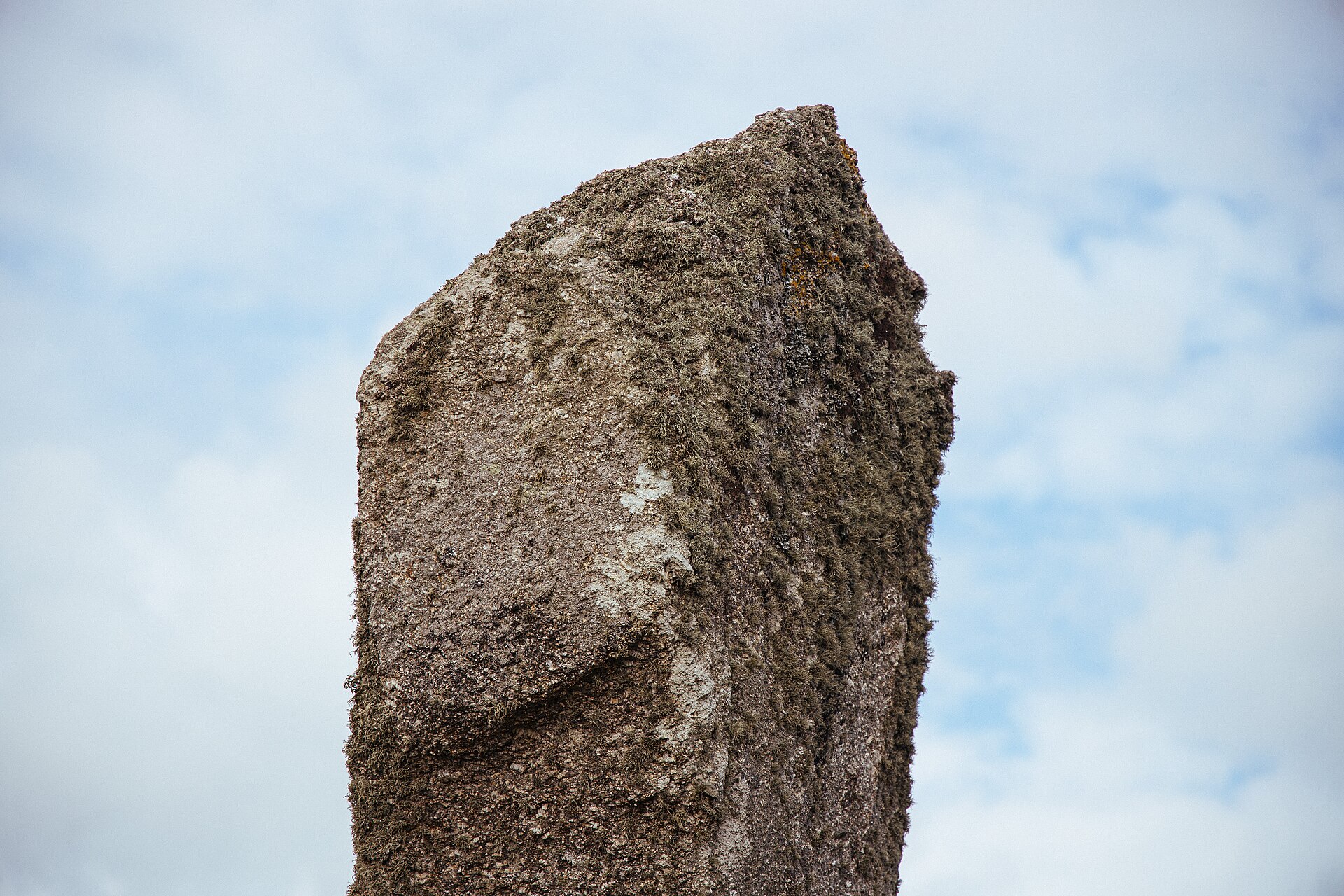
The Pipers near St Buryan are two exceptionally tall standing stones aligned toward the Merry Maidens, preserving a distinctive component of Penwit…
Sacred place · Medieval
County Kerry
A monastery of dry-stone beehive cells on a bare Atlantic crag, eleven kilometres out and six hundred steps up, built by monks who chose the least…
Sacred place · Prehistoric
Wiltshire
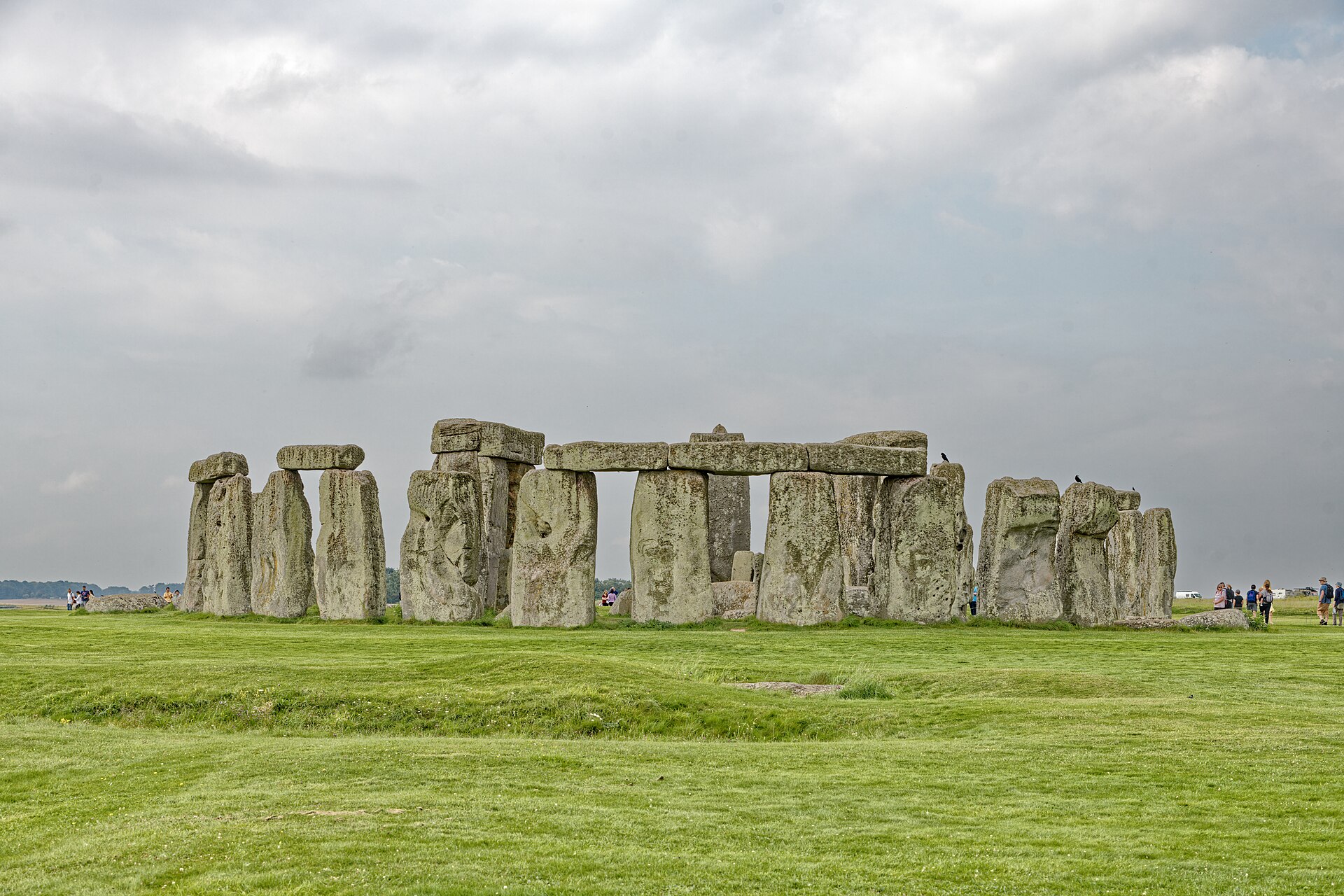
Its bluestones were hauled some 150 miles from Wales, and its Altar Stone has now been traced to Scotland, 700 km away: proof of a Neolithic (the f…
Ancient place · Pictish & early medieval
Suffolk
The richest burial ever found in Britain: a 27-metre ship dragged up from the river and buried whole, with a helmet, gold shoulder-clasps and a pur…
Fortified place · Iron Age
Fife
Two concentric stone ramparts enclosing roughly four hectares mark this as a hillfort (an upland enclosure defended by earthen banks) community of…
Sacred place · Prehistoric
Moray
Known as the Lantern of the North, it was Scotland's second-largest medieval cathedral and uniquely combined an English-style octagonal chapter hou…
Ancient tree · Medieval
Perth and Kinross
Birnam Oak, sometimes known as Macbeth's Oak, stands on the south bank of the River Tay and is associated with the surviving edge of Birnam Wood.
Ancient tree · Medieval
Scottish Borders
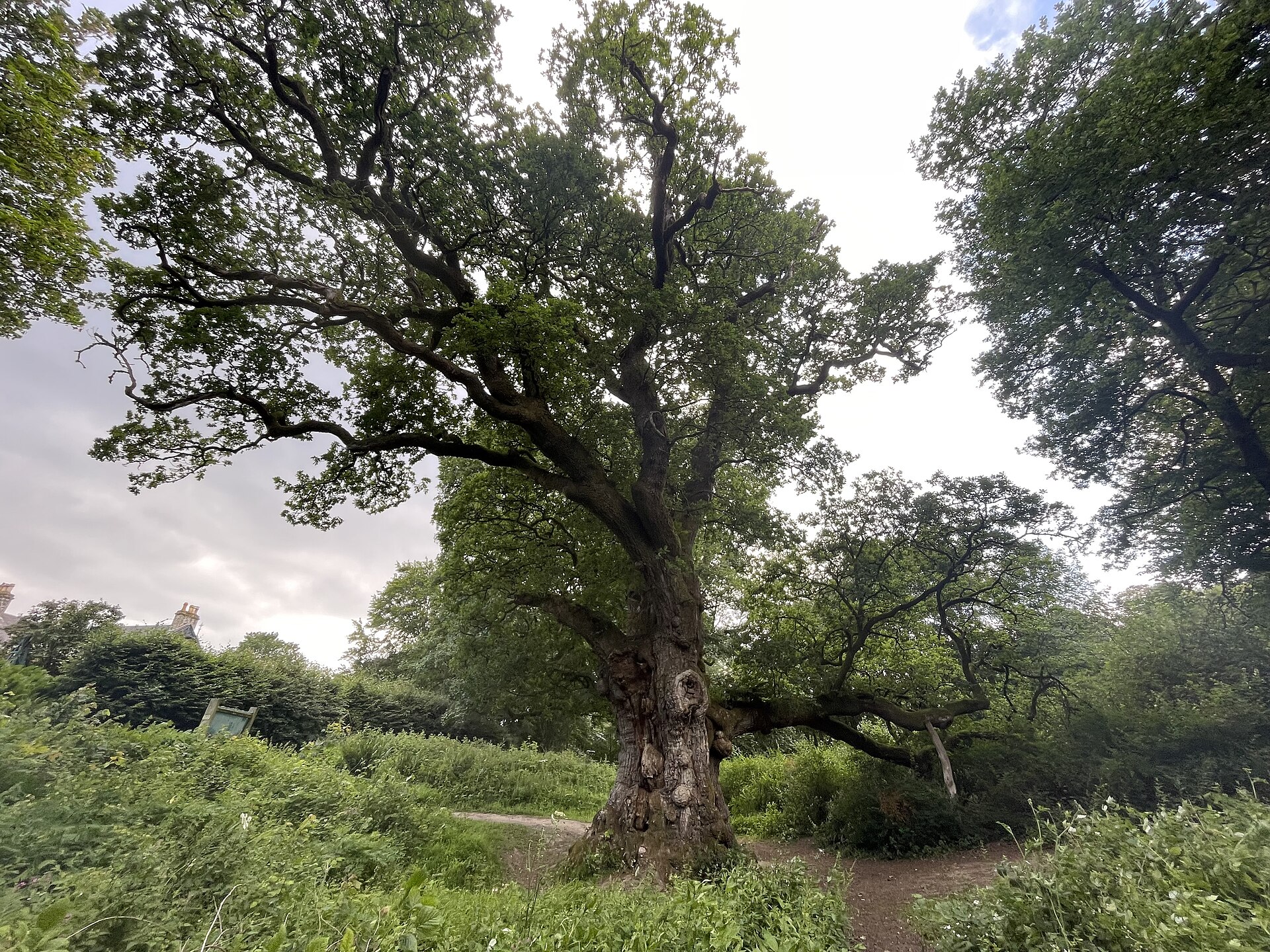
Concrete, brick and timber now hold together a sessile oak reckoned at about a thousand years old: one of the last trees of the Jedforest, and the…
Ancient tree · Medieval
Perth and Kinross
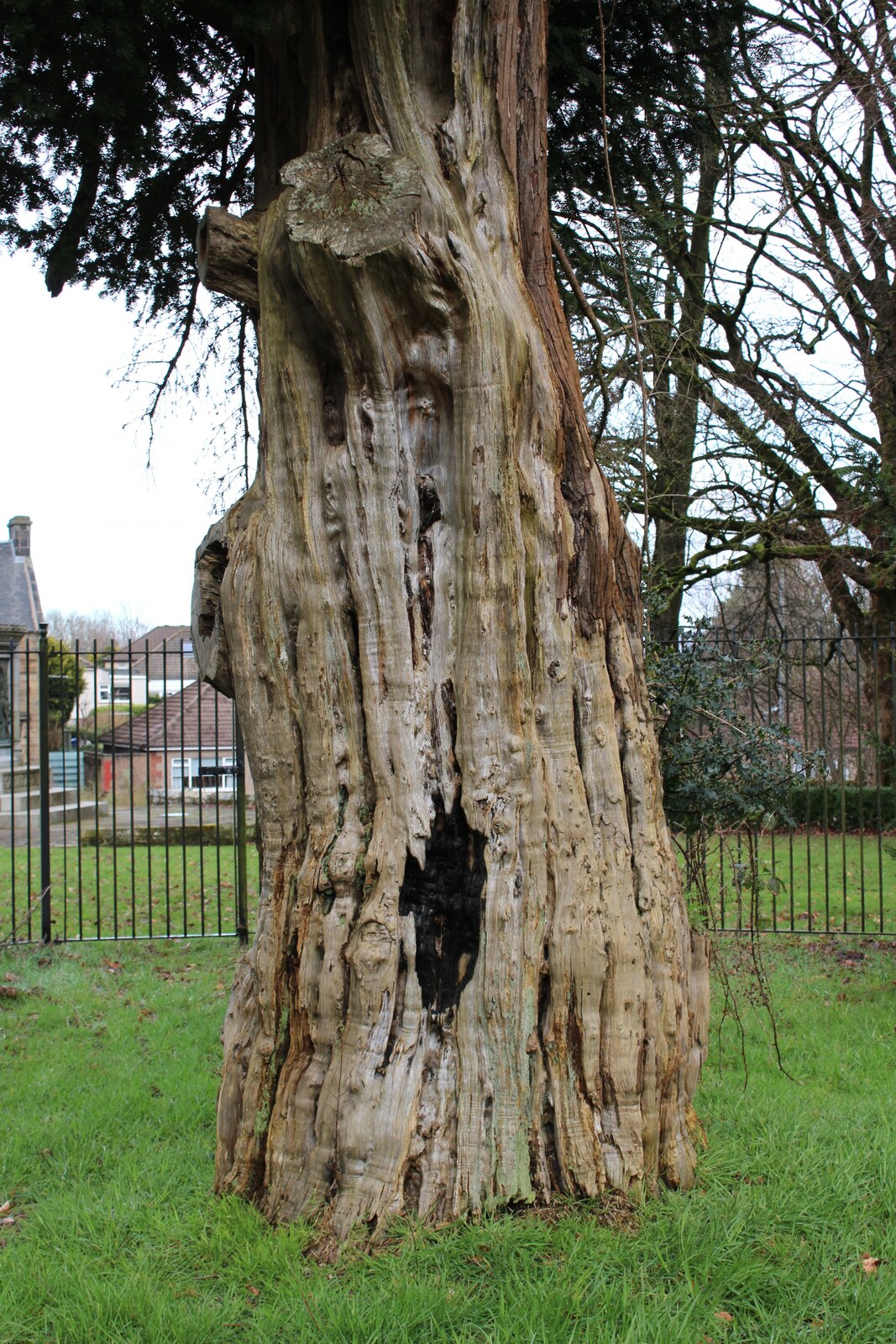
Fortingall Yew is a named yew tree beside the church at Fortingall in Perth and Kinross. Its precise age is not independently confirmed here.
Ancient tree · Medieval
Perth and Kinross
A bench beneath this oak was engraved with a line from a Michael Marra song about sitting under it with Niel Gow's ghost. A falling branch destroye…
Sacred place · Medieval
Ceredigion
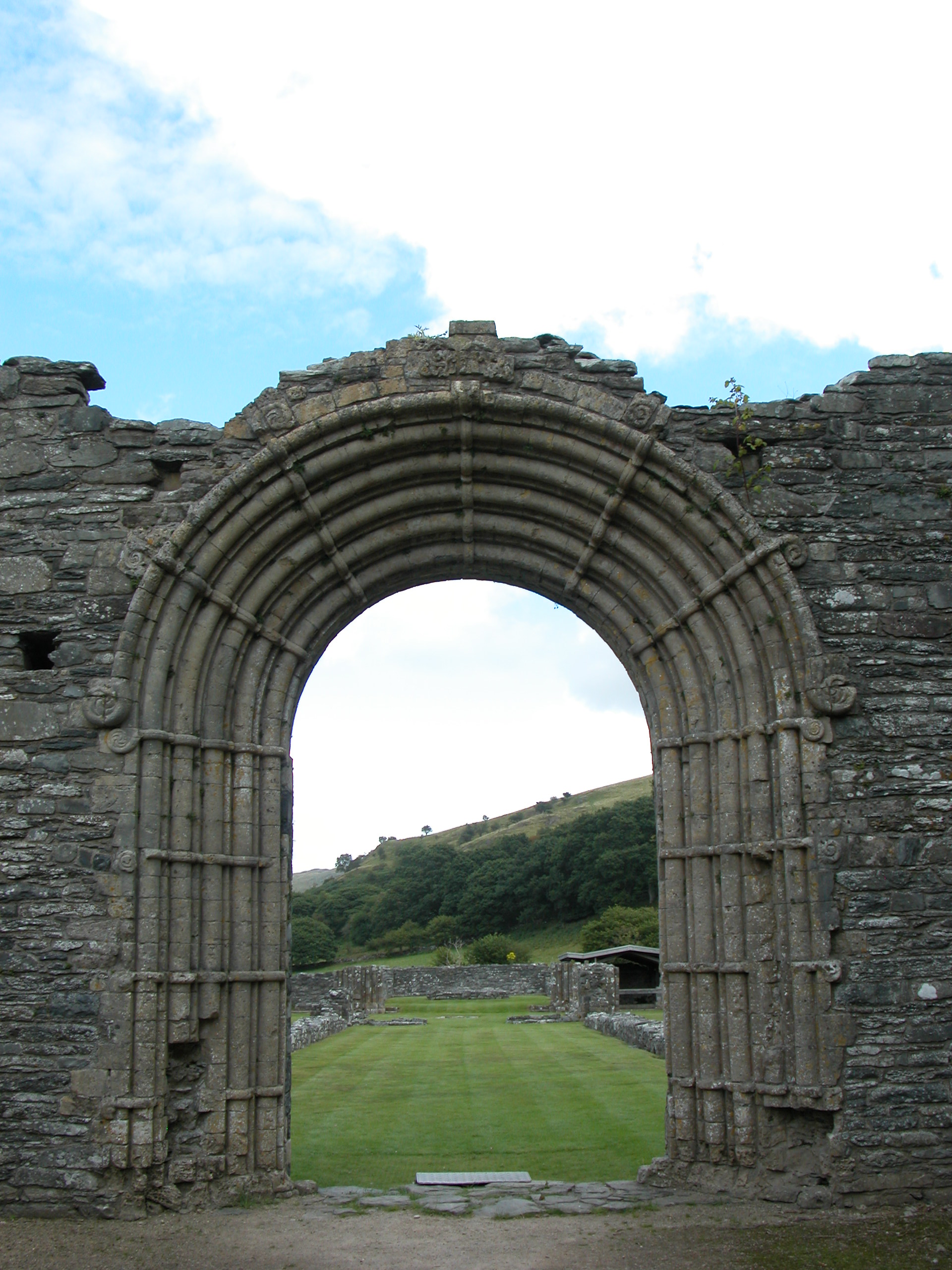
A Cistercian abbey (a monastic house under the rule of an abbot) founded in 1164 that became a dynastic burial place, a centre for Welsh chronicles…
Carved stone · Medieval
Cumbria
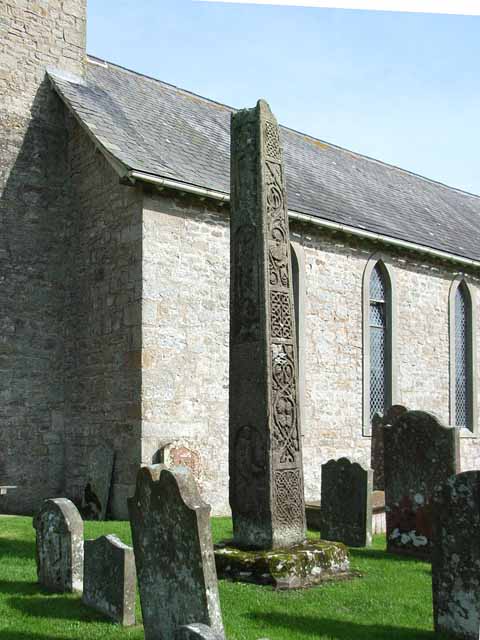
A near-complete Northumbrian cross carved with figures, runes and one of England's earliest sundials, still standing where it was first raised some…
Carved stone · Pictish & early medieval
Angus
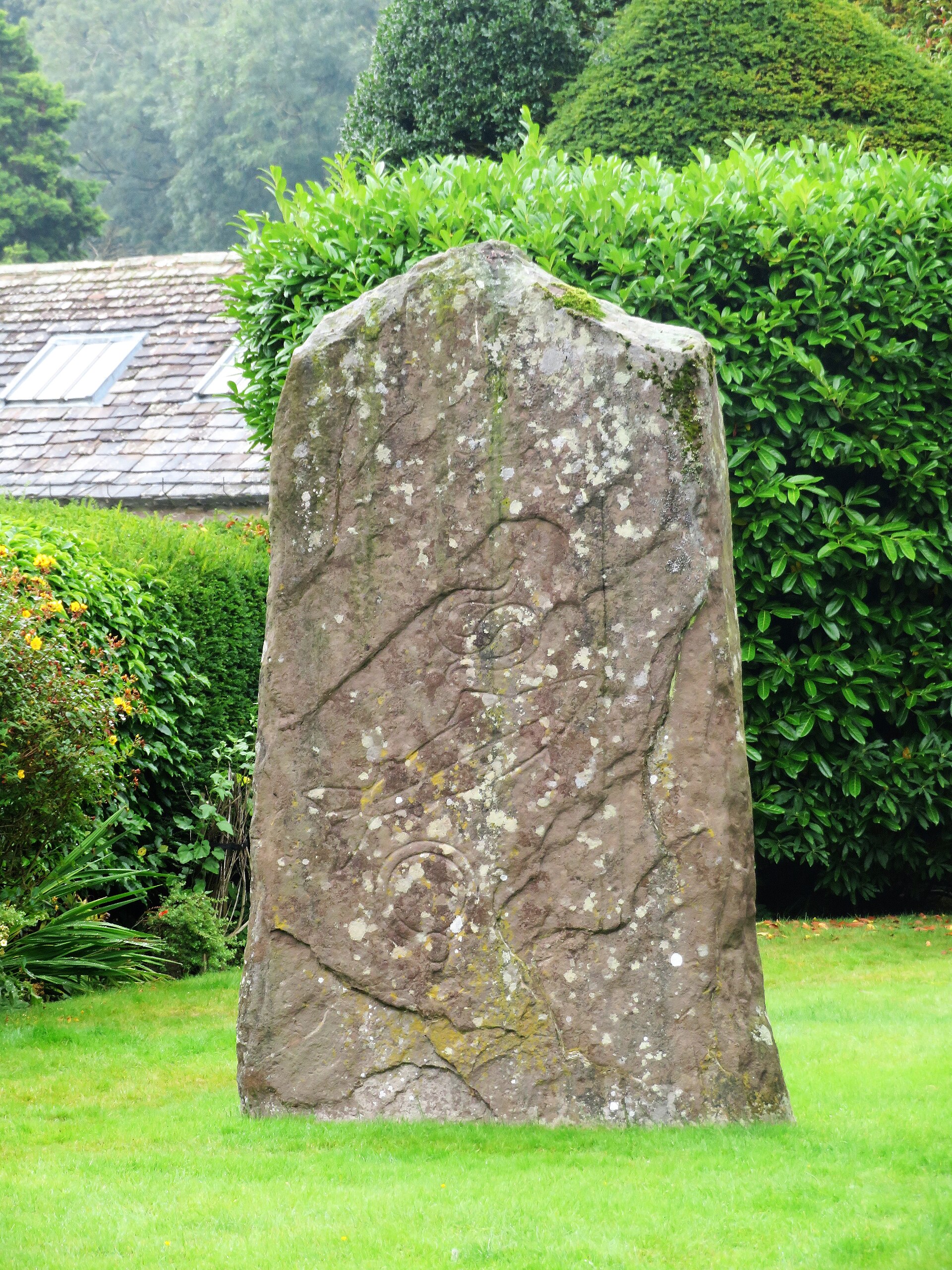
One of the most crowded cross faces in Pictish sculpture: axe-fighters, a cauldron with legs dangling from it, and a centaur share the stone with a…
Ancient tree · Medieval
East Ayrshire
Bickering Bush preserves the memory of a named hawthorn, its lost site tied to Caprington Castle lands and Wallace tradition.
Ancient tree · Medieval
Perth and Kinross
Birnam Sycamore stands near Birnam Oak on the south bank of the River Tay and is associated with the surviving edge of Birnam Wood.
Ancient tree · Medieval
East Lothian
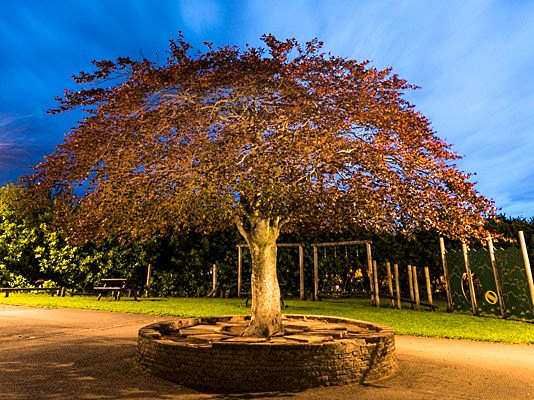
The Ding Dong tree is a copper beech that became a school landmark, won Scotland’s Tree of the Year and shaped children’s outdoor life.
Ancient tree · Medieval
East Lothian
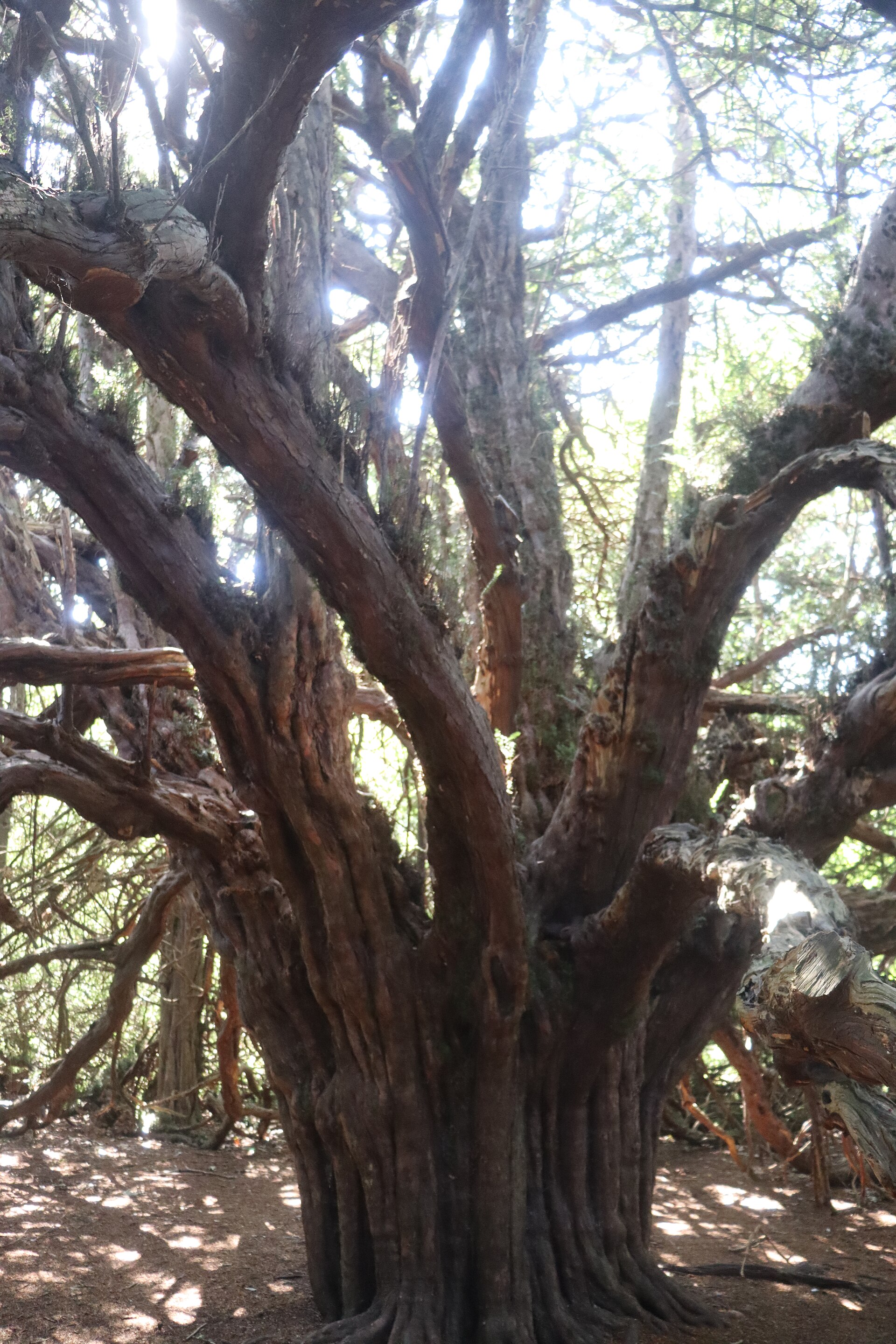
The Great Yew of Ormiston is a layering yew first recorded in 1474 and regarded as a significant surviving tree in Scotland.
Ancient tree · Medieval
Perth and Kinross
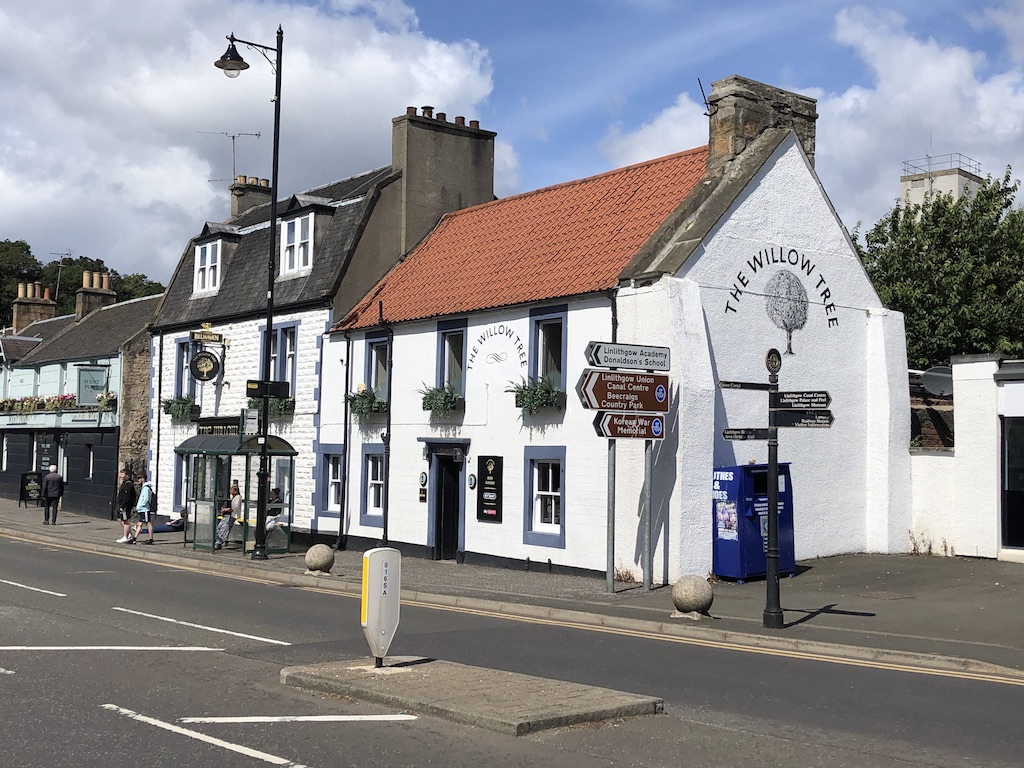
Katie Wearie’s Tree was a named Linlithgow memorial to a drover girl, preserved in an early twentieth-century postcard even though little else is k…
Ancient tree
Perth and Kinross
An osprey called Lady nested in this Scots pine for twenty-four years, laid 71 eggs and raised 50 chicks. The tree is named after the bird.
Ancient tree · Medieval
Fife
Queen Mary’s Thorn keeps royal memory alive in St Andrews through a living tree, while the absence of contemporary evidence makes its famous planti…
Ancient tree · Medieval
Fife
The Balmerino Sweet Chestnut makes former monastic grounds a record of living heritage: inventory data, exceptional girth and national tree designa…
Ancient tree · Medieval
Renfrewshire
A yew that has cloned itself into a grove: branches bending to the ground, rooting, and sending up new stems, until the crown reached a hundred met…
Ancient tree · Medieval
Highland
An elm that outlived both the forest around it and the disease that took most of its kind, saved by standing somewhere nothing would sensibly have…
Ancient tree · Medieval
Highland
A four-hundred-year-old oak that nobody knew was there. It took a ceilidh band, a woodland conference and a walk the morning after the gig for the…
Ancient tree · Medieval
Renfrewshire
By the mid-nineteenth century a Scotsman's snuff box was expected to contain a fragment of this oak. The relic trade is what killed it.
Ancient tree · Medieval
Inverclyde
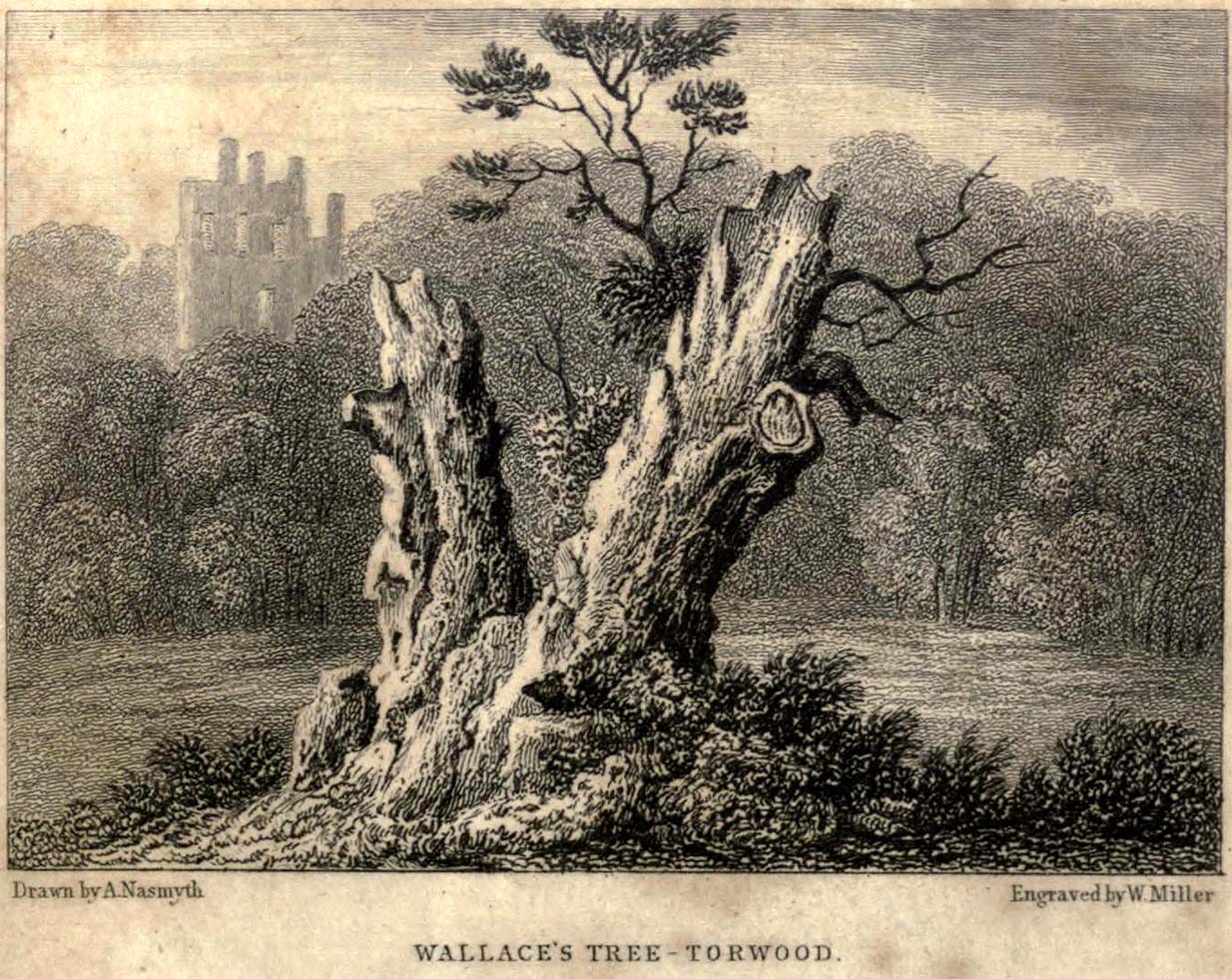
Although the Wallace story cannot be confirmed, the lost oak’s storm-felled remains and memorial show how a local legend became durable civic memory.
Ancient tree · Medieval
Falkirk
The lost Wallace Oak shows how a woodland landmark became a national relic, its unproven Wallace tradition driving souvenir cutting and an unusuall…
Ancient tree · Medieval
Renfrewshire
Parish records of the 1700s already call it 'this ancient tree'. Arson in 1978 and storms in 2005 let in a fungus that is now killing it; twelve cu…
Fortified place · Medieval
Fife
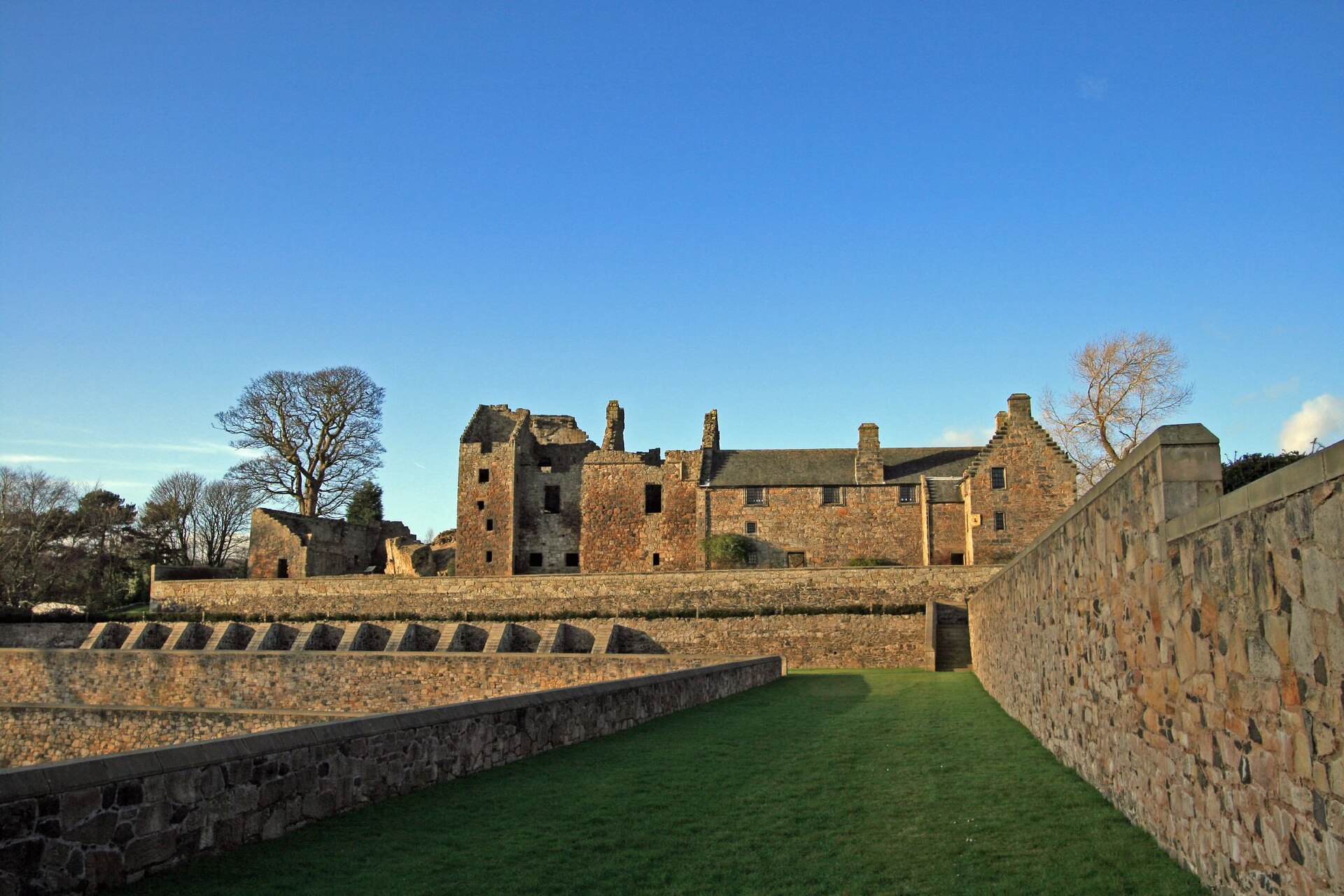
Aberdour Castle and Gardens combine one of Scotland’s oldest datable standing castles with a 400-year architectural sequence and terraced gardens t…
Carved stone · Pictish & early medieval
Angus
The stones were carved during the height of Pictish (of the Picts, the people of northern and eastern Scotland from about AD 300 to 900) power in A…
Carved stone · Prehistoric
Argyll and Bute
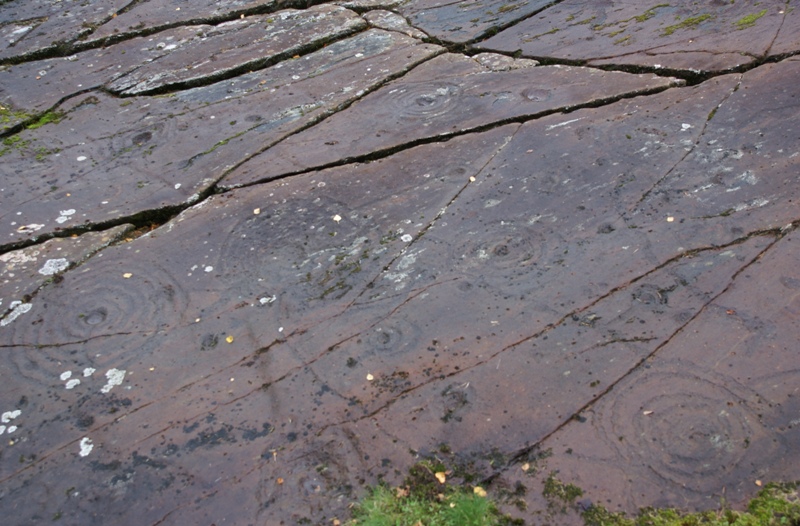
One of the densest and most elaborate concentrations of prehistoric (before written records reached Britain) cup and ring carvings anywhere in Scot…
Fortified place · Roman
Falkirk
Rough Castle is one of the best-preserved forts on the Antonine Wall, retaining the defensive landscape of Rome’s short-lived northern frontier and…
Sacred place · Prehistoric
Argyll and Bute
One of the few places in Kilmartin Glen where a stone avenue, a circle and a henge: a circular enclosure from before any written account of Britain…
Fortified place · Roman
East Dunbartonshire
The Romans built a stone-and-turf fortification, the Antonine Wall, between the Firth of Clyde and the Firth of Forth between AD 142 and 144 under…
Carved stone · Pictish & early medieval
Aberdeenshire
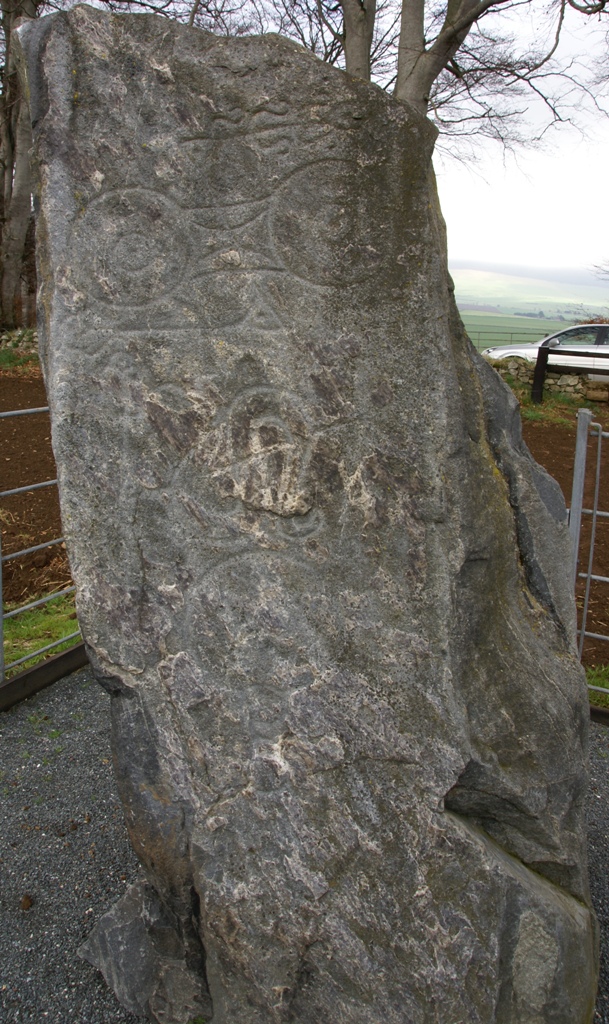
Brandsbutt preserves the symbols of the Picts, people of northern and eastern Scotland from about AD 300 to 900, beside an Ogham inscription still…
Settlement · Prehistoric
Orkney Islands
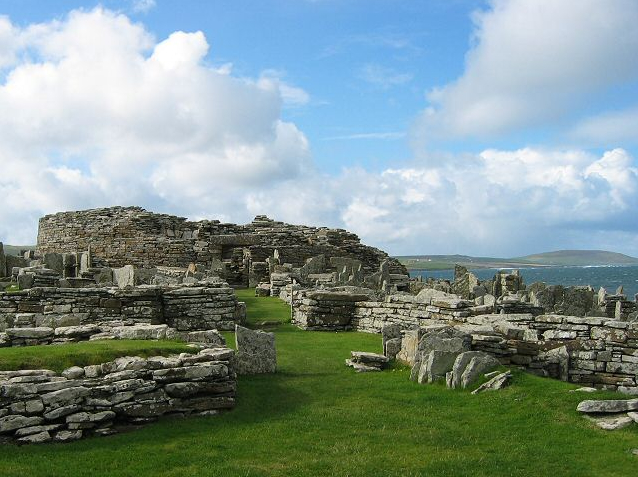
The Broch of Gurness is a stone tower and settlement on the north-east coast of Mainland Orkney, overlooking Eynhallow Sound.
Fortified place · Iron Age
Shetland Islands
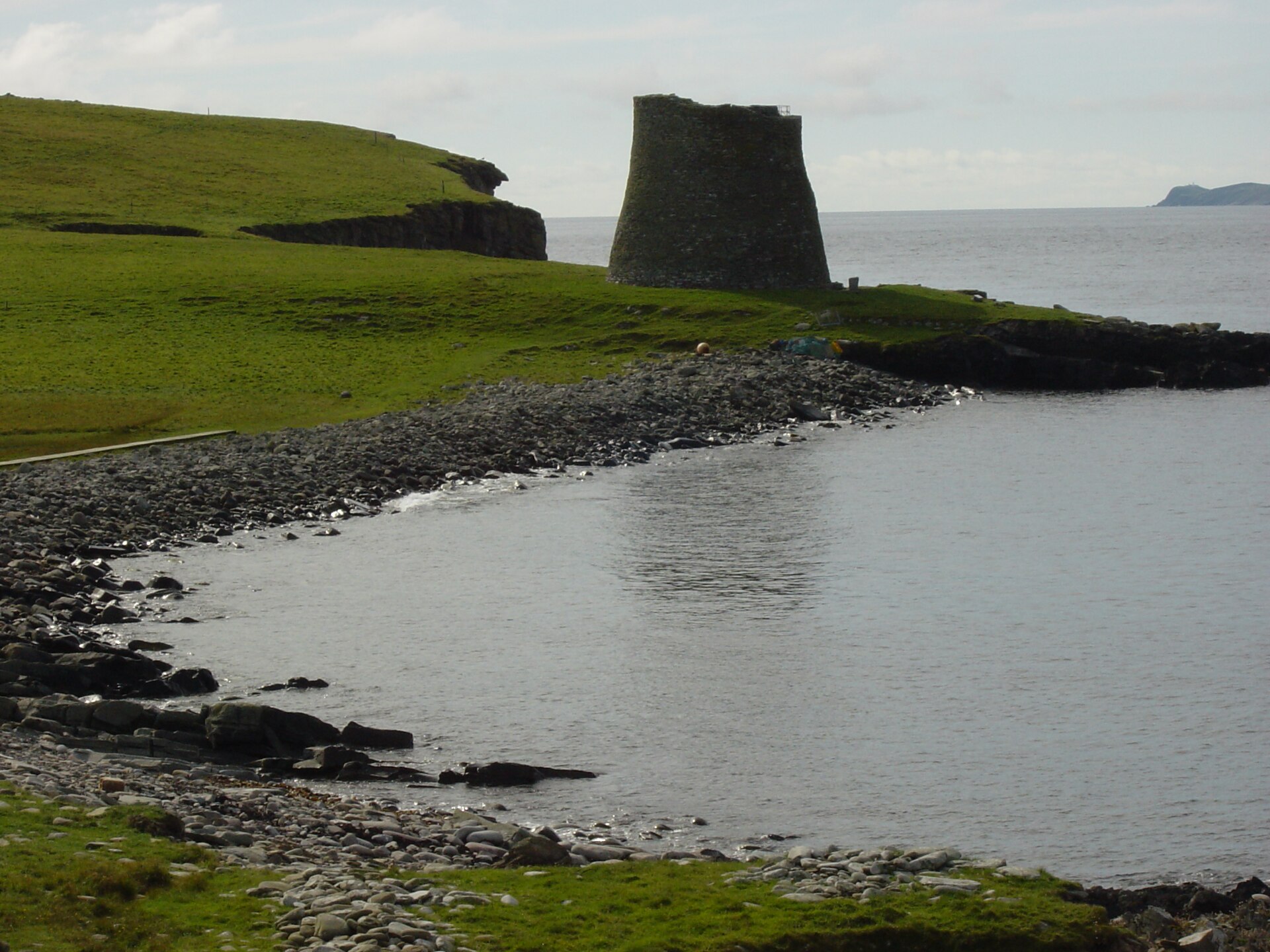
The only broch - a drystone tower, round and hollow-walled, built in the Iron Age, from about 800 BC until the Romans came - still standing nearly…
Settlement · Pictish & early medieval
Orkney Islands
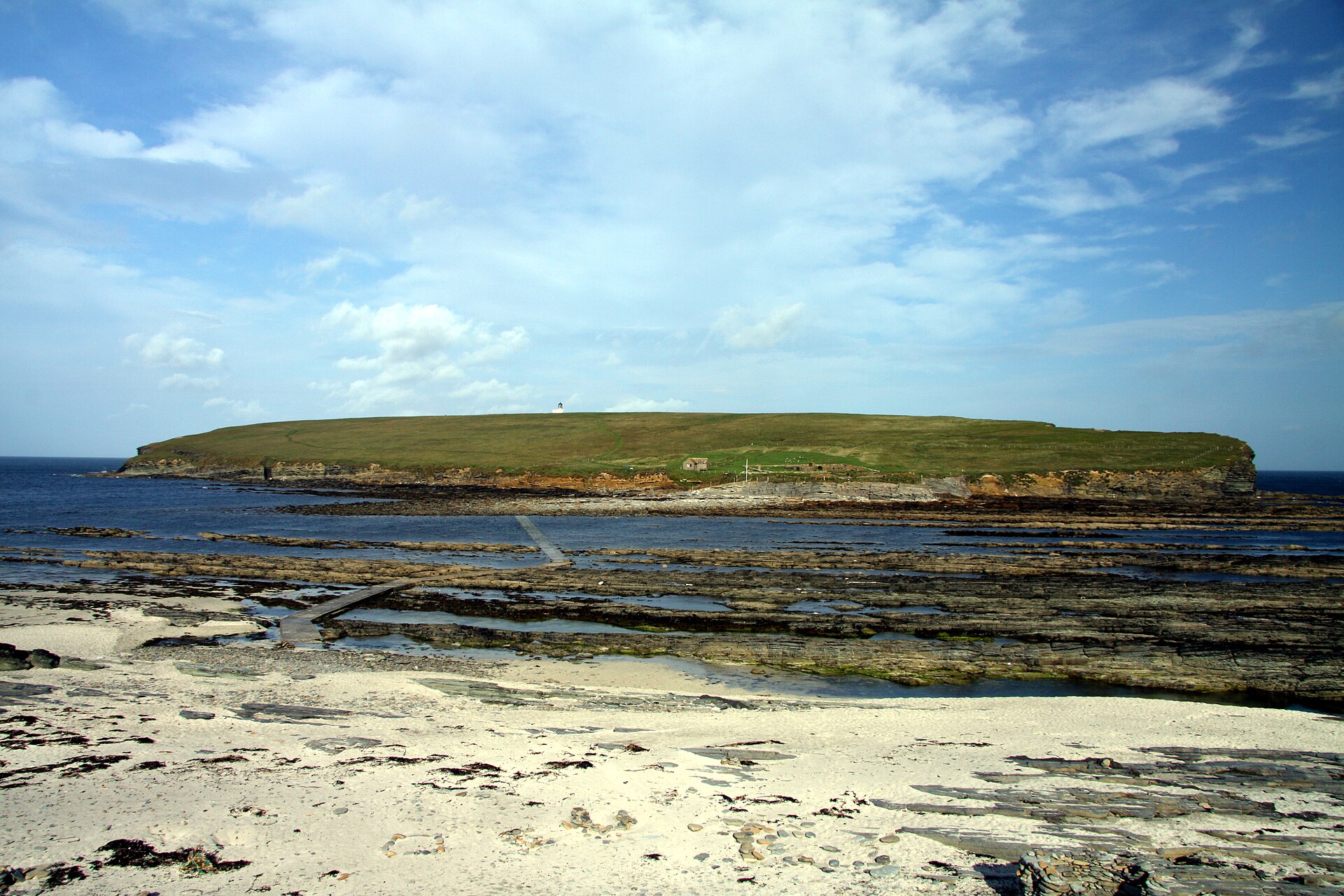
A tidal island where Pictish metalworkers: people of northern and eastern Scotland from about AD 300 to 900: Norse rulers and medieval pilgrims suc…
Fortified place · Iron Age
Moray
At roughly three times the size of any other early medieval (roughly AD 400–1100, between the Romans and the Normans) enclosed site in Scotland, th…
Fortified place · Iron Age
Scottish Borders
Two Iron Age forts crown the Cademuir ridge. The larger, Cademuir I, on the summit, enclosed about 2.25 ha within a single 3 m thick stone wall and…
Tomb or burial place · Prehistoric
Dumfries and Galloway
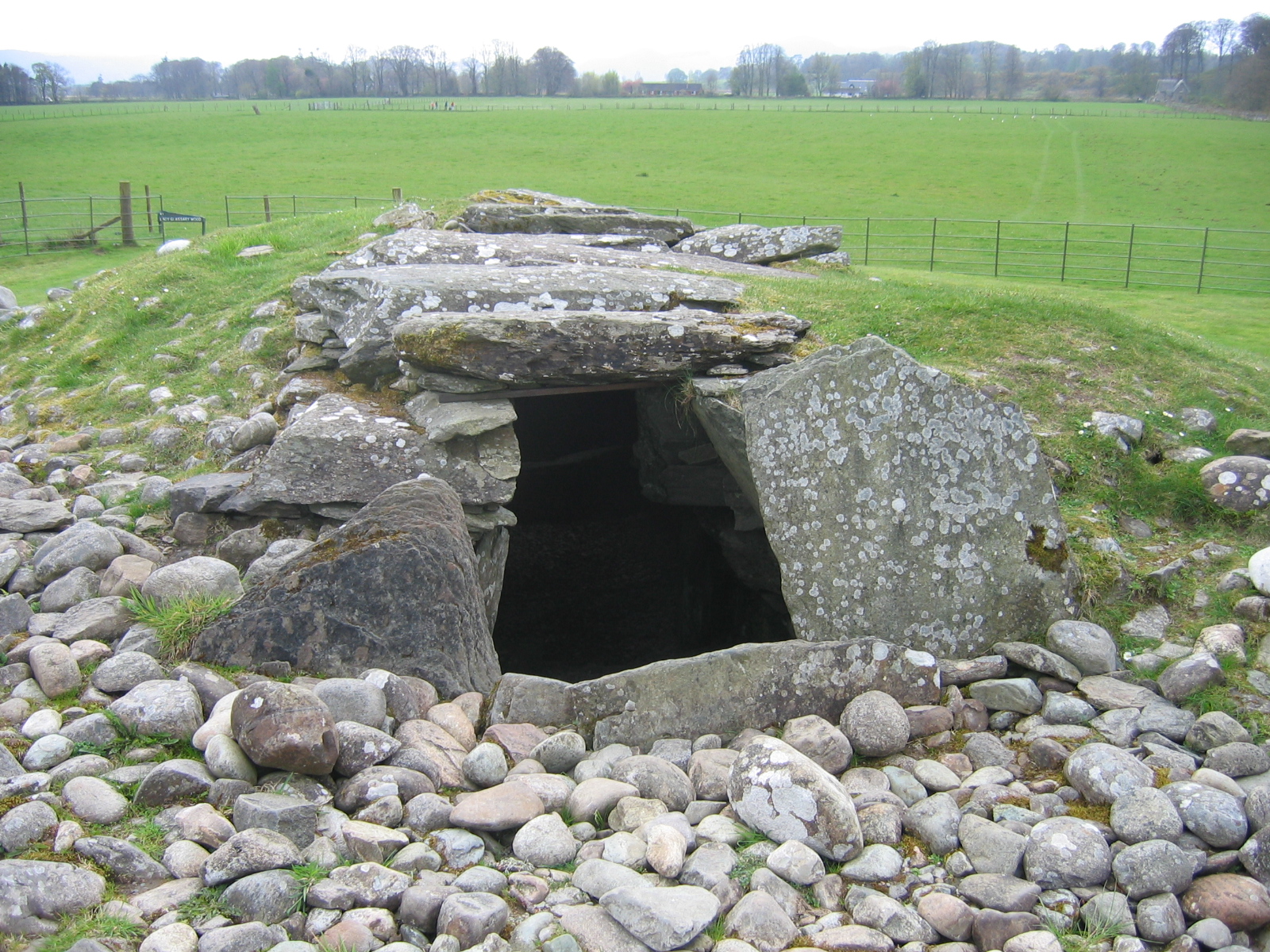
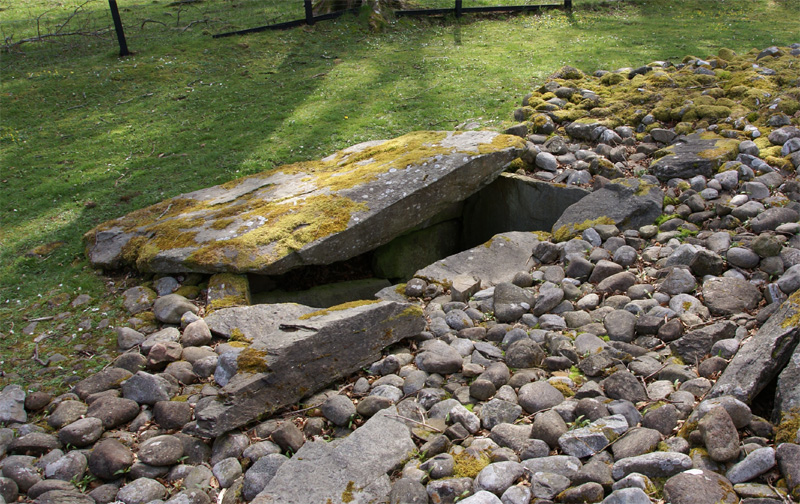
Cairn (a mound of piled stones, often covering a burial) Holy is the site of two Neolithic (the first farming age, roughly 4000–2500 BC) chambered…
Sacred place · Prehistoric
West Lothian
Cairnpapple Hill, on a dominating summit 312 metres above sea level with views from coast to coast in central lowland Scotland, was used and re-use…
Sacred place · Prehistoric
Outer Hebrides
Erected around 2750 BC, before Stonehenge, and laid out so that none of its three stone rows actually points at the centre of its own circle.
Fortified place · Medieval
Stirling
Cambuskenneth Abbey, a provostry of canons regular on land enclosed by a meander of the River Forth near Stirling, was founded by order of King Dav…
Fortified place · Iron Age
Stirling
A hillfort of the Maeatae with a thousand-year gap in its occupation: and a Jubilee beacon on the summit now filled with other people's wishes.
Fortified place · Medieval
Argyll and Bute
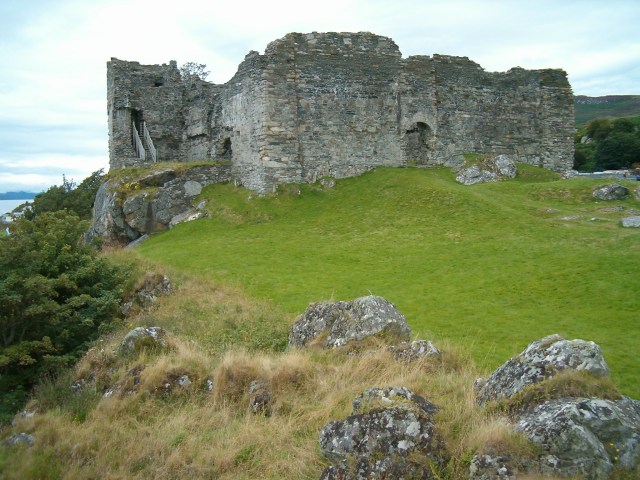
Castle Sween, on the eastern shore of Loch Sween in Knapdale, Argyll, is thought to be one of the earliest stone castles built in Scotland: and is…
Tomb or burial place · Prehistoric
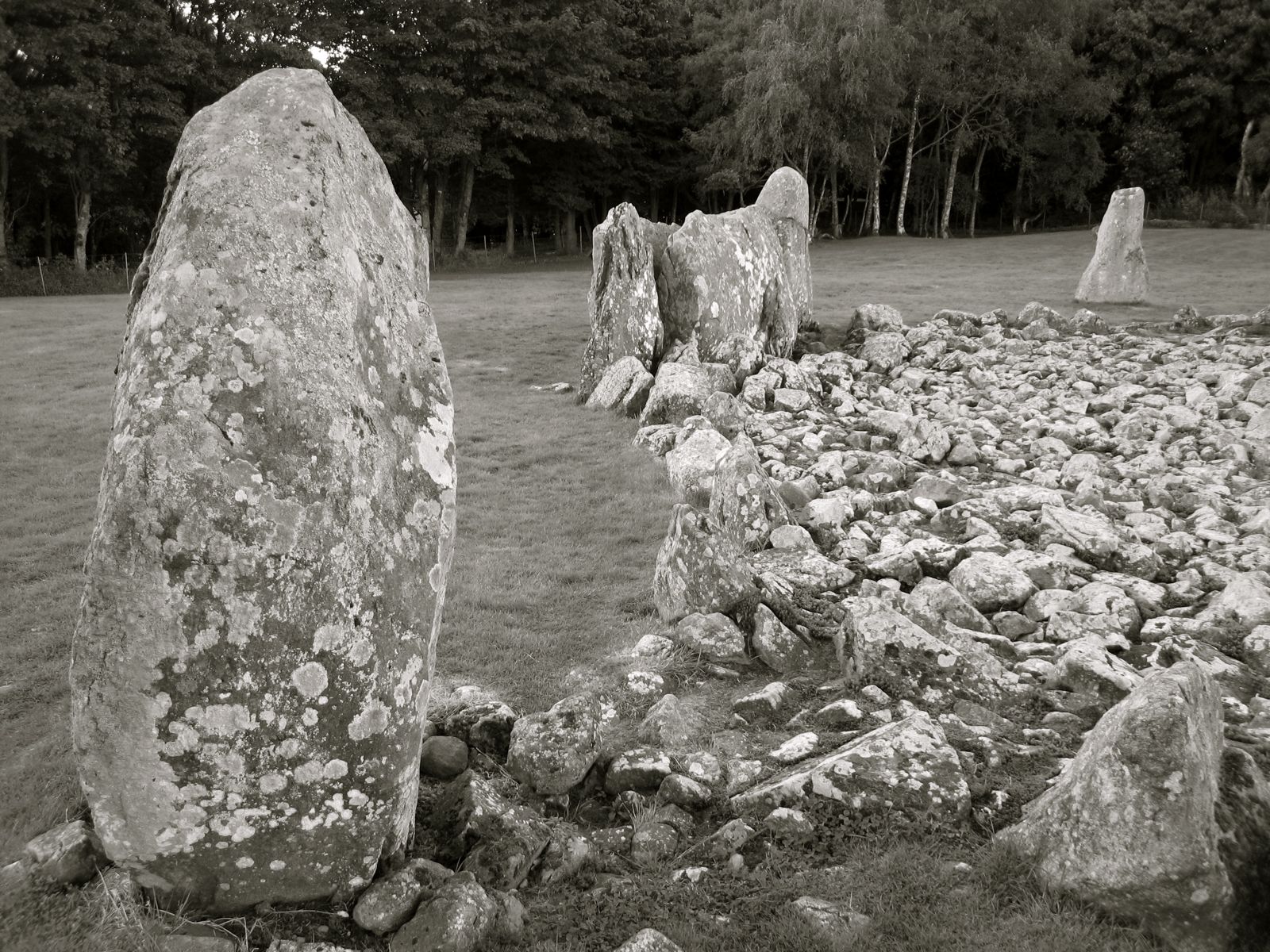
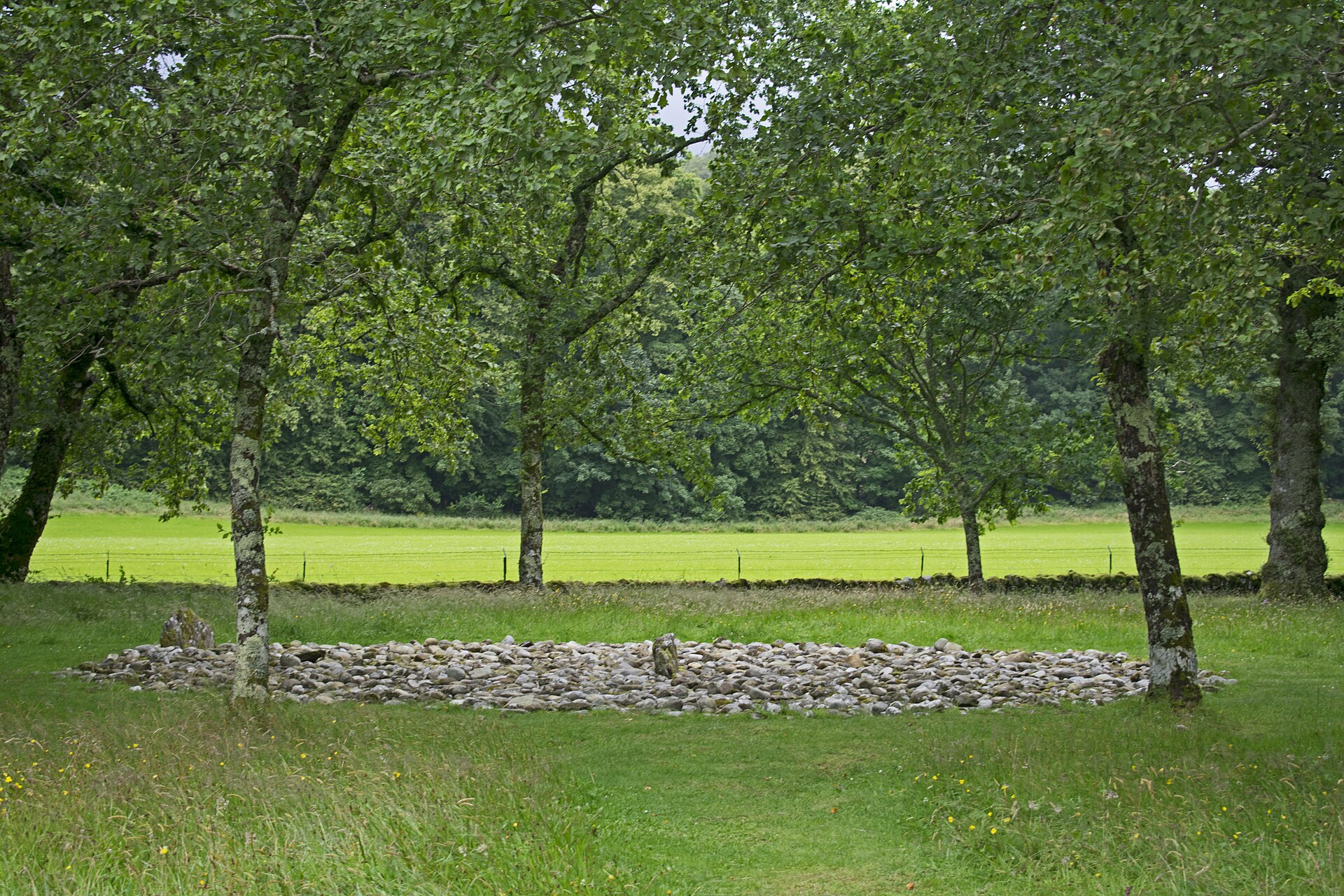
Highland
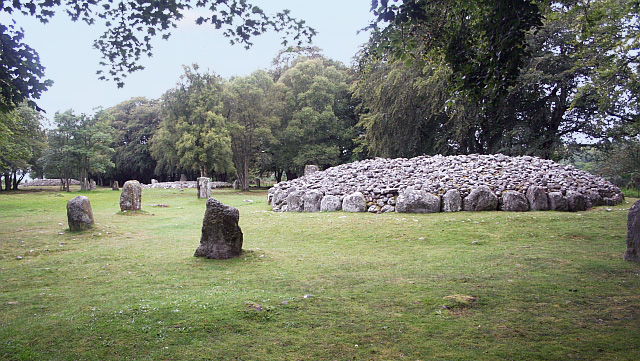
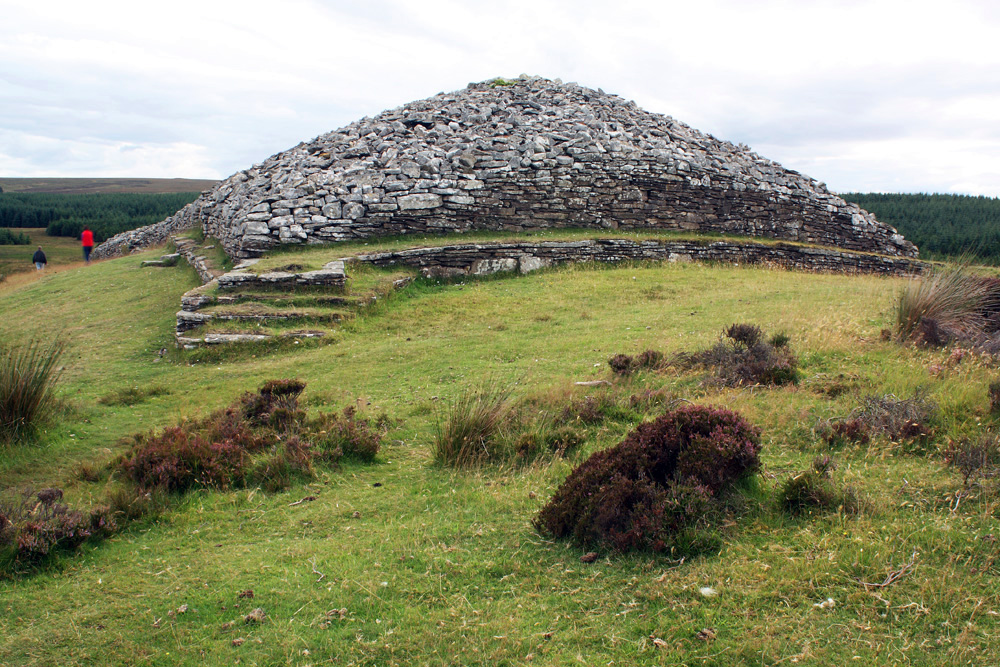
Clava’s planned arrangement of cairns and standing stones offers rare evidence of a single communal decision about burial and remembrance, rather t…
Sacred place · Prehistoric
Perth and Kinross
Croft Moraig is a complex multi-phase monument. Excavation in 1965 revealed three phases of construction: first a horseshoe of fourteen timber post…
Tomb or burial place · Prehistoric
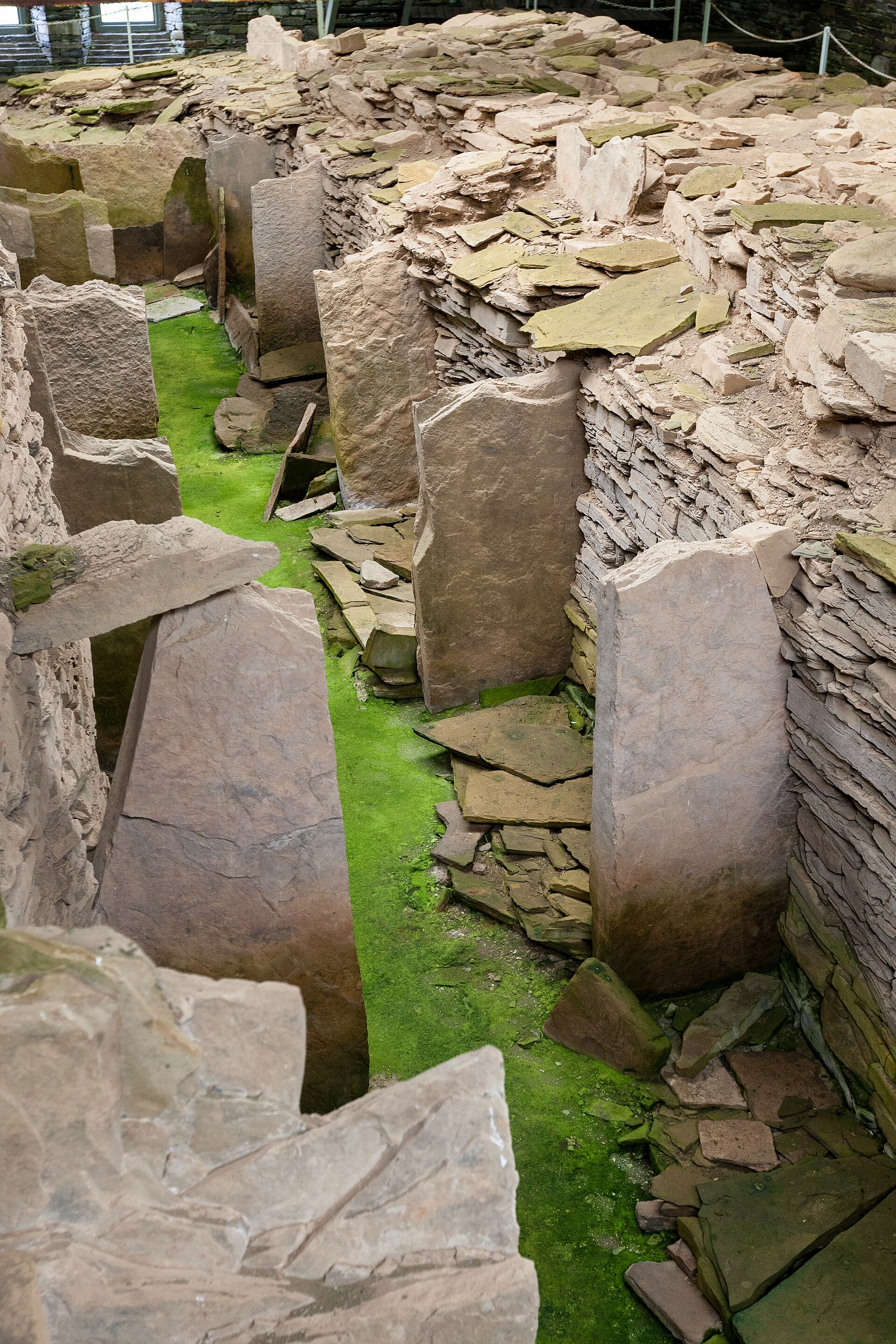
Orkney Islands
A crawl into this first-farming-age tomb leads to four side cells and the extraordinary remains of people and twenty-four dogs, evidence of a commu…
Building or ruin · Medieval
Scottish Borders
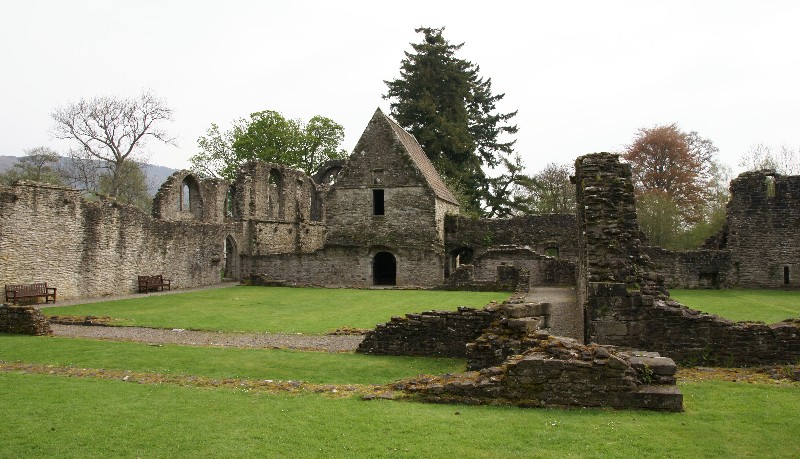
A monastery under an abbot on the banks of the Tweed, nominally founded in 1150 by agreement with Hugh de Morville.
Fortified place · Iron Age
West Dunbartonshire
The longest recorded history of any stronghold in Scotland: capital of Strathclyde, taken by Vikings in 871 after its water failed.
Fortified place · Iron Age
Argyll and Bute
Dunadd is a hillfort in Argyll and Bute, occupied from the Iron Age and into the early medieval period, and believed to have been the capital of th…
Tomb or burial place · Prehistoric
Argyll and Bute
Dunchraigaig is an Early Bronze Age round cairn, about 30 m across, set a little apart to the south-east of the famous 2 km linear cemetery of cair…
Building or ruin · Medieval
Fife
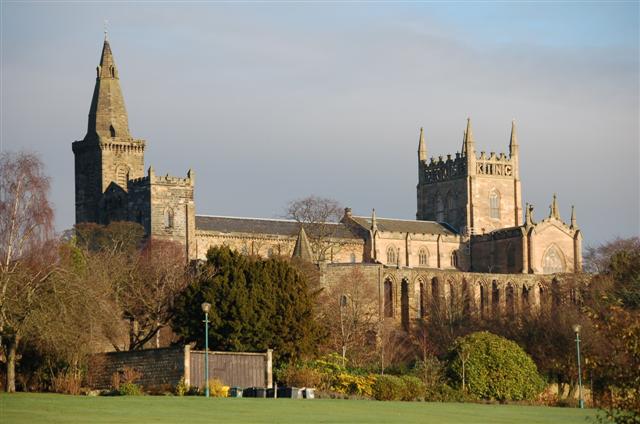
Dunfermline Abbey combines one of Scotland’s great round-arched churches, built before the Gothic style, with the country’s richest concentration o…
Fortified place · Medieval
Aberdeenshire
The Annals of Ulster record two sieges of 'Dún Foither' in 681 and 694, possibly the earliest written references to the site; the 681 attack has be…
Tomb or burial place · Prehistoric
Orkney Islands
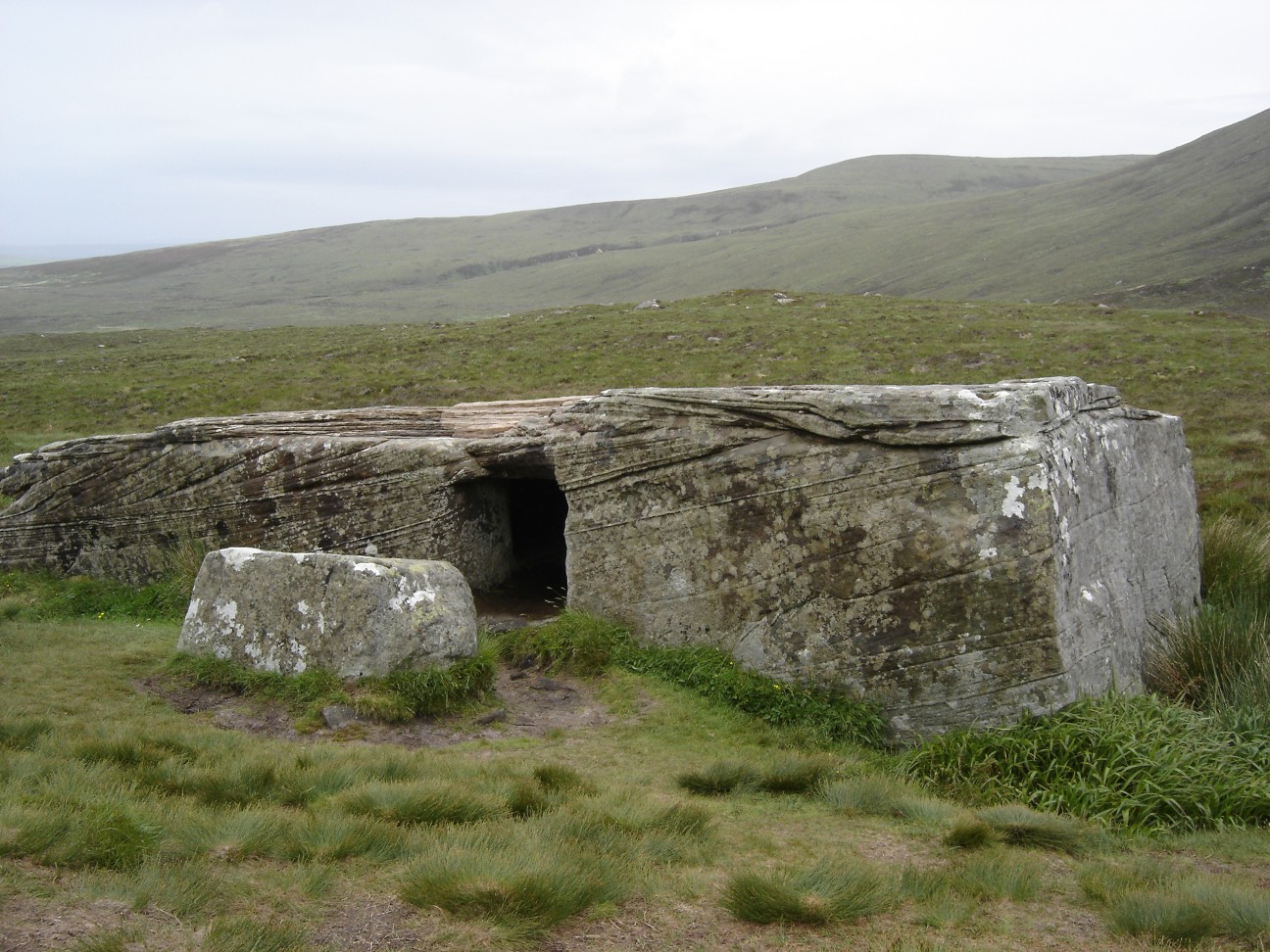
A chamber tomb carved out of a single glacial erratic of Old Red Sandstone, in a steep valley on Hoy.
Fortified place · Iron Age
Scottish Borders
The hilltop on the northeast slope of Cockburn Law was first fortified in the pre-Roman Iron Age, when double ramparts and ditches enclosed an oval…
Fortified place · Iron Age
Scottish Borders
Excavation has shown the hillfort: a defended settlement on high ground: was occupied by 1000 BC, in the Bronze Age, roughly 2500–800 BC, when meta…
Building or ruin · Medieval
Argyll and Bute
In the first half of the 7th century a monastic community was established on Eilean Mor, the largest of the three islands in Loch Finlaggan: either…
Tomb or burial place · Prehistoric
Highland
Two Neolithic tombs raised on land so fertile that people farmed it: before the Bronze Age (roughly 2500–800 BC, when metal tools first spread) bur…
Carved stone · Prehistoric
Highland
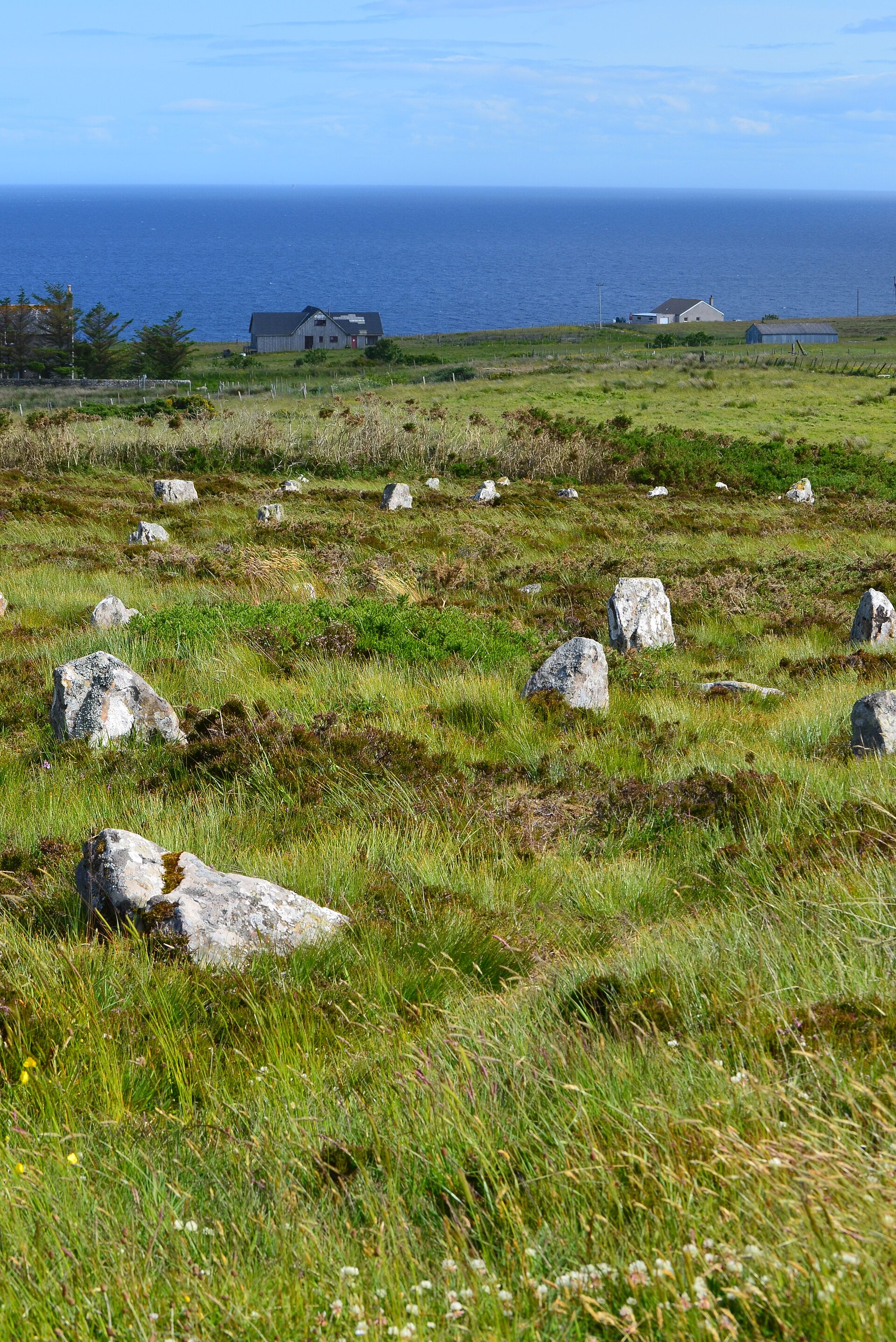
Alexander Thom argued these modest stones once tracked the moon's 18.6-year cycle: a claim no other Caithness stone row has earned.
Carved stone · Prehistoric
Scottish Borders
C. M. Piggott's 1948 excavation at Hownam Rings became a landmark in the archaeology of northern Britain. It produced the 'Hownam model' (or 'Howna…
Building or ruin · Medieval
Stirling
Reached only by a motor boat that runs from March to September, Inchmahome holds the roofless thirteenth-century buildings of a monastic house foun…
Building or ruin · Pictish & early medieval
Argyll and Bute
Saint Columba came to Iona from Ireland with twelve companions in 563, founding a monastery when Iona was part of the Kingdom of Dál Riata. It beca…
Settlement · Prehistoric
Shetland Islands
Jarlshof preserves an unusually complete sequence of human occupation, with remains dating from about 2500 BC to the seventeenth century AD.
Carved stone · Medieval
Scottish Borders
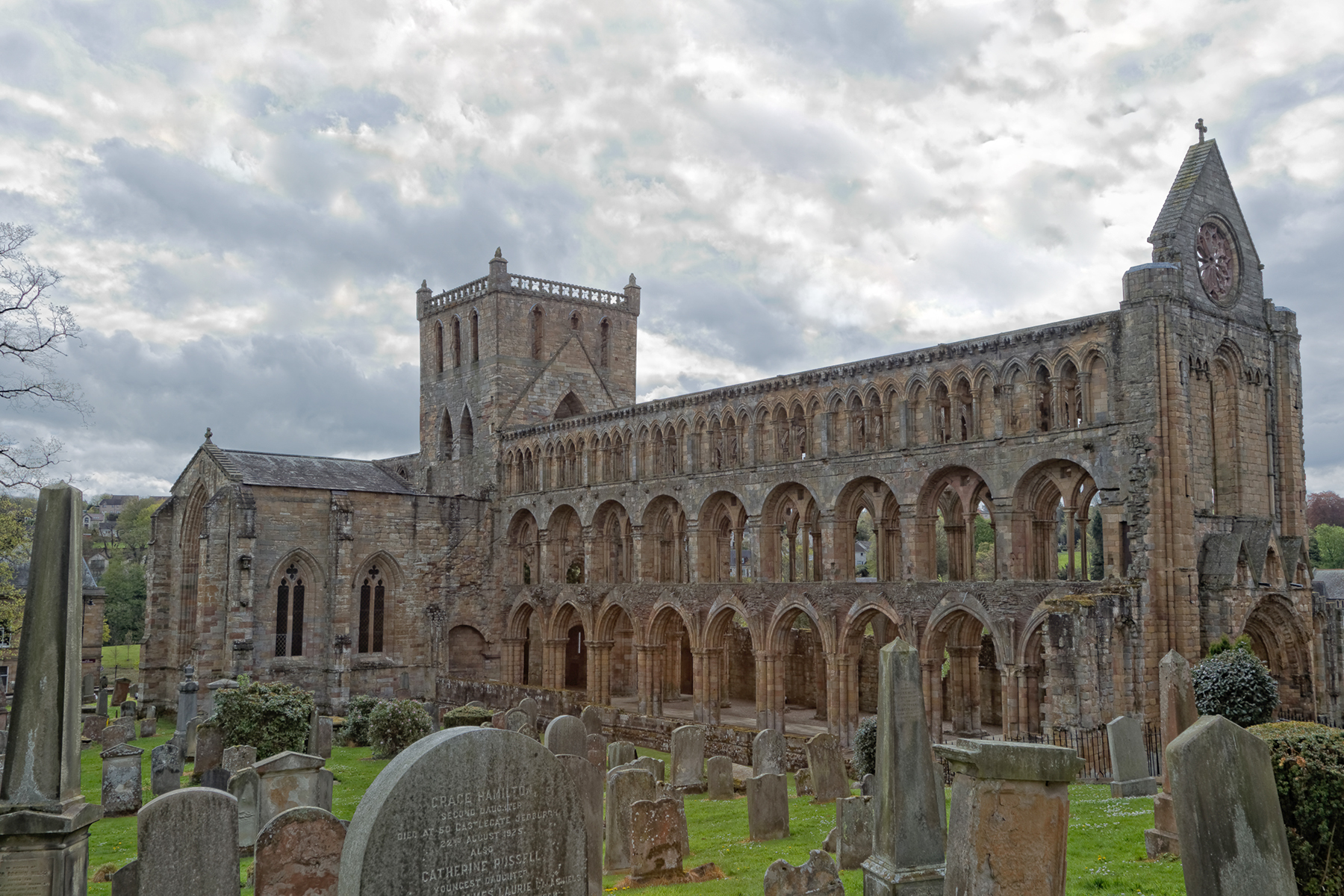
In 1118, before his accession to the Scottish throne, Prince David established a foundation of Augustinian canons at Jedburgh. It rose from priory:…
Tomb or burial place · Pictish & early medieval
Argyll and Bute
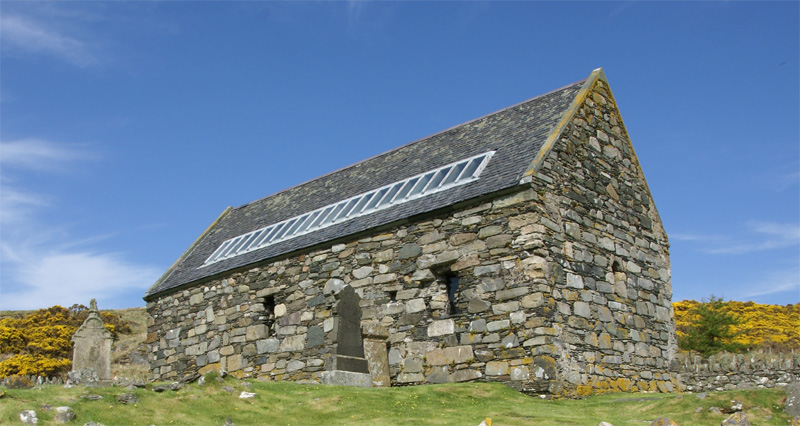
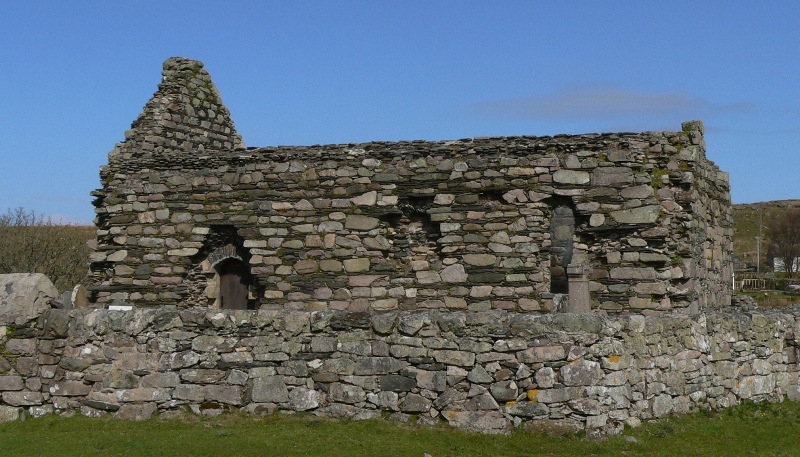
The chapel dates from the 11th century. Its now re-roofed structure houses an important collection of early stone sculpture, and the original Keill…
Building or ruin · Medieval
Scottish Borders
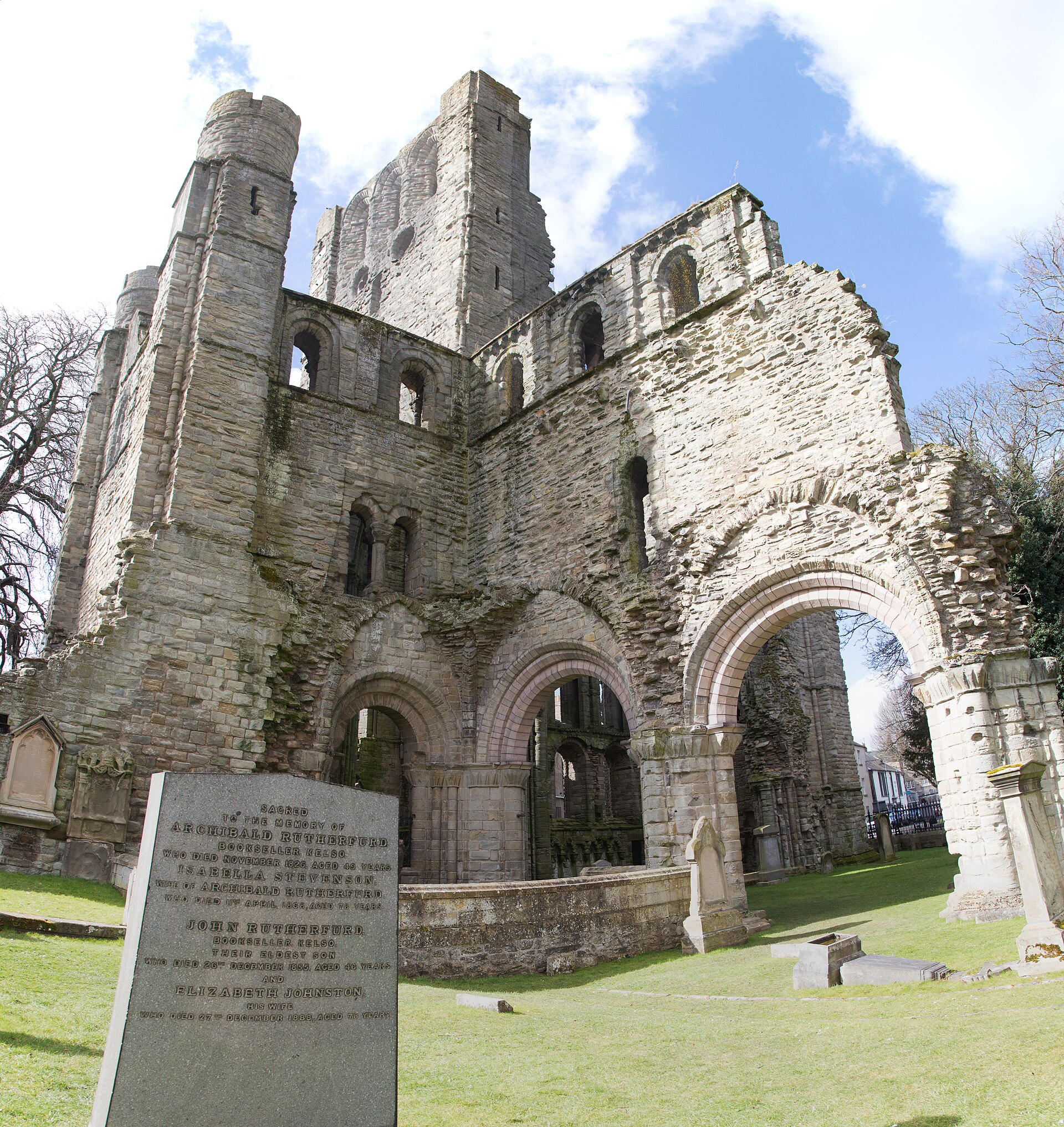
Kelso Abbey was founded at Roxburgh in 1128 by Tironensian monks from Tiron, near Chartres in France. The community had first entered Scotland c. 1…
Tomb or burial place · Pictish & early medieval
Argyll and Bute
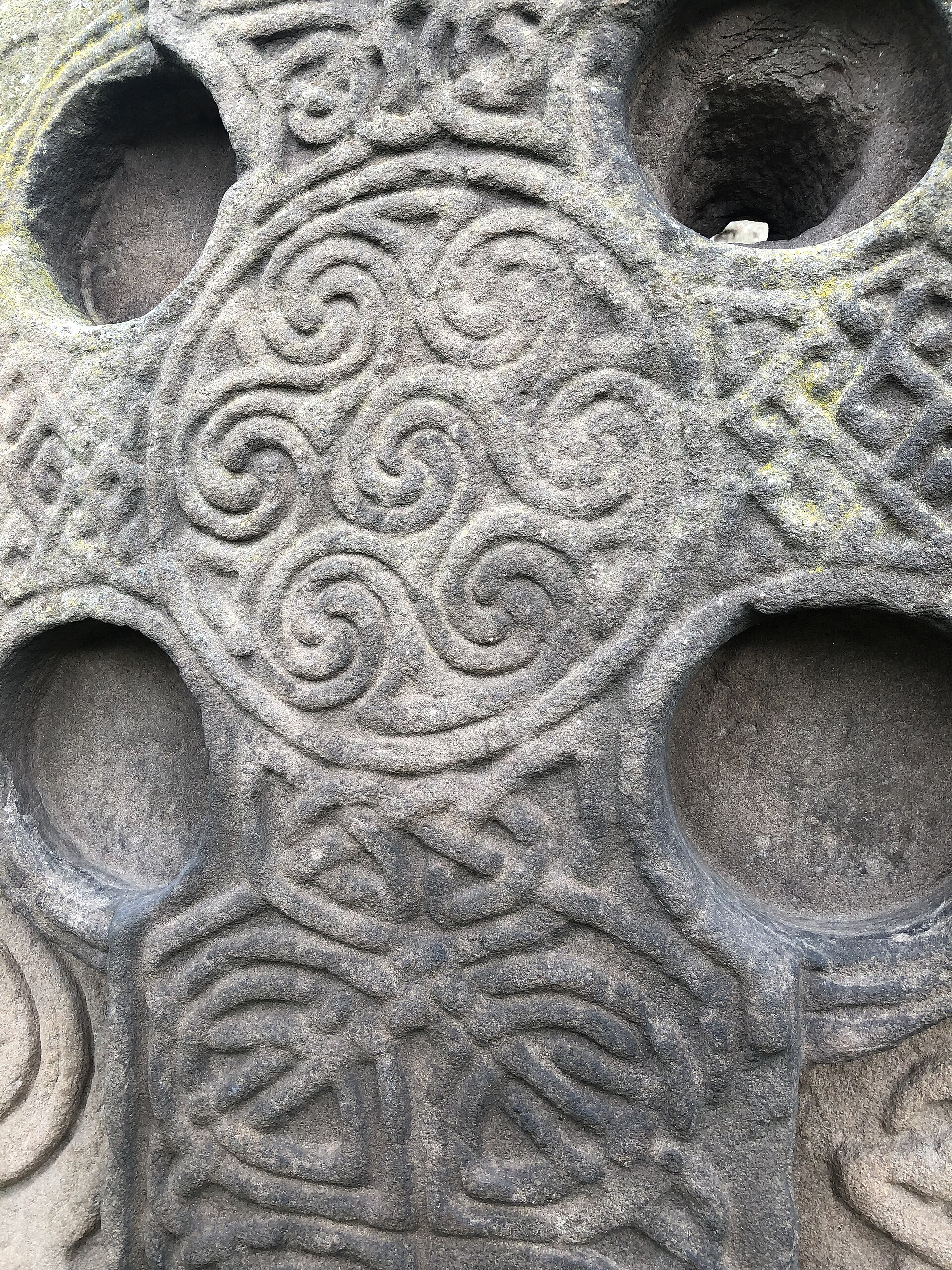
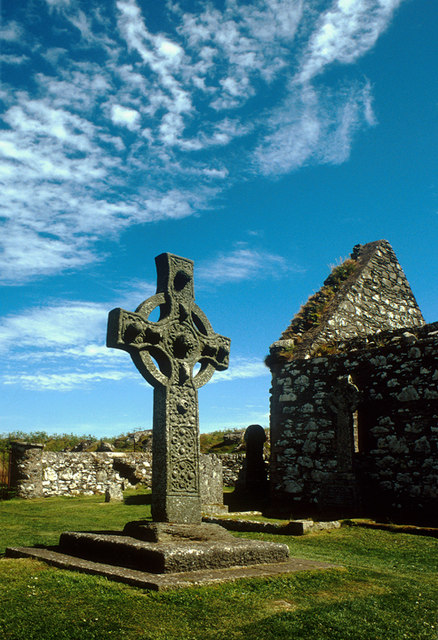
A single carved slab from around the 8th century, still standing almost undamaged in its churchyard: widely judged the finest surviving Celtic high…
Tomb or burial place · Pictish & early medieval
Argyll and Bute
Macmillan's Cross survives inside as one of the finest West Highland carvings anywhere: a clan chief and his hunting dogs cut into stone over six c…
Sacred place · Prehistoric
Dumfries and Galloway
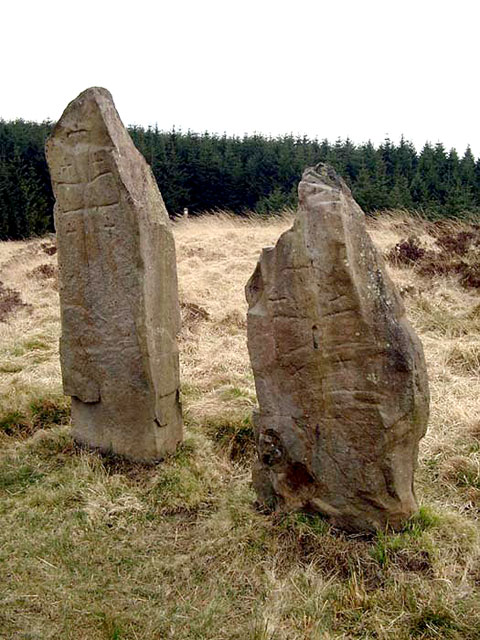
Laggangairn’s stones link a setting from before written records reached Britain to early Christian crosses and a medieval Whithorn pilgrimage route…
Sacred place · Prehistoric
Aberdeenshire
One of only a handful of Aberdeenshire recumbent circles with every stone still standing, its granite ring encloses a cairn (a mound of piled stone…
Tomb or burial place · Prehistoric
Orkney Islands
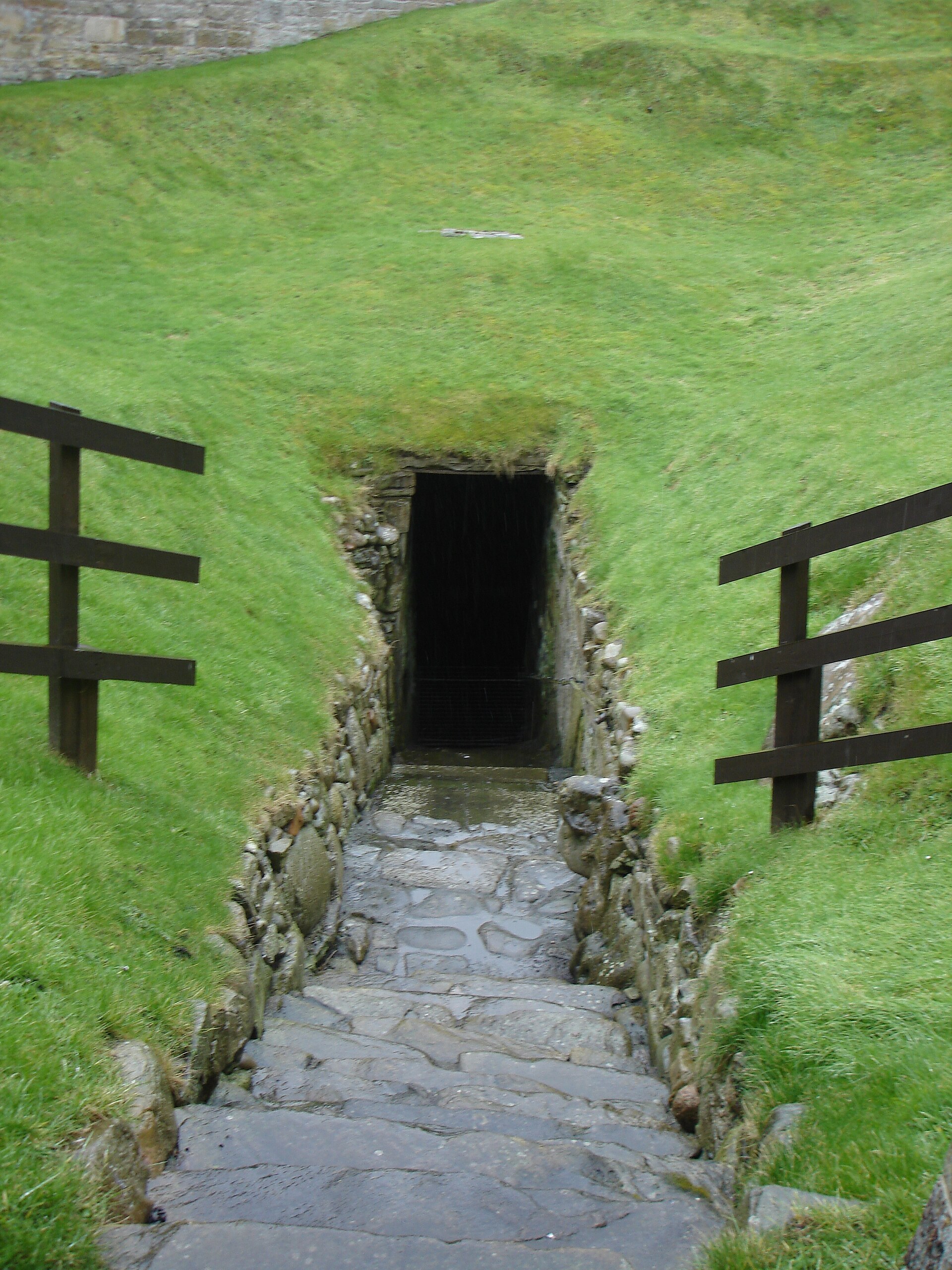
The burial mound was built around 2800 BC by farming communities of central Orkney and contains a stone chamber associated with the Grooved Ware po…
Building or ruin · Medieval
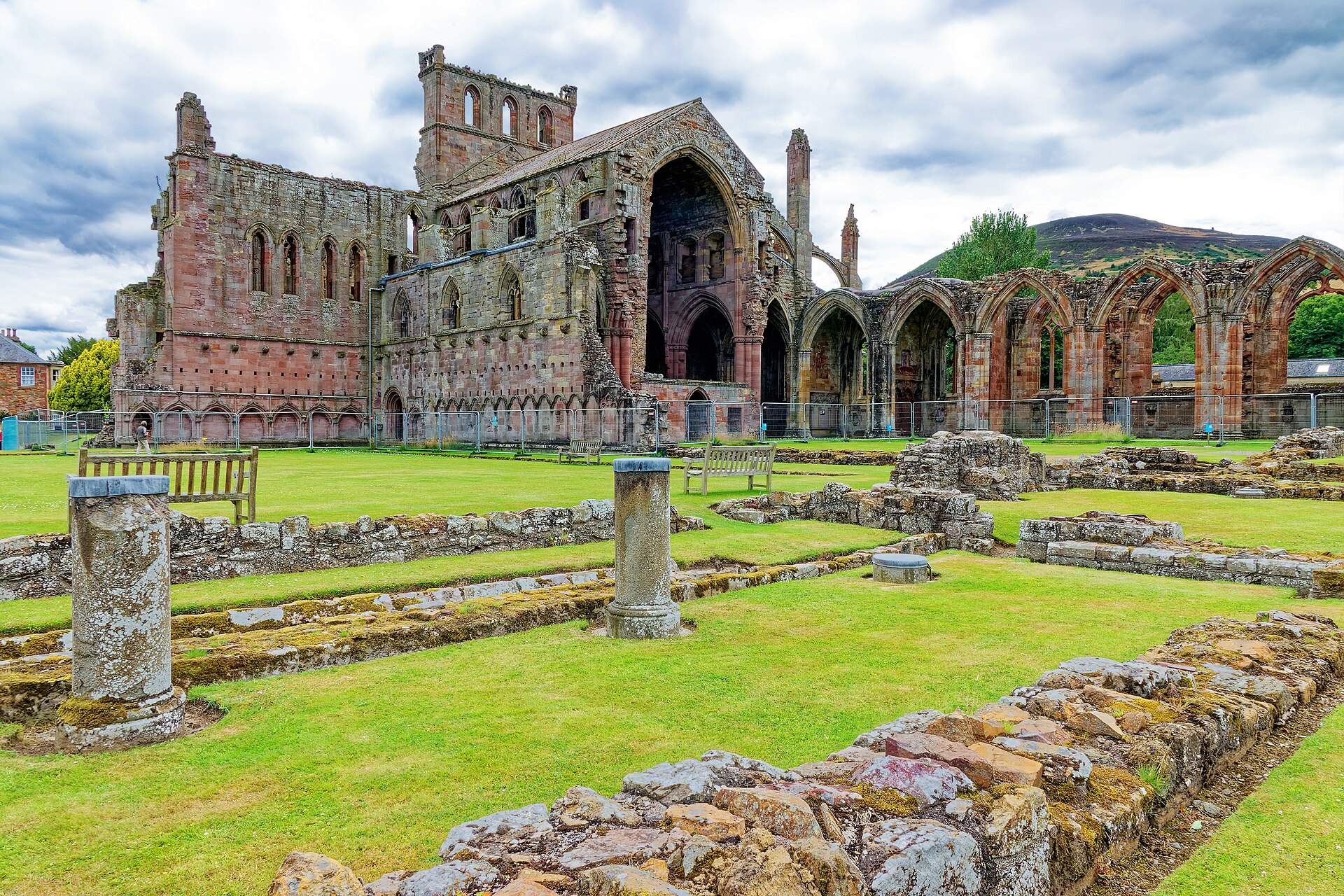
Scottish Borders
St Mary's Abbey, Melrose was founded in 1136 by Cistercian monks at the request of King David I of Scotland: the first Cistercian abbey in Scotland…
Tomb or burial place · Prehistoric
Orkney Islands
A large burial mound with an internal stone chamber on the south shore of Rousay, named after the drystone tower beside it.
Tomb or burial place · Prehistoric
Argyll and Bute
Nether Largie South is a Neolithic Clyde-type chambered cairn, a mound of piled stones often covering a burial, and the earliest monument in the Ki…
Carved stone · Pictish & early medieval
Aberdeenshire
A double-disc, a serpent and a mirror cut into whinstone around AD 600: three of the clearest Pictish (of the Picts, the people of northern and eas…
Tomb or burial place · Prehistoric
Orkney Islands
A tomb mistaken for a broch until 1867, holding at least ten adults and possibly four children in a stone-lined cist: a box grave built of slabs: w…
Building or ruin · Pictish & early medieval
Angus
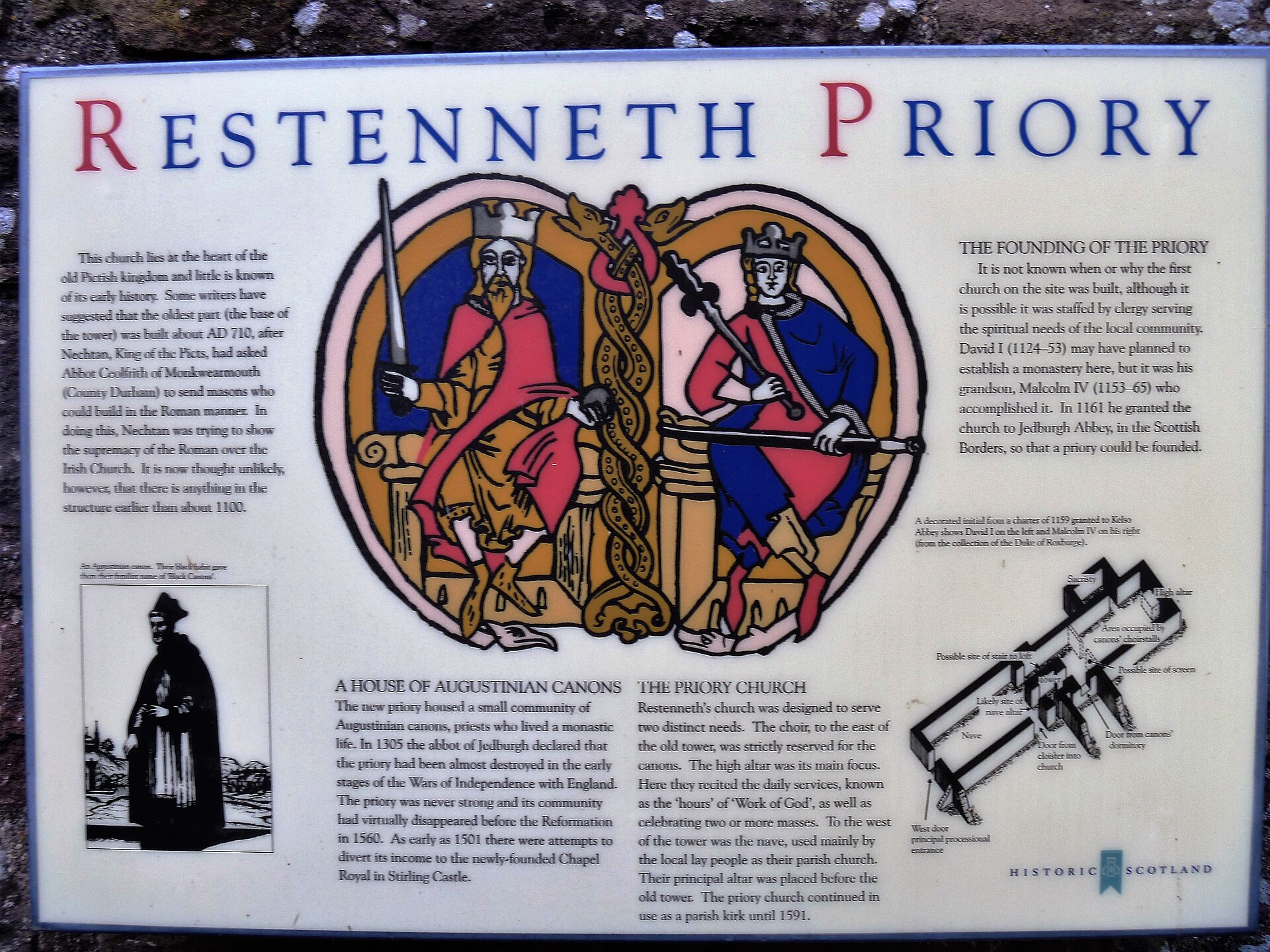
Restenneth Priory was a monastic house of Augustinian canons founded by Jedburgh Abbey, under the patronage of King Malcolm IV of Scotland, in 1153…
Tomb or burial place · Prehistoric
Argyll and Bute
The southernmost cairn (a mound of piled stones, often covering a burial) in Kilmartin Glen's five-mile chain of Bronze Age (roughly 2500–800 BC) b…
Sacred place · Prehistoric
Orkney Islands
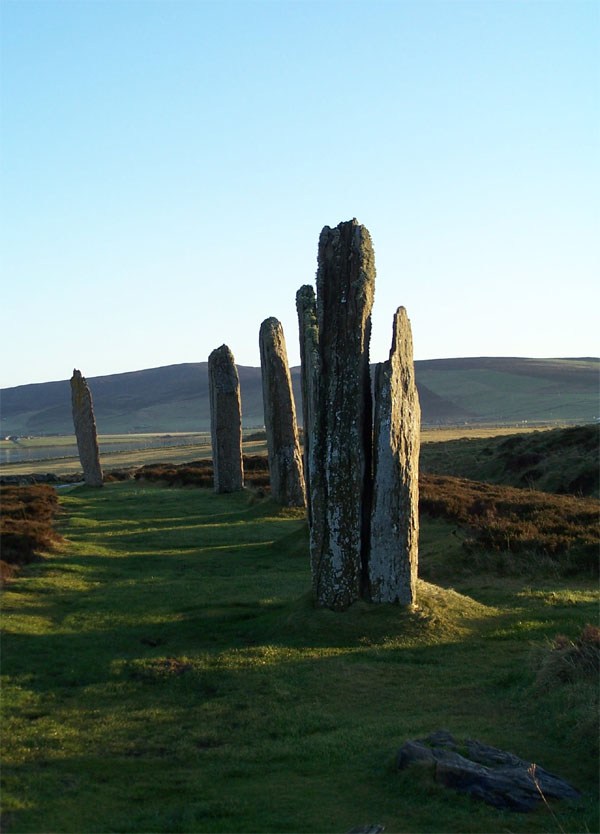
The Ring of Brodgar is a stone circle on the narrow isthmus between the Lochs of Stenness and Harray on Mainland, Orkney.
Carved stone · Pictish & early medieval
Dumfries and Galloway
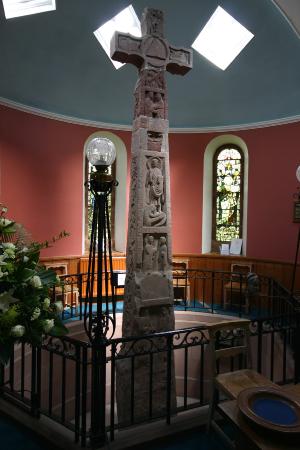
The Ruthwell Cross is a stone Anglo-Saxon cross probably dating from the 8th century, when Ruthwell: now in Scotland: was part of the Anglo-Saxon K…
Settlement · Prehistoric
Orkney Islands
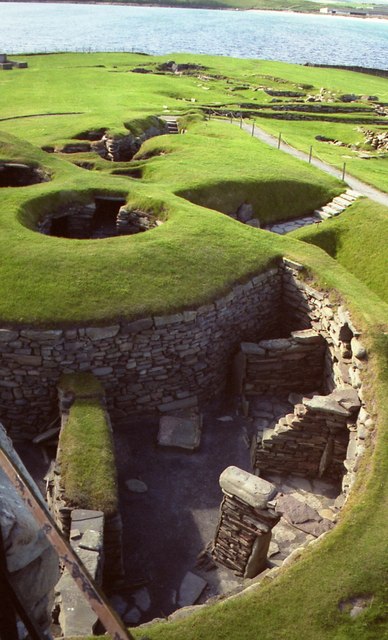
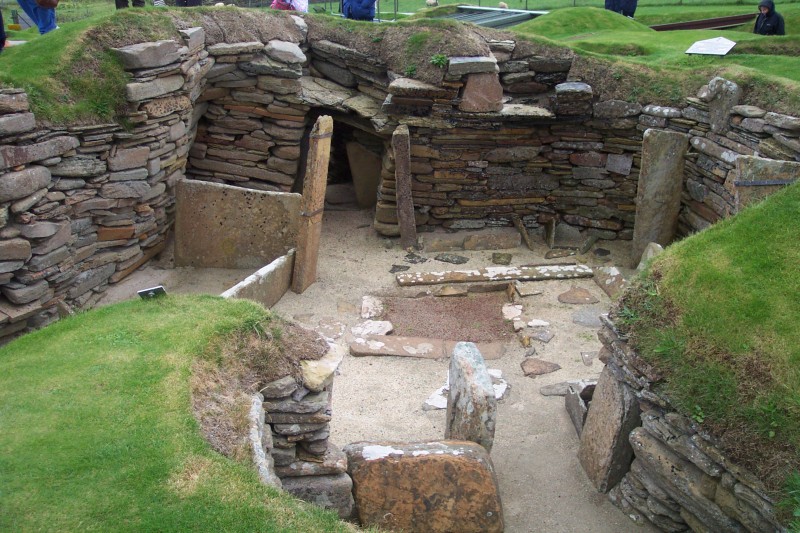
Ten roofless stone houses survive at Skara Brae with their built-in furniture still in place: hearths, dressers and box-beds. Occupied for roughly…
Fortified place · Medieval
Scottish Borders
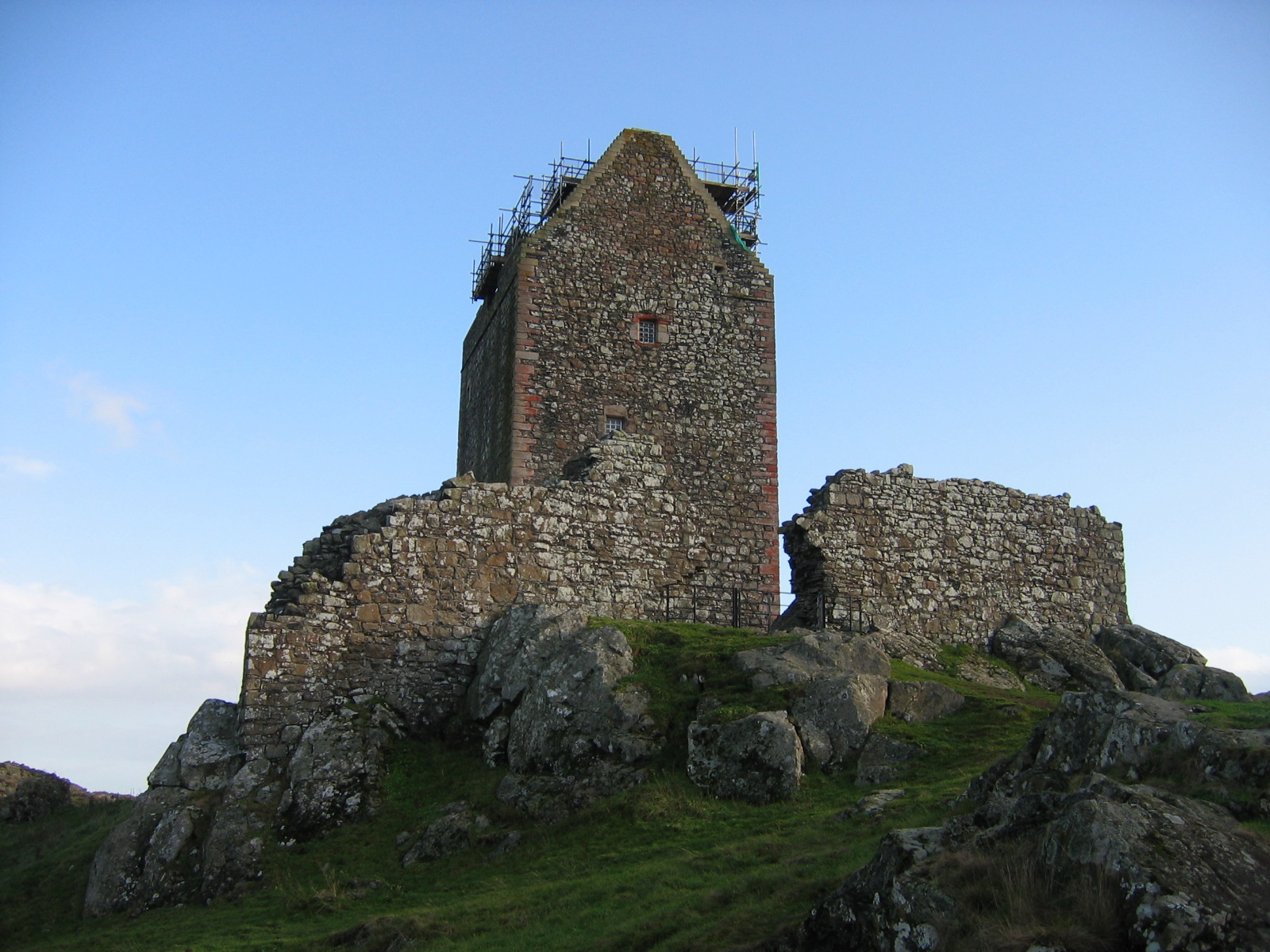
Smailholm Tower is a peel tower (a small border stronghold, built as a refuge against raiders) atop the crag of Lady Hill, around five miles west o…
Building or ruin · Pictish & early medieval
Fife
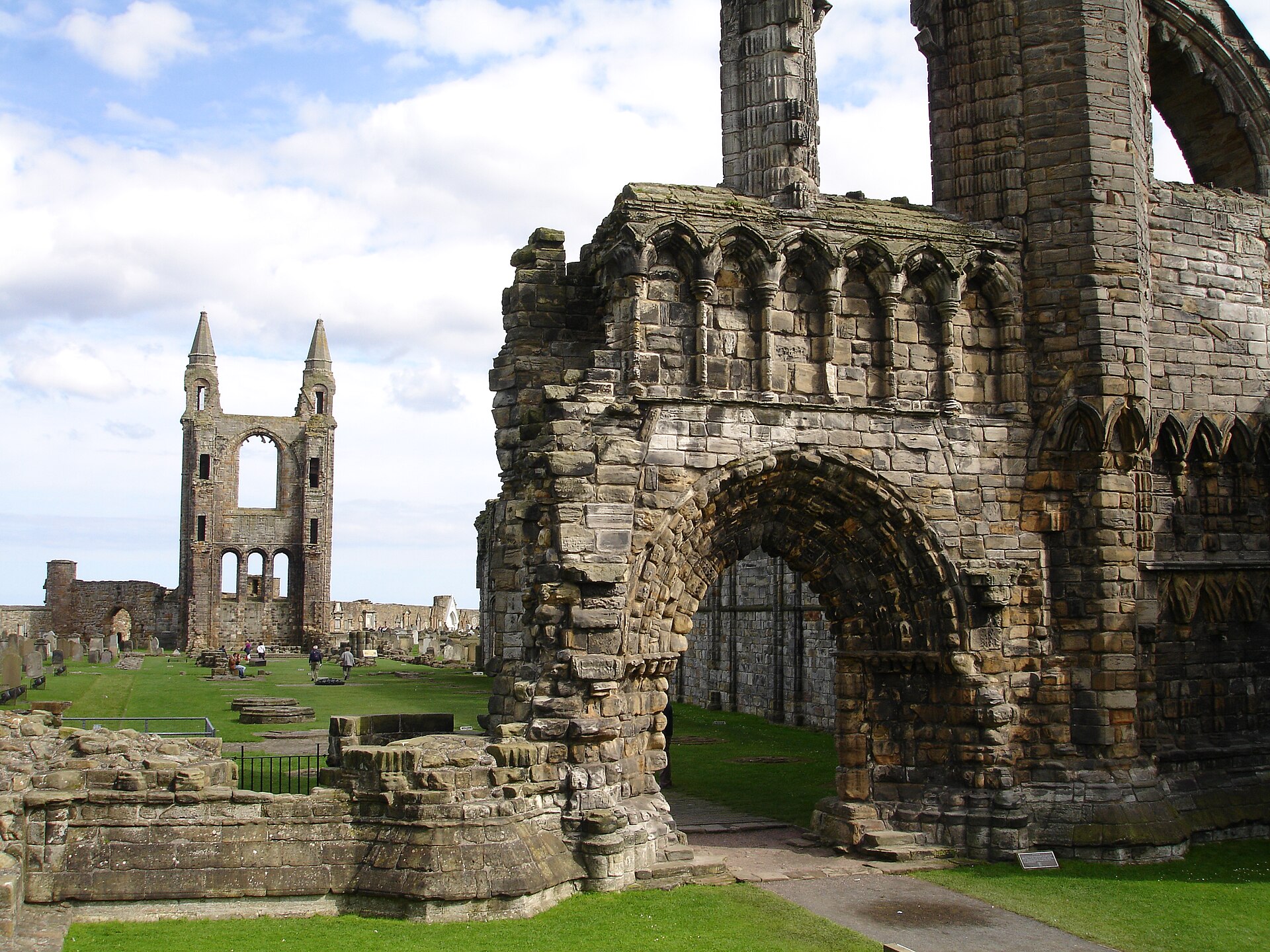
The Cathedral of St Andrew was founded in 1158 to provide more accommodation than the older church of St Regulus (St Rule) afforded, and became the…
Sacred place · Pictish & early medieval
Dumfries and Galloway
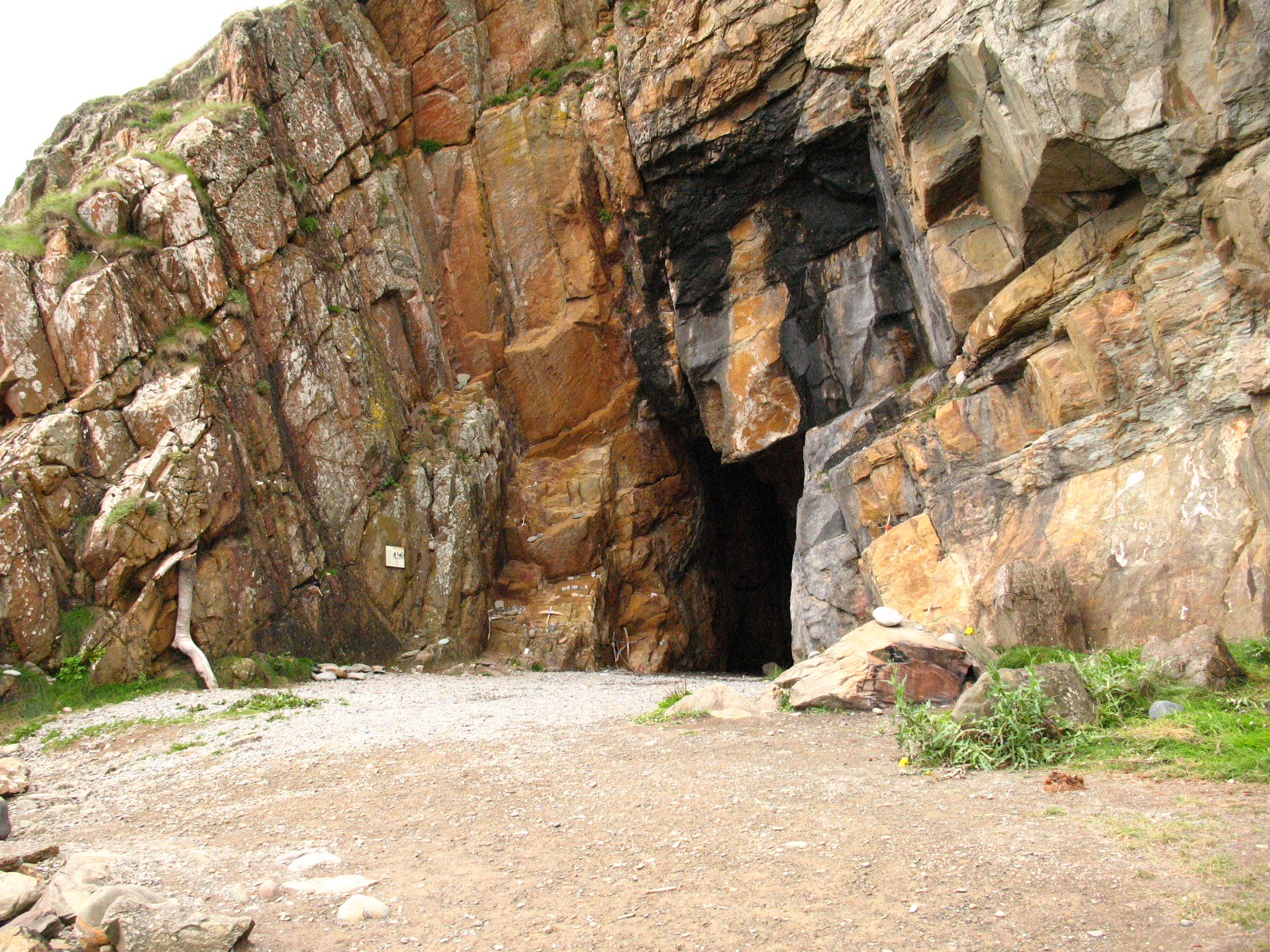
St Ninian’s Cave is a Catholic pilgrimage site in Physgill Glen where early-medieval carved stones, rockfall-altered geology and modern film histor…
Sacred place · Prehistoric
Orkney Islands
An ancient monument five miles north-east of Stromness that may be the oldest circular enclosure in the British Isles.
Carved stone · Prehistoric
Falkirk
Tappoch Broch is a scheduled stone tower dating from from about 800 BC until the Romans came, whose surviving chamber, staircase and recent conserv…
Sacred place · Prehistoric
Argyll and Bute
At the centre of the southern circle at Temple Wood lies a burial cist (a grave lined and capped with stone slabs), ringed by a smaller circle of s…
Briefer entries: recorded and worth knowing, with fuller pages to come.
Building or ruin · Roman
Greater Manchester
Mamucium is the Roman fort at the origin of Manchester’s urban history, with reconstructed defences revealing a military and civilian settlement la…
Building or ruin · Medieval
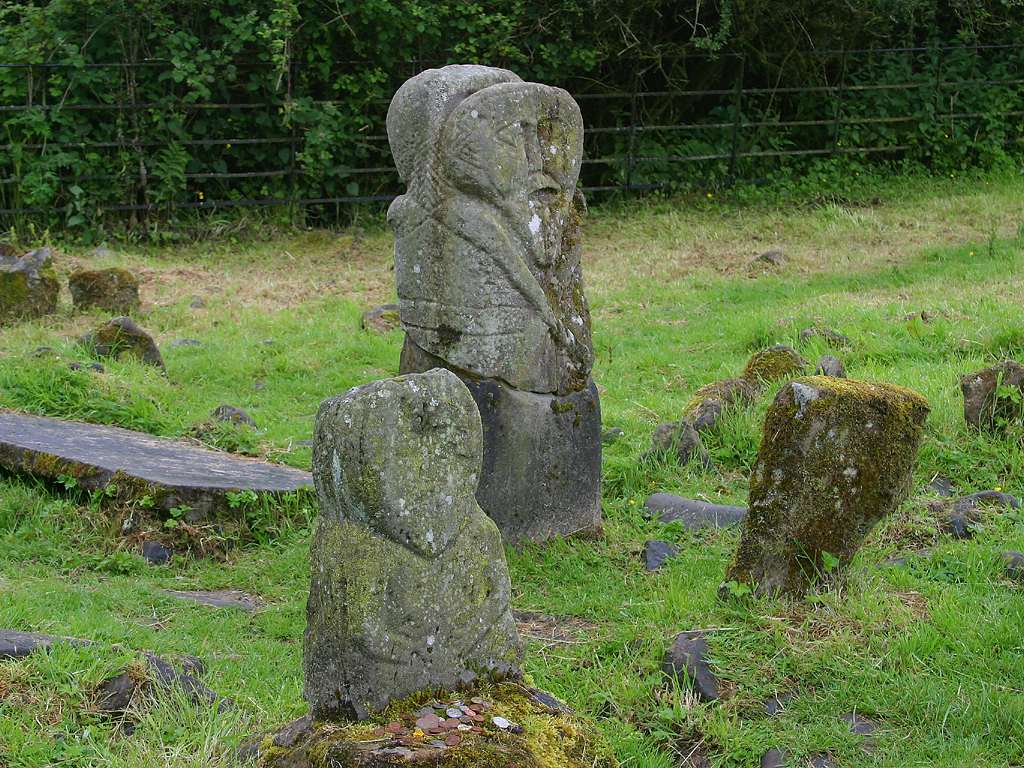
Fermanagh
Boa Island concentrates prehistoric (predating the written record in Britain) stone figures, early Christian burial ground and a tidal-lough landsc…
Ancient tree · Medieval
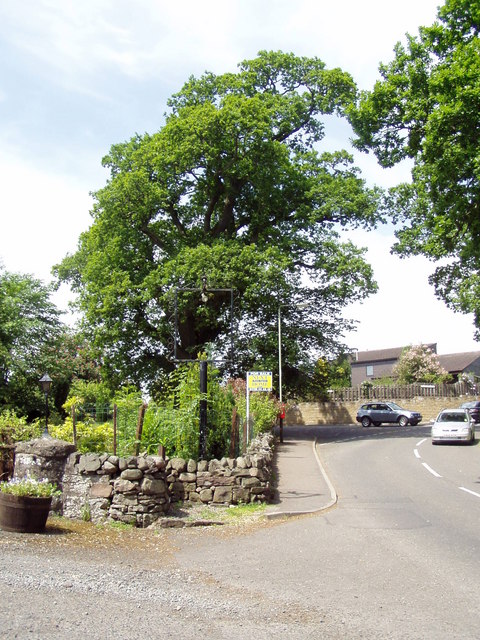
West Dunbartonshire
An oak said to have been planted by Robert the Bruce, burnt down by an arsonist in May 2004: and then cut up and carved into a replica of his throne.
Ancient tree · Medieval
Argyll and Bute
Eppie Callum’s Oak is a named living landmark whose value lies in the survival of local landscape memory, even though its age and namesake remain u…
Ancient tree · Medieval
Argyll and Bute
The Robert the Bruce Yew preserves a royal association in local tradition while clearly separating that enduring landscape memory from any unverifi…
No places match those filters.
Kinds of place
Ages
.jpg?width=800)


.jpg?width=800)


.jpg?width=800)