
Sacred place · Medieval
Canons Ashby Priory
Northamptonshire
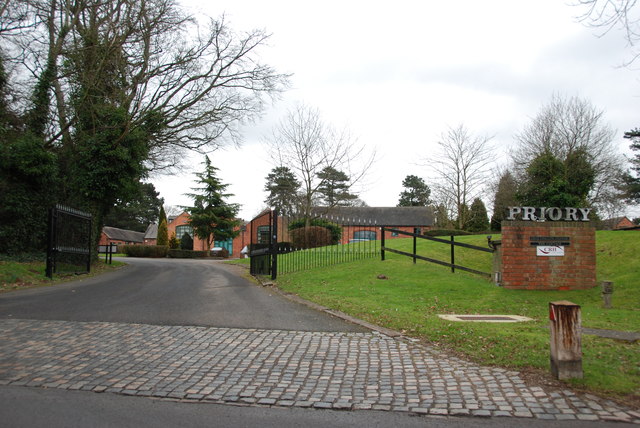
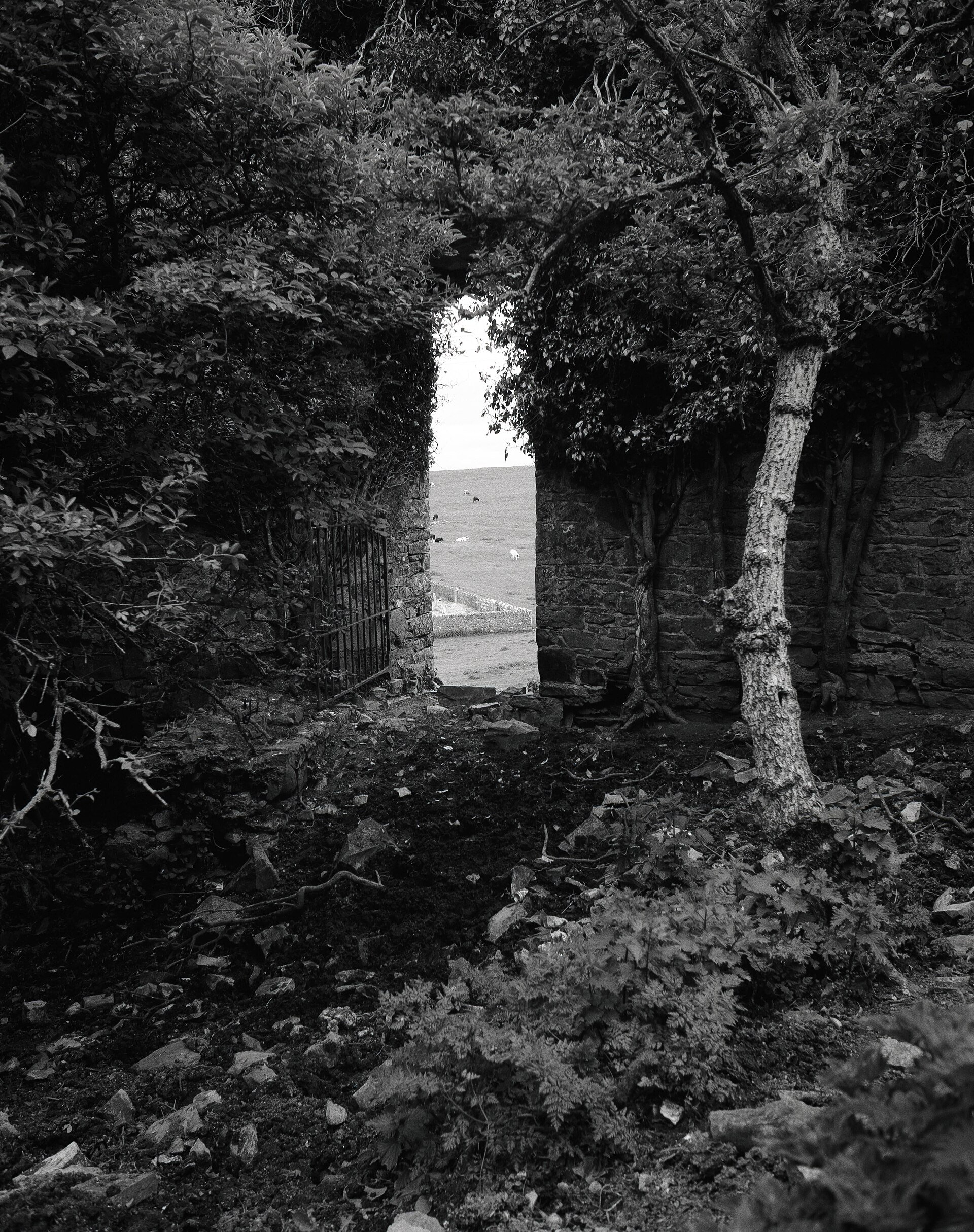
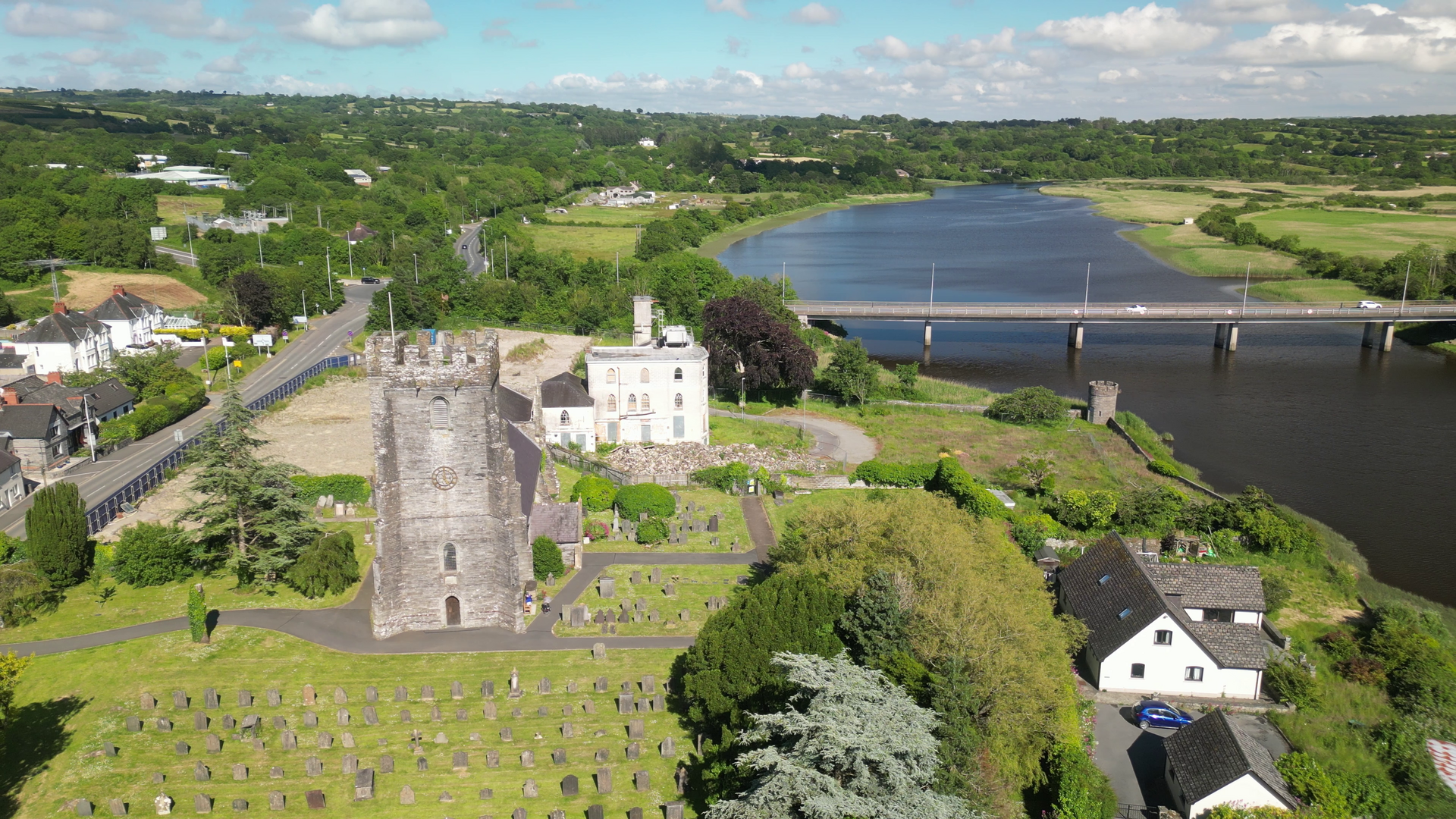
A single parish church is nearly all that remains visible of a four-century Augustinian priory, a monastery run by a prior, yet a licensed watercou…
The directory
Page 11 of 47 in the full directory.
Browsing 100 places — search and the map cover the whole directory.
Sacred place · Medieval
Northamptonshire
A single parish church is nearly all that remains visible of a four-century Augustinian priory, a monastery run by a prior, yet a licensed watercou…
Sacred place · Medieval
Devon
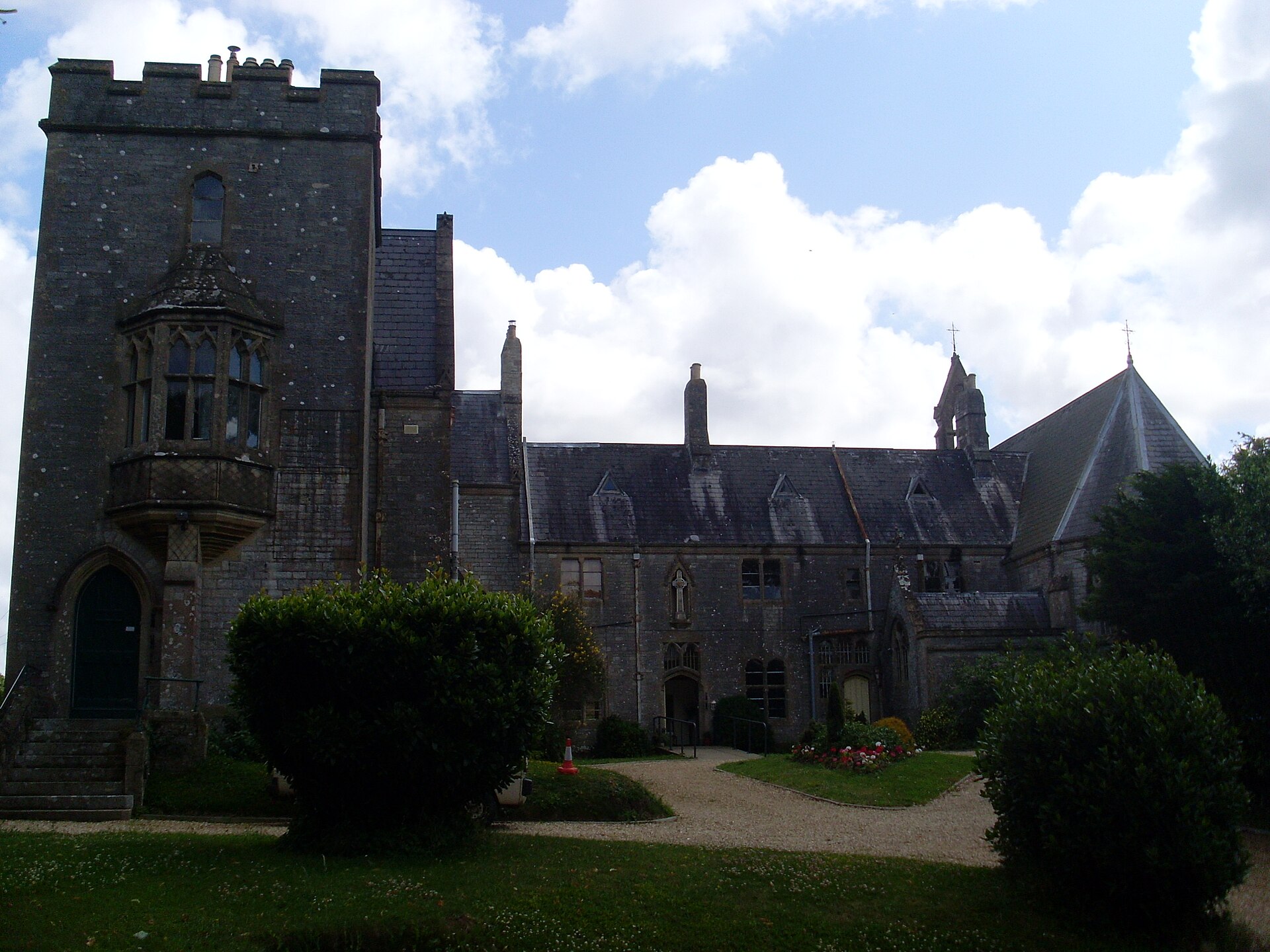
Canonsleigh Abbey preserves the fragmentary remains of a Devon religious house that changed from an Augustinian priory, a monastery headed by a pri…
Building or ruin · Roman
Conwy
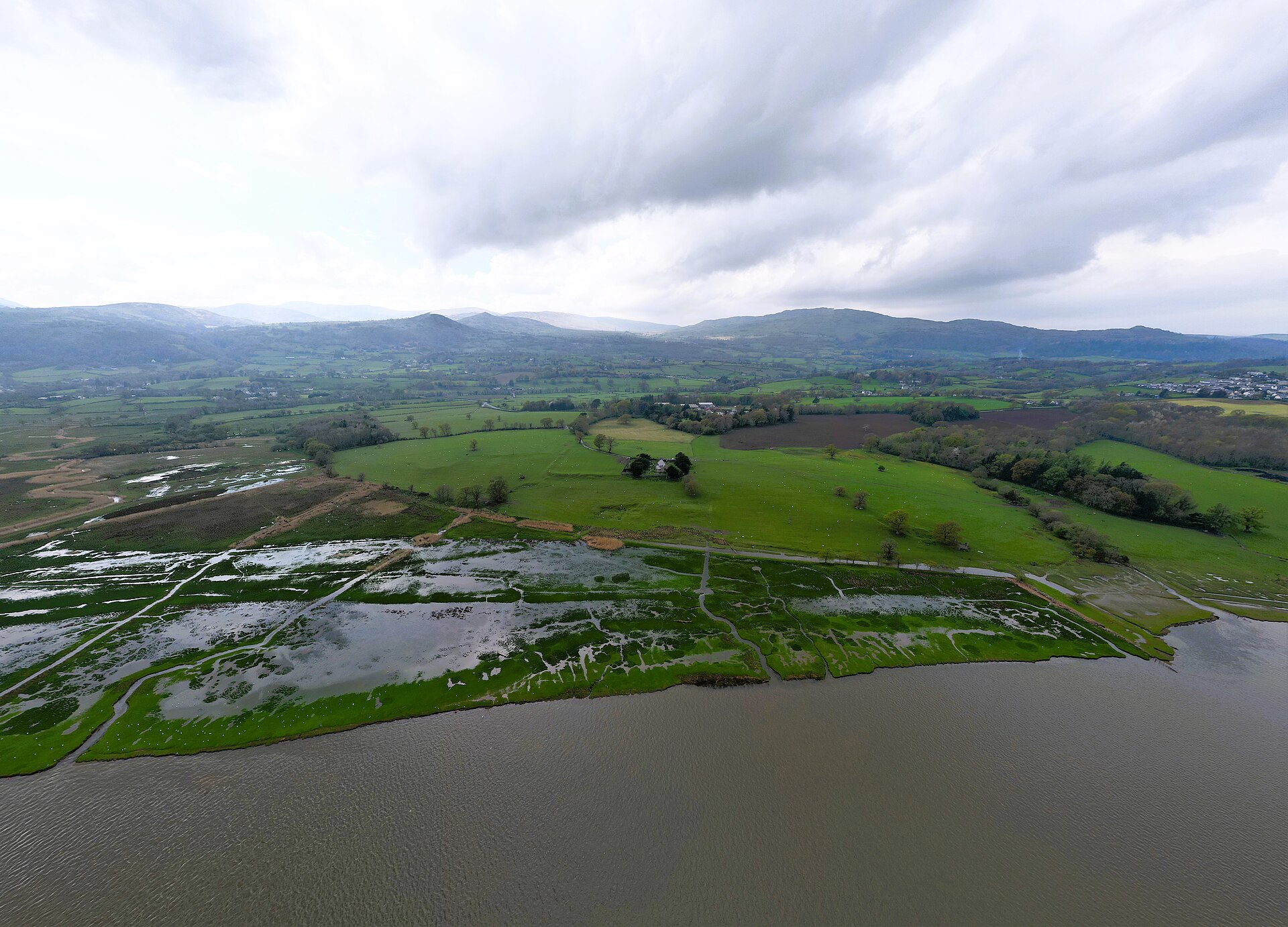
The largest Roman military installation in its area, placed at the lowest ford of the Conwy and occupied into the late fourth century.
Fortified place · Medieval
Kent
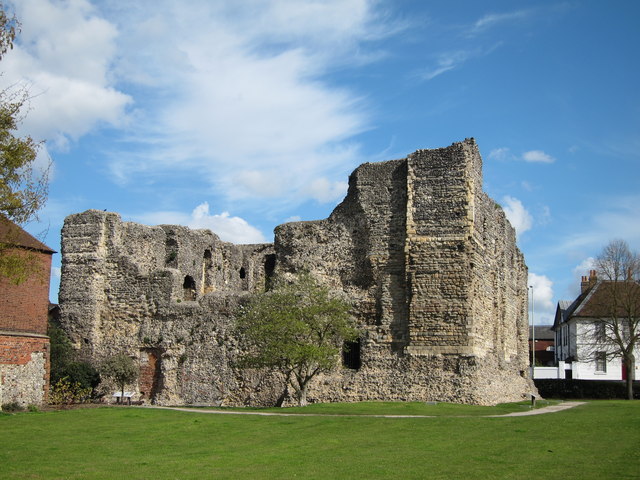
Canterbury Castle is a major Norman royal stronghold on the Dover–London road, whose Henry I keep, later jail use and industrial damage preserve th…
Sacred place · Medieval
Kent
Canterbury Cathedral is England’s historic primatial church: founded in 597, transformed by Thomas Becket’s 1170 martyrdom and the resulting pilgri…
Building or ruin · Medieval
Hampshire
A late-Norman merchant's hall on Southampton's waterfront, saddled by a Victorian antiquarian (an early collector-scholar of antiquities, working b…
Sacred place · Medieval
isle-of-anglesey
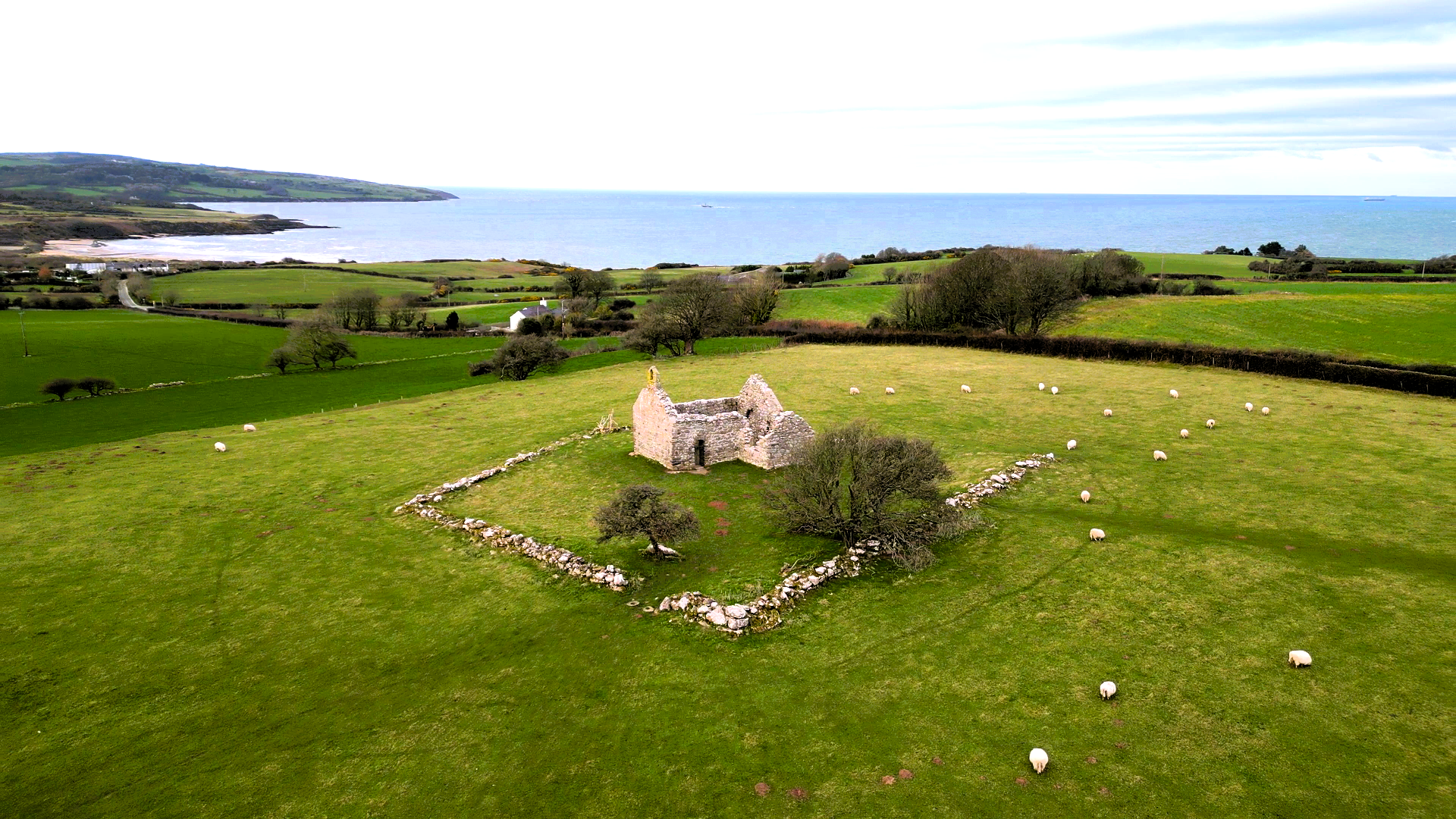
A roofless twelfth-century chapel on Anglesey whose purpose was never recorded, carrying an unusual sixteenth-century south chapel with a burial va…
Fortified place · Iron Age
Herefordshire
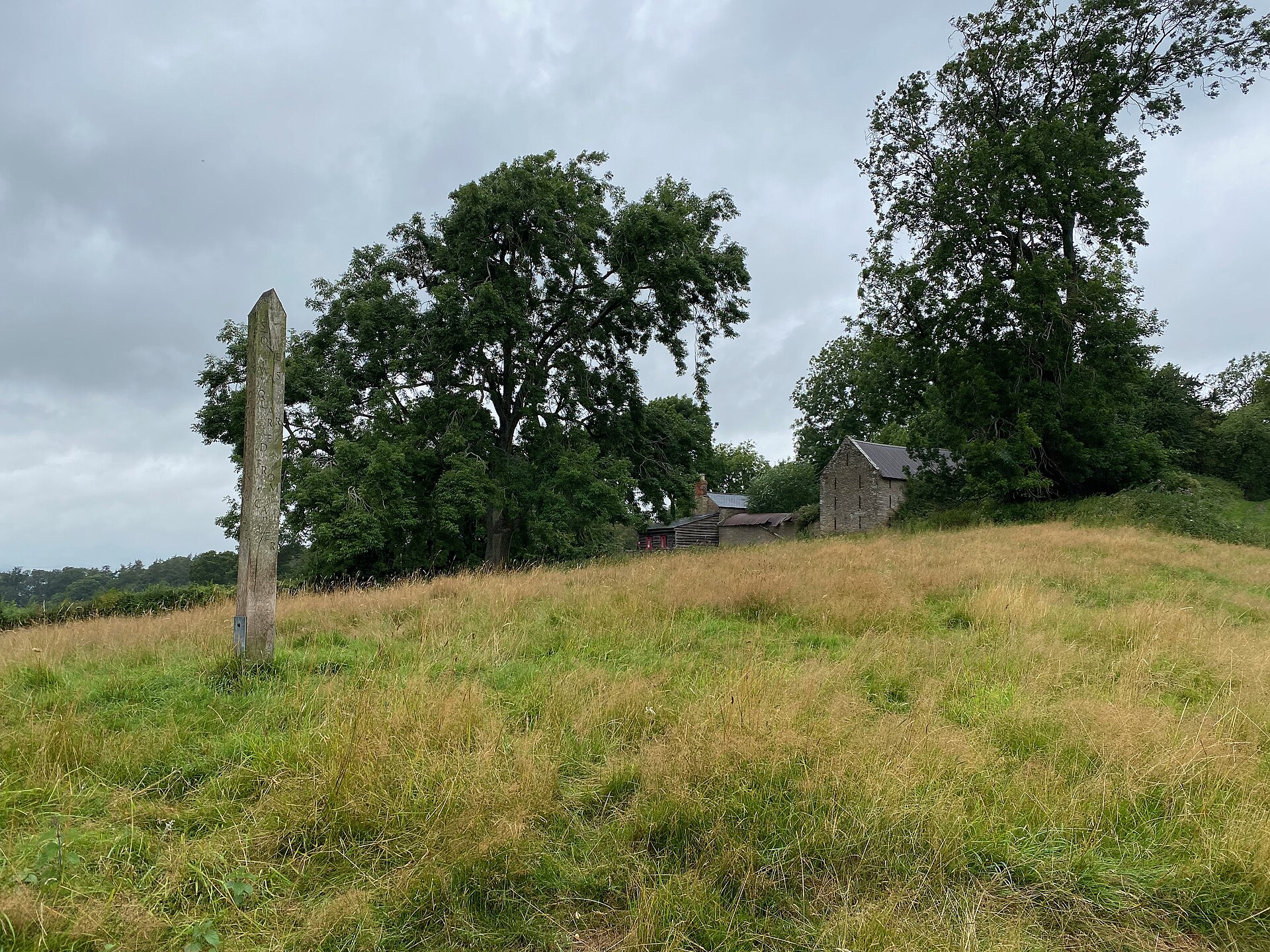
Its Domesday-era name records it as a lookout post above the Wye: a purpose the double ramparts still make obvious a thousand years on.
Fortified place · Medieval
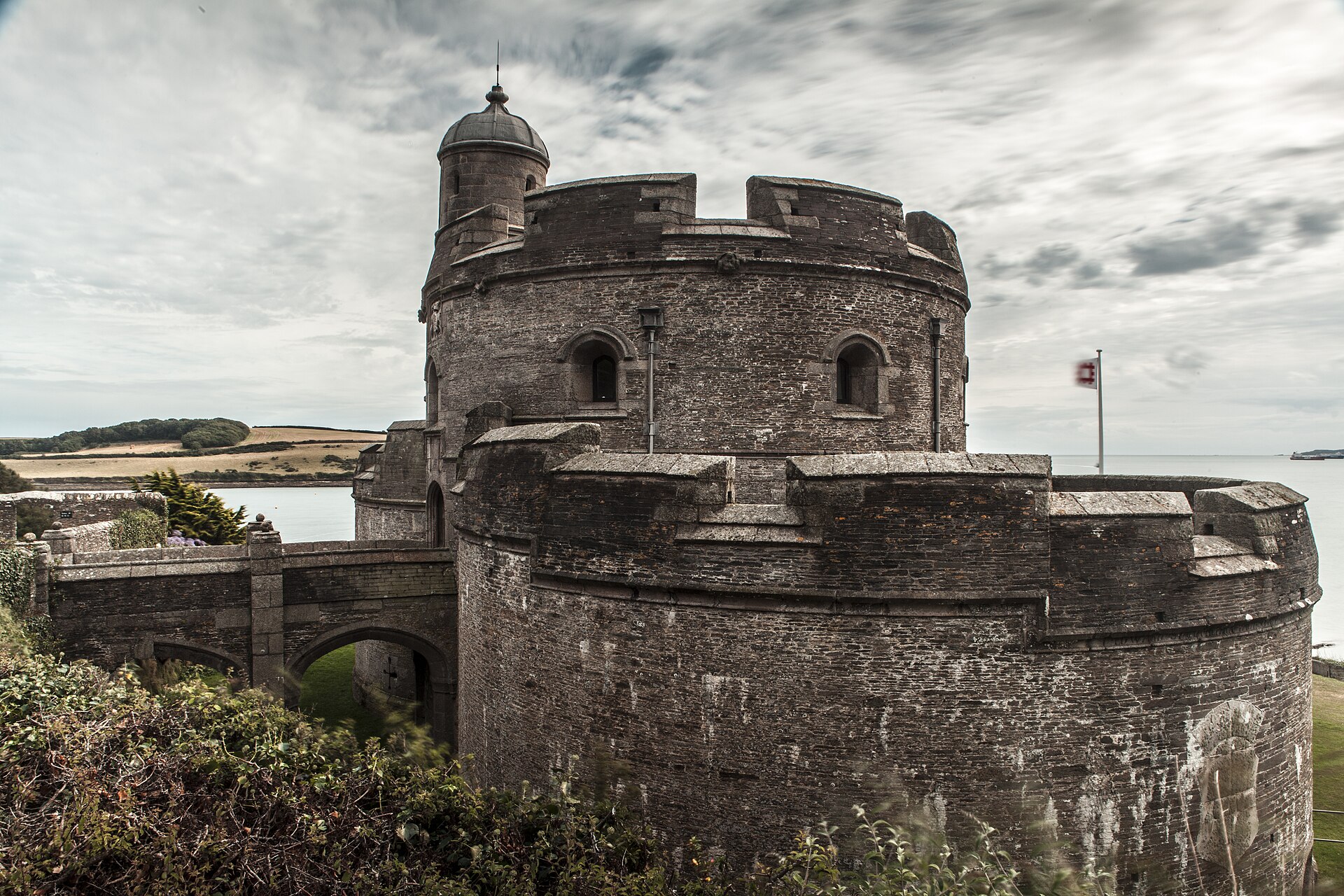
Cornwall
St Mawes pairs an unusually ornate Henrician clover-leaf artillery fort with Pendennis across the Carrick Roads, showing how Tudor coastal defence…
Building or ruin · Roman
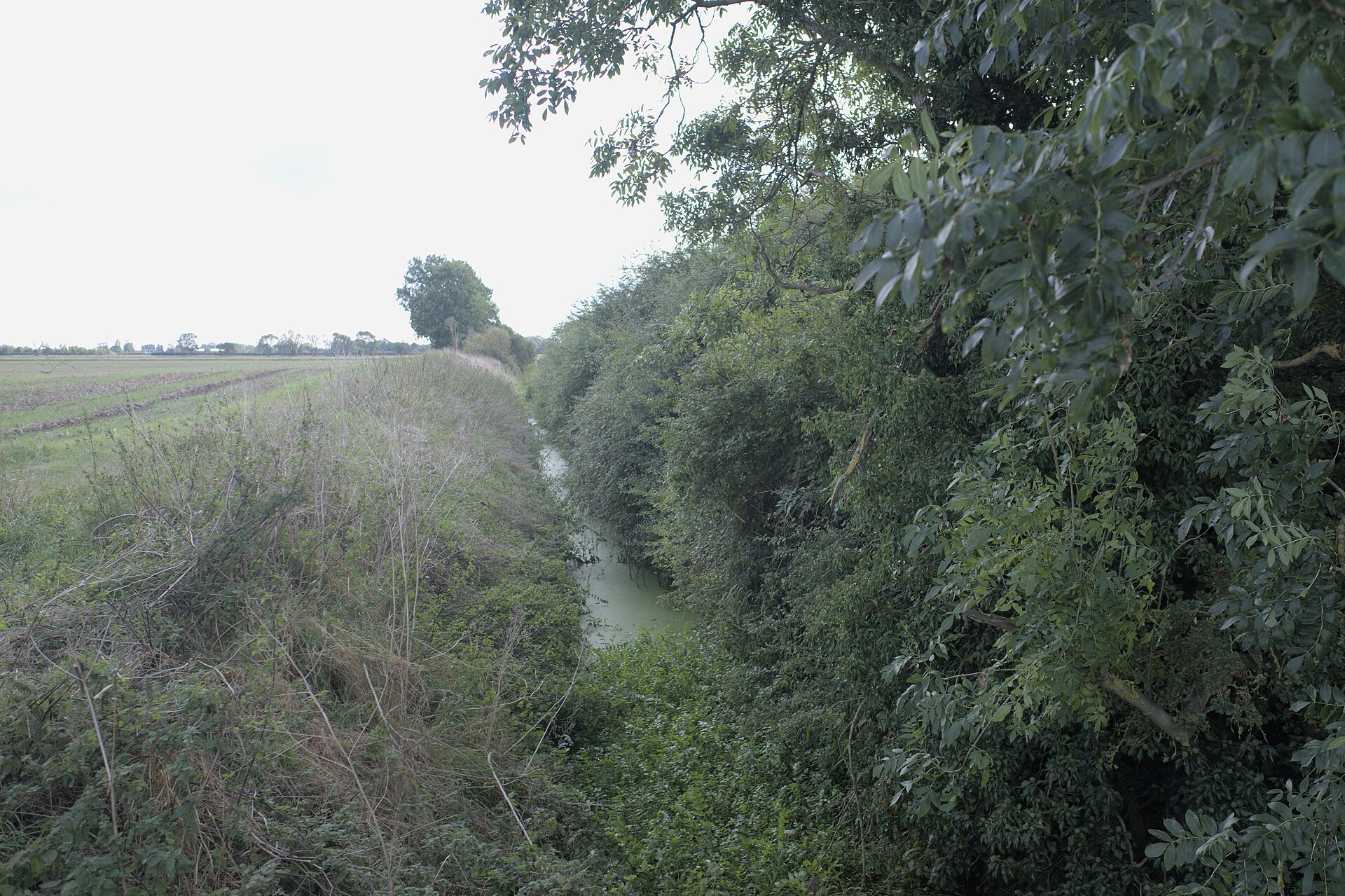
Lincolnshire
At over 57 miles it is the longest artificial waterway the Romans built anywhere in Britain, longer even than their canals on the Continent: and ar…
Fortified place · Medieval
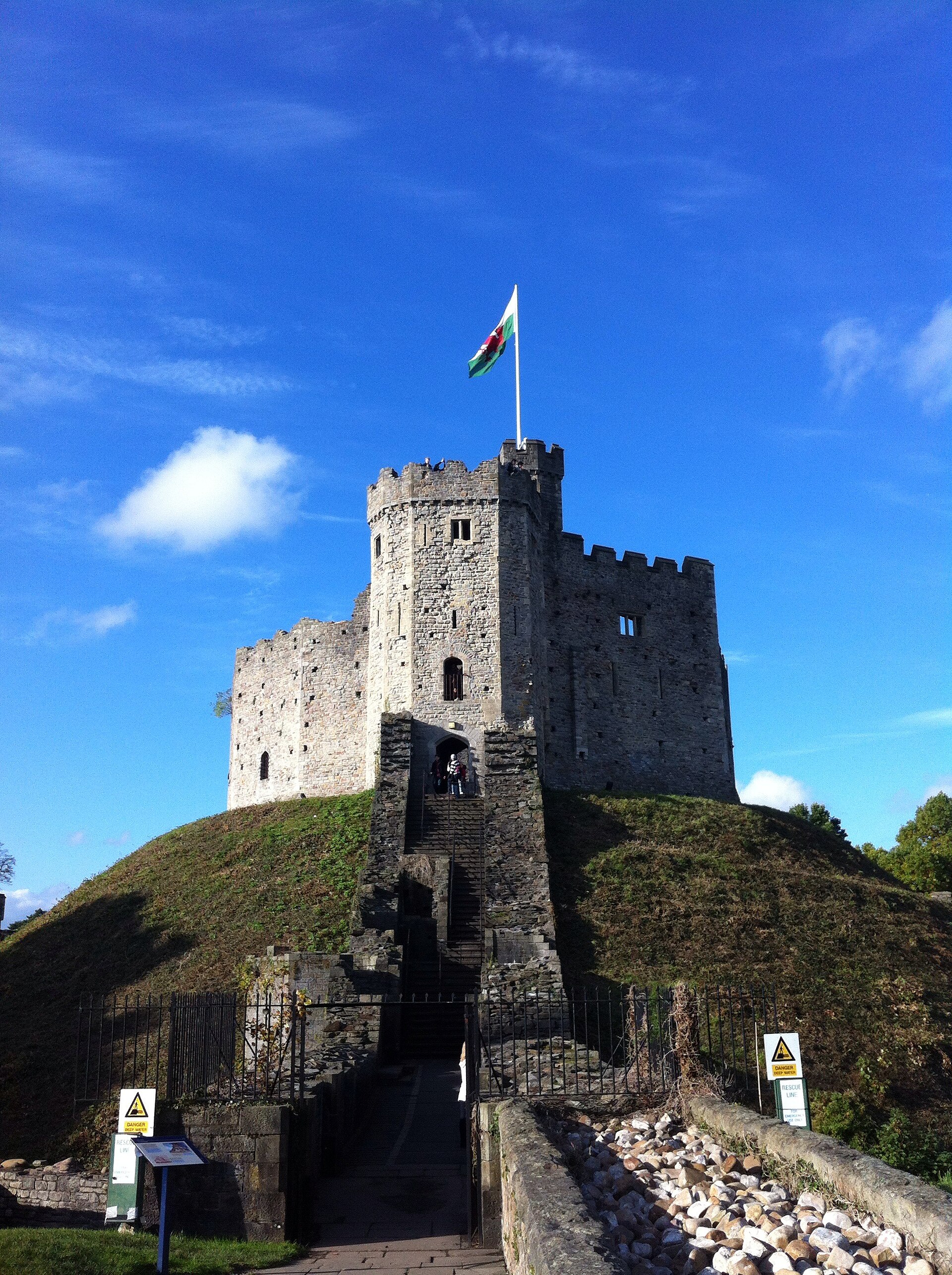
Cardiff
A Roman fort, a Norman motte (the earthen mound a castle was raised on) with the largest earth mound built anywhere in Wales, and a Victorian fanta…
Fortified place · Roman
Cardiff
Beneath the mock-medieval towers of Cardiff Castle lie the walls of a Roman fort whose original Latin name has never been settled. Candidates drawn…
Fortified place · Medieval
Ceredigion
A working medieval fortress became a private Regency house, then a near-ruin occupied by one woman for sixty years: until Cardigan itself brought i…
Sacred place · Medieval
Ceredigion
A Benedictine cell whose ownership was fought over by two English abbeys, then reused across nine centuries as mansion, poet's home and hospital.
Fortified place · Medieval
Dumfries and Galloway
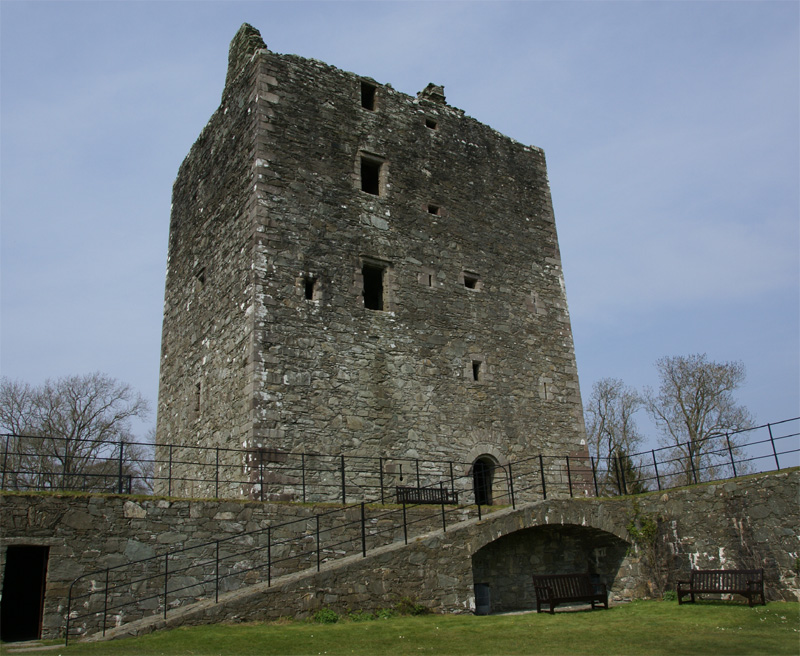
Cardoness Castle is a remarkably preserved fifteenth-century Galloway tower house whose MacCulloch history, Gordon feud and state protection make i…
Fortified place · Medieval
Pembrokeshire
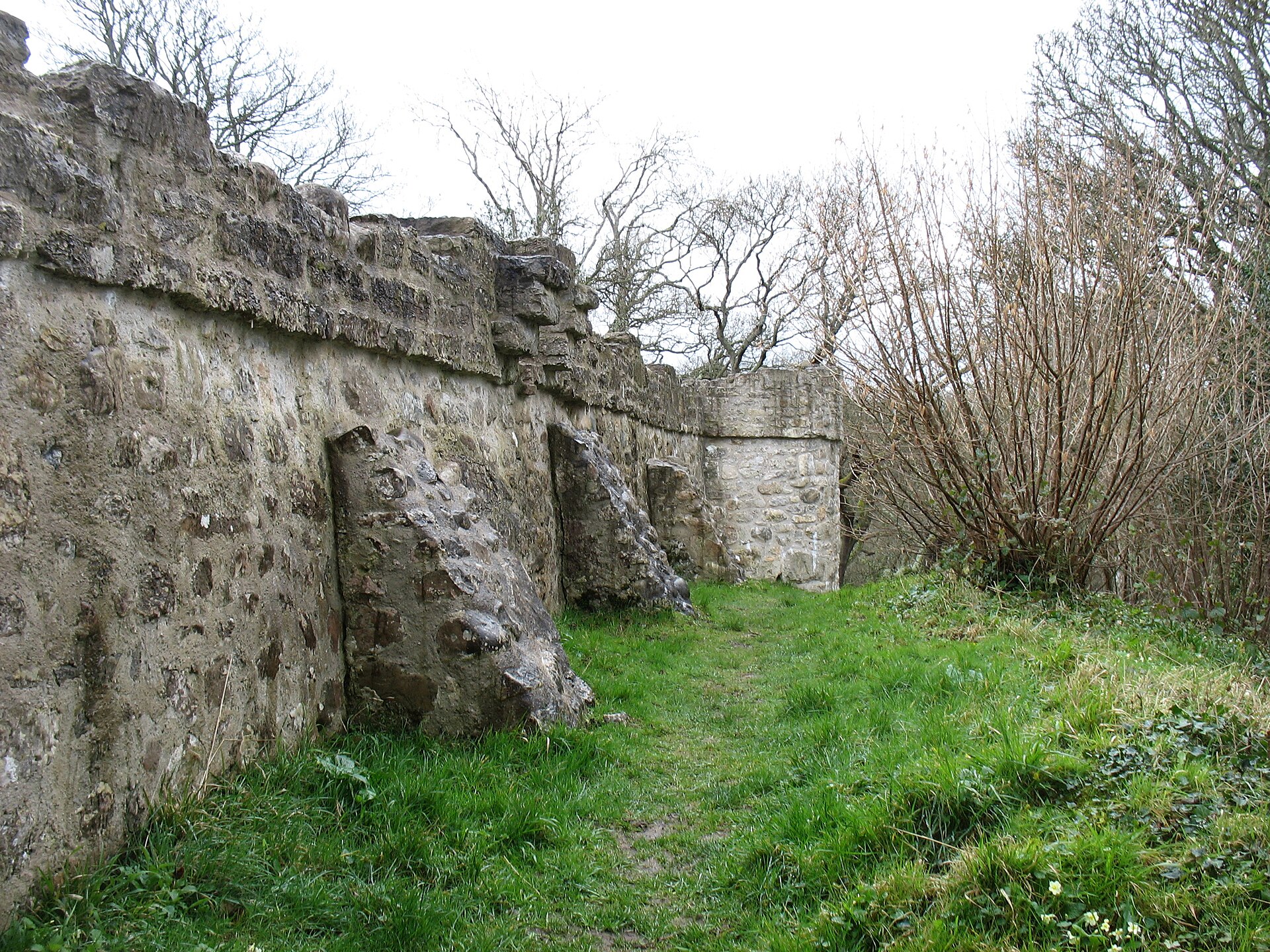
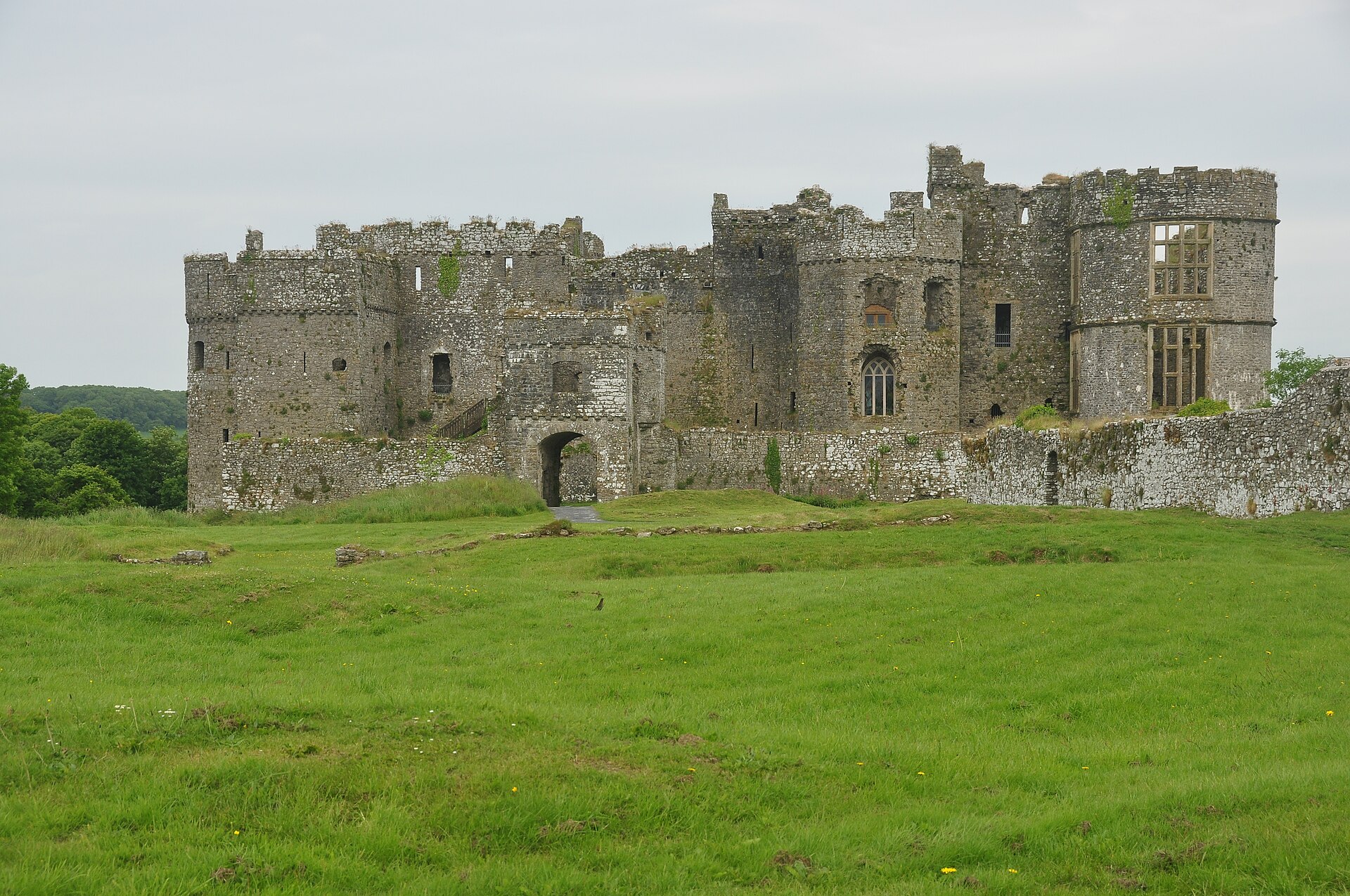
Walls of Carboniferous limestone rising above a tidal millpond, carrying more than nine centuries of building.
Building or ruin · Medieval
Oxfordshire
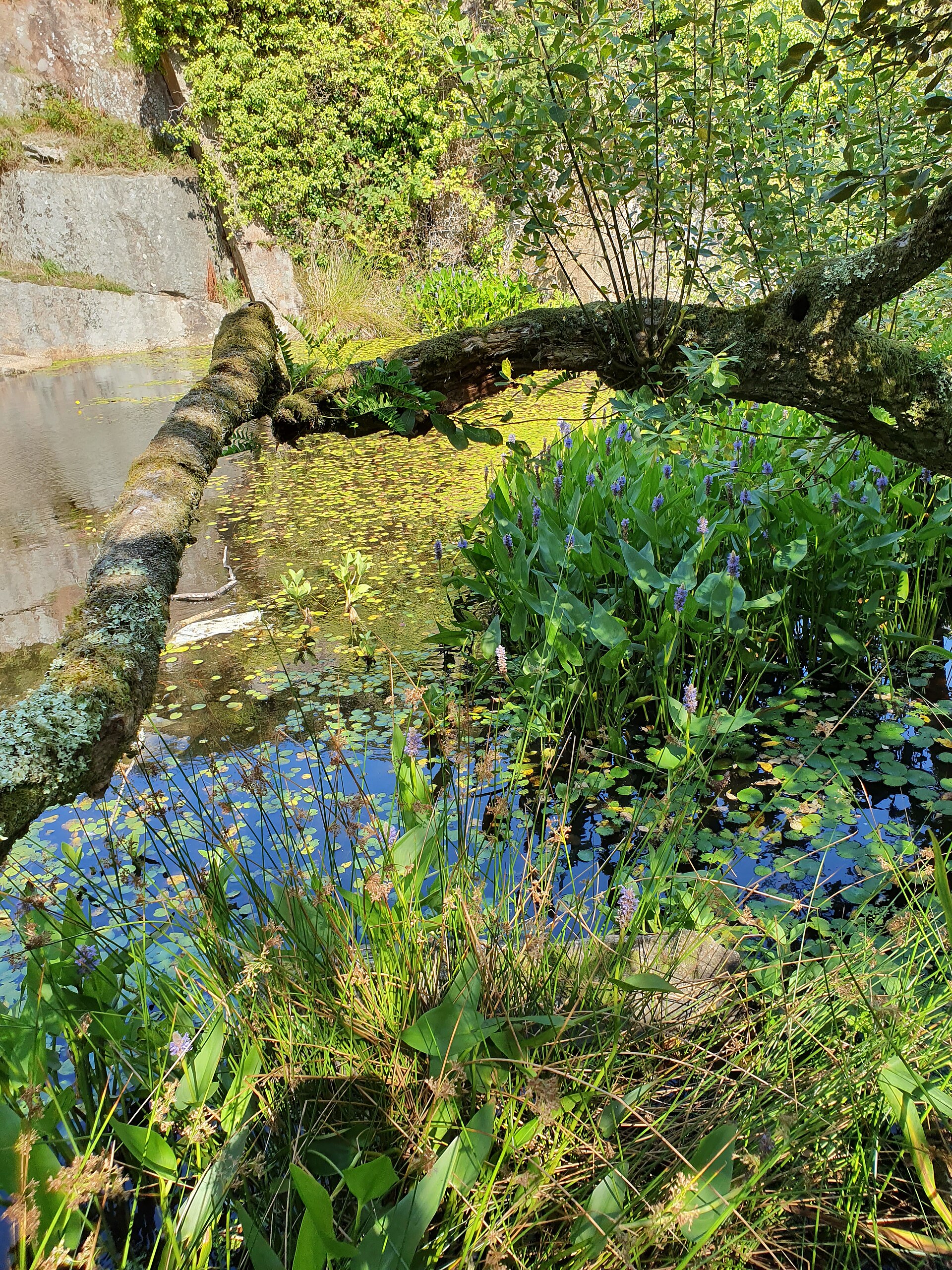
A Jacobean water-engineering marvel whose ornate centrepiece was dismantled and rebuilt whole in a country park, while its humble spring-house stil…
Sacred place · Prehistoric
Cornwall
The three-metre Carfury slab is unusually revealing because the 1957–58 excavation recorded its elliptical socket and packing stones, even though i…
Fortified place · Medieval
Isle of Wight
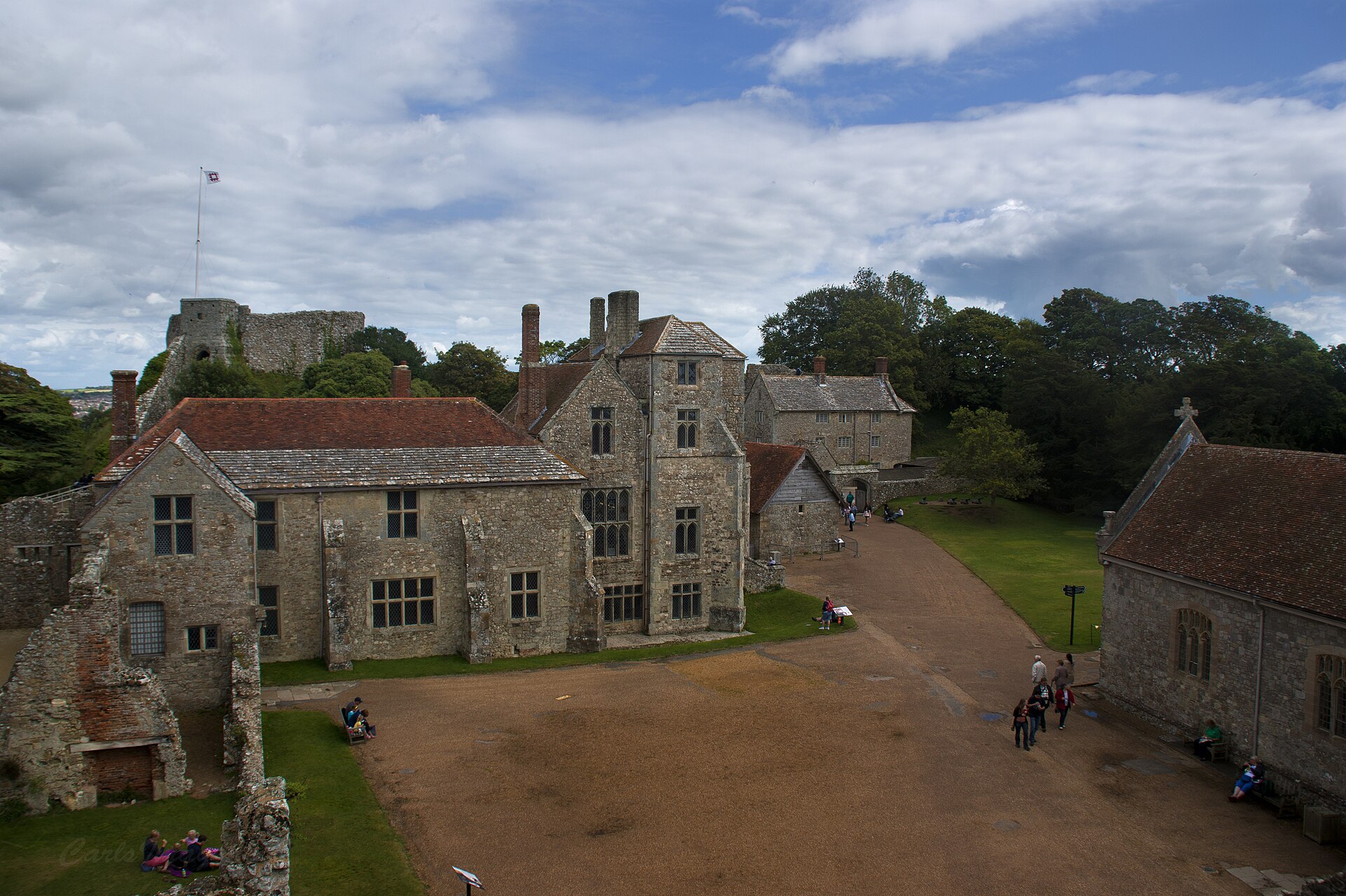
Carisbrooke Castle is the Isle of Wight’s strongest historic fortress, evolving from early defensive occupation to an Elizabethan bastioned fort an…
Fortified place · Iron Age
South Yorkshire
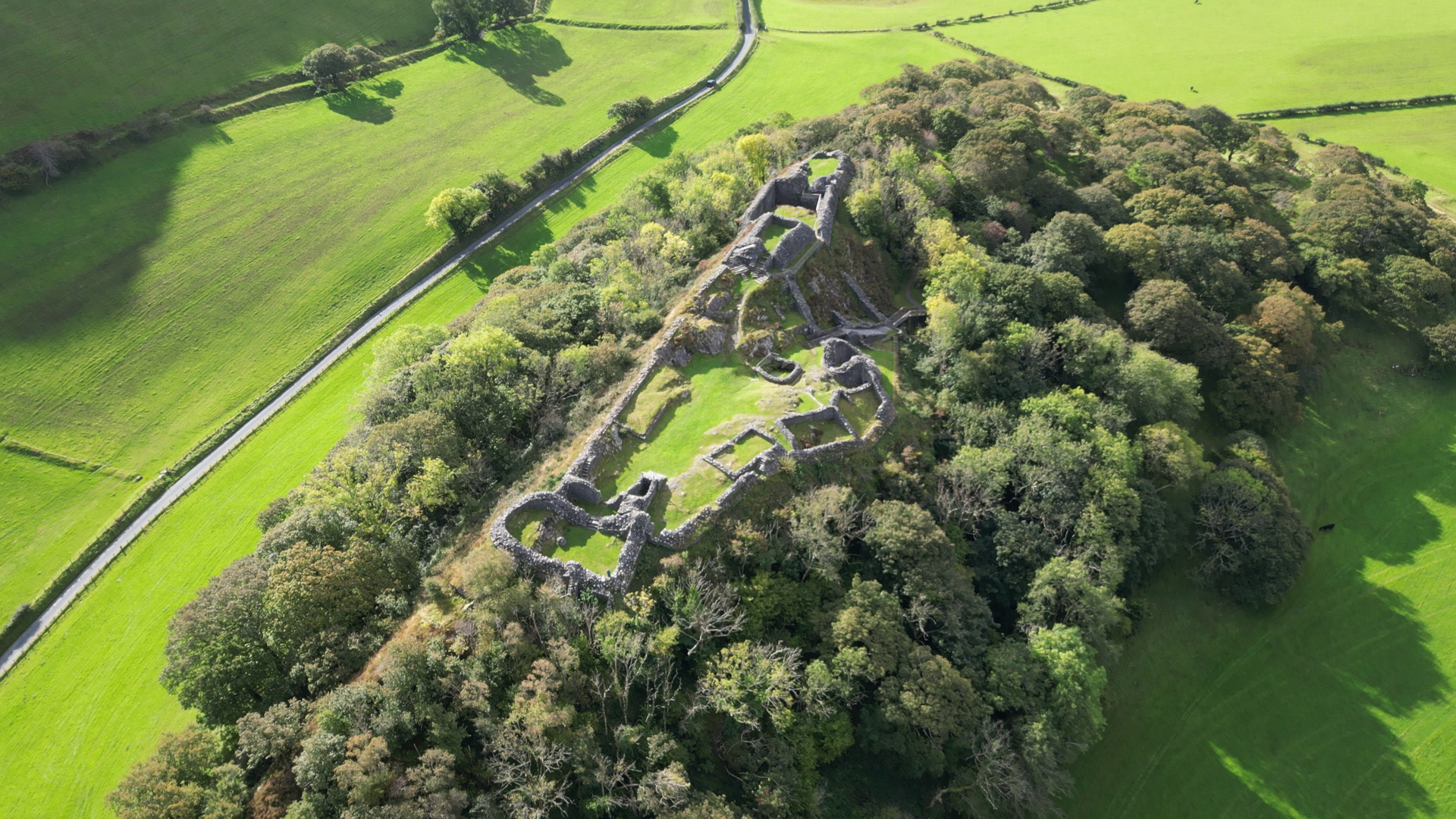
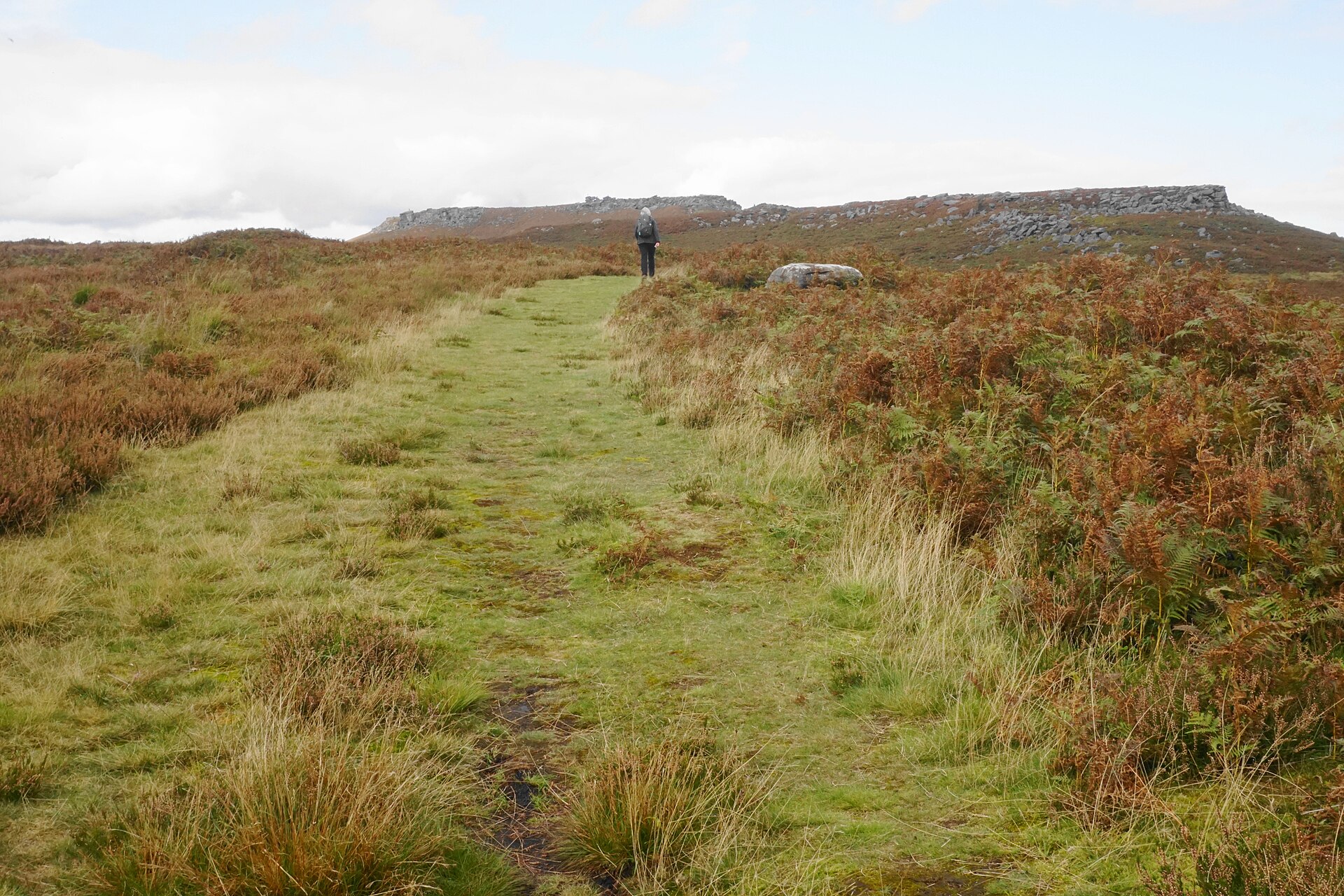
A rampart (an encircling bank built for defence) described as unlike anything else in Northern England, guarding a cliff-edge enclosure whose build…
Sacred place · Medieval
County Louth
Twin fifteenth-century towers turned a quiet Dominican church into something closer to a fortress, and the friars kept a claim on it, on and off, f…
Fortified place · Medieval
Cumbria
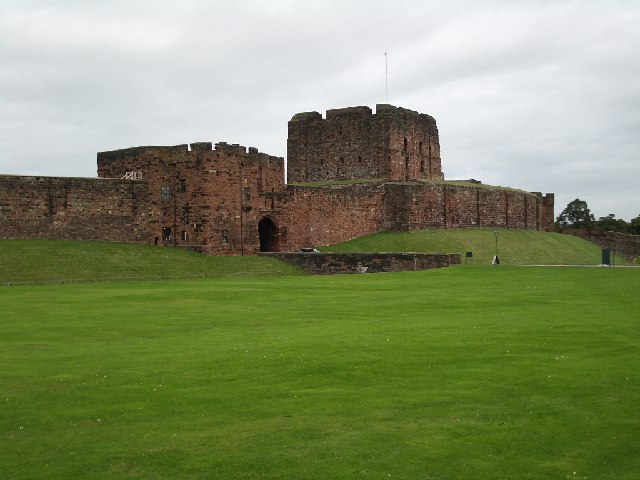
A working stone keep (the great tower at a castle's heart) raised in the 1120s and fought over for the next 600 years, ending as the last English f…
Sacred place · Medieval
Cumbria
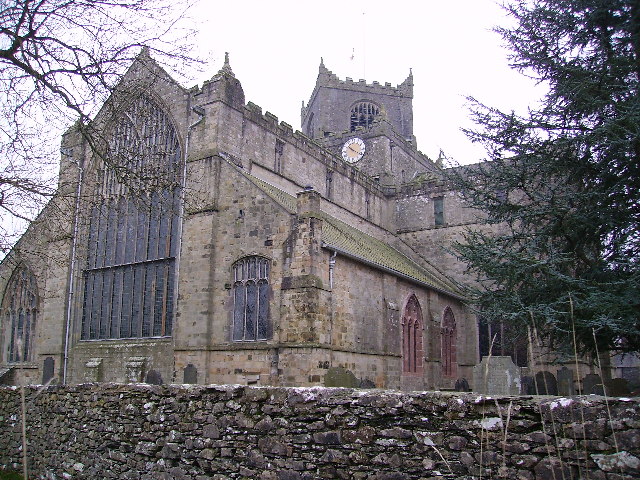
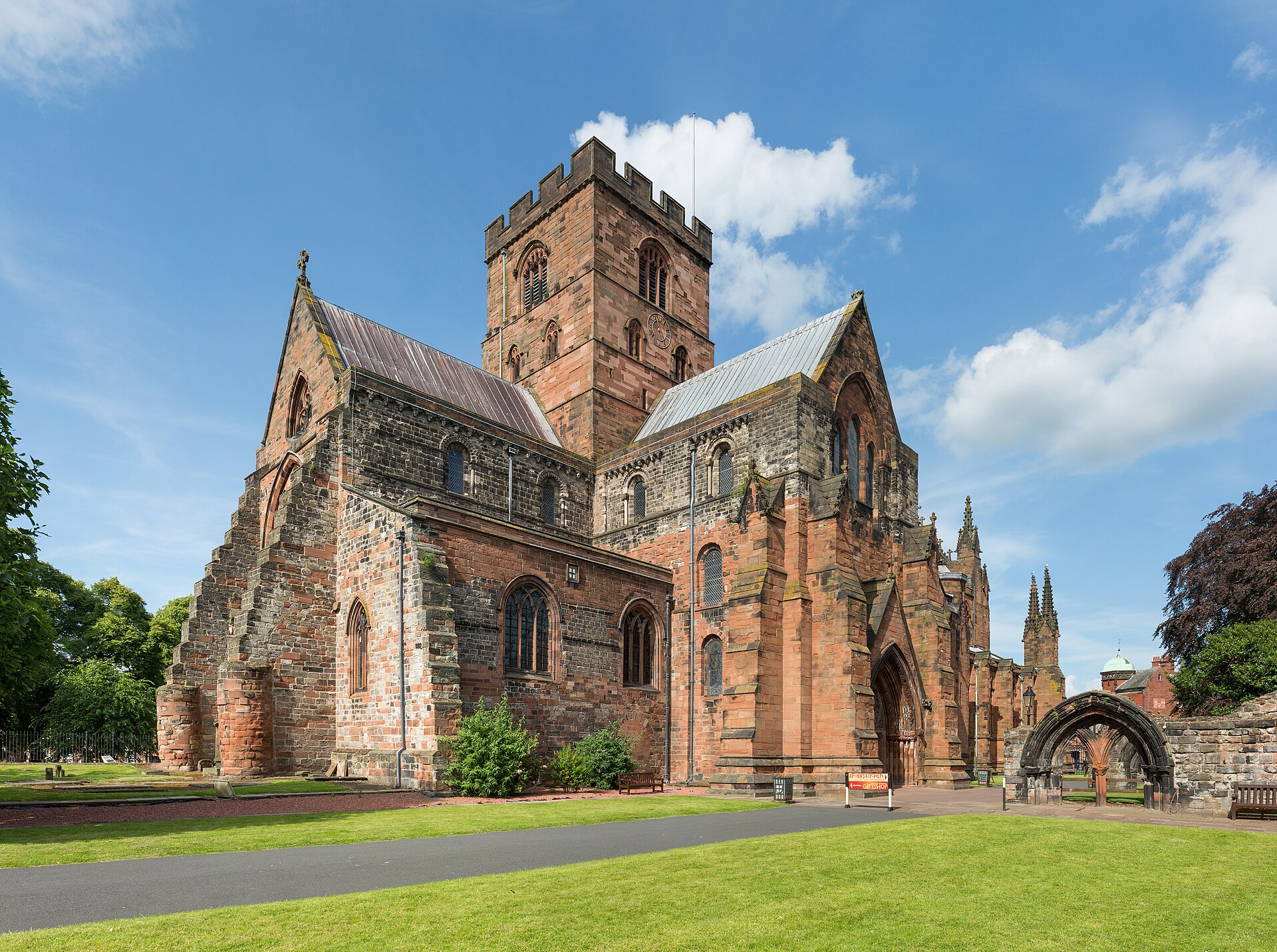
England's second-smallest ancient cathedral holds the country's largest and most complex Flowing Decorated Gothic window, a rarity from an Augustin…
Sacred place · Medieval
Cumbria
A vanished friary whose foundations, once dug into, turned out to sit directly on top of Roman Carlisle: one plot of ground holding two buried towns.
Sacred place · Medieval
Cumbria
One of a small number of Franciscan houses built inside a cathedral city, standing beside Carlisle Cathedral for three centuries before the Dissolu…
Fortified place · Medieval
County Carlow
Carlow Castle was Ireland’s first towered keep, a bold early-thirteenth-century design now reduced to its western wall and two corner towers.
Fortified place · Medieval
Lincolnshire
Carlton Castle, known as Castle Hill, marks the site of a once substantial twelfth-century motte-and-bailey (an early Norman castle of a timber tow…
Fortified place · Medieval
Carmarthenshire
A castle destroyed and rebuilt at least six times in a single century, then site of a royal death that put a Tudor on the English throne a generati…
Sacred place · Medieval
Hampshire
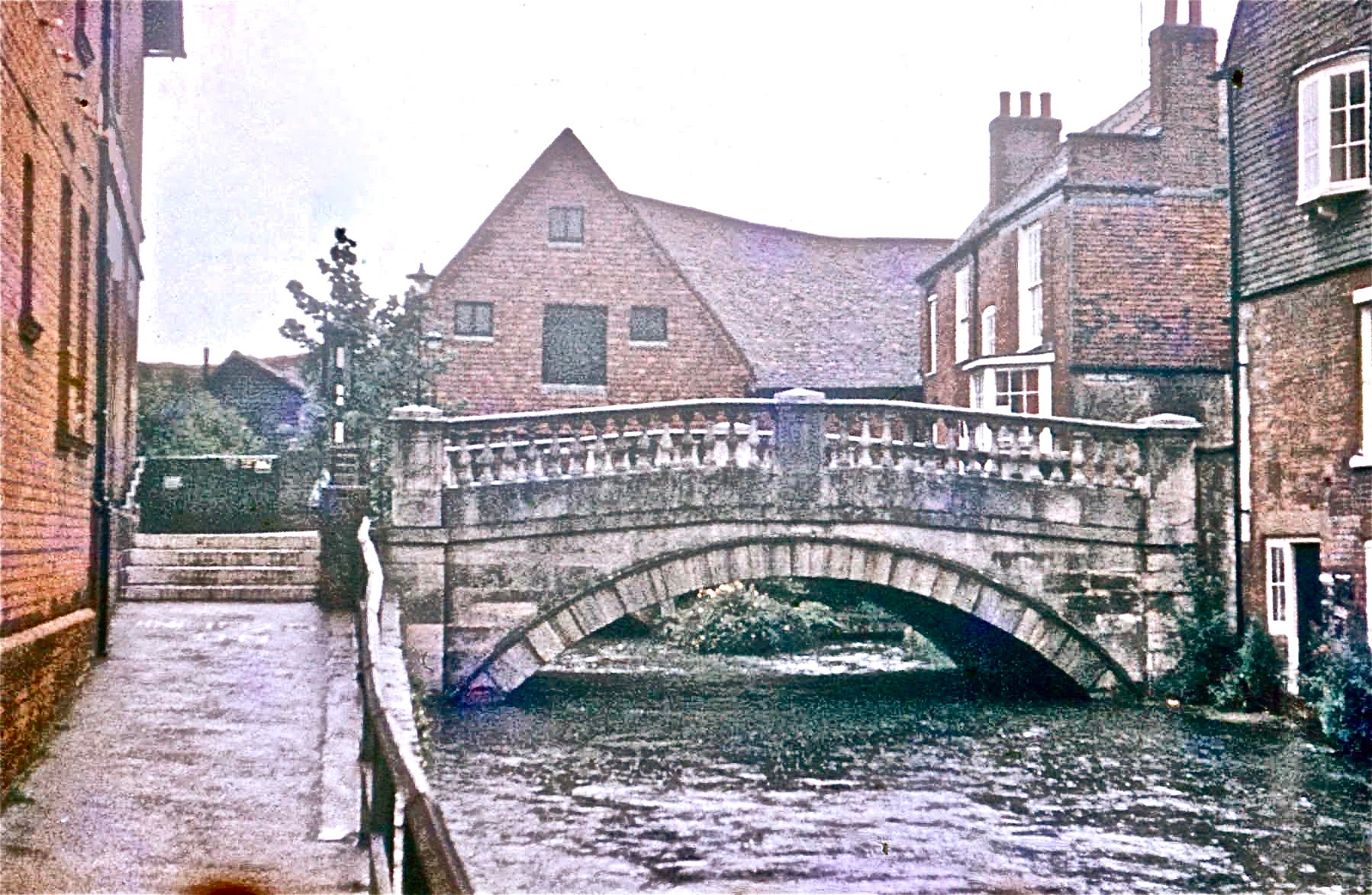
One of only four mendicant orders licensed to settle in medieval England, the White Friars kept a house in Winchester for two and a half centuries…
Tomb or burial place · Prehistoric
Highland
A 30-metre chamber cut into compartments by upright stone slabs: one of the largest and best-preserved Clyde cairns in south-west Scotland, reached…
Fortified place · Medieval
Cornwall
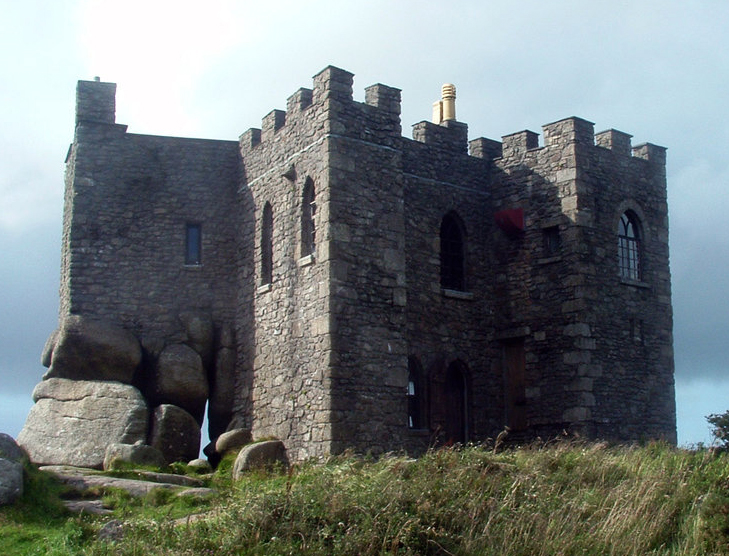
Carn Brea turns a medieval chapel into a fantastical Basset hunting lodge perched directly on summit boulders, leaving possible earlier masonry vis…
Tomb or burial place · Prehistoric
Highland
At 116 metres long, this three-part cairn (a mound of piled stones, often covering a burial) is the longest chambered burial monument yet recorded…
Fortified place · Iron Age
Highland
Excavated twice a century apart, its walls conceal a Bronze Age burial that predates the broch by centuries: the tower was built over an older grav…
Fortified place · Medieval
Argyll and Bute
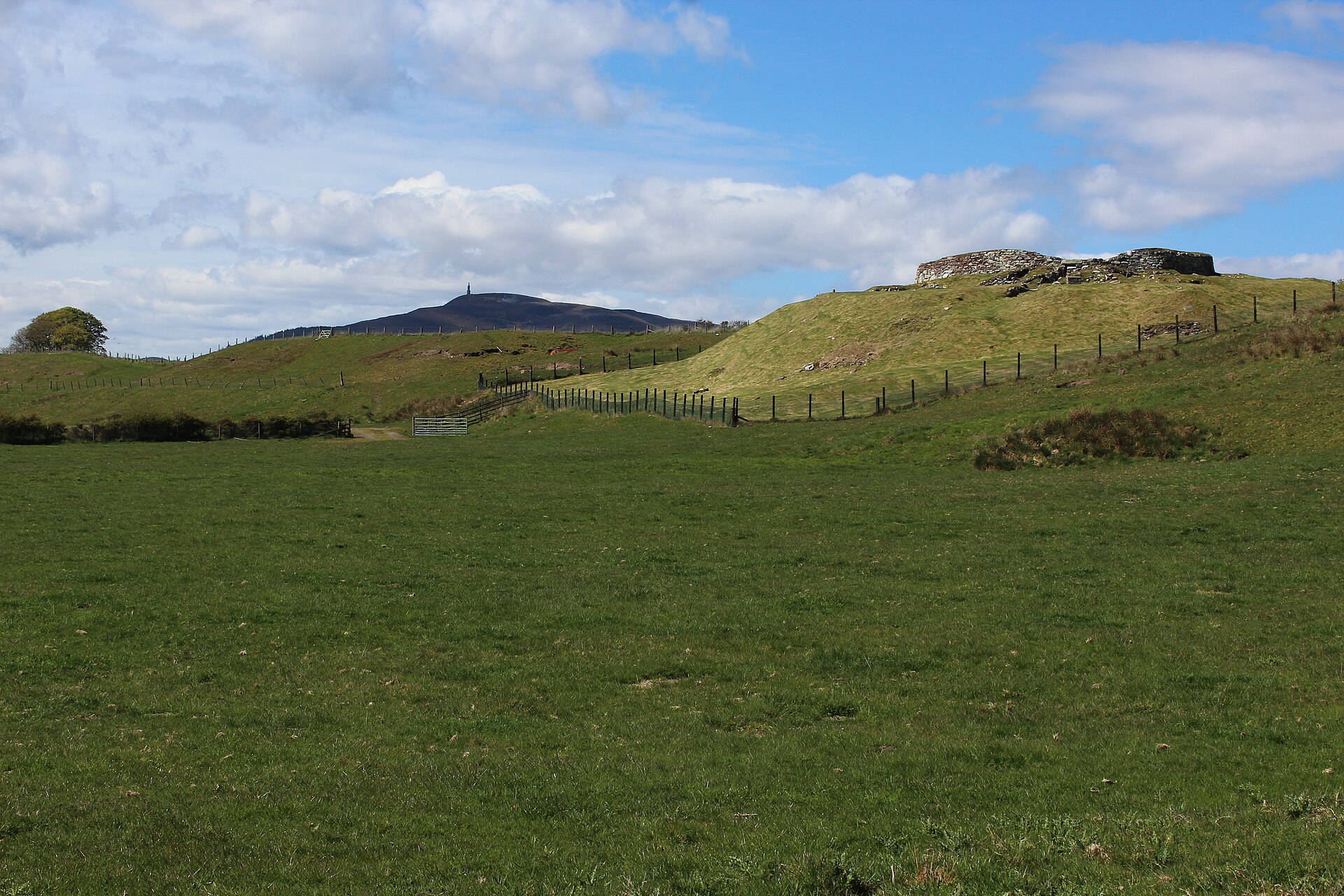
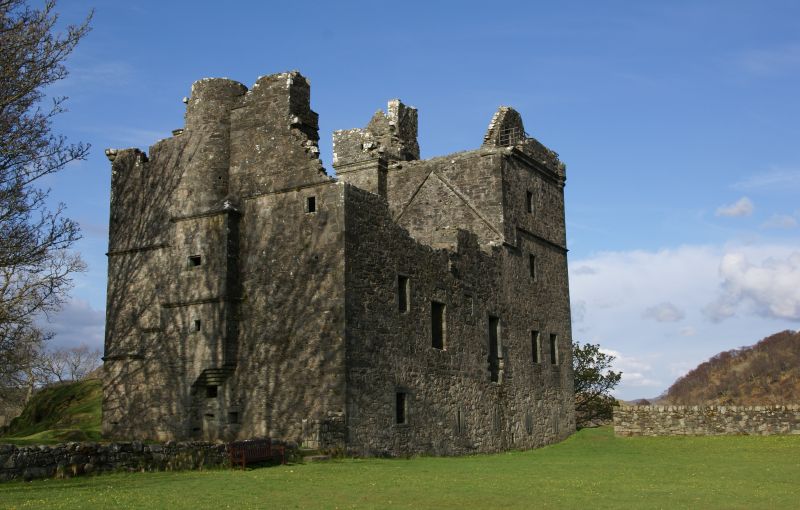
A ruined 16th-century tower house stands on raised ground about 2 kilometres north of Kilmartin, at the head of Kilmartin Glen in Argyll and Bute.…
Fortified place · Medieval
Gwynedd
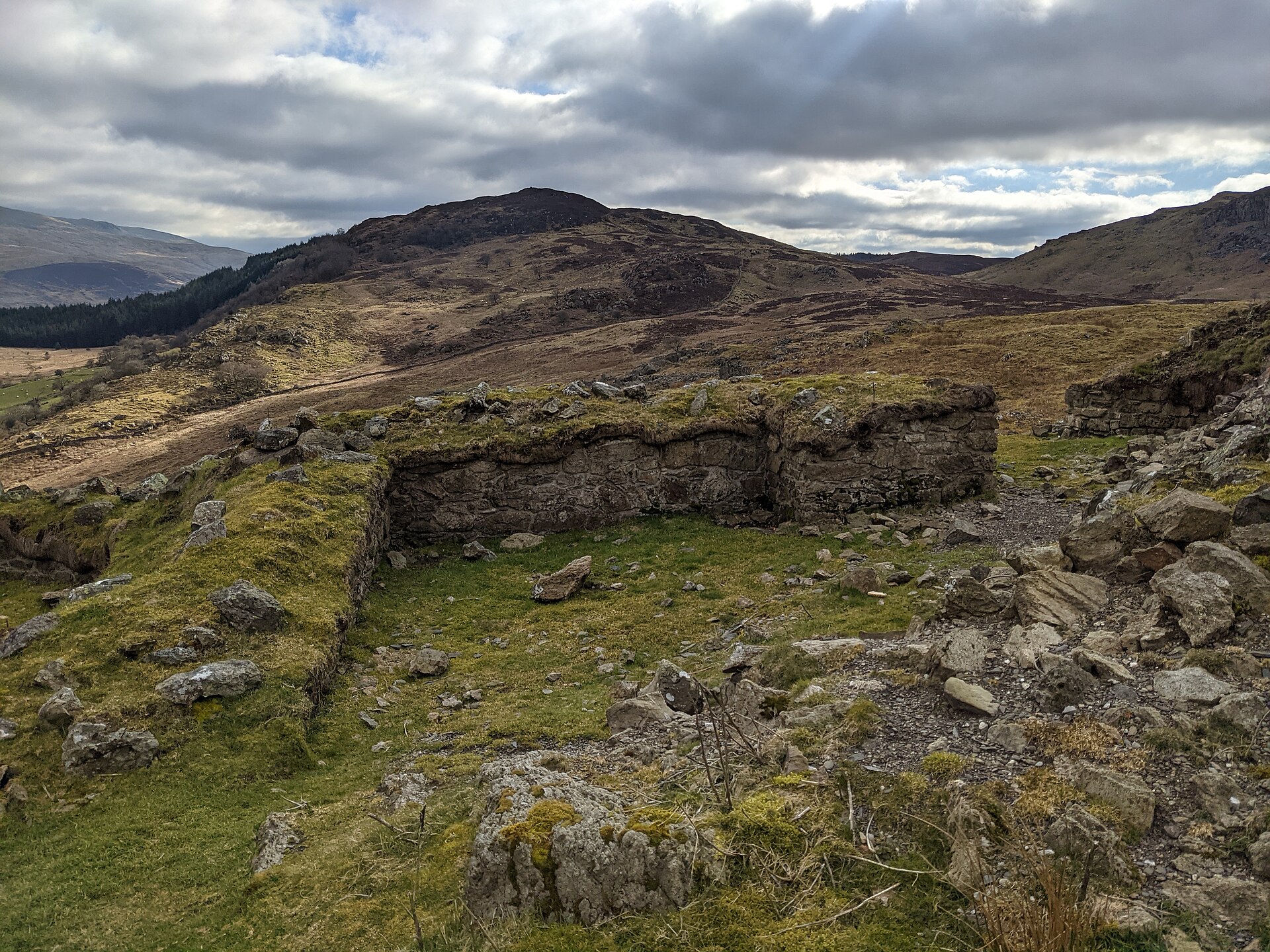
Carndochan Castle is a small Welsh stone castle on the Lliw Valley ridge, whose incomplete historical record is sharpened by recent excavation and…
Building or ruin · Roman
Perth and Kinross
A thirty-acre Roman fort at the meeting of the Tay and the Earn, held from the late second century into the early third.
Building or ruin · Roman
Northumberland
Carrawburgh, Roman Brocolitia, is a Hadrian’s Wall fort whose civilian settlement and exceptional sanctuary group illuminate military life, religio…
Fortified place · Prehistoric
Carmarthenshire
A cave beneath the walls holds its own freshwater spring, running deep into the hillside: the detail that let a fortress survive on a waterless lim…
Building or ruin · Medieval
pembrokeshire
An early farming-period chambered tomb whose capstone and uprights preserve a small but legible piece of Pembrokeshire’s ancient funerary landscape.
Tomb or burial place · Prehistoric
Pembrokeshire
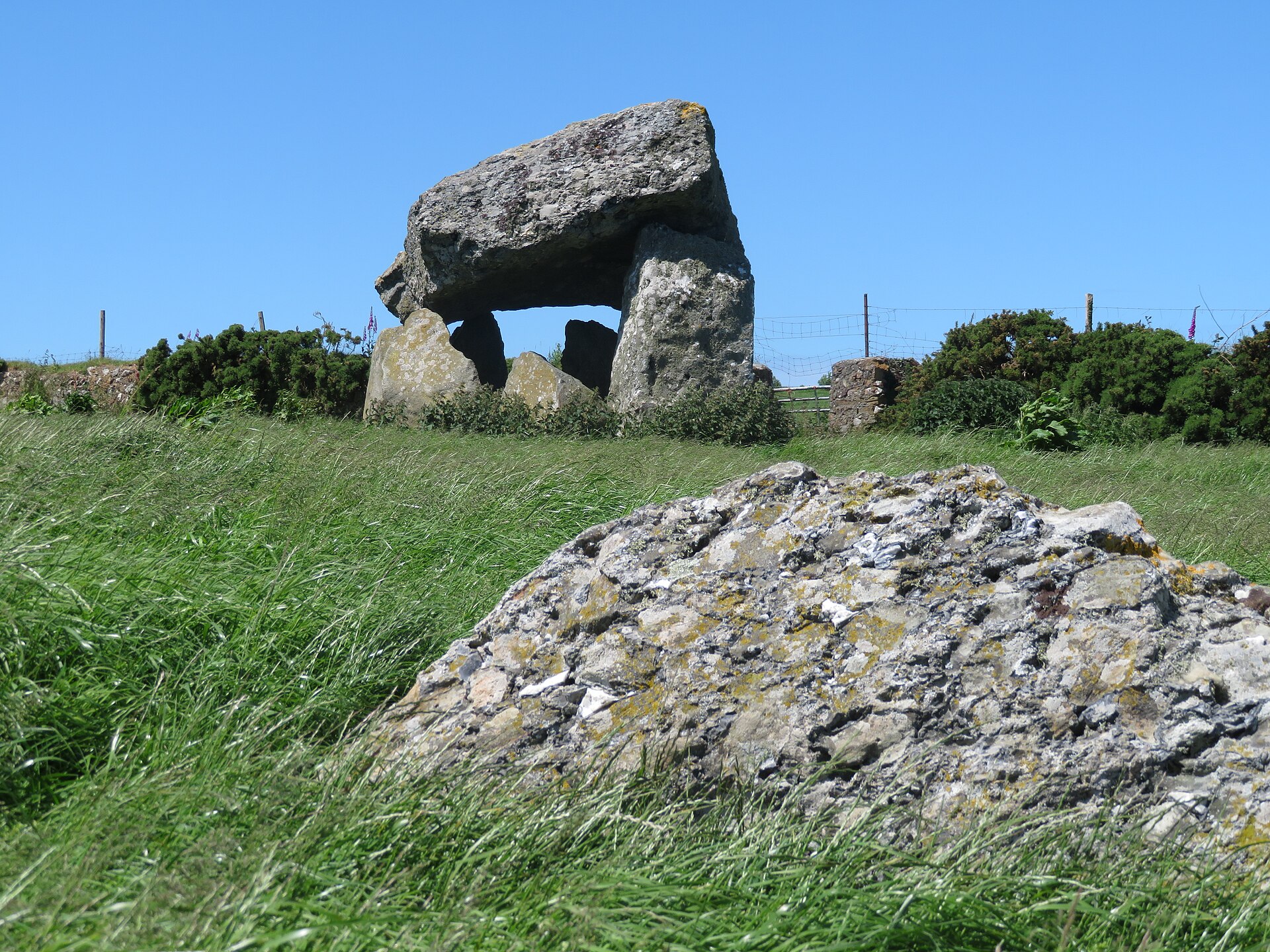
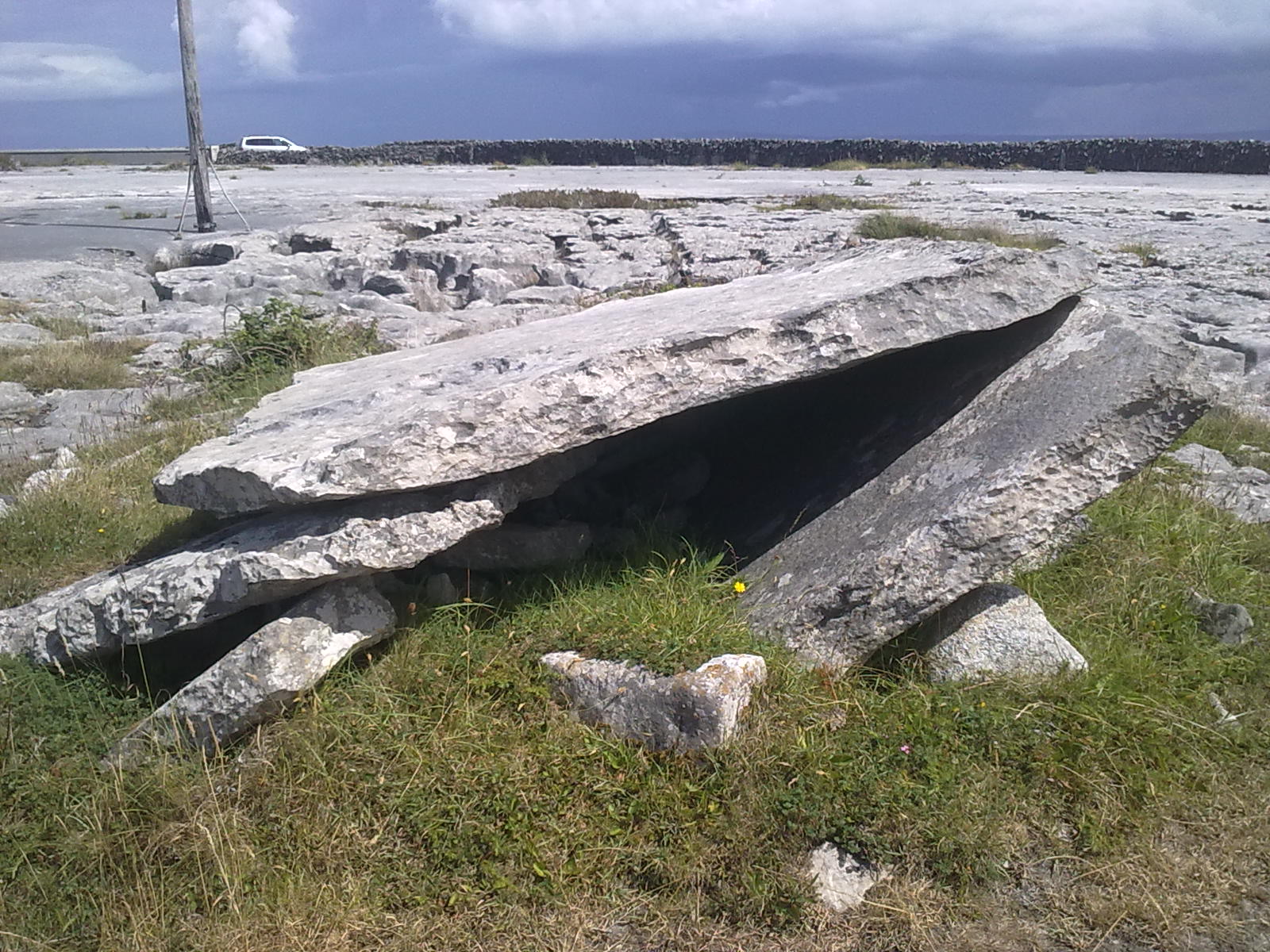
A burial monument five thousand years old, half a mile west of Abercastle, known also as Samson's Stone and the Longhouse.
Fortified place · Medieval
Powys
A Marcher castle that changed hands at least six times in 135 years, was probably a silver mine as well as a fortress, and was traded once for a pr…
Fortified place · Medieval
Argyll and Bute
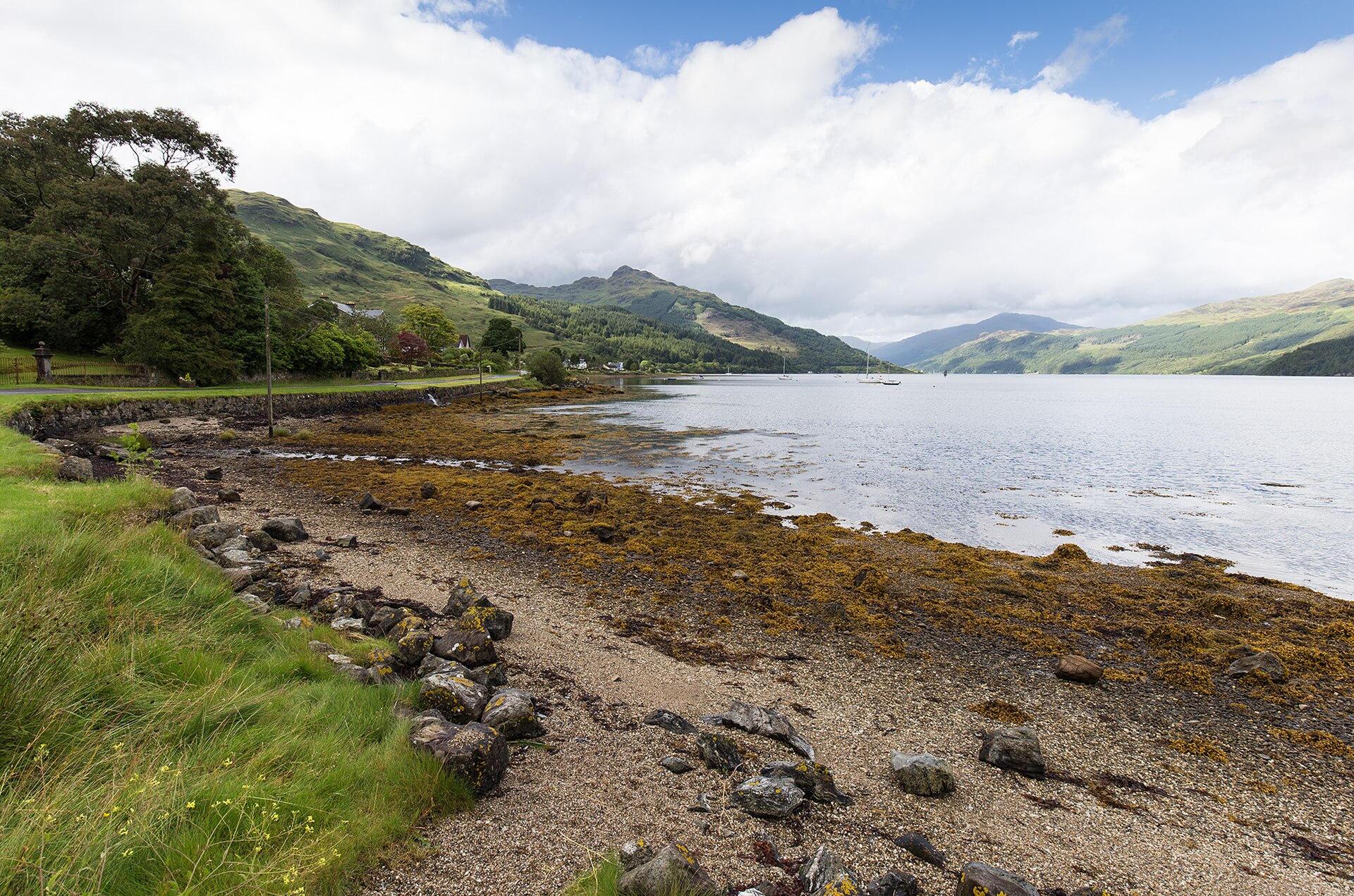
A Campbell stronghold built on a rock in Loch Goil, hosted a hunting king and a queen's overnight stay, then was deliberately burned by a Royal Nav…
Fortified place · Medieval
County Donegal
A rock accessible only at low tide gave one clan control of Inishowen's coast for four centuries, then hid the peninsula's last great lord as he pl…
Fortified place · Medieval
County Mayo
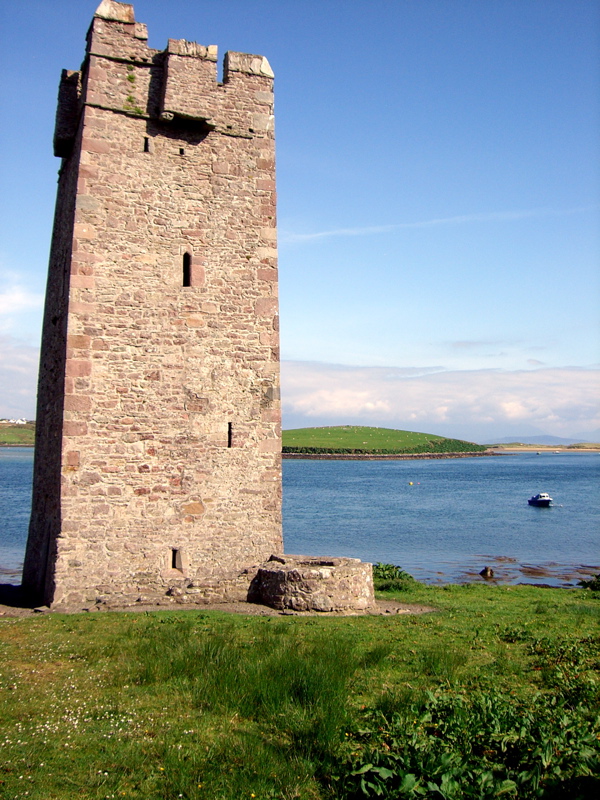
A four-storey tower built to watch a narrow sea-passage became one of the strongholds of Grace O'Malley, the sixteenth-century pirate queen of the…
Tomb or burial place · Prehistoric
County Cork
One hillside carries three separate kinds of megalithic monument together, and its carved stone was carried off to a city museum decades after bein…
Fortified place · Medieval
County Cork
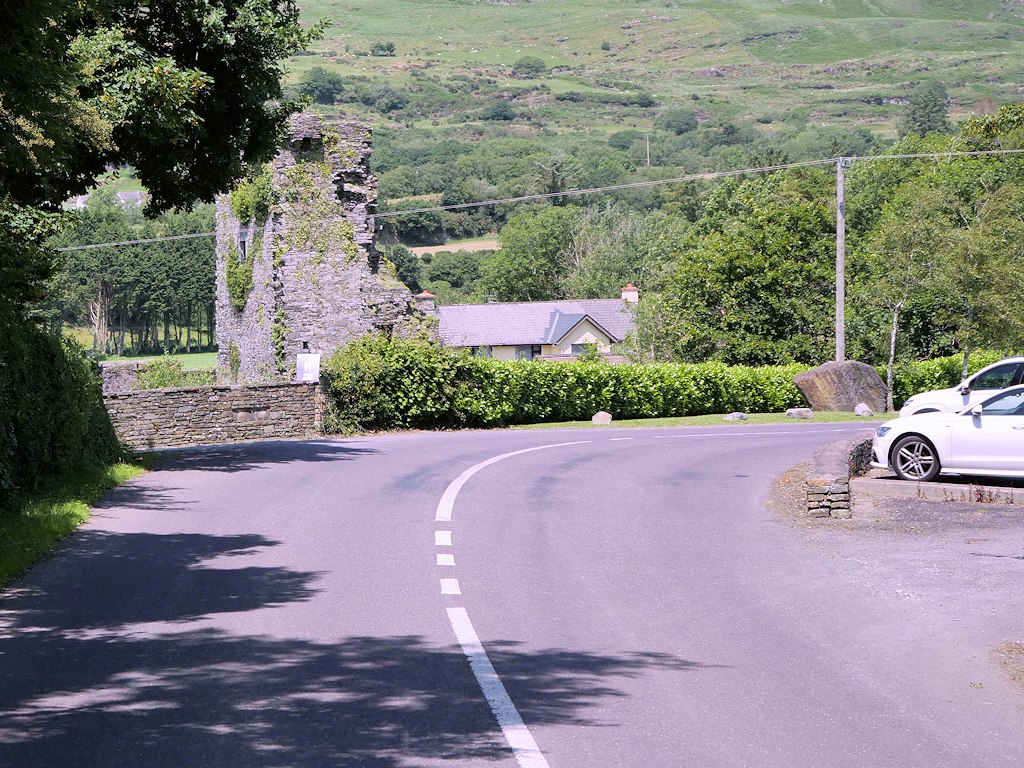
A tower house perched directly over the Ouvane river, built by an O'Sullivan Beare chief and captured in the campaign that followed Kinsale: now a…
Fortified place · Medieval
County Cork
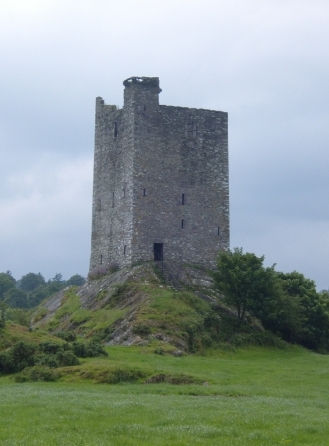
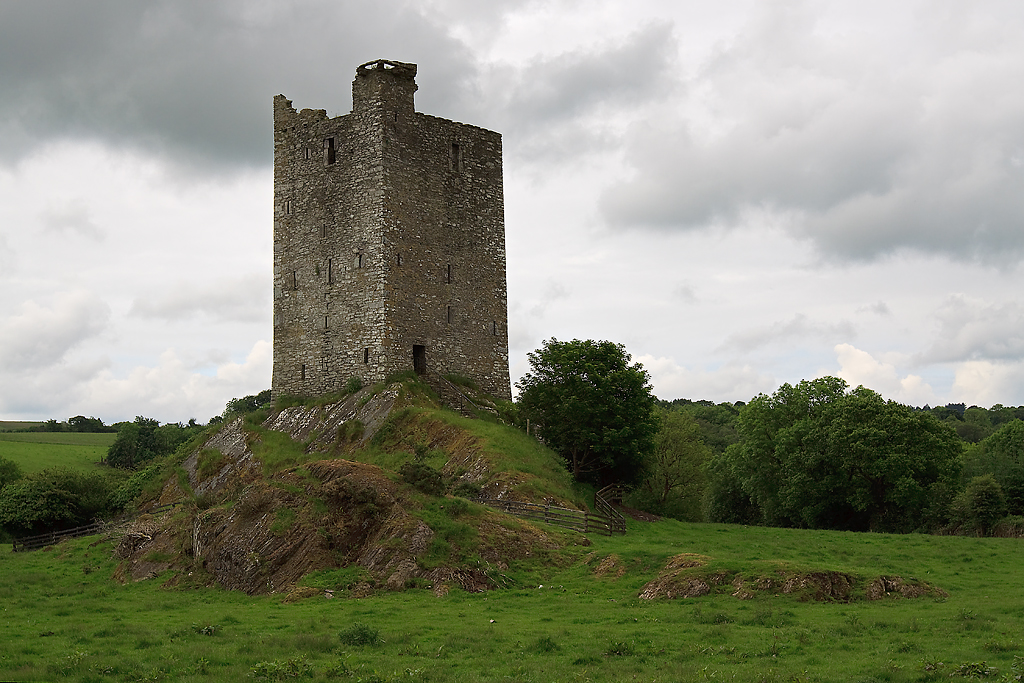
A five-storey tower raised by one branch of the MacCarthys just as another rebuilt Blarney nearby: and a refuge for a lord pardoned by Elizabeth I…
Tomb or burial place · Prehistoric
County Cork
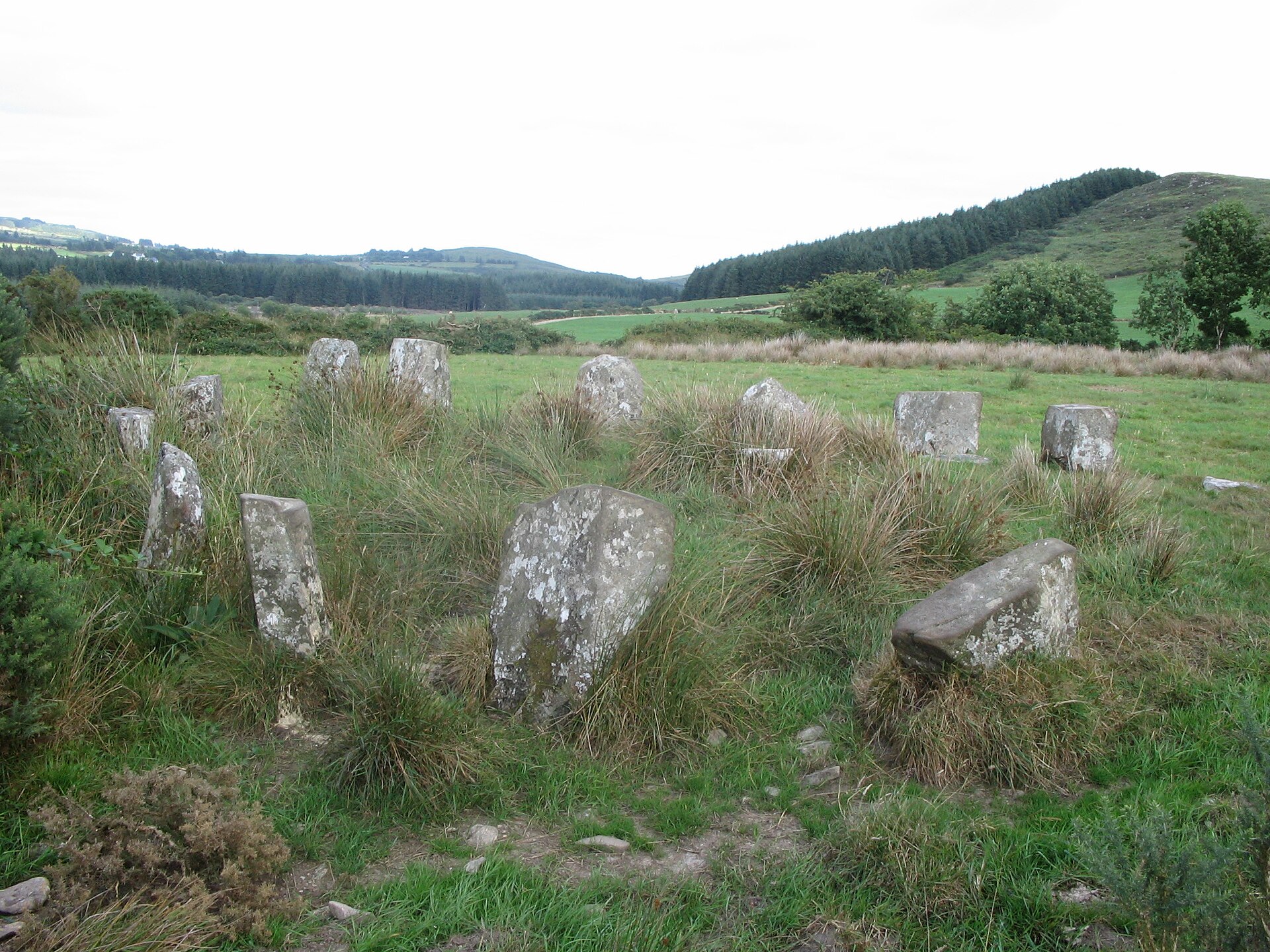
Carrigaphooca preserves the diminished remains of a County Cork stone circle, where three stones still mark a small National Monument beside a cast…
Fortified place · Medieval
County Cork
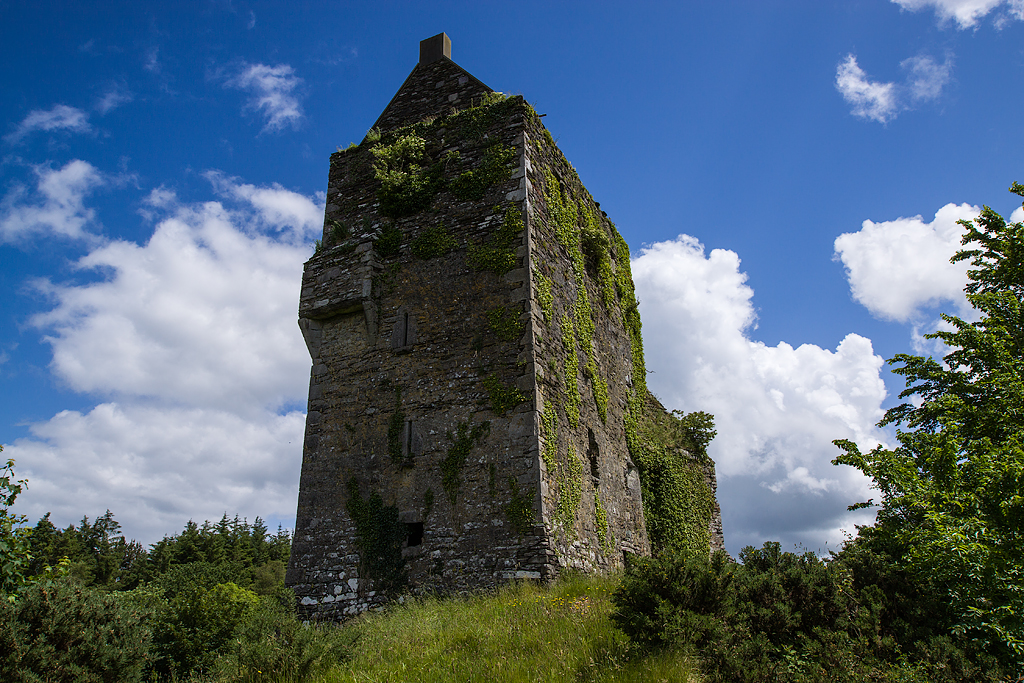
One of only three Cork tower houses built with a triangular gun-loop bastion called a redan, and the only one where a dig turned up coins two centu…
Fortified place · Medieval
County Cork
Carrigrohane Castle overlooks the River Lee from a Cork cliff edge, combining a MacCarthy-associated stronghold, Confederate-Wars decline, nineteen…
Fortified place · Iron Age
Cumbria
A rare outcrop of gabbro in a range of crumbling slate, its summit crowned by an Iron Age hillfort, a defended hilltop settlement from the centurie…
Sacred place · Medieval
Norfolk
Carrow Abbey preserves a Benedictine nunnery’s unusually detailed history of female governance, legal dispute and financial recovery, followed by d…
Tomb or burial place · Prehistoric
County Sligo
One of Ireland's largest Neolithic, the closing Stone Age, roughly 4000–2500 BC, tomb clusters, with 30 surviving monuments forming the centre of a…
Tomb or burial place · Prehistoric
County Galway
A wedge tomb: a Neolithic tomb whose chamber narrows and drops towards the back: raised in the first farming age, roughly 4000–2500 BC, and survivi…
Building or ruin · Roman
Derbyshire
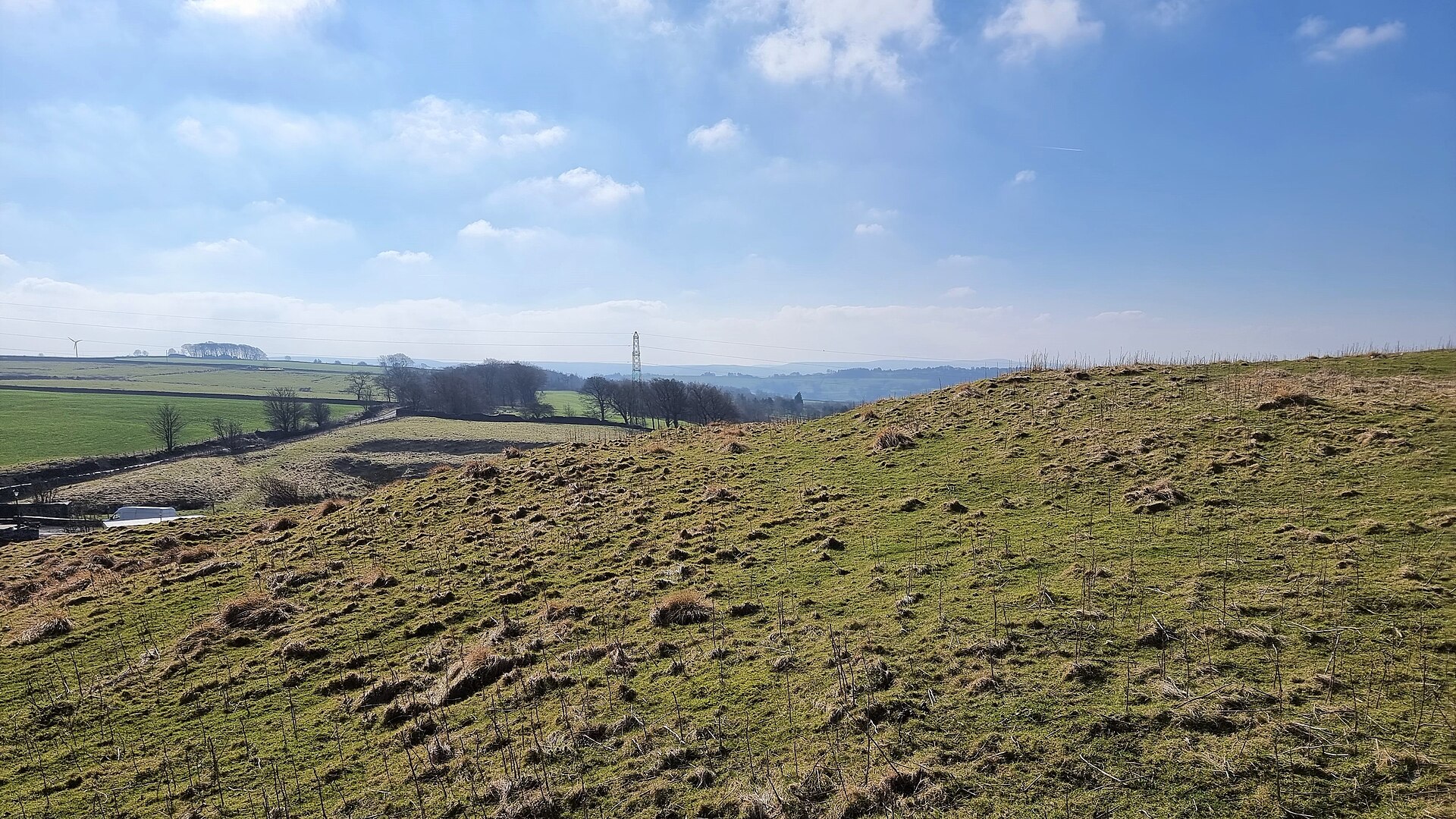
The pink mica-sandstone roof would have glittered against the green Derbyshire hills, marking out a stone building that otherwise resembled a large…
Fortified place · Medieval
Dumfries and Galloway
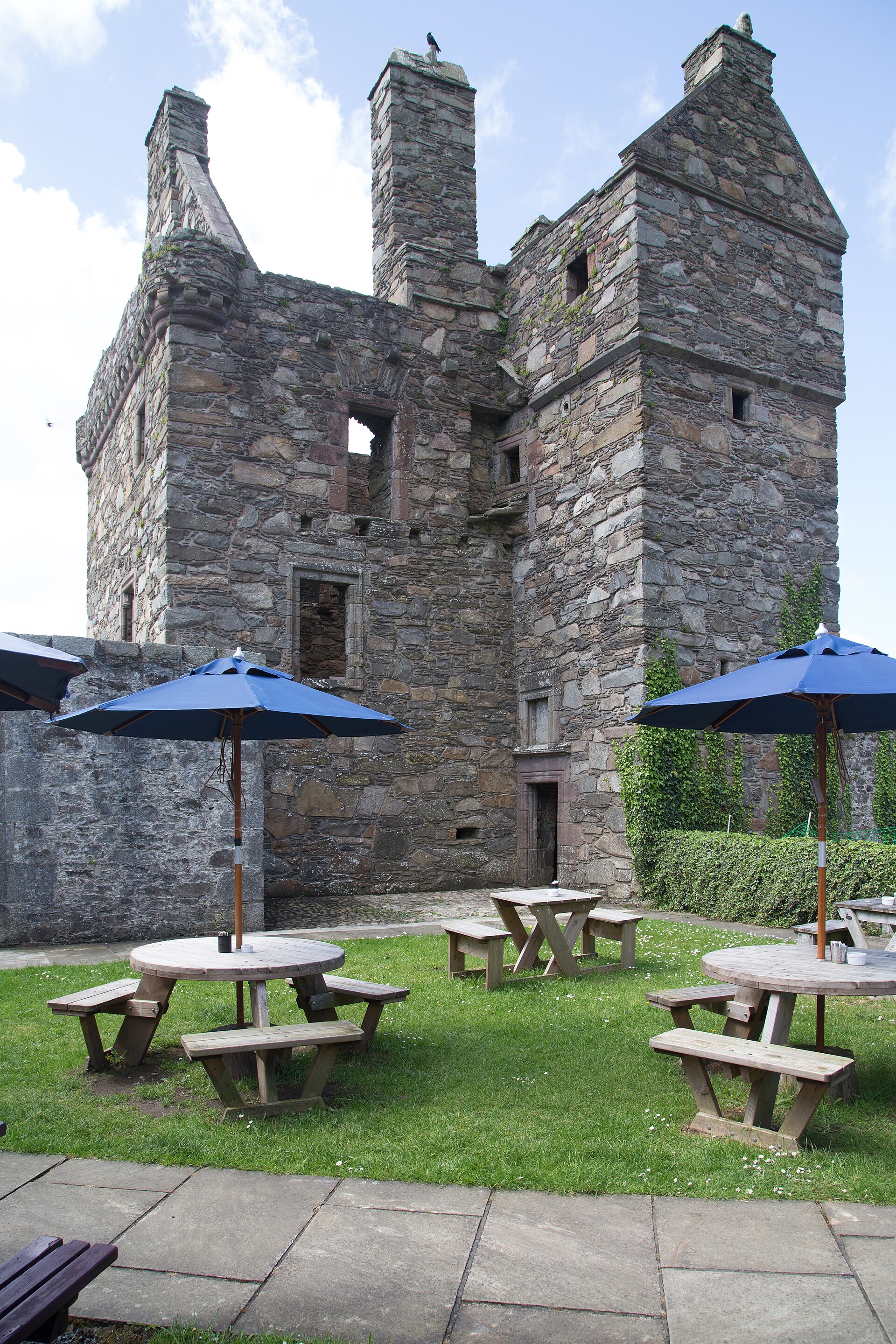
Carsluith Castle is a sixteenth-century Galloway tower house whose Lindsay and Brown history, Catholic recusancy and surviving hall-and-stair archi…
Building or ruin · Medieval
Pembrokeshire
A Grade II* listed stone ruin of a medieval tenant farm at Penally, near St Florence.
Fortified place · Medieval
Northumberland
Cartington Castle is a partly restored Northumberland ruin whose medieval pele tower, Royalist siege, and nineteenth-century conservation trace cen…
Sacred place · Medieval
Cumbria
When Henry VIII's commissioners came to demolish the priory, the parish church alone survived: saved only because villagers petitioned to keep thei…
Sacred place · Medieval
Cumbria
One of only two structures left standing from an entire monastic complex, it escaped demolition at the Reformation, the sixteenth-century break wit…
Tomb or burial place · Prehistoric
Cornwall
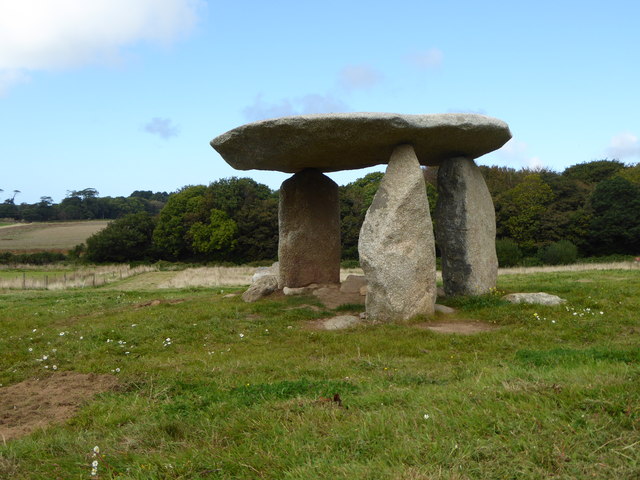
Carwynnen Quoit is a Neolithic (the first farming age, roughly 4000–2500 BC) portal dolmen whose ten-ton capstone was re-erected after almost half…
Fortified place · Medieval
Somerset
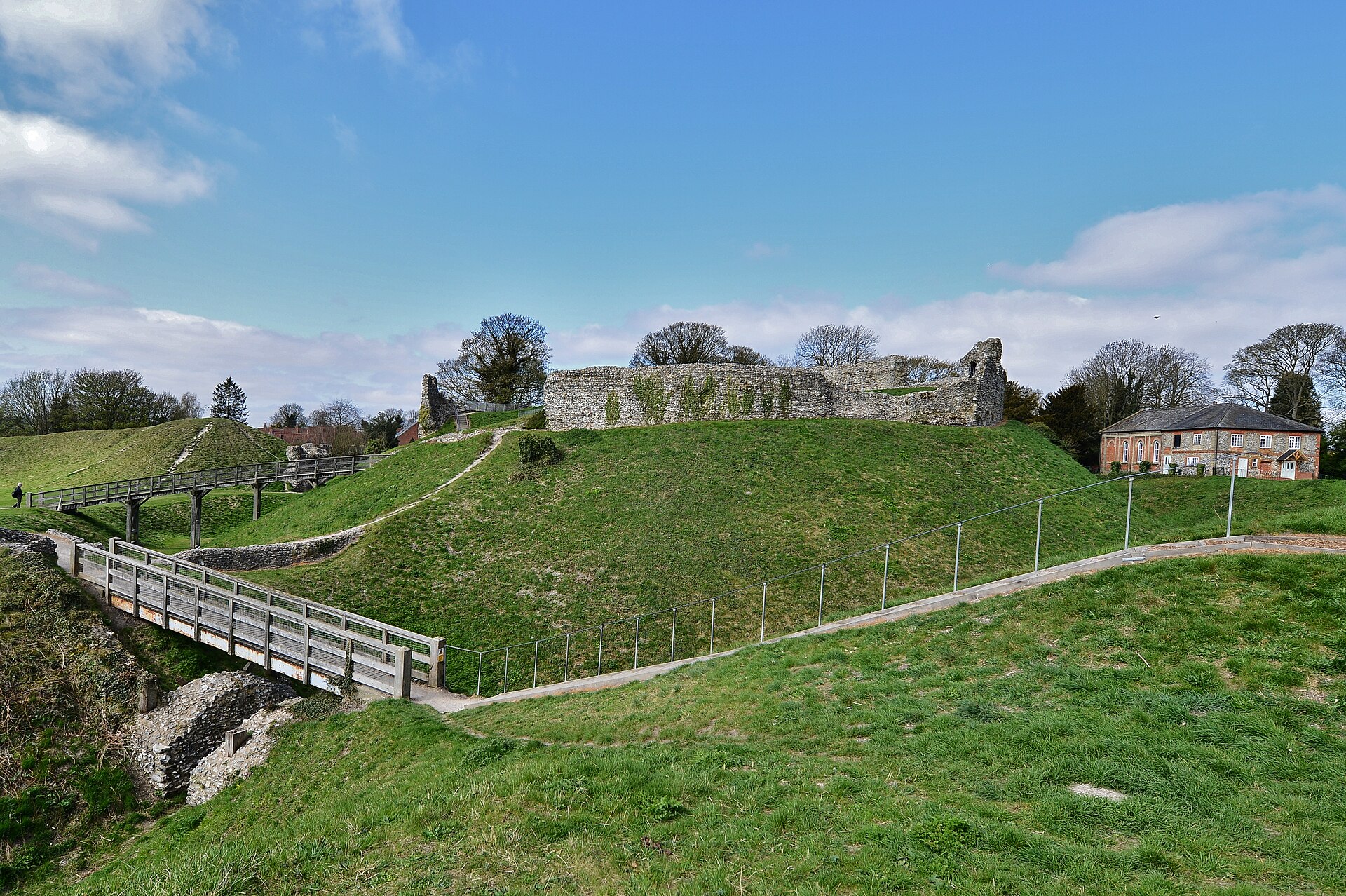
A castle a king abandoned the siege of Bristol to attack: and starved out rather than broke into.
Fortified place · Medieval
Aberdeenshire
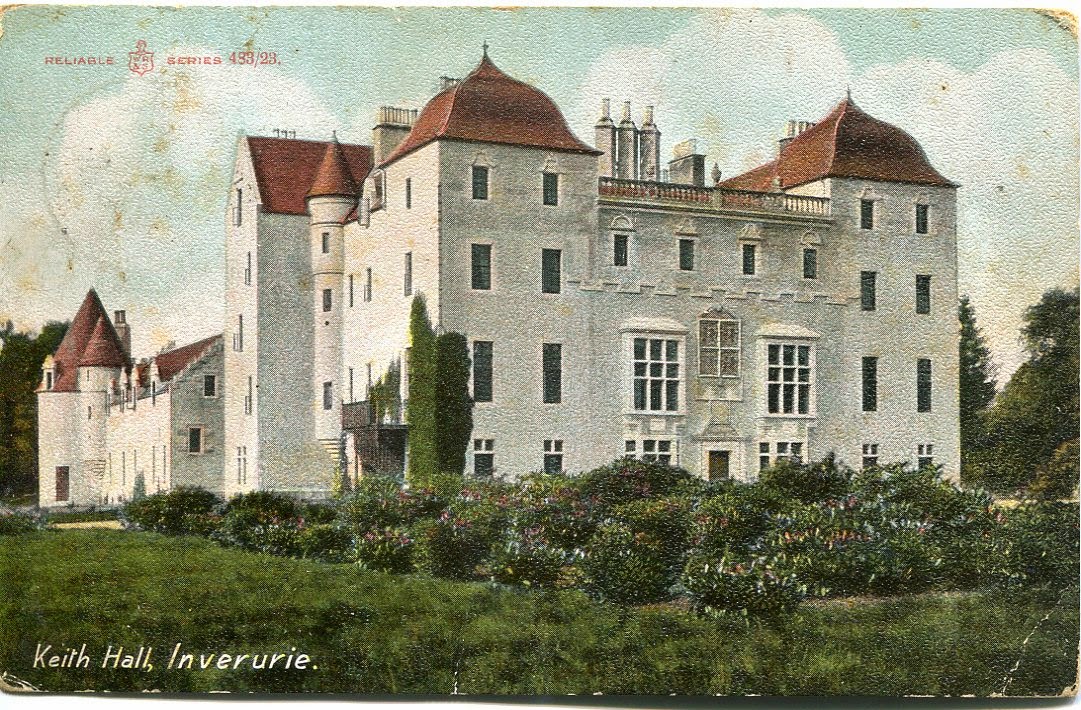
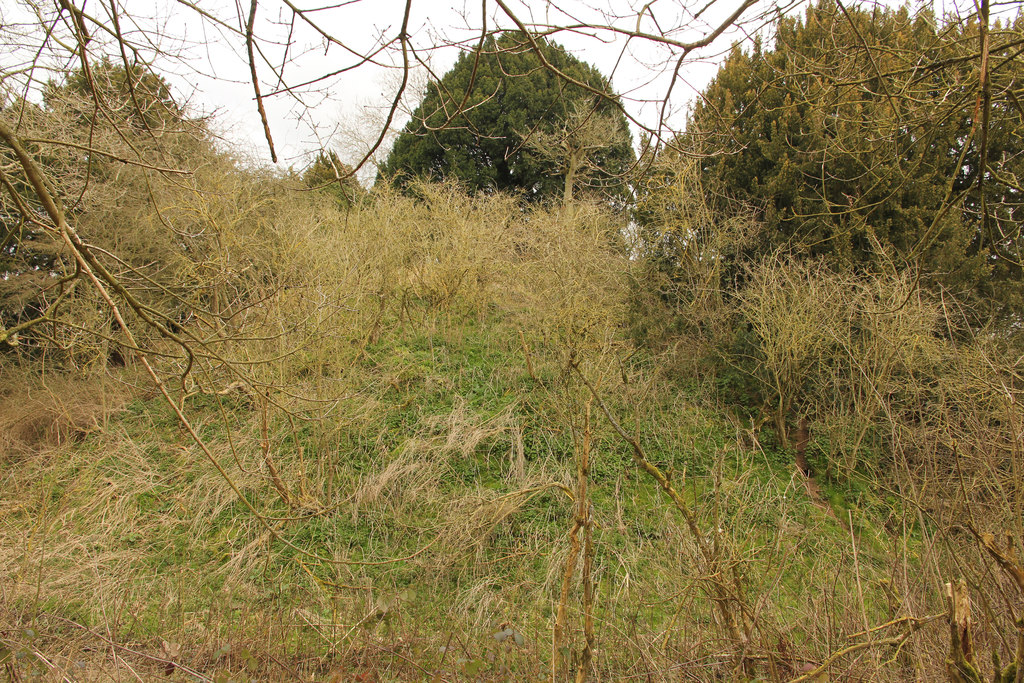
A timber tower's mound and moat still trace the outline beneath Keith Hall, a mansion that grew from Z-plan castle to Georgian seat over seven cent…
Fortified place · Iron Age
Cornwall
Castallack Round preserves the rampart (a defensive bank of earth or stone) of a Cornish enclosed settlement and the remains of a later courtyard h…
Fortified place · Medieval
Isle of Anglesey
A Norman stronghold that lost a pitched siege to a returning Welsh prince in 1094, with 124 defenders killed: one of the rare Anglesey castles whos…
Fortified place · Medieval
Monmouthshire
A Welsh ruler's fortified court, wiped out in one night of retribution for a Christmas massacre at Abergavenny Castle in 1175.
Building or ruin · Prehistoric
isle-of-anglesey
A grass-covered bank enclosing a level circle 54 metres across, first raised in the Neolithic: the last age of stone tools: and rebuilt in the Iron…
Fortified place · Iron Age
Conwy
Castell Caer Seion is an Iron Age (roughly 800 BC until the Roman conquest) Conwy hillfort (a defended hilltop settlement of the Iron Age) with a r…
Fortified place · Iron Age
Conwy
An Iron Age hillfort (a hilltop site enclosed by ramparts of earth) in woodland above Abergele, noted by antiquaries alongside the traces of a Roma…
Fortified place · Medieval
cardiff
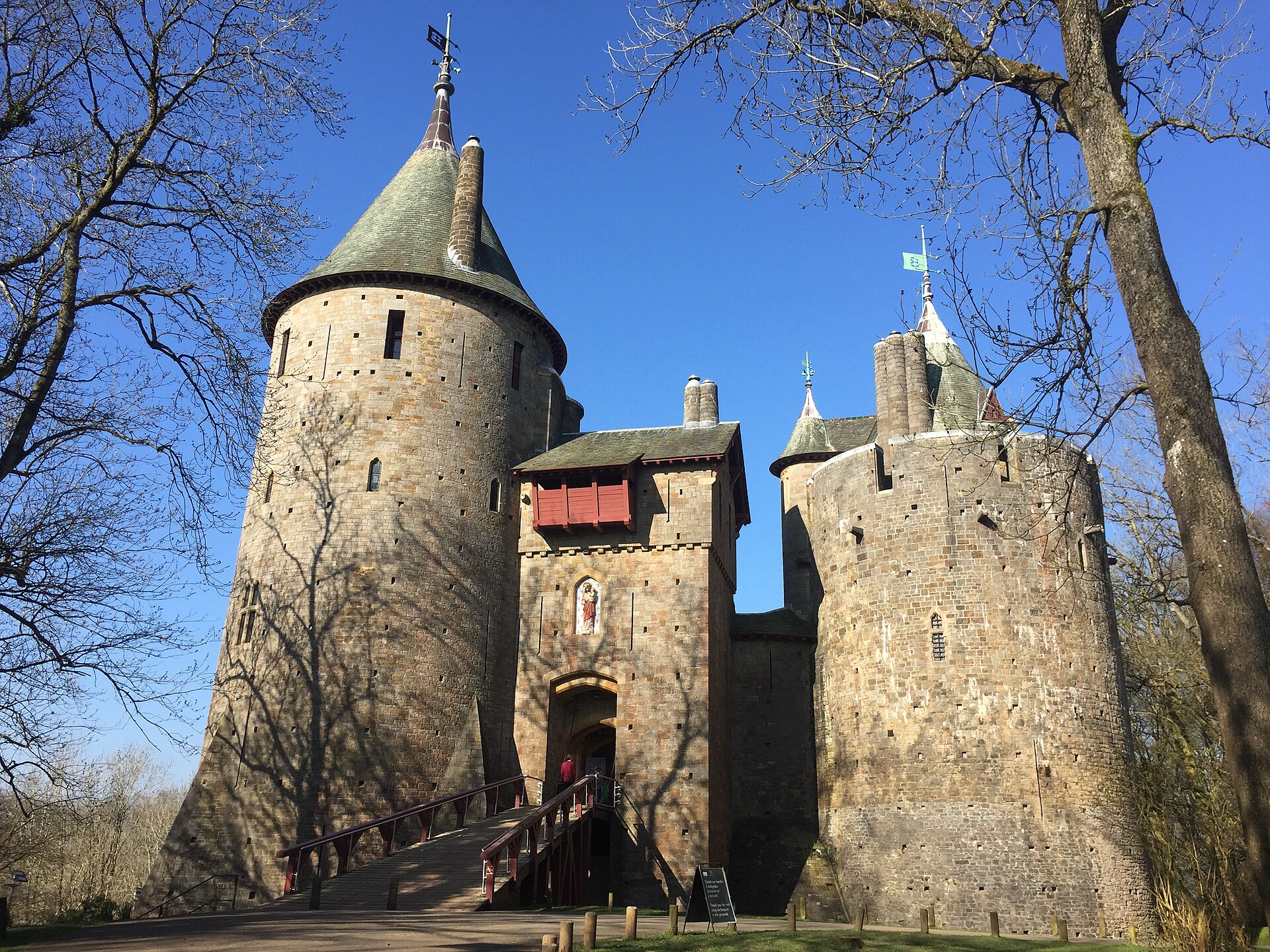
Three Victorian-roofed towers rise from the remains of a thirteenth-century stronghold, making Castell Coch a deliberate meeting of medieval ruin a…
Fortified place · Prehistoric
Powys
The highest castle in England or Wales, built in stone inside the ramparts of an Iron Age hillfort a thousand years older: a defended hilltop settl…
Fortified place · Prehistoric
Denbighshire
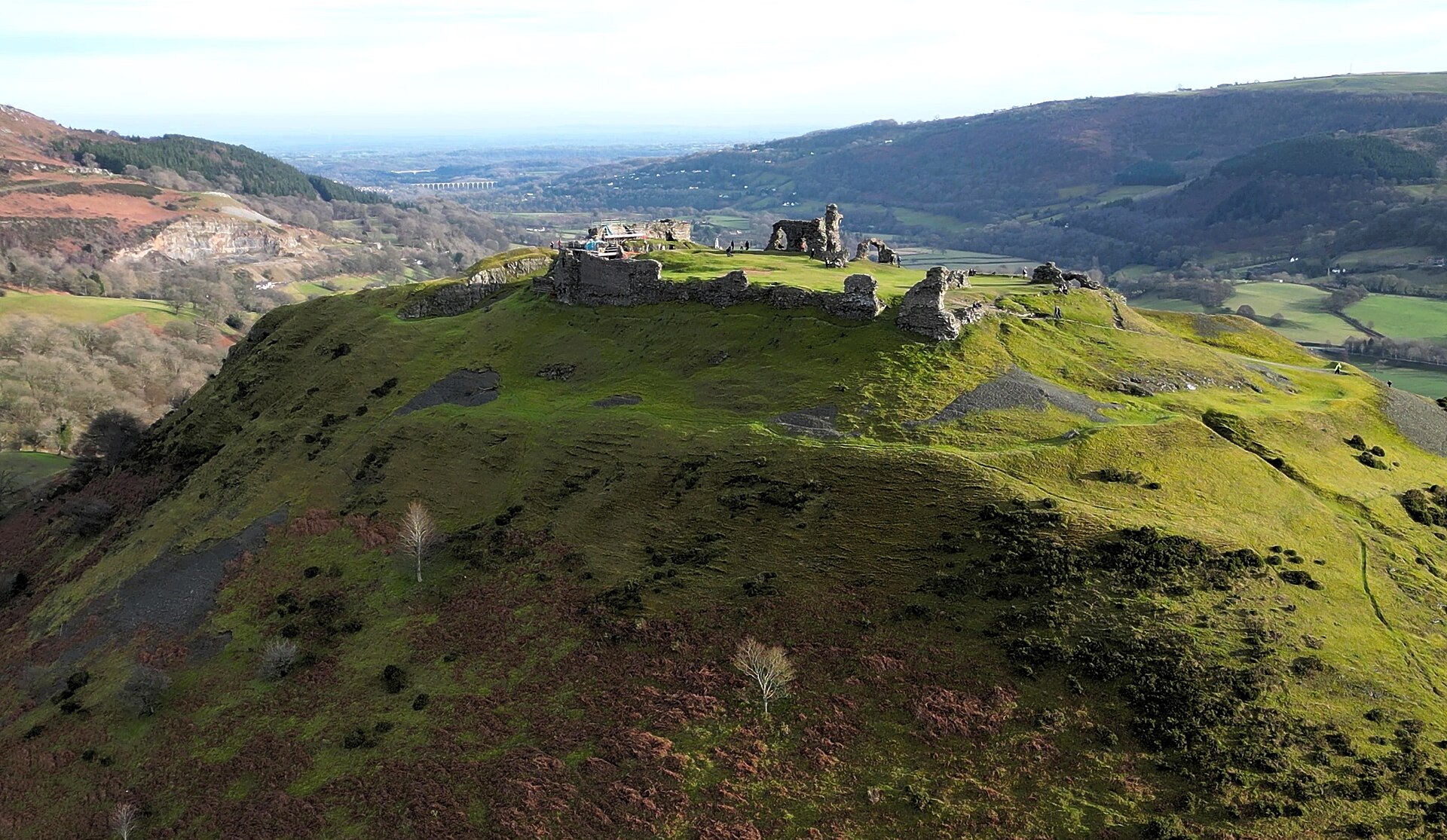
A ruined stone castle crowning an Iron Age hillfort, built by a Welsh prince as a buffer against England: then burned by its own defenders rather t…
Fortified place · Medieval
Powys
A castle of Llywelyn ap Gruffudd that appears once in the documents, in 1271, and is never mentioned again.
Fortified place · Medieval
Ceredigion
A Norman motte still stands unbreached by a single stone wall: its timber tower long gone but the earthworks and ditches that ringed it remain almo…
Fortified place · Iron Age
Pembrokeshire
Four roundhouses and a granary reconstructed on their excavated foundations inside a defended enclosure of the pre-Roman centuries.
Fortified place · Medieval
Newport
Castell Meredydd preserves a compact, contested thirteenth-century Welsh castle where Morgan ap Hywel resisted marcher pressure, a round tower and…
Fortified place · Medieval
carmarthenshire
Castell Moel preserves two uncertain stories at Llangain: the overgrown remains of a late-medieval hall house and a reported earlier castle mound n…
Fortified place · Iron Age
Ceredigion
A farmer's spade here turned up the Penbryn Spoons, a pair of Iron Age (roughly 800 BC until the Roman conquest) bronze divination tools now held i…
Fortified place · Medieval
ceredigion
Castell y Bere is Llywelyn the Great's long, rock-bound castle in the Dysynni Valley, later captured by Edward I and abandoned after a Welsh revolt.
Fortified place · Iron Age
Lancashire
Castercliff is a scheduled Iron Age (the period from roughly 800 BC to the Roman conquest) multivallate hillfort, a settlement defended by multiple…
Fortified place · Iron Age
Wiltshire
A very large enclosure on the Wiltshire downs from the Iron Age, from about 800 BC until the Romans came, which may never have been defensive and w…
Fortified place · Medieval
Norfolk
Castle Acre is an exceptional planned medieval landscape where a Norman castle, Cluniac monastery, deer park and walled settlement were consciously…
Briefer entries: recorded and worth knowing, with fuller pages to come.
Building or ruin · Roman
Kent
Canterbury Roman Museum preserves an in-situ c.300 mosaic pavement and hypocaust discovered after wartime bombing, making the buried courtyard hous…
Sacred place · Medieval
Staffordshire
A tenant destroyed the ruins in the seventeenth century after exhuming coffins and forming a pool of water below them. What looks like medieval wor…
Fortified place · Prehistoric
County Kildare
Carbury Castle layers a Norman castle mound, medieval fortress and Colley manor on the ancestral landscape of the Dukes of Wellington.
Sacred place · Medieval
Cornwall
Cardinham Grange records the transfer of a Norman-era religious gift into the monastic economy of Tywardreath and, after dissolution (Henry VIII's…
Sacred place · Medieval
Isle of Wight
Carisbrooke Priory represents both a medieval Norman dependency dissolved in wartime politics and a separate modern Dominican community that later…
Sacred place
West Midlands
A community of enclosed Carmelite nuns has kept a life of prayer running in the middle of an industrial Midlands city since 1922, having crossed fr…
Carved stone · Iron Age
Cornwall
Carminow’s pierced-wheel head, separate shaft and Victorian base make it a distinctive Cornish wayside cross whose repeated moves reveal changing t…
Tomb or burial place · Prehistoric
North Ayrshire
Carn Ban is one of south-west Scotland’s best-known Neolithic (the first farming period in Britain, roughly 4000–2500 BC) Clyde cairns, preserving…
Fortified place · Iron Age
Cornwall
Carn Euny preserves the visible stone houses and a 20-metre fogou of a settlement occupied from the Iron Age (from around 800 BC up to the Roman co…
Tomb or burial place · Medieval
County Tyrone
Carncorran Glebe preserves the Giant’s Grave, a stone burial chamber from before written records whose unusually mismatched three-metre uprights cr…
Fortified place · Medieval
County Antrim
Carra layers a late-medieval coastal residence over ground used for flint working in the middle Stone Age, roughly 9000–4000 BC, and became the sce…
Tomb or burial place · Prehistoric
County Cork
Carraig á Mhaistin is a megalithic tomb at Cork Harbour’s tidal edge, where water, seaweed and a nearby cairn (a mound of piled stones, often cover…
Sacred place · Medieval
County Fermanagh
Carrick Church binds a 1483 O’Flanagan foundation to a 1528 family murder, while its graveyard and holy-well tradition preserve a long-lived sacred…
Fortified place · Medieval
County Antrim
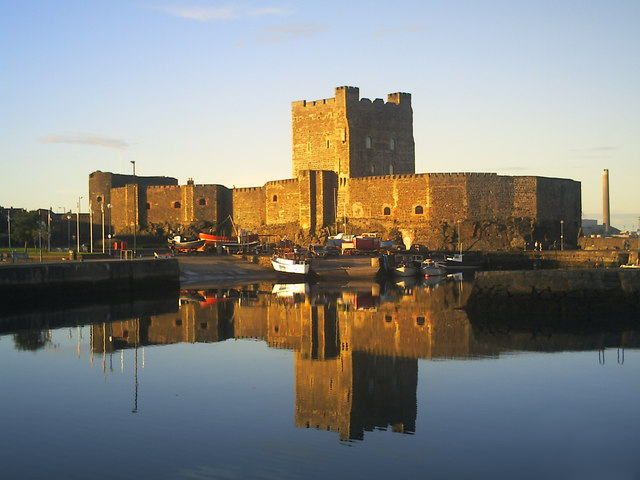
Carrickfergus Castle is a rare, deeply layered Norman waterfront fortress whose changing defences map centuries of power on Belfast Lough.
Fortified place · Medieval
County Dublin
Carrickmines matters because its Anglo-Norman frontier defences, massacre history and M50 campaign made buried archaeology a public argument about…
Tomb or burial place · Prehistoric
County Leitrim
Two very different Neolithic tombs stand within sight of each other here: a long wedge-shaped gallery grave known as the Giant's Grave, and a dolme…
Tomb or burial place · Prehistoric
County Tyrone
Carrigans is an 859-acre County Tyrone townland where a Scheduled burial monument with an open court before its chambers gives deep archaeological…
Fortified place · Medieval
County Limerick
Carrigogunnell Castle sits on an outcrop of volcanic trap rock near the village of Clarina, County Limerick, its ruined keep still overlooking the…
No places match those filters.
Kinds of place
Ages



.jpg?width=800)








.jpg?width=800)
.jpg?width=800)