Fortified place · Medieval
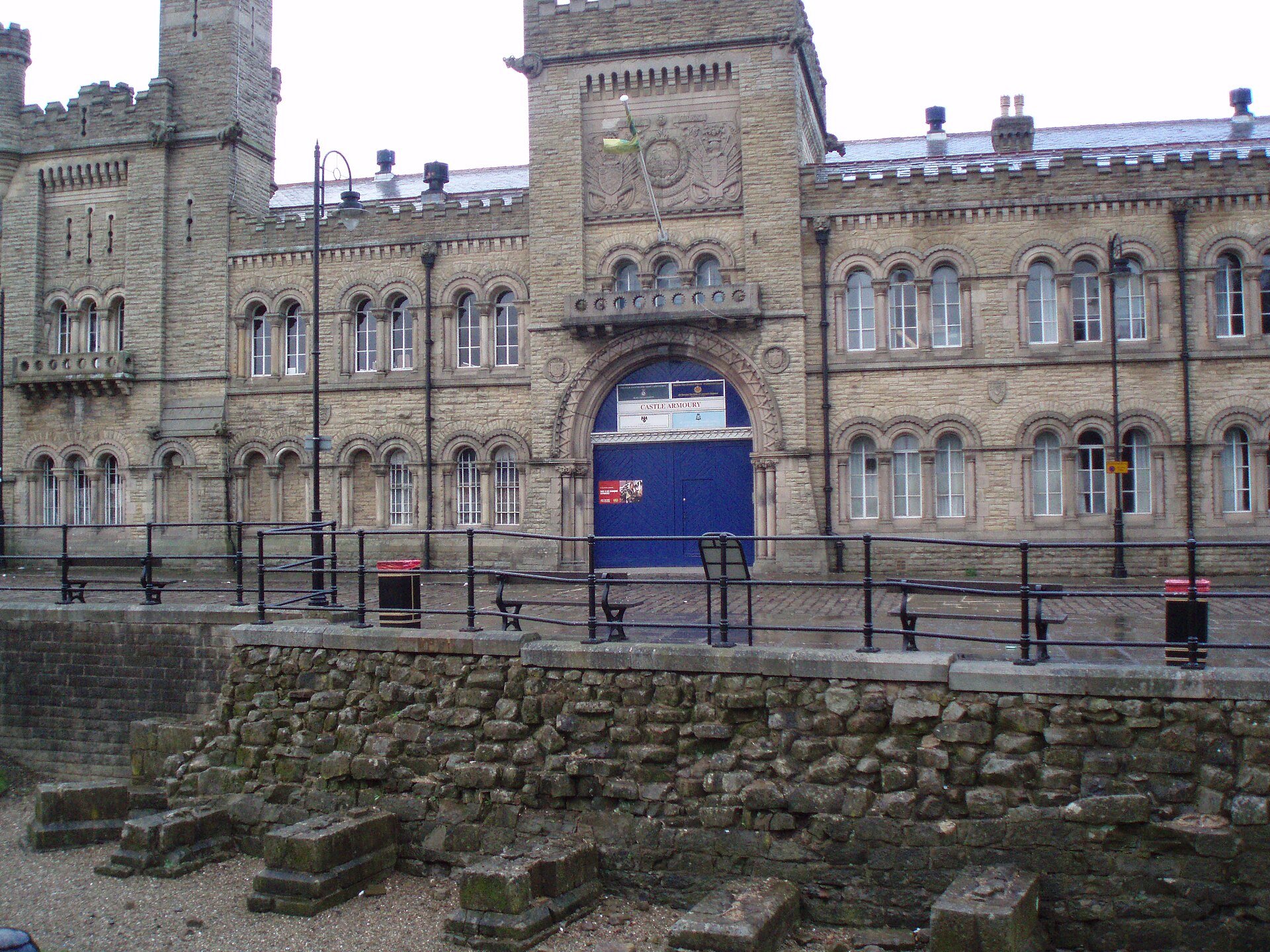
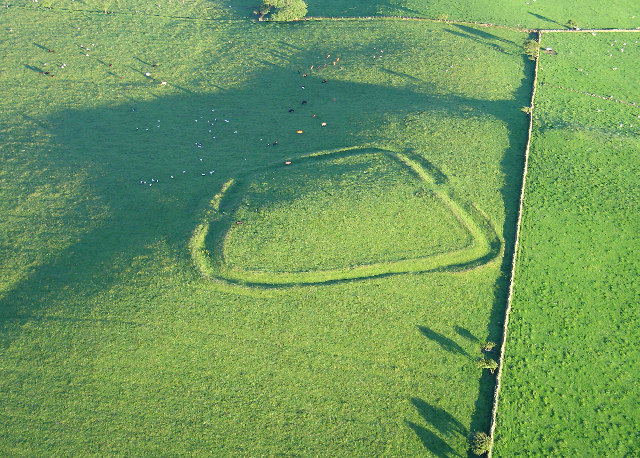
Bury Castle, Greater Manchester
Greater Manchester
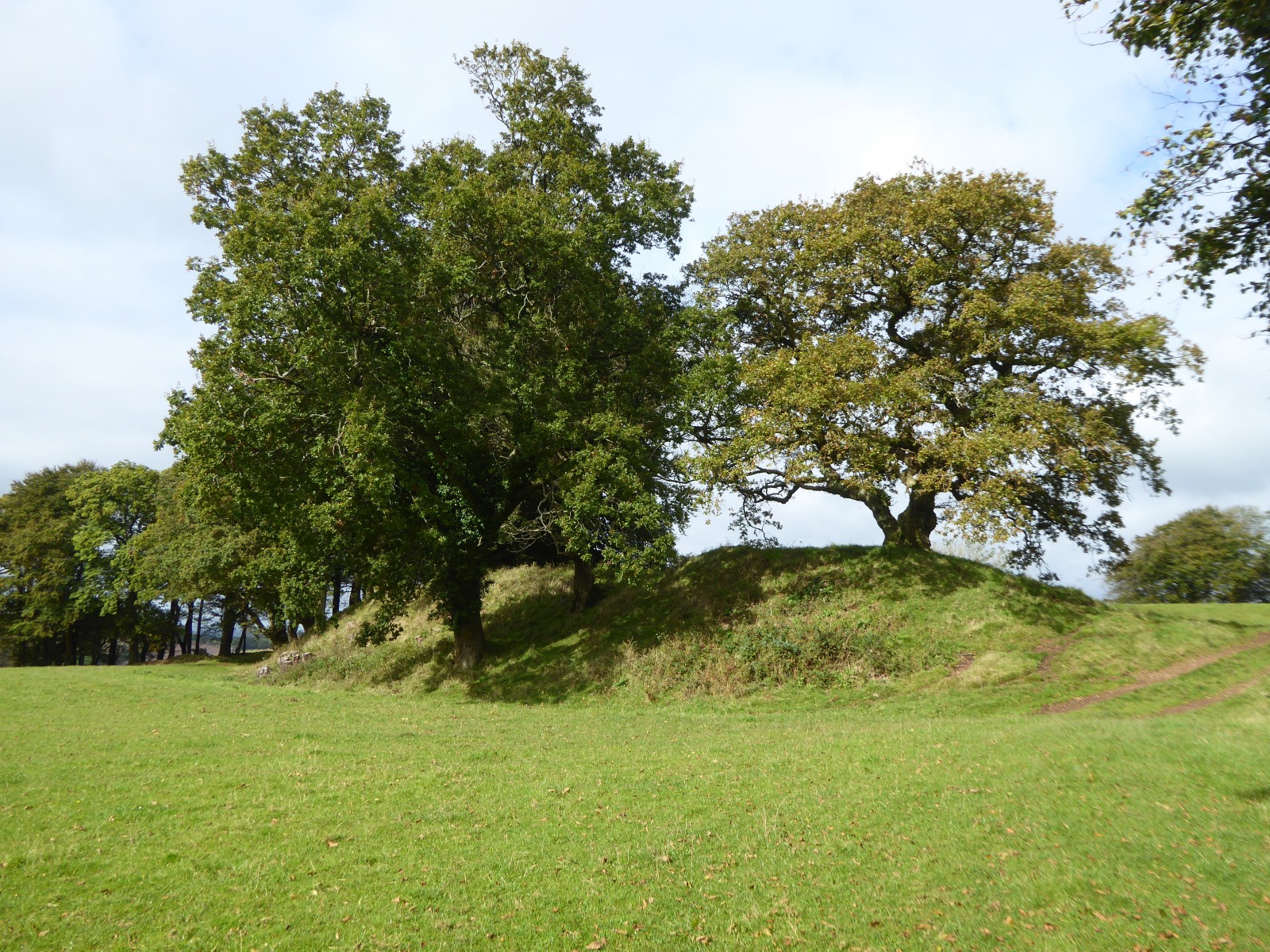
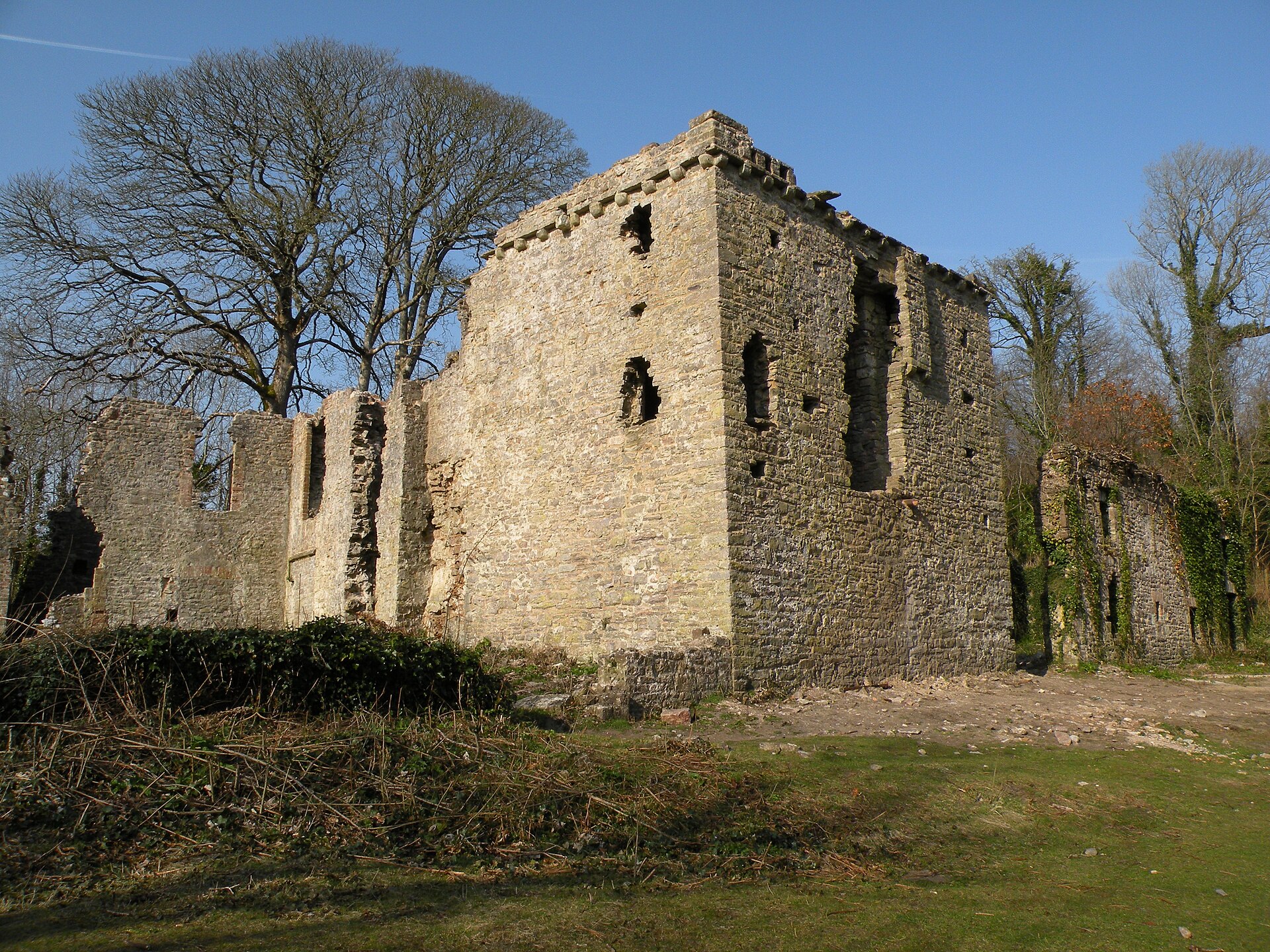
Bury Castle preserves the foundations of a late-medieval moated manor whose destruction after Bosworth shows the direct consequences of the Wars of…
- Near Bury
- Easy path
The directory
Page 10 of 47 in the full directory.
Browsing 100 places — search and the map cover the whole directory.
Fortified place · Medieval
Greater Manchester
Bury Castle preserves the foundations of a late-medieval moated manor whose destruction after Bosworth shows the direct consequences of the Wars of…
Fortified place · Prehistoric
somerset
A defended enclosure of a fifth of a hectare on a spur above Selworthy, with a second bank thrown out thirty metres west, where the ground offers n…
Fortified place · Iron Age
Shropshire
One of the most complete hillforts in the Shropshire Hills: visible only because two decades of storms took the forestry off it.
Fortified place · Iron Age
Hampshire
A double ring of earthen ramparts raised in two distinct building phases, then reused centuries later as a royal war-camp during the fight for the…
Fortified place · Medieval
Gloucestershire
Its castellated walls are barely two centuries old, but the cellars beneath them are a genuine survival from a 13th-century manor house on the same…
Fortified place · Medieval
Northamptonshire
A Norman motte-and-bailey, a timber tower on an earth mound with a walled yard beside it, raised during the Anarchy on ground already defended agai…
Sacred place · Medieval
Suffolk
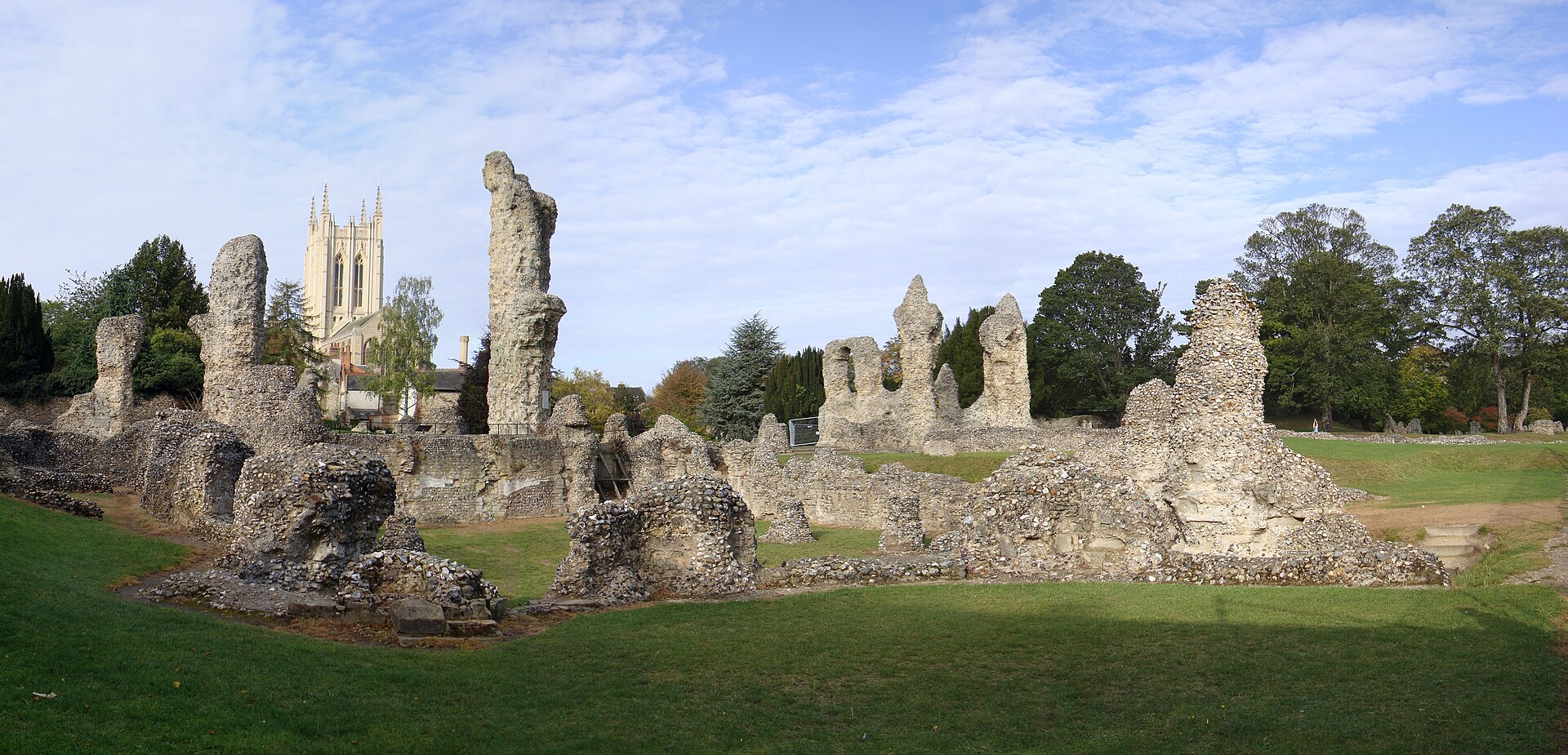
In October 1327 monks walked into the parish church, threw off their habits to show armour underneath and took hostages. The townspeople burned the…
Fortified place · Iron Age
Shropshire
A protected defended site on a sandstone ridge south-east of Weston-under-Redcastle.
Tomb or burial place · Prehistoric
Wiltshire
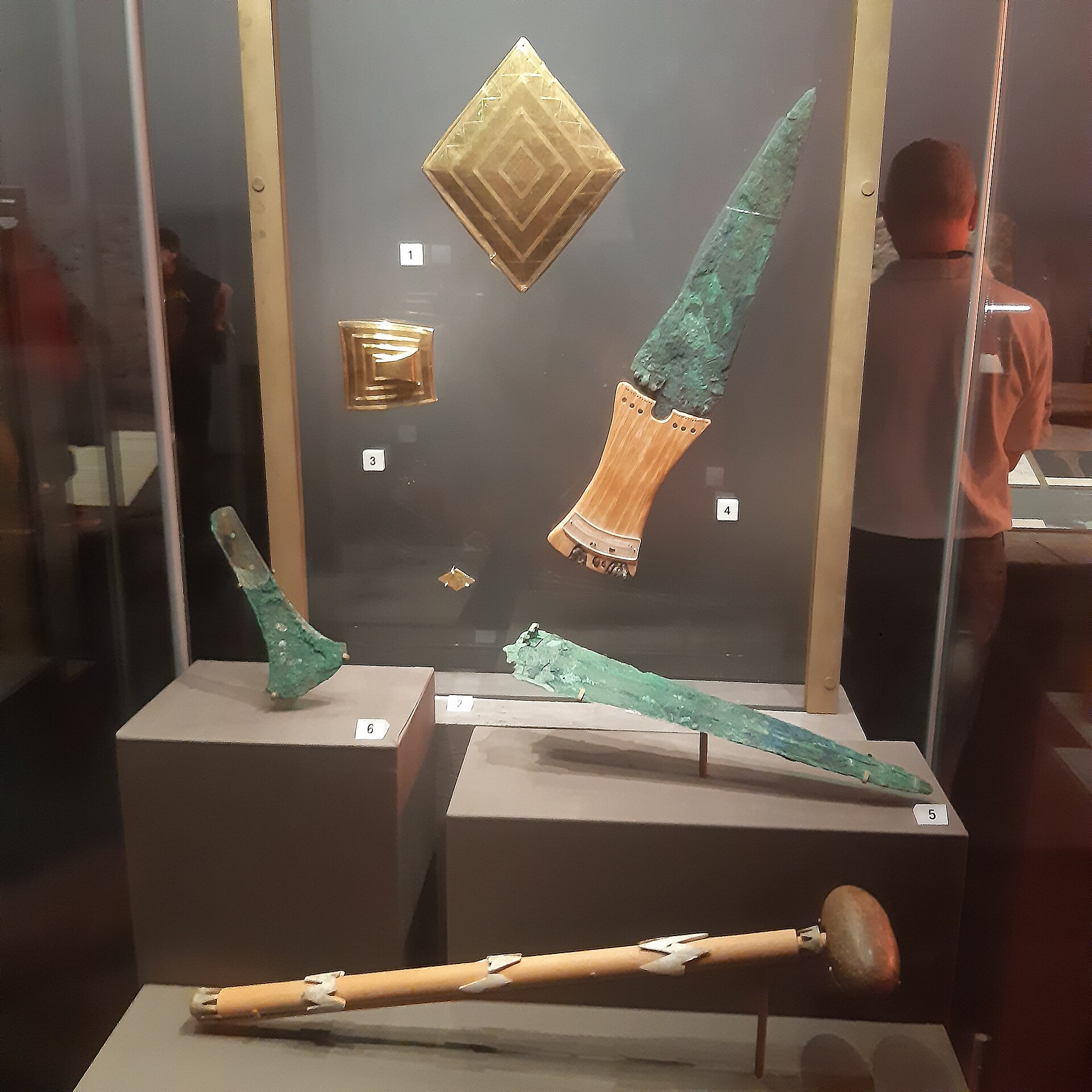
A single Bronze Age (roughly 2500–800 BC, when metalworking spread) burial on a Wiltshire ridge produced the richest grave goods found anywhere in…
Sacred place · Medieval
Bedfordshire
Only the refectory, where a small Augustinian community ate, and its kitchen survive, roofed by a rare king-post timber frame that has stood since…
Fortified place · Iron Age
Berkshire
Its ramparts are lopsidedly built: doubled banks and ditches guard the south and east, while a single bank was thought sufficient for the gentler n…
Sacred place · Medieval
Suffolk
An Augustinian house founded by Ranulf de Glanville in 1171 and suppressed in 1538.
Sacred place · Medieval
County Cork
A friary porch that once doubled as the town's law court: leases signed, marriages contracted, fealty sworn: until a Parliamentarian army burned th…
Building or ruin · Iron Age
Dorset
Buzbury Rings is a multi-period Dorset enclosure where Neolithic origins: from the late Stone Age, about 4000–2500 BC in Britain: Iron Age defences…
Fortified place · Iron Age
Isle of Anglesey
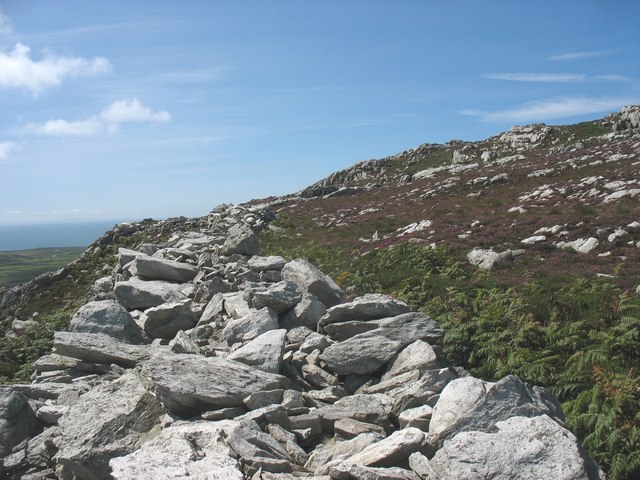
Bwrdd Arthur is an Anglesey hillfort: a settlement defended by banks and ditches on high ground during the Iron Age, the centuries before Rome arri…
Sacred place · Medieval
North Yorkshire
Its ruined west front still holds half a stone rose window that inspired York Minster's own, and a monk here wrote down twelve ghost stories now re…
Fortified place · Medieval
Lincolnshire
Bytham Castle preserves the earthwork (a bank, ditch or mound shaped from soil rather than built in stone) footprint of a probable early Norman hil…
Ancient place · Medieval
Suffolk
A great Pleistocene river of central England, destroyed by ice about 450,000 years ago: and, since the mid-2010s, argued not to have existed at all.
Fortified place · Medieval
Northumberland
Bywell Castle preserves the imposing gatehouse of an unfinished Neville project, overlooking the Tyne and retaining a direct link to the Wars of th…
Fortified place · Iron Age
Somerset
An Iron Age fort with Roman coins, a statue of Mars and a wartime searchlight battery: and a Camelot legend that probably belongs to a different Ca…
Fortified place · Iron Age
Devon
Cadbury Castle is a strategically placed hillfort, a defended enclosure on high ground, ringed with banks and ditches, whose exceptional views link…
Fortified place · Iron Age
Somerset
A defended hilltop at South Cadbury, ringed by banks and ditches on high ground.
Fortified place · Iron Age
Somerset
An Iron Age fort - roughly 800 BC until the Roman conquest - refortified around AD 400 after Rome withdrew, and trading with Byzantium a century la…
Building or ruin · Roman
County Durham
Cade's Road takes its name not from a Roman engineer or emperor but from John Cade, a Durham antiquarian (an early collector-scholar of antiquities…
Fortified place · Iron Age
Cornwall
A single bank and ditch ringing 2.5 hectares above the Lynher, with opposed entrances east and west and not one house platform visible inside it.
Building or ruin · Medieval
Wiltshire
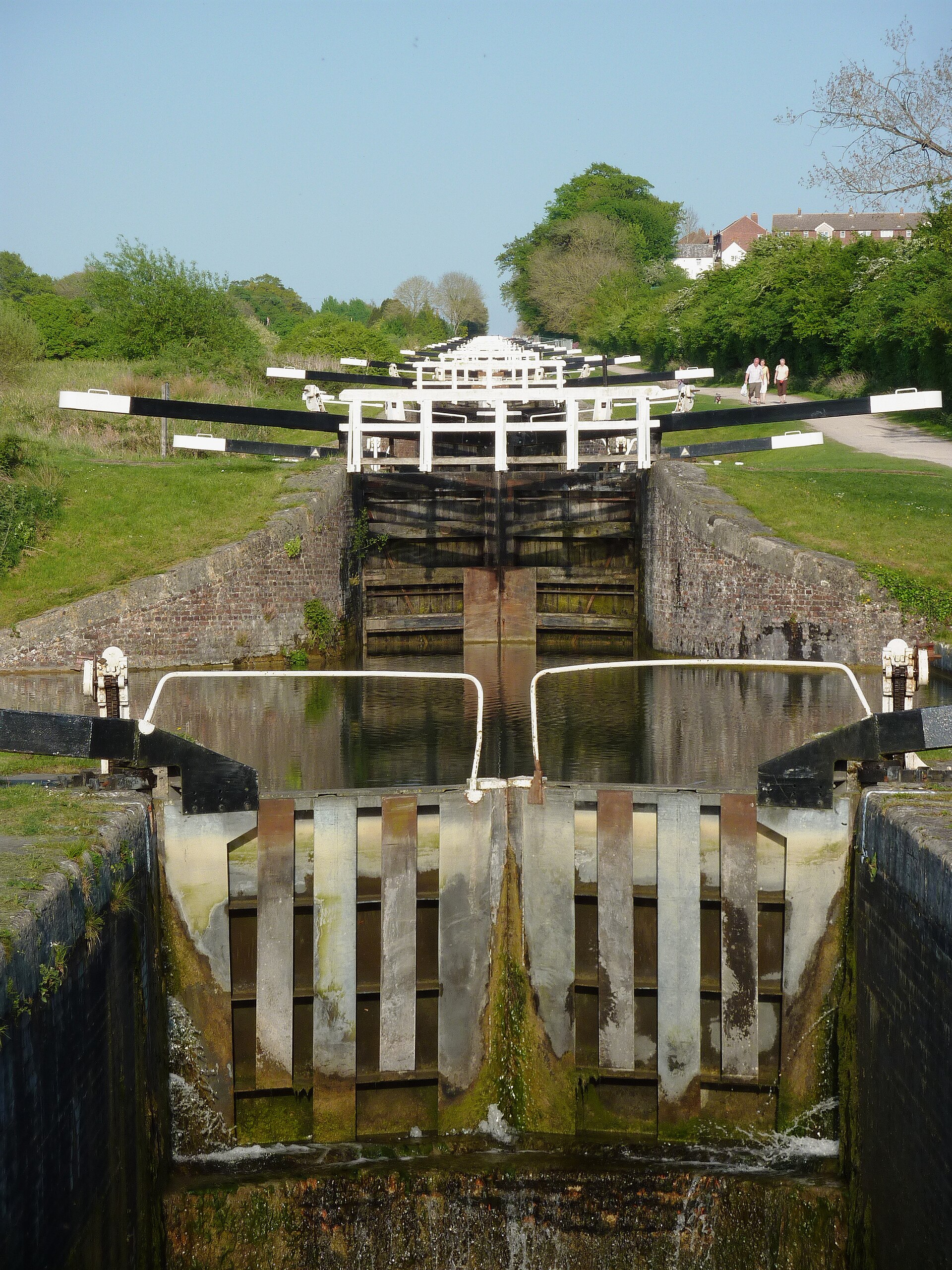
Sixteen locks climb a hillside in an unbroken straight line, their oversized sideways pounds built purely to store enough water to keep the flight…
Fortified place · Iron Age
Conwy
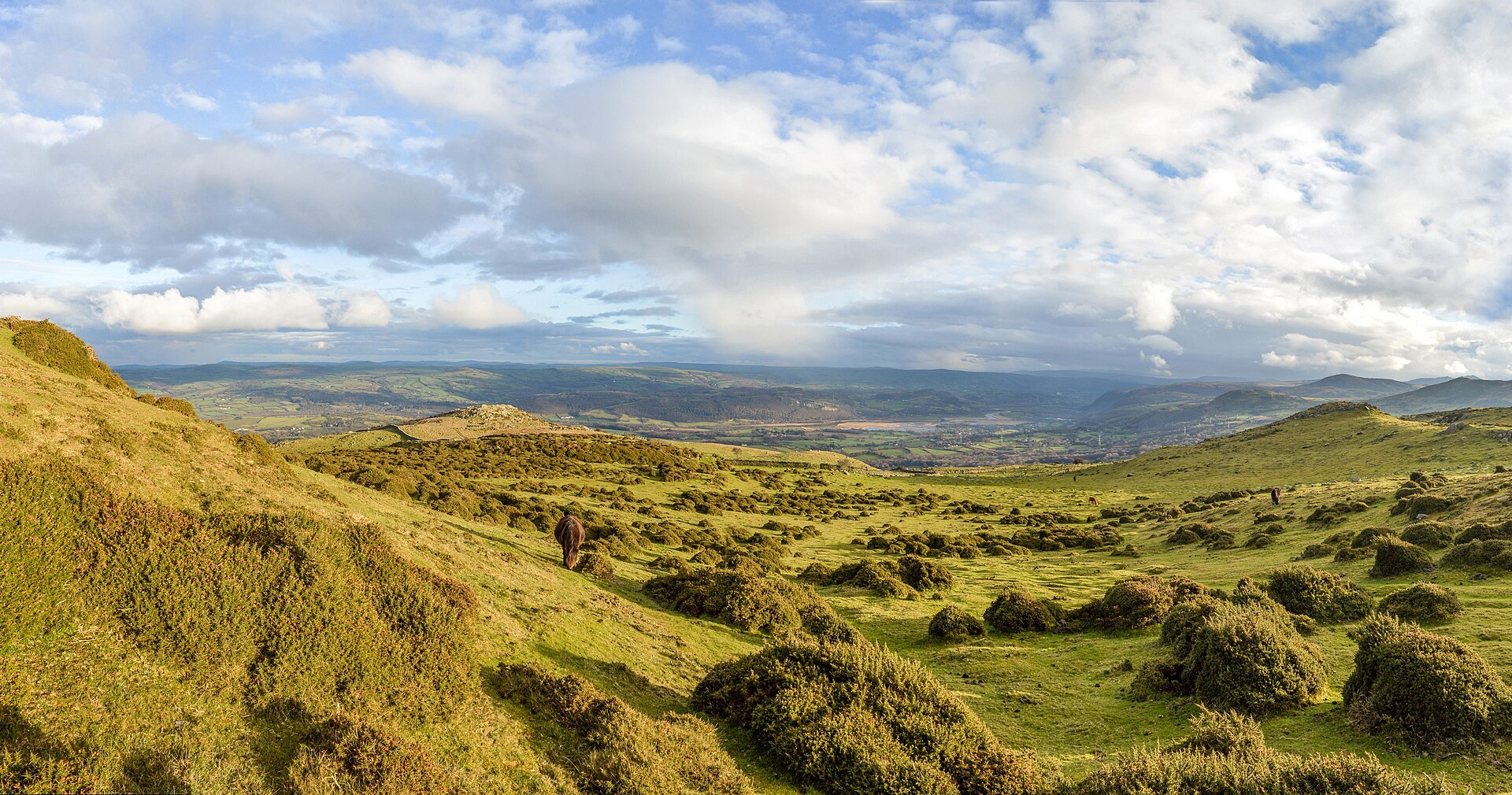
A small, little-investigated hillfort: a defended hilltop settlement of the Iron Age: above the Conwy valley whose double defences still hold the p…
Fortified place · Iron Age
Cornwall
The inner wall of Caer Bran was once a circular stone-lined rampart (a defensive embankment ringing the site) twelve feet thick, enclosing a space…
Fortified place · Iron Age
Shropshire
A hill above Church Stretton, named for Caradog and distinct from the fort near Bucknell.
Fortified place · Iron Age
shropshire
Two Shropshire hillforts sixteen miles apart carry this name, and both are claimed as the site of Caratacus's last battle against Rome.
Fortified place · Medieval
Cardiff
A nine-metre earthen mound still rises inside a working school's grounds, one of the few Norman-period defences to survive Cardiff's expansion larg…
Fortified place · Iron Age
Denbighshire
A dry-stone rampart (a defensive embankment ringing the site) nearly three hectares in extent, still remembered as the muster point where Owain Gly…
Fortified place · Iron Age
Gwynedd
Caer Euni is a compact, expanded Iron Age hillfort: a settlement defended by banks and ditches on high ground from roughly 800 BC until the Roman c…
Building or ruin · Roman
Gwynedd
Caer Gai preserves a Roman road-junction fort whose walls, later Welsh literary associations and post-medieval (after about 1500) reuse reveal cent…
Fortified place · Roman
Isle of Anglesey
Caer Gybi is a rare Roman coastal fortlet at Holyhead whose substantial walls were reused for St Cybi’s monastery, linking late Roman defence with…
Fortified place · Roman
isle-of-anglesey
A double-banked enclosure on marshy ground west of Brynsiencyn where an 1865 dig found a Roman coin, a bronze brooch and Samian pottery: and, above…
Building or ruin · Medieval
Conwy
A Roman fort in the Llugwy valley where a later courtyard building may preserve the story of a garrison becoming a roadside posting station.
Building or ruin · Roman
Cumbria
A modest Lake District fell carries a Roman fort in its shadow and an earthwork (banks and ditches raised from the earth rather than quarried stone…
Fortified place · Iron Age
isle-of-anglesey
An Iron Age hillfort on the summit of Holyhead Mountain whose ruined ramparts still stand three metres high, with the footings of a later tower: a…
Fortified place · Iron Age
Cardiff
A ruined medieval church and an unrecorded castle mound sit inside the ramparts, three layers of settlement stacked on one Cardiff ridge.
Fortified place · Prehistoric
Flintshire
The last castle built by a Welsh ruler before the conquest of 1282, it changed hands from Dafydd ap Gruffydd to an English queen within six years,…
Fortified place · Medieval
Dumfries and Galloway
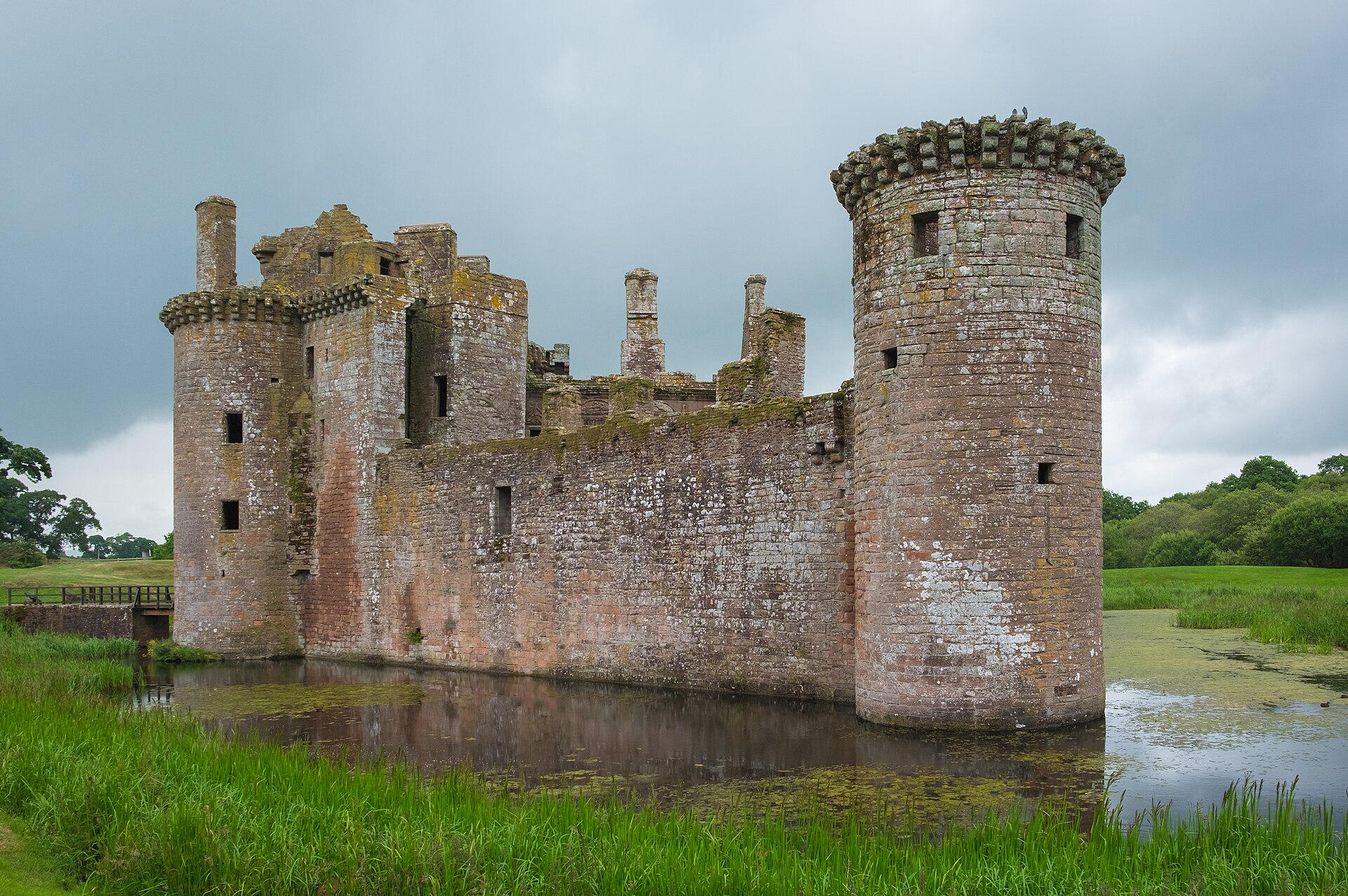
Caerlaverock is the UK’s only triangular castle, retaining a moat, great gatehouse and Renaissance lodging amid a history of sieges, rebuilding and…
Fortified place · Roman
Newport
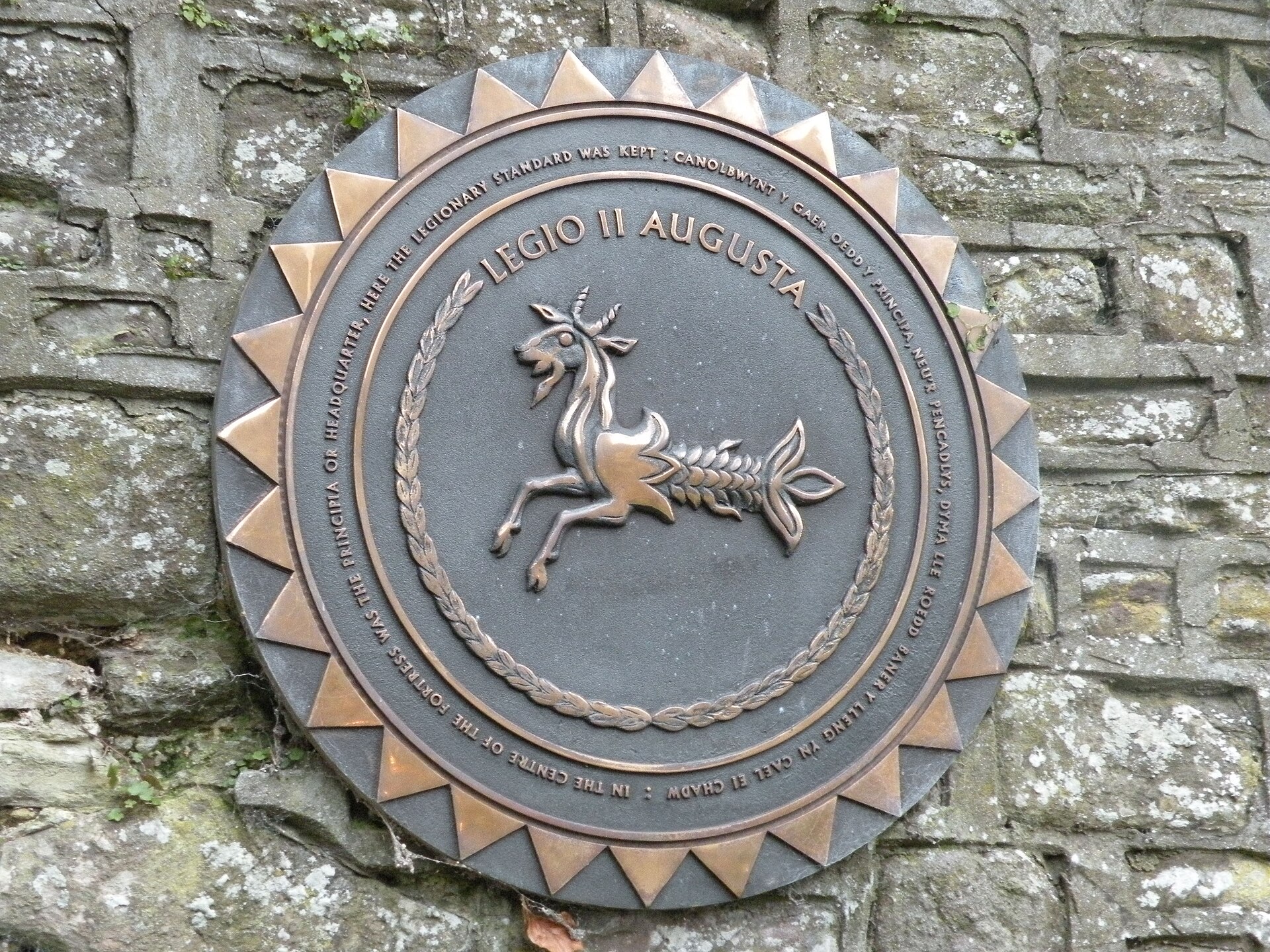
Caerleon is one of only three permanent legionary fortresses in Roman Britain, with unusually accessible remains of its baths, amphitheatre and bar…
Fortified place · Medieval
Gwynedd
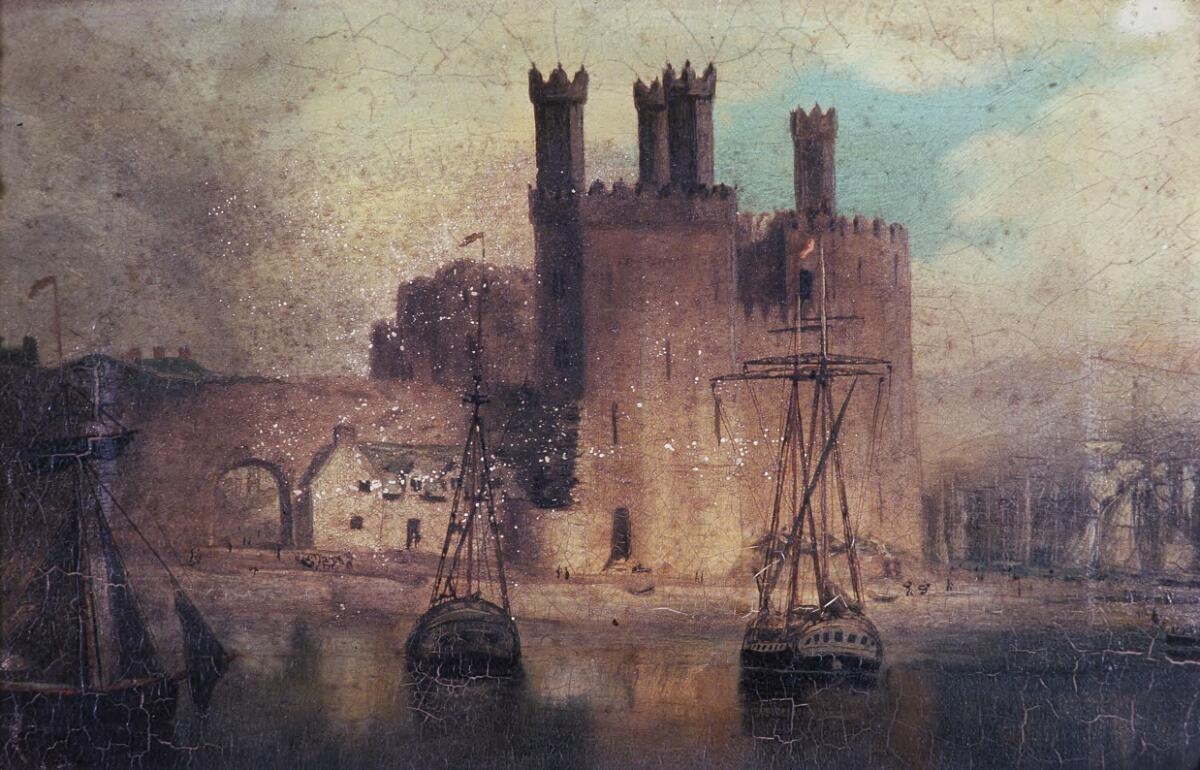
Caernarfon Castle is Edward I’s monumental administrative fortress in north Wales, a deliberately Roman-imperial design whose defences, unfinished…
Fortified place · Medieval
Gwynedd
Caernarfon’s town walls are an unusually intact Edwardian circuit, built with the castle to establish a new administrative capital and still defini…
Fortified place · Medieval
Caerphilly
Britain's first concentric castle, ringed by artificial lakes so elaborate one historian called them the most sophisticated water defences in the c…
Building or ruin · Roman
Powys
Two Roman forts of different generations at Caersws: one an oversized campaign camp in a bend of the Severn, the other a permanent fort with the vi…
Building or ruin · Medieval
Monmouthshire
A Cold War rocket-motor works turned Gulf War ammunition depot, its 400-odd bunkers now awaiting new life as a British Army barracks.
Fortified place · Iron Age
Berkshire
A mile-long rampart shaped like an oak leaf, built by hand on ground too poor to farm: one of the largest hillforts in southern England, sustained…
Fortified place · Iron Age
Surrey
One of the largest multivallate hillforts in southern England, its Iron Age (roughly 800 BC until the Roman conquest) ramparts were later reused wh…
Fortified place · Medieval
County Mayo
Taken into Irish state care in 1918, this Mayo tower house survives today chiefly as a protected National Monument, its stone walls the last clear…
Sacred place · Medieval
County Tipperary
A working priory, a monastery headed by a prior, whose altar end, tower and covered walkway survive largely intact from three separate building cam…
Fortified place · Medieval
County Tipperary
One of the largest castles in Ireland, built on a river island where a stone-fort name, a royal siege, a notorious murder trial and a Cromwellian s…
Fortified place · Medieval
Bedfordshire
Its entire village died with the Black Death in 1348, then lay forgotten until 20th-century excavation uncovered the earthworks of a Norman motte,…
Tomb or burial place · Prehistoric
Aberdeenshire
A near-48-metre wedge of pink granite boulders on a Buchan ridge, one of north-east Scotland's longer Neolithic (the first farming age, roughly 400…
Fortified place · Medieval
Aberdeenshire
One of nine strongholds historian W. Douglas Simpson grouped as the castles of the Knuckle, Aberdeenshire's rocky north-east headland, and still he…
Fortified place · Medieval
Argyll and Bute
A single fortress split across two separate islets in the Treshnish Isles, held in turn by the heirs of Somerled and the Macleans of Duart for over…
Tomb or burial place · Prehistoric
Dumfries and Galloway
Cairnderry chambered cairn: a Neolithic burial mound built around a stone chamber, dating from the late Stone Age, roughly 4000–2500 BC in Britain:…
Carved stone · Pictish & early medieval
Aberdeenshire
Found in a field-clearance heap in 2001, its incised crescent-and-V-rod and triple disc symbols mark a seventh-century Pictish (of the Picts, the p…
Fortified place · Iron Age
Highland
A drystone tower still rising over its own five-step internal stair and a triangular lintel massive enough to have never needed a keystone.
Fortified place · Medieval
Norfolk
Caister Castle is a rare fifteenth-century moated castle whose Fastolf and Paston ownership stories, 1469 siege and rich documentary record in the…
Sacred place · Medieval
Cumbria
A refounded Savigniac house that turned Cistercian, its ruined crossing tower still standing beside a private house built into the monks' own domes…
Sacred place · Medieval
Pembrokeshire
A twelfth-century island priory: a religious house led by a prior, a rank below an abbot: that never held more than a handful of monks, and whose c…
Fortified place · Medieval
Monmouthshire
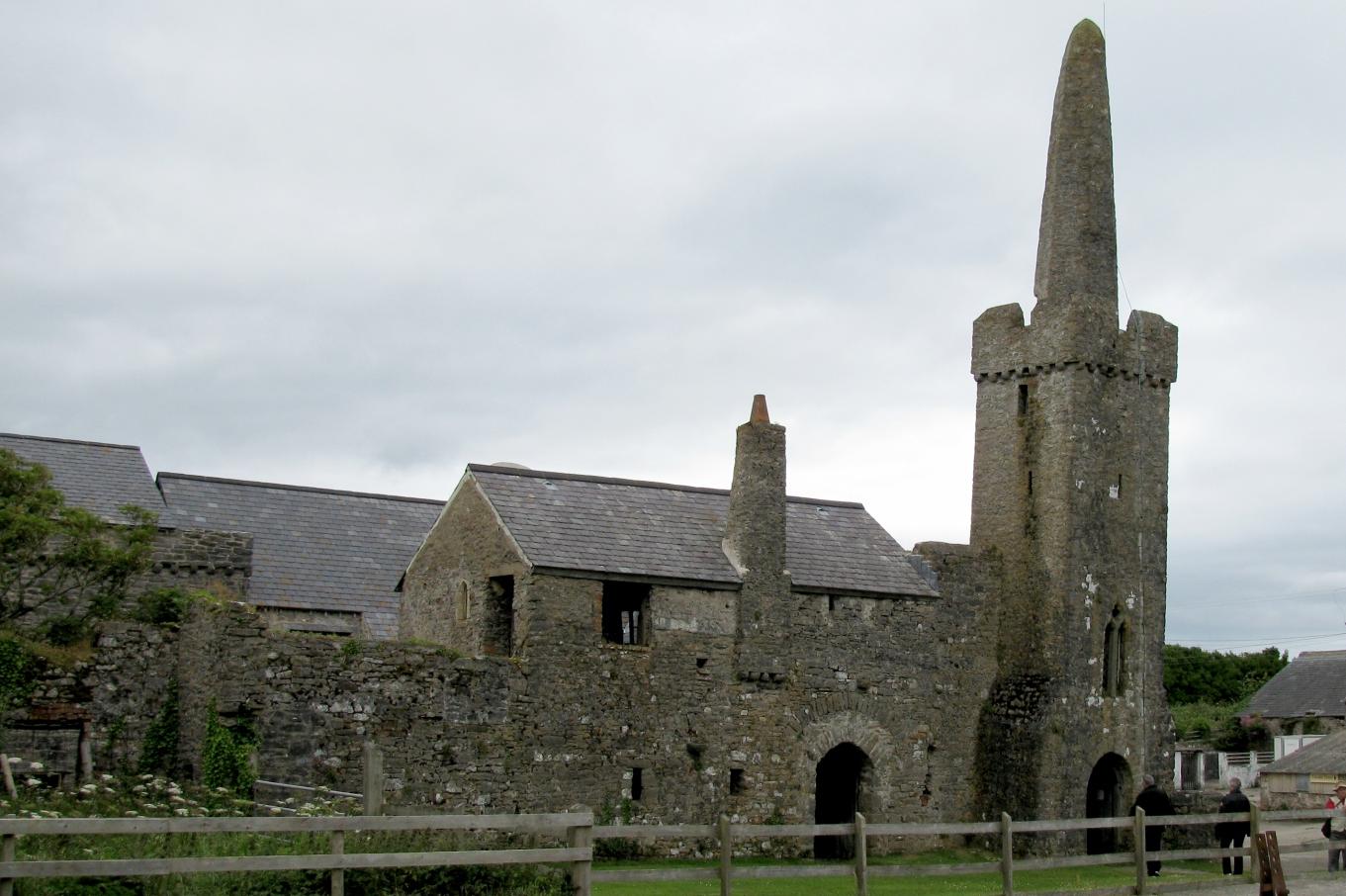
A Norman stronghold rebuilt by the king's own uncle in the 1380s, then rescued from farmyard ruin by a Victorian family who filled its towers with…
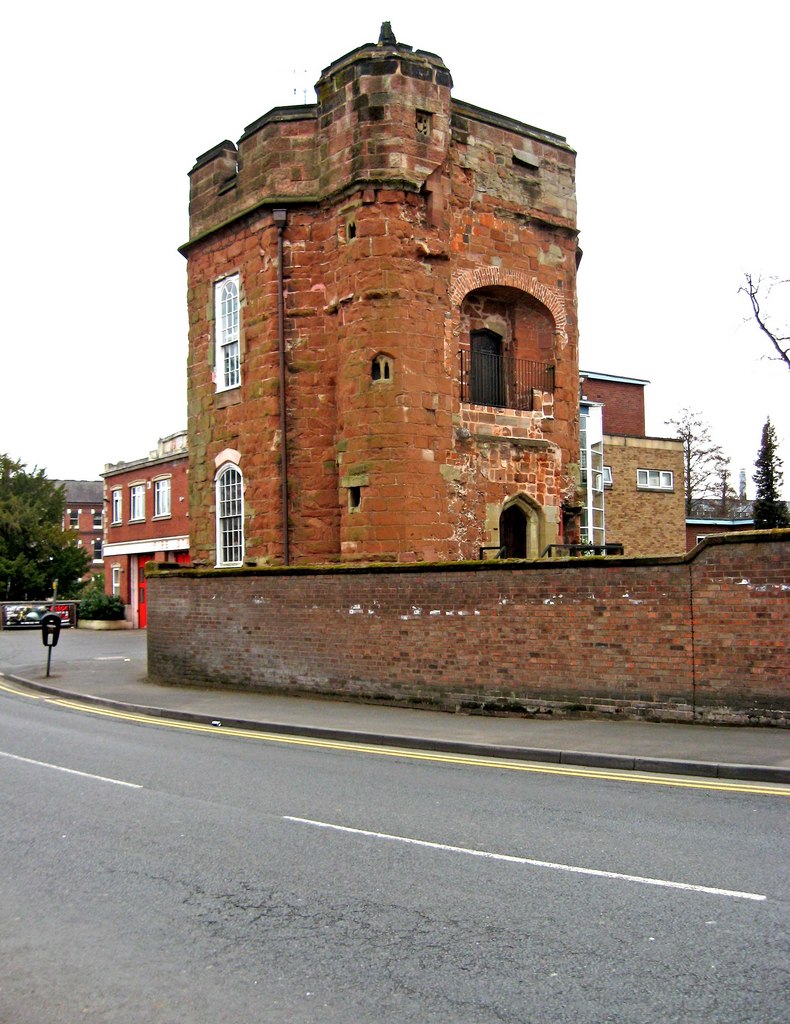
Fortified place · Medieval
Worcestershire
One tower is all that survives of a courtyard castle once laid out like Stokesay in Shropshire: four towers around a yard, now reduced to a single…
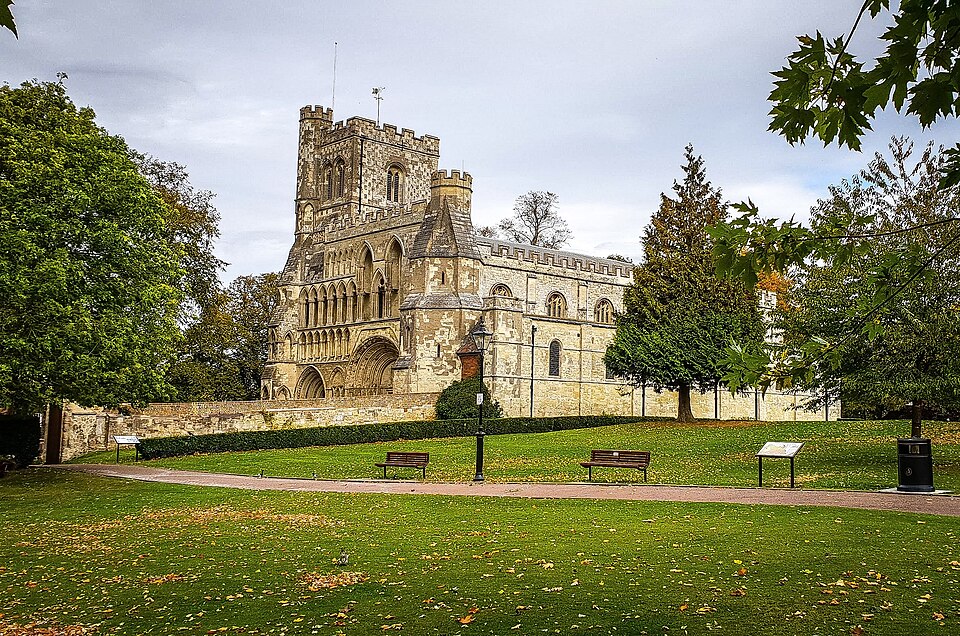
Sacred place · Medieval
Bedfordshire
A priory: a monastery headed by a prior rather than an abbot: whose canons armed a royal siege, fought a bishop's tithe collectors for two centurie…
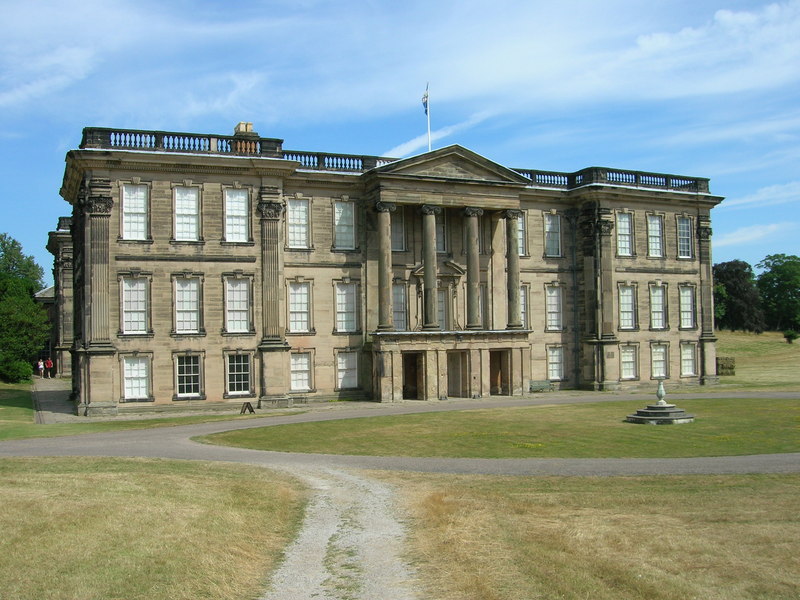
Sacred place · Medieval
Derbyshire
A priory, a monastery headed by a prior and usually smaller than an abbey, a self-governing monastery, its head an abbot, whose canons left for Rep…
Fortified place · Prehistoric
Northumberland
Callaly Castle layers a medieval pele tower within a long-evolving country house, revealing how Northumberland’s defensive residences were transfor…
Sacred place · Medieval
County Kilkenny
Callan Augustinian Friary preserves a late-medieval observant foundation and its celebrated stone seats for clergy beside a holy well whose local h…
Sacred place · Prehistoric
Outer Hebrides
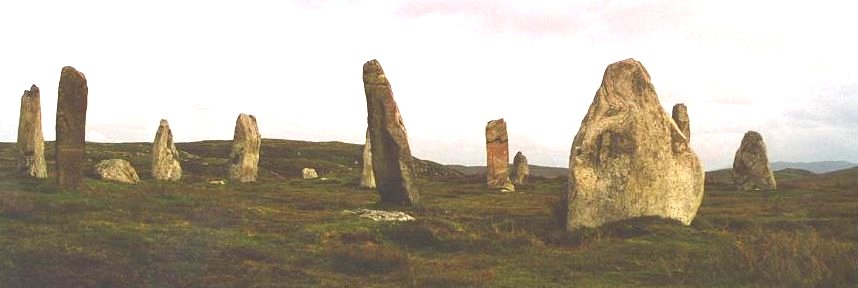
Five stones stand today at Callanish IV, arranged in a pronounced oval measuring 13.3 by 9.5 metres on open moorland southeast of the main Callanis…
Building or ruin · Roman
Hampshire
One of only six Roman towns in Britain that never grew into a medieval or modern town: its walls, amphitheatre and street grid survive under open f…
Fortified place · Medieval
Hampshire
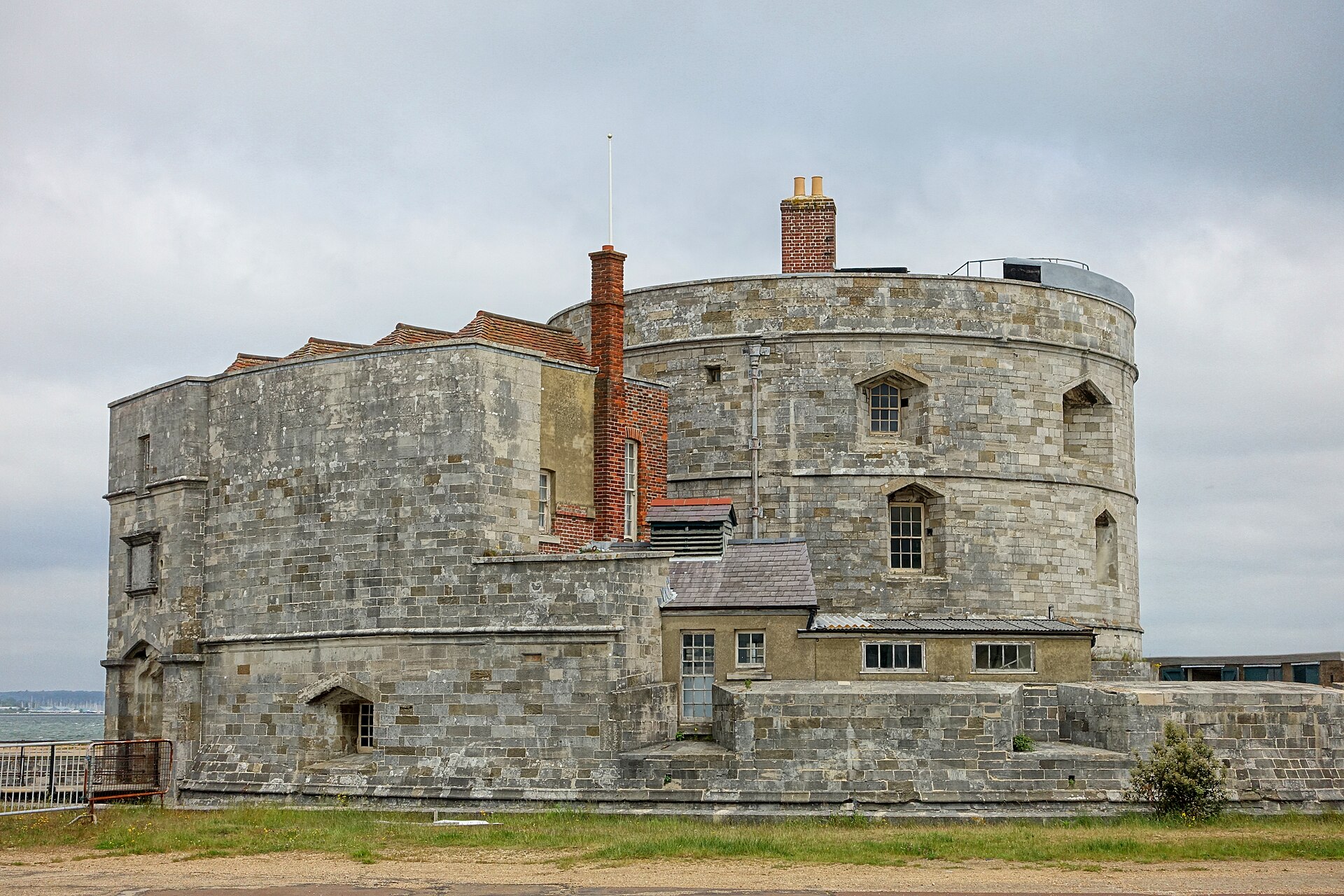
One of Henry VIII's Device Forts still standing almost exactly where the Tudor navy needed it, later reinvented three times over: as a smuggling wa…
Fortified place · Medieval
West Midlands
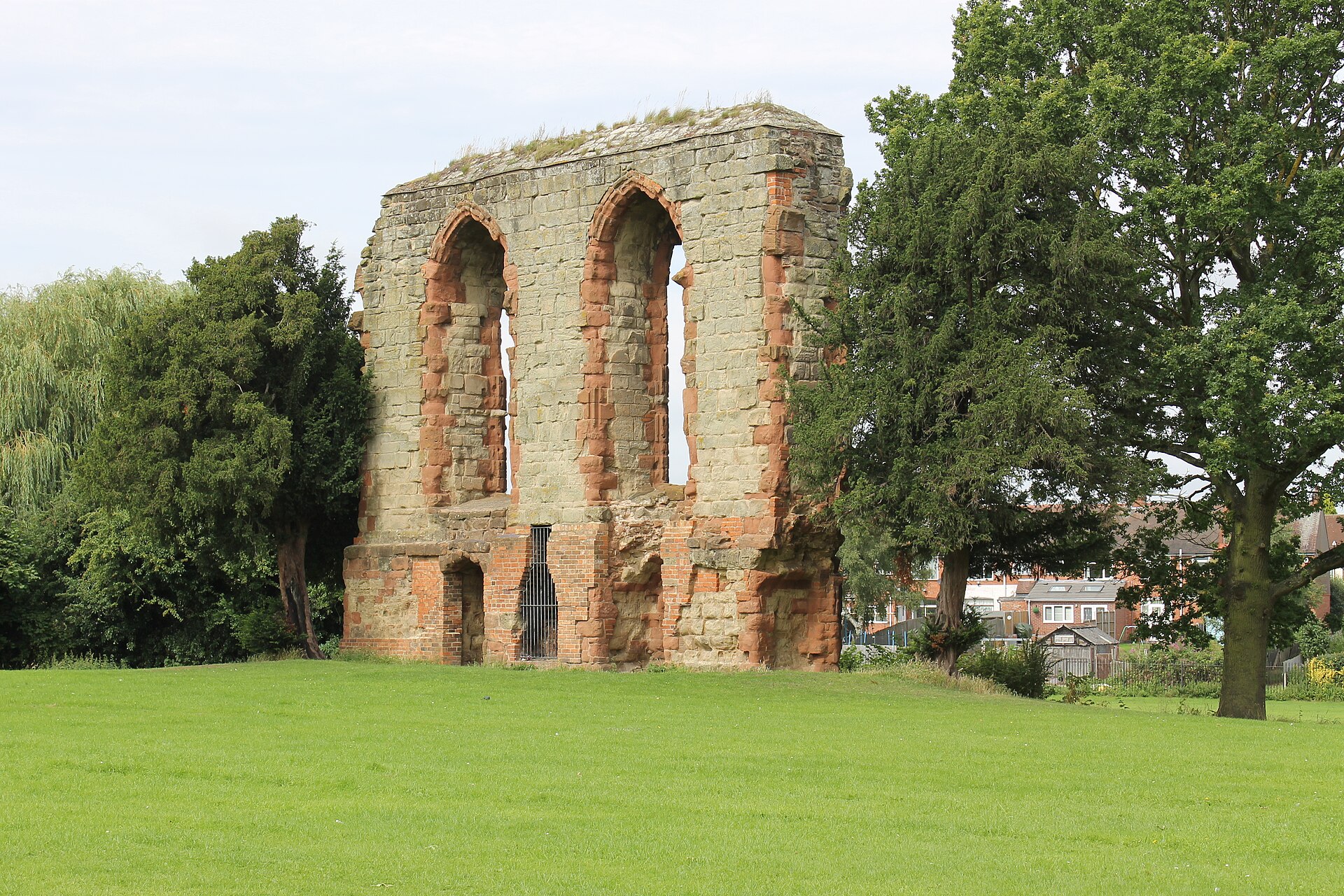
One large fragment of sandstone wall is all that is left of a house restyled as a castle in 1305 and held by the Mowbrays until 1481.
Fortified place · Medieval
Outer Hebrides
A ruined castle occupies a small islet off the island of Calbhaigh, at the eastern approaches to Loch Boisdale on South Uist, reached only by a cau…
Sacred place · Medieval
Staffordshire
A priory of about 1130, then a country house, then another rebuilt in 1849: each demolished for the next, with Handel and Rousseau among the guests.
Fortified place · Medieval
East Sussex
A Device Fort built by Henry VIII that was already obsolete before it was finished, then left stranded a mile inland as the sea it was built to gua…
Building or ruin · Roman
Cumbria
Alone among the forts of Hadrian's Wall it sits inside the Vallum rather than beside the Wall itself, and it has been argued: controversially: to b…
Sacred place · Medieval
Cambridgeshire
A medieval friary (a community of friars, an order that lived among the towns instead of apart from them) suppressed in 1538 and built over by a Ca…
Fortified place · Medieval
Cambridgeshire
A single earthen mound on the city's highest ground is all that survives of a royal fortress that Edward I once rebuilt at a cost topping £2,630 in…
Building or ruin · Medieval
Cambridgeshire
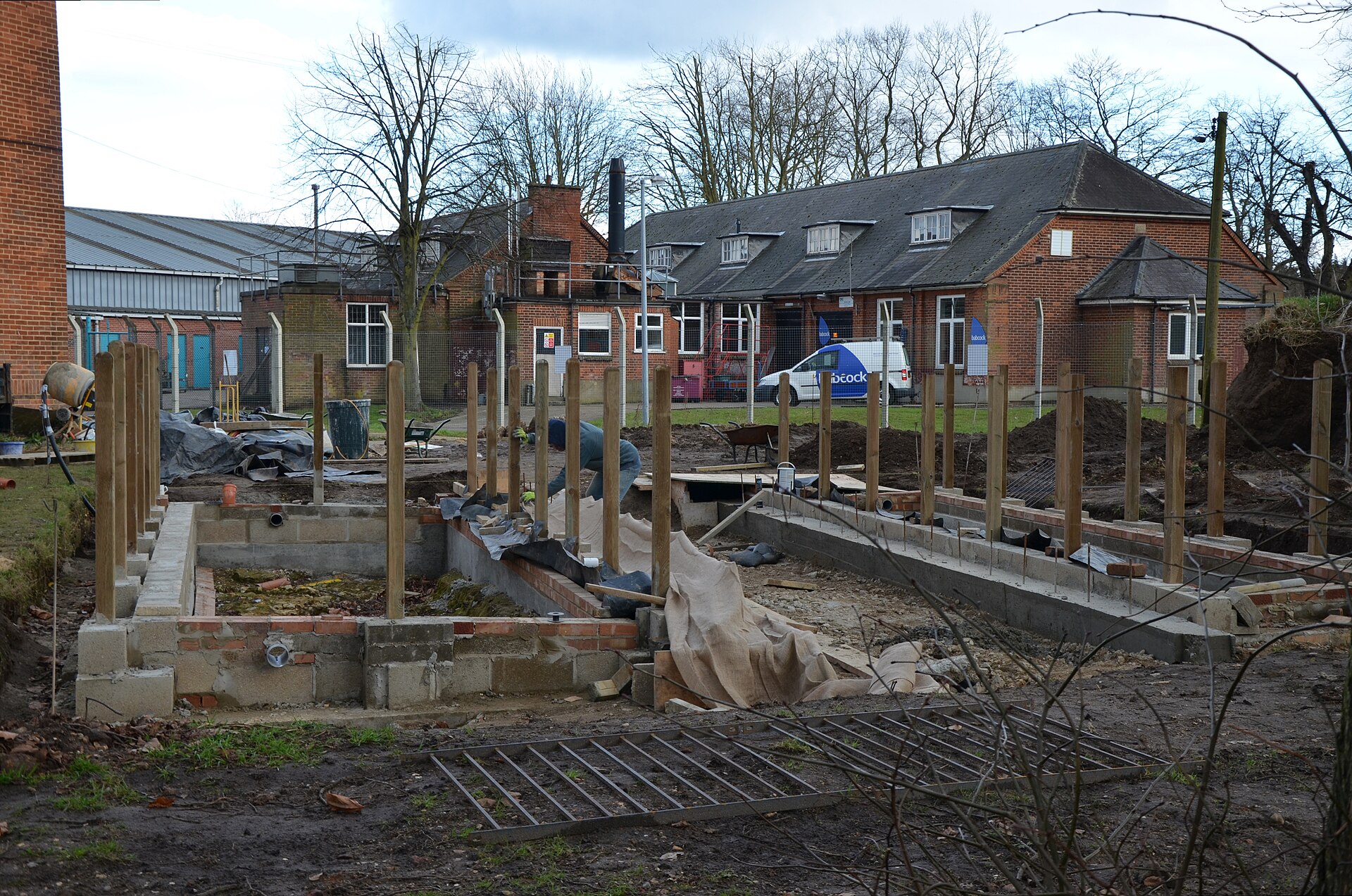
This former municipal pumping station preserves an unusually complete account of how Cambridge handled sewage, refuse and public health from the la…
Sacred place · Medieval
Cambridgeshire
A single garden wall in a Cambridge college is all that remains visible of a Carmelite friary (the base of a mendicant order, whose members worked…
Sacred place · Medieval
Lincolnshire
Two rival Norman abbeys fought over ownership of this small house for decades: a dispute settled only in 1192: and today its entire physical trace…
Sacred place · Medieval
Suffolk
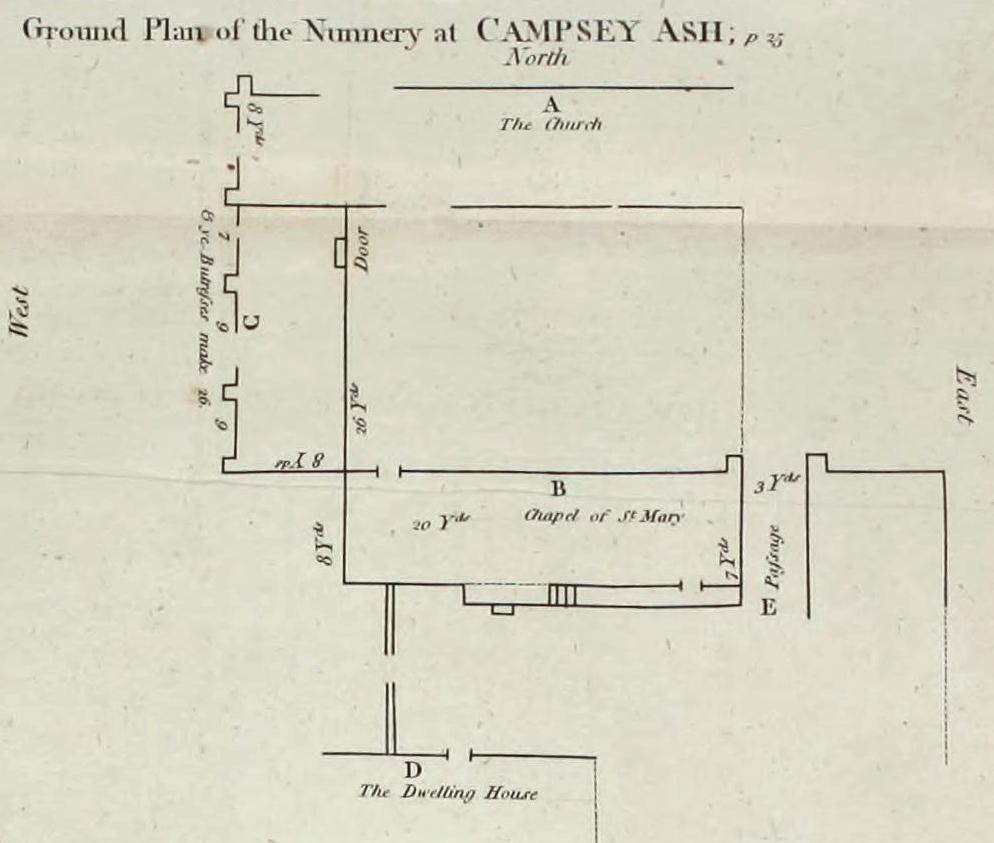
A house of Augustinian canonesses at Campsea Ashe, south-east of Wickham Market.
Carved stone · Pictish & early medieval
Angus
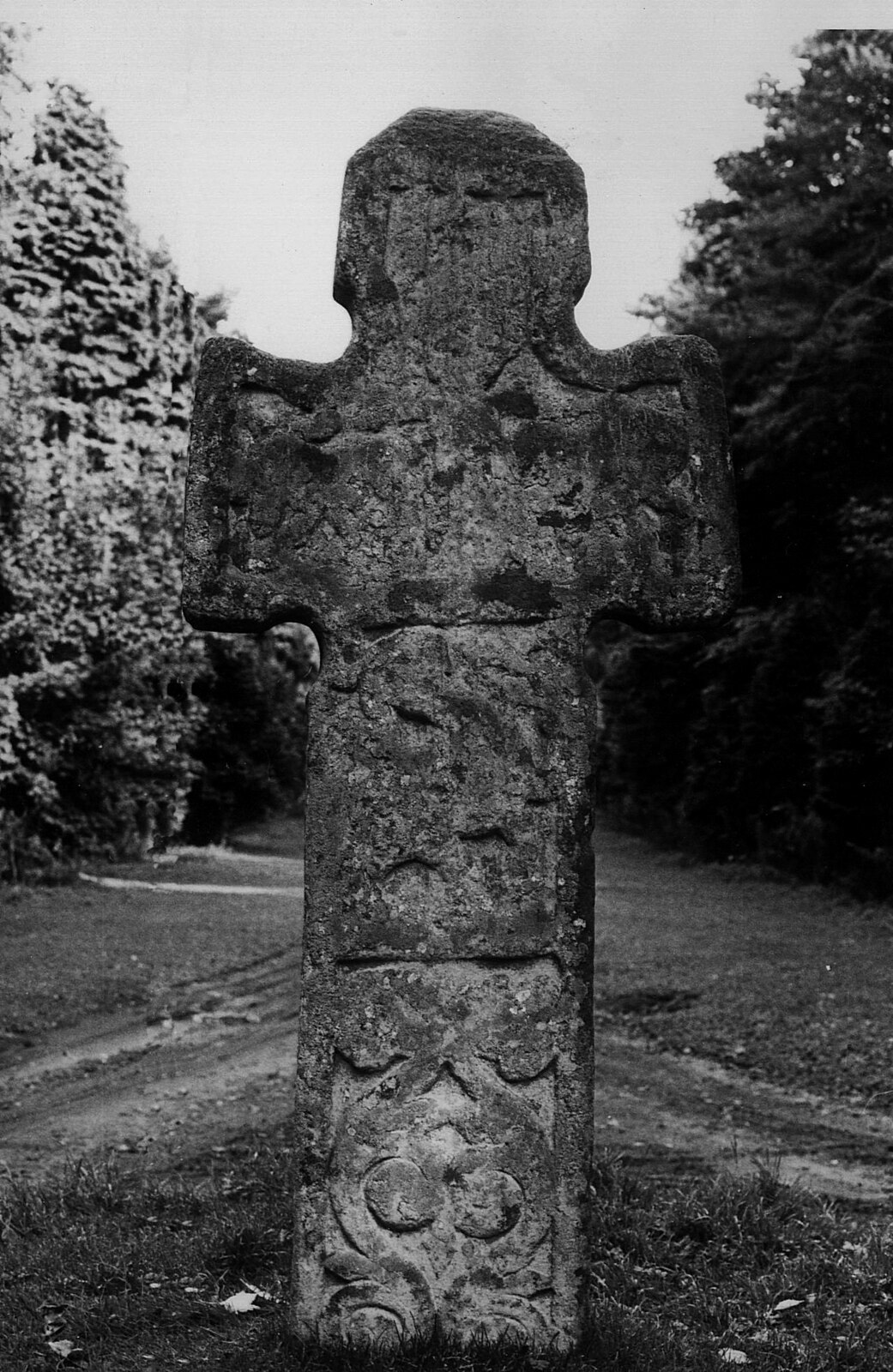
One of only two intact freestanding crosses surviving in eastern Scotland, its carving points to Irish monastic influence rather than the Viking le…
Fortified place · Medieval
Bridgend
A fortified manor abandoned to the sand, spared the fate of neighbouring Kenfig Castle only by the extra few feet of ground it happened to stand on.
Fortified place · Iron Age
Somerset
A hilltop held through the Bronze Age, roughly 2500-800 BC, and the Iron Age, from about 800 BC until the Romans came - argued over as the site of…
Sacred place · Medieval
County Clare
Canon Island Abbey preserves the ruins of an Augustinian community on the Shannon, tracing a medieval foundation, devastation, dissolution (Henry V…
Briefer entries: recorded and worth knowing, with fuller pages to come.
Fortified place · Medieval
North Yorkshire
A royal licence of 1200 ties this lost stronghold directly to King John, though little more than fragmentary earthworks now mark where it stood.
Fortified place · Medieval
County Cavan
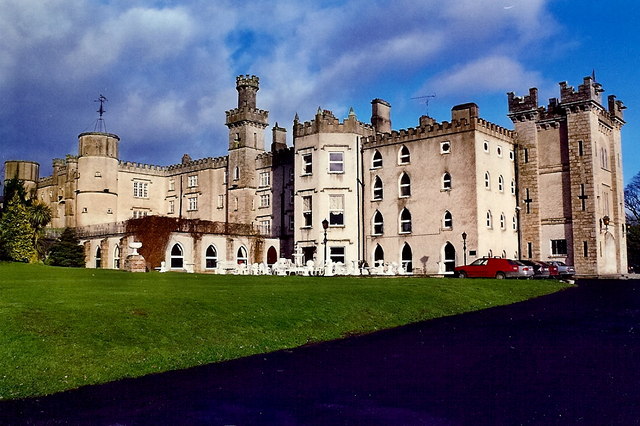
A nineteenth-century Cavan country house that took the name of an older ruined castle, moving from Ascendancy seat to restored hotel.
Fortified place · Roman
East Dunbartonshire
Cadder’s quarried-away fort survives through excavated headquarters, granaries and baths, preserving the evidence of a substantial Antonine Wall ga…
Building or ruin · Roman
Newport
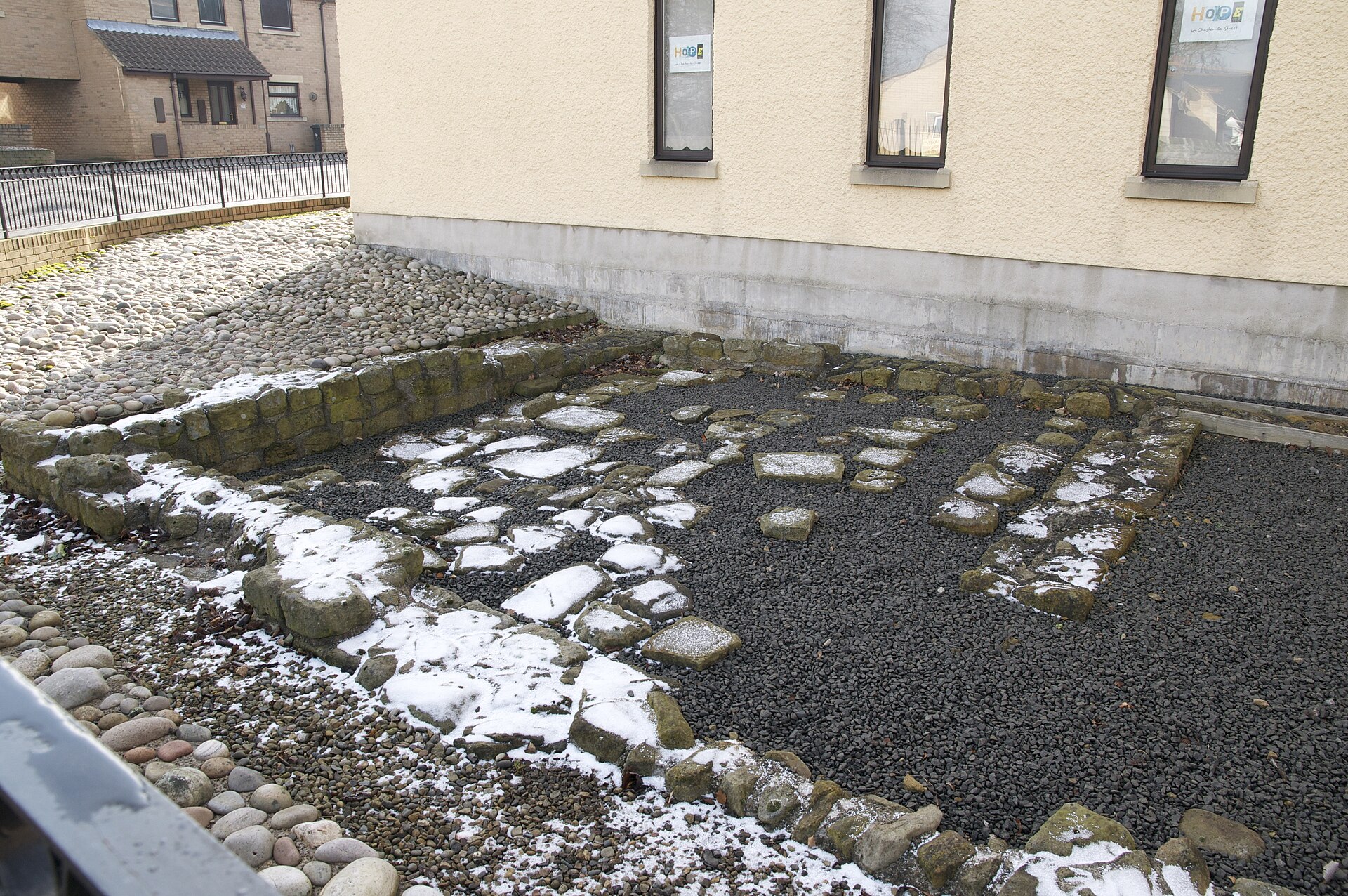
A broken lead pipe, 38 mm across and 99 cm long, once rose from a stone-lined grave to the surface of the ground. Its purpose was practical and uns…
Building or ruin · Roman
Gwynedd
The Caernarfon Mithraeum is a rare Roman mystery-cult temple near Segontium, identified from its distinctive architecture despite the loss of its s…
Fortified place · Medieval
County Galway
A working family home today, this five-storey tower house stood roofless for two centuries before a stonemason bought and rebuilt it by hand, nail…
Building or ruin · Roman
norfolk
A Saxon Shore fort built around AD 200 on the north side of an estuary that no longer exists: most of it now under modern housing, with a Saxon set…
Tomb or burial place · Prehistoric
County Cavan
A Neolithic portal tomb: a tomb of upright stones carrying a single great capstone from the late Stone Age, about 4000–2500 BC in Britain: in Burre…
Sacred place · Prehistoric
Outer Hebrides
Seven thin standing stones rise from a ridge overlooking Loch Roag, on the western side of Lewis, set out in an ellipse measuring 21.6 by 18.9 metr…
Sacred place · Prehistoric
Outer Hebrides
Two concentric ellipses of stone stand on the moor above Loch Roag on the Isle of Lewis, forming Callanish III: Gaelic name Cnoc Fillibhir Bheag. T…
Sacred place · Prehistoric
Outer Hebrides
Four standing stones rise in a semicircle along a cliff edge on the southern side of Great Bernera, looking out over the narrow strait that separat…
Building or ruin · Roman
Essex
Camulodunum, modern Colchester, was Britain’s first Roman provincial capital and the successor to a vast Iron Age (from around 800 BC up to the Rom…
Sacred place · Medieval
Somerset
A Benedictine nunnery of about 1138, dissolved in 1536 and afterwards turned into a mansion.
No places match those filters.
Kinds of place
Ages











.jpg?width=800)









_-_geograph.org.uk_-_4070919.jpg?width=800)