Fortified place · Medieval
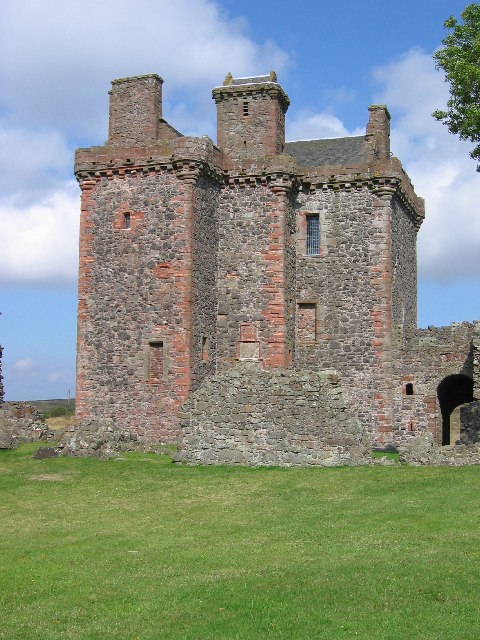
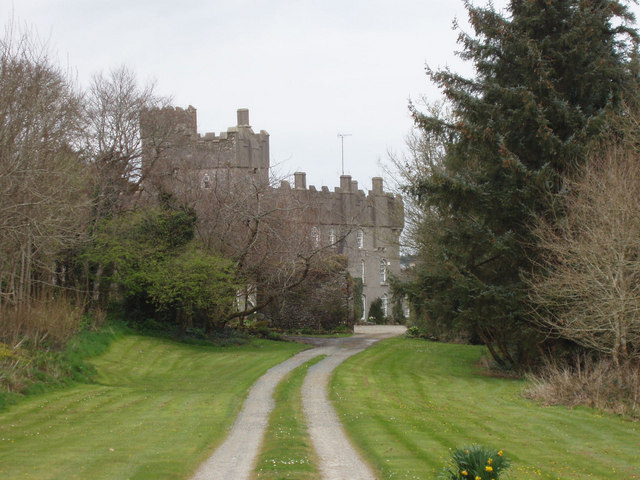
Ballygunner Castle
County Waterford
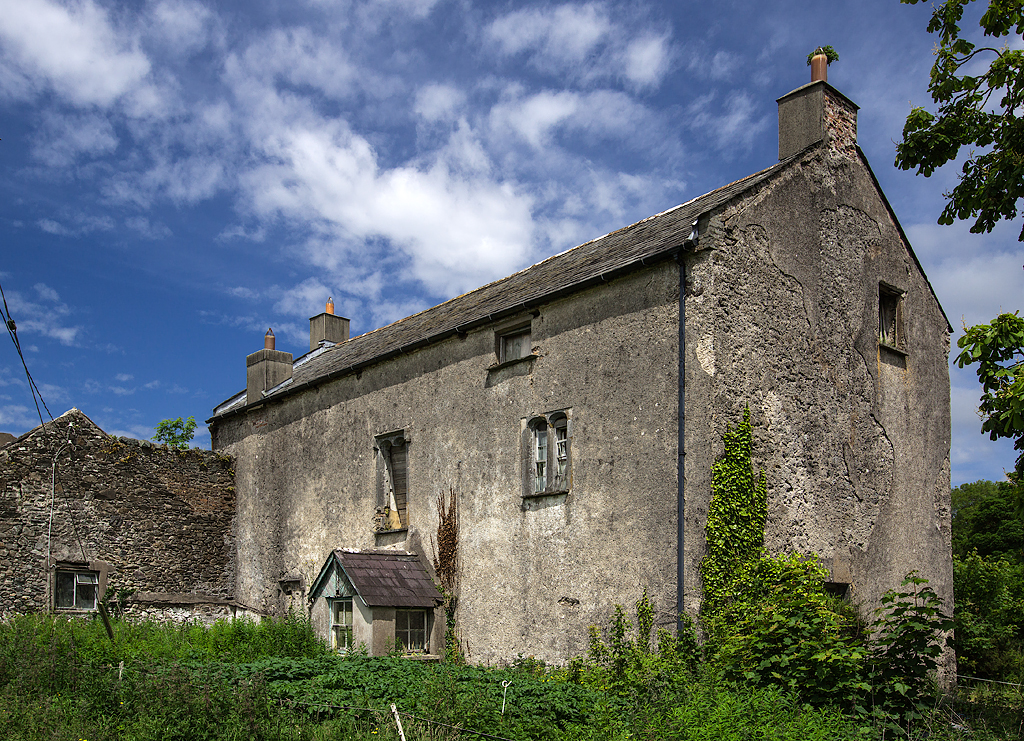
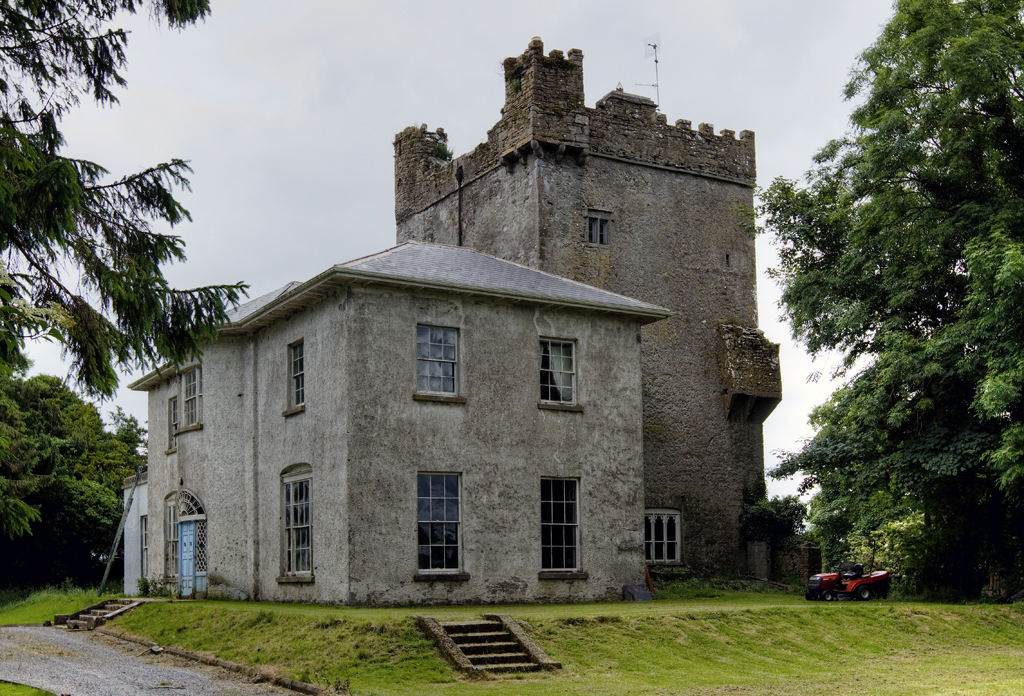
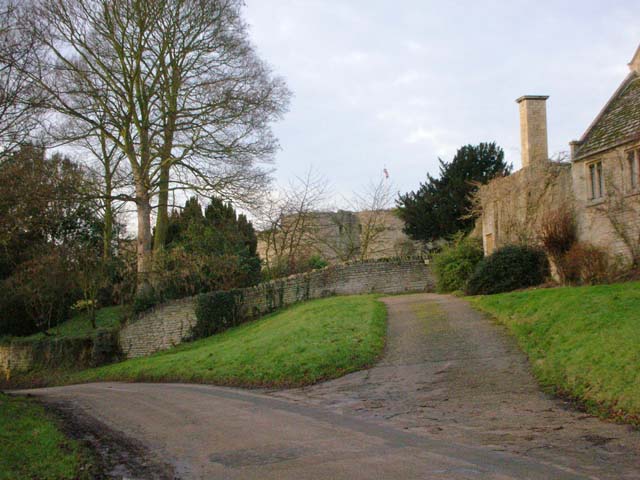
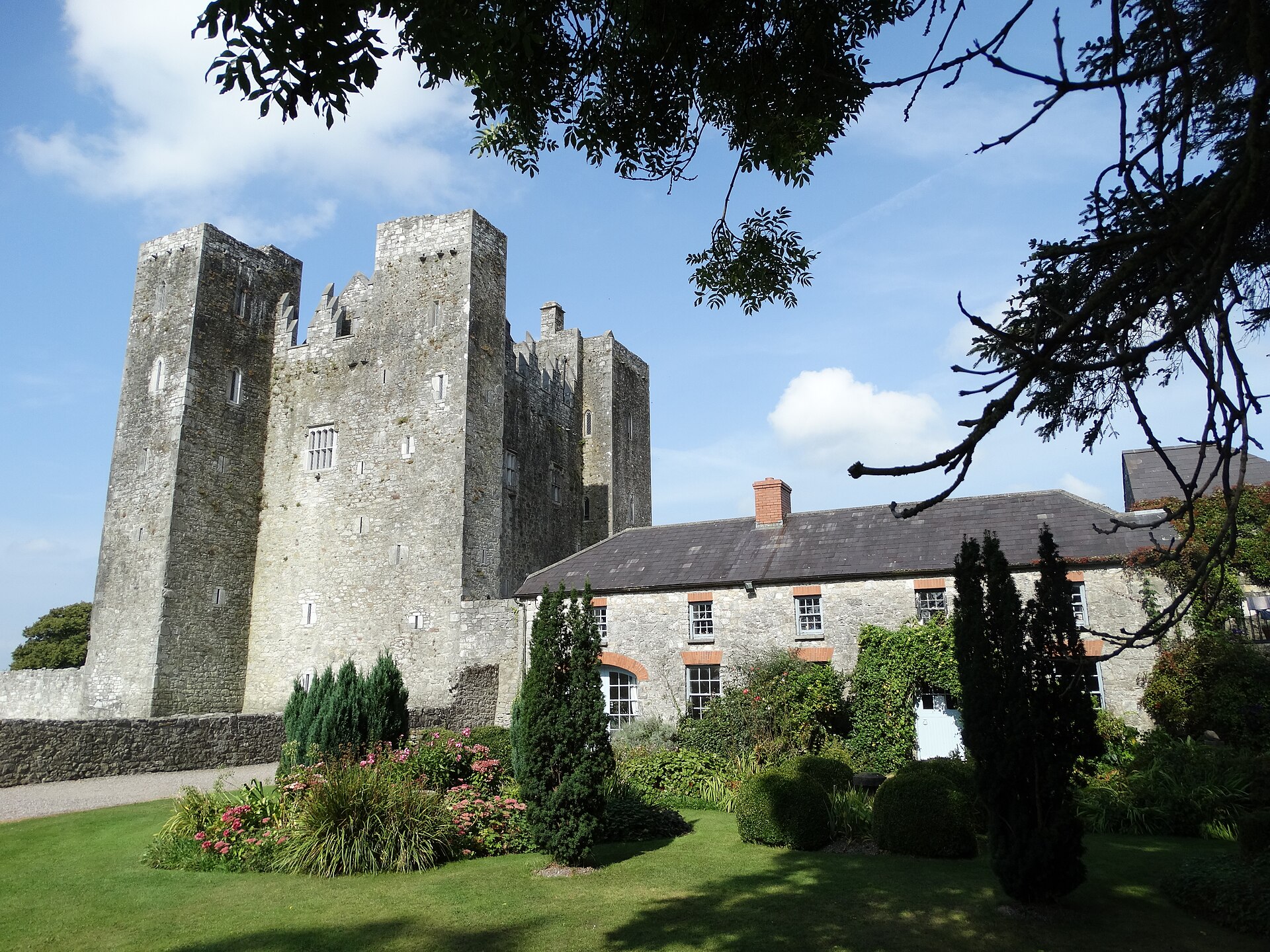
A Georgian-fronted country house wrapped around medieval and 17th-century masonry, standing, by local belief, on the site of an earlier Viking stro…
- Near Waterford
The directory
Page 5 of 47 in the full directory.
Browsing 100 places — search and the map cover the whole directory.
Fortified place · Medieval
County Waterford
A Georgian-fronted country house wrapped around medieval and 17th-century masonry, standing, by local belief, on the site of an earlier Viking stro…
Tomb or burial place · Prehistoric
County Armagh
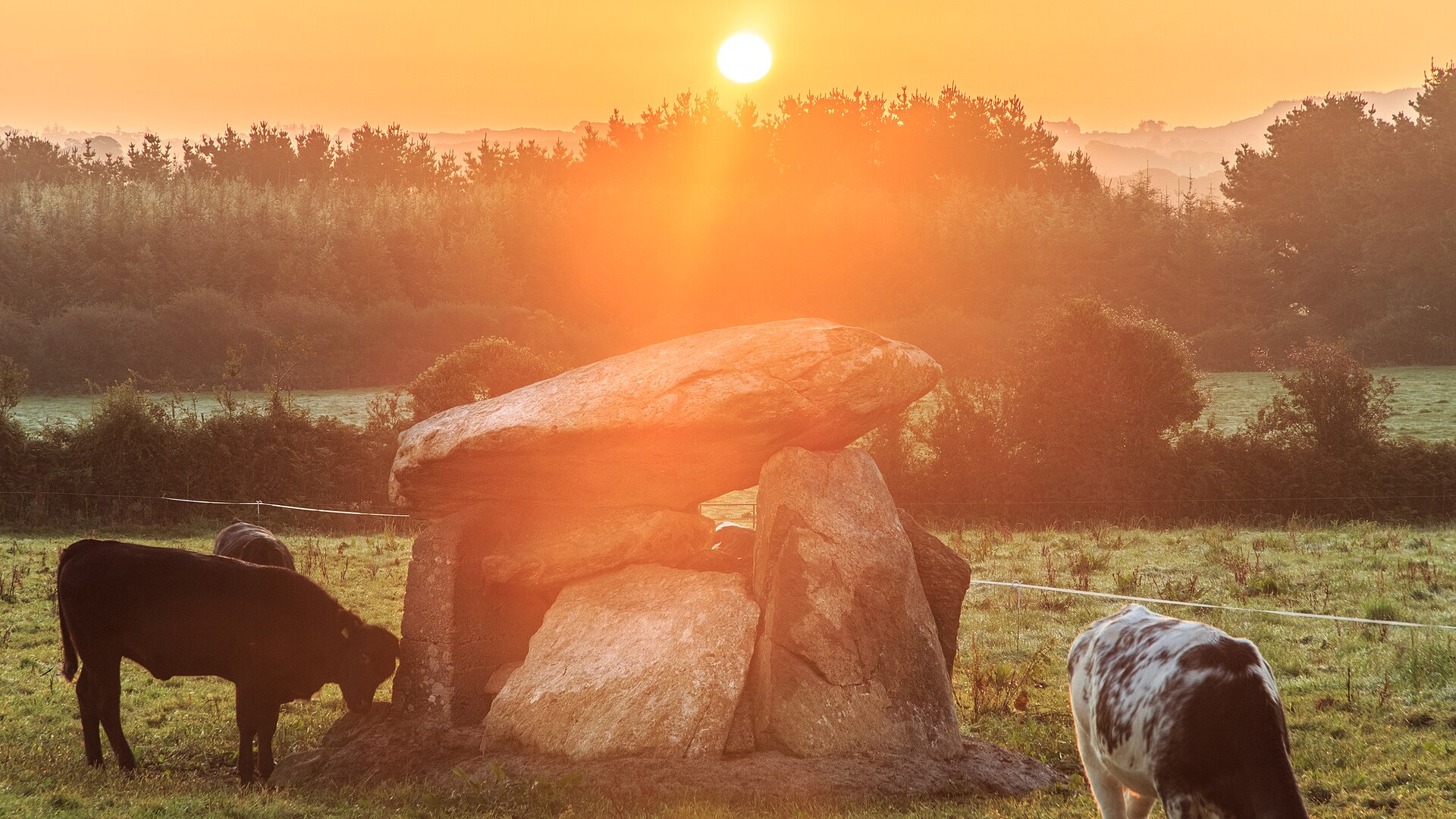
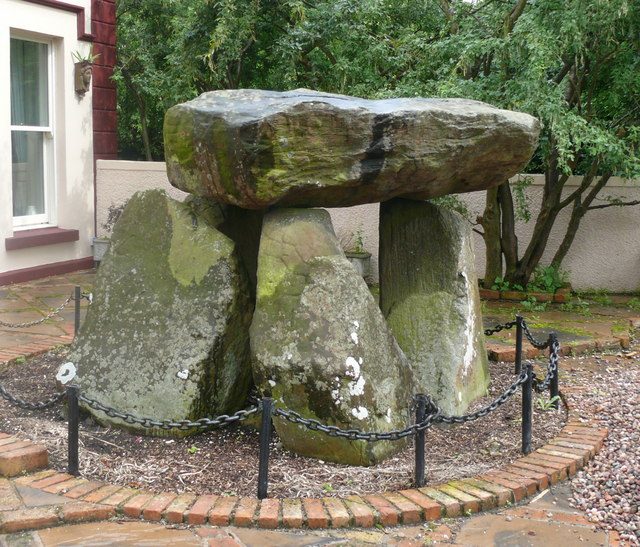
Excavation in 1963 recovered decorated Neolithic pottery, a javelin head and flint tools from a tomb whose three-metre granite capstone balances on…
Fortified place · Medieval
County Mayo
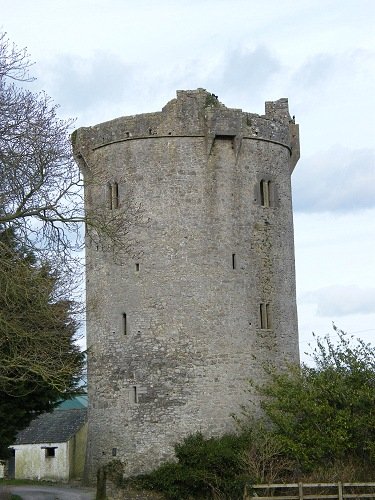
Only one of Ballylahan's twin towers survived a near-destruction in 1316, yet its bawn wall still shows the sloping base-batter of the Mac Siurtain…
Fortified place · Medieval
County Carlow
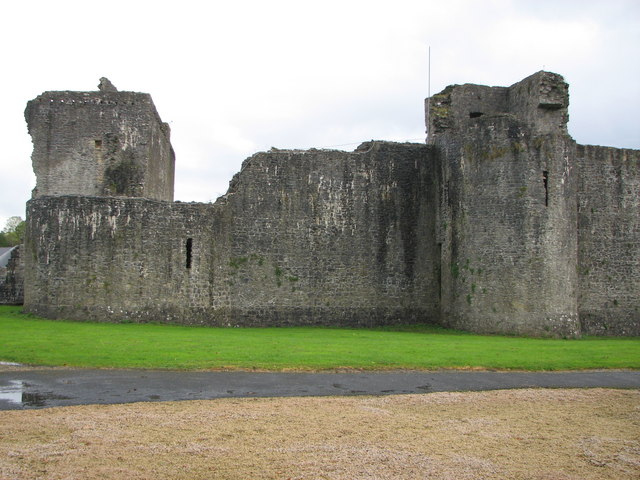
Ballyloughan Castle is a County Carlow National Monument whose twin-towered gatehouse and high thirteenth-century walls preserve the outline of a s…
Fortified place · Medieval
County Kerry
Ballymalis Castle stands on the north bank of the River Laune, close to where the river meets the Gaddagh, on level ground about 4.3 km northwest o…
Fortified place · Medieval
County Carlow
Ballymoon Castle is a striking open-courtyard National Monument whose granite walls preserve a rare, possibly unfinished medieval castle plan near…
Fortified place · Medieval
County Galway
A tower house built on a marriage settlement changed hands through Cromwellian confiscation and a Williamite siege, then quietly became a Georgian…
Fortified place · Medieval
County Sligo
The most symmetrical of Ireland's keepless castles, closely paralleling Edward I's Beaumaris in Wales: and the last Norman castle ever raised in Co…
Fortified place · Medieval
County Galway
A cricketing Indian prince, a brewer, and an animal-welfare pioneer each owned this house in turn: a private demesne that has passed through more s…
Fortified place · Medieval
County Tipperary
A five-storey tower still carries its full parapet defences intact: four evenly spaced machicolations and a walled secret chamber reached only thro…
Tomb or burial place · Prehistoric
County Down
Its bones vanished into a Dutch basement for 90 years before a Belfast PhD student tracked them down and brought them home in 2023.
Fortified place · Medieval
County Tipperary
What stands today is barely half the building: three vanished towers and a whole upper storey were stripped away in the nineteenth century, and an…
Fortified place · Medieval
County Donegal
A vanished O'Donnell stronghold whose 1597 siege helped decide the fate of Gaelic Ulster, though not one stone of it now stands above ground.
Sacred place · Medieval
Fife
Balmerino Abbey preserves rare Cistercian fabric on the Fife coast, including a vaulted chapter house, after centuries of destruction, residential…
Fortified place · Roman
East Dunbartonshire
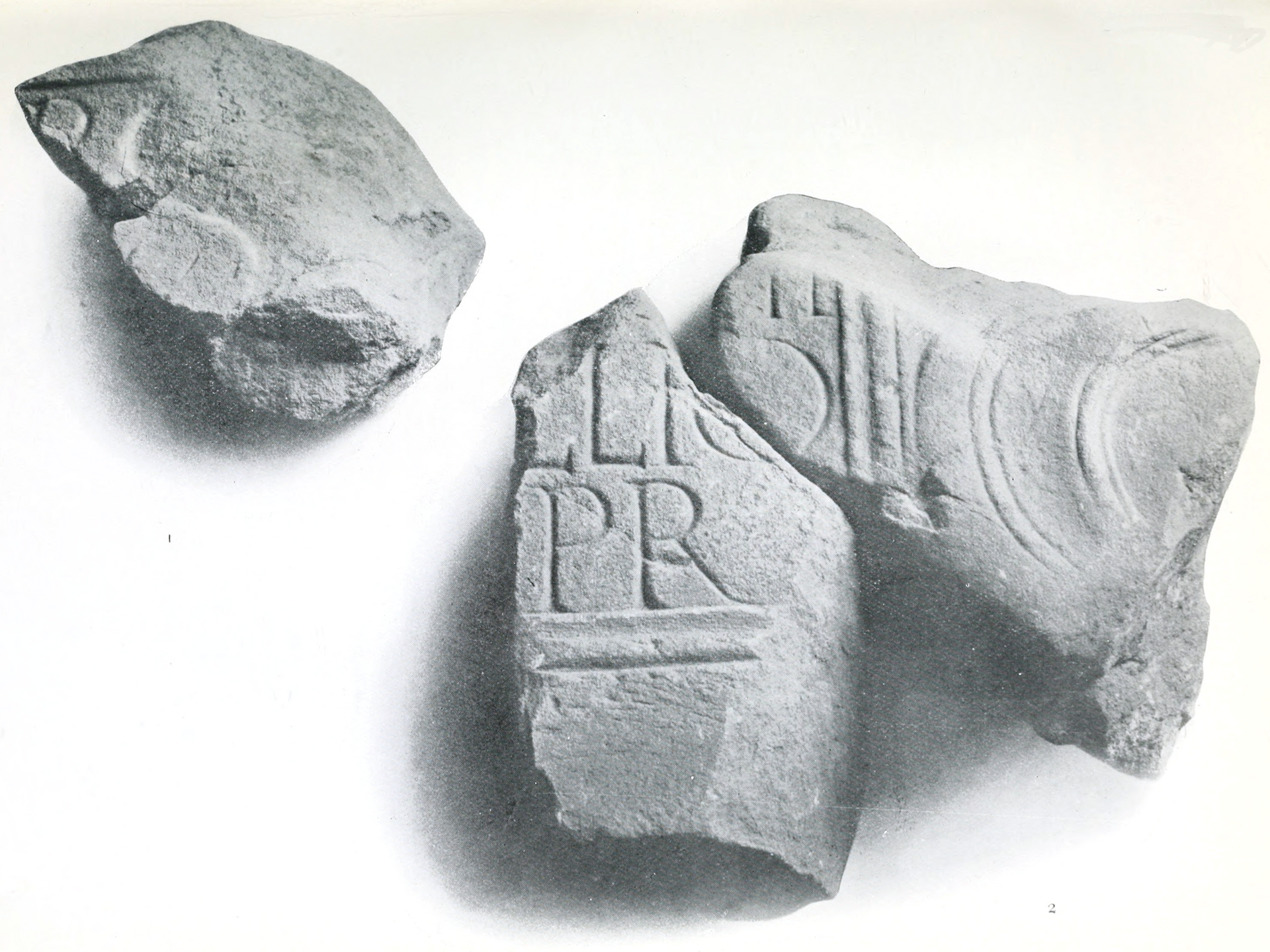
Balmuildy is one of only two Antonine Wall forts known to have stone ramparts, with excavated baths, inscriptions and objects now held in Glasgow’s…
Sacred place · Prehistoric
Aberdeenshire
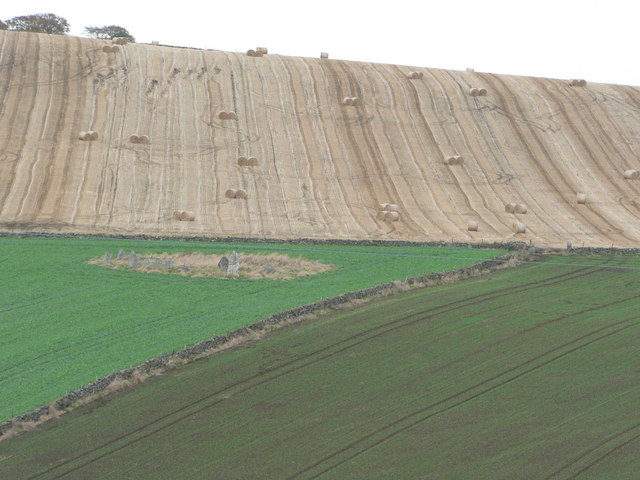
A rounded hump on its ten-tonne recumbent stone echoes the outline of Mither Tap behind it, and 1980s survey work found its flanking stones deliber…
Sacred place · Medieval
West Midlands
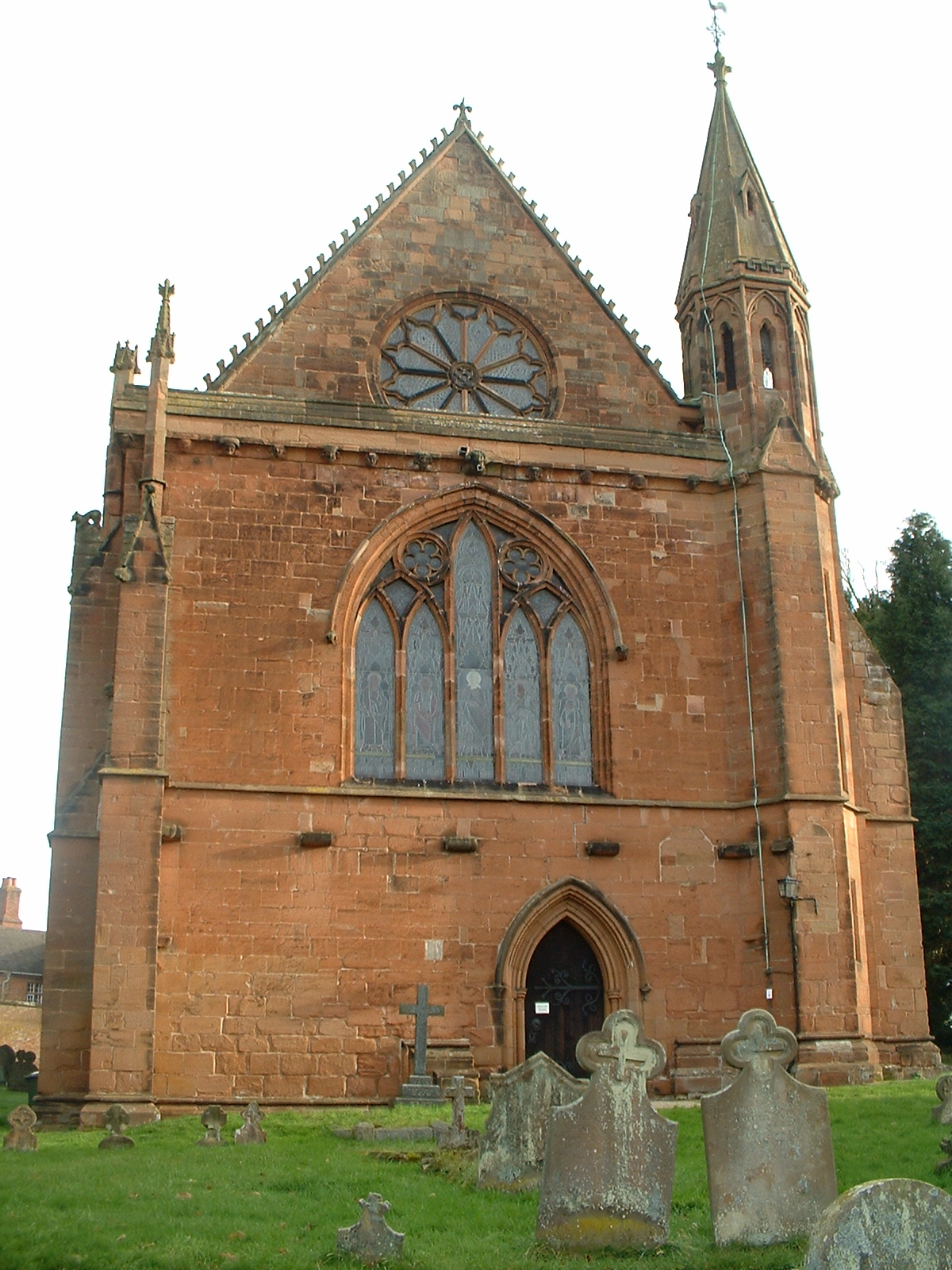
One manor grew into an administrative hub controlling nine further Templar properties across Warwickshire, run by a community arrested to a man whe…
Sacred place · Medieval
County Wicklow
A Cistercian church that once housed 36 monks and 50 lay brothers went on to mother its own daughter house at Jerpoint, spreading the order's stone…
Fortified place · Medieval
Perth and Kinross
Carved heads support the roundels on the wall-walk, and the cap-house over the stair is a miniature tower house of its own: detail that may have be…
Fortified place · Medieval
Northumberland
Bamburgh Castle is a Northumberland coastal fortress whose Celtic, Anglo-Saxon, Norman, royal, and Armstrong layers span more than 1,500 years.
Fortified place · Medieval
Devon
A Norman motte (the great earth mound at the heart of an early castle) survived siege, a stone rebuild, and a licence to crenellate, yet stands tod…
Fortified place · Medieval
Oxfordshire
Two irreconcilable founding stories - a queen's earthwork (a mound or ditch formed by moving soil, not by building) of 1142 and an earl's licensed…
Fortified place · Medieval
Oxfordshire
Its 1225–50 rebuild gave it an early concentric pentagonal plan: a design historians note otherwise belongs to later castles like Harlech and Beaum…
Fortified place · Iron Age
Dorset
Banbury Hillfort preserves a scheduled Iron Age (the period from roughly 800 BC to the Roman conquest) enclosure in Dorset, where a surviving rampa…
Fortified place · Medieval
Carmarthenshire
Nothing is recorded of who raised this earthwork (banks and ditches raised from the earth rather than quarried stone) or why, yet at some nine metr…
Sacred place · Medieval
County Down
Bangor Abbey was an early Irish centre of strict monastic learning whose teachers, manuscripts and missionaries linked County Down to Europe.
Building or ruin · Roman
Northamptonshire
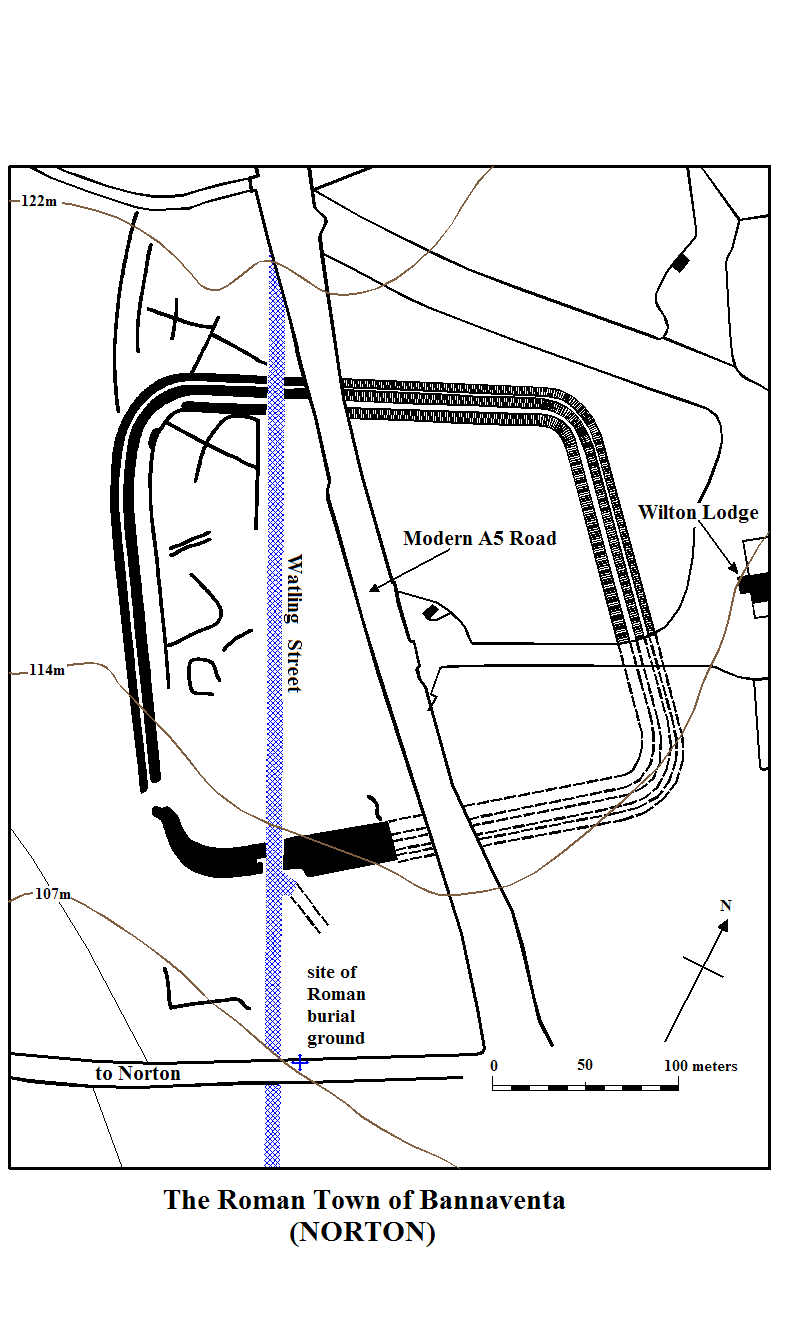
A ploughed field straddling the parishes of Norton and Whilton in Northamptonshire holds nothing obviously Roman above ground, yet beneath it lie t…
Fortified place · Iron Age
Somerset
Stone Age artefacts, and others of the Bronze Age, roughly 2500-800 BC, have come off a hill fort raised long after both.
Sacred place · Medieval
North Yorkshire
Its chapel hides a full dome beneath an ordinary slate roof and conceals eight separate escape routes: architecture built by nuns who lived under p…
Fortified place · Roman
East Dunbartonshire
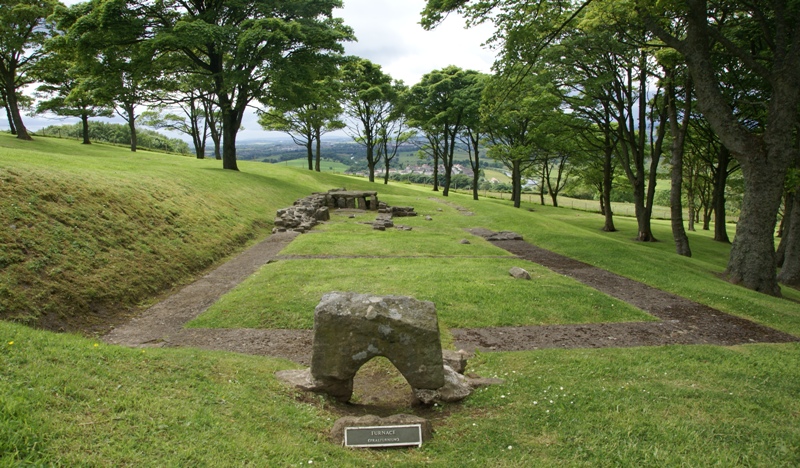
Bar Hill’s fort, bathhouse and deep well preserve unusually direct evidence of Antonine Wall garrison life, including shoes that may point to women…
Sacred place · Prehistoric
Derbyshire
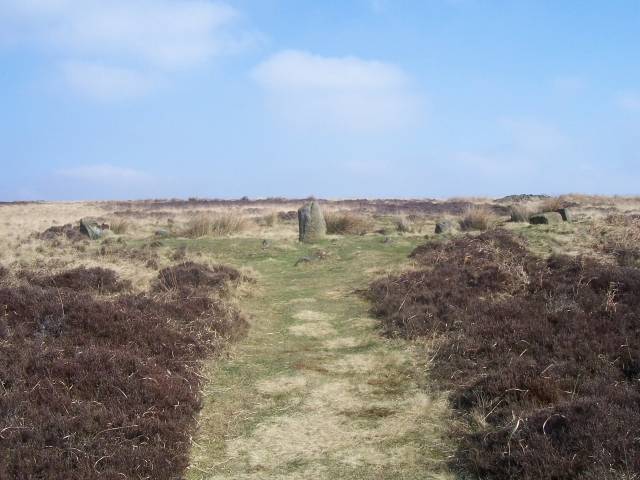
A modest ring on Ramsley Moor sits among roughly eighty prehistoric (before written records reached Britain) cairns, one of a tight cluster of ston…
Fortified place · Iron Age
Wiltshire
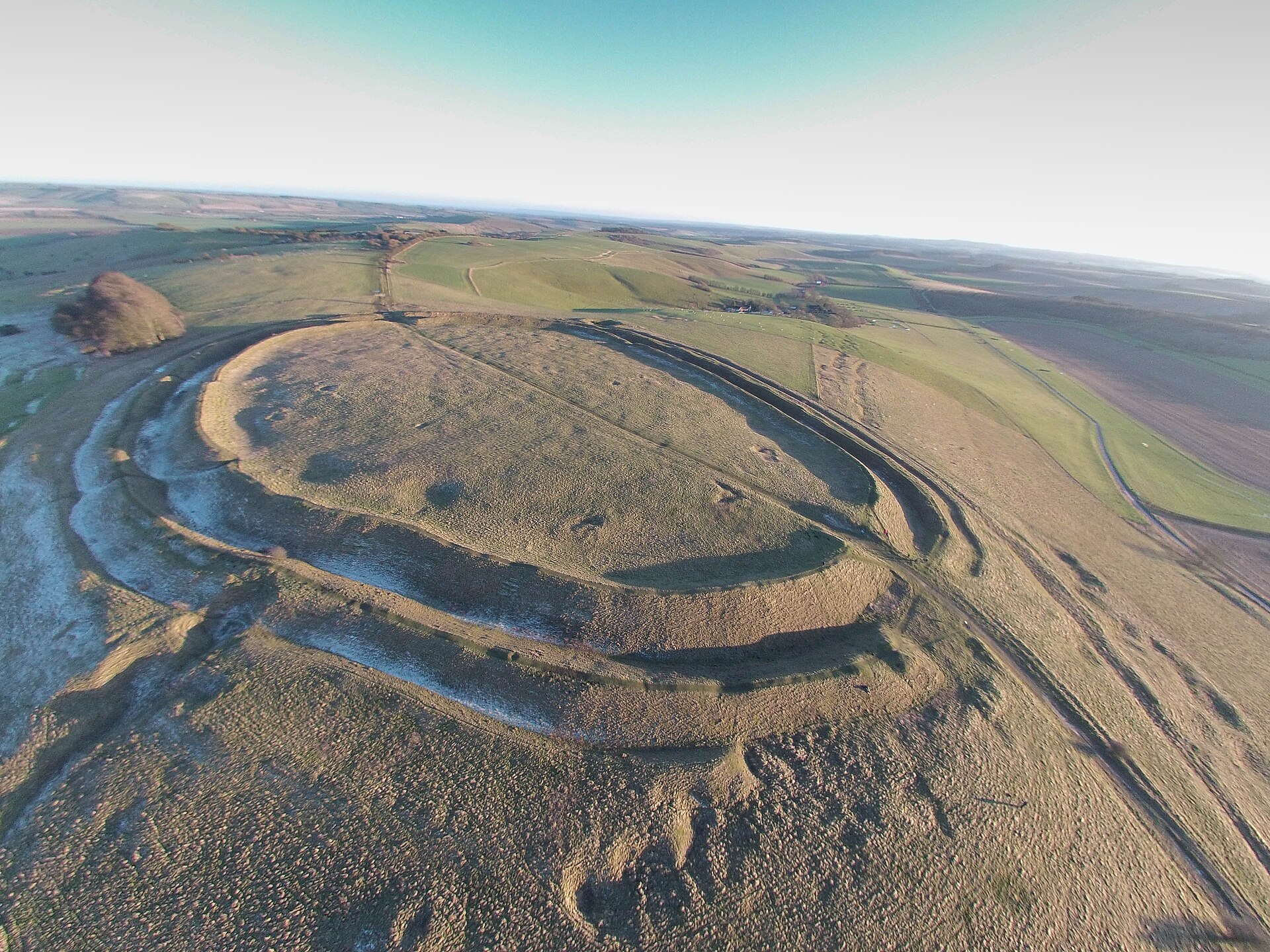
Two deep ditches and ramparts crown a downland vantage point where Roman-era buildings gave way to a Saxon conquest that helped found the kingdom o…
Tomb or burial place · Prehistoric
Isle of Anglesey
Barclodiad y Gawres is a Neolithic: the first farming period in Britain, roughly 4000–2500 BC: cruciform passage grave, a burial chamber entered al…
Fortified place · Medieval
North Yorkshire
A ruined 15th-century hunting lodge that, lacking any village to gather around, became the de facto centre of community life for the farms and haml…
Sacred place · Medieval
Lincolnshire
A Mercian king gave up his crown to become abbot here, and the community he founded later held the disputed relics of a Northumbrian saint for two…
Sacred place · Medieval
Gwynedd
Bardsey Island is a remote Welsh pilgrimage island where a 6th-century monastic tradition, the legend of 20,000 saints, rare wildlife and dark-sky…
Building or ruin · Medieval
Hampshire
A working medieval gatehouse that has served in turn as guildhall, prison, courtroom, police headquarters and gallery, still spanning Southampton's…
Fortified place · Medieval
County Wexford
A working Norman keep still standing after eight centuries, its story tied to a rebel commander's execution, a Cromwellian confiscation, and the ch…
Sacred place · Medieval
Cambridgeshire
One of a small number of English Crutched Friars houses, its chapel of St Margaret quietly outlived the friary (a community of friars, an order tha…
Building or ruin · Prehistoric
West Sussex
An enclosure of the first farming age on Bignor Hill, its banks broken by causeways, of a class built in England from a little before 3700 BC.
Sacred place · Medieval
Greater London
For almost nine centuries its abbess outranked every other abbess in England, and the boy who fathered the Tudor dynasty was raised as a ward withi…
Fortified place · Medieval
Powys
An early Norman castle of timber tower and walled yard near Old Radnor, known also as Bishopston Old Castle.
Sacred place · Medieval
Somerset
An Augustinian priory reduced to fragments of wall in a farmhouse: with its best surviving glass several miles away in another church.
Fortified place · Medieval
County Durham
A Balliol-built stronghold that later became one of Richard III's favourite residences, and whose owner stripped it to repair Raby Castle.
Settlement · Prehistoric
Orkney Islands
A settlement of the first farming age on the shore of the Loch of Harray, close to the Standing Stones of Stenness.
Building or ruin · Roman
Gloucestershire
A Roman villa lies buried beneath its parkland, and the Georgian house standing above has stayed in the same family's hands since 1935.
Fortified place · Medieval
Devon
Excavation beneath its earthen mound uncovered over a hundred early Christian graves, showing the Normans had raised their stronghold directly on t…
Sacred place · Medieval
Devon
Its founder endowed the priory, a monastery headed by a prior and usually smaller than an abbey, a monastery headed by an abbot, with Barnstaple's…
Fortified place · Medieval
Northamptonshire
Barnwell Castle retains exceptional walls, towers and gatehouse from a thirteenth-century quadrangular stronghold with earlier Norman and Civil War…
Sacred place · Medieval
Cambridgeshire
An anonymous canon here chronicled the reign of King John, and in 1388 the site hosted the only Parliament ever held outside London or Westminster.
Tomb or burial place · Prehistoric
Outer Hebrides
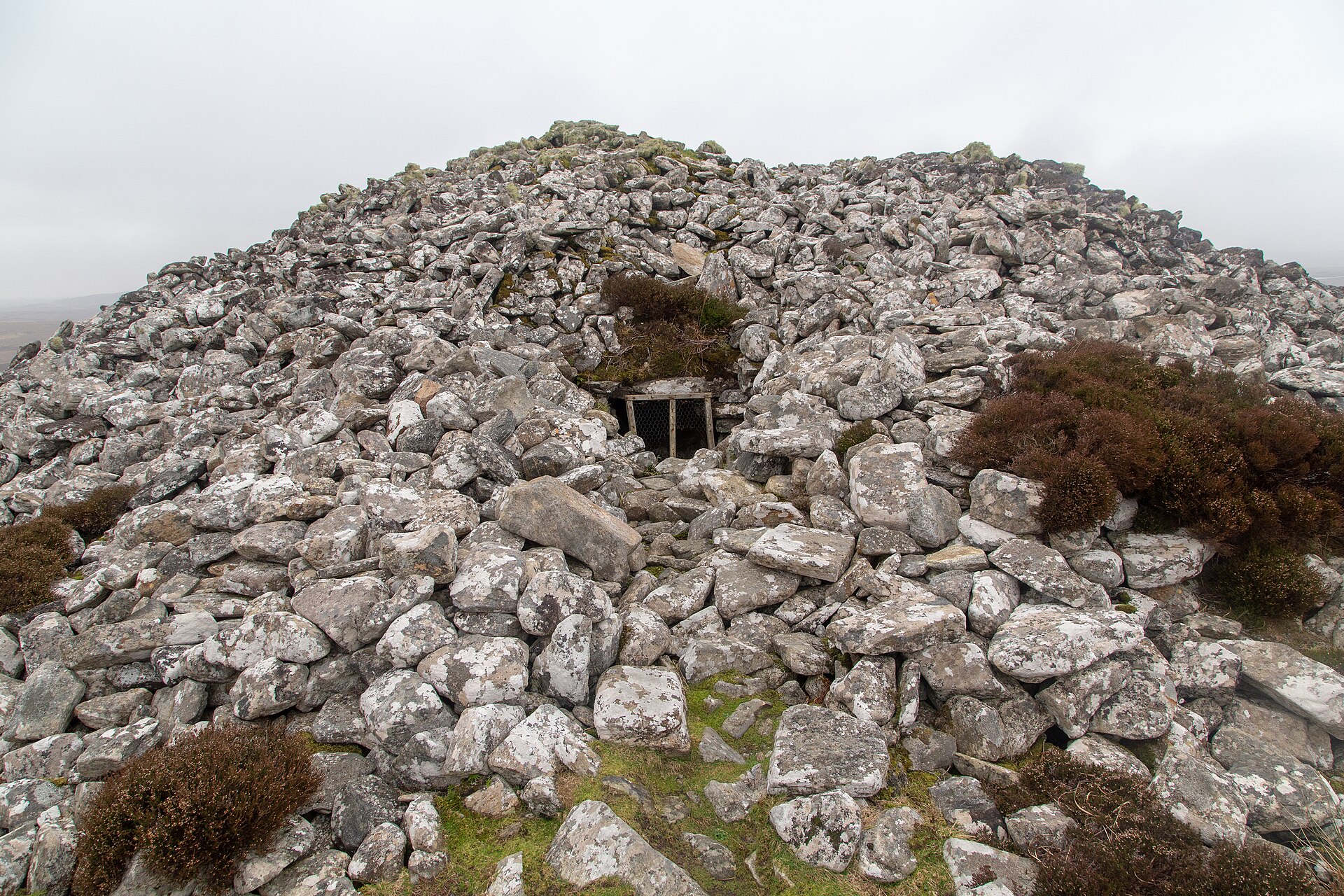
Two massive slabs form the roof of Barpa Langass, with a third slab laid on top of them, capping a stone burial mound on the Isle of North Uist tha…
Sacred place · Prehistoric
Derbyshire
A Knights Hospitaller administrative outpost whose stone hall survived Dissolution (Henry VIII's closure of the monasteries in the 1530s), absorbed…
Tomb or burial place · Prehistoric
Wiltshire
A single surviving Bronze Age (roughly 2500–800 BC) burial mound, reused six centuries later as an Anglo-Saxon cemetery, later excavated by soldier…
Sacred place · Prehistoric
Somerset
Minchin Barrow, a Benedictine convent so poor it transferred itself into a Welsh diocese: and ended as somebody's country house.
Fortified place · Medieval
Vale of Glamorgan
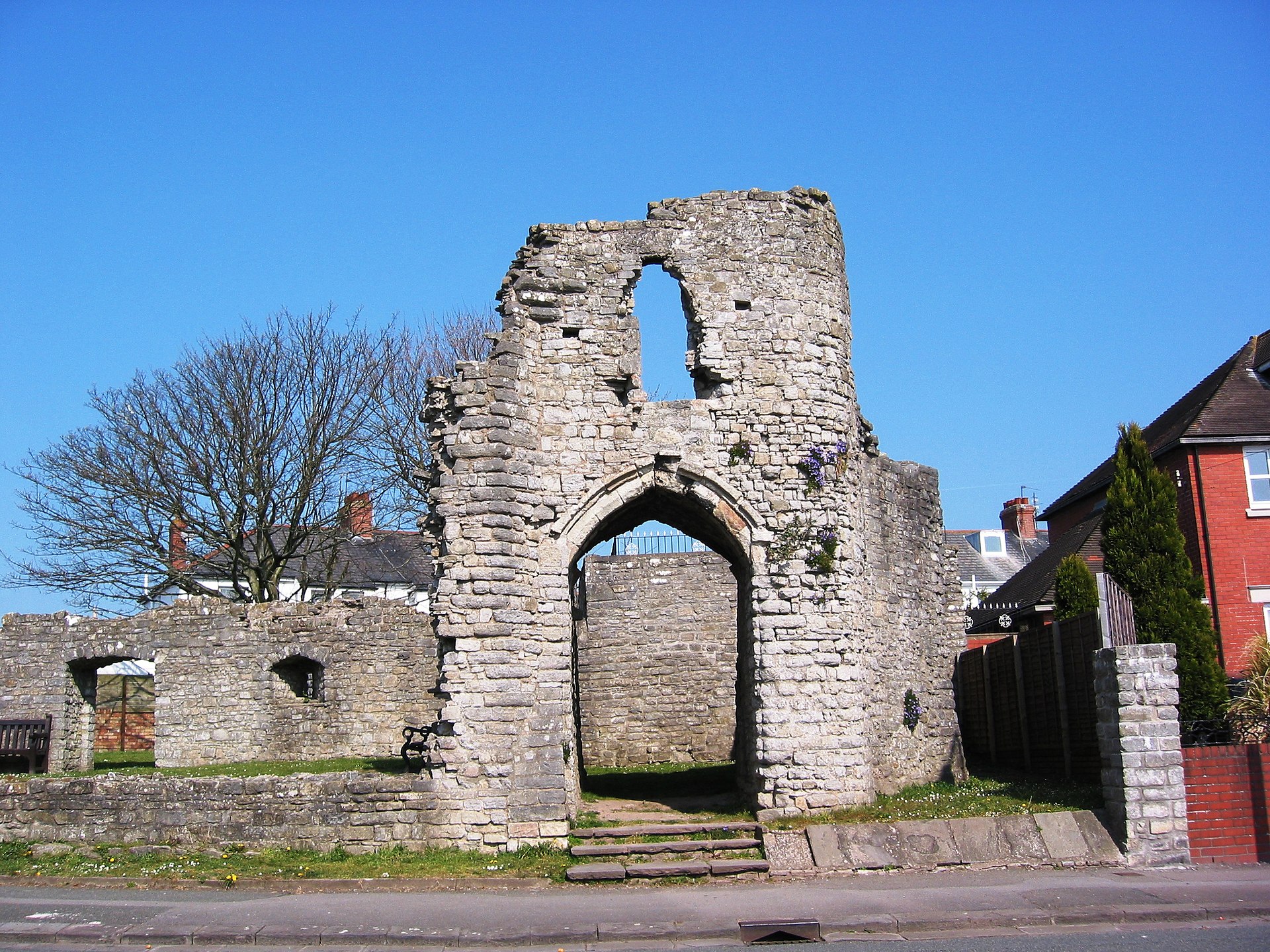
A wooden ringwall of the twelfth century rebuilt in stone, its gatehouse still standing two storeys high in a Barry suburb.
Fortified place · Medieval
County Cork
Barryscourt is a restored sixteenth-century tower-house complex that preserves the imprint of the Barrys, the Desmond Rebellions and a later recove…
Fortified place · Iron Age
Cornwall
Bartinney Castle is an Iron Age hilltop enclosure, dating from the period from roughly 800 BC to the Roman conquest, in Penwith whose circular eart…
Building or ruin · Roman
Cambridgeshire
The tallest of its four surviving mounds rises some 15 metres: the largest Roman burial mound known north of the Alps.
Fortified place · Prehistoric
West Yorkshire
Four powers fortified this ground in turn: the Britons, the Romans, the kings of Northumbria and finally the Normans.
Fortified place · Medieval
Hampshire
A brick palace that once rivalled Hampton Court in scale was reduced to smoking rubble in a single afternoon in 1645, and villagers were then invit…
Sacred place · Medieval
Flintshire
One of the best-preserved Cistercian domestic ranges in Wales: chapter house, dormitory and dining hall still legible around the covered monastery…
Fortified place · Medieval
Aberdeenshire
A wooden castle mound that once governed the whole lordship of the Garioch, its earthworks still holding an oak gangway and a 14th-century face-jug…
Fortified place · Iron Age
Somerset
A hillfort mapped for eighty years before anyone recognised it: until schoolboys found eight coins spanning four and a half centuries.
Sacred place · Medieval
Somerset
A parish church standing on the site of a former Benedictine monastery in the centre of Bath.
Building or ruin · Roman
Somerset
Defences around the city, Roman in origin and restored by the Anglo-Saxons.
Building or ruin · Roman
Somerset
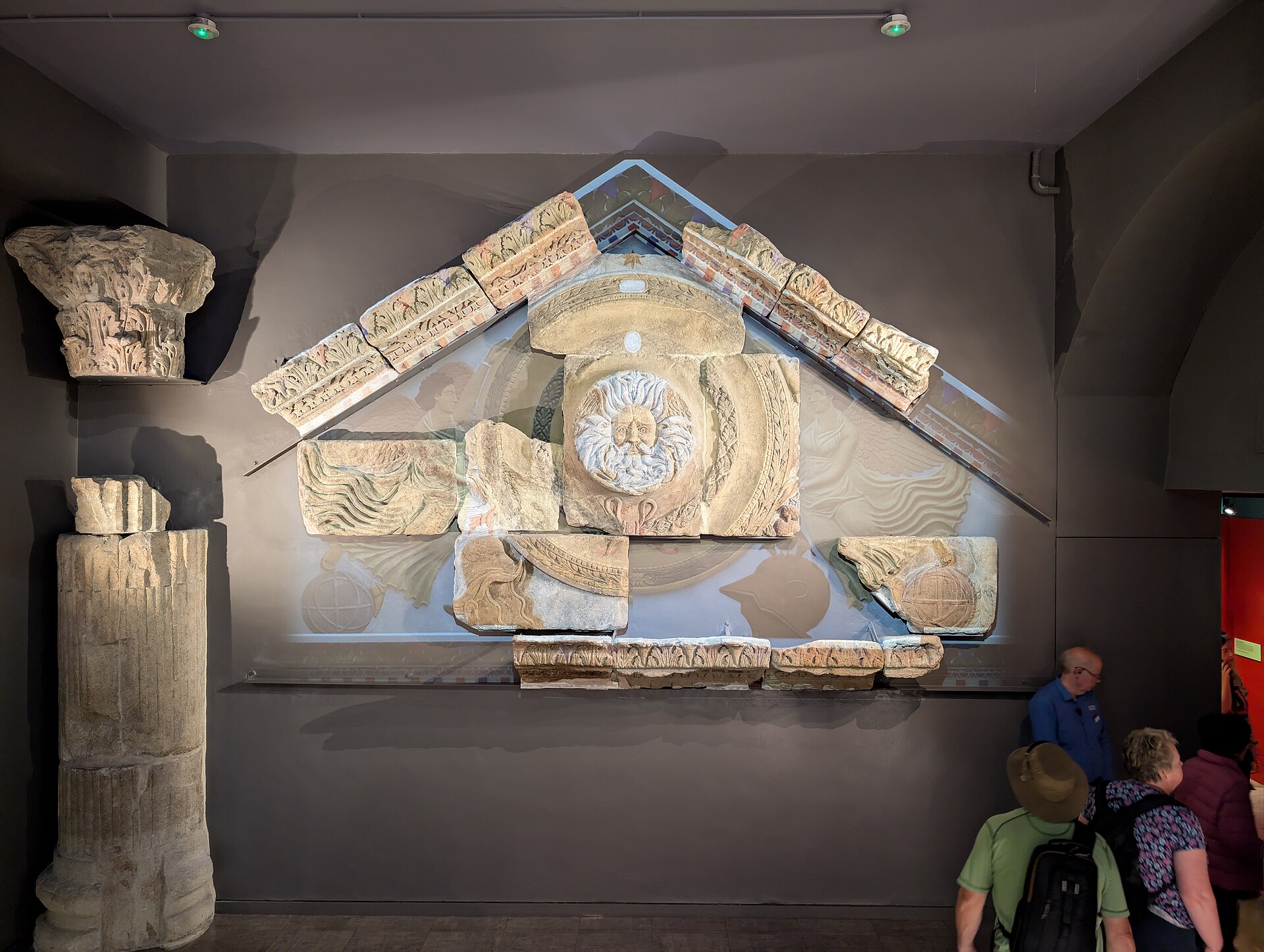
A first-century pediment carved by Gaulish craftsmen, found in 1790, whose central head has been read three different ways and settled as none of t…
Building or ruin · Roman
Derbyshire
A Roman road whose true line has to be pieced together from a scheduled earthwork, a buried stone road-bed under a Sheffield field, and a single mi…
Fortified place · Iron Age
Somerset
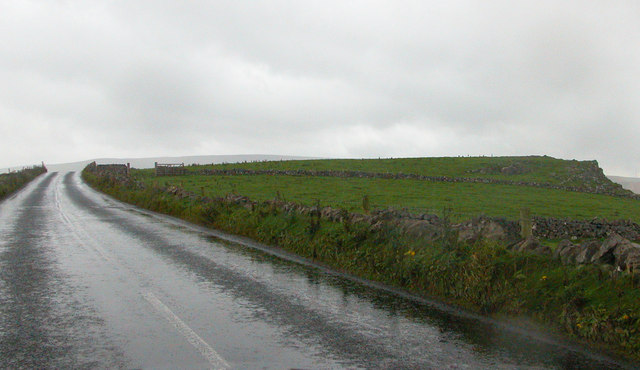
A single bank and flat-bottomed ditch on a limestone plateau 170 metres above the Avon, where the ground falls away towards Bath.
Sacred place · Medieval
East Sussex
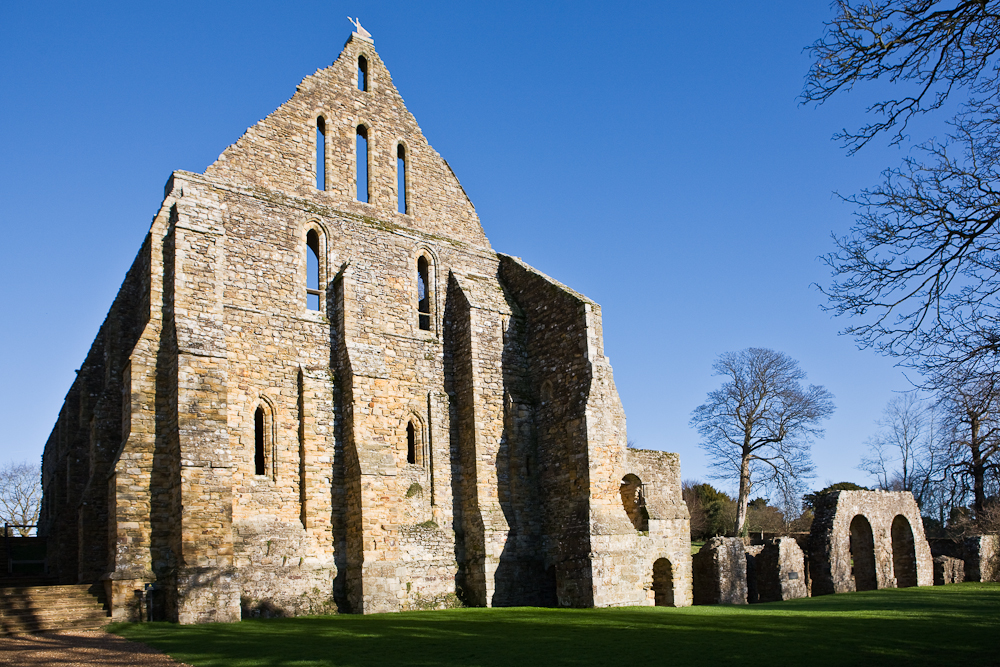
The high altar of its ruined church was built to stand on the exact spot where King Harold reputedly fell in 1066, turning a battlefield into a mon…
Fortified place · Roman
Angus
Assessed to have sheltered 50,000 to 60,000 men, this is one of the largest Roman camps ever built in Scotland: a single night's stop on a campaign…
Tomb or burial place · Prehistoric
Somerset
Three round mounds and possibly a long one at Williton, excavated by George Gray in 1931.
Fortified place · Iron Age
Wiltshire
An Iron Age fort above Warminster whose pits held a chariot-wheel hub, a carpenter's saw and a door latch-lifter: the gear of people living there.
Fortified place · Medieval
Devon
One of the few English blockhouses whose eleven gunports still face the water they were built to sweep, English Heritage has already named it among…
Sacred place · Medieval
East Sussex
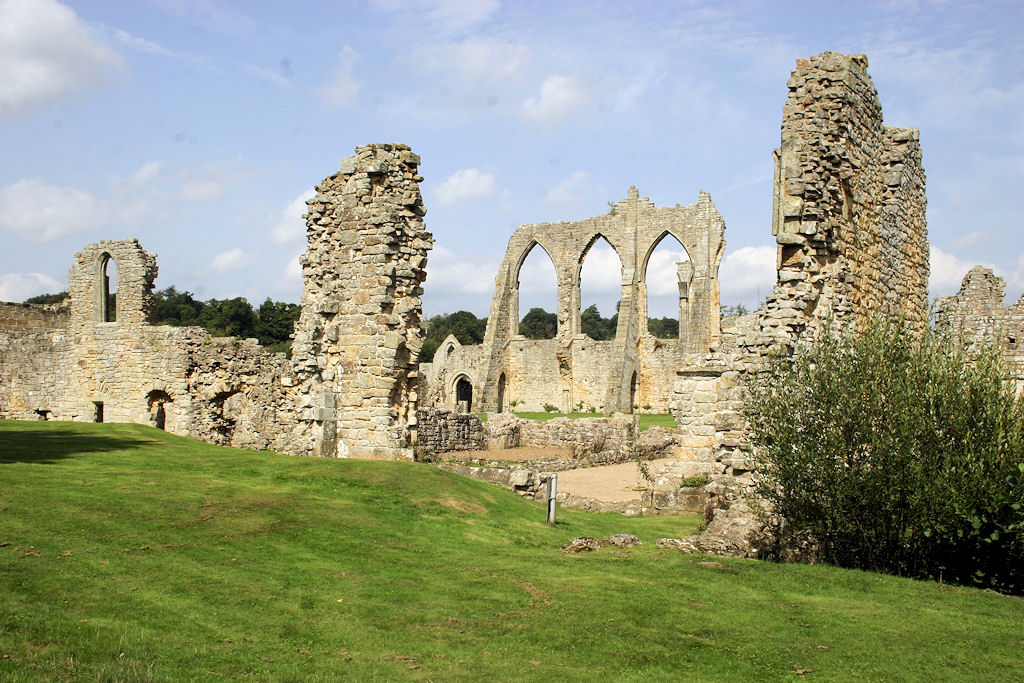
Bayham’s finely carved ruins preserve a Premonstratensian abbey (a monastery headed by an abbot) born from two failing monasteries, later reshaped…
Building or ruin · Medieval
East Riding of Yorkshire
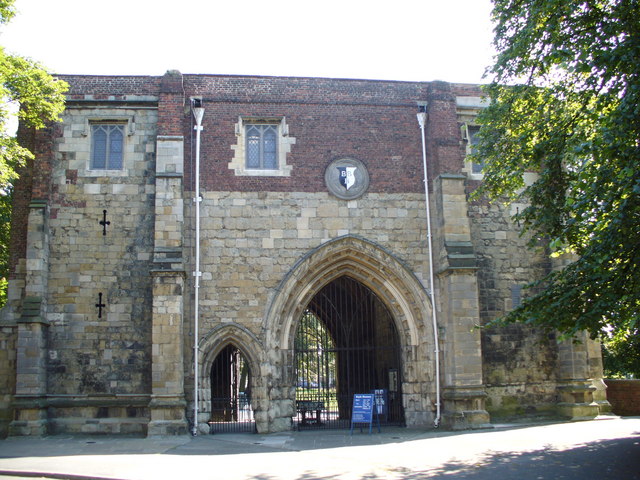
A single stone gatehouse carried a wooden castle, a priory's tolls and alms, a prison, a garrison and a town hall before becoming a museum of its o…
Fortified place · Medieval
East Riding of Yorkshire
A double-ditched stronghold hosted a king twice within a century, then vanished so completely that within decades farmhouses stood inside its own e…
Building or ruin · Medieval
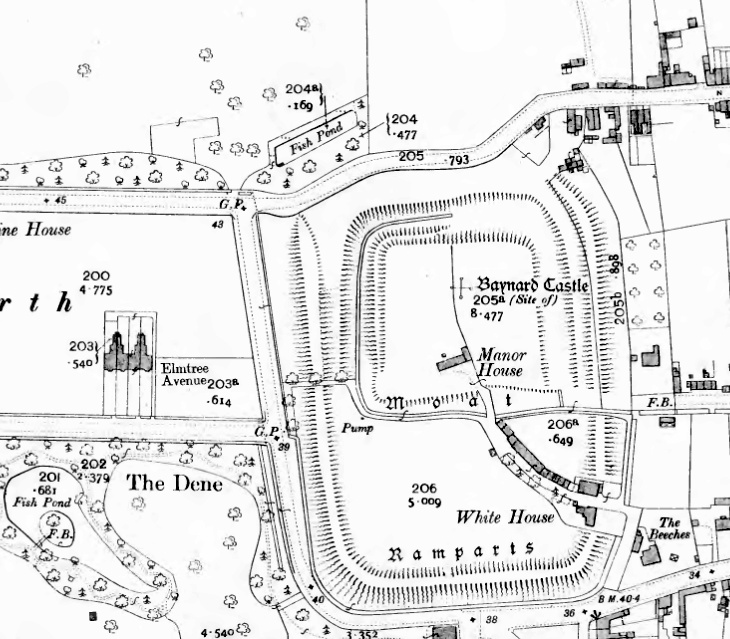
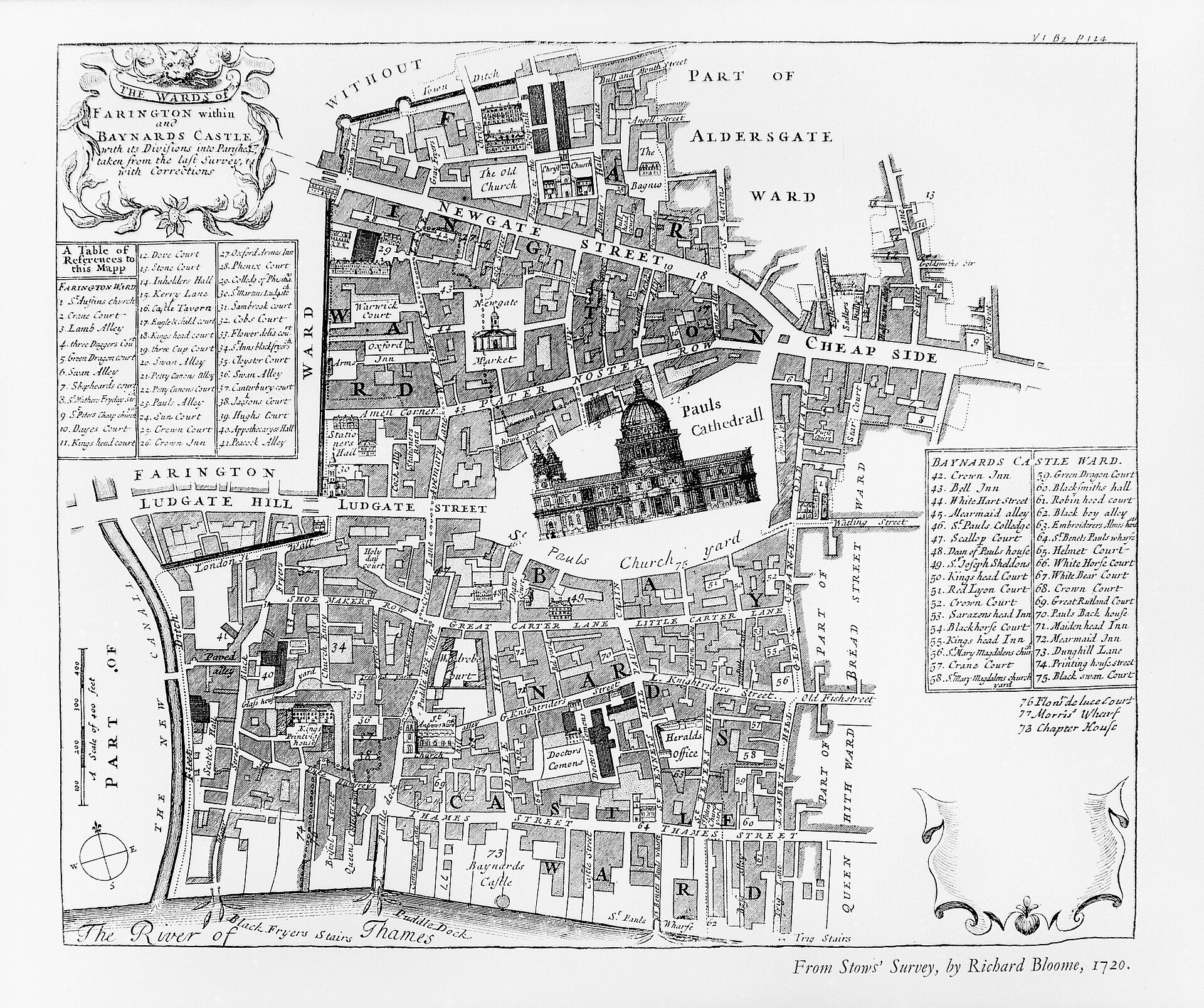
City of London
A brutalist telecoms tower standing directly over the buried remains of London's last riverside castle, and the rooftop where a Hollywood stunt fam…
Fortified place · Medieval
City of London
Two royal dynasties met their political end inside its walls: Lady Jane Grey's nine-day reign was formally ended here, and Richard III accepted the…
Fortified place · Medieval
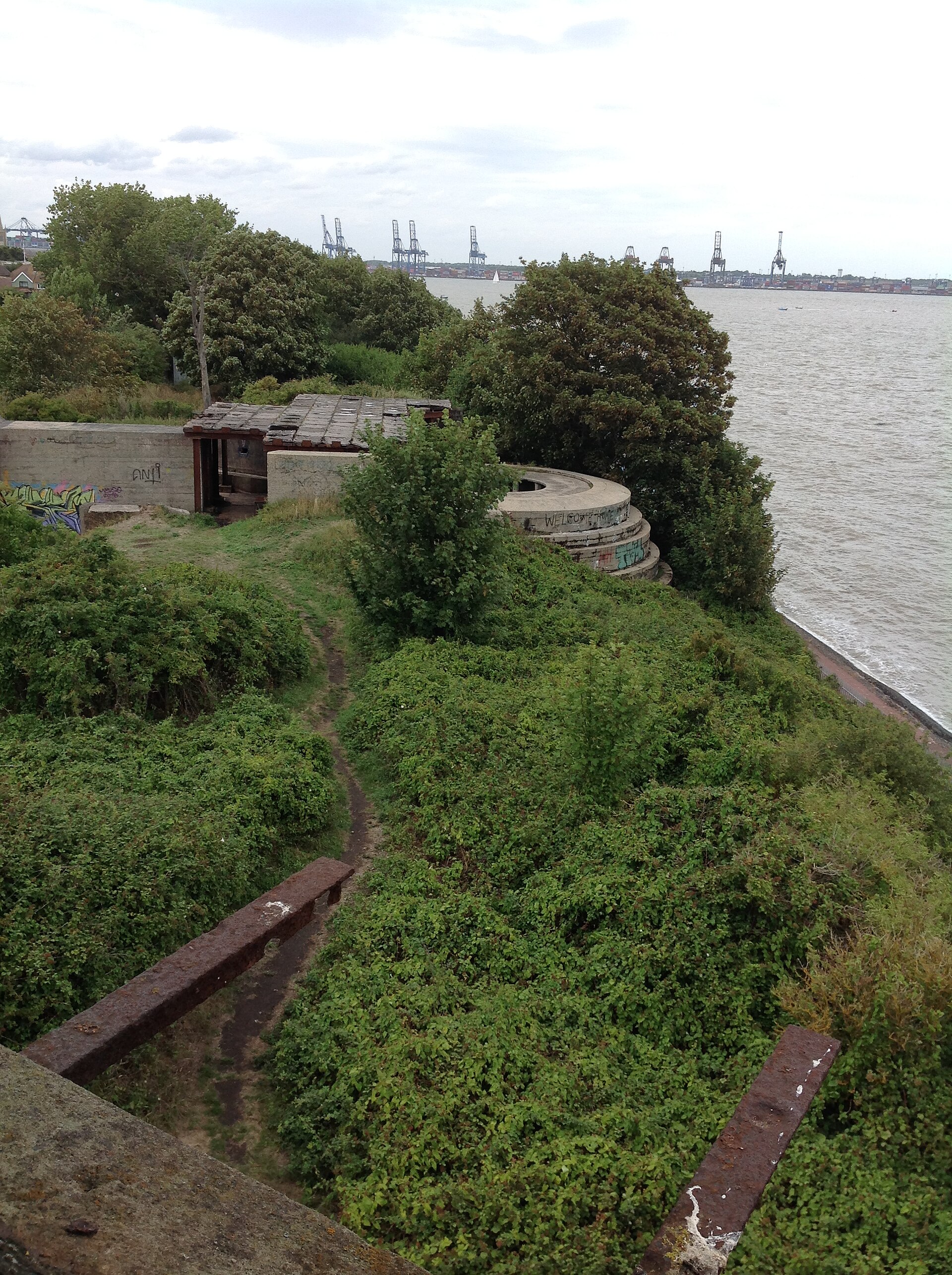
Essex
Beacon Hill Battery is a layered defence of Harwich harbour, preserving Tudor, Napoleonic, Victorian and Second World War responses to the strategi…
Fortified place · Iron Age
Hampshire
One of Hampshire's best-preserved Iron Age (the centuries before Rome arrived, from about 800 BC) hillforts, settlements defended by banks and ditc…
Building or ruin · Iron Age
West Sussex
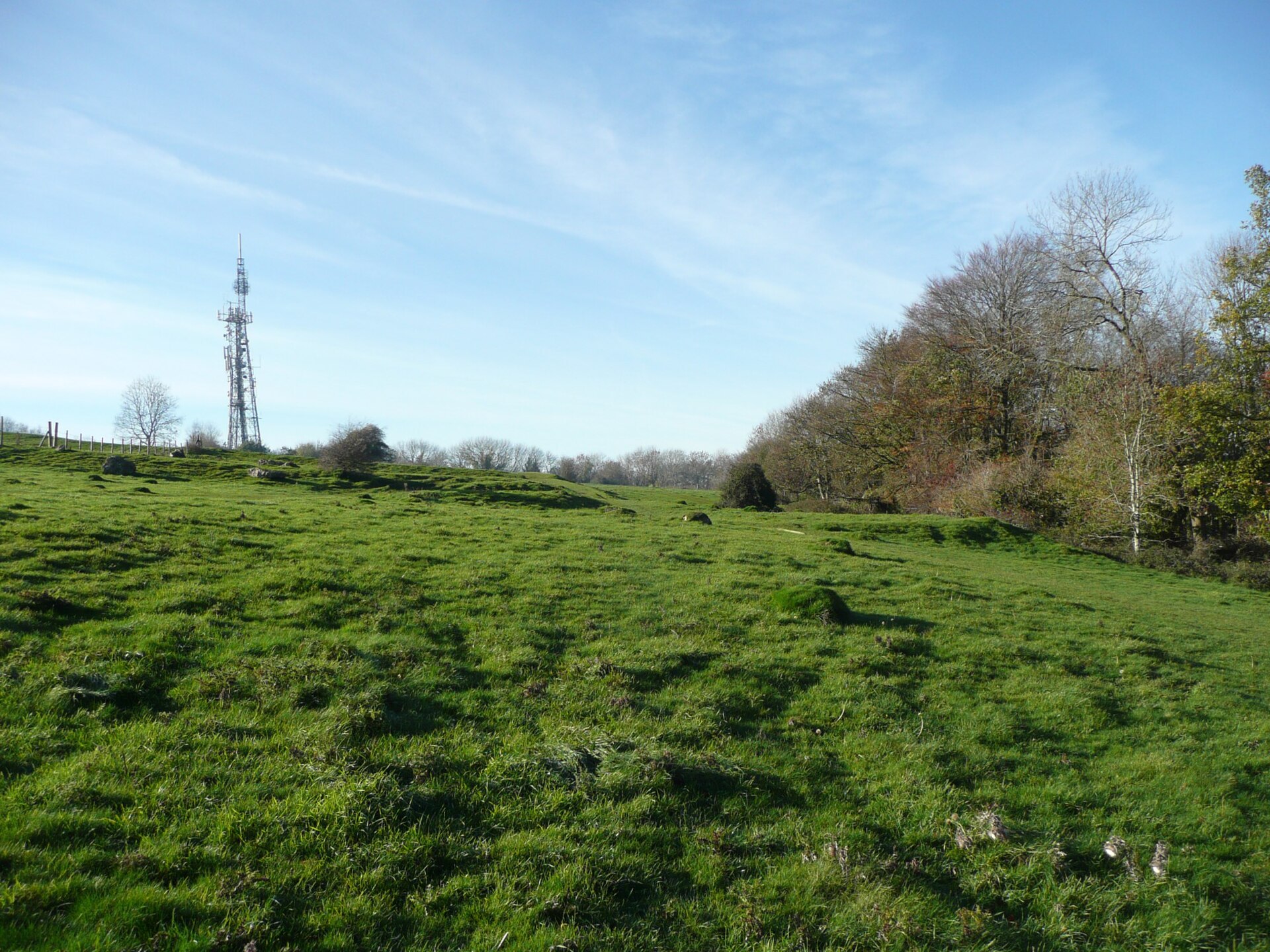
A defended hilltop on the South Downs in the parish of Elsted and Treyford, known also as Harting Beacon.
Fortified place · Iron Age
powys
A hilltop enclosure raised in the centuries before Rome arrived, with a royal monogram planted inside it in trees.
Briefer entries: recorded and worth knowing, with fuller pages to come.
Fortified place · Medieval
County Clare
Ballyhannon Castle is an exceptionally intact fifteenth-century Clare tower house whose complex passages, defences and long MacNamara history survi…
Ancient place · Medieval
County Antrim
Ballyharry is an Islandmagee townland where well-preserved Neolithic (the closing Stone Age, roughly 4000–2500 BC) house sites bring early settleme…
Fortified place · Medieval
County Kerry
The crenellated parapet that gives Ballyheigue Castle its name crowns a building that was never a fortress. What stands ruined above a golf course…
Tomb or burial place · Prehistoric
County Antrim
A four-thousand-year-old portal tomb (a Neolithic tomb of upright stones carrying a single great capstone) stands not in a field or forest but in t…
Fortified place · Medieval
County Cork
Ballymaloe House incorporates traces of a fifteenth-century Anglo-Norman castle within a later country house that became a landmark of modern Irish…
Fortified place · Medieval
County Clare
Ballymarkahan Castle is a MacNamara fifteenth-century tower house in Quin, recorded as a ruin for nearly two centuries and part of Clare’s dense ca…
Ancient place · Medieval
County Tyrone
Ballymully Glebe frames Tullyhogue Fort within a 144-acre County Tyrone townland whose name and nineteenth-century population decline preserve loca…
Tomb or burial place · Prehistoric
County Waterford
A late-1930s dig found cremated bone, flint and charcoal sealed in the chamber, then a hurried 1940 rebuild fixed the ancient stones in place with…
Fortified place · Medieval
County Down
Ballyroney Castle records a County Down motte-and-bailey (an early Norman form, a timber tower raised on a mound with a walled court beside it) sit…
Sacred place · Medieval
County Kerry
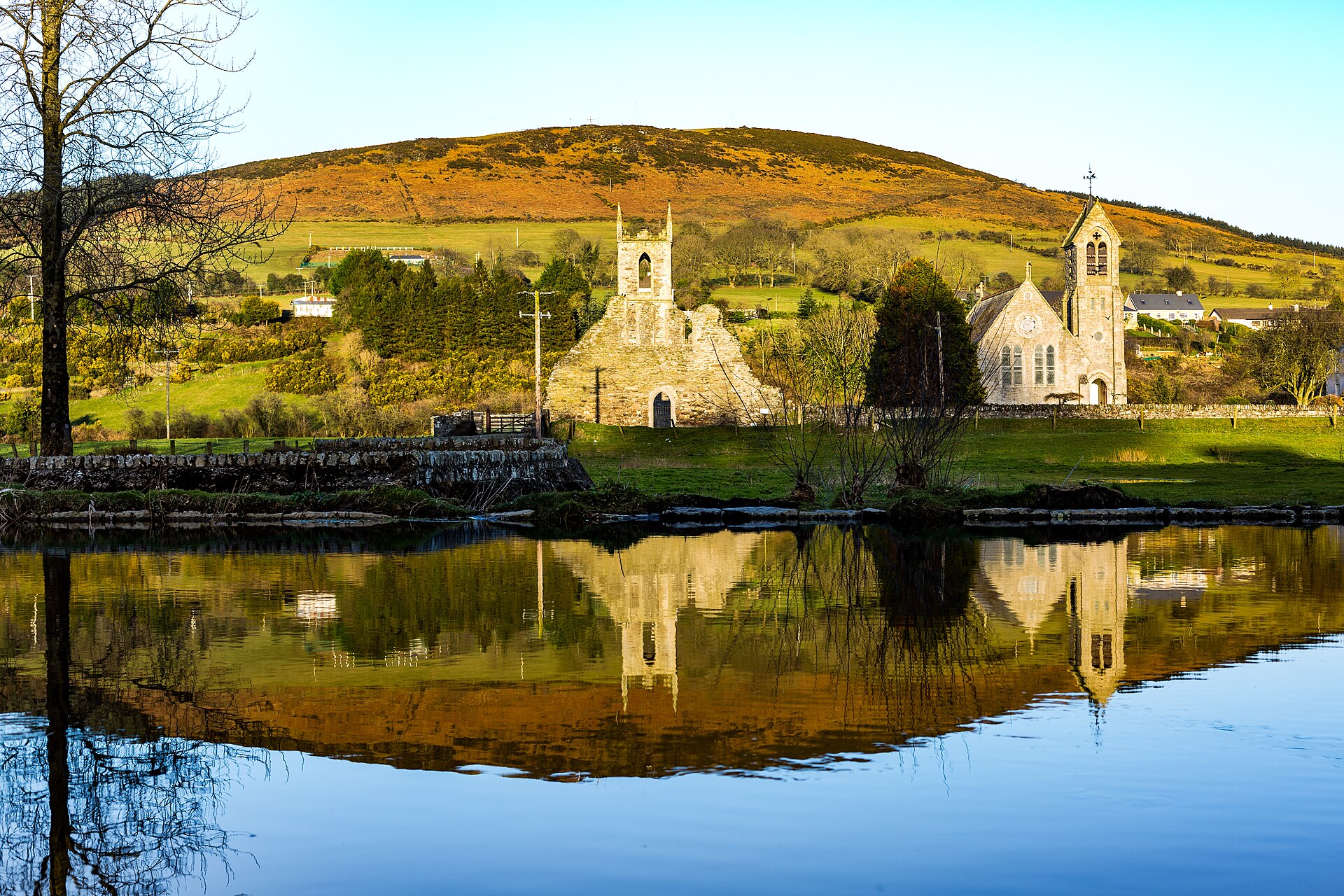
An ogham stone raised as a grave marker around AD 500 to 550 stands within a circular enclosure on the southern flank of Croaghmarhin mountain, hal…
Fortified place · Medieval
County Down
Bangor Castle layers a former abbey (a self-governing monastery, its head an abbot) site, a Victorian Jacobethan mansion and civic administration w…
Building or ruin · Roman
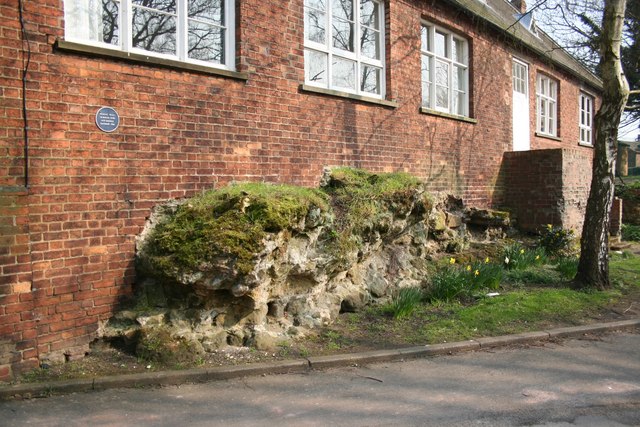
lincolnshire
A market town with a piece of Roman wall still standing in it, and a Roman name that may or may not belong to the place.
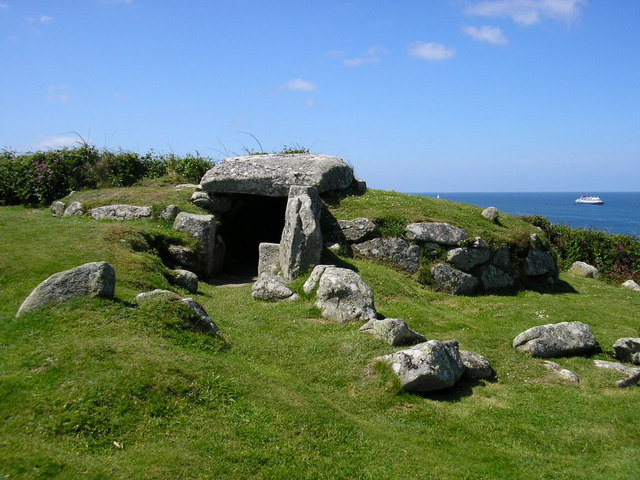
Tomb or burial place · Prehistoric
Cornwall
A well-preserved Bronze Age (roughly 2500–800 BC, when metalworking spread) entrance grave on St Mary's, excavated in 1900 and restored from the or…
Fortified place · Medieval
County Louth
Its grounds were shaped by the 18th-century landscape architect Thomas Wright, laid over a castle that had already stood for three centuries by the…
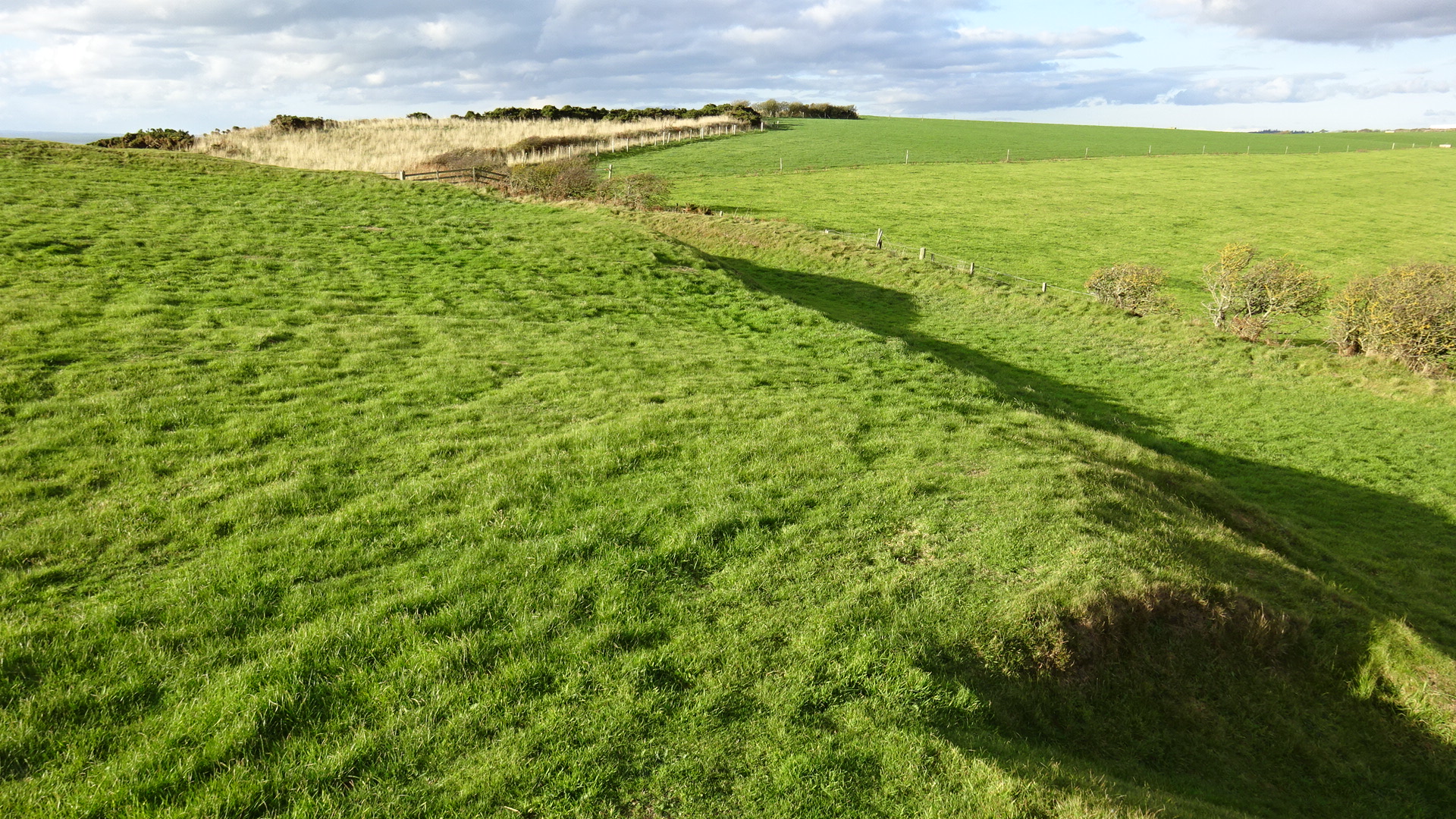
Fortified place · Prehistoric
Dumfries and Galloway
The site carries two widely separated chapters of the human past. Aspects of Barsalloch Fort are thought to date to the Mesolithic period, placing…
Sacred place · Medieval
Staffordshire
A monastic house under a prior, a rank below an abbot, founded in 1174 and dissolved in 1538.
Fortified place · Iron Age
Devon
At roughly 290 metres above sea level, Beacon Castle occupies a hilltop close to Parracombe in Devon, its position commanding the ground that falls…
Fortified place · Iron Age
Leicestershire
An Iron Age hilltop settlement, of the centuries before Rome arrived from about 800 BC, on some of the oldest volcanic rock in Britain, inside a co…
No places match those filters.
Kinds of place
Ages


_-_geograph.org.uk_-_1392760.jpg?width=800)

.jpg?width=800)
%2C_September_2009.JPG?width=800)






.jpg?width=800)





%2C_2007.jpg?width=800)





.jpg?width=800)








_-_geograph.org.uk_-_4570420.jpg?width=800)