Fortified place · Iron Age
Meare Lake Village
Somerset
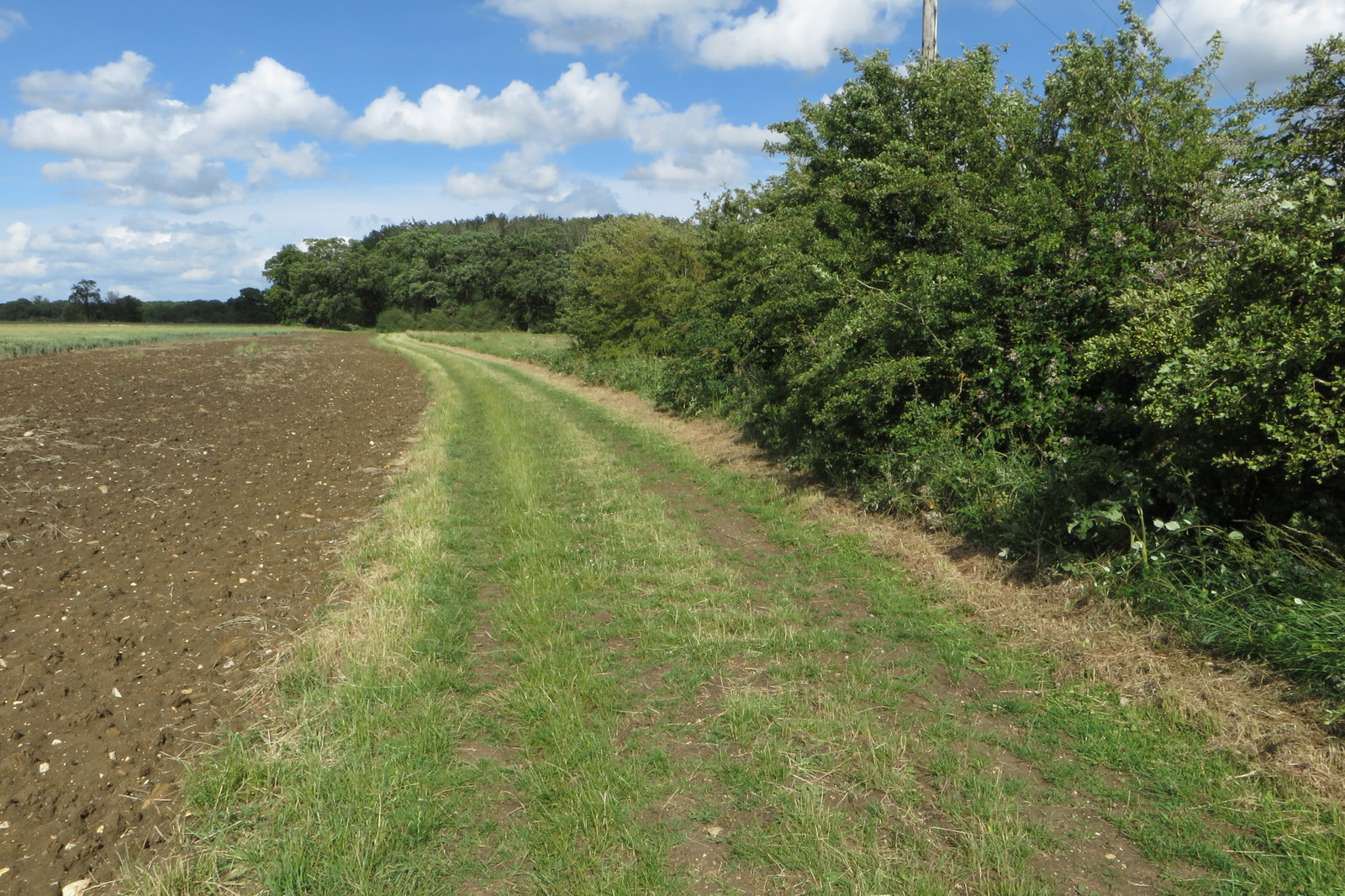
A settlement at Meare on the Somerset Levels, occupied from about 300 BC to AD 100.
- Near Meare
- Some walking
The directory
Page 30 of 47 in the full directory.
Browsing 100 places — search and the map cover the whole directory.
Fortified place · Iron Age
Somerset
A settlement at Meare on the Somerset Levels, occupied from about 300 BC to AD 100.
Sacred place · Medieval
East Riding of Yorkshire
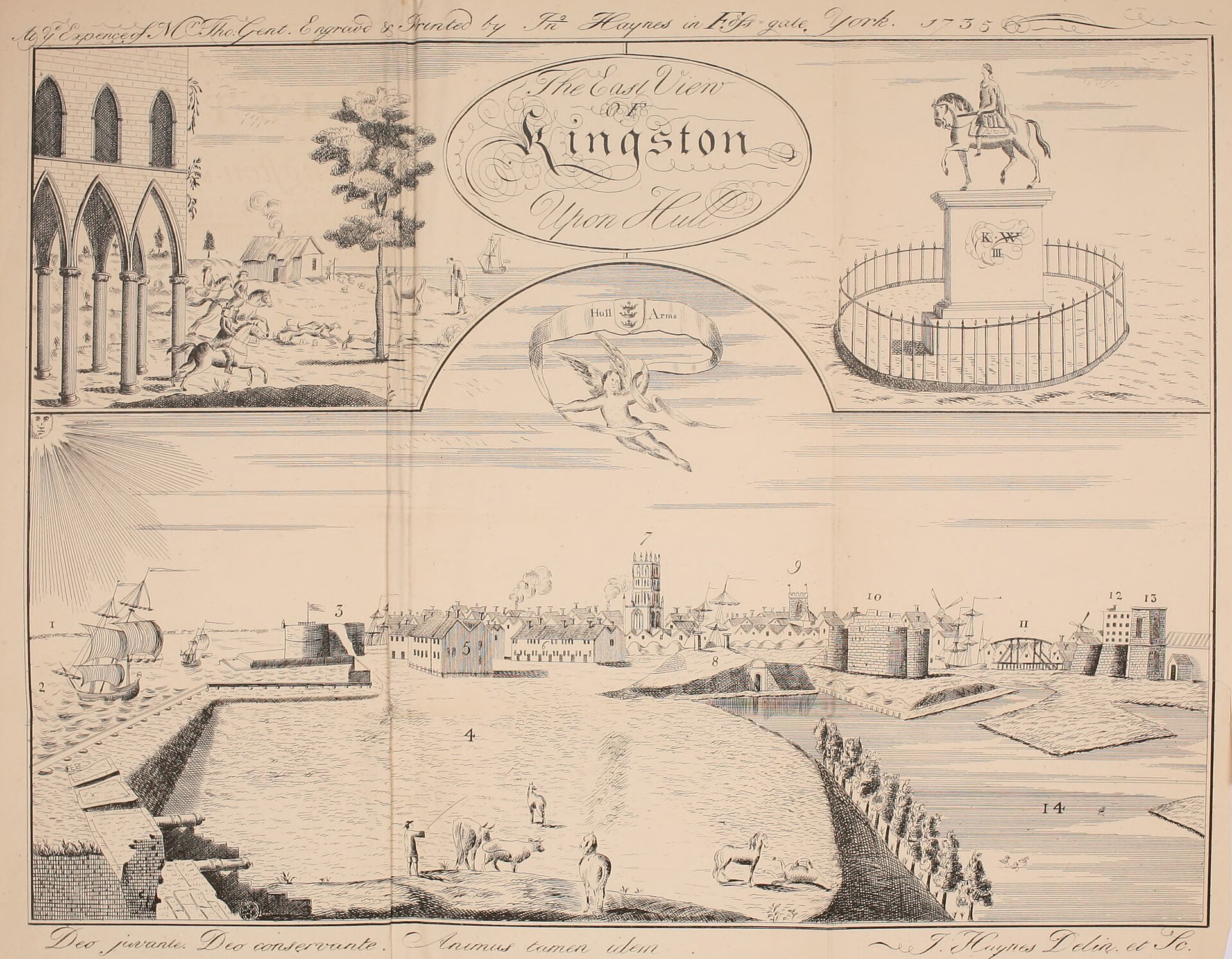
Its sale of land at Wyke to Edward I in 1293 helped found Kingston upon Hull: a monastery whose estate dealings shaped the growth of a major Englis…
Tomb or burial place · Prehistoric
County Roscommon
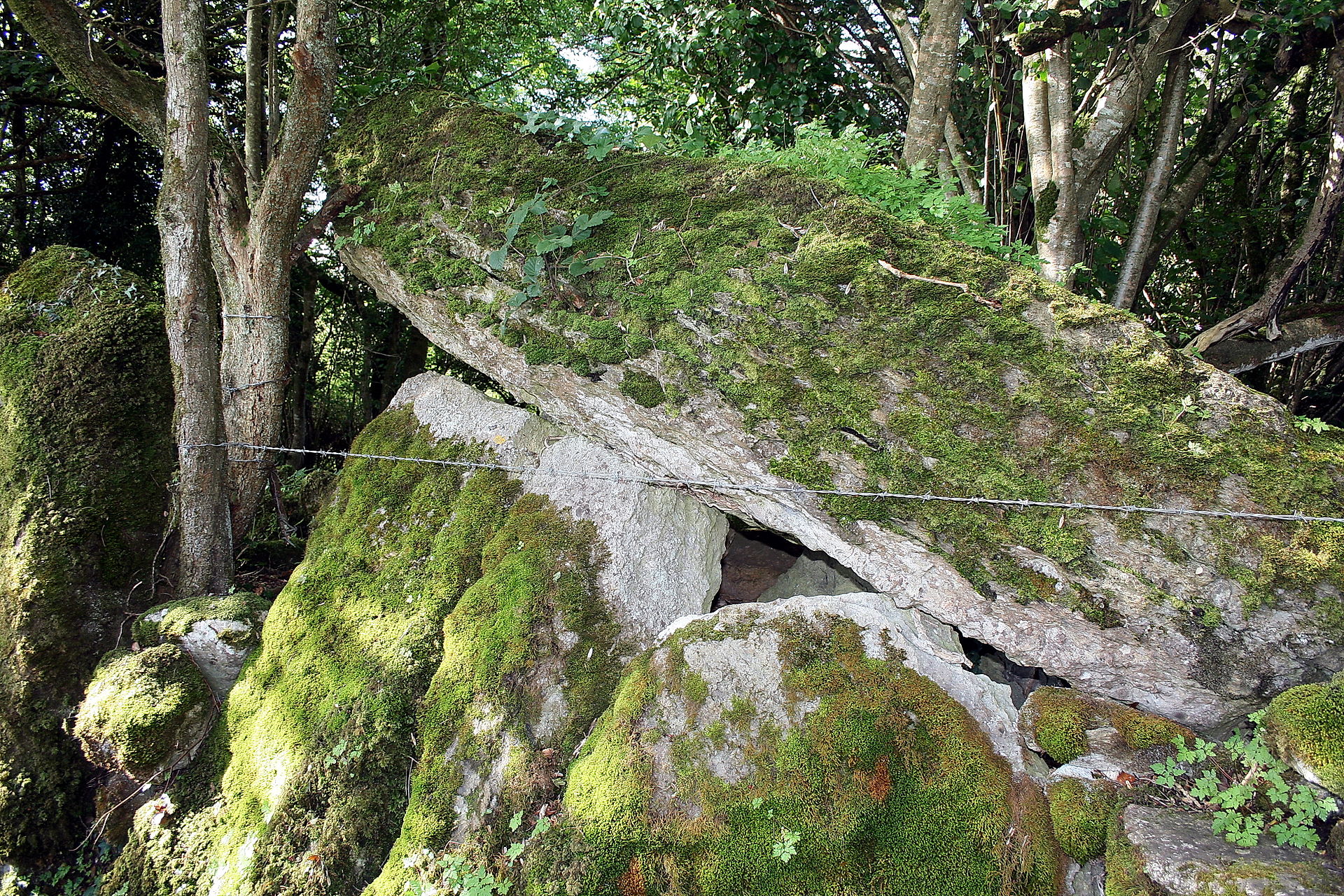
Its rear support gave way sometime after the medieval period, tipping a 24-tonne capstone into the steep tilt that still defines this unexcavated N…
Carved stone · Pictish & early medieval
Perth and Kinross
Twenty-seven Pictish stones pulled from the ruins of a church that burned in 1869, now in the village schoolhouse: including one carved by the Pict…
Fortified place · Medieval
Derbyshire
Fifteen metres of surviving rubble wall are folded into a Melbourne farm building, the last visible fragment of a castle that held a captured Frenc…
Sacred place · Medieval
Bedfordshire
A house of the Knights Hospitaller whose founding family's descendants rose to lead the order in England, and whose last stone survived eight centu…
Building or ruin · Medieval
Cardiff
By the end of the 18th century this was the largest tin-plate works on earth, and its water pump survives as a scheduled monument (legally protecte…
Building or ruin · Medieval
Cardiff
Built to settle a legal fight over stolen water, its towering paddle wheel and oak beams survive as one of Britain's few intact eighteenth-century…
Sacred place · Medieval
County Louth
The first Cistercian abbey (a monastery headed by an abbot) built in Ireland, and the template every one of its daughter houses across the country…
Fortified place · Iron Age
Wiltshire
A single ring bank hides two collisions of history at once: an Iron Age (the centuries before Rome arrived, from about 800 BC) stronghold whose eas…
Fortified place · Iron Age
Devon
Membury Castle is a hillfort, a settlement defended by banks and ditches on high ground during the Iron Age, the centuries before the Roman conques…
Tomb or burial place · Prehistoric
Aberdeenshire
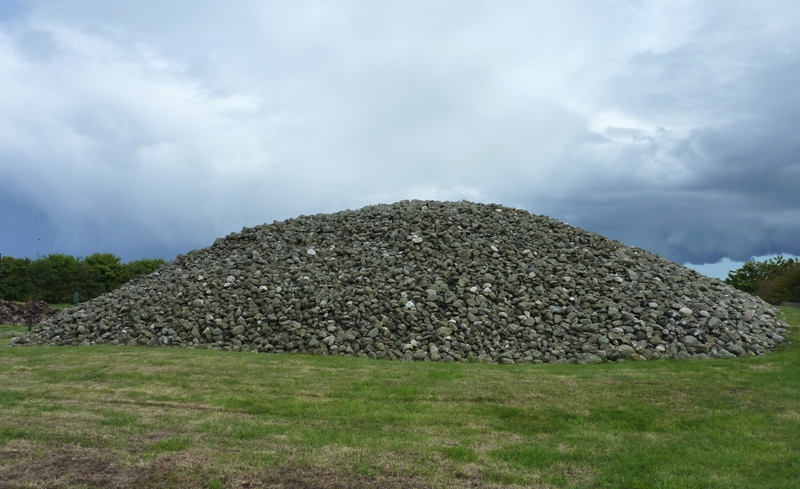
The sole survivor of a cemetery of three great Bronze Age (roughly 2500–800 BC, when metal tools first spread) cairns, its lost neighbours quarried…
Sacred place · Pictish & early medieval
Cornwall
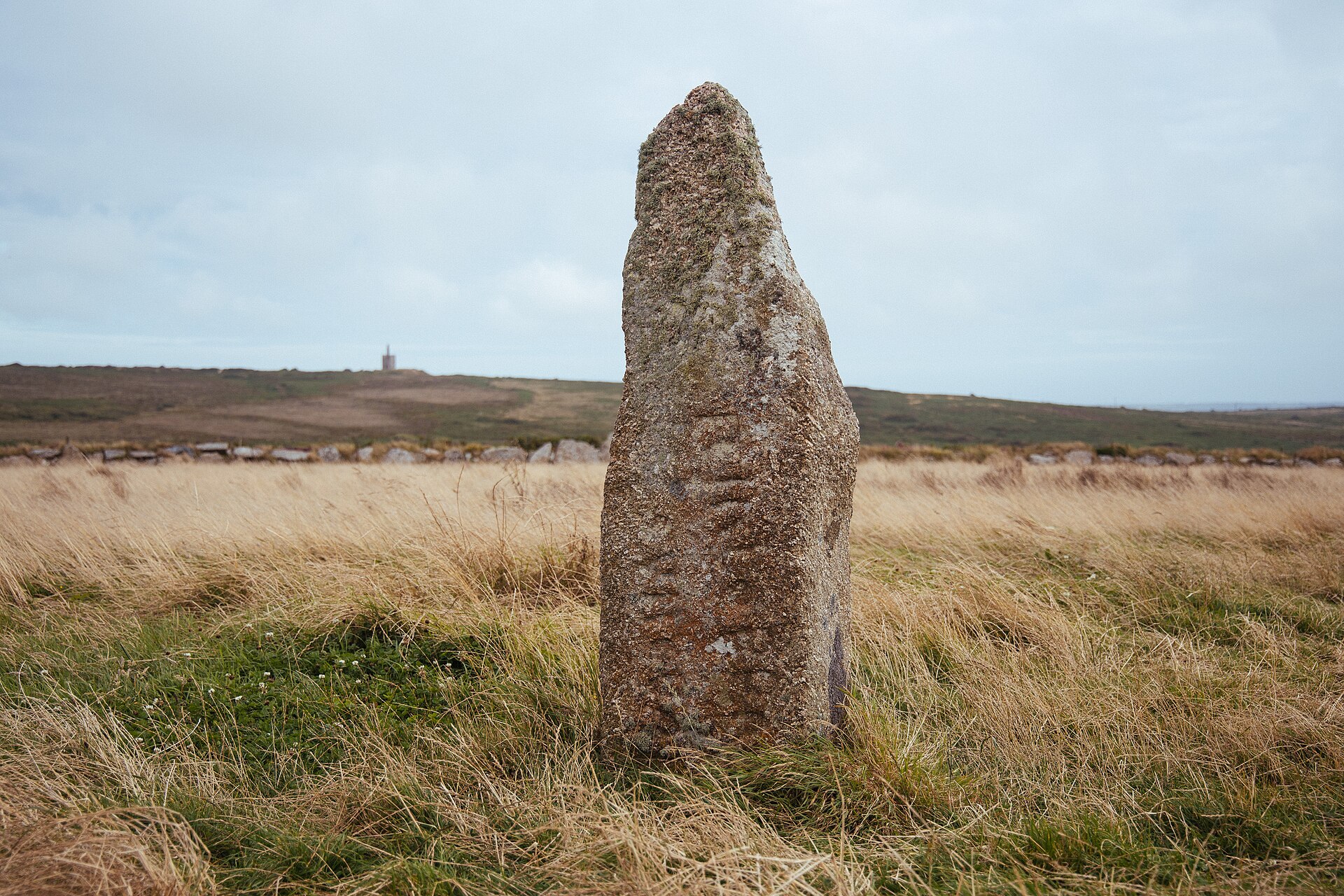
Mên Scryfa preserves an early medieval (roughly AD 400–1100, between the Romans and the Normans) Latin inscription on a standing stone, connecting…
Building or ruin · Prehistoric
Cornwall
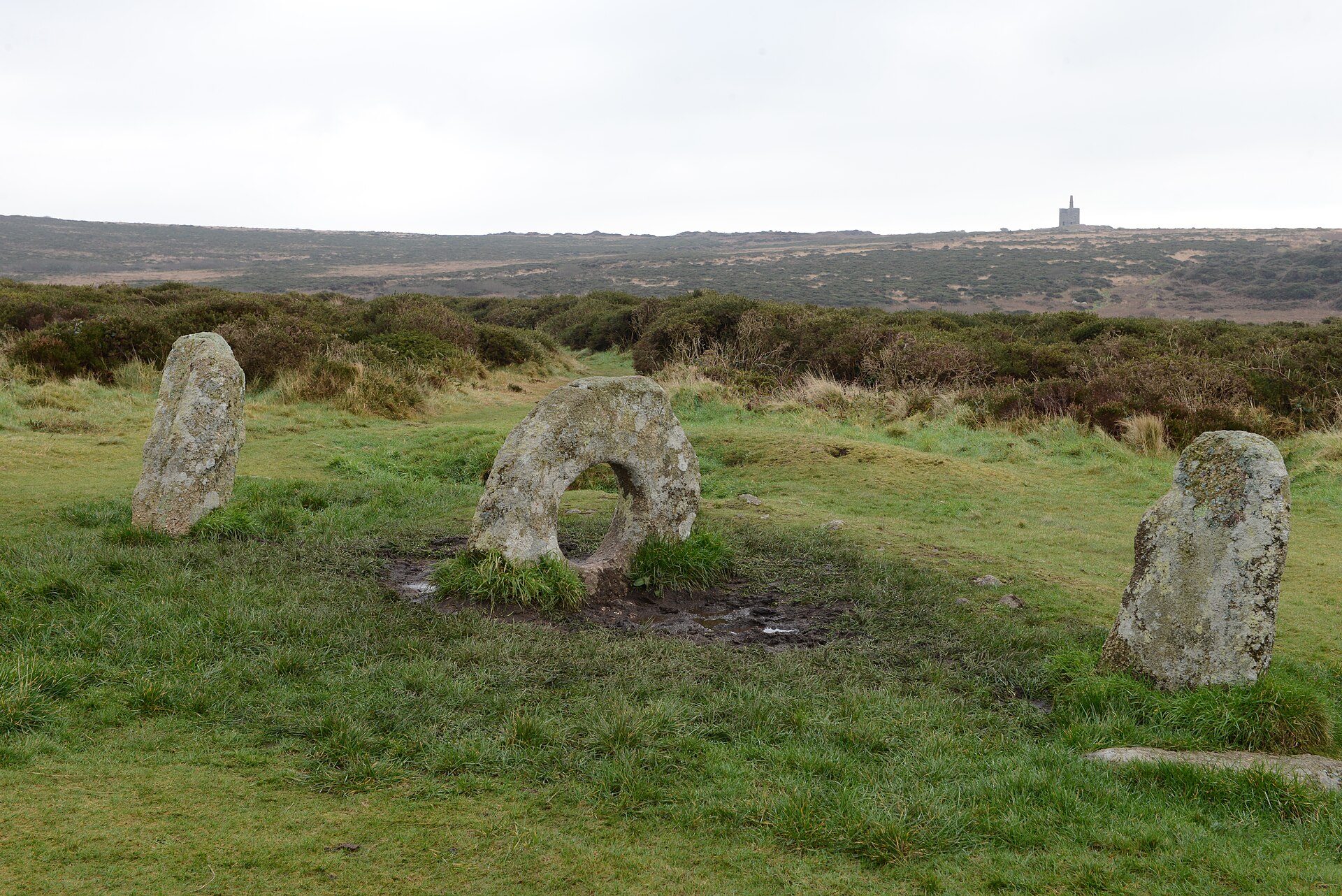
Mên-an-Tol is Cornwall’s best-known holed stone, combining an enigmatic late Neolithic monument: from the first farming period in Britain, roughly…
Sacred place · Medieval
Suffolk
A Suffolk priory: a religious house led by a prior, a rank below an abbot: dissolved in 1537, about which the readily available sources record almo…
Fortified place · Medieval
County Galway
A Blake-family stronghold on the Corrib whose grand 18th-century additions ended in a single catastrophic fire in 1910, claiming a life never accou…
Fortified place · Prehistoric
Hampshire
A bishop's castle of the 1130s was raised inside a long-abandoned Iron Age hillfort, a defended settlement on high ground from the period before th…
Fortified place · Medieval
County Galway
A well-preserved Galway tower house near Merlin Park University Hospital, associated with the Lynch family and retaining a rare sheela na gig carving.
Tomb or burial place · Prehistoric
Staffordshire
A hill a few miles east of Leek, in the civil parish of Fawfieldhead.
Sacred place · Medieval
Greater London
Merton Priory was a major Augustinian house on the River Wandle where the Statute of Merton was enacted in 1236, while its association with Thomas…
Building or ruin · Roman
West Midlands
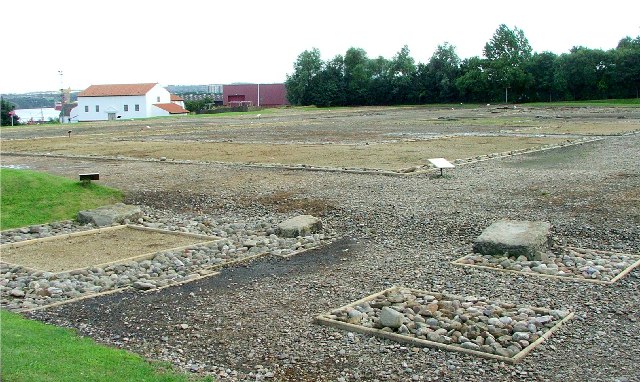
Rebuilt four times in little more than a century, Metchley is among the most excavated Roman military sites in the Midlands, its full occupation st…
Fortified place · Medieval
Suffolk
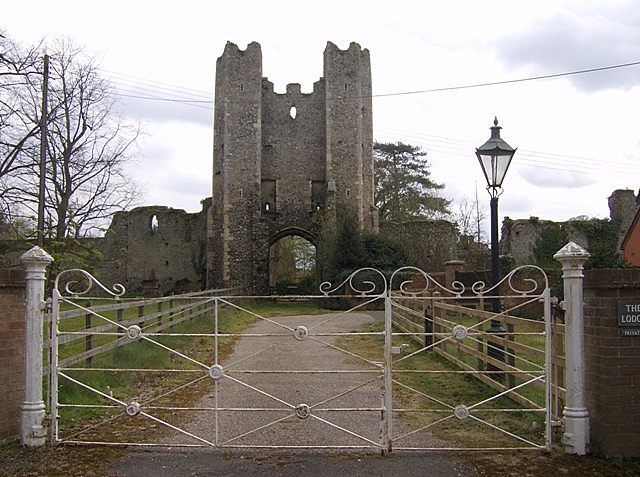
A licence to crenellate in 1342, three moated courts, and by 1562 a bakehouse, brewhouse, malting house and aisled hall inside the walls.
Ancient place · Roman
Hampshire
Beneath a beech wood William Cobbett once called one of England's finest oak stands, three millennia of land use survive intact: Bronze Age (roughl…
Sacred place · Medieval
East Sussex
A moated Augustinian priory whose surviving buildings: barn, gatehouse, refectory and watermill: trace six centuries of use, ending as a Canadian a…
Sacred place · Medieval
North Yorkshire
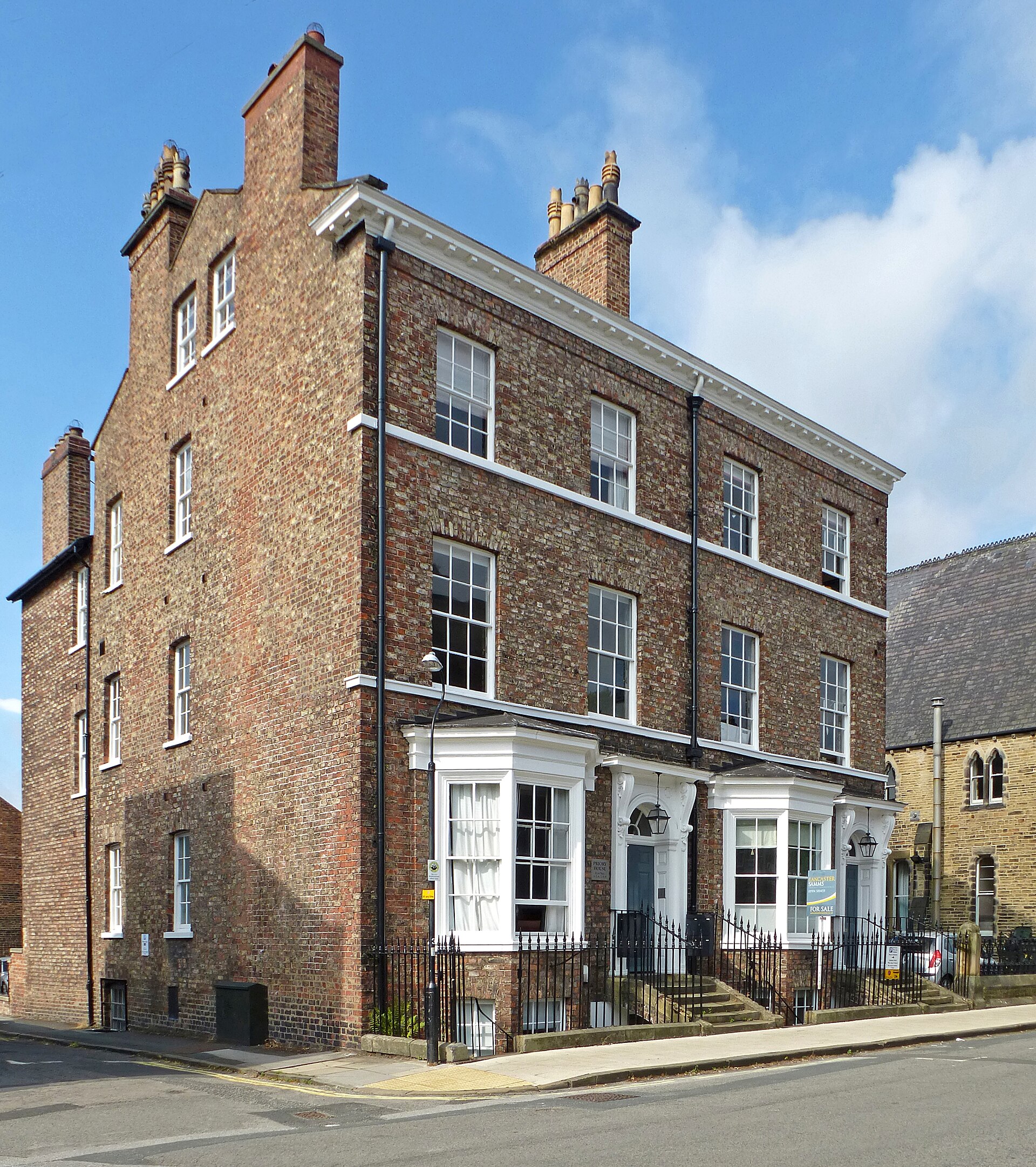
Its parish church, Holy Trinity on Micklegate, still stands on the same ground the monks held: a rare unbroken line from secular canons to Benedict…
Tomb or burial place · Prehistoric
Dumfries and Galloway
Six burial cairns stand grouped together in the countryside of Dumfries and Galloway, two of them holding a particular importance for archaeologist…
Fortified place · Medieval
North Yorkshire
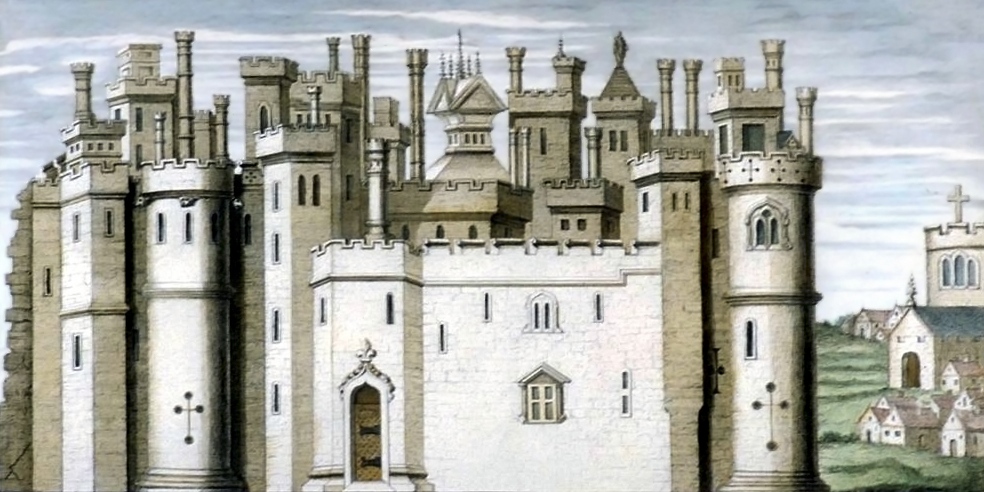
A childhood home turned royal seat: Richard III married into the family here and made Middleham his main residence before losing throne and son wit…
Building or ruin · Medieval
North Yorkshire
Middleham Market Cross preserves a medieval market landmark whose worn steps and repeatedly changed summit trace centuries of civic use and repair.
Fortified place · Medieval
Norfolk
Middleton Mount shows a common but important Norman strategy: placing a castle mound and enclosed yard on an existing Anglo-Saxon estate centre: wh…
Fortified place · Medieval
Somerset
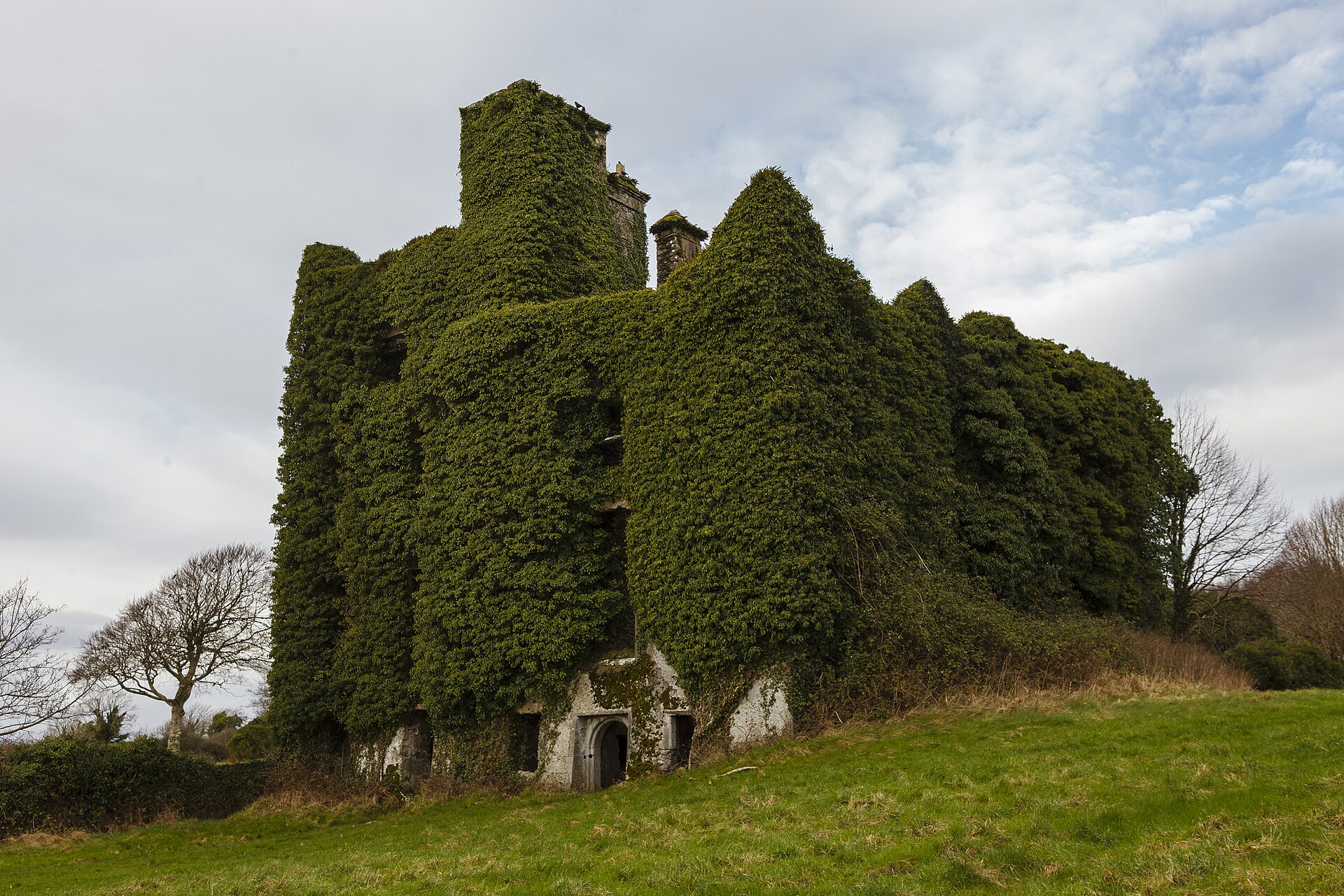
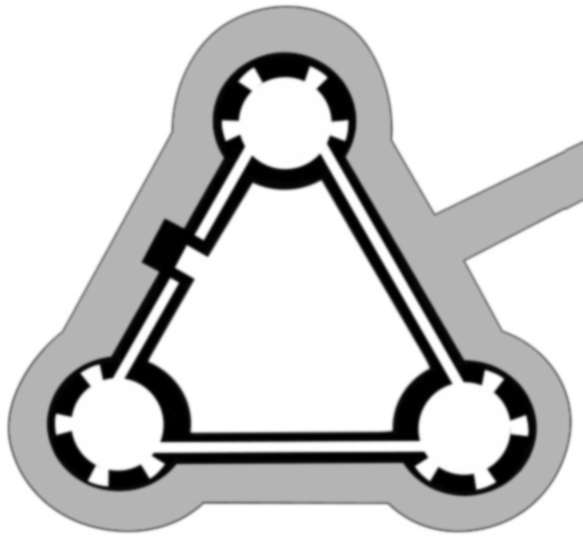
A Gothic Revival house of 1775 south of Bath, given a three-towered plan by John Carter.
Fortified place · Iron Age
Orkney Islands
An exceptionally well-preserved broch where a spring-fed tank, roasting hearth and converted workshop spaces make everyday life in an Iron Age coas…
Fortified place · Iron Age
Herefordshire
Unusually, its ramparts enclose two separate summits and the valley between them, encircling a community of around 1,500 people who lived here unti…
Fortified place · Iron Age
Devon
Milber Down is a hillfort, a defended enclosure on high ground, ringed with banks and ditches during the Iron Age, the centuries before the Roman c…
Fortified place · Medieval
Suffolk
The chronicle of Jocelin of Brakelond records a village granted to a man because he could defend it against this castle's castellan.
Building or ruin · Roman
Northumberland
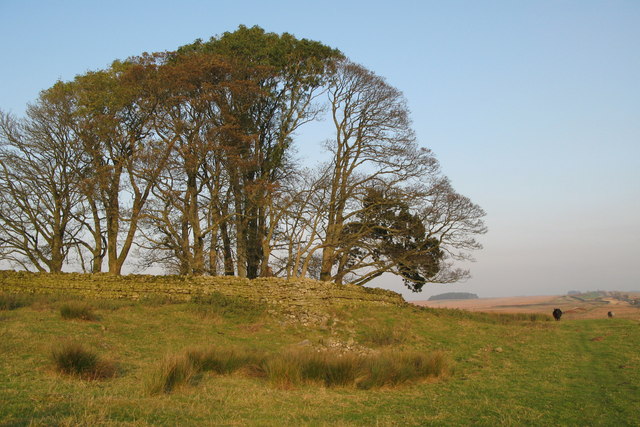
Tower Tye, reduced to an earth platform outlined by robber trenches: while eleven courses of Roman masonry still stand in its turret at Black Carts.
Building or ruin · Roman
Northumberland
At Limestone Corner, where Turret 30A sits forty metres from where measuring west would put it: evidence the turrets were set out first.
Building or ruin · Roman
Northumberland
Beside the Carrawburgh car park, its north wall under the modern road; only the west wall has ever been found, and that was robbed out.
Building or ruin · Roman
Northumberland
What survives at Carraw is the shape of a building rather than the building: shallow trenches left by stone robbers, a low platform between them, a…
Building or ruin · Roman
Northumberland
Shield on the Wall is one of the few posts on this stretch where Roman stone is still uncovered: part of the north gate and wall, standing 1.2 metr…
Building or ruin · Roman
Northumberland
Grindon itself has gone from view entirely, but the tower a short way west survives well enough to show a doorway with its threshold stone still in…
Building or ruin · Roman
Northumberland
Sewingshields is one of the few posts on this frontier whose interior has been dug in depth: four successive phases of Roman building, with two med…
Building or ruin · Roman
Northumberland
Milecastle 36 shows how nineteenth-century stone robbery erased a Roman frontier post, leaving its excavated gateway sequence recoverable only thro…
Building or ruin · Roman
Northumberland
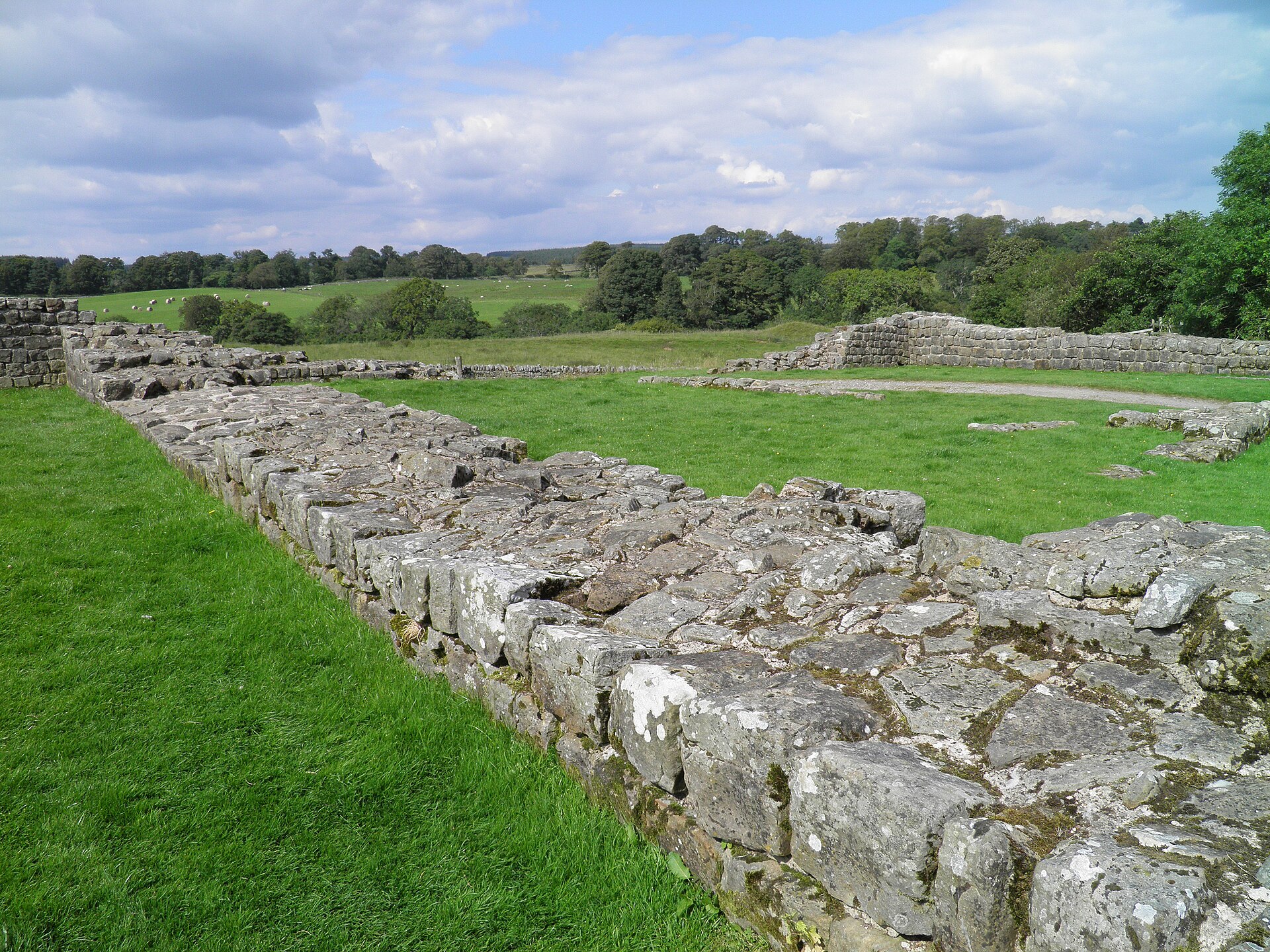
This is one of the most complete of the small posts on the frontier: walls 2.2 metres high inside, a barrack block still standing a metre, and a no…
Building or ruin · Roman
Northumberland
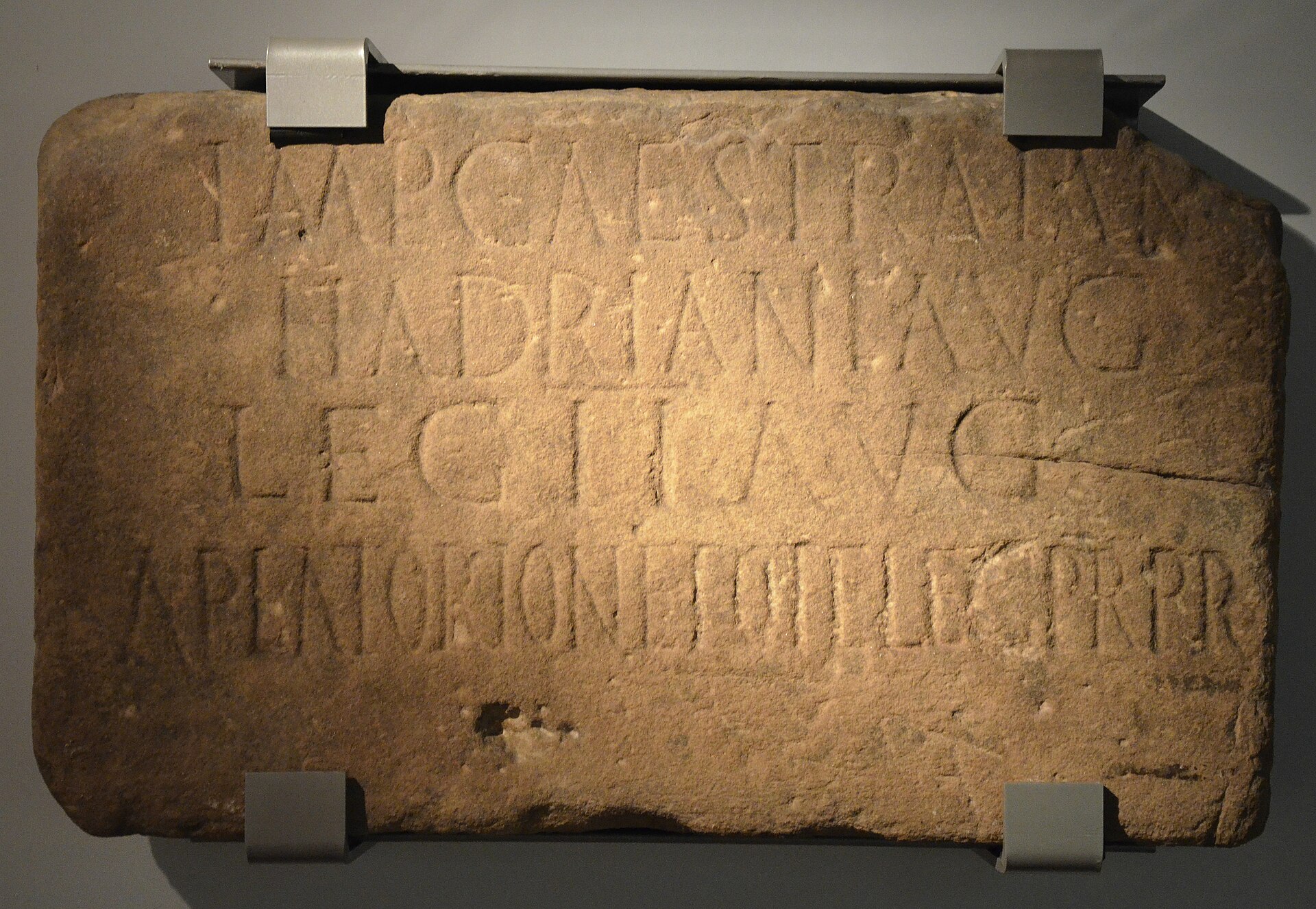
The building inscription from Hotbank names the emperor Hadrian and Aulus Platorius Nepos together, tying this stretch of frontier to the governor…
Building or ruin · Roman
Northumberland
Castle Nick is among the best preserved of the small frontier posts: an oven in one corner, a sunken-floored room in another, and an eighteenth-cen…
Building or ruin · Roman
Northumberland
Winshields is a low mound of turf-covered rubble today, but when it was opened in 1908 the south wall was still standing ten courses high beneath it.
Building or ruin · Roman
Northumberland
A cottage built from this post's own Roman stone once stood on top of it, and the cottage has gone too.
Building or ruin · Roman
Northumberland
Put on a steep slope below Cawfield Crags because the measurement said so: the clearest demonstration that the Wall was laid out by the rule, not t…
Building or ruin · Roman
Northumberland
Demolished by the Roman army itself: the fort of Aesica was built directly over it within about a decade.
Building or ruin · Roman
Northumberland
Milecastle 44 turns a few facing stones, a turf bank and a surviving road agger into evidence for the Wall’s supply system.
Building or ruin · Roman
Northumberland
A milecastle with no visible remains, its site a slight turf platform just west of the broad ditch and mounds behind the Wall.
Building or ruin · Roman
Northumberland
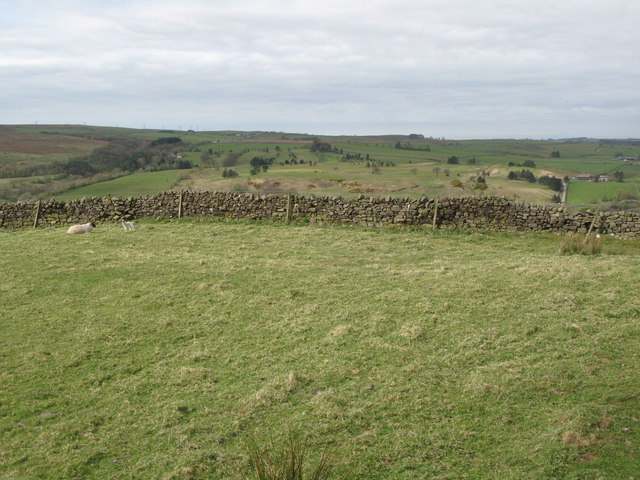
Milecastle 47 shows how nineteenth-century explosive quarrying reduced a Roman garrison post to a slight pasture platform, leaving its vanished fab…
Building or ruin · Roman
Cumbria
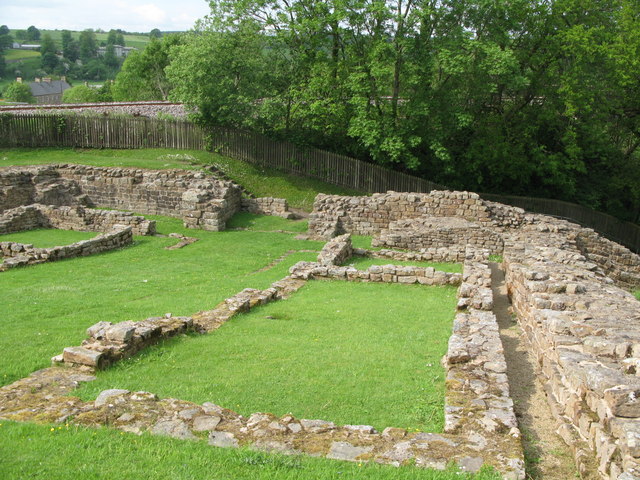
Its north-east corner still holds a flight of Roman stone steps, rare enough on Hadrian's Wall to let archaeologists calculate the actual height th…
Building or ruin · Roman
Cumbria
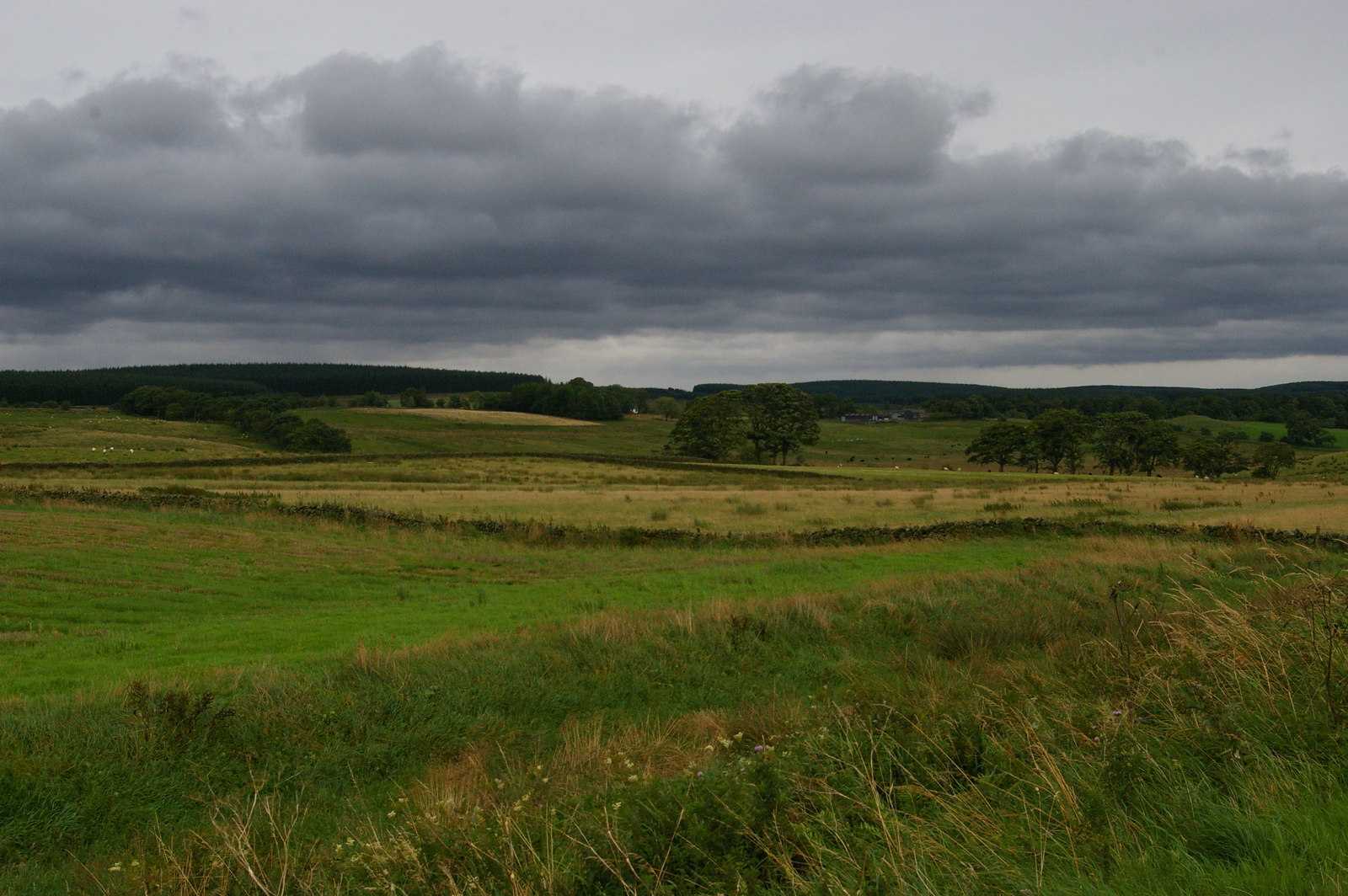
Excavation here found an earlier turf-and-timber milecastle buried beneath the stone one: a rare surviving trace of Hadrian's Wall's first, tempora…
Building or ruin · Roman
Cumbria
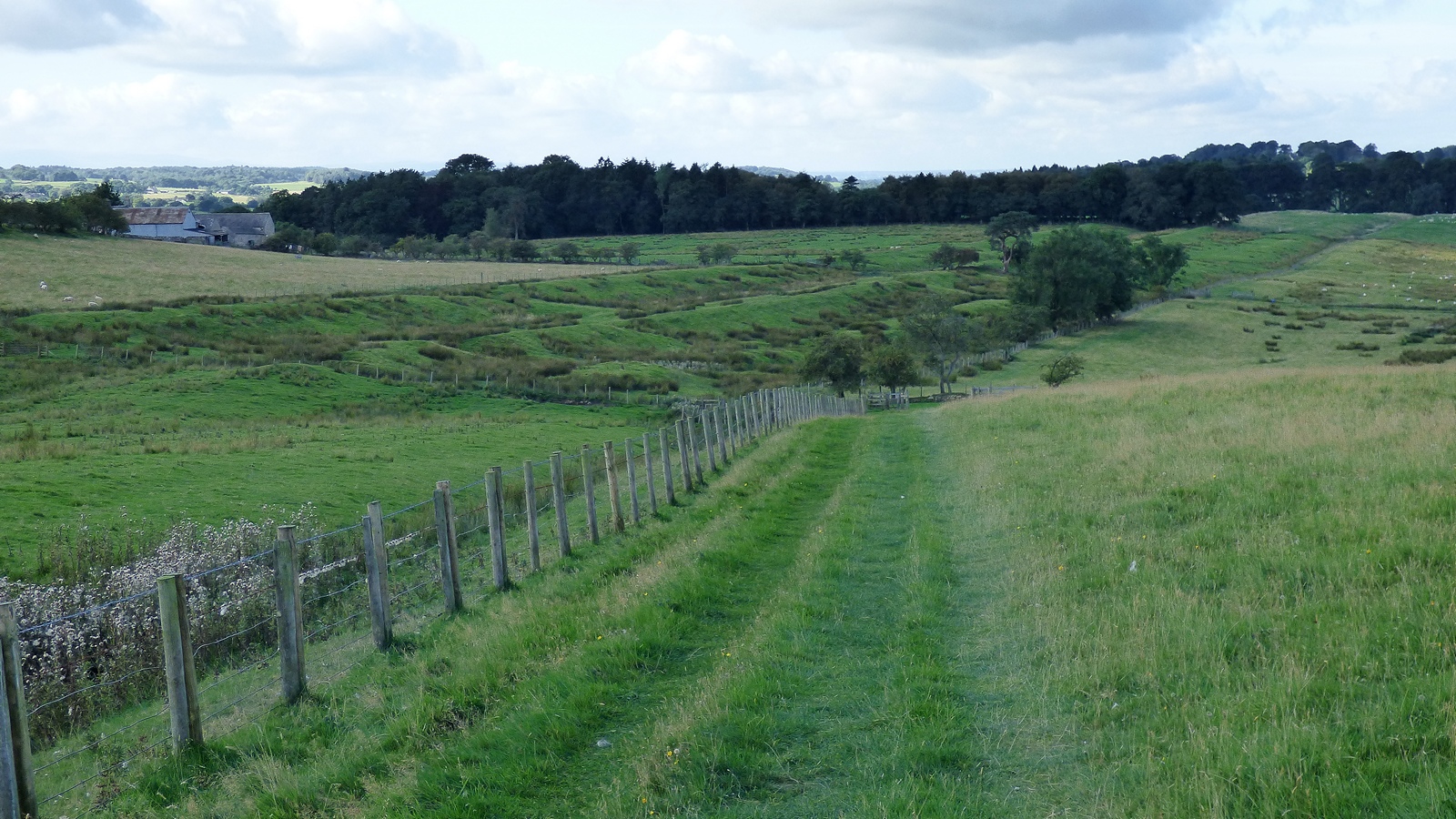
A stone milecastle that replaced an earlier turf-and-timber fort on a different footprint entirely: the only Turf Wall milecastle along the whole f…
Building or ruin · Roman
Cumbria
Milecastle 50TW is the only turf-wall milecastle whose stone-built replacement was raised on an entirely different site, leaving its own buried foo…
Building or ruin · Roman
Cumbria
A milecastle built twice: first in turf and timber, then rebuilt in stone with barracks for a garrison detachment: marking the exact seam where Had…
Building or ruin · Roman
Cumbria
Nothing of the milecastle itself survives above ground, yet the ground around it has given up altars to a local war god and a fragment naming Hadri…
Building or ruin · Roman
Cumbria
The milecastle itself has vanished without trace, yet its paired turrets and, 80 metres away, one of the tallest surviving stretches of Hadrian's W…
Building or ruin · Roman
Cumbria
Excavation found a stone milecastle built over an earlier turf-and-timber one, and a nearby stone records tribesmen rebuilding the Wall as late as…
Building or ruin · Roman
Cumbria
A gate in the Roman frontier system has vanished into a pasture field, leaving only a slight rise in a hedgeline to mark where soldiers once contro…
Building or ruin · Roman
Cumbria
The milecastle itself has vanished entirely under a Cumbrian village, yet its two flanking watchtowers still leave traces in a nearby wood and rive…
Building or ruin · Roman
Cumbria
A stone found among its ruins in 1853 named, in Latin, the exact Roman legion that built it: one of the few milecastles on Hadrian's Wall whose bui…
Building or ruin · Roman
Cumbria
Nothing rises above the pasture here, yet a 1981 geophysical survey confirmed the milecastle's south wall still lies intact underground, and two Ro…
Building or ruin · Roman
Cumbria
Part of a stretch of Hadrian's Wall whose turrets went unsought until 1961: a reminder that even a famous Roman frontier still hides points on the…
Building or ruin · Roman
Cumbria
No wall or foundation has ever been uncovered here: the only evidence for this Roman garrison post is a patch of ground that behaved strangely unde…
Building or ruin · Roman
Cumbria
Nothing rises above the field today, yet nine test pits dug in 1999 found the original turf-and-timber milecastle surviving intact beneath its ston…
Briefer entries: recorded and worth knowing, with fuller pages to come.
Building or ruin · Roman
Shropshire
Mediolanum shows Whitchurch’s change from a Roman military fort to an industrial and commercial town on the Chester–Wroxeter route, with timber tra…
Sacred place · Medieval
Dorset
Melcombe Priory was England’s last Dominican foundation, combining a short monastic history with a documented contribution to Melcombe Regis’s coas…
Fortified place · Iron Age
Greater Manchester
Mellor hill fort is Greater Manchester’s only hill fort, preserving an Iron Age settlement: from the centuries before Rome arrived: above the Chesh…
Sacred place · Medieval
Cornwall
Menacuddle is a scheduled fifteenth-century holy well in wooded St Austell, remembered both for its memorial restoration and for local wishing and…
Fortified place · Medieval
Essex
Mersea Fort was a Henry VIII coastal artillery fort guarding the River Colne and Colchester, with a later life in civil war defence, oyster governa…
Building or ruin · Roman
Tyne and Wear
It may never have been built. Peter Hill proposed it; no trace of it has ever been found.
Building or ruin · Roman
Tyne and Wear
Its remains lie under the recreation ground at Miller's Dene. Early excavators dug Turret 0B and thought they had found this instead.
Building or ruin · Roman
Tyne and Wear
Part of the north gateway survives in the front garden of Dene House: twelve foundation slabs, three blocks, one marked with an asterisk and two wi…
Building or ruin · Roman
Tyne and Wear
Its measured position is the middle of the old village of Throckley Bank Top, underneath the Working Men's Club.
Building or ruin · Roman
Northumberland
Milecastle 12 preserves an archaeological story beneath modern Heddon-on-the-Wall, where inscriptions, coin hoards, and associated turrets reveal a…
Building or ruin · Roman
Northumberland
Milecastle 13 preserves a low Hadrian’s Wall platform whose documented gateway, coin hoard, and turret system illuminate a small frontier post now…
Building or ruin · Roman
Northumberland
Milecastle 14 preserves a low Hadrian’s Wall platform whose short-axis (a milecastle whose long side runs with the Wall rather than across it) plan…
Building or ruin · Roman
Northumberland
Milecastle 15 preserves a bold but unexcavated Hadrian’s Wall platform whose robber trenches and disputed turret evidence show how much of the fron…
Building or ruin · Roman
Northumberland
Milecastle 16 preserves a slight Harlow Hill platform where the Wall itself was removed for the Military Road, while its associated turrets survive…
Building or ruin · Roman
Northumberland
Milecastle 17 is a deeply buried Hadrian’s Wall post whose changing masonry nearby may mark a legionary construction boundary, while later occupati…
Building or ruin · Roman
Northumberland
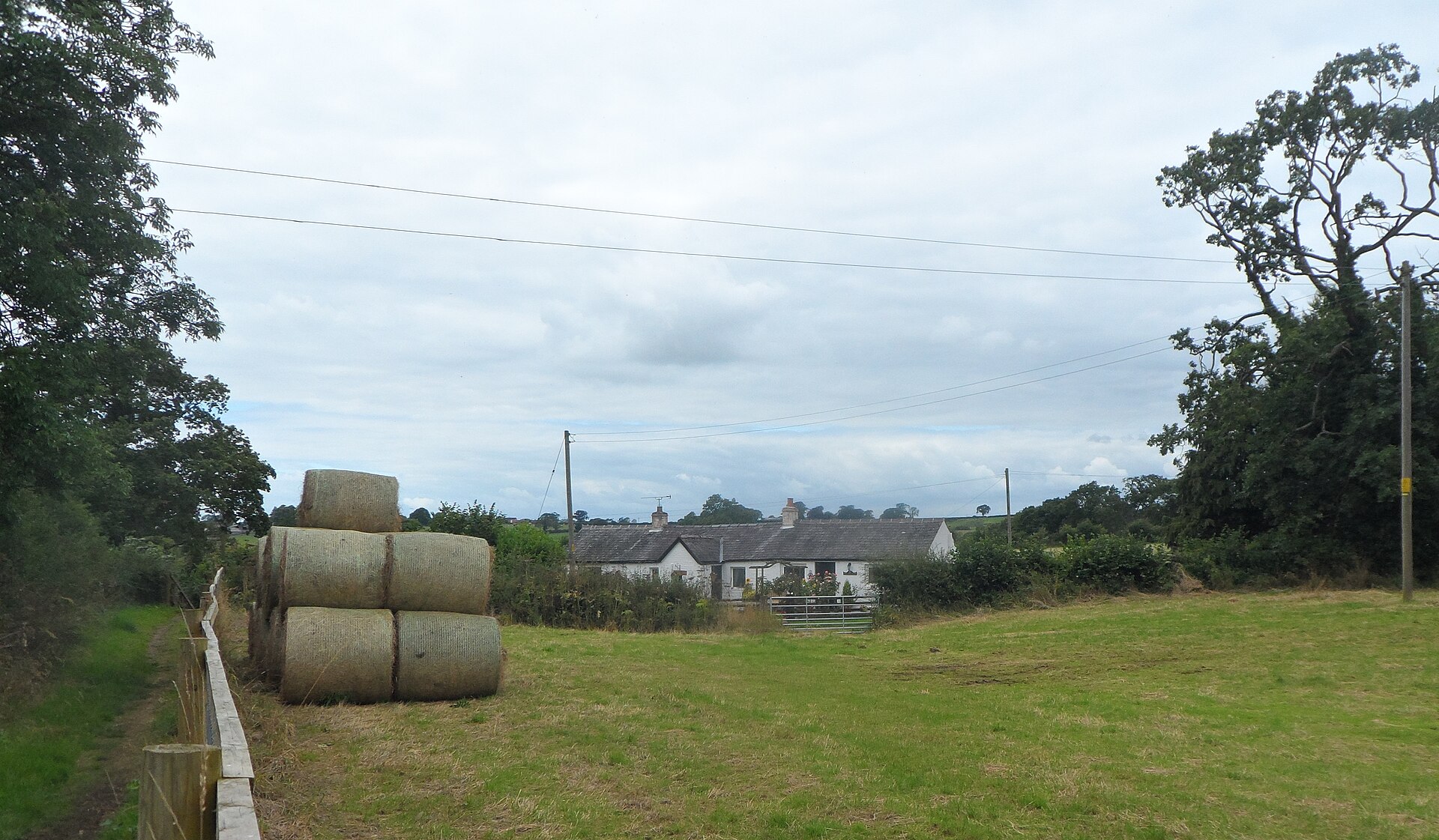
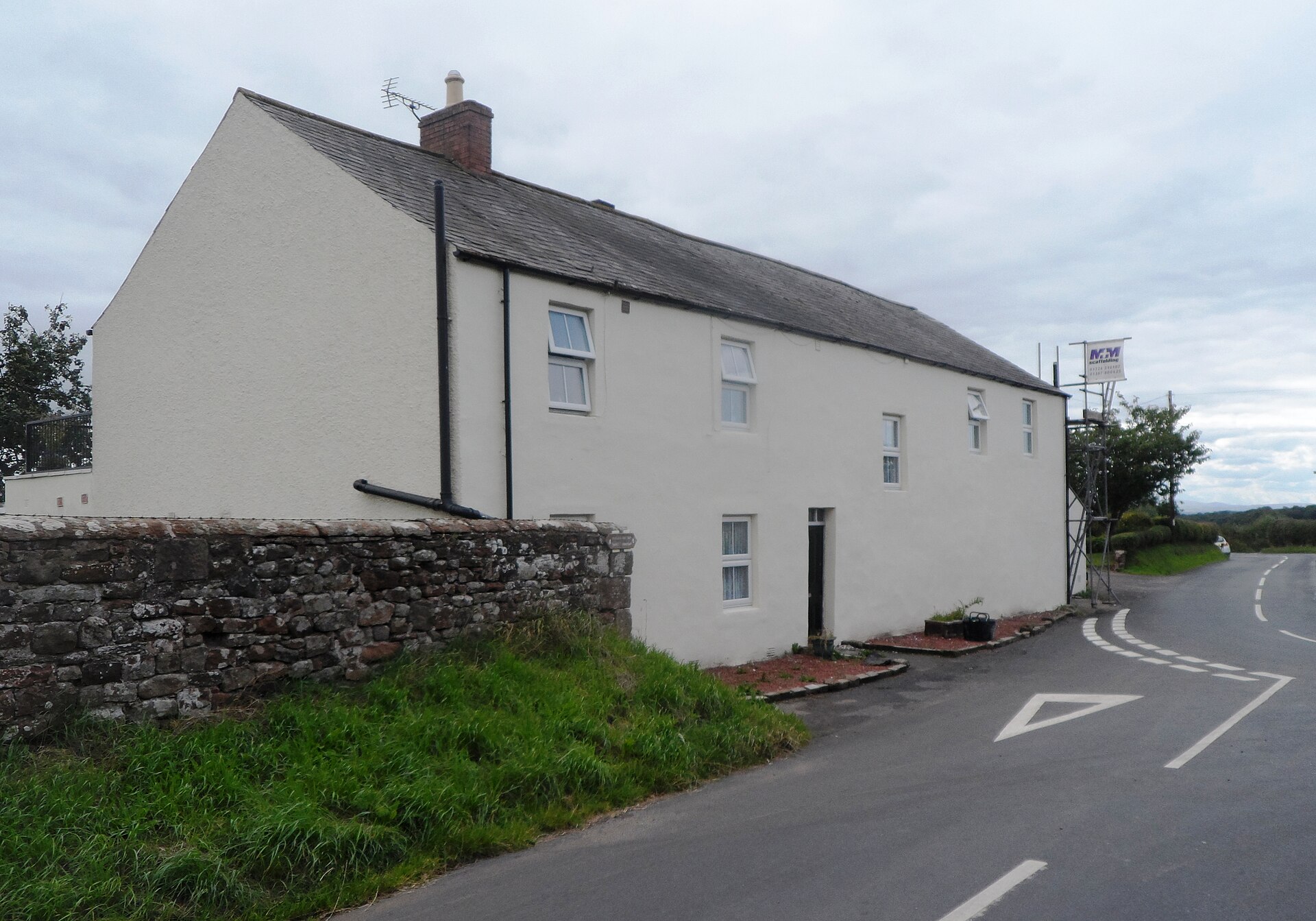
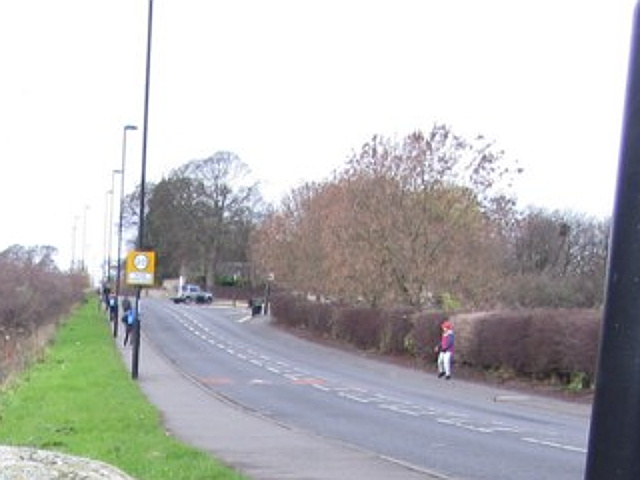
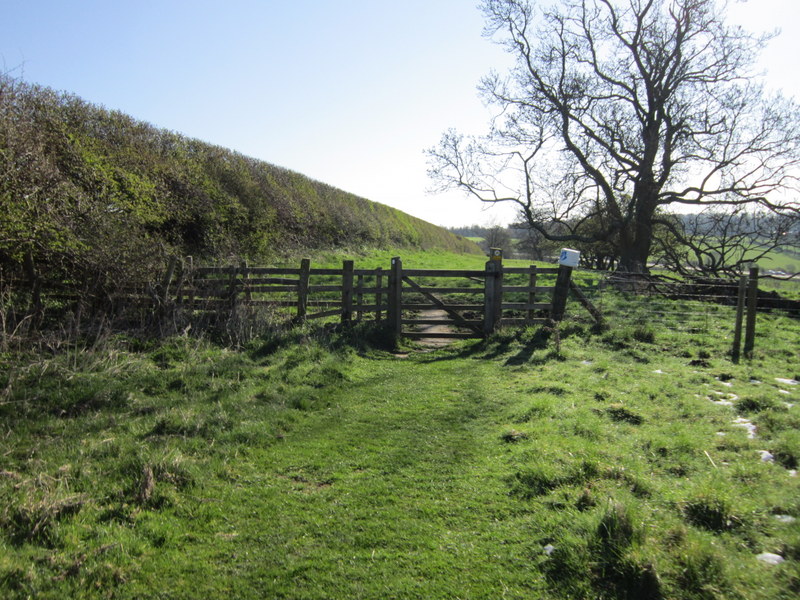
Milecastle 18 is Hadrian’s Wall’s only long-axis (a milecastle whose long side runs across the Wall rather than with it), Type I gateway (one of th…
Building or ruin · Roman
Northumberland
Milecastle 19 is one of Hadrian’s Wall’s most informative small posts, where a rare Mother Goddess dedication and Vardulian unit reveal the religio…
Building or ruin · Roman
Tyne and Wear
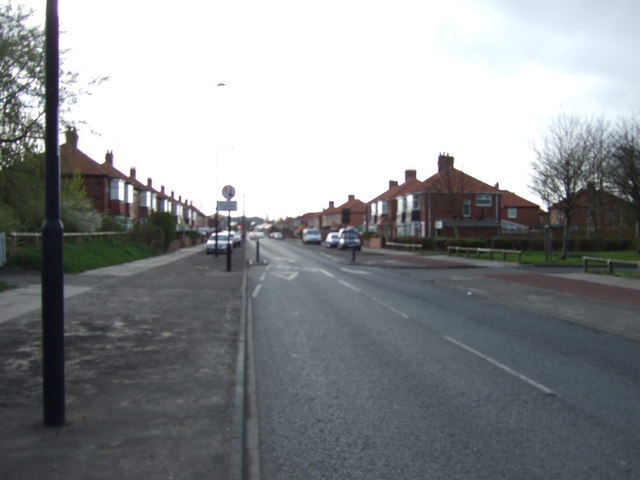
Built over. Its probable position is at or near the junction of the A187 Fossway and Tunstall Avenue.
Building or ruin · Roman
Northumberland
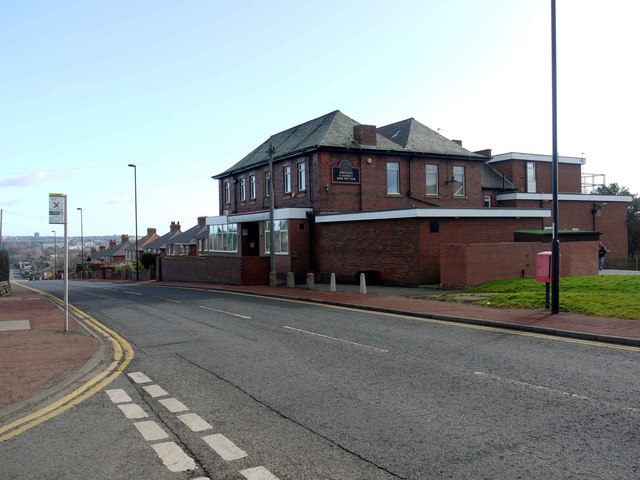
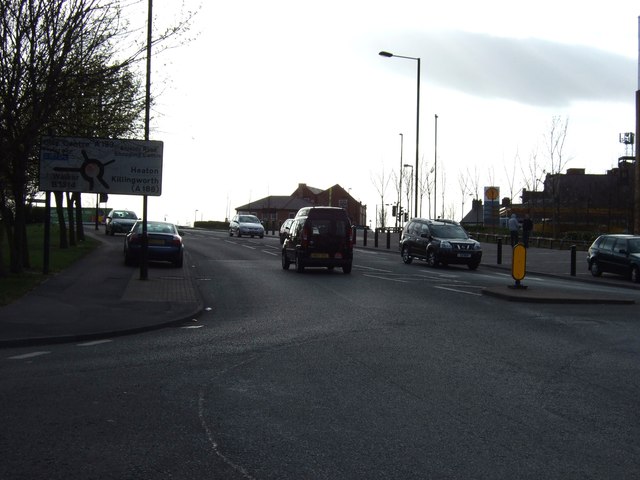
Milecastle 20 (Halton Shields) shows how a Roman frontier installation can remain historically important even when modern buildings and gardens cov…
Building or ruin · Roman
Northumberland
Milecastle 21 (Down Hill) illustrates the limits as well as the reach of archaeological reconstruction on Hadrian’s Wall. Its location is known by…
Building or ruin · Roman
Northumberland
A low turf-covered platform beside the Portgate roundabout preserves a long-axis (a milecastle whose long side runs across the Wall rather than wit…
Building or ruin · Roman
Northumberland
Milecastle 23 survives as a grass-covered platform and shallow ditch, preserving evidence for a long-axis (a milecastle whose long side runs across…
Building or ruin · Roman
Northumberland
Milecastle 24 records a long-axis (a milecastle whose long side runs across the Wall rather than with it) frontier post whose low bank, spoil heaps…
Building or ruin · Roman
Northumberland
Milecastle 25 preserves a low platform and possible ditch beside the B6318, while the excavated turret pair reveals varied construction, occupation…
Building or ruin · Roman
Northumberland
Milecastle 26 connects a buried long-axis (a milecastle whose long side runs across the Wall rather than with it) milecastle with the surviving Pla…
Building or ruin · Roman
Northumberland
Milecastle 27 retains a slight platform in pasture and preserves a close relationship with Chesters Roman Fort, where one associated turret was dis…
Building or ruin · Roman
Northumberland
Milecastle 28 demonstrates how a frontier site can be retained as a measured location even when its platform cannot be securely identified, while t…
Building or ruin · Roman
Tyne and Wear
No remains exist. It was thought to have stood at the junction of Byker Bridge and Stephen Street.
Building or ruin · Roman
Tyne and Wear
It was found between the predicted positions of Turrets 4A and 4B, which has prompted suggestions that the numbering of this stretch should be reco…
Building or ruin · Roman
Northumberland
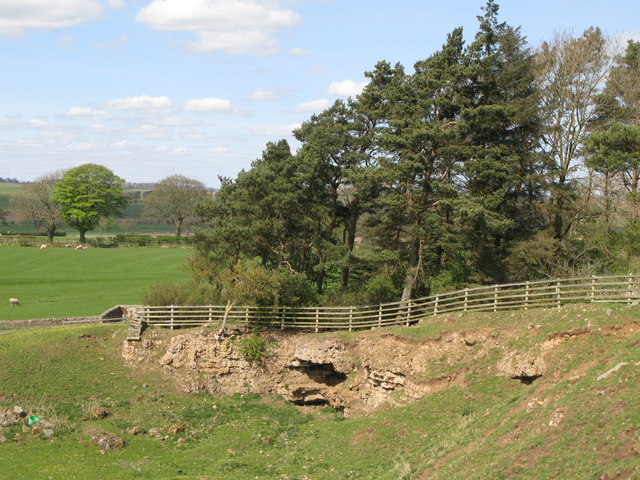
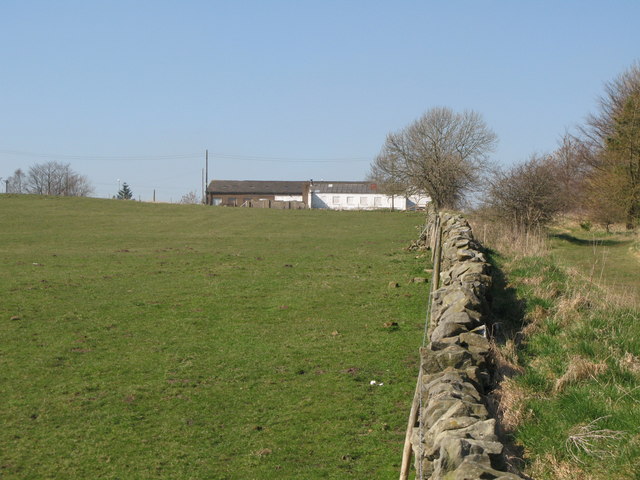
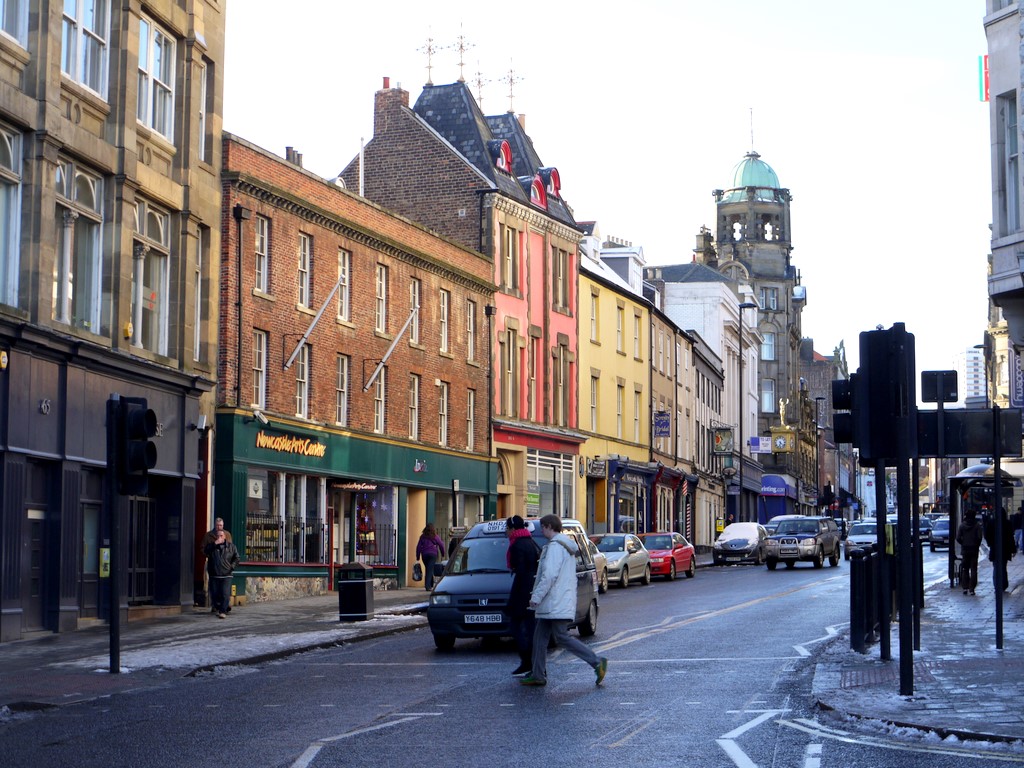
Milecastle 45 lets visitors read a Roman fortlet removed for stone through robber trenches, aerial traces and Walltown Crags’ exposed frontier sett…
Building or ruin · Roman
Tyne and Wear
The first milecastle west of the fort at Newcastle. Its supposed position is a road junction, and nothing of it survives.
Building or ruin · Roman
Cumbria
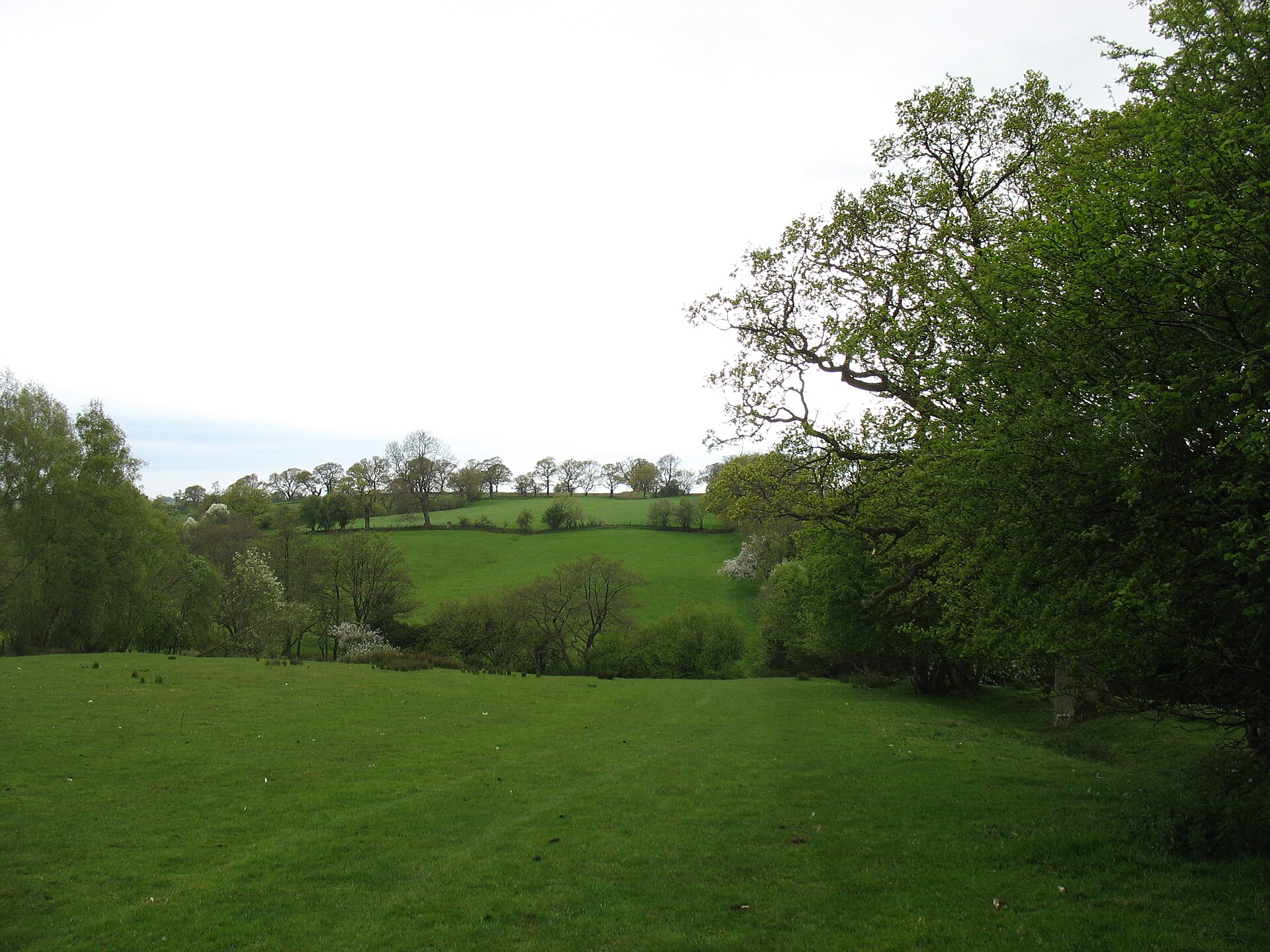
Its walls were never found: the milecastle survives only as a swelling in a field, a reminder that most of Hadrian's Wall's mile-stations still hid…
Building or ruin · Roman
Tyne and Wear
Its exact location is unknown. The Wall here runs beneath the A186, under roads and terraced houses.
No places match those filters.
Kinds of place
Ages

_-_geograph.org.uk_-_80448.jpg?width=800)









_Milecastle_29_-_Tower_Tye_-_geograph.org.uk_-_1129286.jpg?width=800)

_Milecastle_32_-_geograph.org.uk_-_592657.jpg?width=800)
_Milecastle_33_-_geograph.org.uk_-_592666.jpg?width=800)


_-_geograph.org.uk_-_599789.jpg?width=800)
_Milecastle_40_-_geograph.org.uk_-_610092.jpg?width=800)


_Milecastle_44_-_geograph.org.uk_-_578353.jpg?width=800)
_Milecastle_47_(2)_-_geograph.org.uk_-_1551268.jpg?width=800)
_(4)_-_geograph.org.uk_-_1359369.jpg?width=800)
_Milecastle_51_(Wall_Bowers)_-_geograph.org.uk_-_1354753.jpg?width=800)


_Hadrian's_Wall_by_the_site_of_Milecastle_18_-_geograph.org.uk_-_2599664.jpg?width=800)
_Hadrian's_Wall_west_of_Piers_Gate_-_geograph.org.uk_-_2599435.jpg?width=800)
_Milecastle_20_(Halton_Shields)_-_geograph.org.uk_-_1377065.jpg?width=800)



_Milecastle_45_-_geograph.org.uk_-_578487.jpg?width=800)