Building or ruin · Roman
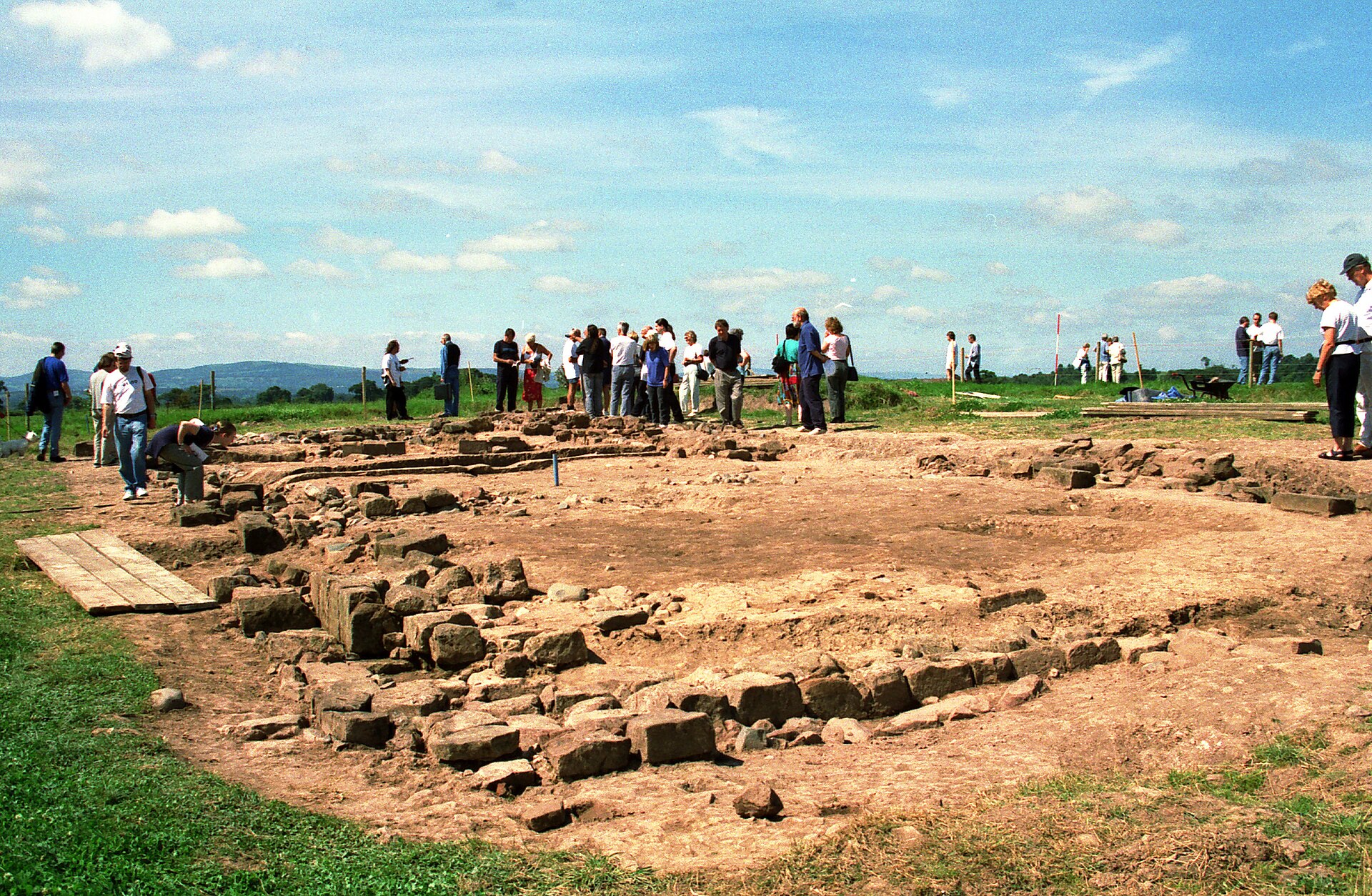
Petuaria
East Riding of Yorkshire
Its theatre-dedication stone is the only inscription anywhere in Roman Britain naming a magistrate: a rare fragment of civic life from a small prov…
- Near Beverley
The directory
Page 35 of 47 in the full directory.
Browsing 100 places — search and the map cover the whole directory.
Building or ruin · Roman
East Riding of Yorkshire
Its theatre-dedication stone is the only inscription anywhere in Roman Britain naming a magistrate: a rare fragment of civic life from a small prov…
Fortified place · Medieval
East Sussex
A Roman shore fort turned Norman stronghold turned WWII strongpoint: three separate armies fortified the same walls seventeen centuries apart, each…
Fortified place · Medieval
Derbyshire
A square tower on Castleton’s limestone crag is the surviving core of a Domesday-listed stronghold that John of Gaunt later stripped for building s…
Fortified place · Iron Age
North Yorkshire
A gamekeeper out rabbiting turned up corroded iron that proved to be a chariot dating from the centuries before Rome arrived, from about 800 BC, bu…
Fortified place · Medieval
North Yorkshire
A rare survivor: one of the few English castles left largely untouched by the Wars of the Roses, and the place a deposed king was held before his f…
Sacred place · Prehistoric
Dumfries and Galloway
A small sandy bank rises out of the peat-covered valley of the Crooks Pow stream, four kilometres south-west of Dumfries, and it is on this slight…
Fortified place · Medieval
Pembrokeshire
A medieval castle built at the end of the thirteenth century by a Flemish knight, near Haverfordwest.
Fortified place · Medieval
Cumbria
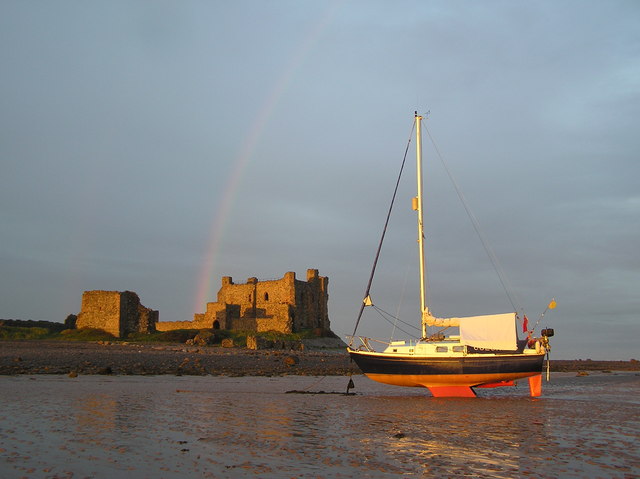
An abbot built this fortress to police his own abbey's smuggling as much as to repel invaders: and briefly it hosted a boy-king's court before the…
Crossing or structure · Roman
County Durham
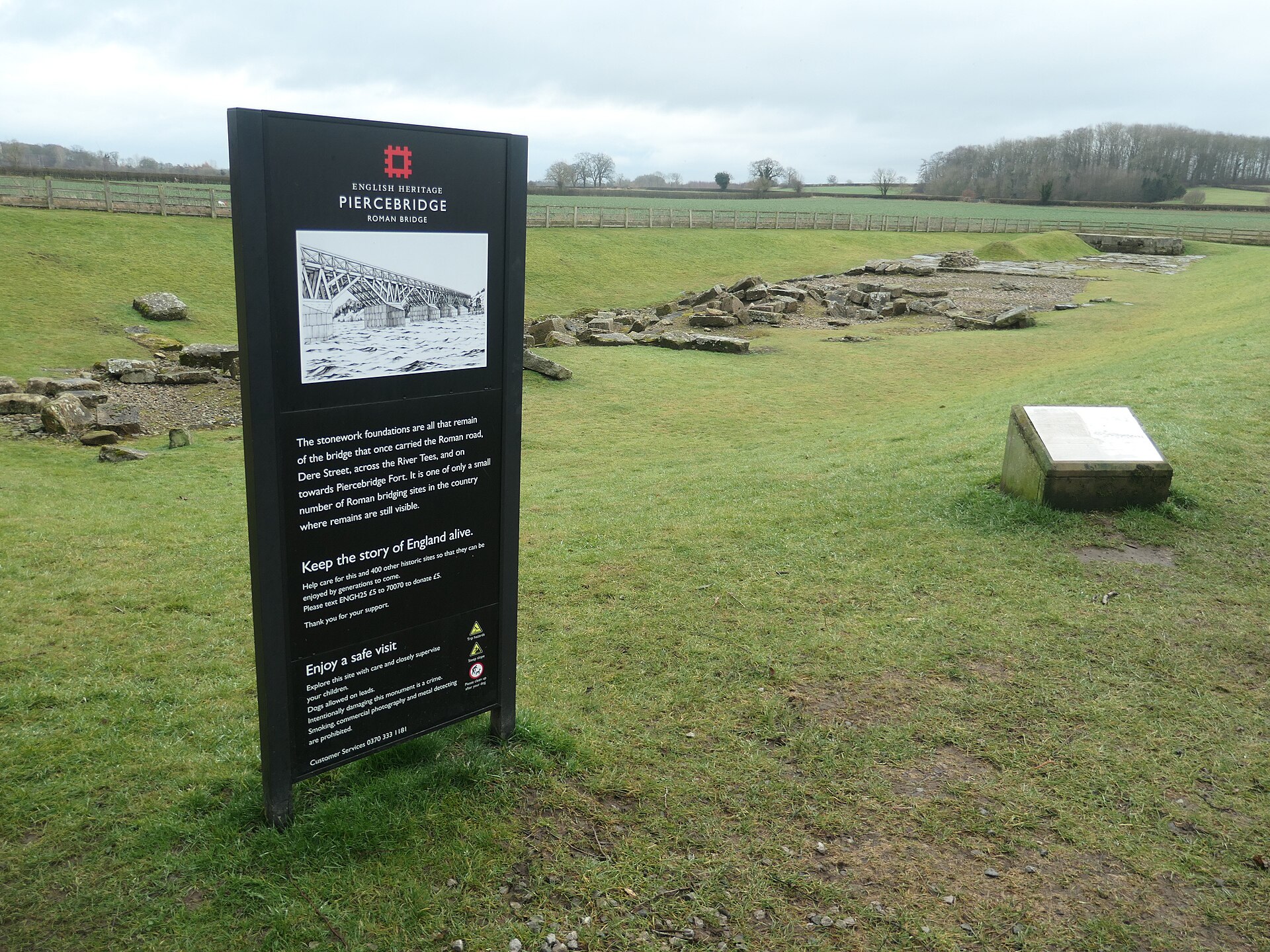
Piercebridge Roman Bridge preserves massive river-crossing masonry far from today's Tees channel, revealing both the scale of Dere Street and the c…
Building or ruin · Roman
County Durham
A Roman fort, bridge, bath house and civilian town lie buried beneath a working village green: with one of only two surviving Roman river bridges i…
Building or ruin · Roman
Cumbria
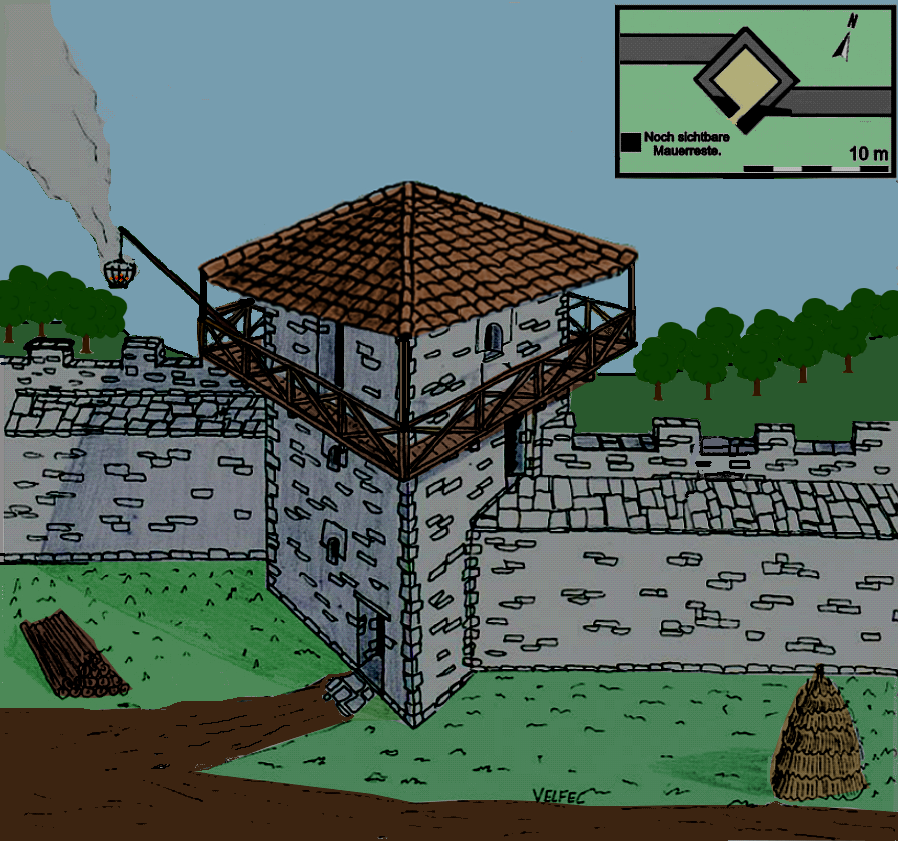
Built decades before Hadrian's Wall existed, this signal tower was folded into the frontier at a deliberate forty-five-degree angle purely to keep…
Tomb or burial place · Prehistoric
Lancashire
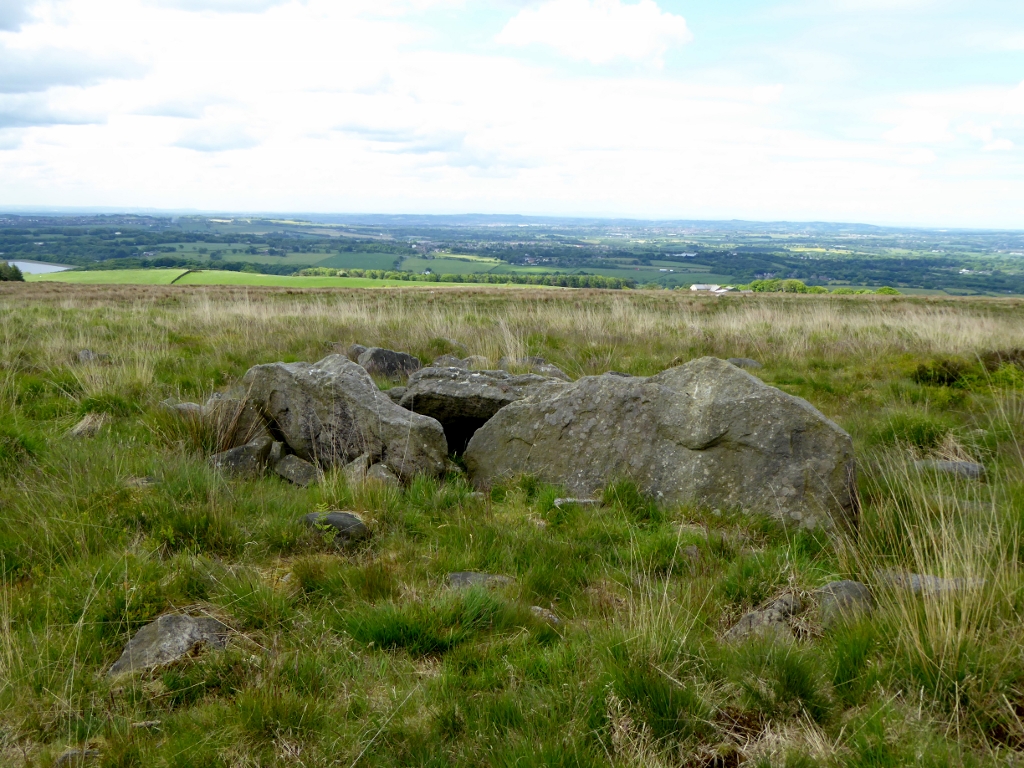
Pikestones is a robbed Neolithic chambered cairn, a Stone Age burial mound built around a stone chamber, on Anglezarke Moor, one of only two chambe…
Sacred place · Medieval
Pembrokeshire
A Tironensian priory: a religious house led by a prior, a rank below an abbot: founded by the Roche family near Milford Haven, reduced to four monk…
Sacred place · Medieval
Denbighshire
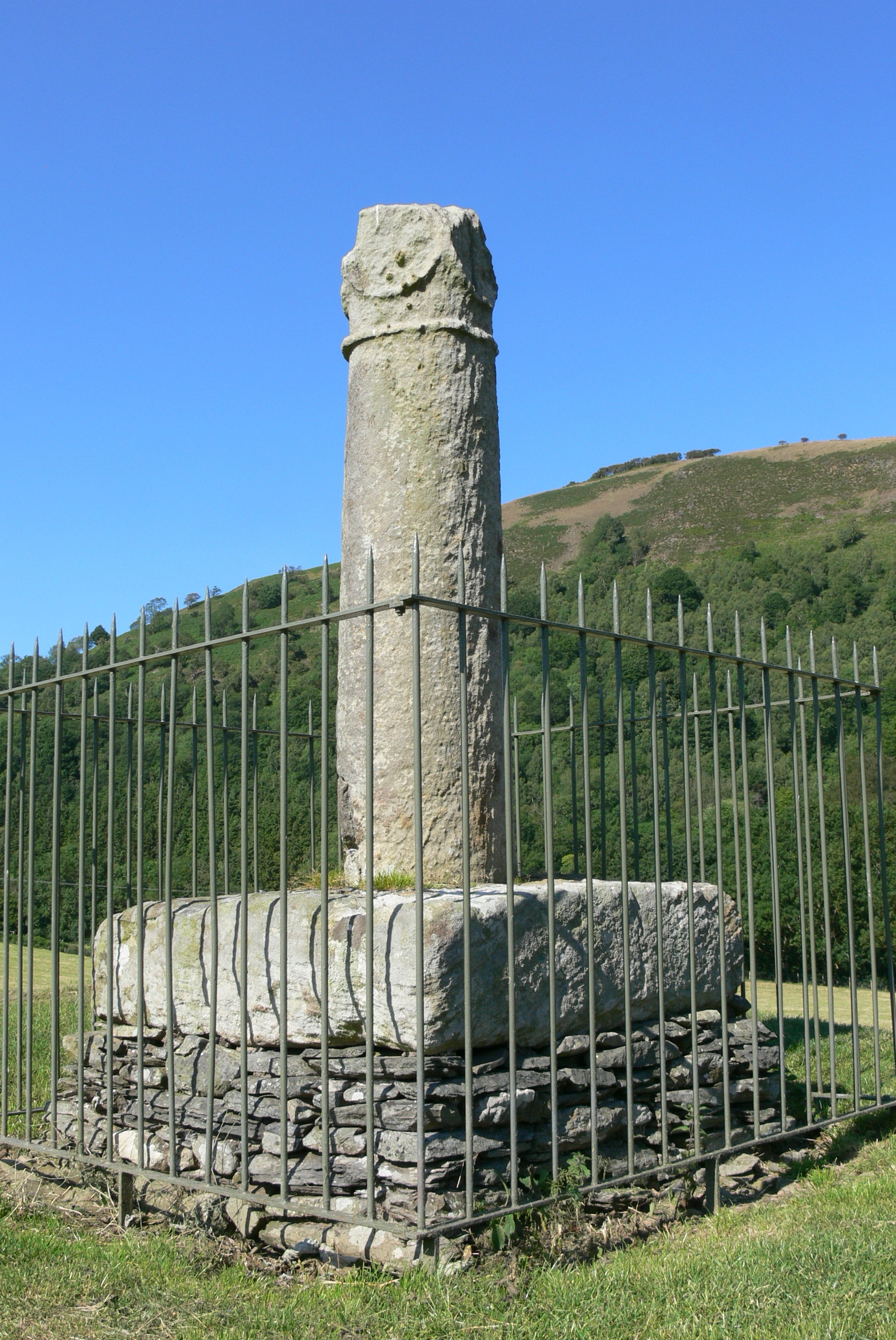
A ninth-century royal inscription and a Bronze Age (roughly 2500–800 BC, when metalworking spread) burial mound occupy the same stone, three thousa…
Fortified place · Medieval
Staffordshire
A Norman castle on high ground above the River Dove, near the present village of Pilsbury.
Building or ruin
Lincolnshire
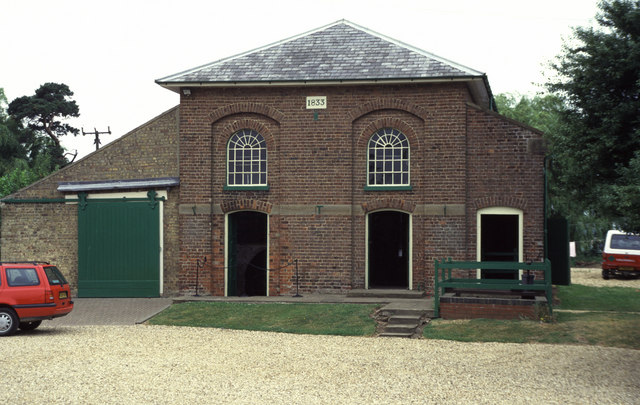
A coal-fired scoop wheel once lifted up to 3.7 million tons of floodwater a year to keep Pinchbeck Marsh dry: now it is the earliest surviving A-fr…
Sacred place · Medieval
Warwickshire
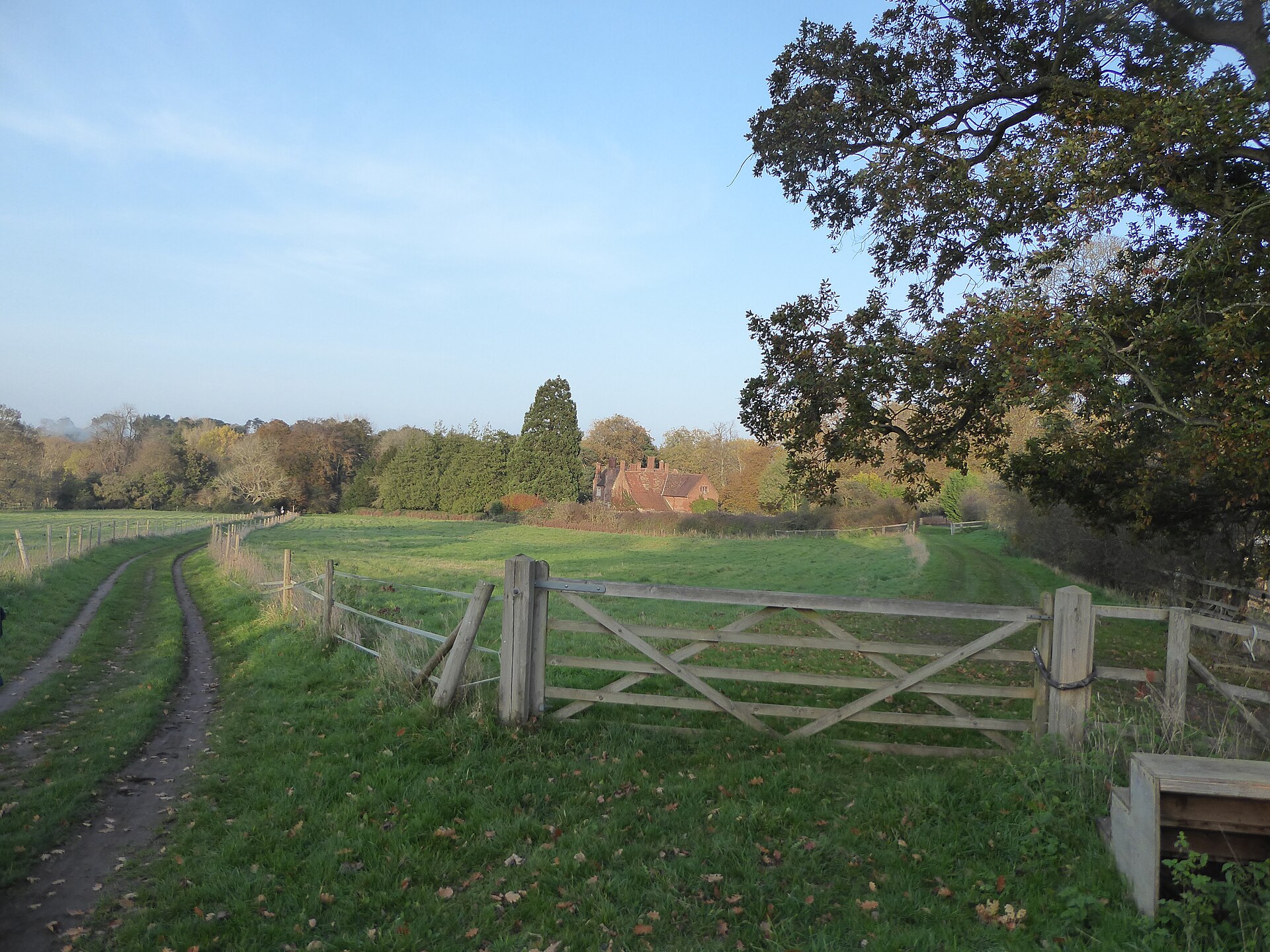
A fourteenth-century cottage north-west of the farmhouse was probably where the nuns lodged their visitors. Both it and the farmhouse are listed gr…
Building or ruin · Medieval
Derbyshire
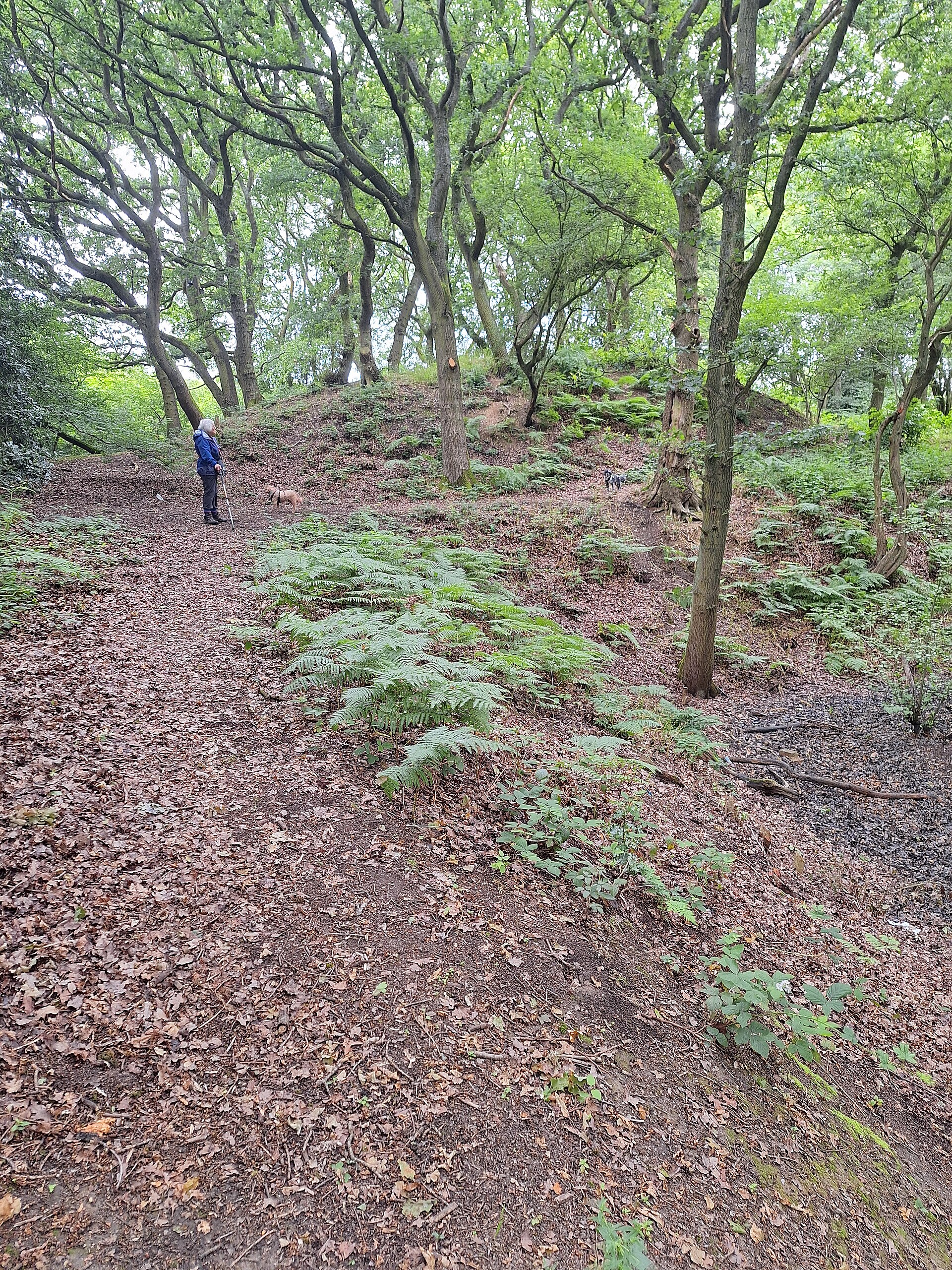
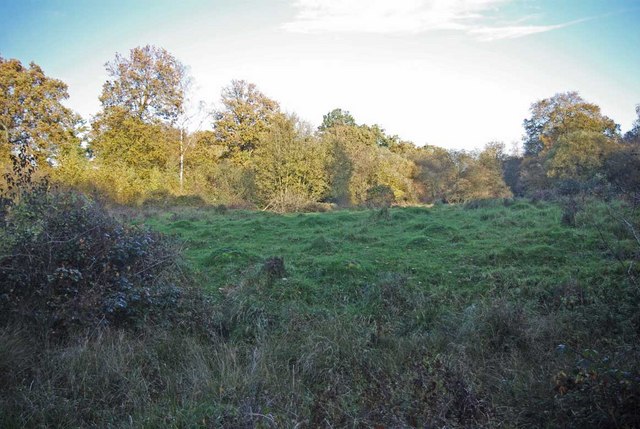
A three-metre mound and damp inner ditch in Castle Wood preserve Pinxton’s unusual medieval manor layout, with the moat inside its outer defences.
Tomb or burial place · Prehistoric
County Wicklow
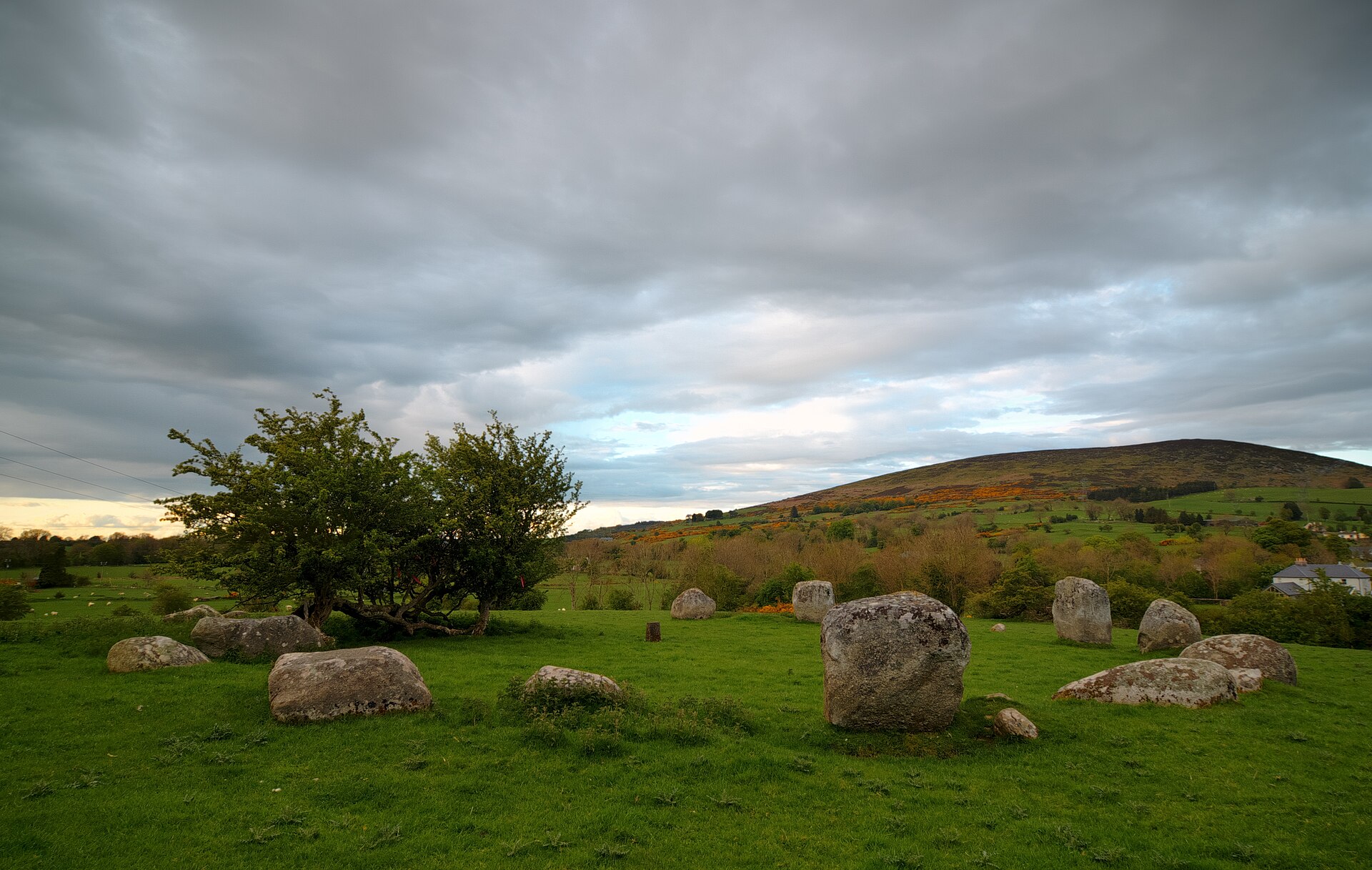
Only five of the granite boulders still stand exactly where Bronze Age hands set them roughly three thousand years ago: the rest were disturbed by…
Sacred place · Medieval
Northamptonshire
A single Northamptonshire abbey (a self-governing monastery, its head an abbot) once ran a scattered farming empire across two counties, its Warwic…
Fortified place · Iron Age
Buckinghamshire
A village club that rebuilt itself twice from a folded predecessor, working its way from parish leagues to county cup glory without ever losing its…
Fortified place · Iron Age
Buckinghamshire
A date carved into its timber frame makes this the oldest precisely dated windmill in the British Isles, and tree-ring science has since shown its…
Building or ruin · Prehistoric
Devon
Pixie’s Hole is a scheduled Devon limestone cave whose late twentieth-century excavation revealed a rich Late Upper Palaeolithic concentration bene…
Fortified place · Iron Age
Somerset
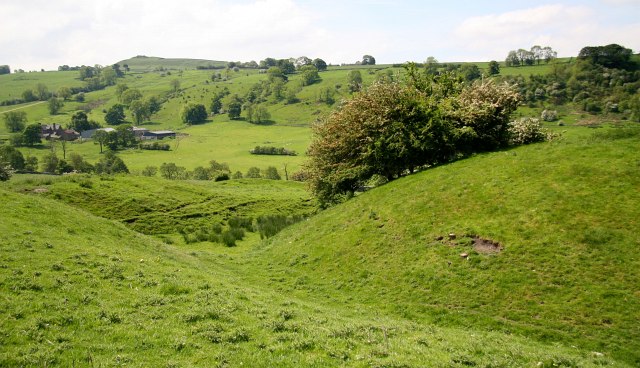
An earthwork overlooked by its own hill by fifty metres: which is why it is probably a stock enclosure rather than a fort.
Building or ruin · Roman
Northumberland
Thirty-five metres of Wall that survive because William Hutton argued a workman out of demolishing them in 1801: ninety-five yards had already gone.
Building or ruin · Medieval
conwy-county-borough
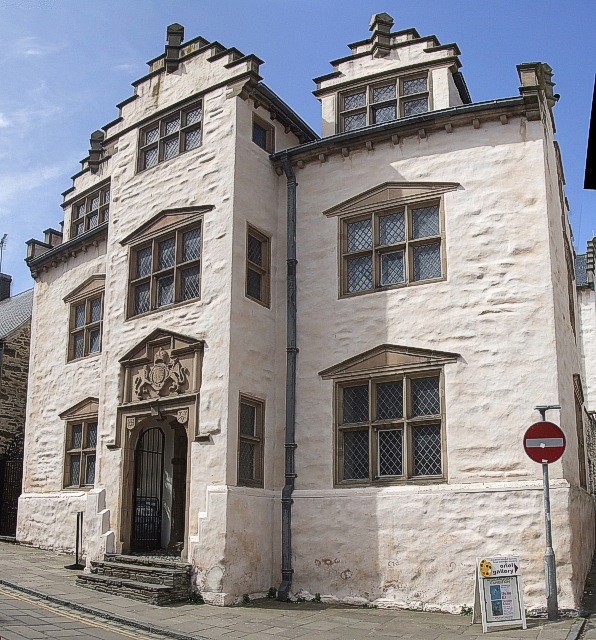
Robert Wynn's 1576–85 Conwy house retains rare Elizabethan plasterwork and a near-original plan, preserved by centuries of later reuse and restored…
Building or ruin · Medieval
Suffolk
Thomas Clarkson leased the house in 1813, in the years between the abolition of the slave trade and the campaign against slavery itself.
Building or ruin · Medieval
Derbyshire
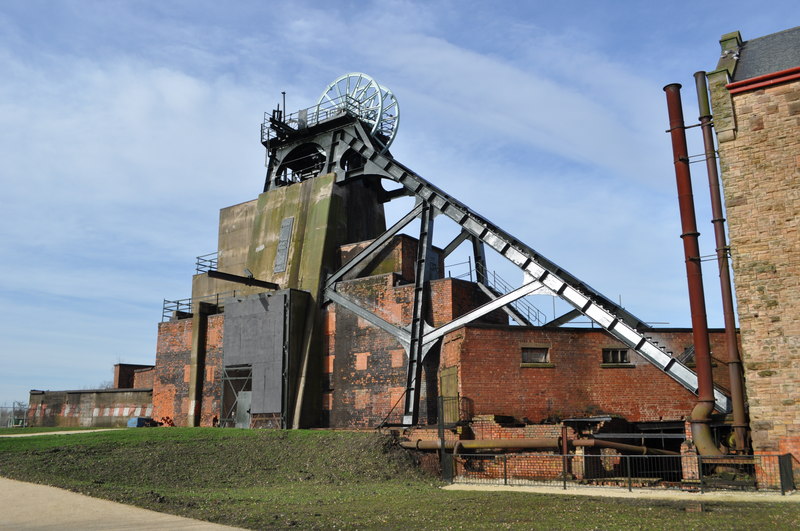
Its two steam winding engines, built in 1905 and 1922, are among the few in the world still preserved complete inside their original engine-house.
Fortified place · Medieval
Essex
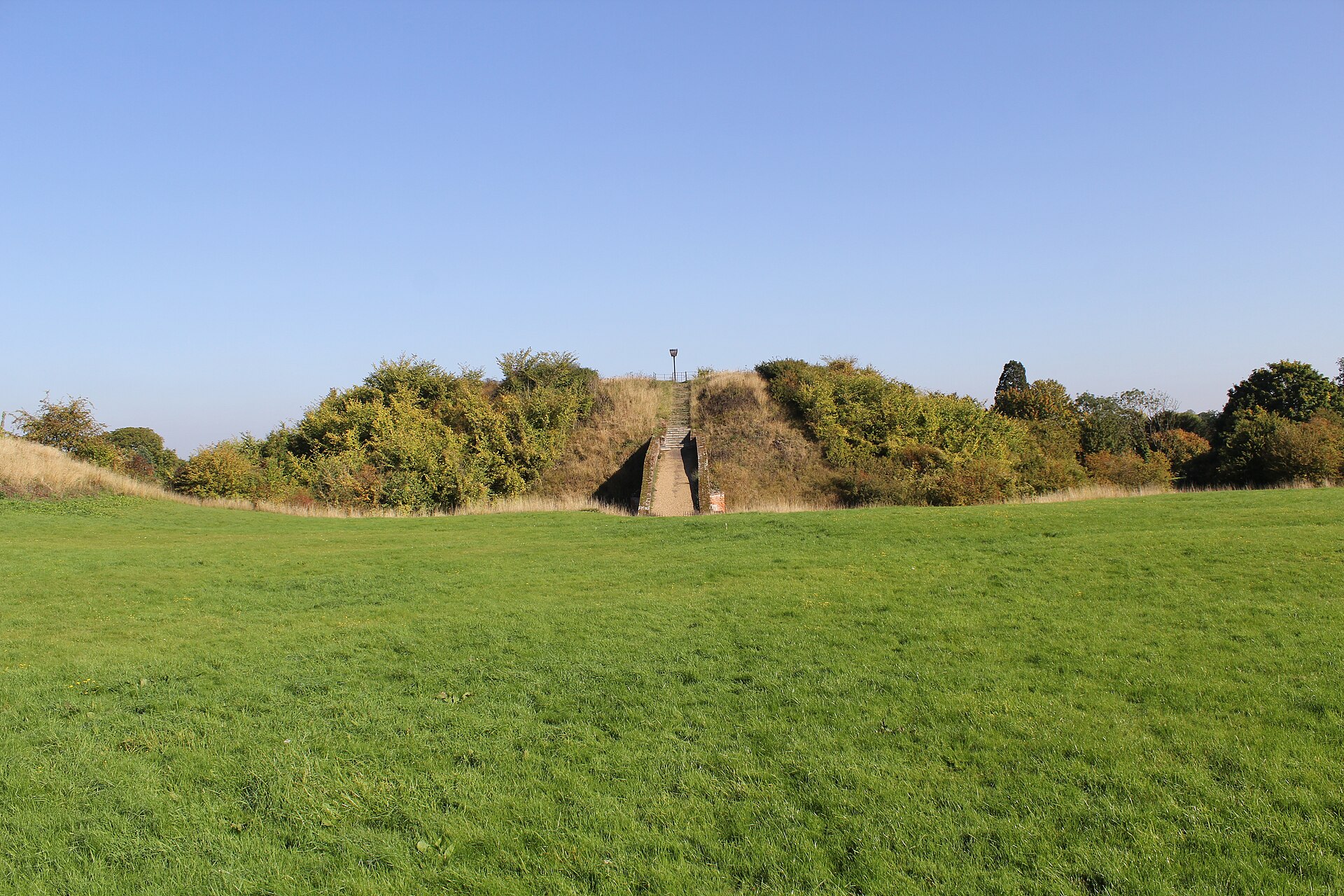
Pleshey is one of England’s best-preserved castle mound-and-yard complexes, its 15-metre mound and intact earthworks revealing how a wooden fortres…
Fortified place · Medieval
Devon
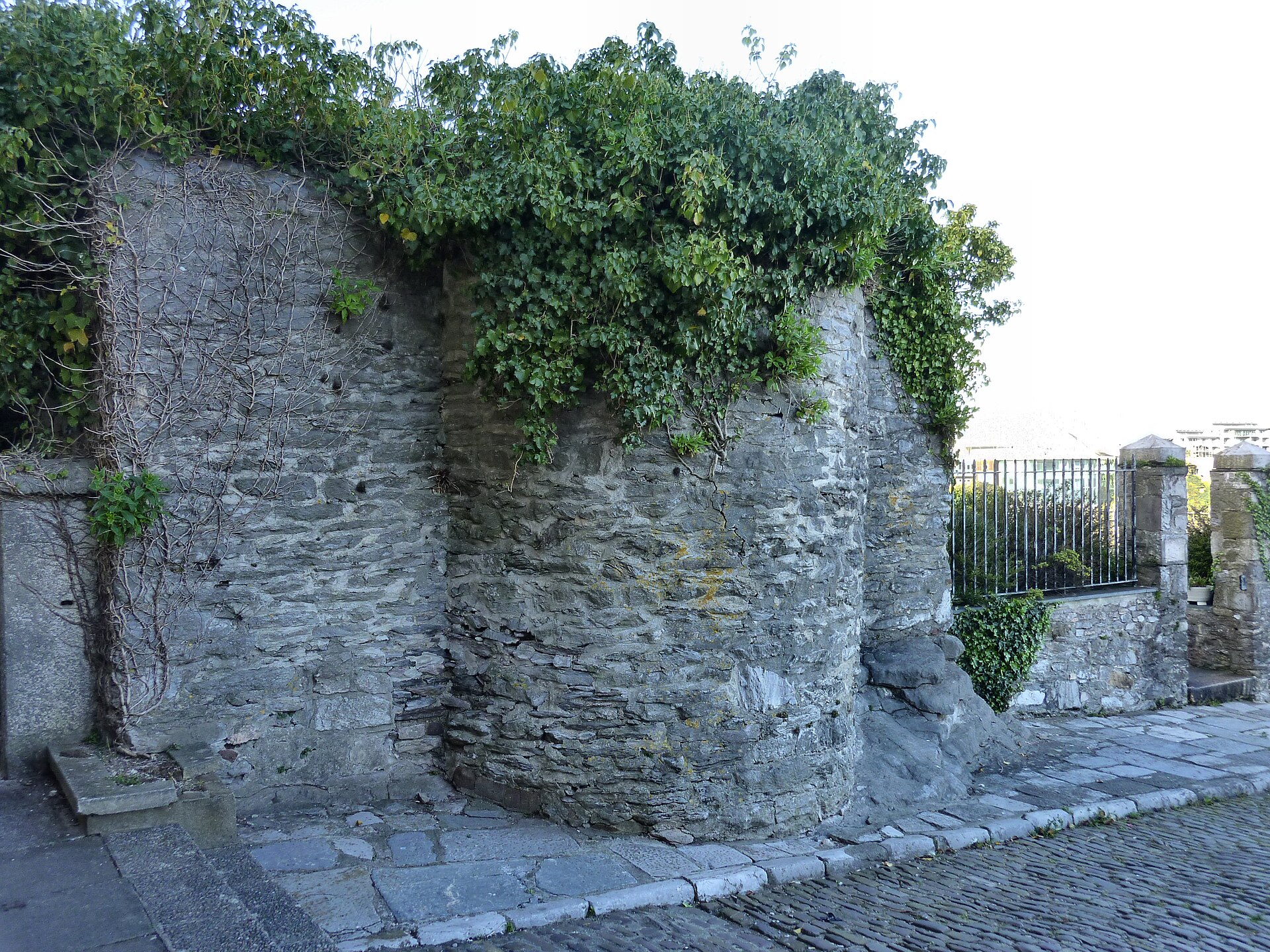
Plymouth Castle was a town-run fifteenth-century harbour defence whose four towers survive in Plymouth’s civic identity even though only a small ga…
Sacred place · Medieval
Devon
Plympton Priory was one of Devon’s most important Augustinian houses, occupying an Anglo-Saxon religious site and becoming the county’s richest mon…
Sacred place · Prehistoric
Outer Hebrides
At least two dozen stones stand in an oval on the south side of Ben Langass on North Uist, eight of them on the northern arc and sixteen on the sou…
Fortified place · Iron Age
East Riding of Yorkshire
A warrior here was buried lying on his own shield, Britain's first known shield burial, and a nearby grave held the country's only chariot buried c…
Fortified place · Medieval
Bedfordshire
A castle named in the Domesday Book of 1086 whose earthworks and building foundations still lie in a farmer's field behind a 17th-century manor house.
Sacred place · Medieval
North Yorkshire
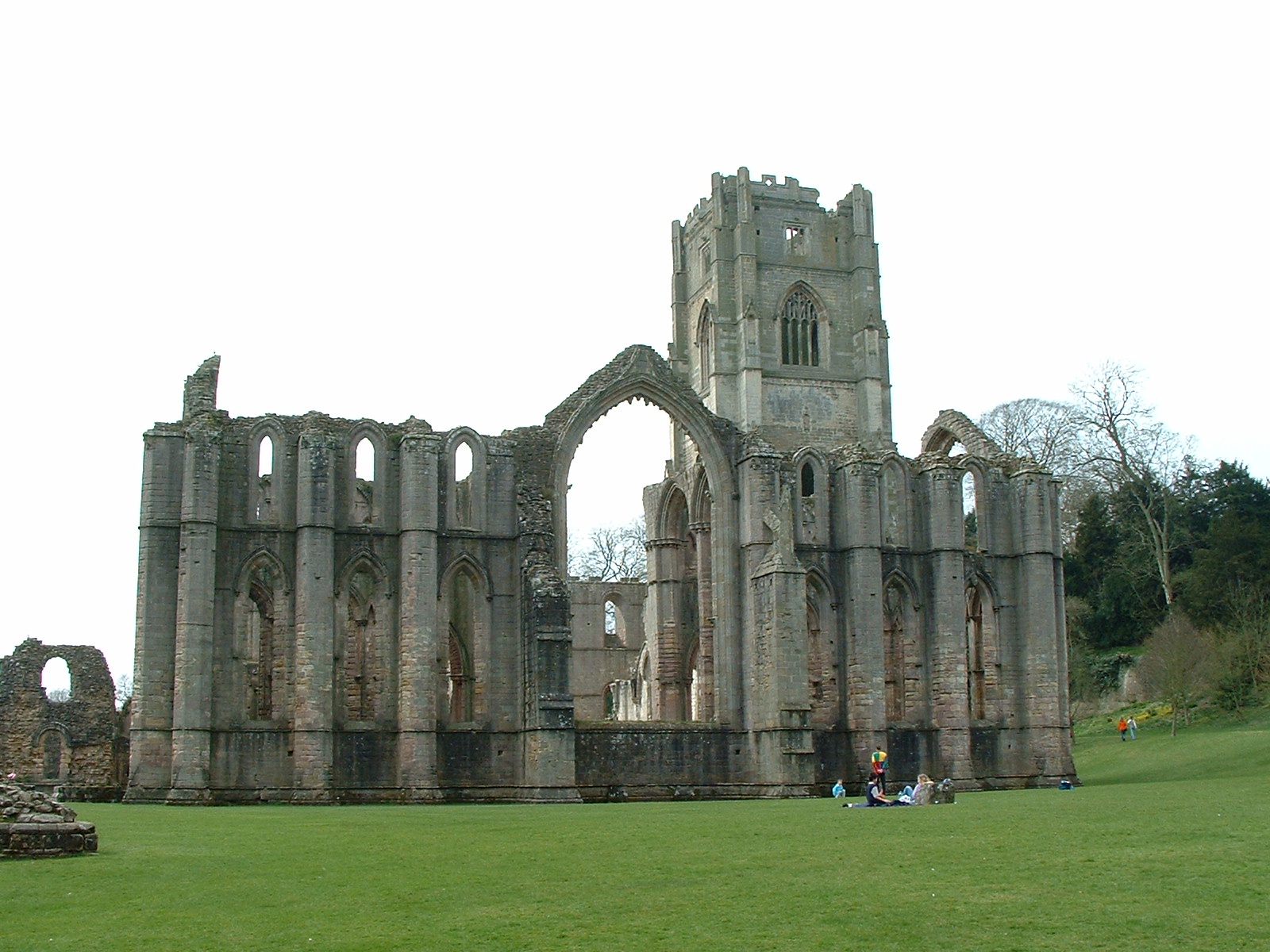
In 1447 a monk of England's richest Cistercian abbey tried to poison his own abbot with a bowl of soup: and the surviving letters to the mother hou…
Sacred place · Medieval
Warwickshire
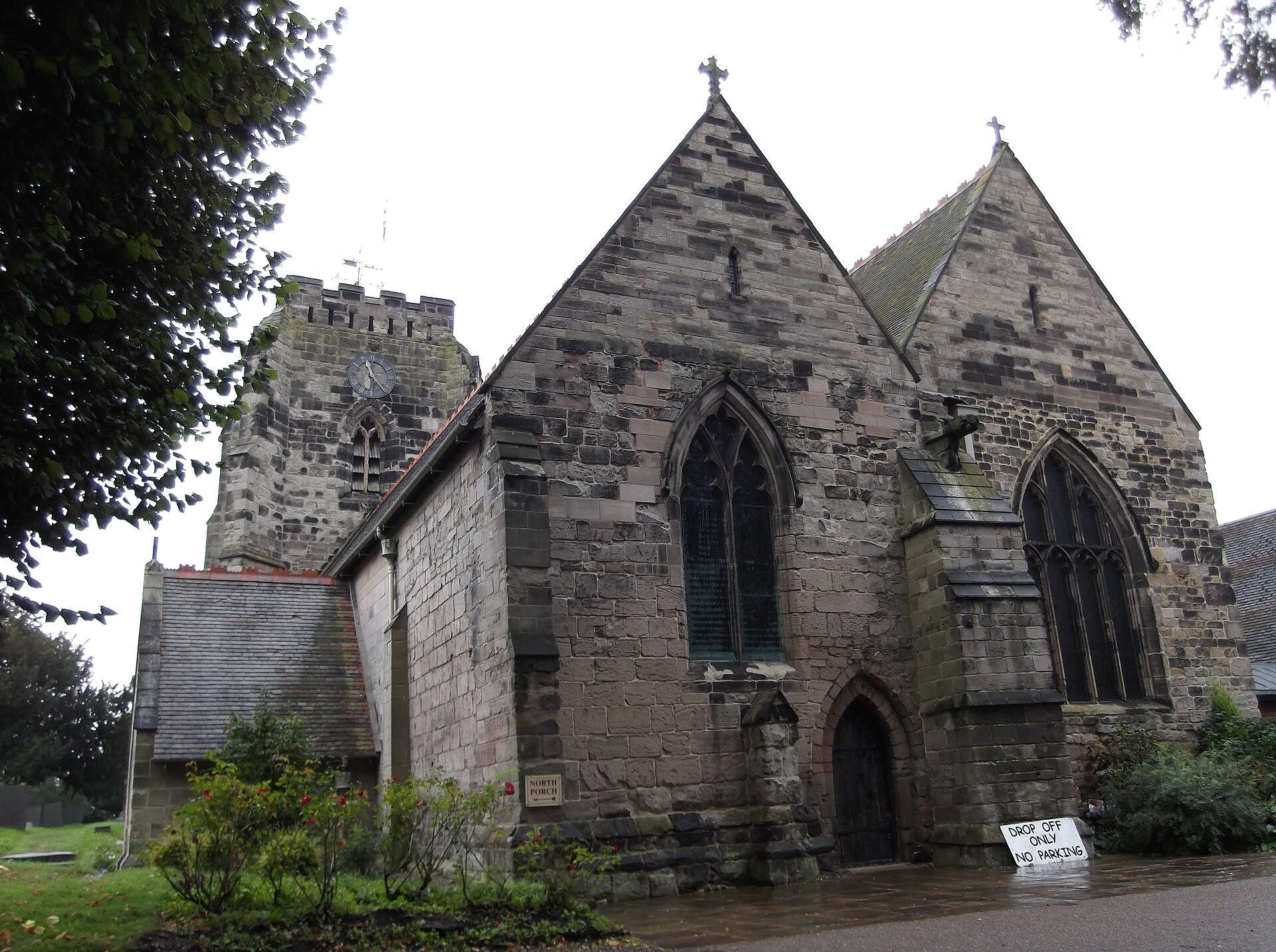
A Benedictine nunnery in north Warwickshire.
Sacred place · Medieval
West Sussex
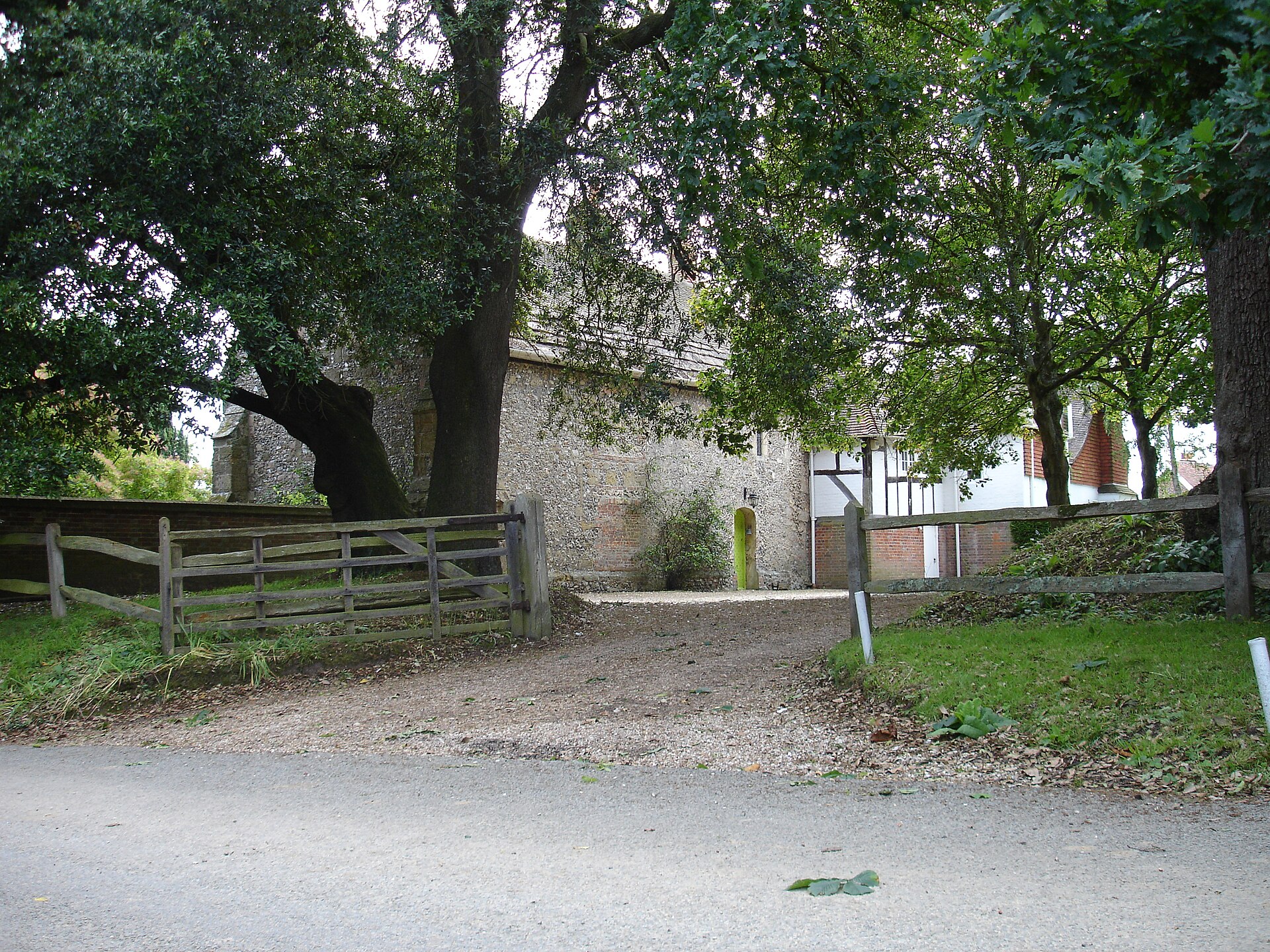
A West Sussex house of a military order, dissolved in 1540: its buildings listed Grade I, its history almost unrecorded.
Sacred place · Medieval
Devon
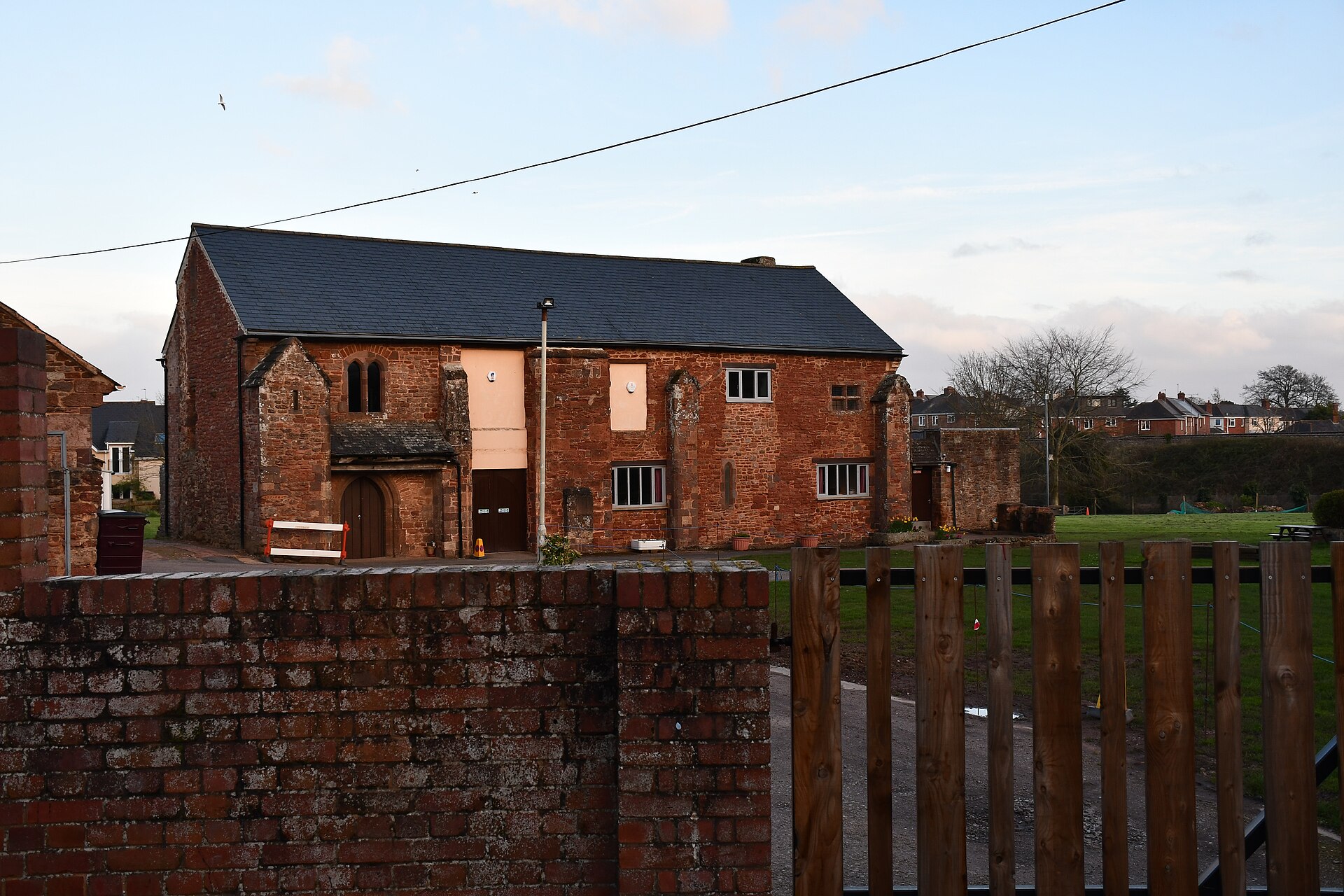
Polsloe Priory preserves the story of Devon’s first religious house for women, from its twelfth-century Benedictine foundation to a rare surviving…
Building or ruin · Medieval
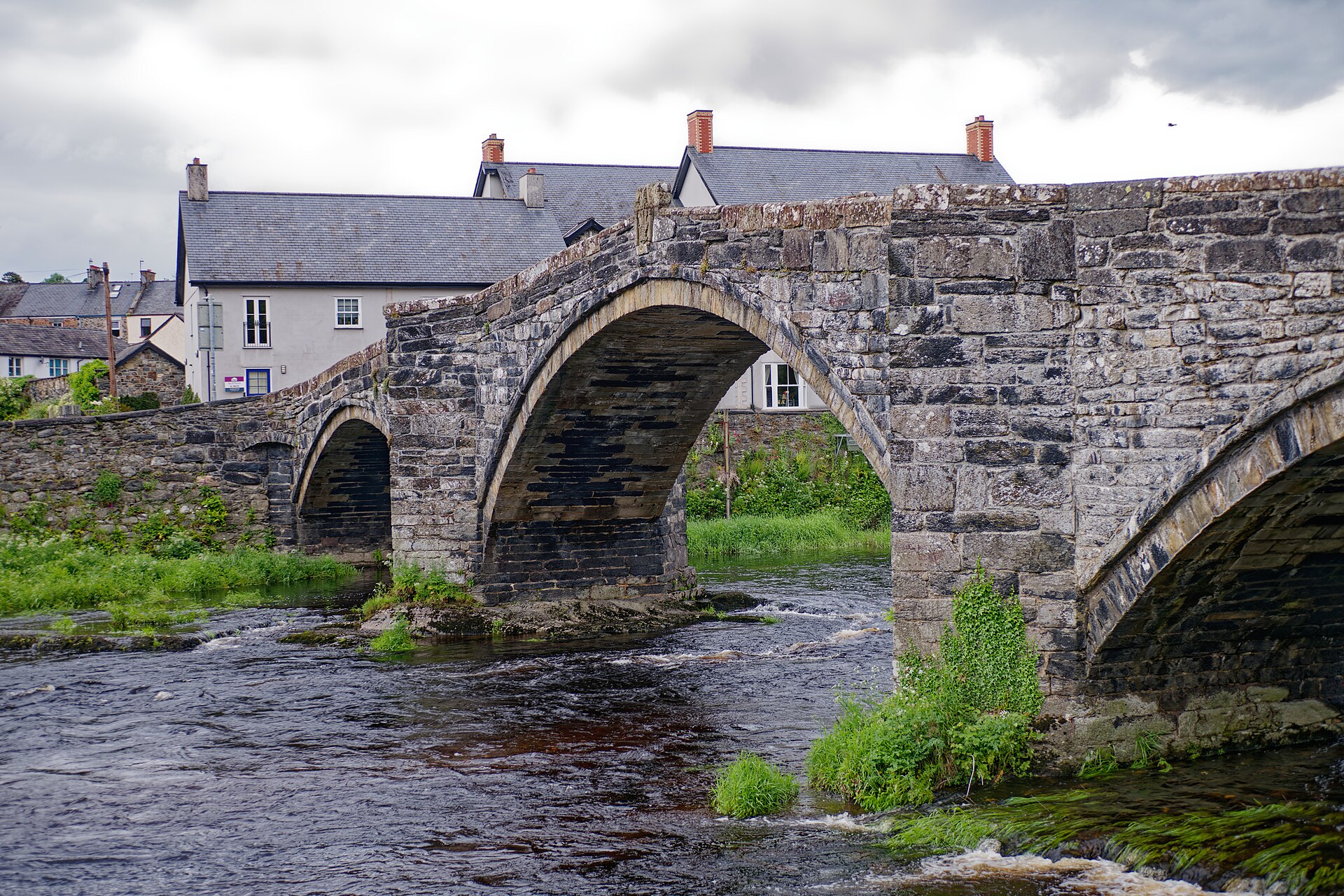
Conwy
A Grade I listed, three-arched Llanrwst bridge completed in 1636, valued both for its design and for a long-running but unproven link to Inigo Jones.
Building or ruin · Medieval
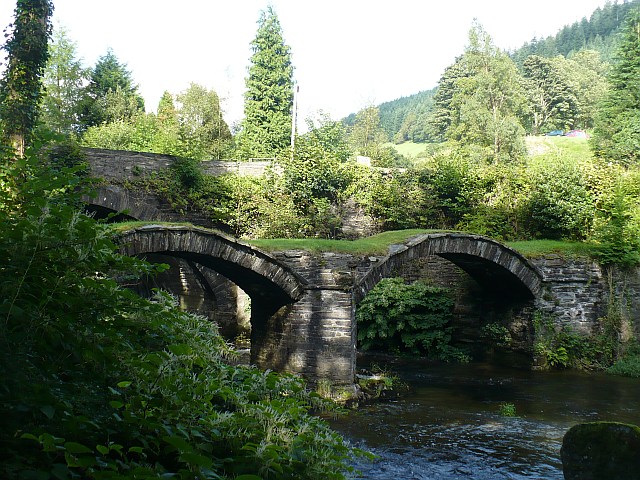
gwynedd
A bridge with no road left on it. Two arches still span the Dyfi, but the deck has gone and grass has closed over the top, leaving a crossing to be…
Building or ruin · Medieval
Merthyr Tydfil
Pont-y-Cafnau is the world’s earliest surviving iron railway bridge, built in 1793 to unite limestone transport and water power for Cyfarthfa Ironw…
Fortified place · Medieval
West Yorkshire
The castle where Richard II is thought to have died, built about 1070 by Ilbert de Lacy and besieged repeatedly in the Civil War.
Sacred place · Medieval
West Yorkshire
A Cluniac house of about 1090, dependent on la Charité-sur-Loire, whose cartulary survives and whose burials include Richard, Duke of York.
Fortified place · Roman
Somerset
A bank of layered yellow and grey clay running between two former swamps, with an entrance that appears to be original.
Tomb or burial place · Roman
Lincolnshire
At least eleven Bronze Age (roughly 2500–800 BC, when metal tools first spread) burial mounds once stood on this ridge; five were bulldozed for iro…
Building or ruin · Medieval
Northumberland
The Popping Stone preserves an unusually specific courtship tradition: and the mystery of why its single landmark boulder became three after 1870.
Fortified place · Medieval
Pembrokeshire
One half of a matched pair of Milford Haven forts, its hexagonal ramparts and eleven-gun casemates now stand fenced inside a working oil refinery r…
Sacred place · Prehistoric
Somerset
Thirteen stones now, ten in 2009, forty-three when the circle went up in the era before writing arrived in these islands - and some of what stands…
Building or ruin · Roman
Hampshire
Much of its course survives not as a monument but as a working hedgerow, lane and field boundary: a rare case study in how completely a Roman road…
Building or ruin · Roman
Hampshire
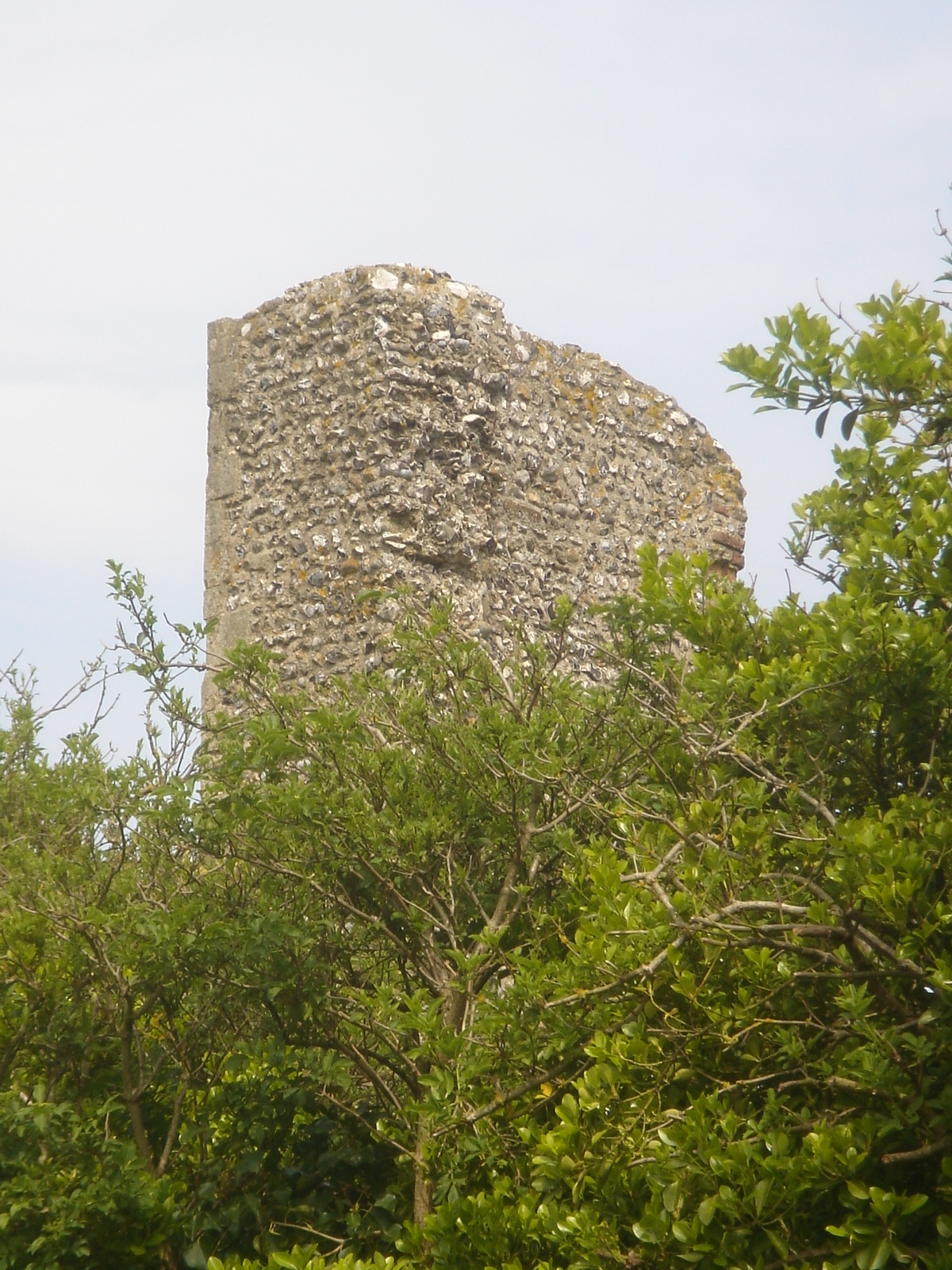
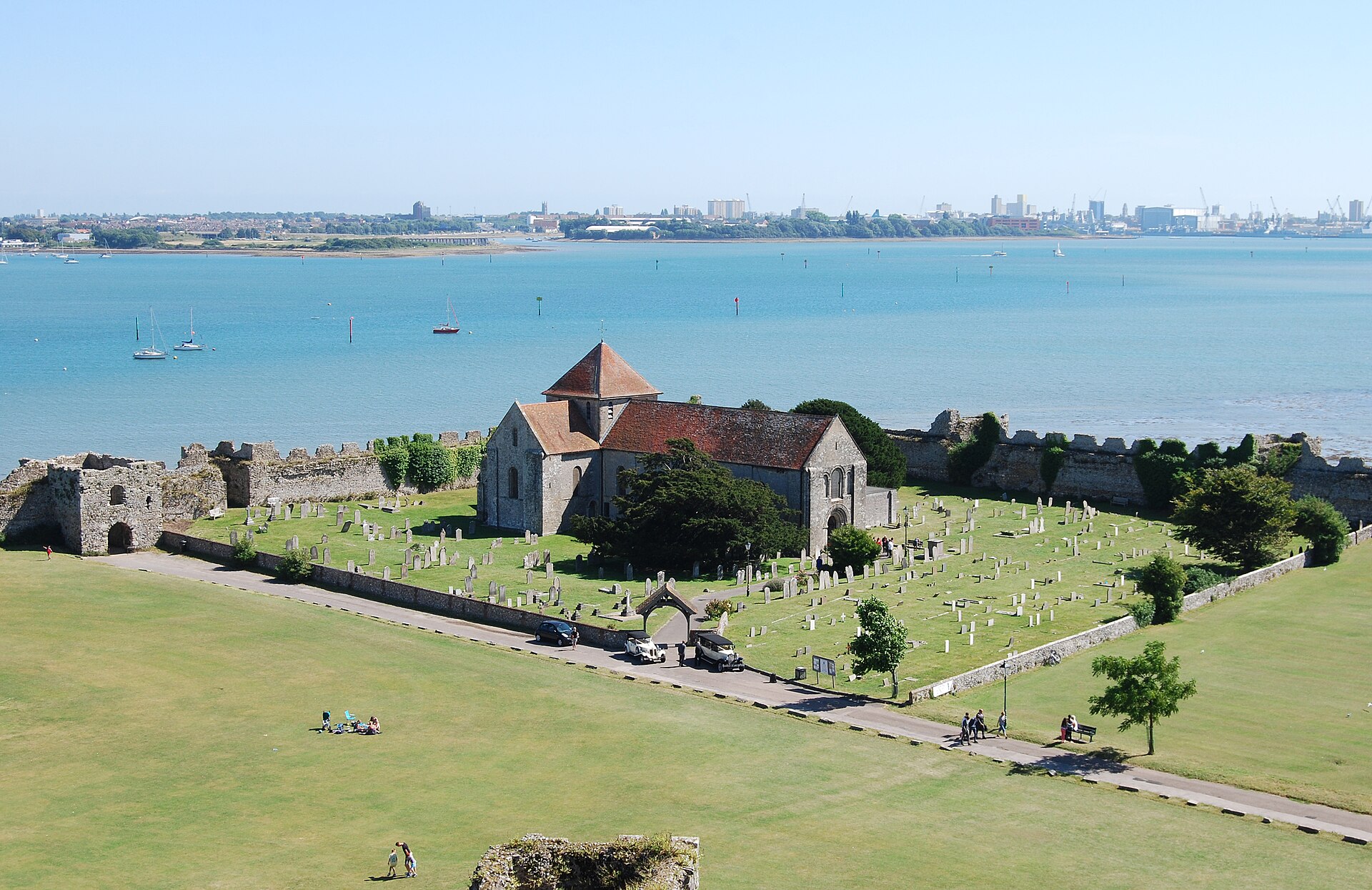
A Roman shore fort still standing to nearly its full height, with a Norman keep, a royal palace and a prisoner-of-war depot all built inside the sa…
Fortified place · Iron Age
Lancashire
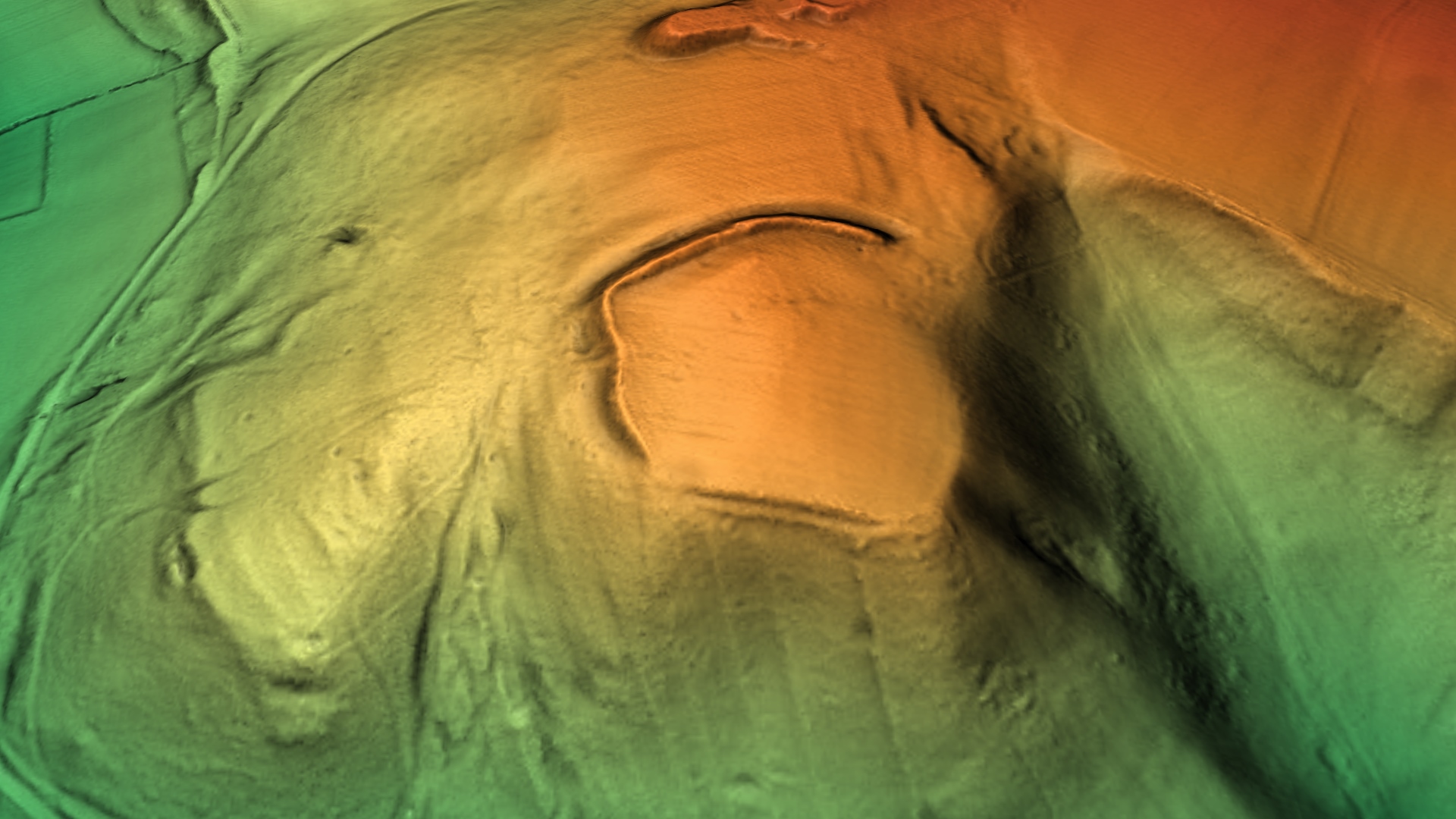
Portfield Hillfort is a rare north-west English enclosure later enlarged with additional banks, with excavations revealing use from the late Stone…
Building or ruin · Roman
Northumberland
Portgate reveals Rome adapting to its own past: Hadrian’s Wall had to control fifty-year-old Dere Street rather than simply block it.
Building or ruin · Medieval
Isle of Anglesey
Porth Wen Brickworks preserves a rare coastal industrial system: quartzite quarries, gravity incline, fire-brick works and loading quay, much of it…
Fortified place · Medieval
gwynedd
The seaward gate of Edward I's walled town at Caernarfon, badly damaged in the Welsh revolt of 1294 and repaired at a cost of £1,195: a third of wh…
Fortified place · Medieval
Powys
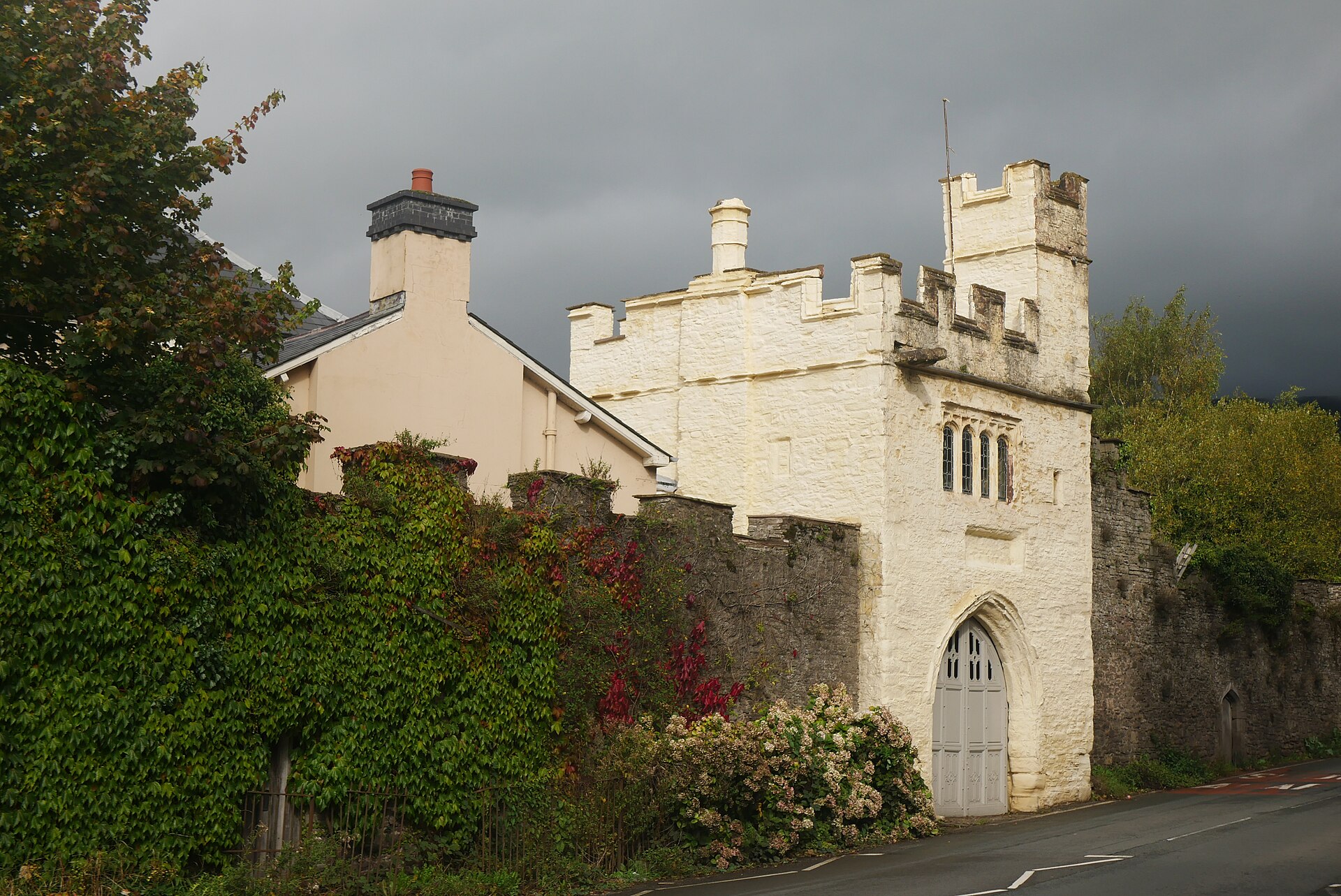
A fifteenth-century gatehouse in central Crickhowell, built for the Herbert family.
Fortified place · Iron Age
Essex
Portingbury Hills is an enigmatic Hatfield Forest monument where evidence from before the Roman conquest, later alteration and contested astronomic…
Fortified place · Medieval
Dorset
Portland Castle is one of Henry VIII’s best-preserved coastal artillery forts, built to defend Portland Roads and later adapted through civil war,…
Carved stone · Pictish & early medieval
Highland
Roughly 200 carved stone fragments, most no bigger than a handspan, add up to one of the largest collections of Pictish (of the Picts, the people o…
Building or ruin · Medieval
East Sussex
Portslade Old Manor is a rare surviving Norman manor house, linking Domesday landholding, a medieval fair and later charitable reuse within one sch…
Building or ruin · Medieval
Hampshire
Here, in 1803, ten labourers using Brunel's all-metal machines began outproducing 110 skilled craftsmen: the moment mass production entered the ind…
Sacred place · Medieval
County Galway
A single church at Portumna carried three congregations in succession: Cistercian, Dominican and Church of Ireland: across more than five centuries…
Fortified place · Medieval
County Galway
Richard Burke’s 1610–17 house brought Renaissance planning, Italianate detail and defensive towers to Ireland, making Portumna a deliberate stateme…
Building or ruin · Roman
Hampshire
Almost the entire circuit of Roman wall still stands to nearly its original height, making this the best-preserved Roman fort north of the Alps.
Building or ruin · Roman
Kent
Portus Lemanis preserves a Roman naval and Saxon Shore stronghold above the former coast, explaining both Lympne’s name and the changing landscape…
Fortified place · Iron Age
Herefordshire
Herefordshire's hills hold dozens of Iron Age (from about 800 BC until the Romans came) strongholds, and Poston Camp's quiet earthworks near Vowchu…
Sacred place · Medieval
Berkshire
A minor Augustinian monastery known through papal bulls, a fire, a flooded mill dispute, and Cardinal Wolsey's asset-stripping of it to found his O…
Tomb or burial place · Prehistoric
County Clare
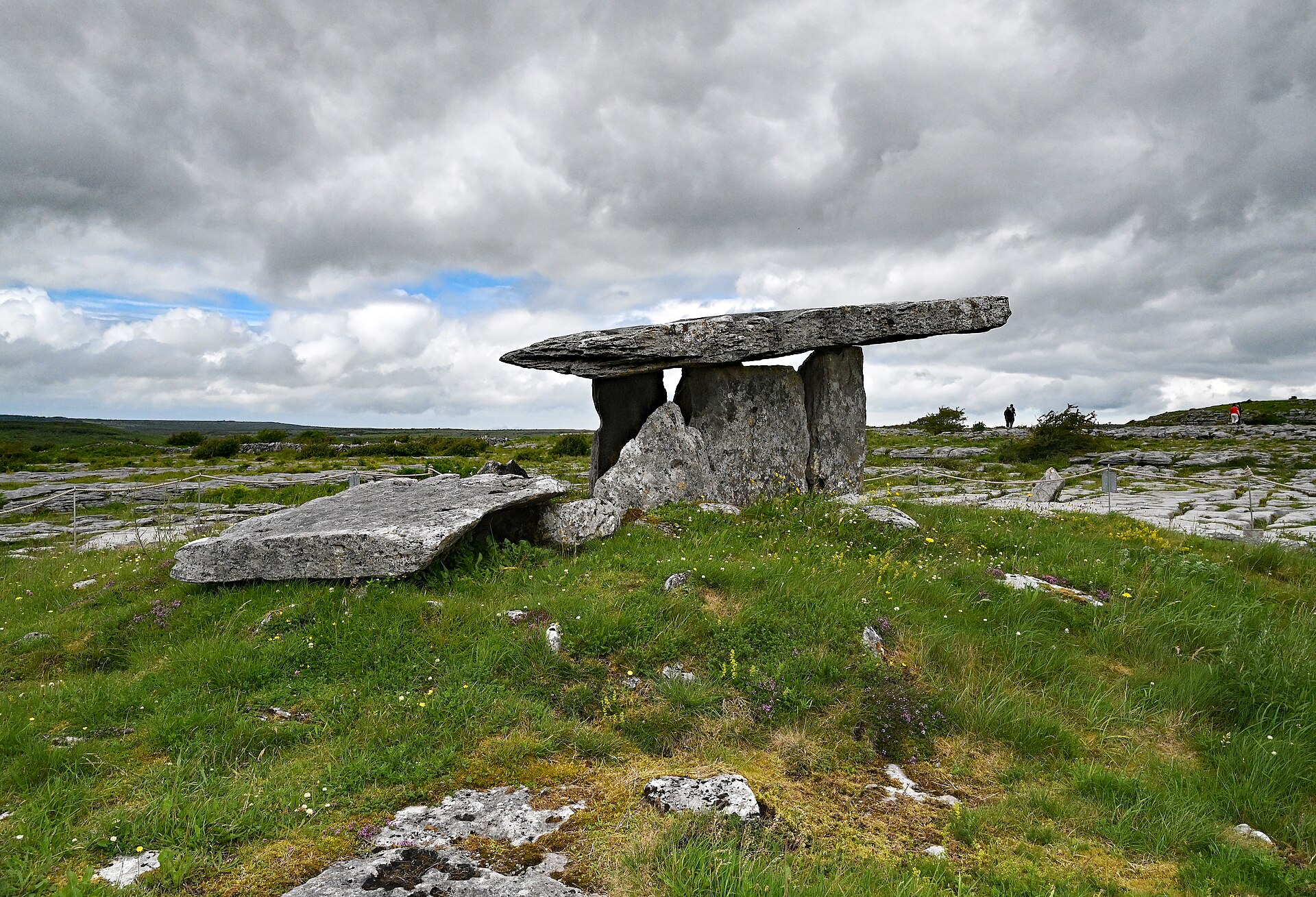
Poulnabrone is a Neolithic (the late Stone Age, roughly 4000–2500 BC in Britain) portal tomb (a Neolithic tomb of upright stones carrying a single…
Sacred place · Medieval
Cheshire
A Cistercian abbey (a religious community led by an abbot) that quietly relocated in 1214, leaving behind a chapel site so thoroughly forgotten tha…
Sacred place · Medieval
Gloucestershire
Founded in 1337 as a private chantry chapel, Poulton became a full Gilbertine priory within thirteen years: then vanished so completely that a Vict…
Building or ruin · Roman
Dorset
Poundbury Hill preserves an exceptional sequence from early farming settlement through a hillfort, a defended enclosure on high ground, ringed with…
Fortified place · Medieval
Devon
Powderham Castle is a Grade I listed fortified manor that has remained the Courtenay family’s Devon seat through medieval conflict, Civil War damag…
Fortified place · Medieval
Powys
A Marches castle built by a Welsh prince rather than a Norman baron, whose owners were exiled for thirty years and finished the garden anyway.
Tomb or burial place · Prehistoric
Isle of Anglesey
Two Neolithic tombs stand so close together that antiquarians still cannot agree whether they were ever one chamber beneath a single mound.
Fortified place · Medieval
Denbighshire
Built in 1165 and destroyed within two years, the castle's short life ended not in ruin but in retreat: the Banastre family abandoned Wales for Lan…
Tomb or burial place · Prehistoric
Hampshire
One of only two known unchambered long barrows on the North Downs, its true shape was masked for decades by farming damage and a mistaken Ordnance…
Fortified place · Medieval
East Lothian
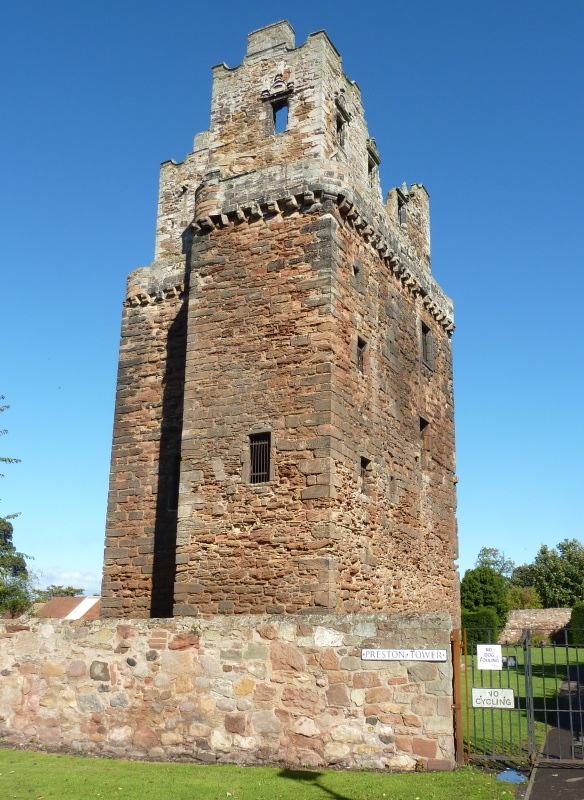
Preston Tower is a rare layered survivor in Prestonpans: a medieval keep enlarged in 1626, repeatedly burned in conflict and accident, and now rest…
Fortified place · Iron Age
Devon
Prestonbury Castle is an Iron Age Dartmoor-edge hillfort: an Iron Age settlement defended by banks and ditches on high ground, dating from from aro…
Sacred place · Prehistoric
Somerset
Four circular bank-and-ditch enclosures near Priddy in the Mendips, protected by law.
Tomb or burial place · Prehistoric
Somerset
Two Bronze Age barrow cemeteries on the two highest ridges in the district: scheduled in 1933, possibly to stop local schools digging them.
Fortified place · Iron Age
Cornwall
Prideaux Castle is a small multivallate Iron Age hillfort: an upland enclosure defended by earthen banks, from from around 800 BC up to the Roman c…
Sacred place · Medieval
Gloucestershire
A hunting lodge became a monastery that went on to found two more British abbeys, and whose pottery: fired from clay dug from its own foundations:…
Sacred place · Medieval
Nottinghamshire
Thurgarton’s surviving tower and aisle make the scale of a wealthy Augustinian house tangible, even after an eighteenth-century owner demolished th…
Sacred place · Medieval
Oxfordshire
A monastic grange that never grew into the priory: a smaller monastery led by a prior: its name suggests, later saved from obscurity by five women…
Fortified place · Medieval
Monmouthshire
The only substantial survivor of a Benedictine priory founded around 1135: a gatehouse whose windows suggest it may have been built after the monks…
Sacred place · Medieval
Norfolk
Beeston Priory is a substantial Augustinian ruin whose independent canons combined parish work, schooling and agricultural enterprise until the 153…
Briefer entries: recorded and worth knowing, with fuller pages to come.
Sacred place · Medieval
Oxfordshire
A small twelfth-century Benedictine community in a detached part of Bloxham, near Charlbury.
Fortified place · Iron Age
Dorset
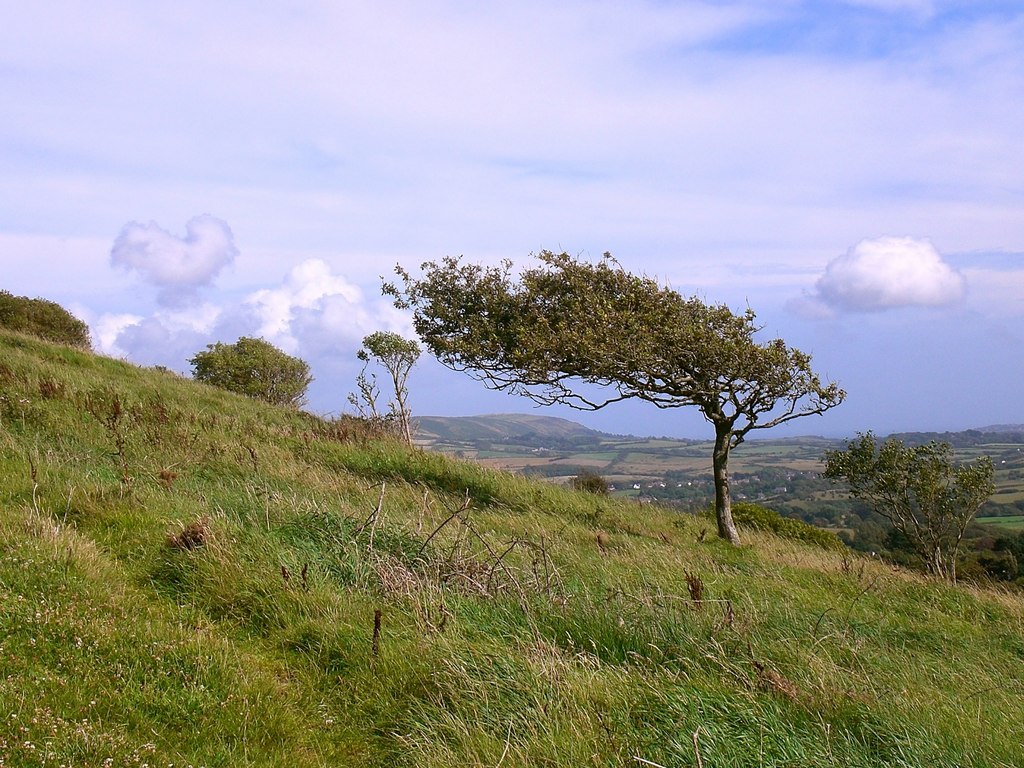
Pilsdon Pen is Dorset’s second-highest hill and a major Durotrigian hillfort, an Iron Age (the centuries before Rome arrived, from about 800 BC) se…
Tomb or burial place · Prehistoric
Herefordshire
A summit on the Malvern ridge carrying two possible Bronze Age (roughly 2500–800 BC, when metal tools first spread) round barrows, burial mounds se…
Building or ruin · Roman
Devon
Pomeroy Wood is a Roman military site near Honiton where excavated ramparts, ditches and biological evidence point to a cavalry presence despite un…
Building or ruin · Roman
Tyne and Wear
The only Roman bridge outside Rome known to be named after an emperor. Hadrian's clan name was Aelius.
Fortified place · Medieval
Northumberland
Ponteland lets you drink in a fourteenth-century tower house that survived Scottish raiding, Jacobean rebuilding, dereliction, and conversion into…
Carved stone · Pictish & early medieval
Highland
A carved crescent, v-rod and a pair of spirals fused into a pelta survive on a single stone that sat unknown until 1992: a Pictish (of the Picts, t…
Tomb or burial place · Prehistoric
Dorset
Poor Lot Barrow Cemetery is an unusually large, low-lying Bronze Age (the period from about 2500 to 800 BC) burial landscape in Dorset, where forty…
Fortified place · Medieval
County Down
Portaferry makes the changing role of a harbour tower unusually legible: defensive circulation survives beside evidence of a 1635 repair that resto…
Tomb or burial place · Prehistoric
Cornwall
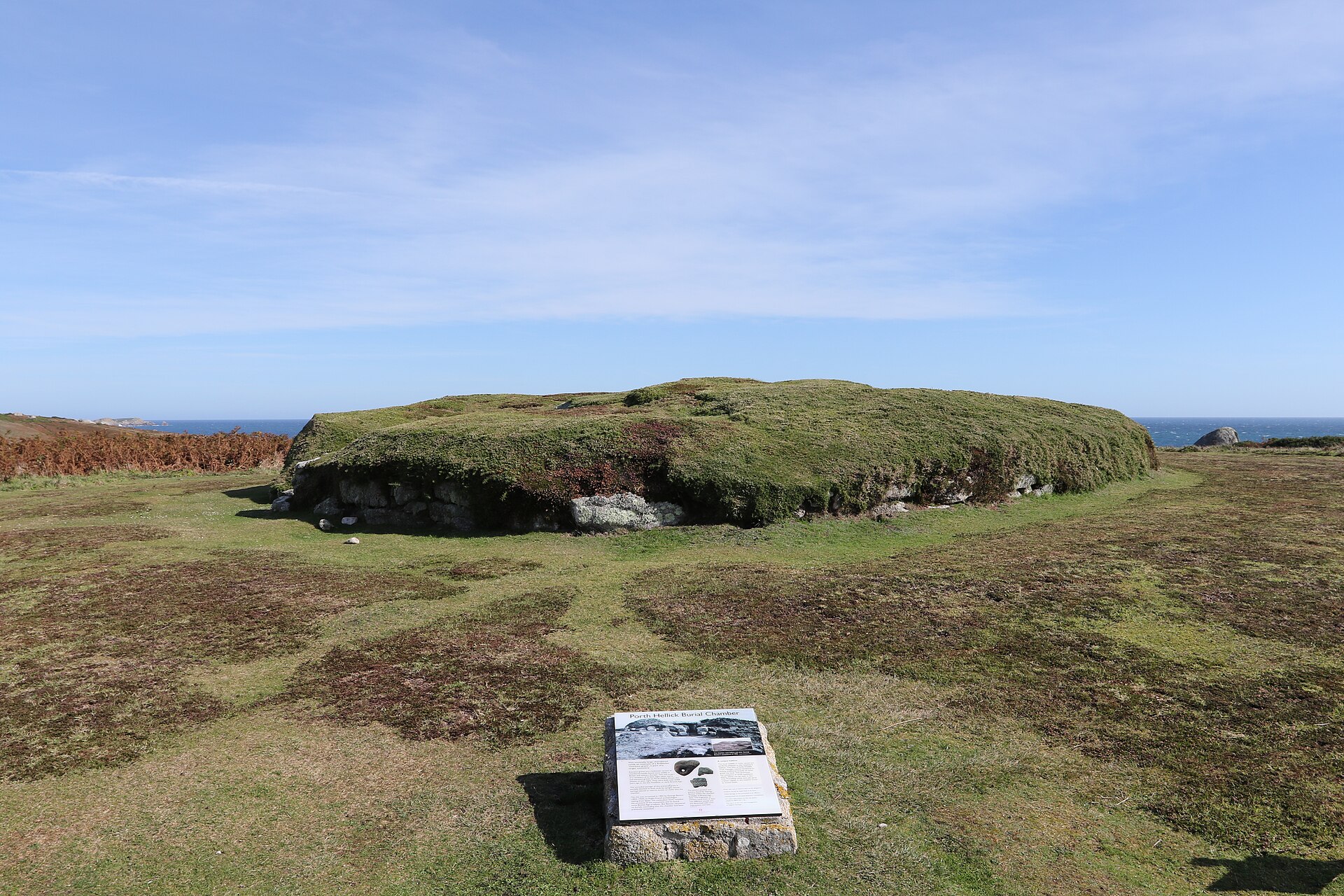
Porth Hellick Down contains the world’s largest surviving group of entrance graves, linking Neolithic burial monuments: from the closing Stone Age,…
Fortified place · Medieval
County Fermanagh
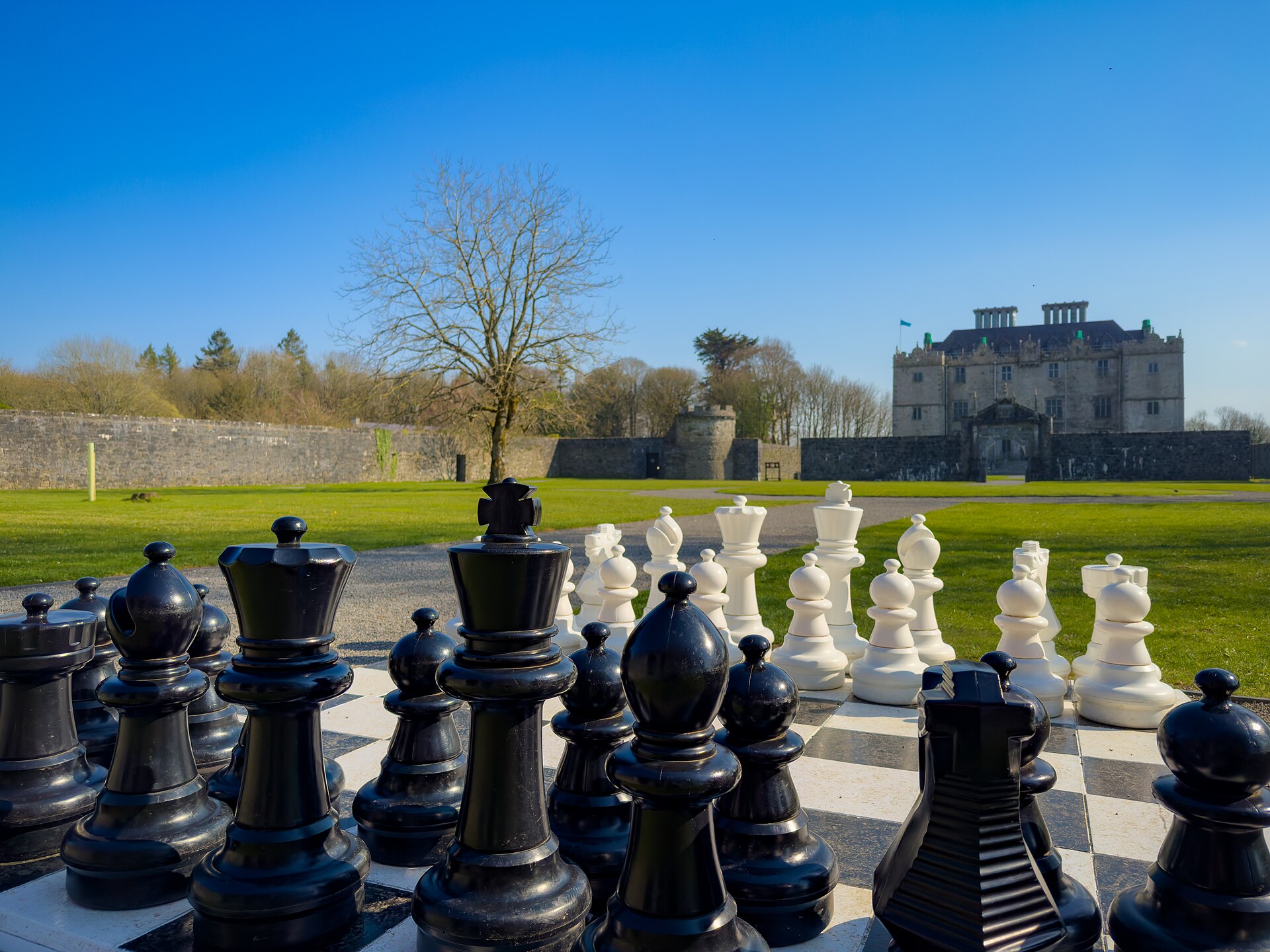
Portora Castle guards a narrow Lough Erne outlet and preserves a Plantation-era bawn, gun-looped flankers, and traces of later domestic use.
Sacred place · Medieval
Dorset
Povington Priory records the economic reach of Normandy’s Abbey (a self-governing monastery, its head an abbot) of Bec into Dorset, where wool and…
Fortified place · Medieval
Lancashire
Preston Castle preserves the recorded location of a lost castle built around an artificial mound and enclosed yard, whose surviving earthworks outl…
Sacred place · Medieval
Lancashire
Preston Greyfriars records an early Franciscan presence in Lancashire, documented by 1260 and associated with members of the Holland family.
Sacred place · Medieval
Isle of Man
The Priory of Douglas was a Cistercian nunnery whose prioress held the secular title Baroness of Douglas, combining monastic leadership with extens…
No places match those filters.
Kinds of place
Ages















.jpg?width=800)







.jpg?width=800)





%2C_October_2009.JPG?width=800)