
Sacred place · Medieval
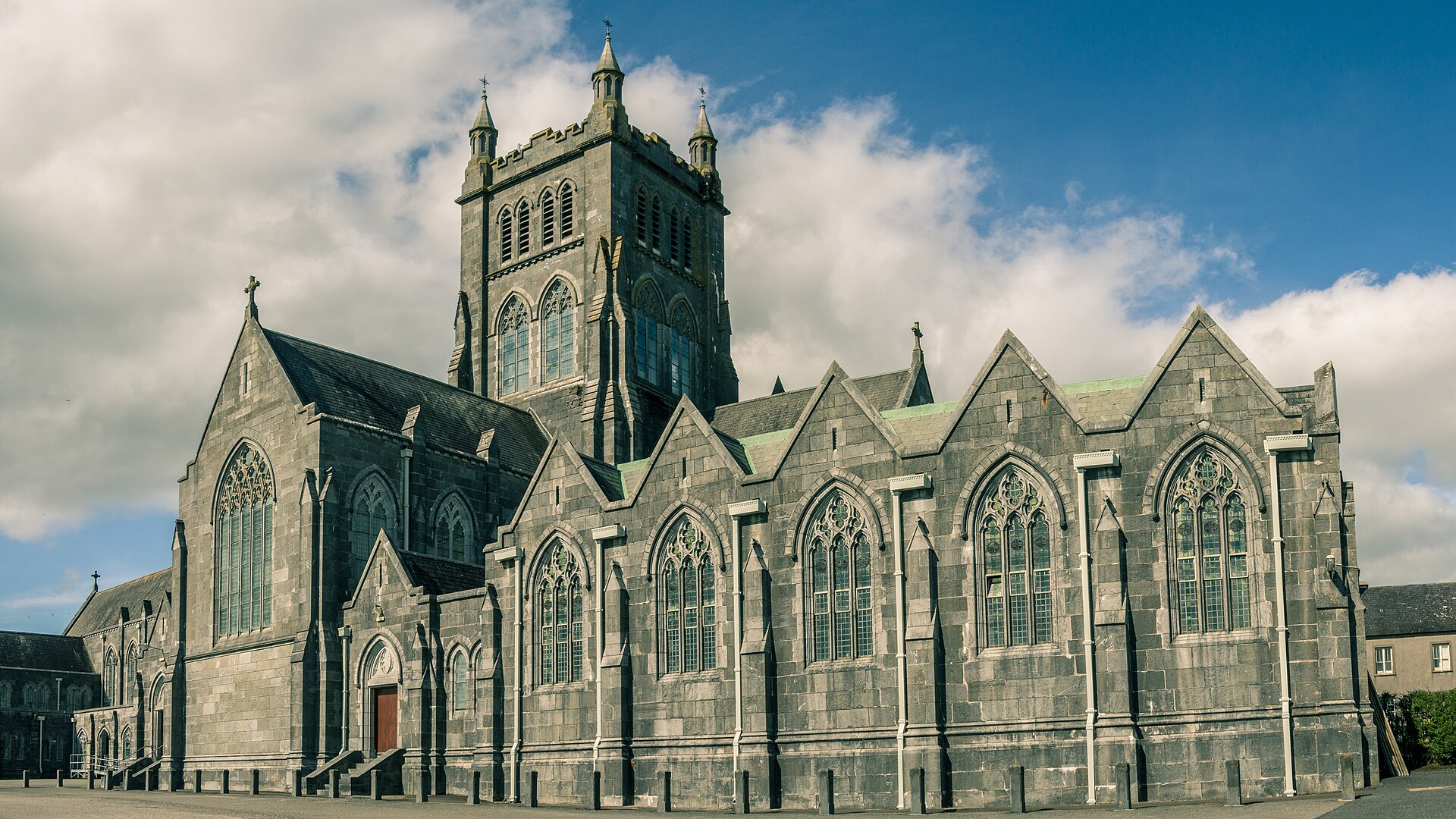
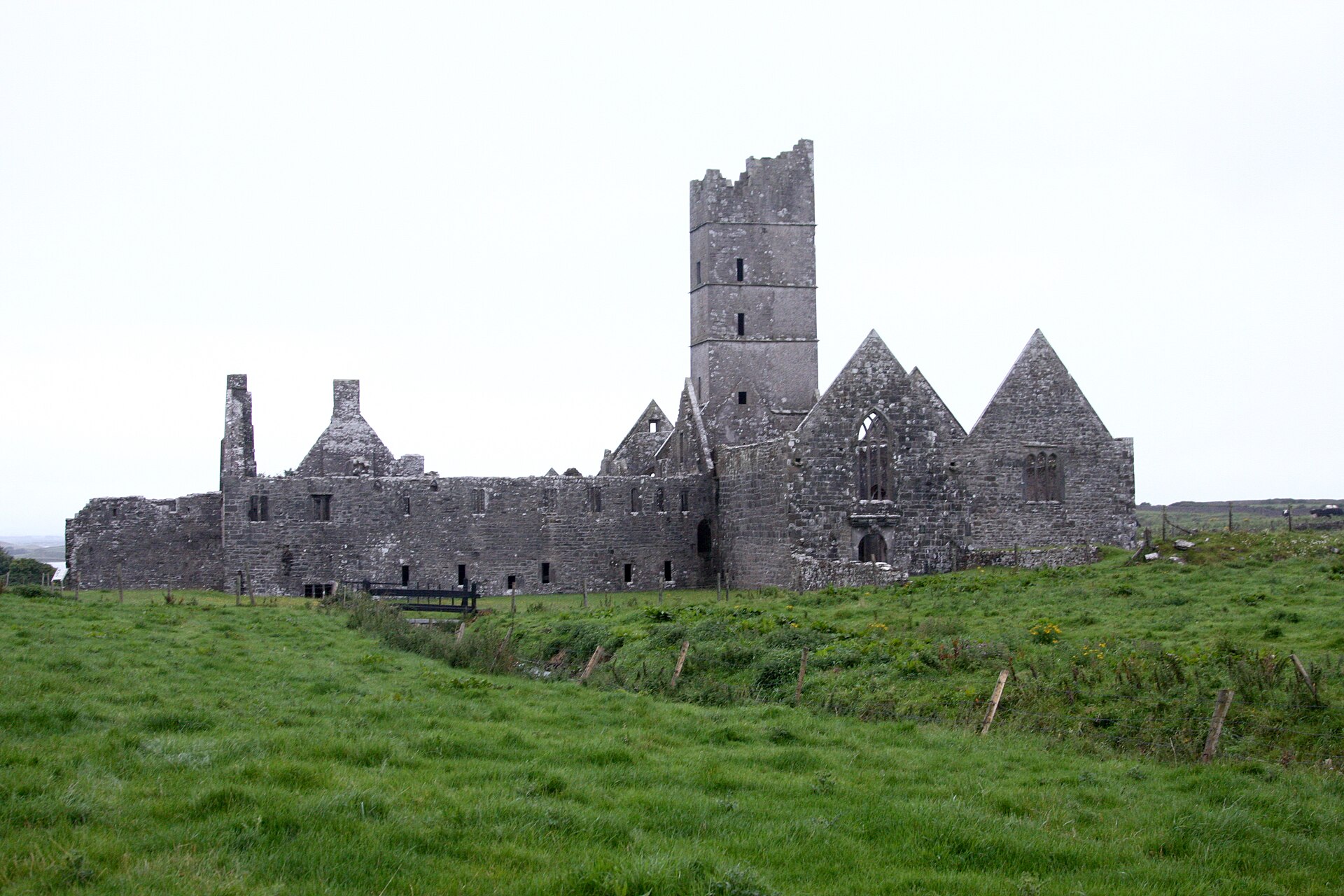
Moor Abbey
County Tipperary
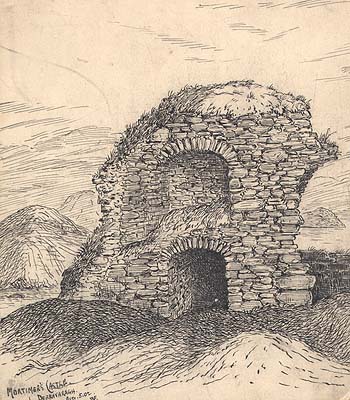
A Franciscan community returned here again and again after dissolution, burning and murder: until a dispute with a bishop's deputy, not the Crown,…
- Near Kilmallock
- Some walking
The directory
Page 32 of 47 in the full directory.
Browsing 100 places — search and the map cover the whole directory.
Sacred place · Medieval
County Tipperary
A Franciscan community returned here again and again after dissolution, burning and murder: until a dispute with a bishop's deputy, not the Crown,…
Fortified place · Medieval
Northamptonshire
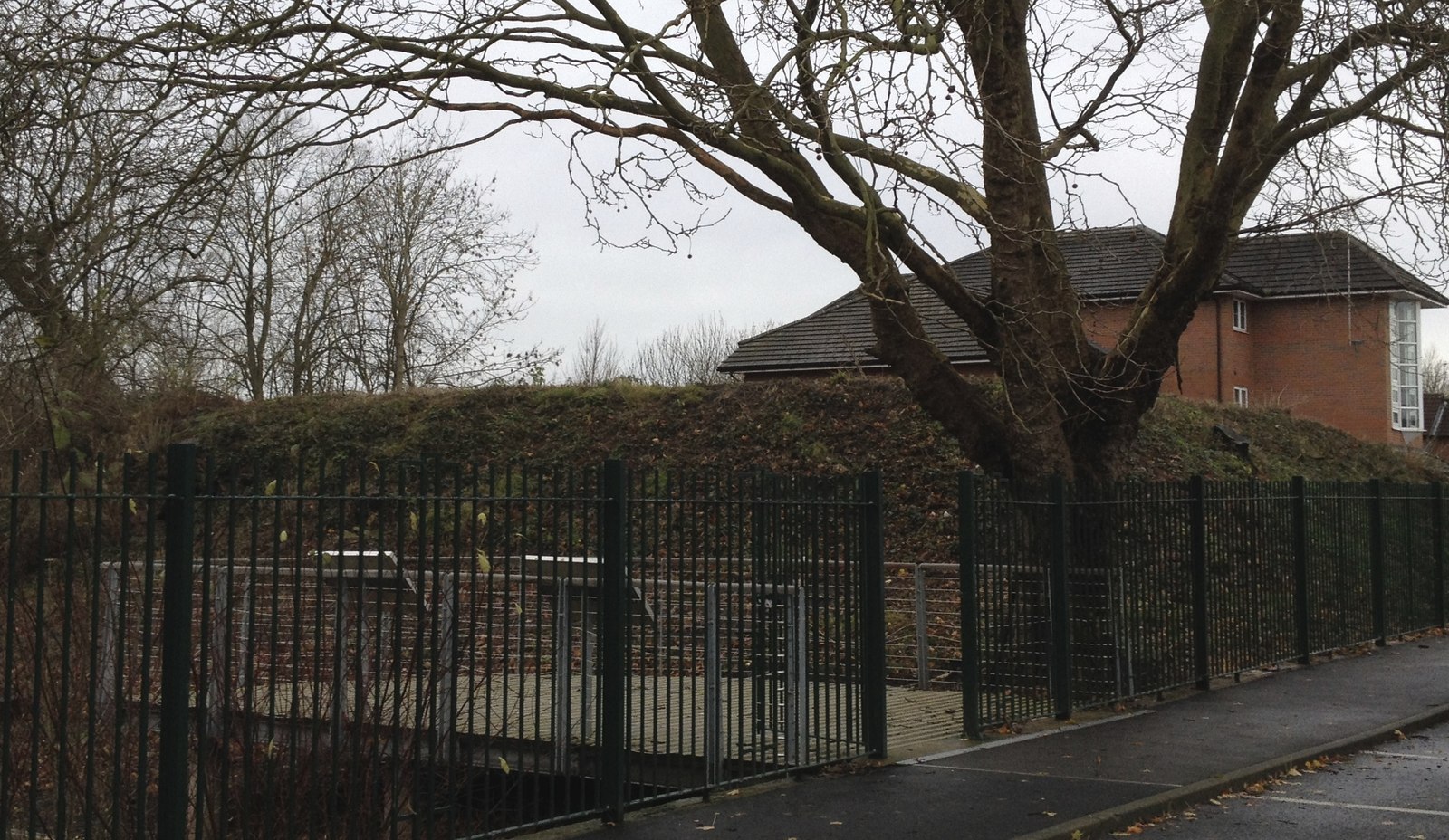
Moor End Castle is a vanished royal residence whose altered moat and wooded island preserve the clearest trace of its fourteenth-century power and…
Fortified place · Medieval
County Tipperary
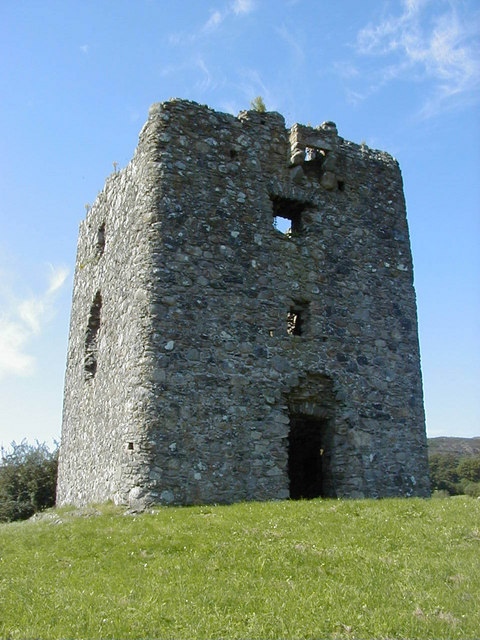
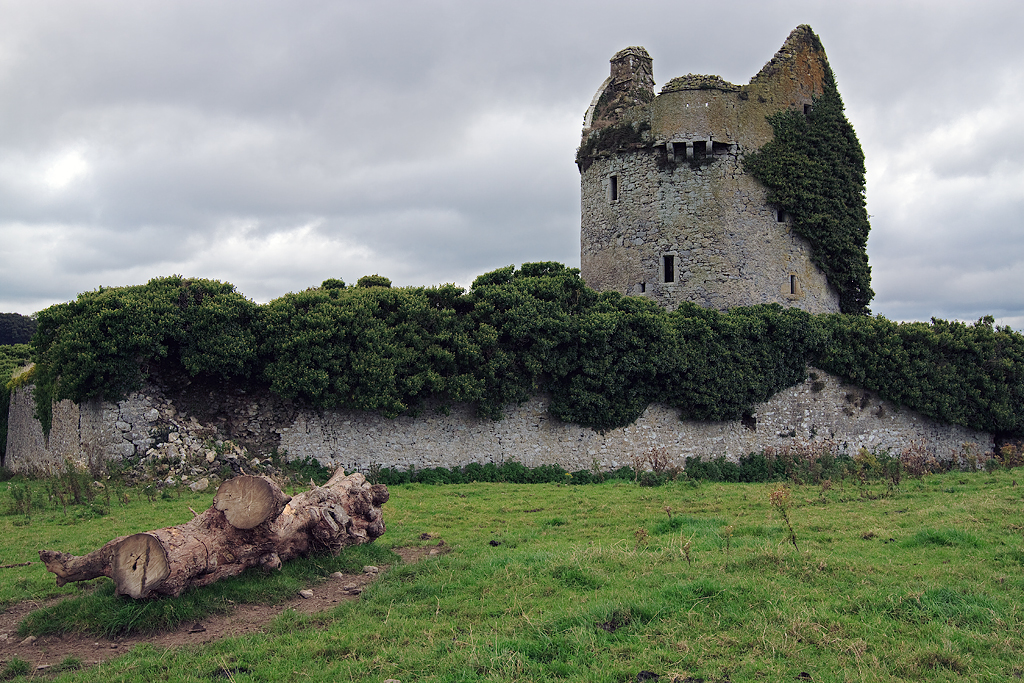
A circular tower house: a shape almost never used in Ireland, where nearly every other tower is built square.
Sacred place · Prehistoric
Orkney Islands
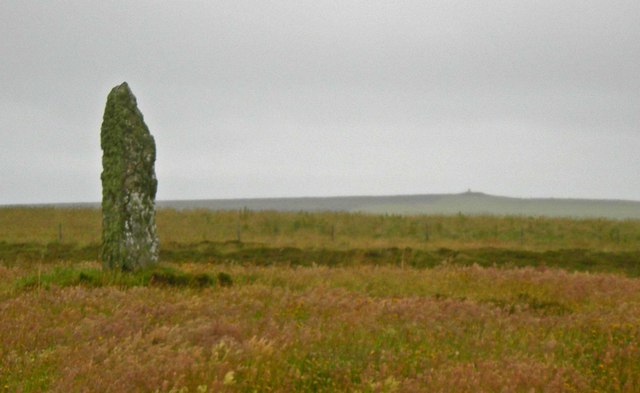
An isolated three-metre standing stone whose uncarved bulk records the considerable communal labour of quarrying, moving and raising a monument who…
Fortified place · Medieval
Shropshire
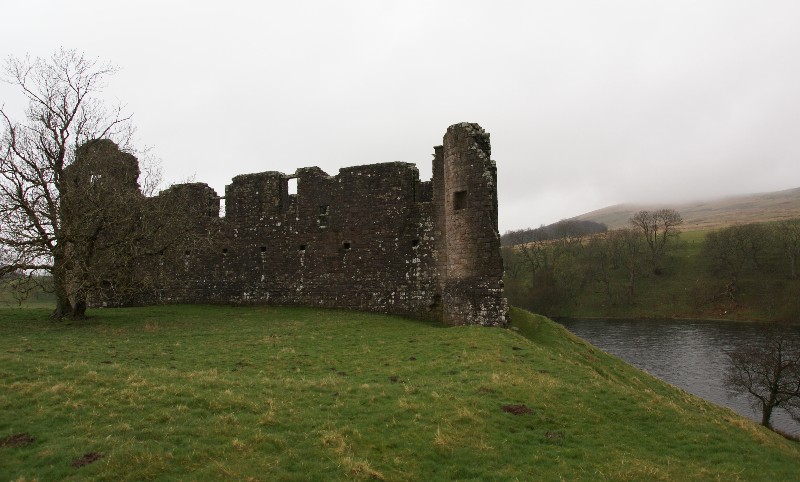
Moreton Corbet preserves a rare physical conversation between a medieval stronghold and an Elizabethan manor: Corbet builders filled the old bailey…
Ancient place · Prehistoric
Wiltshire
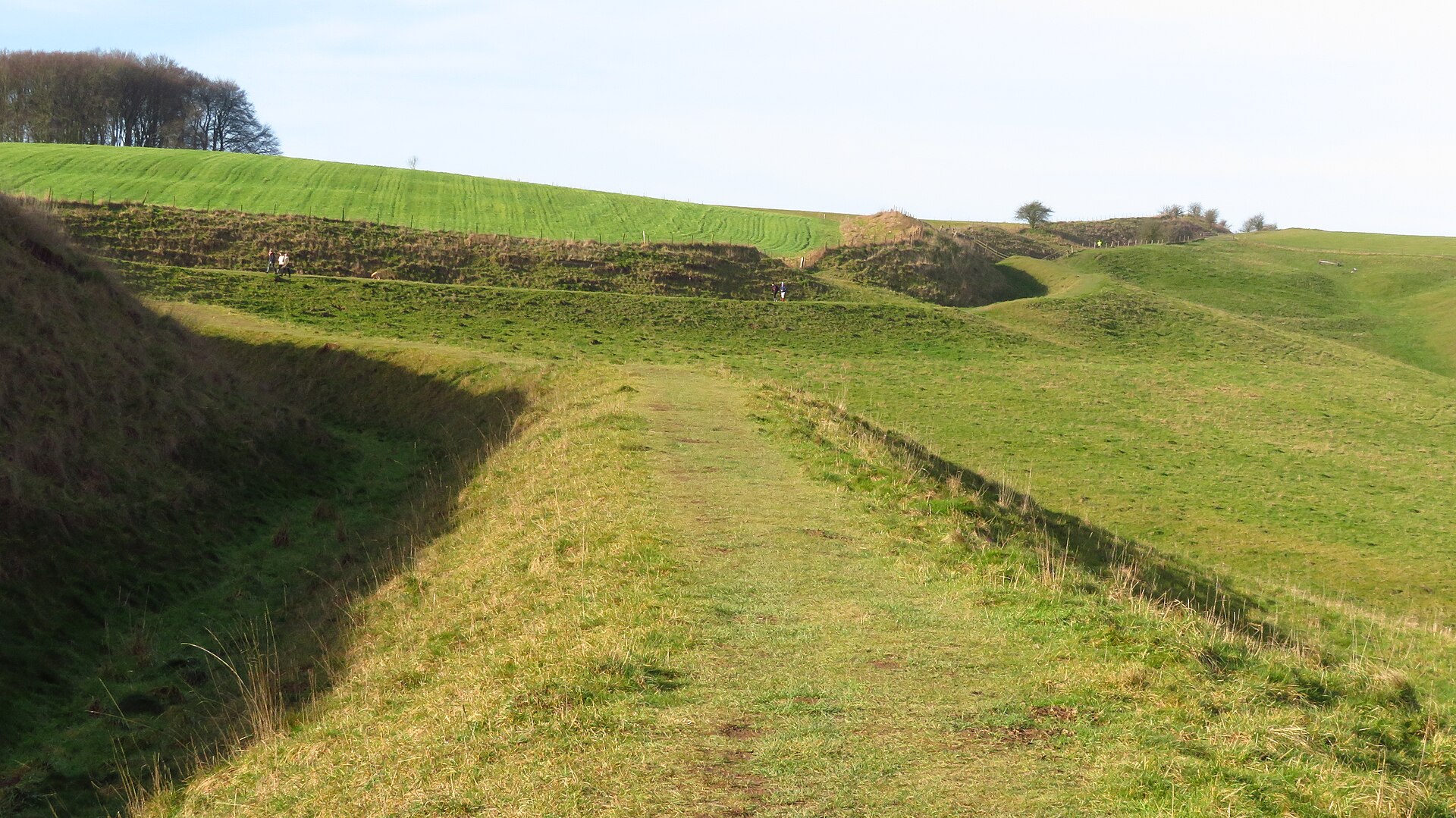
A near-perfect square of bank and ditch on open downland, one of a family of prehistoric (before any written account of Britain existed) farming en…
Fortified place · Medieval
Cardiff
One of a trio of Norman motte (the great earth mound at the heart of an early castle) castles raised across the ridges of north Cardiff, its earthw…
Fortified place · Medieval
Caerphilly
A castle built almost to completion on a contested Welsh-English border, then apparently walked away from before a single roof went on: and histori…
Fortified place · Medieval
Merthyr Tydfil
Morlais Castle preserves the remains of an unfinished thirteenth-century stronghold whose construction triggered a baronial war and royal intervent…
Fortified place · Medieval
Northumberland
Morpeth’s altered gatehouse preserves a castle whose unlikely story runs from Margaret Tudor’s refuge to a 1644 siege held against five-to-one odds.
Fortified place · Medieval
Swansea
Not a castle. A block of twenty-four workers' flats built between 1768 and 1775: one of the earliest tenement buildings anywhere.
Fortified place · Medieval
County Westmeath
A ruined Anglo-Norman stronghold whose very name is disputed between two Earls of March: and whose cellar is said to still hide a fortune in gold.
Fortified place · Medieval
Dumfries and Galloway
Morton combines a fortified Nith Valley promontory with the comforts of a later hunting lodge, now dramatically isolated by an eighteenth-century a…
Sacred place · Medieval
Shropshire
Morville Priory was Shrewsbury Abbey’s tiny Benedictine cell and diocesan guest house, preserving how a major monastery administered parish revenue…
Fortified place · Prehistoric
Dumfries and Galloway
The Mote of Mark was a high-status sixth- and seventh-century fortified workshop in Rheged, with imported goods and evidence for skilled metalworking.
Sacred place · Medieval
County Waterford
A monastery re-founded in the 1140s grew into one of the Augustinian order's major landholders in central Waterford, yet all that survives is a sin…
Fortified place · Medieval
Dumfries and Galloway
The Motte of Urr preserves the earthwork (earth moved and shaped into banks and ditches rather than built up in stone) of a twelfth-century baronia…
Sacred place · Medieval
Hampshire
A medieval monastery survives inside the walls of a country house, its church still standing as the mansion's core beneath a name its Georgian owne…
Fortified place · Medieval
Lincolnshire
Moulton Castle is a scheduled medieval earthwork (banks and ditches raised from the earth rather than quarried stone) whose D-shaped moat preserves…
Fortified place · Iron Age
Somerset
A triangular bank and ditch of the pre-Roman centuries, north-west of Dulverton.
Fortified place · Iron Age
East Sussex
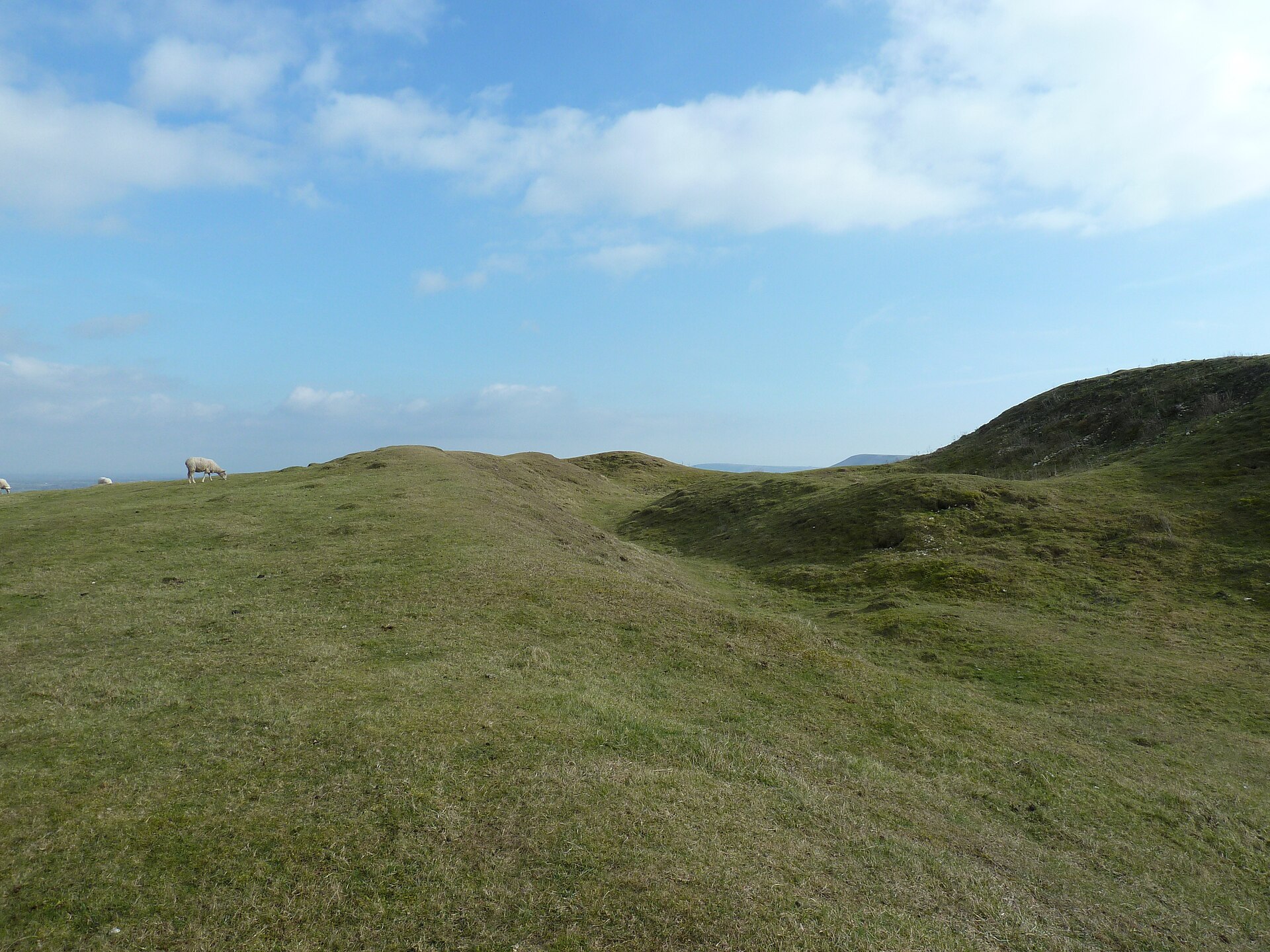
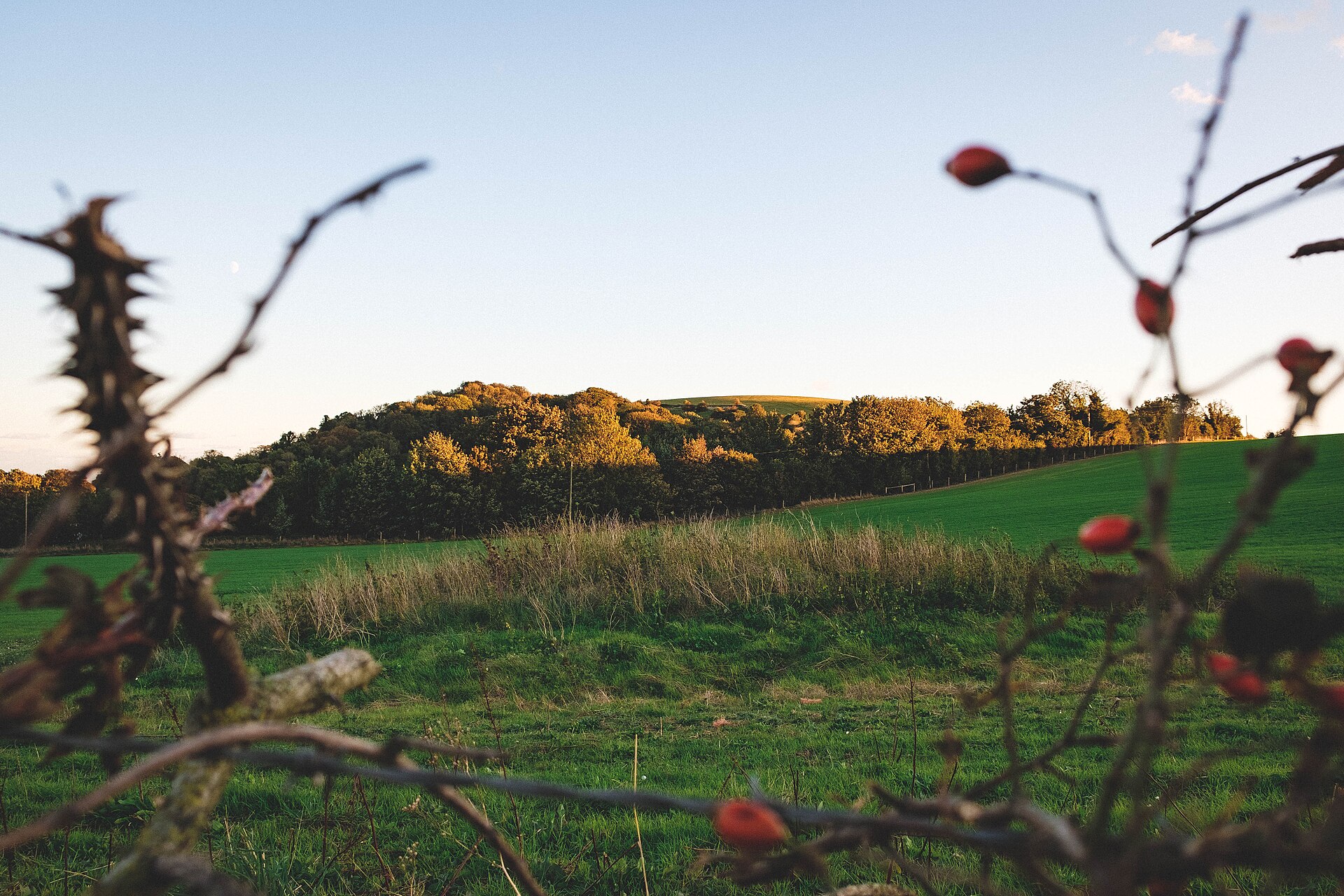
Mount Caburn is a repeatedly excavated enclosure above Lewes, dating from the centuries before Rome arrived, where structured deposits challenge th…
Sacred place · Medieval
North Yorkshire
Mount Grace is England’s best-preserved accessible Carthusian site, revealing hermit-style monastic life, Yorkist and Lancastrian patronage, major…
Sacred place · Prehistoric
Dorset
Mount Pleasant henge, a bank-and-ditch enclosure around a circular space, is a major late Stone Age Dorset monument whose vast earthwork, a bank-an…
Tomb or burial place · Prehistoric
County Dublin
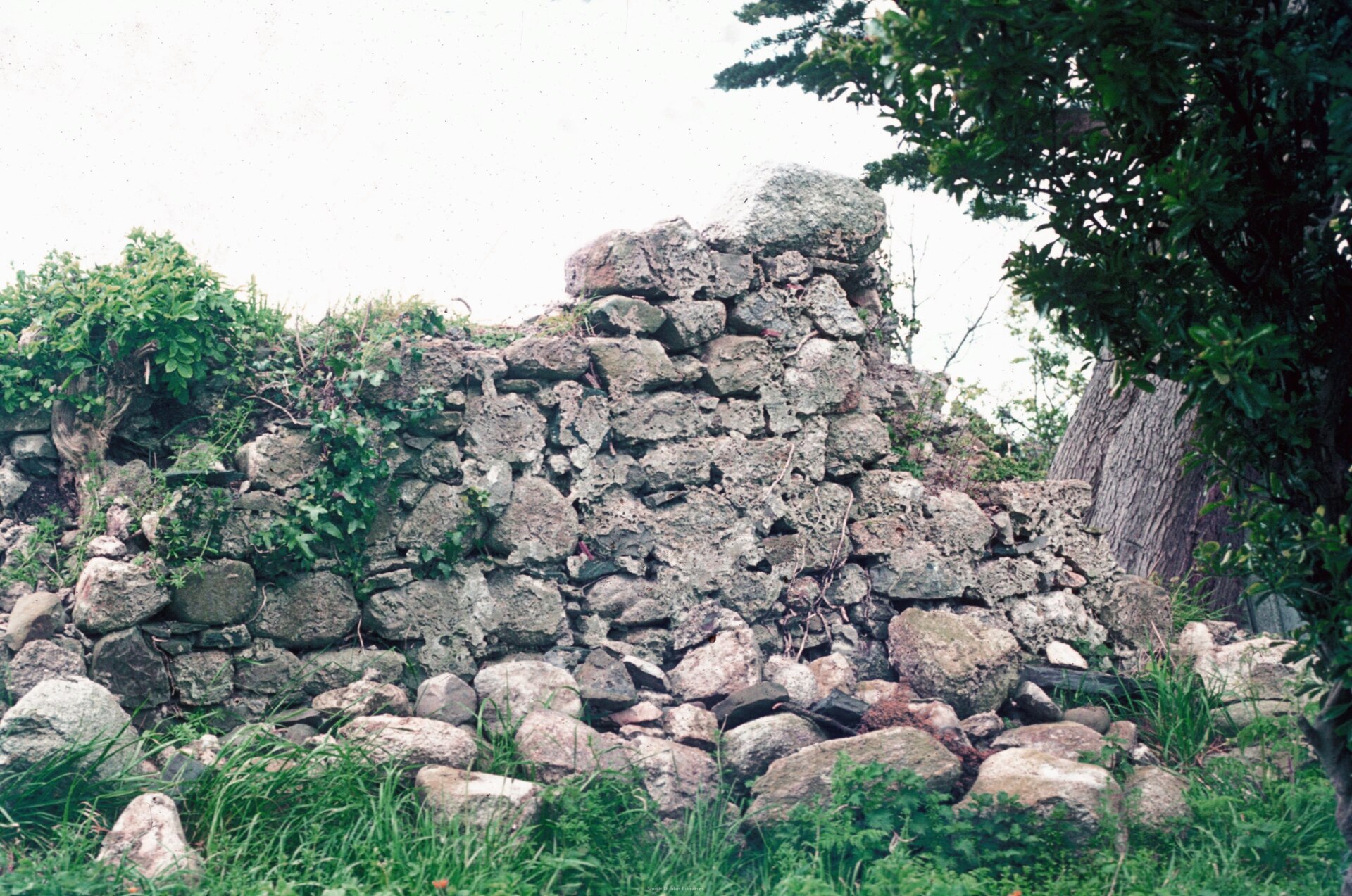
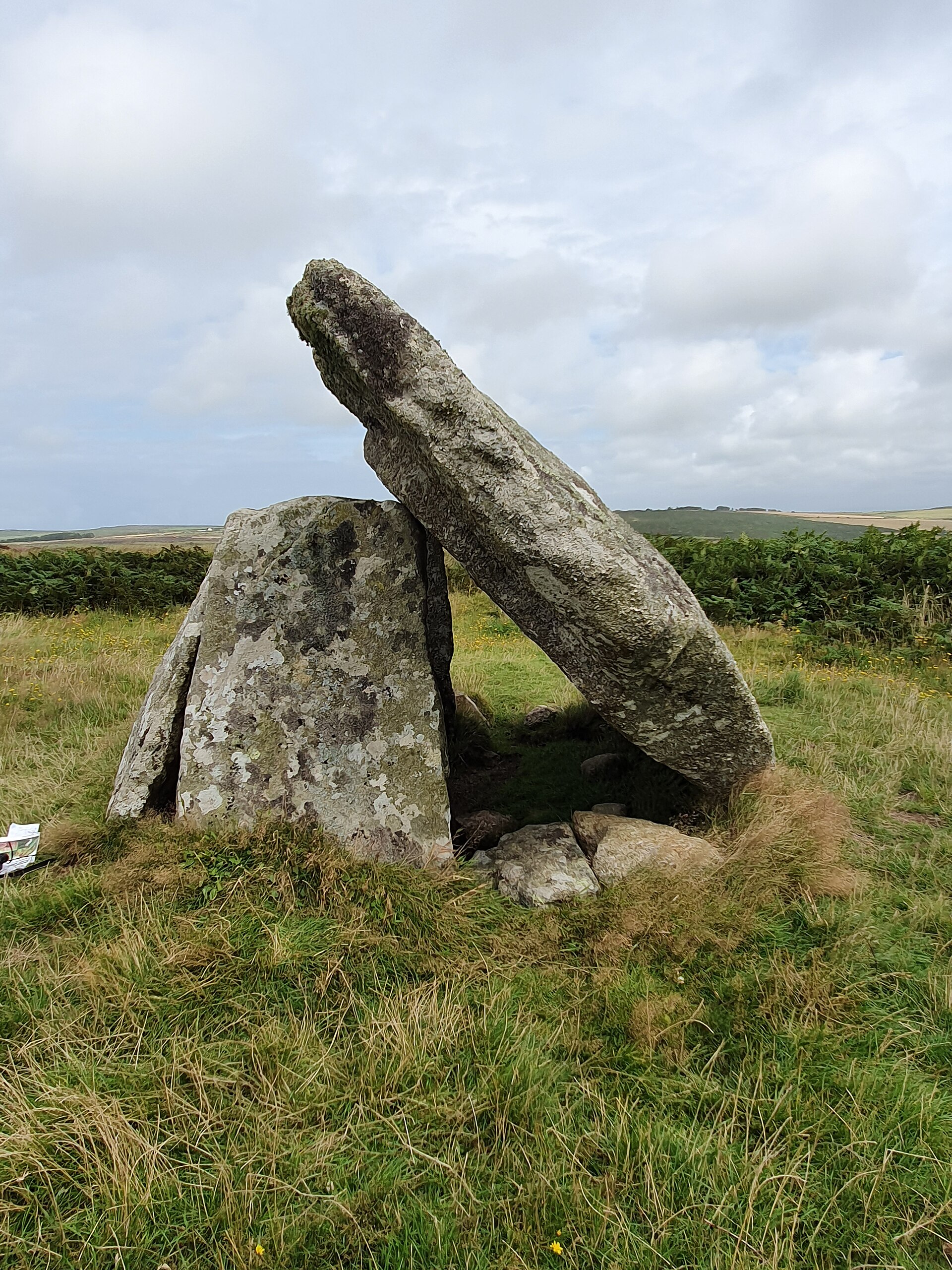
A capstone weighing some 44 tons has slipped from its portal stones and now leans at an angle, described by one antiquarian (an early collector-sch…
Fortified place · Medieval
Cheshire
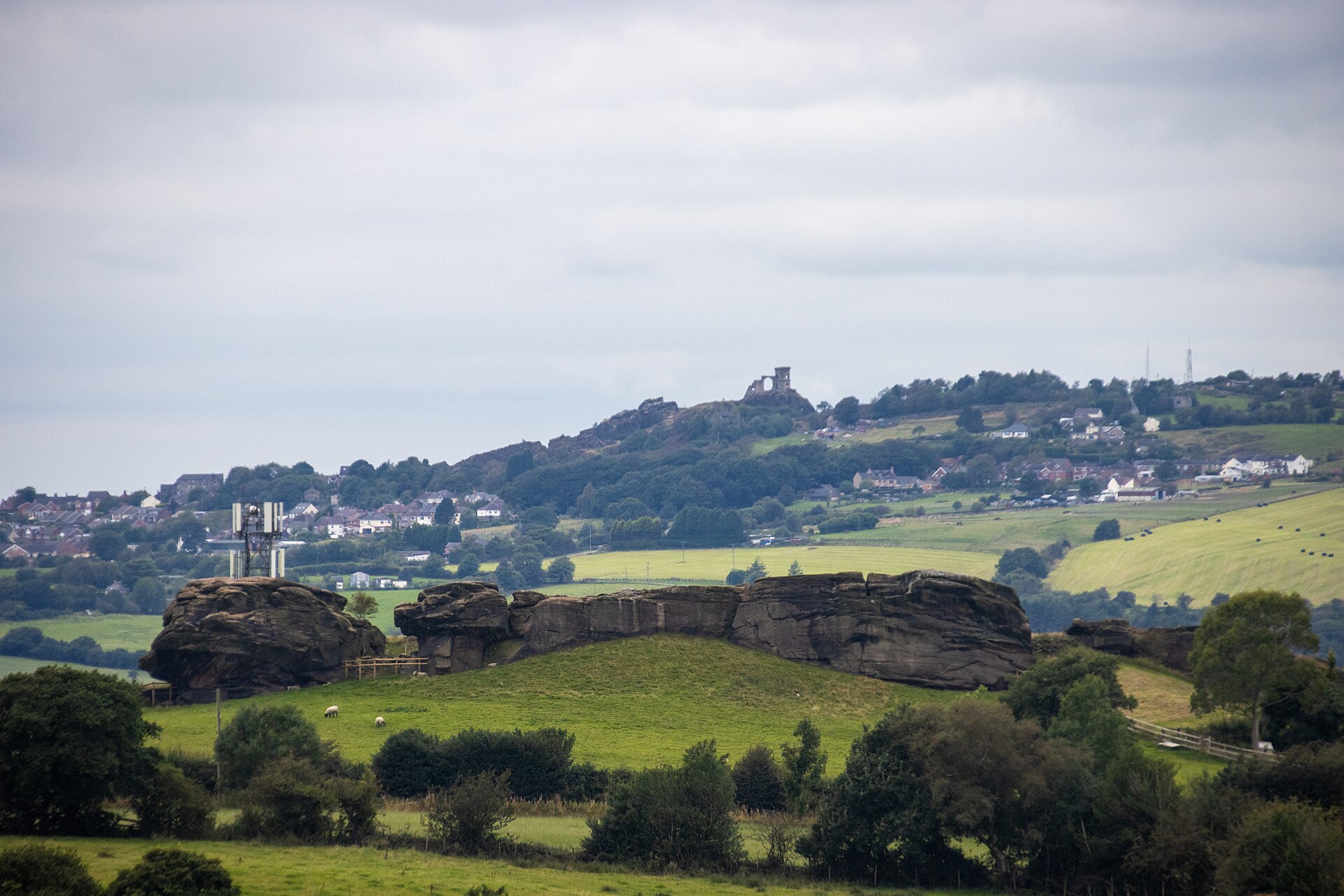
Mow Cop Castle is a 1754 mock ruin on a remarkable boundary ridge, layered with quarrying, Methodist and literary history.
Fortified place · Iron Age
Bedfordshire
A hillfort: a defended enclosure on high ground, ringed with banks and ditches: was later refounded as a moated medieval manor. Its earthworks are…
Fortified place · Medieval
Argyll and Bute
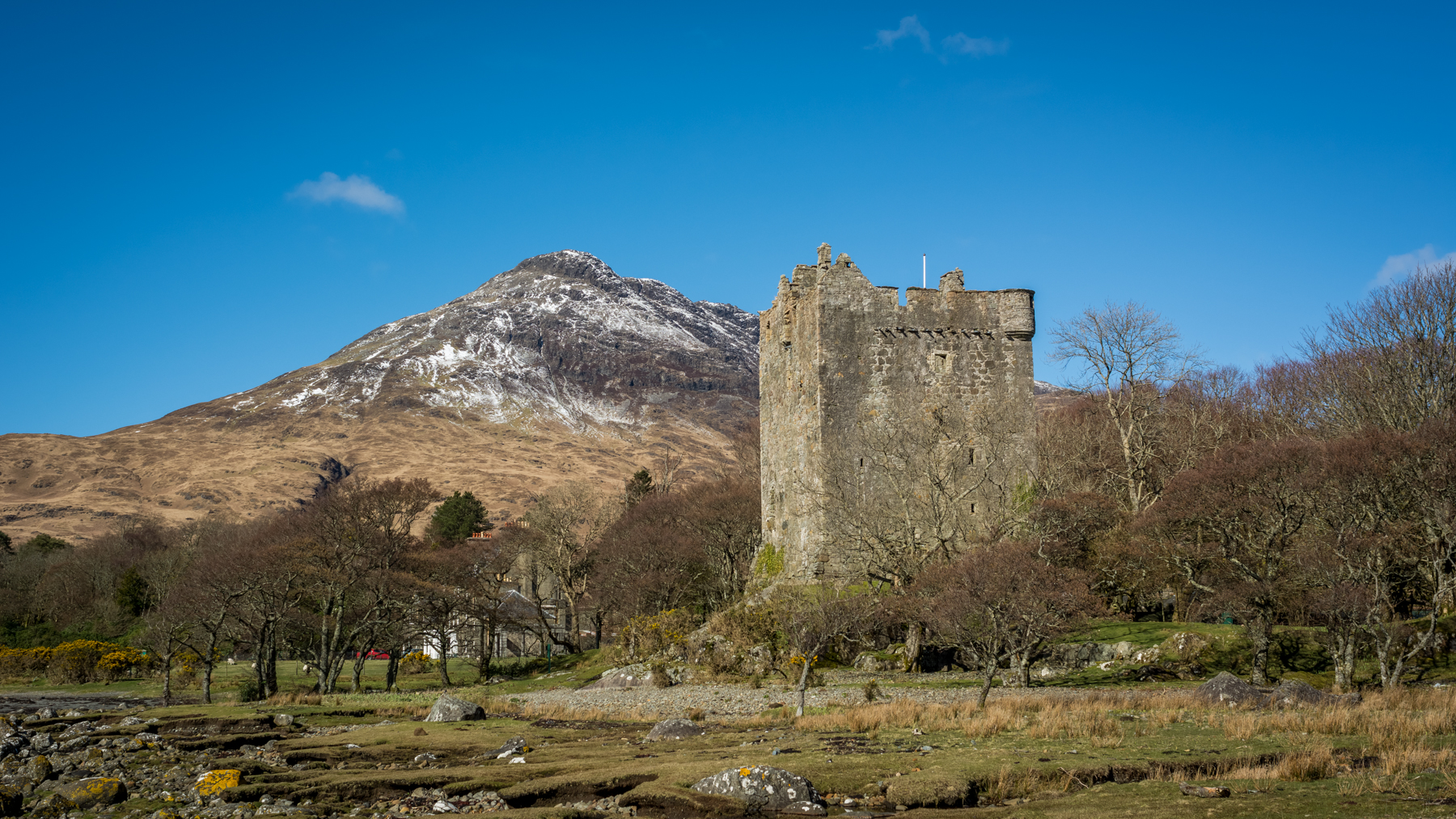
Its walls still stand almost to the parapet, with a working well surviving on the ground floor and a Powell and Pressburger film crew's footprints…
Fortified place · Medieval
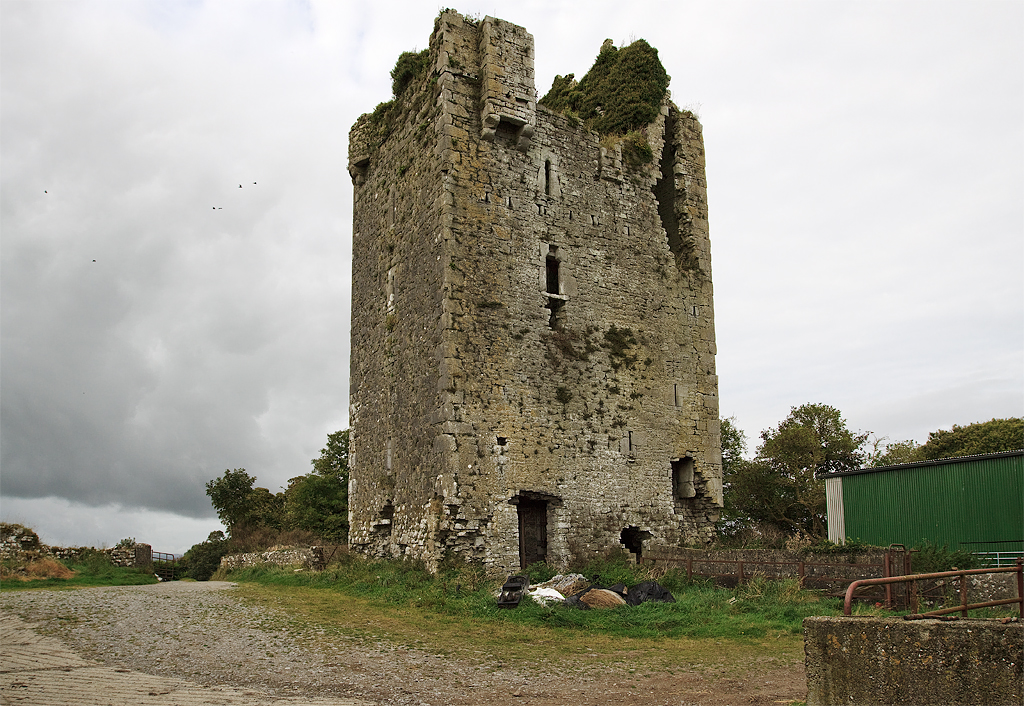
County Tipperary
A double murder-hole still guards the entrance passage: a rare doubled defence for a tower-house whose owners, the Cantwells, married into the Butl…
Sacred place · Medieval
County Mayo
One of Connacht's most complete Franciscan friaries, its cloister (the covered walkway round a monastery's central courtyard) arcade and traceried…
Fortified place · Medieval
Herefordshire
A near-vanished stronghold of the Mortimers survives only as earthworks: its very stones were carried off to rebuild the parish church beside it.
Sacred place · Medieval
Somerset
An abbey that paid its Domesday tax in six thousand eels a year: and whose thatched monks' lavatory is considered unique in Britain.
Sacred place · Medieval
County Kerry
In the central cloistered courtyard of Muckross Abbey stands a large yew tree, its trunk rising through an open square of arched walkways that loca…
Fortified place · Roman
Moray
A Roman marching camp of over 41 hectares, hidden until aerial photography found its ditches from the air in 1959: physical proof that Severus's le…
Tomb or burial place · Prehistoric
Cornwall
Mulfra Quoit is a Neolithic (the first farming period in Britain, roughly 4000–2500 BC) chamber tomb on Mulfra Hill whose slipped five-ton capstone…
Fortified place · Medieval
North Yorkshire
Three successive castles on one ridge trace nine centuries of the same family line, from a Norman baron's stronghold to a duchess's country mansion.
Tomb or burial place · Prehistoric
County Monaghan
A Neolithic hilltop cairn: a mound of piled stones, often covering a burial, from the first farming age roughly 4000–2500 BC: whose summit once com…
Fortified place · Roman
Falkirk
Mumrills was the largest Roman fort on the Antonine Wall, with excavated defences and a rich group of altars, funerary evidence and everyday finds…
Fortified place · Medieval
Cumbria
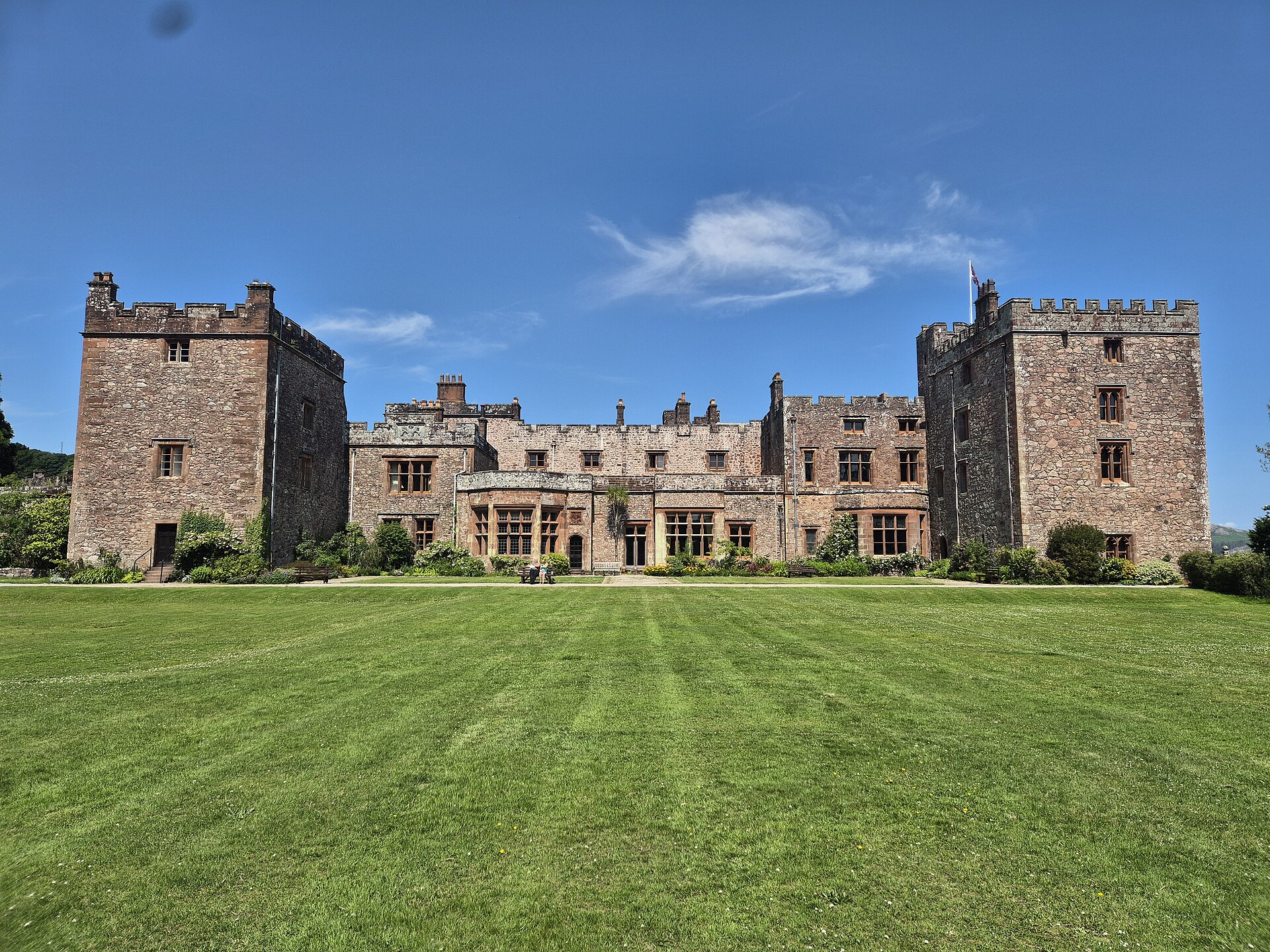
A Venetian glass bowl said to have been given by a fugitive king in 1464 is held to bind the Pennington family's fortunes to Muncaster for as long…
Fortified place · Medieval
Shetland Islands
The most northerly fortified house in the British Isles: burnt by privateers in 1627 after less than thirty years of use, and its top floor later b…
Sacred place · Medieval
County Limerick
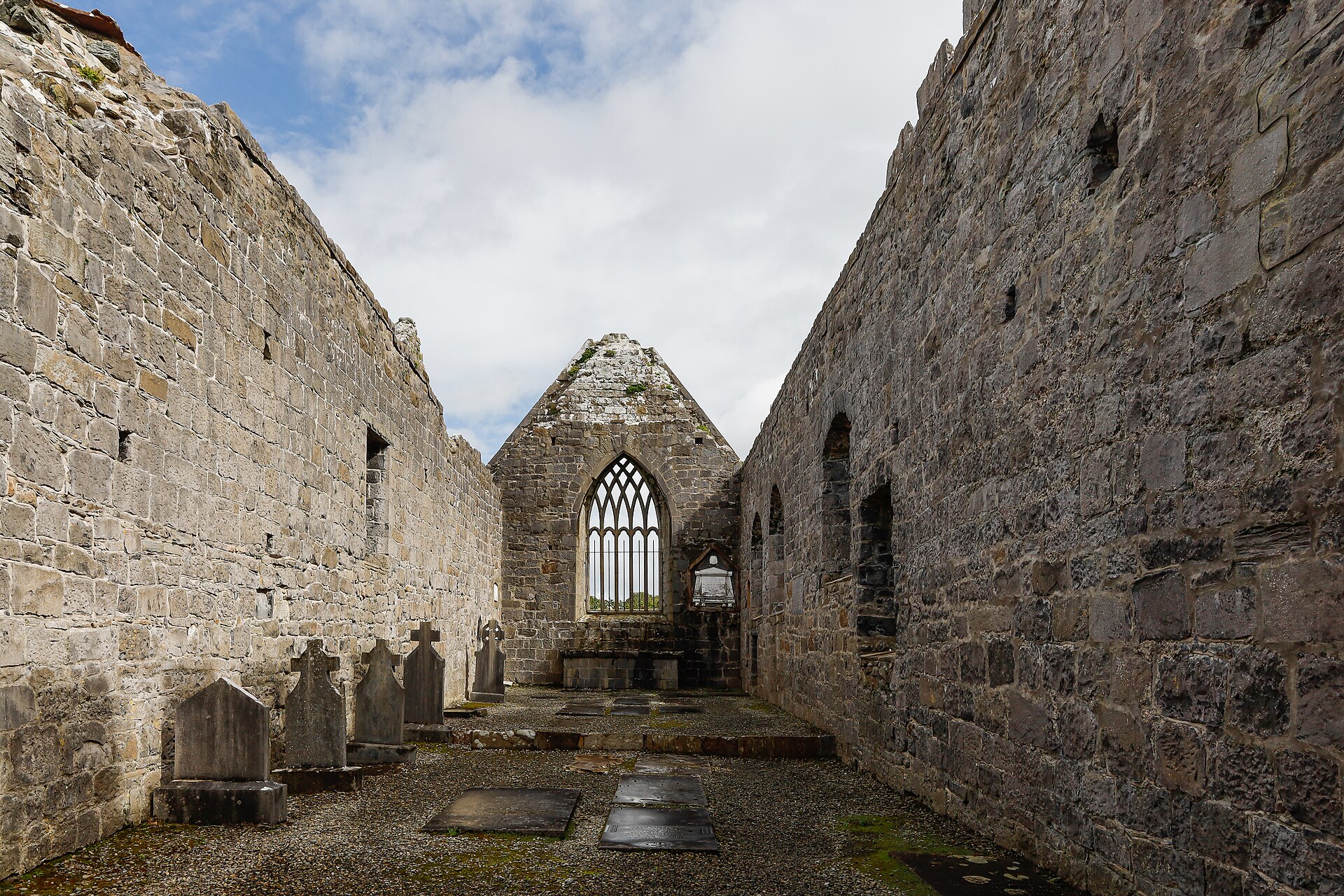
Three roofless medieval churches still stand together on one site, the rare physical trace of a monastery once reputed to hold six churches and 1,5…
Building or ruin · Roman
West Sussex
A protected archaeological site at Findon, with settlement from before and during Roman rule.
Sacred place · Medieval
County Mayo
Local tradition ties the ruins to a church founded by Saint Patrick himself, and the surviving 1457 grant names the family who turned that legend i…
Fortified place · Iron Age
Devon
Musbury Castle is a recorded hillfort, a hilltop site enclosed by ramparts of earth from the Iron Age, the centuries before the Roman conquest, abo…
Settlement · Prehistoric
Cambridgeshire
A Bronze Age village that burned, collapsed into a river and was sealed in oxygen-starved silt: preserving whole roof timbers, textiles and meals i…
Tomb or burial place · Prehistoric
Scottish Borders
A Neolithic long cairn named after a devil's mittenful of stones: and reduced to less than half its remembered height by shepherds building walls.
Fortified place · Iron Age
Pembrokeshire
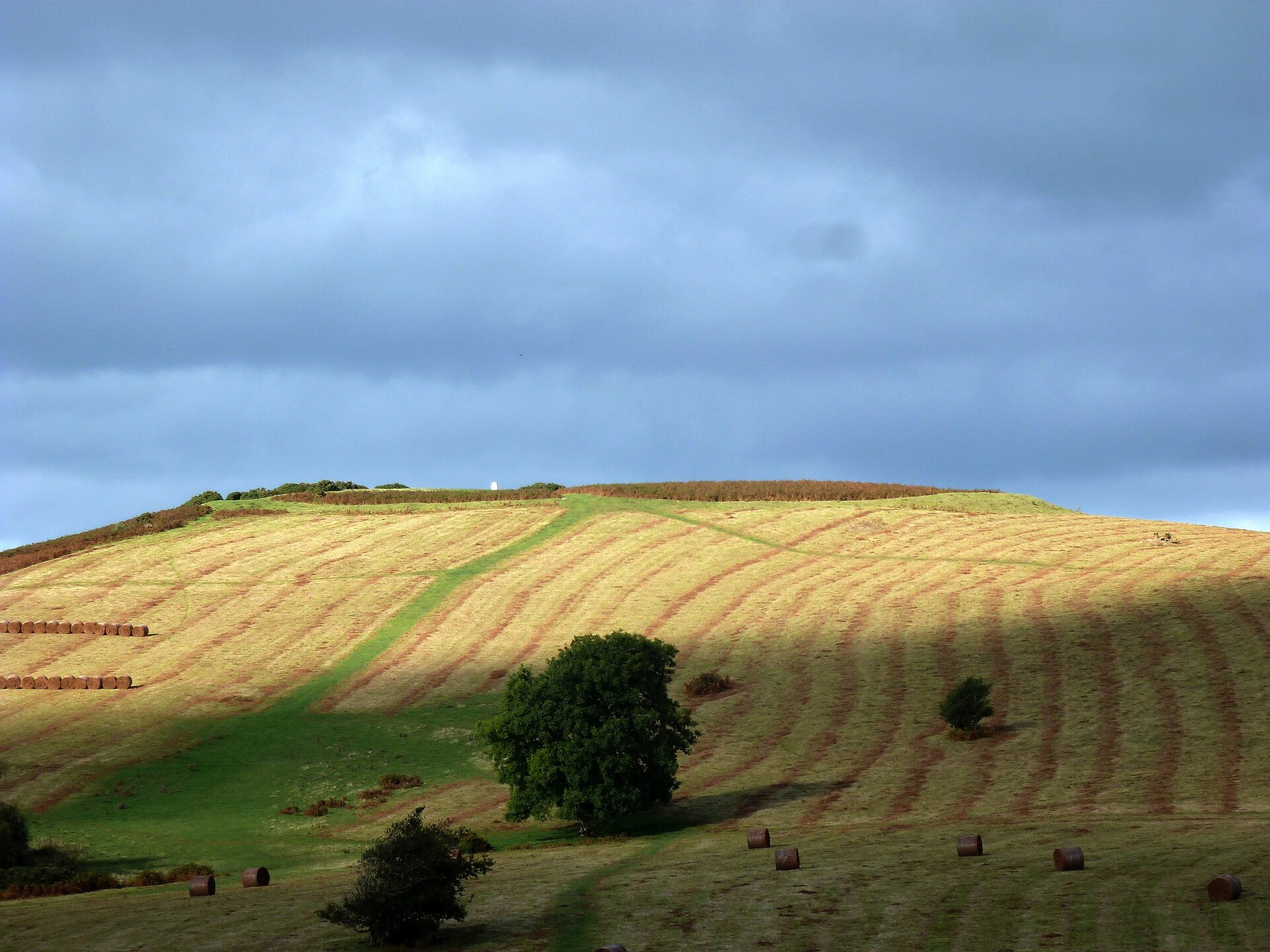
A 347-metre mountain in the Preselis above Newport, its summit carrying remains from before the written record.
Fortified place · Iron Age
Powys
A plateau carrying an Iron Age fort, a Roman road, Georgian rabbit warrens: and peat holding ten thousand years of climate history.
Fortified place · Medieval
Powys
A castle on a natural outcrop of igneous rock, identified with the Gwyddgrug of medieval documents and taken by a Welsh prince in 1263.
Fortified place · Medieval
Cheshire
Not a stone survives above ground, yet the castle's ghost still shapes Nantwich: the curve of the modern High Street is believed to trace its outer…
Fortified place · Medieval
Pembrokeshire
A ruined Norman fortress, a castle here recorded as attacked and destroyed by Gruffydd ap Rhys.
Building or ruin · Roman
Derbyshire
A gritstone altar and Centurial stone recovered from Navio identify the garrison’s religious practice and the officials who rebuilt the fort in 154…
Fortified place · Medieval
Cumbria
A working border stronghold whose Great Hall carries the largest fireplace of its kind in the north of England, later reshaped by the Pre-Raphaelit…
Sacred place · Medieval
Neath Port Talbot
Neath Abbey was once Wales’s largest abbey and a rare site where medieval monastic ruins were later engulfed by copper and iron industry, then unco…
Fortified place · Medieval
Neath Port Talbot
Neath Castle charts the transfer of a Norman lordship across the river, repeated conflict with Welsh and English opponents, and the survival of a m…
Building or ruin · Medieval
West Yorkshire
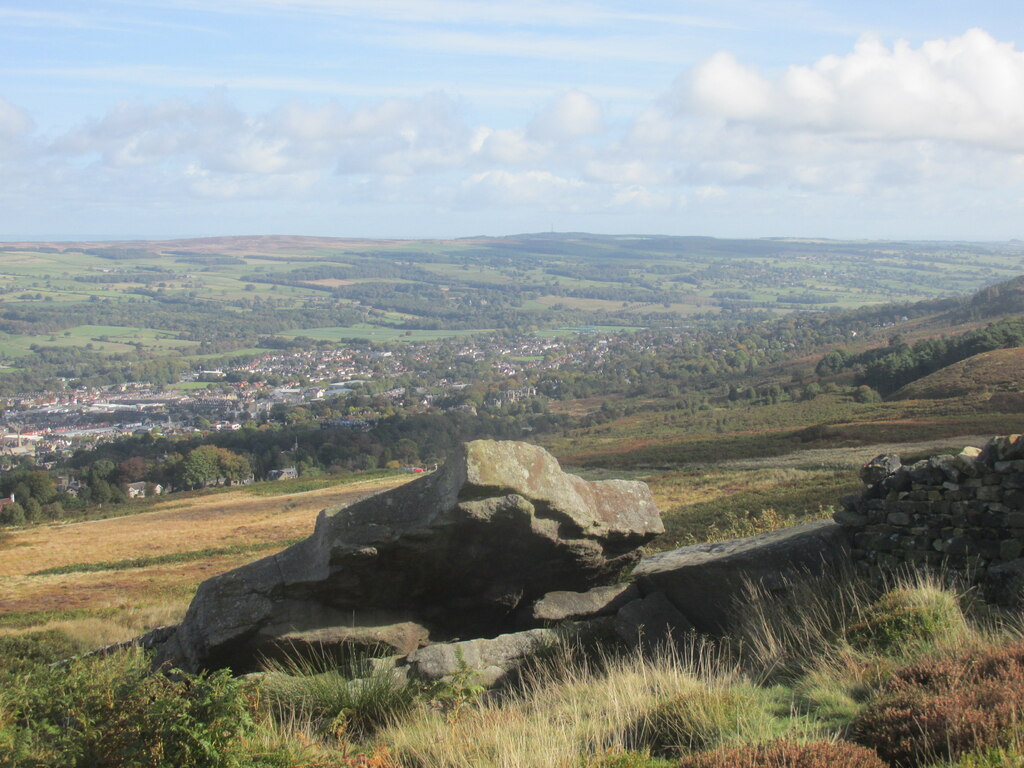
A rock shaped like the lid of a grand piano, a few hundred yards west of the Swastika Stone on the northern edge of Ilkley Moor.
Fortified place · Medieval
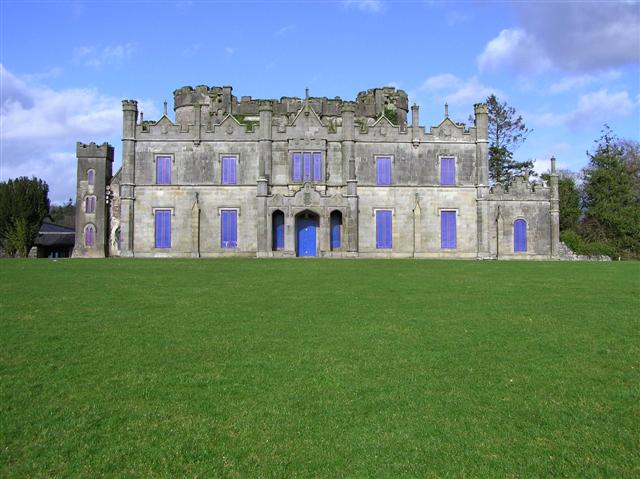
Fermanagh
Necarne traces the evolution of a seventeenth-century planter castle into a Victorian Gothic house and, most recently, a long-running public equine…
Fortified place · Medieval
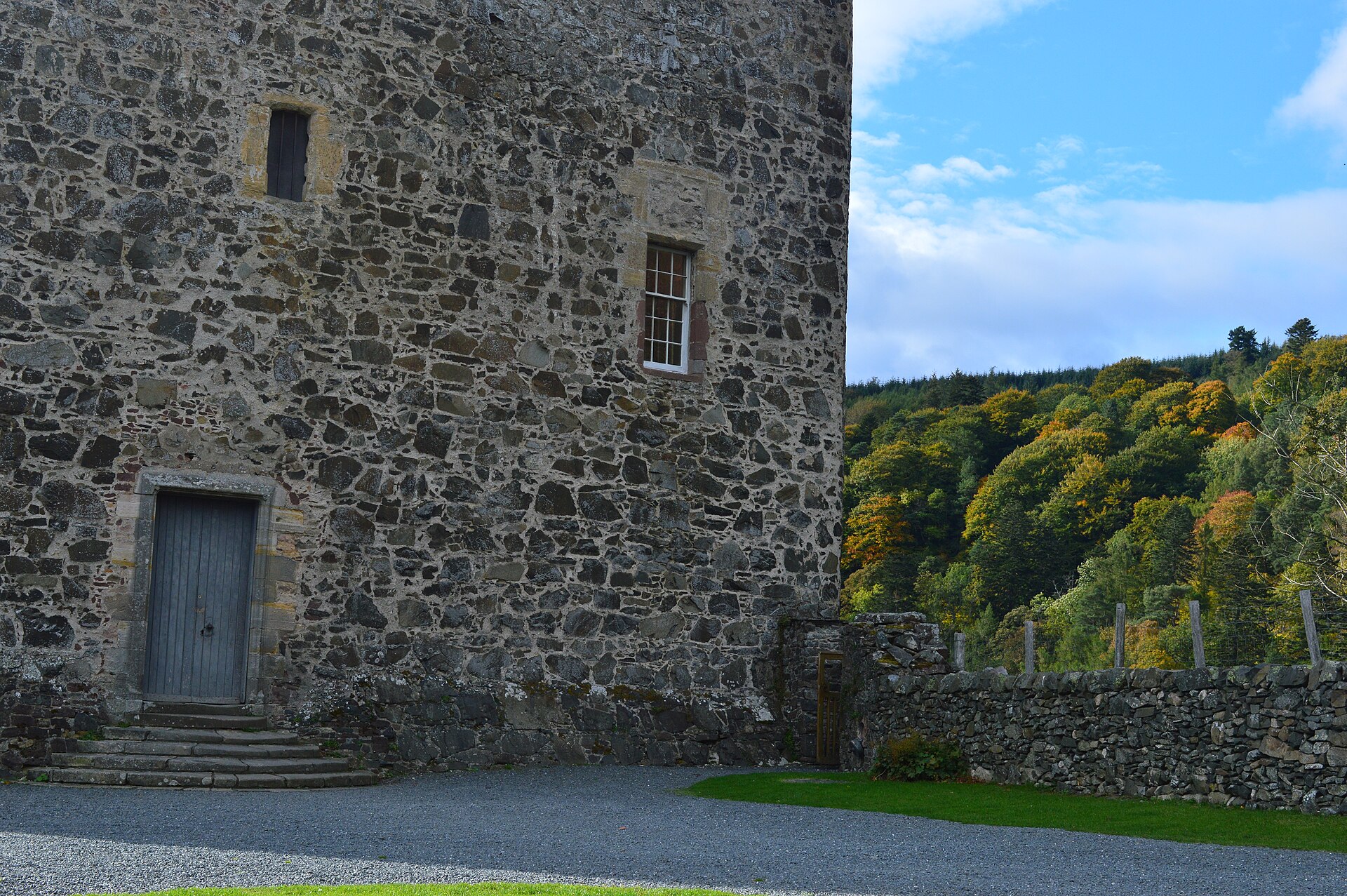
Scottish Borders
A single L-plan tower rebuilt almost nowhere else in its 750-year life, whose carved archway still names both families that shaped it: the Hays' go…
Building or ruin · Medieval
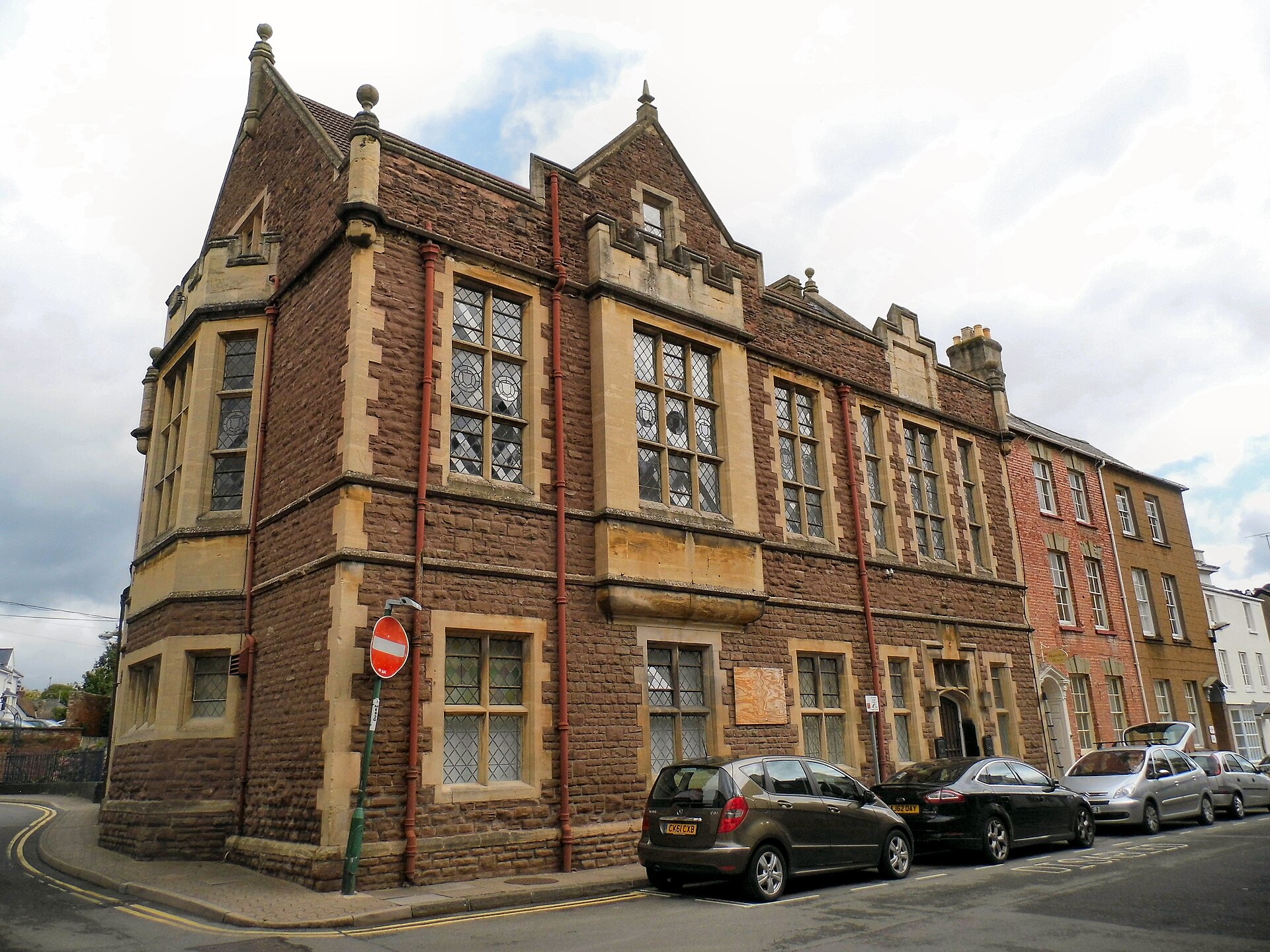
Monmouthshire
The Nelson Rooms records Lady Llangattock’s philanthropy in Monmouth: first a working-men’s gymnasium, then the home of her renowned Nelson collect…
Sacred place · Prehistoric
Orkney Islands
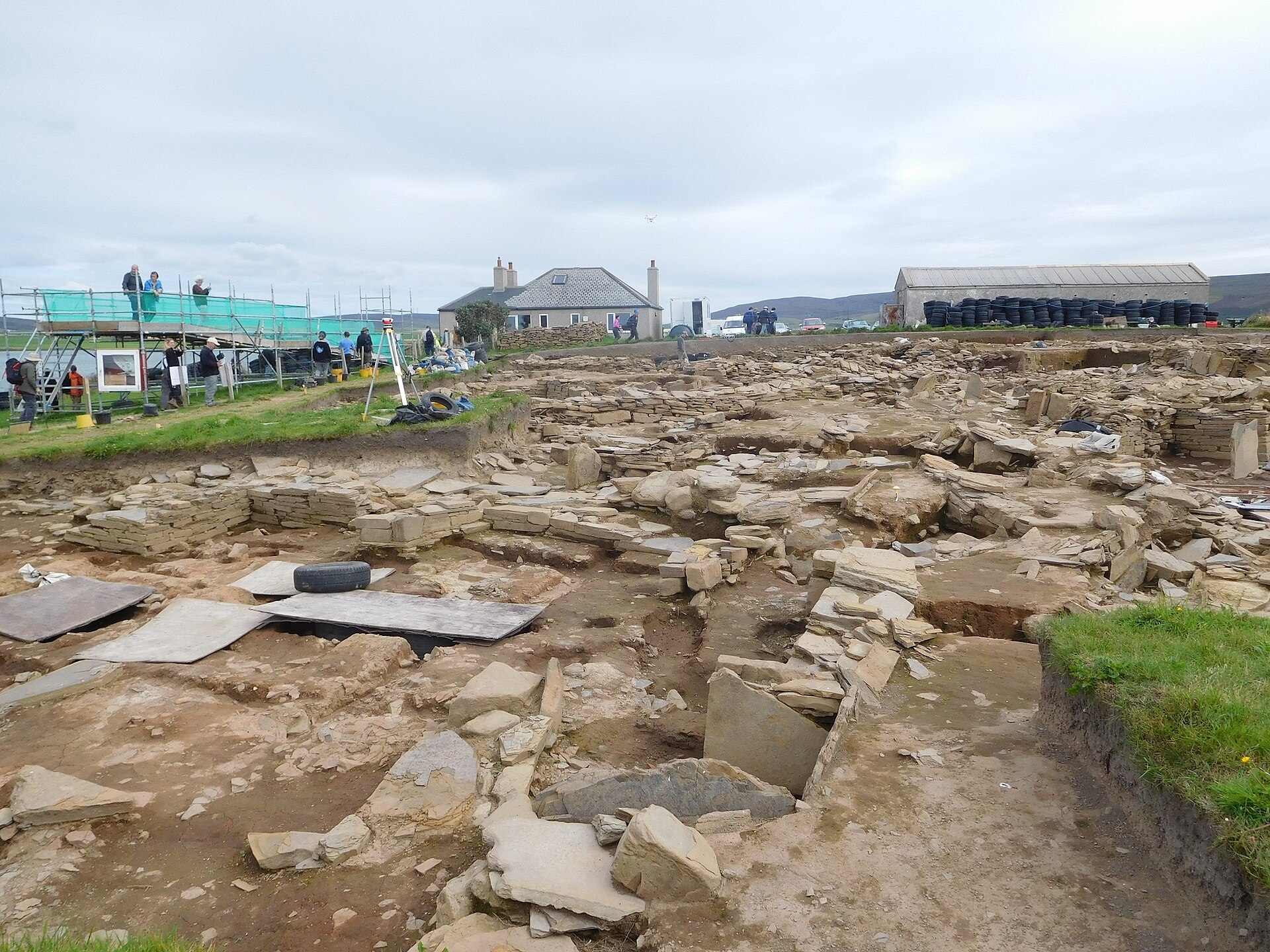
Ness of Brodgar preserves an archaeological site between the Ring of Brodgar and the Stones of Stenness.
Fortified place · Prehistoric
Shetland Islands
A narrow finger of land reaches south from Scat Ness into the sea at the southern extremity of Shetland Mainland, and near its end, on a rocky spur…
Building or ruin · Medieval
Essex
Nether Hall preserves a rare fifteenth-century Essex manorial complex, where a Grade I ruined gatehouse and listed farm buildings record the Colte…
Tomb or burial place · Prehistoric
Argyll and Bute
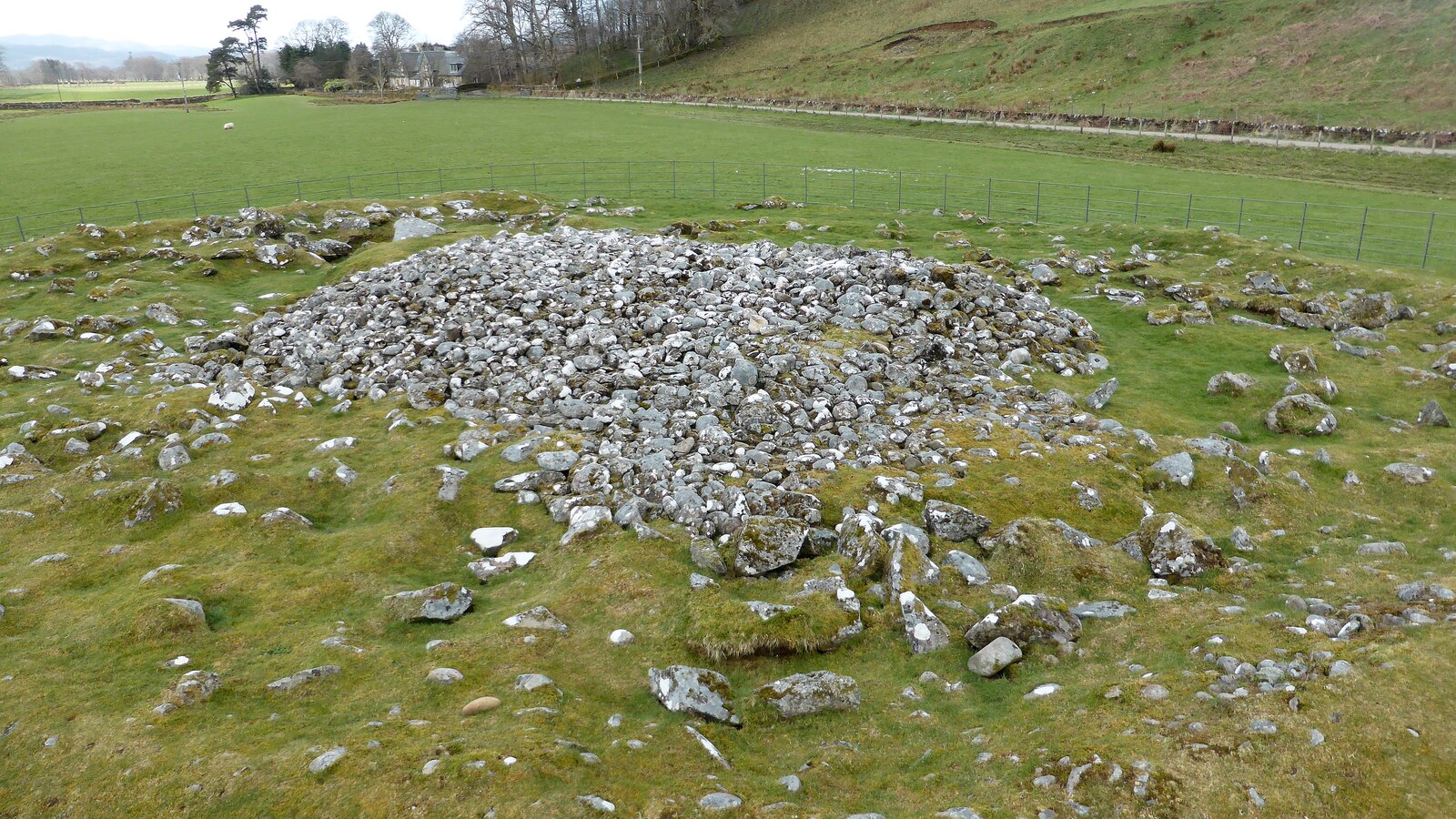
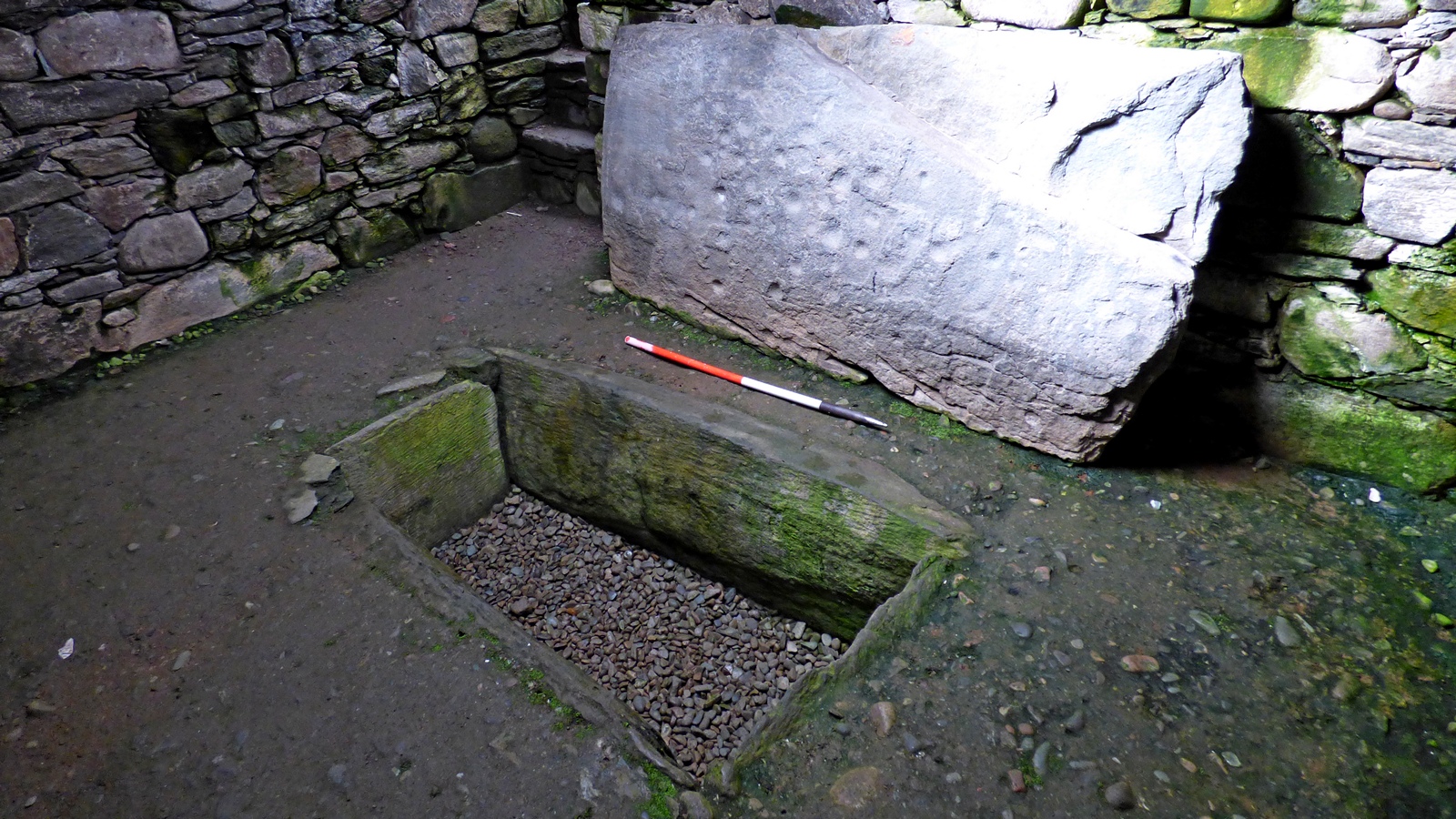
Two burial cists inside still carry carved cup marks and a rare axehead symbol, evidence that survived even after most of the cairn (a mound of pil…
Tomb or burial place · Prehistoric
Argyll and Bute
The mound standing here today is not undisturbed ancient masonry: it is a 1930 reconstruction, a fact that changes what a visitor is actually looki…
Sacred place · Medieval
Hampshire
A house that was never rich and never famous for scholarship still left behind the most complete Cistercian monastery standing in southern England,…
Fortified place · Iron Age
Somerset
An earthwork that might be Iron Age defence or a medieval park boundary: and the evidence supports both readings equally.
Sacred place · Medieval
Kent
New Romney Priory preserves the remains of a likely monastic grange linked to Pontigny Abbey in France, recording the impact of Anglo-French war on…
Fortified place · Medieval
Aberdeenshire
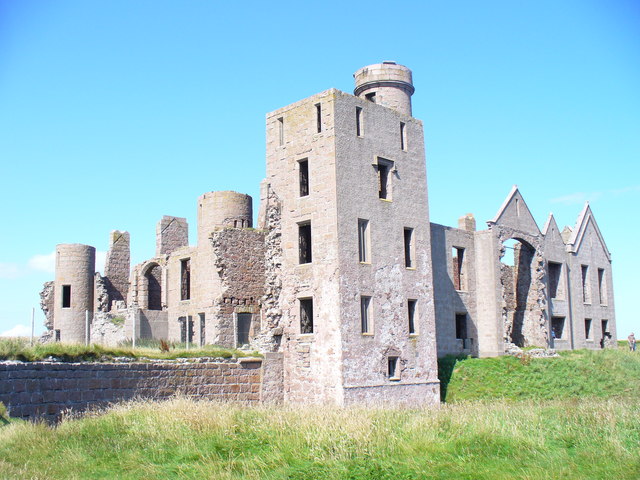
Seat of the Hay Earls of Erroll for over three centuries, its ruined halls hosted Jacobite plots, Samuel Johnson's uneasy night, and the octagonal…
Fortified place · Medieval
Nottinghamshire
Newark Castle controlled the River Trent and Fosse Way junction, a bishop’s stronghold whose Civil War slighting still shapes its riverside ruin.
Fortified place · Medieval
Inverclyde
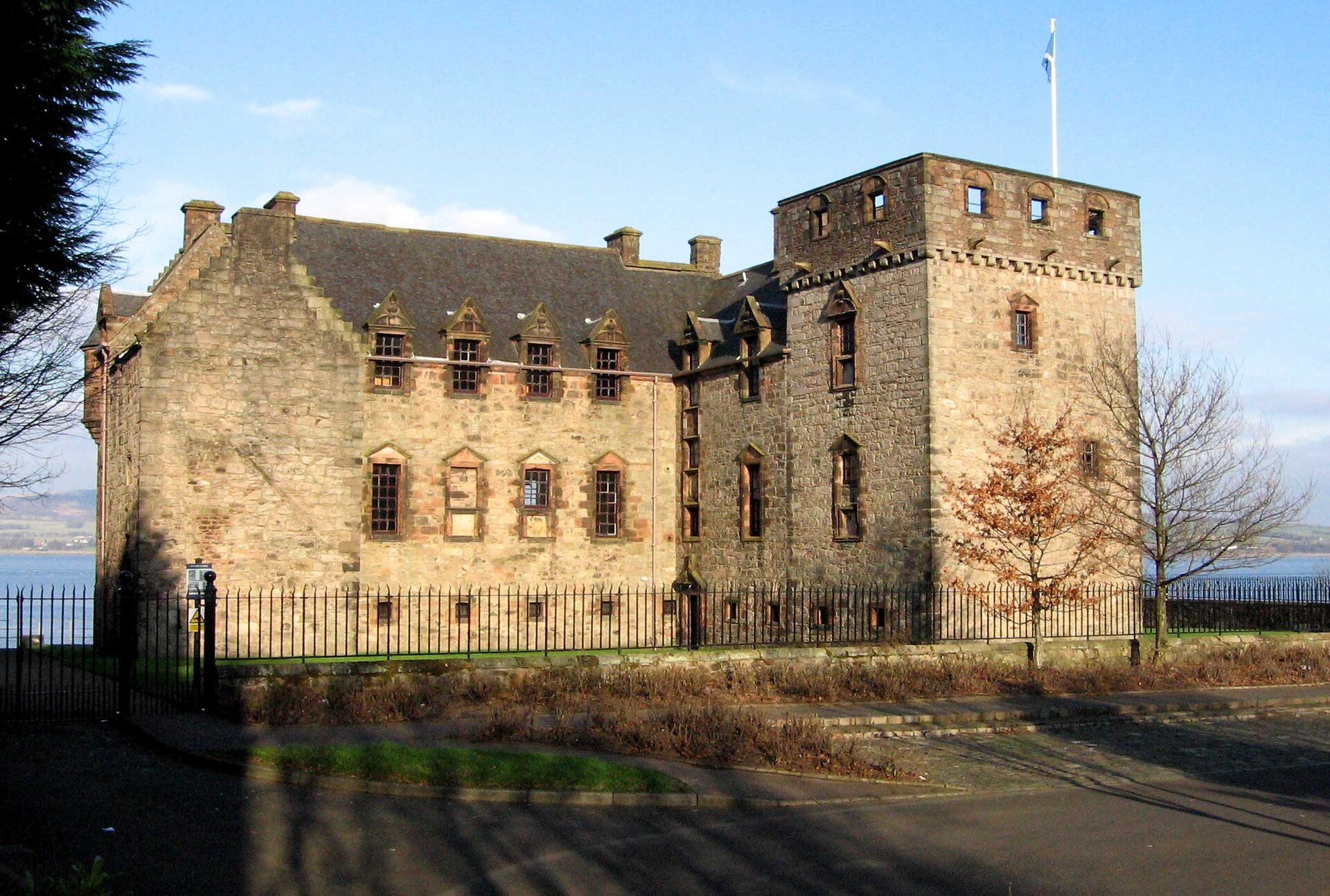
Newark exposes the transformation of a defensive Maxwell tower into a Renaissance mansion, then into the harbour-side landmark around which Port Gl…
Sacred place · Medieval
Nottinghamshire
Newark Friary preserves the town’s short-lived Observant Franciscan foundation, later absorbed into a changing commercial streetscape after Henry V…
Sacred place · Medieval
Surrey
A roofless Augustinian religious house stands on its own island in the River Wey. Its rents once ran from London to Winchester before its closure i…
Sacred place · Medieval
Midlothian
Newbattle Abbey links Cistercian settlement, early Scottish coal extraction, repeated Anglo-Scottish conflict, Reformation (the break with Rome tha…
Sacred place · Medieval
Lincolnshire
Its founder was the ringleader behind one of medieval England's deadliest anti-Jewish massacres: a stain on the abbey (a monastic house under the r…
Sacred place · Medieval
North Yorkshire
Newburgh Priory connects a twelfth-century Augustinian foundation to Tudor conversion, Fauconberg and Wombwell family history, and a long-lived est…
Fortified place · Medieval
Berkshire
The castle stamped proudly on Newbury's coat of arms never stood in the town at all: its true remains are three earthen mottes hidden four miles aw…
Fortified place · Medieval
Bridgend
Within little more than a century its ownership passed from Norman knights to a Welsh rebel leader to a king's own wife: a small hilltop stronghold…
Fortified place · Medieval
Carmarthenshire
One of the few stone castles in west Wales raised by a Welsh lord rather than an English one, and the place where a prince's revolt against the cro…
Fortified place · Medieval
Tyne and Wear
A medieval defensive wall raised in the thirteenth and fourteenth centuries to protect the town from attack.
Fortified place · Medieval
Staffordshire
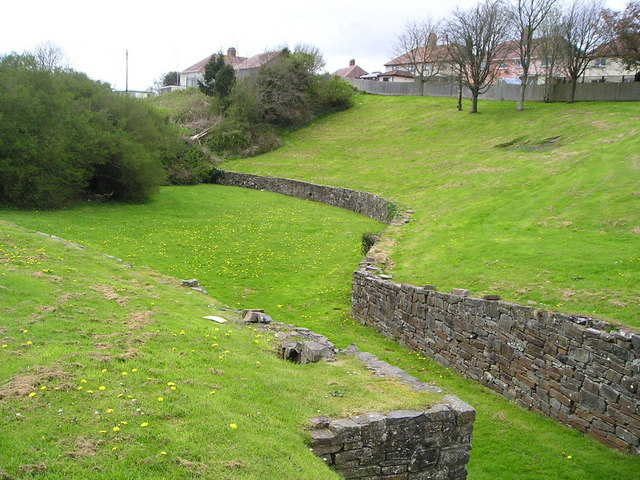
A cholera inspection in the nineteenth century found the castle moat full of sewage. It was drained, and an iron foundry cut back the mound.
Sacred place · Medieval
Devon
Newenham Abbey was a Cistercian house at Axminster whose foundation, Black Death losses, Dissolution (Henry VIII's closure of the monasteries in th…
Tomb or burial place · Prehistoric
County Meath
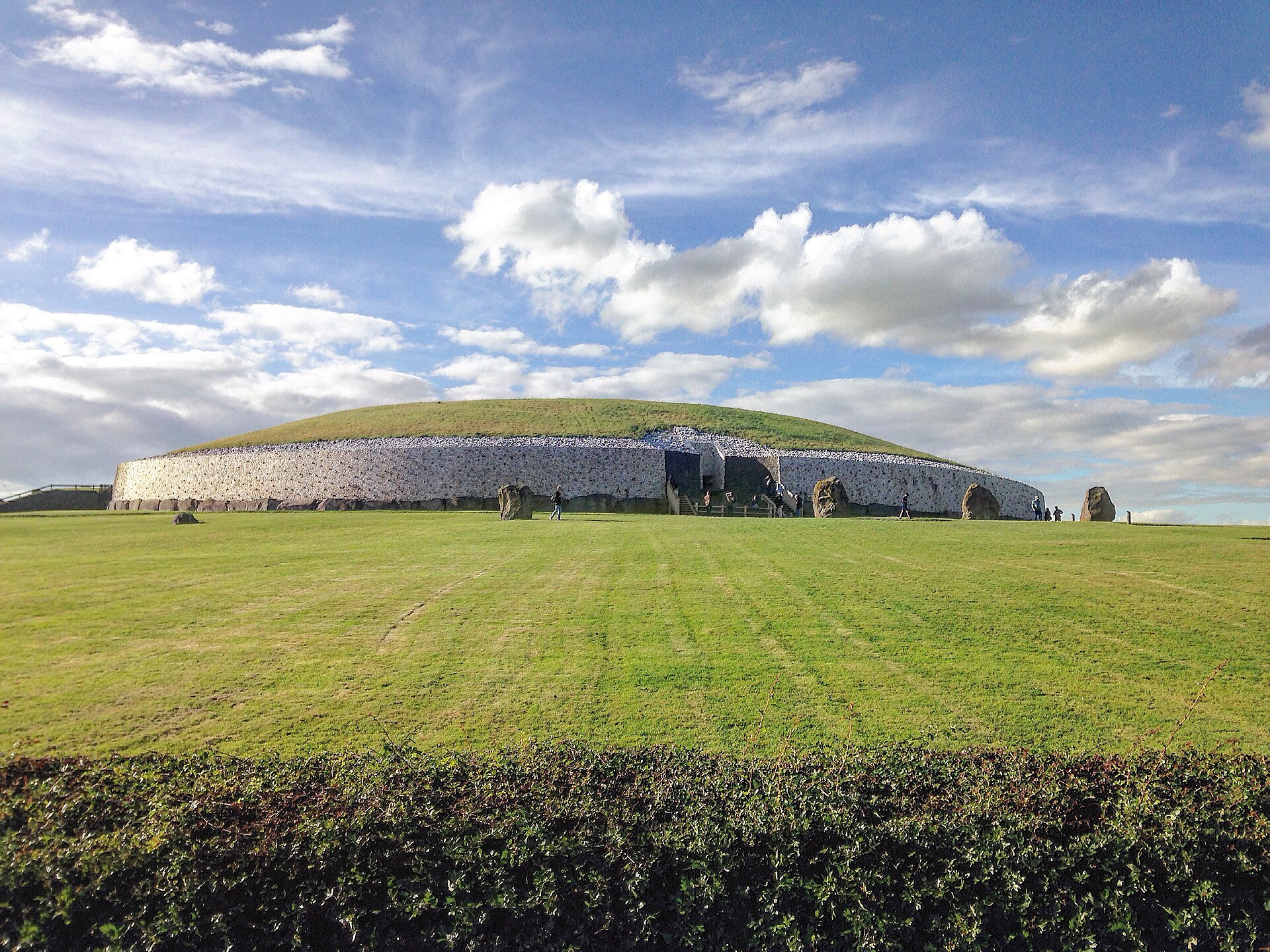
Raised five hundred years before Stonehenge took its familiar form, its inner chamber still catches the exact solstice sunrise its Neolithic (the f…
Briefer entries: recorded and worth knowing, with fuller pages to come.
Building or ruin · Roman
Carmarthenshire
East of the old town of Carmarthen stand the earthwork (earth moved and shaped into banks and ditches rather than built up in stone) remains of a R…
Sacred place · Prehistoric
North Ayrshire
Moss Farm Road preserves a damaged Bronze Age: the period from about 2500 to 800 BC: stone-mound-and-circle monument within Arran’s wider Machrie M…
Sacred place · Medieval
County Waterford
Mount Melleray was Ireland's leading modern Trappist foundation: a refuge born from revolution that founded communities across the English-speaking…
Fortified place · Prehistoric
County Londonderry
Mount Sandel Fort places an Iron Age (the centuries before Rome arrived, from about 800 BC) stronghold and John de Courcy’s medieval residence besi…
Settlement · Prehistoric
County Londonderry
Mount Sandel is one of Ireland’s oldest archaeological sites and preserves the country’s only confirmed Mesolithic (the middle Stone Age, roughly 9…
Fortified place · Medieval
County Tyrone
Mountjoy Castle is a protected Tyrone fortification overlooking Lough Neagh, remembered for its capture during the Irish Rebellion of 1641.
Sacred place · Medieval
Down
Movilla connects early Irish scholarship, Viking disruption and Augustinian renewal: its late-medieval ruins mark a monastery once taught by St Fin…
Sacred place · Prehistoric
County Antrim
Moyadam joins a medievally attested place-name, Maigh Doinn or “Donn’s plain”, with a surviving standing stone from before written records reached…
Fortified place · Medieval
County Armagh
Moyry Castle is a compact 1601 pass fort built during the Nine Years’ War, preserving a strategic route through the Gap of the North.
Building or ruin · Pictish & early medieval
Essex
Mucking is Britain’s largest excavation, exposing 3,000 years of settlement and one of the earliest, most extensive Anglo-Saxon communities and cem…
Fortified place · Medieval
County Tyrone
Muntober pairs a substantial Tyrone townland with the protected Black Fort rath (an early-medieval Irish farmstead ringed by an earth bank) and a r…
Fortified place · Iron Age
Devon
Myrtlebury preserves an Iron Age (roughly 800 BC until the Roman conquest) hillside enclosure above the East Lyn valley, making prehistoric (before…
Fortified place · Medieval
County Down
Narrow Water Castle preserves a sixteenth-century tower house at the mouth of the Newry River, built on the site of a Norman keep.
Sacred place · Iron Age
Armagh
Navan Fort is one of Ireland's great prehistoric (from the era before writing arrived in these islands) ceremonial monuments, where a huge Iron Age…
Building or ruin · Pictish & early medieval
County Down
Nendrum’s tide-mill remains are the earliest excavated of their kind, showing early medieval (roughly AD 400–1100, between the Romans and the Norma…
Sacred place · Medieval
Hampshire
Winchester’s New Minster was a royal Benedictine abbey (a monastery headed by an abbot) and pilgrimage centre that safeguarded the burials and reli…
Fortified place · Iron Age
Devon
Newberry Castle turns a misleading name into a lesson: low earthworks rather than masonry preserve an unexcavated enclosure from the centuries befo…
Crossing or structure · Medieval
Kent
Newenden Bridge is a largely intact 1706 Kent–Sussex joint project whose sandstone arches and original timbers preserve an early-modern River Rothe…
Tomb or burial place · Prehistoric
County Meath
A short banked monument from the later Stone Age east of Newgrange preserves the ordered movement of ceremony: two banks framing a route towards th…
No places match those filters.
Kinds of place
Ages












.jpg?width=800)



_(6378219687).jpg?width=800)








_-_geograph.org.uk_-_37167.jpg?width=800)