
Newark exposes the transformation of a defensive Maxwell tower into a Renaissance mansion, then into the harbour-side landmark around which Port Glasgow grew.
One corner tower is all that survives of the barmkin, the walled courtyard that enclosed a Scottish tower house, at Newark Castle. It stands because Sir Patrick Maxwell converted it into a doocot — a dovecote, kept for the pigeons that carried a household through the winter — in 1597, when he pulled the rest of the wall down. In its place he put up a three-storey Renaissance mansion with crow-stepped gables and corbelled turrets at its northern corners, grafted onto the tower house George Maxwell had built in 1478. The whole stands on the south shore of the Clyde estuary at Port Glasgow, where the firth narrows and shifting sandbanks made the passage upriver hard enough that seagoing ships unloaded here for centuries. Dredging eventually opened the river to Glasgow, the town turned to shipbuilding, and the castle spent the next century and a half enclosed by yards.
What follows is drawn from published sources, with each claim labelled by how firmly it is established.
History
George Maxwell built the castle in 1478, on inheriting the Barony of Finlanstone — Finlaystone — in the parish of Kilmacolm. What he raised was a tower house standing inside a barmkin, the walled courtyard that enclosed a Scottish tower and its outbuildings, entered through a large gatehouse. A hall is thought to have stood within the enclosure along with service buildings such as a bakehouse and a brewhouse. Of the outer defensive wall, only fabric from one of the original corner towers survives.
Late in the sixteenth century the castle came to Sir Patrick Maxwell, a powerful friend of James VI who was notorious in his own day for the murder of two members of a rival family and for beating his wife, who left him after bearing sixteen children; he was also in feud with a neighbour, Robert Montgomerie of Skelmorlie. In 1597 Sir Patrick rebuilt on a larger scale, replacing the old hall with a three-storey Renaissance mansion as a new north range. The barmkin wall came down at the same time, all but the north-east tower, which was kept and converted into a doocot — a dovecote, for the pigeons that supplied a household with winter meat.
The mansion's central block sets cellars with small windows beneath a main hall lit by large ones, with further accommodation above. An east wing carrying the principal entrance door links the block to the old tower house, itself adapted to suit, and a short west wing runs to the gatehouse. The detailing is Scottish baronial: crow-stepped gables, and corbelled turrets at the northern corners. At the middle of the north wall a stair turret is carried out on corbels to reach the upper floor.
In 1668 the Glasgow authorities bought eighteen acres, about seven hectares, of the land around the castle from the then laird, Sir George Maxwell, and developed the harbour there into what they named Port Glasgow. The last Maxwell died in 1694, after which the castle passed through a series of owners who did not live in it. One early tenant was a ropemaker, John Gray, who also traded in wild animals — big cats and bears taken off ships visiting the Clyde — and frequently kept them in the castle cellars. Later the cellars and gardens were rented by Charles Williamson, who blocked the way through from the hall to stop the joiner John Gardner, who had the hall, helping himself to the fruit stored below. John Smith recorded in 1895 that the stump of the dule tree, the tree on which a barony's justice was carried out, was still being carefully preserved in the grounds.
The site was chosen for the water. Here the firth narrows from the Firth of Clyde and shifting sandbanks make the passage upriver difficult, so for centuries seagoing ships were unloaded at this point, and Port Glasgow grew up around the castle on either side and to the south. Once dredging opened the Clyde to Glasgow itself the port turned to shipbuilding and the castle ended up ringed by yards. Ferguson Shipbuilders, the last yard on the lower Clyde, still stands immediately west of it; the yards to the east were cleared around the 1980s and the ground landscaped, opening views of the castle and across the Clyde from a new bypass road. Newark Castle came into state care in 1909 and is now a property of Historic Environment Scotland.
People
-
George Maxwell
Built the original tower house and walled barmkin in 1478 after inheriting the Barony of Finlanstone.
-
Sir Patrick Maxwell
Rebuilt the castle as a three-storey Renaissance mansion in 1597, converting one surviving barmkin tower into a doocot.
Cultural influences
-
Scottish Renaissance and baronial design
Sir Patrick Maxwell’s sixteenth-century mansion combines Renaissance planning with crow-stepped gables, corbelled turrets and the earlier Scottish tower-house core.
Connections
-
Port Glasgow
Glasgow's authorities bought eighteen acres around the castle in 1668 and developed the harbour there into the burgh of Port Glasgow.
-
Skelmorlie Castle
Sir Patrick Maxwell was in feud with his neighbour Robert Montgomerie of Skelmorlie while rebuilding Newark in the 1590s.
What to look for
-
The medieval tower-house core
The fifteenth-century tower survives within the later complex, preserving the earliest fabric of the castle.
-
The 1597 north range
Sir Patrick Maxwell’s three-storey Renaissance mansion replaced the medieval hall and reshaped the castle’s northern side.
-
The converted barmkin tower
The surviving north-east corner tower of the old courtyard wall was turned into a doocot after the barmkin was demolished.
-
Clyde-facing setting
The castle stands where the Clyde narrows, a location that made it the landing point for seagoing ships before dredging opened the river to Glasgow.
Plan your visit
- Location
- 55.9346°N · 4.6779°W
- Nearest settlement
- Port Glasgow
- Access
- Paid entry — managed visitor site
- Terrain
- Easy going
- Time needed
- About 90 minutes
- Best time
- During Historic Environment Scotland opening hours, allowing time for the castle and Clyde-side setting.
- What survives
- The castle retains its fifteenth-century tower, sixteenth-century mansion ranges and a surviving barmkin corner tower despite later industrial development around it.
- Facilities
- Historic Scotland lists a large level tarmac car park, shop, toilets, water-bottle refill, and step-free access to the visitor centre, shop and castle ground floor.
Opening & admission
Paid entry: advance online booking is available, with adult tickets listed at £7.50 online or £8.50 on site; Historic Scotland members enter free.
- Open Tuesday to Saturday, 10am–4.30pm, from 1 April to 30 September; closed Monday and Sunday, and closed from 1 October to 31 March.
- Last entry is 30 minutes before closing, with a midday closure from noon to 1pm.
- The castle is off the Newark roundabout on Greenock Road (A8), about 0.5 miles from Port Glasgow station.
Nearby places
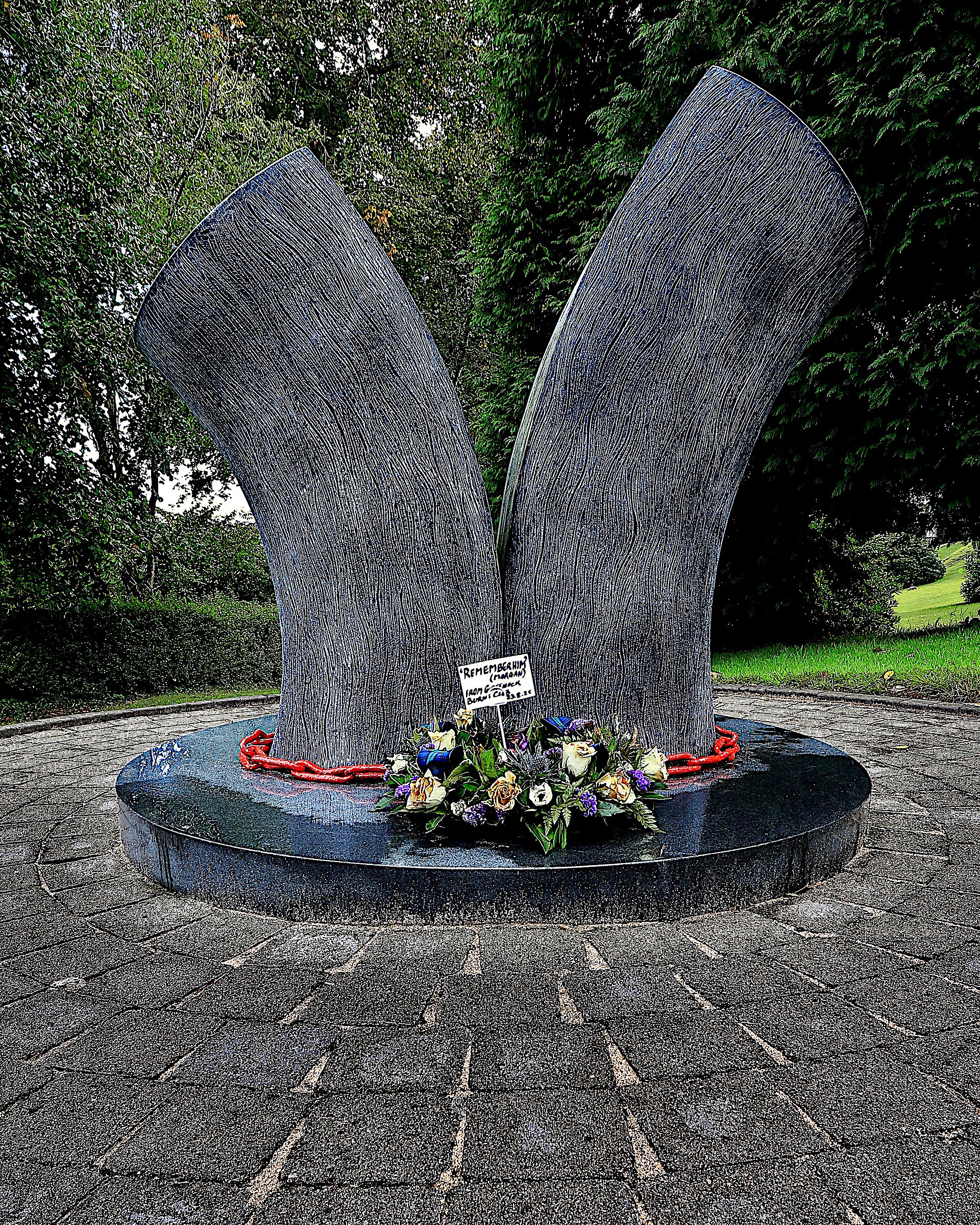
Ancient tree · Medieval
Wallace Oak (Port Glasgow)
Inverclyde
Although the Wallace story cannot be confirmed, the lost oak’s storm-felled remains and memorial show how a local legend became durable civic memory.
- Near Inverclyde
Fortified place · Medieval
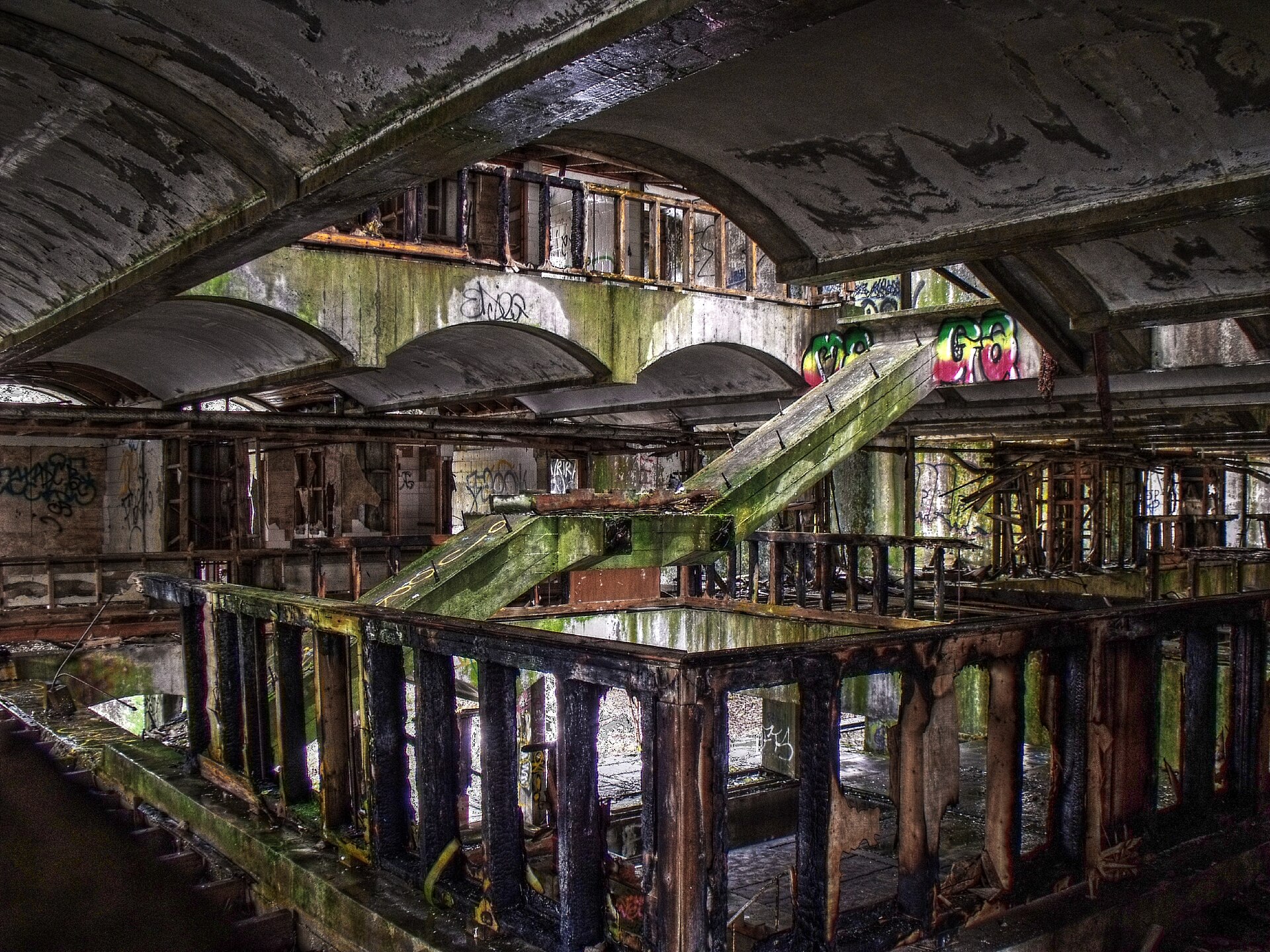
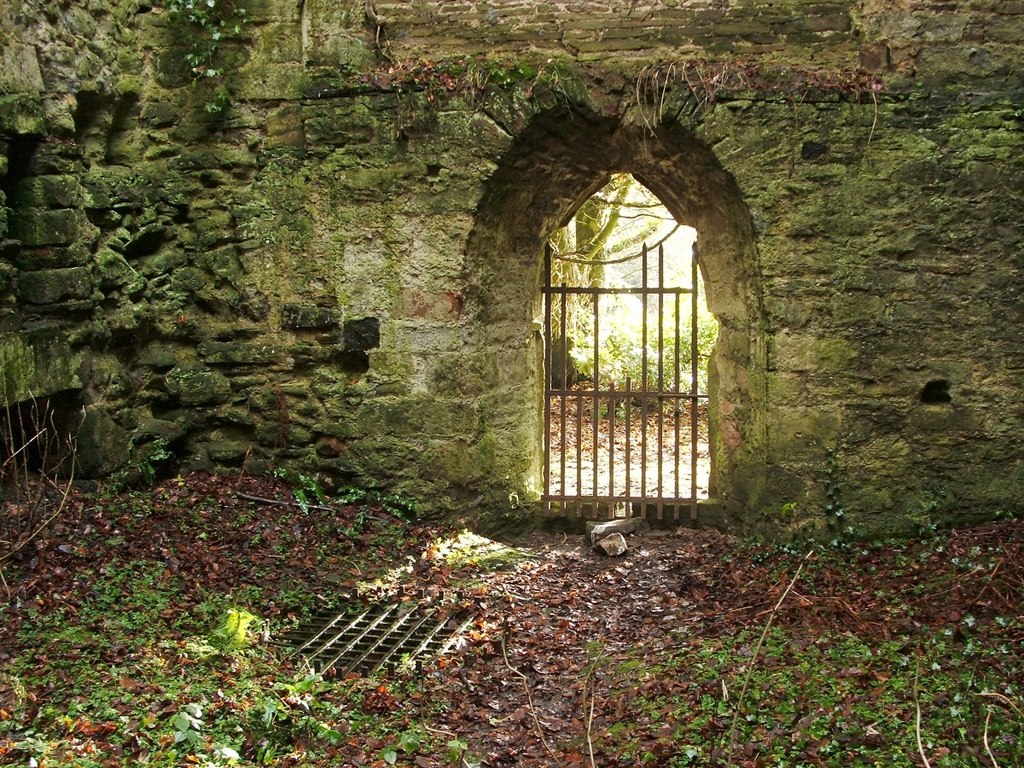
Kilmahew Castle
Argyll and Bute
A roofless tower house north of Cardross that gave its name to eighteen generations of Napiers, among them the shipbuilding dynasty that built the…
- Near Cardross
- Some walking
Fortified place · Iron Age
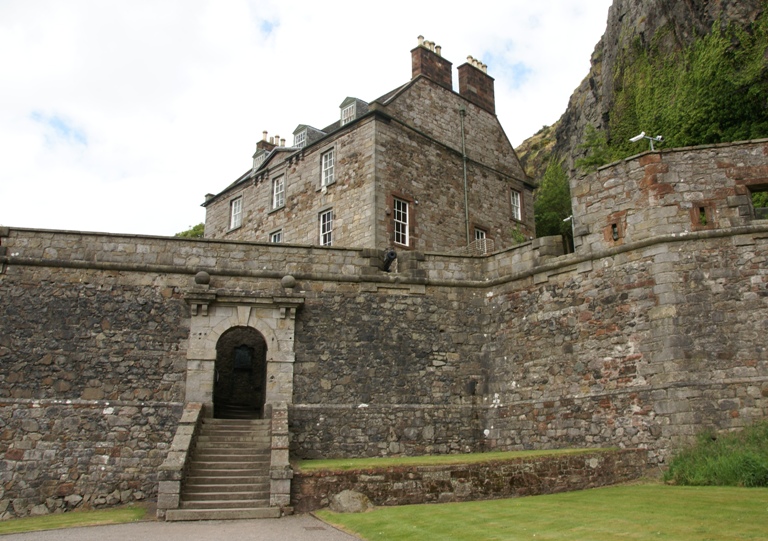
Dumbarton Castle and Dumbarton Rock
West Dunbartonshire
The longest recorded history of any stronghold in Scotland: capital of Strathclyde, taken by Vikings in 871 after its water failed.
- Near Dumbarton
- Some walking
Questions people ask
- Why is Newark Castle, Port Glasgow significant?
- Newark carries a tower house of 1478 and a Renaissance range of 1597 on one site, and the harbour Glasgow developed beside it in 1668 became the burgh of Port Glasgow.
- What should a reader focus on?
- The single surviving corner tower of the barmkin, kept on as a dovecote, the crow-stepped gables and corbelled turrets of the north range, and the stair turret carried out on corbels.
- How certain is the interpretation?
- The building dates and the descent of ownership are documented. Sir Patrick Maxwell's reputation for violence rests on contemporary report rather than on any record of trial.
Sources
The Ancient Codex, in your pocket
Get the Pocket Codex app
Carry the directory with you — Newark Castle, Port Glasgow and thousands of ancient places across Britain and Ireland, offline, wherever you roam.