First questions
What this is
The short answers, for a reader arriving cold.
What is The Ancient Codex?
A guide to ancient and deep-time places worth visiting, what they are, why they matter, and how to reach them with care. Where a heritage database records that a place exists, the Codex is written to help decide whether to go, and what to look for once there. There is more on the thinking behind it in about the Codex.
Which places are in it, and which are not?
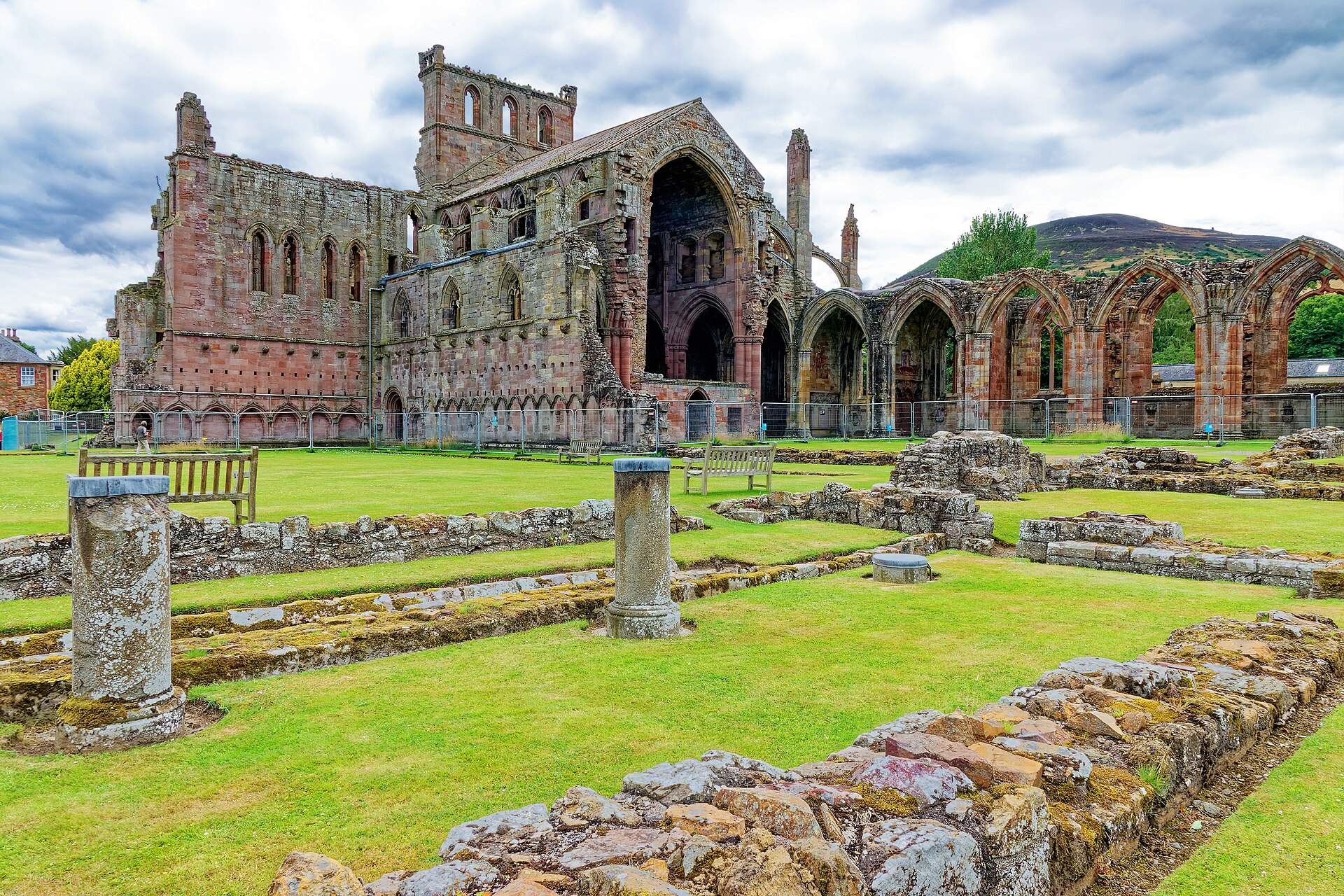
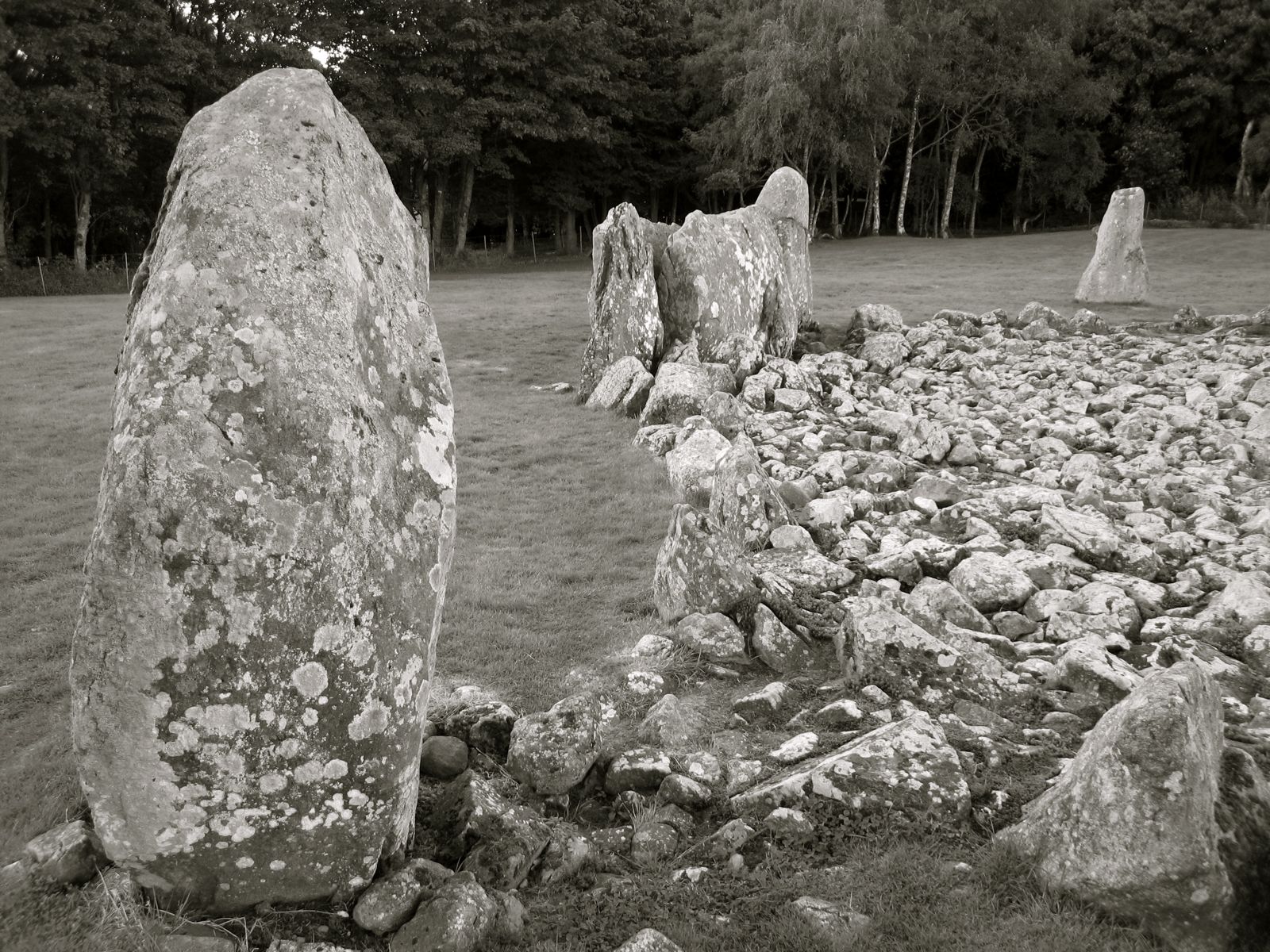
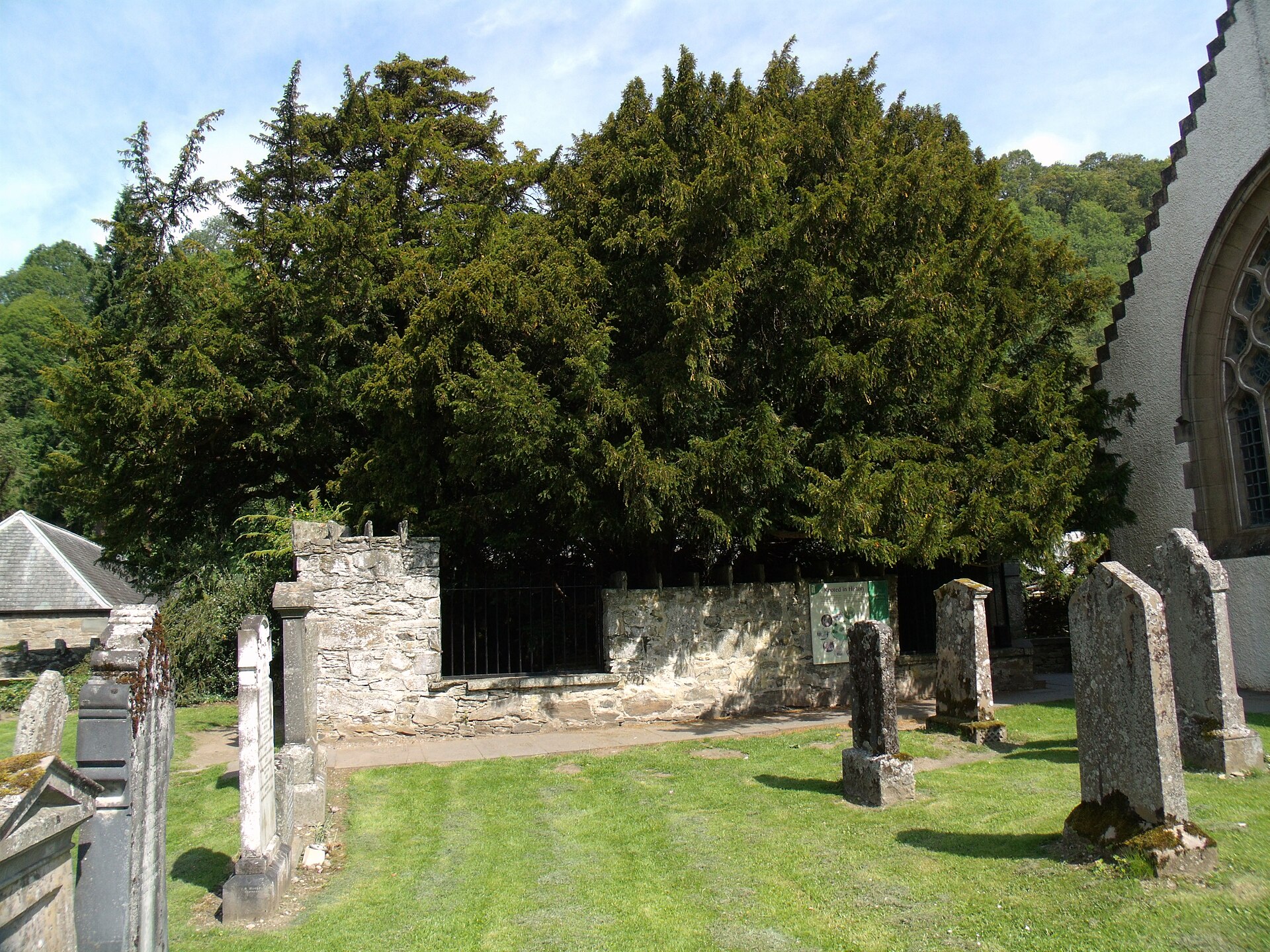
4,619 places across 186 counties and regions of Scotland, England, Wales, Ireland, Northern Ireland and the Isle of Man, fortified place, carved stone, tomb or burial place, building or ruin, settlement, crossing or structure, sacred place, ancient tree, minor monument. It is a gathering of places worth the journey rather than an attempt at completeness, so a great deal is deliberately absent: sites that only prove a record exists, sites with nothing visible left above ground, and anywhere that publishing would put at risk. Browse the whole corpus.
Does it cost anything, and does it track me?
Is there an app?
Not yet. A companion app is being built to carry the directory offline, for the places where there is no signal and the map matters most. Join the waitlist and you will hear once, when it lands.
Provenance
Where the words come from
A corpus this size cannot be checked page by page by hand. Saying so plainly is the honest position, and the cheapest way to get errors reported.
Where does the information come from?
From open records: Wikidata and Wikipedia, OpenStreetMap, the national heritage registers, Canmore and Trove for Scotland, the National Heritage List for England, Cadw for Wales, and published local histories. Every place page lists the sources standing behind it, with the date each was consulted. None of it is independently verified in the field, so check official sources and current access conditions before travelling. How places are chosen and sourced.
Are these pages written by a person or by a machine?
They are assembled with automated help from those open records, then held against a quality gate before anything is published: a place that cannot clear it stays in the working database rather than becoming a page. That is why the notice at the top of the site says the places are ancient and the Codex is not. The methodology sets out what the gate tests and what "checked as far as we can" means in practice.
How does the Codex handle folklore and uncertain history?
Carefully, and visibly. What is said is labelled as what is said, folklore, ritual meaning and traditional attribution sit in their own section on a place page, never mixed into the history as fact. Claims that scholars dispute are marked as contested, and thin evidence is left thin rather than dressed up. The aim is honest mystery, not false certainty.
I have spotted an error. How do I report it?
Please tell us, corrections are the main way a corpus this size improves. Use the correction form, name the place and say what looks wrong, and it will be put right. There is no public suggest-and-edit path: every change passes through the same gate as the original record.

In the field
Visiting with care
Protecting a place comes before pinning it, and a right to know is not a right to enter.
Why are some places shown only by a general area?
Because some sites are fragile, on private ground, or vulnerable to disturbance. 21 of the 4,619 places here are published as an area rather than a point. For those the exact coordinate is destroyed before the page is ever built, it is rounded to roughly the nearest ten kilometres, the map draws a broad circle instead of a pin, and no parking or route directions are given. A place can also be withheld from the map entirely. Where an official record deliberately obscures a location, the Codex does not reconstruct it.
Can I simply turn up at any of these places?
No. Many stand on private land, some need permission, some are managed sites with an admission charge, and for a good number the access position is simply unconfirmed. Each place page states what is known, open access, reached on a public path, visible from a public way, paid entry, permission required, or private. Where it says unconfirmed, treat that as a reason to ask rather than a reason to go. Respect private land, follow the access code for the country you are in, and leave the ground as you found it.
How current is the practical information?
Opening times, admission prices, parking and path conditions change, and the Codex is not a live feed. Treat everything practical here as a starting point and confirm it with the custodian, Historic Environment Scotland, English Heritage, Cadw, the National Trust or the landowner, on the day you travel.
Reuse and contact
Using the Codex
What the licences allow, and how to reach a person.
Can I reuse the photographs?
Almost every photograph here comes from Wikimedia Commons, a great many of them originally contributed to Geograph, under Creative Commons or public-domain terms; a small number are under other open terms such as Flickr Commons or the GNU licence. The credit and licence shown beside each image are what govern reuse, and the Codex cannot grant rights beyond them, follow the licence named on the image, and attribute the photographer, not this site. Every source and licence is set out on the licensing page.
Can I contribute a photograph of my own?
Yes, and it is welcome. Every place page carries a link to offer a better photograph of that place; it opens a form with the place already named, so the credit is attached to the right record. Your own work only, please, the Codex publishes nothing it cannot credit and license cleanly.
How do I get in touch about something else?
Use the contact page for partnerships, sources and licensing, a sensitive-site concern, or anything that is not a correction to a single place. Everything is read, and anything that needs a reply gets one.

Still looking
Not answered here
If the question is about a single place: a wrong date, a moved gate, a photograph that shows the wrong stone: the correction form is the fastest route, and it reaches a person.
- Report a correctionName the place and what looks wrong.
- Read the methodologyHow places are chosen, sourced and protected.
- About the CodexWhat it is for, and the voice behind it.
- ContactPartnerships, licensing, sensitive-site concerns.