Concrete, brick and timber now hold together a sessile oak reckoned at about a thousand years old — one of the last trees of the Jedforest, and the source of the sprig carried at Jedburgh's Callant's Festival.
Concrete, bricks and timber beams hold the Capon Tree together. A split runs down the middle of the trunk, and without that masonry the oak would have come apart years ago. The repairs are not disguised. They sit in plain view around a trunk about ten metres across, and in 2022 the tree was recorded as still growing.
It stands two miles south of Jedburgh, west of the A68, above the Jed Water where the small river has cut its course below soft sandstone cliffs. The tree is a sessile oak, and it is reckoned to be about a thousand years old, which would set its beginning somewhere around 1000 AD. That is an estimate rather than a count, and the sources offer it as one.
What makes it more than an old tree is what it is left over from. The Capon Tree is one of the last surviving trees of the ancient Jedforest, the wood that once ran across this part of the Borders and formed part of the Caledon Wood, the great northern forest. Almost everything else of that wood has gone. The usual explanation for why this oak did not go with it is a backhanded one: the trunk grew so distorted that the timber was no use for building ships, and a tree that could not be turned into anything was a tree nobody bothered to fell. It survived by being commercially worthless.
Its recent history is a series of interventions. In 2002 grants were given to fund work extending its life, and the same year the Tree Council named it one of the 50 Great British Trees, a list assembled to mark the Queen’s Golden Jubilee. It was reckoned among the top fifty trees in the United Kingdom that year. In 2024 it was placed in the top ten and shortlisted for Tree of the Year — more than two decades after the work that kept it standing long enough to be nominated.
The tie to Jedburgh is annual and unbroken. For seventy-five years the tree has been visited during the Jethart Callant’s Festival, the town’s riding of the marches, when the Callant is decorated with a sprig cut from it. That makes the Capon Tree a working part of the town’s calendar rather than a monument set aside from it, and it is the reason a tree held up by brickwork continues to matter locally in a way that its conservation status alone would not explain.
Trees are now being replanted across the Borders with the aim of renewing the Caledon Wood, taking in both Jedforest and Ettrick Forest. The Capon Tree is one of the few living pieces of the original that the new planting is meant to grow back towards.
What follows is drawn from published sources, with each claim labelled by how firmly it is established.
History
The tree survives as one of the last of the Jedforest, the ancient wood that once covered this part of the Borders. Why this particular oak escaped the axe is not certainly known, but the explanation usually offered is unflattering to it — the trunk grew so distorted that its timber was useless for shipbuilding, and a tree nobody could profit from was a tree nobody troubled to fell.
A massive split runs down the middle of the trunk, and the tree is now held together with concrete, bricks and timber beams supporting both trunk and branches. The repairs are visible and make no attempt to hide themselves; this is a tree kept standing by engineering rather than by its own structure. In 2002 grants were awarded to fund work extending the tree's life. The same year the Tree Council named it one of the 50 Great British Trees, a list drawn up to mark the Queen's Golden Jubilee, and it was reckoned among the top fifty trees in the United Kingdom.
For seventy-five years the tree has been visited annually during the Jethart Callant's Festival at Jedburgh, when the Callant — the young man chosen to lead the town's riding of the marches — is decorated with a sprig cut from the Capon Tree. The tie between the tree and the town's calendar is therefore not antiquarian but current and yearly.
The trunk measured about ten metres in diameter and the tree was still putting on growth in 2022, despite the split and the supports. Its age is estimated rather than counted, at roughly a thousand years, which would place its beginning around 1000 AD and make it a survivor of the wood as it stood before the abbey was founded at Jedburgh. In 2024 the tree was placed among the top ten trees in the United Kingdom and shortlisted for Tree of the Year, more than two decades after the first round of conservation work that kept it alive to be nominated.
Replanting across the Borders now aims at renewing the ancient Caledon Wood, the great northern forest of which Jedforest and Ettrick Forest were part. The Capon Tree stands as one of the few living pieces of the original wood that the replanting is meant to bring back.
Cultural influences
-
A living remnant of Jedforest
As one of the last surviving trees of the Jedforest, the Capon Tree is a tangible reference point for current efforts to renew the ancient Caledon Wood across the Borders.
Connections
-
Jethart Callant's Festival, Jedburgh
For seventy-five years the Callant has been decorated with a sprig cut from this tree during the town's annual festival.
-
Ettrick Forest
Both Jedforest and Ettrick Forest formed part of the ancient Caledon Wood, the great northern forest now the target of Borders replanting.
-
Jed Water
The tree stands beside the small river, which has cut its course below soft sandstone cliffs just west of the A68.
In culture
-
Jethart Callant’s Festival
For seventy-five years, the Callant at Jedburgh’s annual riding of the marches has been decorated with a sprig cut from the Capon Tree, making it an active part of the town’s ceremonial calendar.
What to look for
-
The split trunk and its supports
A single split runs the length of the trunk. Concrete, brickwork and timber beams carry the load, propping both the trunk and the heavier branches.
-
The girth
The trunk is about ten metres across, and was recorded as still growing in 2022.
-
The sandstone cliffs of the Jed Water
The river below the tree has cut down through soft sandstone, and the exposed faces set the tree in its immediate landscape.
Plan your visit
- Location
- General area near Jedburgh, Scottish Borders
- Nearest settlement
- Jedburgh
- Access
- Reached on a public path
- What survives
- Living-tree condition and access should be checked against current local guidance before any visit copy is expanded.
This is a sensitive site, so we show its general area only. Please use the official access information here rather than seeking out an independent route.
Nearby places
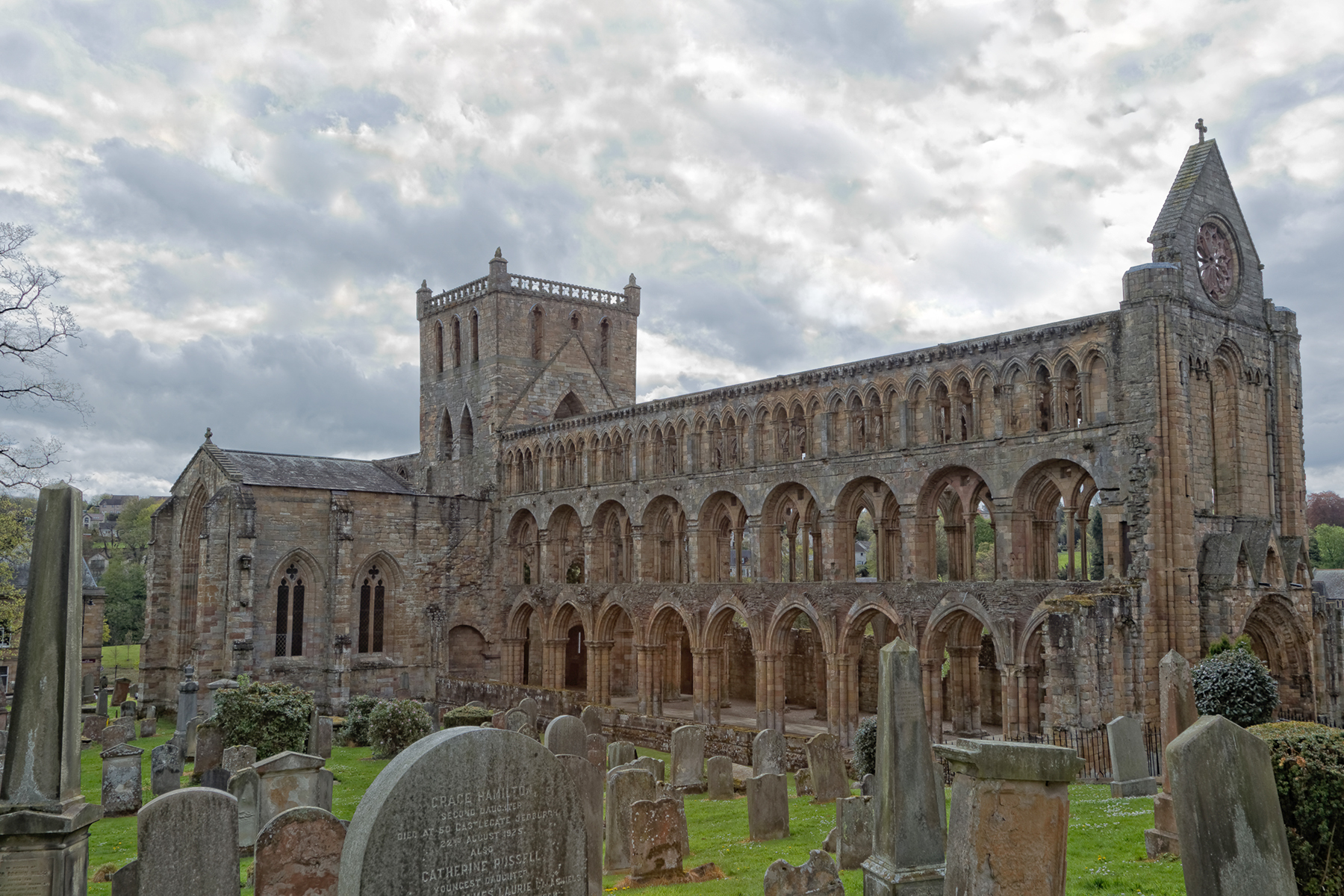
Carved stone · Medieval
Jedburgh Abbey
Scottish Borders
In 1118, before his accession to the Scottish throne, Prince David established a foundation of Augustinian canons at Jedburgh. It rose from priory:…
- Near Jedburgh
- 1 min walk from car park

Fortified place · Medieval
Fatlips Castle
Scottish Borders
A reivers' watchtower above the Teviot whose unlikely name is said to record an indecorous greeting for visitors, later reborn as a Lorimer-designe…
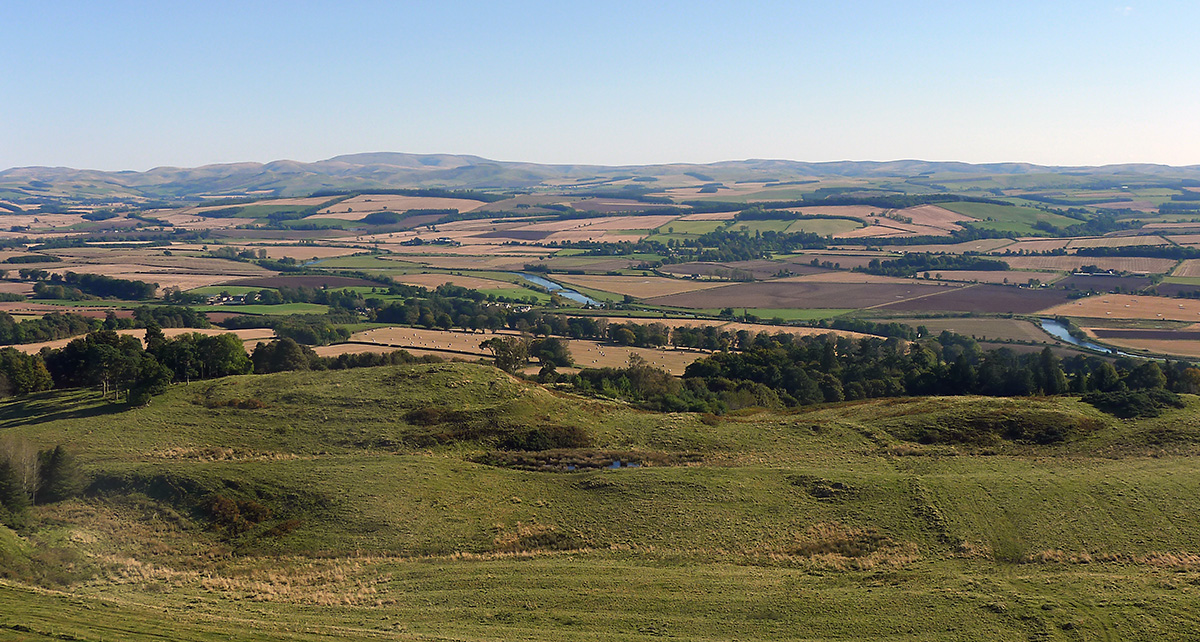
Fortified place · Iron Age
Peniel Heugh
Scottish Borders
A 237-metre hill near Ancrum carrying both an ancient defended settlement and the Waterloo Monument.
- Some walking
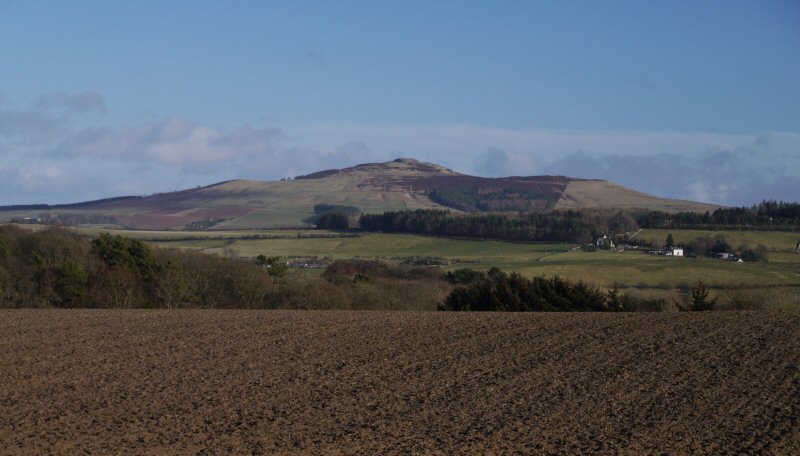
Fortified place · Iron Age
Rubers Law
Scottish Borders
Three separate strongholds - an Iron Age (the centuries before Rome arrived, from about 800 BC) hillfort, a Roman signal station and an Early Medie…
- Rough ground
The setting
Near Capon Tree, about 12 metres away.
Photo: Gordon Brown / Wikimedia Commons / CC BY-SA 2.0
Near Capon Tree.
Photo: Jim Barton / Wikimedia Commons / CC BY-SA 2.0
Near Capon Tree.
Photo: Gordon Brown / Wikimedia Commons / CC BY-SA 2.0
Near Capon Tree.
Photo: Jim Barton / Wikimedia Commons / CC BY-SA 2.0
Near Capon Tree.
Photo: Jim Barton / Wikimedia Commons / CC BY-SA 2.0
Near Capon Tree.
Photo: Trevor Littlewood / Wikimedia Commons / CC BY-SA 2.0
Questions people ask
- How old is the Capon Tree?
- It is estimated at about a thousand years old. The figure is an estimate rather than a count, and the sources give it as such.
- Why is the tree held together with concrete and brick?
- A massive split runs down the middle of the trunk. Concrete, bricks and timber beams now support both the trunk and the branches, and grants awarded in 2002 funded work to extend the tree's life.
- What is the Capon Tree's connection to Jedburgh?
- For seventy-five years the tree has been visited each year during the Jethart Callant's Festival, when the Callant is decorated with a sprig cut from it.
- What was the Jedforest?
- An ancient wood that formed part of the Caledon Wood, the great northern forest. The Capon Tree is one of its last surviving trees, and replanting across the Borders now aims at renewing the wood.
- What kind of tree is it?
- A sessile oak. It was rated among the top fifty trees in the United Kingdom in 2002 and among the top ten in 2024.
Sources
- Wikipedia — Capon Tree
- Wikidata — Capon Tree (Q5036084)
- Canmore 356459 — CAPON TREE (tree (medieval)) (accessed 2026-08-03)
Explore more: Ancient trees · Medieval · Scottish Borders
The Ancient Codex, in your pocket
Get the Pocket Codex app
Carry the directory with you — Capon Tree and thousands of ancient places across Britain and Ireland, offline, wherever you roam.