A 237-metre hill near Ancrum carrying both an ancient defended settlement and the Waterloo Monument.
A hill of 237 metres near Ancrum and Nisbet in the Scottish Borders carries the Waterloo Monument on its summit, and carried a hillfort — a hilltop enclosure ringed by earth ramparts, raised in the centuries from about 800 BC up to the Roman conquest — there long before it.
The heugh is a volcanic plug, composed of olivine micrograbbro — a hard intrusion left standing while softer rock around it wore away, which is why it rises as it does and why it was worth fortifying.
Bonjedward, Crailing, Jedburgh, Monteviot House and Roxburgh lie nearby. Both the Roman Heritage Way and St Cuthbert’s Way pass the hill and the monument.
What follows is drawn from published sources, with each claim labelled by how firmly it is established.
History
The hill rises to 237 metres near Ancrum and Nisbet in the Scottish Borders. It carries the Waterloo Monument on its summit, and carried a defended hilltop enclosure on the same ground long before the monument was raised — the summit has been chosen twice, more than two thousand years apart, for the same reason. The heugh is a volcanic plug composed of olivine micrograbbro — a hard intrusion of igneous rock left standing while the softer material around it wore away over geological time. That is why it rises as sharply as it does out of otherwise gentle country, and why it was worth fortifying in the first place.
Bonjedward, Crailing, Jedburgh, Monteviot House and Roxburgh lie nearby, and both the Roman Heritage Way and St Cuthbert's Way pass the hill and the monument, so the summit is reachable from two established long-distance walking routes rather than from a single local path.
Cultural influences
-
A volcanic summit chosen in two eras
Peniel Heugh’s hard volcanic plug carried a defended hilltop enclosure long before the Waterloo Monument used the same commanding summit.
Connections
-
Ancrum
Peniel Heugh rises above the Teviot-side landscape near Ancrum; its volcanic summit and earthworks are visible across the surrounding Borders farmland.
-
Nisbet
Peniel Heugh stands near Nisbet in the Scottish Borders, between settlements reached by long-distance routes that cross its summit landscape.
-
Waterloo Monument
The Waterloo Monument crowns Peniel Heugh’s summit, occupying the same defensible volcanic high ground as the earlier hilltop enclosure.
-
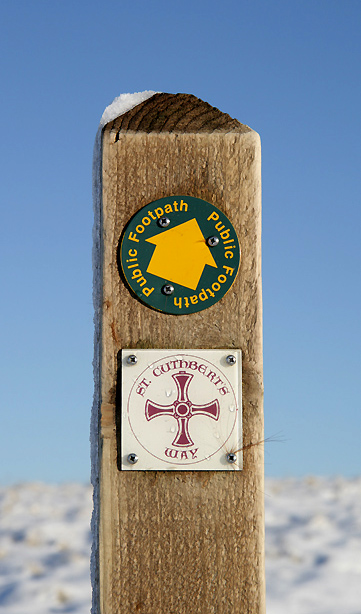
Photo: Walter Baxter / Wikimedia Commons / CC BY-SA 2.0 St Cuthbert's Way
St Cuthbert’s Way passes Peniel Heugh and the Waterloo Monument on its summit. The long-distance route makes the hillfort’s volcanic setting part of a walked Borders landscape rather than an isolated earthwork.
What to look for
-
The volcanic plug
Olivine microgabbro forms the hard igneous core that rises sharply from the surrounding country.
-
The Waterloo Monument
The monument occupies the summit above the earlier defended enclosure, sharing the commanding volcanic high ground that made the site defensible.
Plan your visit
- Location
- 55.5292°N · 2.5508°W
- Access
- Reached on a public path
- Terrain
- Moderate walking
- Time needed
- About 60 minutes
- What survives
- The volcanic hill and Waterloo Monument survive clearly; the prehistoric enclosure is a less legible defended earthwork on the hilltop.
Opening & admission
- Walking routes pass near the hill and monument; hillfort remains may require rougher ground.
Nearby places
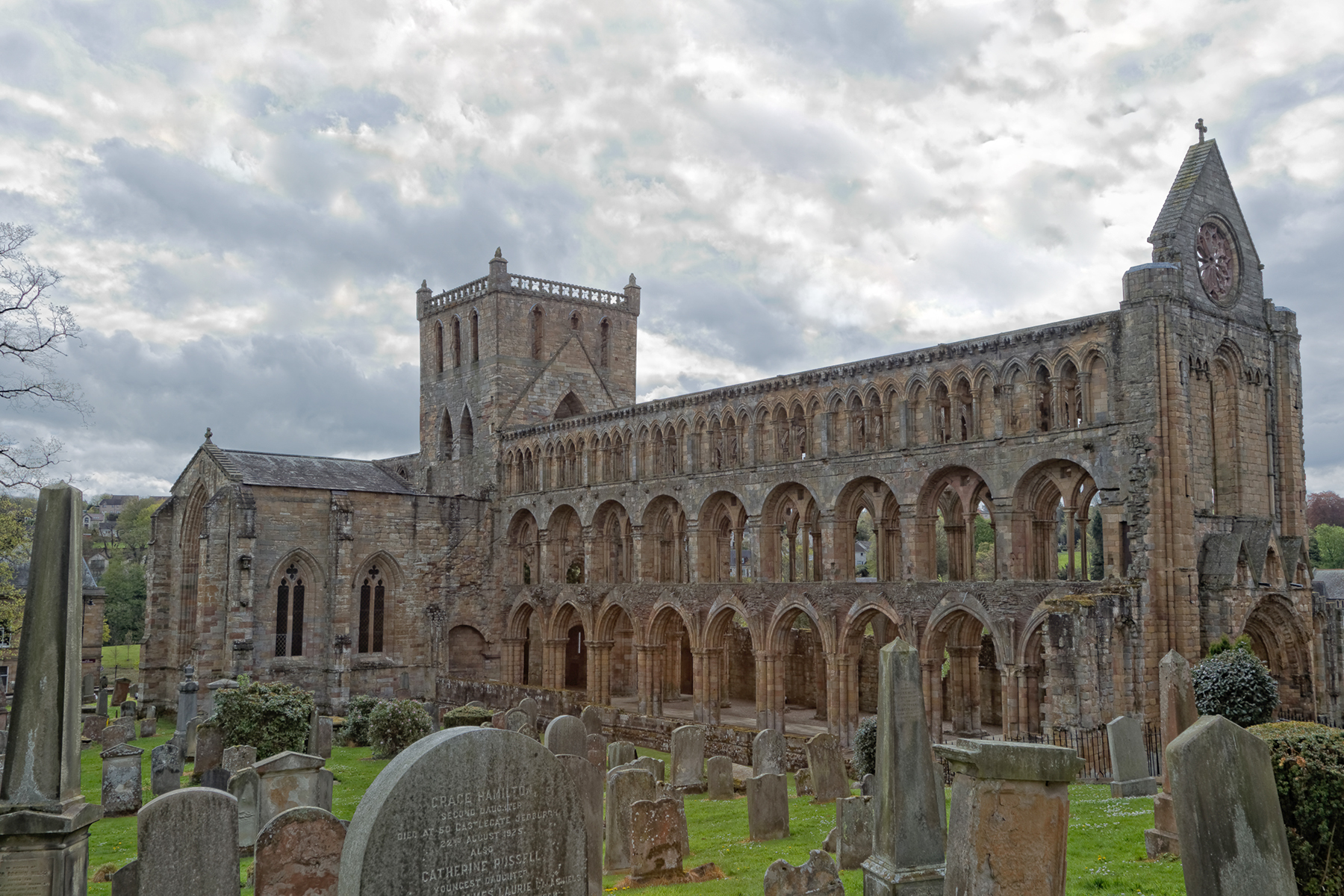
Carved stone · Medieval
Jedburgh Abbey
Scottish Borders
In 1118, before his accession to the Scottish throne, Prince David established a foundation of Augustinian canons at Jedburgh. It rose from priory:…
- Near Jedburgh
- 1 min walk from car park

Ancient tree · Medieval
Capon Tree
Scottish Borders
Concrete, brick and timber now hold together a sessile oak reckoned at about a thousand years old: one of the last trees of the Jedforest, and the…
- Near Jedburgh
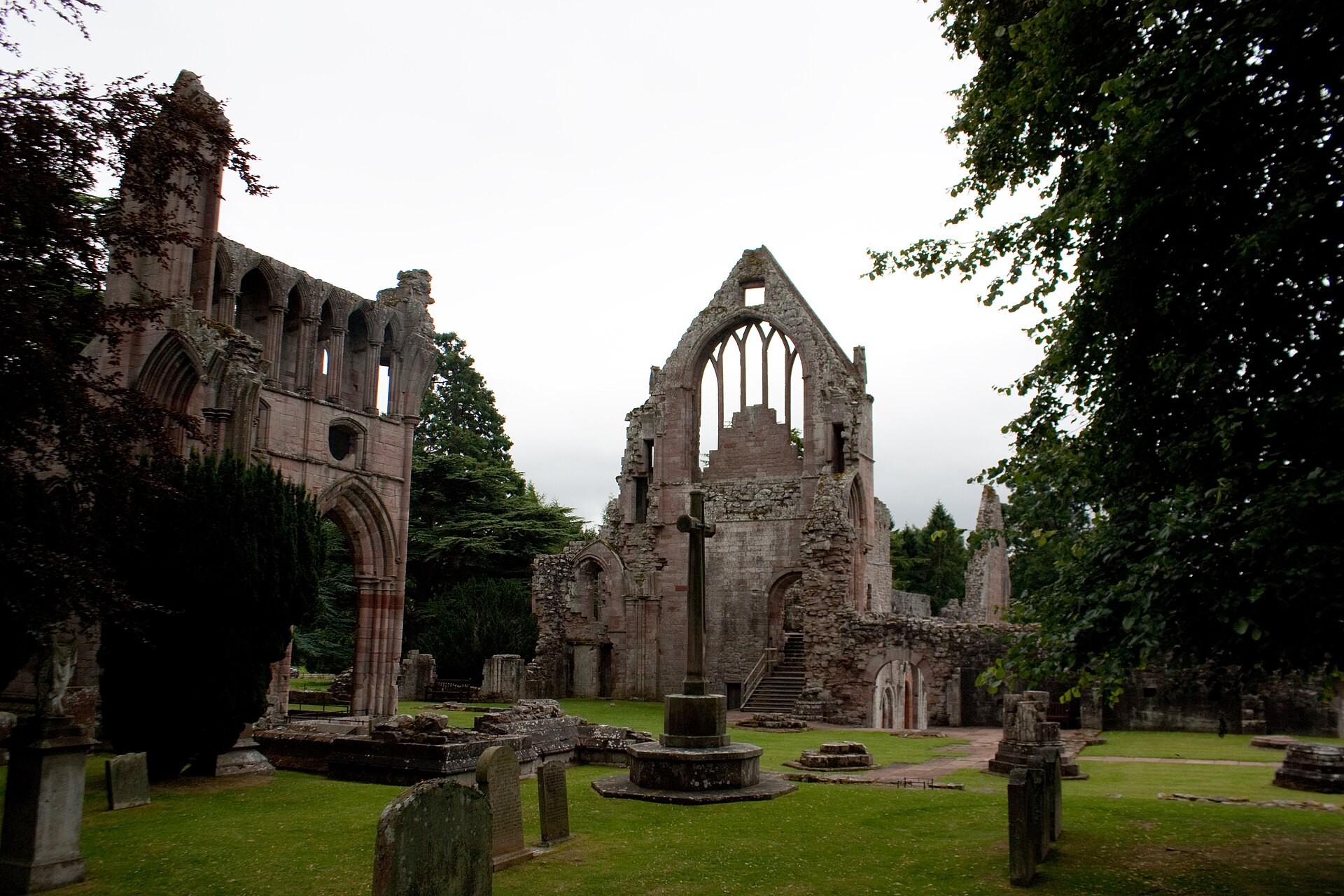
Building or ruin · Medieval
Dryburgh Abbey
Scottish Borders
A monastery under an abbot on the banks of the Tweed, nominally founded in 1150 by agreement with Hugh de Morville.
- Near St Boswells
- 363 metres from car park
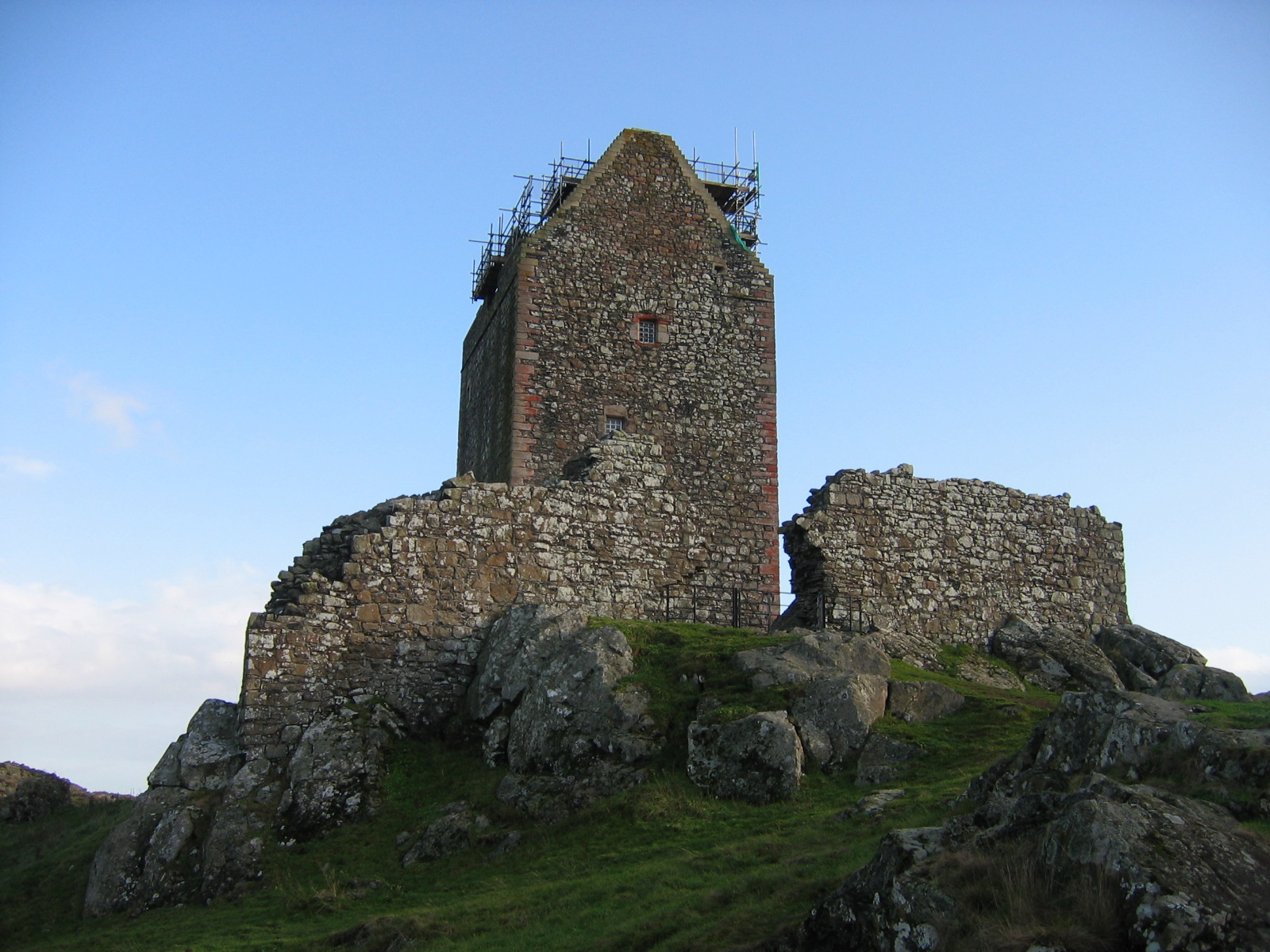
Fortified place · Medieval
Smailholm Tower
Scottish Borders
Smailholm Tower is a peel tower (a small border stronghold, built as a refuge against raiders) atop the crag of Lady Hill, around five miles west o…
- Near Smailholm
- 1 min walk from car park
Questions people ask
- What is on Peniel Heugh?
- The Waterloo Monument, on a summit that carried a defended hilltop enclosure long before the monument was raised. The hill rises to 237 metres near Ancrum and Nisbet in the Scottish Borders, and the summit has been chosen twice, more than two thousand years apart, for the same reason.
- Why does the hill stand so sharply out of the country around it?
- Because it is a volcanic plug of olivine micrograbbro — a hard intrusion of igneous rock left standing while the softer material around it wore away over geological time. That is also why it was worth fortifying.
- How is it reached?
- Both the Roman Heritage Way and St Cuthbert's Way pass the hill and the monument, so the summit is reachable from two established long-distance walking routes rather than from a single local path. Bonjedward, Crailing, Jedburgh, Monteviot House and Roxburgh lie nearby.
Sources
Explore more: Fortified places · Iron Age · Scottish Borders
The Ancient Codex, in your pocket
Get the Pocket Codex app
Carry the directory with you — Peniel Heugh and thousands of ancient places across Britain and Ireland, offline, wherever you roam.