A monastery under an abbot on the banks of the Tweed, nominally founded in 1150 by agreement with Hugh de Morville.
Sir Walter Scott and Douglas Haig are buried in the grounds of a ruined abbey — a monastery governing itself under an abbot — on the banks of the Tweed. Their tomb and headstone, with other memorials there, are collectively designated a Category A listed building — which means the graves carry a protection of their own, separate from the medieval ruin around them.
The abbey was nominally founded at Martinmas, 10 November 1150, by an agreement between Hugh de Morville, Constable of Scotland, and Premonstratensian canons regular from Alnwick Abbey in Northumberland. The canons themselves arrived with their first abbot, Roger, on 13 December 1152.
The Premonstratensian order had been founded only thirty years earlier by St Norbert of Xanten, a canon at Xanten Cathedral who was unhappy with the life his fellow canons led. He left the Rhineland for the diocese of Laon in northern France, where the reforming Bishop Bartholomew was making his see more apostolic; Bartholomew persuaded him to found a canonical order at Prémontré, in Aisne, in 1120. The order was Augustinian in form but its canons wore white rather than black. They lived austerely and were obliged to preach and teach beyond the monastery walls, and the order spread across Europe fast enough that a hundred and twenty abbots were attending the annual general chapter before the first Abbot-General, Hugh of Fosse, had died. They borrowed much from the Cistercians, including their land management and their use of lay brothers for the labour-intensive work.
Dryburgh was never richly endowed, and that shaped everything afterwards. Melrose nearby had royal patronage; Hugh de Morville, though a very wealthy noble, could not match a monarch. David I was not unsympathetic — a charter confirms various donations from de Morville’s wife, Beatrice de Beauchamp, and grants the abbey free timber from the royal forests for building. Hugh himself gave the lands of Dryburgh with their forests, grasslands and waters; the fishings from Berwick; the churches and lands at Mertoun and Channelkirk in his lordship of Lauderdale, and Asby in Westmorland; and the earnings from the mills of Saltoun and Lauder. Beatrice added the income from the church at Bozeat in Northamptonshire, and lands at Roxburgh that she bought expressly to give away.
In about 1162 Hugh turned his back on worldly affairs, as some other magnates of the period did, and entered the abbey church wearing the habit of the canons. He gave his elder son Richard his large Scottish estates and his younger son Hugh those in England, and died at Dryburgh that same year.
Richard continued as patron, but he also founded elsewhere — the hospital of St Leonard near his castle at Lauder in about 1170, and Kilwinning Abbey in the lordship of Cunningham between 1169 and 1187. Kilwinning was built on a grand scale and inadequately provided for, so Richard met part of its cost from his Lauderdale holdings, which produced a long-running argument between Kilwinning and Dryburgh over the share of the tithes from the church of Lauder. Founding the second house ensured that both remained in relative poverty.
Its position on the border did the rest. English troops burned the abbey in 1322; it was restored, and Richard II burned it again in 1385. It flourished through the fifteenth century, and was finally destroyed in 1544, surviving only briefly until the Scottish Reformation, when James VI gave it to the Earl of Mar.
David Erskine, 11th Earl of Buchan, bought the land in 1786. The ruin is now a scheduled monument, and the surrounding landscape is included in the Inventory of Gardens and Designed Landscapes in Scotland.
What follows is drawn from published sources, with each claim labelled by how firmly it is established.
History
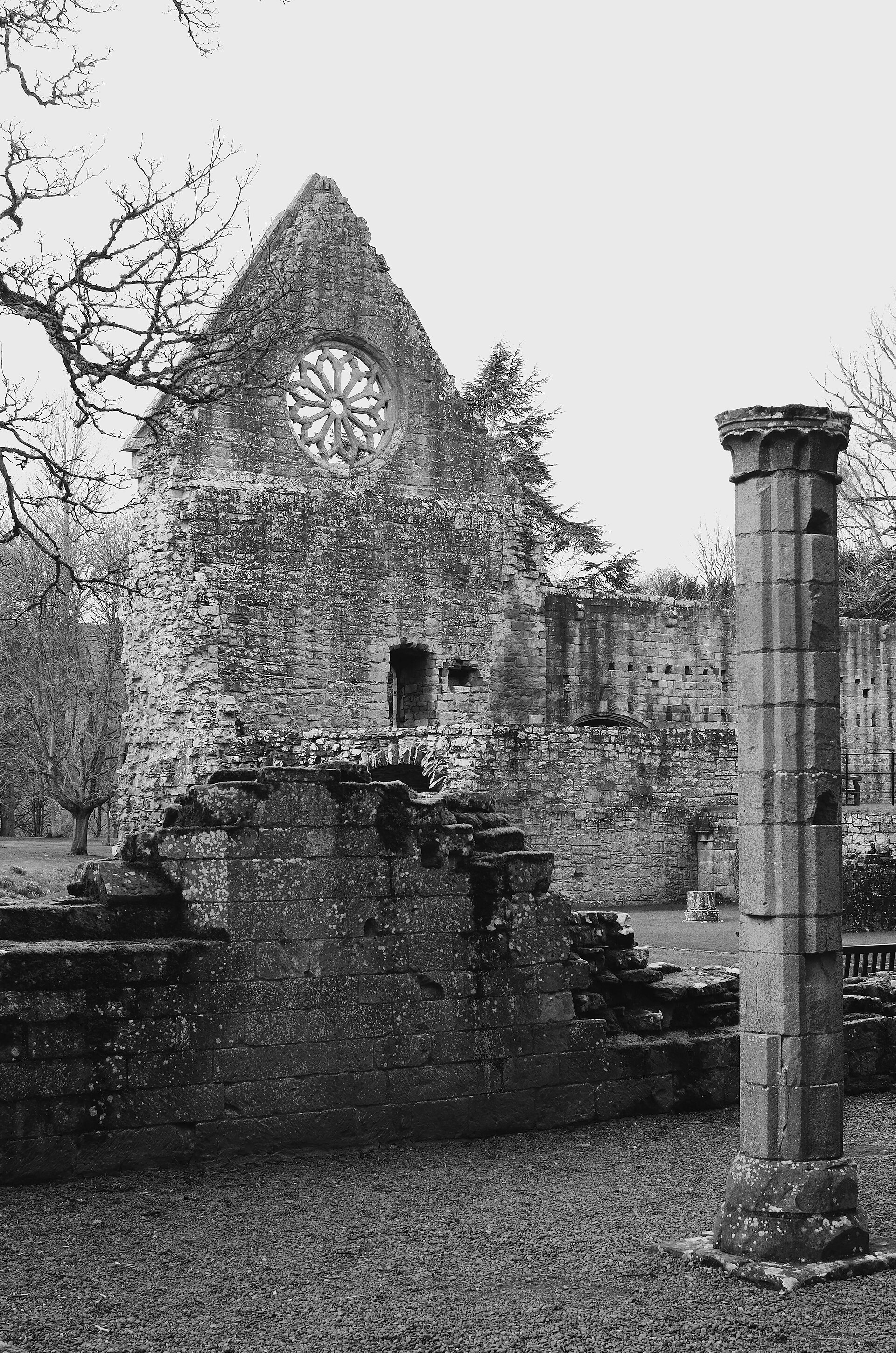
The abbey was nominally founded at Martinmas, 10 November 1150, by an agreement between Hugh de Morville, Constable of Scotland, and Premonstratensian canons regular from Alnwick Abbey in Northumberland. The canons themselves arrived with their first abbot, Roger, on 13 December 1152.
The Premonstratensian order had been founded only thirty years earlier by St Norbert of Xanten, who left the Rhineland for the diocese of Laon and was persuaded by the reforming Bishop Bartholomew to found a canonical order at Prémontré, in Aisne, in 1120. The order was Augustinian in form but its canons wore white rather than black, lived austerely, and were obliged to preach and teach beyond the monastery walls.
Dryburgh was never richly endowed, and that shaped everything afterwards. Melrose nearby had royal patronage; Hugh de Morville, though a very wealthy noble, could not match a monarch. David I was not unsympathetic — a charter confirms donations from de Morville's wife, Beatrice de Beauchamp, and grants the abbey free timber from the royal forests for building work.
Hugh gave the lands of Dryburgh with their forests, grasslands and waters; the fishings from Berwick; the churches and lands at Mertoun and Channelkirk in his lordship of Lauderdale, and Asby in Westmorland; and the earnings from the mills of Saltoun and Lauder. Beatrice added the income from the church at Bozeat in Northamptonshire, and lands at Roxburgh that she bought expressly in order to give them away.
In about 1162 Hugh turned his back on worldly affairs and entered the abbey church wearing the habit of the canons, giving his elder son Richard his large Scottish estates and his younger son Hugh those in England. He died at Dryburgh that same year. Richard continued as patron but also founded the hospital of St Leonard near Lauder in about 1170 and Kilwinning Abbey between 1169 and 1187; Kilwinning was built on a grand scale and inadequately provided for, and meeting its costs from his Lauderdale holdings produced a long argument with Dryburgh over the tithes of the church of Lauder, leaving both houses in relative poverty.
Its position on the border did the rest. English troops burned the abbey in 1322; it was restored, and Richard II burned it again in 1385. It flourished through the fifteenth century and was finally destroyed in 1544, surviving only briefly until the Scottish Reformation, when James VI gave it to the Earl of Mar.
David Erskine, 11th Earl of Buchan, bought the land in 1786. Sir Walter Scott and Douglas Haig are buried in the grounds, and their tomb and headstone, with other memorials there, are collectively designated a Category A listed building. The ruin is a scheduled monument, and the surrounding landscape is included in the Inventory of Gardens and Designed Landscapes in Scotland.
People
-
Hugh de Morville
Constable of Scotland who agreed the abbey’s foundation in 1150, endowed it with lands and later entered the house as a Premonstratensian canon.
-
Roger
First abbot, who arrived with the Premonstratensian canons from Alnwick in 1152.
-
Sir Walter Scott
Author buried in the abbey grounds, where his tomb is separately protected as a Category A listed memorial.
-
Douglas Haig
Field Marshal buried in the abbey grounds; his grave forms part of the protected memorial group with Scott’s tomb.
-
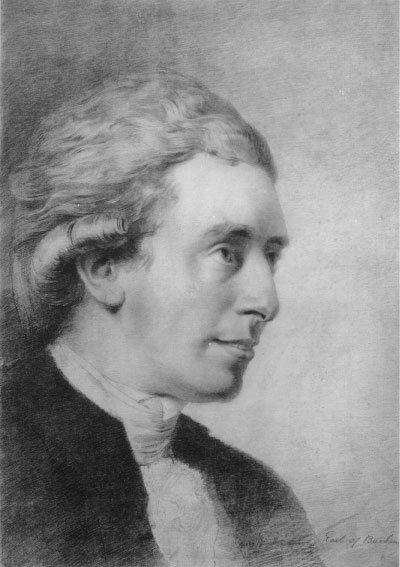
Portrait: John Brown / Wikimedia Commons / Public domain David Erskine, 11th Earl of Buchan
David Erskine bought the land containing Dryburgh Abbey in 1786. His ownership frames the later landscape in which the medieval ruin and the protected graves of Scott and Haig were preserved.
Cultural influences
-
A Premonstratensian foundation on the Anglo-Scottish border
Dryburgh was founded by white-robed Premonstratensian canons from Alnwick, an order shaped by St Norbert’s reforming ideal of an austere, outward-facing canonical life. Its border setting later exposed it repeatedly to English attacks.
Connections
-
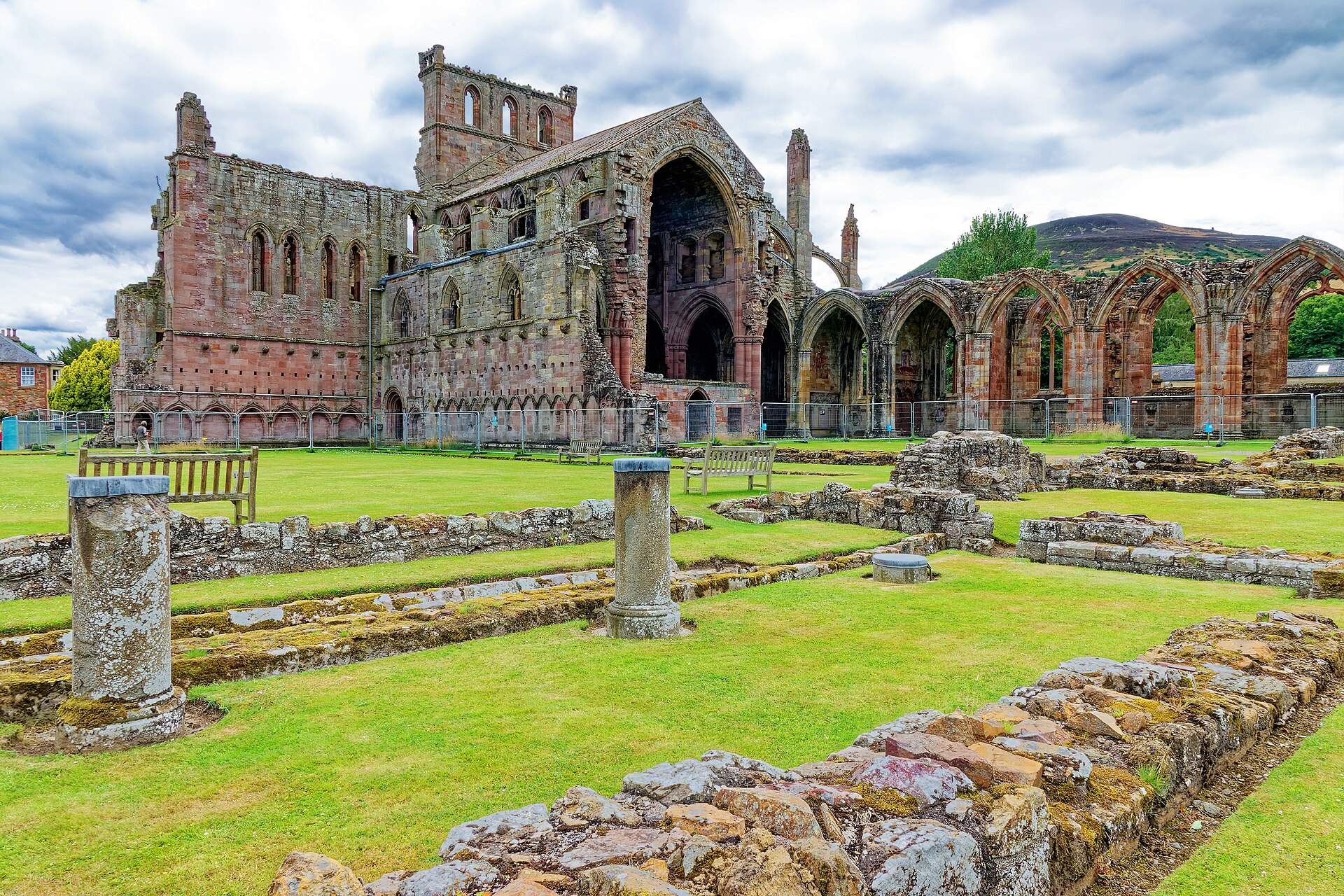
Photo: Holger Uwe Schmitt / Wikimedia Commons / CC BY-SA 4.0 Both are major Scottish abbeys in the Borders, linking Dryburgh’s Premonstratensian foundation with Melrose’s Cistercian house.
-
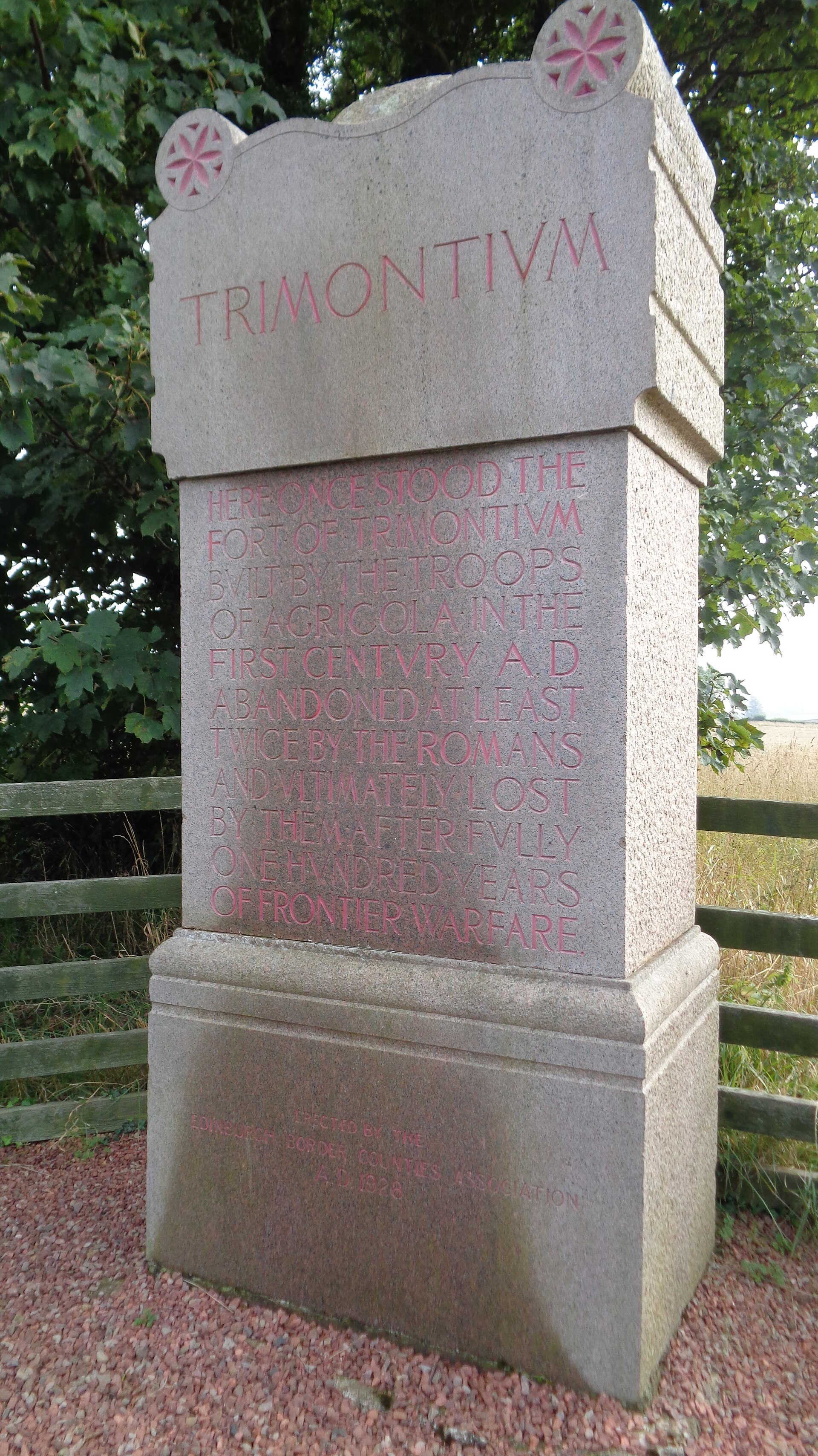
Photo: Kevin Waterhouse / Wikimedia Commons / CC BY-SA 2.0 The medieval abbey and Roman settlement represent successive phases of occupation in the Tweed and Eildon landscape.
-
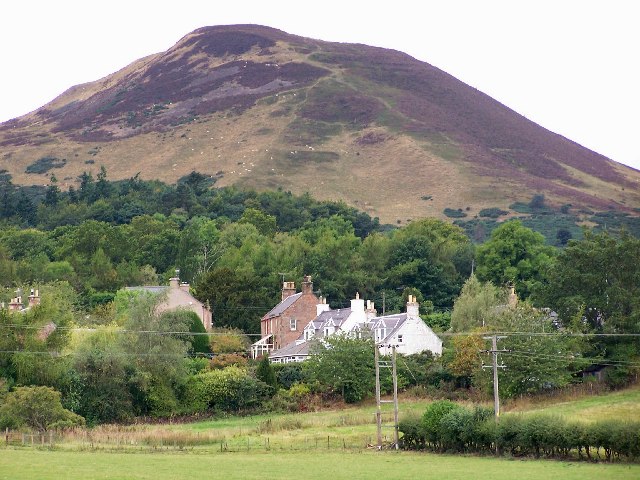
Photo: Jenny Gumbrell / Wikimedia Commons / CC BY-SA 2.0 Dryburgh Abbey and the hillfort belong to the same long-occupied Borders landscape, spanning prehistoric defence and medieval monastic settlement.
-
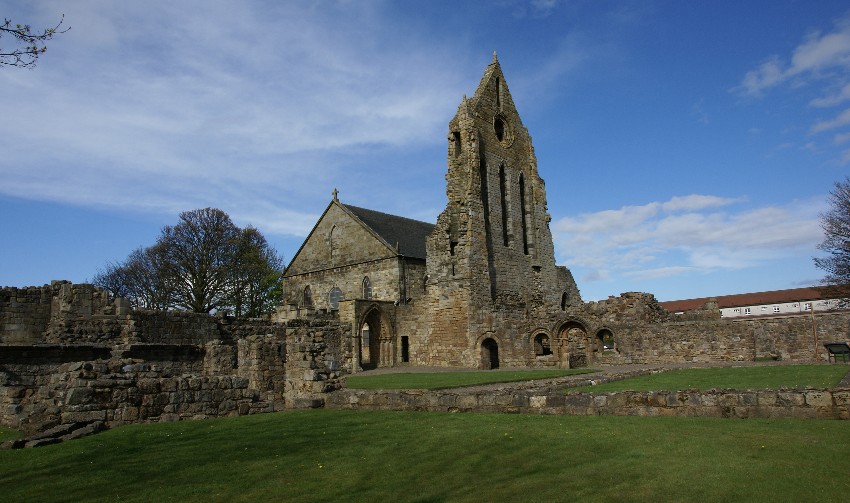
Photo: Bubobubo2 / Wikimedia Commons / CC BY-SA 3.0 Richard de Morville founded Kilwinning Abbey in the later twelfth century while continuing as Dryburgh’s patron. Funding the new house from his Lauderdale estates produced a long dispute between Kilwinning and Dryburgh over the tithes of Lauder church.
In culture
-
The graves of Scott and Haig
The burial place of Sir Walter Scott and Douglas Haig gives the medieval ruin a continuing place in Scotland’s literary and military commemoration.
What to look for
-
Sir Walter Scott’s tomb
Scott’s grave lies in the abbey grounds alongside the memorials of Douglas Haig and others; the group has its own Category A listing.
-
The riverside setting
The abbey stands beside the River Tweed on the lands and waters granted by Hugh de Morville at its foundation.
-
Premonstratensian ruins
Look for the remains of the abbey founded for canons from Alnwick, a house repeatedly burned in the wars of the Anglo-Scottish border.
-
The designed landscape
The abbey is set in a landscape included in Scotland’s Inventory of Gardens and Designed Landscapes.
Plan your visit
- Location
- 55.5755°N · 2.6491°W
- Nearest settlement
- St Boswells
- Access
- Paid entry — managed visitor site
- Start point
- Dryburgh · St Boswells · Roxburghshire · TD6 0RQ · National Grid reference: NT 591 316 · Telephone: 01835 822 381
- Time needed
- About 90 minutes
- Best time
- _Opening times and admission prices are subject to change_.
- Start point
- Dryburgh Abbey car park — Visitor car park at the HES-managed abbey; short level walk to the entrance and ticket office.
- Sat-nav
- TD6 0RQ · NT 591 316
Opening & admission
Free entry
- _Opening times and admission prices are subject to change_.
Nearby places
Fortified place · Roman
Trimontium (Newstead)
Scottish Borders
One of the largest caches of Roman military finds in Britain: arms and armour from 117 pits: came from a fort that was, briefly, the empire's most…
- Easy path
Fortified place · Iron Age
Eildon Hill North Hillfort
Scottish Borders
Excavation has shown the hillfort: a defended settlement on high ground: was occupied by 1000 BC, in the Bronze Age, roughly 2500–800 BC, when meta…
- Near Melrose
- 1.7 km from car park
- Some walking
Fortified place · Iron Age
Eildon Hill
Scottish Borders
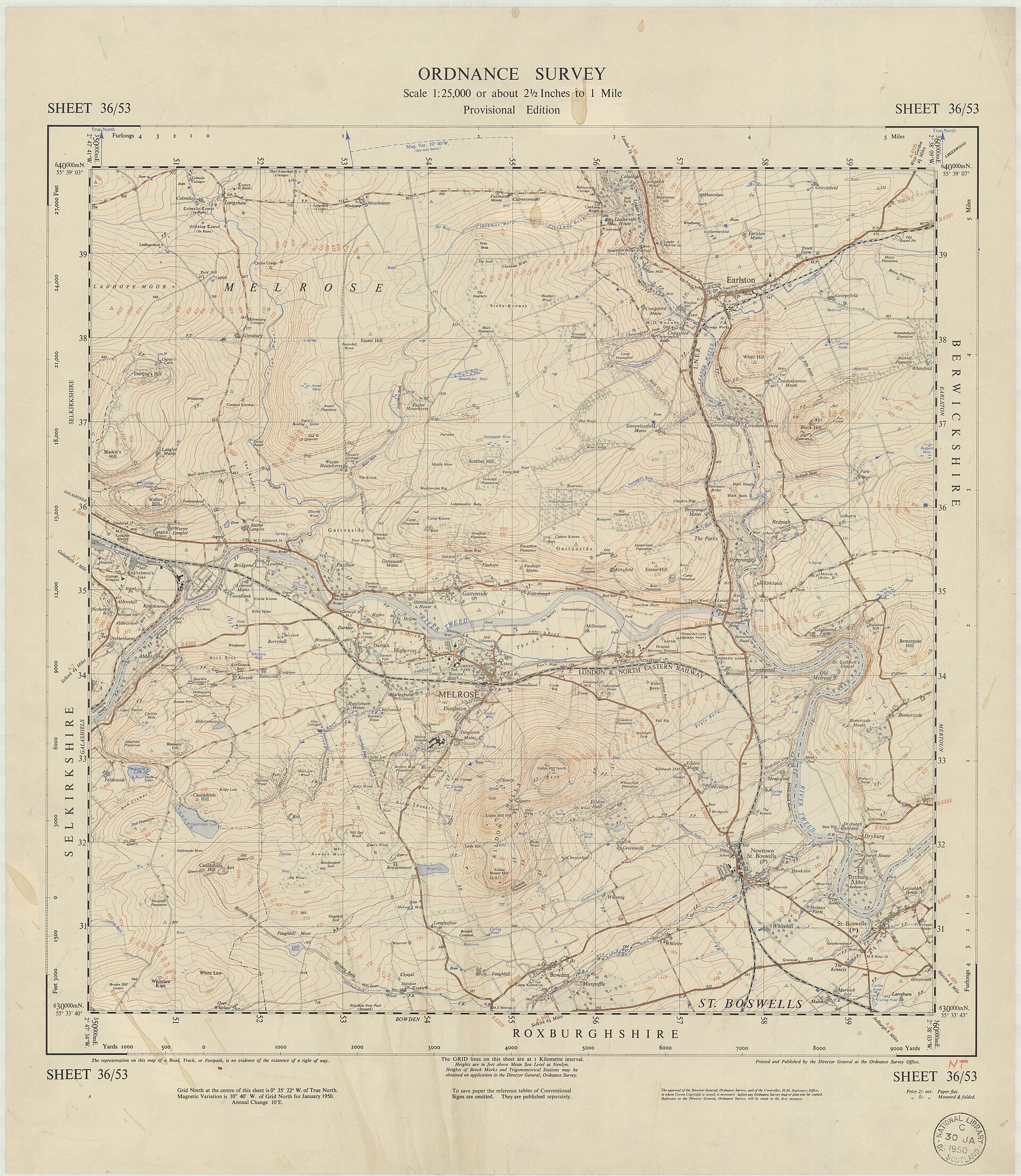
Nearly 300 house platforms cut into a volcanic hilltop make this one of the largest hillforts known in Scotland: later crowned by a Roman signal to…
- Rough ground

Minor monument · Medieval
Market Cross, Market Square, Melrose
Scottish Borders
Melrose’s 1645 market cross combines a restored seventeenth-century shaft with a nineteenth-century base and a weathered unicorn finial carrying th…
- Easy path
Questions people ask
- When was Dryburgh Abbey founded?
- Nominally at Martinmas, 10 November 1150, by agreement between Hugh de Morville, Constable of Scotland, and Premonstratensian canons regular from Alnwick Abbey. The canons arrived with their first abbot, Roger, on 13 December 1152.
- Who were the Premonstratensians?
- An order founded only thirty years earlier by St Norbert of Xanten, who left the Rhineland for the diocese of Laon and was persuaded by Bishop Bartholomew to found a canonical order at Prémontré, in Aisne, in 1120. It was Augustinian in form, but its canons wore white rather than black and lived austerely.
- Was the abbey wealthy?
- Never richly endowed, and that shaped everything afterwards. Melrose nearby had royal patronage; Hugh de Morville, though a very wealthy noble, could not match a monarch. David I was not unsympathetic, confirming donations from de Morville's wife Beatrice de Beauchamp and granting free timber from the royal forests for the building work.
- What did the border do to it?
- English troops burned the abbey in 1322; it was restored, and Richard II burned it again in 1385. It flourished through the fifteenth century and was finally destroyed in 1544, surviving only briefly until the Reformation, when James VI gave it to the Earl of Mar.
- Who is buried there?
- Sir Walter Scott and Douglas Haig, in the grounds. Their tomb and headstone, with other memorials there, are collectively designated a Category A listed building. David Erskine, 11th Earl of Buchan, bought the land in 1786.
Sources
- Canmore site 55618
- Wikipedia: Dryburgh Abbey
- Wikipedia: Dryburgh Abbey
- Wikipedia: Kilwinning Abbey (accessed 2026-08-30)
Explore more: Building or ruins · Medieval · Scottish Borders
The Ancient Codex, in your pocket
Get the Pocket Codex app
Carry the directory with you — Dryburgh Abbey and thousands of ancient places across Britain and Ireland, offline, wherever you roam.