Tomb or burial place · Prehistoric
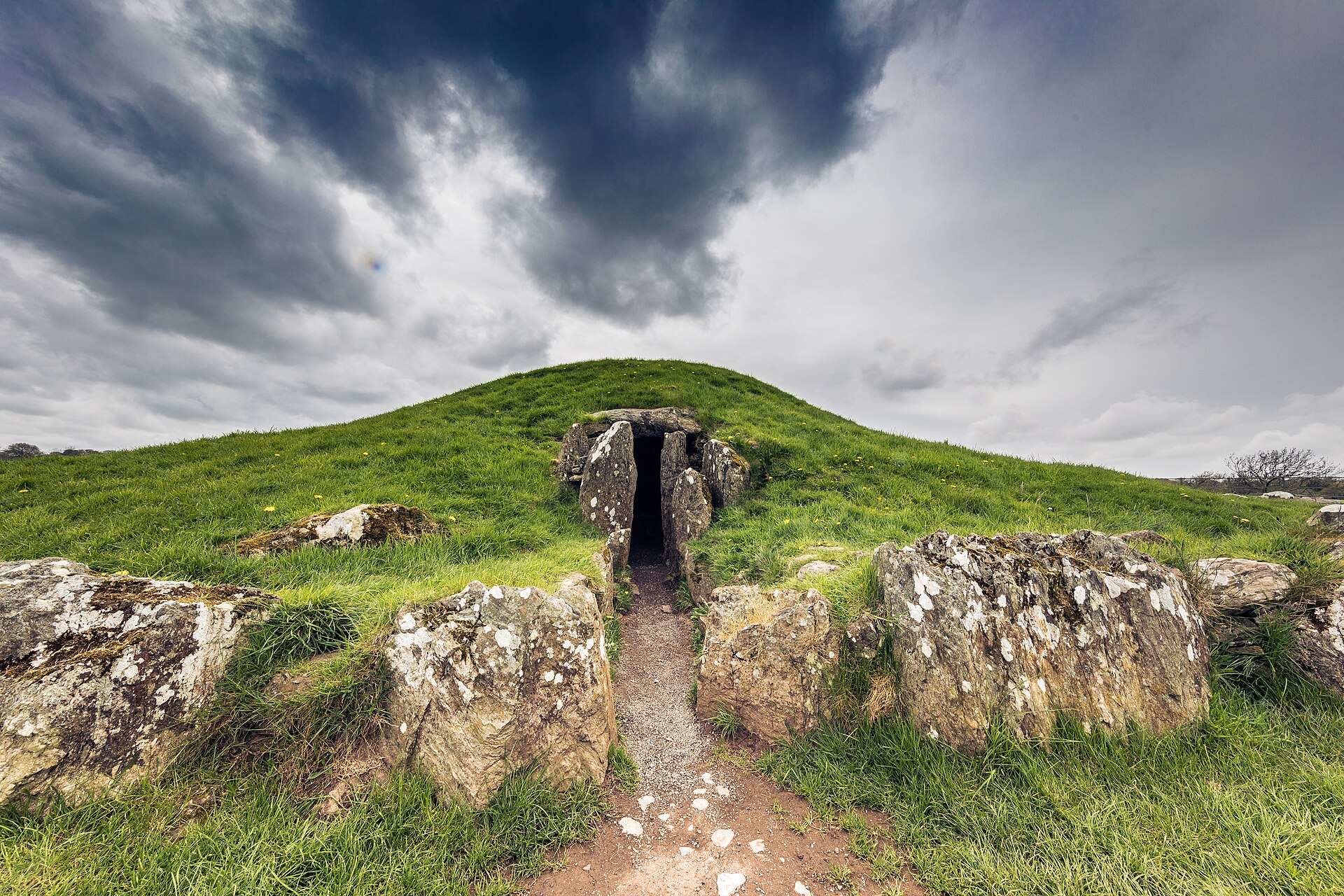
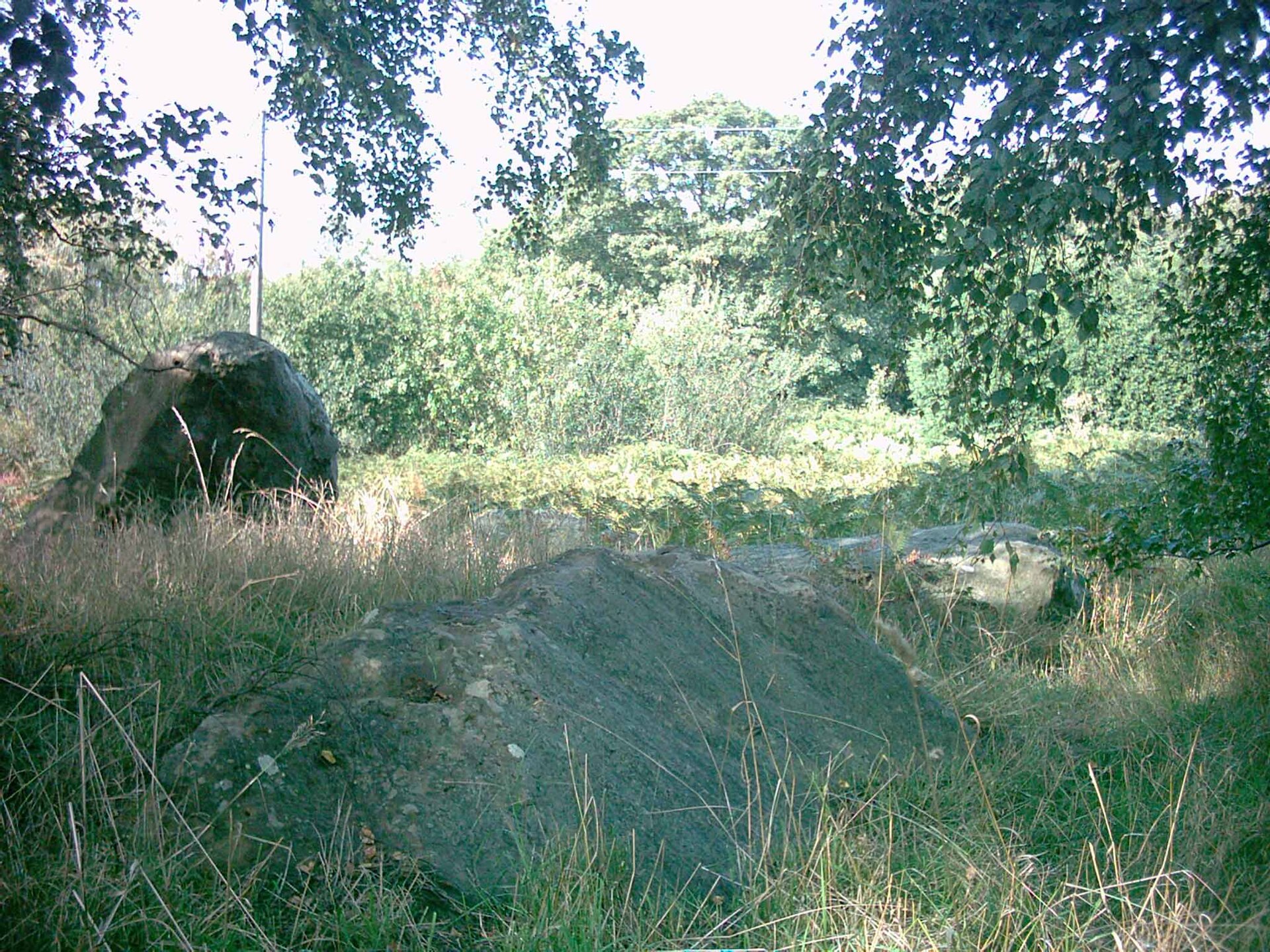
Bryn Celli Ddu
isle-of-anglesey
A tomb reached by a stone-lined passage, built around 2000 BC by smashing the stone circle that stood here first, and aligned so midsummer sunrise…
- Near Llanddaniel Fab
By type
Abbeys, priories, cathedrals and the roofless churches of the medieval world.
Page 1 of 14. Browsing 100 of 4619 — searching looks across all of them.
Tomb or burial place · Prehistoric
isle-of-anglesey
A tomb reached by a stone-lined passage, built around 2000 BC by smashing the stone circle that stood here first, and aligned so midsummer sunrise…
Carved stone · Pictish & early medieval
Cornwall
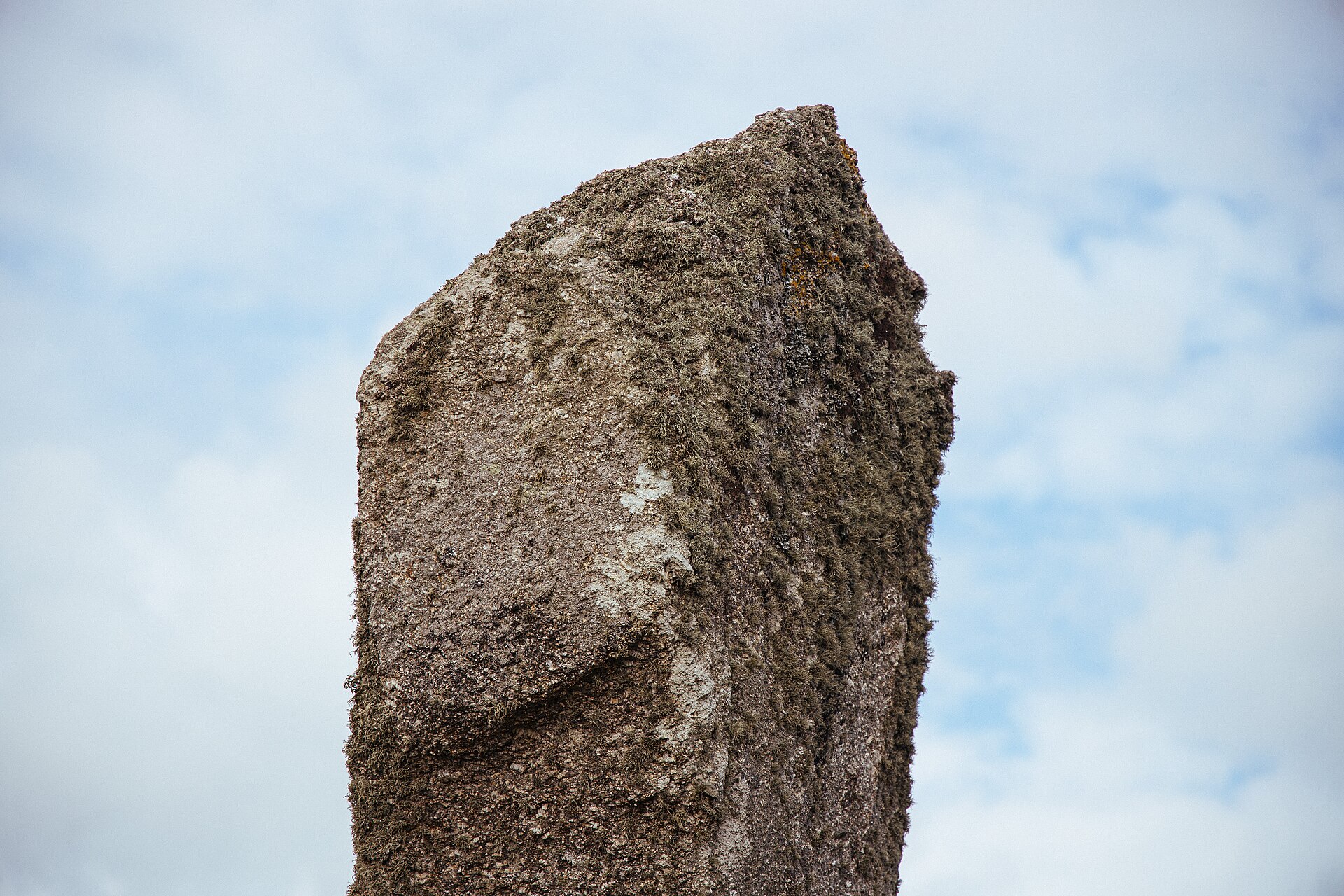
The Pipers near St Buryan are two exceptionally tall standing stones aligned toward the Merry Maidens, preserving a distinctive component of Penwit…
Ancient place · Pictish & early medieval
Suffolk
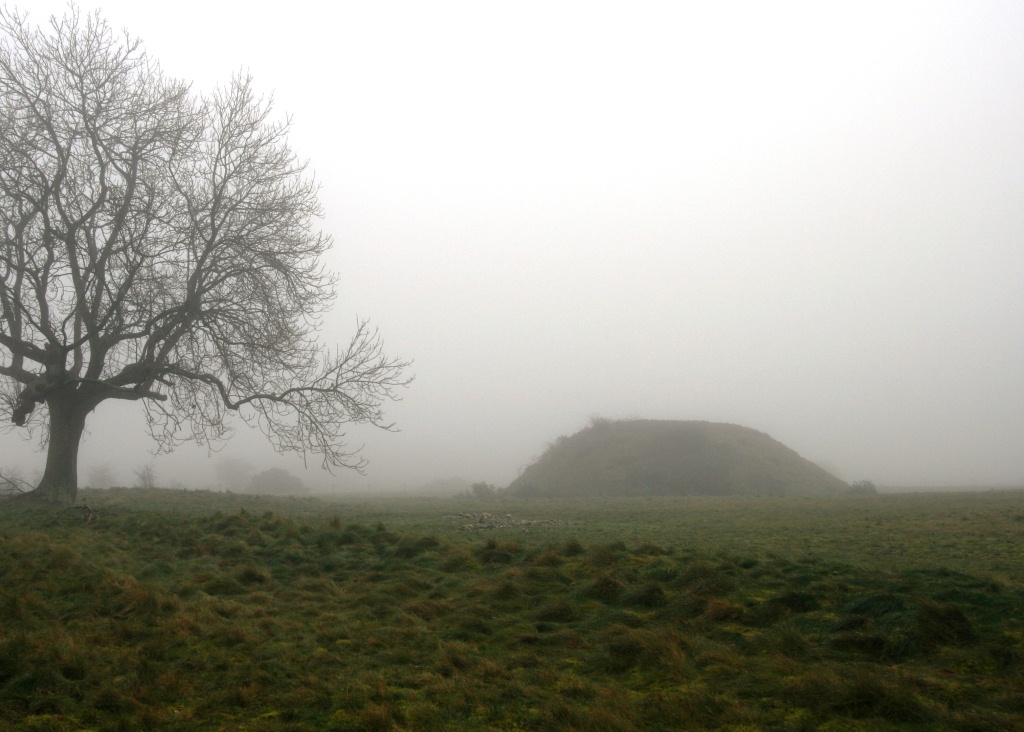
The richest burial ever found in Britain: a 27-metre ship dragged up from the river and buried whole, with a helmet, gold shoulder-clasps and a pur…
Sacred place · Prehistoric
Moray
Known as the Lantern of the North, it was Scotland's second-largest medieval cathedral and uniquely combined an English-style octagonal chapter hou…
Carved stone · Medieval
Cumbria
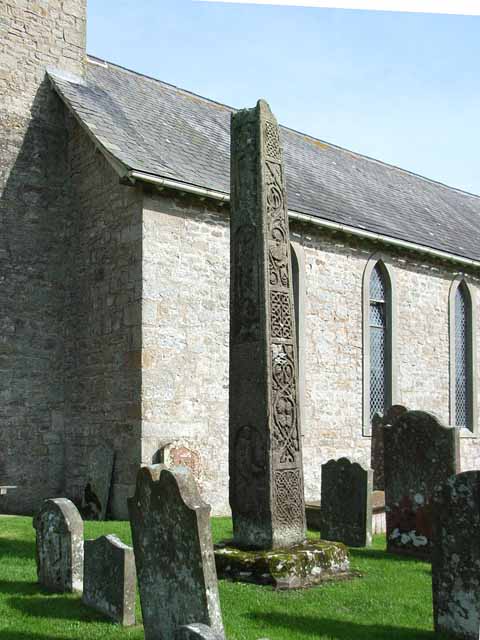
A near-complete Northumbrian cross carved with figures, runes and one of England's earliest sundials, still standing where it was first raised some…
Building or ruin · Medieval
Scottish Borders
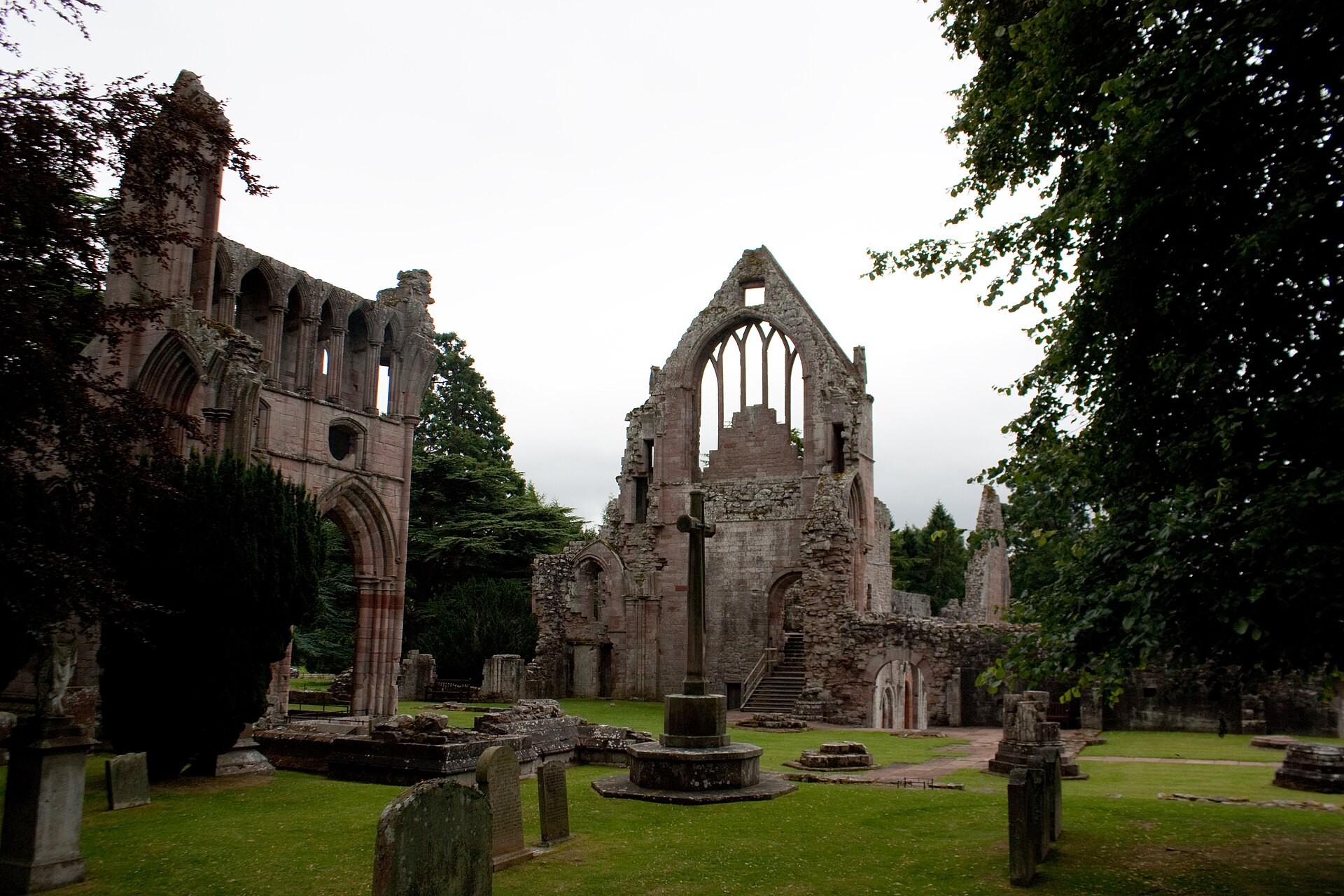
A monastery under an abbot on the banks of the Tweed, nominally founded in 1150 by agreement with Hugh de Morville.
Building or ruin · Medieval
Fife
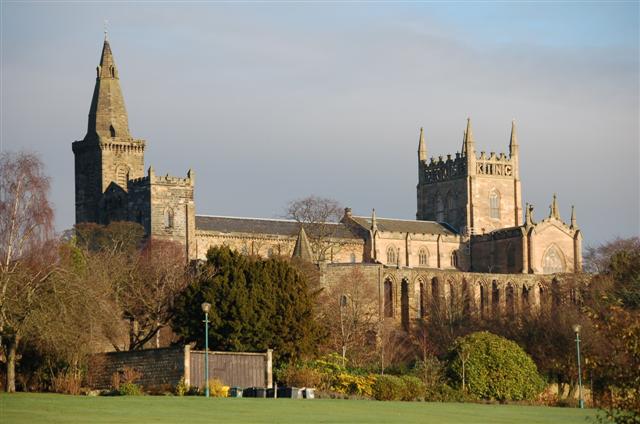
Dunfermline Abbey combines one of Scotland’s great round-arched churches, built before the Gothic style, with the country’s richest concentration o…
Building or ruin · Medieval
Argyll and Bute
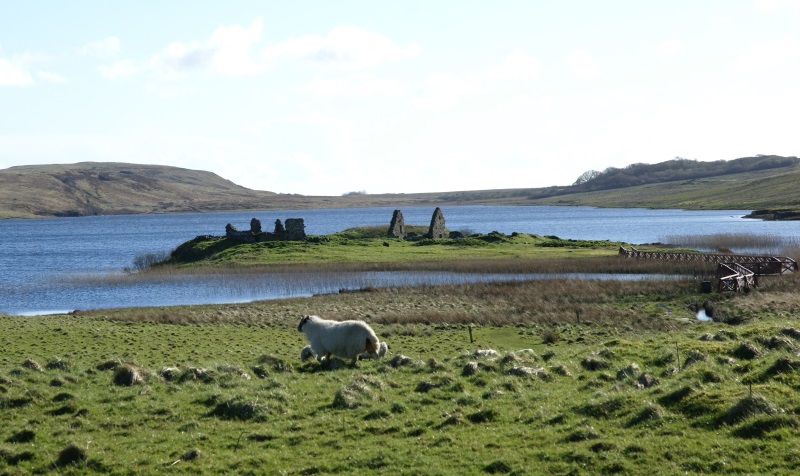
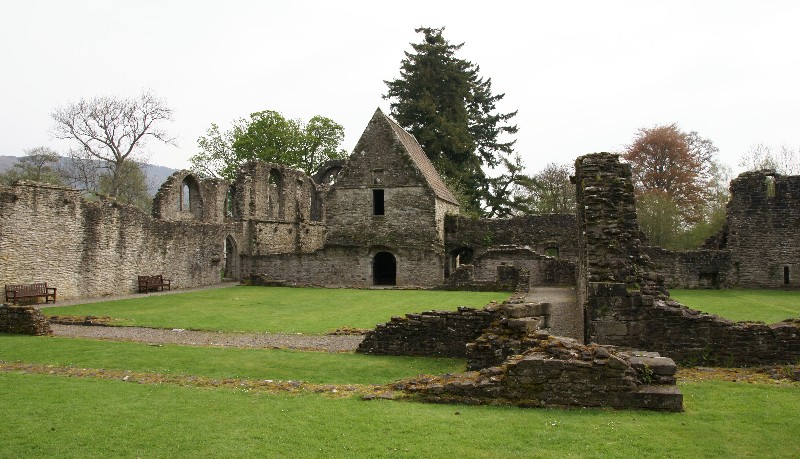
In the first half of the 7th century a monastic community was established on Eilean Mor, the largest of the three islands in Loch Finlaggan: either…
Building or ruin · Medieval
Stirling
Reached only by a motor boat that runs from March to September, Inchmahome holds the roofless thirteenth-century buildings of a monastic house foun…
Building or ruin · Pictish & early medieval
Argyll and Bute
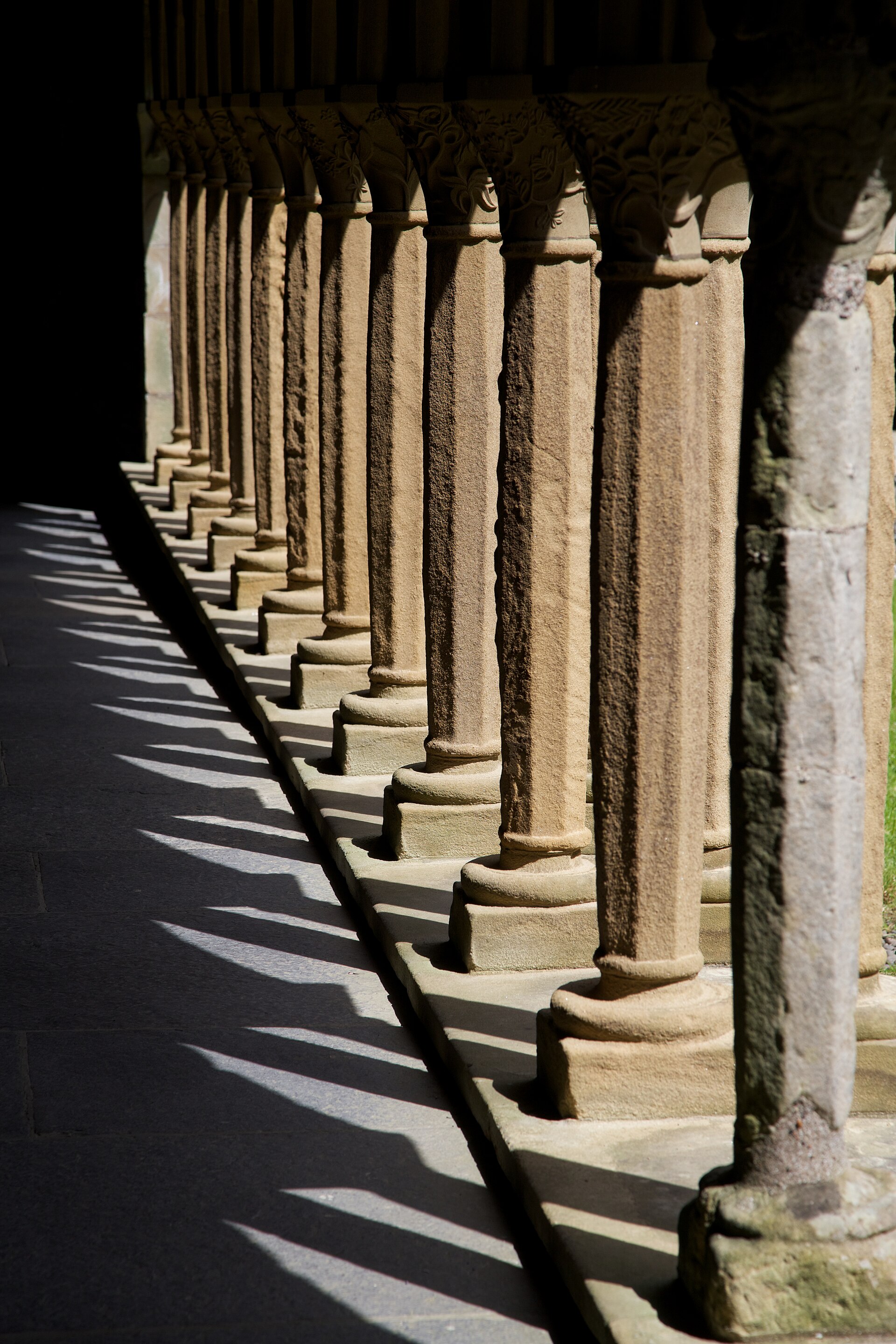
Saint Columba came to Iona from Ireland with twelve companions in 563, founding a monastery when Iona was part of the Kingdom of Dál Riata. It beca…
Building or ruin · Medieval
Scottish Borders
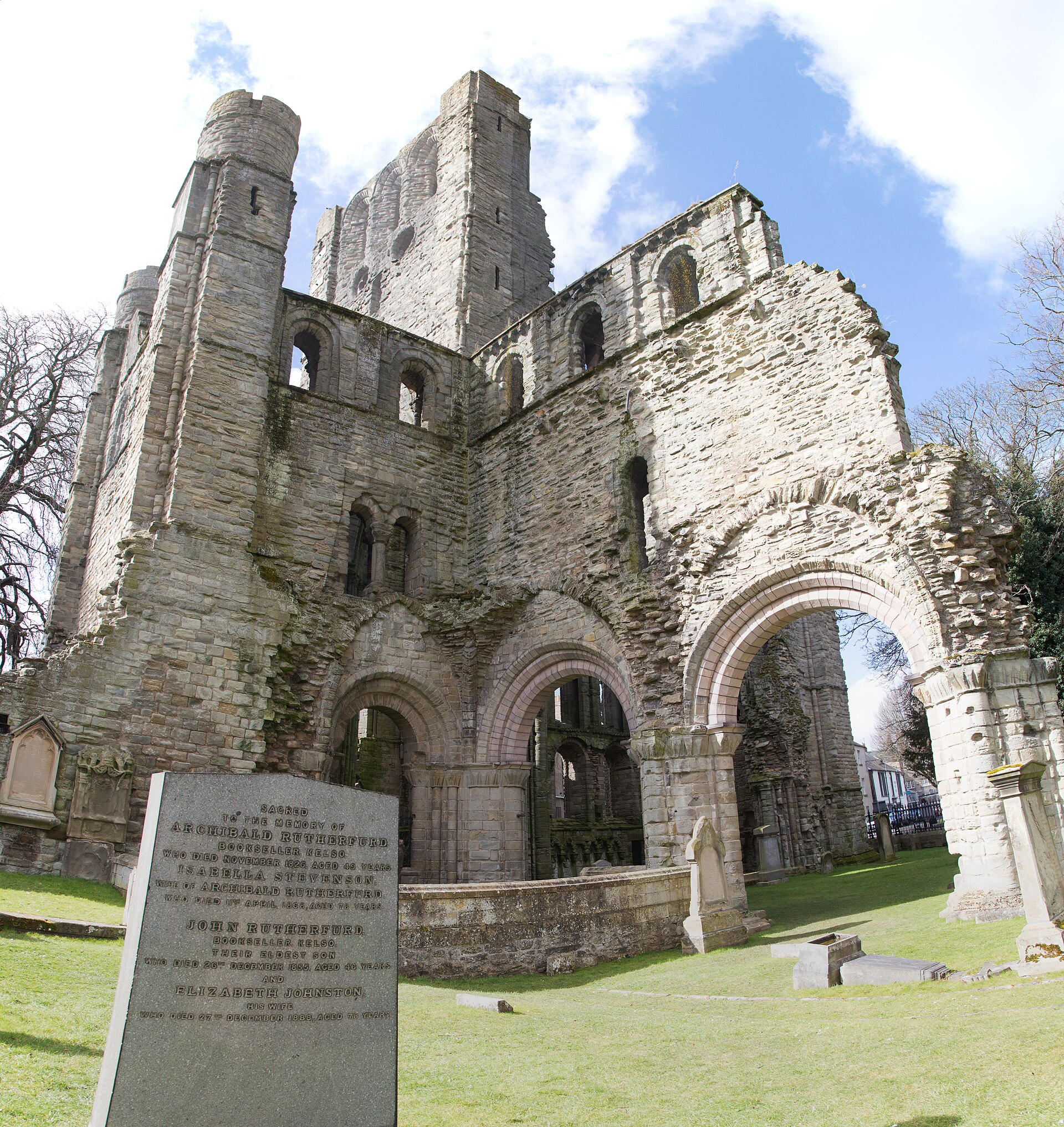
Kelso Abbey was founded at Roxburgh in 1128 by Tironensian monks from Tiron, near Chartres in France. The community had first entered Scotland c. 1…
Building or ruin · Medieval
Scottish Borders
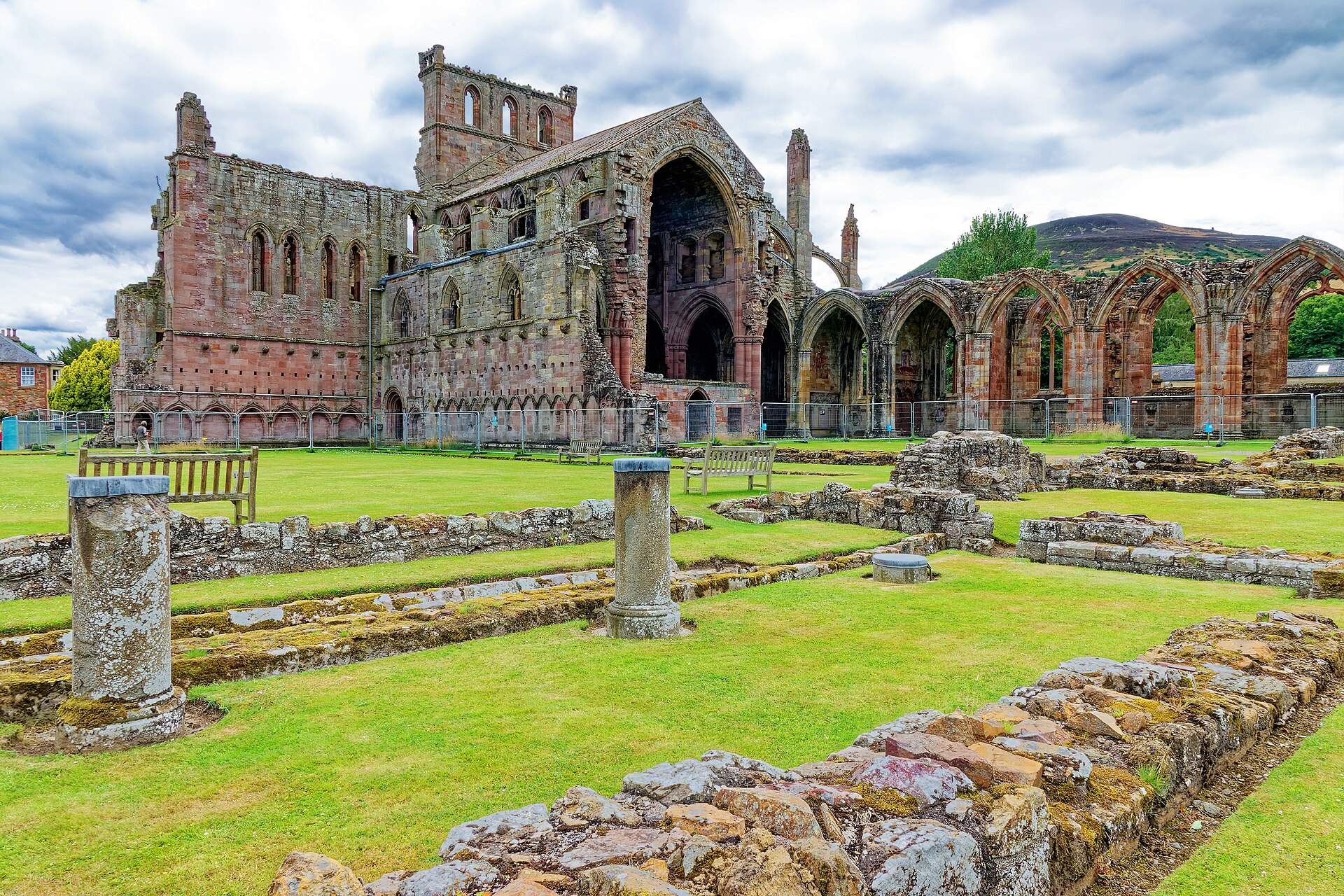
St Mary's Abbey, Melrose was founded in 1136 by Cistercian monks at the request of King David I of Scotland: the first Cistercian abbey in Scotland…
Building or ruin · Pictish & early medieval
Angus
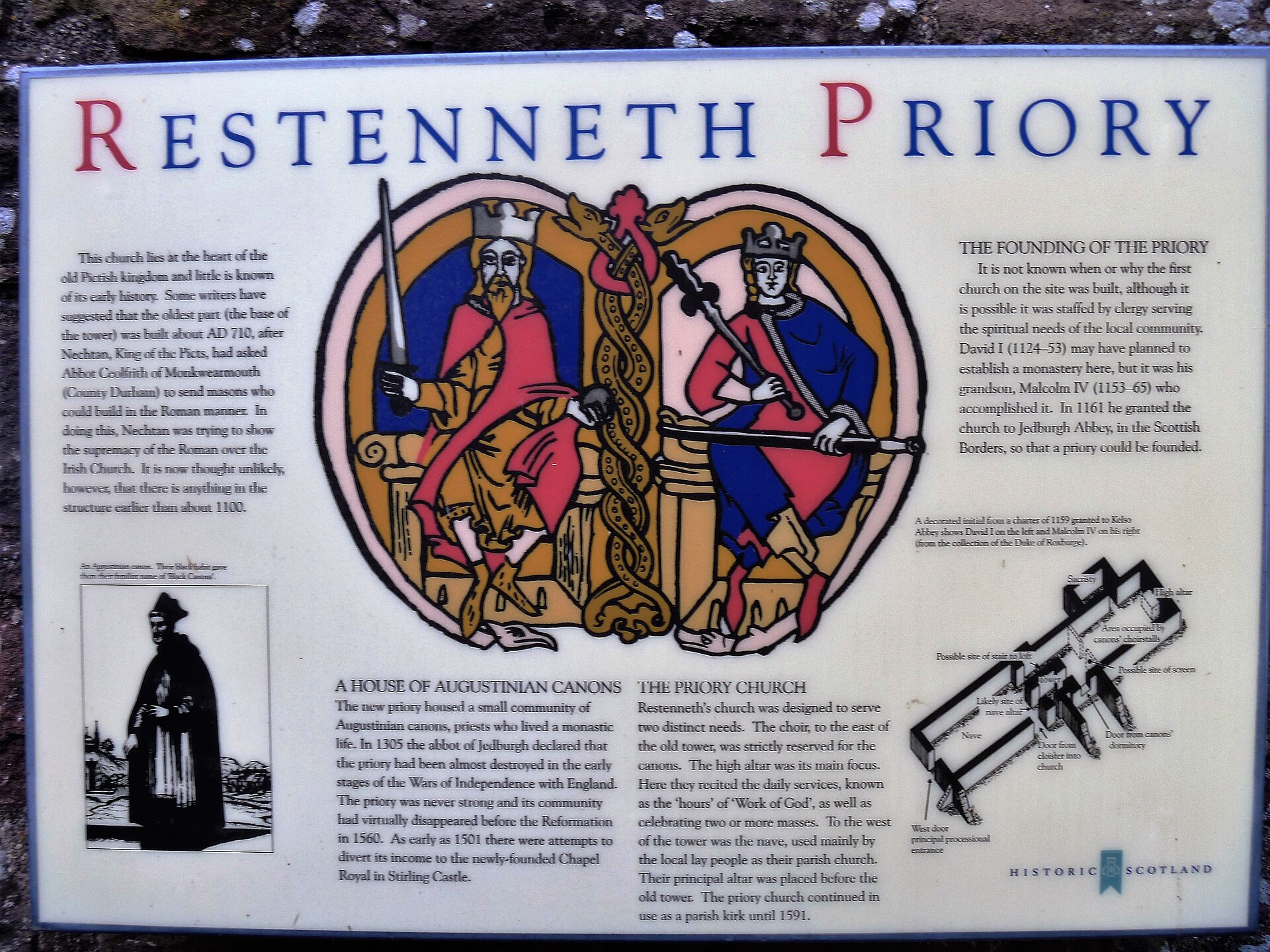
Restenneth Priory was a monastic house of Augustinian canons founded by Jedburgh Abbey, under the patronage of King Malcolm IV of Scotland, in 1153…
Building or ruin · Pictish & early medieval
Fife
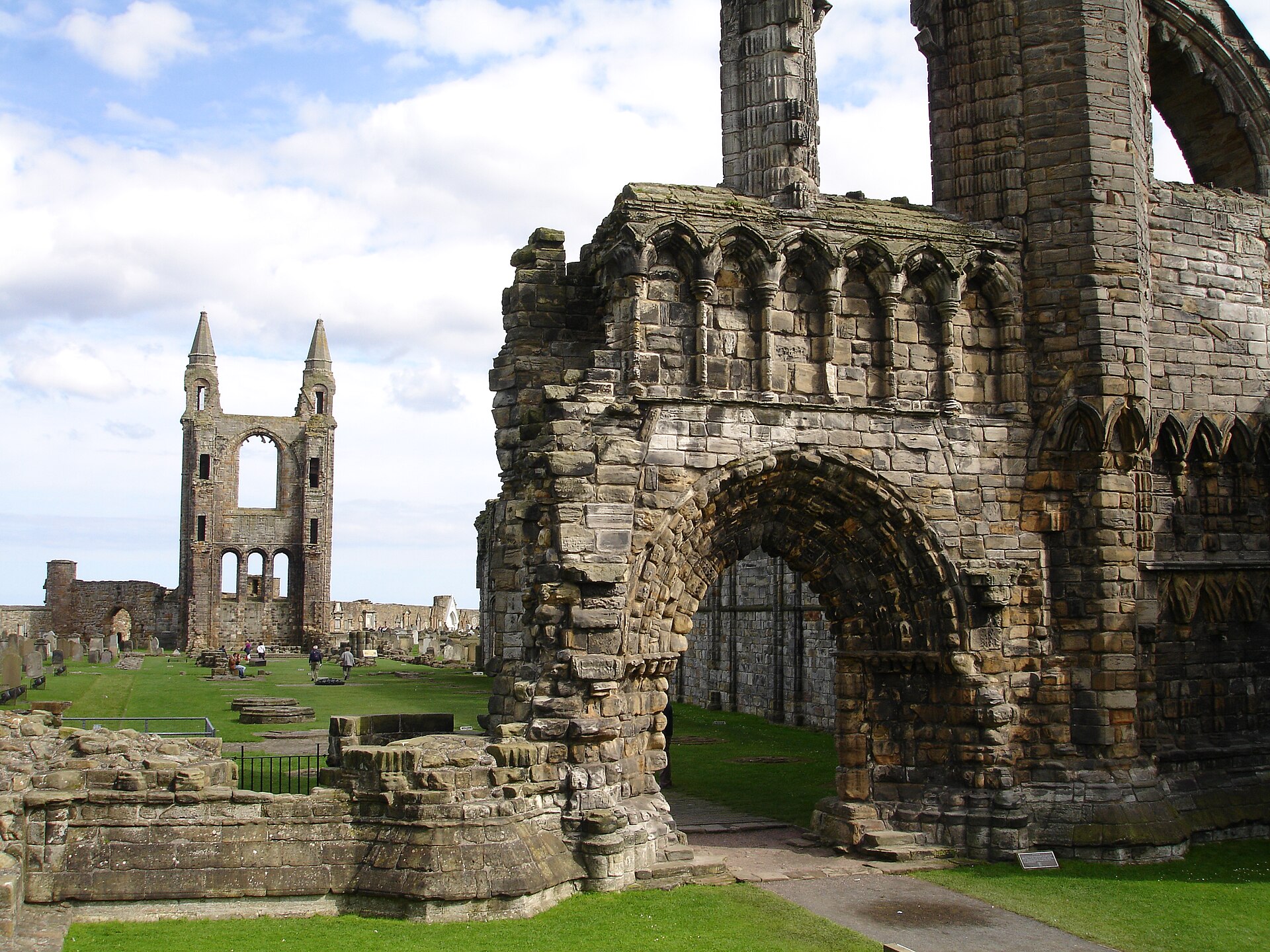
The Cathedral of St Andrew was founded in 1158 to provide more accommodation than the older church of St Regulus (St Rule) afforded, and became the…
Building or ruin · Medieval
West Lothian
The Knights Hospitaller of the Order of St John of Jerusalem were invited to Scotland in 1132 by David I, and the preceptory: their Scottish headqu…
Building or ruin · Medieval
Perth and Kinross
A large part of the chapel dates to 1446, when it was built by Sir David Murray, Baron of Tullibardine, of Tullibardine Castle, as a family chapel…
Building or ruin · Prehistoric
Monmouthshire
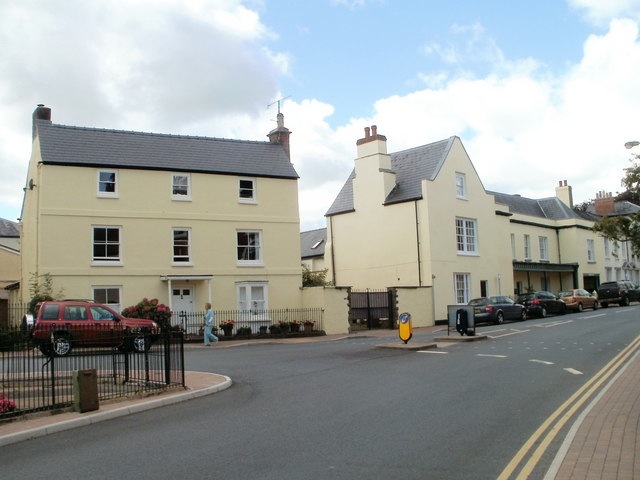
33 Whitecross Street is an eighteenth-century listed house whose 2009 extension archaeology revealed activity from the Stone Age through Roman, med…
Sacred place · Medieval
Greater London
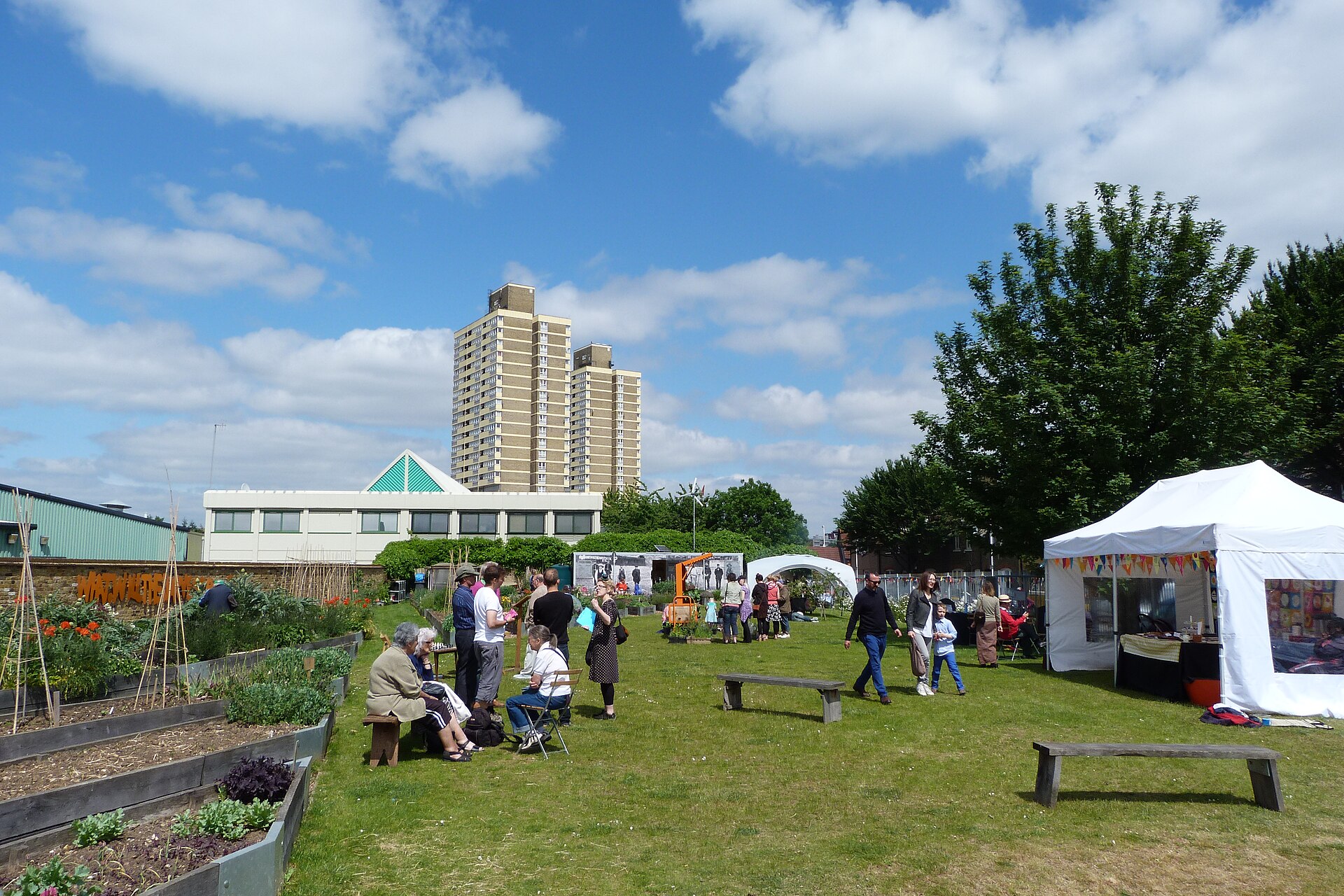
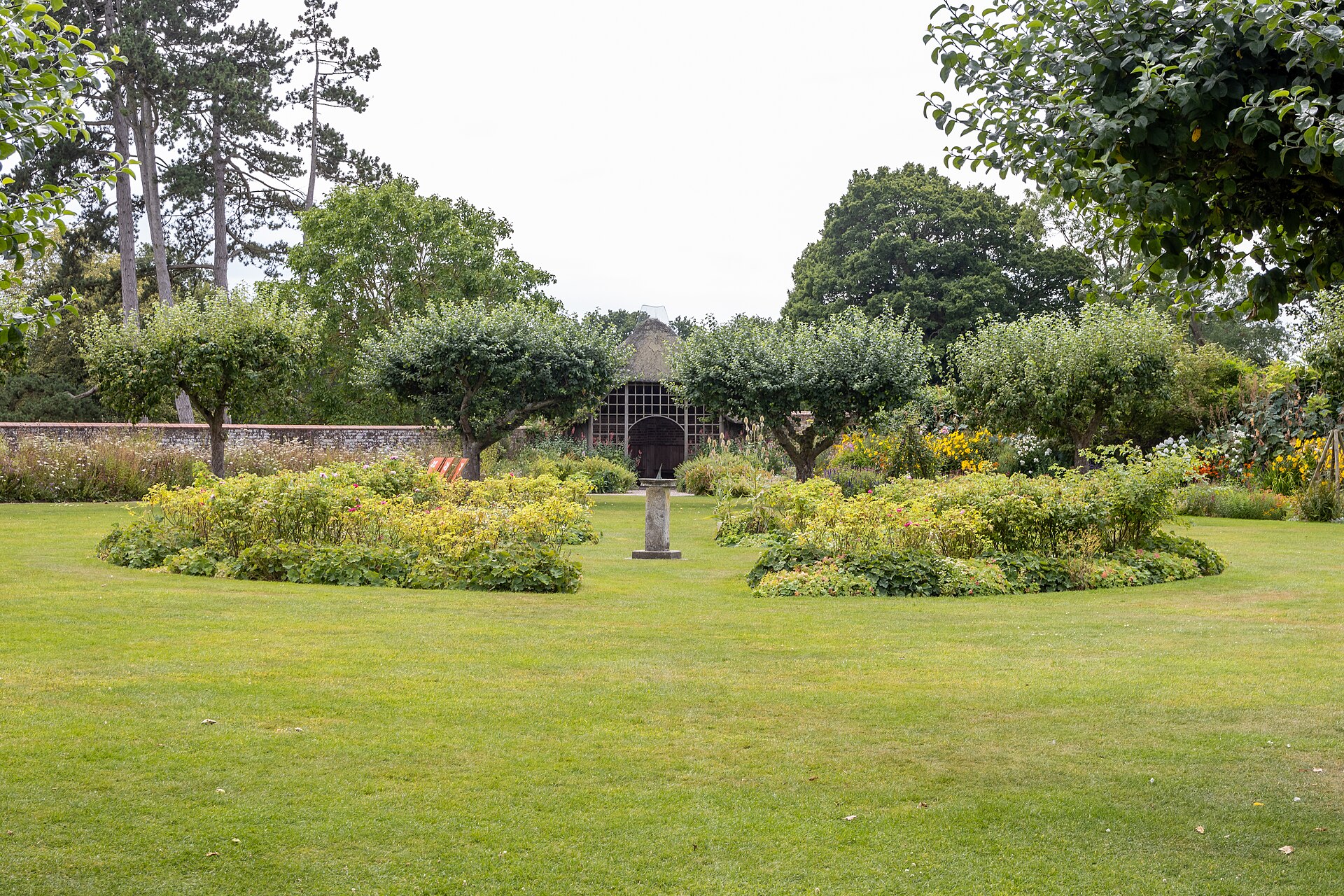
A community garden in Stratford grows vegetables and flowers directly above the buried gatehouse of a vanished medieval abbey (a self-governing mon…
Building or ruin · Medieval
North Yorkshire
Limestone walls near the river preserve Selby Abbey's old working edge. Abbot's Staith is a medieval staith, meaning a riverside landing or warehou…
Building or ruin · Medieval
Argyll and Bute
A single 1691 meeting in these ruins produced a treaty of bribes that were never paid and secret terms the negotiator later denied, brokered on the…
Building or ruin · Medieval
Argyll and Bute
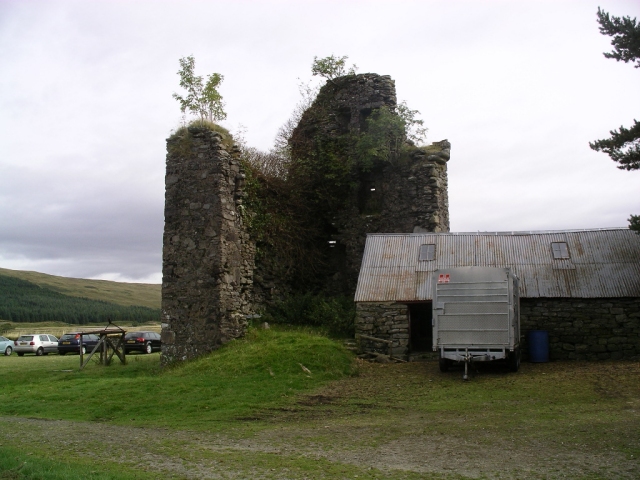
A single 1304 land grant is the earliest written trace of a stronghold long credited to the Bishop of Argyll, though excavation has since pointed t…
Fortified place · Iron Age
Herefordshire
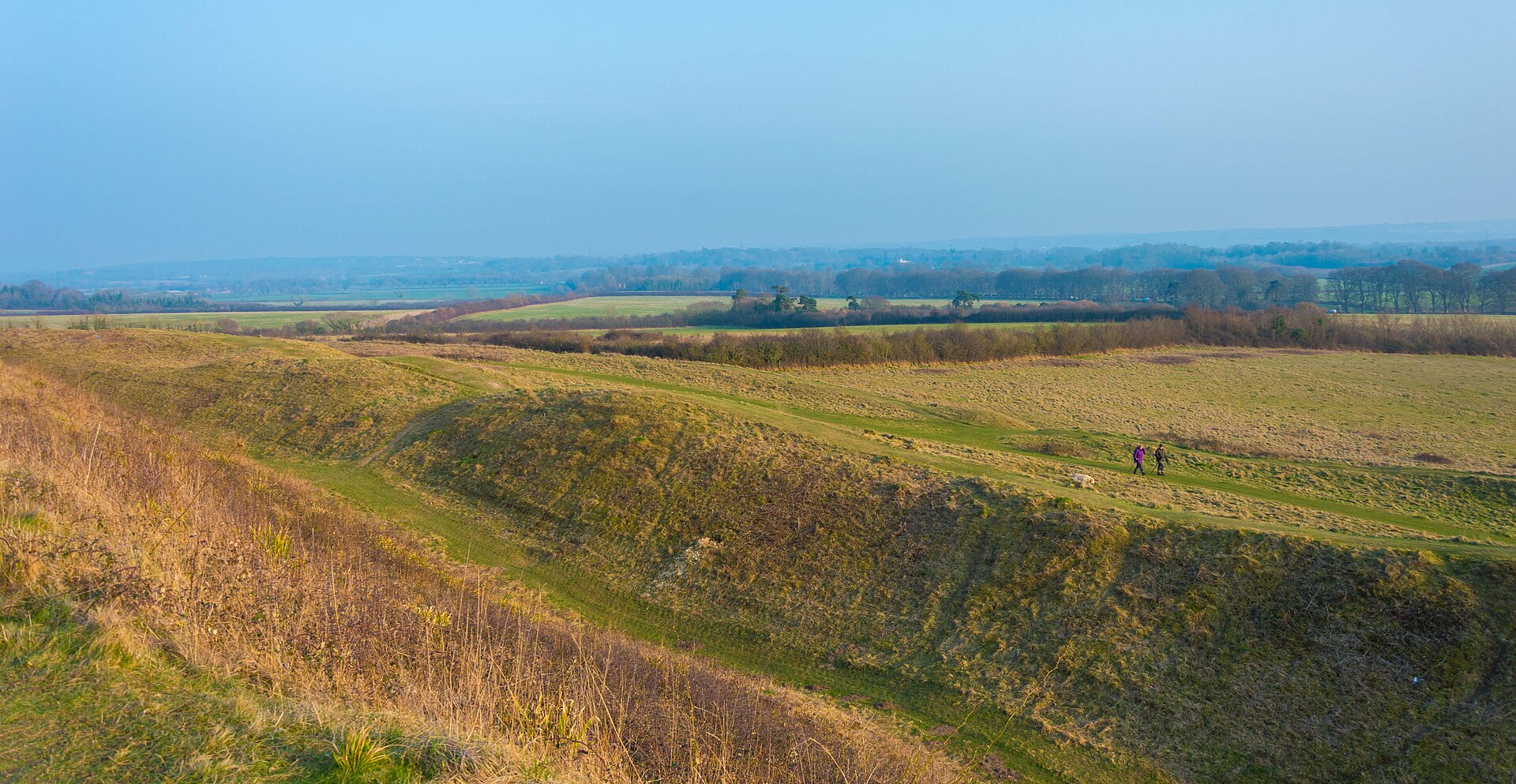
Earthworks on Aconbury Hill still mark a long enclosure above the country south of Hereford. Aconbury Camp is a defended hilltop enclosure with lat…
Tomb or burial place · Prehistoric
Wiltshire
A long grassy mound rises on the chalk near Alton Barnes, with sarsen stones remembered as Old Adam and Little Eve near its former entrance. Adam's…
Tomb or burial place · Prehistoric
Kent
Sarsen stones cluster beside a narrow road near Addington, the battered remains of a Neolithic tomb: from the closing Stone Age, roughly 4000–2500…
Building or ruin · Roman
Northumberland
Aesica is a compact Hadrian’s Wall fort whose water system, defences, garrisons, and excavated buildings reveal Roman frontier engineering in unusu…
Building or ruin · Medieval
Argyll and Bute
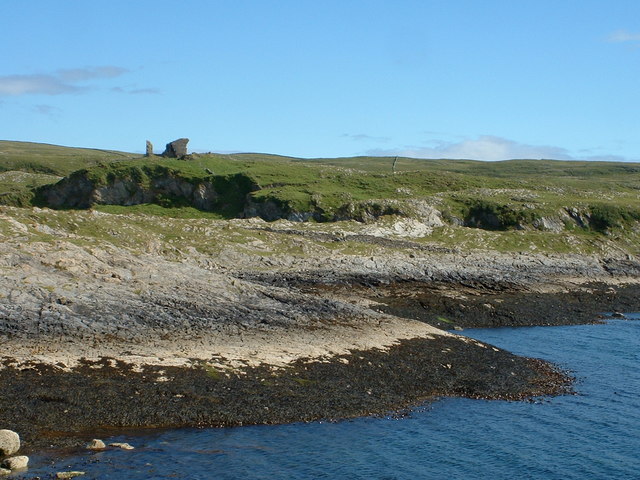
For a century after the Lordship of the Isles fell, this headland castle changed hands between an Ayrshire family and the MacDonalds of Dunnyveg: K…
Building or ruin · Roman
North Yorkshire
A high-status Roman house on the road to Catterick that no one knew existed until a bypass survey found it in 2013: and most of it still lies unexc…
Building or ruin · Roman
Cumbria
The site has yielded more Roman altars than any other in Britain, stone records of religious life left by soldiers stationed at the empire's north-…
Fortified place · Medieval
Shropshire
A medieval moat that had silted up and been filled with rubble, refilled in 1992 by a BBC television programme and now an angling centre for disabl…
Building or ruin · Roman
Oxfordshire
Fields near Wendlebury conceal one of the earliest legionary fortresses built in Britain after the AD 43 invasion, commanded by the future emperor…
Building or ruin · Roman
Cheshire
A carbon-dated wooden shovel and a buried hoard of Roman coins pushed this copper working's story back nearly four thousand years, from Victorian t…
Crossing or structure · Medieval
Berkshire
Its scalloped brick chamber still carries a single line of blue brick marking where a cheaper, lower wall once stood before 1984.
Building or ruin · Roman
Oxfordshire
Low banks behind Ashdown Park enclose a small prehistoric (before written records reached Britain) site later tied to Alfred's legend. Alfred's Cas…
Settlement · Medieval
Derbyshire
A leper hospital and a baron's chapel once stood here; both vanished, leaving only grassy platforms, sunken lanes and a recovered font as trace of…
Ancient place · Iron Age
Wiltshire
A ploughed field's scatter of hammerstones led to the discovery of the site that first revealed how Britain's Bronze Age (roughly 2500–800 BC, when…
Sacred place · Medieval
Bedfordshire
Cobblestone walls raised soon after the Norman Conquest still stand, telling of a parish that outgrew its old church - yet never stopped burying it…
Sacred place · Medieval
Denbighshire
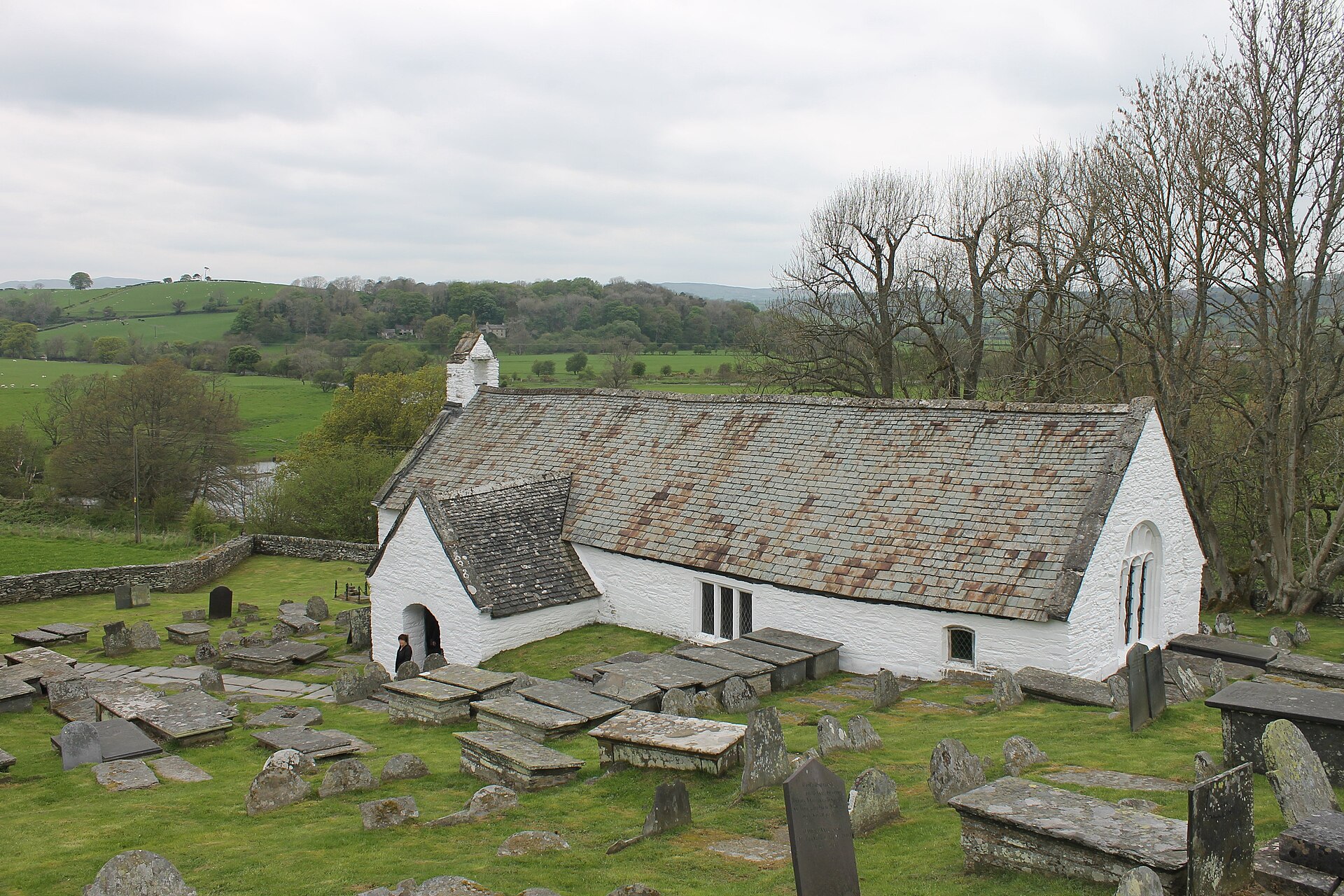
Its wall paintings show the seven deadly sins each riding an animal, a device found in only three churches in Britain, and its abandonment in 1856…
Building or ruin · Roman
cumbria
A lakeside fort held for close to three centuries, where a tombstone records a man killed inside the walls and 800 metal finds hint at the battle t…
Building or ruin · Roman
City of London
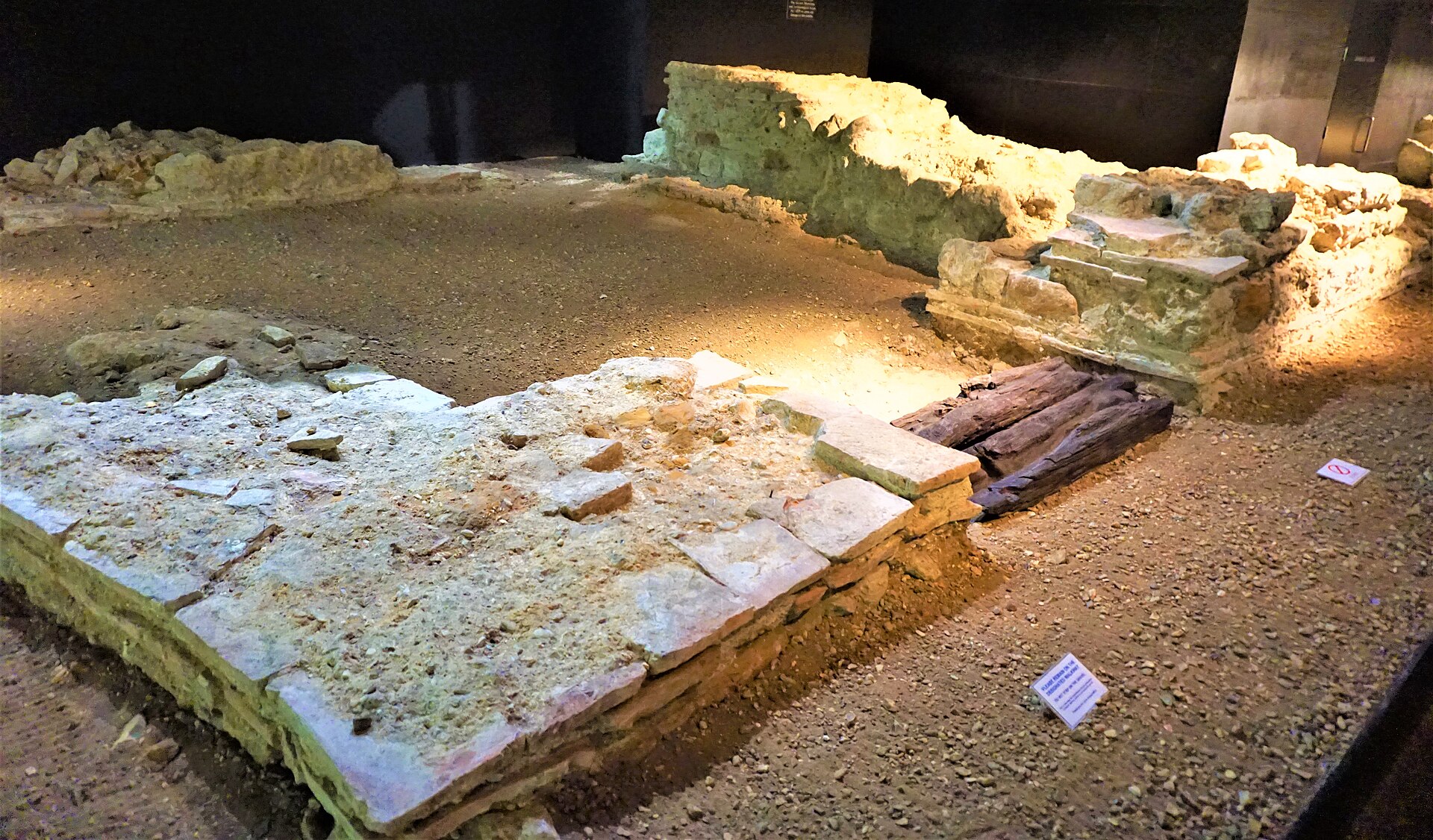
A gladiatorial arena for thousands of spectators survives beneath a modern civic plaza, its curved outline still traced in the paving above.
Building or ruin · Roman
Lincolnshire
A cemetery of more than 250 Roman burials, including 11 stone sarcophagi, sits beneath a Lincolnshire village whose Latin name was never securely r…
Building or ruin · Roman
East Sussex
Its walls sheltered William the Conqueror's army the night before Hastings in 1066: a single site spanning Roman, Saxon, Norman and Second World Wa…
Building or ruin · Roman
Cheshire
A hydraulic engineering solution so unusual: two water-filled iron tanks counterbalancing each other on buried rams: that it survives as one of onl…
Carved stone · Medieval
Derbyshire
A prehistoric (predating the written record in Britain) boulder scored with cup-and-ring carvings was later turned into a private war memorial, its…
Fortified place · Roman
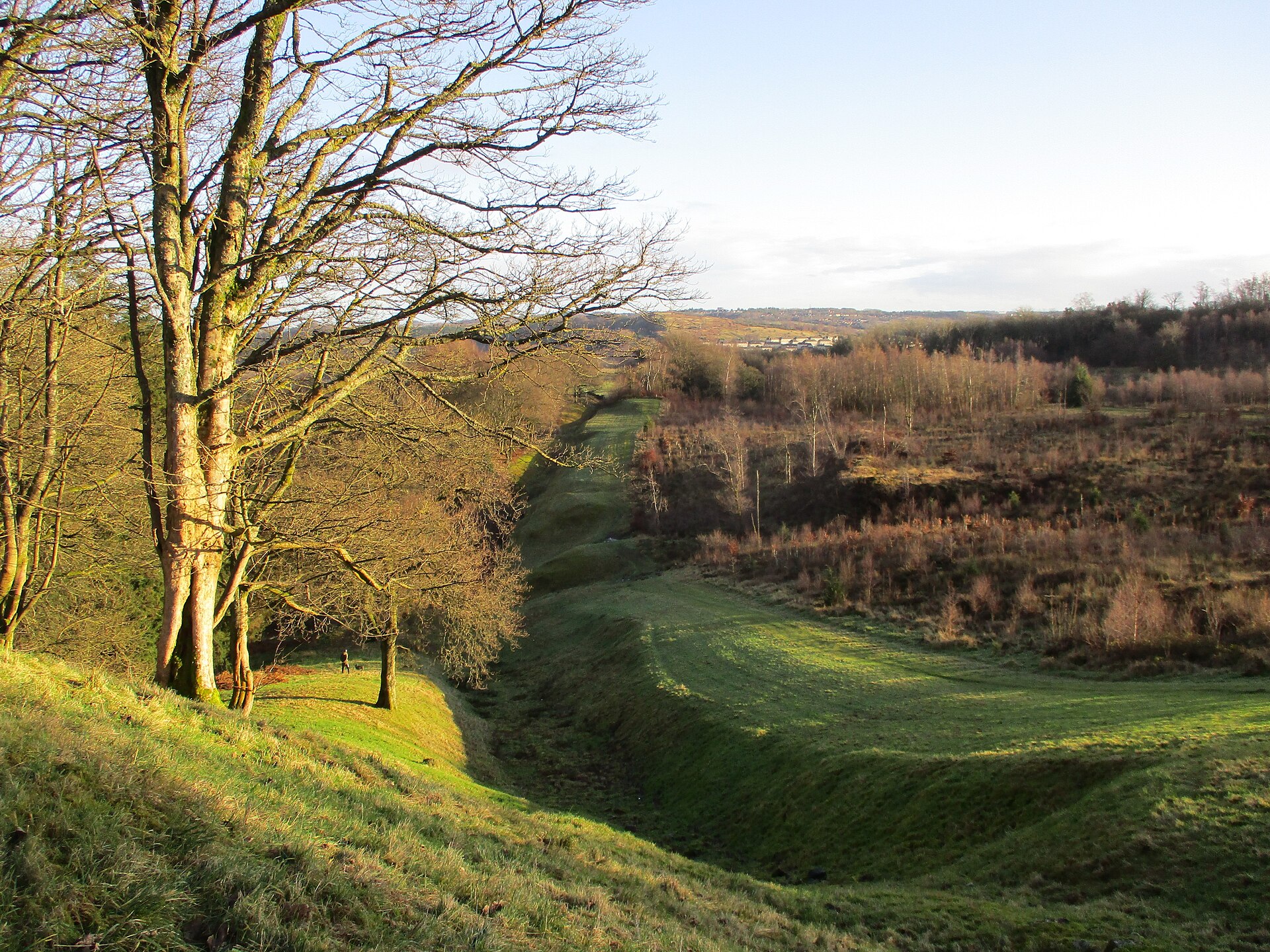
East Dunbartonshire
The Antonine Wall was Rome’s short-lived northern frontier, joining nineteen forts to carved distance slabs whose paint, imagery and military messa…
Building or ruin · Roman
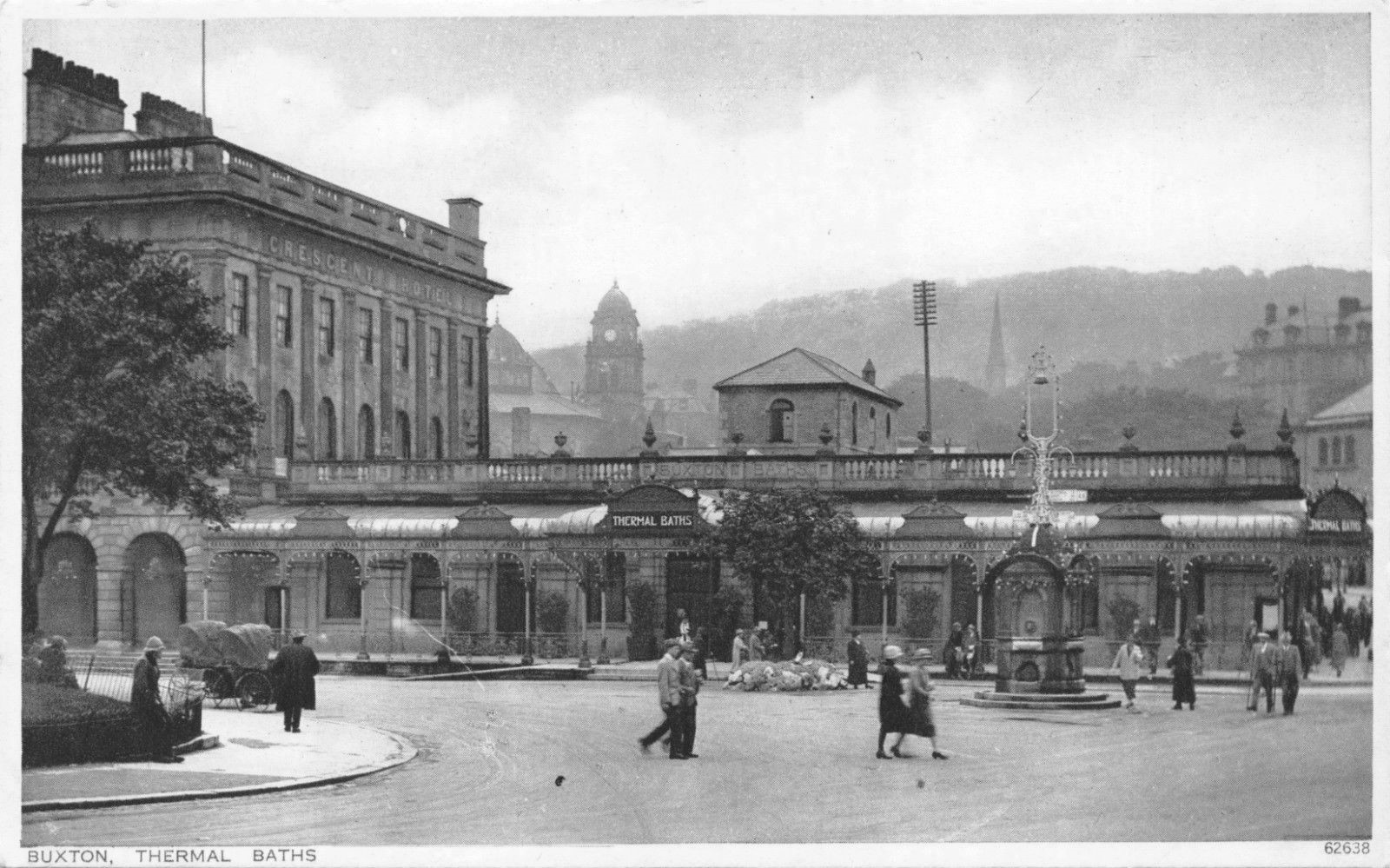
Derbyshire
About a million litres of warm mineral water rise each day from roughly a kilometre below the ground at Buxton, emerging at a steady 27 °C. The Rom…
Building or ruin · Roman
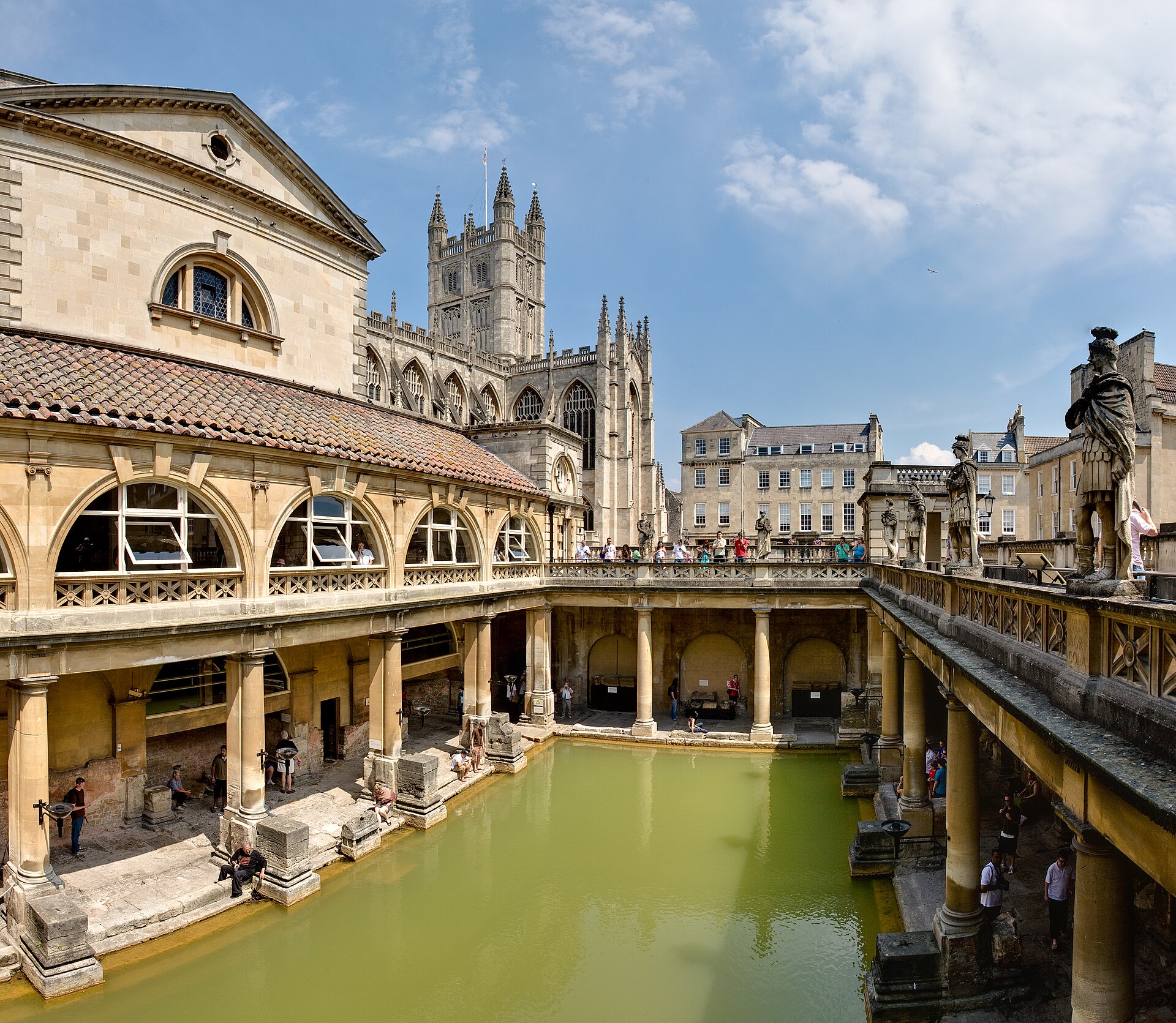
Somerset
Around 130 sheets of lead, scratched with curses and folded shut, were dropped into a steaming spring here by people who believed the goddess in th…
Building or ruin · Roman
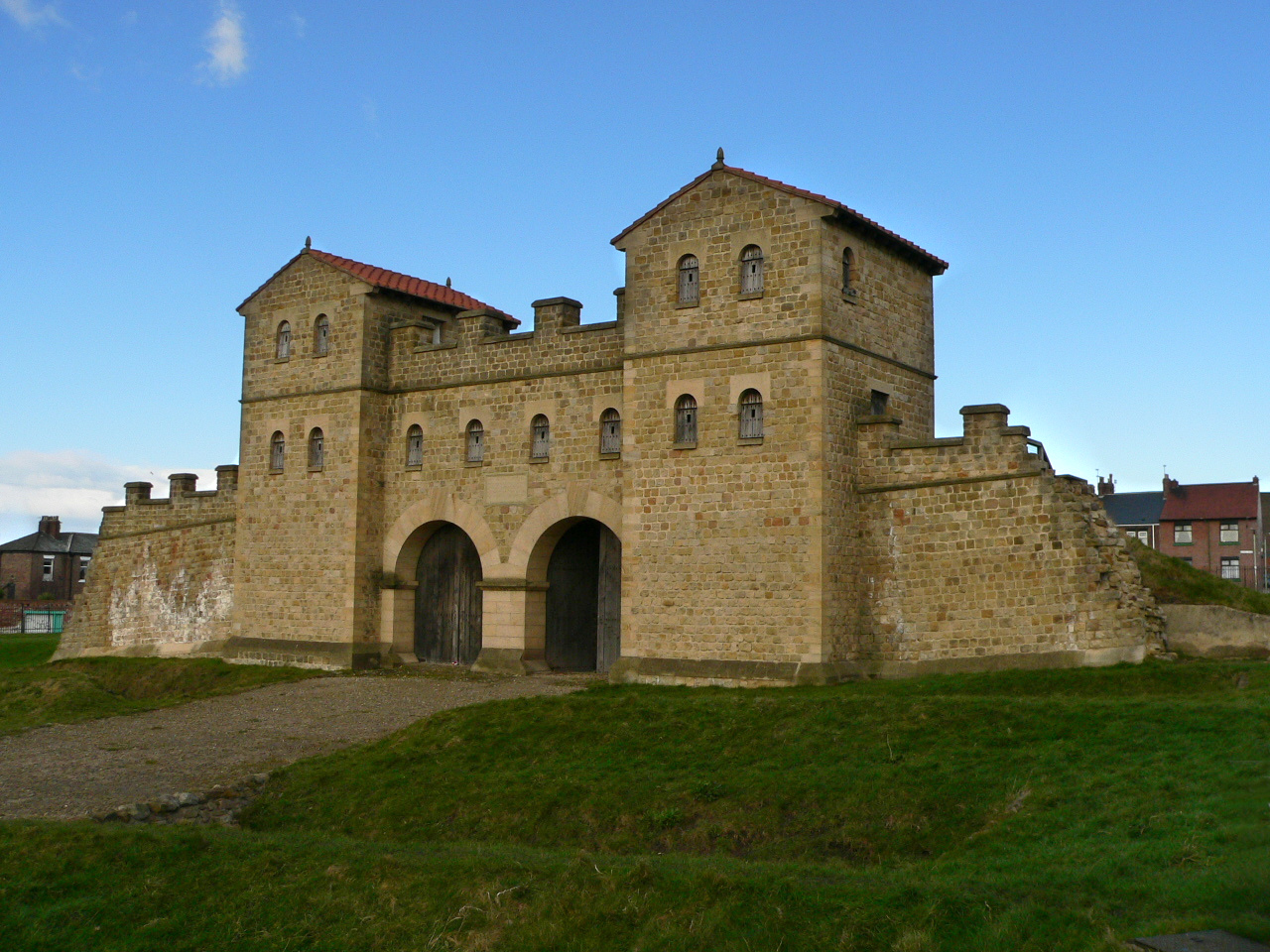
Tyne and Wear
A supply fort above the mouth of the Tyne, four miles beyond the end of Hadrian's Wall, whose gravestones record a strikingly far-flung population.
Sacred place · Medieval
Angus
In 1320 the Declaration of Scottish Independence: the Declaration of Arbroath: is believed to have been drafted here by Abbot Bernard, Chancellor o…
Fortified place · Prehistoric
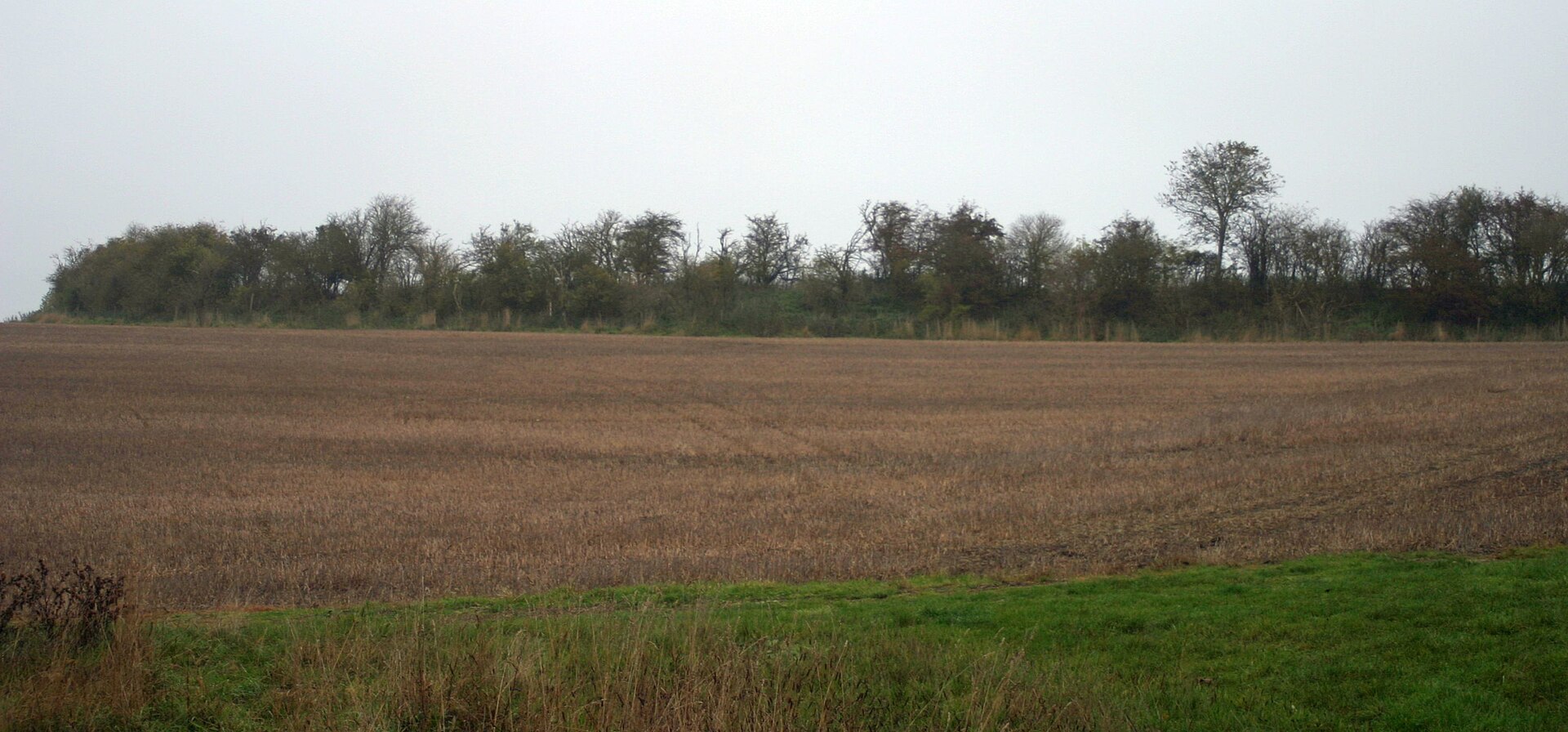
Hertfordshire
One of only six known hillforts strung along the northern Chilterns, and a serious contender for the battle where a small Roman force destroyed Bou…
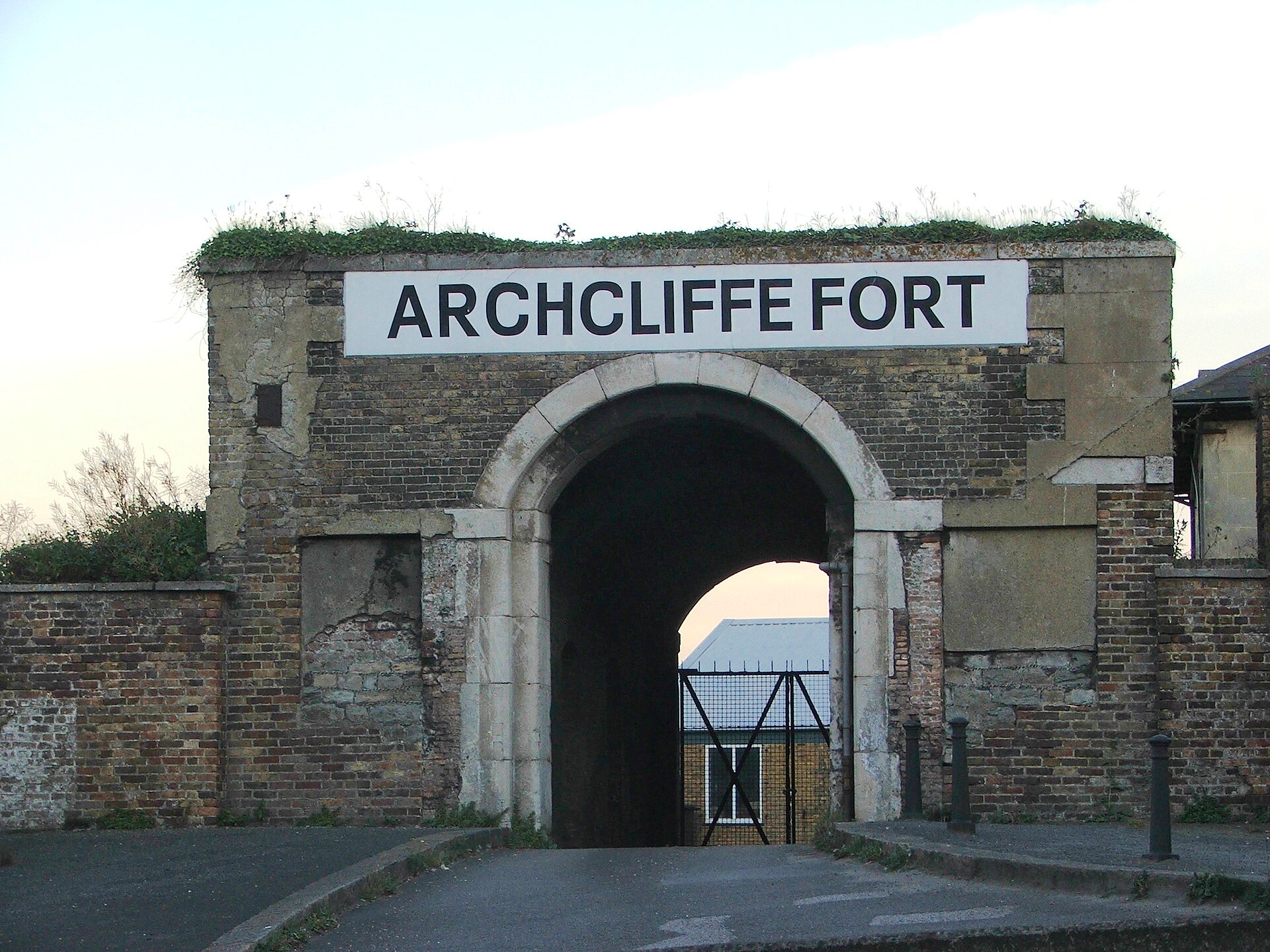
Fortified place · Prehistoric
Kent
Archcliffe Fort is a surviving Dover coastal defence whose ramparts span Tudor invasion fears, Stuart rebuilding, railway and road losses, and a pr…
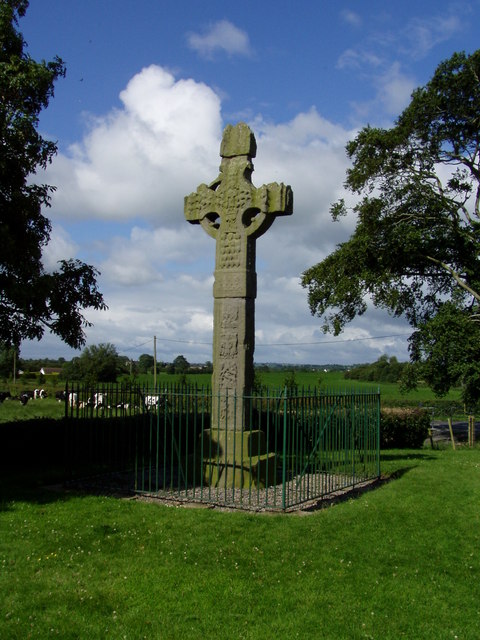
Carved stone · Medieval
County Tyrone
At 5.6 metres, Ardboe High Cross is Northern Ireland’s tallest and most complete original high cross; its twenty-two biblical panels preserve the o…
Building or ruin · Medieval
Argyll and Bute
Robert the Bruce is said to have held Scotland's last Gaelic-speaking parliament here in 1308, and local tradition credits its yews with furnishing…
Building or ruin · Roman
Derbyshire
A thousand-strong Roman garrison once held this Pennine spur, and the same cohort's name turns up again on an altar stone far away at Hadrian's Wall.
Building or ruin · Roman
Herefordshire
Its waste heaps alone testify to an industrial scale rare in Roman Britain: furnace refuse still covering some 100 acres, built up over centuries o…
Building or ruin · Medieval
Argyll and Bute
A single stronghold changed hands between three of the West Highlands' great dynasties in turn: MacDougall, MacDonald and Maclean: each forfeiture…
Tomb or burial place · Prehistoric
Herefordshire
A capstone of more than 25 tonnes still balances on nine stones nearly five thousand years after burial rites began here: and storytellers have sin…
Building or ruin · Medieval
Buckinghamshire
A working hunting box quietly rebuilt over sixty years into one of the Rothschild family's great informal country houses, its rustic timbering deli…
Building or ruin · Roman
Devon
A single limestone chamber near Brixham held Bronze Age (roughly 2500–800 BC) hearths, Roman burial urns and Nero's coins, then drew treasure-hunte…
Building or ruin · Medieval
East Sussex
A stone hand axe found near Gills Lap, thought to be about 50,000 years old, is the earliest known trace of human activity on Ashdown Forest: an an…
Building or ruin · Medieval
Gloucestershire
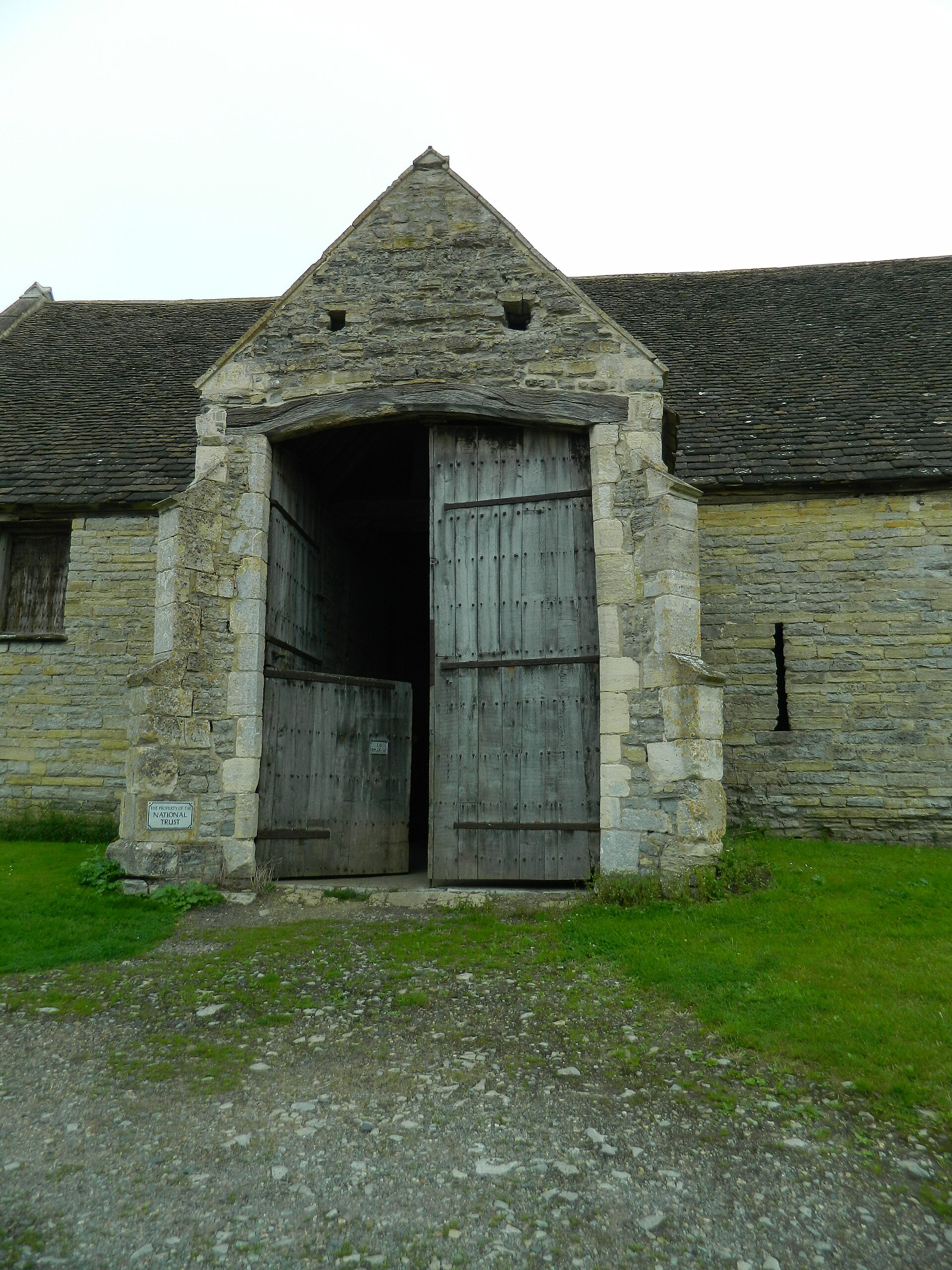
A Grade II* survivor of the medieval tithe system, its owl holes and buttressed limestone walls still show how a Bristol abbey (a monastery headed…
Tomb or burial place · Pictish & early medieval
Oxfordshire
A seventh-century cremation burial yielded a Merovingian glass bottle, a silver bowl and gilded drinking-horn fittings: grave goods placing an obsc…
Building or ruin · Medieval
Warwickshire
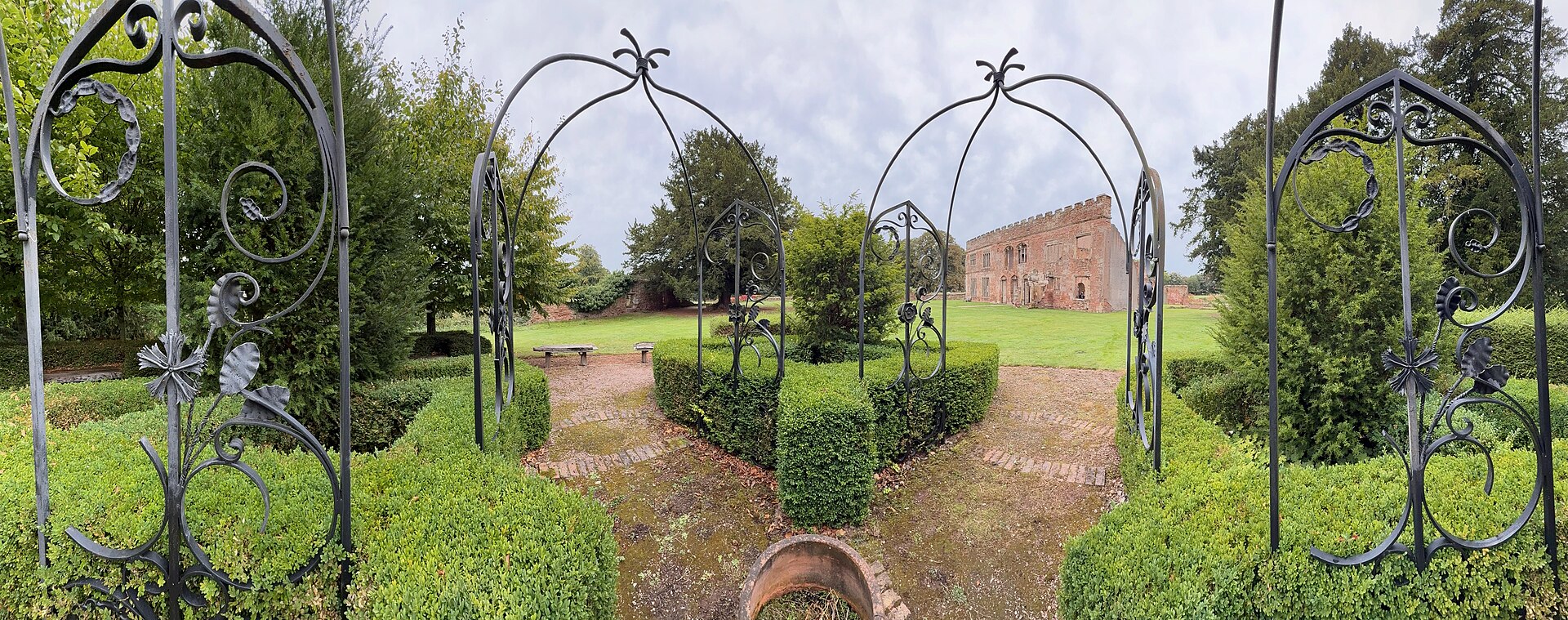
A fortified house rather than a true castle, home to Elizabeth Woodville before she became queen, gutted by fire in 1978 and rebuilt inside its own…
Tomb or burial place · Iron Age
Wiltshire
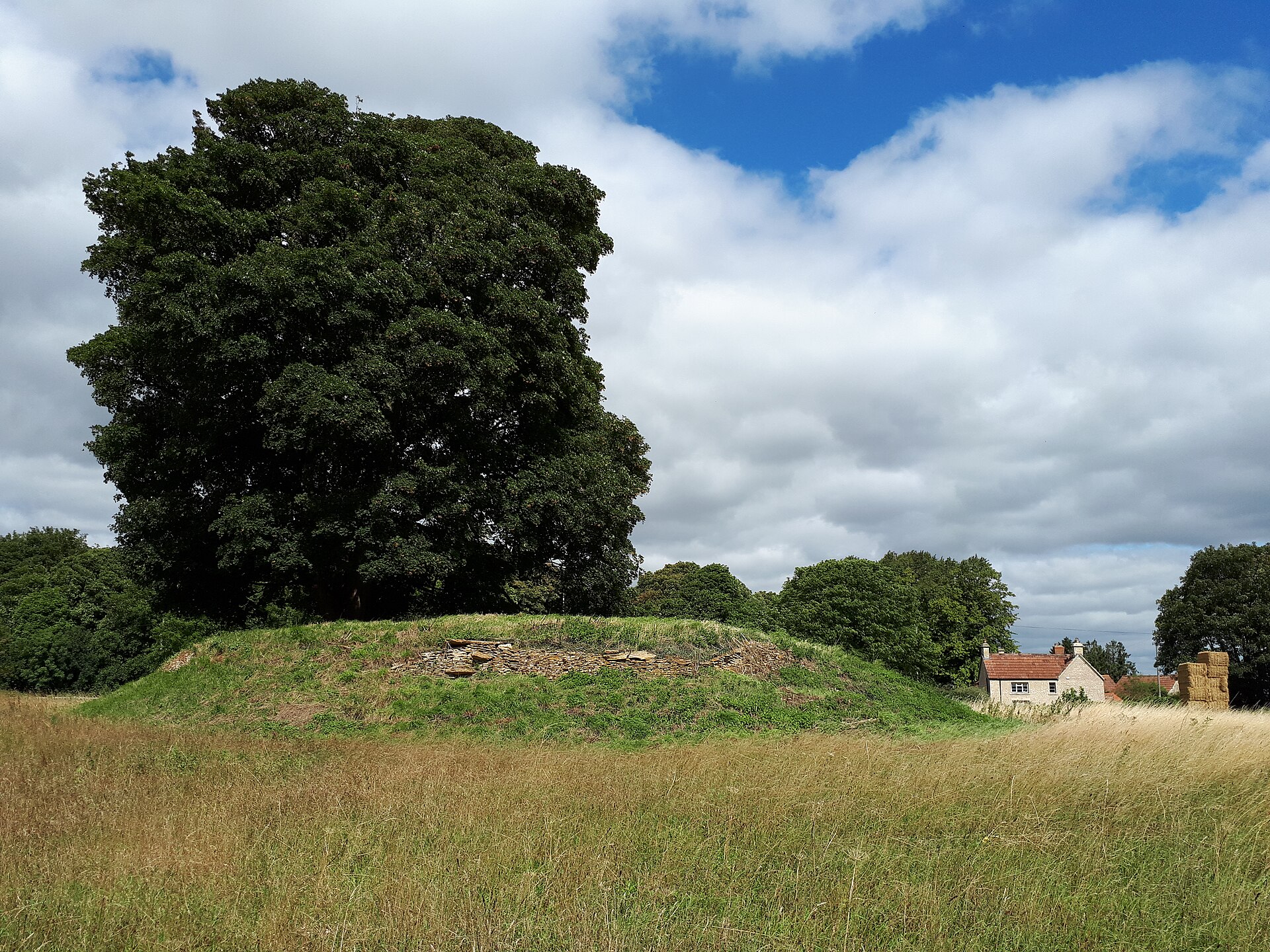
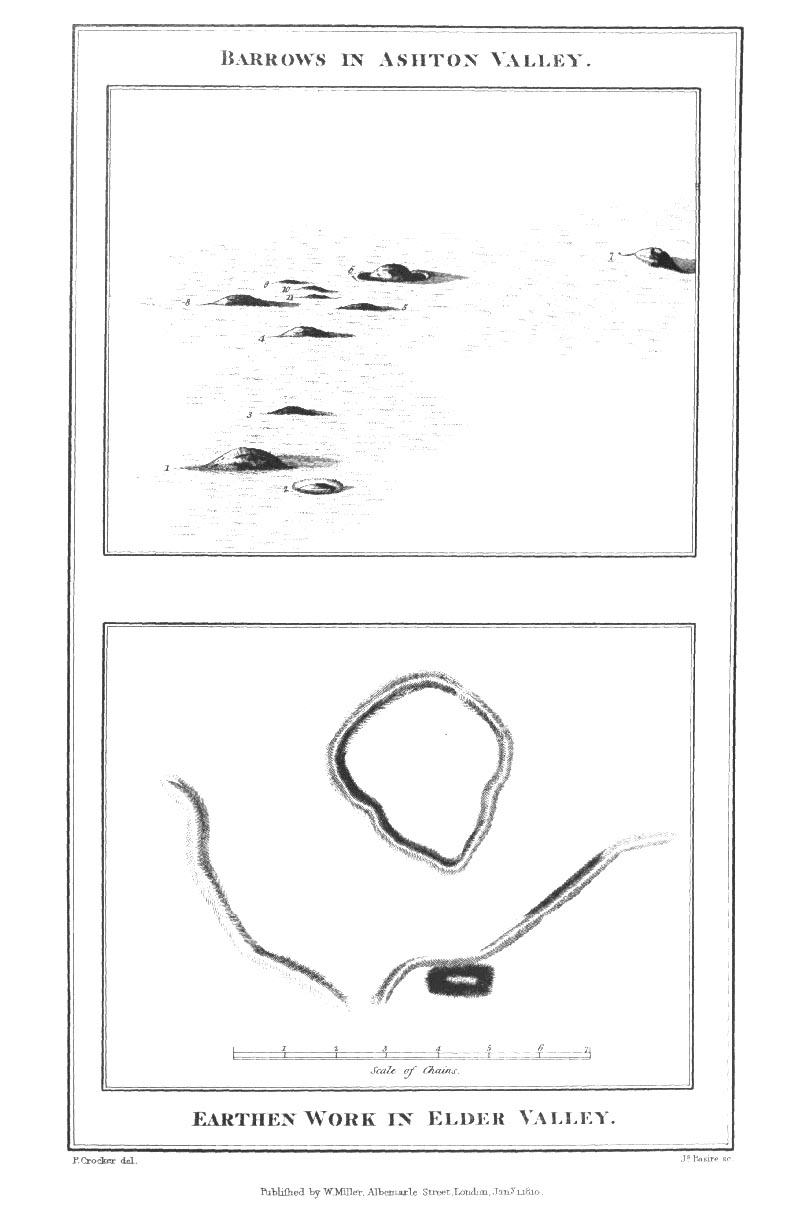
The mounds hold burials from two different ages: Bronze Age cremations reopened, centuries on, for Saxon dead: a rare double life for one small gro…
Tomb or burial place · Prehistoric
County Down
Audleystown is Ireland’s only known double-court, double-gallery tomb: excavations recovered 34 people and rare burial evidence, while later conser…
Tomb or burial place · Prehistoric
Herefordshire
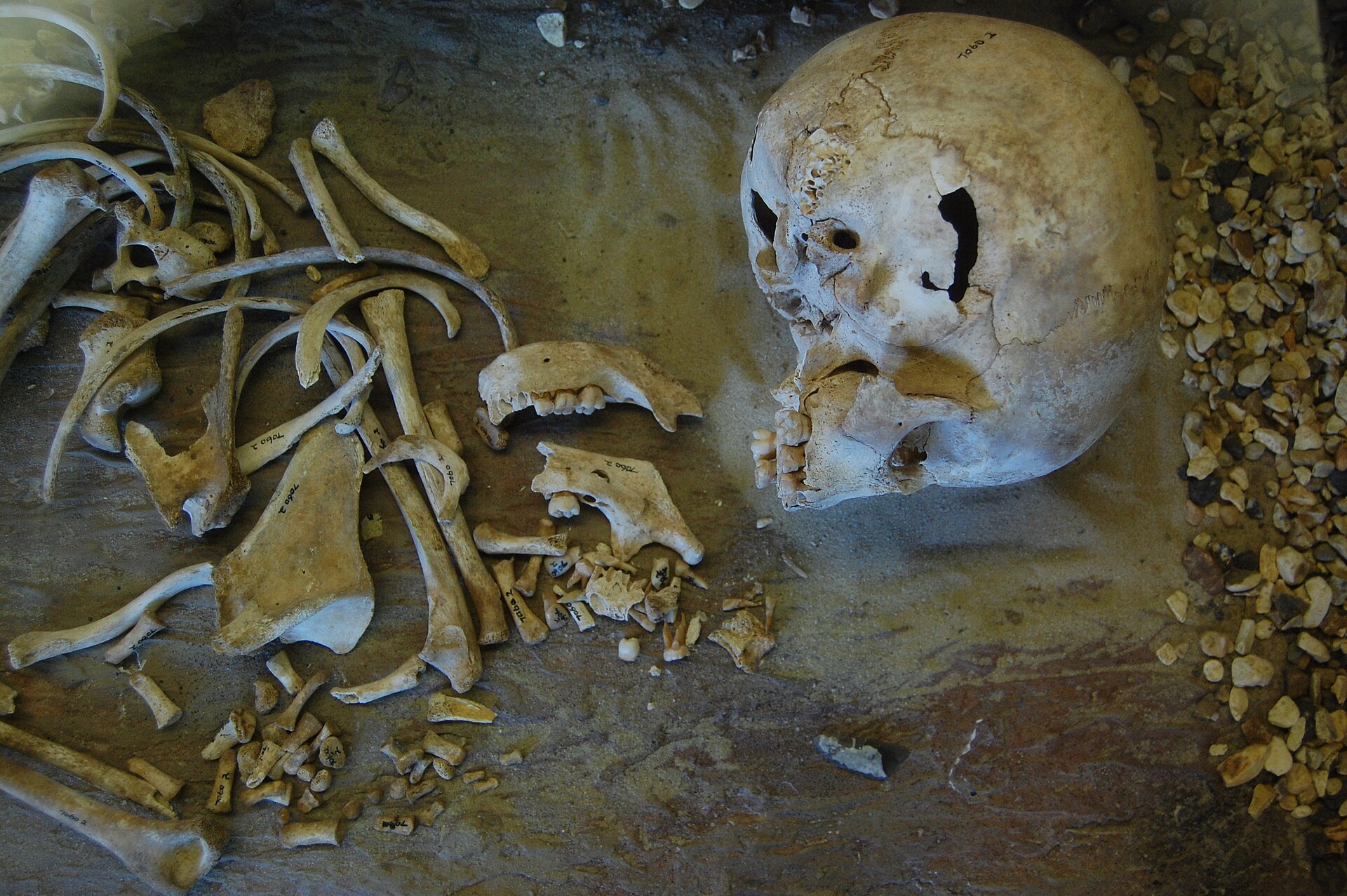
A child buried on its side in a stone-lined pit with a beaker and a flint knife, some four thousand years ago, in a gravel bed beside the River Lugg.
Fortified place · Roman
Dorset
Badbury Rings preserves early burial mounds, a large defended settlement, Roman activity and later reuse on a chalk ridge above the Stour valley.
Building or ruin · Roman
Warwickshire
A moated recusant manor where Nicholas Brome’s reputed murder of a priest was followed by rebuilding St Michael’s as penance, leaving defensive fab…
Building or ruin · Medieval
Greater Manchester
Baguley Hall is one of England’s oldest surviving timber great halls, preserving exceptionally large 14th-century timbers and the layered story of…
Building or ruin · Prehistoric
Kent
Baker’s Hole is a nationally important Palaeolithic quarry landscape, known for evidence of large-scale Neanderthal stone-tool production but compl…
Settlement · Prehistoric
Aberdeenshire
The largest Neolithic (the late Stone Age, roughly 4000–2500 BC in Britain) long house ever excavated in Britain, its scale rivalling only a handfu…
Building or ruin · Roman
Essex
Balkerne Gate is the largest surviving Roman gateway in Britain, a monumental four-entrance approach to Camulodunum that preserves the scale and ci…
Fortified place · Medieval
County Down
Ballyfounder Rath preserves the compact earthwork (a bank, ditch or mound shaped from soil rather than built in stone) form of a ringfort on the Ar…
Sacred place · Medieval
Fife
Balmerino Abbey preserves rare Cistercian fabric on the Fife coast, including a vaulted chapter house, after centuries of destruction, residential…
Fortified place · Iron Age
Dorset
Banbury Hillfort preserves a scheduled Iron Age (the period from roughly 800 BC to the Roman conquest) enclosure in Dorset, where a surviving rampa…
Sacred place · Medieval
County Down
Bangor Abbey was an early Irish centre of strict monastic learning whose teachers, manuscripts and missionaries linked County Down to Europe.
Building or ruin · Roman
Northamptonshire
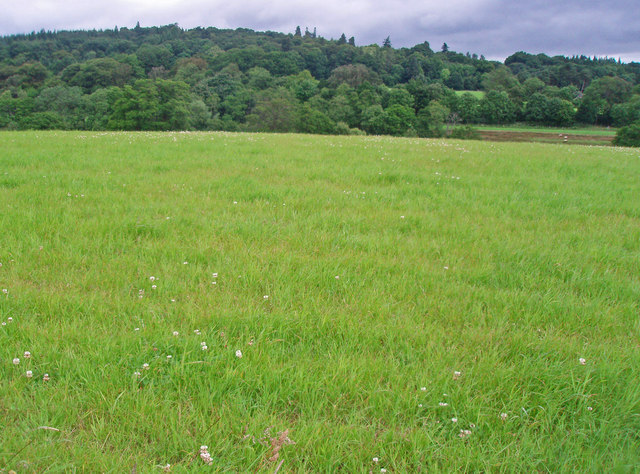
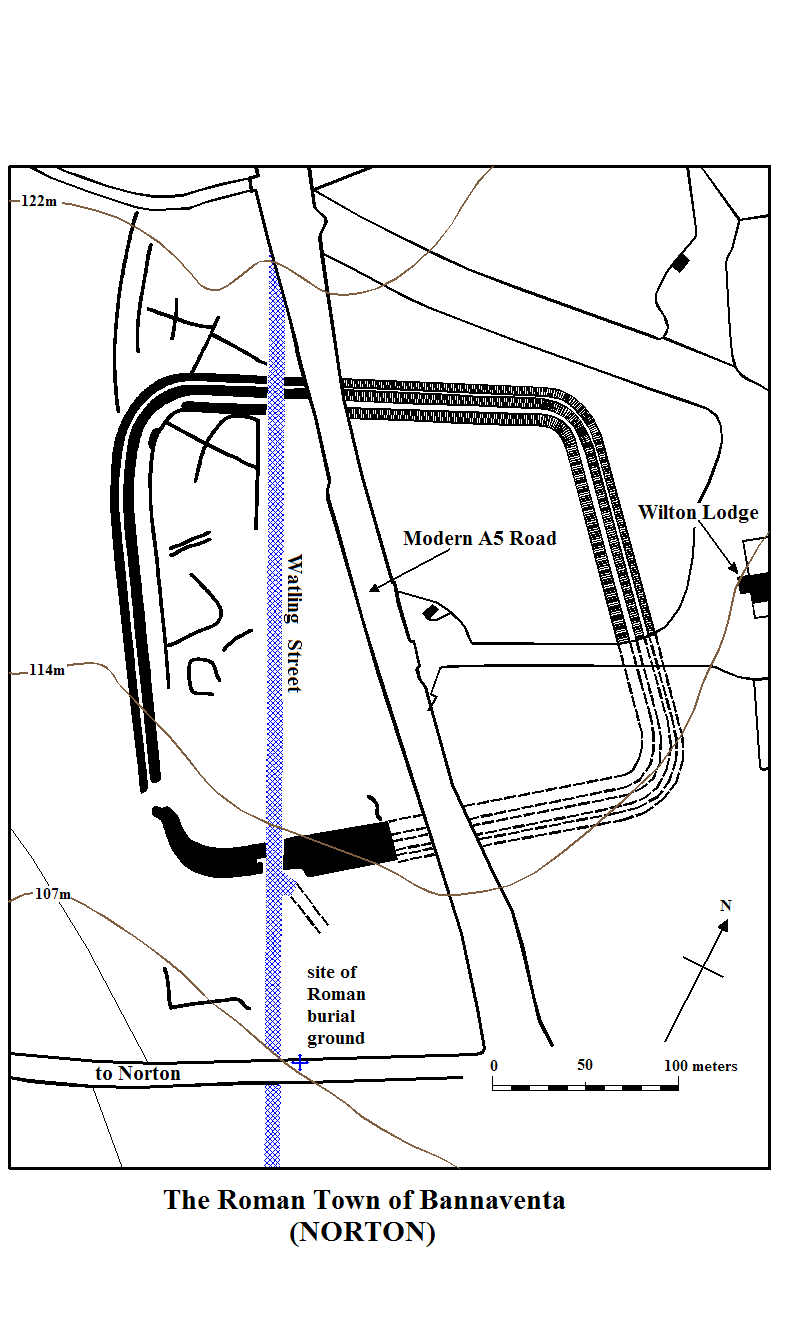
A ploughed field straddling the parishes of Norton and Whilton in Northamptonshire holds nothing obviously Roman above ground, yet beneath it lie t…
Briefer entries: recorded and worth knowing, with fuller pages to come.
Building or ruin · Roman
Greater Manchester
Mamucium is the Roman fort at the origin of Manchester’s urban history, with reconstructed defences revealing a military and civilian settlement la…
Building or ruin · Medieval
Fermanagh
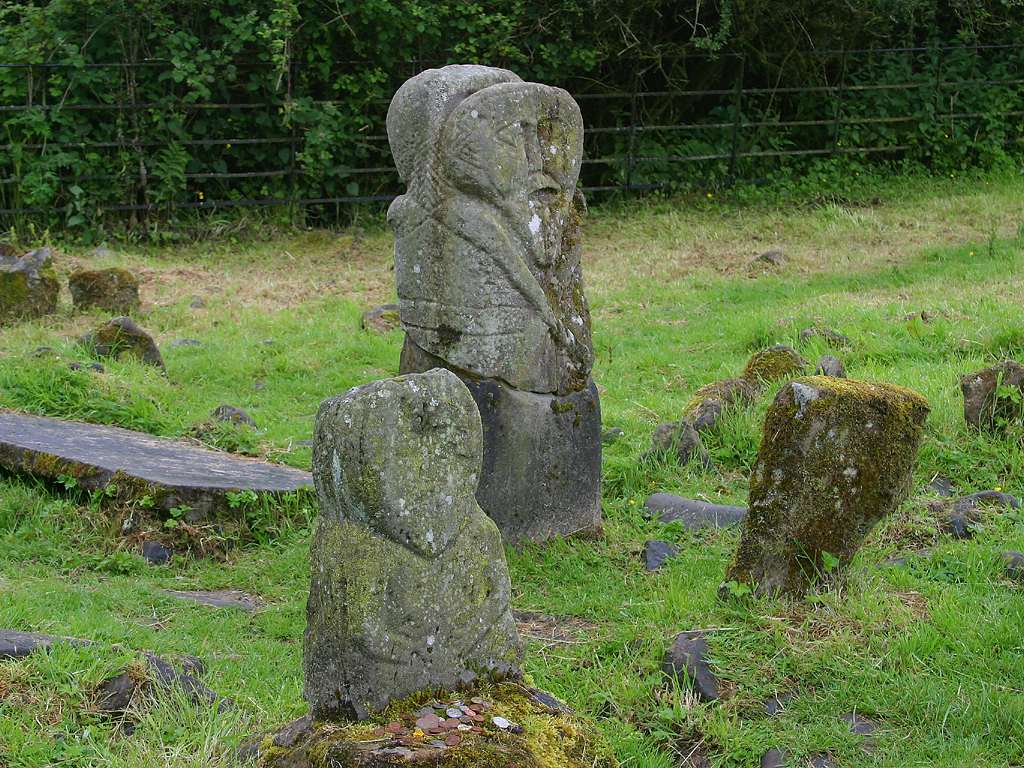
Boa Island concentrates prehistoric (predating the written record in Britain) stone figures, early Christian burial ground and a tidal-lough landsc…
Fortified place · Roman
West Yorkshire
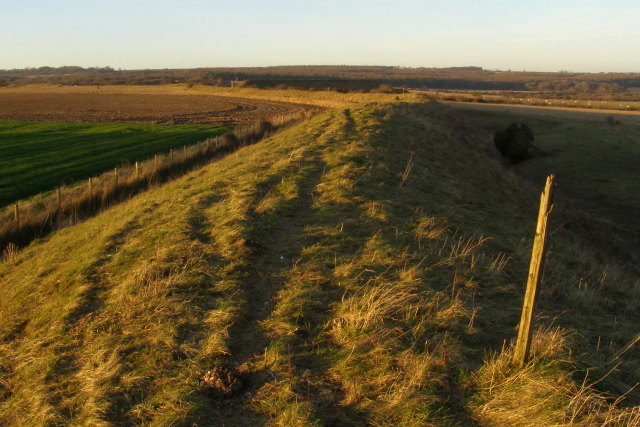
Becca Banks runs straight across a Roman road, and nobody knows which came first: whether the bank was raised against Rome, or the road driven thro…
Building or ruin · Roman
Dorset
The embankment reaches nearly fifty feet across and stands some six feet above the surrounding chalk, wider than engineering ever demanded of a roa…
Settlement · Medieval
County Fermanagh
Aghaherrish combines a documented Plantation-era naming record with Boho’s water landscape and a scheduled rath with a counterscarp: the outer slop…
Settlement · Medieval
County Fermanagh
Aghahoorin preserves Boho’s layered place-name history alongside a scheduled bivallate rath (an early-medieval Irish farmstead ringed by an earth b…
Settlement · Medieval
County Antrim
Aghalislone contains both a protected rath, a farmstead enclosed by a circular bank and ditch, and barrow, a burial mound, with nearby finds reveal…
Crossing or structure · Medieval
County Tyrone
Aghalunny is a Tyrone townland whose protected Fairy Bridge and several Irish name traditions preserve both built and linguistic history.
Sacred place · Medieval
County Fermanagh
Aghalurcher preserves a pre-Norman monastic tradition, a fifteenth-century Maguire remodelling and a dispersed sculptural record, making it a key b…
Sacred place · Medieval
County Fermanagh
Aghanaglack concentrates thousands of years of archaeology in one Boho townland: a late Stone Age burial monument, medieval cross, underground cave…
Building or ruin · Roman
Oxfordshire
Akeman Street runs for roughly 117 kilometres across southern England, a Roman road tracking east to west between the modern counties of Hertfordsh…
Building or ruin · Roman
Carmarthenshire
A rectangular earthwork (earth moved and shaped into banks and ditches rather than built up in stone) enclosure of roughly 170 by 120 metres, guard…
Building or ruin · Roman
Cumbria
The name Alavana has been attached, tentatively and probably in error, to the buried remains of a Roman fort at Watercrook, roughly two miles (3.2…
Ancient place · Medieval
Somerset
Almsworthy Common is a small stretch of unenclosed upland on Exmoor, in south-western England, covering roughly half a square kilometre and rising…
Tomb or burial place · Prehistoric
County Tyrone
Altanagh’s scheduled burial mound preserves cordoned urn burials dated to 1890–1450 BC, giving a County Tyrone townland a firmly evidenced Bronze A…
Settlement · Medieval
County Antrim
Antiville’s excavated house and souterrain (a stone-lined tunnel dug beneath a settlement) show how radiocarbon dating and landscape evidence can o…
Tomb or burial place · Prehistoric
County Antrim
Antynanum’s scheduled late Stone Age burial monument preserves a long mound of stones, court and contrasting burial galleries in County Antrim, giv…
Sacred place · Medieval
County Down
Ardtole Church combines a fifteenth-century parish ruin, early-Christian sculpture and a stone souterrain (an underground passage, probably for sto…
Tomb or burial place · Prehistoric
County Antrim
Ault preserves a Scheduled wedge-shaped burial monument whose mound of stones, kerb and chamber reveal a carefully built ancient tomb within County…
Building or ruin · Prehistoric
Somerset
Britain's earliest scientifically dated cemetery and its largest known assemblage of Mesolithic (the middle Stone Age, roughly 9000–4000 BC) human…
Tomb or burial place · Prehistoric
County Down
Ballinran shows how excavation recovered the plan, coastal orientation and burial deposits of a largely destroyed court tomb, a tomb built thousand…
Ancient place · Medieval
County Antrim
Ballyharry is an Islandmagee townland where well-preserved Neolithic (the closing Stone Age, roughly 4000–2500 BC) house sites bring early settleme…
Ancient place · Medieval
County Tyrone
Ballymully Glebe frames Tullyhogue Fort within a 144-acre County Tyrone townland whose name and nineteenth-century population decline preserve loca…
Building or ruin · Roman
lincolnshire
A market town with a piece of Roman wall still standing in it, and a Roman name that may or may not belong to the place.
No places match those filters.













.JPG?width=800)







.JPG?width=800)