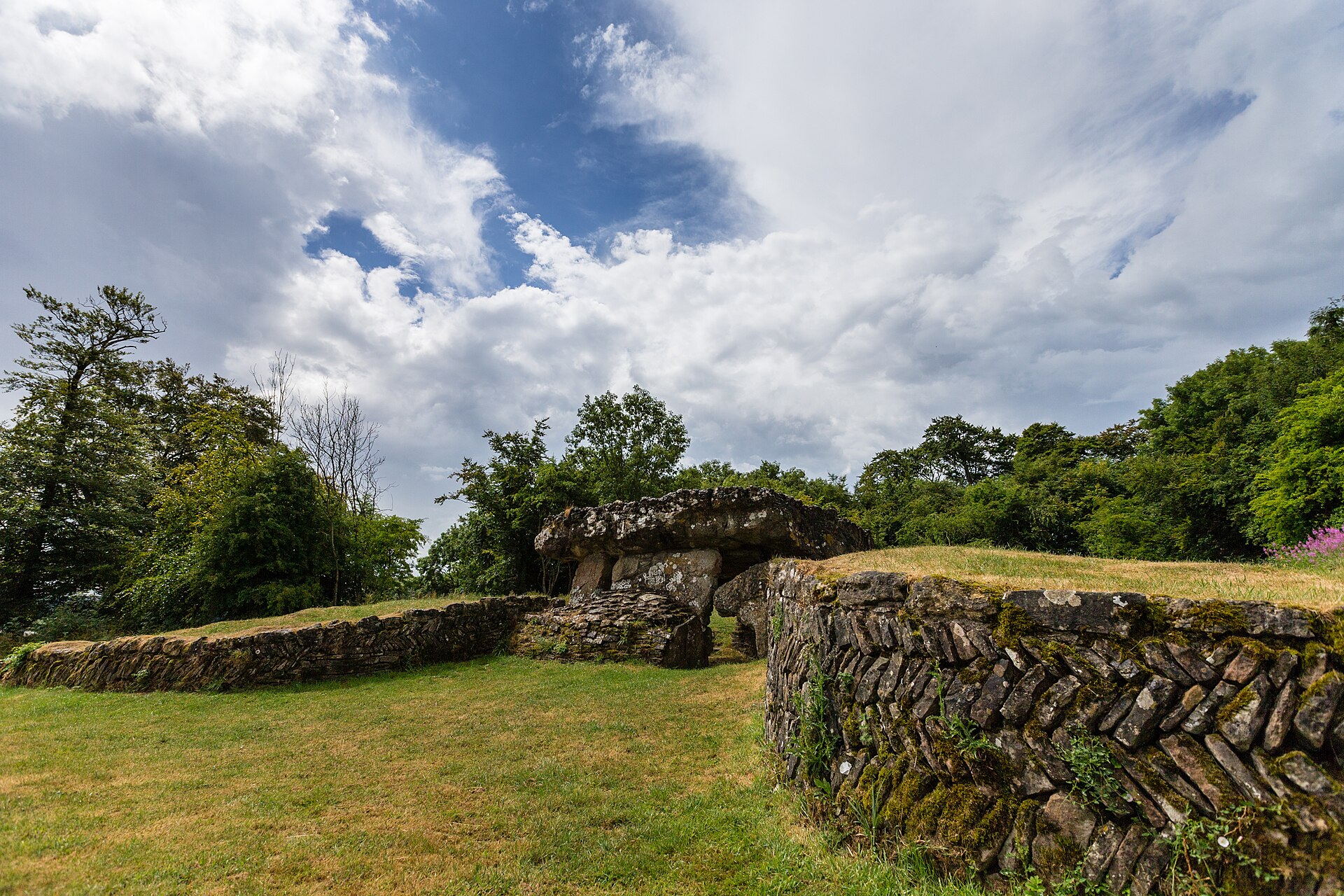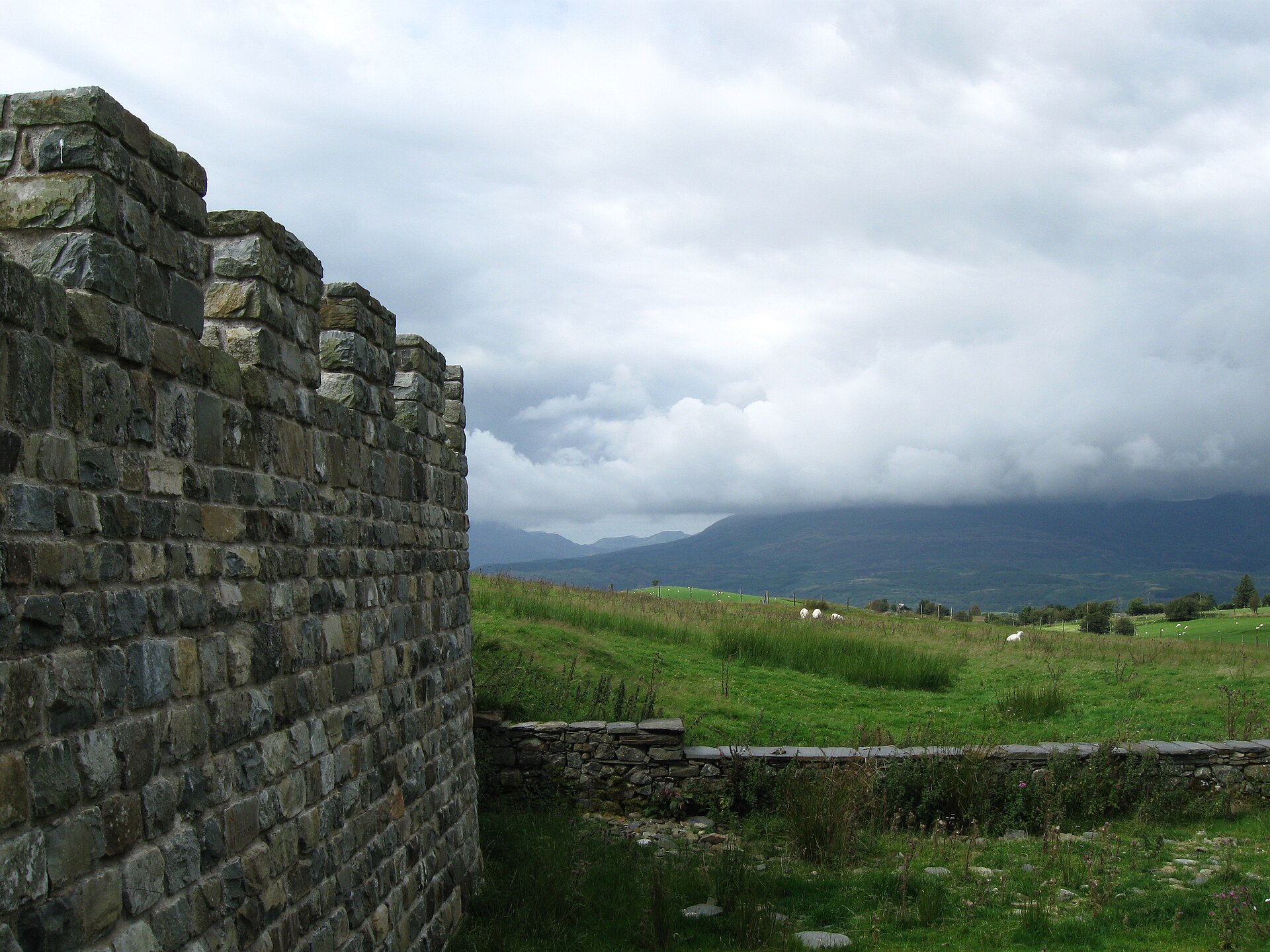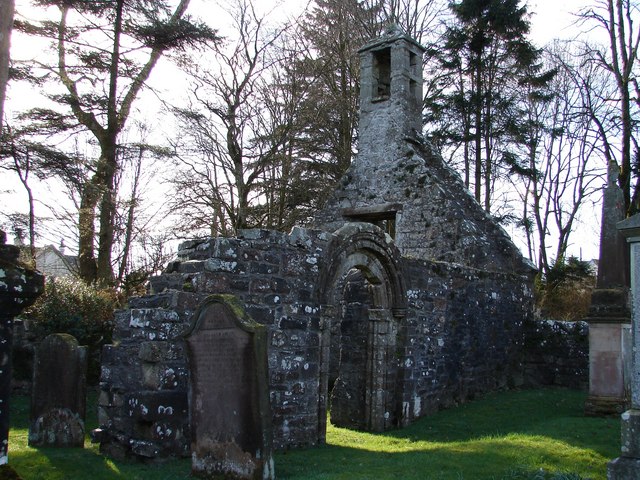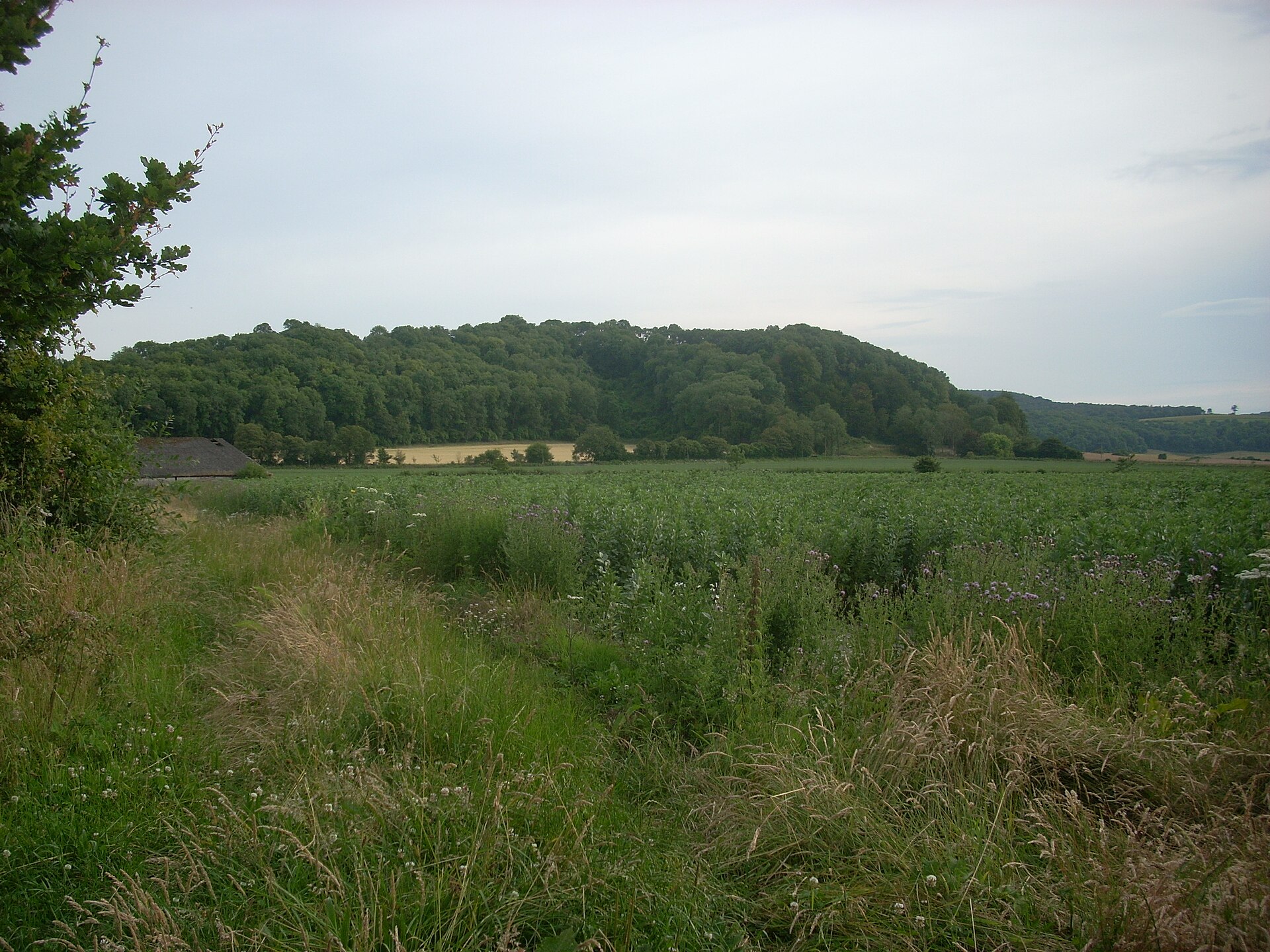
Sacred place · Early medieval
St Peter's Church, Heysham
Lancashire
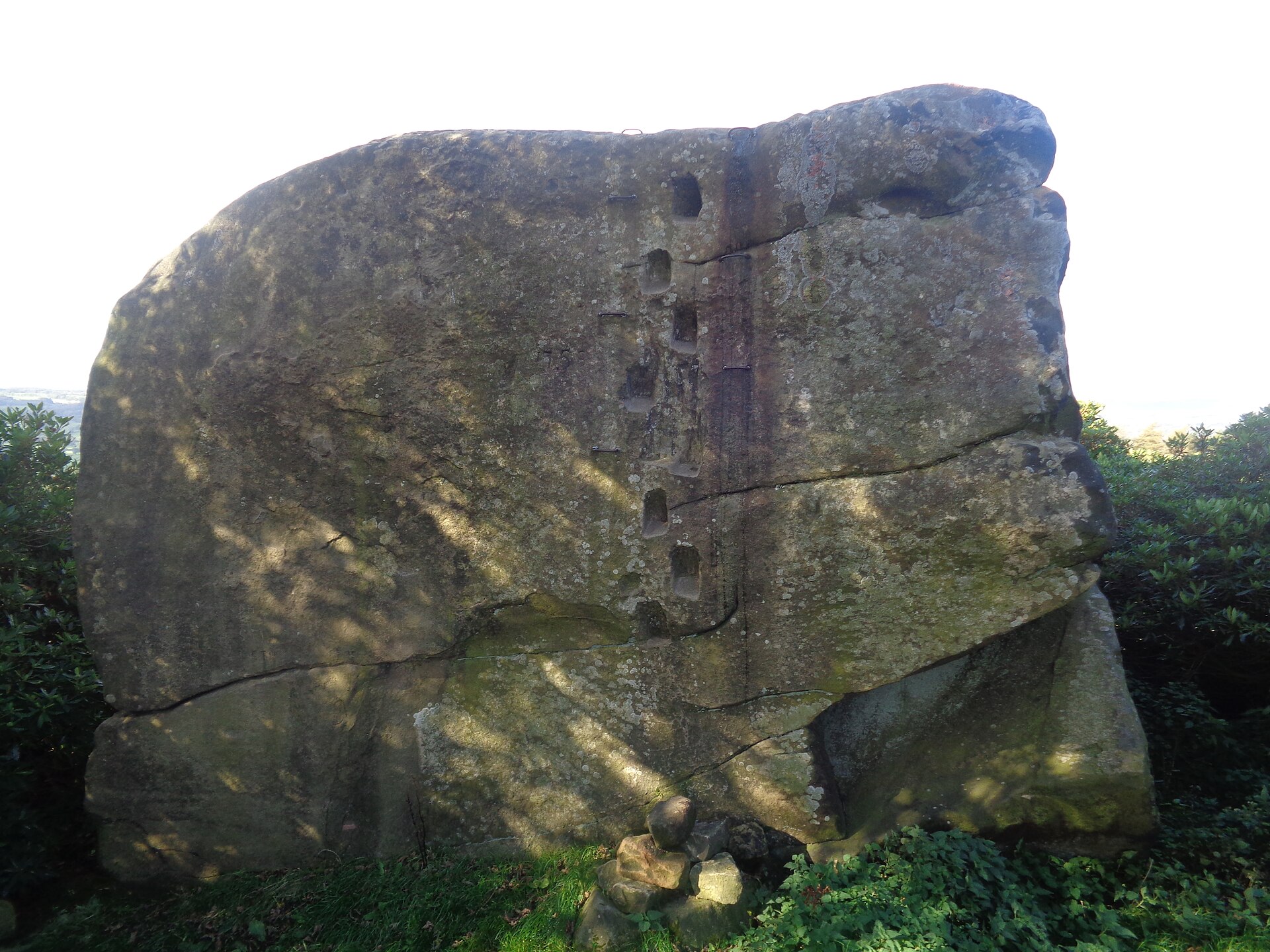
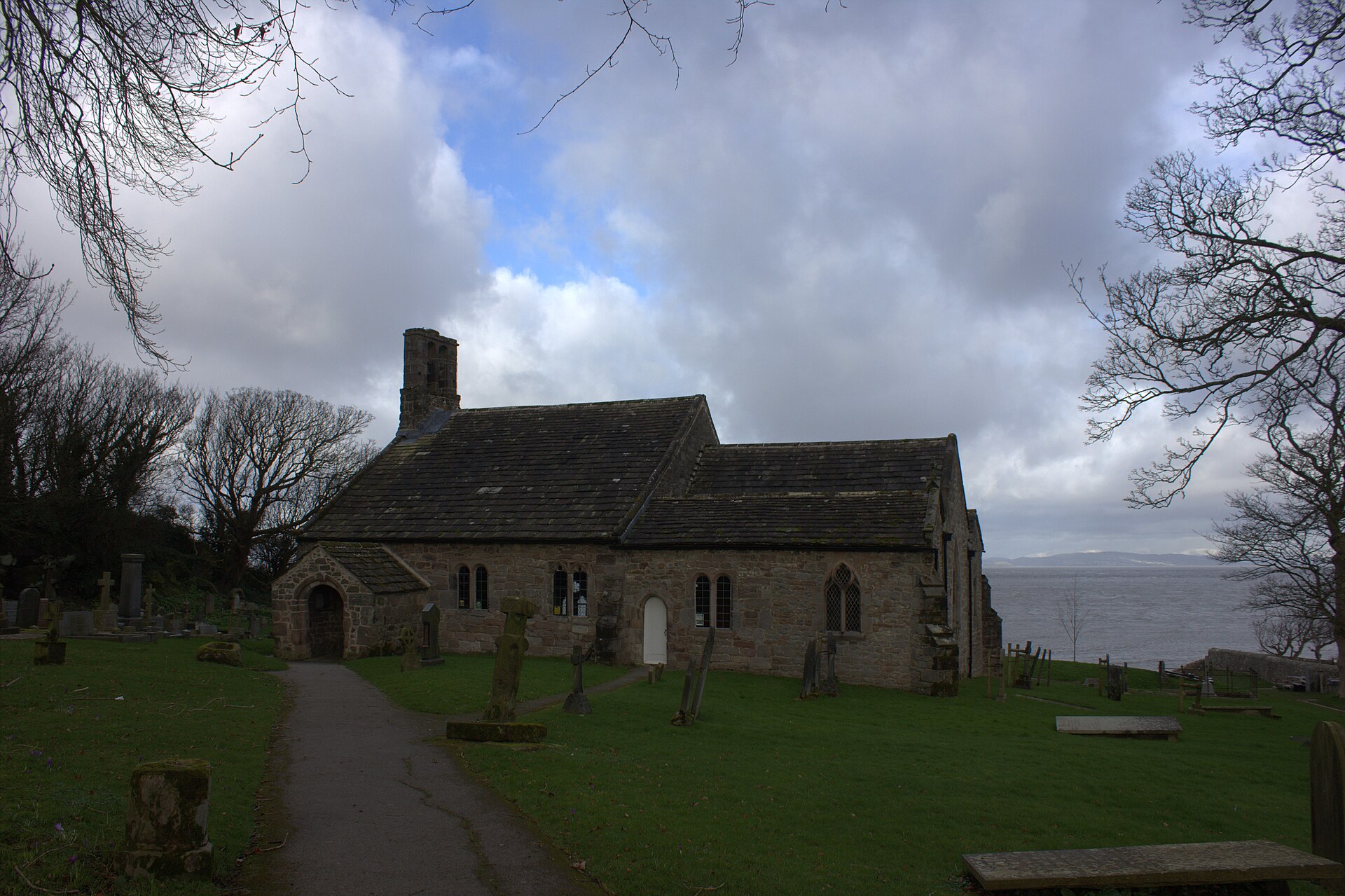
A blocked Anglo-Saxon doorway, an early Norman chancel arch and a carved Viking hogback stone sit inside one working parish church: three distinct…
- Near Lancaster
- Easy path
By type
Page 13 of 14.
Search and filters apply to these 100 places.
Sacred place · Early medieval
Lancashire
A blocked Anglo-Saxon doorway, an early Norman chancel arch and a carved Viking hogback stone sit inside one working parish church: three distinct…
Sacred place · Roman
Essex
St Peter’s is an eleventh-century redundant church rescued from demolition, where layered materials, medieval wall patterns and contemporary staine…
Sacred place · Medieval
Denbighshire
Its 15th-century St Christopher mural, hidden under plaster until 1967, is reckoned the finest surviving medieval wall painting in north Wales.
Sacred place · Medieval
Norfolk
St Theobald’s is a Grade II* round-tower church whose medieval shrine attracted pilgrims, shaping later side arms, aisles and hospital provision at…
Sacred place · Medieval
Cheshire
St Plegmund's Well is a scheduled Cheshire holy well whose documentary history, stone-lined structure and continuing well-dressing tradition preser…
Ancient place · Medieval
North Yorkshire
A working medieval village of nine taxpaying households vanished so completely that a Second World War pillbox now stands more prominent above grou…
Building or ruin · Roman
West Sussex
Fifty-seven miles of Roman road running from London to Chichester, its date of construction still uncertain.
Building or ruin · Roman
Northumberland
The Stanegate, a name meaning stone road, shows how Rome linked its northern forts before Hadrian’s Wall reset the frontier.
Building or ruin · Medieval
Essex
Stansted Mountfitchet Windmill is a restored eighteenth-century tower mill whose working sails and machinery preserve the changing technology of ru…
Sacred place · Prehistoric
Derbyshire
Beyond the famous Nine Ladies circle, the moor carries three further Bronze Age (the period from about 2500 to 800 BC) rings, over seventy barrows…
Ancient place · Prehistoric
Shropshire
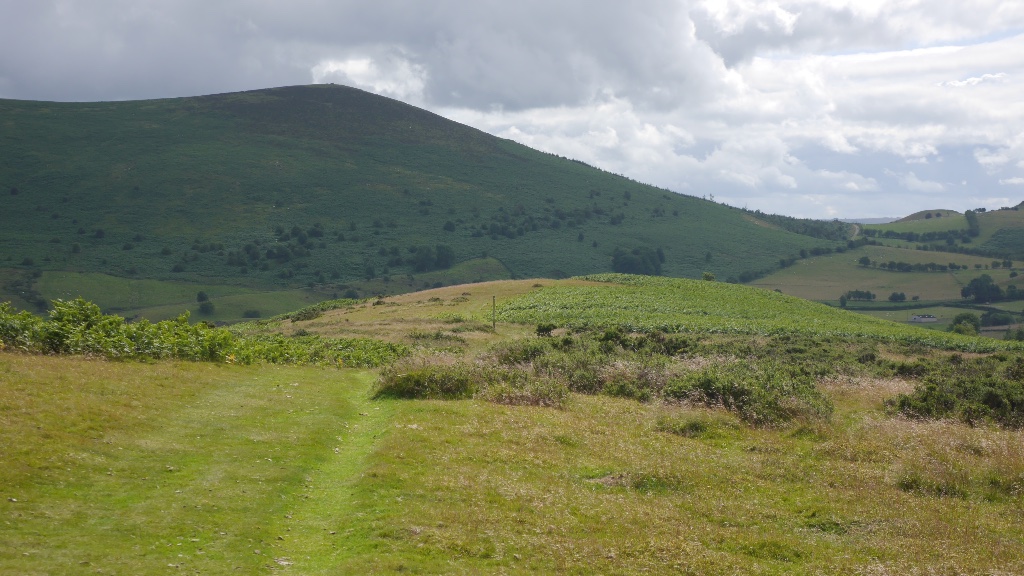
A hill carrying a stone circle, a standing stone, a ring cairn and two summit cairns: and farmed in the 1930s by a holder of the Victoria Cross.
Carved stone · Early medieval
Nottinghamshire
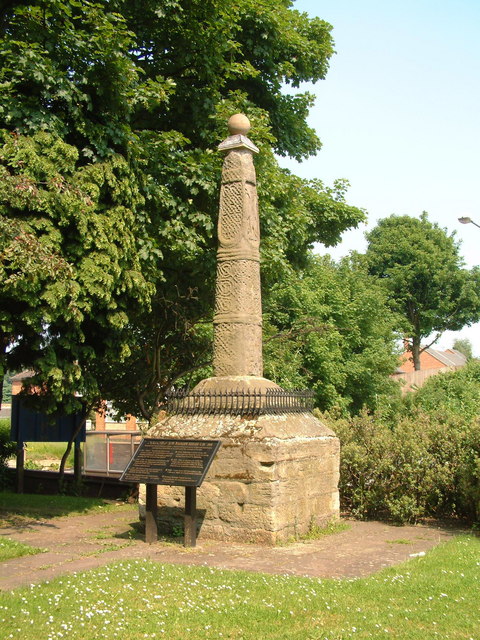
Pevsner called it by far the most important pre-Conquest monument in Nottinghamshire. Its shaft is round below and square above.
Ancient place · Prehistoric
North Yorkshire
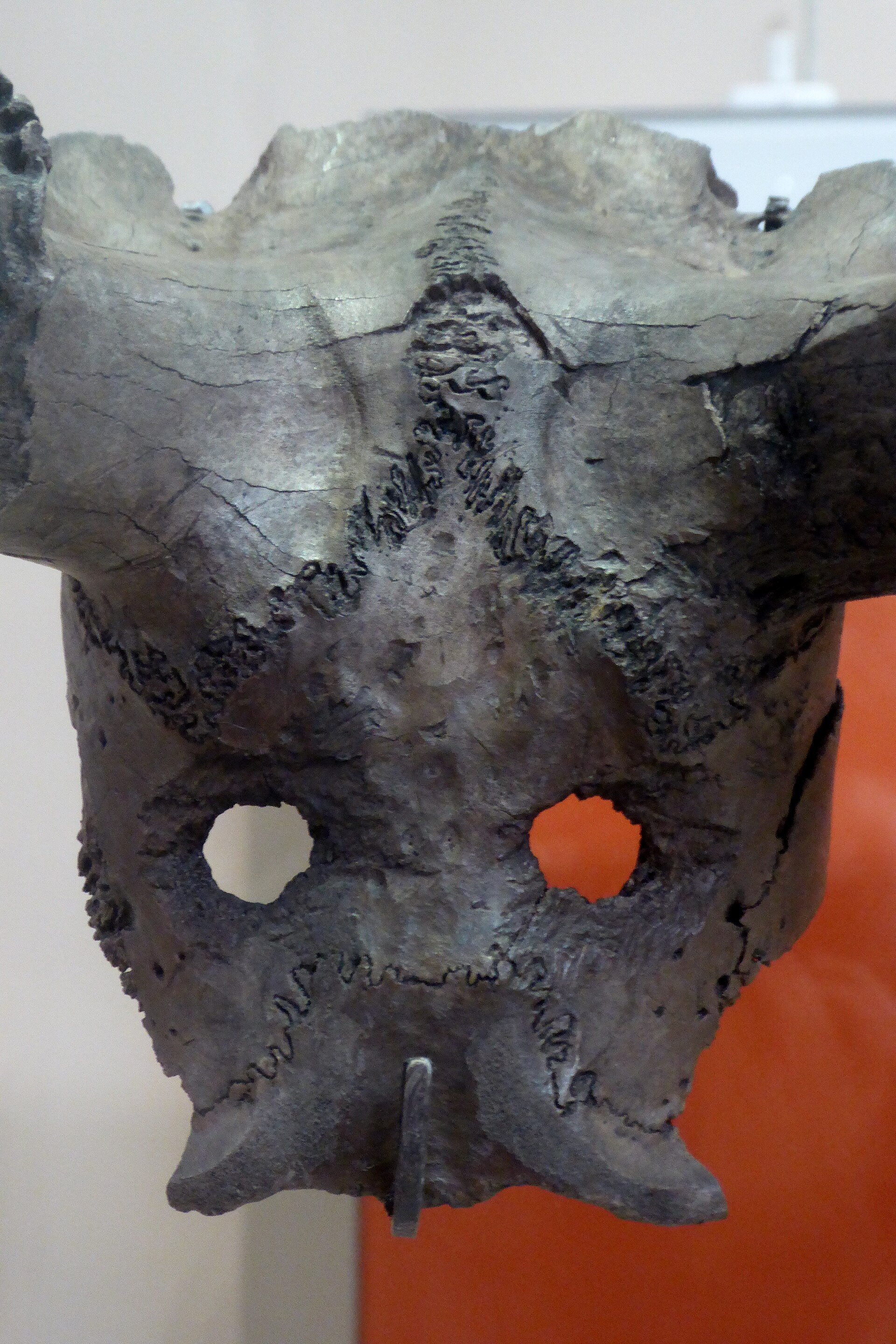
A hut floor, a wooden platform and 21 red deer skull headdresses survived 11,000 years in waterlogged peat: the fullest picture anywhere in Britain…
Fortified place · Medieval
Stirling
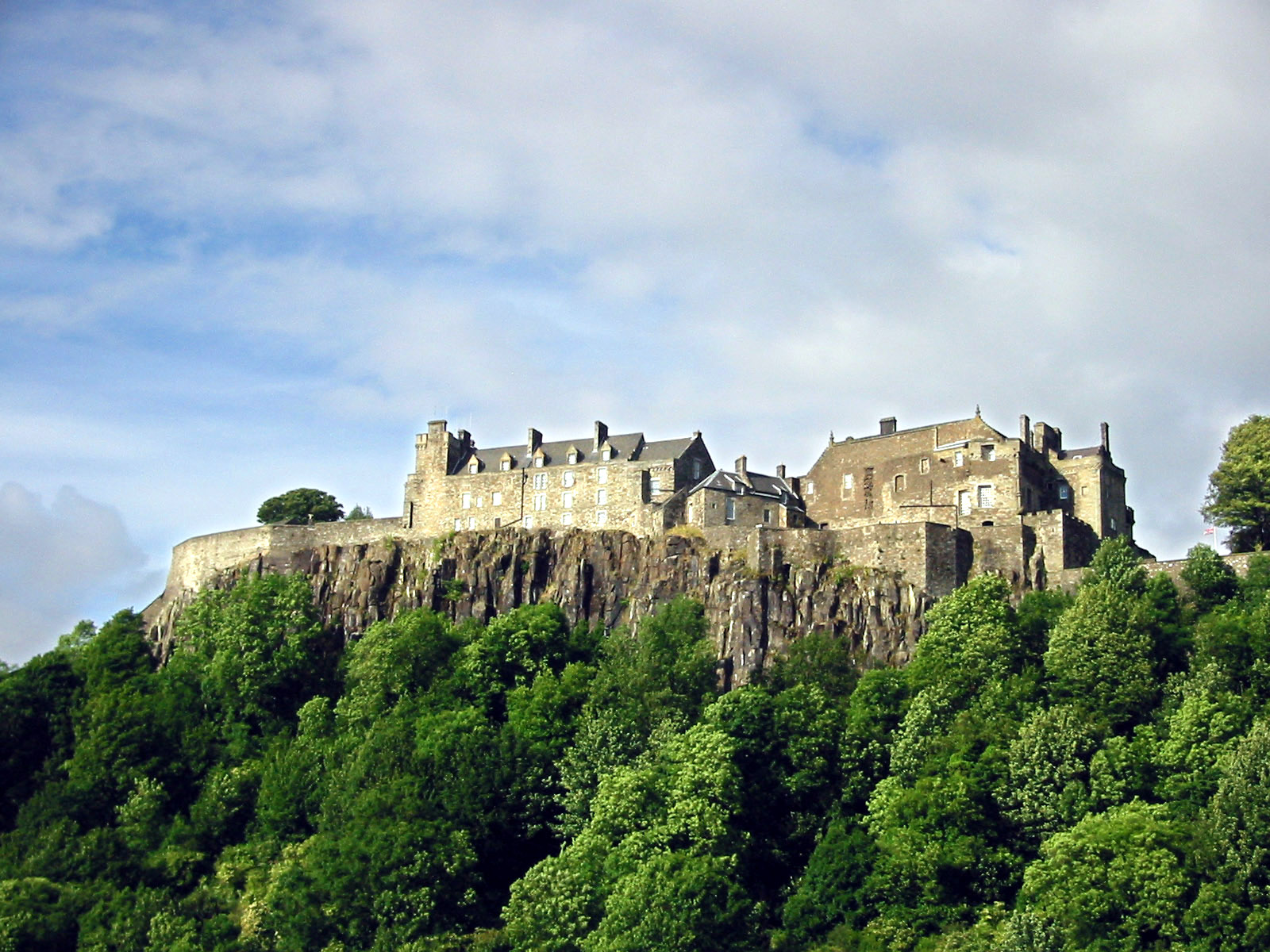
The castle Edward I kept bombarding after it had already surrendered, because he wanted to try out his new trebuchet.
Building or ruin · Roman
Devon
Stoke Hill brings an Iron Age hillfort: an Iron Age settlement defended by banks and ditches on high ground: and a later Roman signal station into…
Building or ruin · Prehistoric
Wiltshire
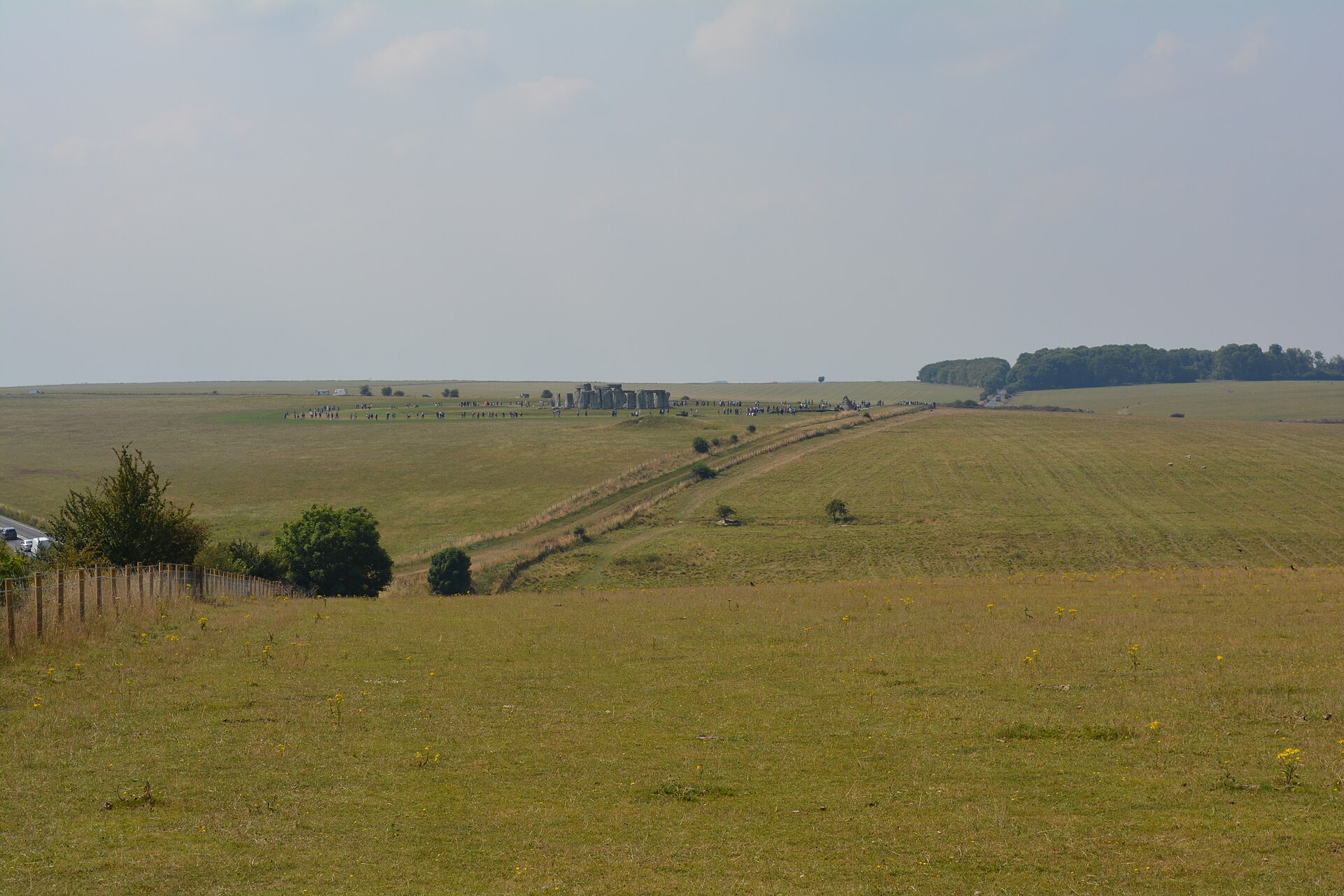
At its river end, a 2009 dig found a ring of pits: Bluestonehenge: that held no stones at all, only unanswered questions about what stood there bef…
Building or ruin · Prehistoric
Wiltshire
Radiocarbon dating shows this three-kilometre earthwork (a bank or ditch dug and heaped from the ground itself, with no masonry) was already centur…
Ancient place · Prehistoric
Wiltshire
Almost 400 scheduled monuments beyond the stones themselves: cursus (a long Neolithic (the first farming age, roughly 4000–2500 BC) earthwork (bank…
Tomb or burial place · Prehistoric
Somerset
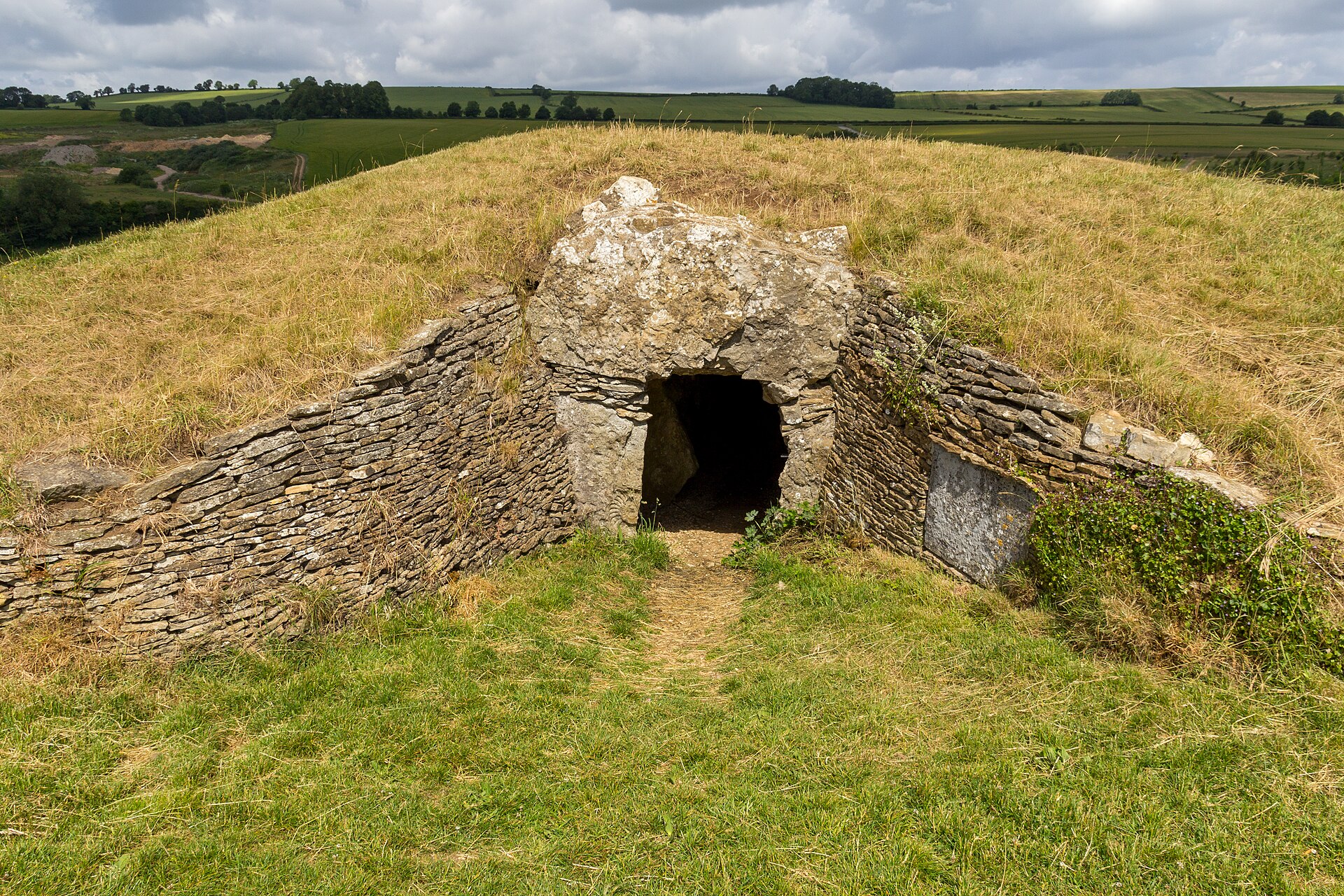
A tomb of about 3500 BC with a fossil ammonite carved into its doorway: and one of the first monuments the state ever undertook to protect.
Building or ruin · Medieval
Bedfordshire
Surveyed in 1982-83 as "one of the most exciting areas" found near Biggleswade, its earthworks preserve a lost manor deliberately built for display…
Building or ruin · Roman
Derbyshire
Strutt’s Park matters because fragmentary archaeology beneath Derby’s streets documents a brief Roman frontier post at the ancient crossing later s…
Building or ruin · Roman
Greater London
Sulloniacis is a debated Roman stopping-place on Watling Street, where Brockley Hill’s kilns and workshops reveal major production but not a conclu…
Building or ruin · Medieval
North Yorkshire
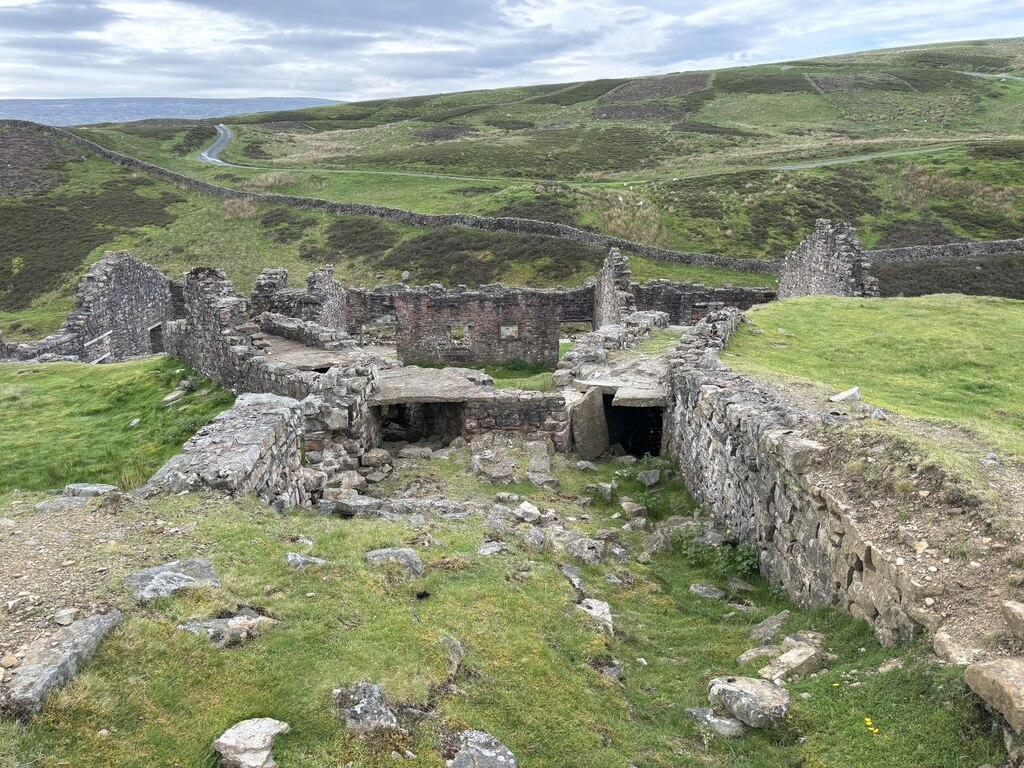
Its flue once carried poisonous lead fumes some 745 metres to a hillside chimney: an unusually ambitious piece of industrial engineering for a smal…
Tomb or burial place · Prehistoric
Wiltshire
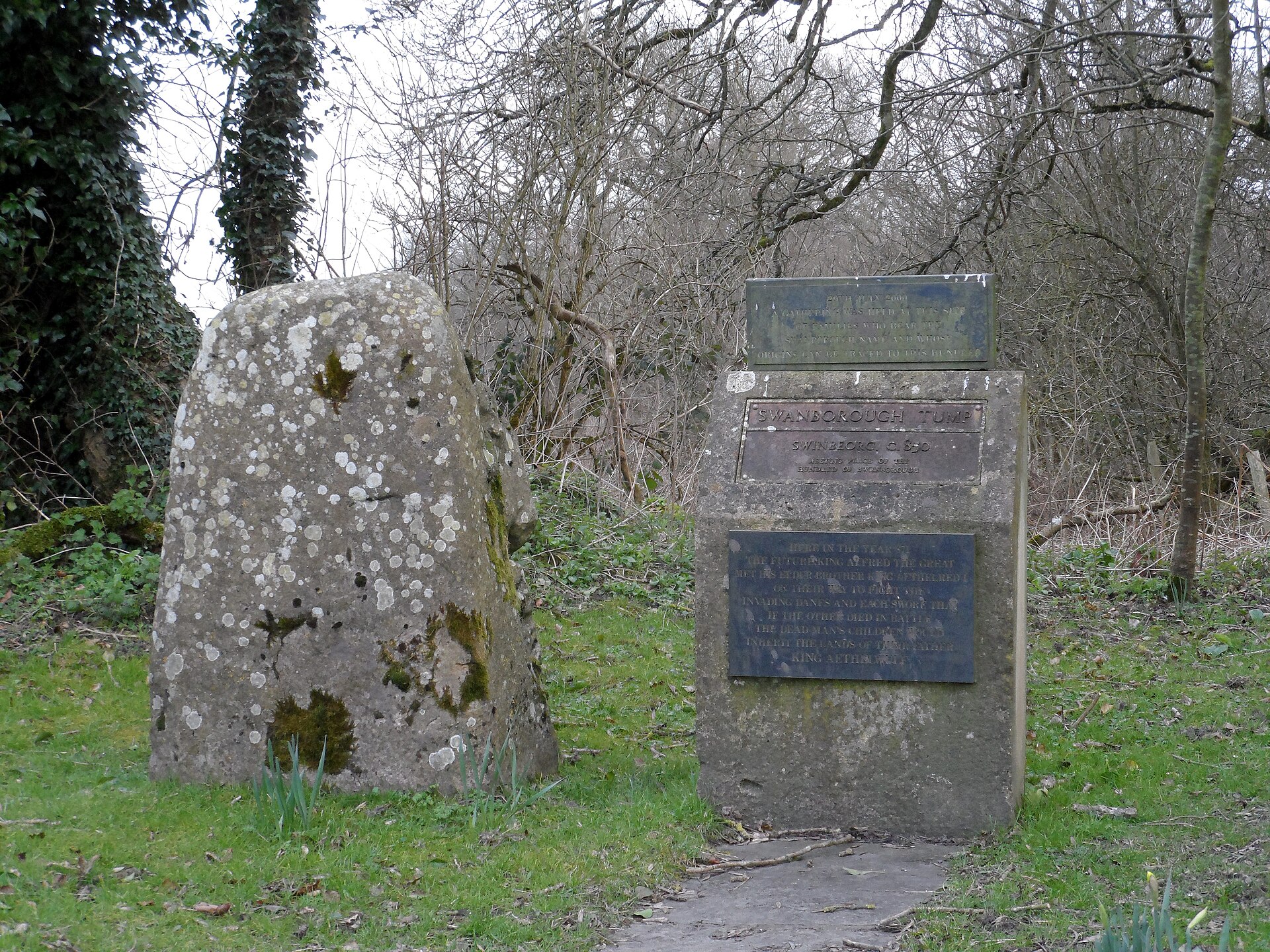
A humble mound where two Saxon princes bargained over an inheritance in 871, one of them soon to become Alfred the Great, before marching off to fi…
Crossing or structure · Prehistoric
Somerset
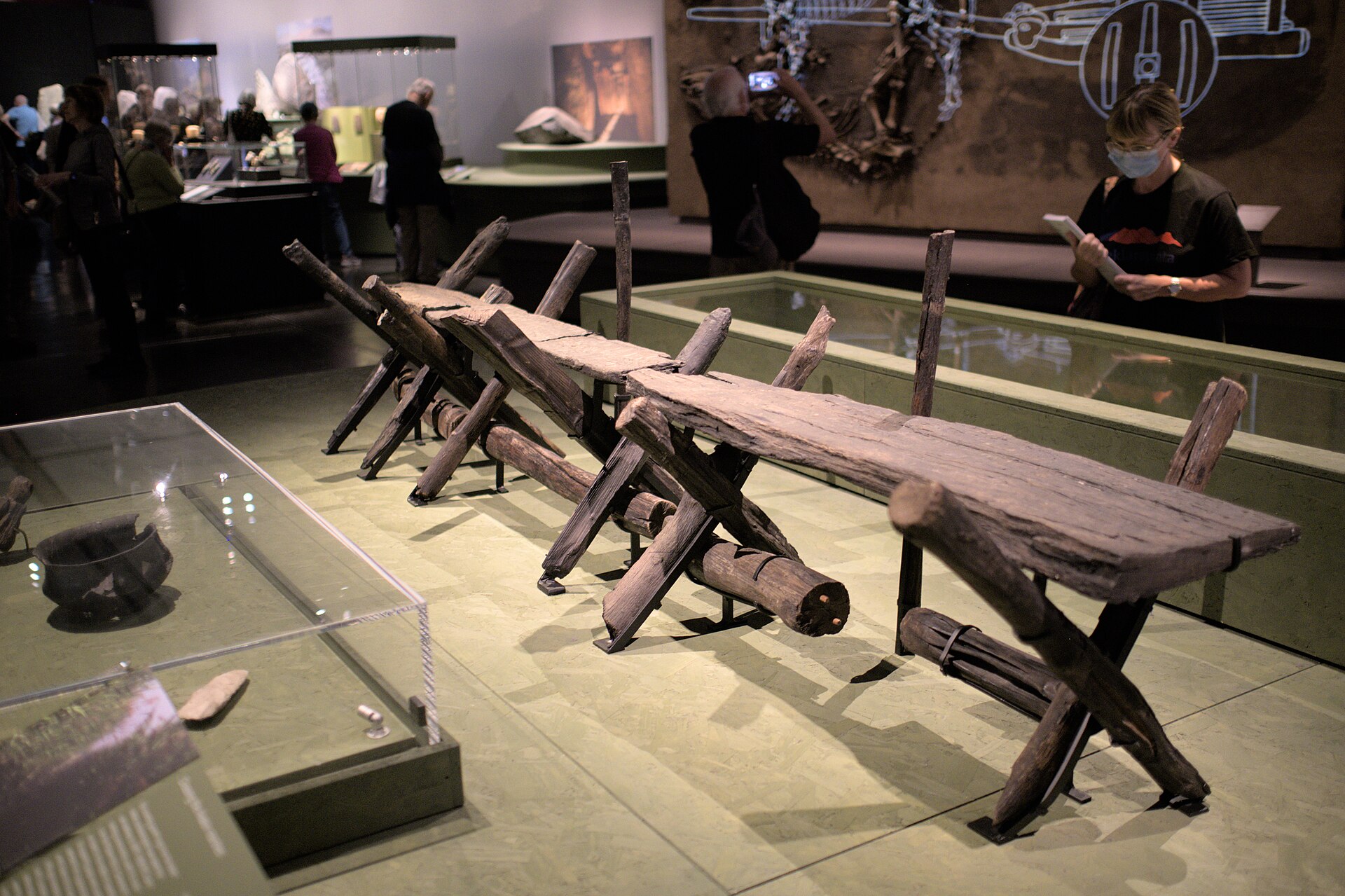
Built in 3807 BC and used for about ten years before rising water ended it. A pumping system now keeps the surviving timber wet.
Sacred place · Medieval
Dumfries and Galloway
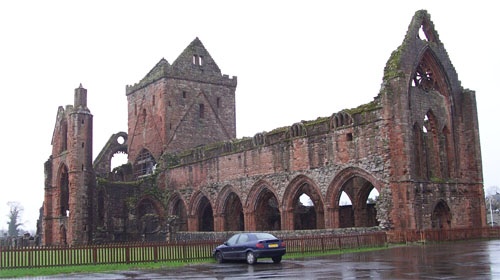
Sweetheart Abbey preserves the personal memorial of Dervorguilla of Galloway and John de Balliol, and traces how a Cistercian house shaped the farm…
Sacred place · Medieval
North Yorkshire
A weathered animal effigy on its capital may show a swine or the white boar of the Nevilles, keeping a 15th-century royal favour to Middleham legib…
Building or ruin · Medieval
Cheshire
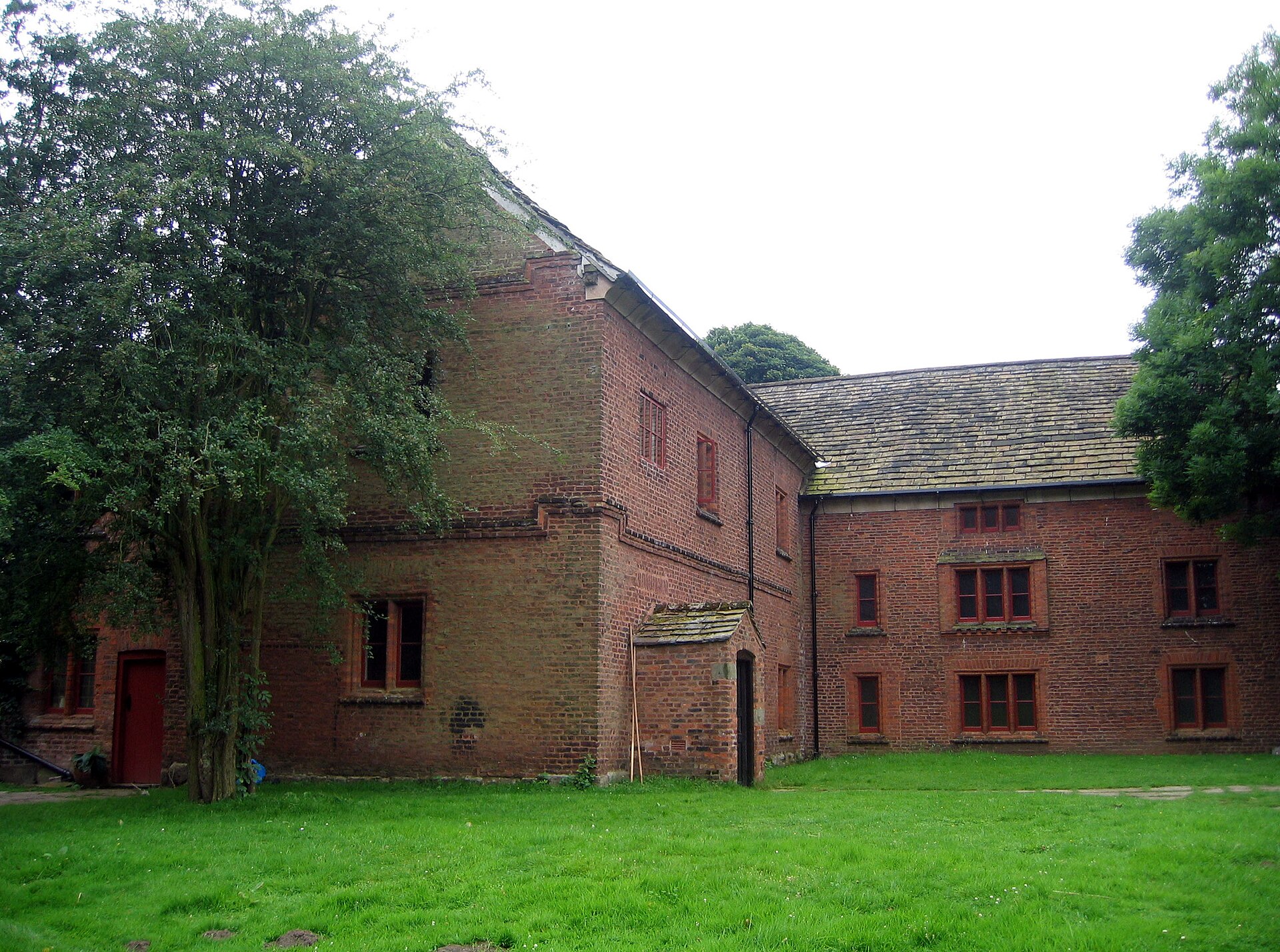
Swineyard Hall combines a sixteenth-century moated house with nineteenth-century additions, retaining both Grade II* listing and scheduled-monument…
Building or ruin · Roman
Northumberland
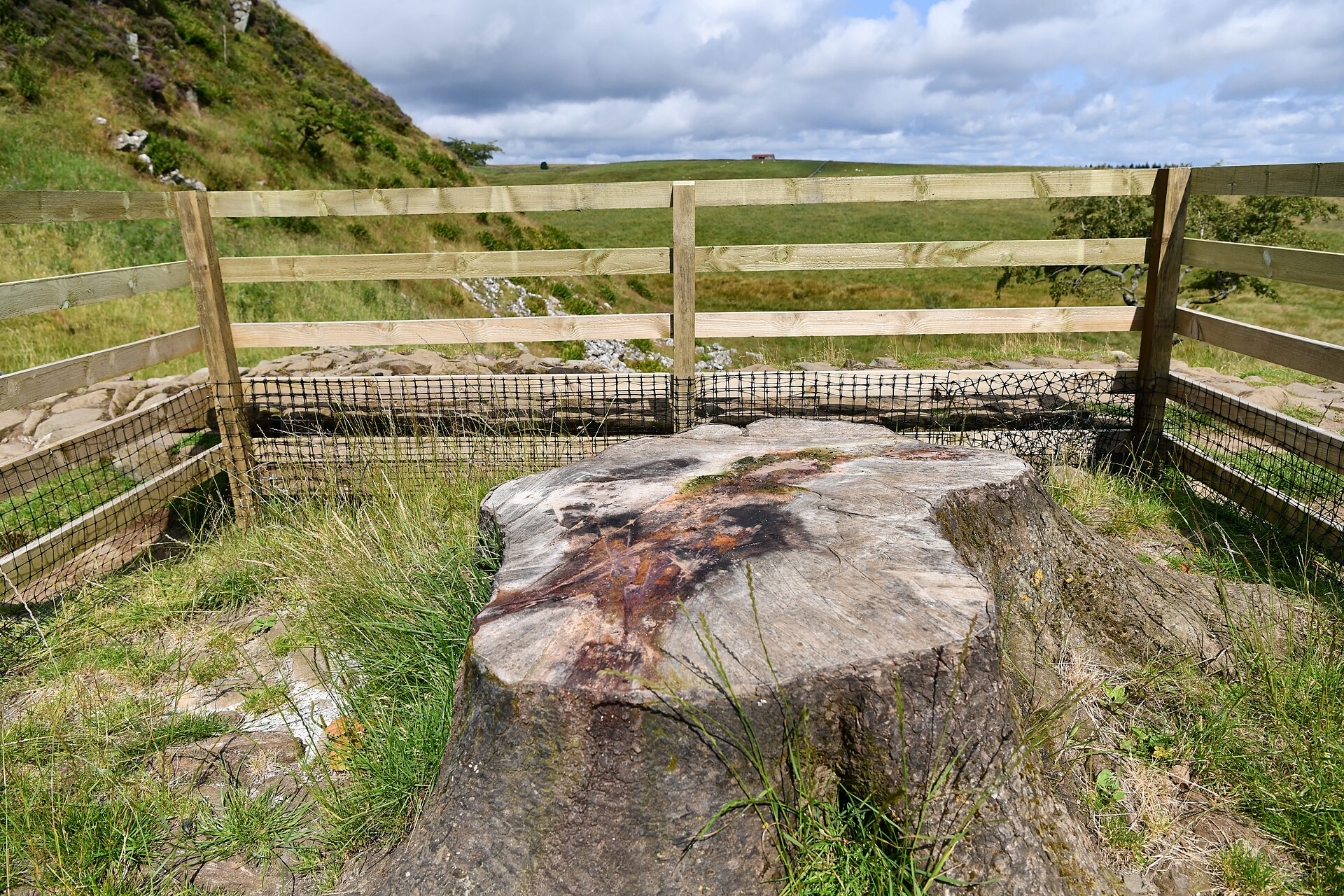
A sycamore of a hundred years and more beside Hadrian's Wall near Crag Lough, known also as the Robin Hood tree.
Building or ruin · Medieval
Cheshire
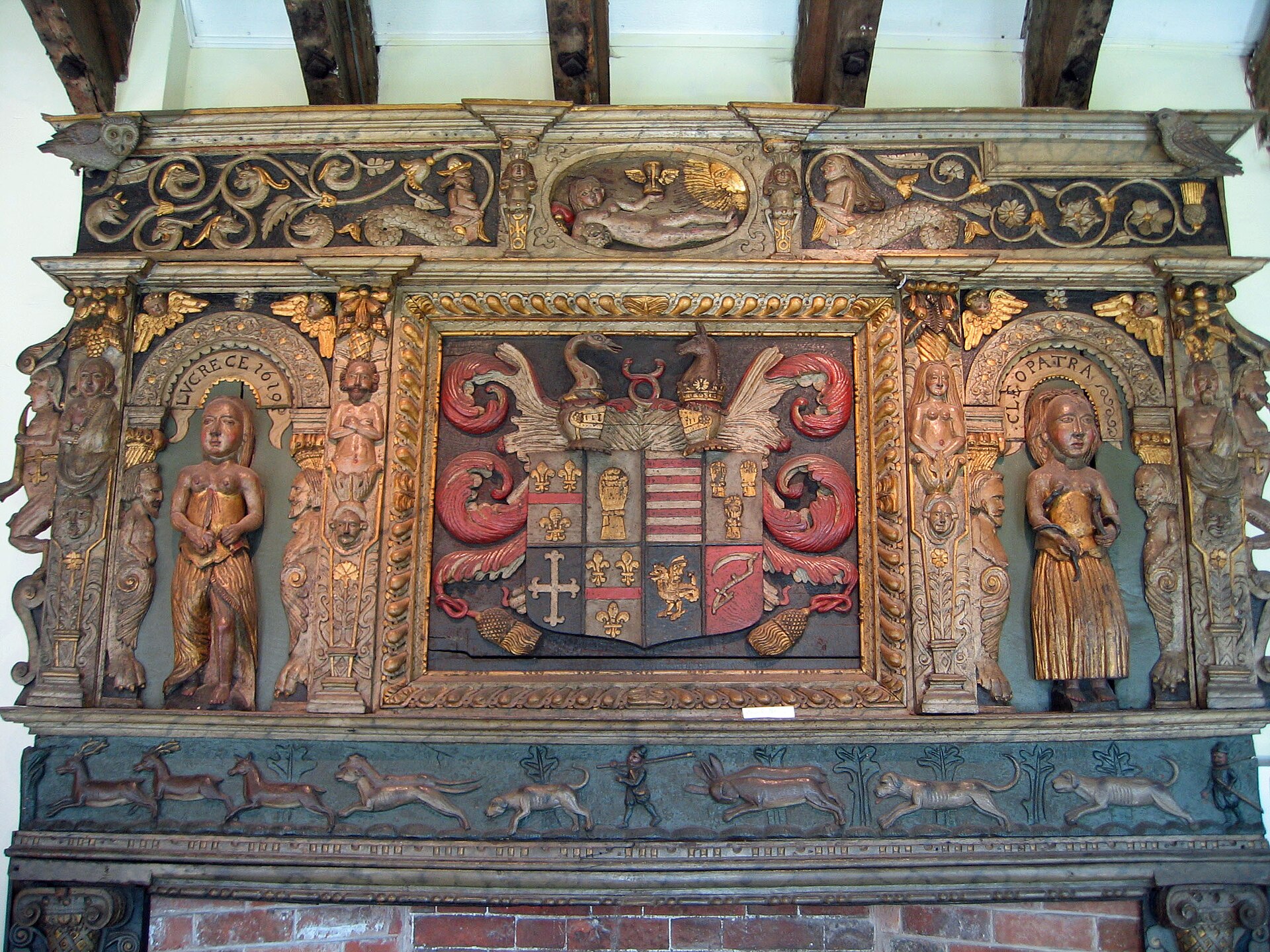
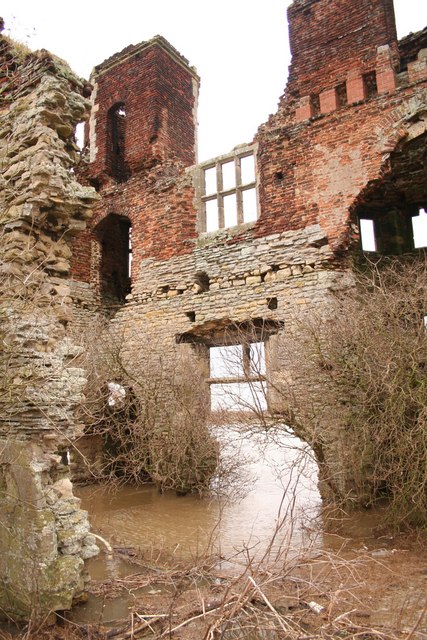
Tabley Old Hall is a moated, at-risk ruin that preserves the ancestral home of the Leicester family and the changing fortunes of a house displaced…
Fortified place · Medieval
Argyll and Bute
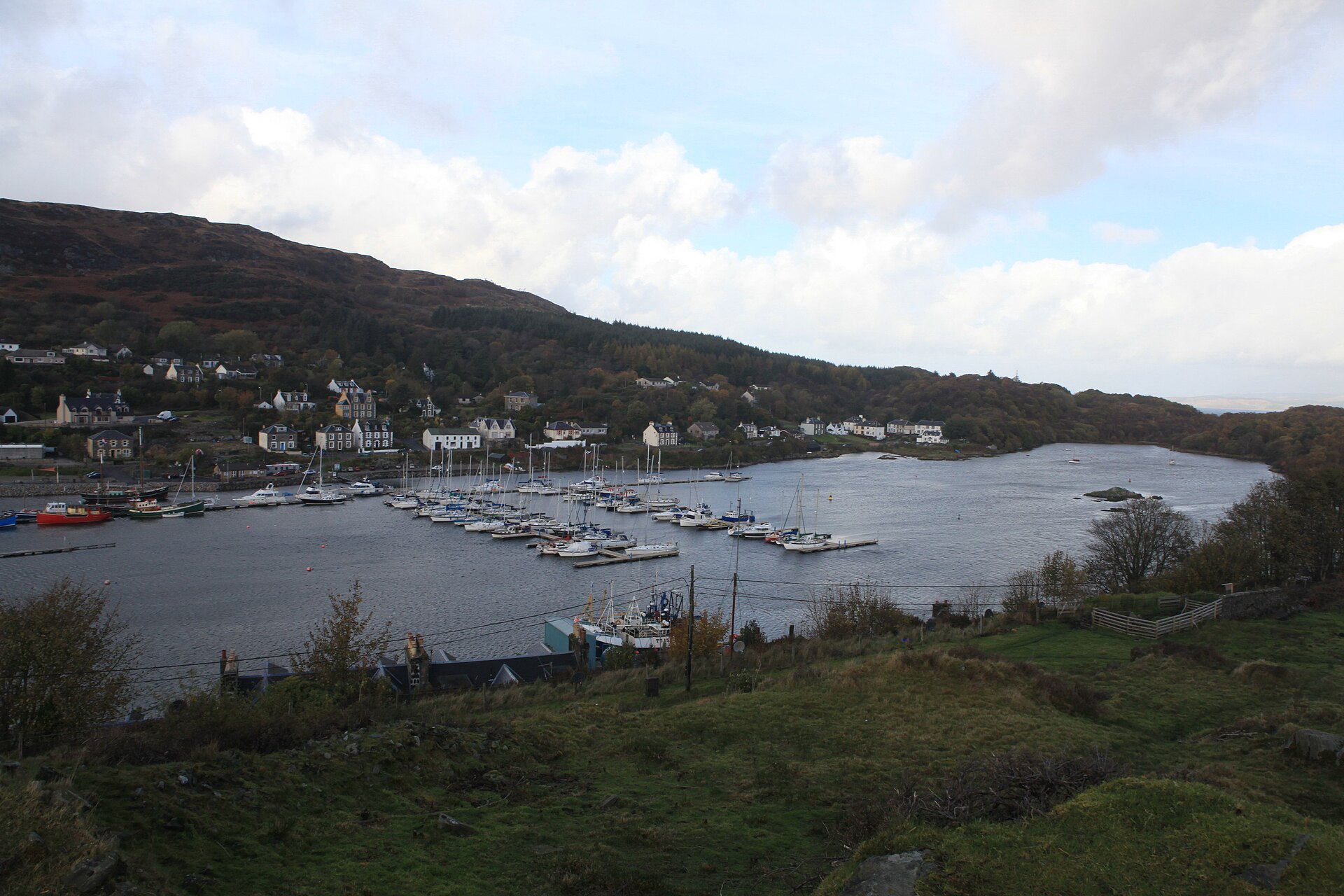
A royal stronghold fought over for nearly a thousand years, from early-medieval burnings to a 1494 siege by a Scottish king, now looked after by th…
Crossing or structure · Medieval
Somerset
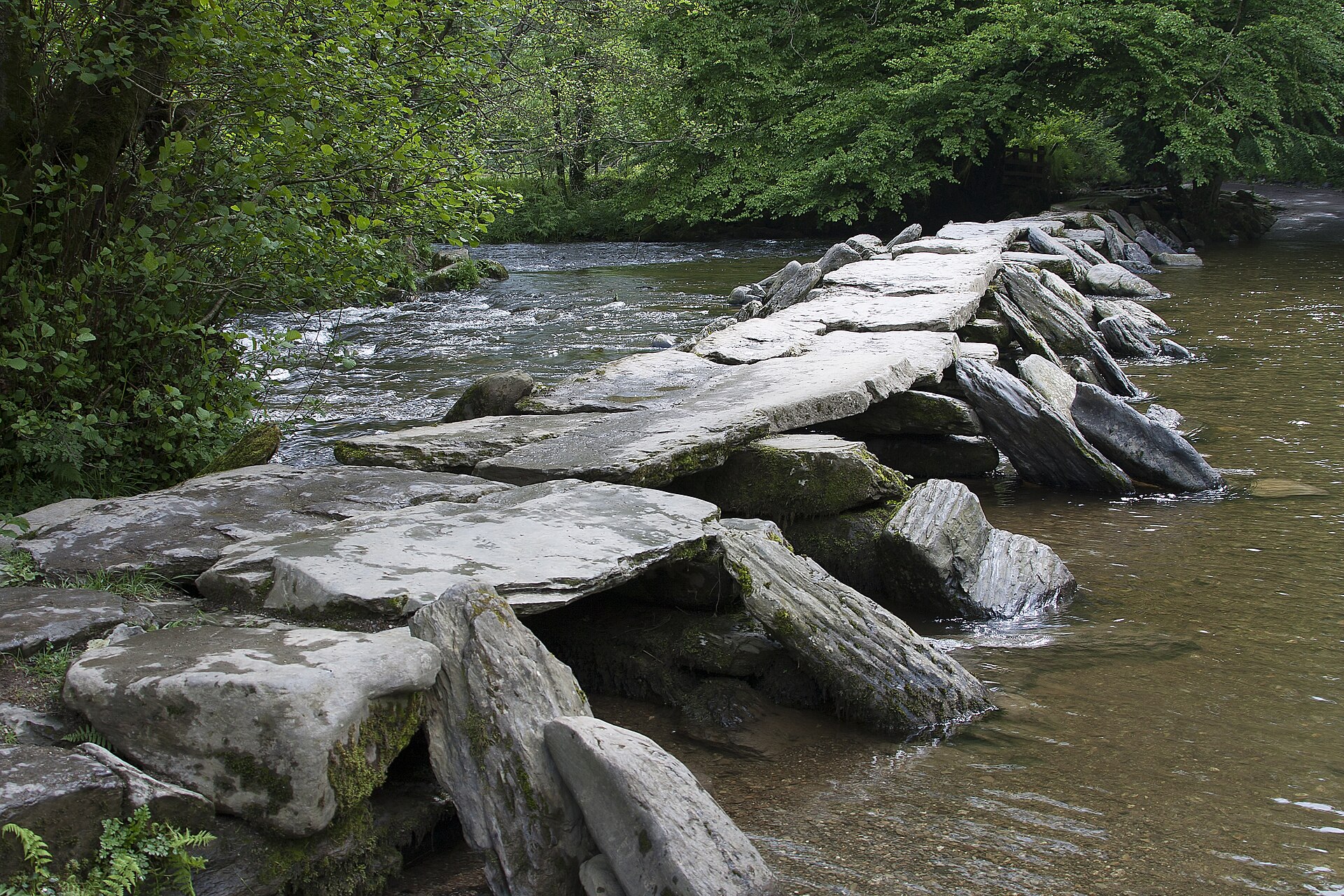
A stone-slab bridge over the River Barle in Exmoor, within a national nature reserve.
Building or ruin · Medieval
Cheshire
Tatton Old Hall preserves a fifteenth-century manor site within Tatton Park, with its exposed timber roof and relocated cruck barn tracing the esta…
Building or ruin · Medieval
Angus
Its walls incorporate two Bronze Age (roughly 2500–800 BC, when metal tools first spread) stones carved with cup-and-ring marks, built by Iron Age…
Sacred place · Medieval
Bristol
A round Templar church rebuilt as a rectangular one grew a west tower that leans further off true than Pisa's, its distortion the honest work of so…
Fortified place · Medieval
Pembrokeshire
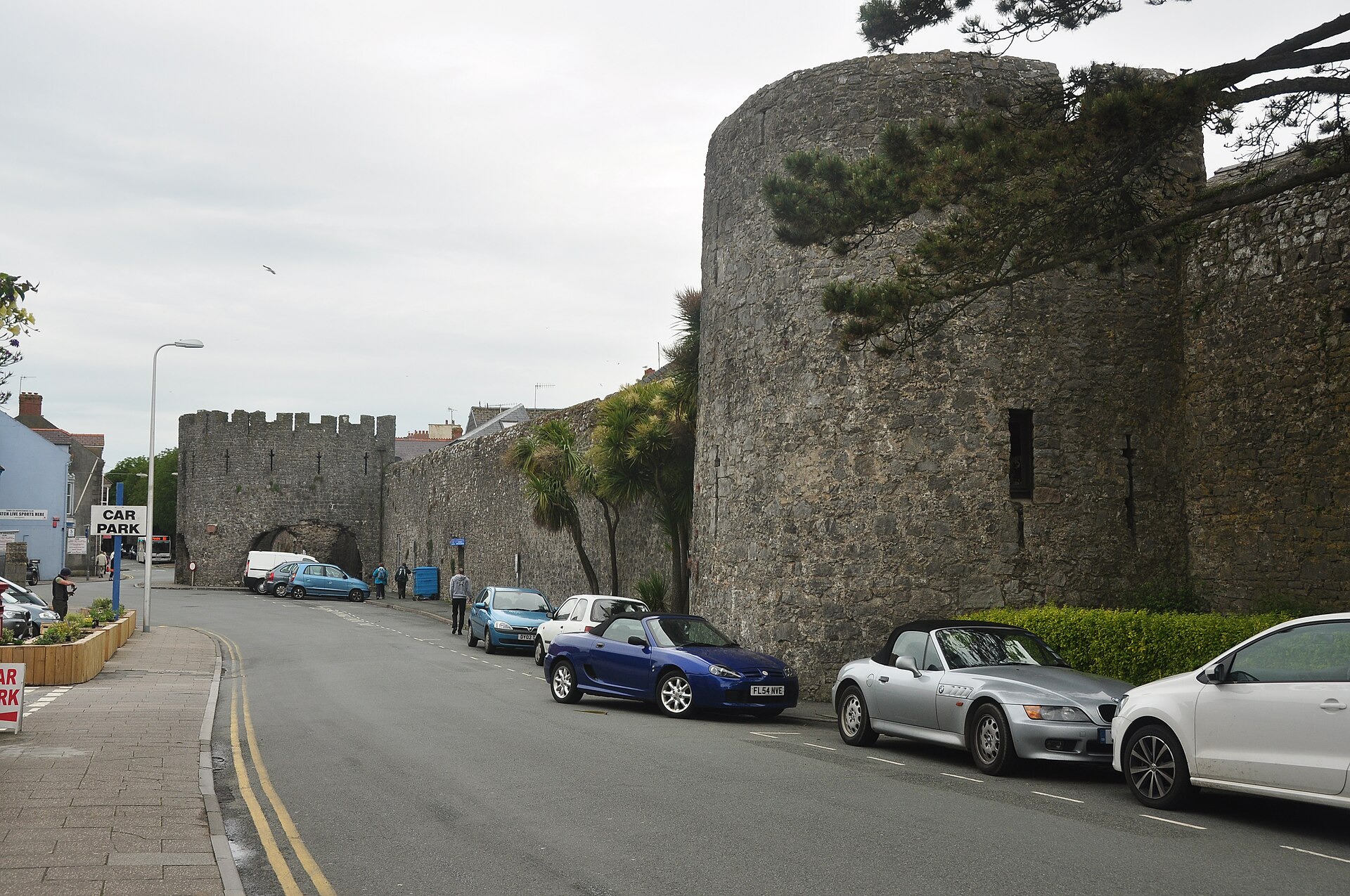
One of the most complete medieval town walls in Britain, begun after a Welsh prince sacked the town in 1260 and still running down to the sea along…
Tomb or burial place · Prehistoric
Cheshire
Only one burial chamber and two portal stones remain from this Stone Age cairn; a detailed 1764 account records the much larger monument that road-…
Sacred place · Prehistoric
Derbyshire
One of the few Peak District henges known to have held a stone setting inside it: dismantled, by local account, to floor a canal-age tramway.
Tomb or burial place · Prehistoric
Merseyside
The Calderstones are Liverpool’s oldest known monument: six surviving Neolithic (the first farming period in Britain, roughly 4000–2500 BC) stones…
Tomb or burial place · Prehistoric
Wiltshire
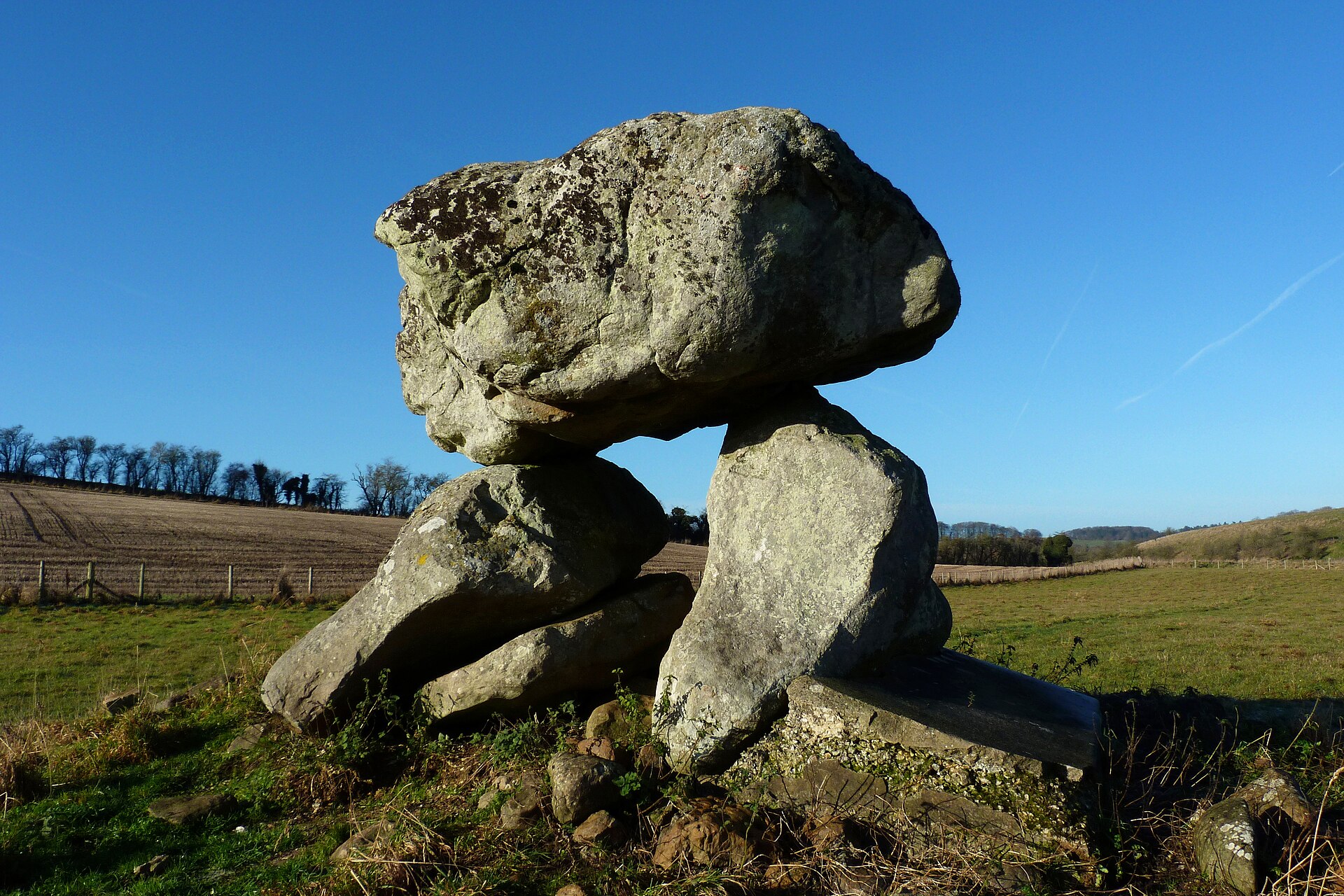
A dolmen chamber whose single capstone is reckoned at seventeen tons: the sole surviving fragment of a long mound once some 70 metres in length.
Building or ruin · Prehistoric
Flintshire
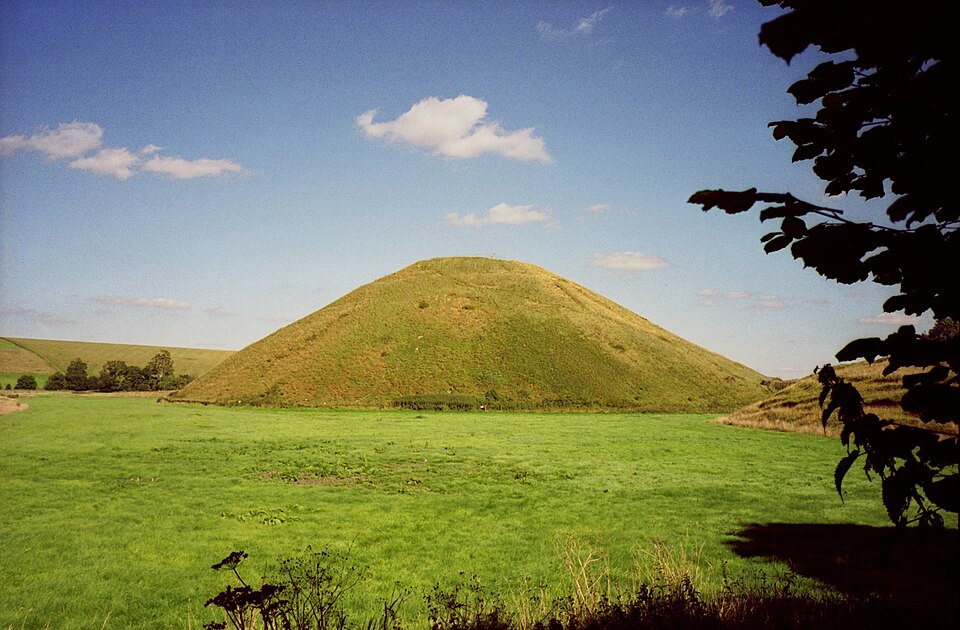
Second only to Silbury Hill in scale, this vast stone mound has never given up a burial chamber: leaving its true purpose, tomb, watchtower, or for…
Building or ruin · Medieval
Monmouthshire
The Grange is a Grade II group within Monmouth’s walls whose evolution from farmhouse site to preparatory school and boarding house reflects the to…
Tomb or burial place · Prehistoric
Dorset
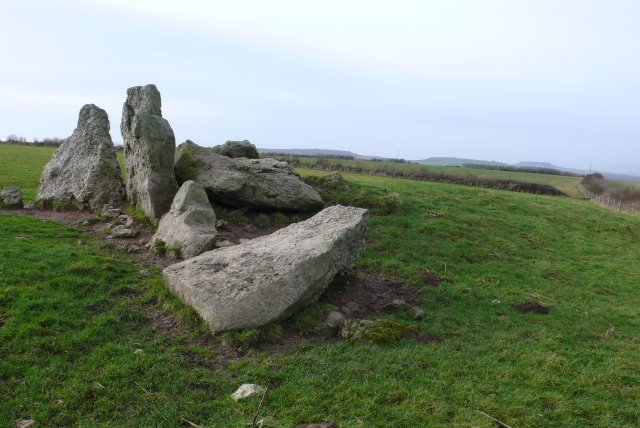
The Grey Mare and her Colts is a substantial Neolithic: the late Stone Age, about 4000–2500 BC in Britain: chambered long barrow, a burial mound bu…
Sacred place · Medieval
Essex
Maldon’s Hospital of St Giles preserves rare fabric from a medieval institution that moved from leper care to wider poor relief before becoming a f…
Tomb or burial place · Prehistoric
Isle of Wight
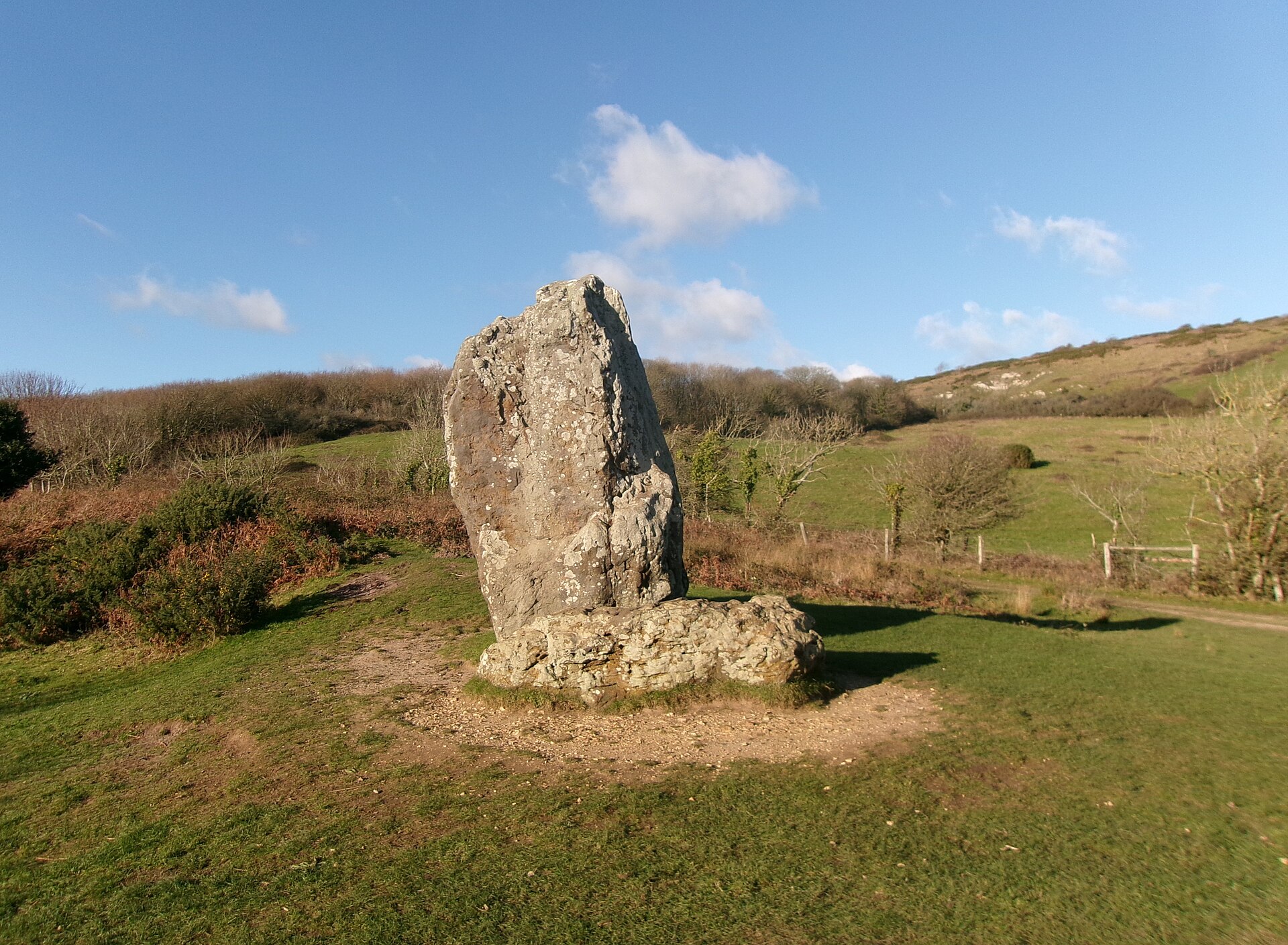
The Longstone is the Isle of Wight’s only megalithic monument, a pair of greensand stones linked to a rare non-chalk Neolithic long barrow: a buria…
Sacred place · Prehistoric
Wiltshire
The only stones left standing from a rectangular prehistoric (from the era before writing arrived in these islands) cove, and possibly the last tra…
Fortified place · Medieval
Hertfordshire
A Tudor palace so magnificent a French ambassador rated it above Hampton Court, and the refuge chosen for Catherine of Aragon after her marriage wa…
Carved stone · Prehistoric
Cornwall
The Pipers near Minions are a pair of standing stones closely associated with the Hurlers circles, anchoring a Bodmin Moor ceremonial complex along…
Tomb or burial place · Prehistoric
Northumberland
The Poind and his Man is an ancient burial mound and standing stone site in Northumberland, dating from the Late Neolithic to Early Bronze Age.
Building or ruin · Medieval
Monmouthshire
The Procurator’s House is one of only two known British sites of its kind, a rare Magor ruin that reveals medieval ecclesiastical landholding and l…
Building or ruin · Medieval
Greater London
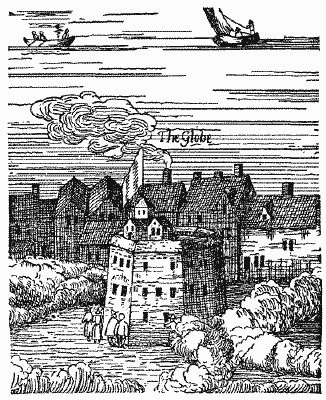
The Rose was Bankside’s first playhouse and an early stage for Shakespeare and Marlowe; its 1989 rediscovery transformed a threatened development s…
Sacred place · Prehistoric
Wiltshire
Excavation found a young girl buried beside the inner stone circle, her body aligned with the sunrise on the equinox, in a monument rebuilt through…
Building or ruin · Medieval
Argyll and Bute
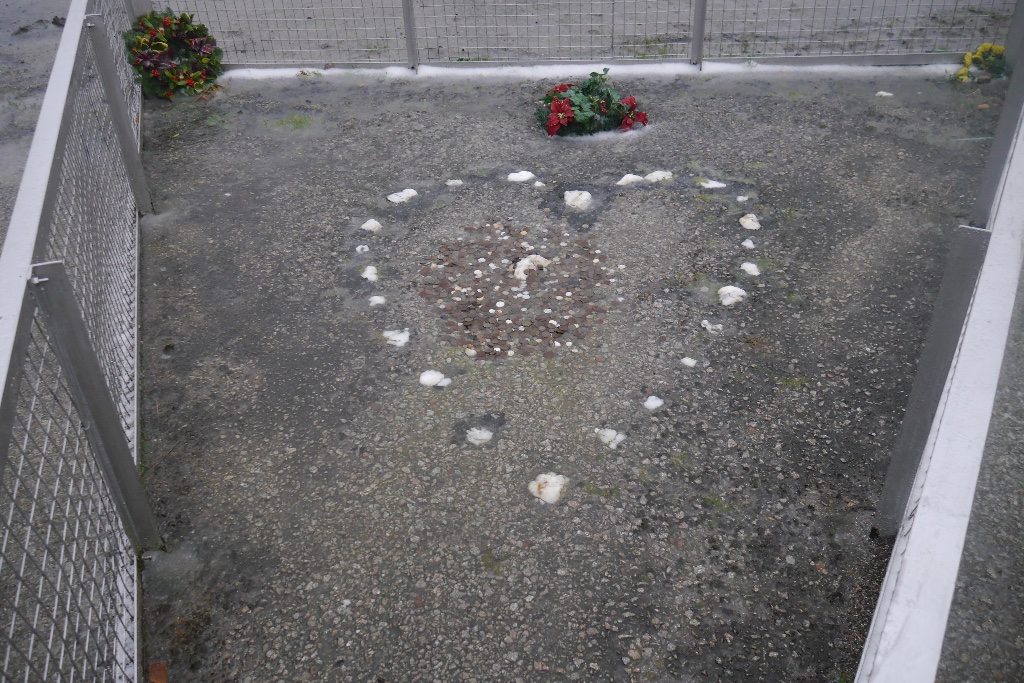
A heart of twenty-six quartz pebbles laid in a Loch Fyne field is, on current research, the only known permanent physical memorial to Scotland's Tr…
Fortified place · Iron Age
West Sussex
An Iron Age enclosure on St Roche Hill, raised over a much earlier one, four miles north of Chichester.
Building or ruin · Medieval
Hertfordshire
A house built to flatter a queen became so favoured by her successor that James I chose to die within its walls, and its Elizabethan splendour was…
Tomb or burial place · Prehistoric
Hertfordshire
One stretch of chalk grassland, still grazed as open common, carries Hertfordshire's largest known group of barrows: burial mounds of heaped earth,…
Tomb or burial place · Prehistoric
Dorset
Thickthorn Down’s paired long barrows show how Neolithic (the first farming period in Britain, roughly 4000–2500 BC) burial monuments were delibera…
Building or ruin · Roman
Staffordshire
A ten-metre limestone arch that held burials from the end of the Palaeolithic: and had its own railway station from 1904 to 1934.
Sacred place · Prehistoric
North Yorkshire
Three colossal bank-and-ditch circles laid out to echo Orion's Belt survived a decade of gravel-quarry battles before passing whole into public han…
Building or ruin · Medieval
West Yorkshire
Excavation found two halls on this moated island: a thirteenth-century building and an H-plan stone one of about 1450.
Tomb or burial place · Prehistoric
Cornwall
The Three Brothers of Grugith is a scheduled Neolithic (the first farming age, roughly 4000–2500 BC) dolmen overlooking Goonhilly Downs, preserving…
Carved stone · Iron Age
Cornwall
Three Holes Cross is a scheduled medieval wayside cross whose unusual pierced wheelhead gives its name to a long-standing road junction east of Wad…
Building or ruin · Medieval
Staffordshire
A ruined stately home near Calton and the River Manifold, listed Grade II*.
Tomb or burial place · Iron Age
West Sussex
Three occupations on one chalk ridge, separated by more than a thousand years each way: a burial mound, a fort, and a farming village.
Building or ruin · Medieval
Derbyshire
Its lead-poisoned soil, hostile to almost all ordinary plant life, instead hosts a rare community of metal-tolerant plants and lichens found in few…
Settlement · Roman
Cumbria
Its close resemblance to the Isle of Man's Tynwald Mount is the strongest evidence that Viking settlers raised this terraced mound as their own ope…
Tomb or burial place · Prehistoric
Vale of Glamorgan
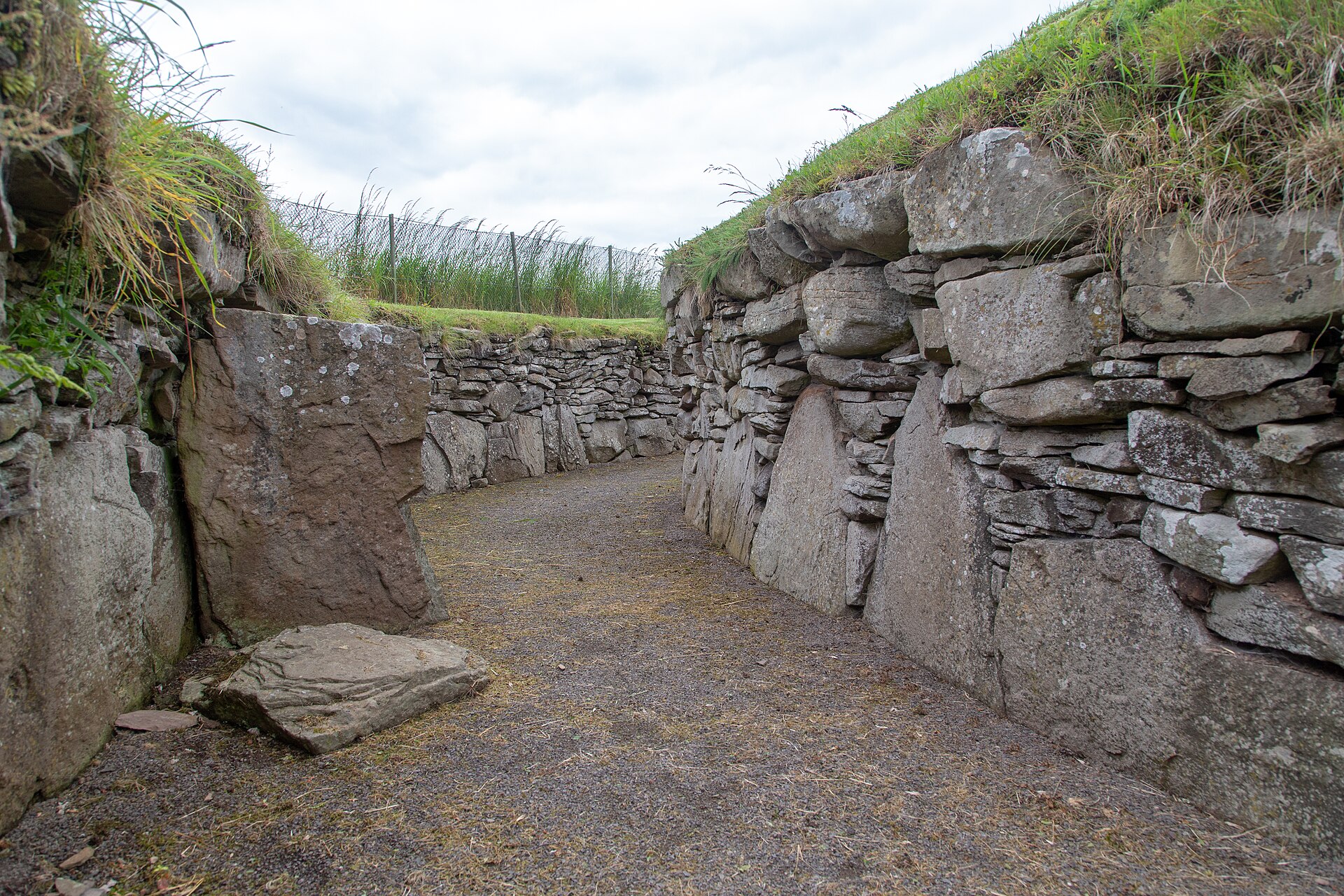
Nine hundred and twenty human bones, nearly all broken, were found inside: at least forty people of every age, buried under what may be the largest…
Building or ruin · Medieval
Kent
This is medieval agricultural infrastructure at civic scale: a palace storehouse that became stables and then Britain’s first carriage museum.
Sacred place · Prehistoric
Cornwall
Cornwall's largest holed stone, a Neolithic (the late Stone Age, roughly 4000–2500 BC in Britain) monument altered by nineteenth-century removal bu…
Building or ruin · Roman
Gwynedd
A Roman fort remote enough to have kept its own small amphitheatre and inn intact: features usually ploughed away at less isolated garrisons across…
Building or ruin · Medieval
Dumfries and Galloway
Tongland Abbey records a little-documented Premonstratensian community in Galloway, where uncertain foundation evidence, a troubled late-medieval d…
Fortified place · Iron Age
West Sussex
A hilltop enclosure raised in the centuries before Rome arrived, spelled variously Tarberry and Torbery.
Building or ruin · Medieval
Lincolnshire
Its brick upper storey was one of the earliest uses of that lavish material in English secular building: yet Royalist soldiers, not enemies of the…
Fortified place · Medieval
Bedfordshire
A single hillside reserve holds a Norman castle's earthworks, chalk grassland rich in rare orchids, and the quarry that once supplied stone for Wes…
Building or ruin · Roman
Dorset
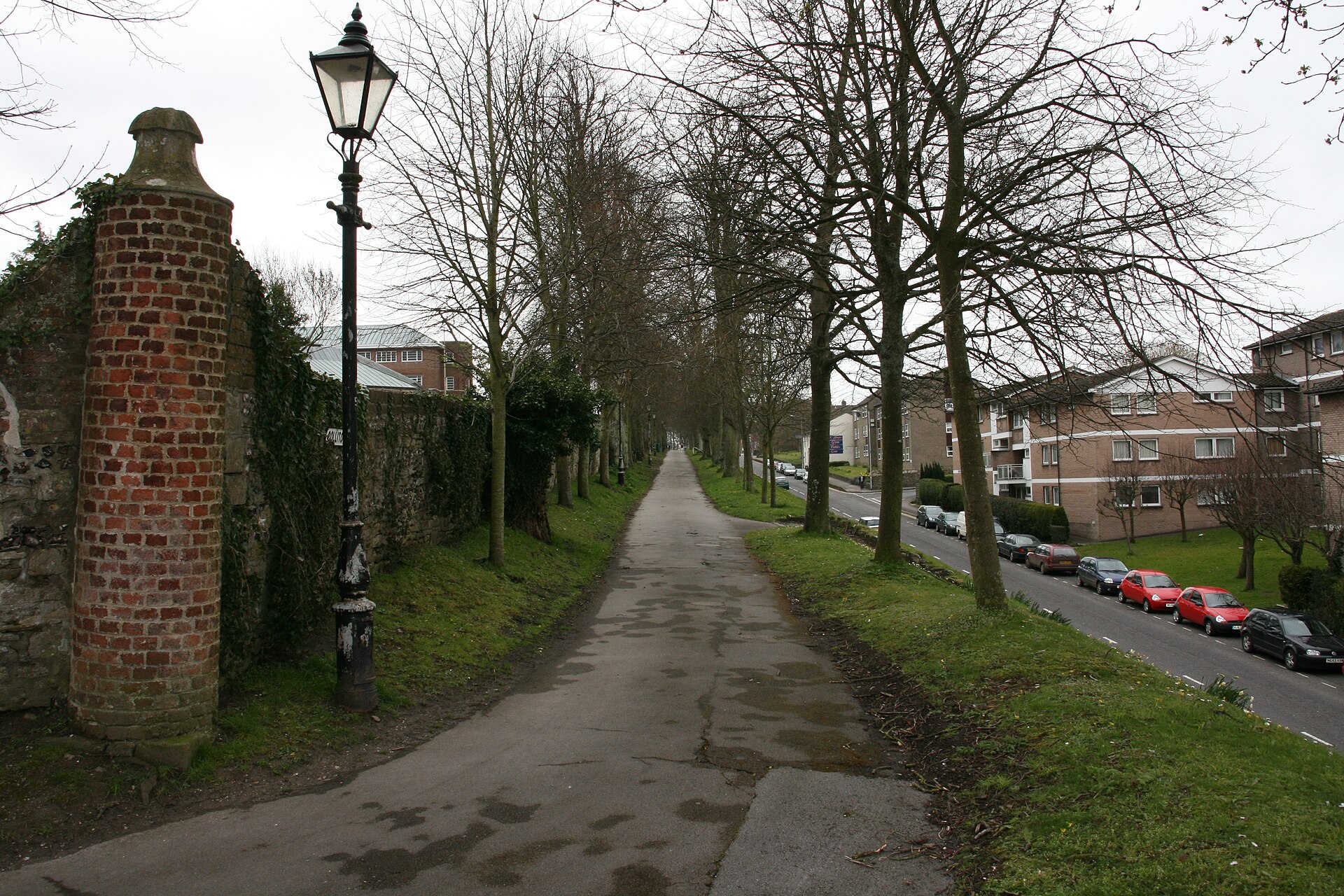
Dorchester’s Town Walks turn the line of Roman Durnovaria’s defences into a historic public landscape, preserving two millennia of fortification, m…
Fortified place · Medieval
Cornwall
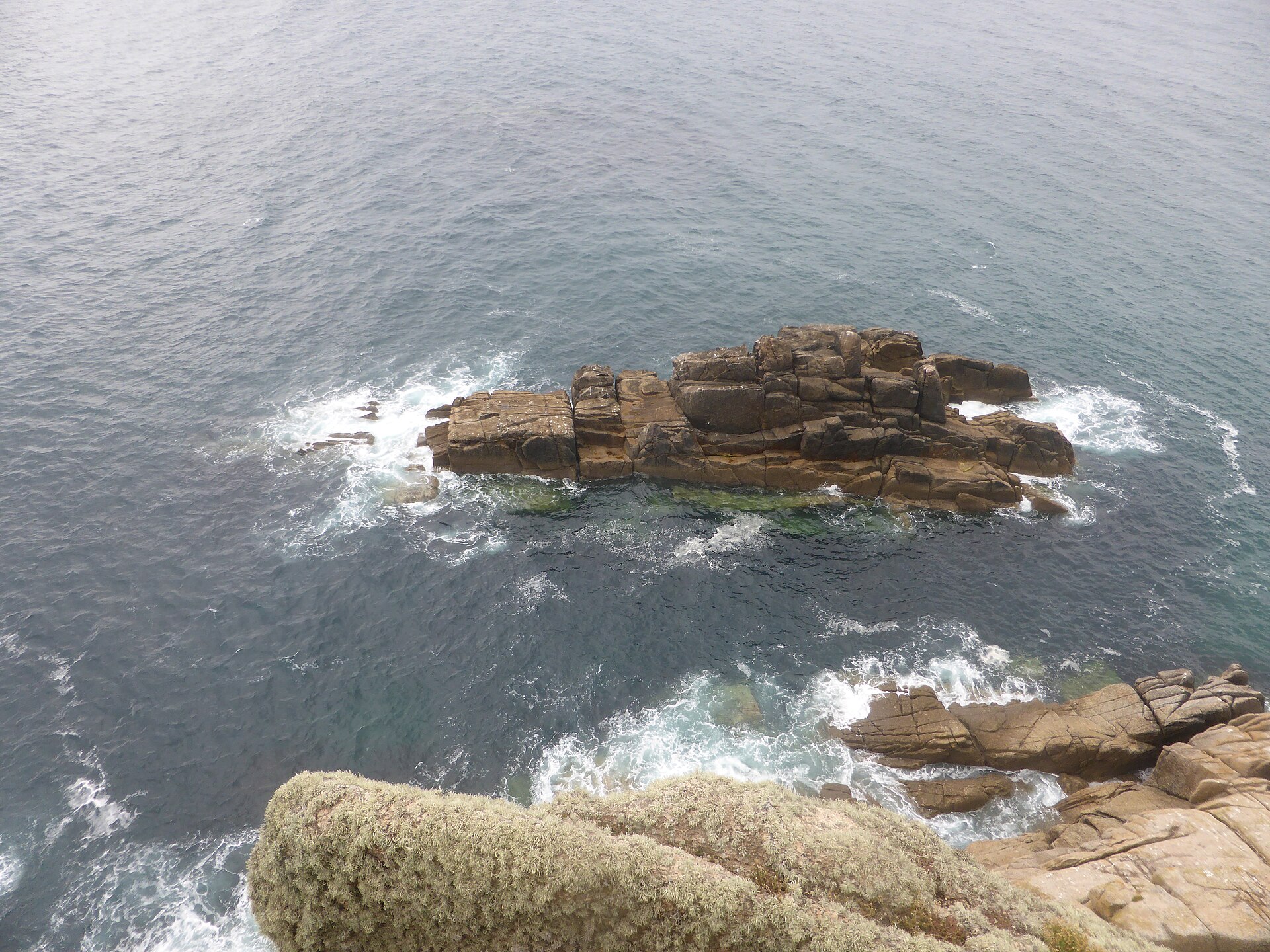
A protected Penwith cliffscape where a scheduled prehistoric (before any written account of Britain existed) cliff castle shares ground with rare m…
Tomb or burial place · Prehistoric
Isle of Anglesey
Three burial chambers built one after another on the same knoll over centuries, their capstones carted off for gateposts in about 1790 and the site…
Fortified place · Medieval
Cornwall
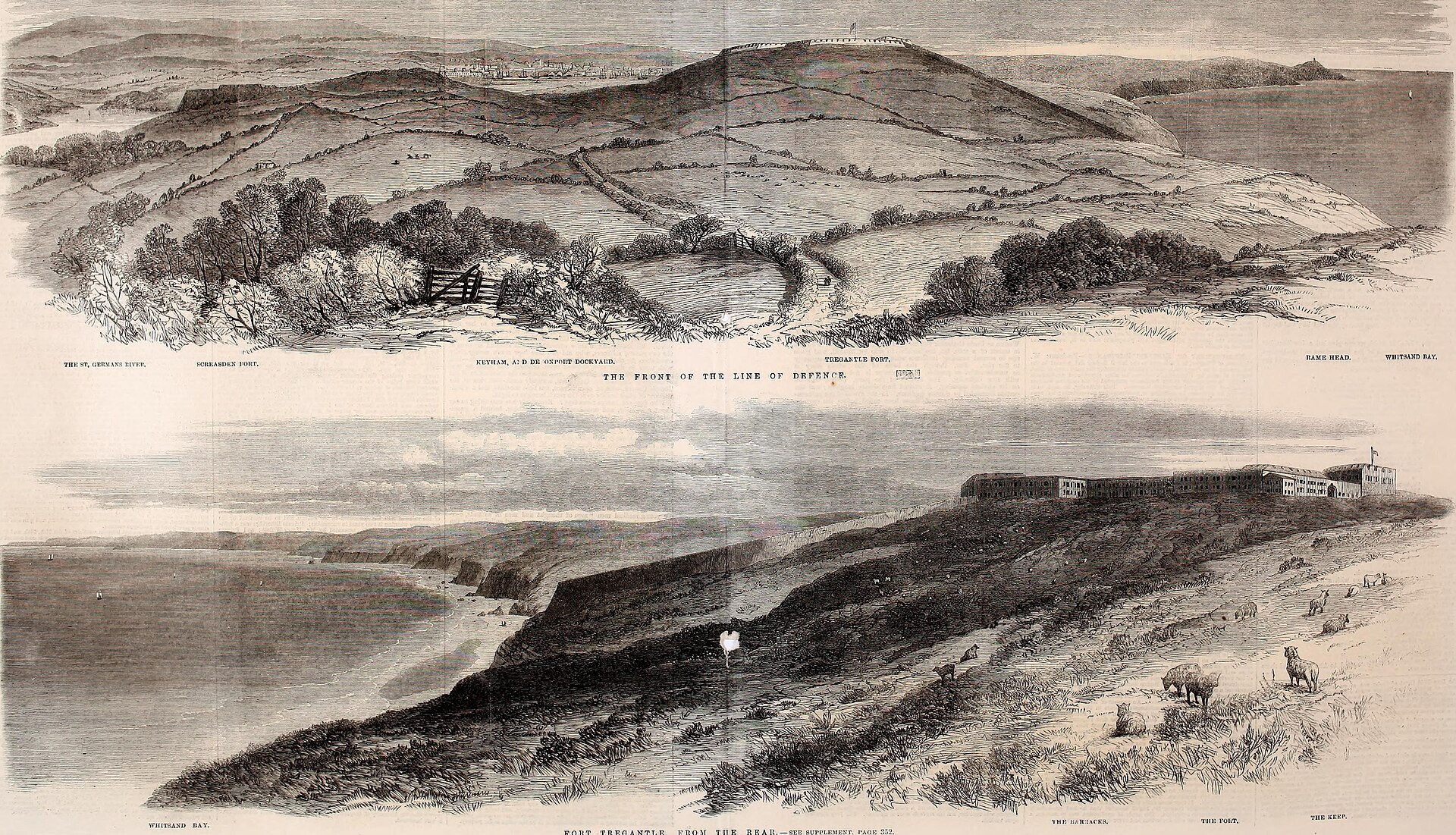
A Palmerston fort above the Channel approaches to Plymouth, built for 35 guns and still used for military training more than 160 years later.
Tomb or burial place · Prehistoric
Cornwall
Tregiffian is a rare Cornish entrance grave whose passage, decorated stone and evidence of cremation and urn burials illuminate long-lived prehisto…
Fortified place · Iron Age
Cornwall
Treryn Dinas is an Iron Age cliff fort: the period from roughly 800 BC to the Roman conquest: whose successive ramparts, Logan Rock and coastal cul…
Tomb or burial place · Prehistoric
Cornwall
Trethevy Quoit is one of Cornwall’s best-preserved Neolithic (the first farming age, roughly 4000–2500 BC) portal graves, remarkable for its immens…
Building or ruin · Medieval
Powys
A castle that turned into a house, and survived because nothing ever happened to it: until it became a piggery.
Briefer entries: recorded and worth knowing, with fuller pages to come.
Carved stone · Prehistoric
Devon
Stalldown Barrow is a Devon megalithic site whose long stone row contributes to the wider prehistoric (predating the written record in Britain) mon…
Building or ruin · Roman
Essex
Stane Street is a 63-kilometre Roman route still legible in Essex and Hertfordshire roads, paths and byways, linking Braughing with Roman Colchester.
Building or ruin
Norfolk
Starston Windpump is a rare Grade II hollow post mill, built around 1850 to provide water for Starston Place, Home Farm’s livestock and a horse pond.
Sacred place · Medieval
County Down
Struell Wells is a managed holy-well landscape where pre-Patrick traditions, pilgrimages, chapel remains, and flowing water have shaped devotion fo…
Tomb or burial place · Prehistoric
Berkshire
Excavation of one mound recovered cremation burials placed in urns: direct physical evidence of Bronze Age (roughly 2500–800 BC, when metalworking…
Building or ruin · Roman
West Sussex
A planned Roman road, not a Romanised track: straight alignments, no steep gradients, linking villa estates along the greensand ridge.
Building or ruin · Prehistoric
Kent
The Swanscombe Palaeolithic site preserves one of Britain’s two Lower Palaeolithic human fossil finds alongside Clactonian and Acheulean tool indus…
Sacred place · Medieval
County Londonderry
Tamlaght Finlagan preserves an early Columba-founded monastic tradition transformed into a parish church, garrison church, and Second World War bur…
Fortified place · Medieval
Argyll and Bute
A causeway now vanished beneath the water once linked this island stronghold to the shore, leaving a ruin that in the seventeenth century belonged…
Fortified place · Medieval
County Tyrone
Tattycor is a small Tyrone townland where a protected rath (an early-medieval Irish farmstead ringed by an earth bank) and a sharply recorded ninet…
Building or ruin · Roman
Essex
The Temple of Claudius anchors Roman Colchester’s imperial history: a provincial cult centre later absorbed into the foundations of Colchester Castle.
Building or ruin · Roman
Kent
The Brook follows Chatham’s buried Old Bourne River and preserves evidence of Roman cremation burials beneath a later landscape transformed by over…
Building or ruin
Greater London
The Regent’s Park Diorama was an early immersive-image theatre created by Daguerre and Bouton, using rotating audiences and changing daylight to an…
Sacred place · Prehistoric
Lancashire
The Three Brothers reward a walk above Morecambe Bay with an unresolved question: are these shaped monuments or boulders carried here by ice?
Building or ruin · Medieval
County Antrim
Tievebulliagh is a Glens of Antrim mountain whose Neolithic (the late Stone Age, about 4000–2500 BC in Britain) porcellanite quarry supplied axes a…
Fortified place · Medieval
County Tyrone
Tonnagh More is a Tyrone townland where a protected rath (a ringfort, a farmstead enclosed by a circular bank and ditch) and stable 1840s populatio…
No places match those filters.