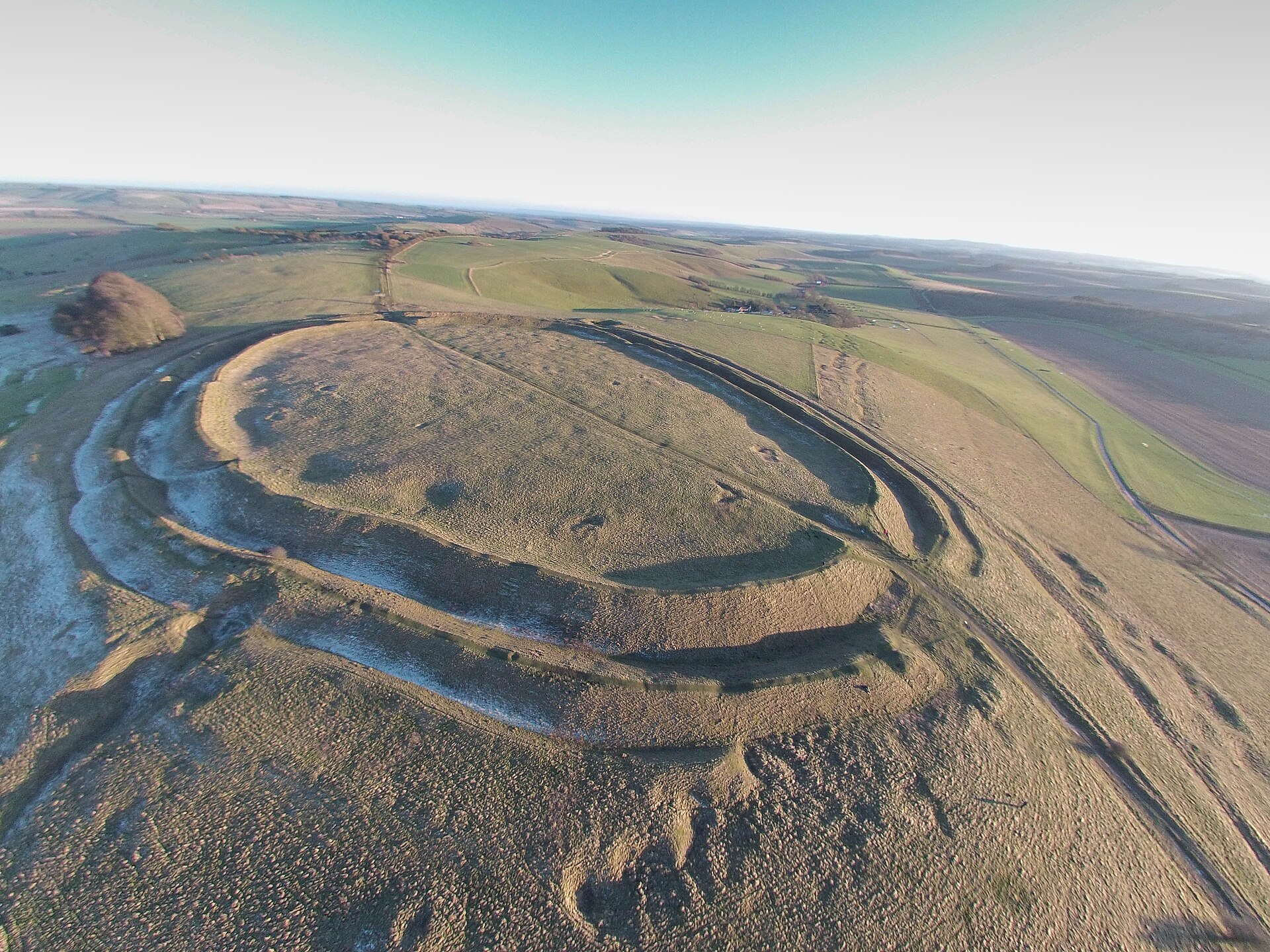
Fortified place · Iron Age
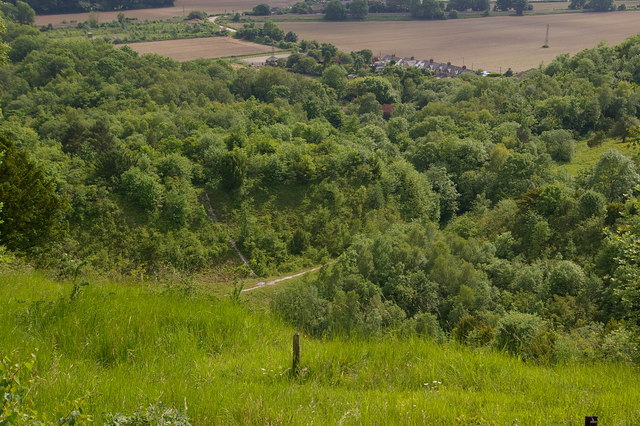
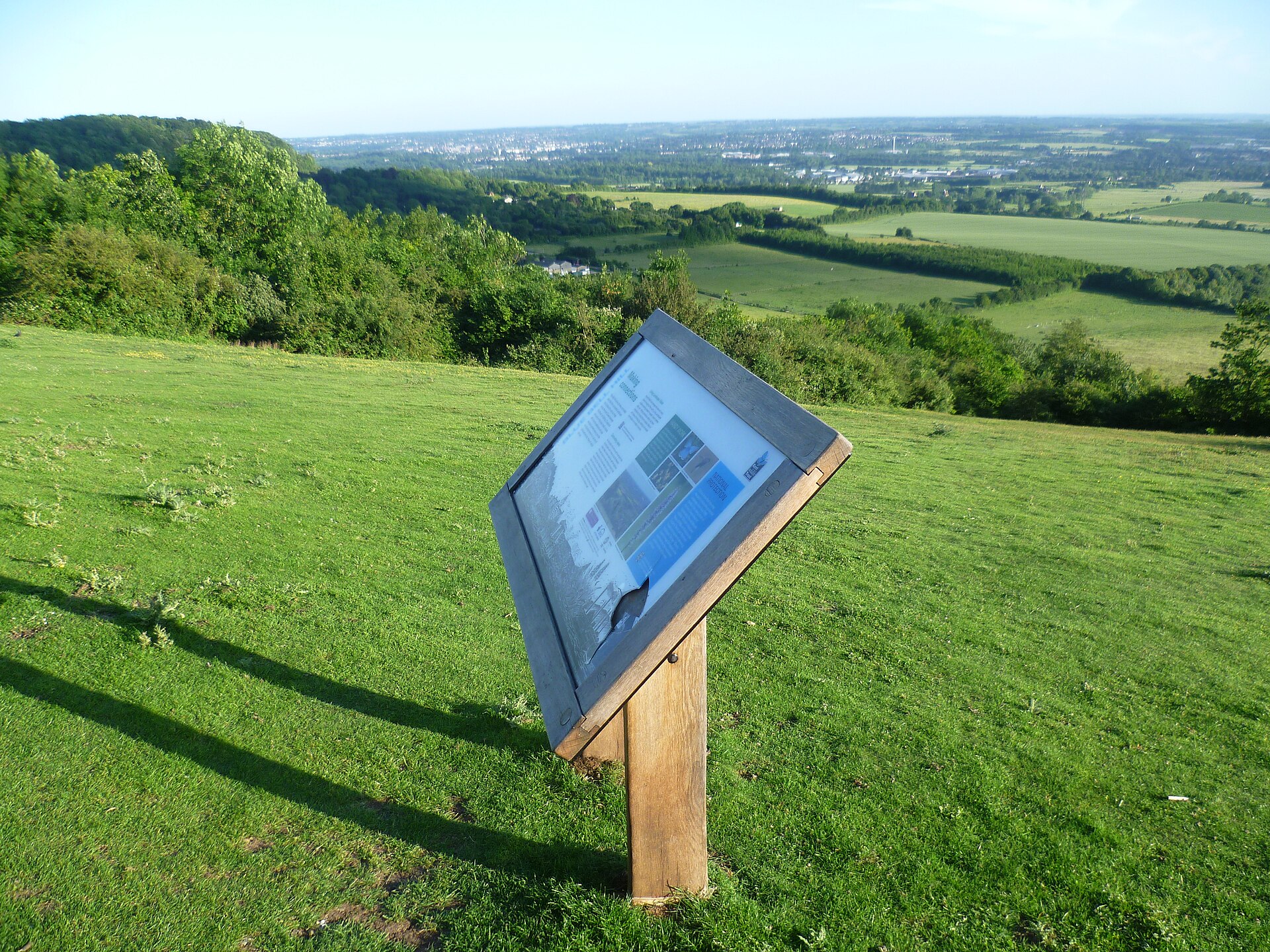
Barbury Castle
Wiltshire
Two deep ditches and ramparts crown a downland vantage point where Roman-era buildings gave way to a Saxon conquest that helped found the kingdom o…
- Near Wroughton
- Some walking
By type
Page 2 of 14.
Search and filters apply to these 100 places.
Fortified place · Iron Age
Wiltshire
Two deep ditches and ramparts crown a downland vantage point where Roman-era buildings gave way to a Saxon conquest that helped found the kingdom o…
Tomb or burial place · Prehistoric
Isle of Anglesey
Barclodiad y Gawres is a Neolithic: the first farming period in Britain, roughly 4000–2500 BC: cruciform passage grave, a burial chamber entered al…
Building or ruin · Medieval
Hampshire
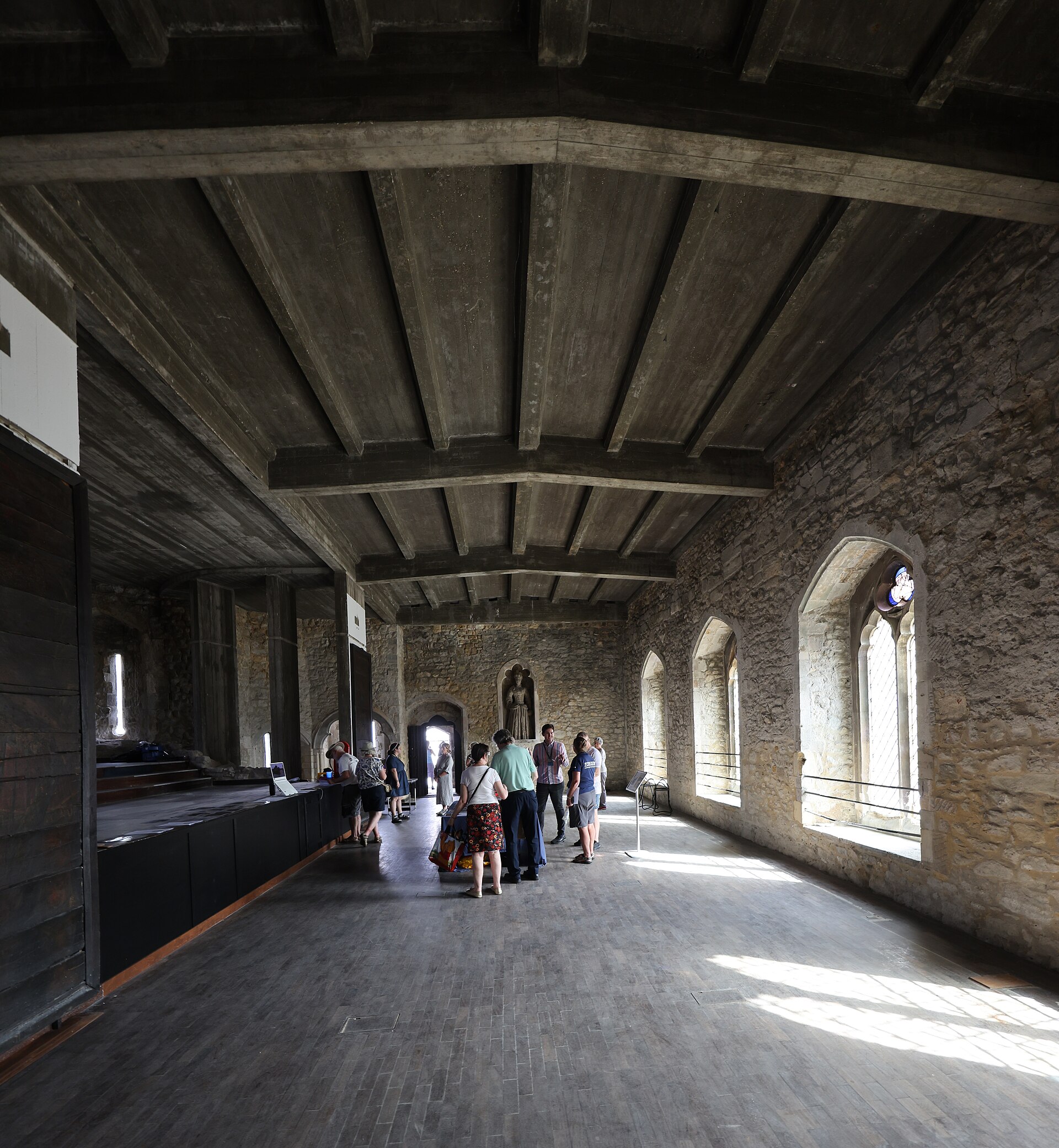
A working medieval gatehouse that has served in turn as guildhall, prison, courtroom, police headquarters and gallery, still spanning Southampton's…
Building or ruin · Prehistoric
West Sussex
An enclosure of the first farming age on Bignor Hill, its banks broken by causeways, of a class built in England from a little before 3700 BC.
Building or ruin · Roman
Gloucestershire
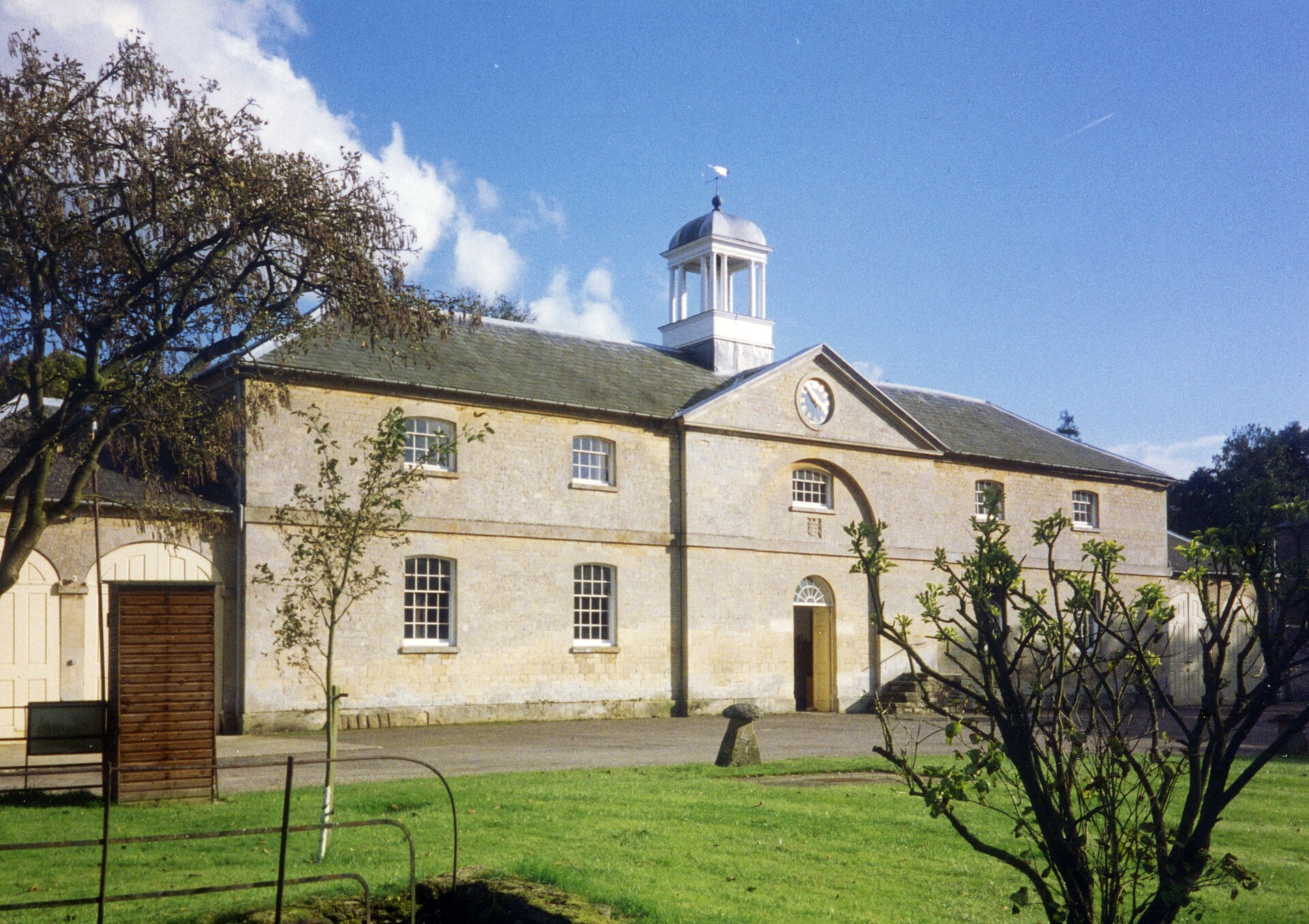
A Roman villa lies buried beneath its parkland, and the Georgian house standing above has stayed in the same family's hands since 1935.
Tomb or burial place · Prehistoric
Wiltshire
A single surviving Bronze Age (roughly 2500–800 BC) burial mound, reused six centuries later as an Anglo-Saxon cemetery, later excavated by soldier…
Building or ruin · Roman
Cambridgeshire
The tallest of its four surviving mounds rises some 15 metres: the largest Roman burial mound known north of the Alps.
Fortified place · Medieval
Aberdeenshire
A wooden castle mound that once governed the whole lordship of the Garioch, its earthworks still holding an oak gangway and a 14th-century face-jug…
Building or ruin · Roman
Somerset
Defences around the city, Roman in origin and restored by the Anglo-Saxons.
Building or ruin · Roman
Somerset
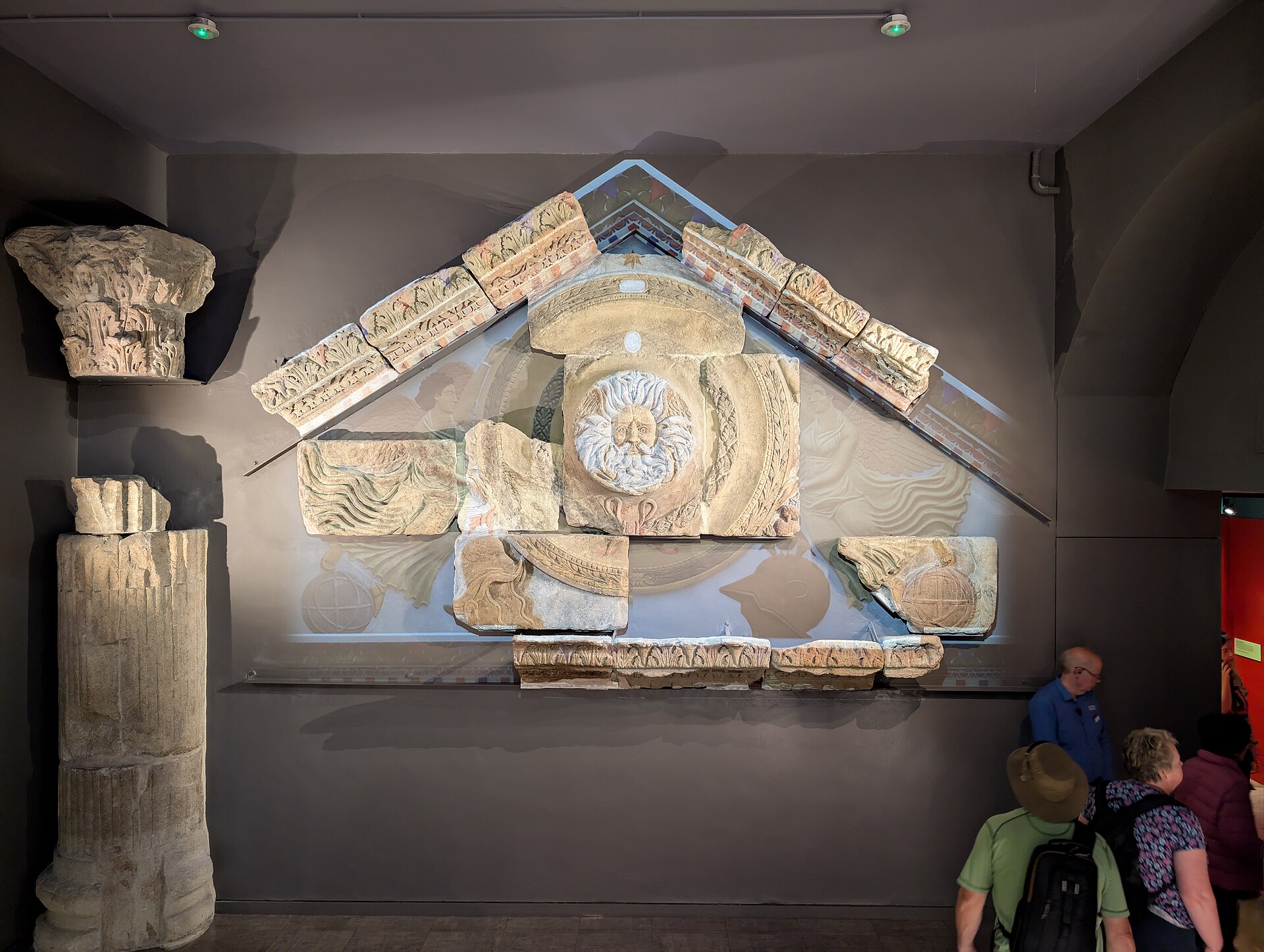
A first-century pediment carved by Gaulish craftsmen, found in 1790, whose central head has been read three different ways and settled as none of t…
Building or ruin · Roman
Derbyshire
A Roman road whose true line has to be pieced together from a scheduled earthwork, a buried stone road-bed under a Sheffield field, and a single mi…
Tomb or burial place · Prehistoric
Somerset
Three round mounds and possibly a long one at Williton, excavated by George Gray in 1931.
Fortified place · Medieval
Devon
One of the few English blockhouses whose eleven gunports still face the water they were built to sweep, English Heritage has already named it among…
Building or ruin · Medieval
East Riding of Yorkshire
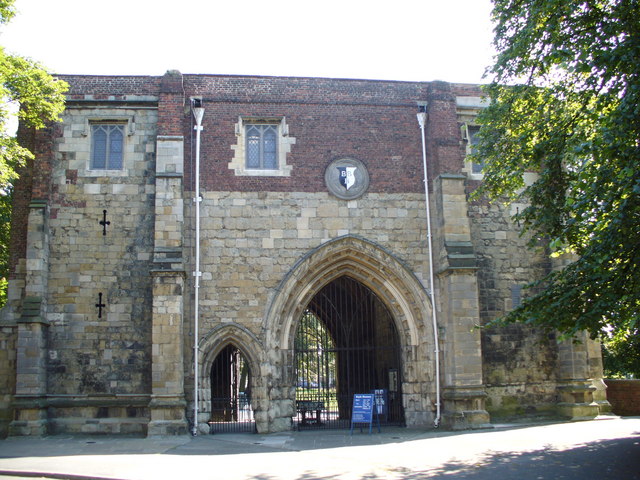
A single stone gatehouse carried a wooden castle, a priory's tolls and alms, a prison, a garrison and a town hall before becoming a museum of its o…
Building or ruin · Medieval
City of London
A brutalist telecoms tower standing directly over the buried remains of London's last riverside castle, and the rooftop where a Hollywood stunt fam…
Building or ruin · Iron Age
West Sussex
A defended hilltop on the South Downs in the parish of Elsted and Treyford, known also as Harting Beacon.
Building or ruin · Roman
North Yorkshire
Three sides of a Roman farm's courtyard still trace across a Yorkshire field, with one building's walls surviving in situ some seventeen centuries…
Building or ruin · Medieval
Berkshire
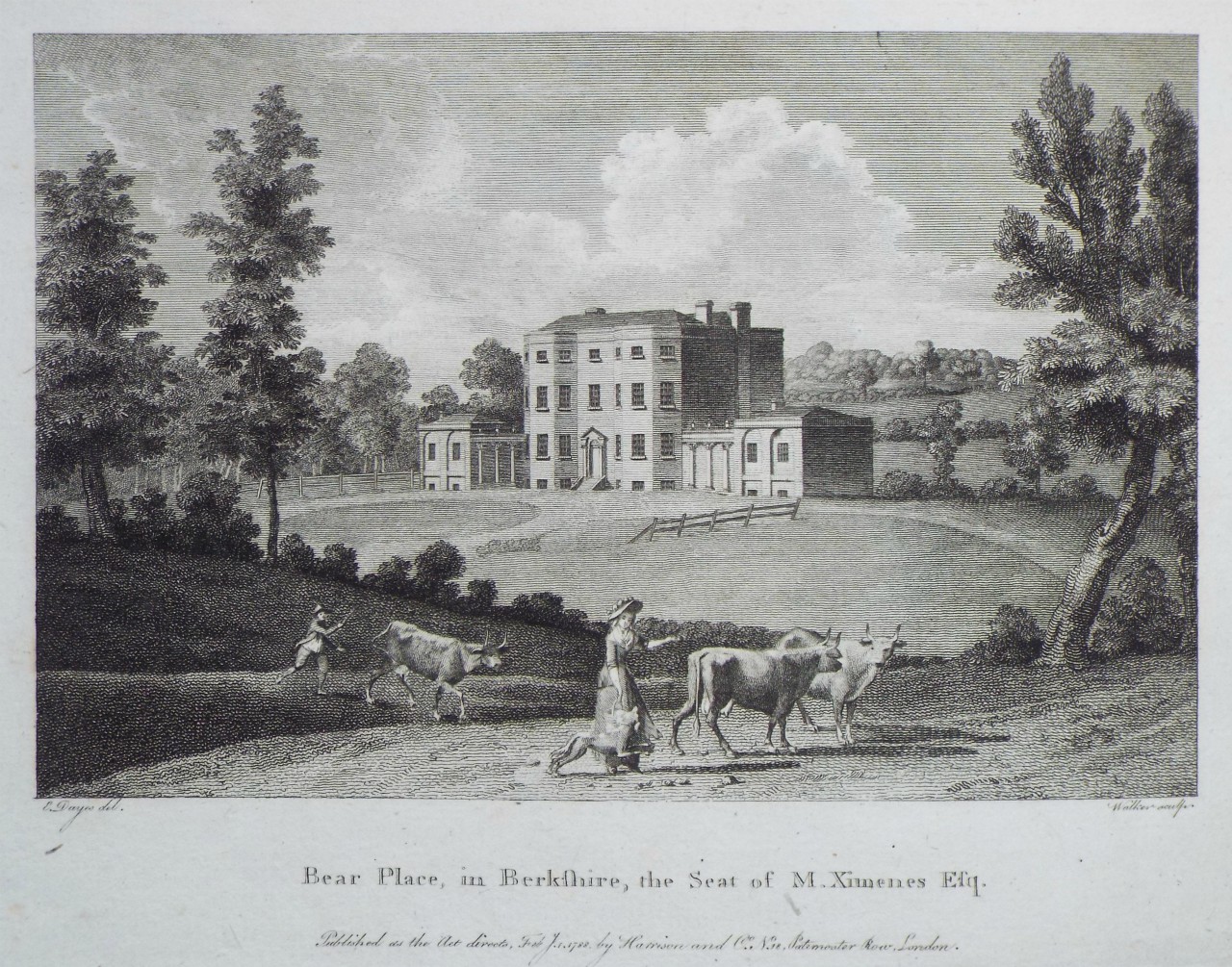
A Georgian house built partly from the bones of the Elizabethan mansion it replaced: its vanished predecessor still traced by the moat beside it.
Fortified place · Medieval
Isle of Anglesey
Beaumaris town walls show how Edward I’s initially unwalled colonial town responded to Owain Glyndŵr’s 1403 capture: a 15th-century circuit of ditc…
Ancient place · Prehistoric
Wiltshire
One stone still stands, called Adam. Excavation in 2000 recovered the rest of the avenue from below ground, as post-holes.
Sacred place · Medieval
North Yorkshire
Bedale Market Cross anchors the town’s medieval market charter, street pattern and civic gathering place in a rare Grade I scheduled monument (desi…
Sacred place · Prehistoric
Pembrokeshire
Thirteen upright stones in a broken horseshoe on a Preseli ridge, with fallen stones and a faint bank and ditch completing the outline.
Tomb or burial place · Prehistoric
Derbyshire
A square Bronze Age cairn holding cremated bone anchors this moor's scattered monuments: the same heather ground where a 1977 siege became one of B…
Tomb or burial place · Prehistoric
Gloucestershire
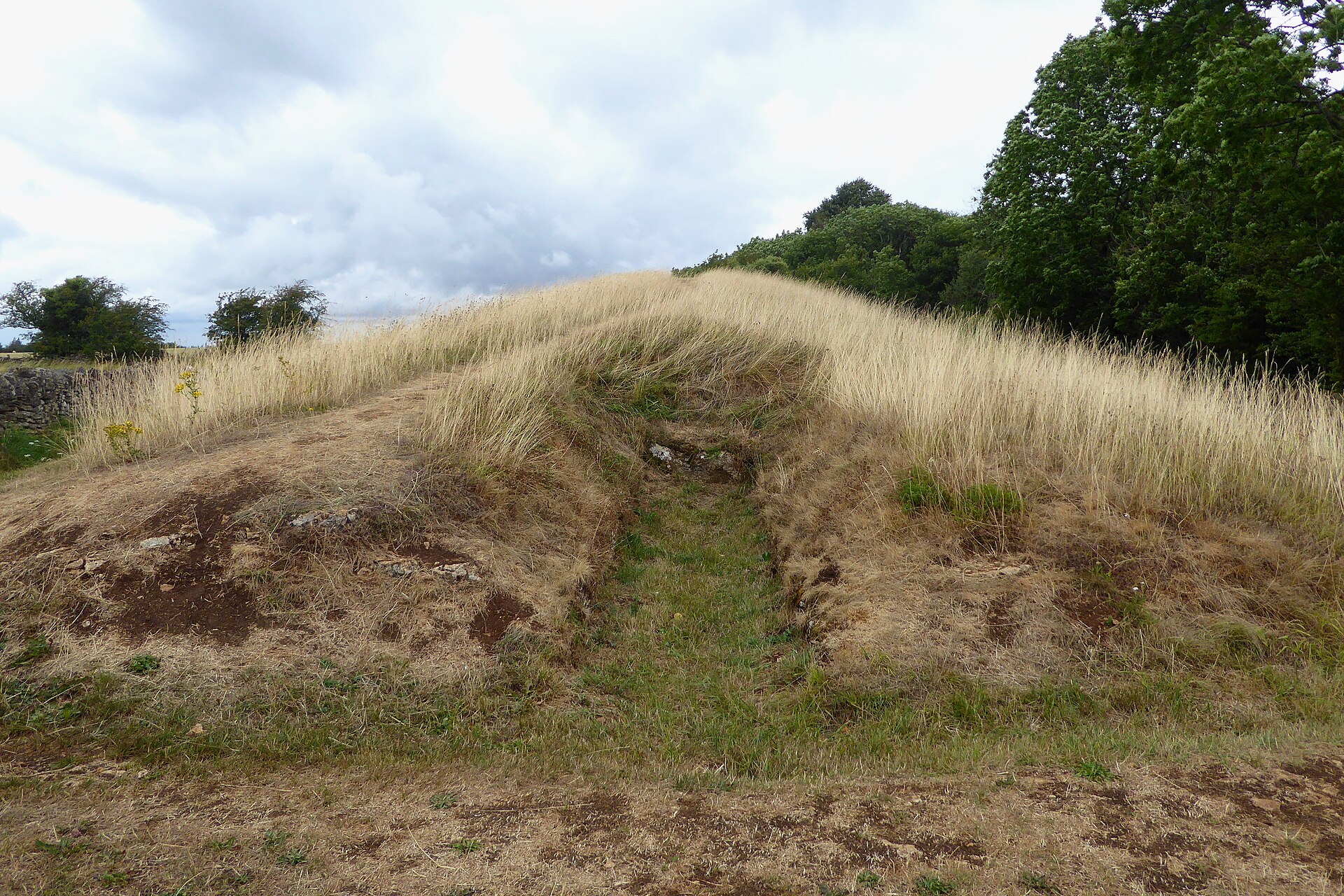
Excavations here recovered the remains of more than forty people, added to four chambers across many generations behind a grand entrance that turns…
Building or ruin · Medieval
Cheshire
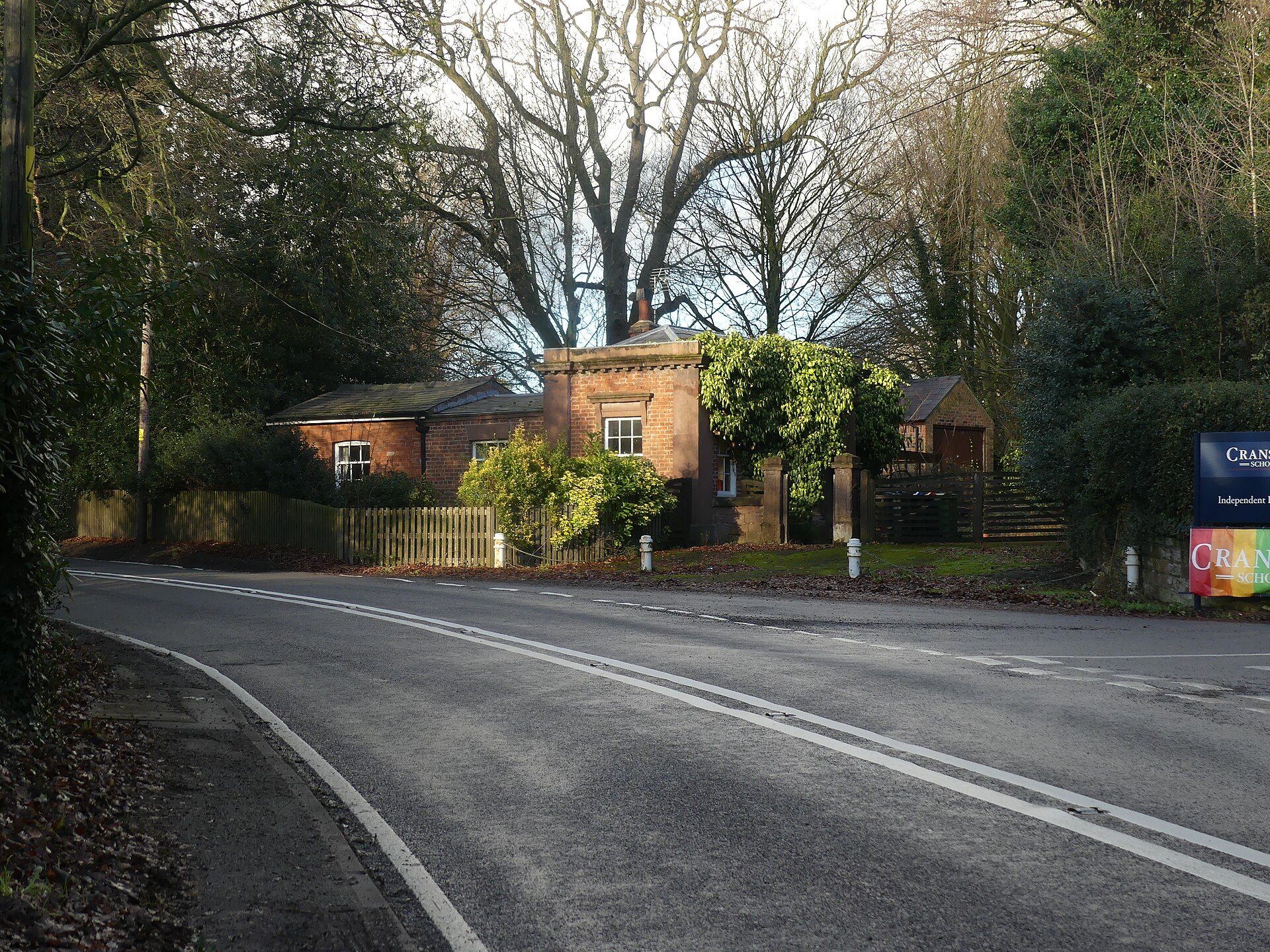
A Palladian house completed in 1755 to a design begun by James Gibbs but finished after his death by an unknown hand, its bow windows and Rococo ce…
Fortified place · Medieval
Isle of Wight
Bembridge Fort is a Palmerston-era command fort on the Isle of Wight, whose long military life spans invasion fears, submarine detection, air defen…
Tomb or burial place · Pictish & early medieval
Derbyshire
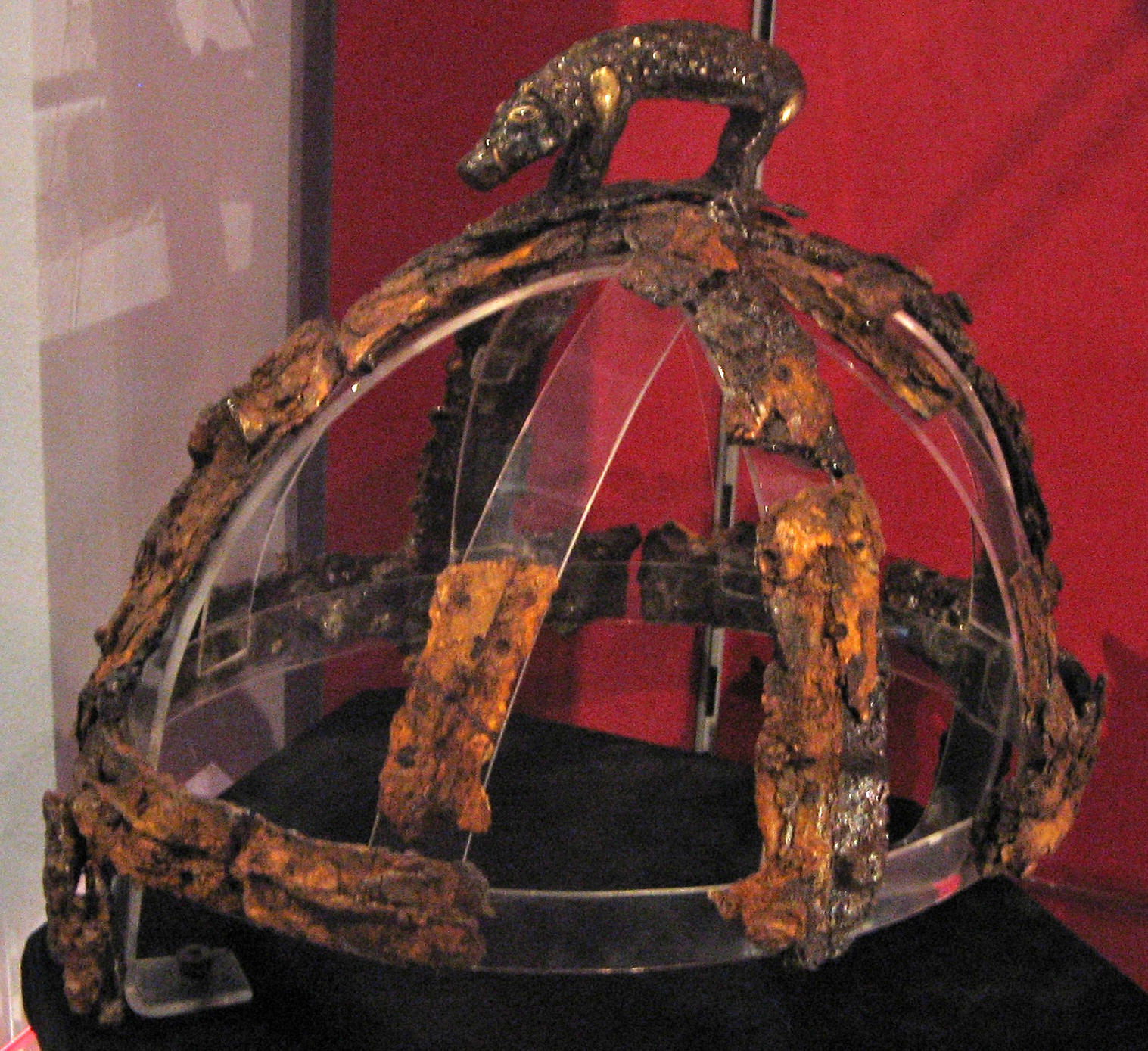
Its low mound in a Peak District field hid the first Anglo-Saxon helmet ever found: the one with a bronze boar glaring above a Christian cross.
Fortified place · Iron Age
Staffordshire
A hillfort: a defended enclosure on high ground, ringed with banks and ditches: whose bank has almost gone but whose ditch is still eighteen metres…
Fortified place · Iron Age
Staffordshire
Josiah Wedgwood II piped water off this hillfort, a defended hilltop settlement of the Iron Age, to his hall - damaging the inner rampart, a defens…
Building or ruin · Roman
Cumbria
An outpost fort built as an irregular hexagon rather than the usual playing-card shape, garrisoned to watch the ground north of Hadrian's Wall and…
Sacred place · Roman
Northumberland
Biddlestone Chapel is a rare Catholic chapel built into a thirteenth-century pele tower, where medieval defence, Gothic Revival worship, and wartim…
Fortified place · Iron Age
Kent
Bigbury Camp is east Kent’s only confirmed Iron Age (from about 800 BC until the Romans came) hillfort, a defended settlement on high ground, prese…
Building or ruin · Roman
City of London
Coins from the late 4th century found here are rare direct evidence of a large Roman townhouse still standing as imperial rule in Britain collapsed.
Fortified place · Prehistoric
Wiltshire
A single grassy promontory carries two unresolved stories at once: a disputed Iron Age (from about 800 BC until the Romans came) fort and the sturd…
Building or ruin · Roman
Cumbria
Its granaries kept feeding a community for a century after Rome left Britain, the only stretch of the Wall where that continuity has been proven ar…
Building or ruin · Medieval
Cardiff
Its gatehouse echoes Caerphilly Castle so closely that the same master mason may have built both, tying a bishop's residence to Wales's greatest fo…
Building or ruin · Medieval
Devon
Paignton’s Bishop’s Palace preserves the bishops of Exeter’s medieval manorial centre, including walls, a fourteenth-century tower and chapel fragm…
Building or ruin · Medieval
Hampshire
A Bishop of Winchester once hosted an emperor here to hammer out a European treaty, in a palace grand enough to entertain five English kings.
Building or ruin · Medieval
Norfolk
Bixley is one of East Anglia’s most extensive deserted medieval settlements, preserving earthworks that show how a small village near Norwich was o…
Fortified place · Roman
Suffolk
Four and a half miles of undated dyke running across the Suffolk breckland, from the Lark to the Icknield Way.
Building or ruin · Prehistoric
West Sussex
A Neolithic flint mine with Bronze Age barrows built over it: two thousand years of use on the same patch of down.
Ancient place · Medieval
Torfaen
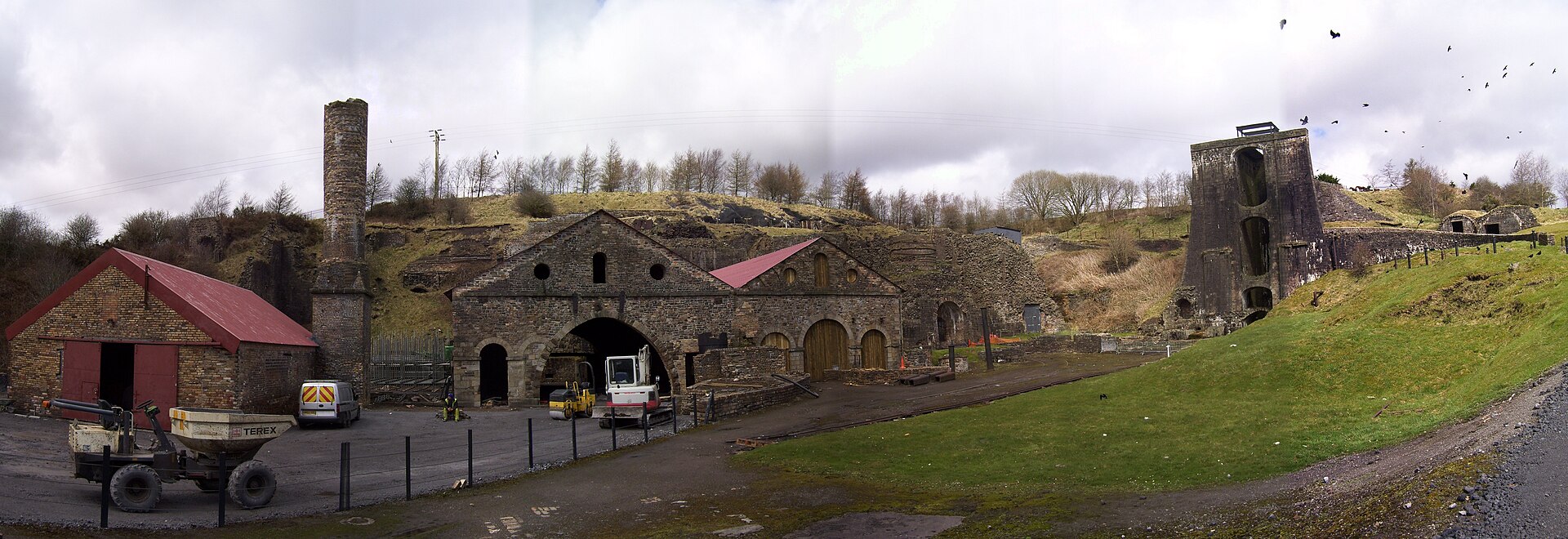
An ironworks whose struggle with cheap, high-sulphur ore pushed forward the technology of ironmaking.
Building or ruin · Medieval
Norfolk
Blakeney Guildhall preserves a rare fourteenth-century vaulted undercroft (the arched stone cellar beneath a building) near the quay, reflecting me…
Building or ruin · Roman
Monmouthshire
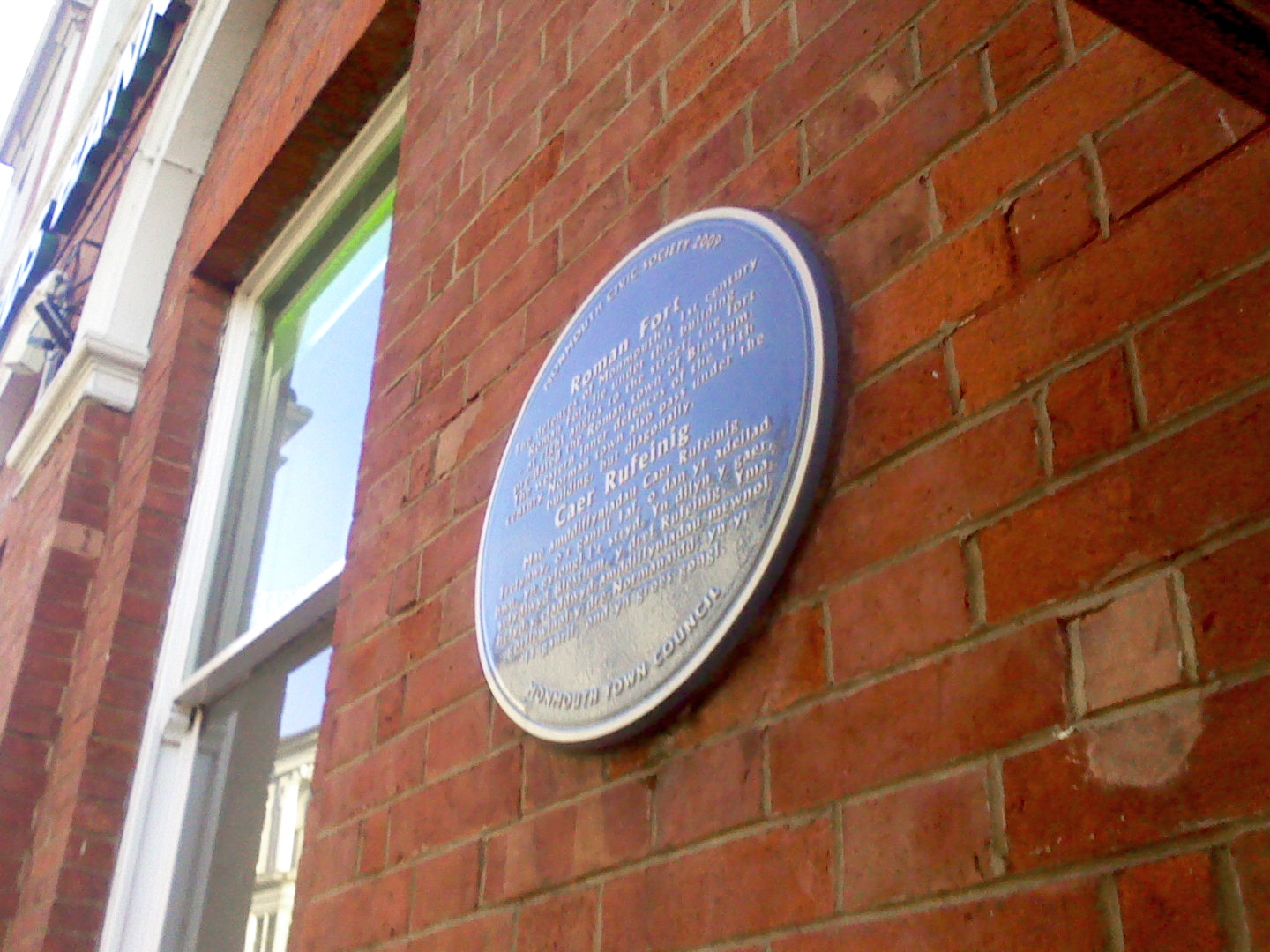
Blestium beneath Monmouth combines one of Wales’s earliest Roman forts with a strategic Monnow-valley campaign base, later ironworking and evidence…
Fortified place · Iron Age
Oxfordshire
Three distinct building phases and a violent final abandonment were followed, centuries later, by an early Anglo-Saxon cemetery dug straight into t…
Ancient place · Prehistoric
Wiltshire
A spring that never freezes drew hunter-gatherers to camp beside it for four thousand years, leaving the densest concentration of Mesolithic (the m…
Building or ruin · Pictish & early medieval
Oxfordshire
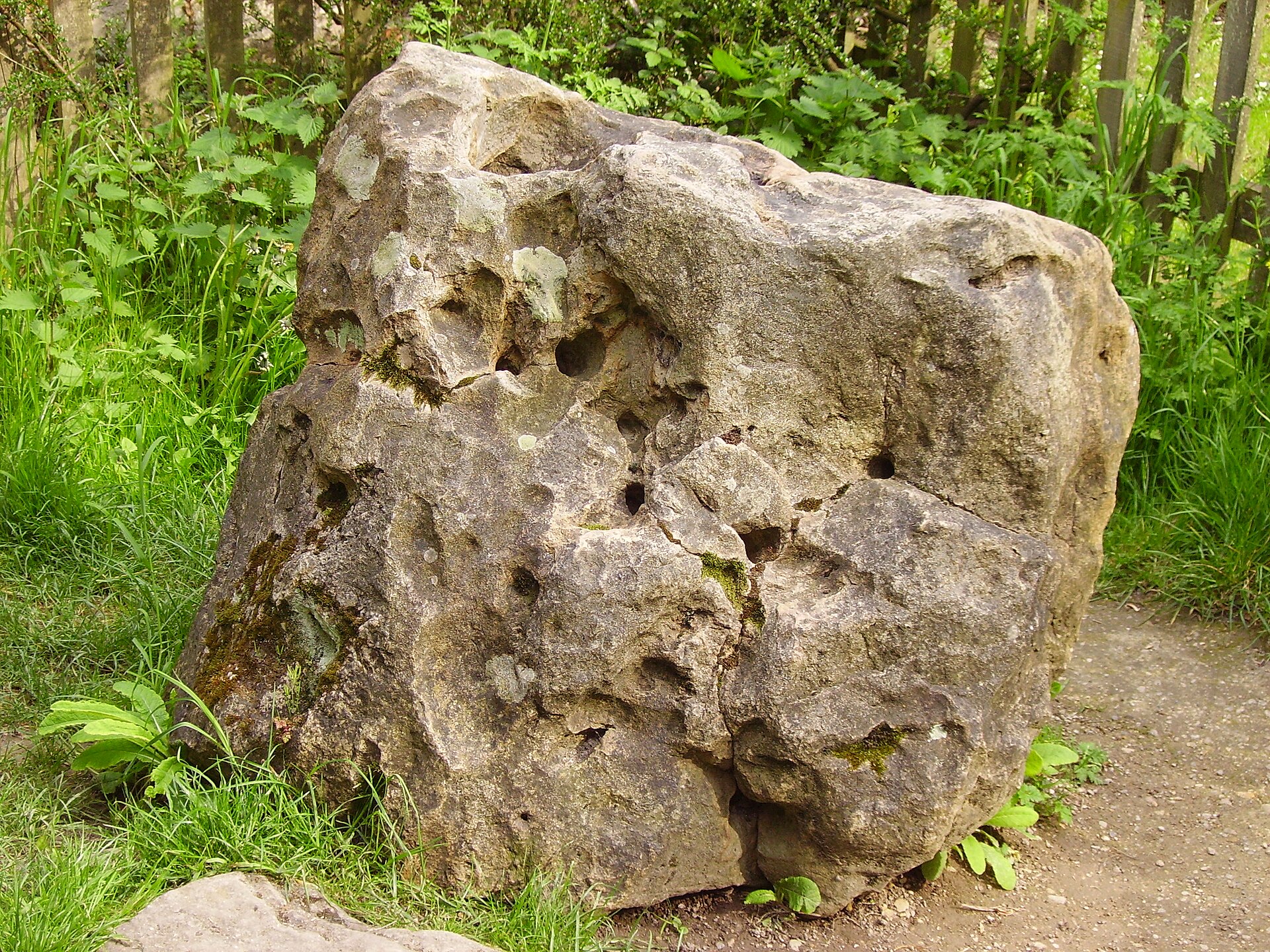
A pierced boulder said to have summoned King Alfred's army before Ashdown - and to have lent Thomas Hughes a piece of Victorian schoolboy slang.
Sacred place · Roman
North Yorkshire
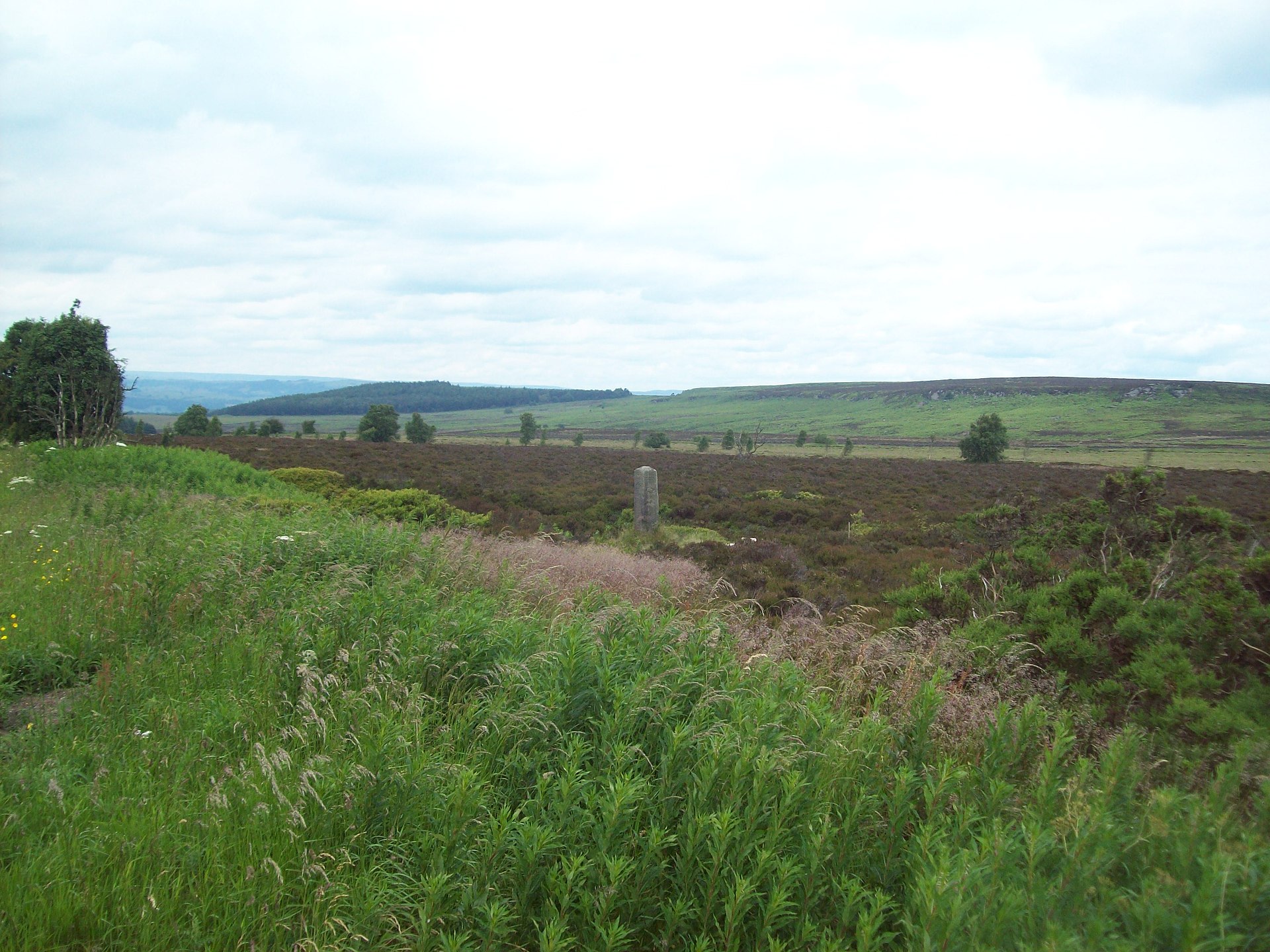
A single weathered stone on open moorland still carries a painted name, a Victorian carving, and a boundary role that has outlived every explanatio…
Sacred place · Prehistoric
Wiltshire
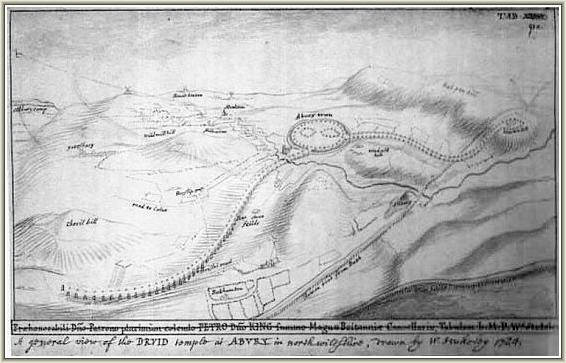
A stone circle stripped of its stones, this henge: a bank and ditch enclosing a circular space: on the River Avon appears to be the very source of…
Tomb or burial place · Prehistoric
Isle of Anglesey
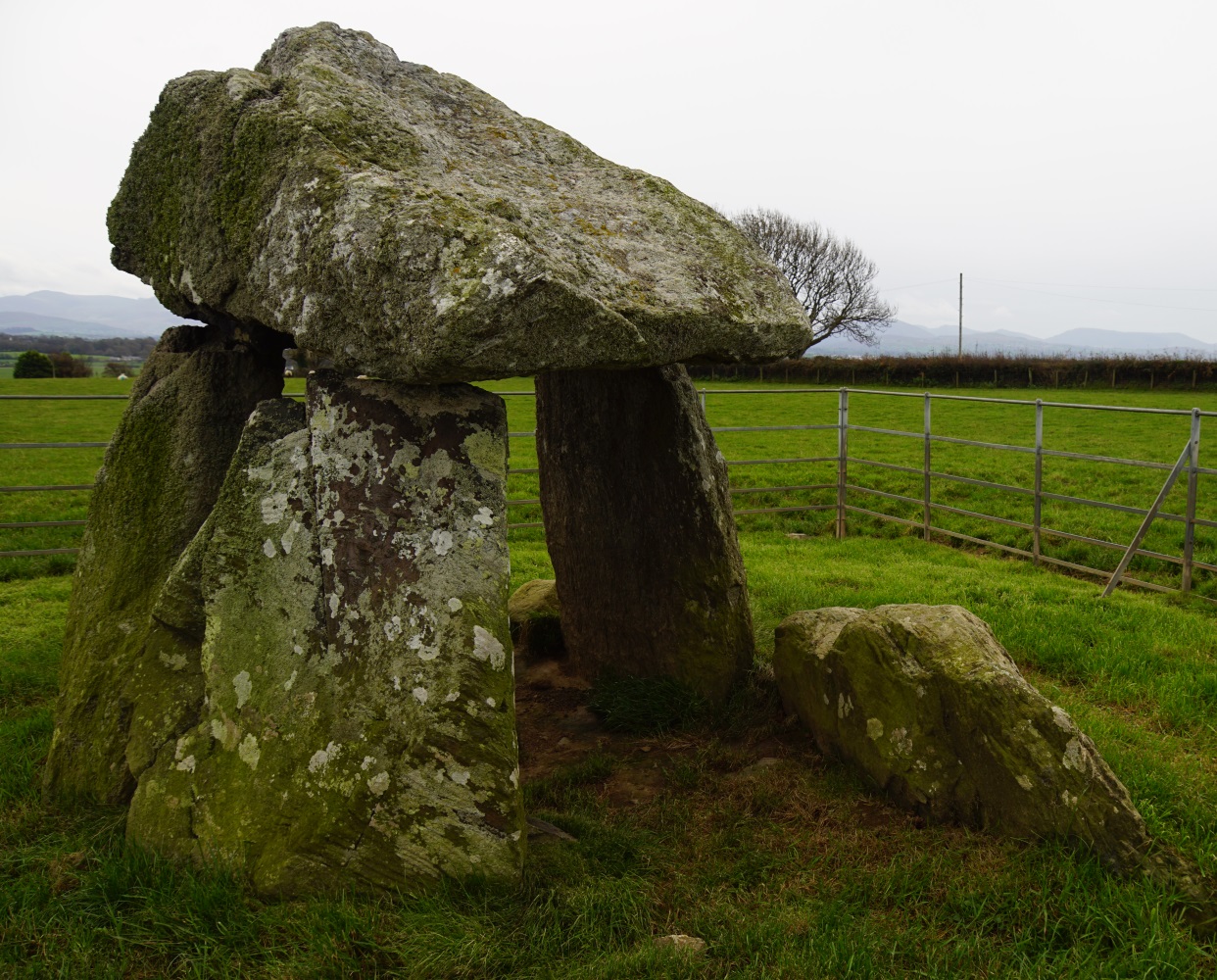
A passage-grave chamber of a form more common in Ireland than Wales, standing on flat ground with Snowdon and the Glyderau visible on the horizon.
Fortified place · Medieval
Northumberland
Boghead is a rare, relatively unmodified border bastle (a fortified farmhouse of the Anglo-Scottish border, with livestock housed below) whose defe…
Building or ruin · Medieval
Argyll and Bute
A charcoal-fired blast furnace that once employed 600 people to strip local woodland for fuel, shipping its pig iron south to Cumbria rather than f…
Fortified place · Medieval
Northumberland
Bondgate Tower is Alnwick’s surviving medieval gateway, turning a town-wall project of the Percy earls into a working feature of the modern street.
Building or ruin · Medieval
Denbighshire
The jaw and teeth of an eleven-year-old Neanderthal boy, found here, make this the only site in Britain with fossils of a classic Neanderthal.
Fortified place · Iron Age
Devon
Boringdon Camp is a scheduled bank-and-ditch monument above the Plym Valley, layered over an older ring ditch and dating from the period the centur…
Fortified place · Roman
Northamptonshire
One of Britain's largest Iron Age hillforts lies beneath a working BBC transmitter mast: three thousand years of settlement crowned by shortwave br…
Building or ruin · Prehistoric
shropshire
Ordnance Survey maps show a burial mound here. What survives is a ring of stones around an open centre, raised on the parish boundary at 394 metres.
Building or ruin · Medieval
Cambridgeshire
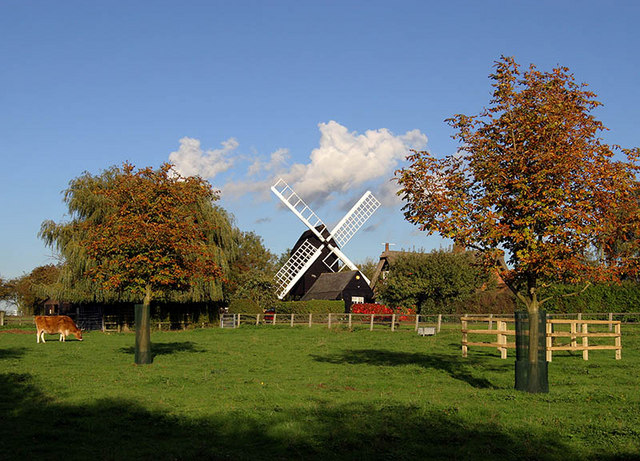
Reckoned the oldest surviving windmill in the United Kingdom, it stood empty and rotting until a public appeal in 2022 raised the final funds neede…
Ancient place · Medieval
Tyne and Wear
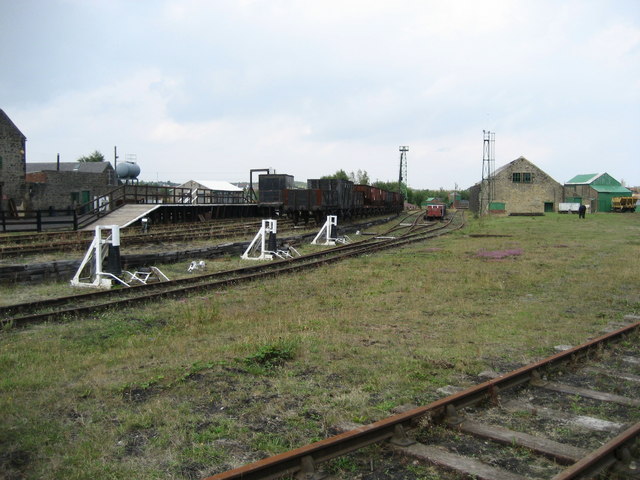
The world's only operational preserved standard-gauge cable railway, built by George Stephenson in 1826 to bring Durham coal down to the Tyne.
Carved stone · Pictish & early medieval
Cheshire
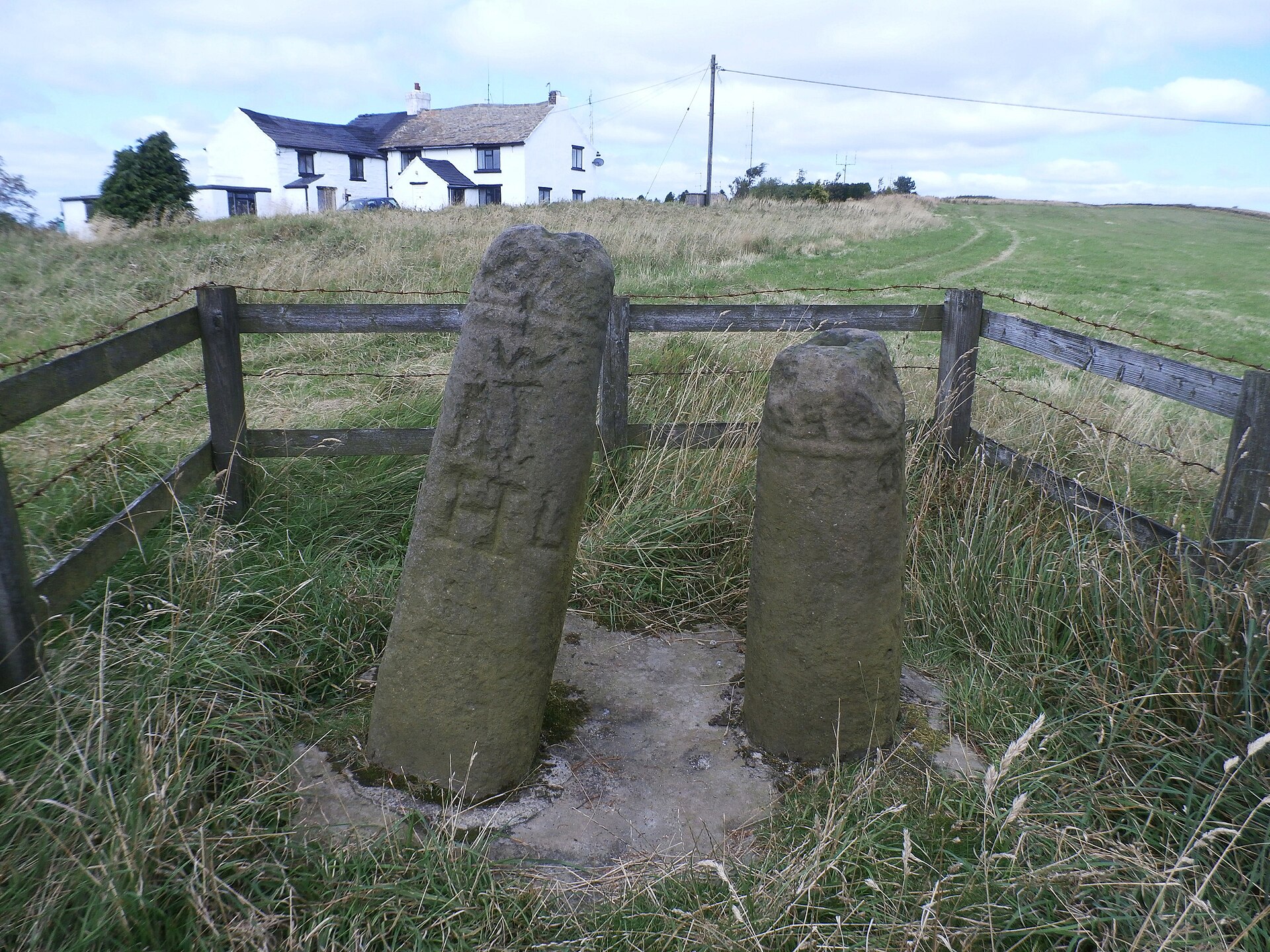
A round cross-section and an unusual pairing set these two Anglian shafts apart from almost every other stone cross of their age in England.
Building or ruin · Medieval
west-sussex
The thinnest handaxes known from the entire Acheulean were made here, 480,000 years ago, and wear analysis says they were used for one thing: butch…
Building or ruin · Roman
Hertfordshire
Five successive building phases traced beneath a school playing field, from a first-century timber house to a mosaic-floored stone villa with under…
Building or ruin · Medieval
Wiltshire
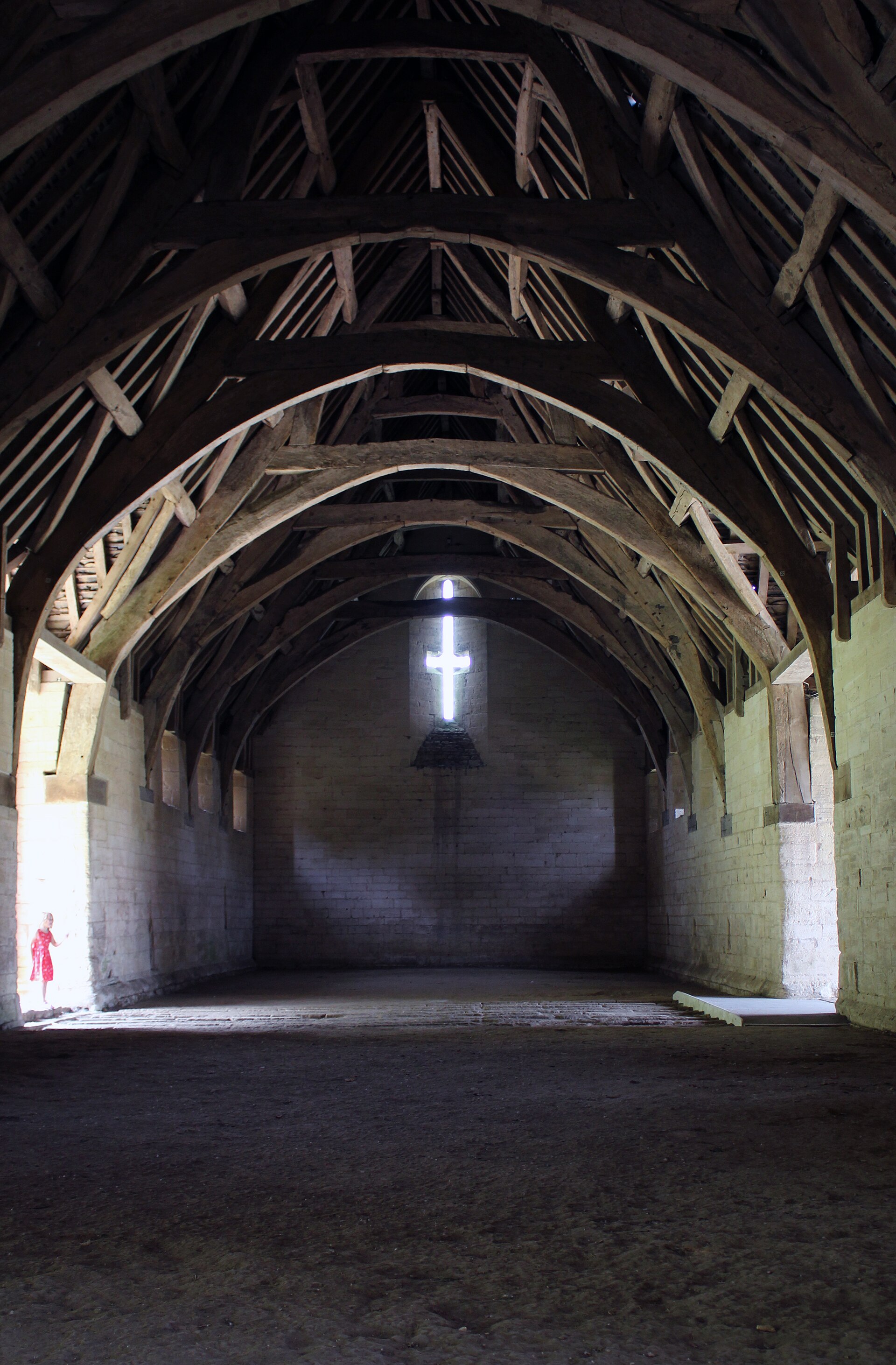
A 14th-century monastic barn still roofed in its original 100 tons of stone tiles, built to store one nun's abbey (a self-governing monastery, its…
Building or ruin · Roman
Isle of Wight
Brading Roman Villa preserves a richly mosaicked Isle of Wight estate whose long occupation, fire recovery and rare imagery reveal high-status life…
Building or ruin · Roman
Cumbria
Its red walls were quarried straight out of Hadrian's Wall, and the fort beneath it stood on the Stanegate (the Roman road running behind Hadrian's…
Building or ruin · Roman
Herefordshire
A hilltop enclosure raised by Iron Age (from about 800 BC until the Romans came) Britons was later occupied and rebuilt by Rome, its granary, offic…
Tomb or burial place · Prehistoric
Cornwall
Brane Barrow is a small, well-preserved Neolithic (the late Stone Age, about 4000–2500 BC in Britain) entrance grave whose exposed chamber makes th…
Building or ruin · Roman
Norfolk
Branodunum is a major Roman Saxon Shore fort at Brancaster, built in the 230s to guard the Wash and connected with a large civilian settlement in I…
Building or ruin · Roman
East Riding of Yorkshire
A stolen Roman mosaic, rumoured to have been flown to America the night after its theft, has never resurfaced: leaving this villa's finest floor kn…
Building or ruin · Roman
Hertfordshire
An unwalled Roman town of at least thirty-six hectares that grew simply because two major roads crossed here: commerce and traffic, not defence, dr…
Settlement · Medieval
Argyll and Bute
A drained loch bed south of Breachacha Castle on Coll still holds an artificial island whose stonework and mysterious dug pits have never been full…
Building or ruin · Roman
Somerset
Marconi set a wireless distance record over open sea from here in 1897, and the bouncing bomb was tested off the fort in the war.
Building or ruin · Medieval
Angus
A near-millennium-old round tower and an intricately carved Viking-age hogback stand beside a Gothic cathedral, forming one of Scotland's most comp…
Building or ruin · Roman
Northumberland
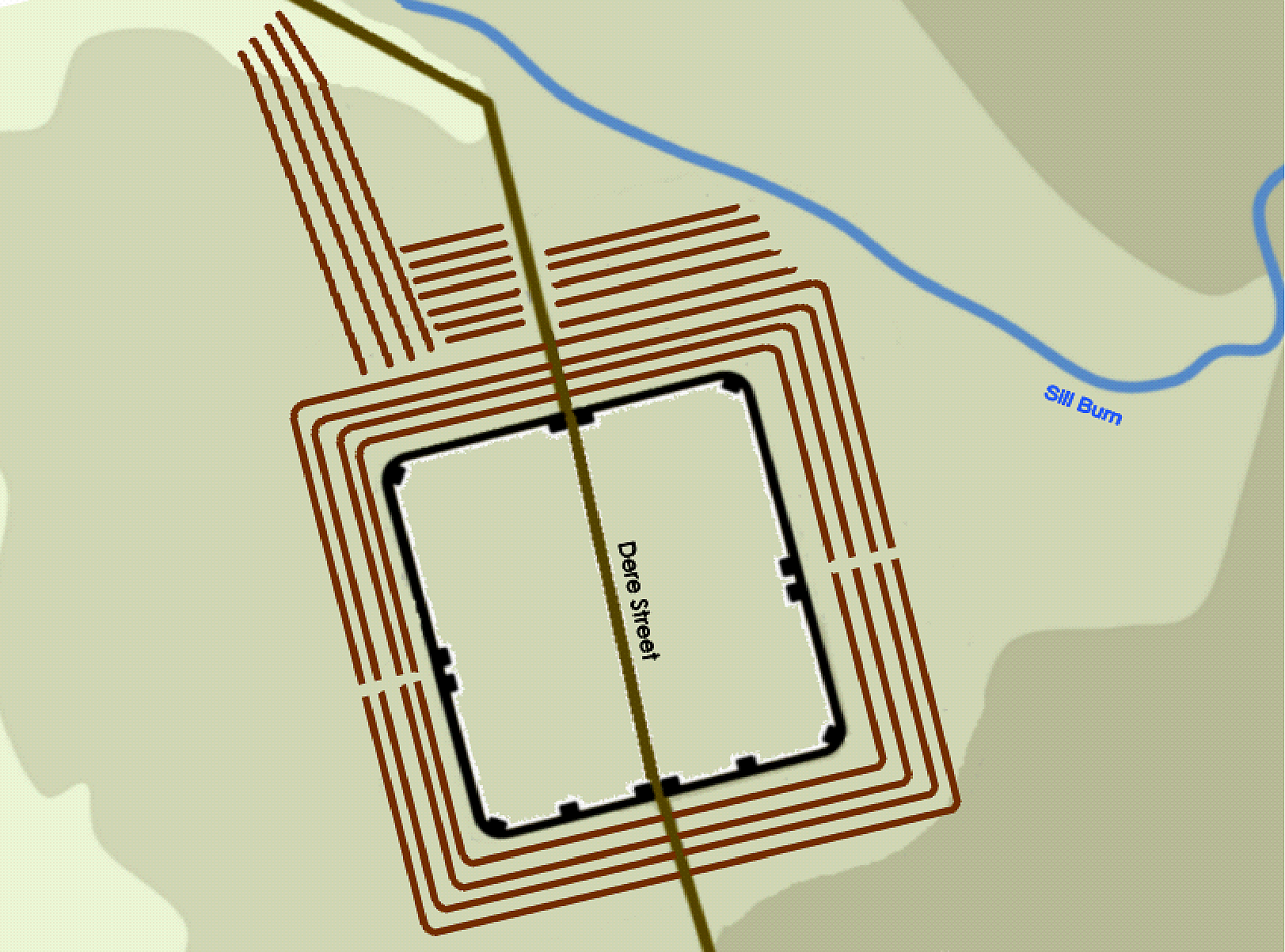
Bremenium is a Roman outpost far north of Hadrian’s Wall whose preserved earthworks reveal how Dere Street was defended through changing imperial f…
Building or ruin · Roman
Lancashire
A cavalry fort on the Ribble whose garrison of Sarmatian horsemen from the Black Sea steppe left behind Roman Britain's most celebrated parade helmet.
Building or ruin · Roman
Ceredigion
Five inscribed stones name the actual Spanish cohort and centurions who built and garrisoned this fort: rare direct testimony from the men themselv…
Fortified place · Pictish & early medieval
Cambridgeshire
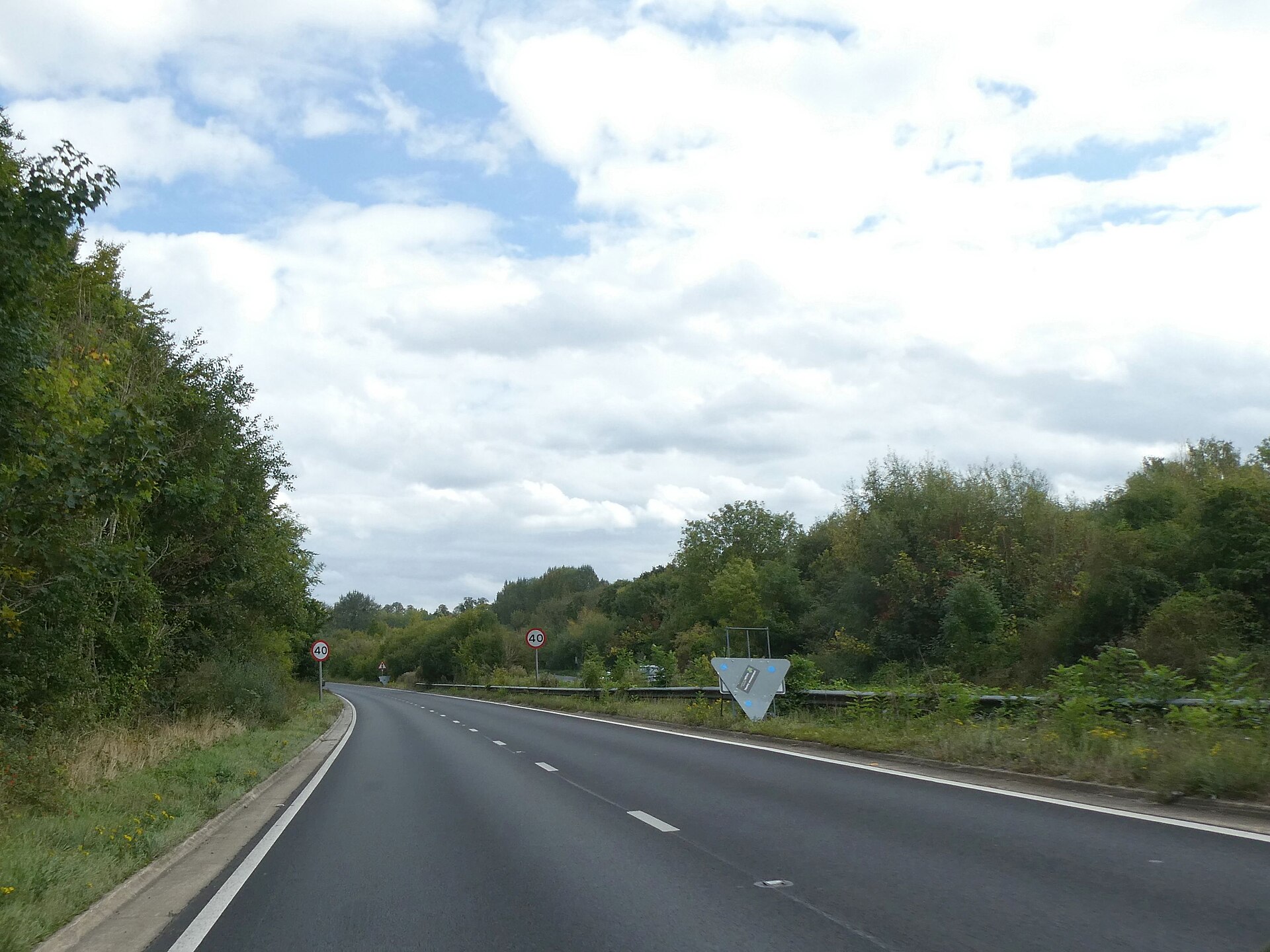
A surviving stretch of a lost linear frontier, still standing 2 to 3 metres high in woodland beside the old A11 where four sister earthworks once c…
Fortified place · Medieval
Devon
Brixham Battery is an unusually complete emergency coast-defence site, where the hurried response to Dunkirk remains legible in guns, searchlights…
Building or ruin · Roman
Devon
Broadbury Castle is a scheduled Devon earthwork (earth moved and shaped into banks and ditches rather than built up in stone) whose square plan sup…
Tomb or burial place · Prehistoric
Devon
A Scheduled Neolithic chambered tomb above Broadsands Beach, preserving a burial chamber, cairn (a mound of piled stones, often covering a burial)…
Building or ruin · Roman
Cumbria
Six altars to the war-god Belatucadrus were found here, and a Roman tombstone still forms a ceiling slab inside the medieval castle built from the…
Ancient place
Surrey
A worked-out chalk quarry turned itself over twice: into a bat roost inside abandoned lime kilns, then briefly a working railway museum: before set…
Building or ruin · Roman
Oxfordshire
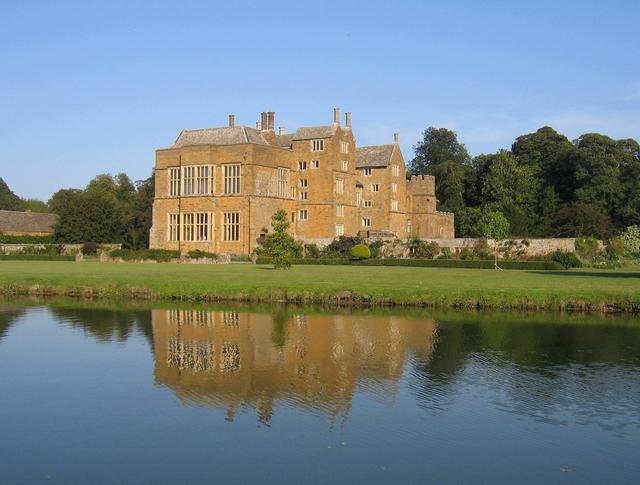
Beneath a moated Tudor manor lies a high-status Roman villa with mosaic floors and heated rooms, found by a metal detectorist and excavated on tele…
Building or ruin · Medieval
Dundee City
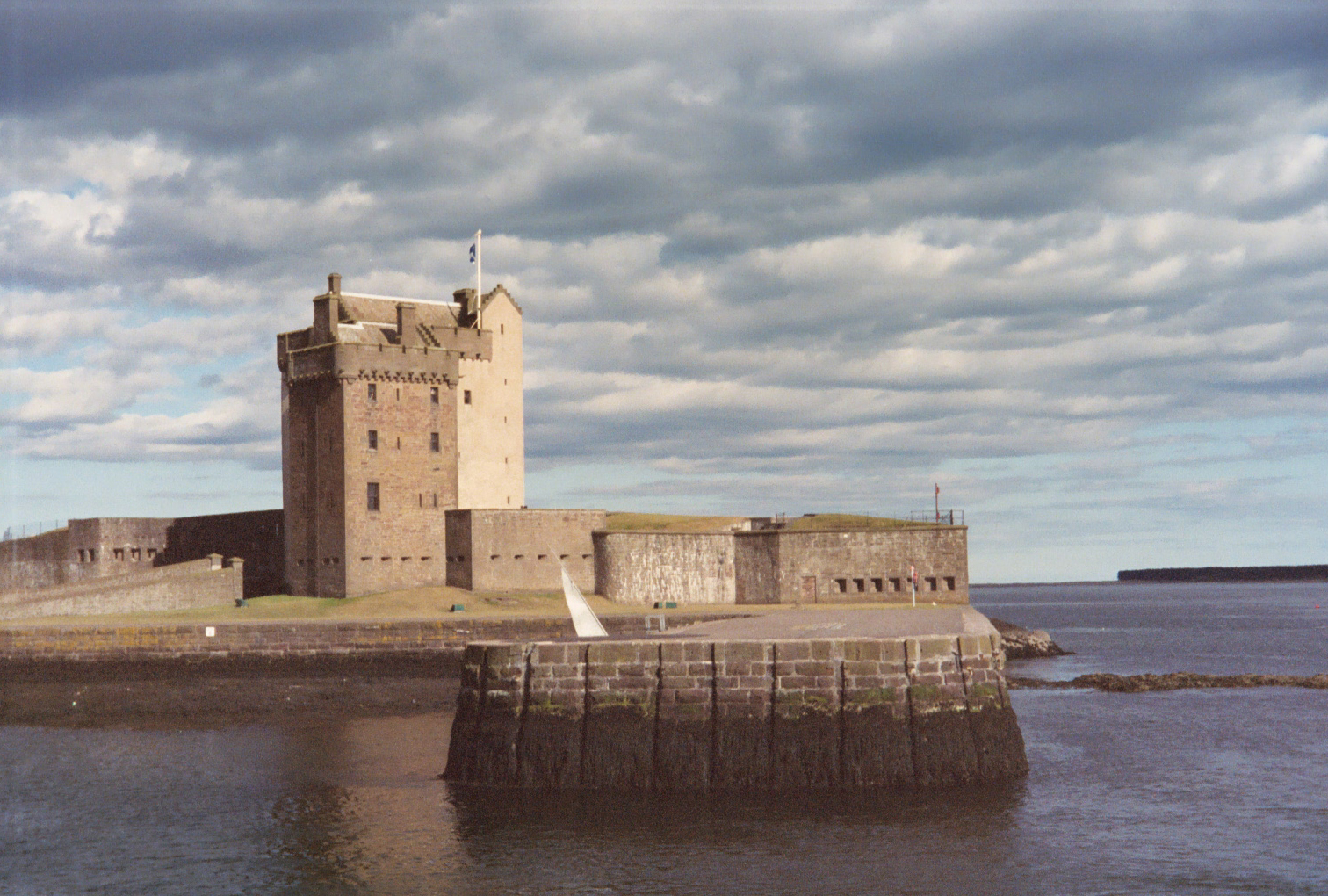
Broughty Castle guards the mouth of the River Tay and shows five centuries of adaptation: a late-medieval tower house repeatedly reshaped for artil…
Tomb or burial place · Prehistoric
Greater Manchester
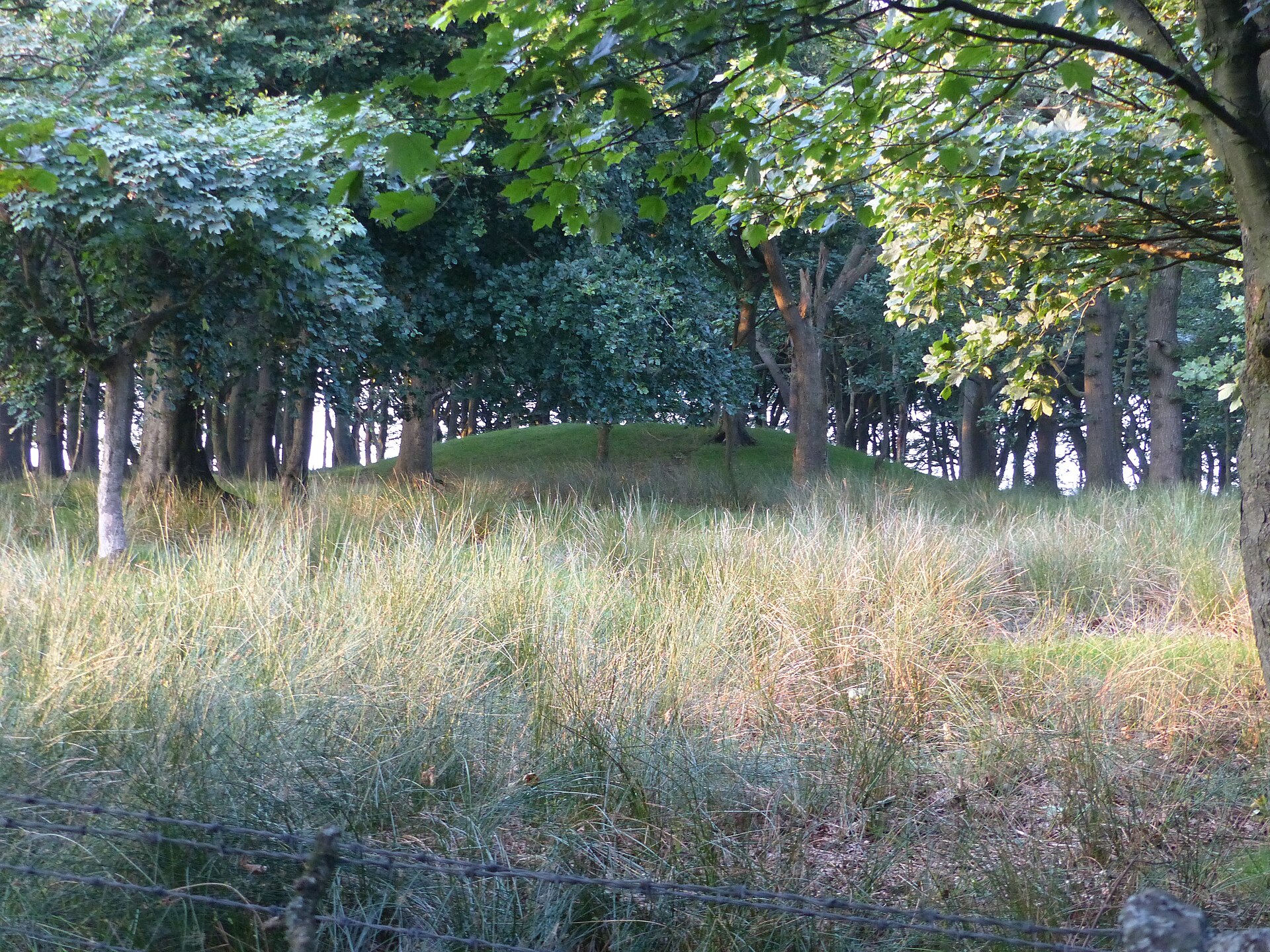
Brown Low is a protected Bronze Age (the period from about 2500 to 800 BC) bowl barrow, a burial mound from the prehistoric: a period before writte…
Building or ruin
powys
A complete nineteenth-century lead and barytes dressing floor left standing where the ore was worked, in a district that for one decade produced mo…
Briefer entries: recorded and worth knowing, with fuller pages to come.
Building or ruin · Roman
lincolnshire
A market town with a piece of Roman wall still standing in it, and a Roman name that may or may not belong to the place.
Tomb or burial place · Prehistoric
Cornwall
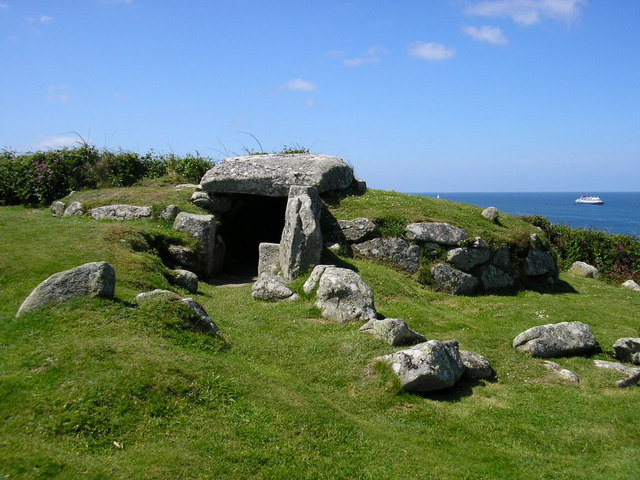
A well-preserved Bronze Age (roughly 2500–800 BC, when metalworking spread) entrance grave on St Mary's, excavated in 1900 and restored from the or…
Crossing or structure · Roman
Essex
Beaumont Cut preserves a short-lived 19th-century canal over a possible Roman waterway, connecting rural Essex to London’s coastal trade and surviv…
Building or ruin
Norfolk
Berney Arms Windmill is Norfolk’s tallest drainage windmill, preserving an unusual industrial transition from cement grinding to marsh drainage in…
Building or ruin · Roman
Kent
Blue Bell Hill is a protected North Downs chalk landscape above the Medway where the lost Blue Bell Hill Dolmen, nearby Medway Megaliths and traces…
Sacred place · Medieval
County Fermanagh
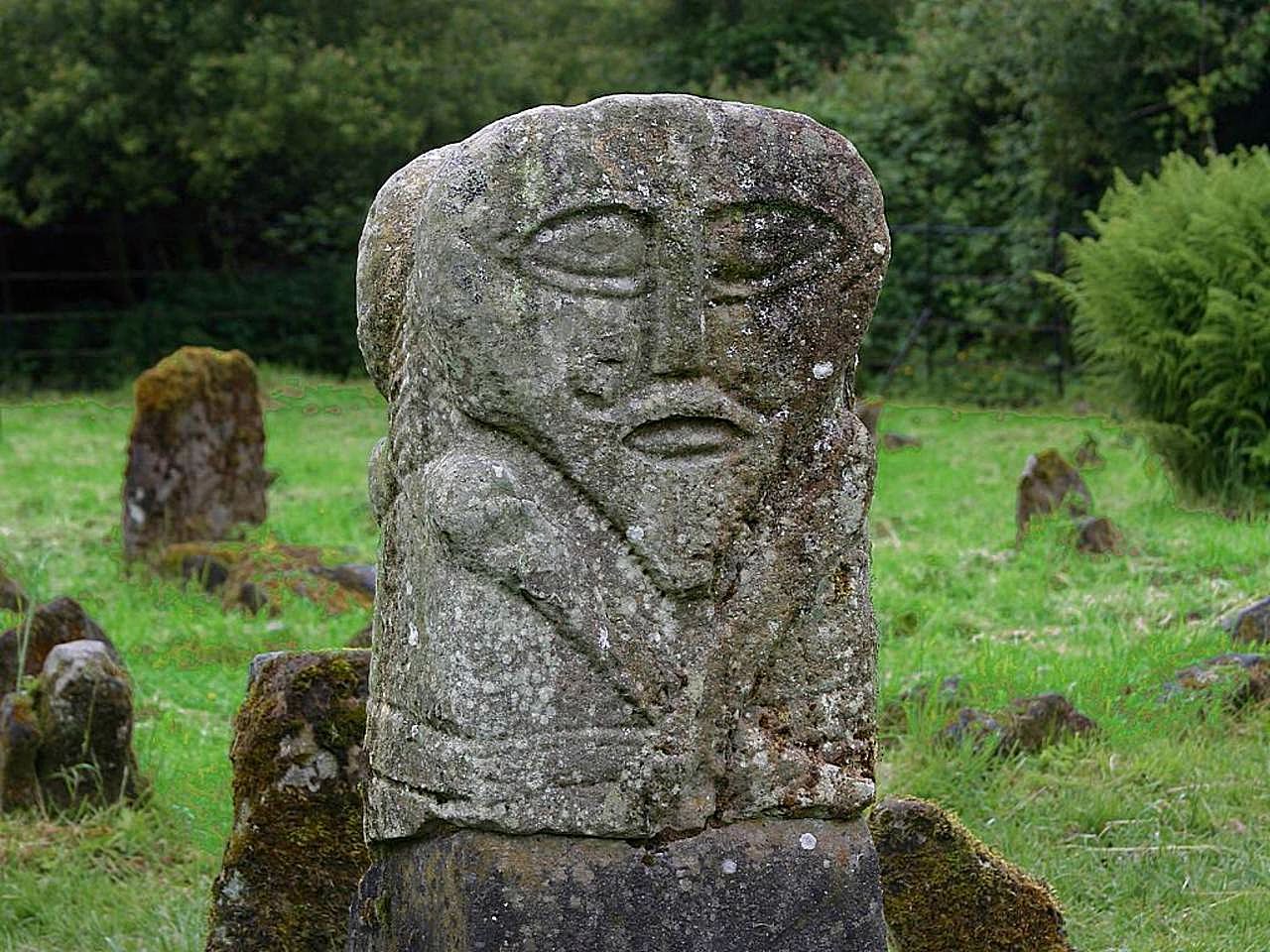
The Boa Island figures are enigmatic damaged stone idols whose two-faced form, Christian graveyard setting and uncertain Iron Age (the period from…
Building or ruin · Roman
Dorset
Bokerley Dyke is a long-lived Dorset boundary earthwork (a bank or ditch dug and heaped from the ground itself, with no masonry), first prehistoric…
Sacred place · Medieval
County Antrim
Bonamargy Friary preserves a late Franciscan foundation where MacQuillan, MacDonnell, burial, legend and manuscript histories meet beside the Margy…
Sacred place · Prehistoric
Cornwall
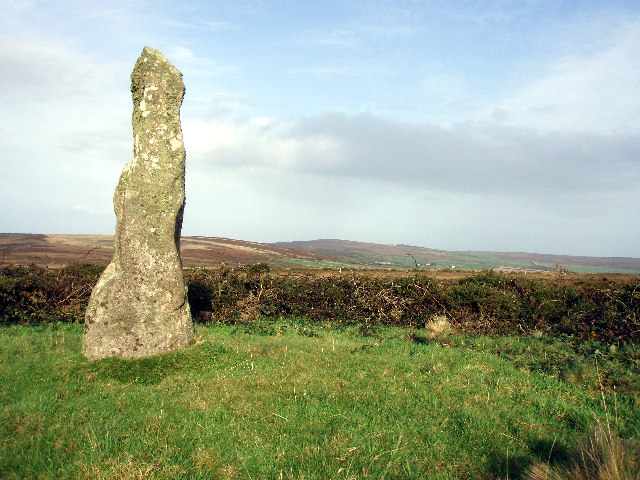
Boswens Menhir is a compact but distinctive Penwith standing stone, with a vestigial cairn (a mound of piled stones, often covering a burial) and c…
Building or ruin · Prehistoric
Cornwall
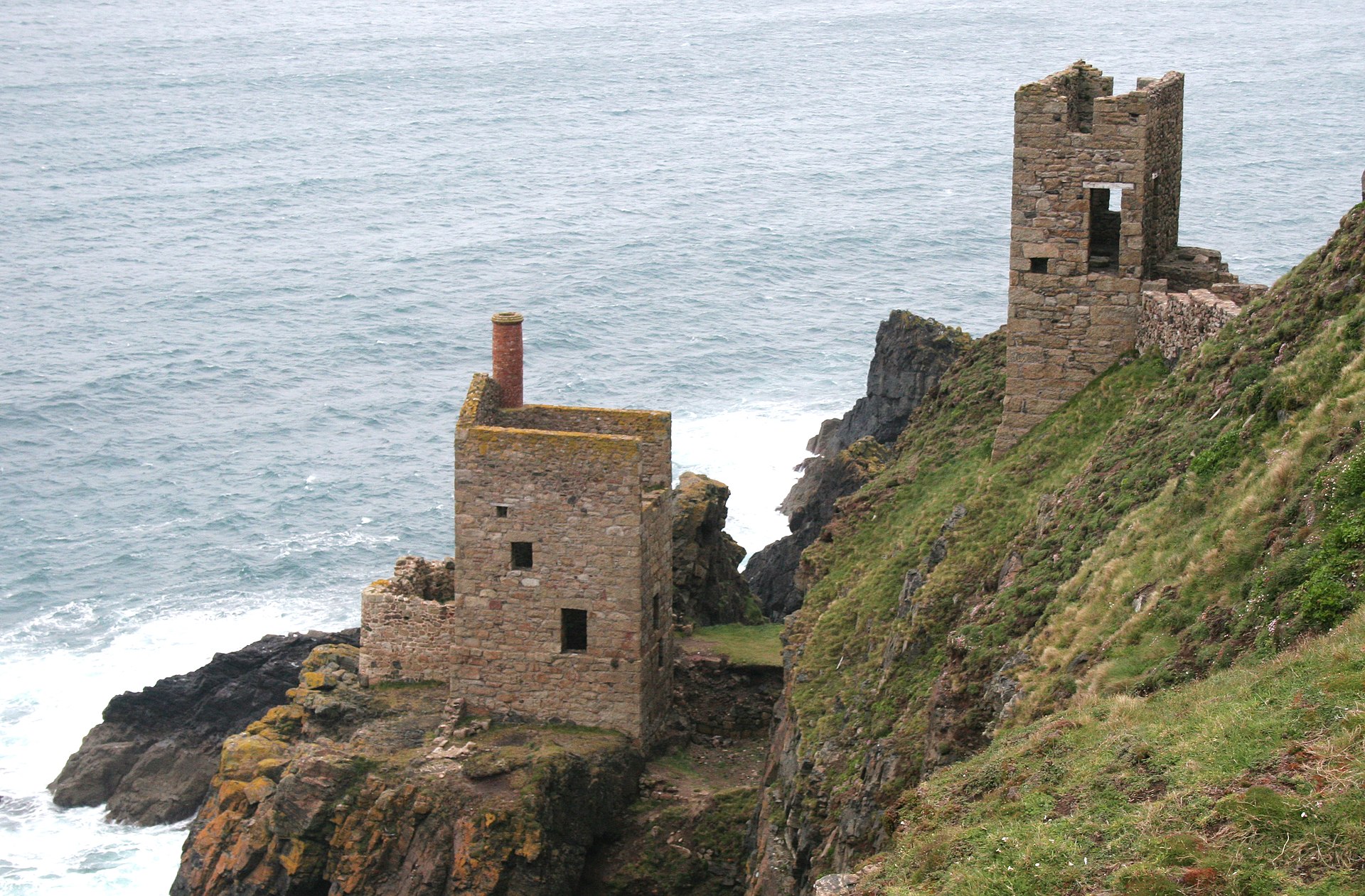
Engine houses on the cliffs mark a Cornish mine whose workings extended beneath the Atlantic and later formed part of a World Heritage Site.
Fortified place · Medieval
County Tyrone
Branny is a compact Tyrone townland whose protected hilltop enclosure and sheep-fold name preserve both ancient and pastoral landscape history.
Building or ruin · Medieval
Falkirk
The Bridgeness Slab is the most detailed surviving Antonine Wall distance slab, combining a precise construction record with vivid Roman imagery of…
Building or ruin · Medieval
South Ayrshire
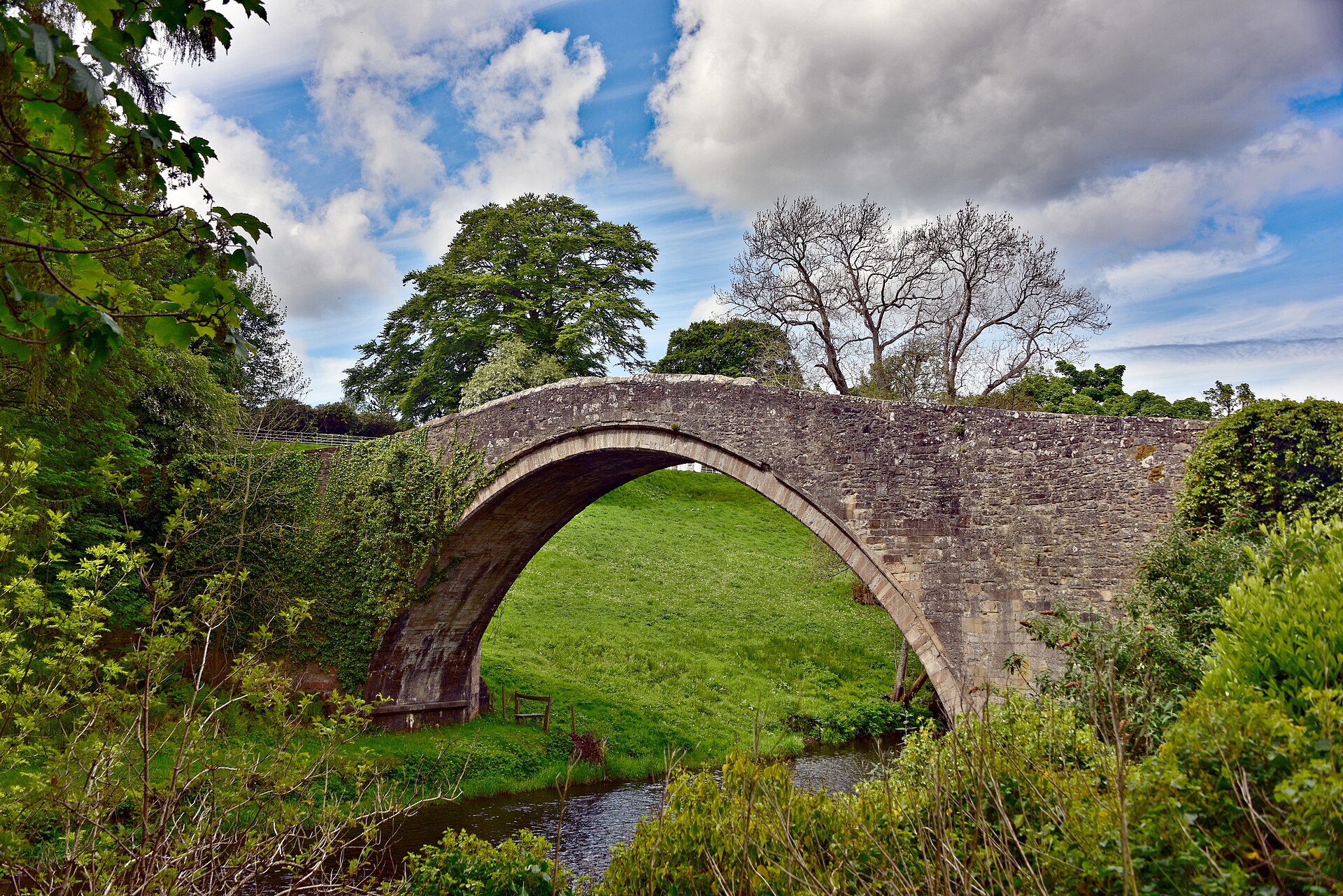
Sold as a quarry to the builders of its replacement, then bought back before they could take it apart.
Tomb or burial place · Prehistoric
Cornwall
Cornwall's highest hill carries two cairns whose early Bronze Age (roughly 2500–800 BC, when metalworking spread) setting gives Bodmin Moor a prehi…
No places match those filters.









_(44971288992).jpg?width=800)



.jpg?width=800)







-_aerial_2018_(1)_(geograph_5773220).jpg?width=800)