Building or ruin
Central Government War Headquarters
Wiltshire
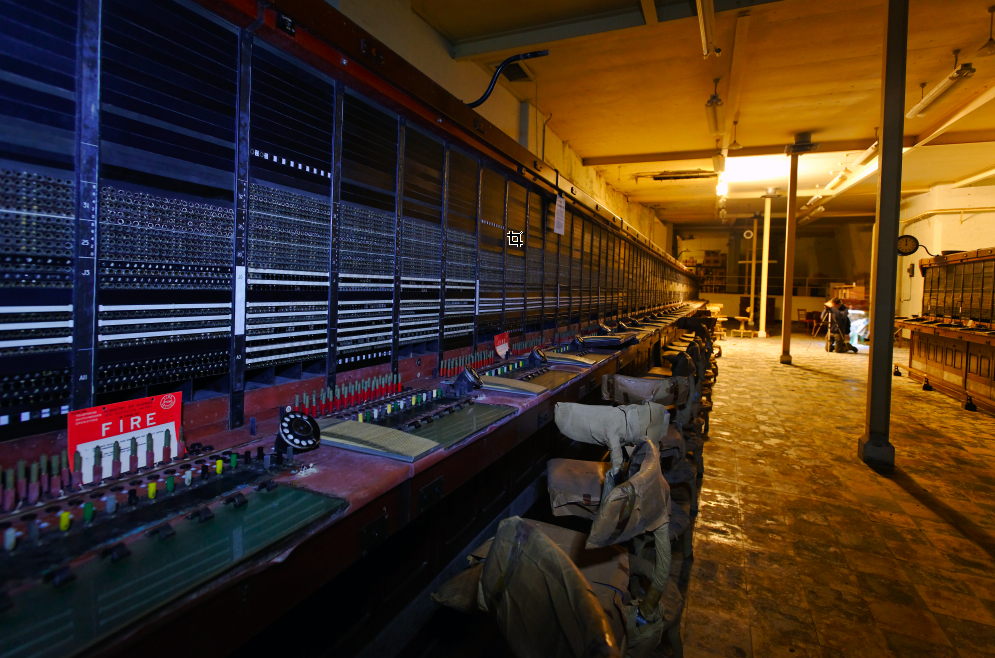
A vast underground city built for 4,000 people to survive a nuclear war in total isolation was hidden inside a Bath stone quarry for decades before…
By type
Page 4 of 14.
Search and filters apply to these 100 places.
Building or ruin
Wiltshire
A vast underground city built for 4,000 people to survive a nuclear war in total isolation was hidden inside a Bath stone quarry for decades before…
Building or ruin · Pictish & early medieval
Dorset
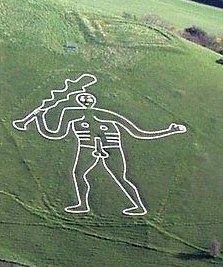
The Cerne Giant is one of England’s best-known hill figures, a monumental chalk image whose striking design and unresolved origins continue to driv…
Fortified place · Iron Age
Dorset
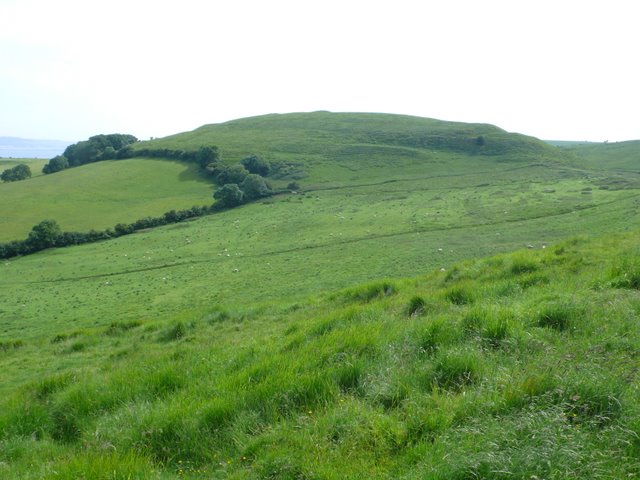
Chalbury Hillfort is a strategically placed settlement enclosure from the centuries before Rome arrived, with storage pits, hut platforms, burial m…
Ancient place
West Midlands
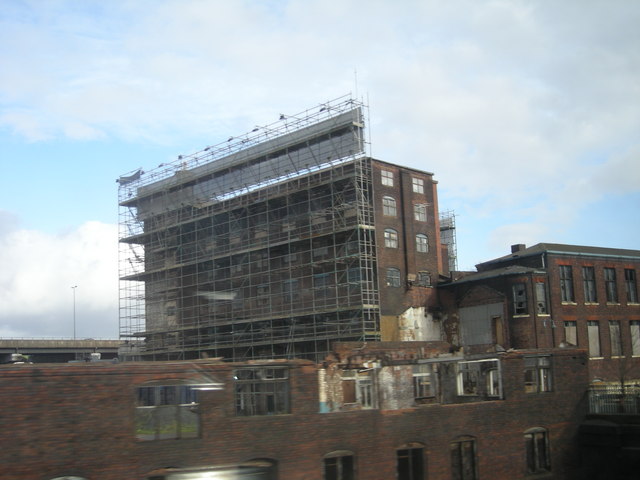
The glass made behind these walls once lit two thousand three hundred lighthouses and glazed both the Crystal Palace and the Houses of Parliament.
Sacred place · Medieval
Argyll and Bute
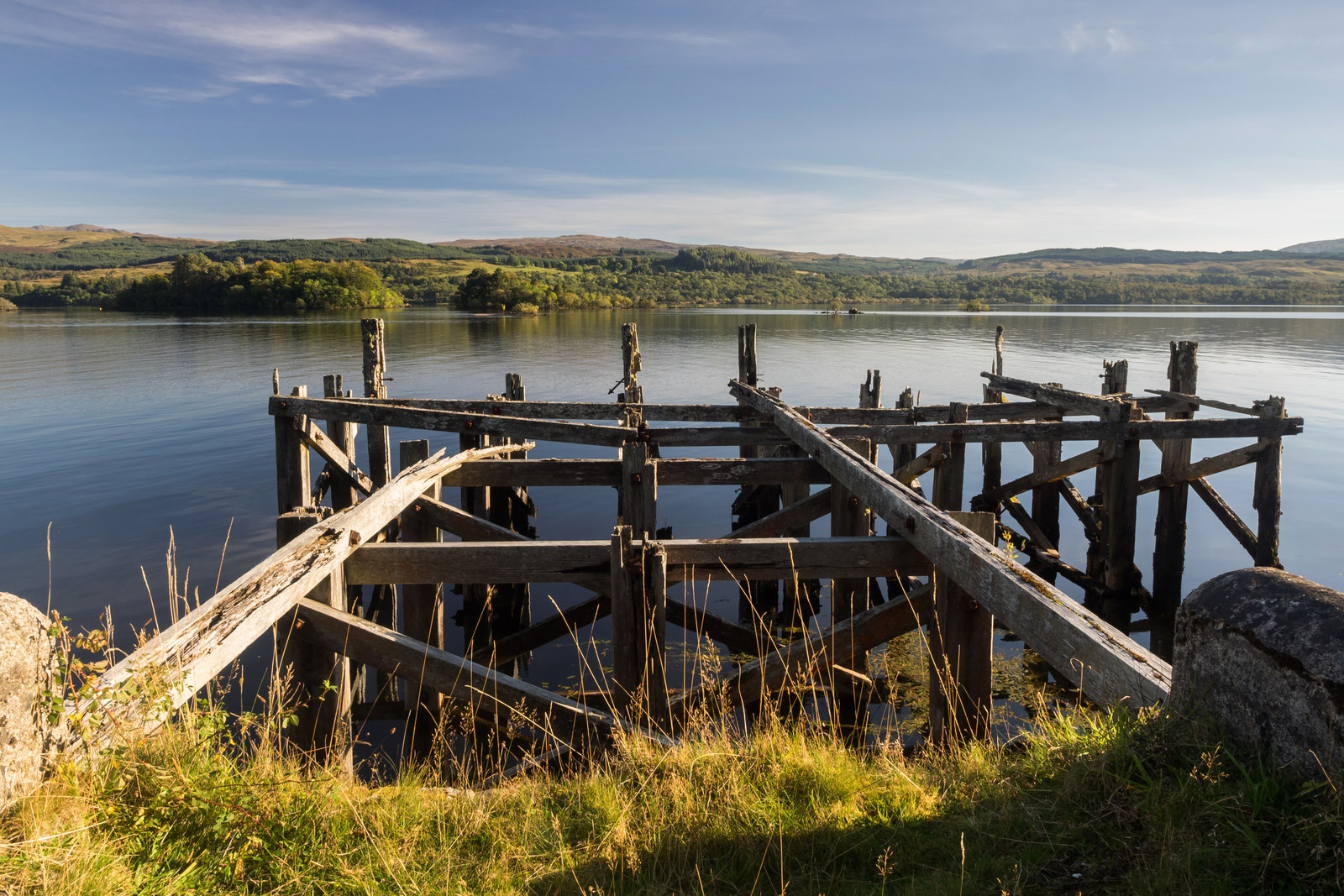
A carved grave-slab bearing arms for a galley and a boar's head ties this island ruin to the Campbells of Lochow, in a graveyard still used eight c…
Building or ruin · Roman
Somerset
The only amphitheatre in England at a lead mine: 32 metres by 24, its seating banks still standing 4.5 metres above the arena floor.
Building or ruin · Roman
Somerset
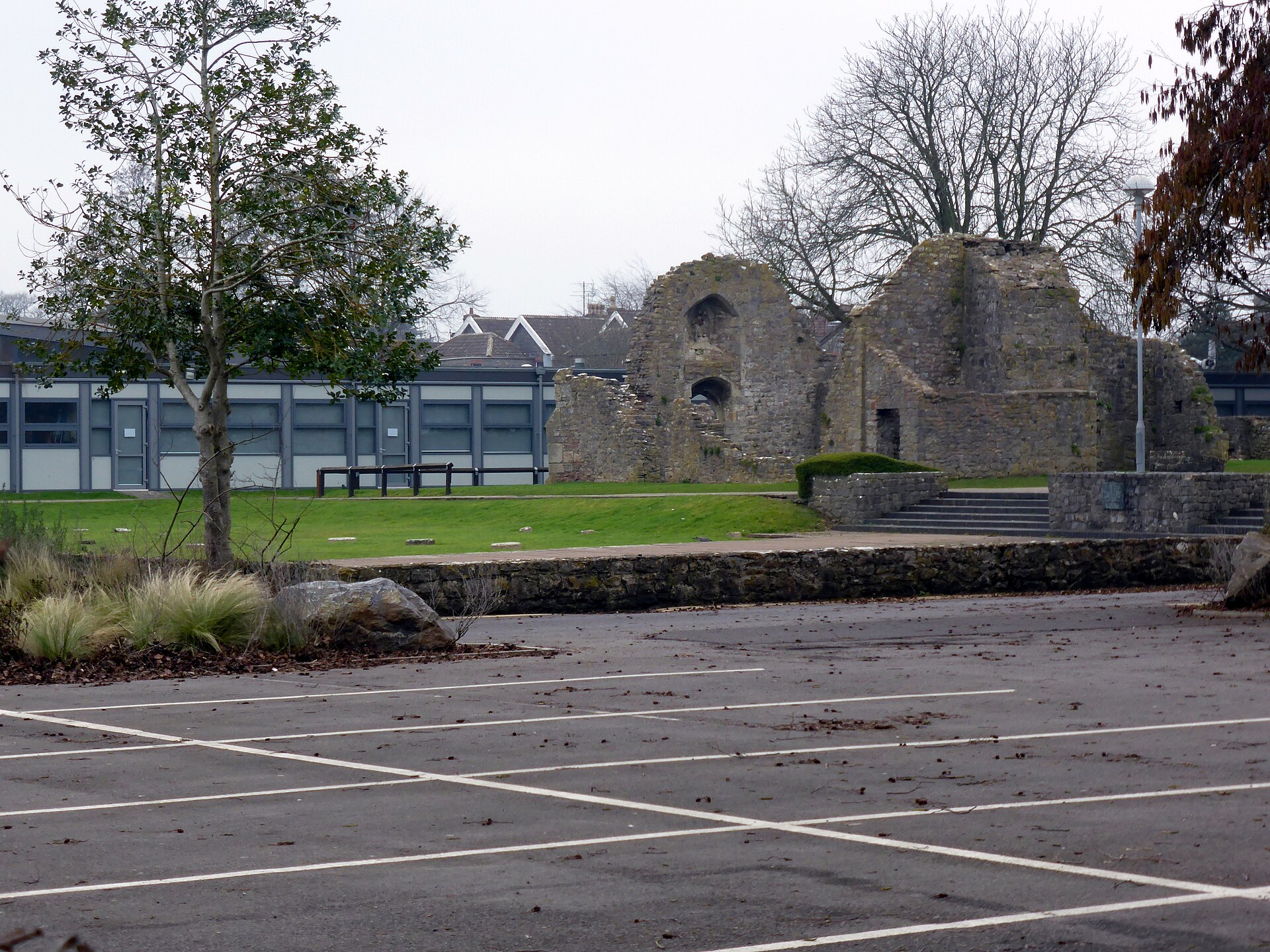
A royal hunting lodge where the great council of England met three times in the tenth century: now marked out in concrete slabs on a school field.
Building or ruin · Roman
Gloucestershire
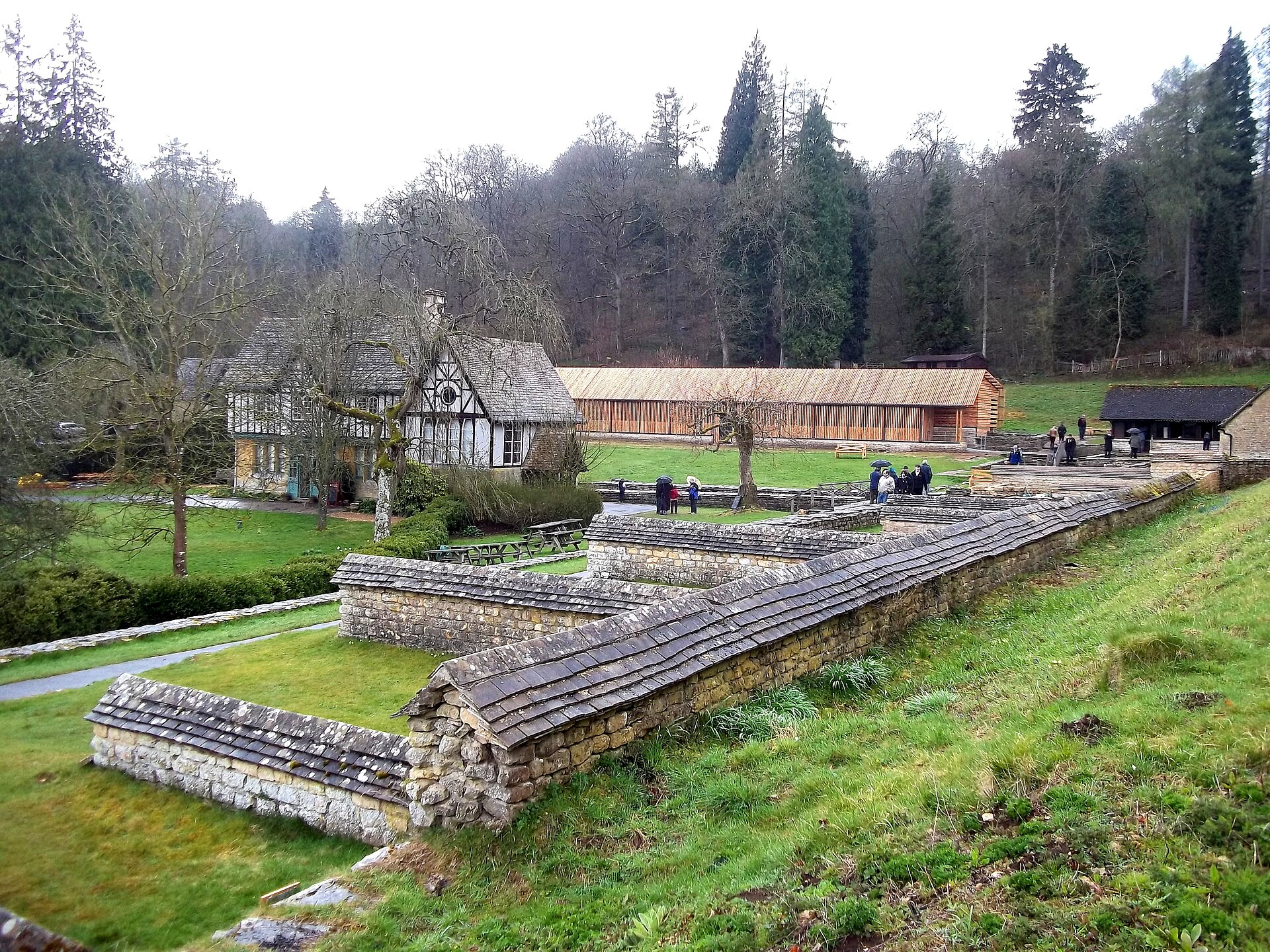
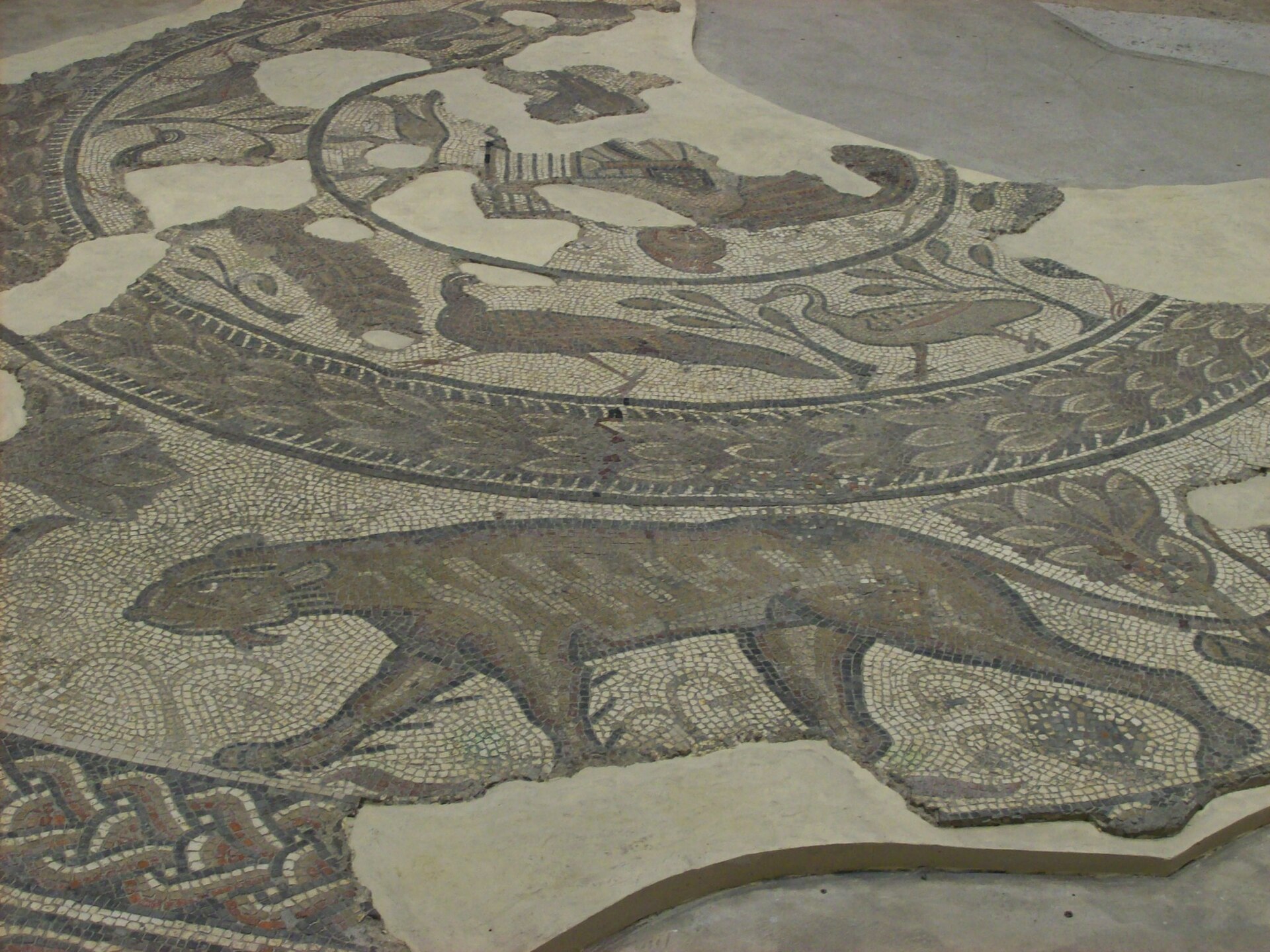
A 2017 discovery showed new mosaic work here was laid after AD 424: proof that Roman-style luxury and craft skill persisted in Britain decades long…
Fortified place · Medieval
Monmouthshire
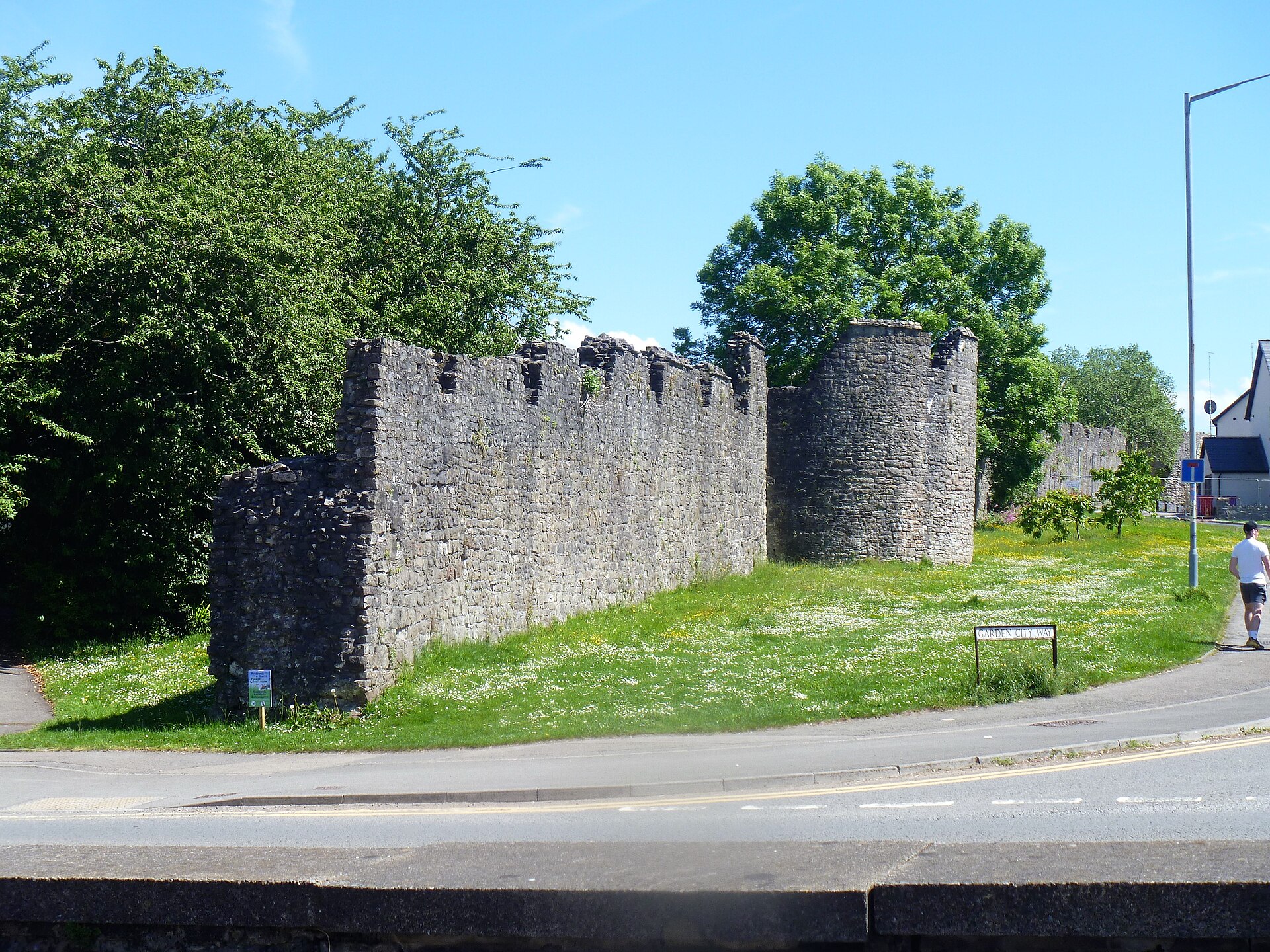
A single controlled gateway through 1,100 metres of stone wall let a medieval lord tax every trader entering Chepstow's market and port at once.
Fortified place · Iron Age
Oxfordshire
An Iron Age enclosure larger than Uffington Castle yet built on flat, marshy ground with no hill in sight: and the unlikely birthplace of the Pusey…
Building or ruin · Roman
Cheshire
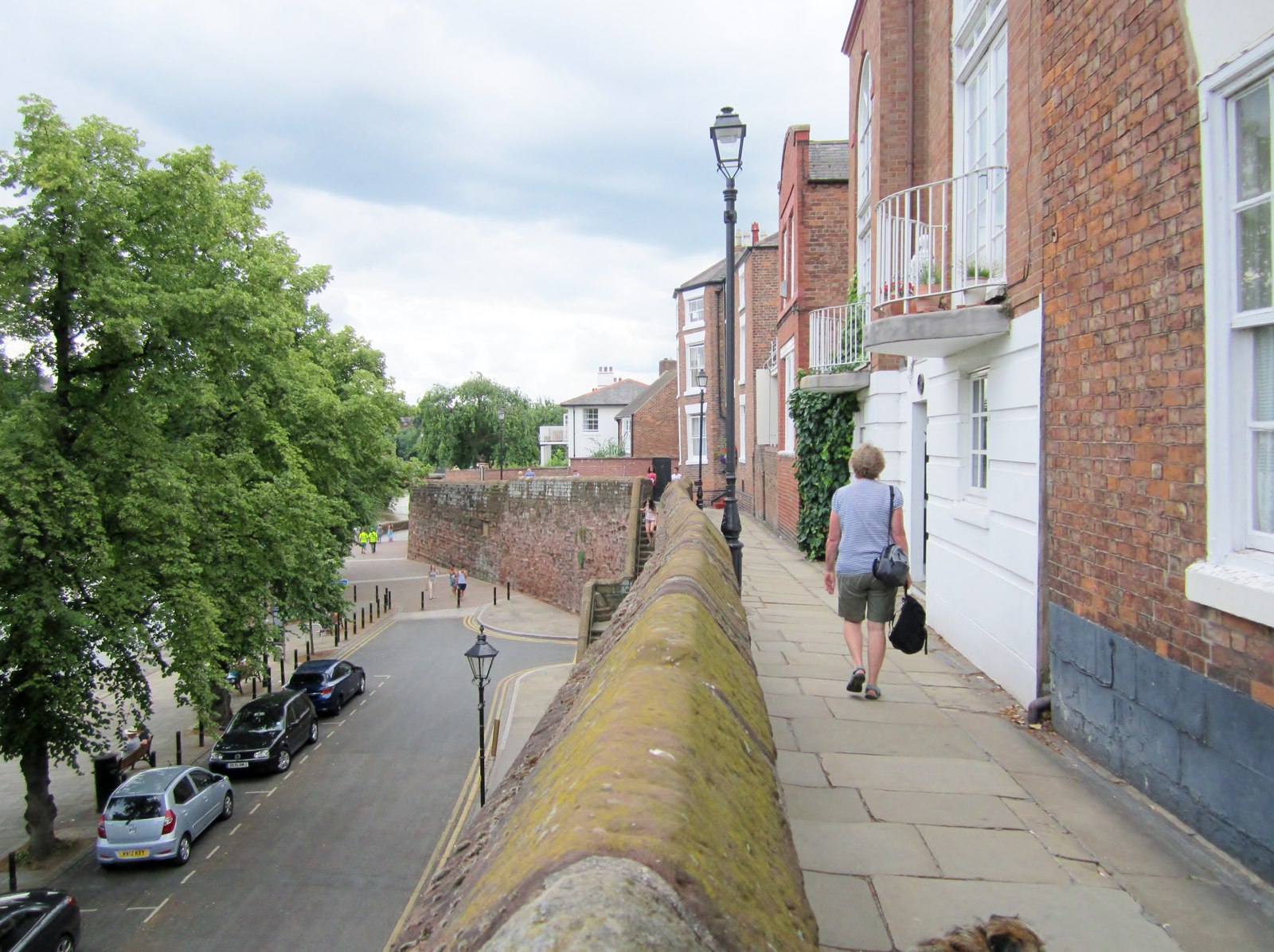
Britain's most complete Roman and medieval town wall circuit, still walkable almost end to end: a defence rebuilt, breached and patched across nine…
Building or ruin · Roman
Cheshire
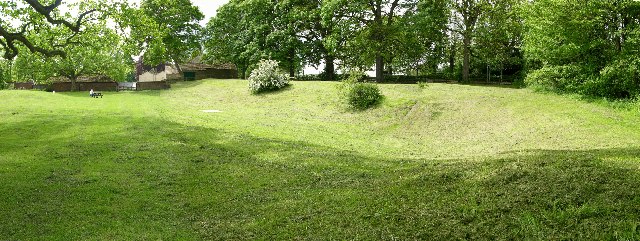
Britain’s largest excavated Roman amphitheatre preserves the arena where Deva Victrix’s legionary city staged military display, ritual and public s…
Building or ruin · Roman
Derbyshire
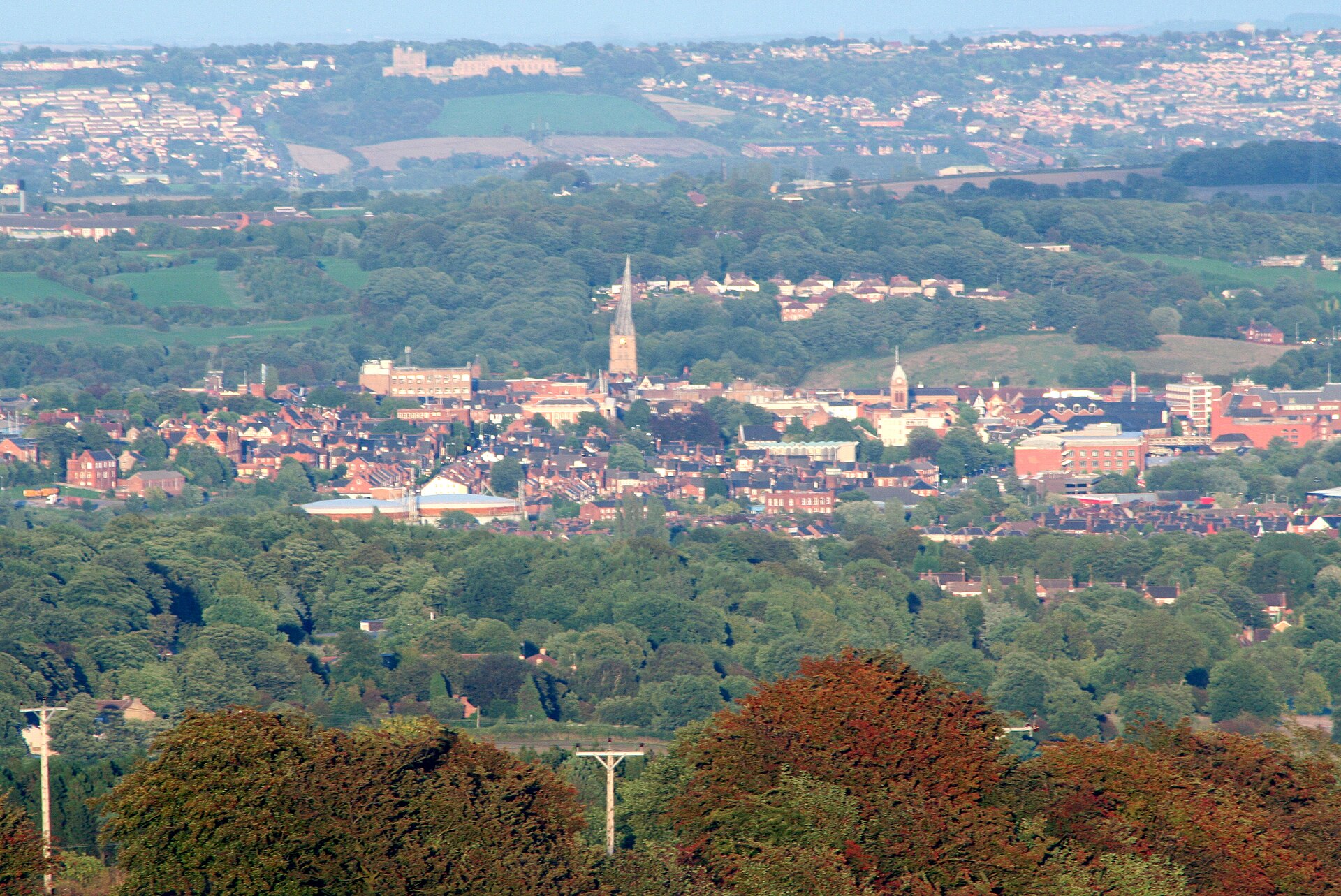
A short-lived Roman garrison gave a Derbyshire market town its very name, and its church spire has leaned crooked for so long the Devil is blamed f…
Building or ruin · Roman
Warwickshire
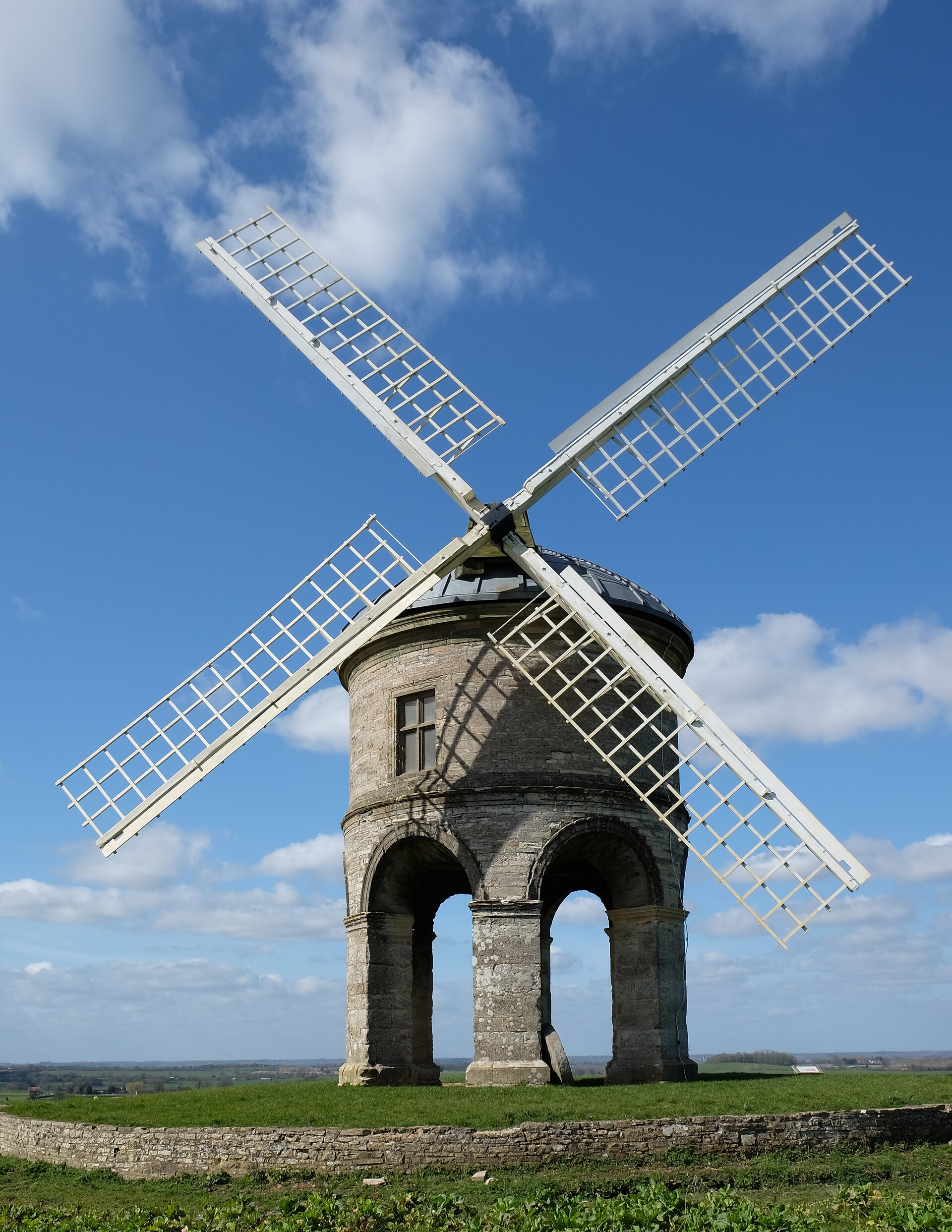
A Grade I windmill of 1632–33 carried on six stone arches, long claimed as an observatory: the estate accounts say otherwise.
Tomb or burial place · Prehistoric
Kent
Chestnuts Long Barrow is a ruined Medway Megalith whose chamber held collective Neolithic (the closing Stone Age, roughly 4000–2500 BC) burials, po…
Building or ruin · Roman
Northumberland
Chew Green is a complex Roman military landscape on Dere Street near the Scottish border, preserving camps, fortlets, a fort, and a section of road…
Building or ruin · Medieval
Northamptonshire
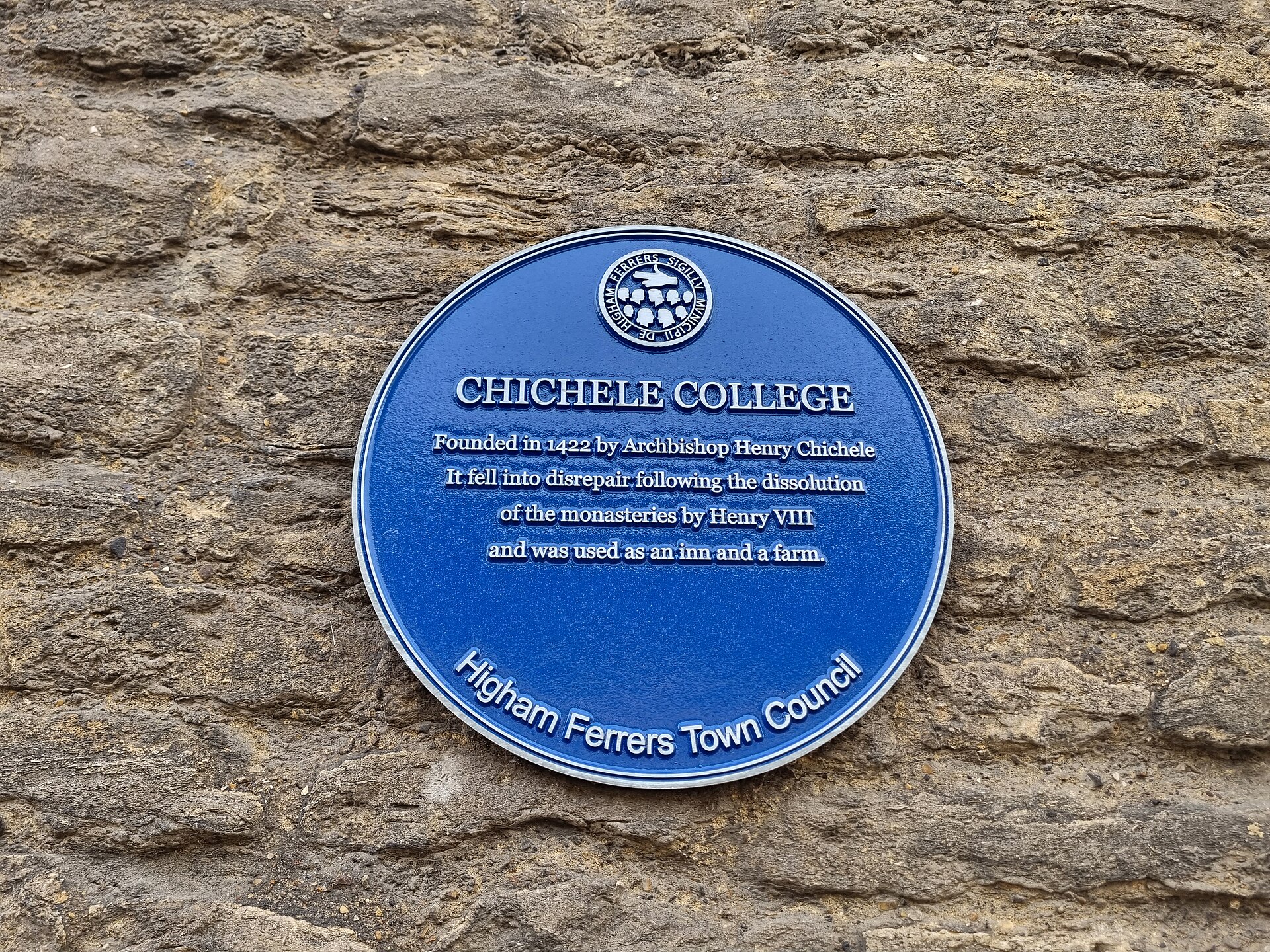
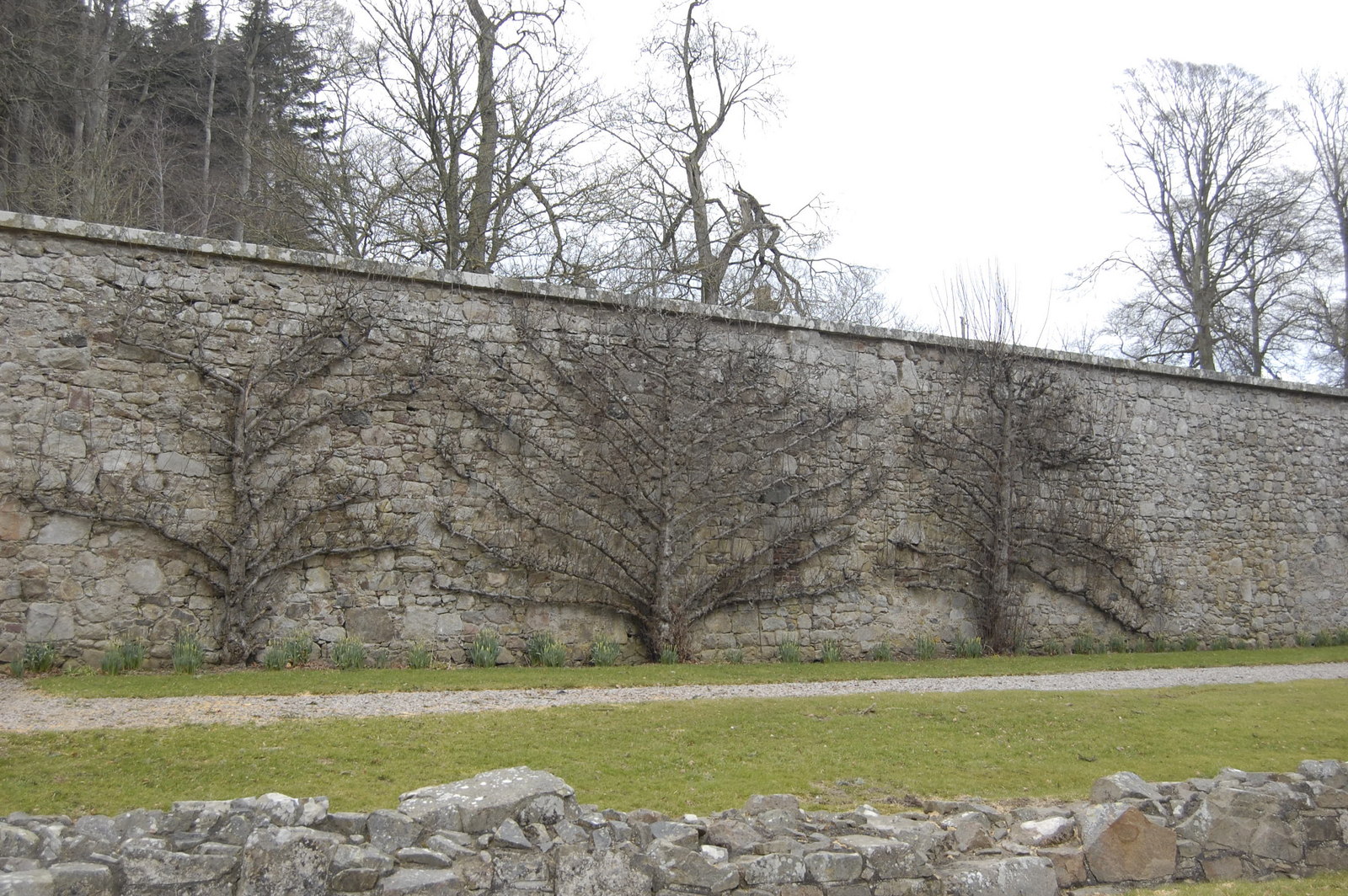
Its walled garden, laid out in 1425, is a rare survival from an English monastic-era foundation, and the chapel it once served is still used for co…
Building or ruin · Medieval
West Sussex
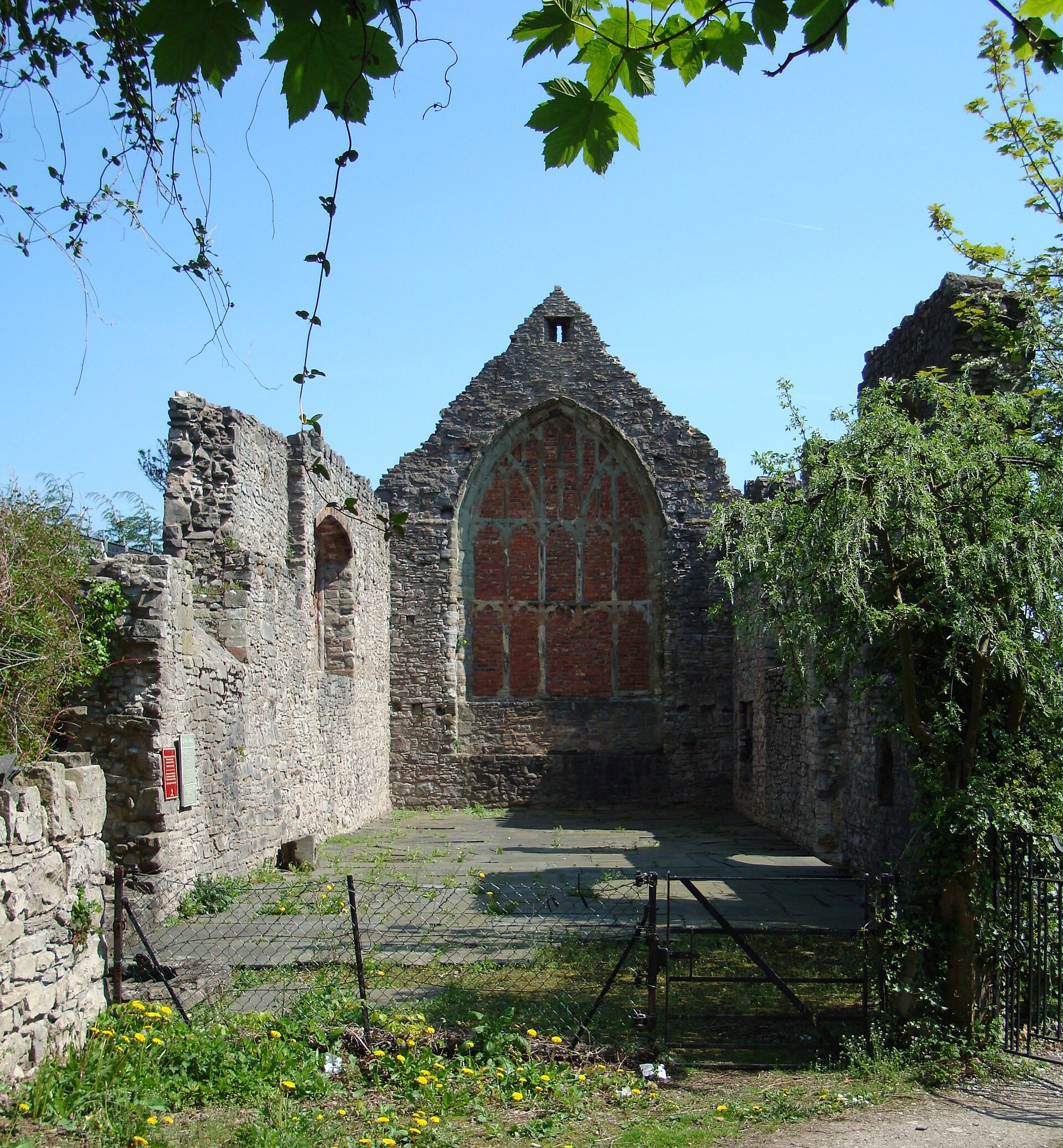
Not a guildhall at all. It is the east end of a Franciscan church, and one of the very few such buildings in England still under a roof.
Building or ruin · Roman
West Sussex
Entirely lost, with not even a Saxon place name to mark it, until aerial photographs of Milland in 1949 showed the outline of a Roman inn.
Building or ruin · Roman
Lancashire
Chingle Hall is a moated thirteenth-century manor near Preston, retaining its oak door and a sixteenth-century bridge across the surviving moat.
Fortified place · Iron Age
Wiltshire
An Iron Age ring fort still flanked by two mysterious cross dykes built to block the very ridge route it commands: with WWI regimental badges later…
Building or ruin · Prehistoric
West Sussex
John Pull dug six of its thirty-six shafts across two campaigns interrupted by the Second World War.
Sacred place · Medieval
Lancashire
Whalley’s Grade I church links Anglo-Saxon crosses, a thirteenth-century parish church and an exceptional collection of medieval and later furnishi…
Sacred place · Medieval
Lincolnshire
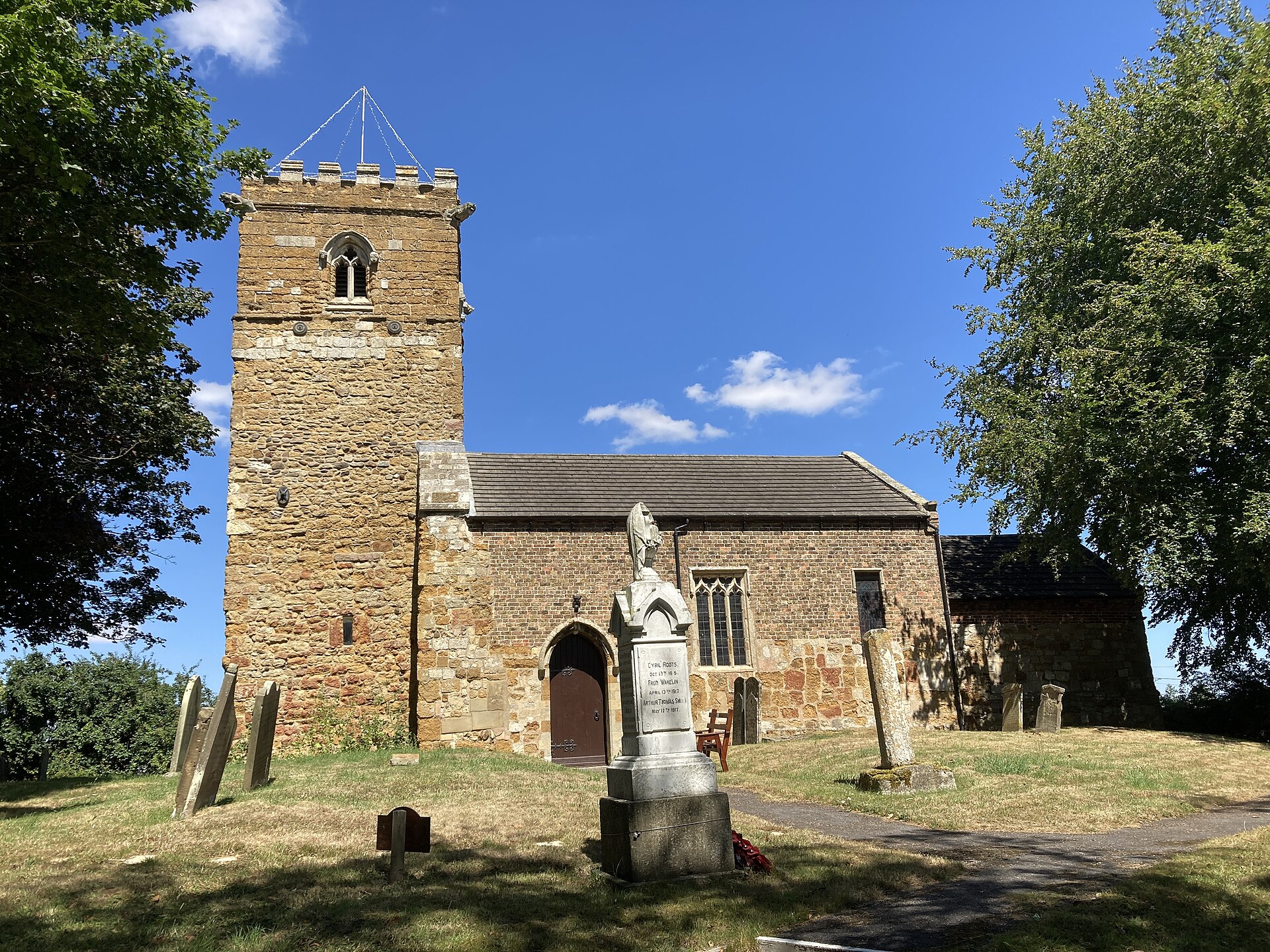
A carved wooden mouse on the altar rail, a Saxon tower arch, and a separately scheduled medieval cross all survive within one small parish churchyard.
Building or ruin · Roman
Cornwall
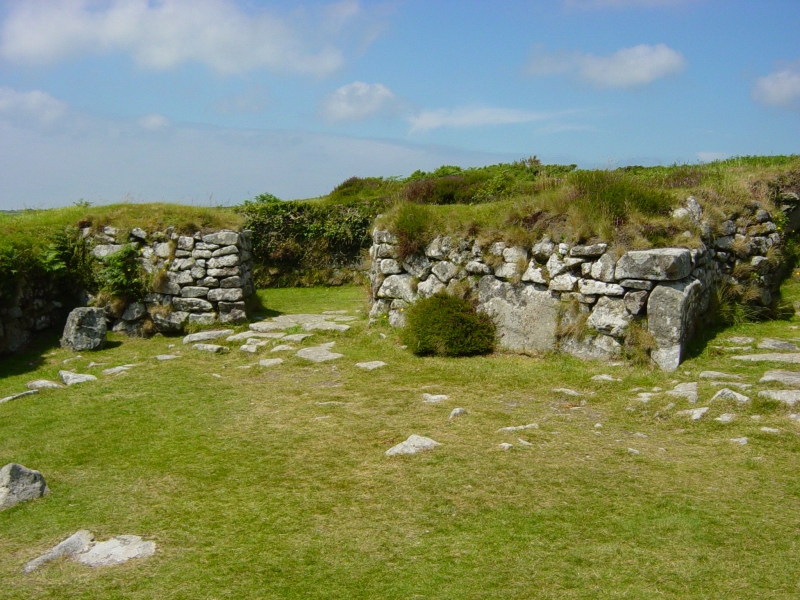
A remarkably legible Romano-British (Britain under Roman rule, AD 43–410) farming village where rows of courtyard houses preserve the layout of a c…
Building or ruin · Roman
Gloucestershire
The second-largest amphitheatre in Roman Britain, built for a town second in size only to Londinium, later refortified as a Saxon-era stronghold.
Fortified place · Prehistoric
West Sussex
Around 270 shafts were sunk into this hill over three centuries, some twelve metres deep, with galleries running out from the bottom of each.
Building or ruin · Medieval
Nottinghamshire
City of Caves lets visitors enter Nottingham’s soft sandstone history, where chambers served medieval workers, later tanners, and Second World War…
Ancient place · Prehistoric
Outer Hebrides
Cladh Hallan is an ancient settlement on South Uist, notable for mummified bodies that were preserved and later reburied.
Building or ruin · Medieval
Wiltshire
It was here in 1164 that Henry II drafted the Constitutions of Clarendon, a challenge to Church authority whose fallout led to Becket's murder six…
Building or ruin · Roman
Hampshire
A river bend did the work of a rampart (the raised bank thrown up around a fortified enclosure) here: the promontory site was fortified twice over,…
Fortified place · Medieval
Monmouthshire
Clawdd-du preserves Monmouth’s medieval outer defence for Overmonnow: a broad, potentially floodable ditch and palisade that protected a Welsh-side…
Building or ruin · Medieval
Greater Manchester
Clayton Hall is a rare surviving medieval moated manor in Manchester, preserving a 15th-century wing, the Clayton–Byron–Chetham story and a volunte…
Fortified place · Iron Age
Wiltshire
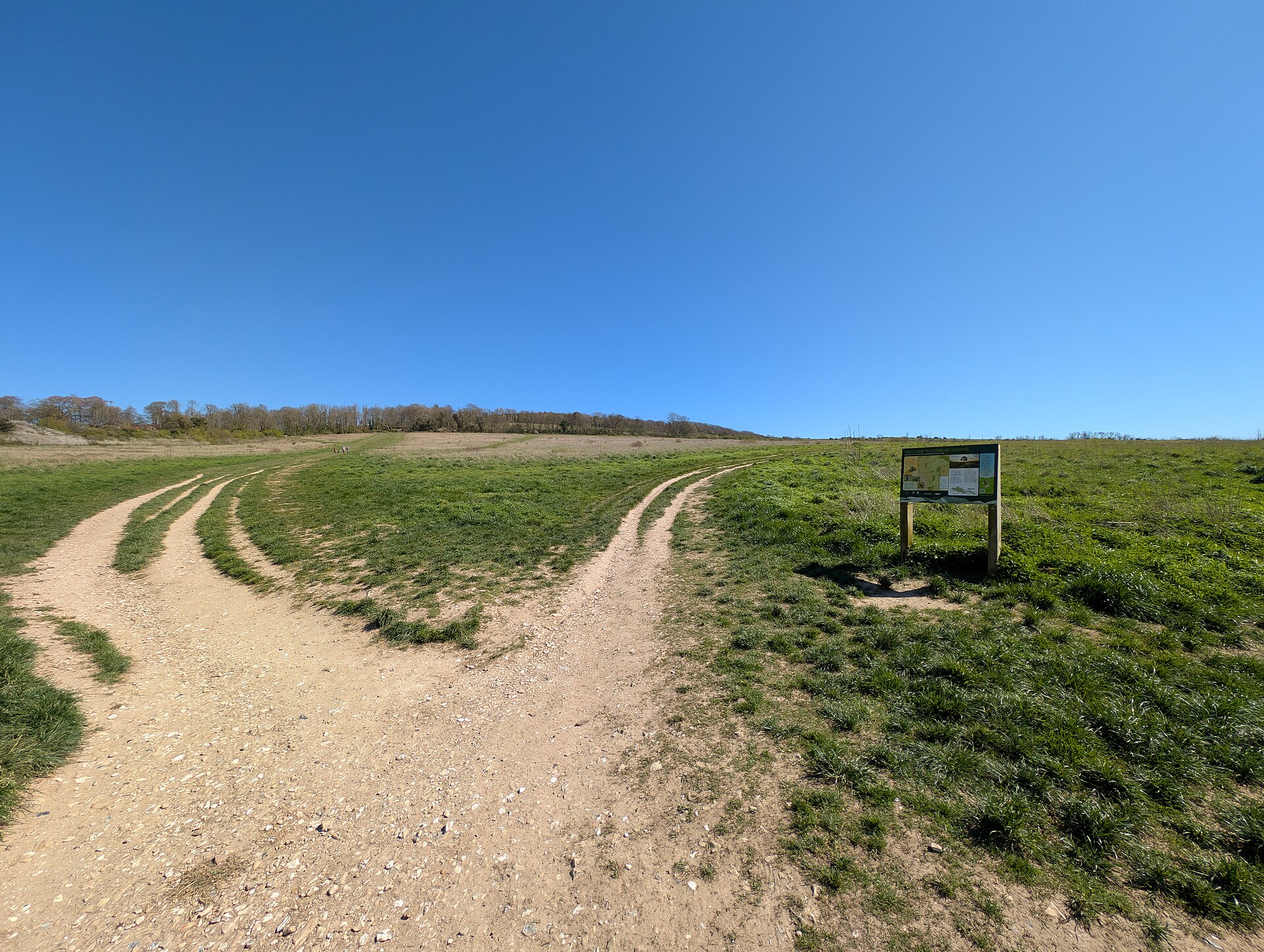
A single bank-and-ditch settlement above the Avon valley holds a Stone Age hand axe far older than the earthwork (a bank, ditch or mound shaped fro…
Fortified place · Iron Age
Wiltshire
A chalk down west of Warminster carries an Iron Age (roughly 800 BC until the Roman conquest) fort, two burial mounds and a folklore of devils and…
Sacred place
County Antrim
Built for Belfast’s growing Catholic working-class population, Clonard became a religious refuge at the Troubles interface and a setting for the qu…
Building or ruin · Iron Age
Devon
Clovelly Dykes is a large Early Iron Age earthwork (earth moved and shaped into banks and ditches rather than built up in stone) on Devon’s coastal…
Settlement · Medieval
Lincolnshire
Its parish church holds Lincolnshire's only surviving 15th-century rood screen, a rare survival in a village otherwise reduced to earthworks, two f…
Fortified place · Medieval
Kent
Cockham Wood Fort is a visible Medway shoreline defence built after the 1667 Dutch raid, marking the shift from Upnor Castle to a stronger protecti…
Tomb or burial place · Medieval
Pembrokeshire
A six-metre capstone resting on a single upright near St Davids Head, its chamber of the first farming age collapsed.
Building or ruin · Roman
Cumbria
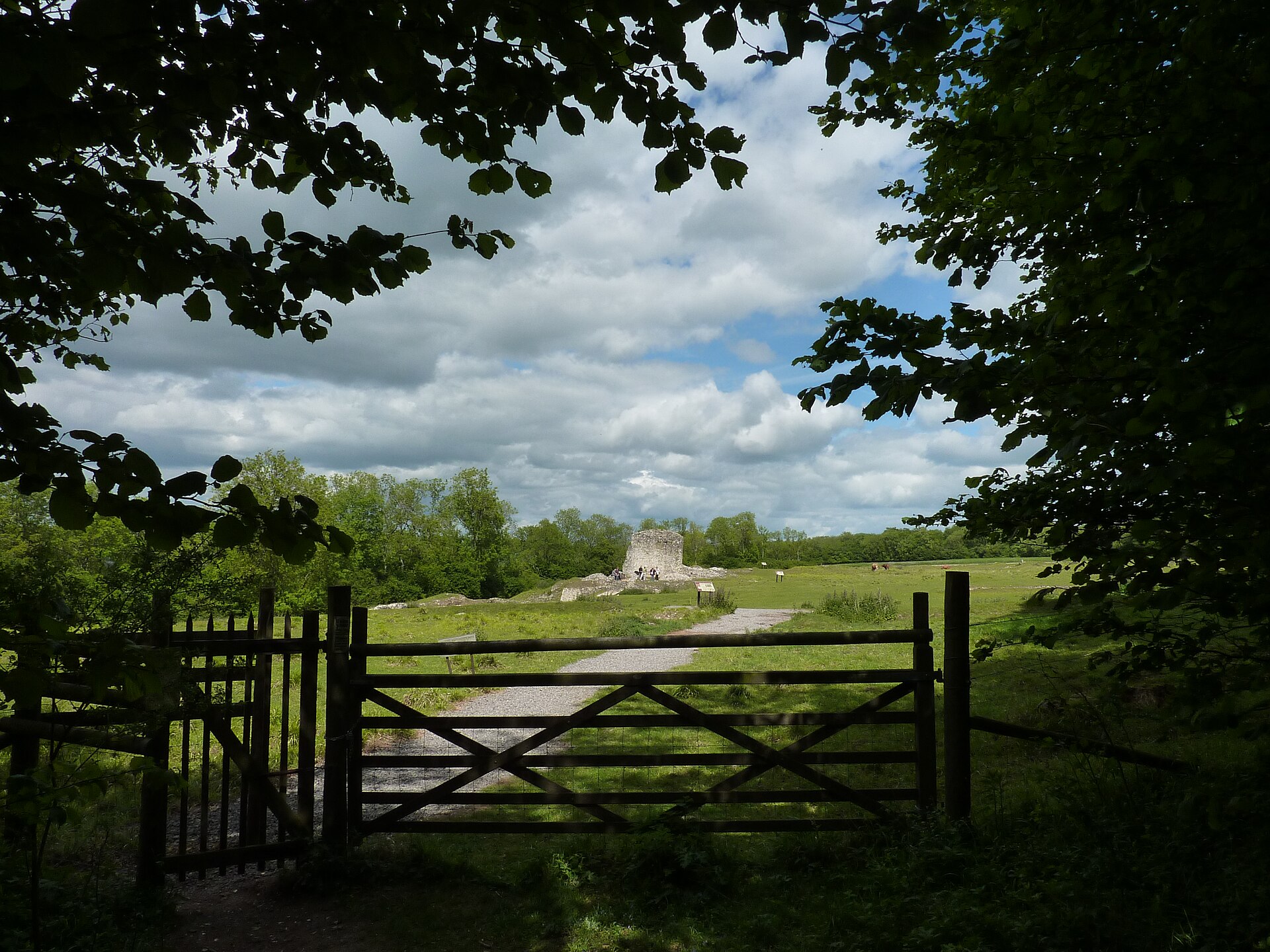
Excavation showed the fort was rebuilt twice: an earthwork enclosure replaced by a stone one: and its stones later resurfaced in a medieval castle…
Settlement · Medieval
Lincolnshire
A whole vanished village survives in the ground here: house plots, a curving street and open-field furrows still traceable beside the church that a…
Tomb or burial place · Prehistoric
Kent
Coldrum Long Barrow is the best-preserved Medway Megalith, a ruined Early Neolithic tomb-shrine whose chamber held at least 17 people and still anc…
Sacred place · Medieval
Kent
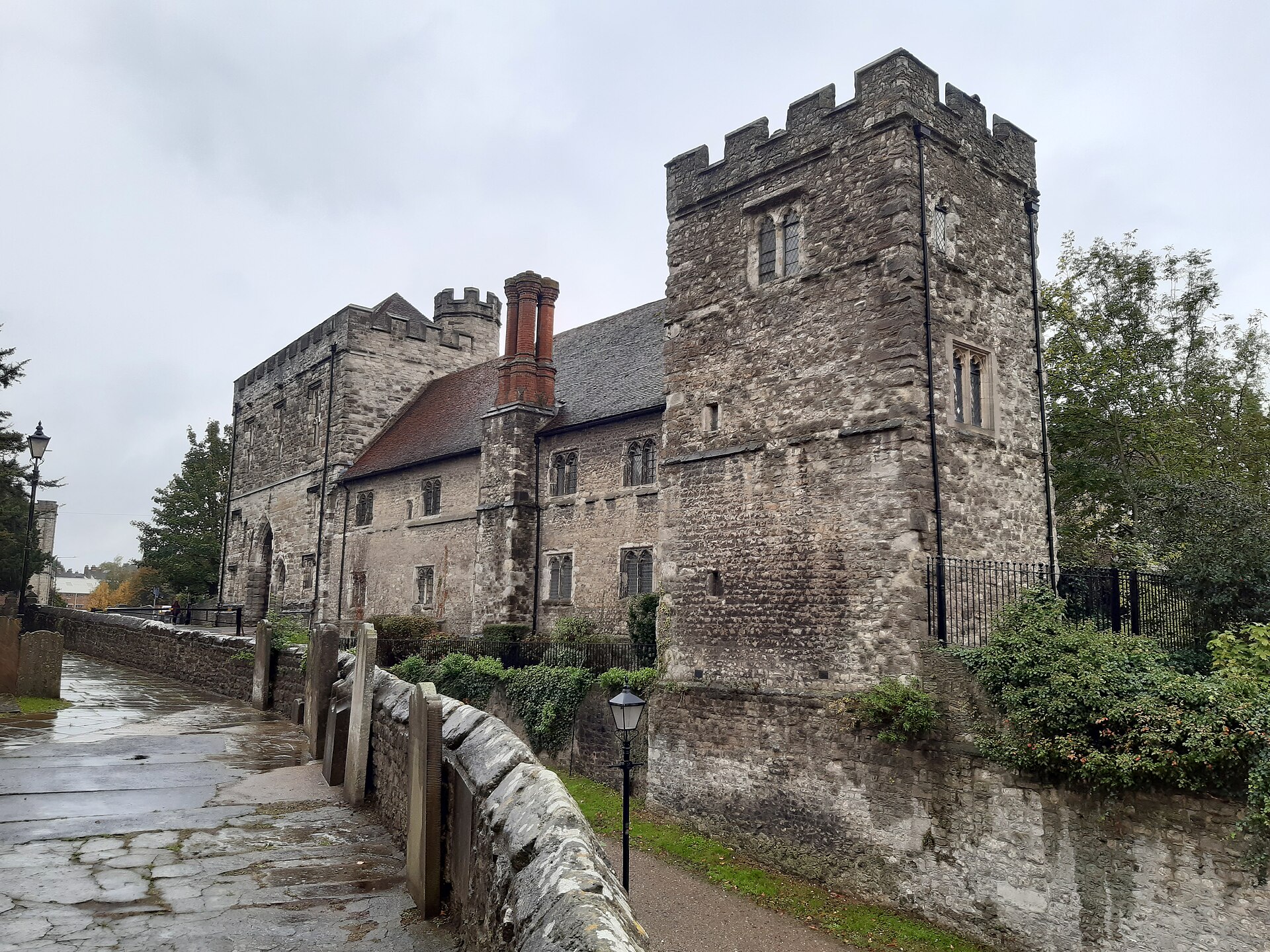
Maidstone’s College of All Saints preserves the surviving buildings of a 1395 ecclesiastical college whose Perpendicular architecture, gatehouse an…
Building or ruin · Prehistoric
East Sussex
Two millennia apart, people chose this hilltop to bury deliberate offerings: three polished Neolithic (the late Stone Age, roughly 4000–2500 BC in…
Building or ruin · Roman
Dorset
Combs Ditch is a scheduled Dorset earthwork (a mound or ditch formed by moving soil, not by building) whose excavated sequence suggests an Iron Age…
Building or ruin · Roman
County Durham
A garrison of ex-soldiers left behind altars to war gods, sun gods, and Celtic deities alike, buried now beneath a modern town that grew directly o…
Building or ruin · Roman
Tyne and Wear
A life-size head of the local god Antenociticus came out of a temple here in 1862, wearing a Celtic neck torc.
Fortified place · Medieval
West Midlands
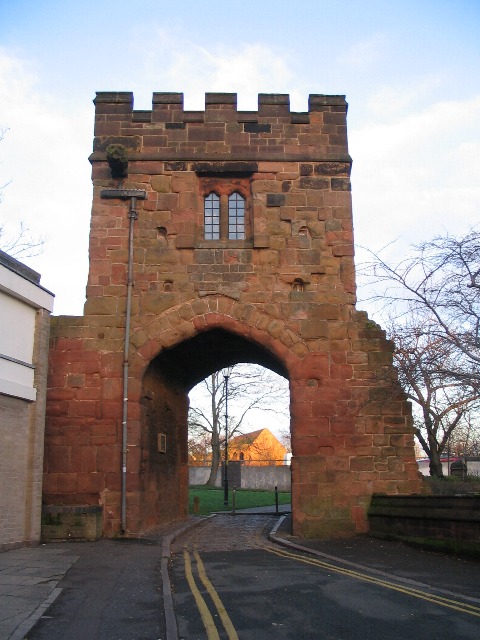
One of only two of Coventry's original twelve medieval town gates to survive: and the only one a road still runs through.
Building or ruin · Roman
Northumberland
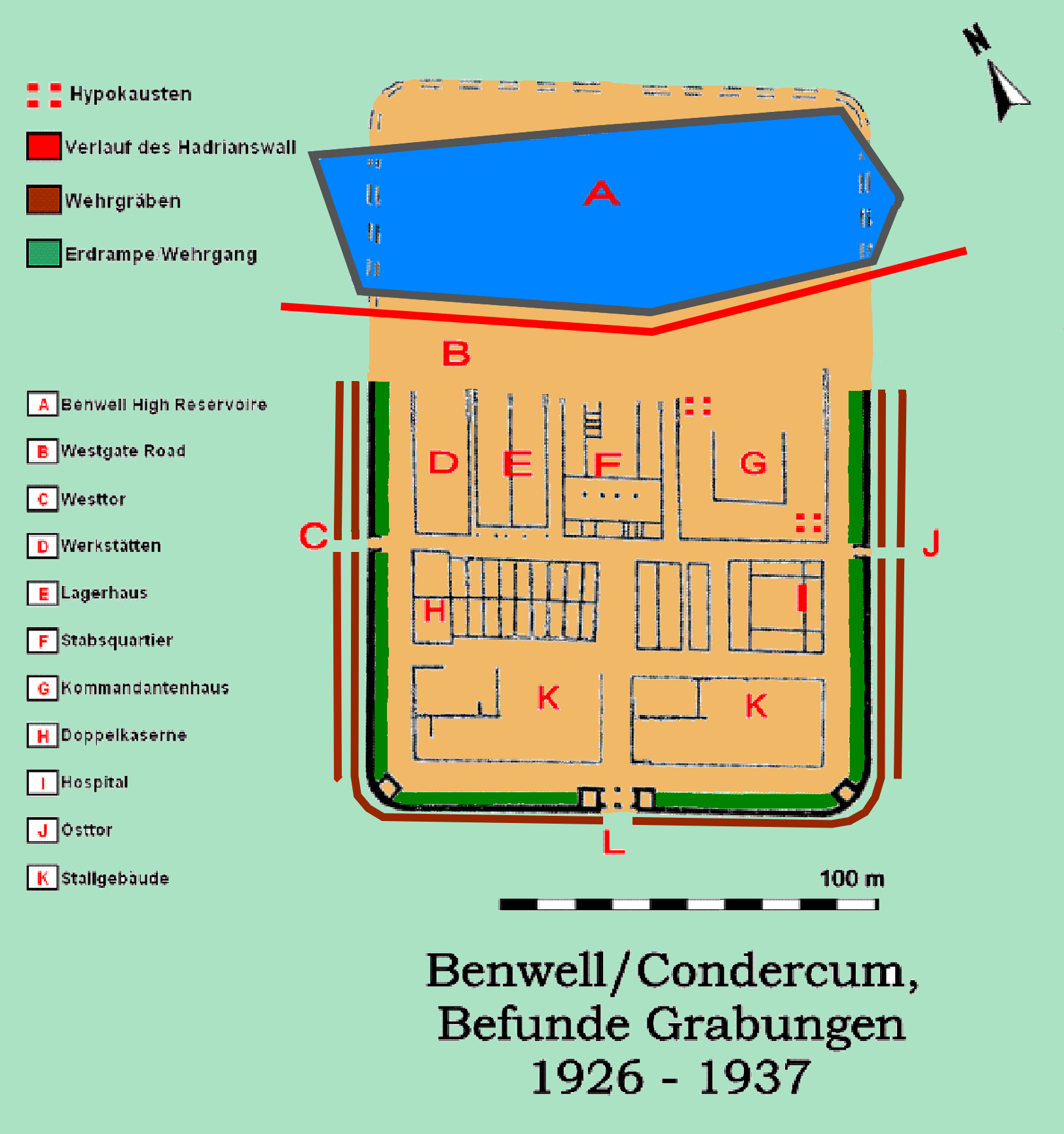
Coria was a key Roman fort and town at the meeting of Dere Street, the Stanegate (the Roman road running behind Hadrian's Wall), and the Tyne, wher…
Building or ruin · Roman
Gloucestershire
Its 2nd-century walls enclosed the second-largest city in Roman Britain, and its forum and basilica were bigger than any other in the province bar…
Building or ruin · Prehistoric
Devon
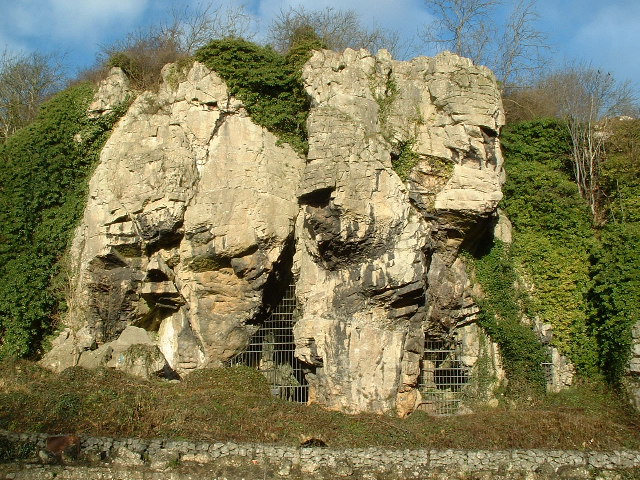
Cow Cave is a scheduled limestone cave at Chudleigh Rocks containing significant Paleolithic deposits and investigated in a major 2016 excavation.
Fortified place · Iron Age
Shropshire
An Iron Age defended settlement on a 262-metre summit at the Shropshire and Herefordshire boundary.
Fortified place · Medieval
County Clare
Craggaunowen combines a sixteenth-century tower house with an open-air archaeological museum, using reconstructed Irish buildings and boats to inte…
Fortified place · Iron Age
Devon
Cranmore Castle is a large enclosure above Tiverton, dating from from about 800 BC until the Romans came, whose unusual siting raises important que…
Building or ruin · Prehistoric
Derbyshire
Its cave walls carry the northernmost Ice Age art yet found in Europe, engraved by people who timed their work to the one shaft of sunlight that re…
Building or ruin · Roman
Greater London
A working Roman farmhouse rebuilt across 260 years survives with its floors and heating intact, unearthed by accident beneath a council driveway me…
Building or ruin · Roman
Greater London
Behind its carved brick front stands the finest surviving oak staircase of its kind in London, and for 74 years the house was the first Jewish-owne…
Fortified place · Medieval
Cornwall
A Civil War gun tower on Tresco, built to bar hostile ships from New Grimsby harbour and later enlarged for a new imperial conflict.
Building or ruin · Roman
Somerset
A bath fed by rain that fell on the Mendips and spent its journey four kilometres underground: and a royal birth that got a monument for it.
Sacred place · Medieval
South Ayrshire
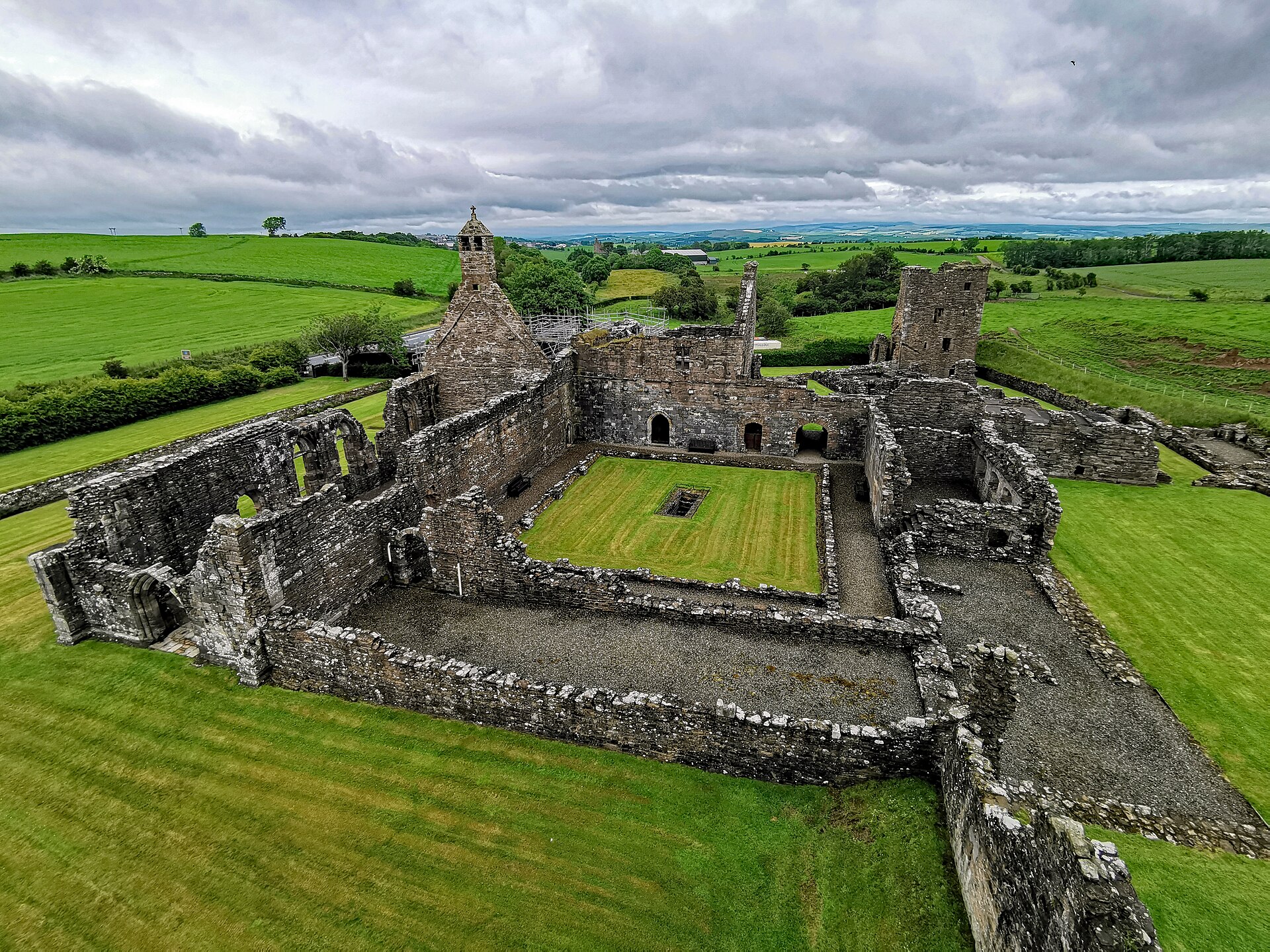
A ruined Cluniac monastery near Maybole that still keeps its church, covered walkways and dovecote.
Sacred place · Prehistoric
Wiltshire
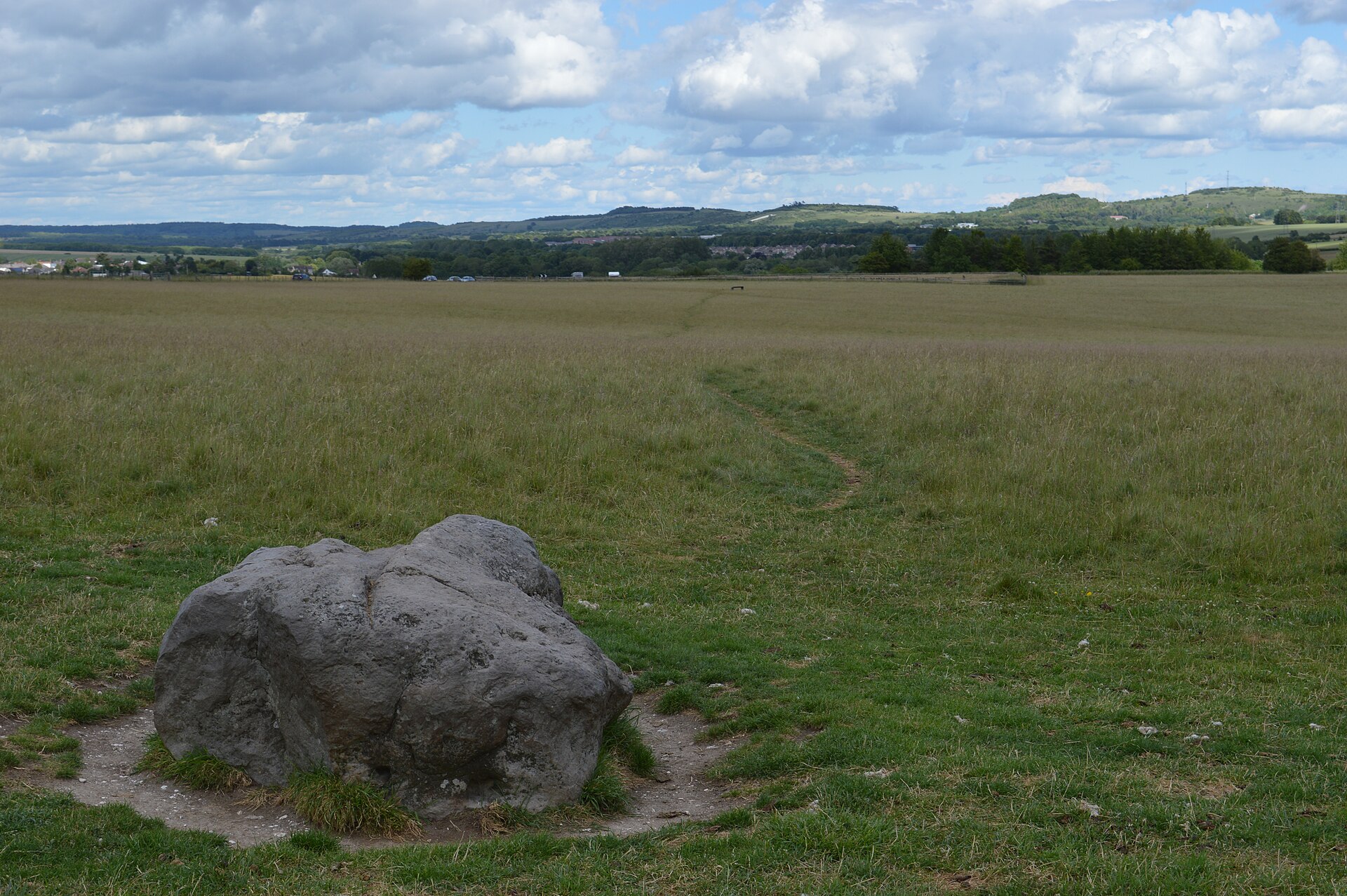
A squat sarsen lying forgotten in a field turned out, on excavation, to have replaced a wooden post on the very same spot before 2000 BC: a rare ph…
Fortified place · Medieval
South Ayrshire
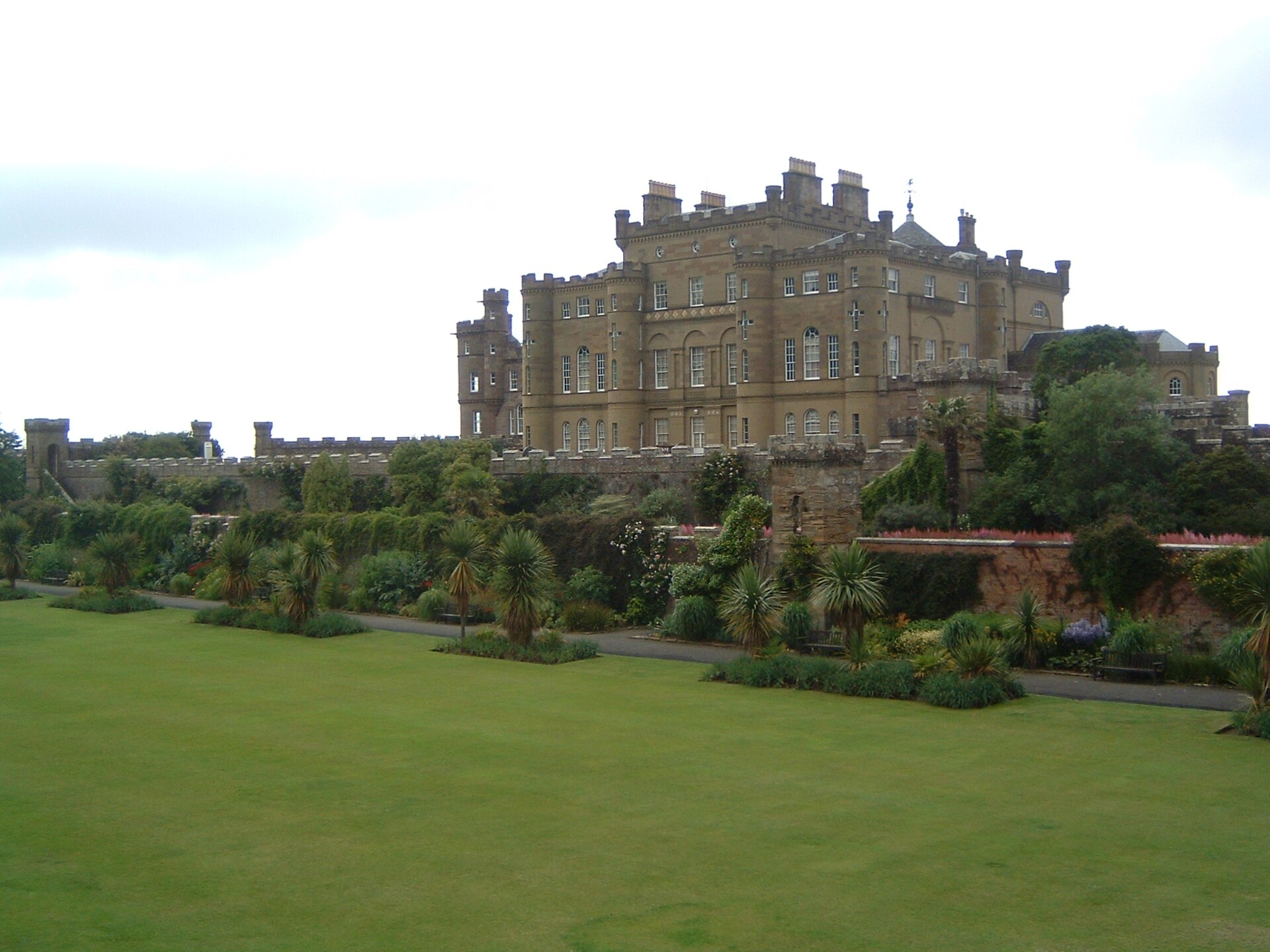
Eisenhower was given an apartment at the top of this castle in 1945, as a condition of the family handing it to the nation.
Building or ruin · Roman
Wiltshire
A Roman crossroads town that spent lavishly on 4 m-thick walls and 17 towers at a time when almost no inland British settlement bothered to fortify…
Ancient place · Prehistoric
Wiltshire
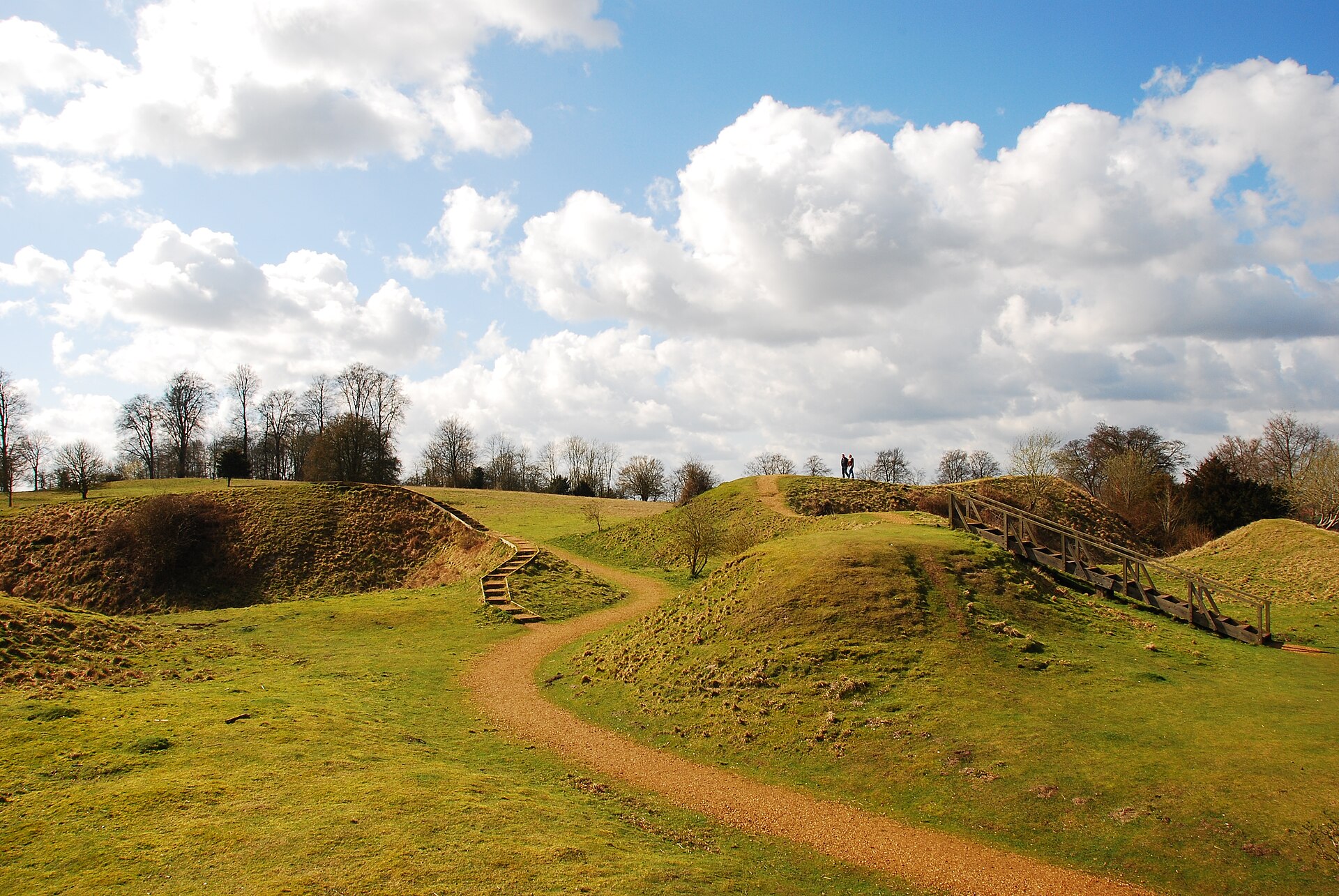
Ground-penetrating radar in 2010 found a hidden ditched enclosure with a possible timber circle beneath one of the barrows: briefly reported as Sto…
Building or ruin · Medieval
Greater London
The Curtain Theatre was London’s second playhouse and a leading Shakespearean venue, now archaeologically revealed as a rectangular theatre whose s…
Building or ruin · Prehistoric
Ceredigion
A single hillside preserves nearly every phase of British metal mining in one place, from Bronze Age (roughly 2500–800 BC, when metal tools first s…
Sacred place · Medieval
Gwynedd
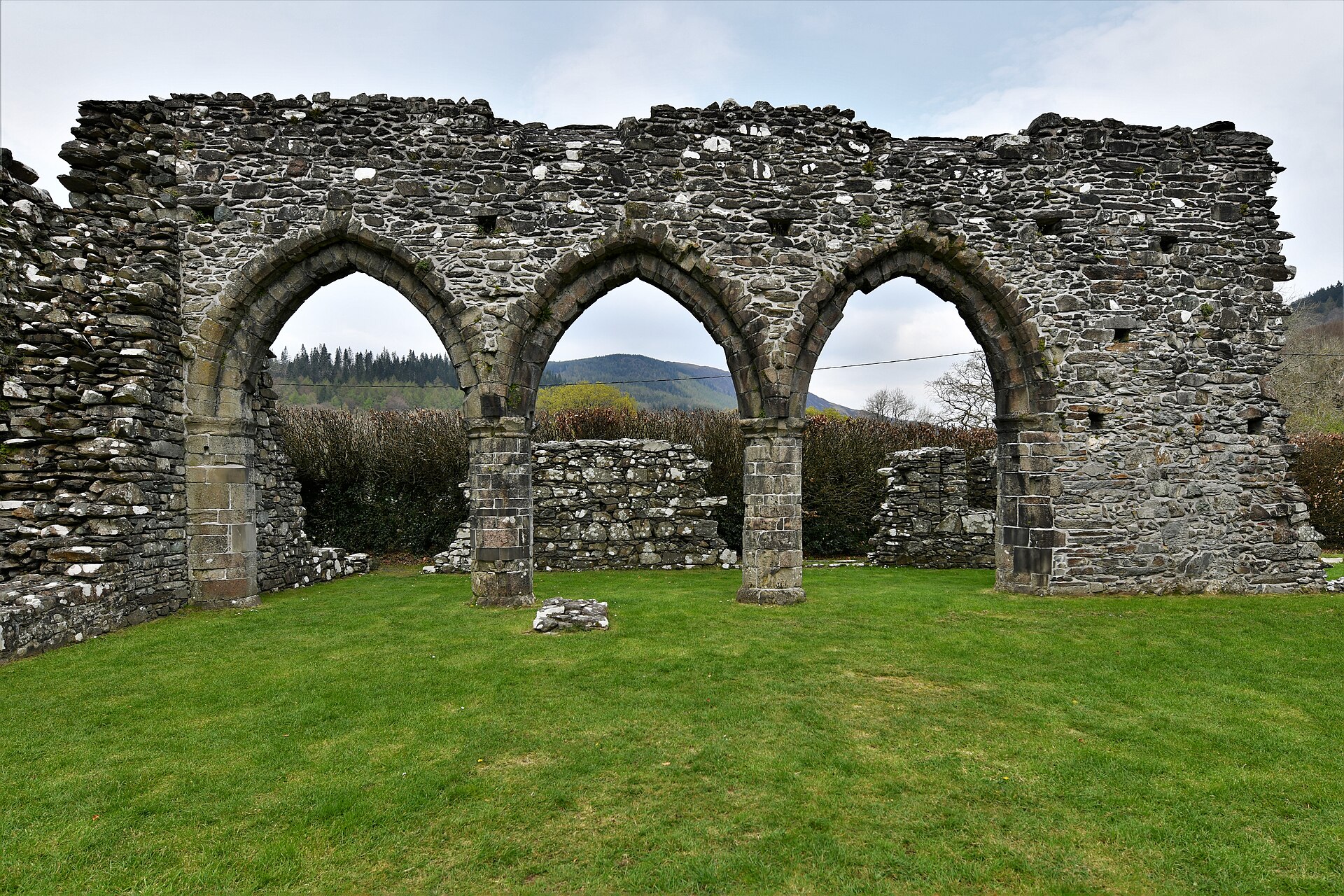
Cymer Abbey is a modest Cistercian foundation at the meeting of waters, whose plain surviving church reveals both regional monastic life and the pr…
Carved stone · Medieval
North Yorkshire
Dacre’s Cross preserves a fifteenth-century object whose contested history keeps the Battle of Towton, chapel, boundary and memorial traditions in…
Building or ruin · Roman
West Yorkshire
Anglo-Saxon builders put up their own structures here out of the villa's stone, and a grave of the seventh century was cut into the same ground.
Fortified place · Iron Age
Hampshire
Twenty seasons of excavation under Barry Cunliffe turned this single Hampshire hillfort, an Iron Age: the centuries before Rome arrived: settlement…
Tomb or burial place · Iron Age
East Riding of Yorkshire
More than seventy barrows and 114 recorded skeletons make this one of the largest known Arras Culture cemeteries, including one of Yorkshire's rare…
Crossing or structure · Medieval
Cheshire
A sunken 18th-century sailing barge in a Cheshire lock is the only known pre-1840 survivor of a boat type that once worked every waterway in northw…
Building or ruin · Medieval
Aberdeenshire
Its earlier community is the one recorded in the margins of the Book of Deer, one of Scotland's oldest surviving manuscripts, making this ruin a ra…
Sacred place · Medieval
Denbighshire
A Carmelite friary, a house of friars who worked among townspeople rather than withdrawing from them, whose walls survived Henry VIII's closure of…
Building or ruin · Roman
Derbyshire
Excavations showed Roman Derby extended beyond the fort at Little Chester into a civilian settlement across the river, still lying buried beneath t…
Building or ruin · Roman
North Yorkshire
A single altar and a unique inscription about an inherited goldsmith's shop are almost all that name the people who actually lived and worked insid…
Building or ruin · Roman
Derbyshire
One fort site lived three separate military lives across nearly 300 years before becoming a walled industrial town supplying pottery, iron and lead…
Building or ruin · Roman
Cheshire
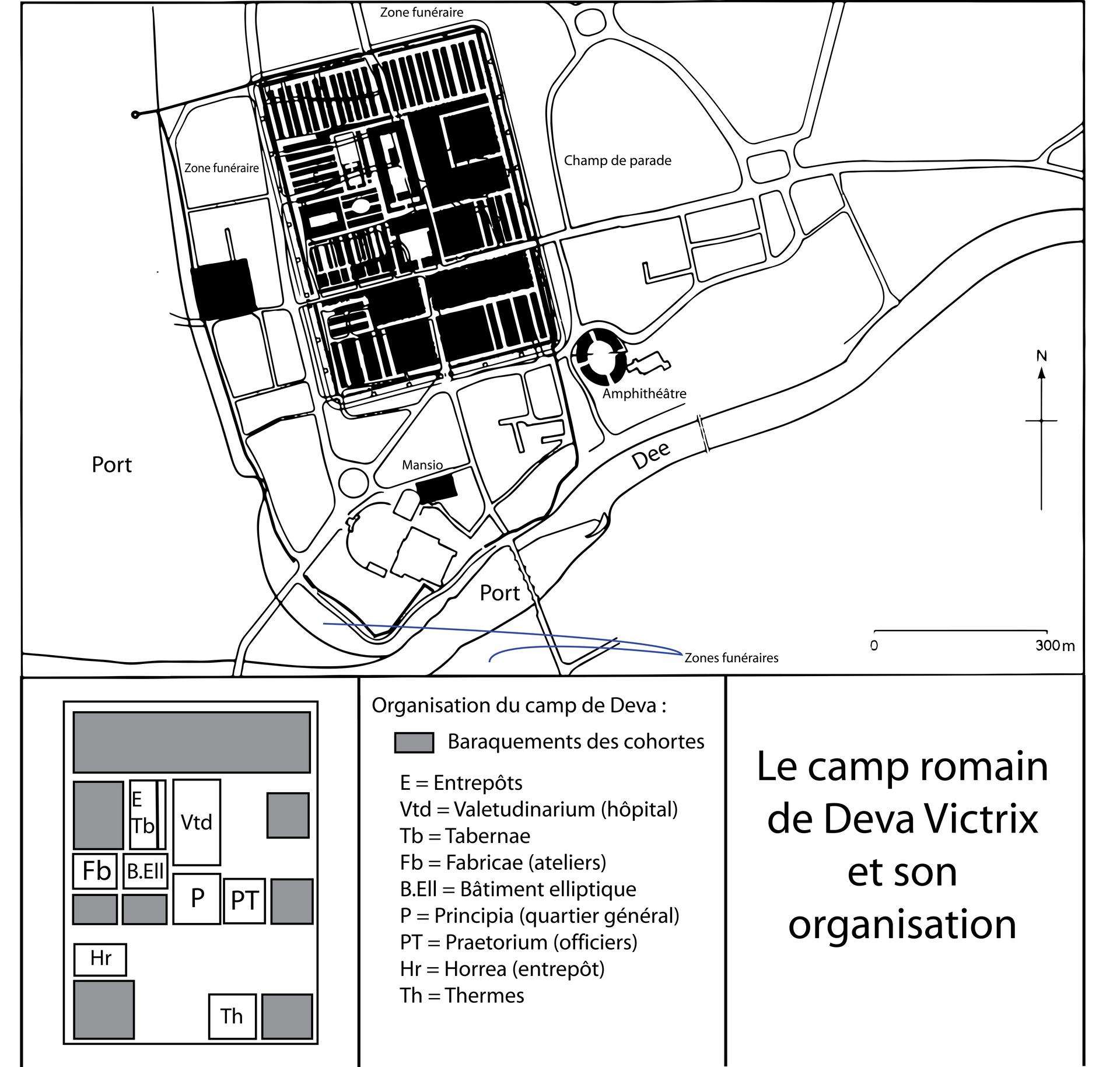
An oval building unlike any other found in the Roman Empire sat at its heart, and the fortress itself was built larger than York or Caerleon: hints…
Sacred place · Medieval
County Fermanagh
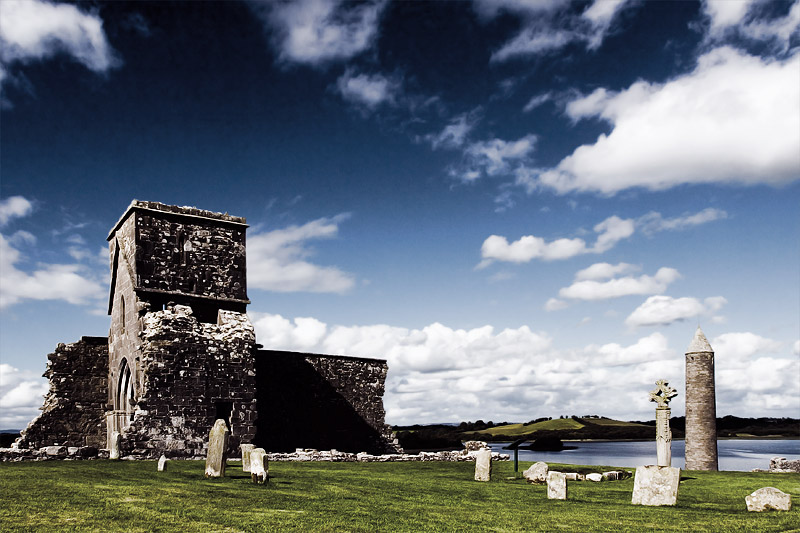
At its peak this remote lough island held as many as 1,500 monastic scholars, and its round tower, carved crosses and Viking-era history still stan…
Carved stone · Prehistoric
North Yorkshire
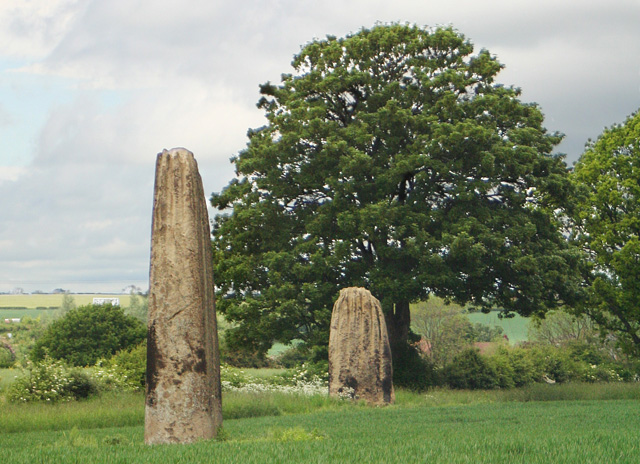
The Devil’s Arrows are among Britain’s tallest standing stones and an exceptional lowland Neolithic (the first farming period in Britain, roughly 4…
Fortified place · Iron Age
Hertfordshire
The surviving western ditch is one of the strongest candidates for the stronghold where Julius Caesar defeated the British king Cassivellaunus in 5…
Tomb or burial place · Prehistoric
West Sussex
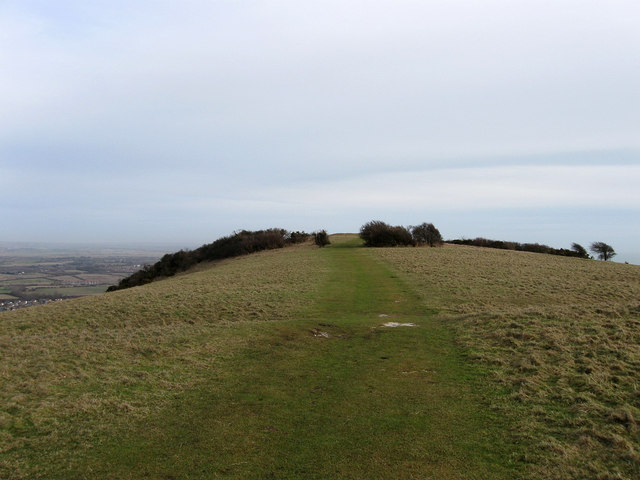
No records survive from the early excavations, so nobody knows exactly when these barrows were built: or what was taken out of them.
Tomb or burial place · Prehistoric
West Sussex
The line of five is aligned on sunset at midsummer. Local folklore has the Devil hopping along them until Thor threw a stone at him.
Briefer entries: recorded and worth knowing, with fuller pages to come.
Building or ruin · Roman
West Sussex
A defended hilltop crowning Chanctonbury Hill, with burial mounds and dykes around it recording activity from four thousand years ago onwards.
Sacred place · Prehistoric
Cornwall
A granite hill where Neolithic tombs: from the late Stone Age, roughly 4000–2500 BC in Britain: and Bronze Age remains: roughly 2500–800 BC: share…
Building or ruin · Medieval
shropshire
Richard Knight of Bringewood Ironworks was leasing this blast furnace as early as 1712, and it may have been running since the 1690s.
Settlement · Iron Age
Wiltshire
Excavated pottery, worked stone and human burial remains now sit in Devizes Museum, the clearest surviving trace of an Iron Age (from around 800 BC…
Tomb or burial place · Prehistoric
Cornwall
A remarkably intact Neolithic chamber tomb: from the closing Stone Age, roughly 4000–2500 BC: whose capstone still stands in its original position…
Building or ruin · Roman
northumberland
The fort walls push north of Hadrian's Wall, with three main gates on the far side: built not to hold the frontier but to get cavalry through it qu…
Ancient tree · Medieval
Down
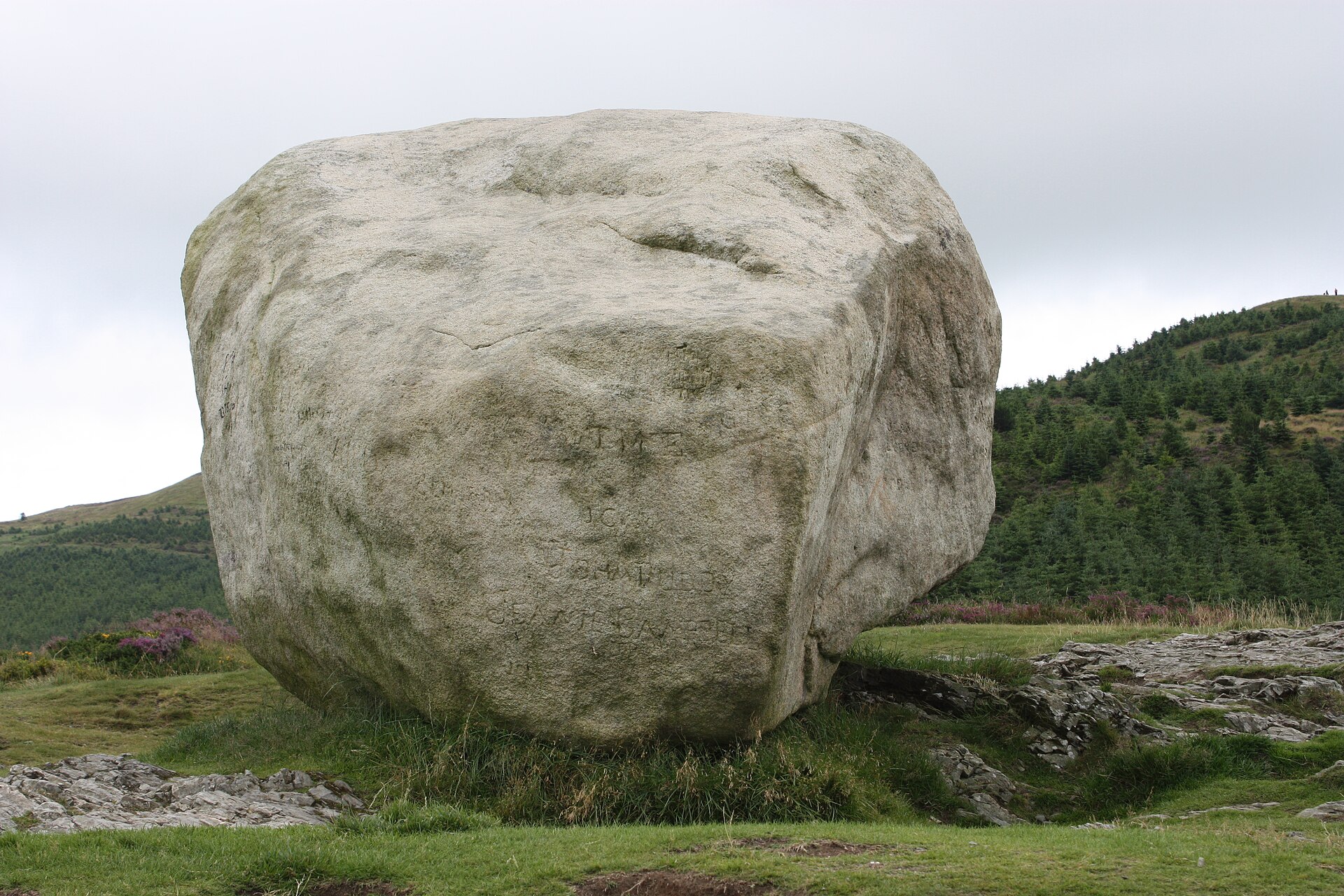
Cloughmore pairs 10,000-year-old glacial transport with a mountain legend: one huge boulder gives Rostrevor both a geological landmark and a Fionn…
Building or ruin · Roman
newport
Three linked Iron Age earthworks: from the centuries before the Roman conquest: and a Roman fortlet on one Monmouthshire ridge, unexcavated, with C…
Sacred place · Prehistoric
Kent
The Coffin Stone is a striking Medway megalith whose possible long barrow, a prehistoric burial mound, origin remains unresolved after excavation s…
Fortified place · Prehistoric
Cornwall
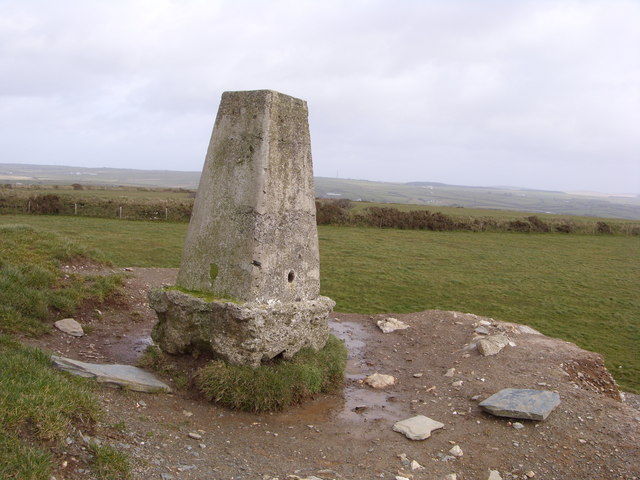
Tintagel parish's highest point, where an unexcavated Bronze Age barrow: roughly 2500–800 BC, when metalworking spread, and a prehistoric burial mo…
Building or ruin · Roman
The Vale of Glamorgan
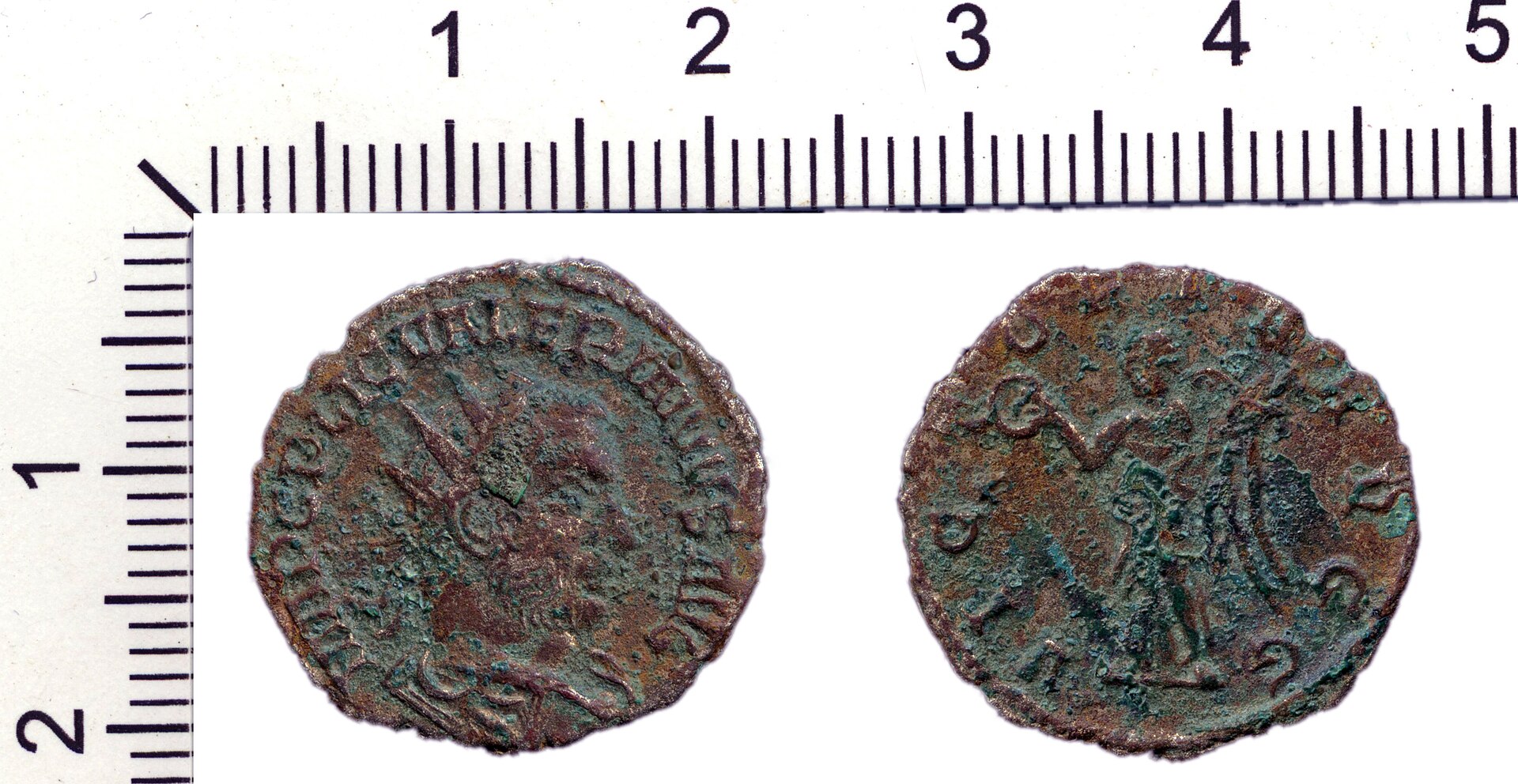
Bricks stamped by the Second Legion, recovered from a Roman bath house beneath the modern town of Cowbridge, are among the earliest hints that sold…
Tomb or burial place · Prehistoric
County Durham
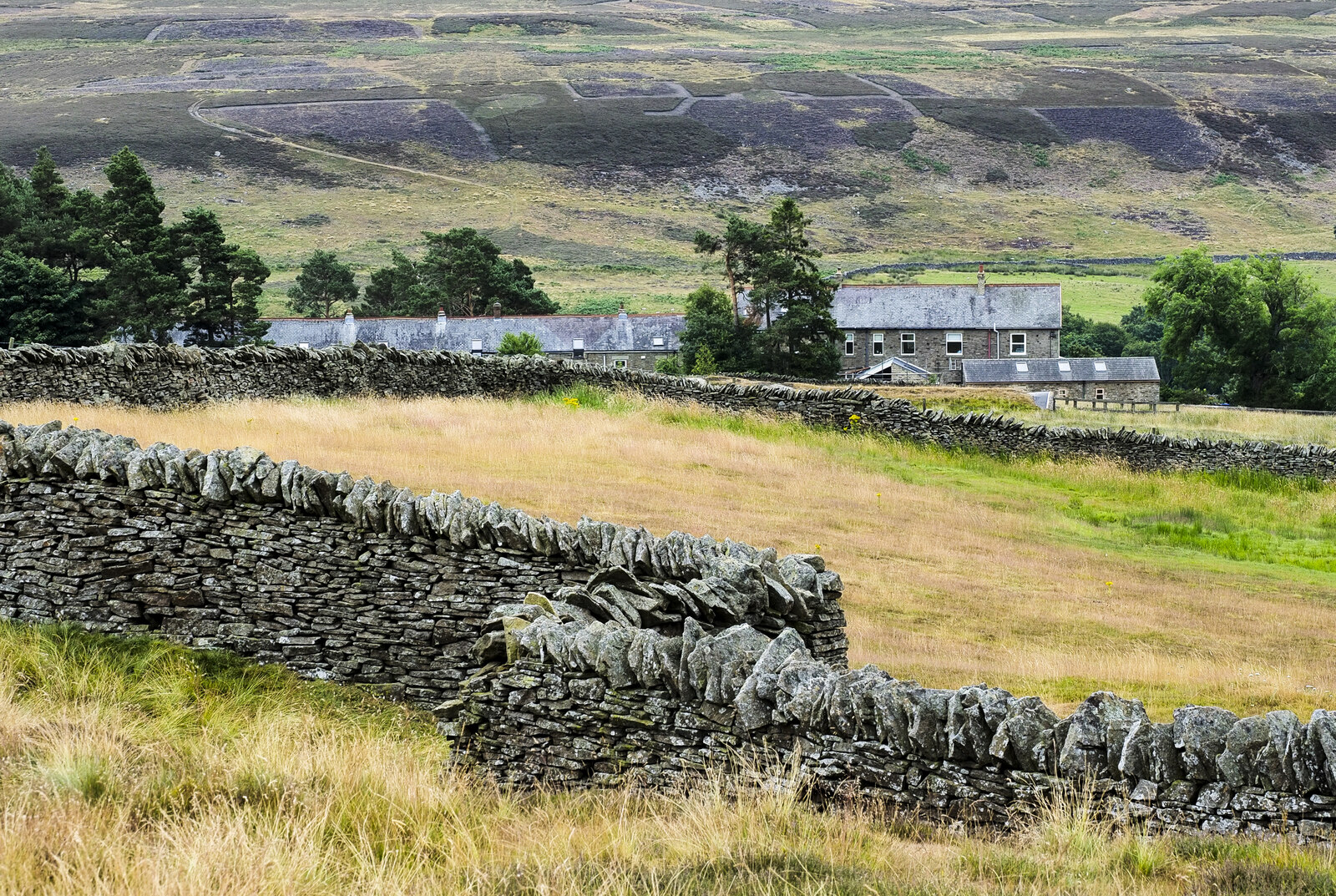
A Weardale cairnfield where Bronze Age (roughly 2500–800 BC, when metal tools first spread) burial practice and evidence of early field clearance o…
Building or ruin · Medieval
monmouthshire
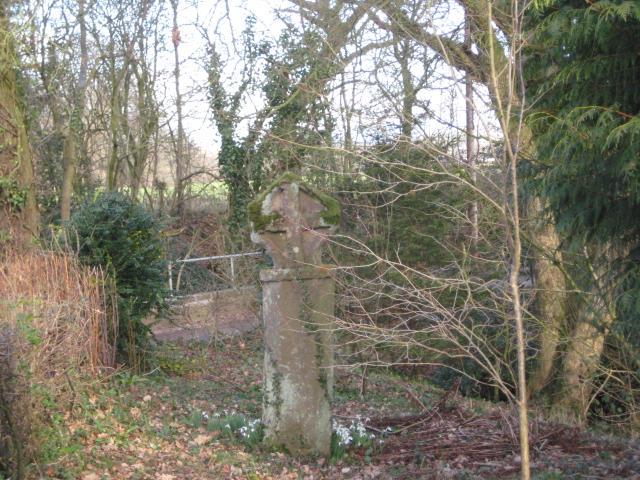
One of only two crosses in Monmouthshire to keep its head through the iconoclasm of 1643, out of seventy-nine: and the survival is credited to its…
Tomb or burial place · Pictish & early medieval
Kent
Darenth Country Park protects a Saxon burial ground within a former hospital landscape, combining nationally important archaeology with chalk-grass…
Building or ruin · Roman
Northumberland
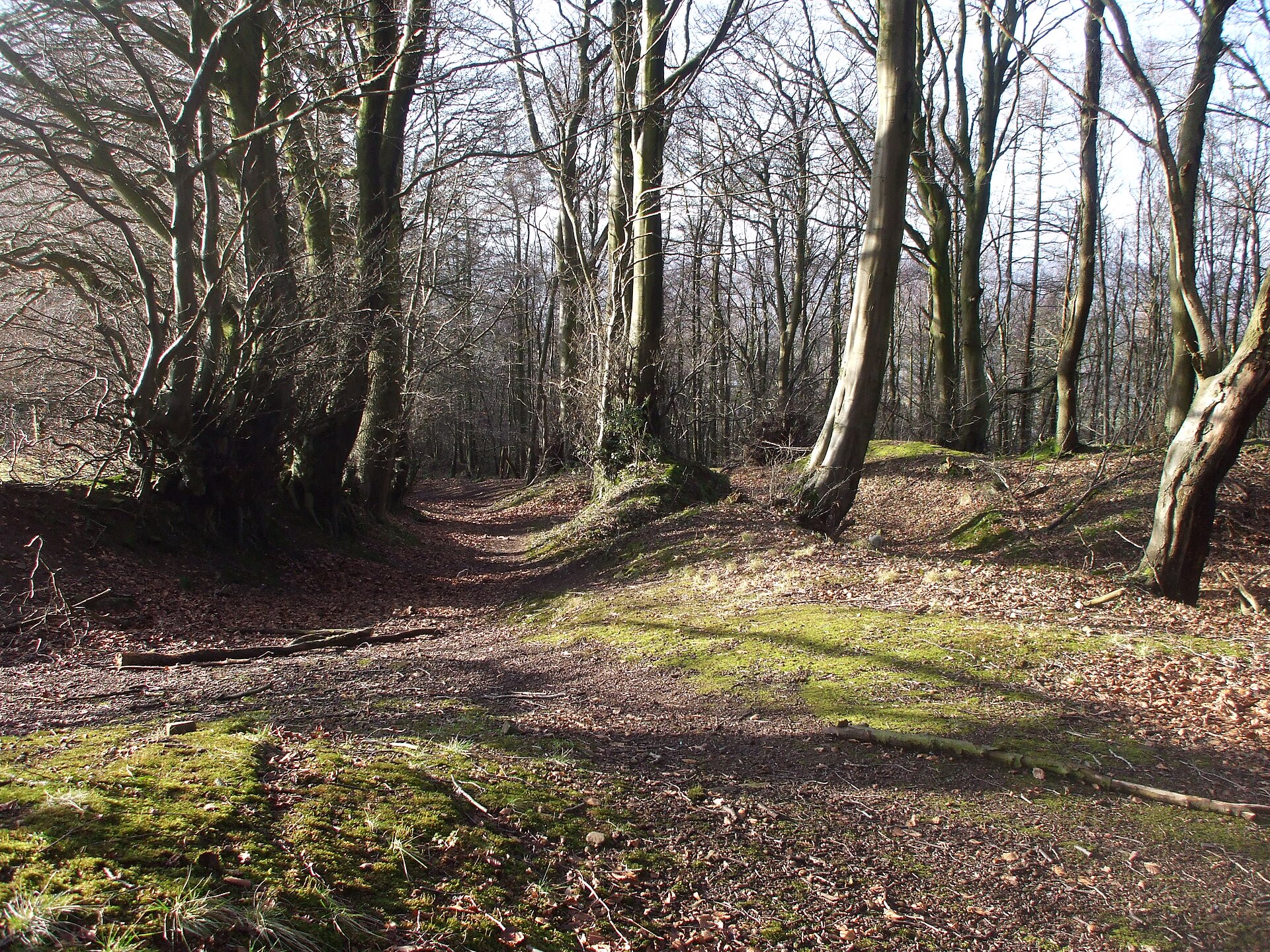
Dere Street was Rome’s principal northern communications and supply route from York through Corbridge and beyond Hadrian’s Wall into Scotland, with…
Sacred place · Medieval
County Down
Derry’s two shale-built church ruins preserve early Christian worship, layered buildings and a cemetery whose men, women and children complicate a…
No places match those filters.




.JPG?width=800)


.jpg?width=800)
















.jpg?width=800)