Tomb or burial place · Prehistoric
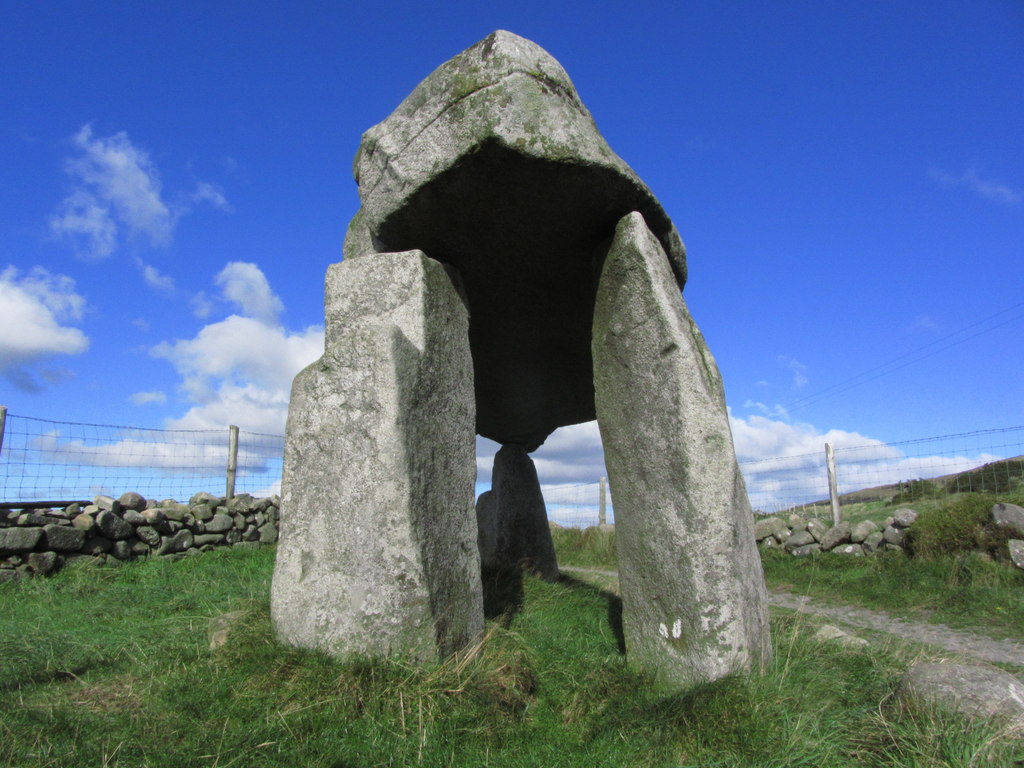
Devil's Lapful
Northumberland
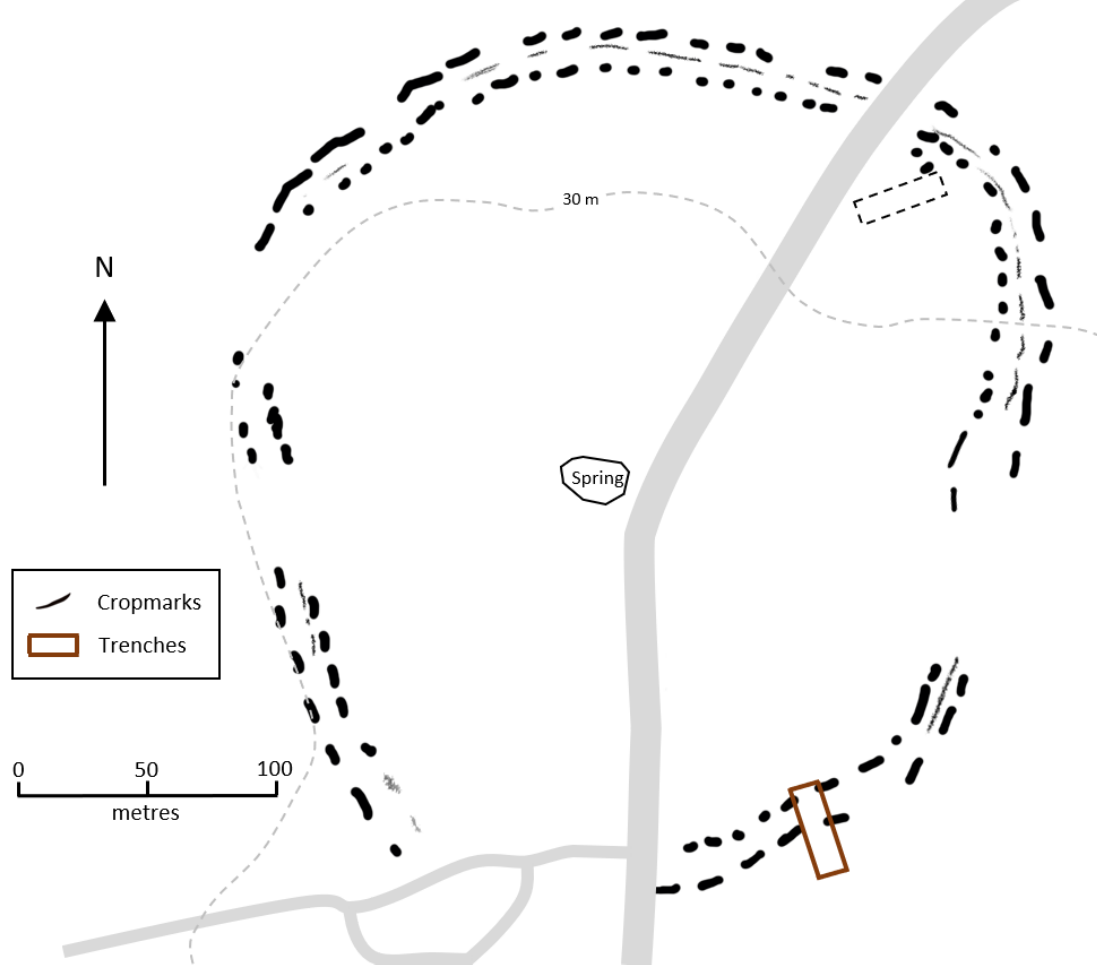
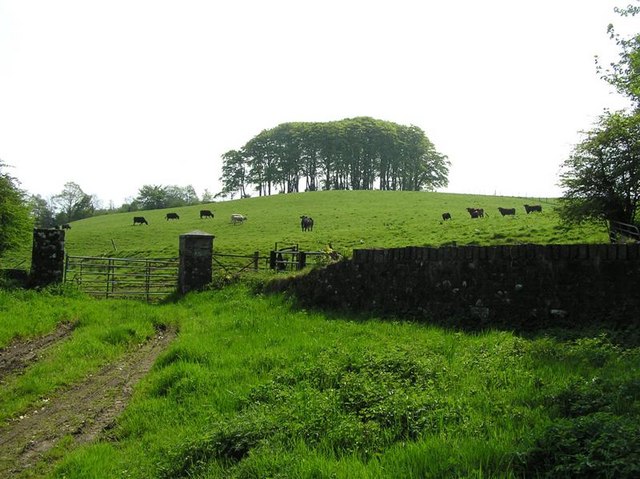
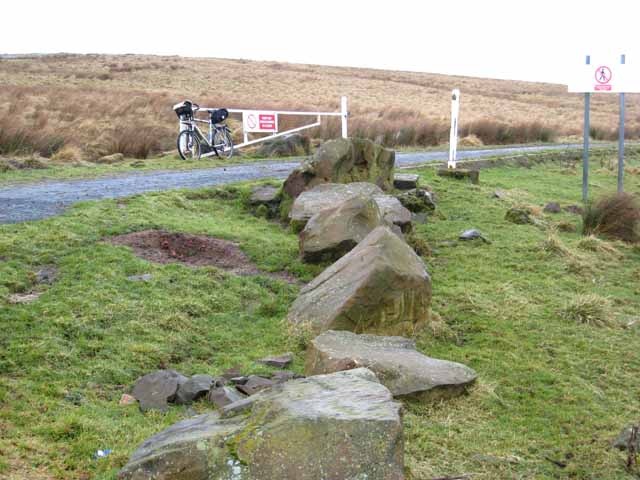
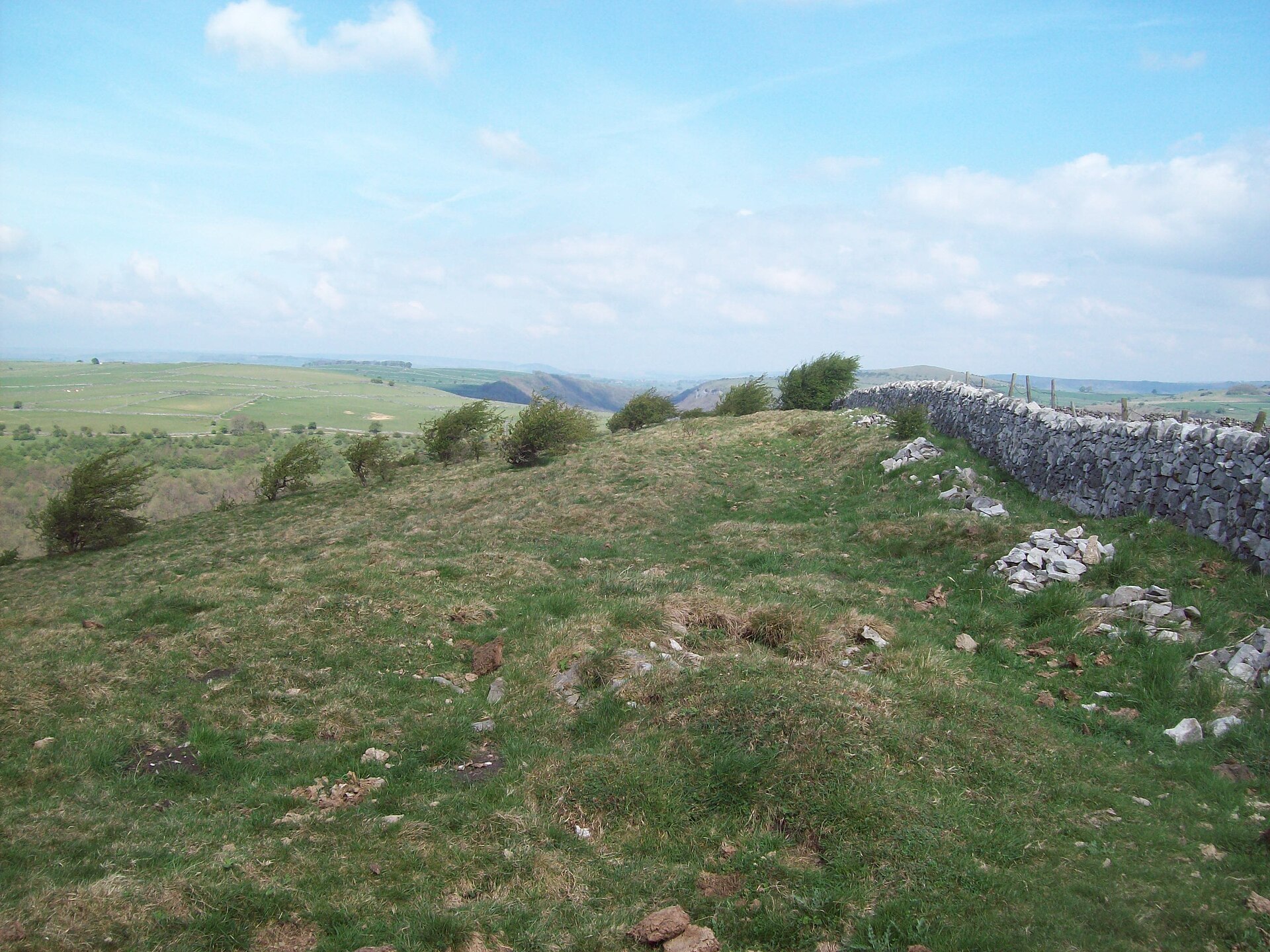
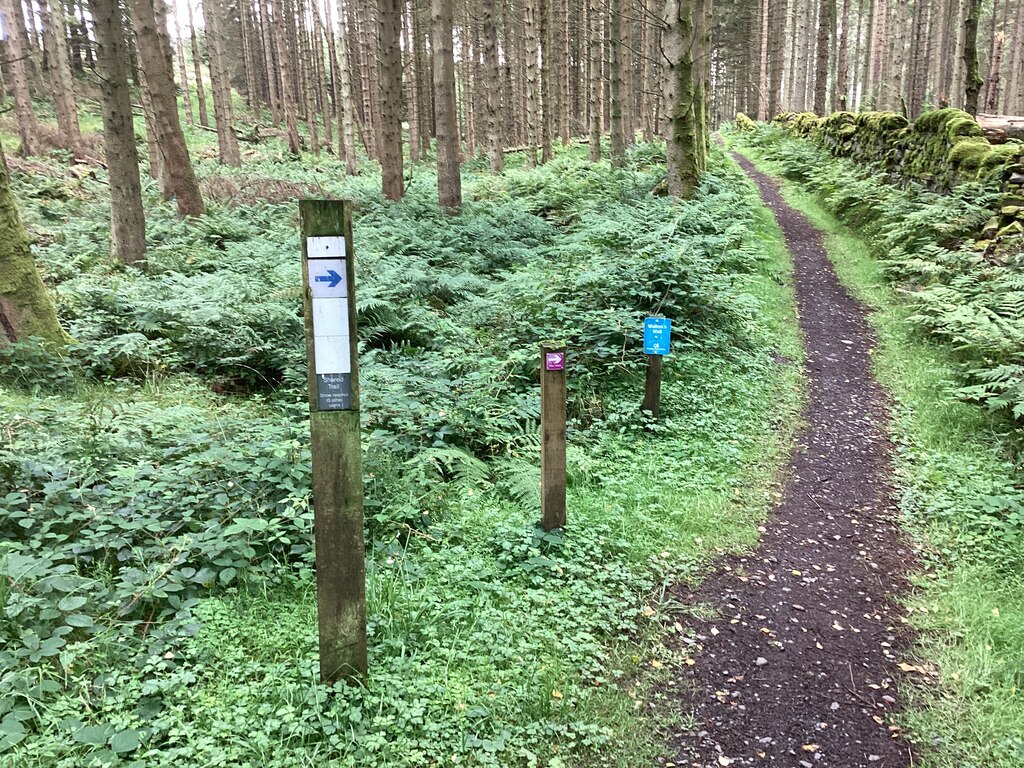
Devil’s Lapful is one of the few surviving long cairns in Northumberland, preserving a large Stone Age communal burial monument within Kielder Forest.
By type
Page 5 of 14.
Search and filters apply to these 100 places.
Tomb or burial place · Prehistoric
Northumberland
Devil’s Lapful is one of the few surviving long cairns in Northumberland, preserving a large Stone Age communal burial monument within Kielder Forest.
Tomb or burial place · Prehistoric
Isle of Anglesey
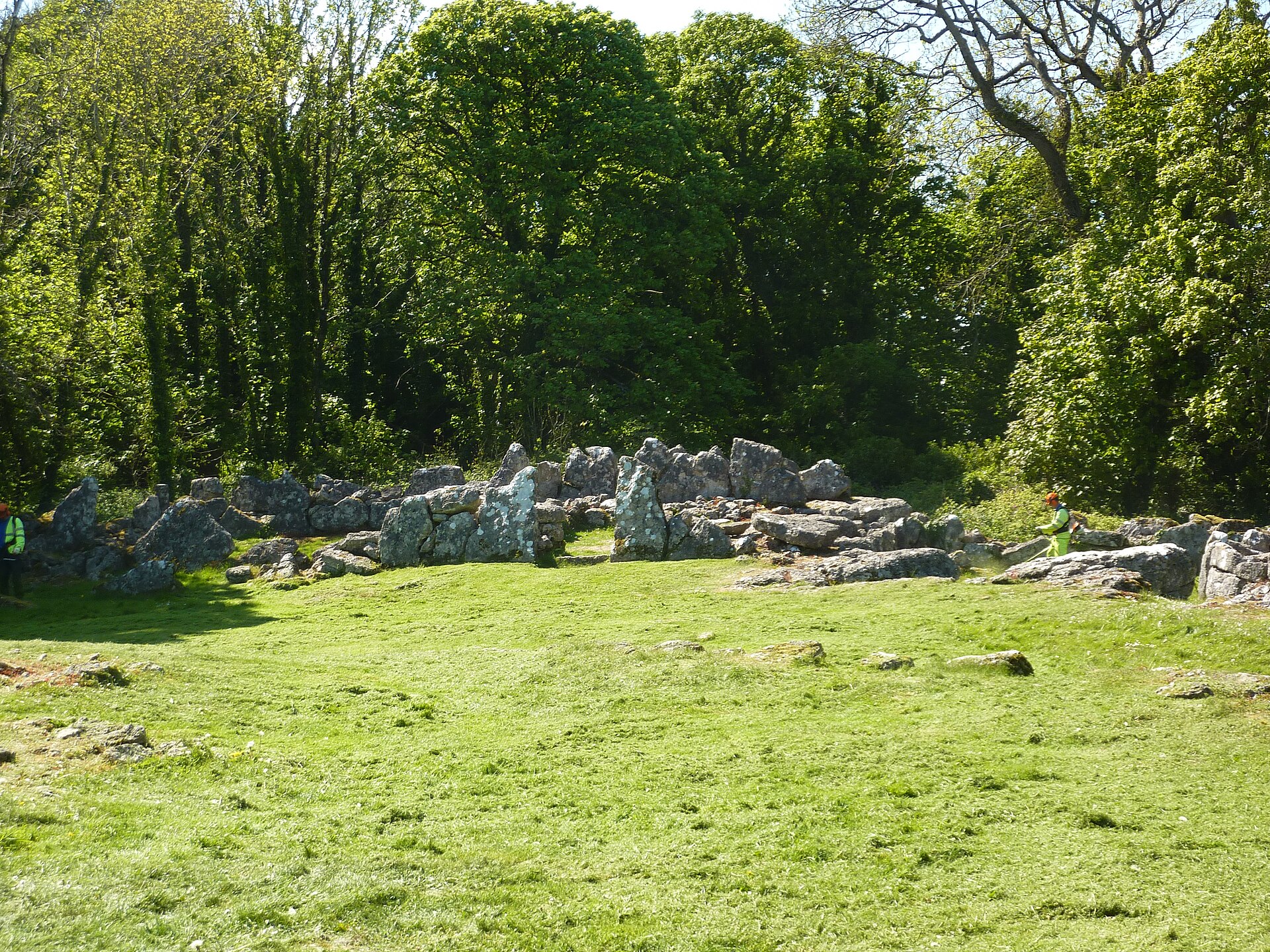
Din Dryfol preserves the visible core of a Neolithic (the late Stone Age, about 4000–2500 BC in Britain) passage grave (a Neolithic tomb reached by…
Settlement · Prehistoric
Isle of Anglesey
Roman-period pottery mended with iron clamps and evidence of on-site ironworking sit inside walls that still stand almost to their original height…
Fortified place · Iron Age
Herefordshire
Since 2016 the hillfort: a hilltop enclosure ringed by earth ramparts: has belonged to the community whose village gave it its name, and a 1951 tre…
Building or ruin · Roman
Carmarthenshire
The only confirmed Roman gold mines in Britain, worked with aqueducts run for miles to unleash sudden floods that stripped hillsides bare in search…
Building or ruin · Prehistoric
Dorset
The Dorset Cursus is Britain’s longest known cursus monument, a ten-kilometre Neolithic (the late Stone Age, about 4000–2500 BC in Britain) earthwo…
Building or ruin · Roman
Bedfordshire
A working sand pit that turned up a Roman well and pottery beneath it, then went on to expose one of the best geological cuttings through the Lower…
Building or ruin · Medieval
Pembrokeshire
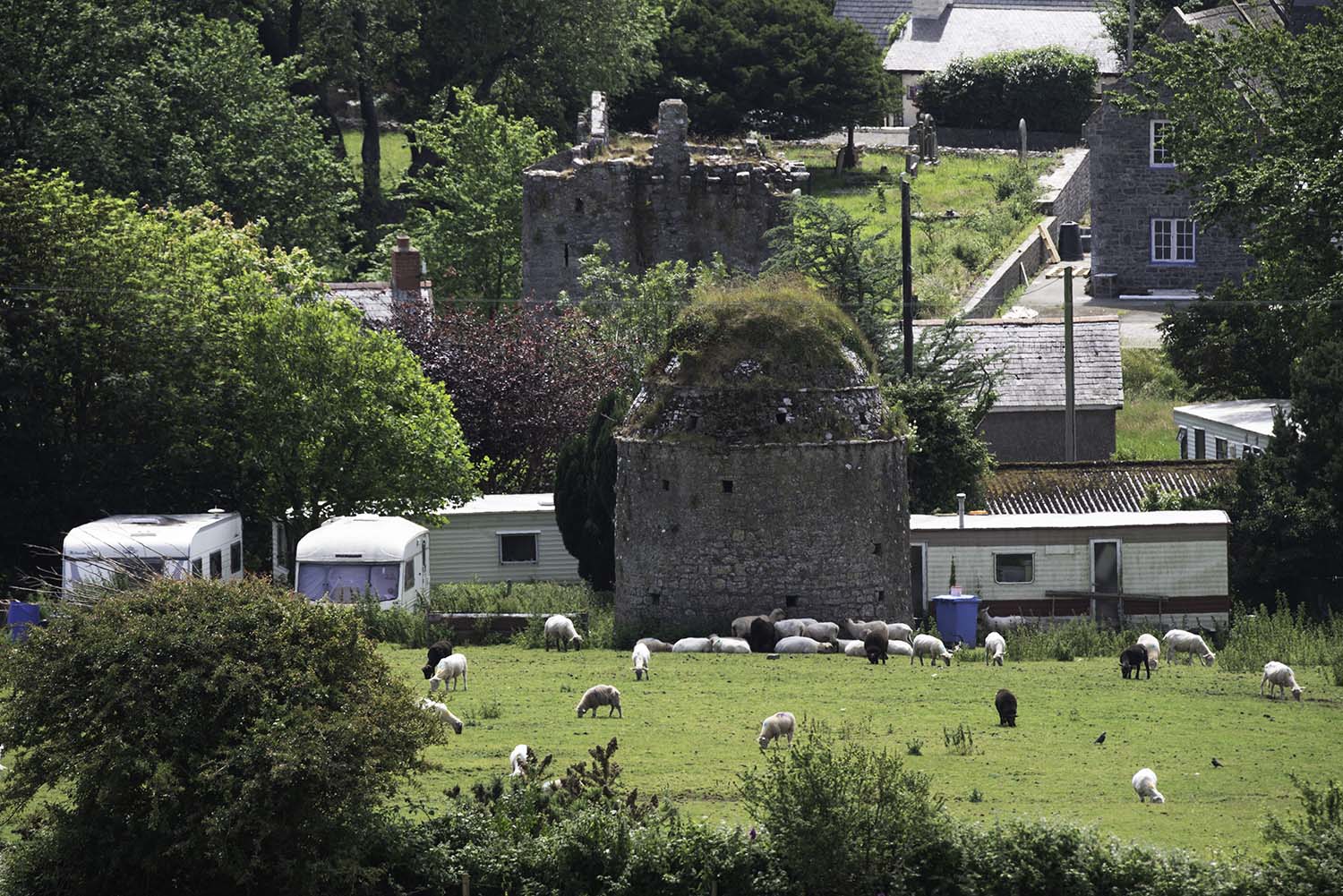
A rare surviving example in Wales of a Cornish-type circular dovecote: a 15th-century pigeon house of sandstone, its walls still holding hundreds o…
Settlement · Medieval
Greater London
Excavated twice in the twentieth century, the finds from the site still contradict themselves: pottery once read as Saxon is now judged prehistoric…
Sacred place · Medieval
County Down
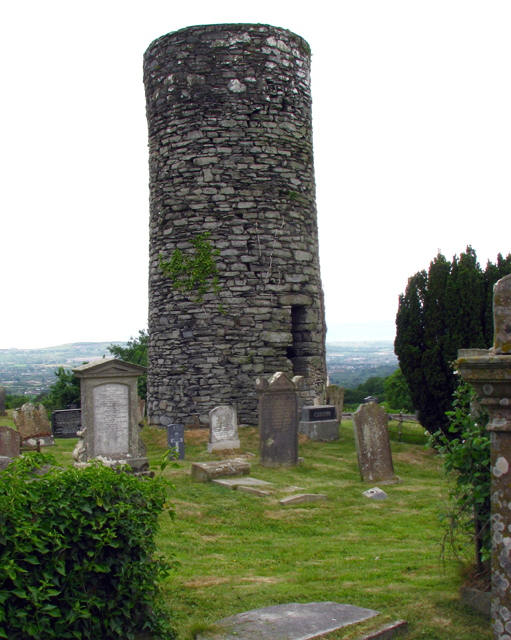
Drumbo round tower preserves a rare early medieval (roughly AD 400–1100, between the Romans and the Normans) lookout and monastic remnant, with tim…
Building or ruin · Medieval
Dumfries and Galloway
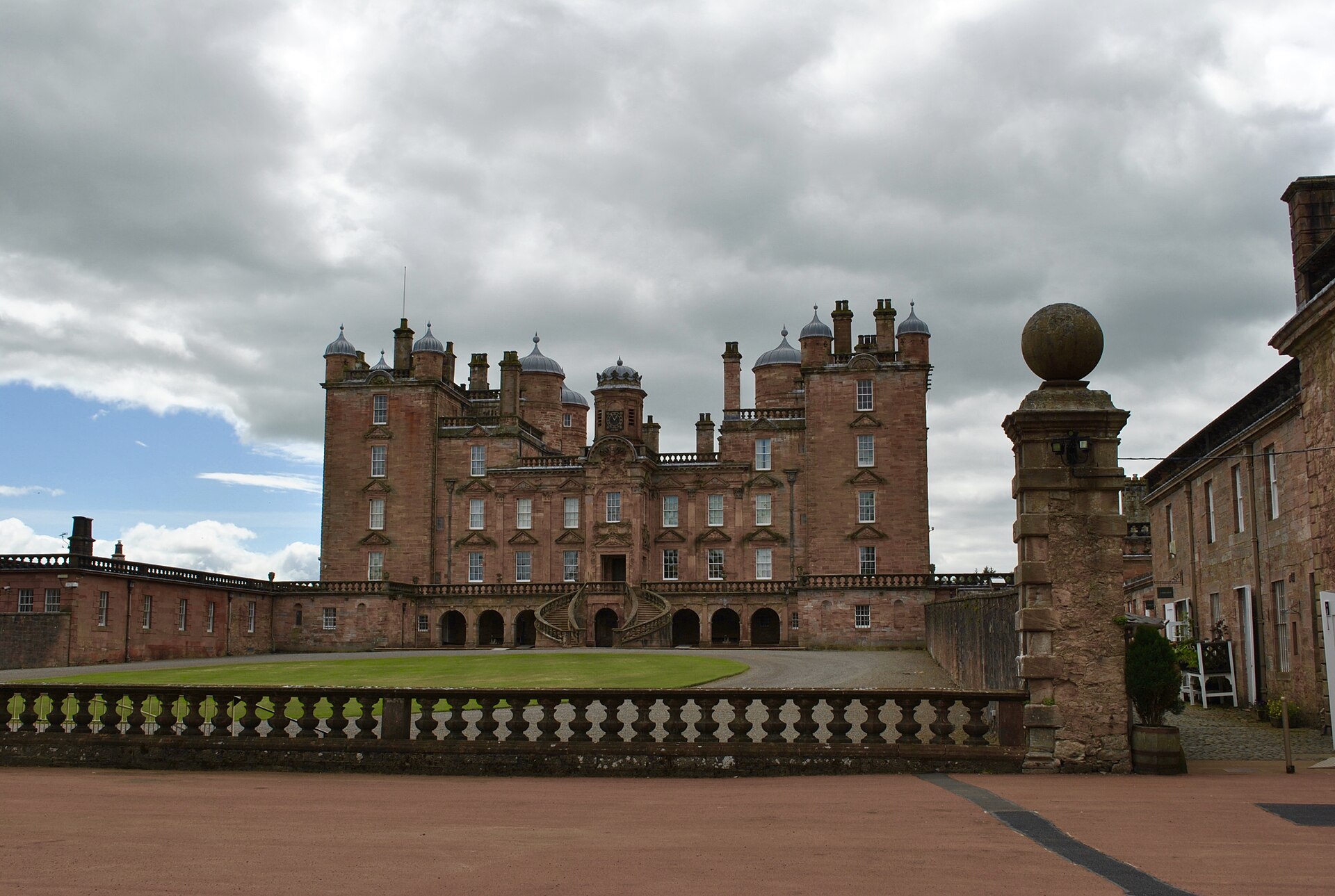
Drumlanrig Castle is a major late-seventeenth-century Scottish Renaissance house whose pink sandstone architecture, designed landscape, art collect…
Fortified place · Medieval
Northumberland
Duddo Tower preserves the ruin of a border manor whose medieval pele was destroyed in a Scottish attack and replaced by a sixteenth-century Claveri…
Tomb or burial place · Prehistoric
North Yorkshire
Beneath the mound lie five distinct burial phases: a shaft grave, infant burials, fifty-three cremations: one of the most complex Neolithic (the la…
Fortified place · Medieval
Argyll and Bute
Its Gaelic name preserves a guardian-dog legend rather than any battle record, and its ridge commands an open sightline across four separate lands.
Fortified place · Medieval
Argyll and Bute
Scorch marks still visible on its foundations appear to confirm a local legend of islanders burning out a tyrannical Norse chief's son from Coll's…
Fortified place · Medieval
Argyll and Bute
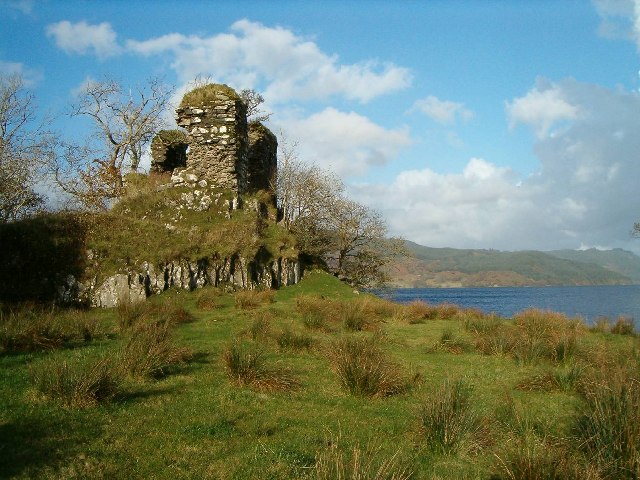
Reachable only by boat or cliff path, this ruined castle stands atop an earlier Gaelic fort and may have guarded a harbour built for Norse-age ships.
Fortified place · Medieval
Argyll and Bute
Tradition ties this hilltop fort to an exiled Irish king and to Columba's first Scottish church: one summit knotted into two founding legends.
Fortified place · Medieval
Argyll and Bute
A hilltop stronghold on Colonsay carries a Norse name to this day: Fort of Eyvind: a rare physical trace of Viking-era rule surviving in the Hebrides.
Fortified place · Prehistoric
Argyll and Bute
The fort's own name, Fort of the Strangers, and a battle remembered on the beach just to its north, seem to point at the same event from two differ…
Fortified place · Prehistoric
Argyll and Bute
A small Iron Age (the period from roughly 800 BC to the Roman conquest) stronghold on Islay whose very name is entangled with a Norse-Gaelic king w…
Fortified place · Medieval
Argyll and Bute
Its name fuses Gaelic and Norse in one word: a fort whose very label records the island passing from Gaelic to Viking hands and back again.
Fortified place · Medieval
Argyll and Bute
Two forts share one summit here: a compact Iron Age (the centuries before Rome arrived, from about 800 BC) dun with a single entrance, and beside i…
Fortified place · Medieval
Argyll and Bute
Its Gaelic name preserves a memory of owls in the glen below, while a brooch once kept by its owners carries a tradition linking the fort to Robert…
Fortified place · Medieval
Argyll and Bute
A single narrow path is the only way in: sea guards the other three sides: and in 1647 that natural trap became the site of one of Scotland's blood…
Sacred place · Medieval
Stirling
A cathedral whose nave stood roofless for nearly three centuries: and which holds the finest medieval woodwork in Scotland after King's College, Ab…
Building or ruin · Medieval
Somerset
The first canal structure in Britain to be scheduled, in 1951 - and by 1954 it was leaking so badly it had to be closed.
Fortified place · Medieval
South Ayrshire
A fourteenth-century royal residence on a hill between Kilmarnock and Troon.
Sacred place · Medieval
Dumfries and Galloway
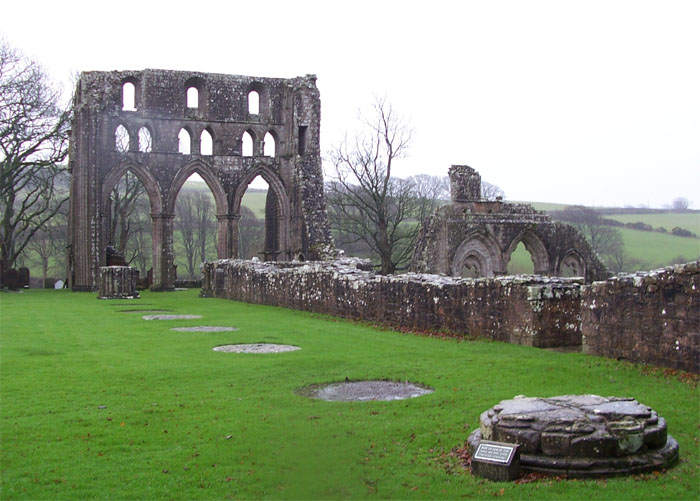
Dundrennan Abbey is a remarkably legible Cistercian ruin whose disciplined Romanesque (the round-arched style that came before Gothic) architecture…
Fortified place · Roman
Dorset
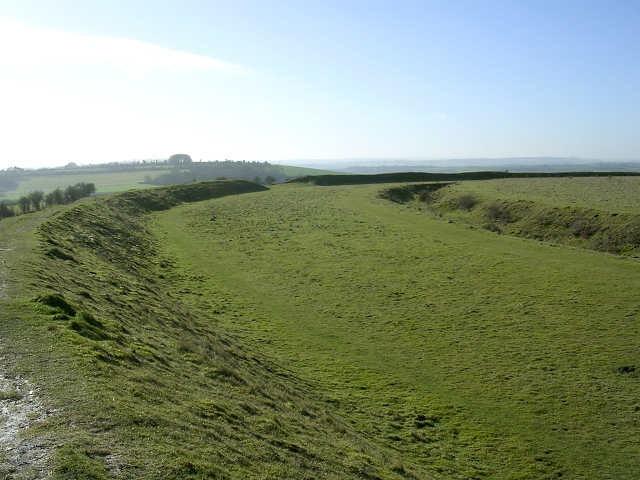
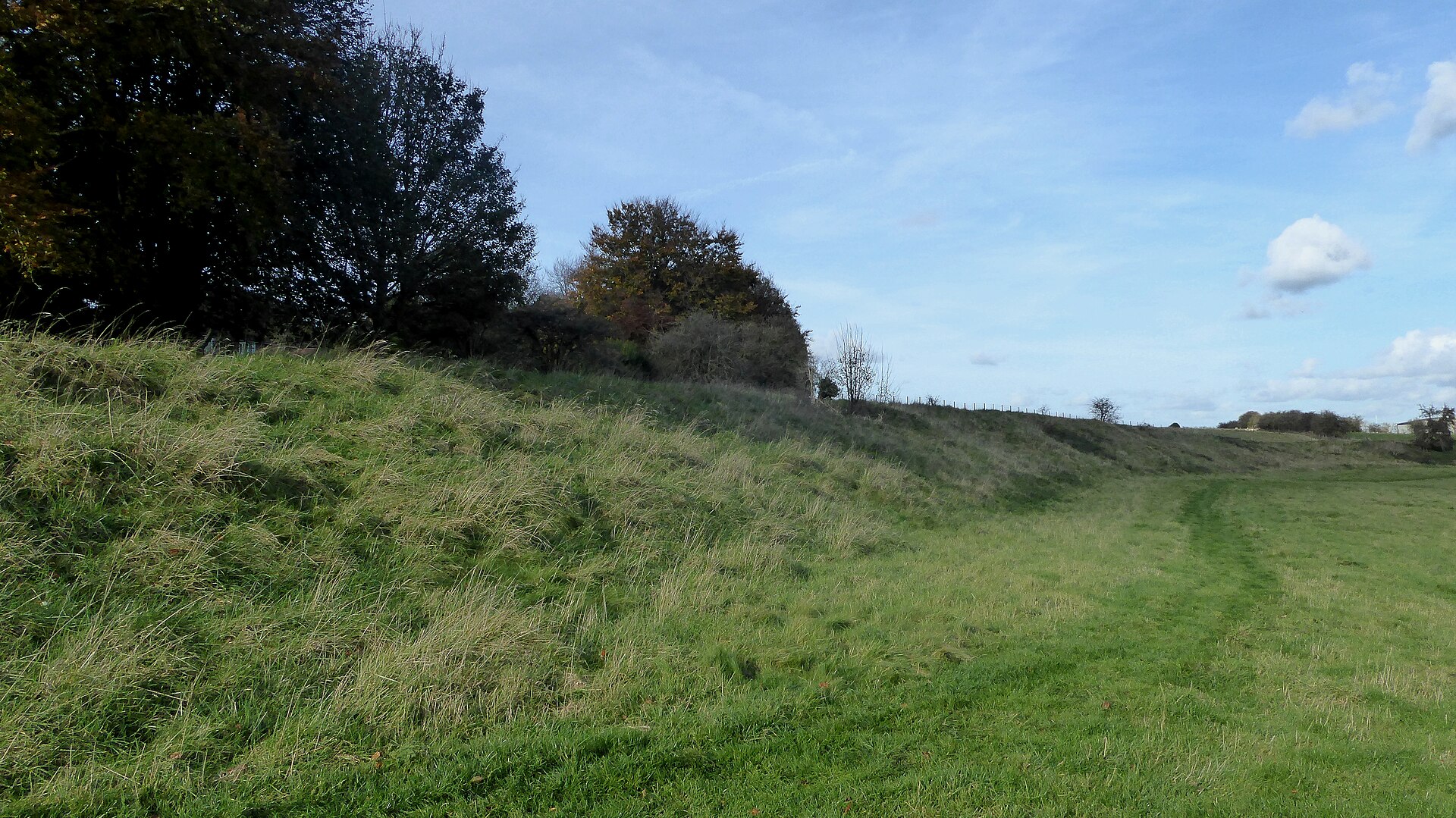
Dungeon Hill is a scheduled hillfort dating from roughly 800 BC until the Roman conquest, where a surviving rampart: a defensive bank of earth or s…
Sacred place · Medieval
Perth and Kinross
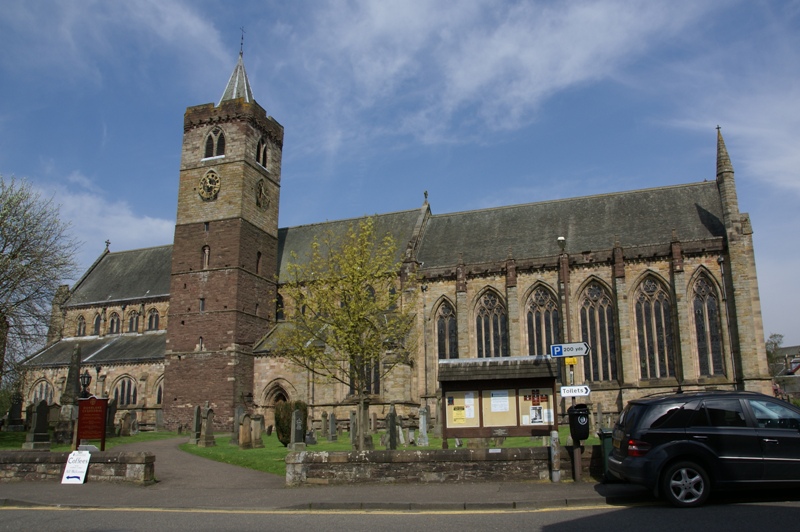
A cathedral begun in 1260 and finished in 1501, standing on a Columban monastery whose reused red sandstone still shows as a streak across the east…
Ancient place · Prehistoric
Somerset
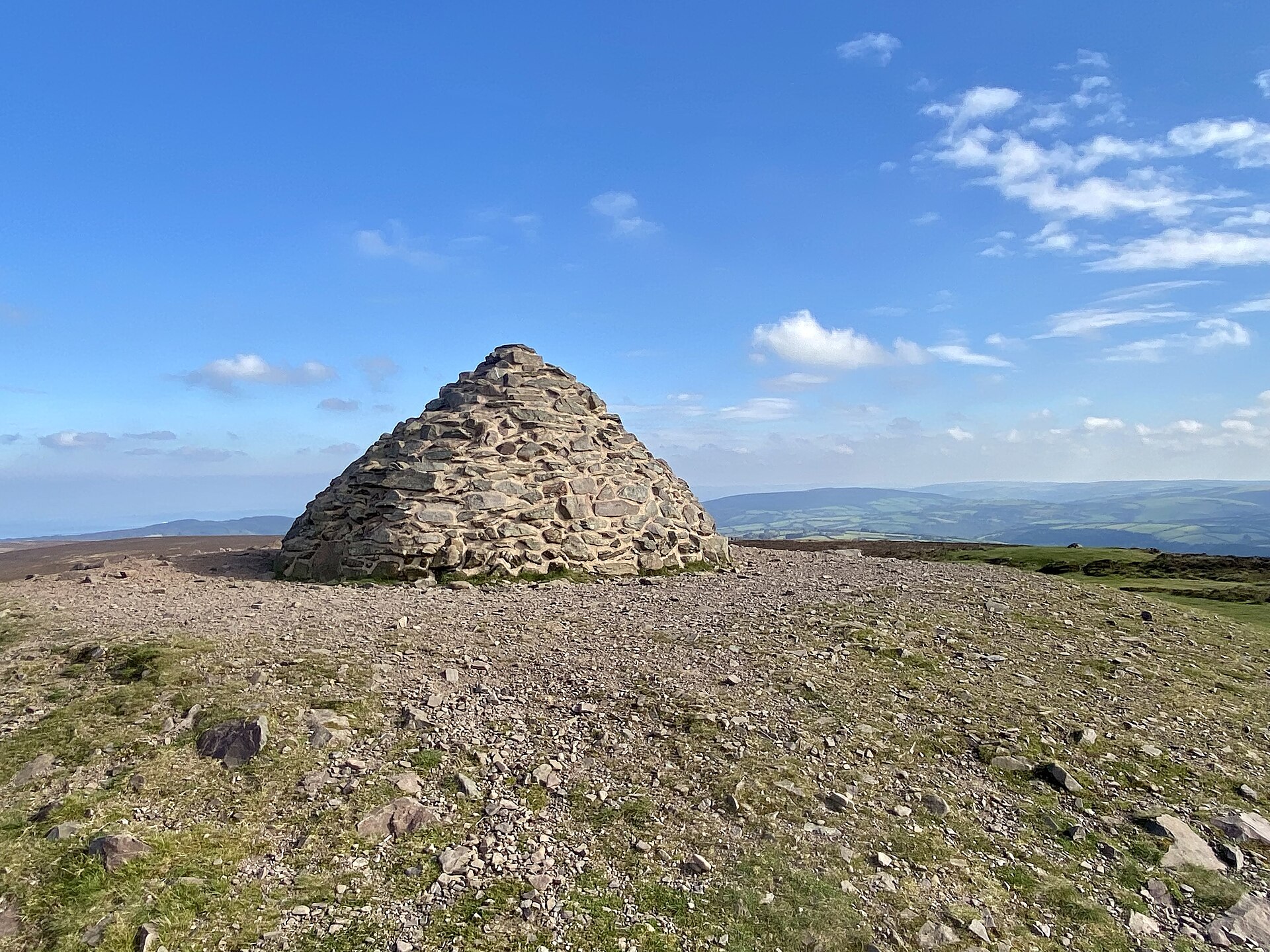
The highest ground on Exmoor and in Somerset, rising to 519 metres above moorland and the Bristol Channel.
Fortified place · Medieval
Argyll and Bute
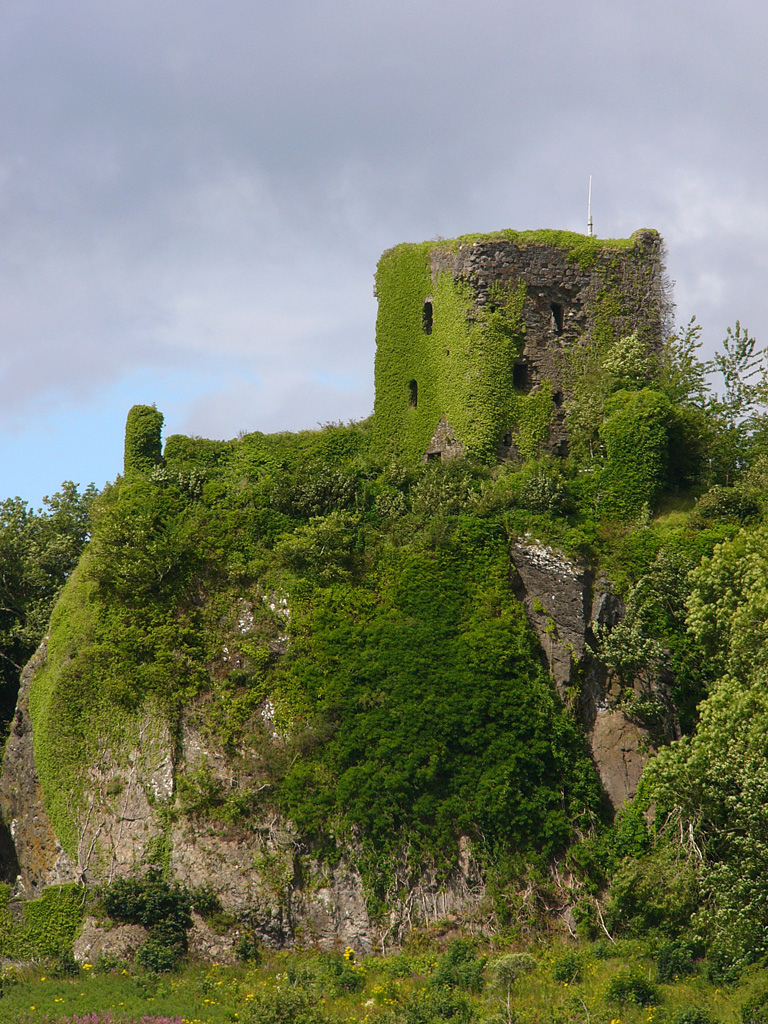
The Irish annals name Dun Ollaigh three times over: attacked or burned in 686, 698 and 701: and then record it rebuilt in 714 by Selbach mac Fercha…
Fortified place · Medieval
Argyll and Bute
A royal stronghold fought over by kings, besieged with English ships and troops, and hosted Mary, Queen of Scots for three days in 1563.
Building or ruin · Medieval
Highland
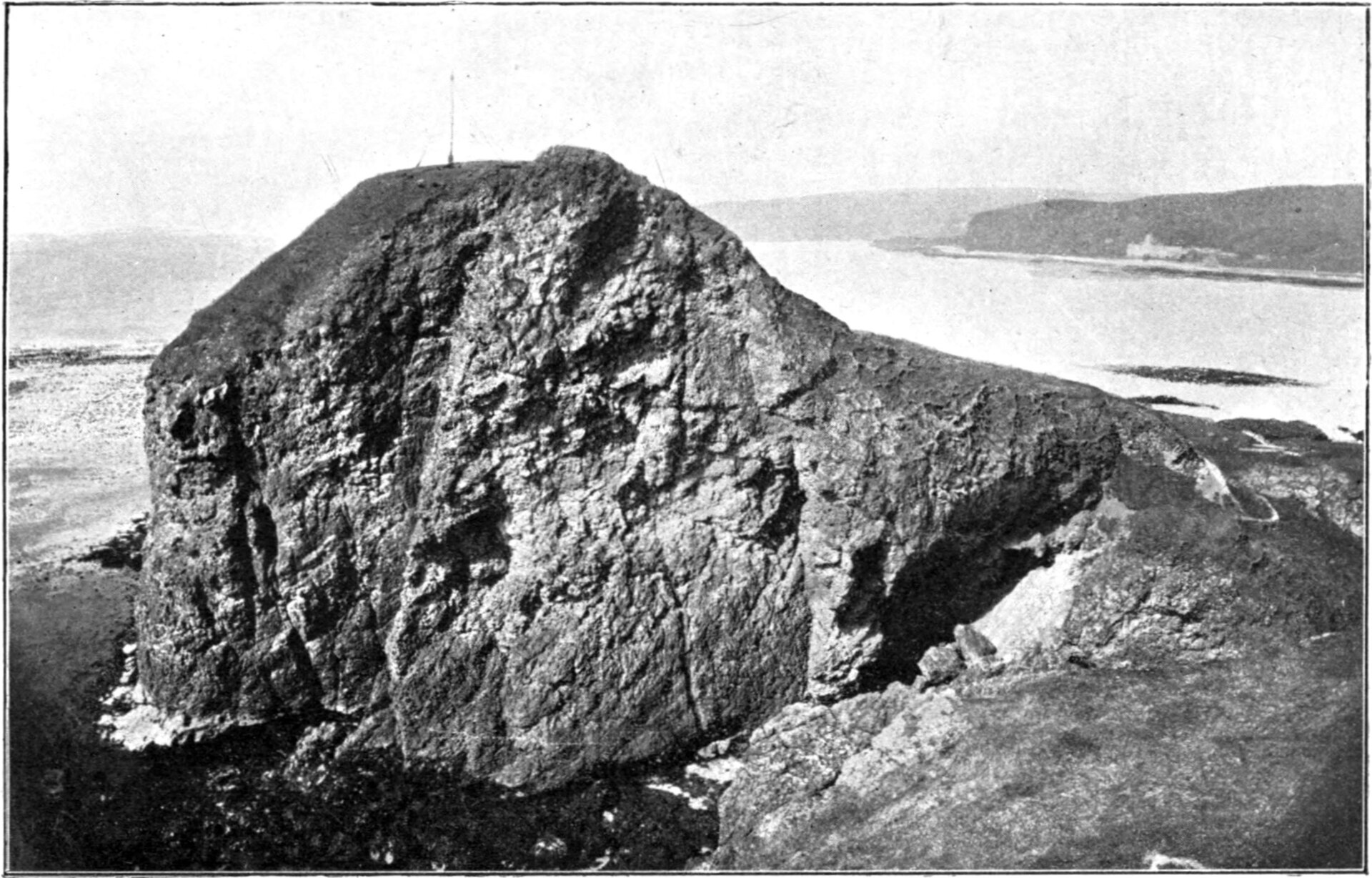
Its name comes not from a clan or a king but from Scáthach, the legendary warrior-woman said to have trained the Irish hero Cú Chulainn in the arts…
Fortified place · Medieval
Argyll and Bute
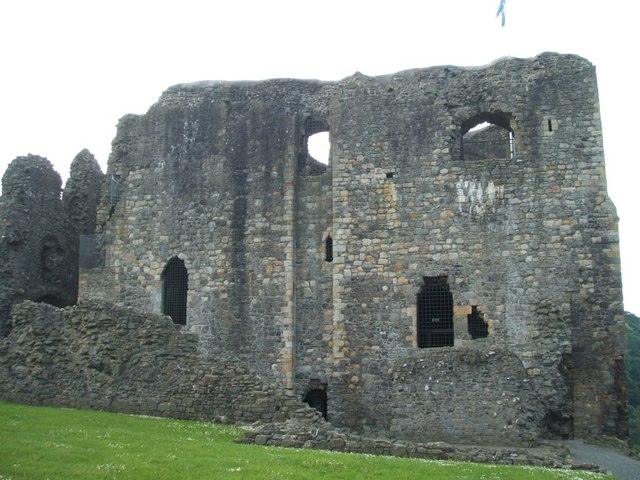
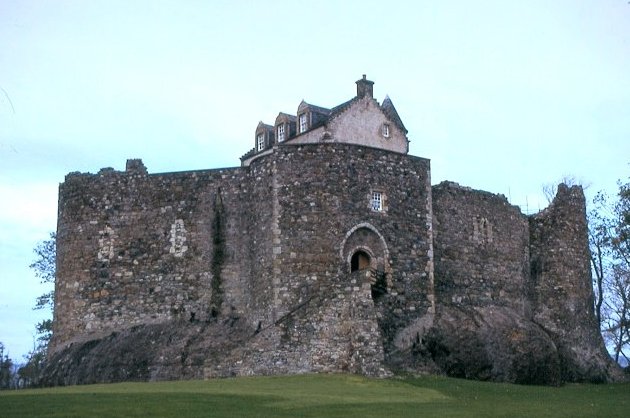
One of the oldest stone castles in Scotland, Dunstaffnage was raised in the second quarter of the 13th century by the MacDougall lords of Lorn and…
Fortified place · Medieval
South Ayrshire
A ruin on a rocky headland of the Carrick coast, five miles south of Ayr, on a site of the late thirteenth century.
Fortified place · Medieval
Argyll and Bute
A galley stronghold on Lagavulin Bay that anchored the Lord of the Isles' fleet and was fought over in five separate sieges within a single decade.
Sacred place · Medieval
Cornwall
Dupath Well is a nearly intact late-medieval holy well house where a granite chapel-like structure protects a spring once associated with healing.
Building or ruin · Roman
Cambridgeshire
For two centuries this garrison town by the Nene supplied fine tableware across Roman Britain, one of the few named pottery-producing towns to surv…
Building or ruin · Roman
Wiltshire
A vanished Roman road-town whose four centuries of continuous rebuilding, recovered layer by layer in digs from 1967 to 1976, gave archaeologists a…
Building or ruin · Roman
Cambridgeshire
Its Roman perimeter survives not as ruins to visit but as a modern street plan: Mount Pleasant, Clare Street and Chesterton Lane trace the vanished…
Ancient place · Prehistoric
Wiltshire
Radiocarbon dates place its great timber circle within decades of Stonehenge's first stone phase, making this the likely home of the people who act…
Sacred place · Medieval
Cambridgeshire
A lone medieval chapel that outlived the hospital it served, then spent two centuries as a barn before restoration saved it.
Building or ruin · Medieval
Torfaen
A stationary steam engine hauling loaded iron trams over a mountain, on ropes, so the Blaenavon works could out-run its own tunnel.
Building or ruin · Medieval
Orkney Islands
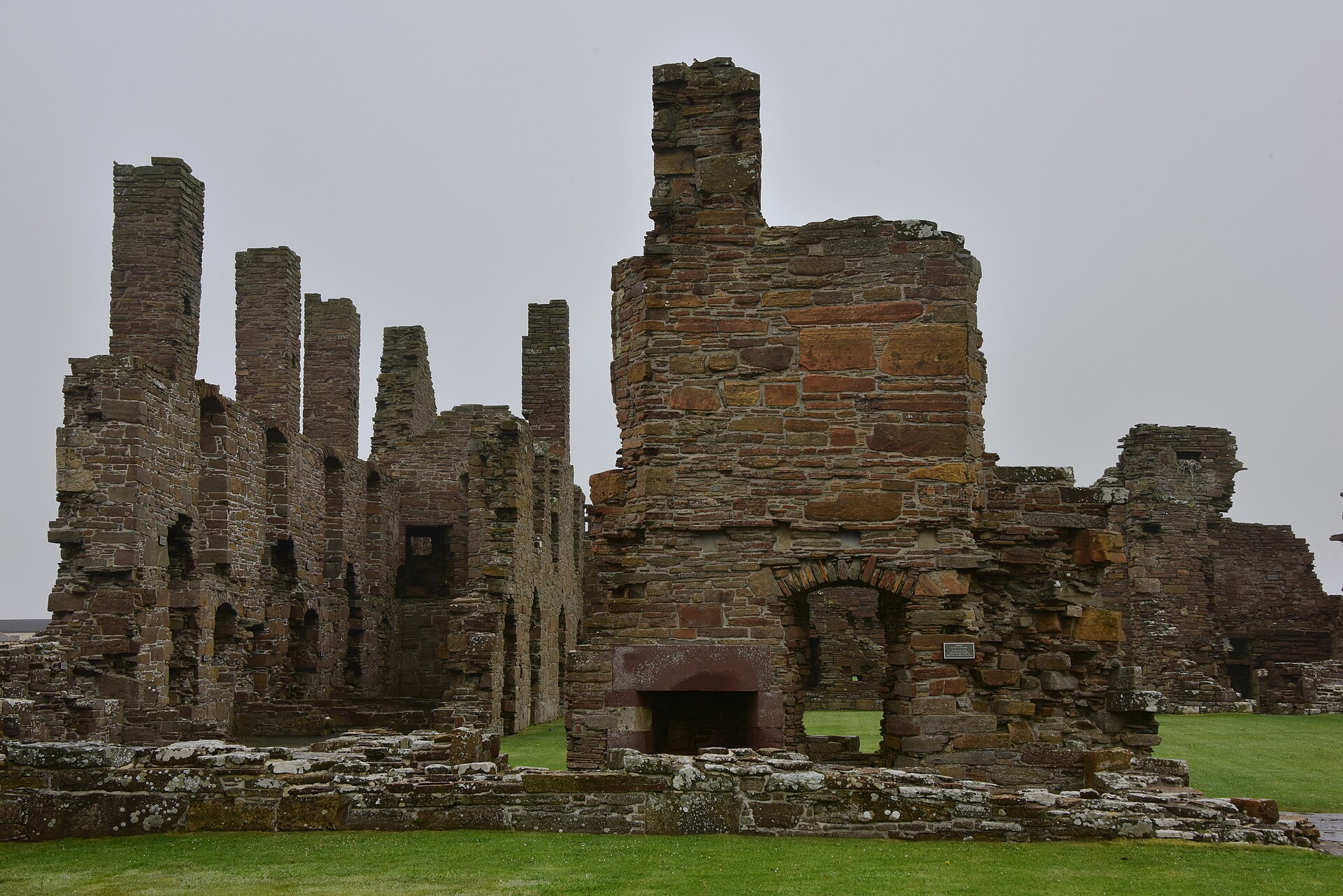
Robert Stewart’s fortress-palace embodies the political ambition of James V’s illegitimate son, combining ceremonial halls with gun-holed defences…
Building or ruin · Medieval
Cornwall
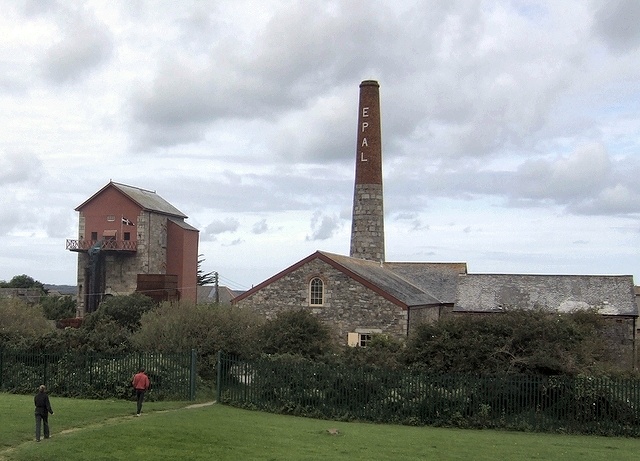
A major Cornish copper and tin mine whose preserved beam engines make its long struggle with underground water visible within a World Heritage mini…
Fortified place · Medieval
Pembrokeshire
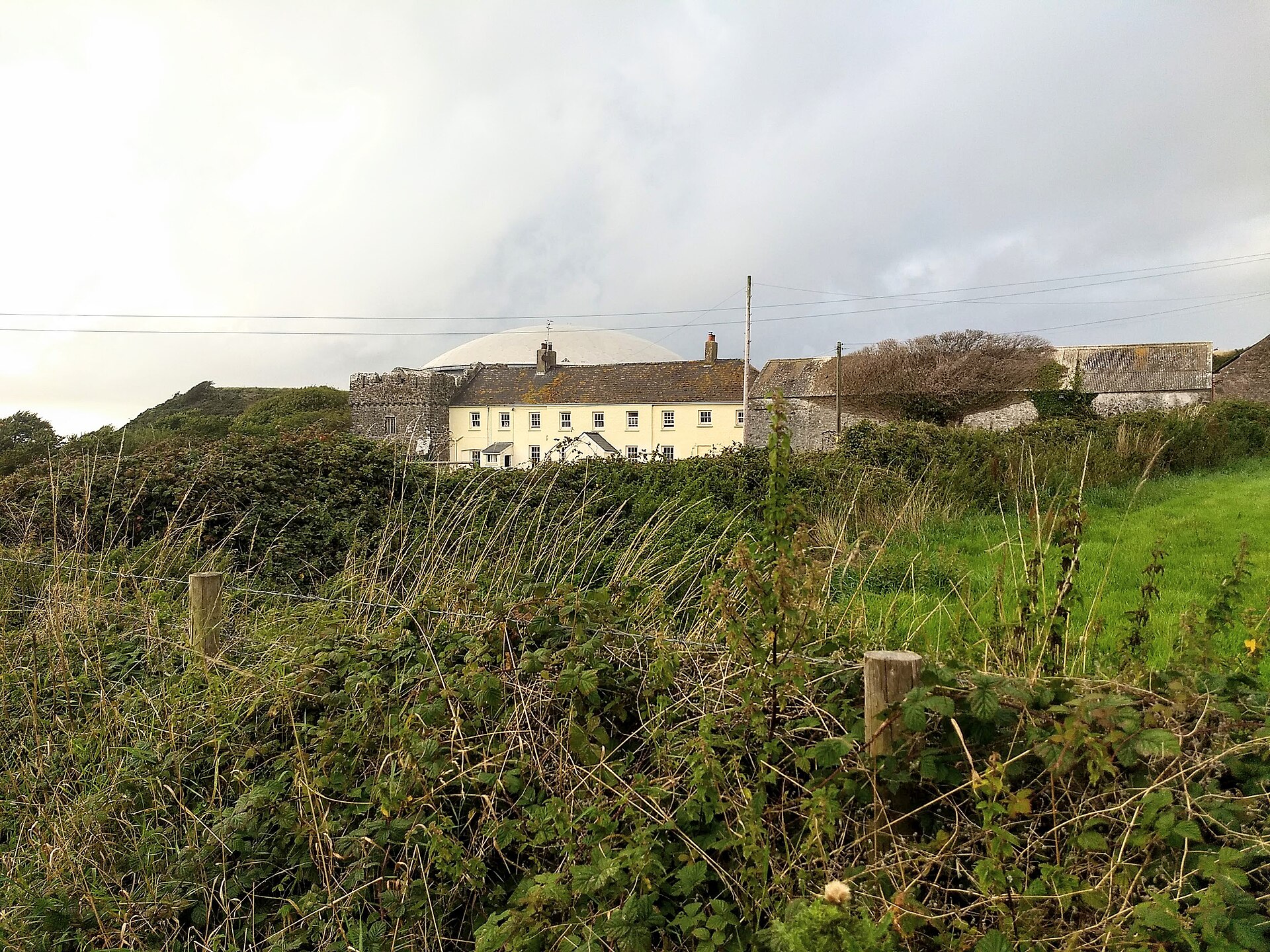
A medieval fortified house built against the threat of pirates now stands as the last survival of a village largely swallowed by an oil refinery.
Building or ruin · Roman
North Yorkshire
Eboracum grew from a Ninth Legion fortress into northern Roman Britain’s largest town and provincial capital, a place where emperors died and Const…
Building or ruin · Roman
Kent
Eccles Roman Villa was an exceptionally large Medway Valley estate whose 135-plus rooms, mosaics, ornamental pool and repeatedly rebuilt bath suite…
Fortified place · Medieval
West Sussex
A protected castle site on Edburton Hill, with earthworks dating from soon after 1066.
Building or ruin · Medieval
Norfolk
Egmere is a scheduled deserted medieval village near Walsingham, where population decline, a ruined church, manor garden, village platforms and fis…
Building or ruin · Medieval
Highland
The castle photographed on countless shortbread tins is barely a century old: a 1930s recreation of a stronghold the Royal Navy blew apart in 1719.
Fortified place · Medieval
Perth and Kinross
Nearly burned in 1773 by a crowd who found it full of grain being held back for export during a famine.
Sacred place · Medieval
North Yorkshire
Ellerton Priory is a rare Swaledale Cistercian-nuns’ site whose uncertain foundation, 1342 Scottish destruction, revealing 1536 dissolution (Henry…
Building or ruin · Medieval
Greater London
Henry VIII visited this brick palace more often than almost any other house not his own, yet its location was lost for over three centuries until d…
Building or ruin · Medieval
Greater London
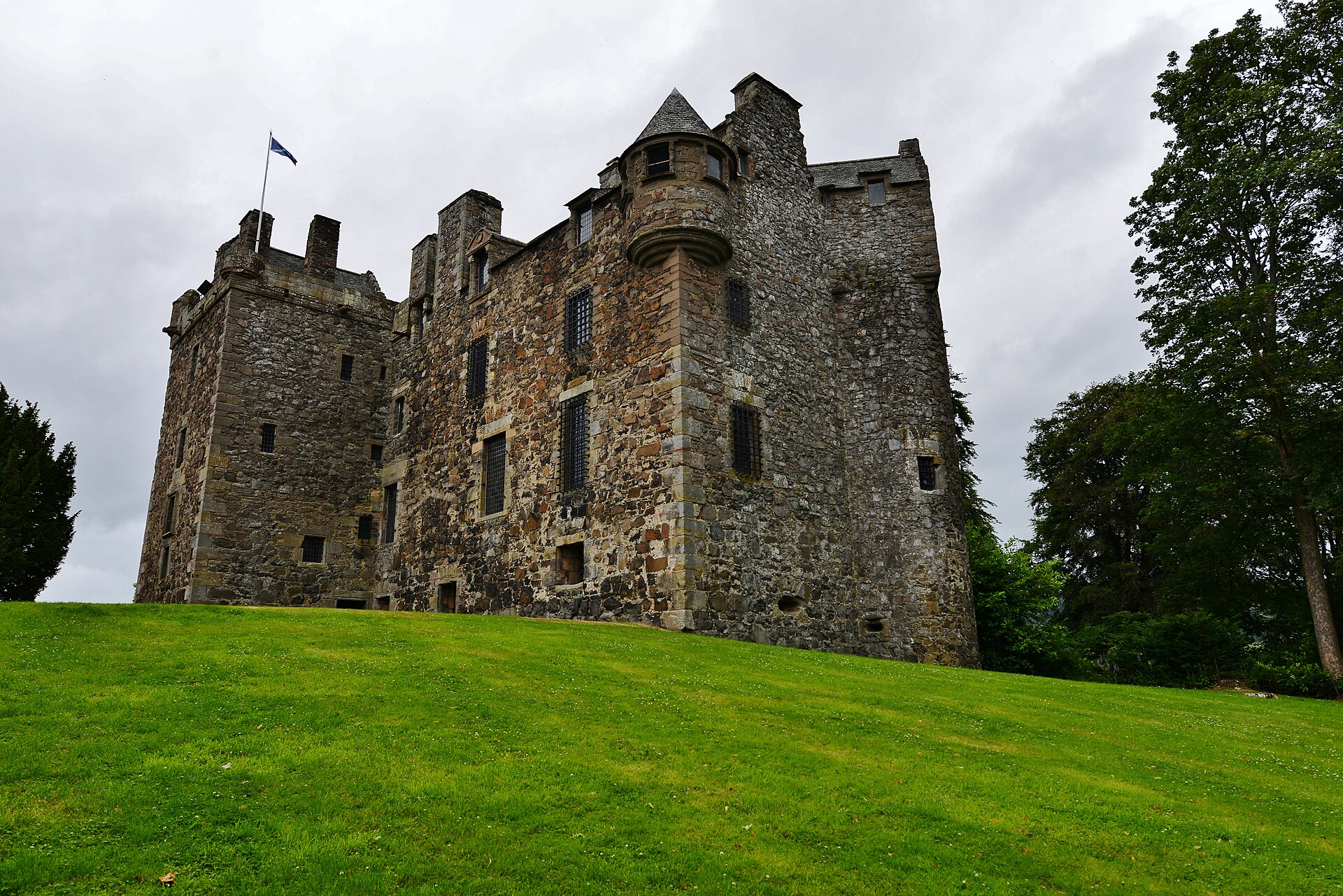
Eltham Palace combines a great medieval royal hall with one of Britain’s finest Art Deco homes, preserving the shift from Plantagenet and Tudor cou…
Building or ruin · Roman
Wiltshire
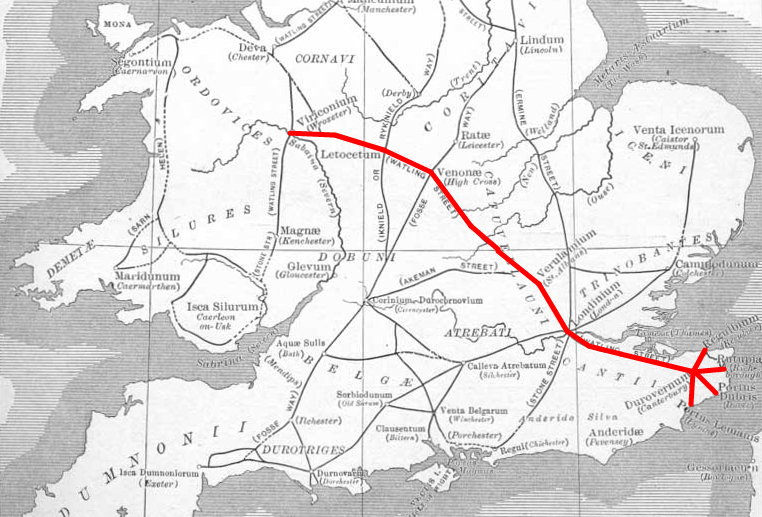
A single road stitched together Gloucester, Cirencester and Silchester into one network, and a 2026 dig beneath the A417 showed the ground beside i…
Building or ruin · Roman
Lincolnshire
One stretch of this road ran so straight across Lincolnshire for thirty-three miles that Roman surveying and Anglo-Saxon settlement history can bot…
Fortified place · Medieval
Northumberland
Eshott Hall layers a little-known moated medieval manor beneath a later Palladian house, linking fortified residence, Northumberland estate history…
Building or ruin · Roman
Devon
Exeter’s walls make nearly two millennia of urban defence walkable, retaining most of a Roman circuit repeatedly adapted by Anglo-Saxon, medieval a…
Tomb or burial place · Prehistoric
Somerset
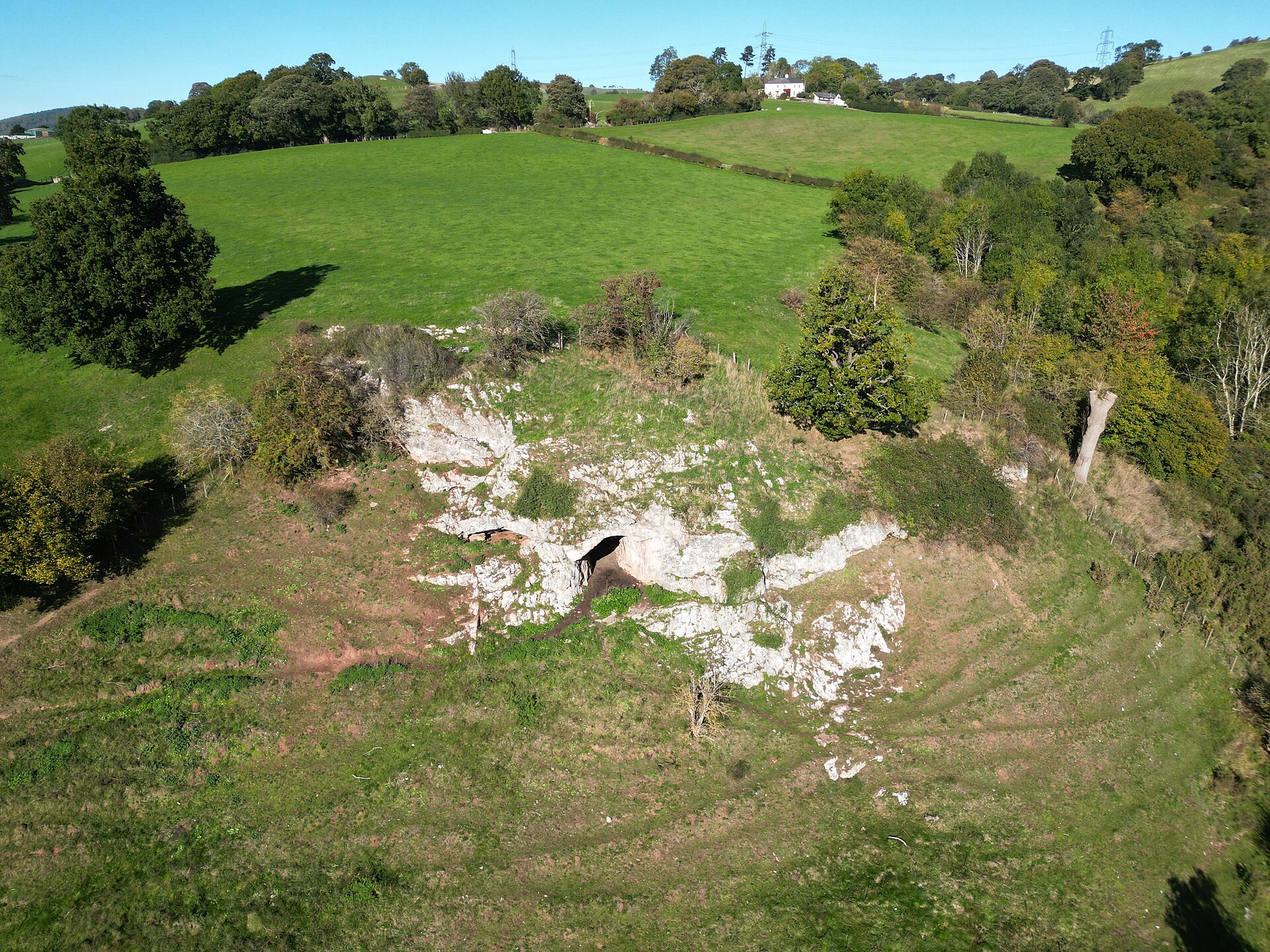
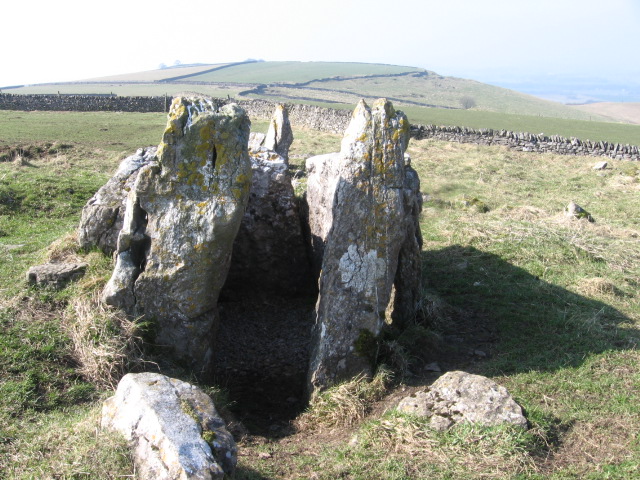
An oval burial mound at Nempnett Thrubwell, where a long mound still covers the chamber built for the dead.
Building or ruin · Roman
Kent
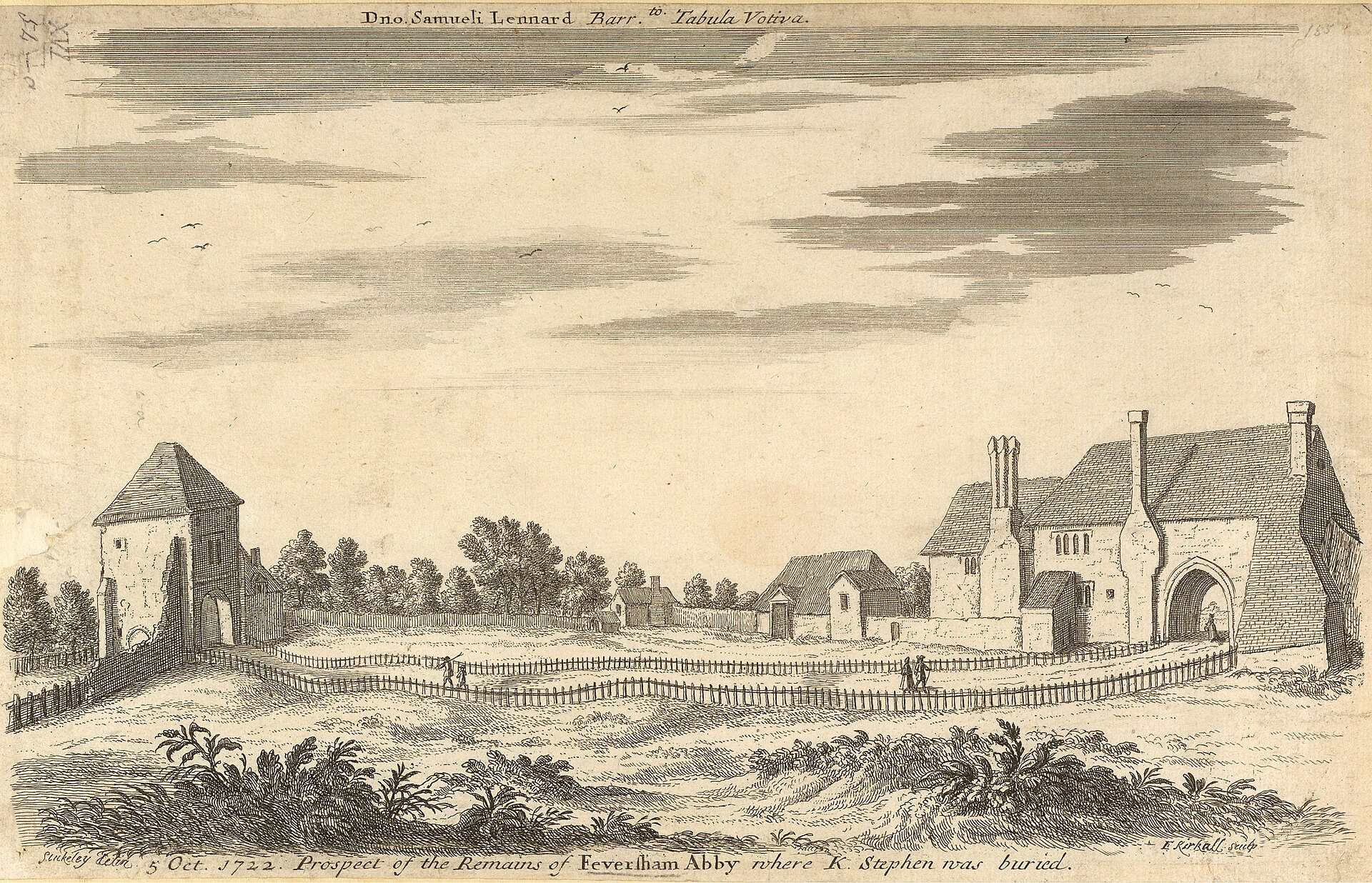
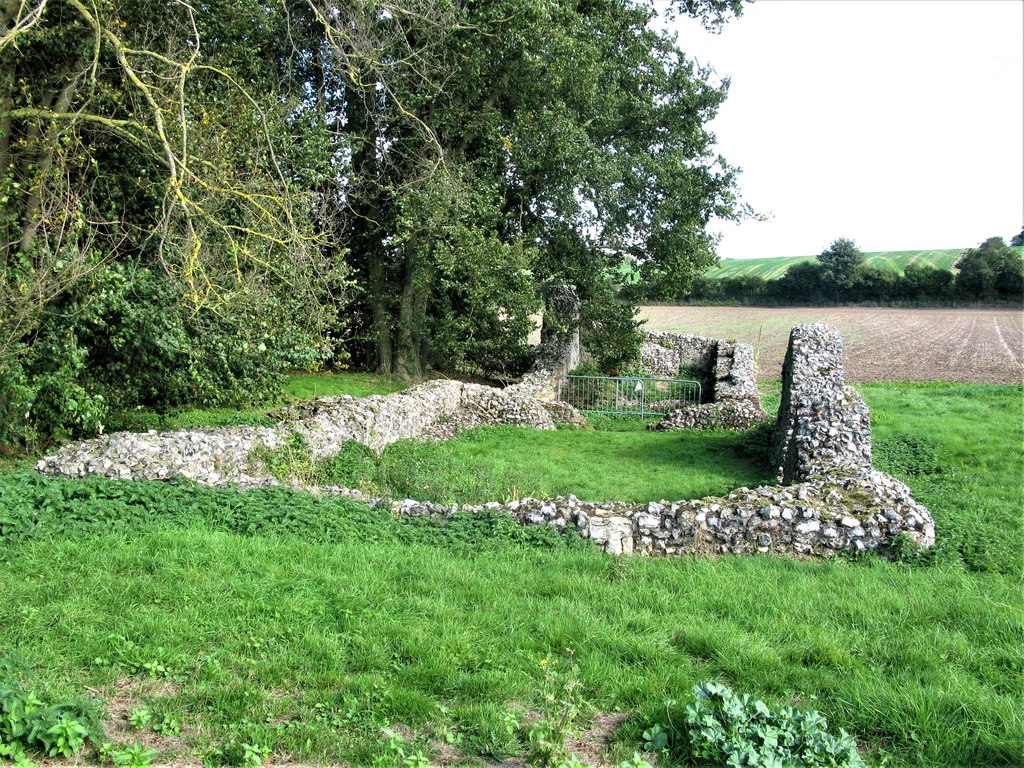
Faversham Abbey was a royal Cluniac-style foundation and the burial place of King Stephen’s family; although largely destroyed at the Dissolution (…
Building or ruin · Pictish & early medieval
Northamptonshire
A whole medieval village vanished here, yet its church furnishings survive scattered: in a London museum, in three neighbouring churches, and recas…
Sacred place · Prehistoric
West Yorkshire
An Iron Age sword scabbard and a Roman coin were found in the inner ditch: the place appears to have been kept as a shrine for two thousand years a…
Building or ruin · Medieval
Denbighshire
Stone tools recovered here, worked around 36,000 BC, gave archaeologists one of the first confirmed links between Ice Age hunters and the mammoth a…
Sacred place · Prehistoric
Wiltshire
A monument that has resisted classification for a century: what looks like an Iron Age hillfort conceals an inner ditch many now read as the mark o…
Fortified place · Medieval
Argyll and Bute
Known by three names and fought over twice in a single generation, its ruin marks a stronghold that changed hands between Scottish, English and Heb…
Building or ruin · Prehistoric
County Down
Finnis souterrain (a stone-lined tunnel dug beneath a settlement) is a rare public-access ninth-century underground passage system whose dry-stone…
Tomb or burial place · Prehistoric
Dorset
The Five Marys preserves a linear cemetery of burial mounds dating the period from about 2500 to 800 BC above Chaldon Herring, with early excavatio…
Tomb or burial place · Prehistoric
Derbyshire
Excavations here recovered the remains of at least twelve Neolithic (the late Stone Age, about 4000–2500 BC in Britain) people, one of the fuller a…
Crossing or structure · Prehistoric
Cambridgeshire
More than 60,000 timbers, driven into the peat to carry a kilometre-long causeway across open water, with weapons and jewellery deliberately broken…
Fortified place · Roman
Cambridgeshire
Radiocarbon dating shows the bank was built, abandoned and refortified across three separate phases: a frontier fought over repeatedly, not raised…
Tomb or burial place · Prehistoric
Hampshire
Its disc barrow, a prehistoric: a period predating the written record in Britain: burial mound, ringing two burial mounds inside a single bank, has…
Building or ruin · Roman
Kent
Folkestone Roman Villa records a high-status Channel-coast estate built over an Iron Age (the centuries before Rome arrived, from about 800 BC) que…
Ancient place · Medieval
Northumberland
Ford Moss combines a deep raised peat bog with woodland, wildlife, a scheduled monument (legally protected as a site of national archaeological imp…
Building or ruin · Medieval
Highland
Completed in 1769 at more than double its original budget, it is one of the most sophisticated artillery fortifications ever built in Europe: and i…
Fortified place
Pembrokeshire
Eleven guns behind bomb-proof stone, built to cover the dockyard approach with a fort on the opposite shore - and left to fall down since 1918.
Building or ruin · Roman
Nottinghamshire
Foss Dyke lets you follow a Roman waterway kept useful by medieval kings and later engineers, linking Lincoln’s Brayford Pool to the Trent.
Building or ruin · Medieval
North Yorkshire
Described as the most substantial Cistercian mill to survive anywhere, its gritstone walls carry three centuries of monastic milling, then sawing a…
Building or ruin
Wiltshire
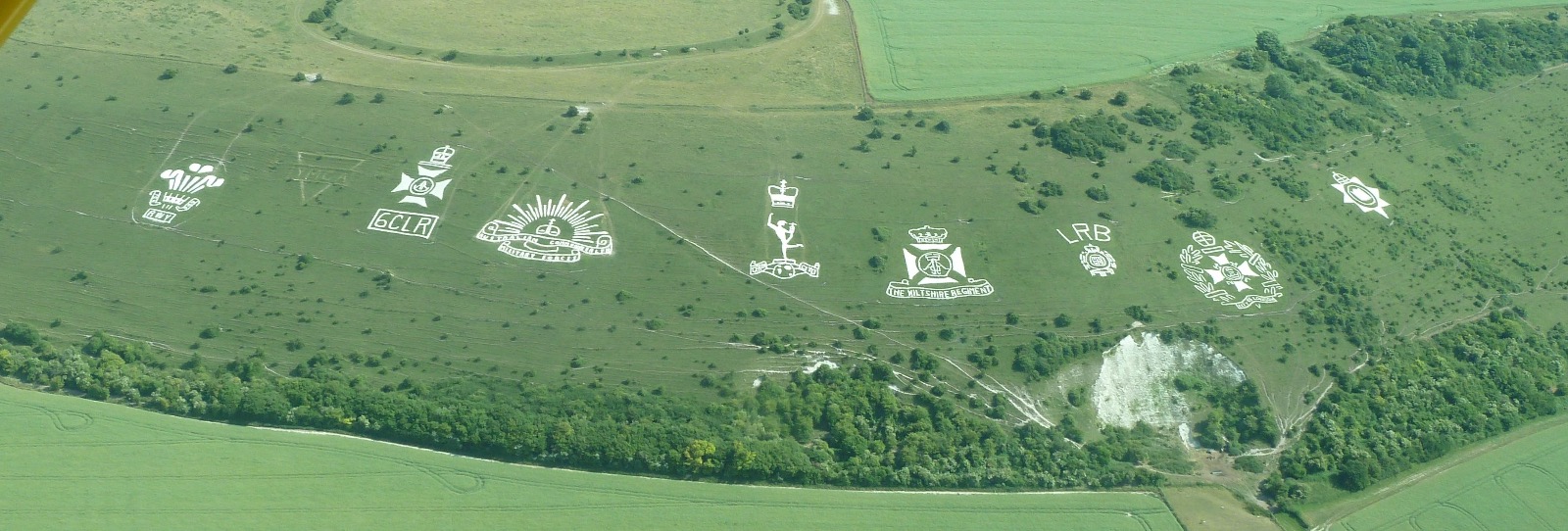
Nine surviving regimental emblems, cut into a Wiltshire chalk hillside by soldiers waiting to be sent to the trenches, still watch over the A30 as…
Building or ruin
Leicestershire
A steam-powered boat lift hauled loaded narrowboats up a 75-foot hillside in twelve minutes flat, cutting a journey that took locks over an hour: a…
Crossing or structure
Leicestershire
Two staircases of five locks apiece make this the largest such flight on the English canal system, and a failed steam-powered boat lift once tried…
Building or ruin · Prehistoric
suffolk
Digging the ditches would have taken between 2,800 and 4,200 person-days. Ploughing has since levelled every bank, perhaps two thousand years ago.
Briefer entries: recorded and worth knowing, with fuller pages to come.
Building or ruin
Gwynedd
The Diamond was a three-masted square rigger built in New York City in 1823, one of the first ships to run a regular passenger and cargo service ac…
Tomb or burial place · Medieval
County Tyrone
Doocrock is a 426-acre County Tyrone townland where a Scheduled court tomb gives prehistoric depth to a landscape named “Black Hill.”
Building or ruin · Prehistoric
Devon
Drizzlecombe gathers one of Dartmoor’s richest prehistoric (predating the written record in Britain) landscapes: Bronze Age (roughly 2500–800 BC, w…
Building or ruin · Medieval
County Fermanagh
Drummacoorin links a sword dating roughly 2500–800 BC, when metal tools first spread and late Stone Age axe heads to a Boho landscape whose Irish n…
Fortified place · Medieval
County Tyrone
Drumsonnus gives an otherwise ordinary townland a formally protected ancient enclosure, tying a small rural landscape to Northern Ireland’s archaeo…
Building or ruin · Roman
Kent
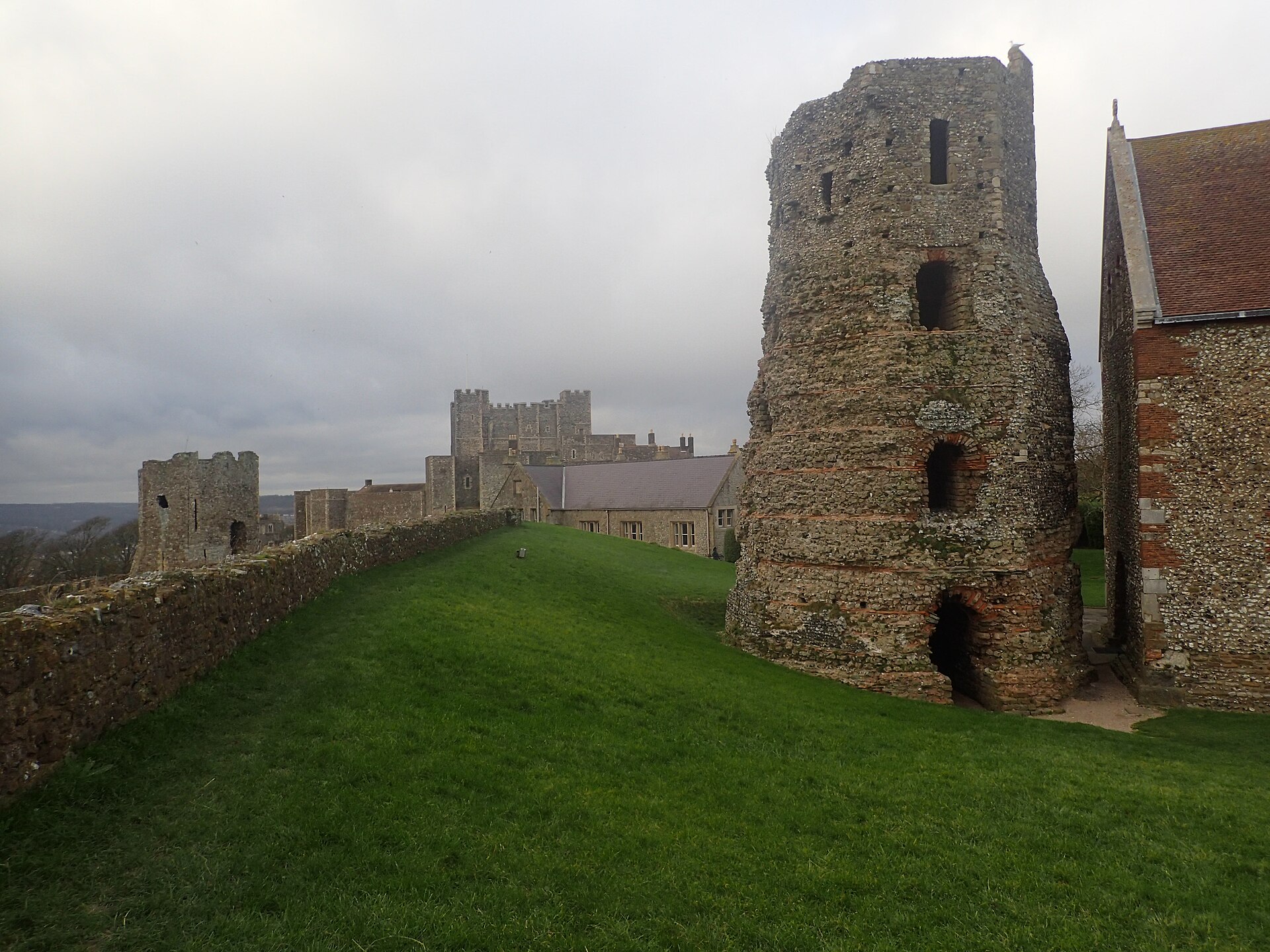
Dubris was Roman Dover’s cross-Channel port and military base, where lighthouses, forts and the Roman Painted House preserve a strategic gateway be…
Building or ruin · Roman
Dorset
Durnovaria, Roman Dorchester, preserves the transition from a Roman military presence to a Durotrigan civic centre whose streets, defences, mosaics…
Building or ruin · Roman
Kent
Durolevum was a Roman Watling Street settlement between Richborough and London, important precisely because archaeology has narrowed: but not settl…
Building or ruin · Roman
Kent
Durovernum Cantiacorum was Roman Canterbury: a strategically sited civitas capital that developed from a fortified Iron-Age settlement into a walle…
Building or ruin · Roman
Kent
Faversham Stone Chapel incorporates an ancient shrine or mausoleum within a medieval church, recording a striking transition from a Romano-British…
Building or ruin · Medieval
County Tyrone
Favor Royal Demesne layers a Plantation-era manor, a derelict nineteenth-century house and two protected raths within a County Tyrone border townland.
Sacred place · Medieval
East Riding of Yorkshire
One of Yorkshire's wealthiest Templar houses, founded by a ransomed Crusader lord and erased so completely that only a buried field and a farm name…
Building or ruin · Roman
Northumberland
Featherwood Roman Camps preserve two large first-century marching camps on Dere Street, showing how Roman forces moved and maintained a route into…
Fortified place · Iron Age
Derbyshire
A 2011 dig found a mass grave of only women and children in its ditch: the earliest known segregated burial of its kind in Iron Age (roughly 800 BC…
Sacred place · Prehistoric
Dorset
Flagstones is a late Neolithic (the first farming period in Britain, roughly 4000–2500 BC) interrupted-ditch enclosure near Dorchester, with burial…
Building or ruin · Roman
powys
Occupied from about AD 75 to the reign of Valentinian I: some three centuries: guarding a Severn crossing beside the historic ford at Rhydywhyman.
No places match those filters.






.jpg?width=800)







_(geograph_5861621).jpg?width=800)

.jpg?width=800)
.jpg?width=800)
Sep2005.jpg?width=800)


.jpg?width=800)