A fourteenth-century royal residence on a hill between Kilmarnock and Troon.
A tower house on a hill above the village of Dundonald, between Kilmarnock and Troon, was built for Robert II on his accession to the Scottish throne in 1371, and used as a royal residence by him and by his son Robert III.
Three medieval castles have stood on this site, and something older stood there before any of them.
Evidence suggests a hill fort occupied the hill first, its interior holding a mixture of large timber roundhouses and straight-sided structures, defended by a timber-laced stone rampart. That timber lacing caught fire and burnt with such intensity that the surrounding stonework melted, or vitrified. The firing happened around AD 1000 and seems to mark the end of the fort — about the same date that the British Kingdom of Strathclyde ceased to exist, absorbed into the Kingdom of Scotland.
The place name means fort of Donald, apparently from the British Din Dyfnwal, the personal name Dyfnwal being cognate with the Gaelic Dòmhnall and the English Donald. Which man the fortress was named for is unknown; he may have been any of the numerous kings of Alt Clut, or Strathclyde, who bore the name between the eighth and tenth centuries.
The first medieval castle was built by one of the stewards of the king of Scots, most probably Walter, the first steward, who came to Scotland in 1136. Nothing of it survives above ground.
The second was built in the late thirteenth century by Alexander Stewart, 4th High Steward, predominantly in stone, and would have been one of the grandest baronial residences of its time. The Scots themselves largely destroyed it during the Wars of Scottish Independence in the early fourteenth century: Robert the Bruce’s policy was to slight most castles so they could not be used by an enemy, including places far greater than Dundonald, such as Edinburgh and Roxburgh. A well and the rounded stump of a tower near the present castle are what remain of it.
The third castle is almost everything visible above ground today, including the tower that dominates the hill. Robert Stewart built it, probably to mark his accession as Robert II in 1371. It rose three storeys. The top floor, above a lofty stone vault, was the upper hall — the great hall — for the more private use of the king and his family. The first floor held the lower of the two halls, the laigh hall, used for more public business such as feasting and the holding of the baron court. The ground floor was storage, probably subdivided into cellars for wine, ale, foodstuffs and fuel.
The tower house was extended in the late fourteenth century with additional private chambers and a prison. The outer courtyard — properly the barmkin — was completed, with ancillary buildings set against its wall: stables, bakehouses, brewhouses, a smithy. The castle once had its own chapel, dedicated to Saint Inan.
By 1520 it belonged to the Wallaces of Craigie. James V granted it with its estates to Robert Boyd in 1536, but Boyd could not gain possession, and after a second failed attempt at eviction he ceded control back to the Wallaces. Debt forced them to sell in 1632, by which time they had moved their main residence to Auchens House, built in the 1580s partly with materials taken from Dundonald. The buyer, James Mathieson, sold to Sir William Cochrane in 1638, who also bought Auchens.
Cochrane was created first Earl of Dundonald in 1669 for his support of the Royalist cause in the Wars of the Three Kingdoms. The Cochranes sold the Dundonald estate in 1726 but kept the ruined castle, and in 1953 the 13th Earl gave it to the state, which began a programme of reconstruction.
Minor archaeological investigation took place in the 1960s, establishing that the rubble base was up to 4 feet deep and rested on bedrock deliberately levelled with stones to form a cobbled surface. The curtain wall of the inner courtyard was shown to have been butted onto the keep and to rest on bedrock without footings, while the keep appears to sit on ashlar footings or underpinnings, a single course projecting in front of the castle wall — part of it pointed with nineteenth-century mortar, probably from the consolidation work of that period. There were no significant finds.
Three main seasons of excavation followed between 1986 and 1988, ahead of a conservation programme, with smaller-scale work continuing to 1993, led by Gordon Ewart of Kirkdale Archaeology.
A visitor centre at the foot of the hill holds a café, a shop and an interpretive exhibition on the castle and its predecessors, with detailed models of the earlier buildings. South Ayrshire Council owns the centre and Historic Scotland the castle, and both are run by the Friends of Dundonald Castle. The castle was made a scheduled monument in 1920, with the schedule updated in 2017.
A ley tunnel is said to run from Seagate Castle in Irvine to Dundonald.
What follows is drawn from published sources, with each claim labelled by how firmly it is established.
The name
The name means “fort of Donald”, apparently from the British Din Dyfnwal. Dyfnwal is cognate with Gaelic Dòmhnall and English Donald, although the particular ruler commemorated by the name is unknown.
History
A hill fort occupied the hill first, its interior holding a mixture of large timber roundhouses and straight-sided structures, defended by a timber-laced stone rampart. The timber lacing caught fire and burnt with such intensity that the surrounding stonework melted, or vitrified. The firing happened around AD 1000 and seems to mark the end of the fort — about the same date the British Kingdom of Strathclyde ceased to exist, absorbed into the Kingdom of Scotland.
The place name means fort of Donald, apparently from the British Din Dyfnwal, the personal name Dyfnwal being cognate with the Gaelic Dòmhnall and the English Donald. Which man the fortress was named for is unknown; he may have been any of the numerous kings of Alt Clut, or Strathclyde, who bore the name between the eighth and tenth centuries.
The first medieval castle was built by one of the stewards of the king of Scots, most probably Walter, the first steward, who came to Scotland in 1136. Nothing of it survives above ground. The second was built in the late thirteenth century by Alexander Stewart, 4th High Steward, predominantly in stone, and would have been one of the grandest baronial residences of its time.
The Scots themselves largely destroyed that second castle during the Wars of Scottish Independence in the early fourteenth century. Robert the Bruce's policy was to slight most castles so they could not be used by an enemy, including places far greater than Dundonald such as Edinburgh and Roxburgh. A well and the rounded stump of a tower near the present castle are what remain of it.
The third castle is almost everything visible above ground today. Robert Stewart built it, probably to mark his accession as Robert II in 1371, three storeys high. The top floor above a lofty stone vault was the upper hall, for the more private use of the king and his family; the first floor held the laigh hall, used for feasting and the holding of the baron court; the ground floor was storage, probably subdivided into cellars for wine, ale, foodstuffs and fuel.
The tower house was extended in the late fourteenth century with additional private chambers and a prison. The outer courtyard — properly the barmkin — was completed, with stables, bakehouses, brewhouses and a smithy set against its wall. The castle once had its own chapel, dedicated to Saint Inan.
By 1520 it belonged to the Wallaces of Craigie. James V granted it with its estates to Robert Boyd in 1536, but Boyd could not gain possession and after a second failed eviction ceded control back to the Wallaces. Debt forced them to sell in 1632, by which time they had moved their main residence to Auchens House, built in the 1580s partly with materials taken from Dundonald. James Mathieson bought it and sold to Sir William Cochrane in 1638, who also bought Auchens.
Cochrane was created first Earl of Dundonald in 1669 for his support of the Royalist cause in the Wars of the Three Kingdoms. The Cochranes sold the Dundonald estate in 1726 but kept the ruined castle, and in 1953 the 13th Earl gave it to the state, which began a programme of reconstruction.
Minor archaeological investigation in the 1960s established that the rubble base was up to 4 feet deep and rested on bedrock deliberately levelled with stones to form a cobbled surface, and that the curtain wall of the inner courtyard had been butted onto the keep. There were no significant finds. Three main seasons of excavation followed between 1986 and 1988 ahead of a conservation programme, with smaller-scale work continuing to 1993, led by Gordon Ewart of Kirkdale Archaeology.
People
-
Walter Fitzalan
Probably built the first medieval castle after arriving in Scotland as the king’s steward in 1136; no above-ground fabric of that timber-and-earth predecessor survives.
-
Robert II
Built the present three-storey royal residence around his accession in 1371, with a private upper hall, public laigh hall and service storage below.
-
Gordon Ewart
Led three main excavation seasons for Kirkdale Archaeology between 1986 and 1988, ahead of conservation work that clarified the castle’s courtyard and foundations.
Cultural influences
-
Royal Stewart power
Successive royal stewards and the Stewart kings made Dundonald a baronial and then royal residence; its two halls physically separated court ceremony from the king’s household.
-
Wars of Scottish Independence
The Scots slighted the late-thirteenth-century castle so an enemy could not use it, leaving only a well and rounded tower stump before Robert II’s later rebuilding.
Connections
-

Photo: Rosser1954 Roger Griffith / Wikimedia Commons / Public domain Seagate Castle is a later Ayrshire residence, illustrating the continued use of fortified houses after Dundonald ceased to be the Wallaces’ principal home in the seventeenth century.
-
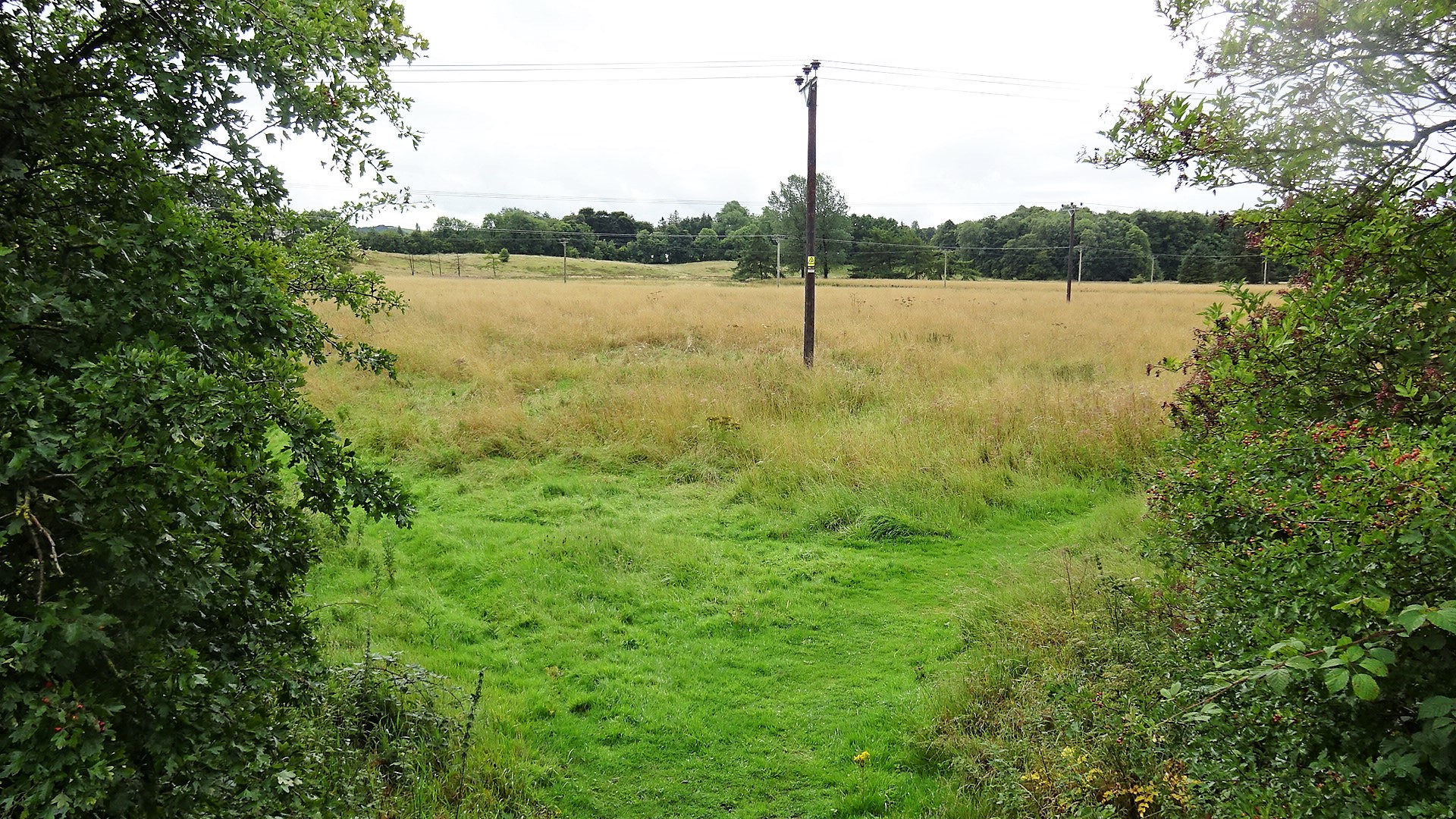
Photo: Rosser1954 / Wikimedia Commons / CC BY-SA 4.0 Bickering Bush is a historic tree in the Dundonald landscape, a local landmark beside the hill that carried fortification from the vitrified fort to Robert II’s castle.
-
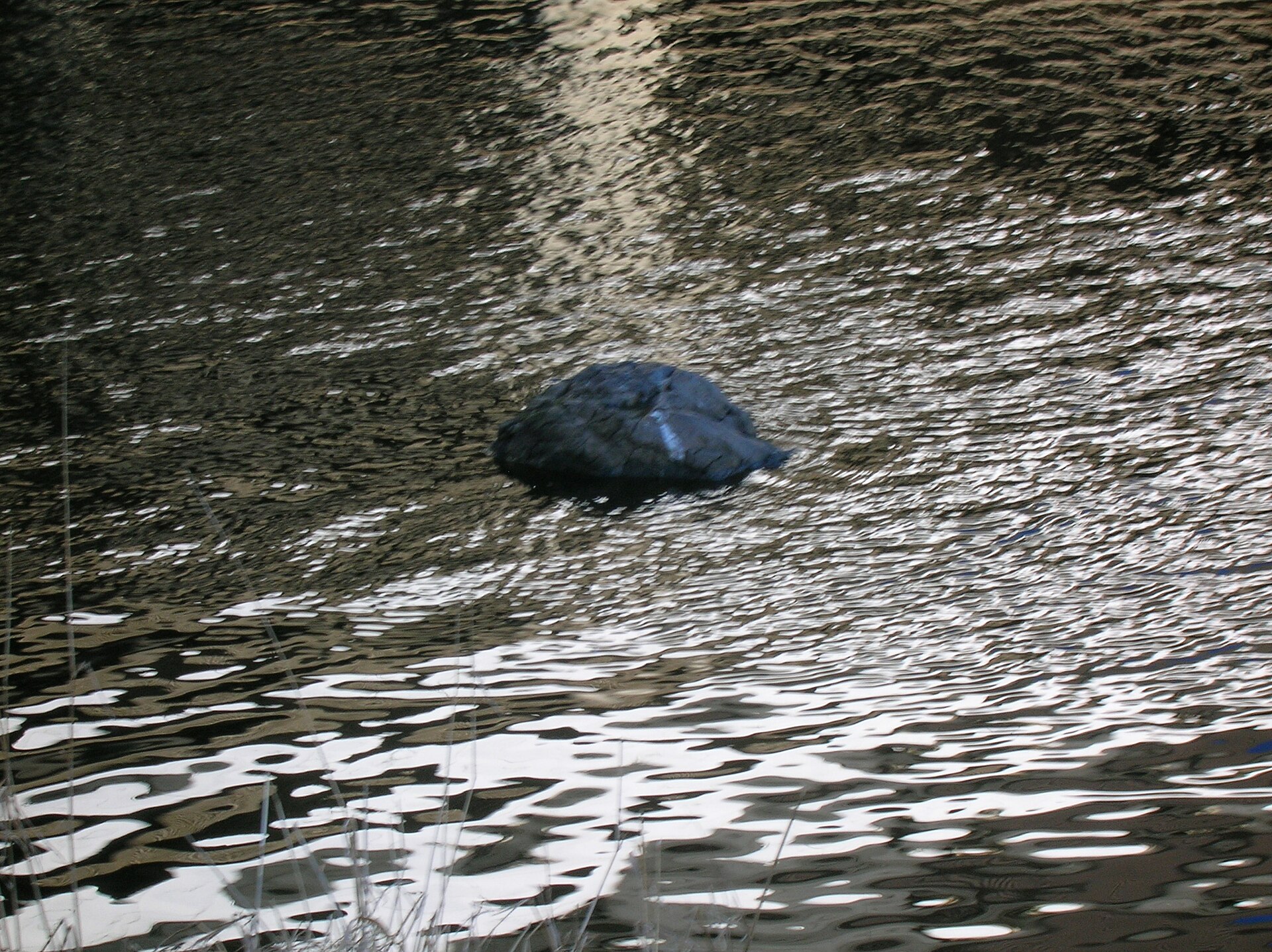
Photo: Rosser1954 Roger Griffith / Wikimedia Commons / Public domain The Grannie Stone is a prehistoric monument in wider Ayrshire, providing a much earlier ritual-landscape comparison for Dundonald’s fortified hill and later royal residence.
Discovery & excavation
Minor work in the 1960s showed that the rubble base rested on deliberately levelled bedrock and that the inner-courtyard curtain wall was added against the keep. Gordon Ewart’s 1986–88 excavations, with smaller work to 1993, preceded a conservation programme.
What to look for
-
Upper and laigh halls
The upper floor above the great stone vault was the royal family’s private hall, while the first-floor laigh hall hosted feasting and the baron court.
-
Barmkin
The outer courtyard once contained stables, bakehouses, brewhouses and a smithy against its wall, making the castle a working household as well as a royal lodging.
-
Earlier castle remains
Near the present building, a well and rounded stump of tower mark the late-thirteenth-century castle that was deliberately slighted during the Wars of Independence.
Plan your visit
- Location
- 55.5767°N · 4.5973°W
- Time needed
- About 90 minutes
Nearby places
Ancient tree · Medieval
Bickering Bush
East Ayrshire
Bickering Bush preserves the memory of a named hawthorn, its lost site tied to Caprington Castle lands and Wallace tradition.
- Near East Ayrshire
Sacred place · Prehistoric
Grannie stone
North Ayrshire
The Grannie Stone is an enduring Irvine river landmark whose uncertain origin: glacial erratic or last stone-circle survivor: reveals how folklore,…
- Near Irvine
- Easy path

Fortified place · Medieval
Seagate Castle
North Ayrshire
Seagate’s scheduled ruin preserves Irvine’s former harbour route and the sixteenth-century Montgomerie town house, where defence, aristocratic disp…
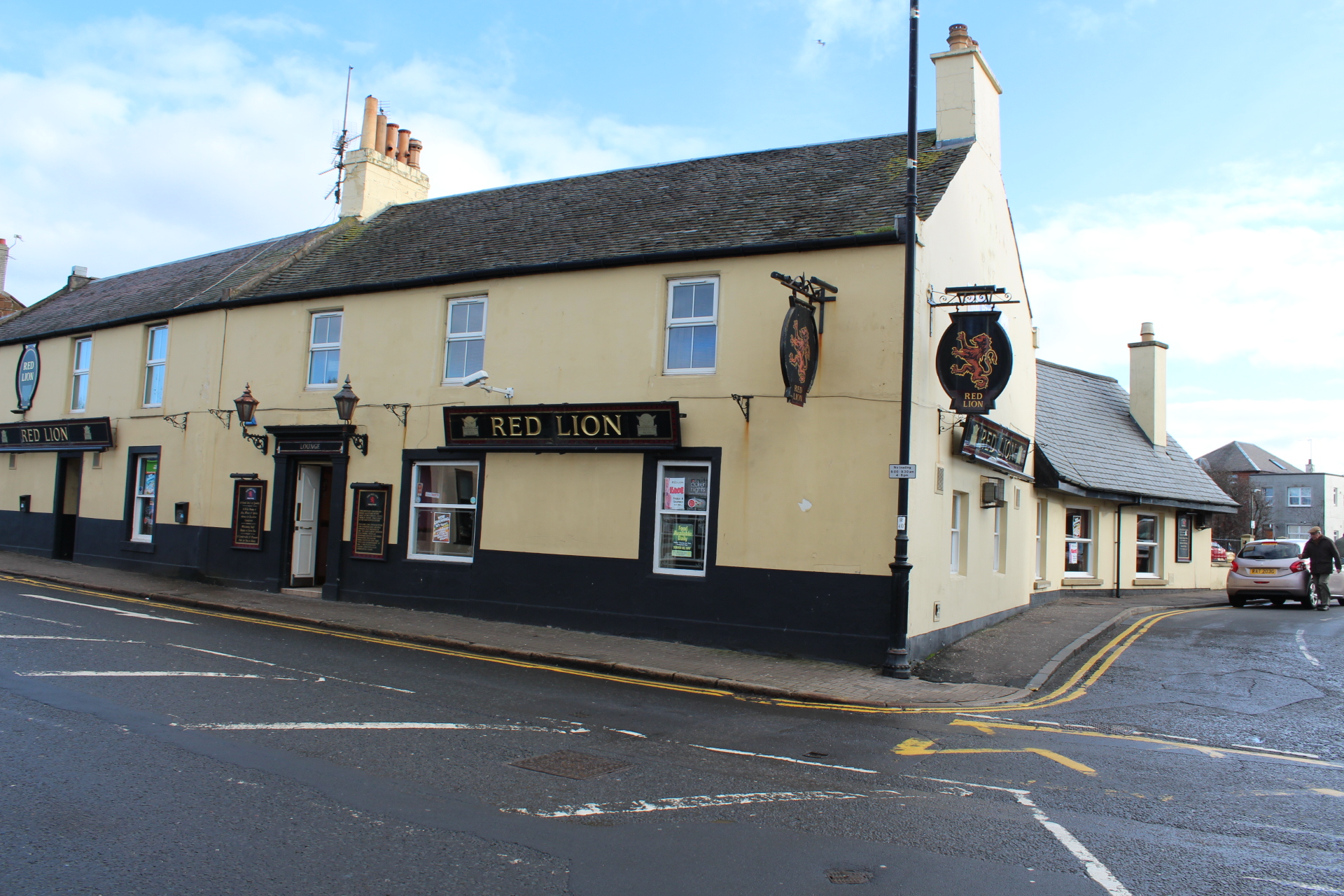
Minor monument · Medieval
Market Cross, Prestwick
South Ayrshire
The cross carries its own admission that it is not original: the inscription reads 'Rebuilt 1777'.
- Near Prestwick
- Easy path
Questions people ask
- What stood here before the castle?
- A hill fort, its interior holding large timber roundhouses and straight-sided structures behind a timber-laced stone rampart. The lacing caught fire and burnt so fiercely that the surrounding stonework melted, or vitrified. The firing happened around AD 1000 and seems to mark the end of the fort.
- What does the name mean?
- Fort of Donald, apparently from the British Din Dyfnwal, the personal name Dyfnwal being cognate with the Gaelic Dòmhnall and the English Donald. Which man it was named for is unknown; he may have been any of the numerous kings of Alt Clut, or Strathclyde, who bore the name between the eighth and tenth centuries.
- How many castles have stood here?
- Three. The first was built by one of the stewards of the king of Scots, most probably Walter, the first steward, who came to Scotland in 1136, and nothing of it survives above ground. The second was raised in the late thirteenth century by Alexander Stewart, 4th High Steward, predominantly in stone. The third is almost everything visible today.
- Why was the second castle destroyed?
- By the Scots themselves, during the Wars of Scottish Independence in the early fourteenth century. Robert the Bruce's policy was to slight most castles so an enemy could not use them, including places far greater than Dundonald such as Edinburgh and Roxburgh. A well and the rounded stump of a tower are what remain of it.
- Who built the standing castle?
- Robert Stewart, probably to mark his accession as Robert II in 1371. It stands three storeys high: the top floor above a lofty stone vault was the upper hall for the private use of the king and his family, and the first floor held the laigh hall, used for feasting and for the baron court.
Sources
The Ancient Codex, in your pocket
Get the Pocket Codex app
Carry the directory with you — Dundonald Castle and thousands of ancient places across Britain and Ireland, offline, wherever you roam.