
Bickering Bush preserves the memory of a named hawthorn, its lost site tied to Caprington Castle lands and Wallace tradition.
The Bickering Bush was a named hawthorn near the confluence of the Kilmarnock Water and River Irvine. It stood on what was then the Caprington Castle estate, and it is gone.
The thorn grew near Maxholm and was recorded on the Ordnance Survey map. It survived until around the late 1820s or early 1830s, when it was cut down and its wood became souvenirs. When it was felled the wood was not burnt or wasted but cut up and kept, which says something about how the tree was regarded locally.
Its site is now poorly drained pasture, but the name and the surviving documentary references retain the lost tree’s place in local memory. A thorn that was worth making keepsakes out of, and whose name outlived it by two centuries, is remembered for reasons the record does not fully explain.
What follows is drawn from published sources, with each claim labelled by how firmly it is established.
The name
The name recalls the reported cry “I trow that was a bicker” after the legendary encounter associated with William Wallace; a thorn at the spot became known as the Bickering Bush.
History
The Bickering Bush was a hawthorn — a thorn, in Scots — growing near Maxholm on what was then the Caprington Castle estate, its position recorded near the confluence of the Kilmarnock Water and the River Irvine and marked on the Ordnance Survey map. The species matters to the record, because the Scots word thorn here means hawthorn or mayflower, Crataegus monogyna, and not blackthorn; nothing in the available evidence establishes how old the tree was.
It survived until about the late 1820s or early 1830s, when it was cut down by what local accounts called a Gothic Hand, and pieces of its wood were worked into souvenirs, among them a snuff box. William Wallace traditions attach to Riccarton and the lands round about, and the site itself is now abandoned pasture beside the River Irvine — so what is left of the Bickering Bush is a name, a map reference, and a handful of objects made out of it.
People
-
William Wallace
Local legend places his fight with English soldiers while fishing on the River Irvine at the thorn’s site.
Cultural influences
-
The Bickering Bush became a landmark of the Wallace tradition around Riccarton, its reputed 1292 encounter linking the river landscape to later Scottish resistance stories.
Connections
-
Maxholm
The tree grew on the old Caprington Castle estate near Maxholm, although the original trunk no longer survives.
In culture
-
Blind Harry retold the Wallace encounter associated with the bush in The Actes and Deidis of the Illustre and Vallyeant Campioun Schir William Wallace.
What to look for
-
Lost tree site
The former location is now gently undulating, poorly drained pasture separated from the River Irvine by a dual carriageway.
What is said
Folklore and tradition, recorded as what is said — not as established fact.
-
Local tradition says Wallace fought English soldiers who demanded his catch of fish at the River Irvine, and that the thorn marked the place of the “bicker”.
Plan your visit
- Location
- General area near East Ayrshire, East Ayrshire
- Nearest settlement
- East Ayrshire
- Access
- Reached on a public path
- What survives
- Living-tree condition and access should be checked against current local guidance before any visit copy is expanded.
This is a sensitive or fragile site, so we show only its general area. Please check official heritage sources for access before visiting, and take care not to disturb it.
Nearby places
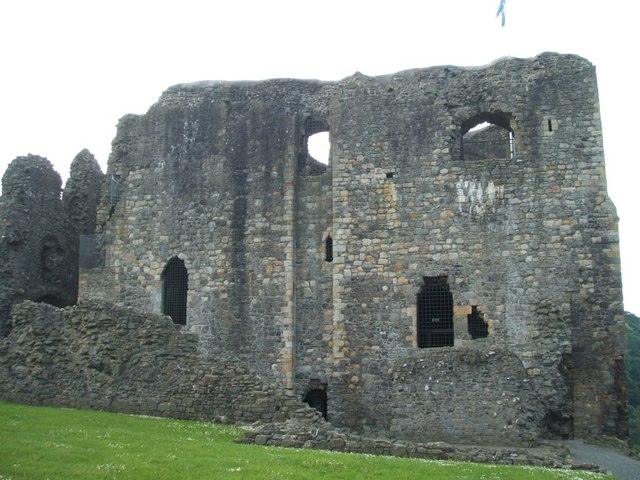
Fortified place · Medieval
Dundonald Castle
South Ayrshire
A fourteenth-century royal residence on a hill between Kilmarnock and Troon.
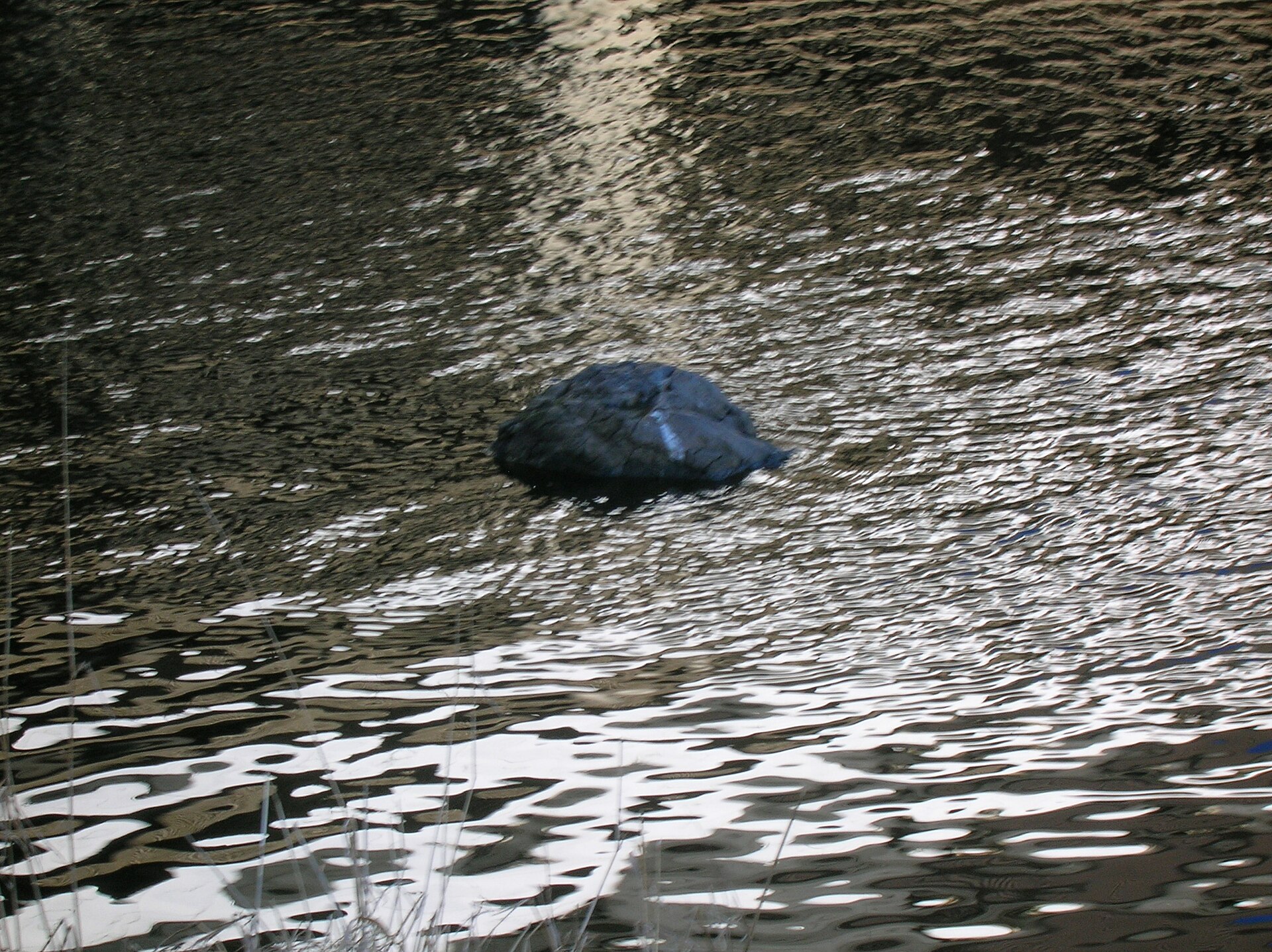
Sacred place · Prehistoric
Grannie stone
North Ayrshire
The Grannie Stone is an enduring Irvine river landmark whose uncertain origin: glacial erratic or last stone-circle survivor: reveals how folklore,…
- Near Irvine
- Easy path

Fortified place · Medieval
Seagate Castle
North Ayrshire
Seagate’s scheduled ruin preserves Irvine’s former harbour route and the sixteenth-century Montgomerie town house, where defence, aristocratic disp…
Minor monument · Medieval
Market Cross, Prestwick
South Ayrshire
The cross carries its own admission that it is not original: the inscription reads 'Rebuilt 1777'.
- Near Prestwick
- Easy path
Questions people ask
- What kind of tree was it?
- It was a hawthorn, known as a thorn in Scots.
- When did it disappear?
- It was cut down around the late 1820s or early 1830s.
- Where did it grow?
- It grew near Maxholm on the former Caprington Castle estate.
Sources
- Wikipedia: Bickering Bush
- Wikidata: Bickering Bush (Q56276435)
- Canmore 42796 — KILMARNOCK, 'BICKERING BUSH' (battle site (13th century)) (accessed 2026-08-03)
Explore more: Ancient trees · Medieval · East Ayrshire
The Ancient Codex, in your pocket
Get the Pocket Codex app
Carry the directory with you — Bickering Bush and thousands of ancient places across Britain and Ireland, offline, wherever you roam.