Building or ruin · Medieval
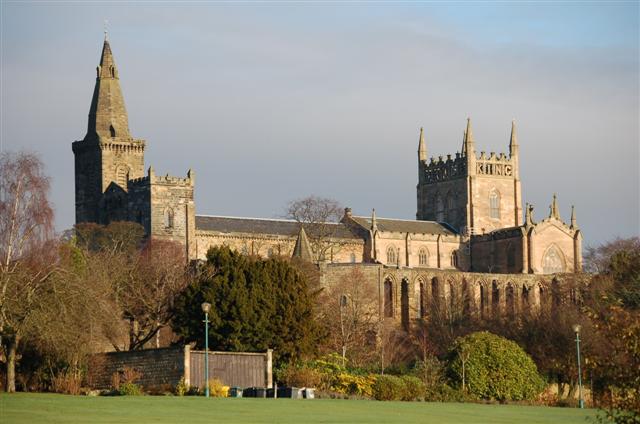
Dunfermline Abbey
Fife
Dunfermline Abbey combines one of Scotland’s great round-arched churches, built before the Gothic style, with the country’s richest concentration o…
- Near St Andrews
- 2 min walk from car park
A guide to our ancient world
Ancient places across Britain and Ireland. What still stands, what happened there, and how to reach it.
4,619 places · 2,006 fortified places · 1,358 buildings & ruins · 1,344 sacred places
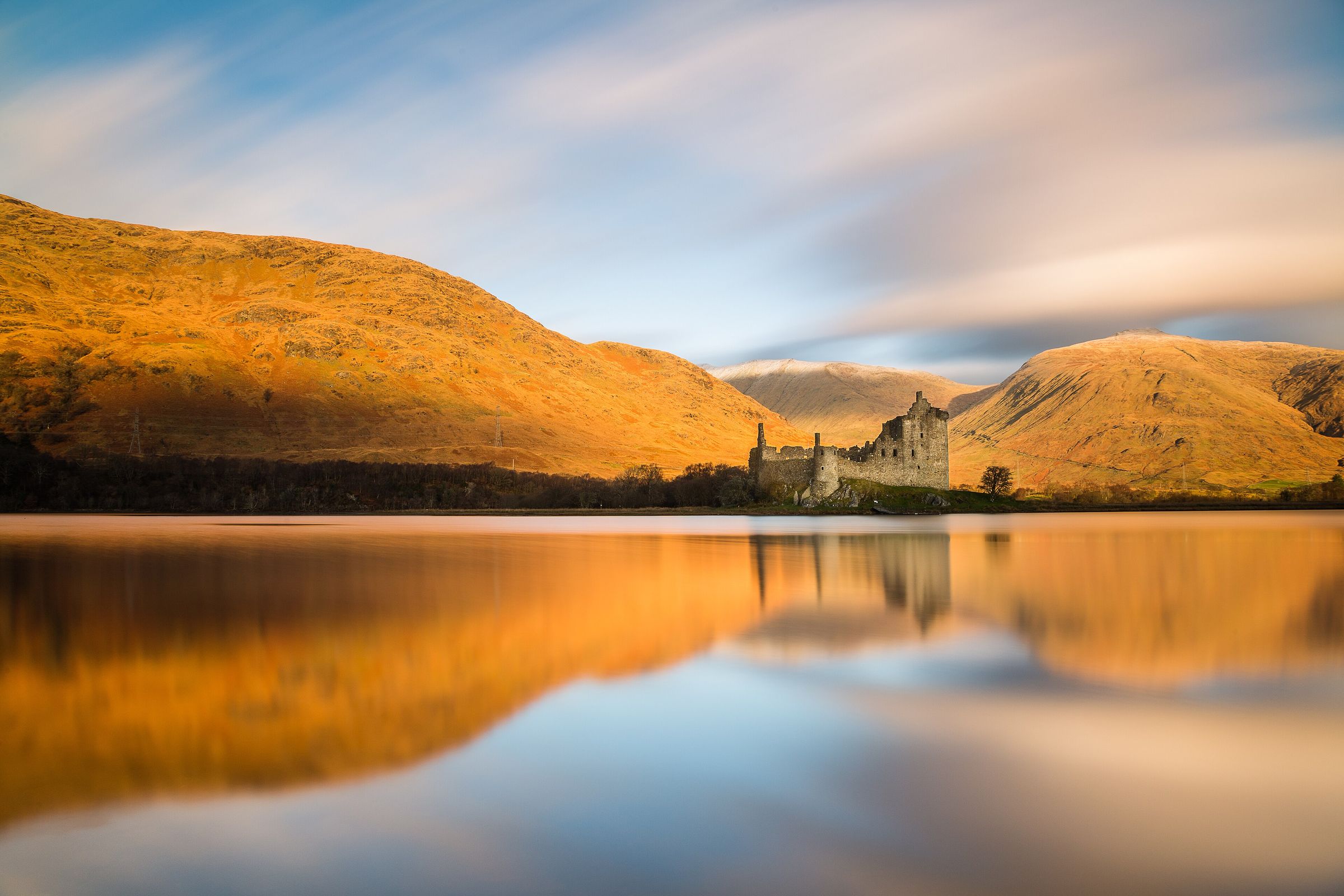
Kilchurn Castle, Argyll and Bute · Photo: MHoser / Wikimedia Commons / CC BY-SA 4.0
From chambered tombs raised before the pyramids to the roofless abbeys of the medieval world. Each kind gathers what survives of one way of living: how people defended their ground, buried their dead, worshipped, and marked the land they held.
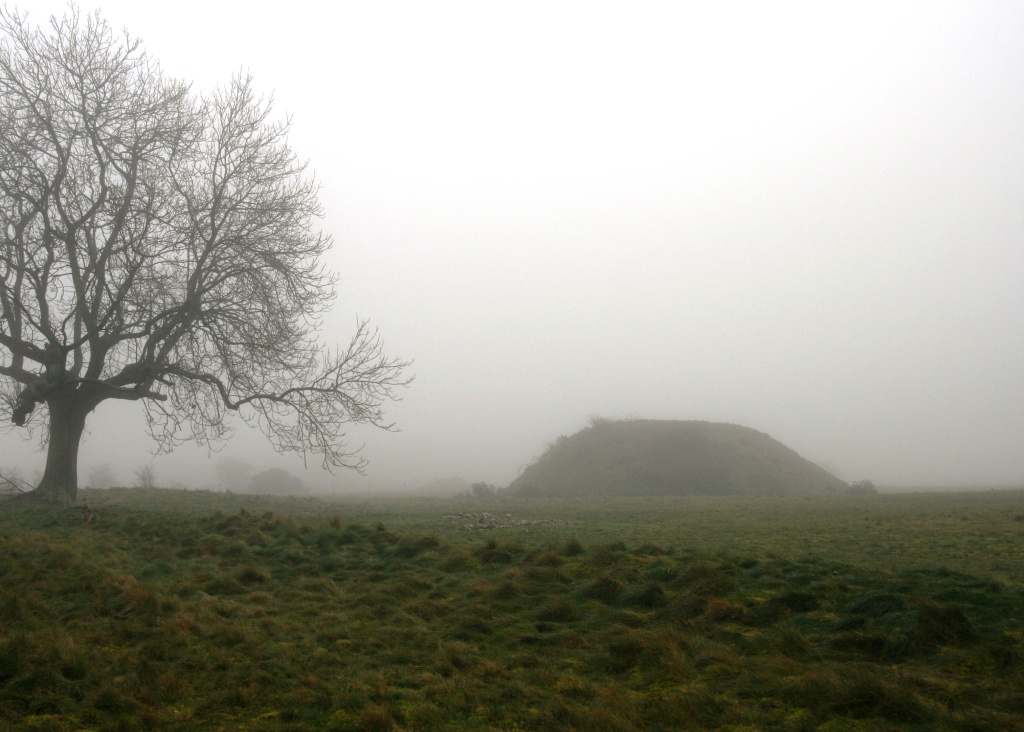
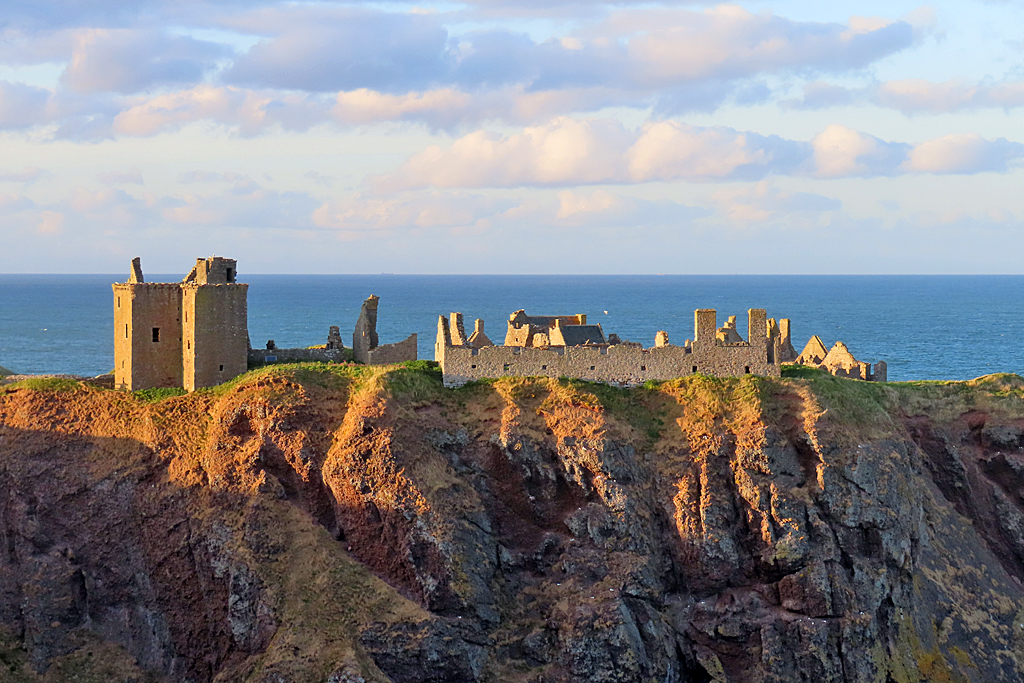 Photo: Anne Burgess / Wikimedia Commons / CC BY-SA 2.0 2,006 places Fortified places Hillforts, brochs, duns, Roman forts and castles: the defended places, from Iron Age ramparts to medieval stone.
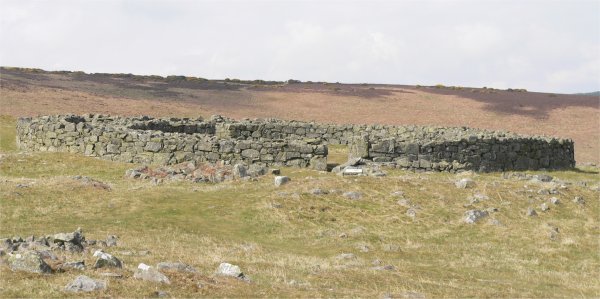
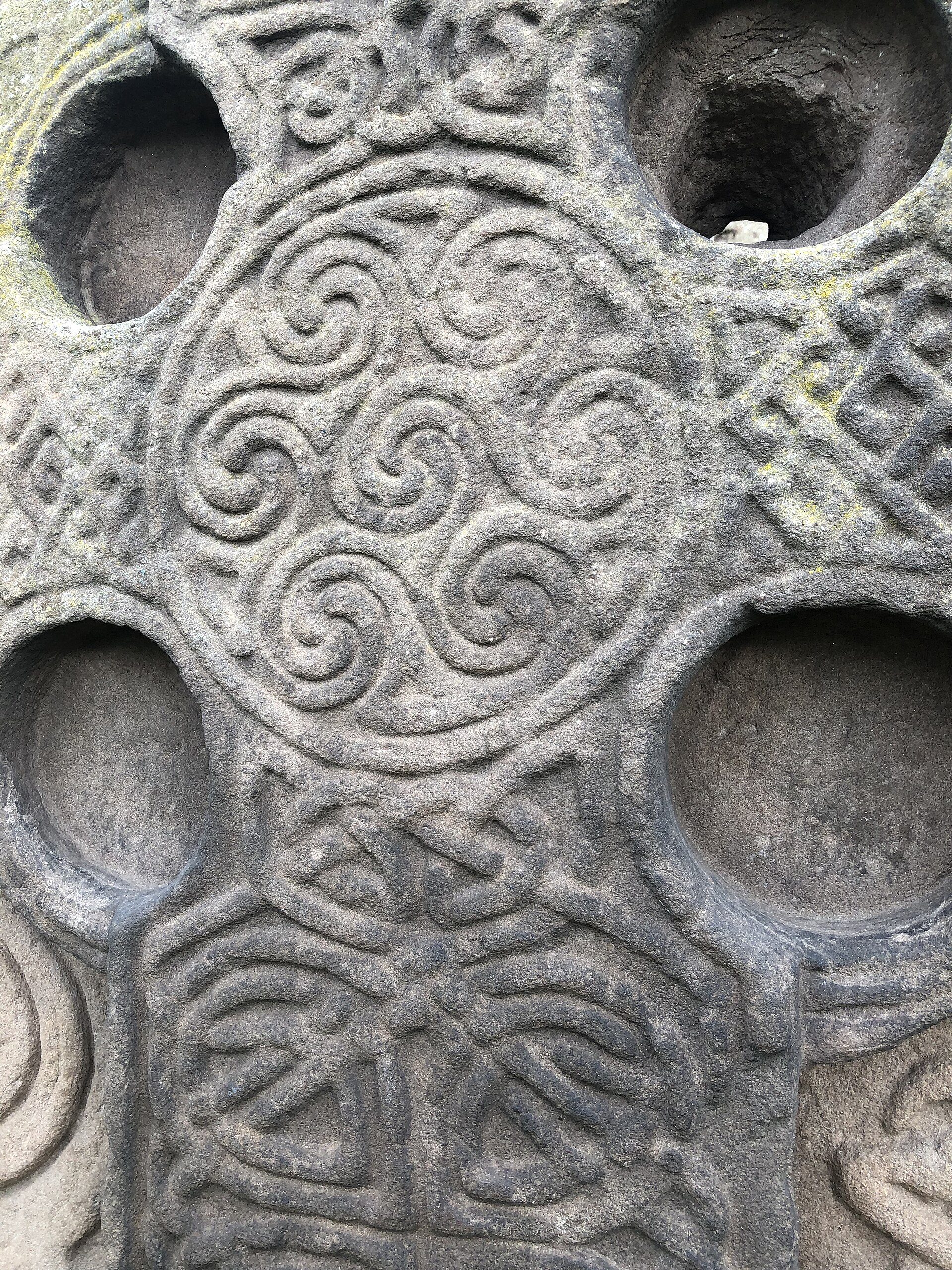 Photo: Richard Webb / Wikimedia Commons / CC BY-SA 2.0 100 places Carved stones & monuments Pictish symbol stones, cross-slabs, standing stones and rock carvings: the marks left on bare stone.
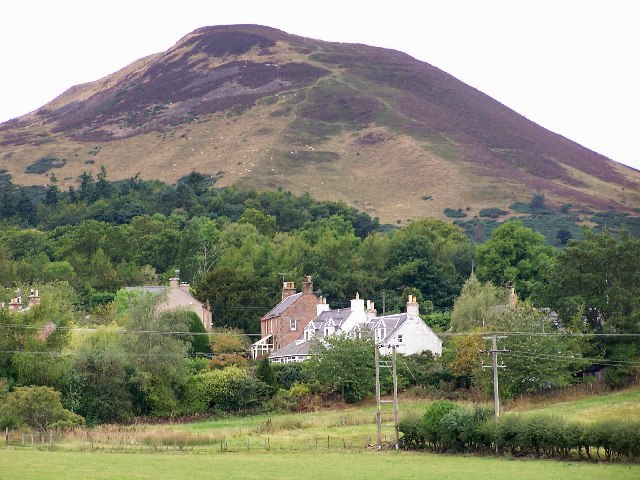
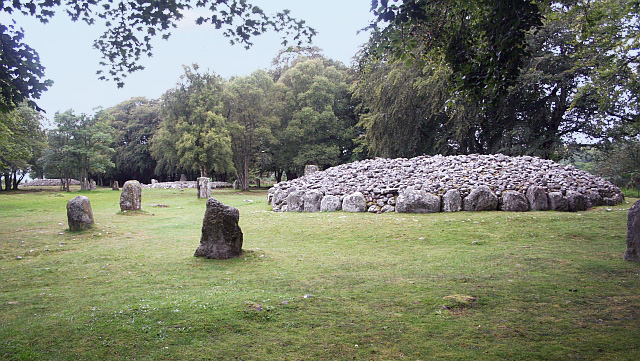 Photo: Bob Embleton / Wikimedia Commons / CC BY-SA 2.0 454 places Tombs & burial places Chambered cairns, passage graves, henges and the great monuments raised over the dead.
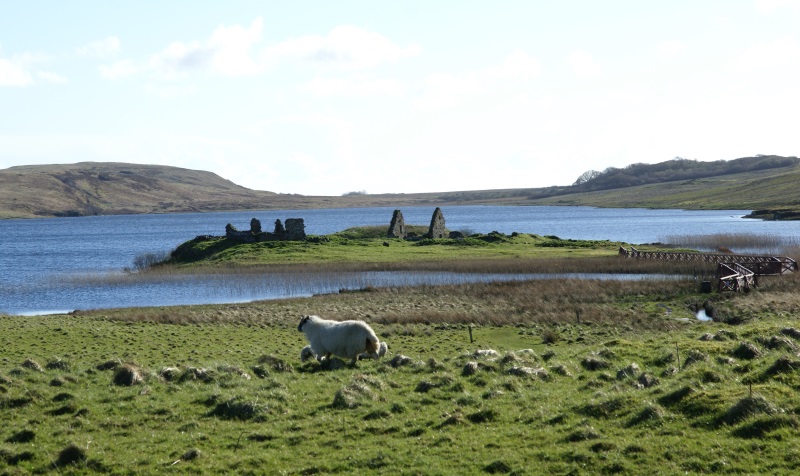
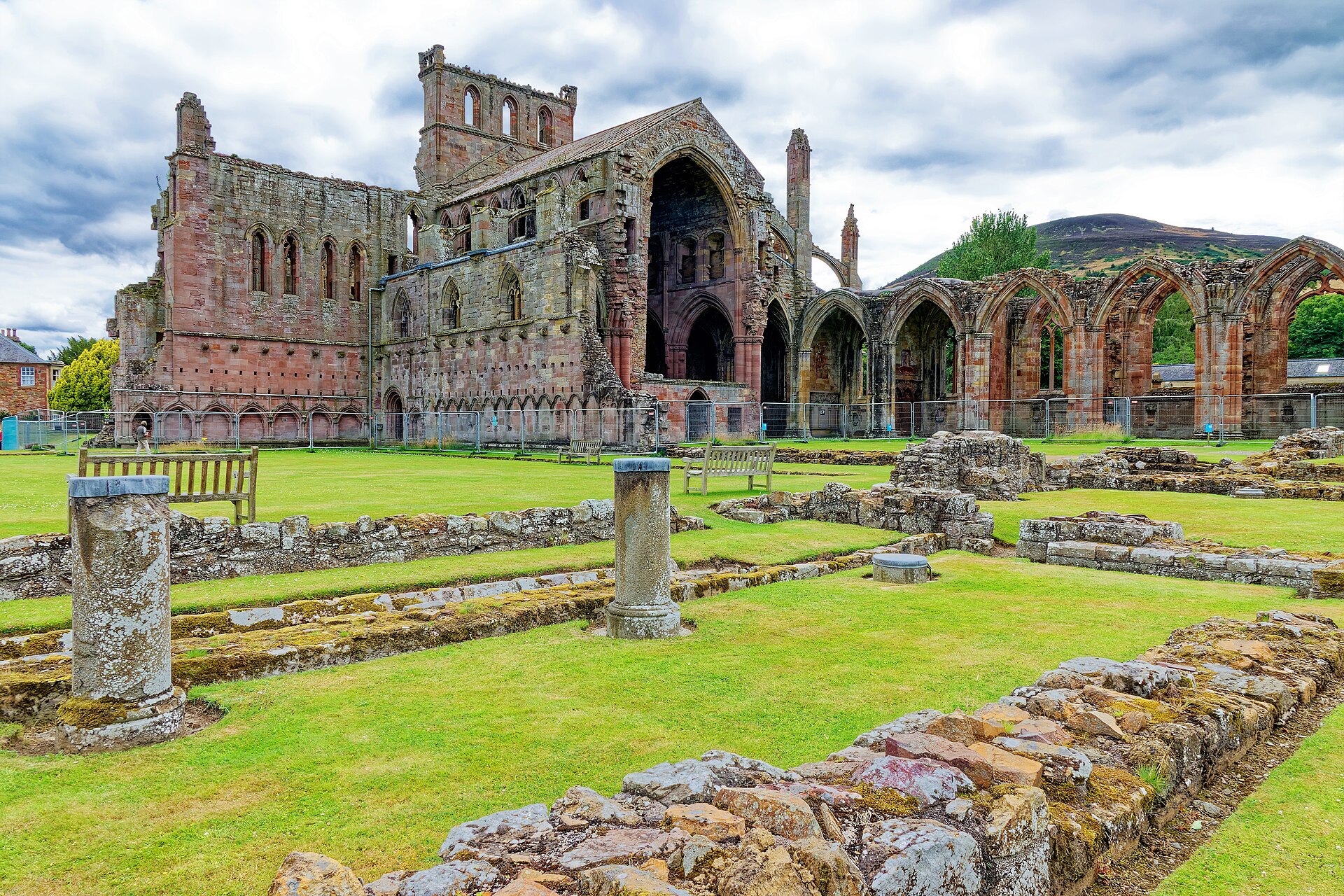 Photo: Holger Uwe Schmitt / Wikimedia Commons / CC BY-SA 4.0 1,358 places Buildings & ruins Abbeys, priories, cathedrals and the roofless churches of the medieval world.
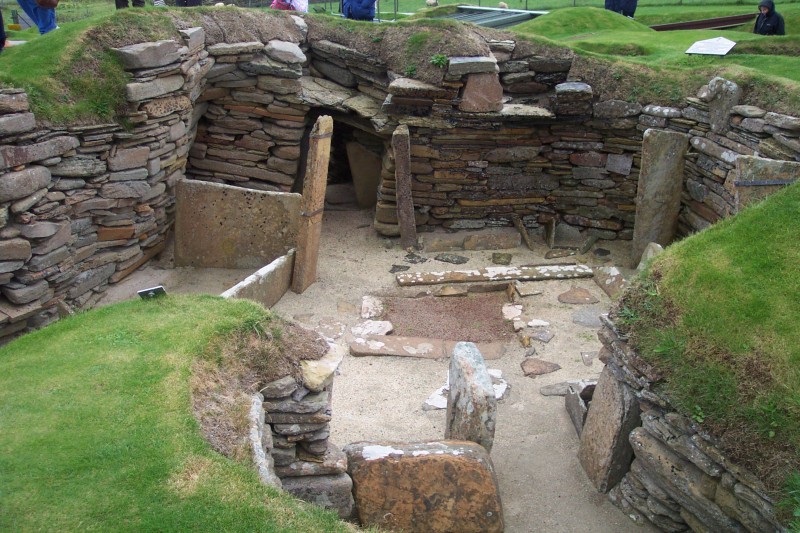 Photo: Dr. John F. Burka / Wikimedia Commons / CC BY-SA 3.0 56 places Settlements The places people lived: Neolithic villages, broch townships and the layered homes of centuries.
 Photo: Pebbledash Grey / Wikimedia Commons / CC BY 2.0 84 places Bridges, crossings & engineering Bridges, fords, causeways, aqueducts and canals: the engineered structures that carried roads, water and rail across the landscape.
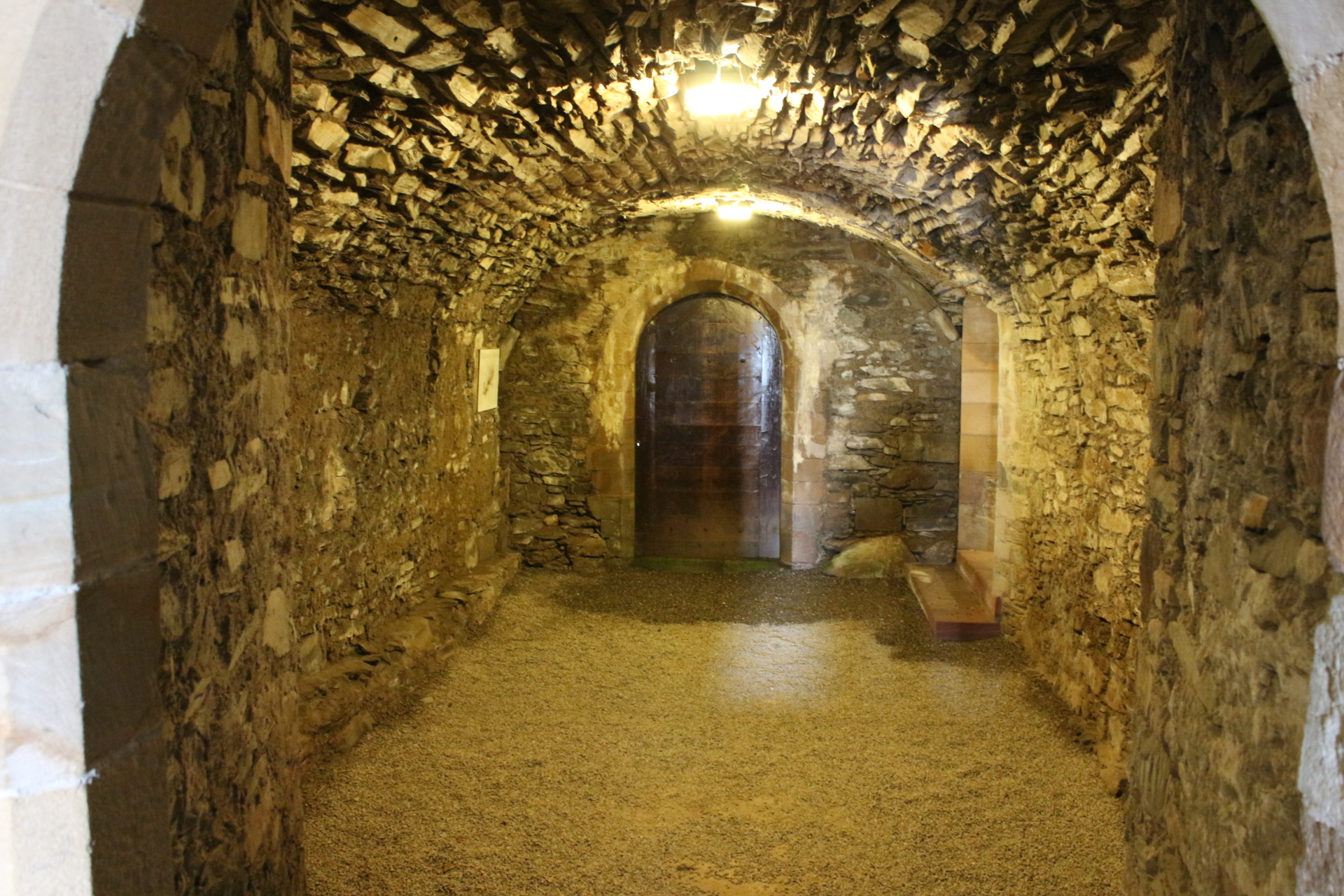 Photo: Billy McCrorie / Wikimedia Commons / CC BY-SA 2.0 1,344 places Sacred places Caves, wells and early Christian sites where worship and pilgrimage left their mark.
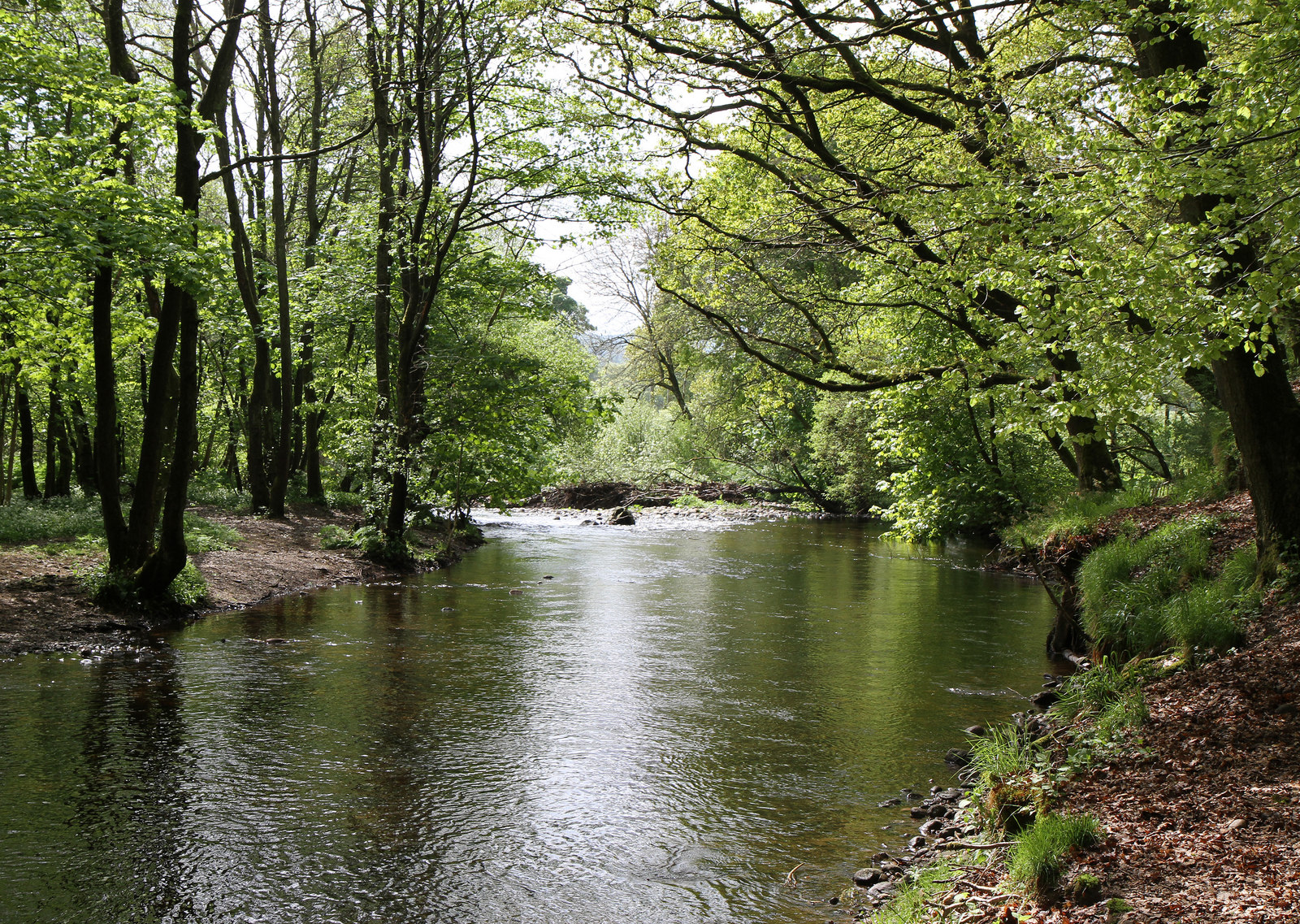 Photo: Martin Addison / Wikimedia Commons / CC BY-SA 2.0 23 places Ancient & notable trees Ancient yews, oaks and the named trees that have stood as landmarks and living memory for centuries.
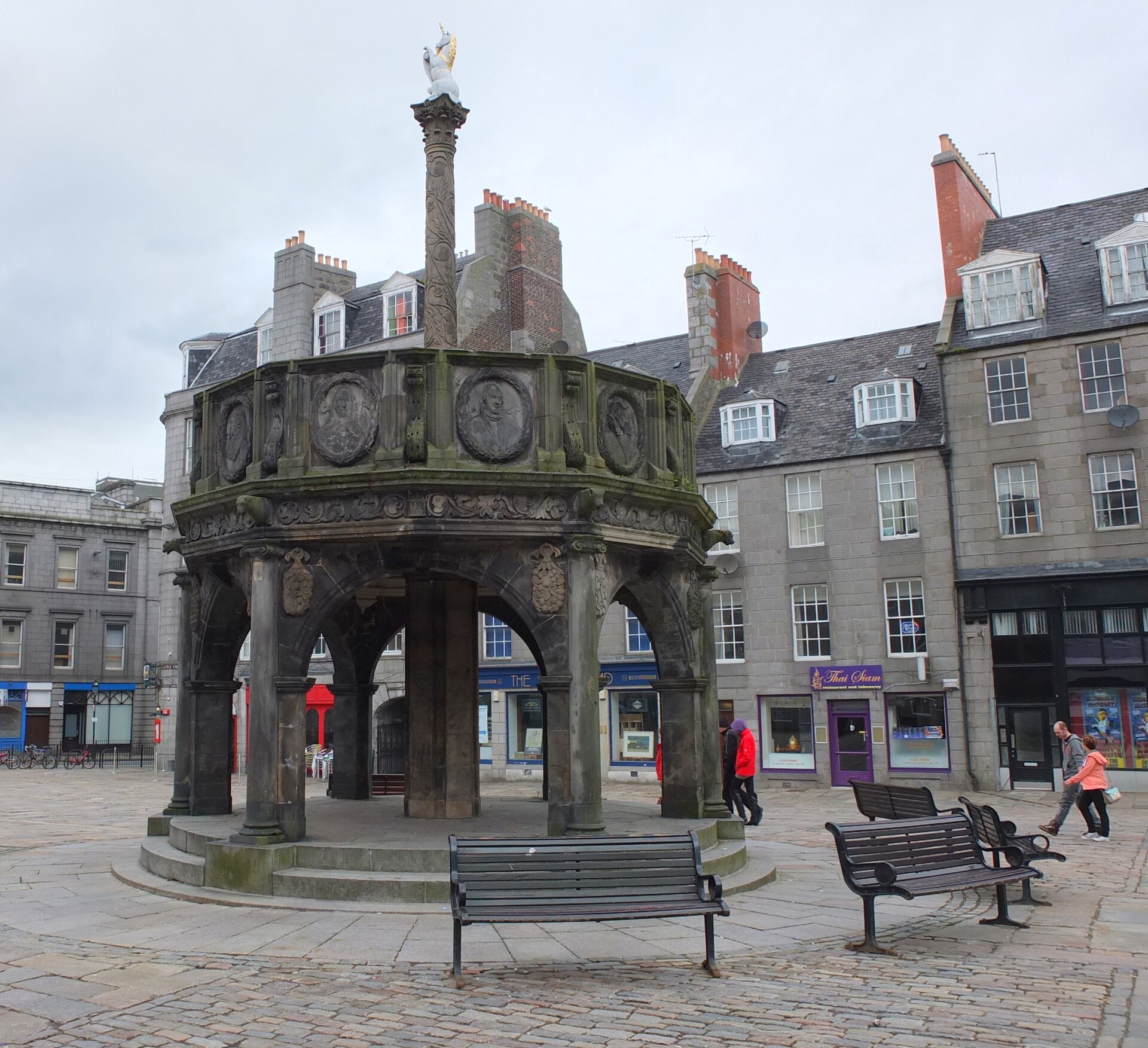 Photo: AberdeenBill / Wikimedia Commons / CC BY-SA 3.0 41 places Crosses, wells & waymarks Mercat crosses, holy wells, boundary stones and the smaller marks that shaped daily life.
Over 4,000 places across Britain and Ireland: hillforts on the skyline, cairns standing after thousands of years, abbeys left open to the weather. Most of them are free to walk up to, and one is almost certainly closer than you think.
Kinds of place
Ages
Fragile places are shown as a broad area rather than an exact pin. How we decide →
A rotating selection of the best ancient sites to visit in Britain and Ireland: stone circles, brochs, Pictish stones, hillforts and ruined castles, each one chosen because there is something still standing to see.
Building or ruin · Medieval
Fife
Dunfermline Abbey combines one of Scotland’s great round-arched churches, built before the Gothic style, with the country’s richest concentration o…
Fortified place · Medieval
Aberdeenshire
The Annals of Ulster record two sieges of 'Dún Foither' in 681 and 694, possibly the earliest written references to the site; the 681 attack has be…
Tomb or burial place · Prehistoric
Orkney Islands
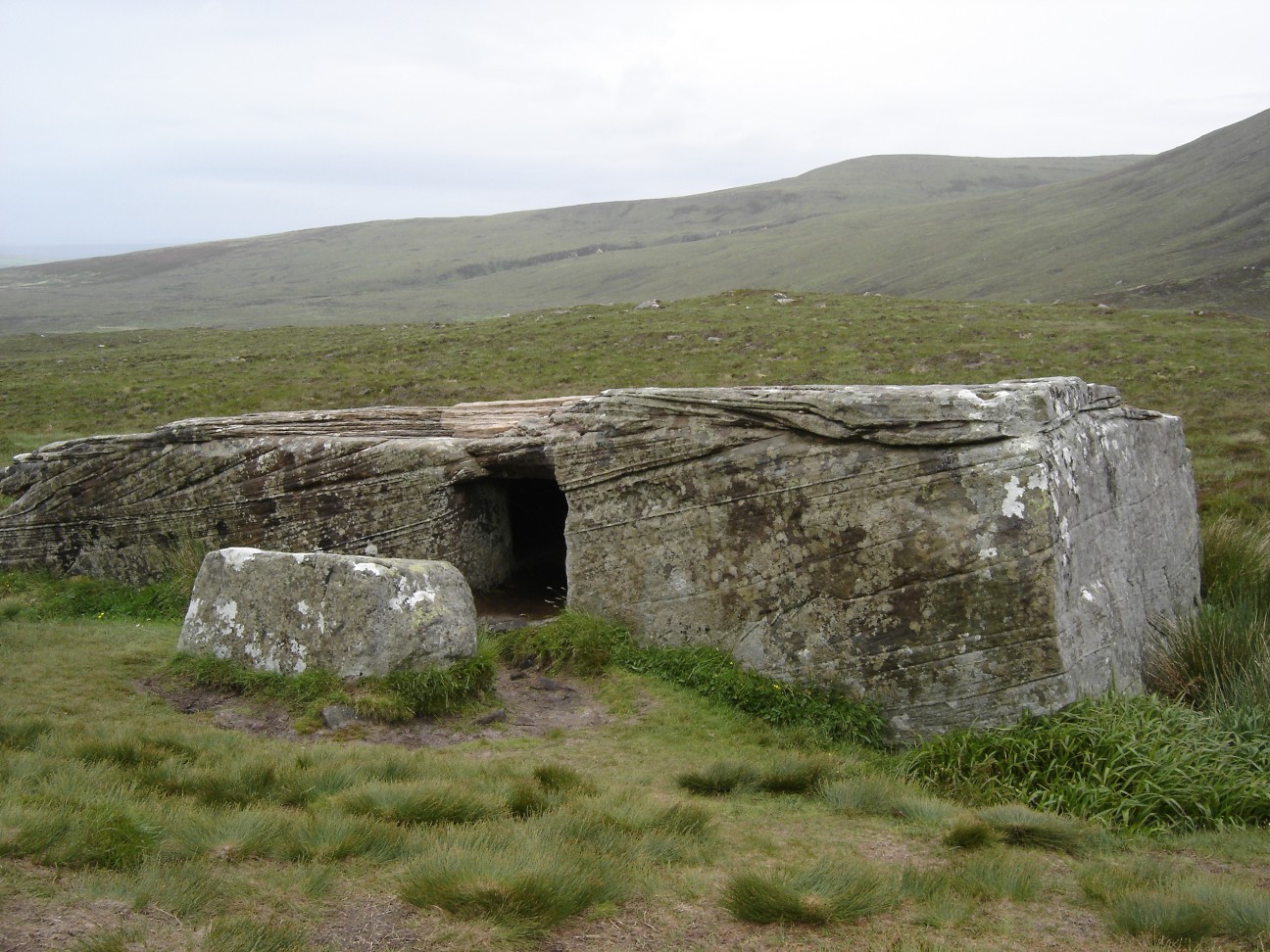
A chamber tomb carved out of a single glacial erratic of Old Red Sandstone, in a steep valley on Hoy.
Carved stone · Prehistoric
Highland
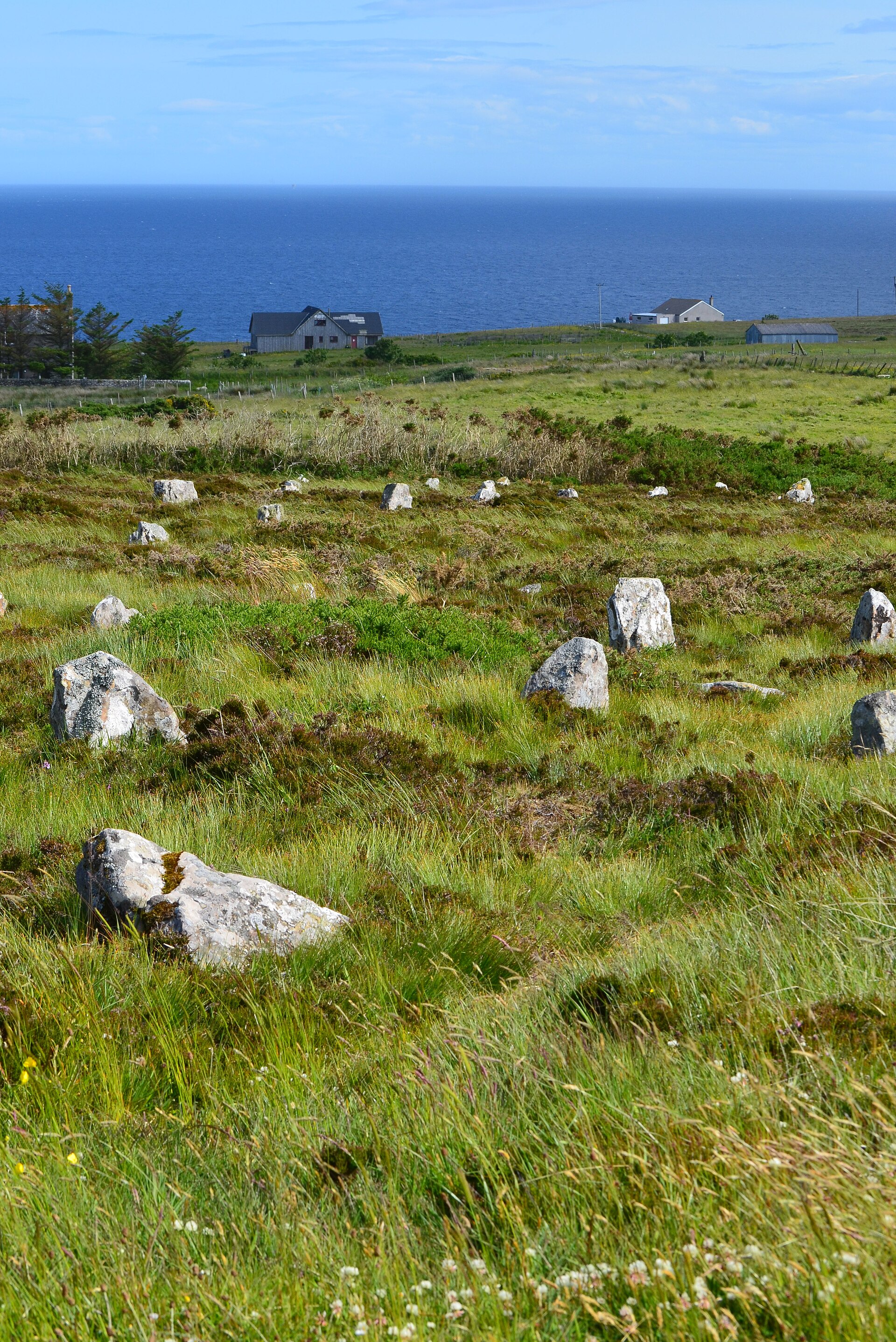
Alexander Thom argued these modest stones once tracked the moon's 18.6-year cycle: a claim no other Caithness stone row has earned.
Settlement · Prehistoric
Shetland Islands
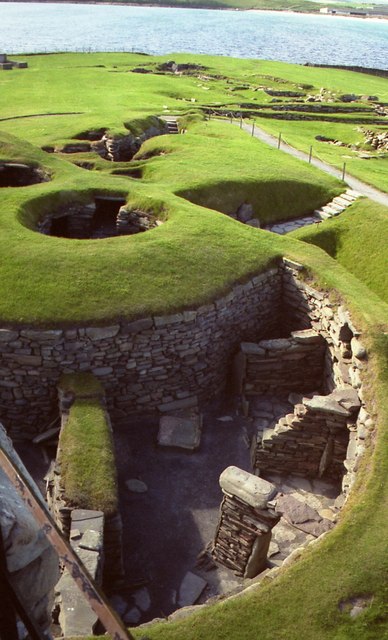
Jarlshof preserves an unusually complete sequence of human occupation, with remains dating from about 2500 BC to the seventeenth century AD.
Sacred place · Prehistoric
Dumfries and Galloway
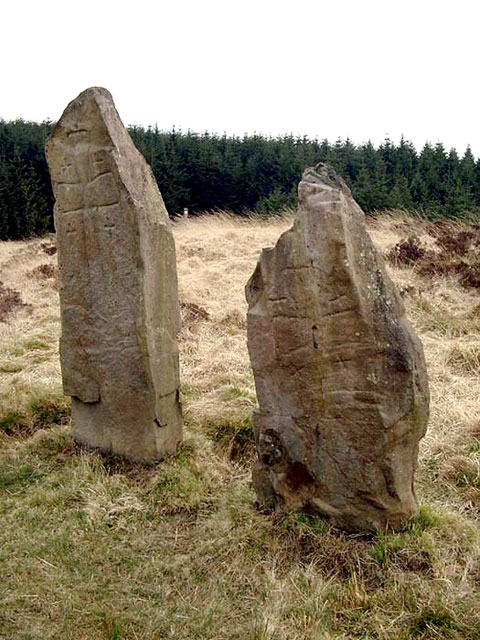
Laggangairn’s stones link a setting from before written records reached Britain to early Christian crosses and a medieval Whithorn pilgrimage route…
Minor monument · Medieval
Clackmannanshire
Clackmannan’s early market cross stands beside a town court building and the Clackmannan Stone, a rare civic group tied to the town’s origins.
Ancient place · Early medieval
Suffolk
The richest burial ever found in Britain: a 27-metre ship dragged up from the river and buried whole, with a helmet, gold shoulder-clasps and a pur…
Ancient tree · Medieval
Perth and Kinross
Birnam Oak, sometimes known as Macbeth's Oak, stands on the south bank of the River Tay and is associated with the surviving edge of Birnam Wood.
Fortified place · Iron Age
Scottish Borders
The hilltop on the northeast slope of Cockburn Law was first fortified in the pre-Roman Iron Age, when double ramparts and ditches enclosed an oval…
Fortified place · Iron Age
Scottish Borders
Excavation has shown the hillfort: a defended settlement on high ground: was occupied by 1000 BC, in the Bronze Age, roughly 2500–800 BC, when meta…
Building or ruin · Medieval
Argyll and Bute
In the first half of the 7th century a monastic community was established on Eilean Mor, the largest of the three islands in Loch Finlaggan: either…
Five ages, from the first farmers to the last abbeys.
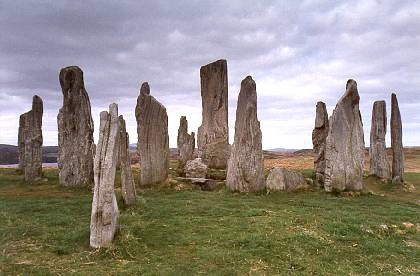
c. 4000 – 800 BC622 places
The first builders. Farming replaced foraging, and people began moving stone on a scale that still reads as deliberate today , chambered tombs, circles, and single standing stones set to catch a particular sunrise. Almost everything they left is a monument to the dead or to the sky.
What changedBronze gave way to iron, and the great communal monuments stopped being built. People turned from raising stones to defending ground.
Isle of Anglesey
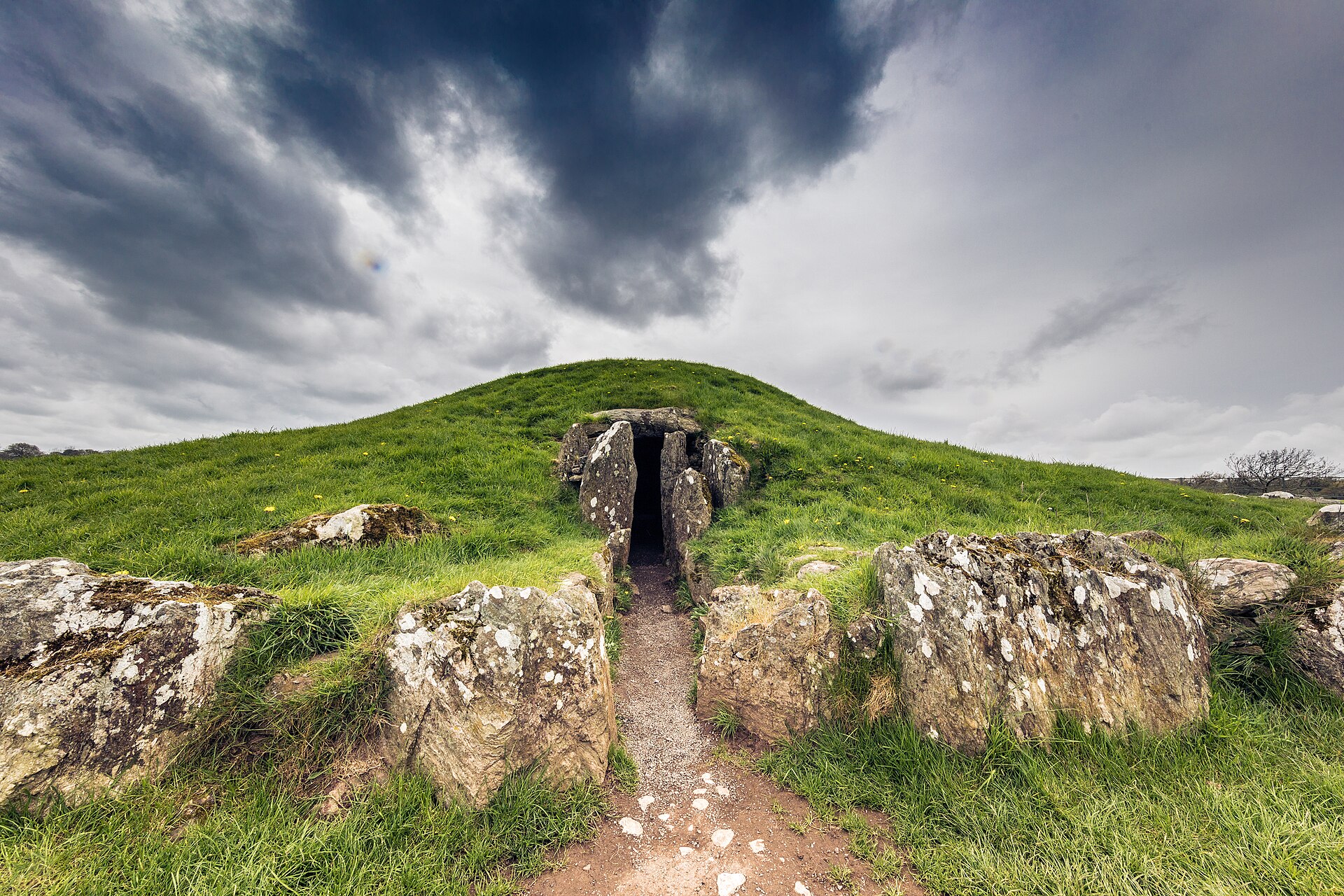
A tomb reached by a stone-lined passage, built around 2000 BC by smashing the stone circle that stood here first, and aligned so midsummer sunrise…
Wiltshire
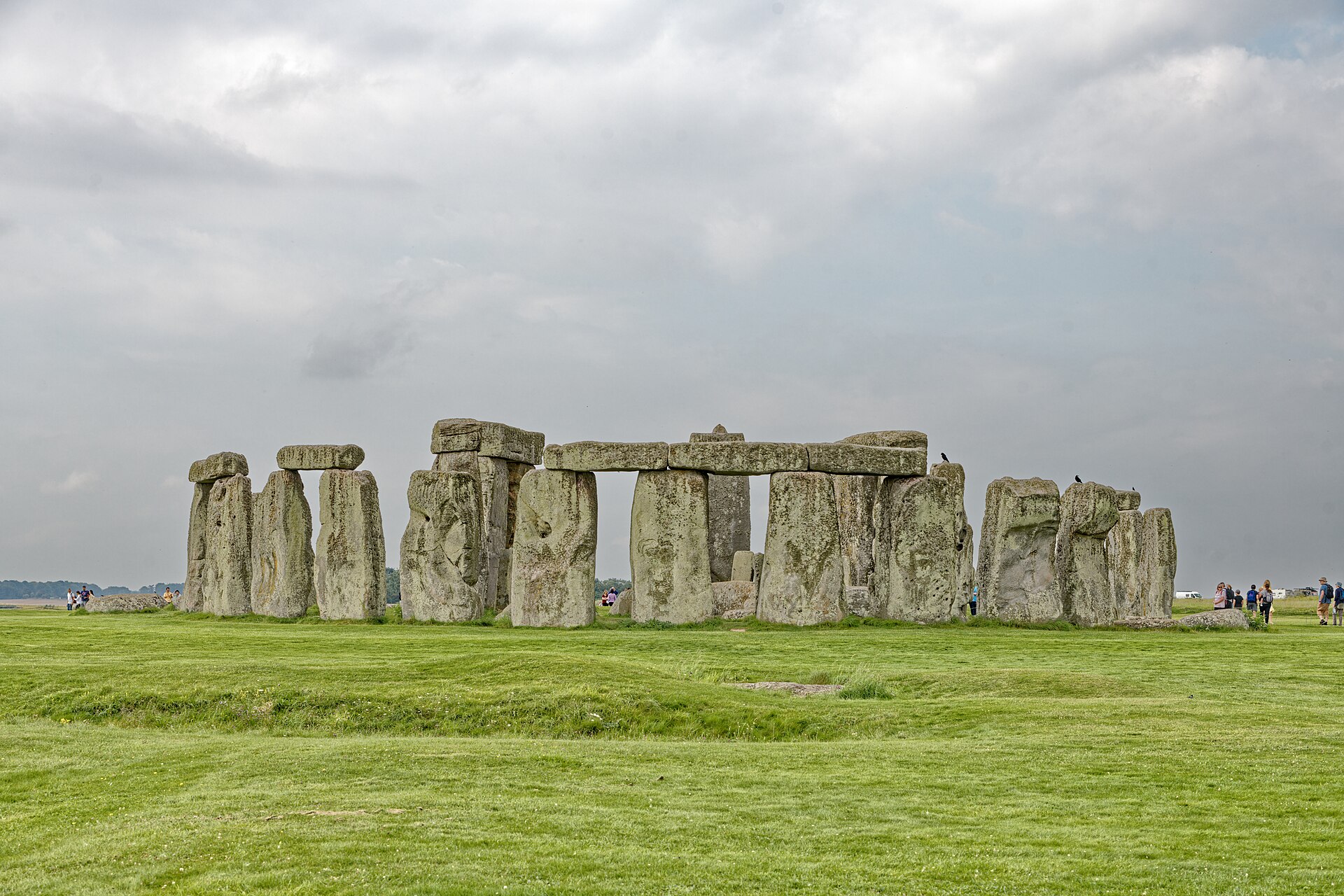
Its bluestones were hauled some 150 miles from Wales, and its Altar Stone has now been traced to Scotland, 700 km away: proof of a Neolithic (the f…
Moray
Known as the Lantern of the North, it was Scotland's second-largest medieval cathedral and uniquely combined an English-style octagonal chapter hou…
Argyll and Bute
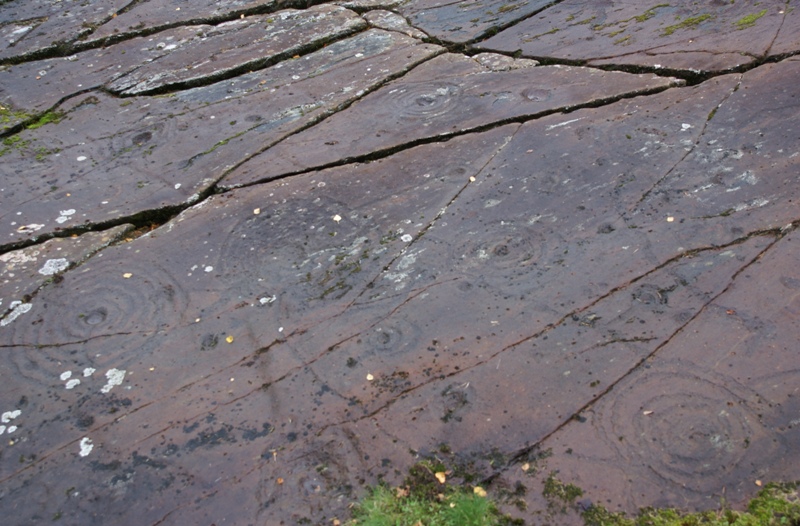
One of the densest and most elaborate concentrations of prehistoric (before written records reached Britain) cup and ring carvings anywhere in Scot…
4,619 places across 135 regions of Britain and Ireland. Start with the ground you know or venture further than ever.