Carved stone · Pictish & early medieval
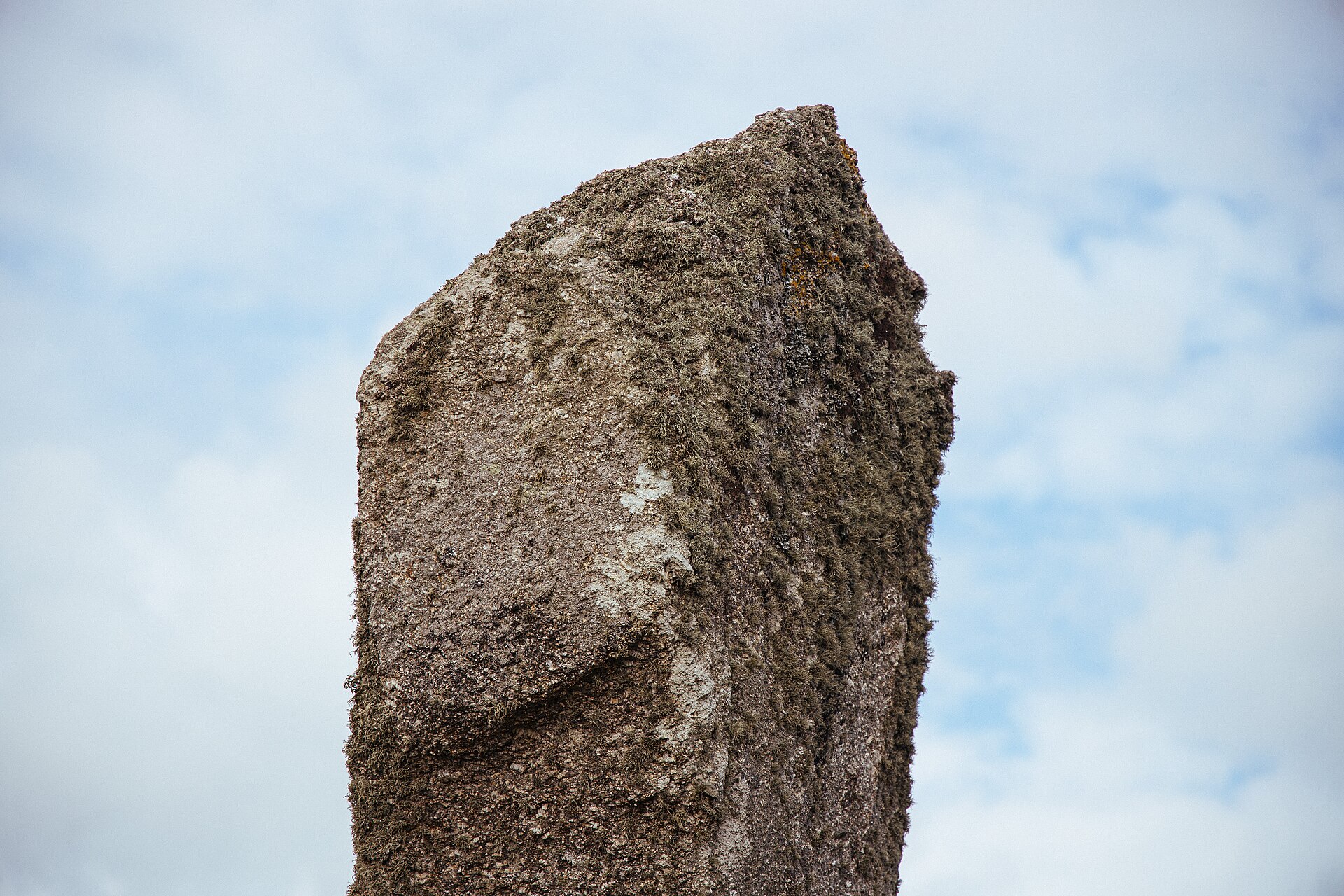
The Pipers, St Buryan
Cornwall
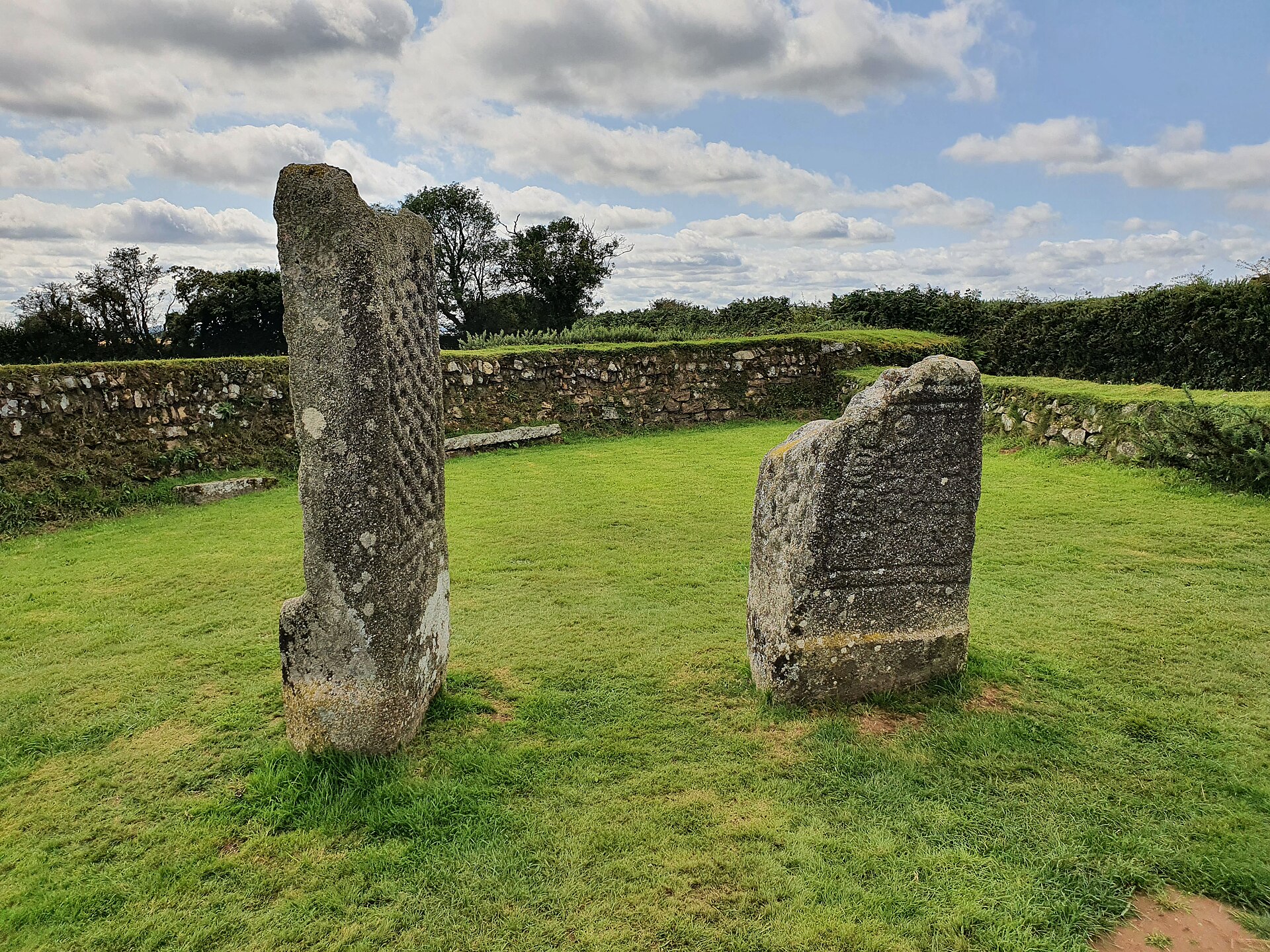
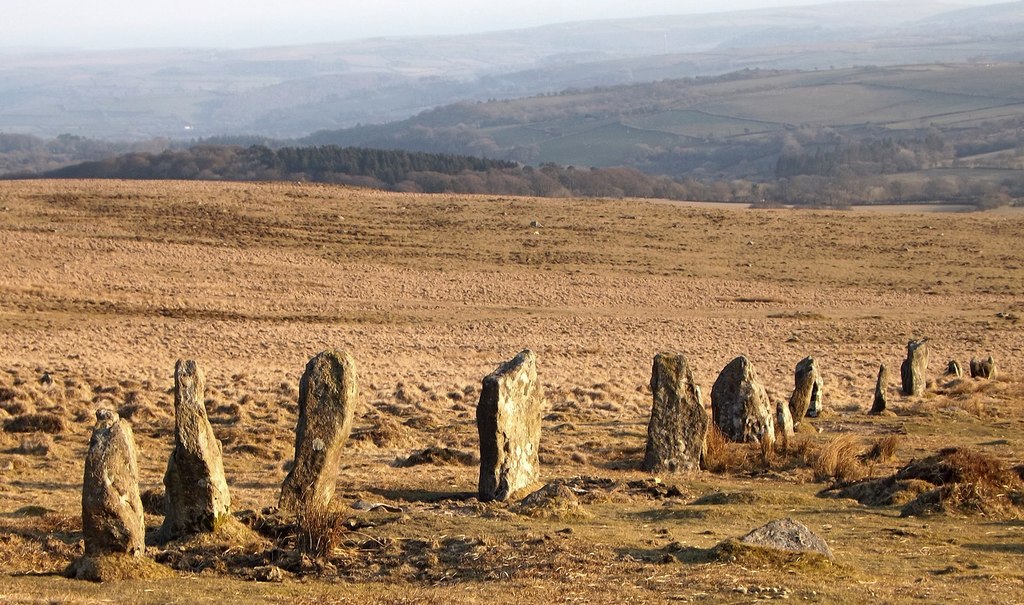
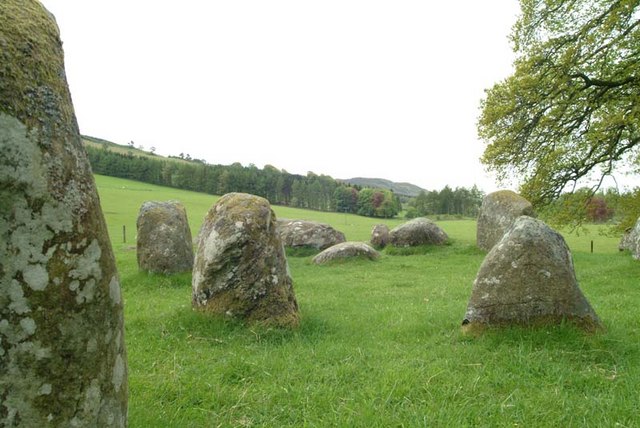
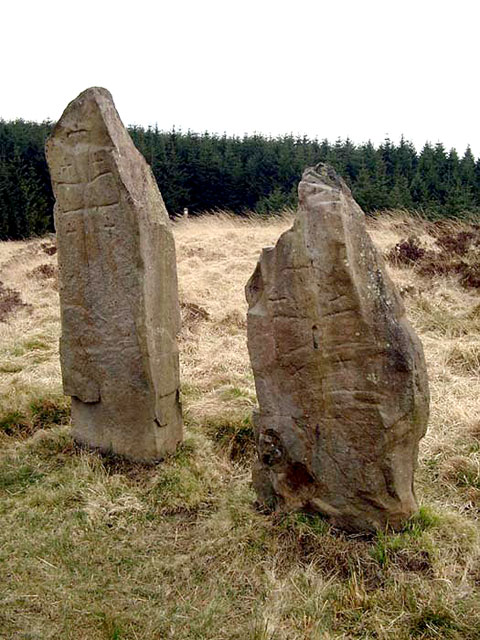
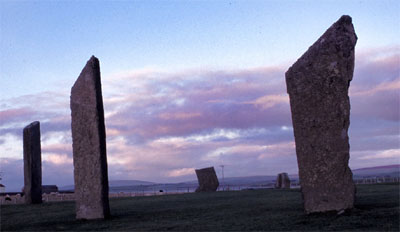
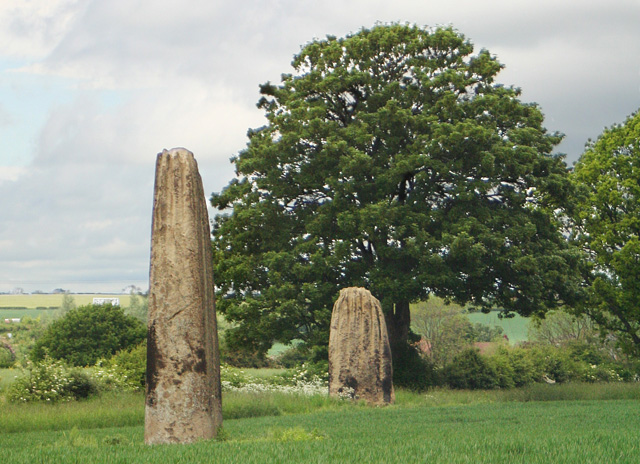
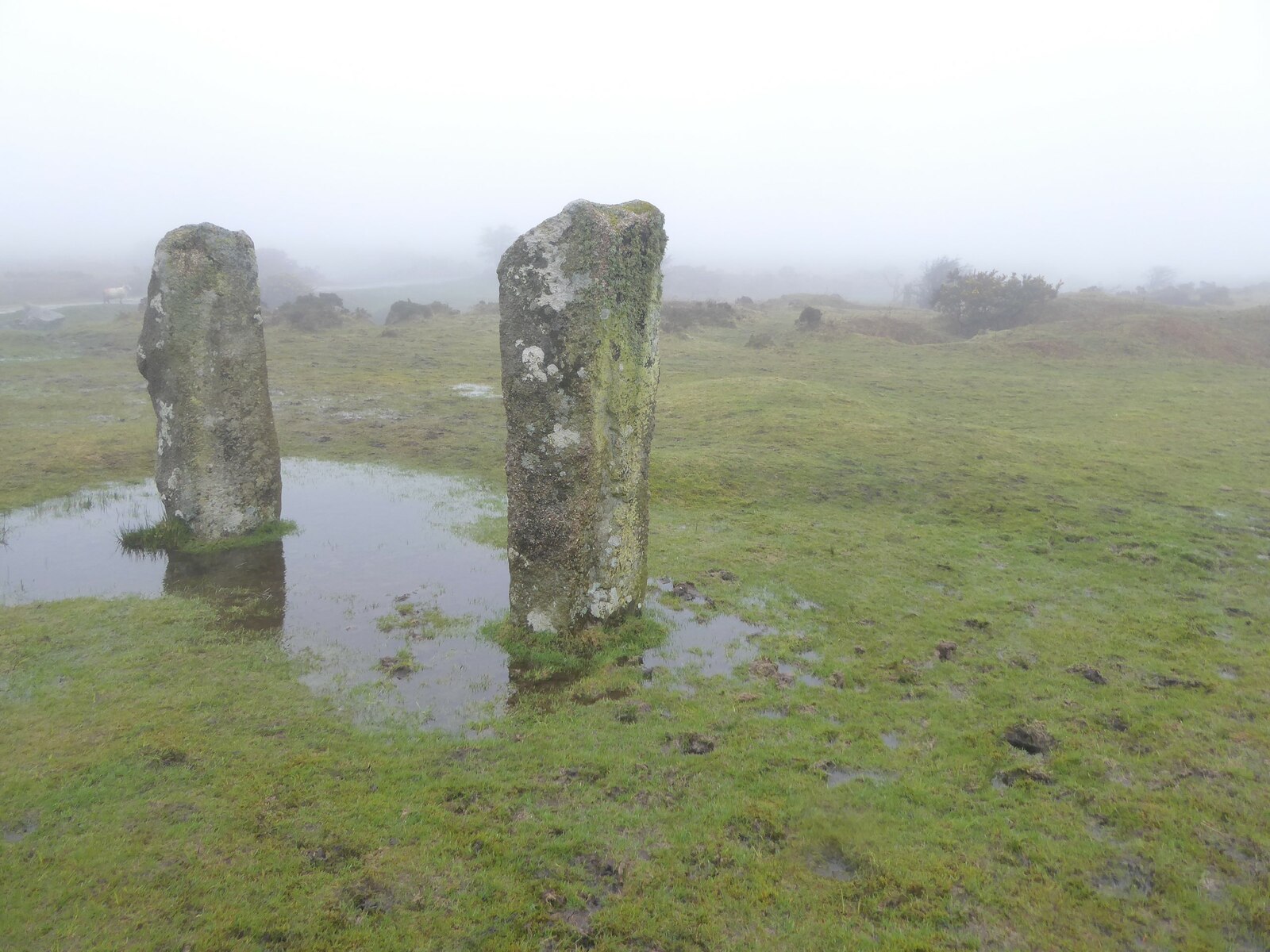
The Pipers near St Buryan are two exceptionally tall standing stones aligned toward the Merry Maidens, preserving a distinctive component of Penwit…
- Near St Buryan
- Easy path
By type
Pictish symbol stones, cross-slabs, standing stones and rock carvings: the marks left on bare stone.
Page 1 of 1. Browsing 100 of 4619 — searching looks across all of them.
Carved stone · Pictish & early medieval
Cornwall
The Pipers near St Buryan are two exceptionally tall standing stones aligned toward the Merry Maidens, preserving a distinctive component of Penwit…
Carved stone · Medieval
Cumbria
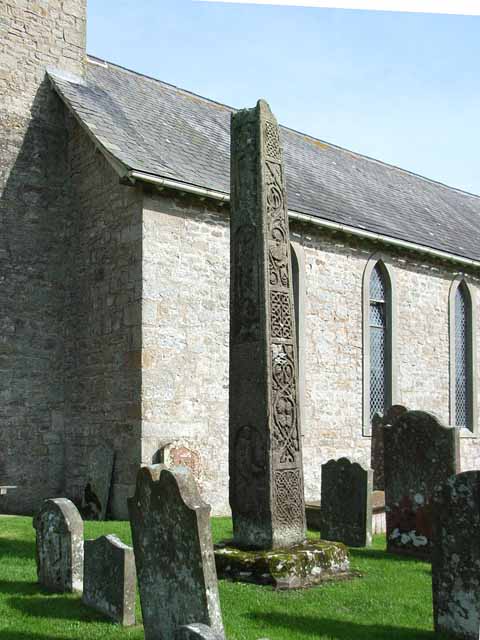
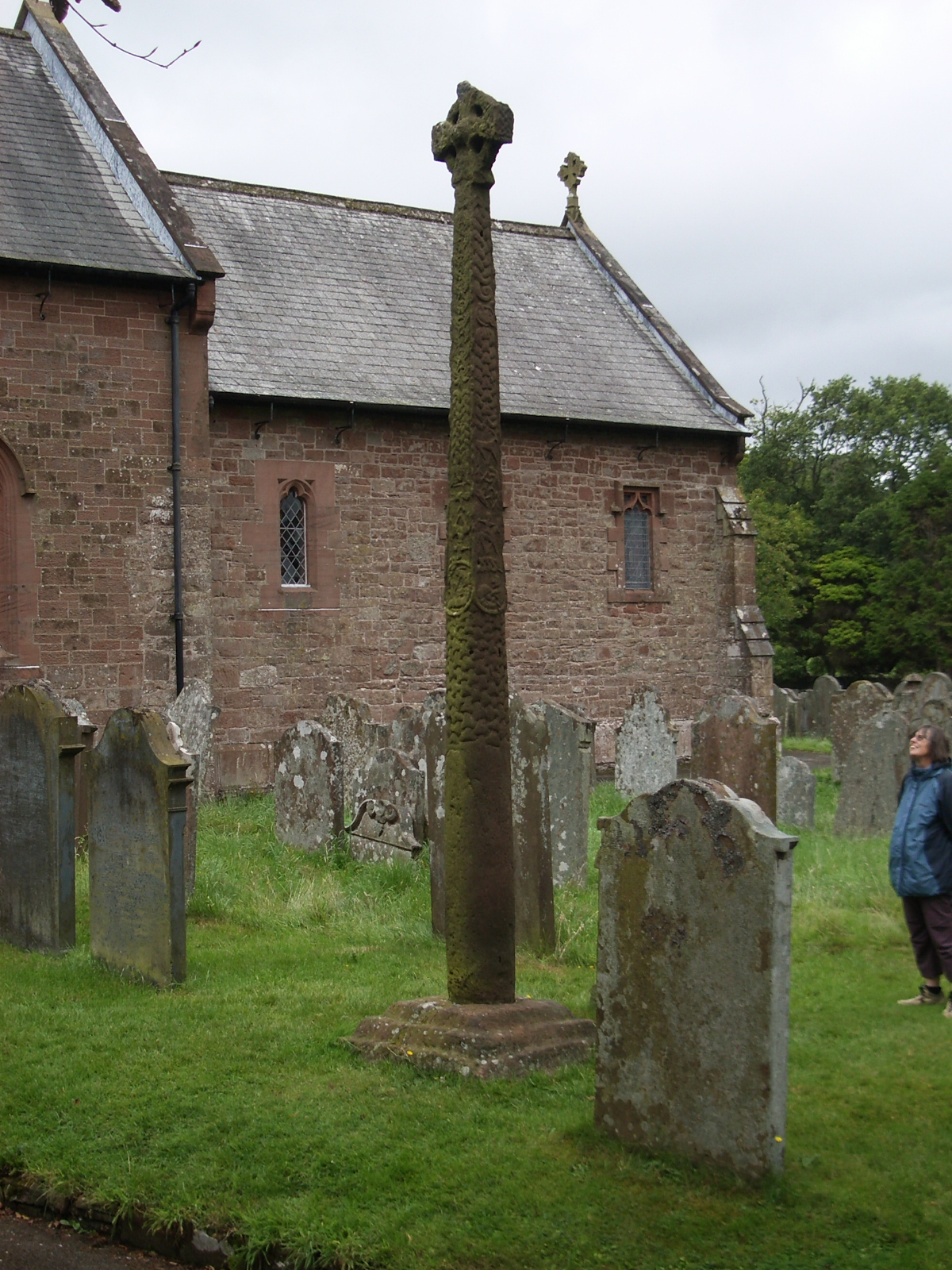
A near-complete Northumbrian cross carved with figures, runes and one of England's earliest sundials, still standing where it was first raised some…
Carved stone · Pictish & early medieval
Angus
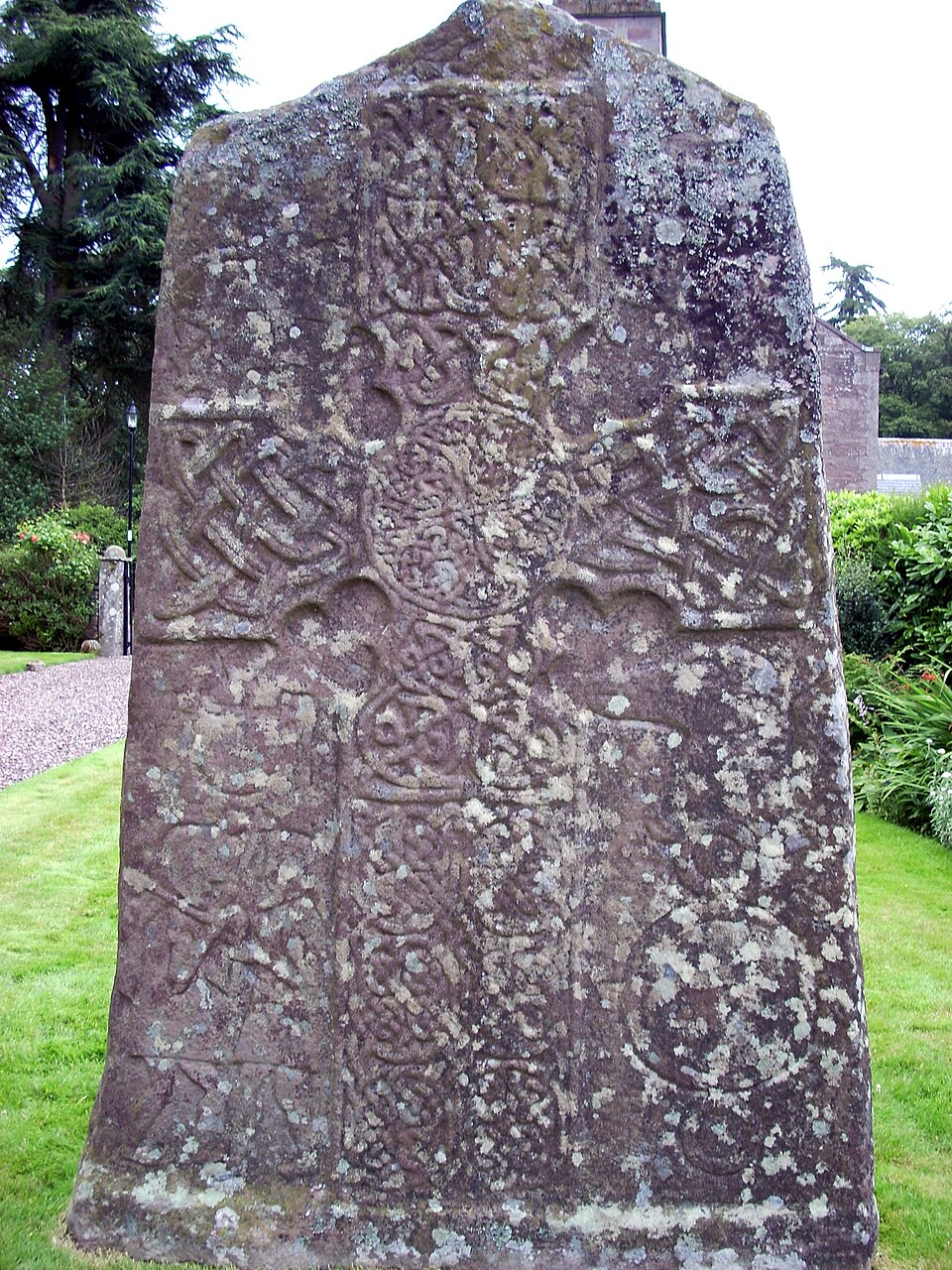
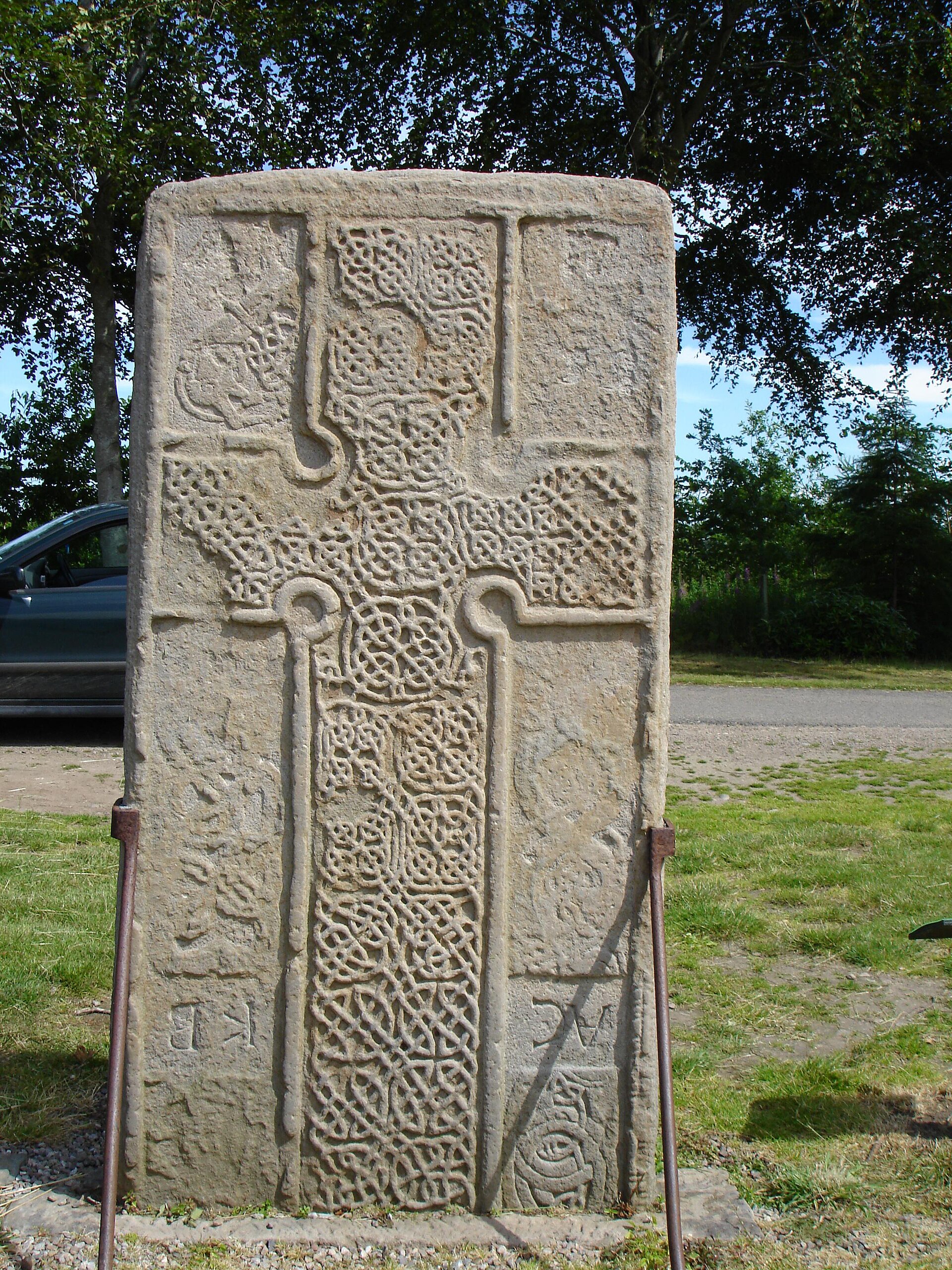
One of the most crowded cross faces in Pictish sculpture: axe-fighters, a cauldron with legs dangling from it, and a centaur share the stone with a…
Carved stone · Pictish & early medieval
Angus
The stones were carved during the height of Pictish (of the Picts, the people of northern and eastern Scotland from about AD 300 to 900) power in A…
Carved stone · Prehistoric
Argyll and Bute
One of the densest and most elaborate concentrations of prehistoric (before written records reached Britain) cup and ring carvings anywhere in Scot…
Carved stone · Pictish & early medieval
Aberdeenshire
Brandsbutt preserves the symbols of the Picts, people of northern and eastern Scotland from about AD 300 to 900, beside an Ogham inscription still…
Sacred place · Prehistoric
Outer Hebrides
Erected around 2750 BC, before Stonehenge, and laid out so that none of its three stone rows actually points at the centre of its own circle.
Sacred place · Prehistoric
Perth and Kinross
Croft Moraig is a complex multi-phase monument. Excavation in 1965 revealed three phases of construction: first a horseshoe of fourteen timber post…
Carved stone · Prehistoric
Highland
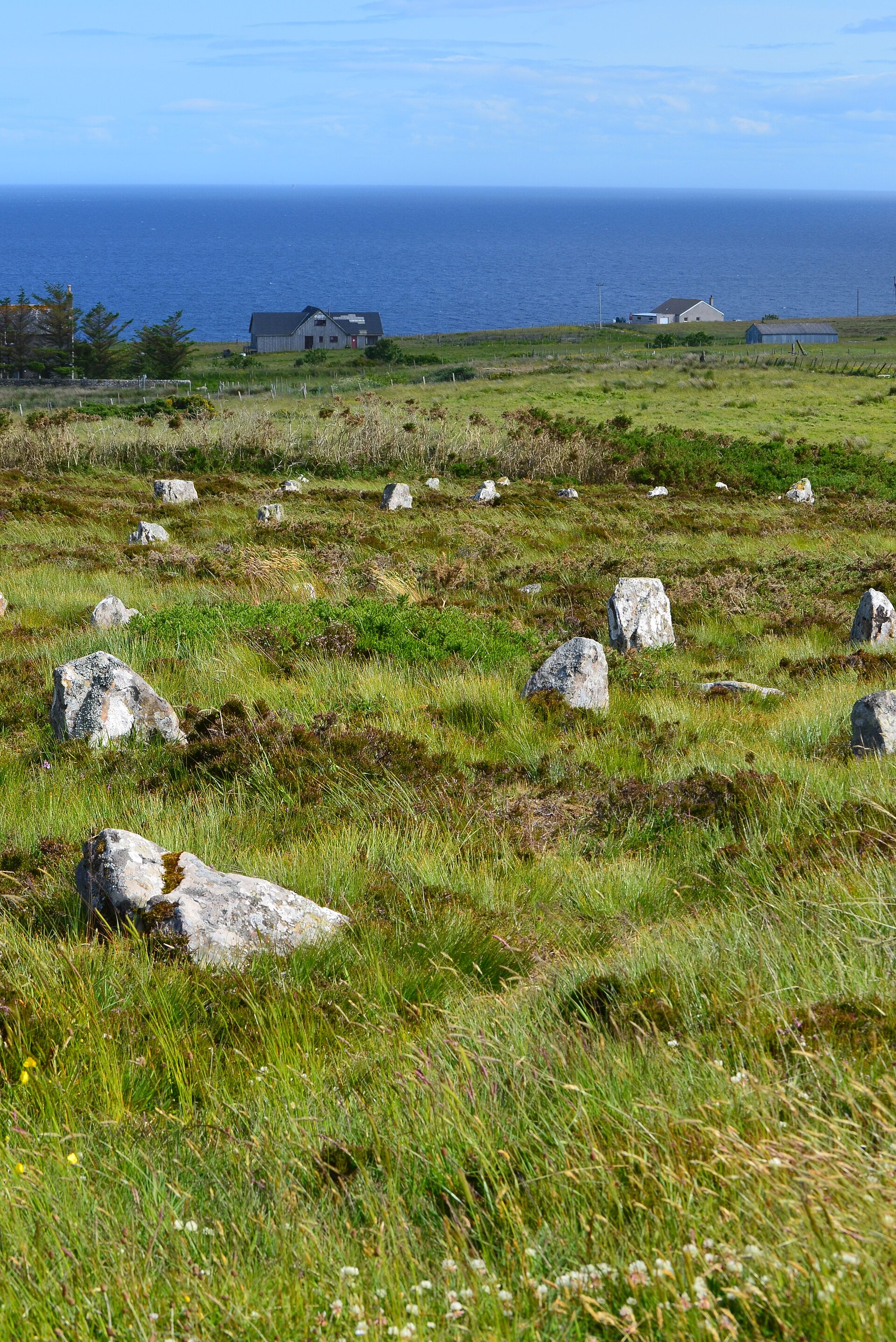
Alexander Thom argued these modest stones once tracked the moon's 18.6-year cycle: a claim no other Caithness stone row has earned.
Carved stone · Prehistoric
Scottish Borders
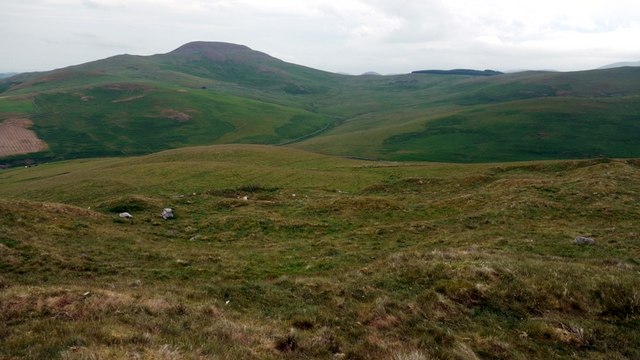
C. M. Piggott's 1948 excavation at Hownam Rings became a landmark in the archaeology of northern Britain. It produced the 'Hownam model' (or 'Howna…
Carved stone · Medieval
Scottish Borders
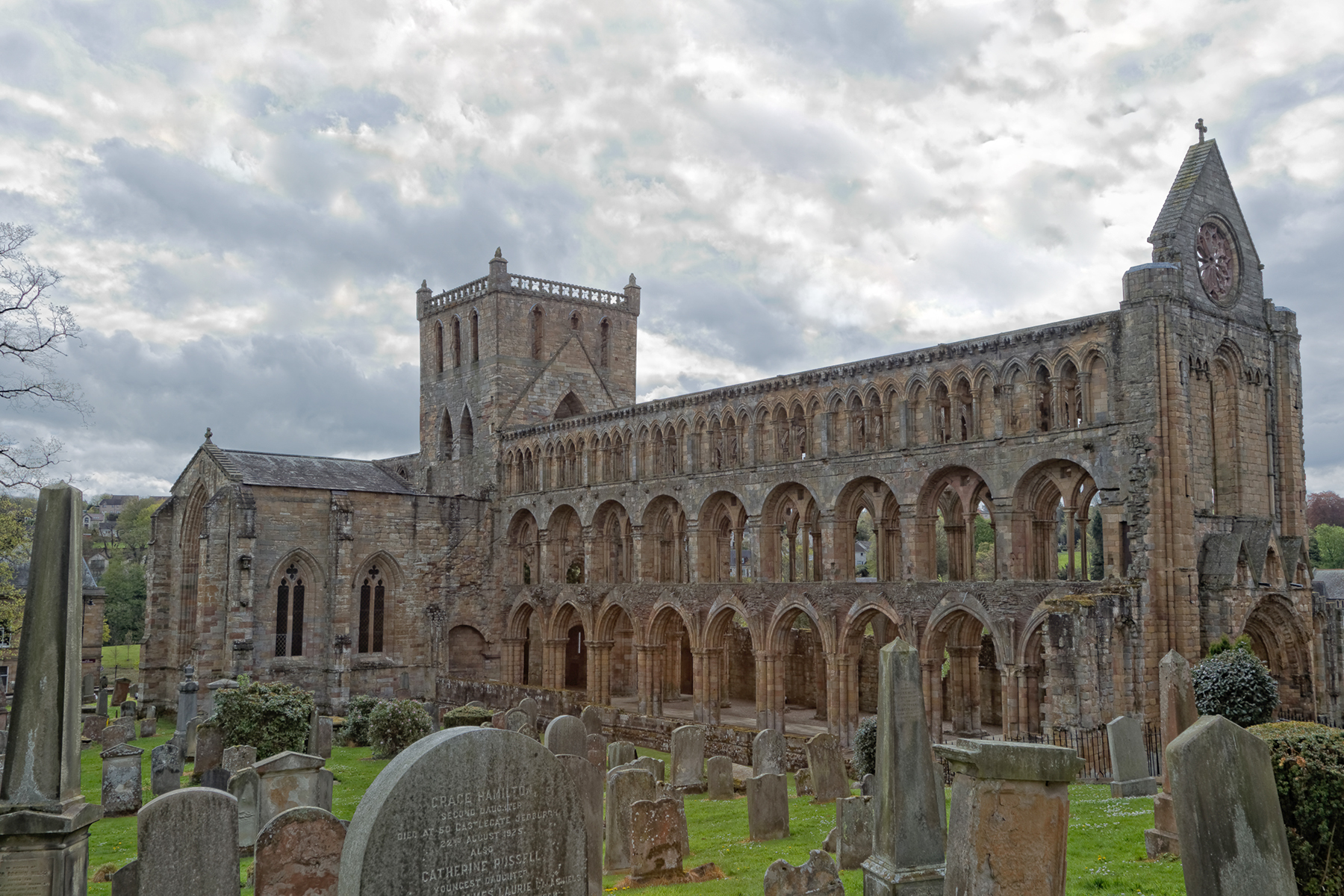
In 1118, before his accession to the Scottish throne, Prince David established a foundation of Augustinian canons at Jedburgh. It rose from priory:…
Sacred place · Prehistoric
Dumfries and Galloway
Laggangairn’s stones link a setting from before written records reached Britain to early Christian crosses and a medieval Whithorn pilgrimage route…
Carved stone · Pictish & early medieval
Aberdeenshire
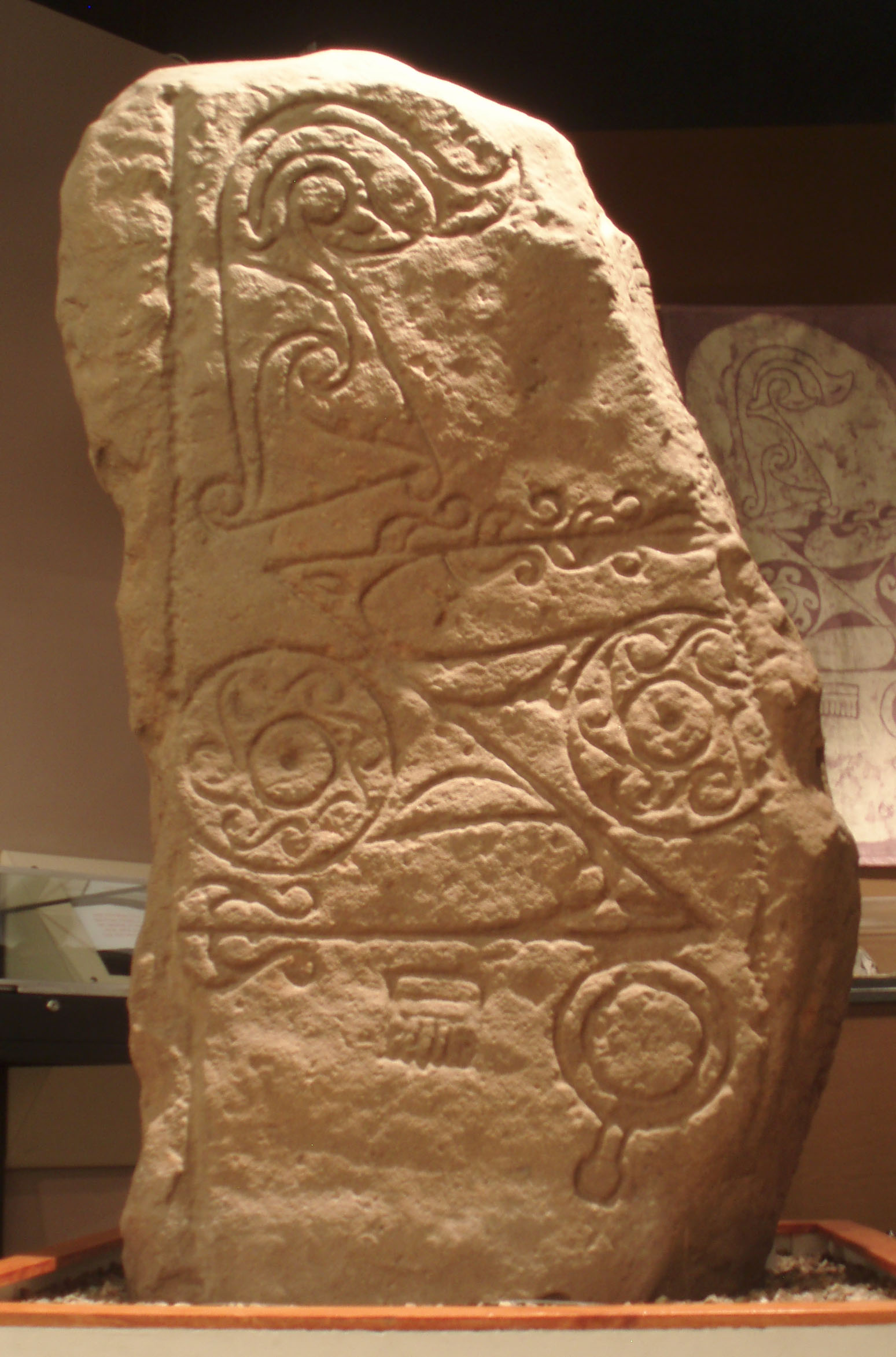
A double-disc, a serpent and a mirror cut into whinstone around AD 600: three of the clearest Pictish (of the Picts, the people of northern and eas…
Sacred place · Prehistoric
Orkney Islands
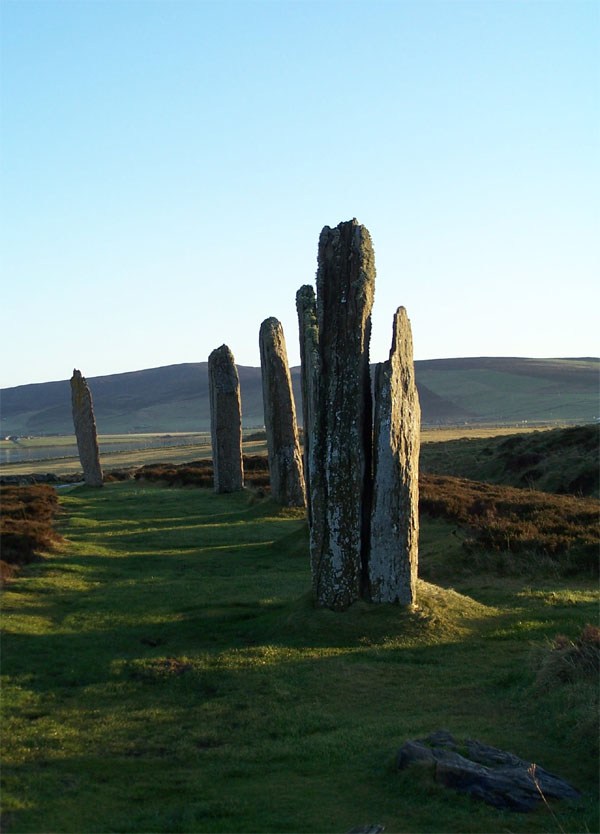
The Ring of Brodgar is a stone circle on the narrow isthmus between the Lochs of Stenness and Harray on Mainland, Orkney.
Carved stone · Pictish & early medieval
Dumfries and Galloway
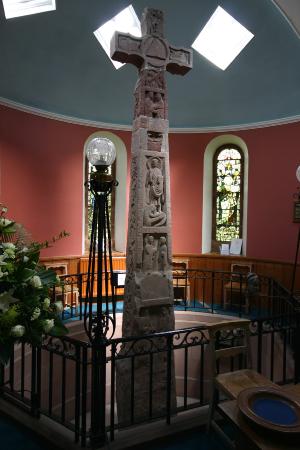
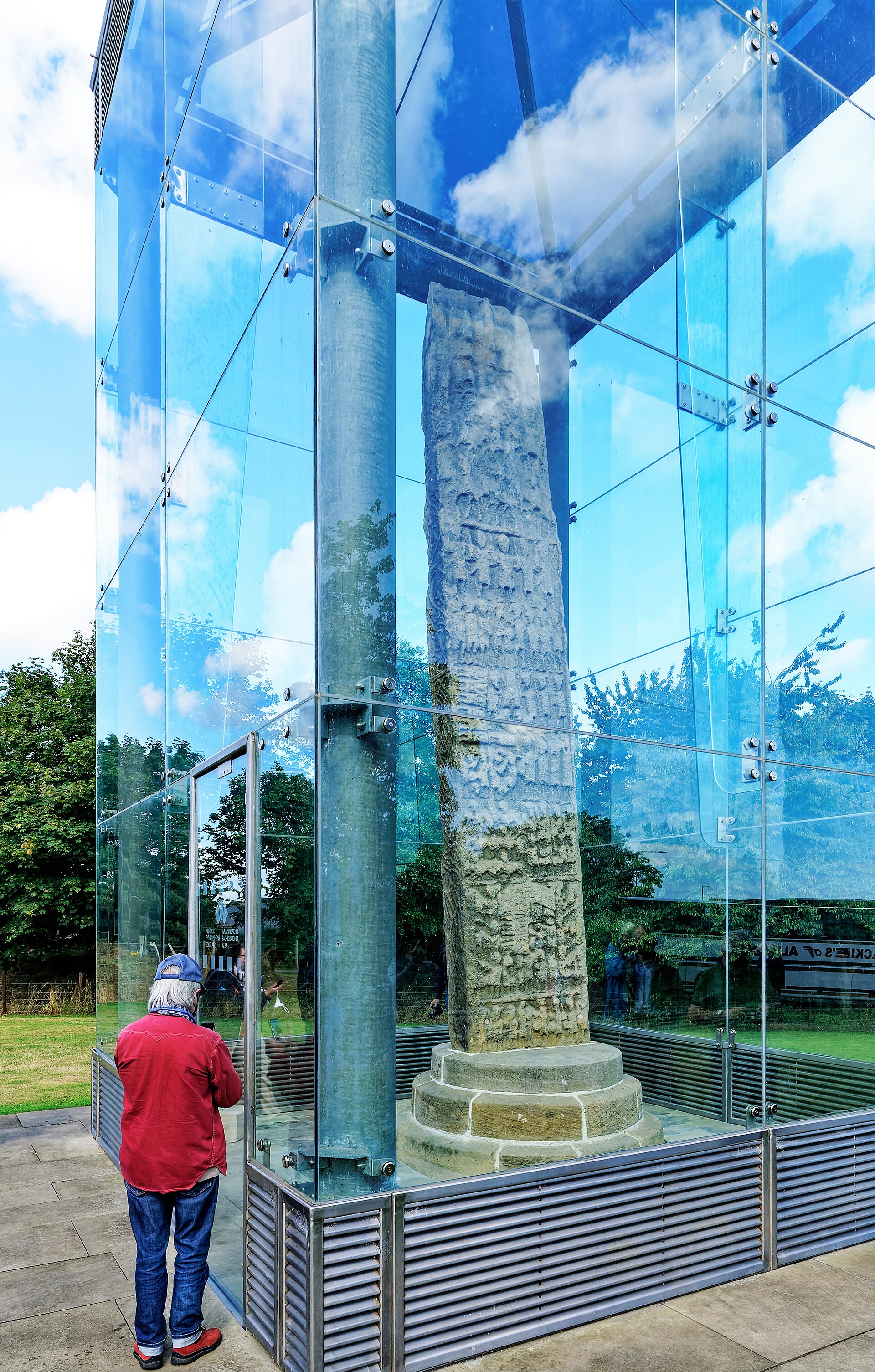
The Ruthwell Cross is a stone Anglo-Saxon cross probably dating from the 8th century, when Ruthwell: now in Scotland: was part of the Anglo-Saxon K…
Sacred place · Prehistoric
Orkney Islands
An ancient monument five miles north-east of Stromness that may be the oldest circular enclosure in the British Isles.
Carved stone · Prehistoric
Falkirk
Tappoch Broch is a scheduled stone tower dating from from about 800 BC until the Romans came, whose surviving chamber, staircase and recent conserv…
Carved stone · Prehistoric
Angus
The neighbouring Brown Caterthun was repeatedly altered during the latter half of the first millennium BC; White Caterthun preserves the contrastin…
Carved stone · Pictish & early medieval
Fife
The Abdie Stone is a rare Class I Pictish (of the Picts, the people of northern and eastern Scotland from about AD 300 to 900) monument in Fife who…
Carved stone · Medieval
Derbyshire
A prehistoric (predating the written record in Britain) boulder scored with cup-and-ring carvings was later turned into a private war memorial, its…
Carved stone · Medieval
County Tyrone
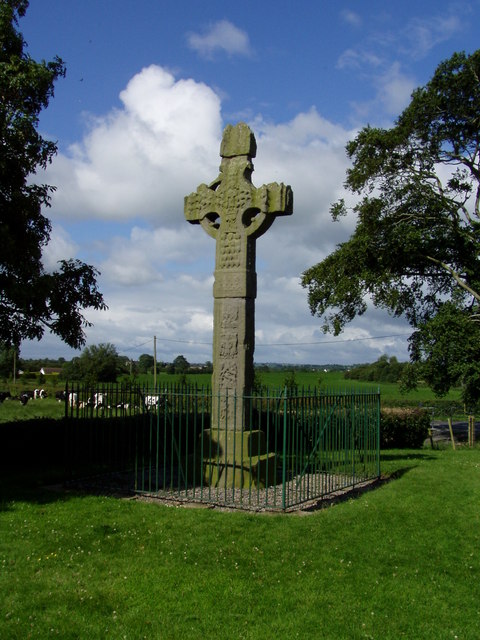
At 5.6 metres, Ardboe High Cross is Northern Ireland’s tallest and most complete original high cross; its twenty-two biblical panels preserve the o…
Carved stone · Pictish & early medieval
Highland
A single red sandstone boulder carries two carving traditions centuries apart: Bronze Age (roughly 2500–800 BC) cup-and-ring marks beneath a Pictis…
Carved stone · Pictish & early medieval
Aberdeenshire
Carved with the Pictish beast, a tuning fork and a mirror, the stone ties this quiet Aberdeenshire field into the still-unresolved symbol tradition…
Carved stone · Pictish & early medieval
Angus
Only the lower half of this Pictish (of the Picts, the people of northern and eastern Scotland from about AD 300 to 900) cross slab survives, yet l…
Carved stone · Medieval
Bristol
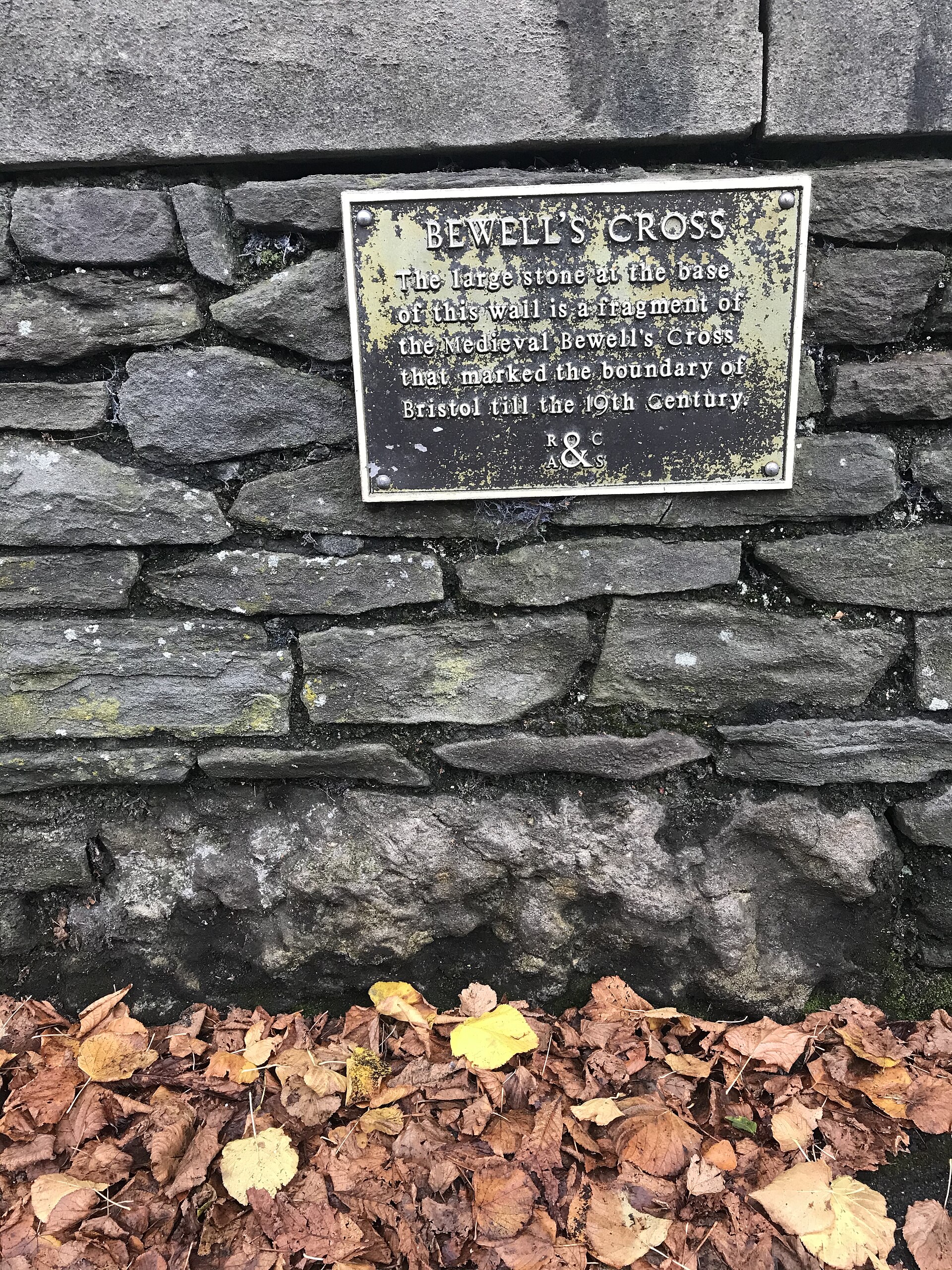
A boundary cross that doubled as Bristol's place of execution for centuries, where the condemned said a final prayer before being hanged on the hil…
Carved stone · Pictish & early medieval
Moray
The Birnie Symbol Stone preserves a compact seventh-century Pictish (of the Picts, the people of northern and eastern Scotland from about AD 300 to…
Sacred place · Roman
North Yorkshire
A single weathered stone on open moorland still carries a painted name, a Victorian carving, and a boundary role that has outlived every explanatio…
Carved stone · Pictish & early medieval
Cheshire
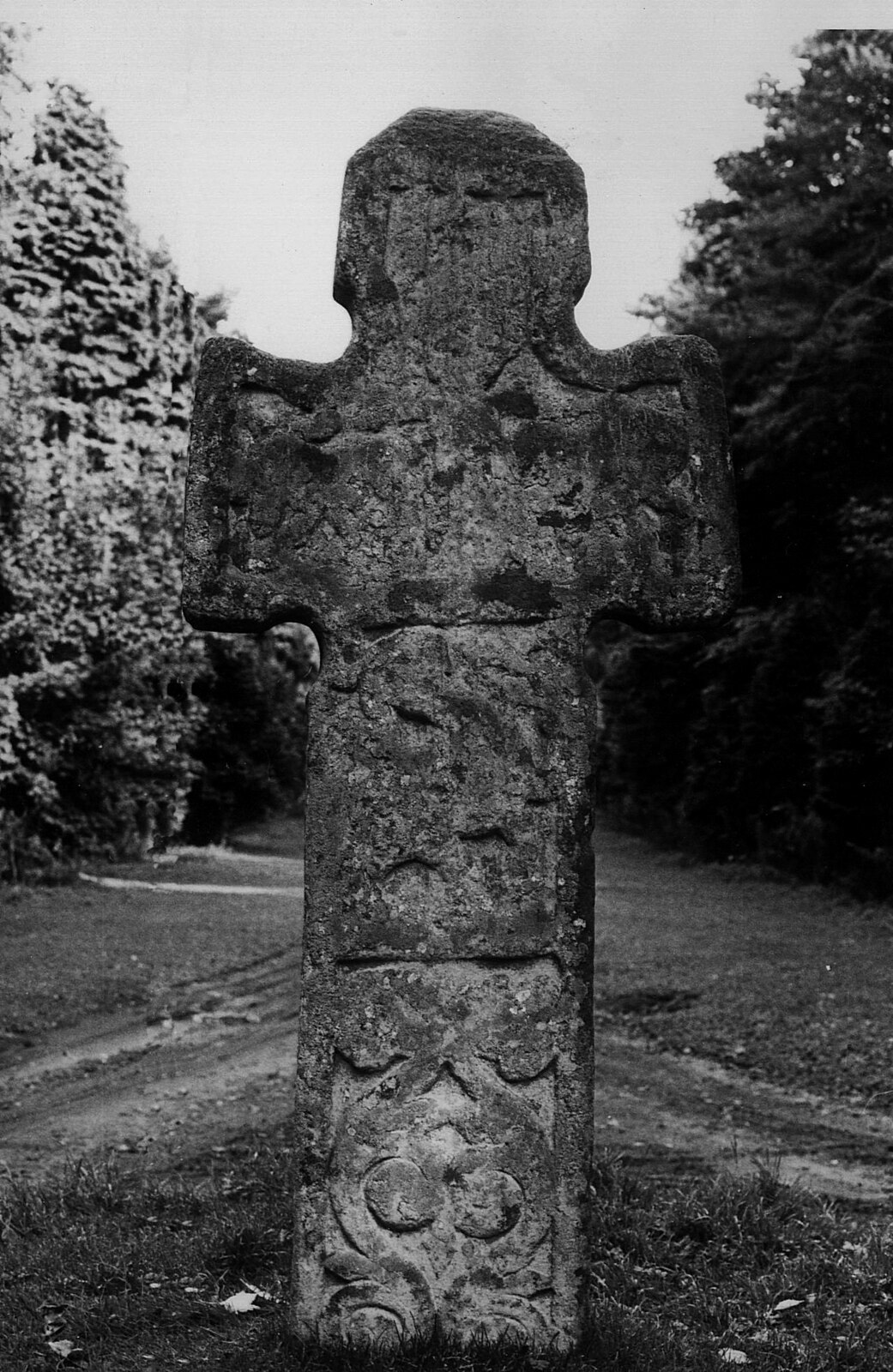
A round cross-section and an unusual pairing set these two Anglian shafts apart from almost every other stone cross of their age in England.
Carved stone · Pictish & early medieval
City of Edinburgh
The only Pictish carving to show a man drinking: a bald, bearded rider on a tired horse, lifting a horn that ends in a startled bird's head, cut ju…
Carved stone · Pictish & early medieval
Aberdeenshire
Found in a field-clearance heap in 2001, its incised crescent-and-V-rod and triple disc symbols mark a seventh-century Pictish (of the Picts, the p…
Carved stone · Pictish & early medieval
Angus
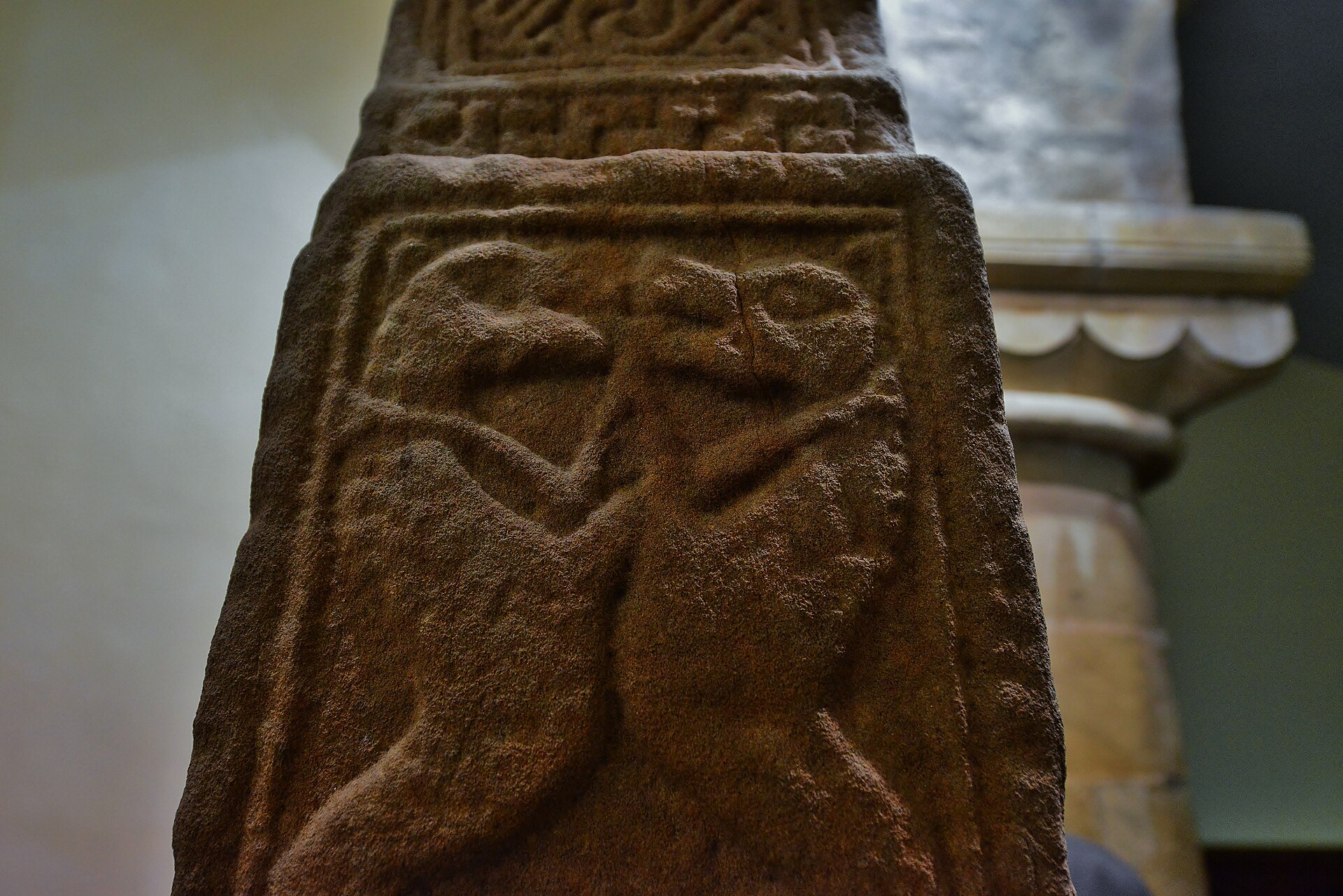
One of only two intact freestanding crosses surviving in eastern Scotland, its carving points to Irish monastic influence rather than the Viking le…
Carved stone · Medieval
Cheshire
A cross smashed by Parliamentarian soldiers in the Civil War, its scattered pieces quietly preserved for three centuries before being reassembled a…
Carved stone · Pictish & early medieval
Highland
A carved cross faces the sea while Pictish beasts and a hunting scene face the land on the reverse: a single stone holding two entirely different v…
Carved stone · Pictish & early medieval
Highland
A single monolith carries two separate ages of use: raised in the Bronze Age (roughly 2500–800 BC), then marked centuries later with Pictish (of th…
Carved stone · Pictish & early medieval
Highland
A carved eagle on a Pictish stone became, centuries later, the marker for a clan battle and the trigger for a seer's flood prophecy.
Carved stone · Pictish & early medieval
Highland
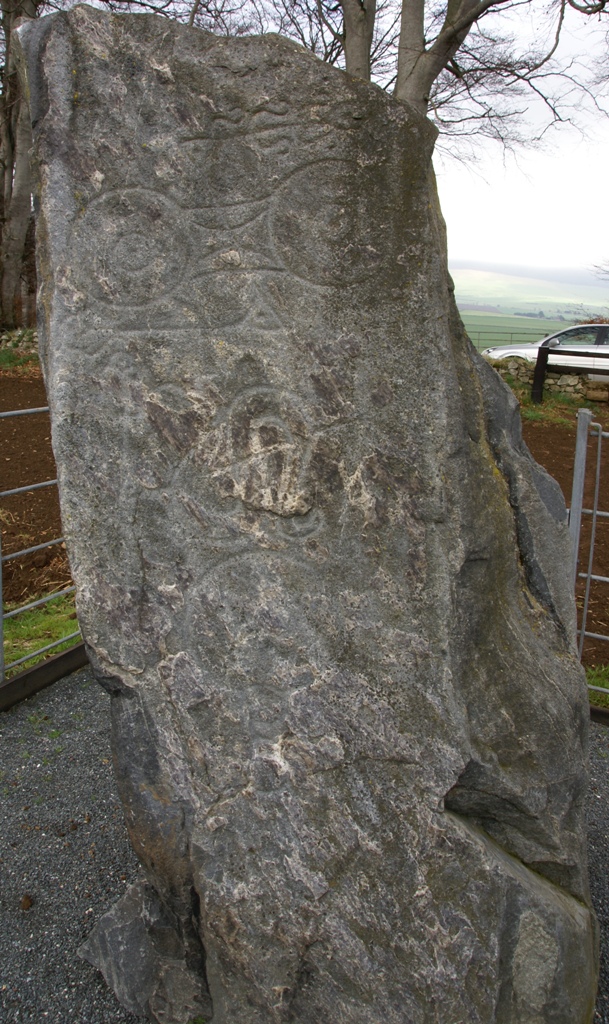
A Bronze Age pillar over three metres tall was reused two thousand years later as a canvas for Pictish carving: a salmon, a double-disc and a Z-rod…
Carved stone · Prehistoric
Somerset
An early medieval cross-marked stone found lying flat in wartime and stood up again: with one arm of its cross running outside the circle.
Carved stone · Medieval
North Yorkshire
Dacre’s Cross preserves a fifteenth-century object whose contested history keeps the Battle of Towton, chapel, boundary and memorial traditions in…
Carved stone · Pictish & early medieval
Moray
A Pictish symbol stone whose carver broke with convention, spreading incised emblems across two adjacent granite faces: an arrangement thought to b…
Carved stone · Prehistoric
North Yorkshire
The Devil’s Arrows are among Britain’s tallest standing stones and an exceptional lowland Neolithic (the first farming period in Britain, roughly 4…
Carved stone · Pictish & early medieval
Angus
One of the few Pictish (of the Picts, the people of northern and eastern Scotland from about AD 300 to 900) stones datable to a precise reign, its…
Carved stone · Pictish & early medieval
Aberdeenshire
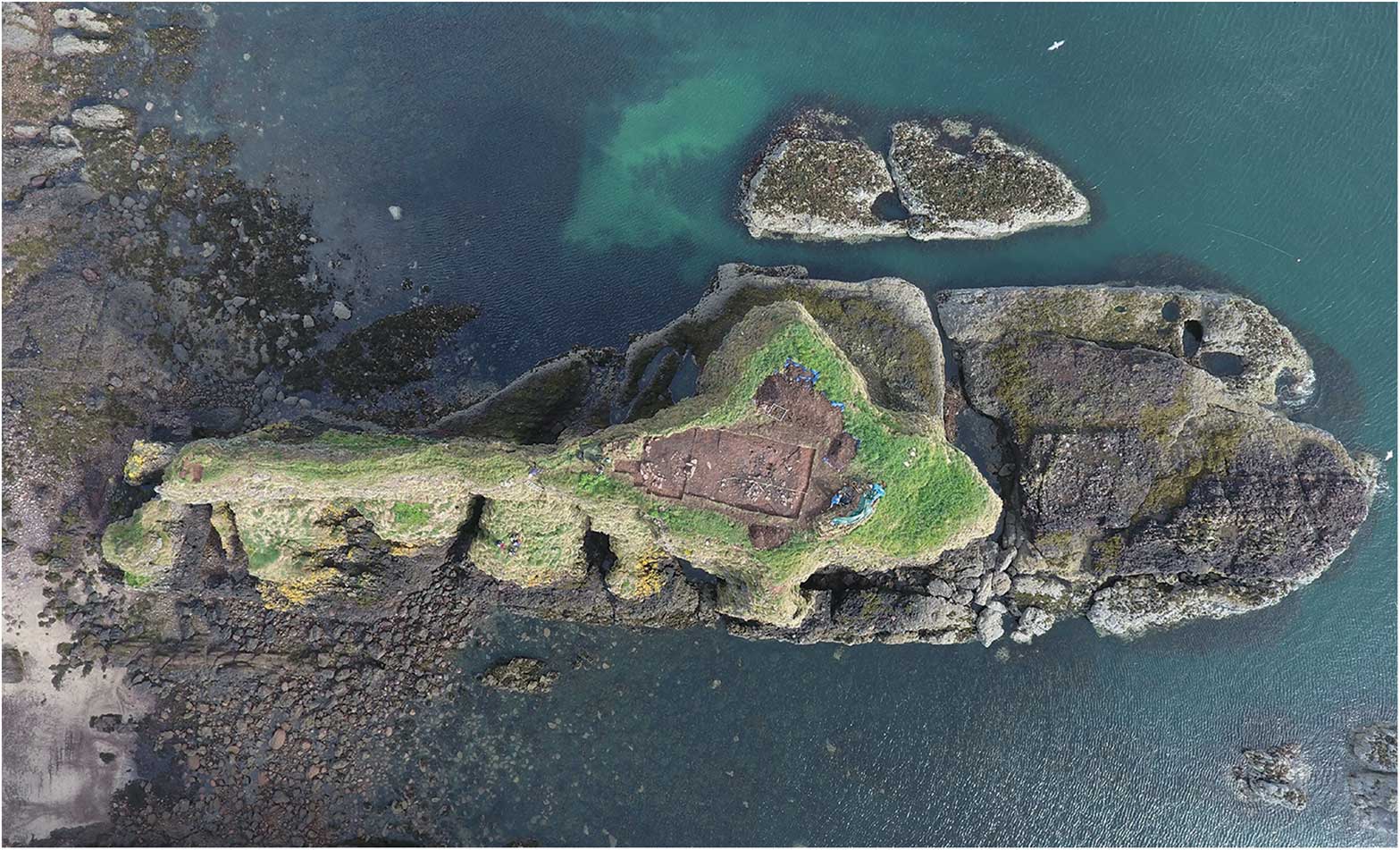
Radiocarbon-dated rampart (the raised bank thrown up around a fortified enclosure) timbers make this eroding sea stack the earliest known Pictish (…
Carved stone · Pictish & early medieval
Angus
Its carved flower motif is rare among Pictish (of the Picts, the people of northern and eastern Scotland from about AD 300 to 900) symbol stones, w…
Carved stone · Pictish & early medieval
Perth and Kinross
A Pictish high cross carrying the name of a king who reigned around AD 800: the fixed point from which the rest of Pictish sculpture is dated.
Carved stone · Pictish & early medieval
North Yorkshire
Carved from sandstone hauled some 60 miles from quarries near Whitby, the cross links a remote Yorkshire churchyard to the court art of Charlemagne…
Carved stone · Pictish & early medieval
Angus
Carved on both faces with warriors, hunters, angels and a figure entangled with severed heads, it survived only because Georgian antiquarians pulle…
Carved stone · Pictish & early medieval
Highland
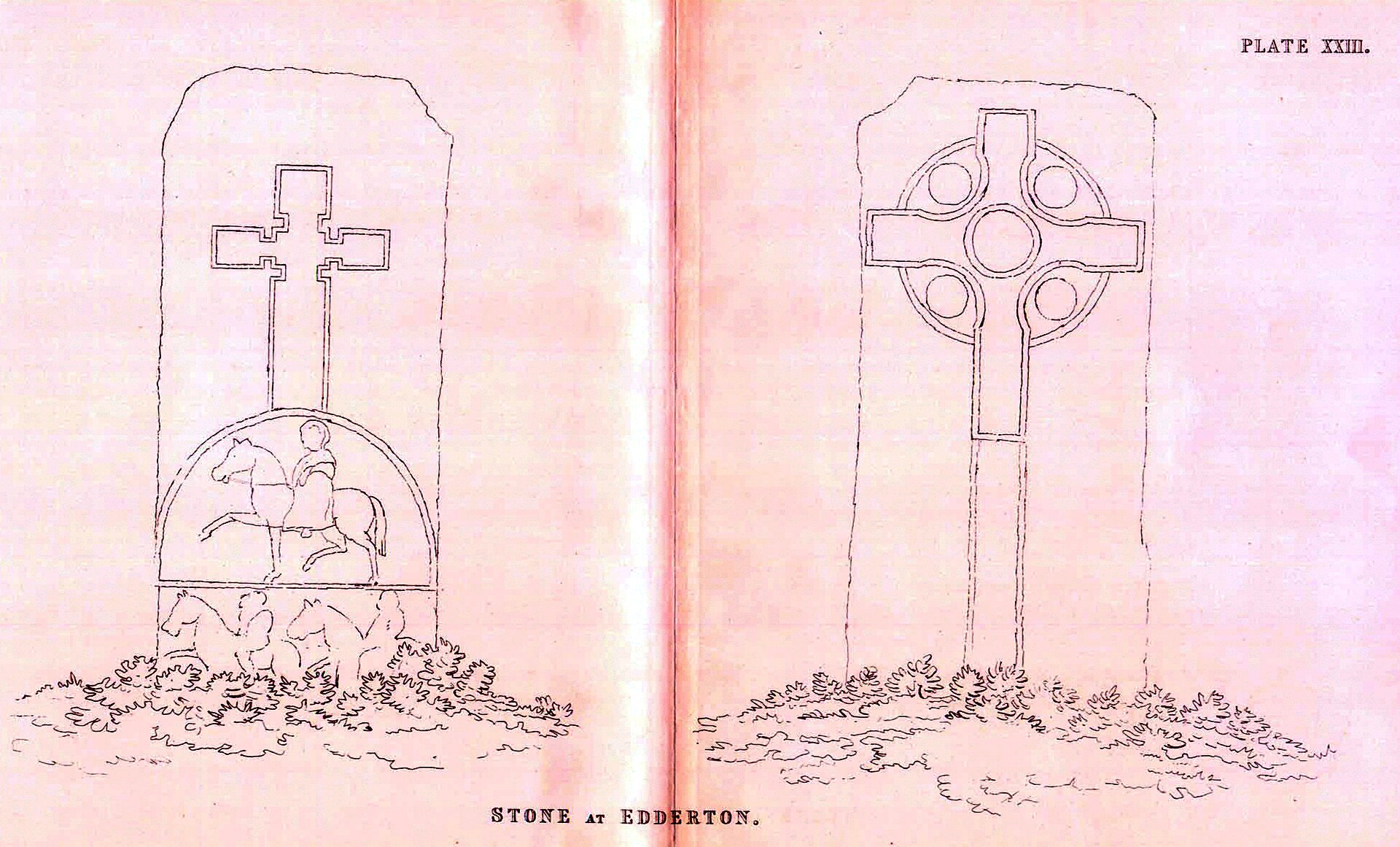
One slab, two scenes: a plain ringed cross on one face, three processing horsemen beneath a cross on the other, recently raised to reveal riders bu…
Carved stone · Pictish & early medieval
Moray
A tall granite Pictish (of the Picts, the people of northern and eastern Scotland from about AD 300 to 900) stone found buried beneath Elgin's old…
Carved stone · Pictish & early medieval
Aberdeenshire
For generations the stone served as ordinary paving in the church floor, its carved face walked over underfoot before being rediscovered and stood…
Carved stone · Pictish & early medieval
Highland
A carved salmon and the broken remains of a bird - rare survivors of a Pictish (of the Picts, the people of northern and eastern Scotland from abou…
Carved stone · Pictish & early medieval
Cumbria
A single carved stone shows a Christian crucifixion and Norse gods sharing the same four faces, caught mid-way between two belief systems rather th…
Carved stone · Pictish & early medieval
Lancashire
A dismantled Anglo-Saxon cross reused as a sundial for two centuries, its surviving shaft carries what one archaeologist called the clearest carved…
Carved stone · Pictish & early medieval
Highland
Broken by a storm, stripped for a memorial, and split between two museums and a modern replica, this Pictish (of the Picts, the people of northern…
Carved stone · Pictish & early medieval
Angus
Its rear face still carries an older set of incised symbols beneath a later relief-carved cross: one of only two stones nearby known to have been r…
Carved stone · Pictish & early medieval
Cumbria
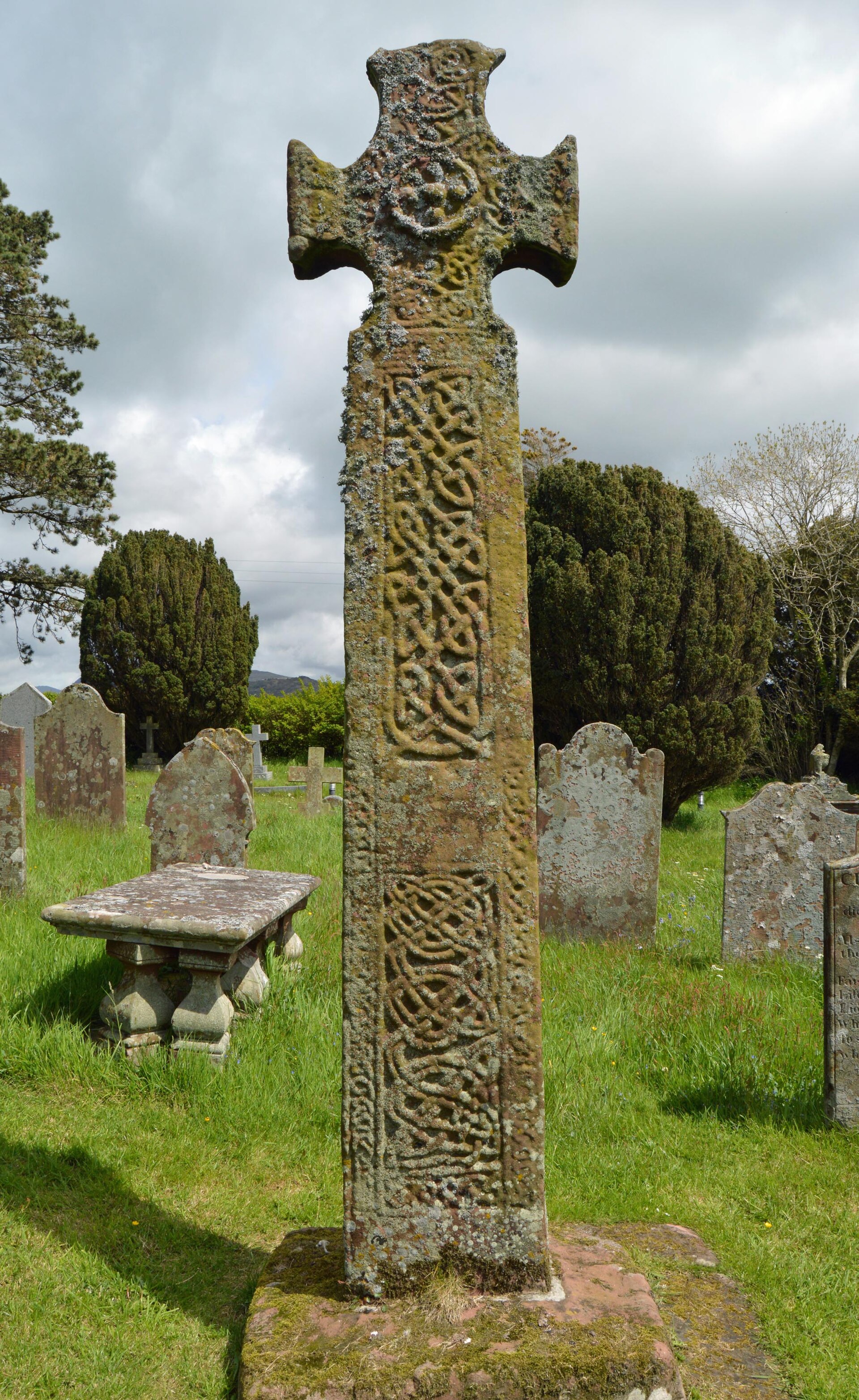
Carved in the early ninth century, it stands stylistically between the Bewcastle and Gosforth crosses, though its own runic inscription has never b…
Carved stone · Medieval
Argyll and Bute
The Kilberry Sculptured Stones preserve medieval cross-slabs and grave markers from a parish church destroyed in the 17th century, keeping a disper…
Carved stone · Pictish & early medieval
Angus
The stones' Pictish symbols were carved as the symbol tradition itself was dying out: among the last such carvings made anywhere before it vanished…
Carved stone · Pictish & early medieval
Aberdeenshire
Carved in Ogam: an alphabet devised for Irish, not Pictish, speech: the stone has anchored more than a century of scholarly argument over how far I…
Carved stone · Medieval
North Yorkshire
A stone cross on a windswept moorland burial mound marks where four ancient parishes meet, a boundary charter first named it in 1109, and it still…
Carved stone · Medieval
Greater Manchester
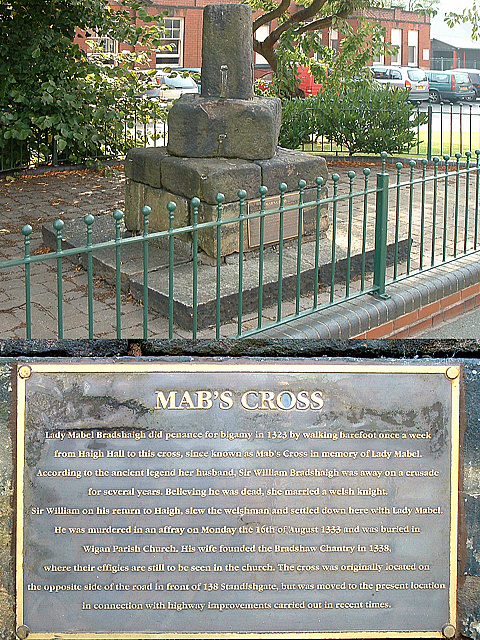
Mab’s Cross is a surviving medieval Wigan waymarker whose later association with Lady Mabel Bradshaigh shows how local legend can attach to a real…
Carved stone · Pictish & early medieval
Aberdeenshire
A slab of red granite standing some three metres high, carved on every face with Christian crosses, Pictish beasts and a legend of the Devil's forf…
Carved stone · Pictish & early medieval
Perth and Kinross
Twenty-seven Pictish stones pulled from the ruins of a church that burned in 1869, now in the village schoolhouse: including one carved by the Pict…
Carved stone · Pictish & early medieval
Highland
A shattered, staple-mended slab carries the oldest known depiction of a European triangular harp alongside carving so fine it is thought to share c…
Carved stone · Pictish & early medieval
Shetland Islands
Carved on a single face of stone left otherwise plain, the Papil Stone rises to a large, long-stemmed cross shaped like a fan, its shaft crowded be…
Carved stone · Pictish & early medieval
Highland
Roughly 200 carved stone fragments, most no bigger than a handspan, add up to one of the largest collections of Pictish (of the Picts, the people o…
Carved stone · Medieval
Shropshire
Puleston Cross is a medieval memorial and market monument whose relocation, disputed identity and archaeological surroundings preserve Newport’s ch…
Carved stone · Medieval
Argyll and Bute
Its carver rendered Christ with spiral arms and a fishtail body, an image found nowhere else among Scotland's early medieval (roughly AD 400–1100,…
Carved stone · Pictish & early medieval
Moray
Its Ogham inscription is the longest to survive from Pictish (of the Picts, the people of northern and eastern Scotland from about AD 300 to 900) S…
Carved stone · Pictish & early medieval
Highland
Fourteen carved fragments, including a slab showing Daniel in the lion's den, reveal a Pictish (of the Picts, the people of northern and eastern Sc…
Carved stone · Pictish & early medieval
Highland
Broken in two and hidden for centuries under a church floor, this cross-slab carries the only Pictish (of the Picts, the people of northern and eas…
Carved stone · Pictish & early medieval
Angus
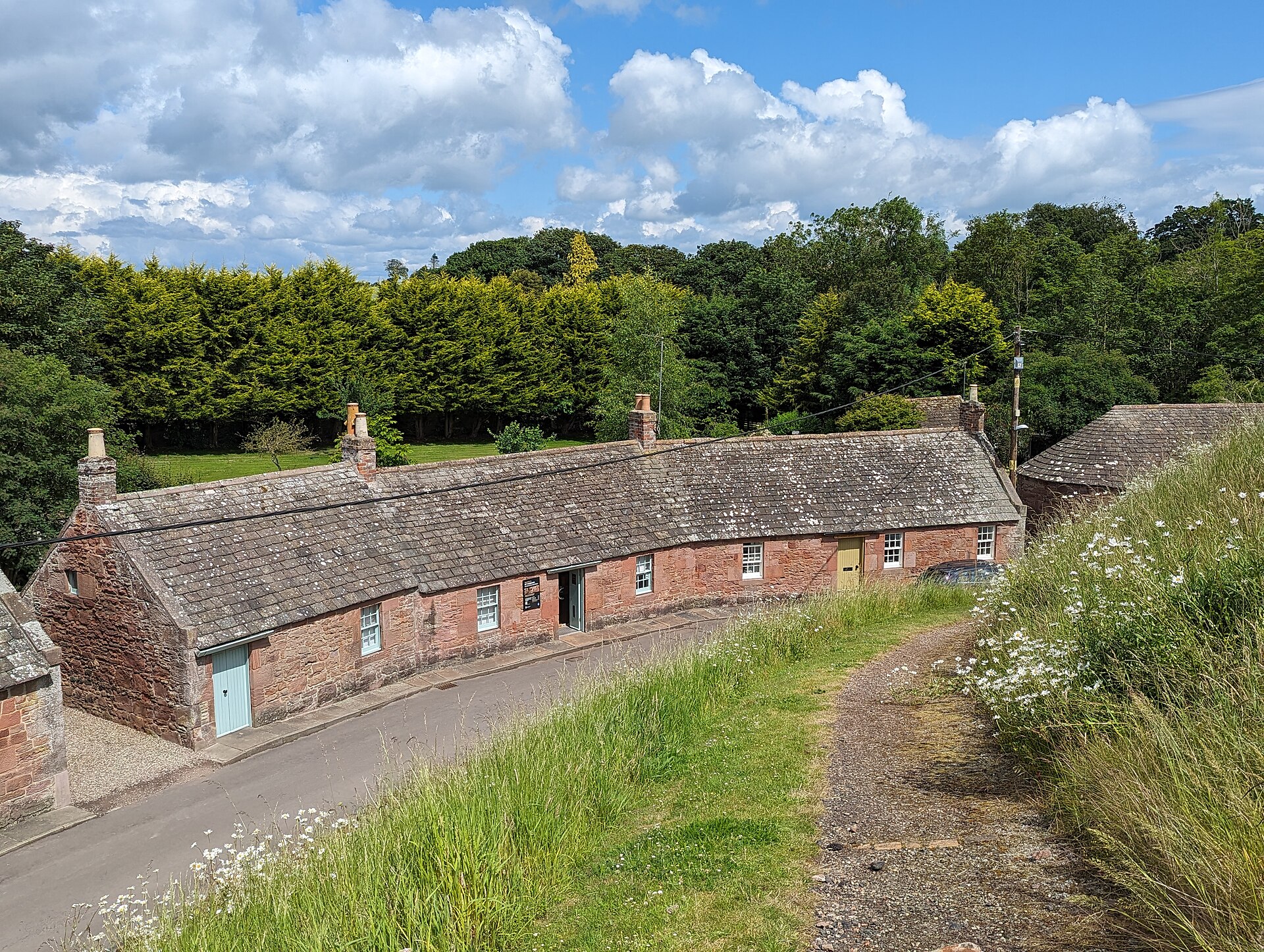
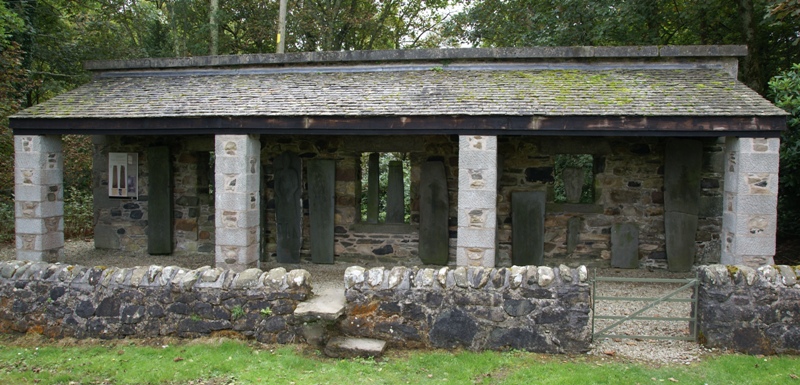
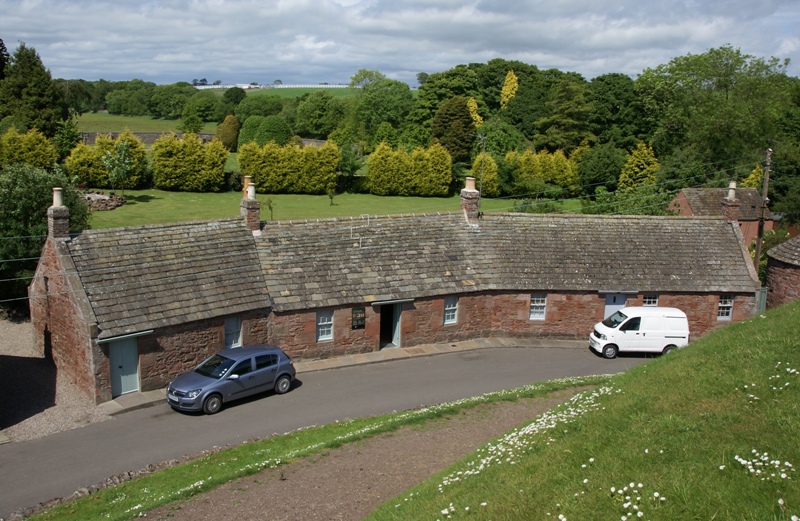
Two plain sandstone cottages beside an Angus church hold 38 carved Pictish (of the Picts, the people of northern and eastern Scotland from about AD…
Carved stone · Pictish & early medieval
Nottinghamshire
Pevsner called it by far the most important pre-Conquest monument in Nottinghamshire. Its shaft is round below and square above.
Carved stone · Pictish & early medieval
Angus
Carved with the Pictish beast and the crescent and V-rod, the stone was recycled as ordinary wall-stone for generations before Dundee Museums rescu…
Carved stone · Pictish & early medieval
Moray
At 6.5 metres tall it is the largest surviving Pictish (of the Picts, the people of northern and eastern Scotland from about AD 300 to 900) cross-s…
Carved stone · Prehistoric
Cornwall
The Pipers near Minions are a pair of standing stones closely associated with the Hurlers circles, anchoring a Bodmin Moor ceremonial complex along…
Carved stone · Iron Age
Cornwall
Three Holes Cross is a scheduled medieval wayside cross whose unusual pierced wheelhead gives its name to a long-standing road junction east of Wad…
Sacred place · Prehistoric
Cornwall
Cornwall's largest holed stone, a Neolithic (the late Stone Age, roughly 4000–2500 BC in Britain) monument altered by nineteenth-century removal bu…
Carved stone · Medieval
Greater London
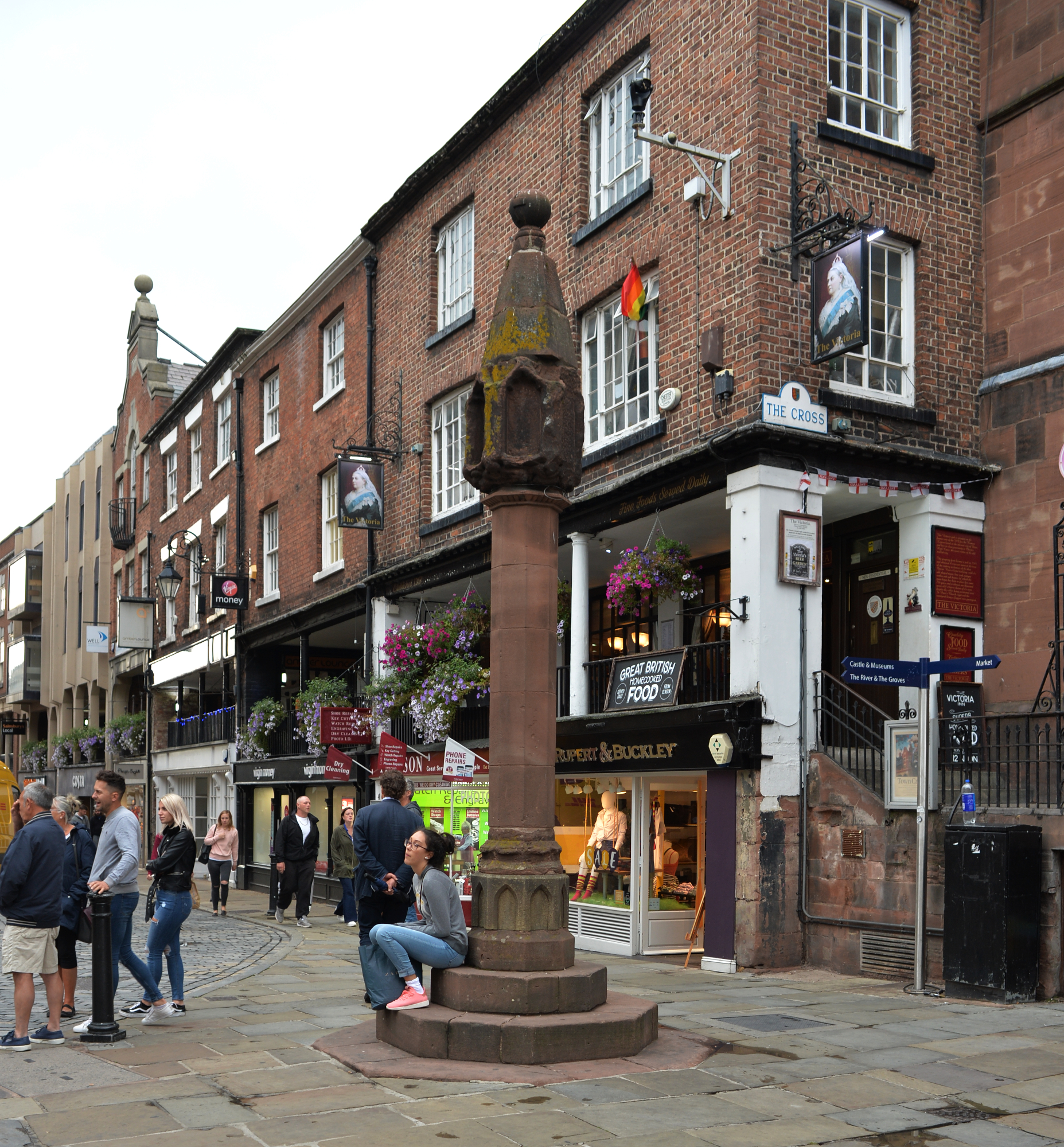
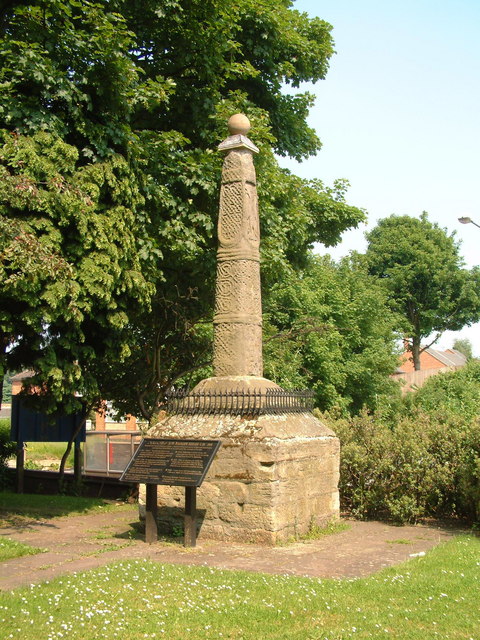
Tottenham High Cross marks the historic centre of Tottenham village on the line of Ermine Street, replacing a medieval wayside cross and preserving…
Carved stone · Medieval
North Yorkshire
A fluted medieval shaft still standing on Whitby's Abbey (a monastery headed by an abbot) Plain, possibly the very 'great cross' named in the town'…
Carved stone · Pictish & early medieval
West Midlands
Seven bands of vine scroll, animal and acanthus carving make this the only known English cross shaft worked in a rare southern continental Baroque…
Carved stone · Pictish & early medieval
City of Edinburgh
The Woodwrae Stone is a richly carved Class II Pictish (of the Picts, the people of northern and eastern Scotland from about AD 300 to 900) cross-s…
Briefer entries: recorded and worth knowing, with fuller pages to come.
Sacred place · Medieval
County Fermanagh
Aghanaglack concentrates thousands of years of archaeology in one Boho townland: a late Stone Age burial monument, medieval cross, underground cave…
Carved stone · Pictish & early medieval
Aberdeenshire
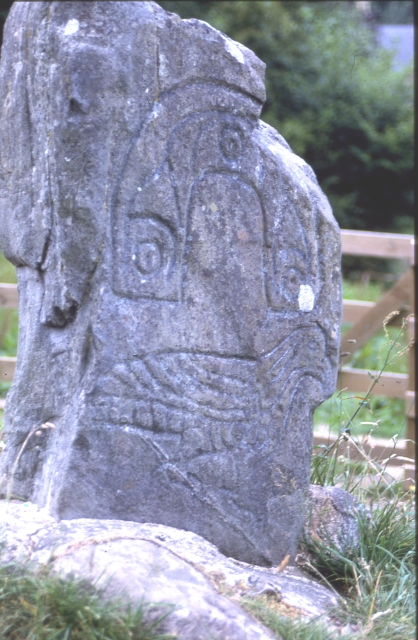
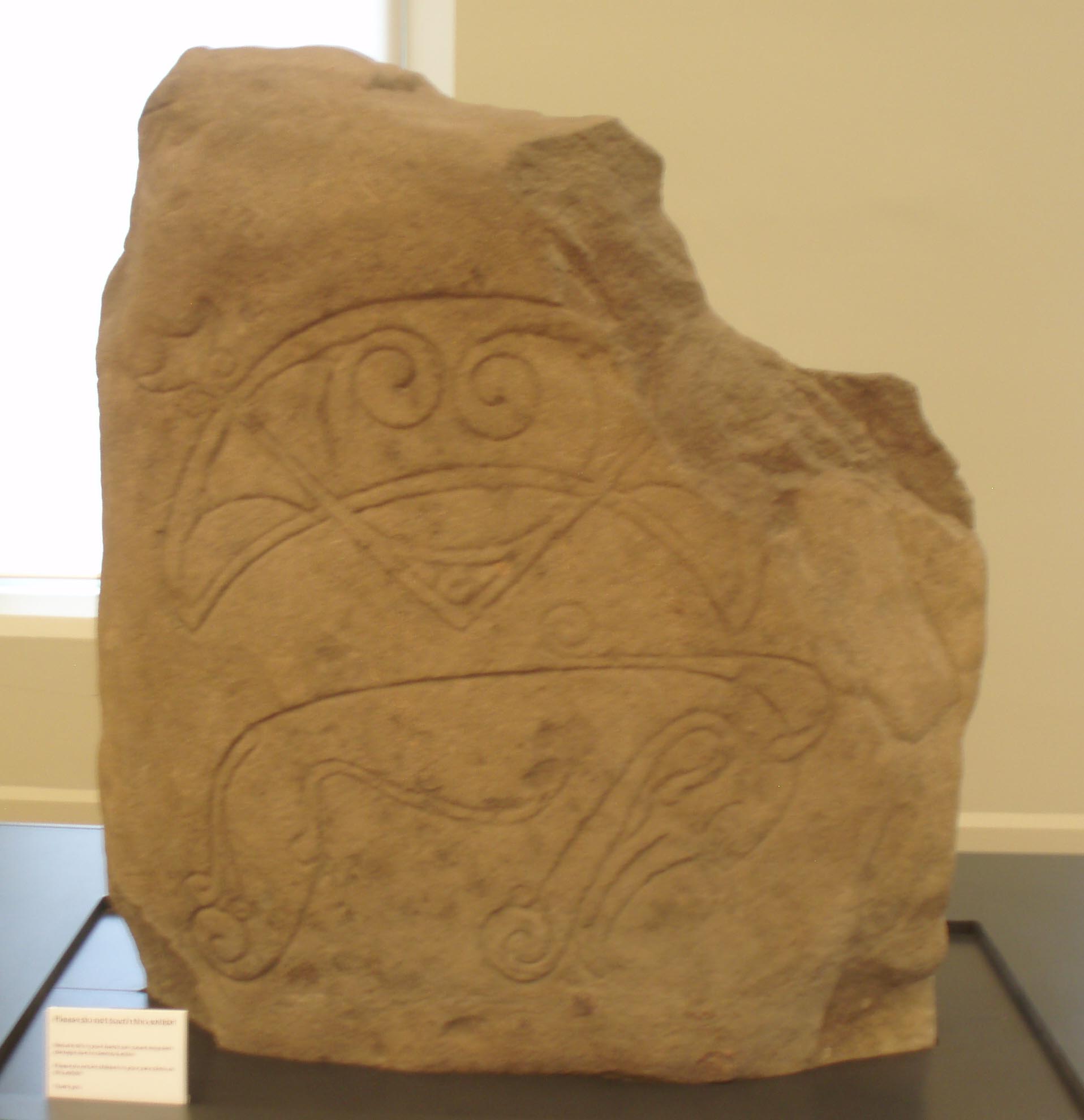
A Pictish symbol stone: the Picts held northern and eastern Scotland from about AD 300 to 900: carved with the enigmatic 'beast' and crescent-and-V…
Carved stone · Iron Age
Cornwall
Carminow’s pierced-wheel head, separate shaft and Victorian base make it a distinctive Cornish wayside cross whose repeated moves reveal changing t…
Sacred place · Prehistoric
Kent
The Coffin Stone is a striking Medway megalith whose possible long barrow, a prehistoric burial mound, origin remains unresolved after excavation s…
Carved stone · Pictish & early medieval
Lincolnshire
Crowle Stone is a richly carved Anglo-Saxon cross shaft with a runic inscription, preserved through reuse in the Norman rebuilding of St Oswald’s C…
Carved stone · Pictish & early medieval
Highland
A Pictish (of the Picts, the people of northern and eastern Scotland from about AD 300 to 900) symbol stone carved on both faces, possibly recut fr…
Carved stone · Pictish & early medieval
Aberdeen City
A rare survival: an incised pagan-era stone and a Christian cross-slab stand side by side under one roof, one still carrying an ogham inscription n…
Sacred place · Prehistoric
Cumbria
Two standing stones at the foot of Black Combe carry rare prehistoric (before any written account of Britain existed) cup and ring carvings, one st…
Carved stone · Pictish & early medieval
Highland
Invereen’s accidental discovery saved a precisely carved Pictish stone: of the Picts, the people of northern and eastern Scotland from about AD 300…
Carved stone · Pictish & early medieval
Argyll and Bute
A rare assembly of medieval West Highland grave slabs kept together under one roof, in the direct care of Historic Environment Scotland, rather tha…
Carved stone · Medieval
Cornwall
King Doniert's Stone is a rare inscribed Cornish cross fragment whose ninth-century text may commemorate the documented King Dungarth, linking loca…
Carved stone · Prehistoric
Essex
The Leper Stone is a large sarsen near Newport whose association with a medieval leper hospital and possible prehistoric (predating the written rec…
Carved stone · Pictish & early medieval
Shetland Islands
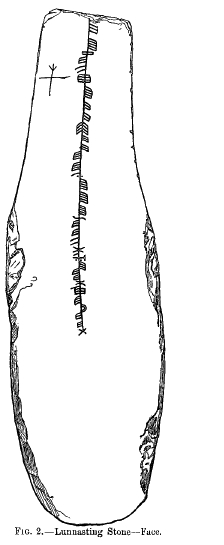
The Lunnasting stone is a slab of slate, 44 inches (1.1 m) long, about 13 inches (0.33 m) wide and just an inch (2.5 cm) thick, carrying an ogham i…
Sacred place · Prehistoric
County Antrim
Moyadam joins a medievally attested place-name, Maigh Doinn or “Donn’s plain”, with a surviving standing stone from before written records reached…
Carved stone · Prehistoric
County Tyrone
Oughtboy turns an Irish hill-name and scheduled stone alignments into a single landscape story, where language, terrain and protected archaeology r…
Carved stone · Pictish & early medieval
Highland
A carved crescent, v-rod and a pair of spirals fused into a pelta survive on a single stone that sat unknown until 1992: a Pictish (of the Picts, t…
Carved stone · Prehistoric
Cornwall
St Breock Downs Monolith is Cornwall's largest prehistoric menhir: a standing stone from before any written account of Britain existed: a re-erecte…
Carved stone · Pictish & early medieval
Angus
St Orland’s in-situ cross-slab joins a richly interlaced Christian cross to symbols, hunters, a boat and beasts, preserving a remarkably complex pr…
Carved stone · Prehistoric
Devon
Stalldown Barrow is a Devon megalithic site whose long stone row contributes to the wider prehistoric (predating the written record in Britain) mon…
No places match those filters.







%2C_Edderton_-_geograph.org.uk_-_915406.jpg?width=800)


.jpg?width=800)


.jpg?width=800)



.jpg?width=800)


_(geograph_5555392).jpg?width=800)