
The Woodwrae Stone is a richly carved Class II Pictish (of the Picts, the people of northern and eastern Scotland from about AD 300 to 900) cross-slab whose reuse in a castle kitchen and later museum journey preserve both its early medieval (roughly AD 400–1100, between the Romans and the Normans) art and its modern collecting history.
A carved cross-slab once served as the kitchen floor at old Woodwrae Castle in Angus before its discovery in 1819. The Woodwrae Stone is a Class II Pictish monument of the eighth or ninth century, and its reuse is an unusually vivid example of an early medieval sculpture being absorbed into later domestic fabric.
Carved in relief on both faces, the slab combines a deliberately erased cross with elaborate borders, fantastic creatures, horsemen and Pictish symbols. Its imagery links it closely with the sculptured-stone tradition around Aberlemno.
After discovery, it entered Sir Walter Scott’s collection at Abbotsford and was donated to the Society of Antiquaries of Scotland in 1924. It is now displayed at the Museum of Scotland in Edinburgh.
What follows is drawn from published sources, with each claim labelled by how firmly it is established.
History
The Woodwrae Stone is classified as a Class II Pictish stone, dating approximately to the eighth or ninth century. It is a cross-slab carved in relief on both faces, measuring 1.75 metres high and 1.02 metres wide at the base, where it tapers to 0.84 metres. Its thickness is 12.5 centimetres. The classification follows the system devised by John Romilly Allen and Joseph Anderson and reflects the combination of a cross with Pictish symbols on the monument.
The slab was found in 1819 when the foundations of the old Woodwrae Castle in Angus were cleared. Before discovery it had been reused as the kitchen floor slab in the castle, a later use that protected the physical object while separating it from its original setting. Woodwrae Castle lay about one kilometre north of Aberlemno, at the site now occupied by Woodwrae Farm. The stone was removed after its discovery and given to Sir Walter Scott’s collection at Abbotsford House.
The cross face once carried a lobed cross, but the cross itself was deliberately erased. Its decorated borders survive, with interlaced knotwork, keywork and divergent spiral work. Fantastic creatures remain in the four surrounding quadrants, including a beast with human legs hanging from its mouth. That motif is also known on other Pictish cross-slabs, including the Dunfallandy Stone and Irish high crosses, placing the carving within a wider insular artistic vocabulary.
The reverse face has been considerably damaged but still preserves three sections of imagery. The upper part shows a horseman, a Pictish double-disc symbol and a step symbol. A second horseman and several animals, including a bull, occupy the lower area. Similarity in design and execution to the Class II slabs at nearby Aberlemno has led to suggestions that Woodwrae belonged to an Aberlemno School of Pictish Sculpture, an interpretation associated with historian Ross Trench-Jellicoe.
People
-
Sir Walter Scott
Received the stone for his collection at Abbotsford after its 1819 removal.
-
Ross Trench-Jellicoe
Proposed an Aberlemno School of Pictish Sculpture based on similarities of design and execution.
Cultural influences
-
Pictish cross-slab tradition
Woodwrae’s cross, Pictish symbols and animal carving place it within the Class II Pictish cross-slab tradition, with close visual links to Aberlemno and other insular carvings.
Connections
-
Aberlemno
Woodwrae Castle stood about one kilometre north of the major Class II slabs at Aberlemno. Similarity in design has prompted suggestions that the stone originated there.
-
Abbotsford House
After its 1819 removal from the castle kitchen floor, the slab entered Sir Walter Scott’s collection at Abbotsford before its 1924 donation to the Society of Antiquaries of Scotland.
-
Museum of Scotland
The stone is now displayed in Edinburgh’s Museum of Scotland, completing a documented journey from an Angus castle floor through Scott’s Abbotsford collection.
-
Dunfallandy Stone
A comparable beast with human legs hanging from its mouth occurs on this Pictish cross-slab, linking Woodwrae’s carving to wider insular sculpture.
Discovery & excavation
The slab was found in 1819 while the foundations of Woodwrae Castle were being cleared, after having been reused as the castle kitchen floor; it was then removed to Sir Walter Scott’s collection.
What to look for
-
Erased lobed cross
The lobed cross on the front was deliberately erased, but its interlaced knotwork, keywork and divergent spiral border survives around the damaged centre.
-
Fantastic quadrants
Four surrounding quadrants retain fantastic creatures, including a beast with human legs hanging from its mouth, linking the slab to motifs on Dunfallandy and Irish high crosses.
-
Reverse horsemen and symbols
Though heavily mutilated, the reverse divides into three scenes: an upper horseman with double-disc and step symbols, then another horseman and animals including a bull.
Plan your visit
- Location
- 55.9470°N · 3.1892°W
- Nearest settlement
- Edinburgh
- Access
- Open access
- Terrain
- Easy going
- Time needed
- About 60 minutes
- What survives
- A damaged Class II Pictish cross-slab, now held in the National Museum of Scotland rather than at its Angus findspot.
Opening & admission
No current visiting information is recorded for the original site — check the National Museum of Scotland for display details.
- The stone itself was removed from Woodwrae in 1819 and is now held in a museum collection, not accessible at its original location
Nearby places

Carved stone · Pictish & early medieval
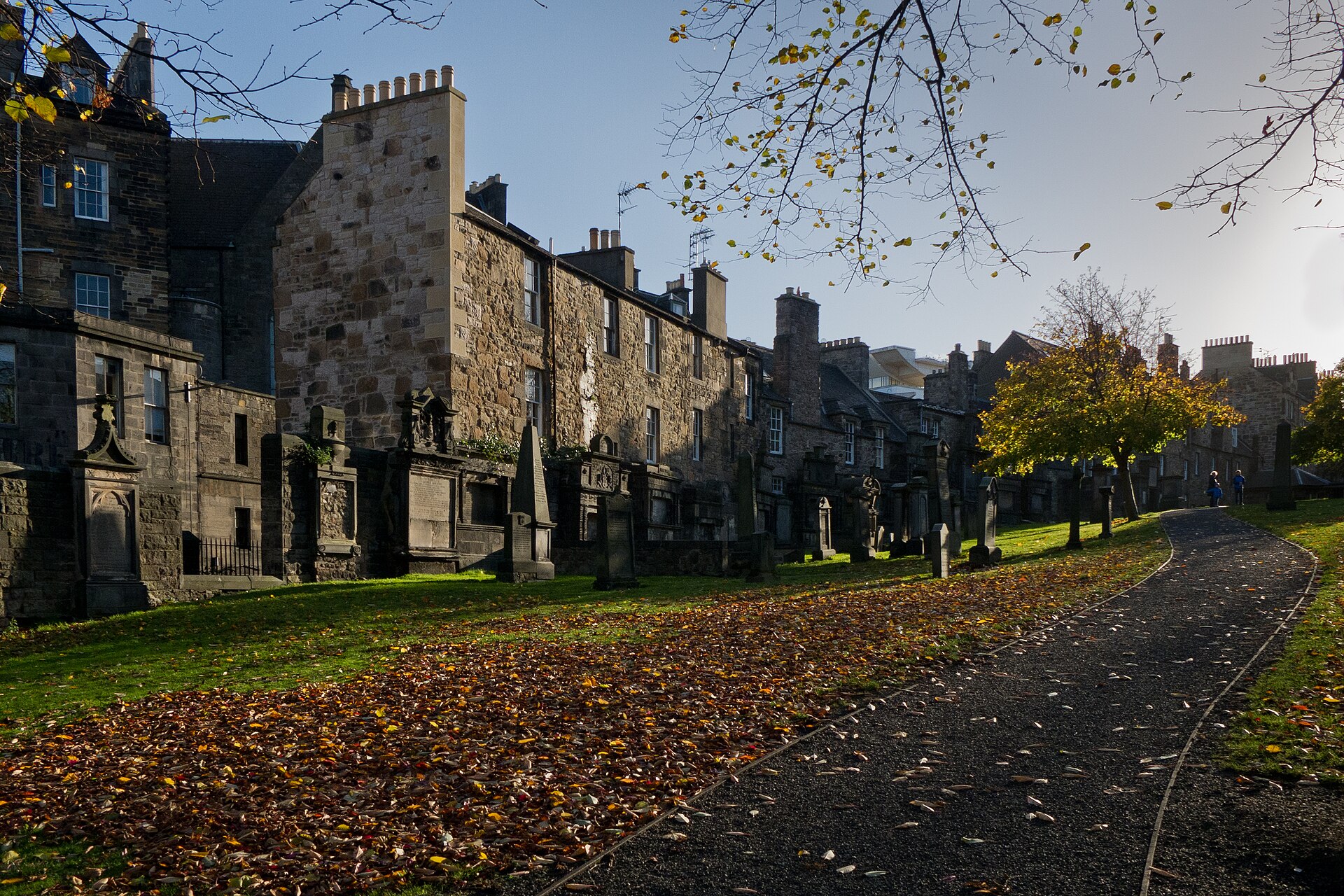
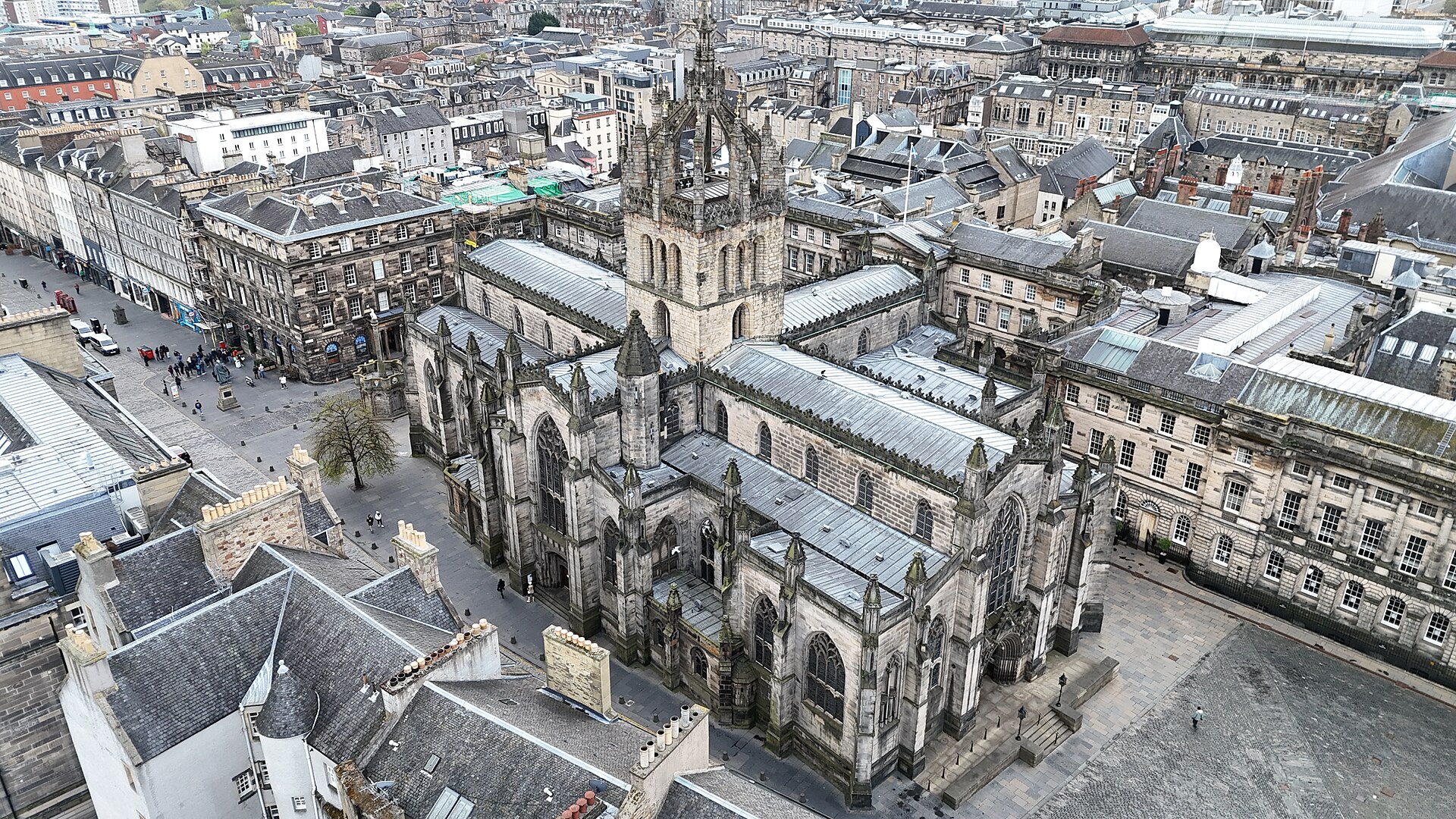
Bullion Stone
City of Edinburgh
The only Pictish carving to show a man drinking: a bald, bearded rider on a tired horse, lifting a horn that ends in a startled bird's head, cut ju…
- Near Edinburgh
- Easy path
Building or ruin · Medieval
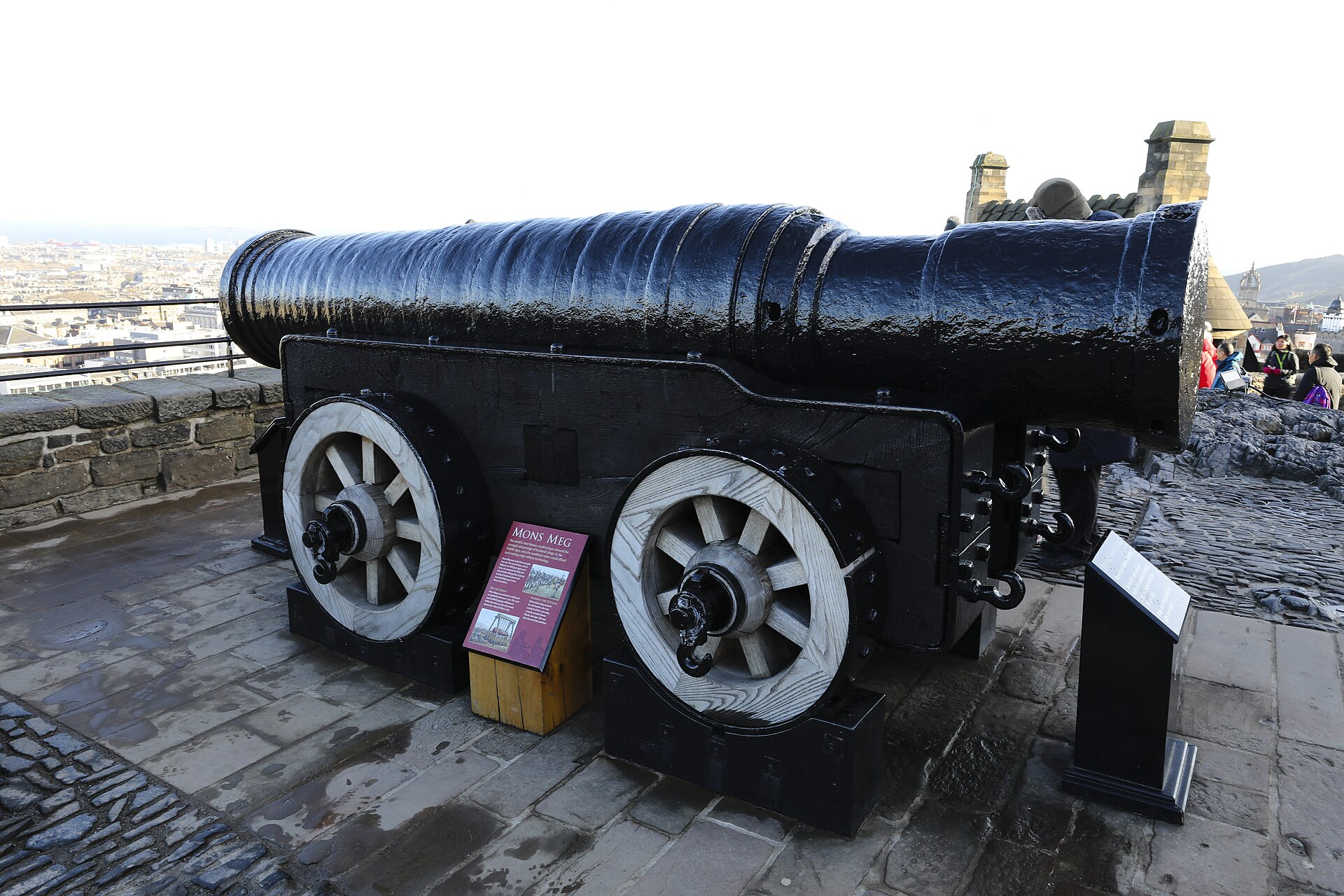
St Giles' Cathedral
City of Edinburgh
Its 1637 prayer-book riot lit the fuse for the National Covenant and the Wars of the Three Kingdoms, earning St Giles' the title 'the Mother Church…
- Near Edinburgh
- Easy path
Questions people ask
- When was the Woodwrae Stone found?
- It was discovered in 1819 while the old Woodwrae Castle foundations were being cleared.
- Where is the Woodwrae Stone displayed?
- It is on display at the Museum of Scotland in Edinburgh.
- What kind of monument is it?
- It is a Class II Pictish cross-slab dating approximately to the eighth or ninth century.
Sources
The Ancient Codex, in your pocket
Get the Pocket Codex app
Carry the directory with you — Woodwrae Stone and thousands of ancient places across Britain and Ireland, offline, wherever you roam.