
One of the densest and most elaborate concentrations of prehistoric (before written records reached Britain) cup and ring carvings anywhere in Scotland, cut into open bedrock rather than a built monument.
Three exposed rock outcrops near Kilmartin carry hundreds of pecked hollows and concentric grooves. These cup and ring marks were cut into the bedrock itself, not into standing stones or a built cairn (a mound of piled stones, often covering a burial), and their density makes Achnabreck one of the most extensive prehistoric rock-art sites in the glen.
The carved rock lies within Kilmartin Glen, the stretch of country between Oban and Lochgilphead that holds more than 800 recorded ancient monuments within six miles of Kilmartin village, some 150 of them prehistoric. Cup and ring marks of the same kind appear on natural rock elsewhere in the glen, at Cairnbaan, Ballygowan and Baluachraig near Kilmichael Glassary, so the practice on display at Achnabreck was repeated across several separate outcrops rather than confined to one place.
What the carvings meant to the people who made them was never recorded and cannot be recovered directly, and even their precise date is not settled beyond a broad placement in the Neolithic and Bronze Age, the era that produced most of the glen’s other monuments. Kilmartin Museum, in the village itself, is where this landscape’s carvings, artefacts and monuments are interpreted, explained and conserved together as a single archaeological picture.
What follows is drawn from published sources, with each claim labelled by how firmly it is established.
History
The purpose and even the precise date of cup and ring marks remain uncertain, but archaeologists place this style of carving broadly within the Neolithic and Bronze Age, the era that produced most of the prehistoric monuments recorded across Kilmartin Glen. Within six miles of Kilmartin village more than 800 ancient monuments have been catalogued, some 150 of them prehistoric, and Achnabreck's carved rock sits within that same dense concentration.
Cup and ring marks of the same kind appear on natural rock elsewhere in the glen, at Cairnbaan, Ballygowan and Baluachraig near Kilmichael Glassary, showing that whatever practice produced the carvings at Achnabreck was repeated across several separate outcrops rather than confined to a single site. Kilmartin Glen as a whole has been described as holding one of the most impressive concentrations of this kind of decorated rock surface found anywhere in Scotland.
In 1970 the engineer Alexander Thom toured standing stones nearby with broadcaster Magnus Magnusson for the BBC documentary Chronicle: Cracking the Stone Age Code, arguing the alignments served as a lunar observatory for predicting eclipses. A 1979 reassessment by Jon Patrick concluded there were reasonable grounds for doubting any deliberate astronomical orientation, a debate that shows how much of Kilmartin's prehistoric landscape, its carved rock included, still resists firm interpretation.
A 2021 report described prehistoric deer carvings inside Dunchraigaig Cairn elsewhere in Kilmartin Glen. The two male red deer, shown with full-grown forked antlers, were thought to date to the Neolithic or Early Bronze Age and were reported as Scotland's first carvings of their kind, showing that the glen's rock art still produces new discoveries.
Today Kilmartin Museum, in the village itself, interprets, explains and conserves the internationally important archaeological landscape, artefacts and natural heritage of the glen, presenting the carved rock at Achnabreck alongside the cairns, standing stones and other monuments that surround it as parts of a single, continuously inhabited prehistoric landscape.
Cultural influences
-
Connections across prehistoric rock art
Achnabreck’s spirals resemble examples in Ireland, suggesting that the carvers participated in contacts extending beyond Kilmartin Glen. The overlapping motifs and differing styles also show that the carvings accumulated over a long period.
Connections
-
Cairnbaan, Ballygowan and Baluachraig
Other natural rock surfaces within Kilmartin Glen carved with the same style of cup and ring marks as Achnabreck.
-
Kilmartin Museum
The village museum that interprets, explains and conserves the Achnabreck carvings alongside the wider Kilmartin Glen landscape.
-
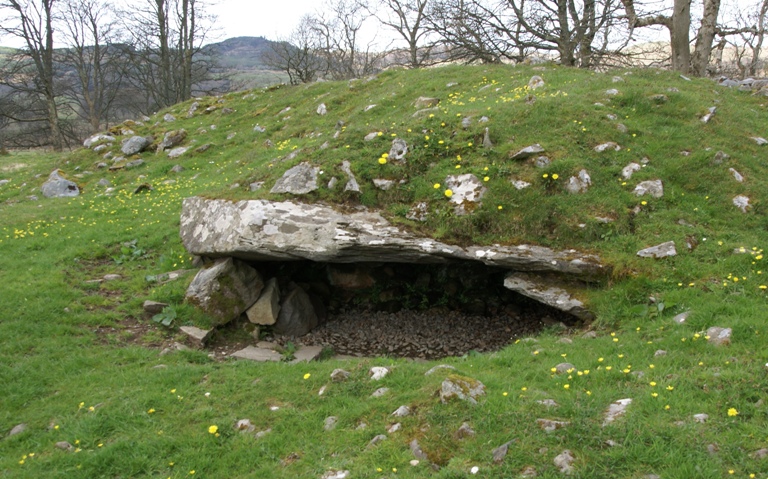
Photo: Otter / Wikimedia Commons / CC BY-SA 3.0 A nearby Kilmartin Glen monument where prehistoric deer carvings, the first of their kind reported in Scotland, were announced in 2021.
-
Ballochmyle Cup and Ring Marks
A comparable cup-and-ring marked rock site referenced alongside Achnabreck as an example of the same carving tradition.
-
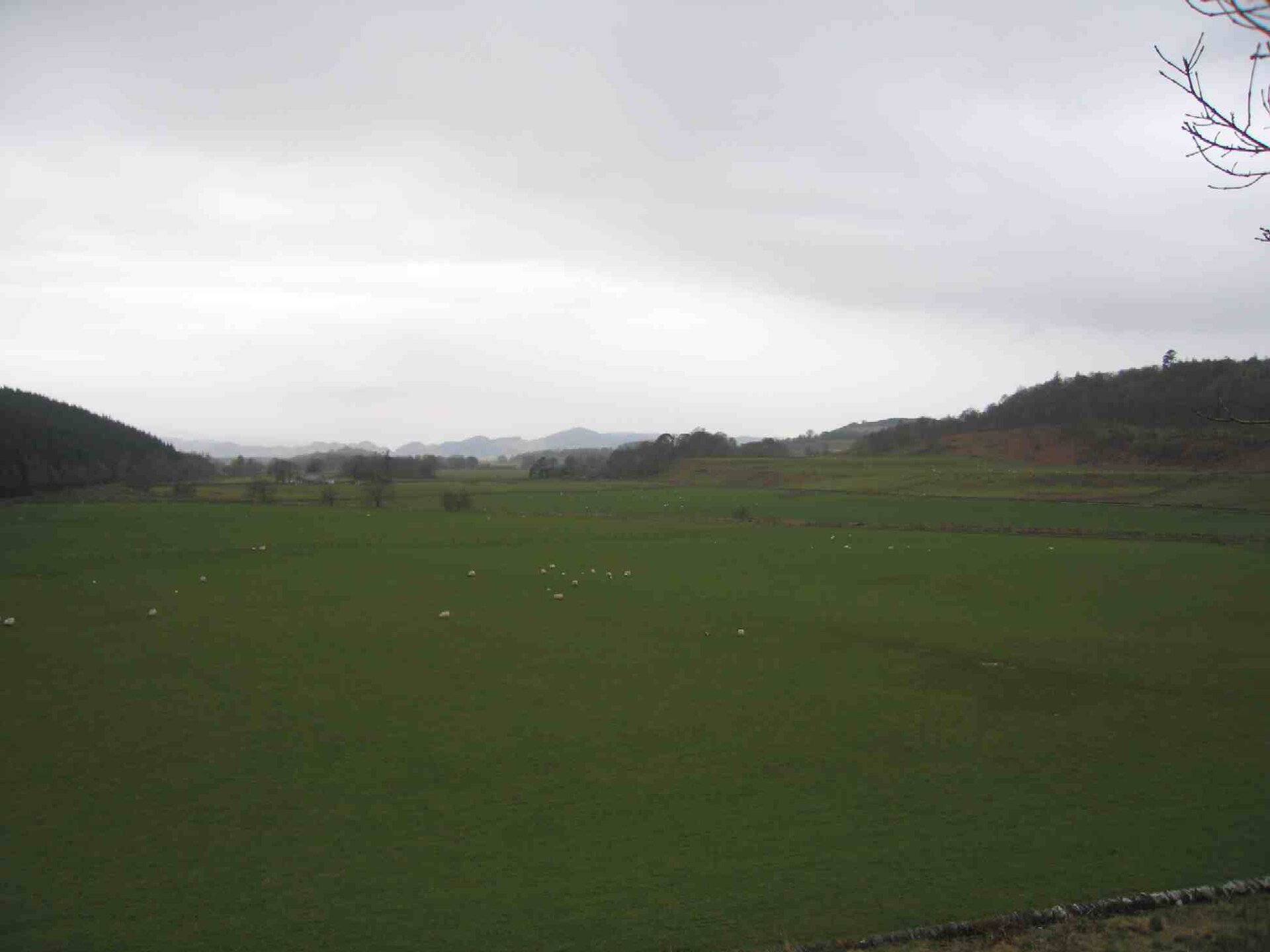
Photo: Laurence Nolan, aka User:Lnolan / Wikimedia Commons / CC BY 2.5 Achnabreck lies within Kilmartin Glen’s dense prehistoric landscape, where hundreds of ancient monuments include other cup-and-ring-marked rock surfaces.
Discovery & excavation
AOC (Scotland) Ltd excavated small areas beside the carved outcrops in 1994 before new walkways, stiles, signs and drainage were installed. The work exposed the turf and topsoil around the rocks rather than excavating the carvings themselves.
In culture
-
Chronicle: Cracking the Stone Age Code (1970)
A BBC television documentary in which engineer Alexander Thom and broadcaster Magnus Magnusson toured the prehistoric monuments of the Kilmartin area, part of the same investigative attention that has long surrounded the glen's carved rock and standing stones.
-
Half Life (2007)
A landscape art and performance piece created by the Scottish theatre company NVA with the National Theatre of Scotland, staged across Kilmartin Glen and drawing on its prehistoric monuments, including its carved rock, as its setting.
What to look for
-
Cup and ring carvings
Shallow round hollows pecked into the rock, many encircled by one or more concentric rings, spread across the exposed outcrop in one of the densest concentrations of this style of carving found in Scotland.
-
The natural rock canvas
The carvings are cut directly into an open sheet of natural bedrock rather than into a standing stone or a built monument, a form shared with the cup-and-ring sites at Cairnbaan, Ballygowan and Baluachraig nearby.
Plan your visit
- Location
- 56.0609°N · 5.4456°W
- Nearest settlement
- Lochgilphead
- Access
- Reached on a public path
- Terrain
- Easy going
- Parking
- Achnabreck Rocks car park serves the carvings; the waymarked forest trail from it climbs to the rocks.
- Time needed
- About 45 minutes
- Best time
- During daylight hours, when the carved rock surfaces can be seen clearly.
- What survives
- The cup and ring marks survive as carvings on open bedrock within a forest setting.
- Start point
- Achnabreck Rocks car park — Straight-line distance floor; the waymarked forest trail to the carvings is longer and climbs.
Opening & admission
No current admission details are recorded — check the managing body's site before travelling.
Nearby places
Crossing or structure · Medieval
Loch a' Bharain
Argyll and Bute
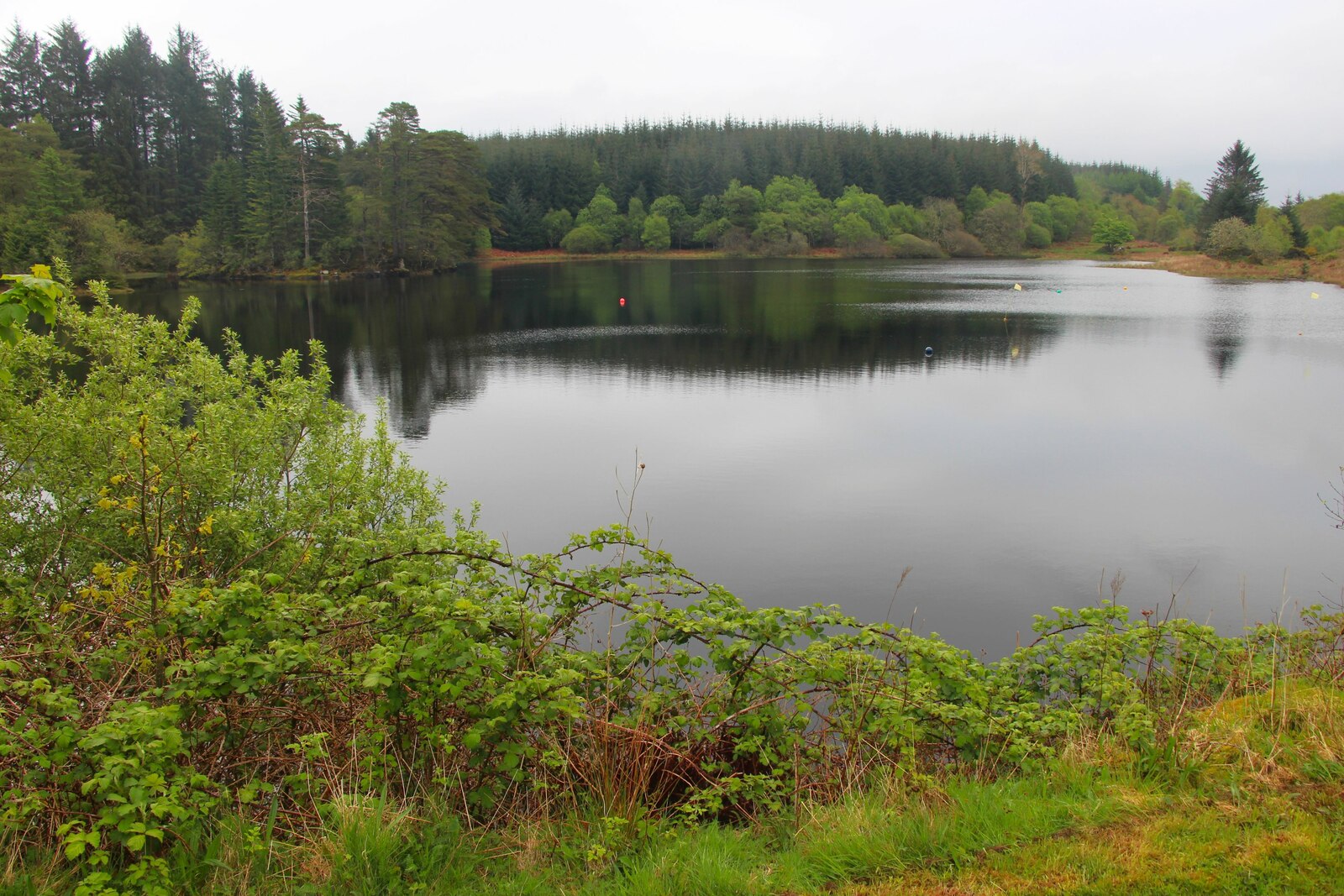
Loch a’ Bharain is a purpose-built Crinan Canal reservoir whose 1801 dam stabilised the summit reach and whose recent drainage exposed traces of an…
- Near Cairnbaan
- Easy path
Fortified place · Iron Age
Dunadd Fort
Argyll and Bute
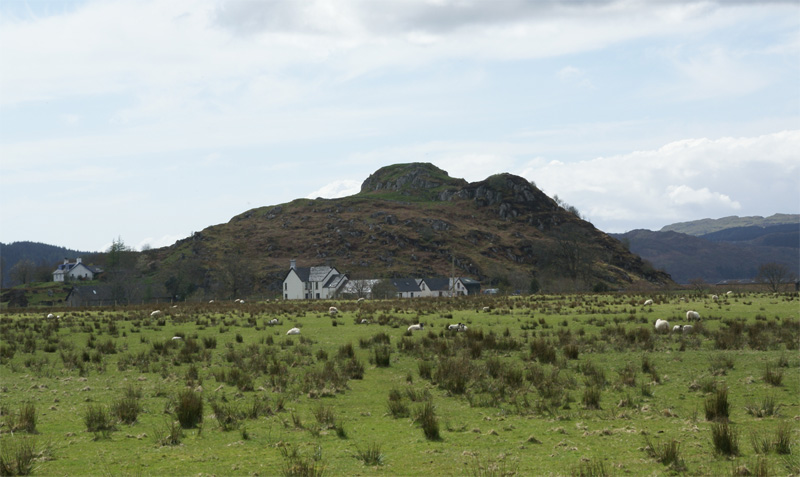
Dunadd is a hillfort in Argyll and Bute, occupied from the Iron Age and into the early medieval period, and believed to have been the capital of th…
- Near Kilmartin
- 237 metres from car park
- Some walking
Sacred place · Prehistoric
Ballymeanoch Standing Stones and Henge
Argyll and Bute
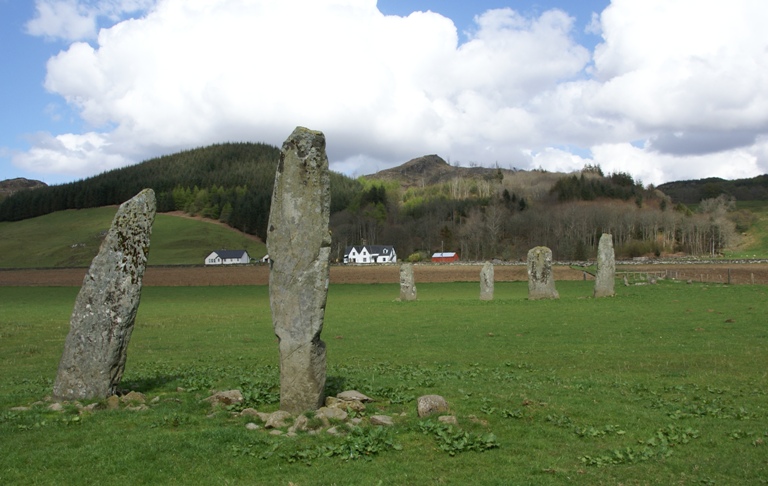
One of the few places in Kilmartin Glen where a stone avenue, a circle and a henge: a circular enclosure from before any written account of Britain…
- Near Kilmartin
- 6 min walk from car park
- Some walking
Tomb or burial place · Prehistoric
Dunchraigaig Cairn
Argyll and Bute
Dunchraigaig is an Early Bronze Age round cairn, about 30 m across, set a little apart to the south-east of the famous 2 km linear cemetery of cair…
- Near Kilmartin
- 1 min walk from car park
- Easy path
Questions people ask
- What are the marks at Achnabreck?
- Shallow cup-shaped hollows, many ringed by concentric grooves, carved into an open outcrop of natural rock — one of Scotland's densest concentrations of this ancient rock art.
- How old are the carvings?
- Their precise date is unknown, but they are usually placed broadly within the Neolithic and Bronze Age, the period that produced most of Kilmartin Glen's prehistoric monuments.
- What do the carvings mean?
- No one knows; their purpose was never recorded, making them one of the most debated open questions in British prehistoric archaeology.
- Are there similar carvings nearby?
- Yes — comparable cup and ring marks survive on natural rock at Cairnbaan, Ballygowan and Baluachraig, all within Kilmartin Glen.
- Where can visitors learn more?
- Kilmartin Museum in Kilmartin village interprets the carvings alongside the glen's cairns, standing stones and other prehistoric monuments.
Sources
- Wikipedia: Kilmartin Glen
- Kilmartin Museum
- BBC Archive: Chronicle – Cracking the Stone Age Code
Explore more: Carved stones · Prehistoric · Argyll and Bute
The Ancient Codex, in your pocket
Get the Pocket Codex app
Carry the directory with you — Achnabreck Cup and Ring Marks and thousands of ancient places across Britain and Ireland, offline, wherever you roam.