
A single monolith carries two separate ages of use: raised in the Bronze Age (roughly 2500–800 BC), then marked centuries later with Pictish (of the Picts, the people of northern and eastern Scotland from about AD 300 to 900) symbols so faint they are easy to miss entirely.
In a field near Rosskeen, on the Easter Ross coast, a tall stone stands largely unremarked by passers-by. Look closely at its weathered face, though, and three incised symbols emerge from the surface — carvings so shallow that generations of visitors have walked past without noticing them at all.
What follows is drawn from published sources, with each claim labelled by how firmly it is established.
The name
The stone's Gaelic name, Clach a' Mheirlich, translates as "the thief's stone". It is also known locally as the Rosskeen Stone, after the nearby settlement.
History
The monolith itself was raised during the Bronze Age, long before any carving marked its surface, as one of the standing stones erected across Easter Ross in that period for purposes that remain uncertain. For centuries it stood as a plain, unmarked pillar in the landscape near Rosskeen, its original function already fading from memory by the time later communities began to make use of it.
Sometime in the early medieval period, Pictish carvers incised three symbols onto the stone's face, adding a new layer of meaning to an already ancient monument. The marks were cut shallowly and have worn faint over time, but their presence is enough to classify the stone as a Class I Pictish symbol stone — one bearing incised symbols alone, without the accompanying cross or relief carving found on later, more elaborate examples.
The stone has since been documented and studied as part of the wider record of Pictish symbol stones in Easter Ross, catalogued alongside other carved monuments of the region rather than treated as an isolated curiosity.
Cultural influences
-
Pictish carving on a Bronze Age monolith
Pictish carvers cut their symbols into a standing stone already ancient in their own time, adding early-medieval imagery to a Bronze Age monument.
Connections
-
.jpg?width=320)
Photo: Julian Paren / Wikimedia Commons / CC BY-SA 2.0 Both preserve Pictish carved-stone traditions in the Highland and Moray Firth region, linking Clach a’ Mheirlich’s monument with the better-known Nigg stone.
-
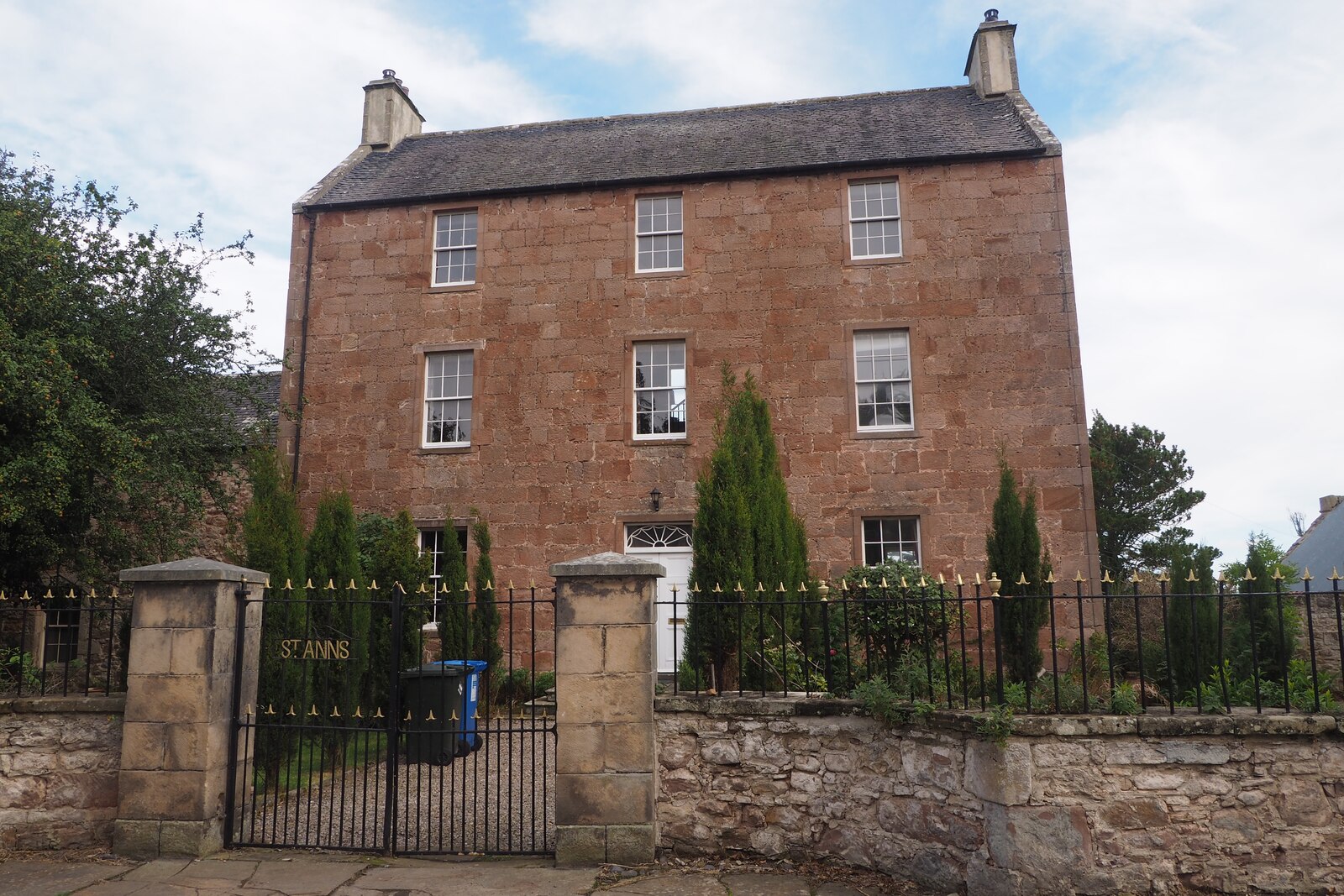
Photo: Jennifer Petrie / Wikimedia Commons / CC BY-SA 2.0 Market Cross, Church Street, Cromarty
Both are historic carved-stone landmarks in the Cromarty landscape, but the Pictish stone and the later mercat cross belong to different periods and functions.
-
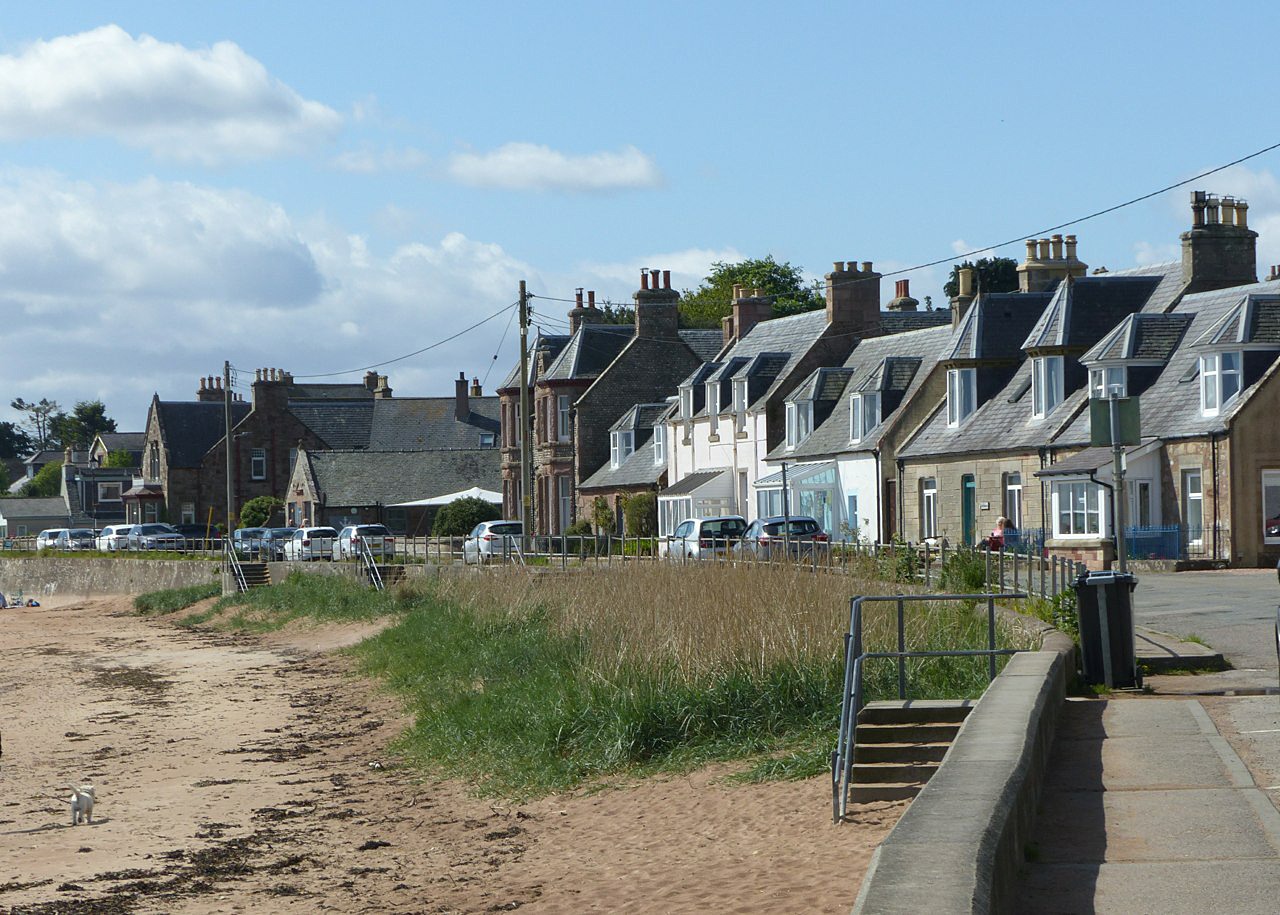
Photo: Alan Murray-Rust / Wikimedia Commons / CC BY-SA 2.0 Rosemarkie sculpture fragments
Both contribute to the Pictish sculptural record of the Black Isle and nearby Highland coast, linking a standing stone monument with fragments recorded at Rosemarkie.
In culture
-
Regional stone surveys
The stone is catalogued in two specialist studies of the area's carved monuments: Ellen MacNamara's 'The Pictish Stones of Easter Ross' (2003) and Douglas Scott's 'The Stones of the Pictish Peninsulas' (2004).
What to look for
-
Three incised symbols
The stone's Pictish carvings are cut shallowly into the surface and are barely visible in normal light, making close, careful viewing necessary to pick them out.
-
A Bronze Age monolith
The stone itself predates its carvings by many centuries, having been raised as a standing stone during the Bronze Age before any symbols were added.
-
Its field setting
The stone stands in a field near Rosskeen, on the Easter Ross coast, in the kind of open agricultural setting typical of the region's surviving standing stones.
Plan your visit
- Location
- 57.6925°N · 4.2125°W
- Nearest settlement
- Rosskeen
- Access
- Open access
- Terrain
- Easy going
- Time needed
- About 15 minutes
- Best time
- In good daylight; the shallow Pictish symbols are difficult to make out in ordinary light.
- What survives
- The standing stone remains in its field setting, but its three incised symbols are shallow and worn.
Opening & admission
- Standing stone in a field near Rosskeen; access not established.
Nearby places
Minor monument · Medieval
Market Cross, Church Street, Cromarty
Highland
Cromarty’s market cross, the stone cross marking a burgh’s right to hold a market, preserves a rare civic document in stone: its 1578 shaft and Geo…
- Near Cromarty
- Easy path
.jpg?width=800)
Carved stone · Pictish & early medieval
Nigg Stone
Highland
A shattered, staple-mended slab carries the oldest known depiction of a European triangular harp alongside carving so fine it is thought to share c…
- Near Nigg
- Easy path
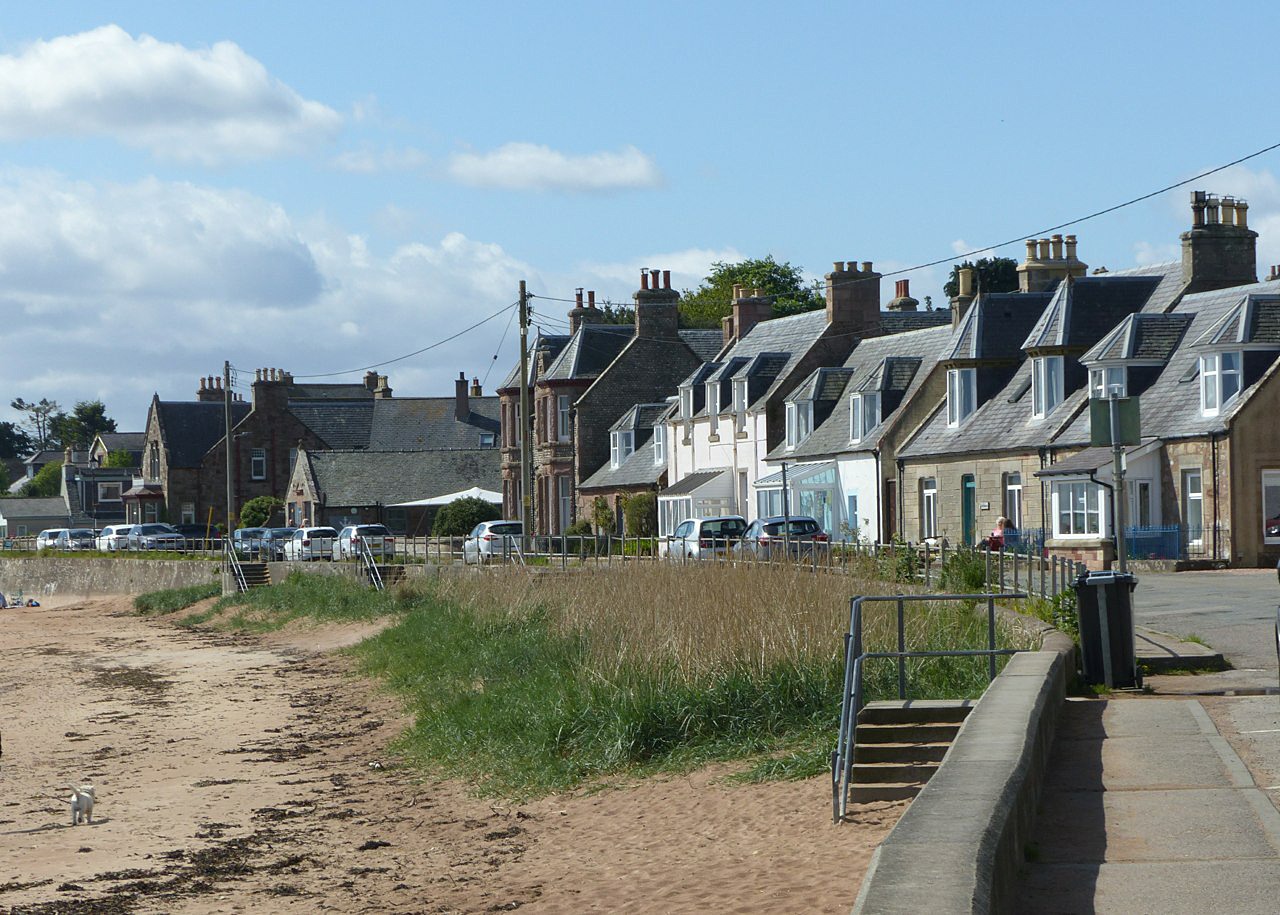
Carved stone · Pictish & early medieval
Rosemarkie Stone
Highland
Broken in two and hidden for centuries under a church floor, this cross-slab carries the only Pictish (of the Picts, the people of northern and eas…
- Near Rosemarkie
- Easy path
Carved stone · Pictish & early medieval
Rosemarkie sculpture fragments
Highland
Fourteen carved fragments, including a slab showing Daniel in the lion's den, reveal a Pictish (of the Picts, the people of northern and eastern Sc…
- Near Rosemarkie
- Easy path
The setting
Near Clach a' Mheirlich, about 119 metres away.
Photo: Bob Embleton / Wikimedia Commons / CC BY-SA 2.0
Near Clach a' Mheirlich, about 153 metres away.
Photo: Dg-505 / Wikimedia Commons / CC BY 3.0
Near Clach a' Mheirlich, about 158 metres away.
Photo: Alan Reid / Wikimedia Commons / CC BY-SA 2.0
Questions people ask
- What does the name Clach a' Mheirlich mean?
- It is Gaelic for "the thief's stone". The stone is also known locally as the Rosskeen Stone.
- How old is the stone?
- The stone itself dates to the Bronze Age; its Pictish symbols were added much later, in the early medieval period.
- What makes it a Class I Pictish symbol stone?
- It bears incised Pictish symbols alone, without an accompanying cross or relief carving, the defining feature of the Class I category.
- Where is the stone located?
- It stands in a field near Rosskeen, in Easter Ross, in the Highland council area of Scotland.
- Are the carvings easy to see?
- No. The three Pictish symbols are incised shallowly and are barely visible on the stone's surface.
Sources
- Wikipedia: Clach a' Mheirlich
- Wikidata: Clach a' Mheirlich
- MacNamara, Ellen — The Pictish Stones of Easter Ross (Tain, 2003)
- Scott, Douglas — The Stones of the Pictish Peninsulas (Hilton Trust, 2004)
Explore more: Carved stones · Pictish & early medieval · Highland
The Ancient Codex, in your pocket
Get the Pocket Codex app
Carry the directory with you — Clach a' Mheirlich and thousands of ancient places across Britain and Ireland, offline, wherever you roam.