
Ancient tree · Medieval
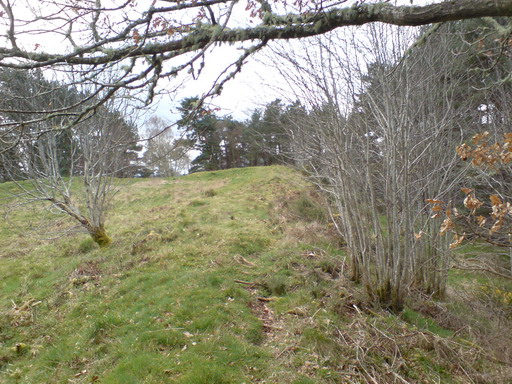
The Last Ent of Affric
Highland
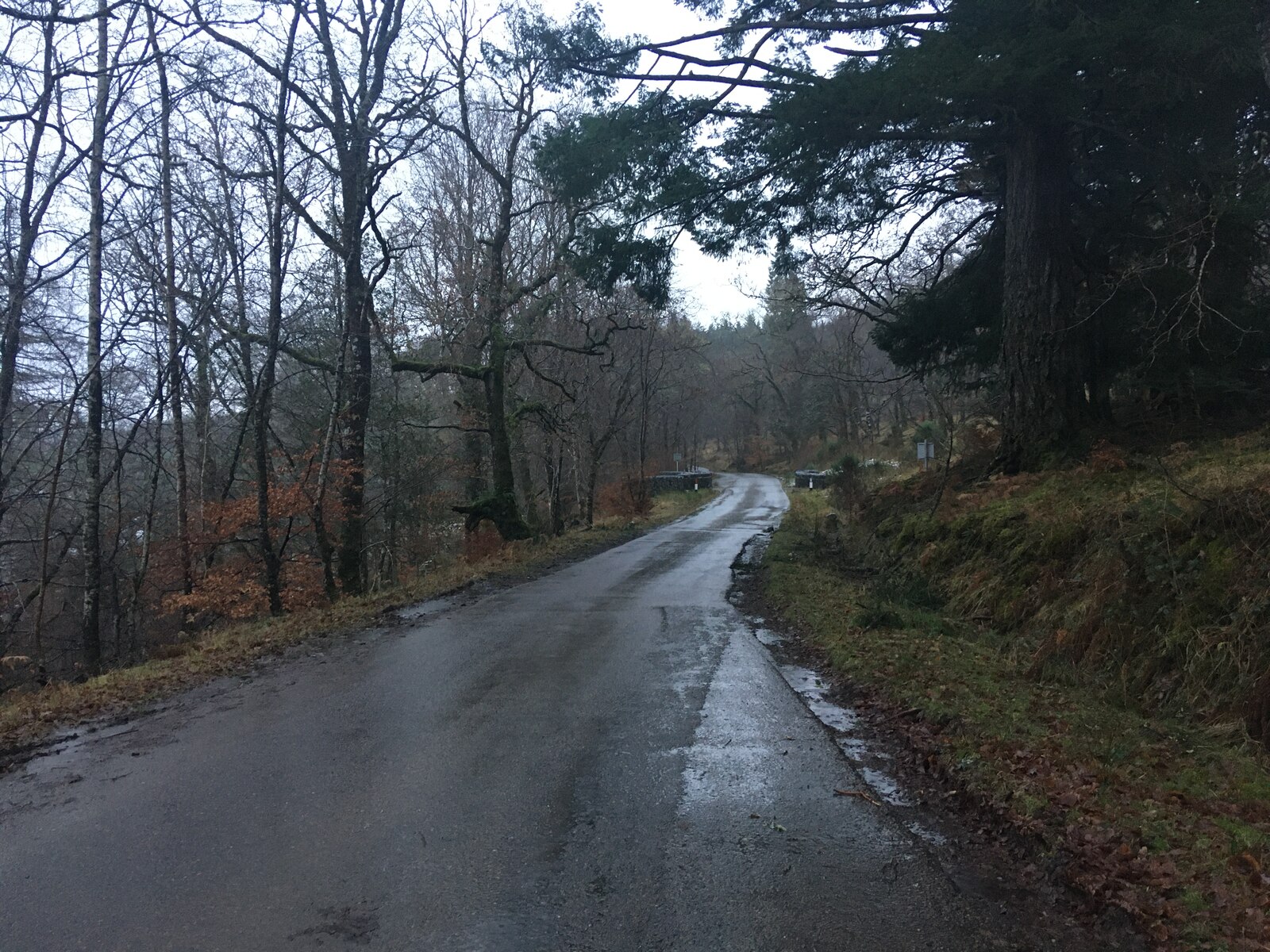
An elm that outlived both the forest around it and the disease that took most of its kind, saved by standing somewhere nothing would sensibly have…
- Near Highland
Scotland · Region
67 places in Highland, from the deepest prehistory to the medieval world.
Ancient tree · Medieval
Highland
An elm that outlived both the forest around it and the disease that took most of its kind, saved by standing somewhere nothing would sensibly have…
Ancient tree · Medieval
Highland
A four-hundred-year-old oak that nobody knew was there. It took a ceilidh band, a woodland conference and a walk the morning after the gig for the…
Tomb or burial place · Prehistoric
Highland
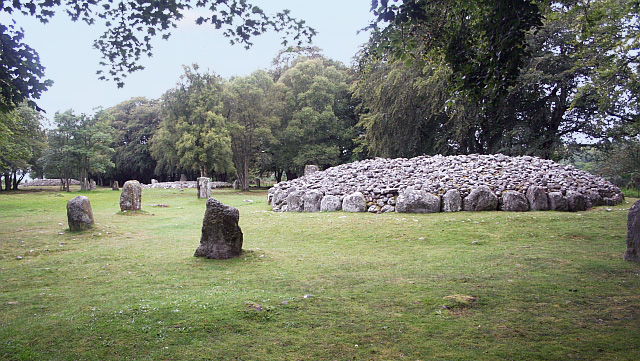
Clava’s planned arrangement of cairns and standing stones offers rare evidence of a single communal decision about burial and remembrance, rather t…
Tomb or burial place · Prehistoric
Highland
Two Neolithic tombs raised on land so fertile that people farmed it: before the Bronze Age (roughly 2500–800 BC, when metal tools first spread) bur…
Carved stone · Prehistoric
Highland
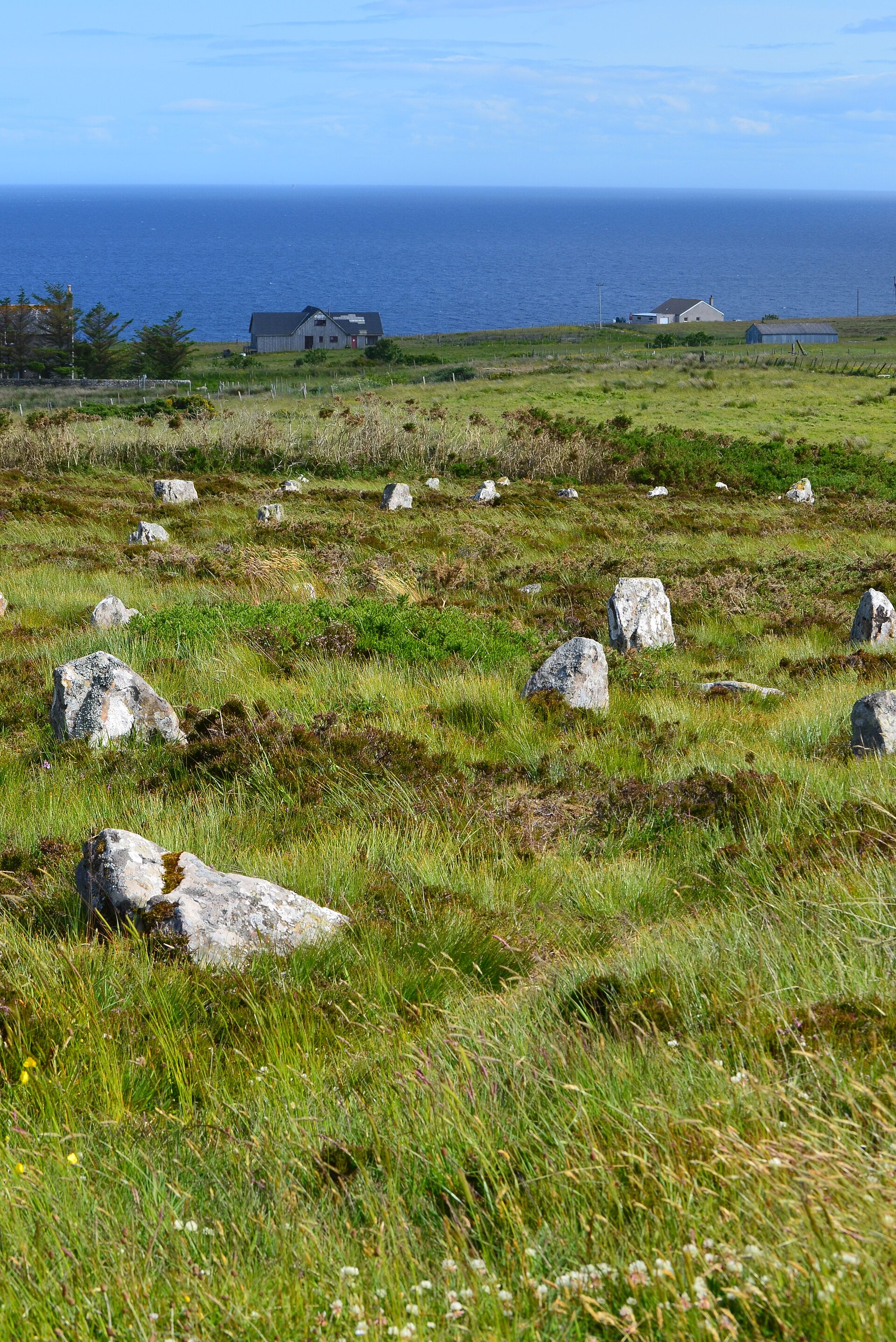
Alexander Thom argued these modest stones once tracked the moon's 18.6-year cycle: a claim no other Caithness stone row has earned.
Minor monument · Medieval
Highland
Kilravock’s pigeon house, built to keep birds for winter meat, makes the estate’s long-running economy tangible within a building altered from medi…
Fortified place · Iron Age
Highland
A drystone tower on a tidal islet, reachable only by a boulder causeway at low water: and still argued over as broch, a round, hollow-walled tower…
Carved stone · Pictish & early medieval
Highland
A single red sandstone boulder carries two carving traditions centuries apart: Bronze Age (roughly 2500–800 BC) cup-and-ring marks beneath a Pictis…
Fortified place · Medieval
Highland
A broken keep on a spit of rock in Loch Assynt where a fugitive royalist commander was handed to his enemies in 1650, under circumstances still dis…
Fortified place · Medieval
Highland
A Tudor-Gothic mock-castle built purely for show now stands roofless and abandoned, and in 2025 its entire estate went up for private sale.
Fortified place · Iron Age
Highland
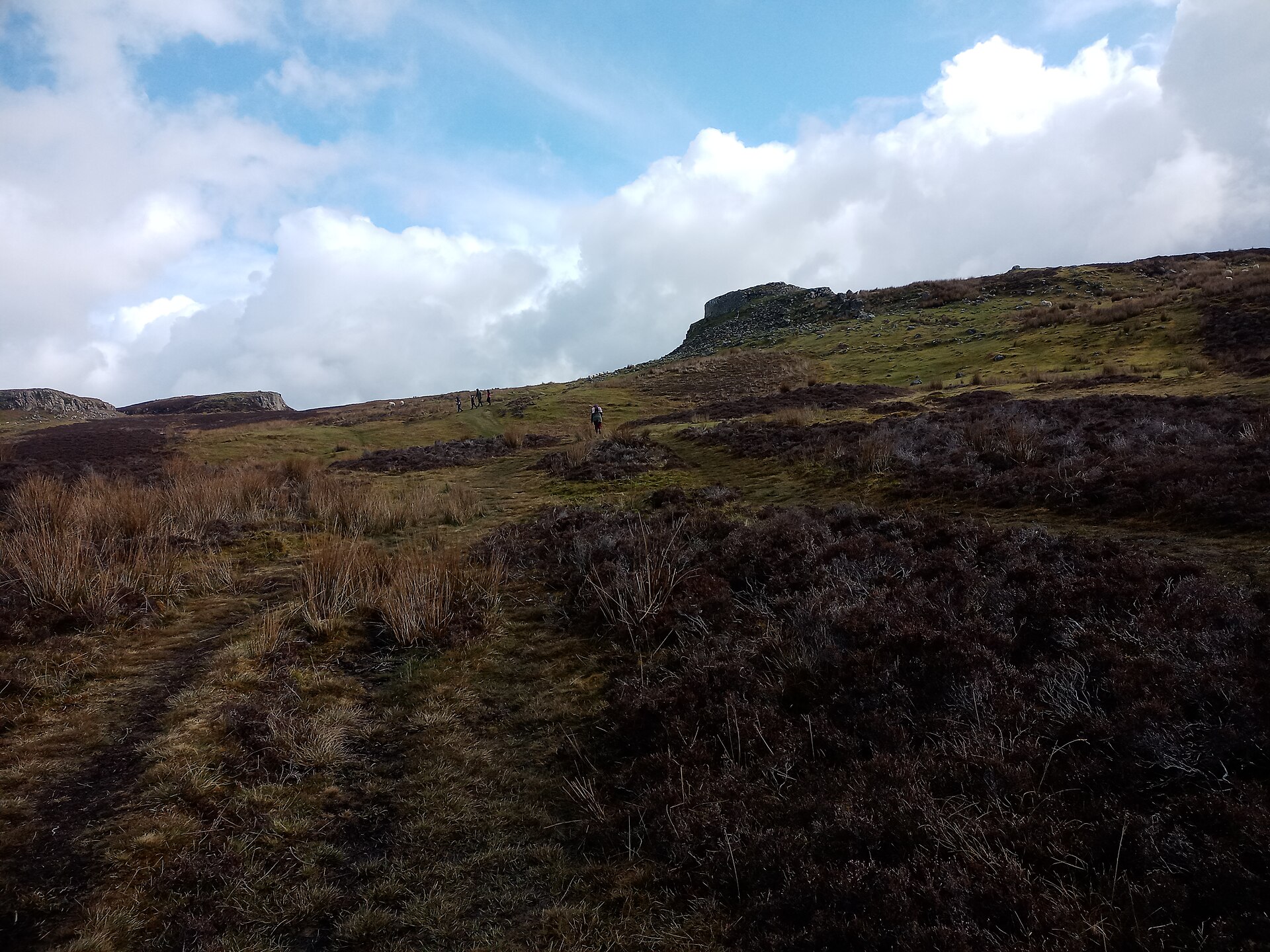
Never excavated and only waist-high in places, its walls, annexe, ditch and outer defence still trace a complete Iron Age (roughly 800 BC until the…
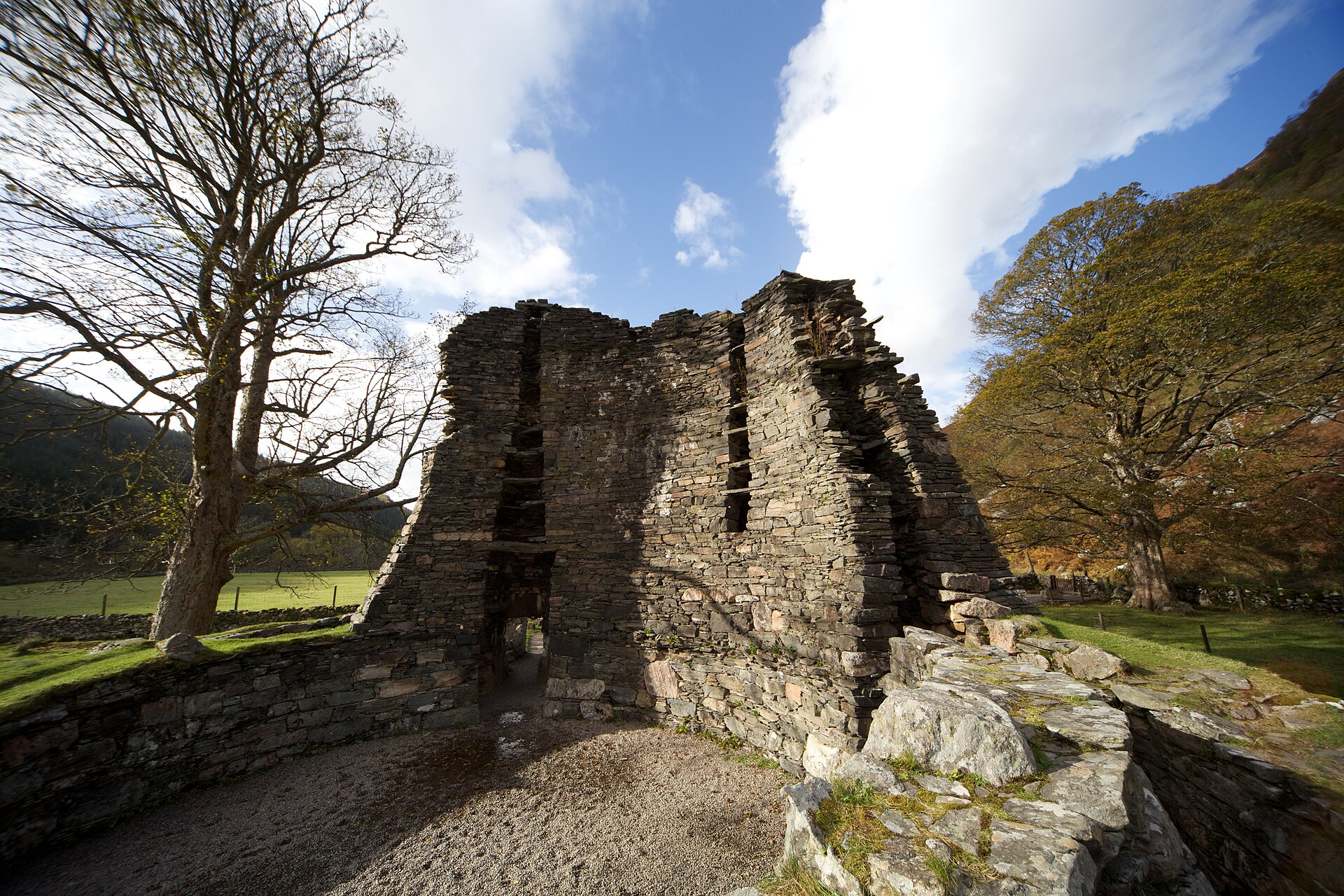
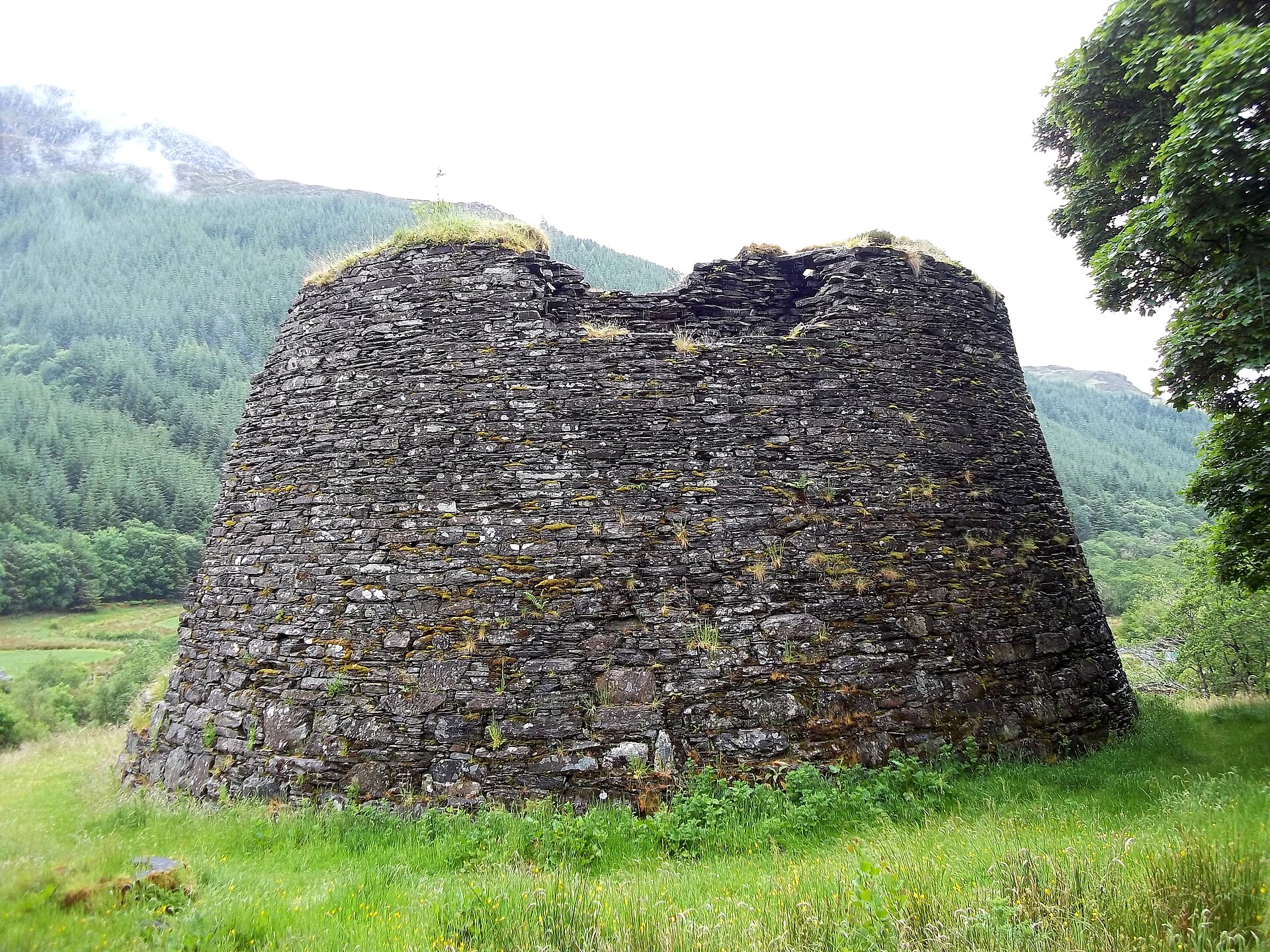
Fortified place · Iron Age
Highland
A drystone tower still rising over its own five-step internal stair and a triangular lintel massive enough to have never needed a keystone.
Tomb or burial place · Prehistoric
Highland
A 30-metre chamber cut into compartments by upright stone slabs: one of the largest and best-preserved Clyde cairns in south-west Scotland, reached…
Tomb or burial place · Prehistoric
Highland
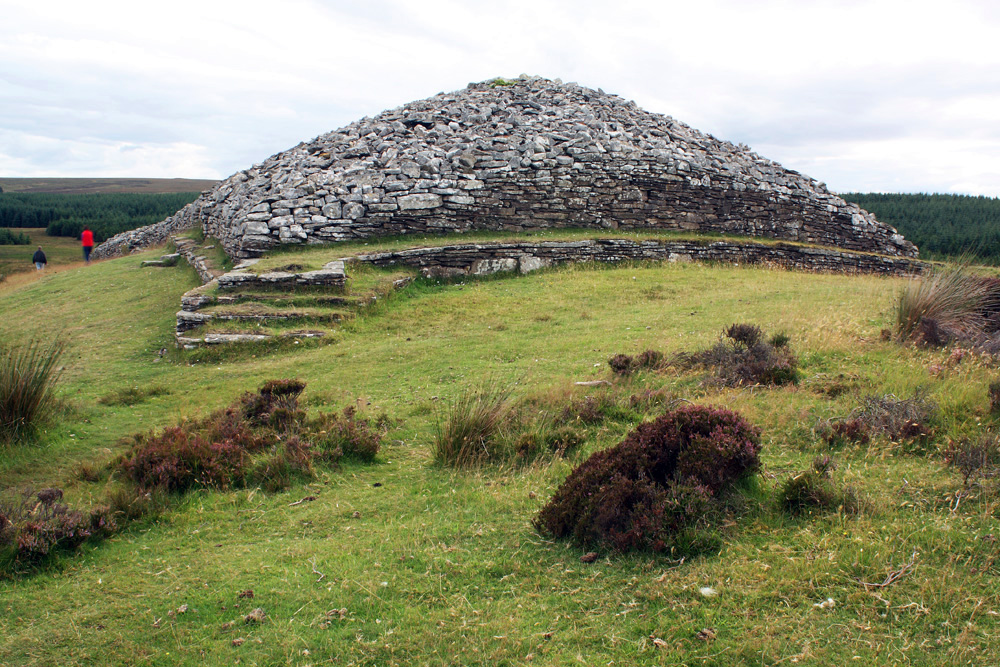
At 116 metres long, this three-part cairn (a mound of piled stones, often covering a burial) is the longest chambered burial monument yet recorded…
Fortified place · Iron Age
Highland
Excavated twice a century apart, its walls conceal a Bronze Age burial that predates the broch by centuries: the tower was built over an older grav…
Fortified place · Medieval
Highland
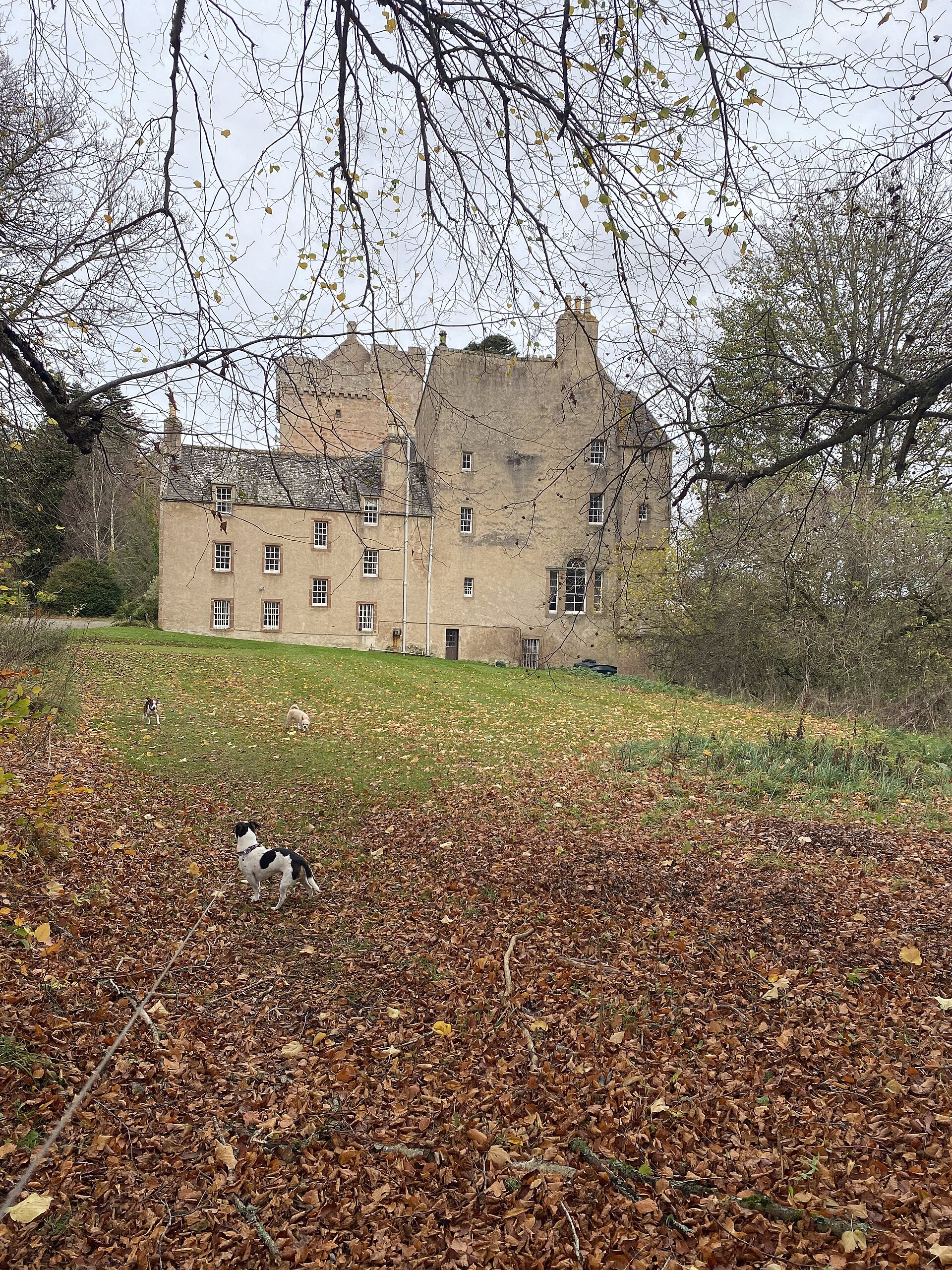
The only home Queen Elizabeth the Queen Mother ever owned outright, rescued from near-ruin in 1952 and still kept in family use by King Charles III…
Fortified place · Medieval
Highland
A stronghold whose Gaelic name means "dry castle" sits on an island that vanishes under the tide twice a day: and served as Clanranald's seat for s…
Fortified place · Medieval
Highland
A tower house said to have been built around a living holly tree, its site chosen by tradition after a gold-laden donkey lay down to rest beneath it.
Carved stone · Pictish & early medieval
Highland
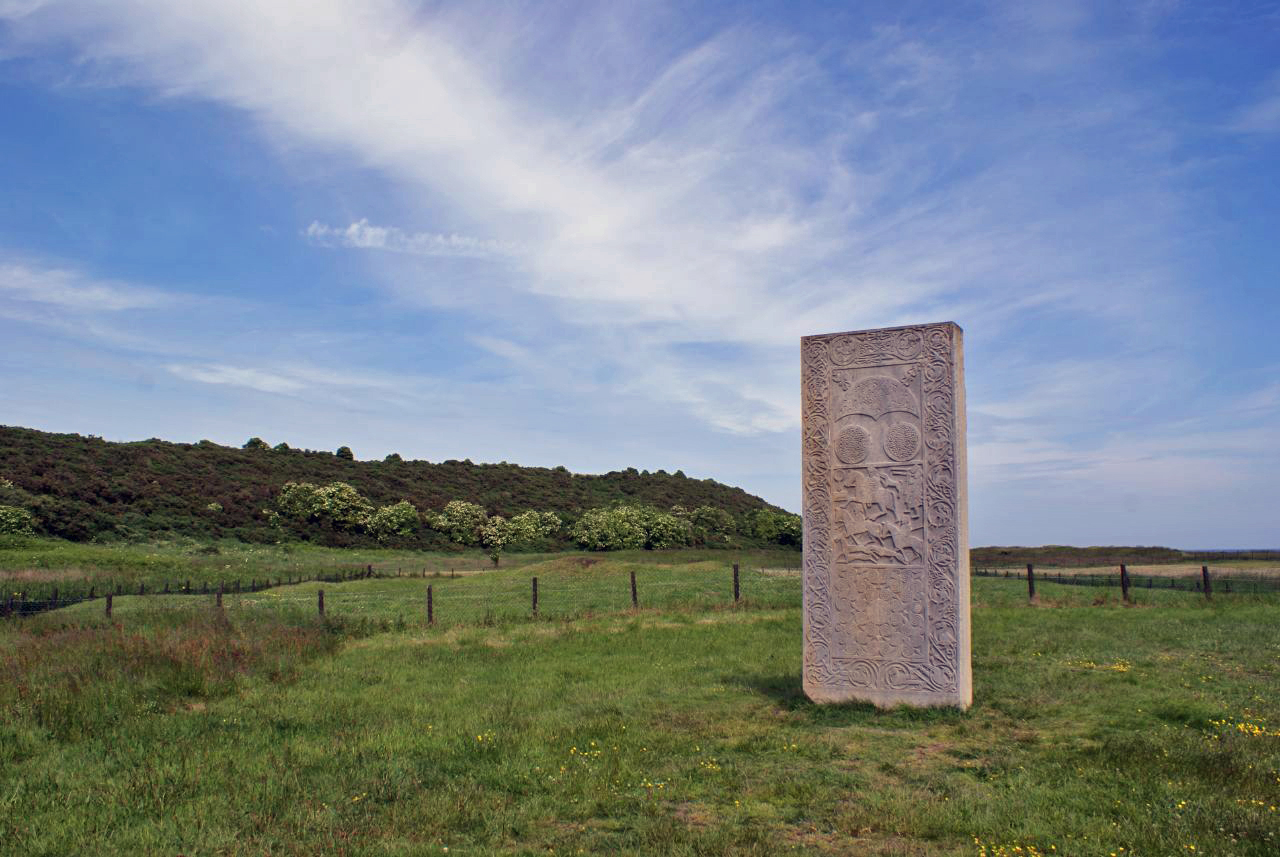
A carved cross faces the sea while Pictish beasts and a hunting scene face the land on the reverse: a single stone holding two entirely different v…
Carved stone · Pictish & early medieval
Highland
A single monolith carries two separate ages of use: raised in the Bronze Age (roughly 2500–800 BC), then marked centuries later with Pictish (of th…
Carved stone · Pictish & early medieval
Highland
A carved eagle on a Pictish stone became, centuries later, the marker for a clan battle and the trigger for a seer's flood prophecy.
Carved stone · Pictish & early medieval
Highland
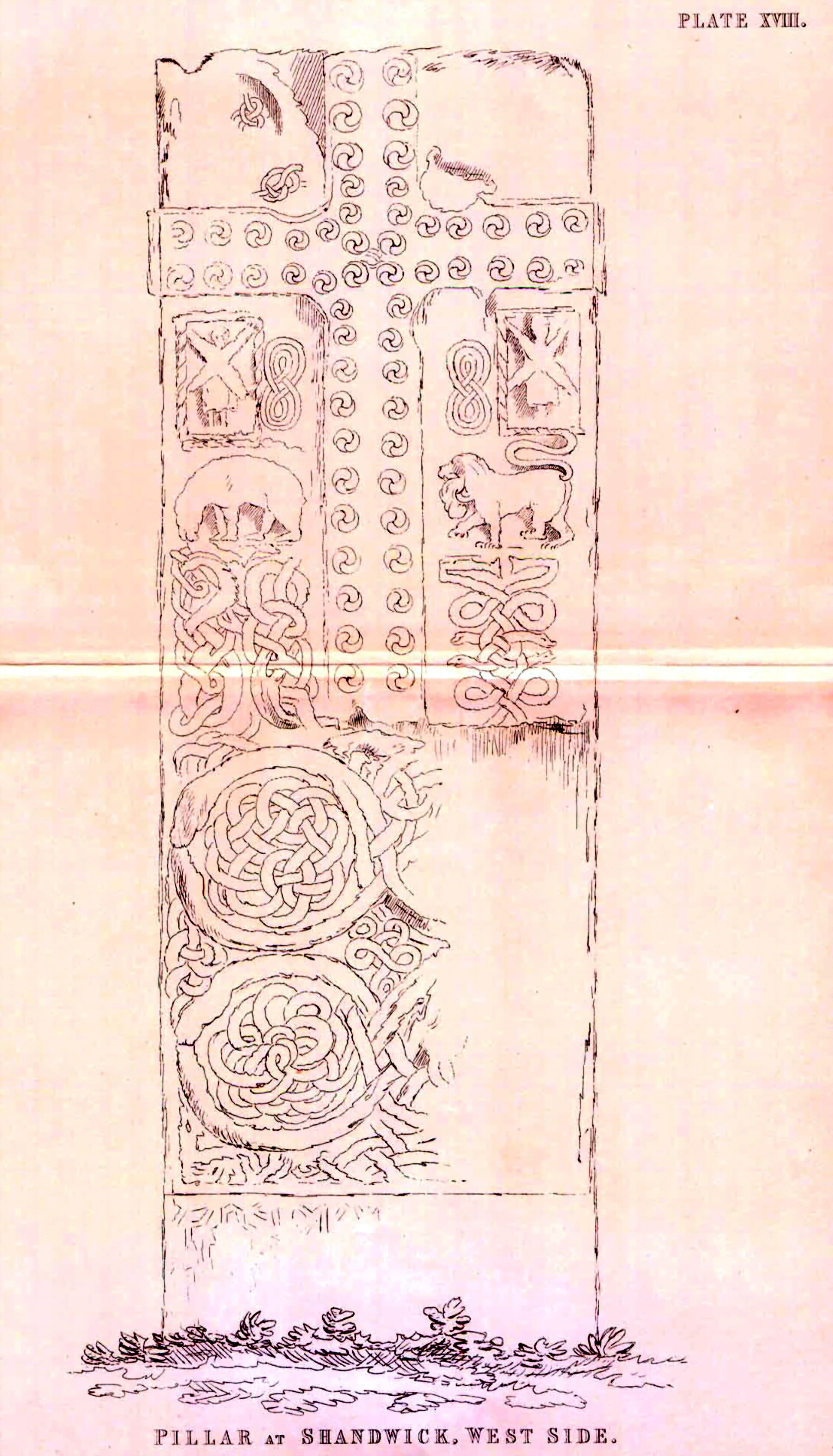
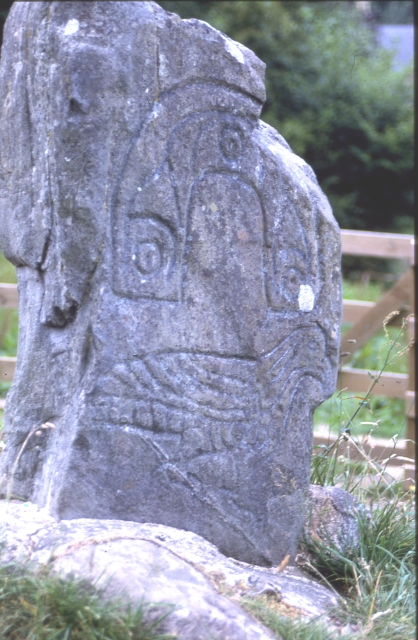
A Bronze Age pillar over three metres tall was reused two thousand years later as a canvas for Pictish carving: a salmon, a double-disc and a Z-rod…
Tomb or burial place · Prehistoric
Highland
A burial mound of piled stones at Balnuaran of Clava, whose kerb stones were sorted by colour before they were laid.
Tomb or burial place · Prehistoric
Highland
These three damaged circles preserve unusually detailed evidence for how field clearance, railway construction and housing altered an interconnecte…
Tomb or burial place · Prehistoric
Highland
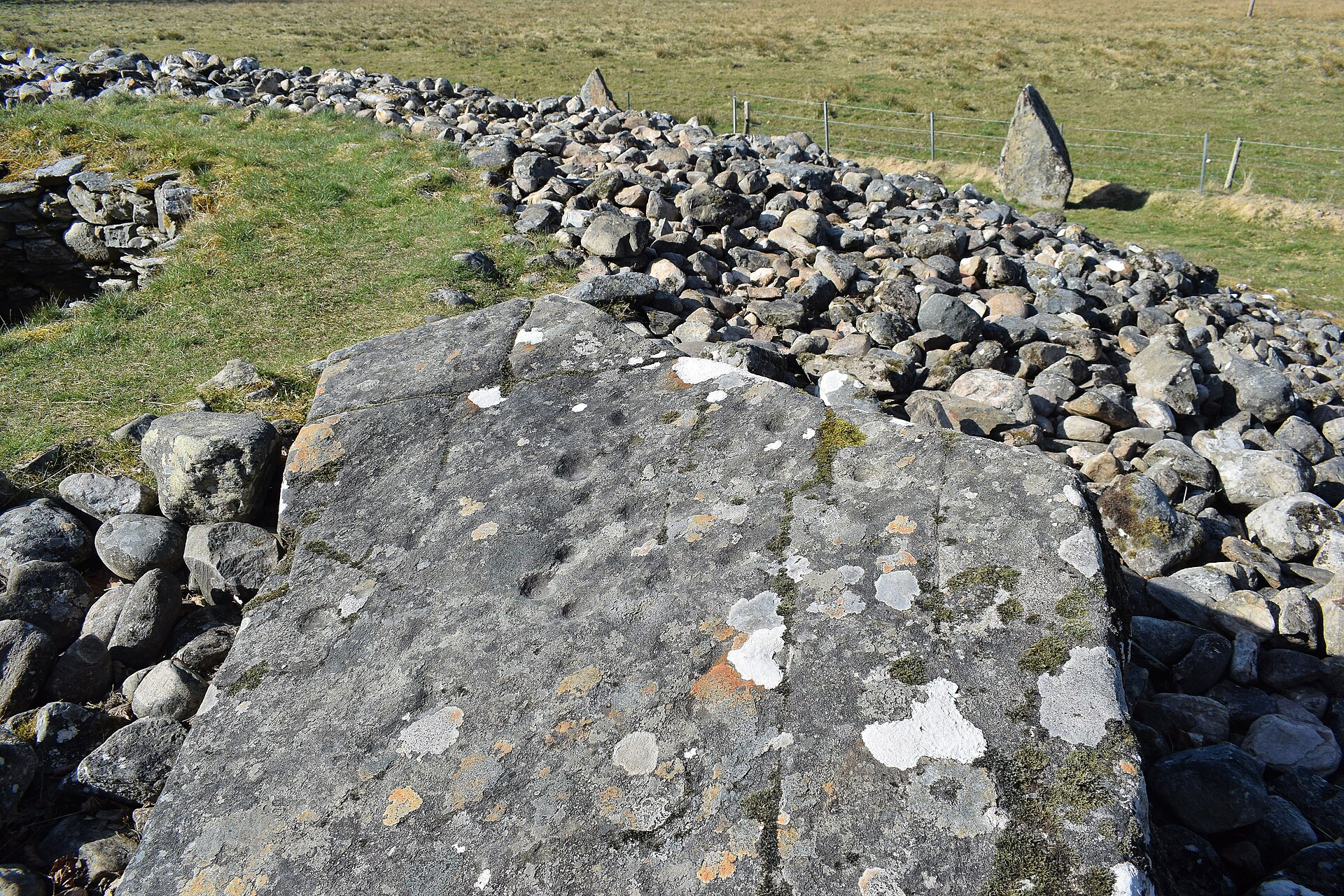
One of the best-preserved Clava cairns in the Highlands, its passage still roofed by the original cup-marked capstone and its burial chamber found…
Fortified place · Iron Age
Highland
Its stone rampart was fused to glass by fire in the 4th century, and tradition: never proven: casts it as the seat where a Pictish (of the Picts, t…
Fortified place · Iron Age
Highland
A broch built inside an older promontory fort, fully excavated and then bulldozed into the sea in 1972: it survives only as a record, not a ruin.
Sacred place · Medieval
Highland
Burned by feuding clansmen in 1570 and rebuilt on a narrower plan in the 1830s, it still holds the graves of earls, dukes and the bishop-saint who…
Fortified place · Iron Age
Highland
A countess spent six years hand-sifting its spoil heaps, and coins running from Henry II to George III show this Skye tower stayed in use long afte…
Fortified place · Iron Age
Highland
A drystone tower on Skye's Waternish coast still stands over two and a half metres high, with its internal gallery wall exposed to view along the e…
Fortified place · Iron Age
Highland
A smaller broch or dun was built inside the ruins of an earlier hillfort on the same rocky knoll: two separate strongholds, one after the other, on…
Fortified place · Iron Age
Highland
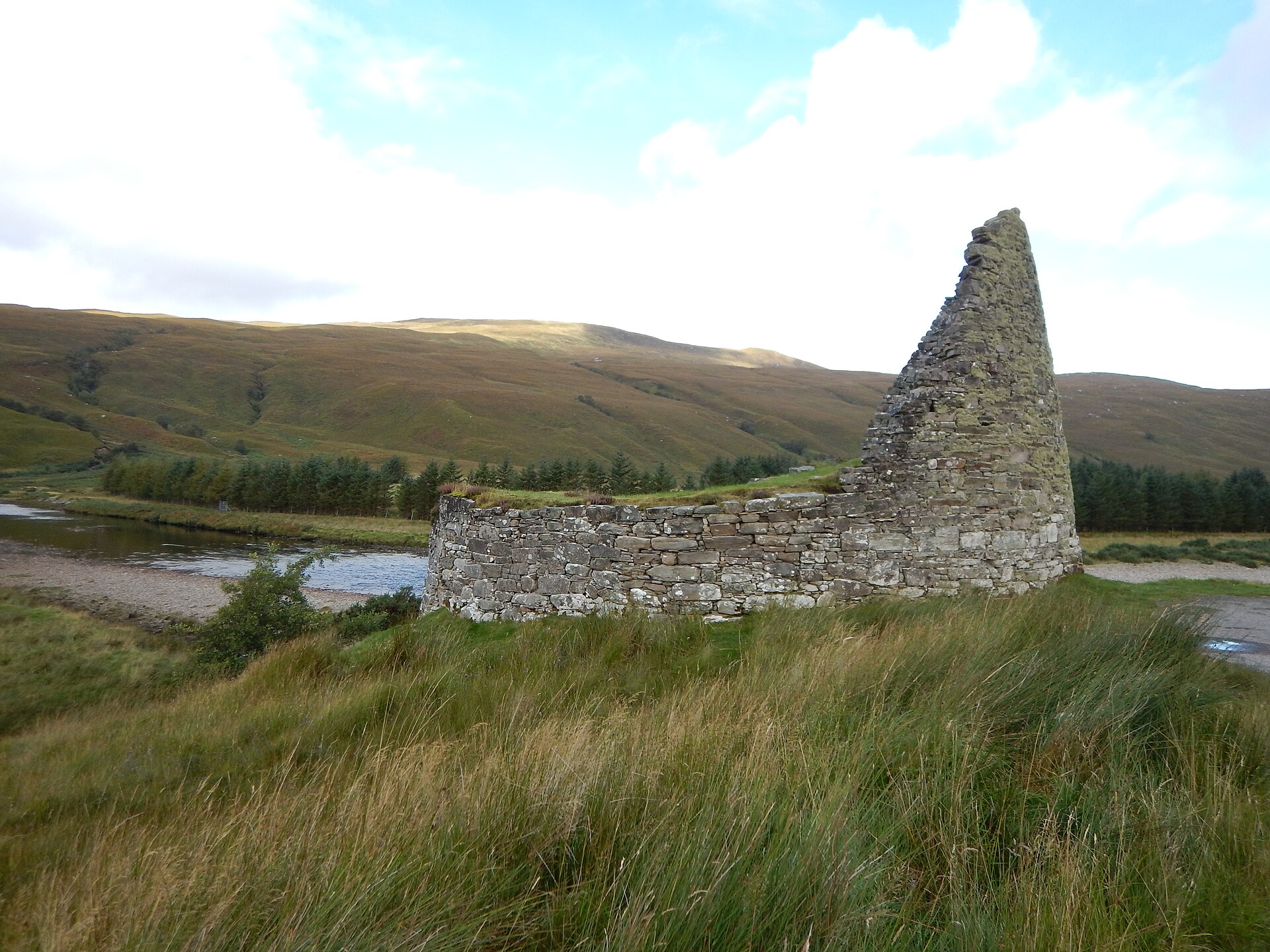
Above its blocked doorway, Dun Dornaigil's wall still climbs to nearly seven metres: among the tallest surviving drystone tower stonework anywhere…
Fortified place · Iron Age
Highland
A double ring of vitrified (burnt so fiercely that the stone melted and set again) and rebuilt walls crowns a rock between two river valleys, with…
Fortified place · Iron Age
Highland
A double-walled stone tower dating the period from roughly 800 BC to the Roman conquest stands on a loch-side knoll near Dunvegan, excavated in 189…
Fortified place · Iron Age
Highland
A rare surviving 'semi-broch': the transitional D-shaped form that shows how the great circular broch towers of the Highlands may have evolved.
Fortified place · Iron Age
Highland
Its walls still rise close to four metres, with an intact mural gallery and lintel in place: one of Skye's better-preserved brochs, and one never d…
Fortified place · Iron Age
Highland
A stone roundhouse dating from the centuries before Rome arrived that Clan MacKinnon later refitted as its own stronghold, so the ruin carries two…
Fortified place · Iron Age
Highland
A vitrified (burnt so fiercely that the stone melted and set again) Iron Age (from about 800 BC until the Romans came) fort with a later dun built…
Fortified place · Iron Age
Highland
Its drystone wall still rises over ten metres without a scrap of mortar, making Dun Telve one of the tallest surviving brochs anywhere in Scotland.
Fortified place · Iron Age
Highland
Its stairway still climbs to a first-floor landing inside a wall four and a half metres thick: one of Scotland's most intact broch (a tall circular…
Fortified place · Iron Age
Highland
Two ramparts set barely six metres apart, likely braced by internal timbers, and traces of vitrification suggesting the fort was deliberately burne…
Fortified place · Medieval
Highland
A fourteenth-century keep with six-foot walls and stone-vaulted ceilings still survives at the core of the building Charles Barry expanded into the…
Building or ruin · Medieval
Highland
Its name comes not from a clan or a king but from Scáthach, the legendary warrior-woman said to have trained the Irish hero Cú Chulainn in the arts…
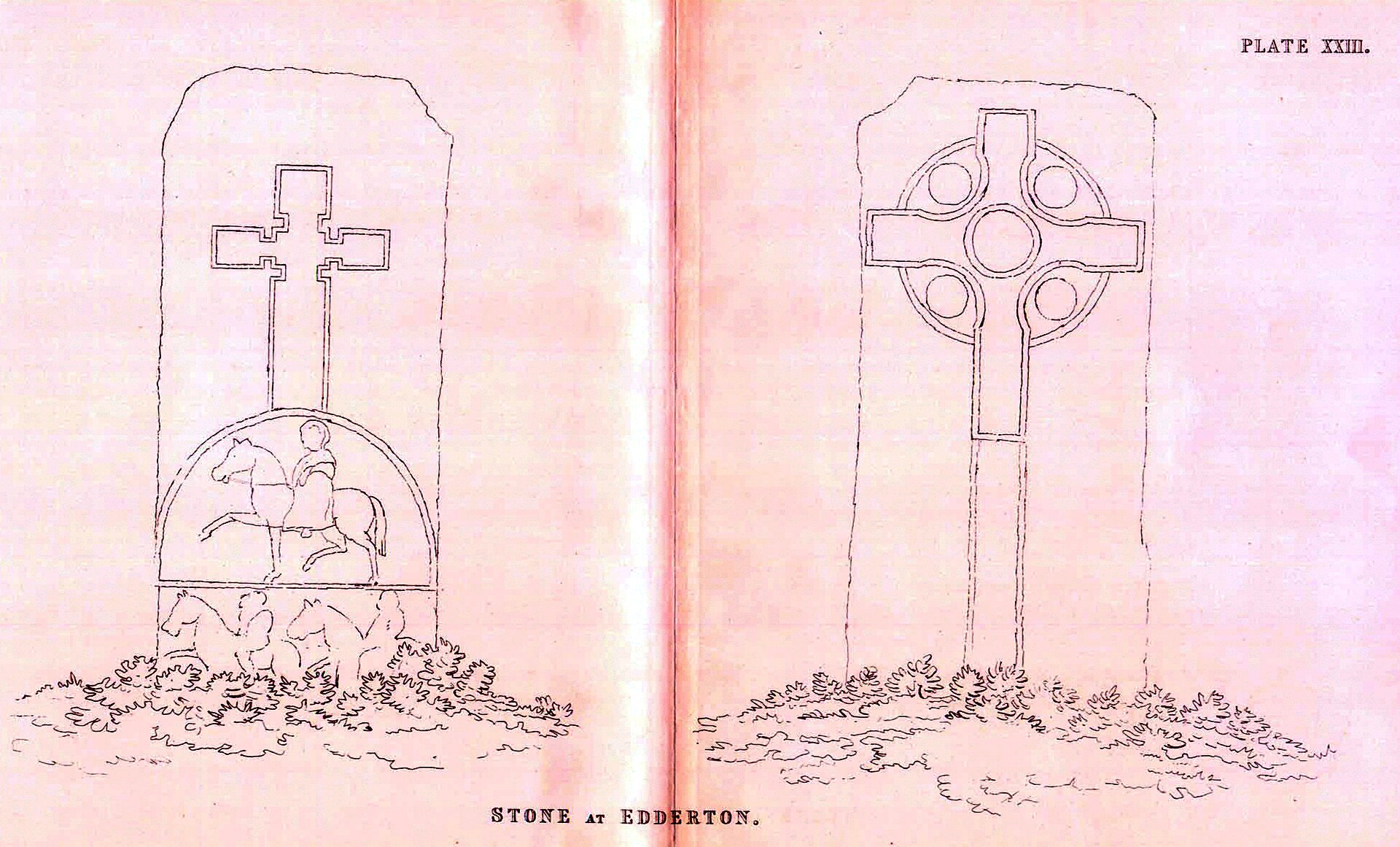
Carved stone · Pictish & early medieval
Highland
One slab, two scenes: a plain ringed cross on one face, three processing horsemen beneath a cross on the other, recently raised to reveal riders bu…
Building or ruin · Medieval
Highland
The castle photographed on countless shortbread tins is barely a century old: a 1930s recreation of a stronghold the Royal Navy blew apart in 1719.
Building or ruin · Medieval
Highland
Completed in 1769 at more than double its original budget, it is one of the most sophisticated artillery fortifications ever built in Europe: and i…
Carved stone · Pictish & early medieval
Highland
A carved salmon and the broken remains of a bird - rare survivors of a Pictish (of the Picts, the people of northern and eastern Scotland from abou…
Carved stone · Pictish & early medieval
Highland
Broken by a storm, stripped for a memorial, and split between two museums and a modern replica, this Pictish (of the Picts, the people of northern…
Fortified place · Iron Age
Highland
A drystone tower mound perched between two ravines above the river Naver, ringed by cairns, hut circles and settlement traces that together form on…
Building or ruin · Medieval
Highland
A 13th-century stone quadrangle that has kept the same four corner towers and curtain wall since it was built, having hosted two battles without ev…
Building or ruin · Medieval
Highland
The red sandstone towers standing today are the third castle on this cliff: successor to a fortress whose 1428 parley ended with fifty Highland chi…
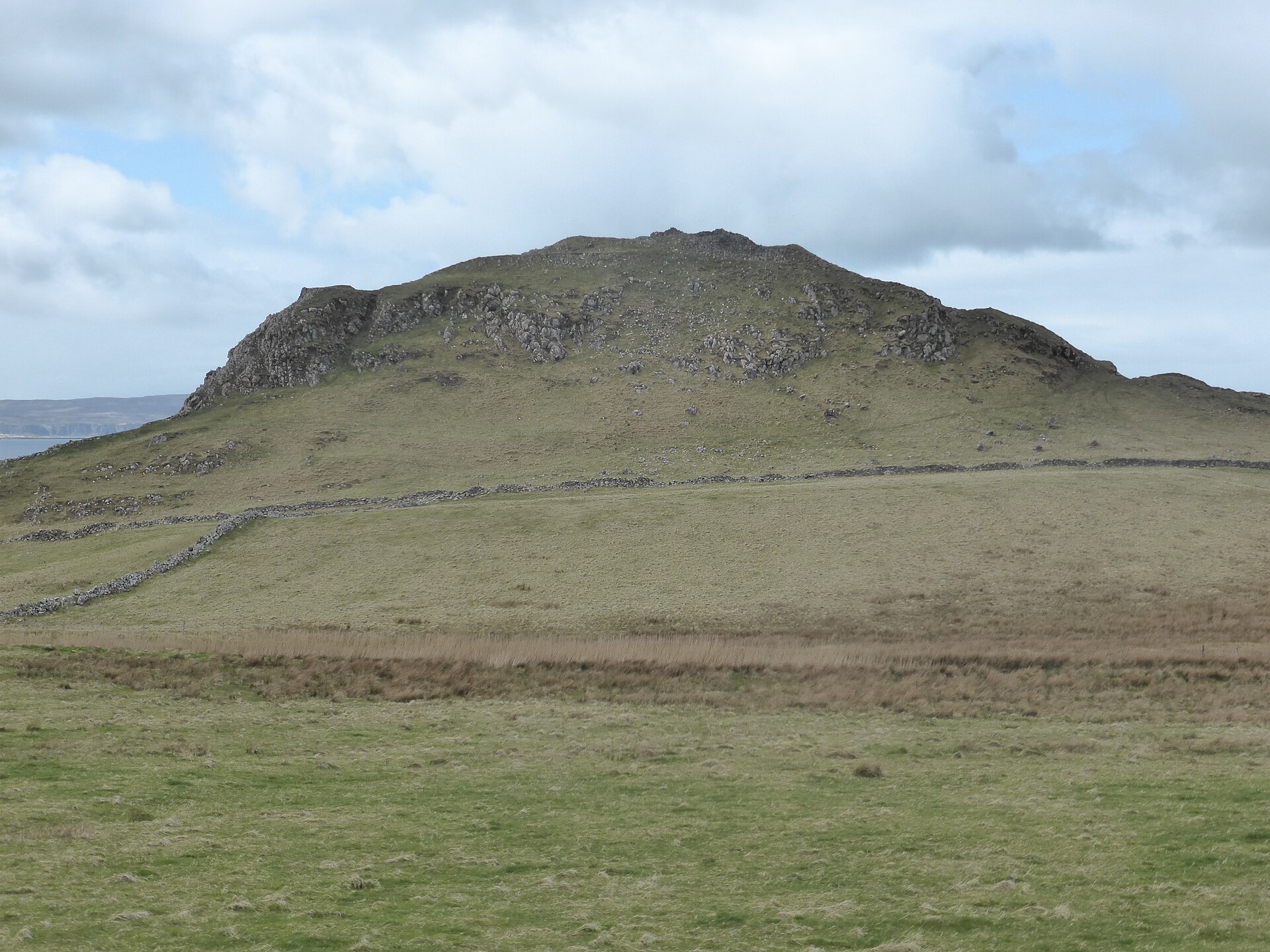
Fortified place · Iron Age
Highland
The rock knoll the tower crowns may itself be an older monument: quite possibly the buried remains of a chambered burial mound built around a stone…
Carved stone · Pictish & early medieval
Highland
A shattered, staple-mended slab carries the oldest known depiction of a European triangular harp alongside carving so fine it is thought to share c…
Fortified place · Iron Age
Highland
One of the best-preserved brochs on the Caithness coast, with its entrance passage still roofed by its original stone lintels after more than two t…
Carved stone · Pictish & early medieval
Highland
Roughly 200 carved stone fragments, most no bigger than a handspan, add up to one of the largest collections of Pictish (of the Picts, the people o…
Carved stone · Pictish & early medieval
Highland
Fourteen carved fragments, including a slab showing Daniel in the lion's den, reveal a Pictish (of the Picts, the people of northern and eastern Sc…
Carved stone · Pictish & early medieval
Highland
Broken in two and hidden for centuries under a church floor, this cross-slab carries the only Pictish (of the Picts, the people of northern and eas…
Tomb or burial place · Prehistoric
Highland
A Neolithic chambered cairn shares this remote headland with an Iron Age dun and a rare medieval boat harbour: one of Skye's most densely layered a…
Fortified place · Iron Age
Highland
A broch excavated twice within four decades of Highland archaeology before being levelled entirely for a wartime runway: its erasure is now the cle…
Sacred place · Prehistoric
Highland
Its scale rivals the Ring of Brodgar, yet a fallen twin thirty metres off suggests it once anchored a deliberate sightline to the summer solstice s…
Building or ruin · Medieval
Highland
Blown up in 1692 to deny it to Jacobite forces, its shattered gatehouse and leaning tower still mark almost four centuries of siege along the Great…
Briefer entries: recorded and worth knowing, with fuller pages to come.
Minor monument · Medieval
Highland
Cromarty’s market cross, the stone cross marking a burgh’s right to hold a market, preserves a rare civic document in stone: its 1578 shaft and Geo…
Carved stone · Pictish & early medieval
Highland
A Pictish (of the Picts, the people of northern and eastern Scotland from about AD 300 to 900) symbol stone carved on both faces, possibly recut fr…
Fortified place · Iron Age
Highland
A cliff-edge Skye fort twice built and twice destroyed by fire: one of the clearest examples anywhere of the transitional "semi-broch (a tall circu…
Carved stone · Pictish & early medieval
Highland
Invereen’s accidental discovery saved a precisely carved Pictish stone: of the Picts, the people of northern and eastern Scotland from about AD 300…
Carved stone · Pictish & early medieval
Highland
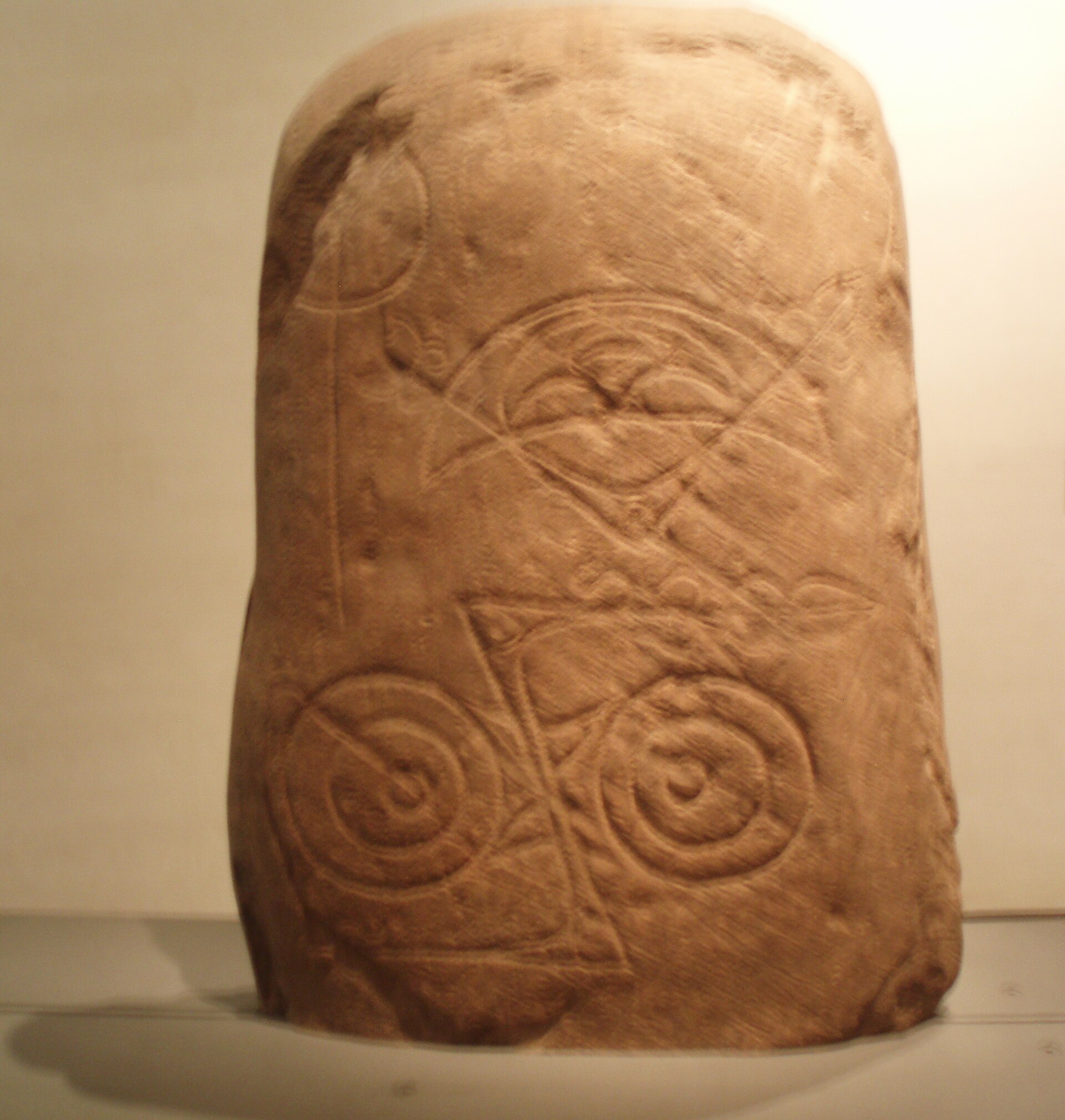
A carved crescent, v-rod and a pair of spirals fused into a pelta survive on a single stone that sat unknown until 1992: a Pictish (of the Picts, t…
Tomb or burial place · Prehistoric
Highland
Excavation found the earliest known heel-shaped cairn (a mound of piled stones, often covering a burial) on the Scottish mainland folded inside two…
No places match those filters.






%2C_Edderton_-_geograph.org.uk_-_915406.jpg?width=800)











.jpg?width=800)


.jpg?width=800)