
Completed in 1769 at more than double its original budget, it is one of the most sophisticated artillery fortifications ever built in Europe — and it remains a working army barracks more than 250 years later.
A vast star-shaped fortress occupies a narrow spit of land reaching out into the Moray Firth, its ramparts banked with grass and sloped so gently that from a distance the whole structure seems to melt into the shoreline. Anyone approaching by land first has to cross a wide belt of loose shingle, then a ravelin (a free-standing outwork built to absorb the first blow of an attack), then a raised wooden walkway with a drawbridge spanning a deep ditch overlooked on every side by guns. Every wall is angled so that no attacker can find a blind spot.
The fort was built in the years after the Jacobite rising of 1745, when the British government resolved never again to be caught without a secure garrison in the Highlands. It replaced an earlier Fort George in Inverness, which Jacobite forces had besieged, forced into surrender, and then blown up rather than leave standing. The new fortress, sited instead at Ardersier where it could be resupplied by sea, took over twenty years and vastly more money than planned to complete.
It has never fired a shot in anger. What was built as a machine for withstanding an 18th-century siege has instead spent two and a half centuries as an ordinary working barracks, home in turn to some of Scotland’s most storied Highland regiments, and today open to visitors alongside the soldiers still stationed there.
What follows is drawn from published sources, with each claim labelled by how firmly it is established.
History
In 1726 the first fortification to bear the name Fort George was completed in Inverness on the orders of General George Wade, standing on a hillock beside the River Ness. It incorporated portions of a medieval castle begun there by Malcolm III of Scotland in the late 11th century, and in the 17th century Oliver Cromwell had further strengthened the site with an added citadel, though by the early 18th century that stronghold had fallen out of use.
During the Jacobite rising of 1745, Wade's Fort George was besieged by some three thousand Jacobite troops. Cut off and with no prospect of relief from Crown forces, the garrison surrendered in February 1746 once mines had been driven under the outer walls. The victorious Jacobites then destroyed Old Fort George themselves, to deny the British Army any chance of using it again as a base.
In 1747, in the aftermath of the Crown victory at Culloden, Colonel William Skinner, the King's Military Engineer for North Britain, was contracted to rebuild Fort George entirely. Rather than reoccupy the old site, the decision was taken to build the new fortress some ten miles from Inverness at the mouth of the Moray Firth, where it could dominate the sea approach and be resupplied by ship if besieged.
Work at the new site began in 1748 under Skinner's direction, with the Adam family of architects, John, Robert and later James, acting as contractors and overseeing around a thousand soldiers who supplied the labour and defended the site as they built. The main defences were in place by 1757 and the fort was finally finished in 1769, its final cost of more than £200,000 running well over twice the original budget of £92,673.
Meanwhile the abandoned site of Old Fort George in Inverness lay derelict for almost seventy years, until the mid-19th century saw a red sandstone castellated building, Inverness Castle, erected in its place. Despite its towers and battlements, the new building had no military function and instead served as a prison and courthouse behind bastioned enclosing walls that echoed its predecessor.
Following the Childers Reforms, the 72nd and 78th Highland regiments amalgamated in 1881 to form the Seaforth Highlanders, who established their depot in the barracks. In 1961 that regiment merged with the Queen's Own Cameron Highlanders to form the Queen's Own Highlanders, which made Fort George its new depot, and in 2007 the barracks became home to the Black Watch, 3rd Battalion, Royal Regiment of Scotland.
In November 2016 the Ministry of Defence announced that the site would close in 2032, with the Defence Minister commenting that it was no longer needed since the era of Highland rebellions had passed; the closure was later pushed back to 2033. In the meantime the barracks stay in active military use while much of the site remains open to the public, drawing 76,169 visitors in 2019 alone.
People
-
General George Wade
Ordered the construction of the original Fort George in Inverness, completed in 1726.
-
Sir Robert Munro, 6th Baronet
First commanding officer of the original Fort George, Colonel of the 42nd Royal Highlanders (Black Watch) and chief of Clan Munro.
-
Malcolm III of Scotland
Began the medieval castle in Inverness in the late 11th century, portions of which were later incorporated into the first Fort George.
-
Oliver Cromwell
Strengthened the earlier Inverness castle site with an additional citadel in the 17th century.
-
Colonel William Skinner
King's Military Engineer for North Britain, contracted in 1747 to design and rebuild Fort George at its present site near Ardersier.
-
John, Robert and James Adam
Members of the Adam family of architects who acted as contractors overoseeing construction of the new fort from 1748.
Cultural influences
-
Eighteenth-century bastioned fortification
Fort George’s star-shaped bastions, ravelin, ditch and covered casemates were designed to withstand artillery and command the Moray Firth sea approach.
Connections
-
Old Fort George, Inverness
The direct predecessor of the present fortress, built in 1726, besieged and destroyed by Jacobite forces in 1745–46, and later replaced on its own site by Inverness Castle.
-
Battle of Culloden
The Crown victory at Culloden in 1746 led directly to the decision to build the new, far larger Fort George at Ardersier.
-
Seaforth Highlanders
Formed in 1881 by the amalgamation of the 72nd and 78th Highland regiments, they established their regimental depot in the Fort George barracks.
-
Queen's Own Highlanders (Seaforth and Camerons)
Formed in 1961 from the Seaforth Highlanders and Queen's Own Cameron Highlanders, making Fort George their new depot; their collection is now held in the Highlanders' Museum on site.
-
Black Watch, 3rd Battalion, Royal Regiment of Scotland
Became the resident battalion at Fort George barracks in 2007.
What to look for
-
Star-shaped bastions and grassed ramparts
The main walls are stone-faced, faceted and angled with projecting bastions and redoubts so that every face is covered by fire from other walls, the whole structure grassed over on top of barrel-vaulted casemates that once sheltered the garrison from artillery fire.
-
The ravelin and drawbridge approach
Landward visitors must cross a wide belt of loose shingle before reaching a ravelin, a free-standing outwork with its own guardhouse, then a raised wooden walkway and drawbridge over a deep ditch exposed to fire from the surrounding bastions.
-
The Grand Magazine and Seafield Collection of Arms
The Grand Magazine displays the Seafield Collection of Arms and is used as a stage for costumed interpreters recreating the lives of 18th-century soldiers stationed at the fort.
-
Highlanders' Museum
Housed in the former Lieutenant Governors' House, this is the official regimental museum of the Queen's Own Highlanders and Lovat Scouts, displaying uniforms, weapons, medals, First World War memorial plaques and regimental regalia.
-
The regimental chapel
Open to visitors, the chapel holds many regimental colours and memorials connected to the units that have served at Fort George.
Plan your visit
- Location
- 57.5837°N · 4.0701°W
- Nearest settlement
- Ardersier
- Time needed
- About 150 minutes
- Best time
- During public opening hours, allowing time for the ramparts, Grand Magazine, chapel and Highlanders’ Museum.
- What survives
- The completed eighteenth-century fortress survives exceptionally intact and remains partly in active military use.
- Facilities
- The public area includes the Highlanders’ Museum, Grand Magazine displays, regimental chapel and visitor interpretation.
Opening & admission
Paid entry; Historic Scotland members receive free daytime entry.
- Historic Environment Scotland publishes daily opening of 9.30am–5.30pm from April to September and 10am–4pm from October to March; last entry is one hour before closing. Check the live closure notice before travel.
Nearby places
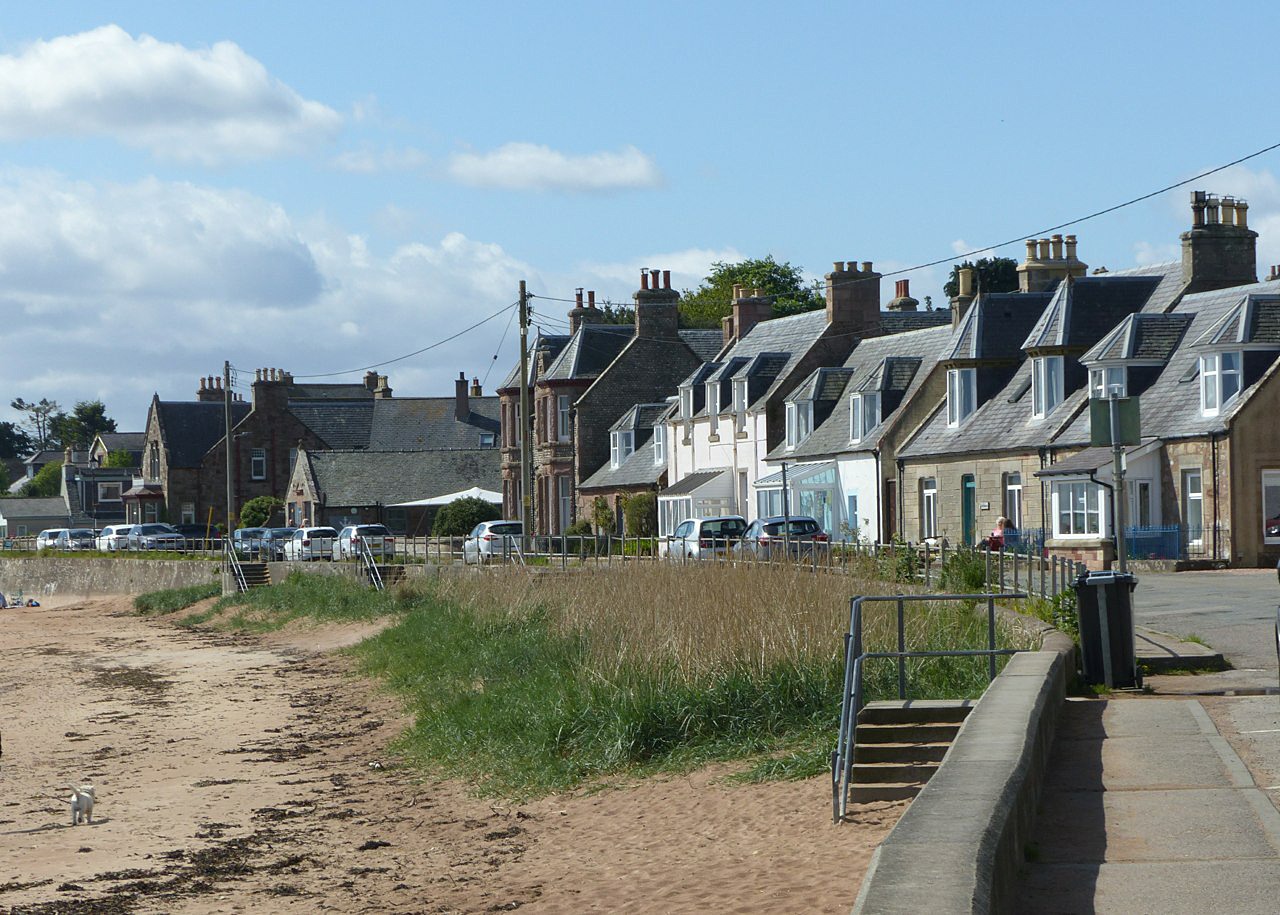
Carved stone · Pictish & early medieval
Rosemarkie Stone
Highland
Broken in two and hidden for centuries under a church floor, this cross-slab carries the only Pictish (of the Picts, the people of northern and eas…
- Near Rosemarkie
- Easy path
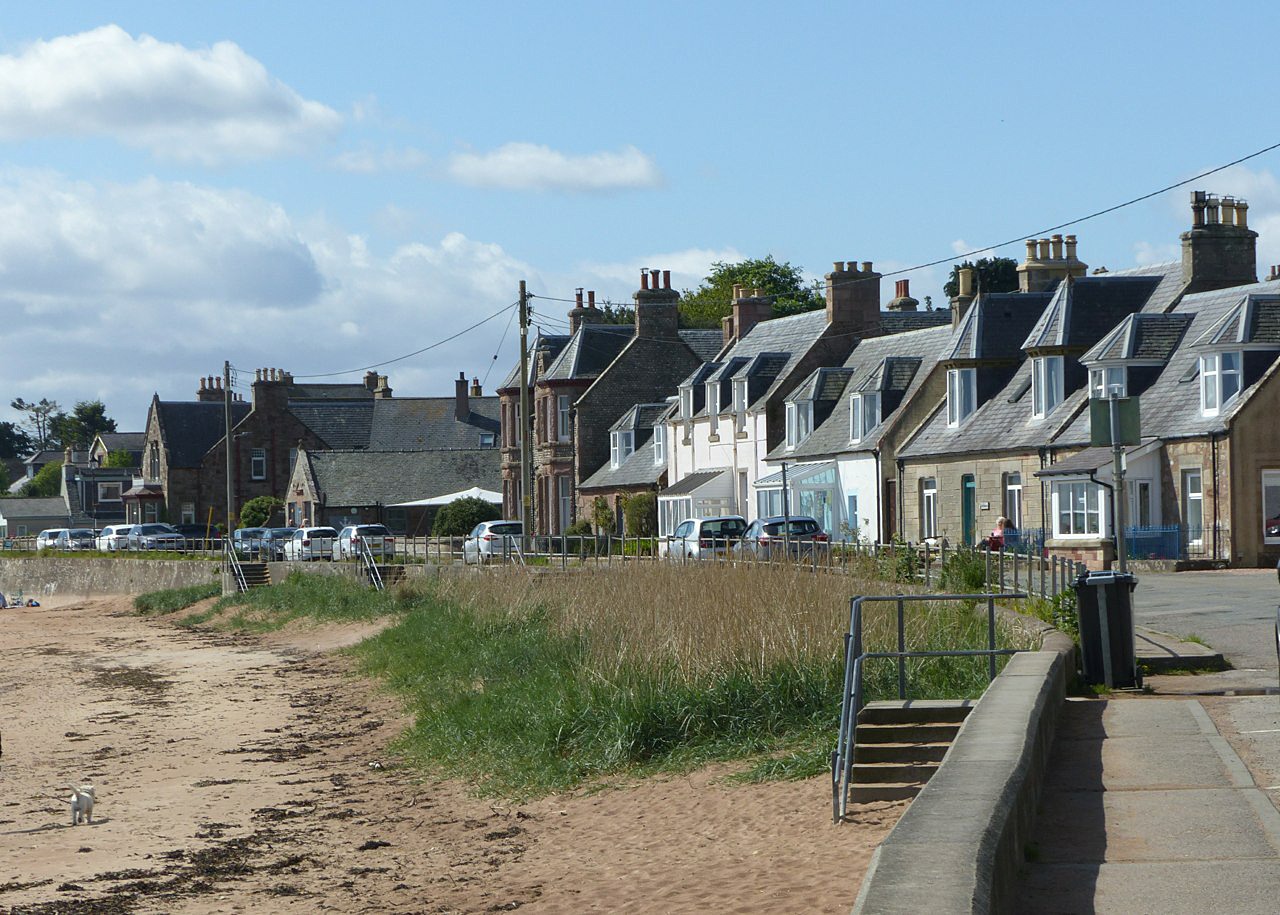
Carved stone · Pictish & early medieval
Rosemarkie sculpture fragments
Highland
Fourteen carved fragments, including a slab showing Daniel in the lion's den, reveal a Pictish (of the Picts, the people of northern and eastern Sc…
- Near Rosemarkie
- Easy path
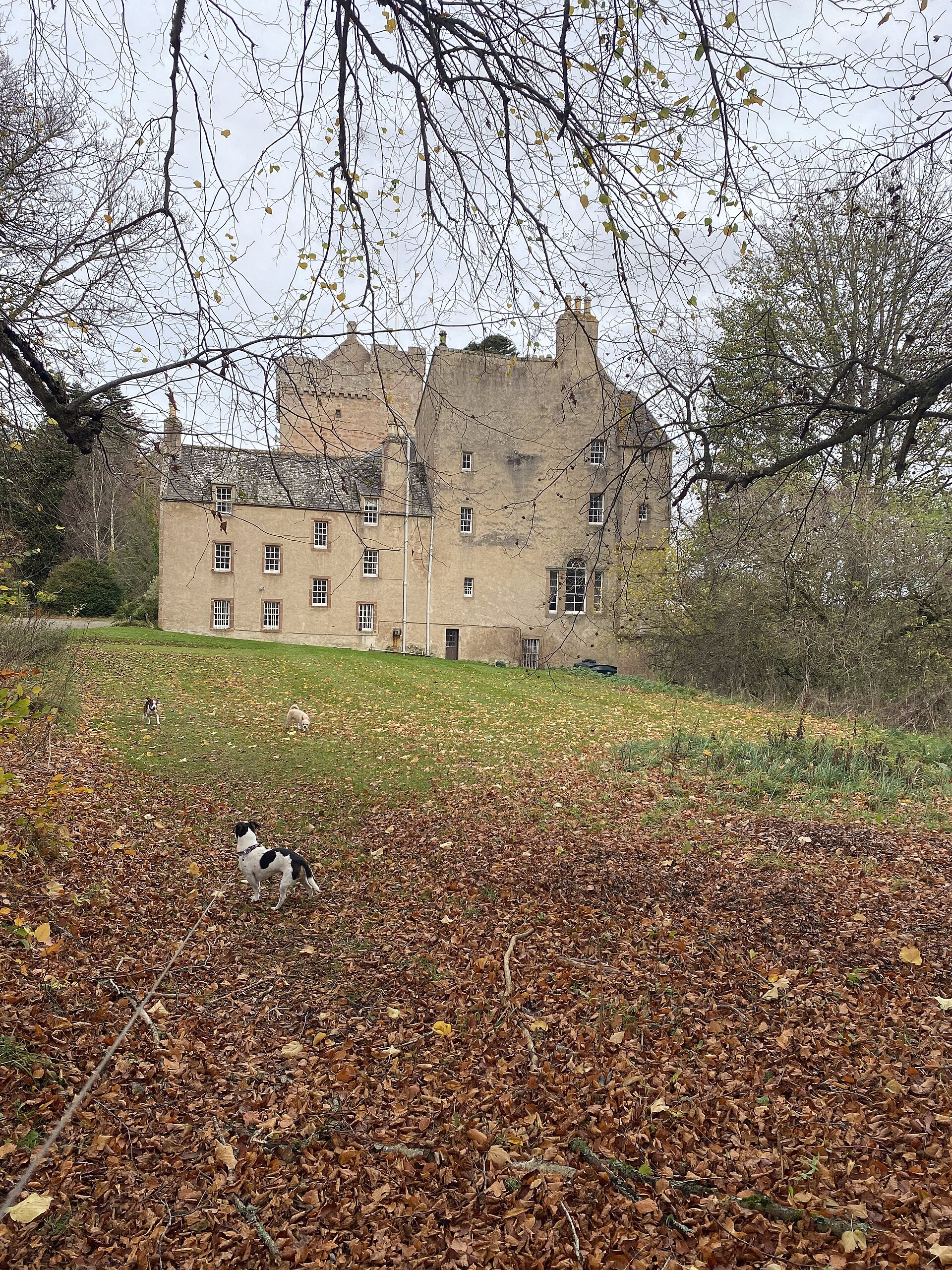
Minor monument · Medieval
Dovecot, Kilravock Castle
Highland
Kilravock’s pigeon house, built to keep birds for winter meat, makes the estate’s long-running economy tangible within a building altered from medi…
- Near Cawdor

Fortified place · Medieval
Cawdor Castle
Highland
A tower house said to have been built around a living holly tree, its site chosen by tradition after a gold-laden donkey lay down to rest beneath it.
Questions people ask
- Why was Fort George built where it is?
- It sits on a promontory at Ardersier controlling the sea approach to Inverness, chosen so it could be resupplied by ship if besieged by land.
- Has Fort George ever been attacked?
- No. The present fortress, completed in 1769, has remained in continuous military use without ever facing an attack.
- What happened to the original Fort George?
- Built in Inverness in 1726, it was besieged and forced to surrender to Jacobite forces in 1746, who then blew it up.
- How much did the present fort cost to build?
- The final cost exceeded £200,000, more than double the original budget of £92,673, and construction took over twenty years.
- Can Fort George still be visited today?
- Yes, much of the site is open to the public for an entrance charge alongside its ongoing use as an active military barracks.
Sources
- Wikipedia: Fort George, Highland
- Historic Environment Scotland — Canmore
- Historic Environment Scotland — Listed Building LB1721
- Fort George museum
- Highlanders' Museum — official site
- UK National Archives — archival material relating to Fort George, Highland
Explore more: Building or ruins · Medieval · Highland
The Ancient Codex, in your pocket
Get the Pocket Codex app
Carry the directory with you — Fort George and thousands of ancient places across Britain and Ireland, offline, wherever you roam.