
A 30-metre chamber cut into compartments by upright stone slabs — one of the largest and best-preserved Clyde cairns in south-west Scotland, reached only on foot.
A long, trapezoidal mound of stone rises on a steep, south-west facing slope on Arran, tucked into a clearing where forest gives way to grass. Reaching it means a walk of some four miles, and there is no road to bring a visitor closer — the tomb sits apart, much as it has for thousands of years since Neolithic (the closing Stone Age, roughly 4000–2500 BC) farming communities built it as a place for their dead.
At its upper end a semicircular forecourt opens onto a doorway, and beyond that doorway runs a long burial chamber, its 30-metre length broken into separate compartments by cross-slabs set upright in the earth like internal walls of stone. This is the classic plan of a Clyde cairn (a regional style of chambered tomb, named for the Firth of Clyde area where the type is concentrated), and Carn Ban is counted among the most celebrated examples of it, its scale and the completeness of its internal divisions setting it apart from smaller, more ruined neighbours.
When the tomb was opened up in the late 19th century, the finds inside were modest: a single flint flake, a fragment of unburnt human bone, and a flake of pitchstone (a natural volcanic glass, used by prehistoric toolmakers much as flint was). Little enough to speak from, but enough to confirm what the architecture already suggested — that this was built and used as a tomb, one link in a chain of communal burial monuments raised across this corner of Scotland in the centuries after farming first took hold.
What follows is drawn from published sources, with each claim labelled by how firmly it is established.
The name
Càrn Bàn is Gaelic for ‘white cairn’: càrn means a stone mound or cairn, while bàn means white or fair.
History
During the Neolithic period, communities on Arran raised Carn Ban as a trapezoidal long cairn, building it to the pattern later recognised as the Clyde cairn tradition: a semicircular forecourt at the broad end opening into a long internal chamber, itself divided into separate compartments by upright cross-slabs. The chamber, some 30 metres long and 18 metres broad, ranks among the largest built to this design in south-west Scotland.
In the late 19th century the tomb was excavated, opening the chamber compartments to examination for the first time in the modern era. The dig recovered only three objects — a flint flake, a fragment of unburnt human bone, and a flake of pitchstone — a sparse haul that nonetheless confirmed the monument's function as a burial place and left the bulk of its original contents, whatever they had been, long since lost or removed.
Carn Ban has since been designated a scheduled monument by Historic Environment Scotland, the legal status that protects it from unauthorised disturbance and marks it out as a nationally important survival of the Clyde cairn tradition, to be preserved in place on the hillside where it was built.
Cultural influences
-
The Clyde cairn tradition
Its trapezoidal mound, forecourt and compartmented chamber belong to the Clyde cairn tradition of south-west Scotland, rather than an isolated local design.
Connections
-

Photo: Photograph by Mike Peel (www.mikepeel.net). / Wikimedia Commons / CC BY-SA 4.0 A Clyde cairn about 3 miles (5 km) to the south-west on Arran, whose chamber is divided into compartments in a similar arrangement to Carn Ban's.
Discovery & excavation
The chamber was excavated in the late 19th century. The dig produced only a flint flake, a fragment of unburnt human bone, and a pitchstone flake — the meagre surviving evidence of whatever burials and grave goods the tomb once held.
What to look for
-
A Clyde cairn
The tomb belongs to a type found across south-west Scotland, trapezoidal in plan with a semicircular forecourt at the broader end. Regional tomb types like this show Neolithic builders working to local convention rather than a single shared plan.
-
The forecourt
A semicircular open space at the upper north-east end fronts the entrance. Forecourts are generally read as the place where whatever ceremony accompanied a burial was conducted, outside the tomb rather than in it.
-
A chamber divided by cross-slabs
The long chamber is partitioned into compartments by slabs set across it, the same arrangement as at Torrylin Cairn about three miles to the south-west.
-
Almost nothing found inside
Excavation in the late nineteenth century recovered only a flint flake, an unburnt fragment of human bone and a pitchstone flake. For one of the most famous Neolithic long cairns in south-west Scotland, that is a very thin return.
-
A four-mile walk
The tomb sits on a steep south-west facing slope in a forest clearing in southern Arran, and reaching it takes a walk of about four miles.
-
The forecourt
A semicircular open area at the upper, north-east end of the cairn, forming an entrance space in front of the burial chamber.
-
The divided chamber
A long internal chamber, 30 metres by 18 metres, split into separate compartments by upright cross-slabs — one of the most complete examples of this arrangement among Clyde cairns.
-
The trapezoidal cairn shape
The overall mound tapers from a broad north-east end to a narrower south-west end, the characteristic outline of a Clyde-type long cairn.
Plan your visit
- Location
- 57.8467°N · 4.8010°W
- Access
- Reached on a public path
- Terrain
- Rough ground — reasonable boots advised
- Time needed
- About 240 minutes
- Best time
- In settled daylight and suitable weather, allowing for the four-mile hike from the road.
- What survives
- A remarkably complete chambered cairn, largely undisturbed despite its nineteenth-century excavation.
- Facilities
- No dedicated visitor facilities are documented along the route; plan for a remote hike and carry appropriate provisions.
Opening & admission
- Open all year round.
Nearby places
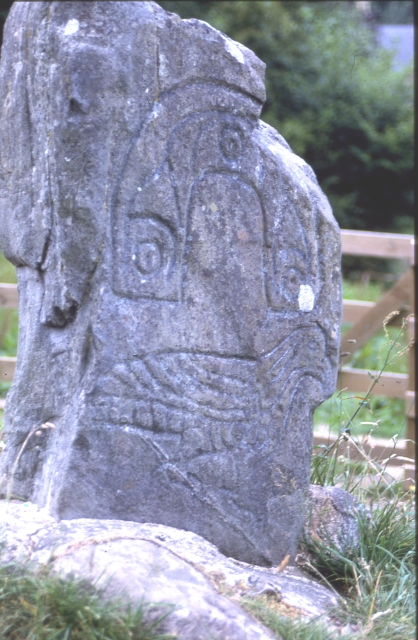
Carved stone · Pictish & early medieval
Clach an Tiompain
Highland
A carved eagle on a Pictish stone became, centuries later, the marker for a clan battle and the trigger for a seer's flood prophecy.
- Near Inverness
- Some walking
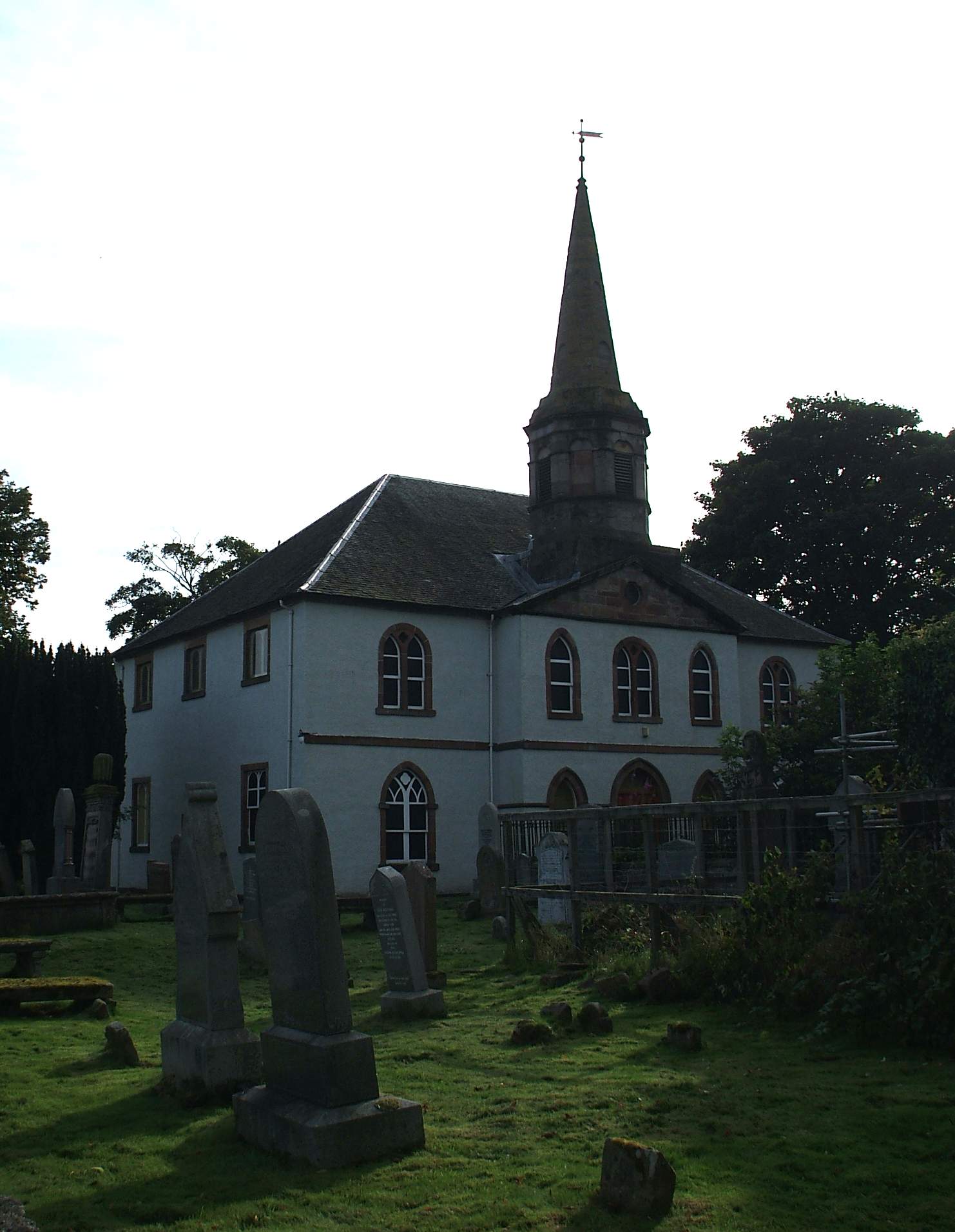
Carved stone · Pictish & early medieval
Dingwall Stone
Highland
A Pictish (of the Picts, the people of northern and eastern Scotland from about AD 300 to 900) symbol stone carved on both faces, possibly recut fr…
- Near Dingwall
- Easy path
%2C_Edderton_-_geograph.org.uk_-_915406.jpg?width=800)
Carved stone · Pictish & early medieval
Clach Biorach
Highland
A Bronze Age pillar over three metres tall was reused two thousand years later as a canvas for Pictish carving: a salmon, a double-disc and a Z-rod…
- Near Edderton
- Easy path
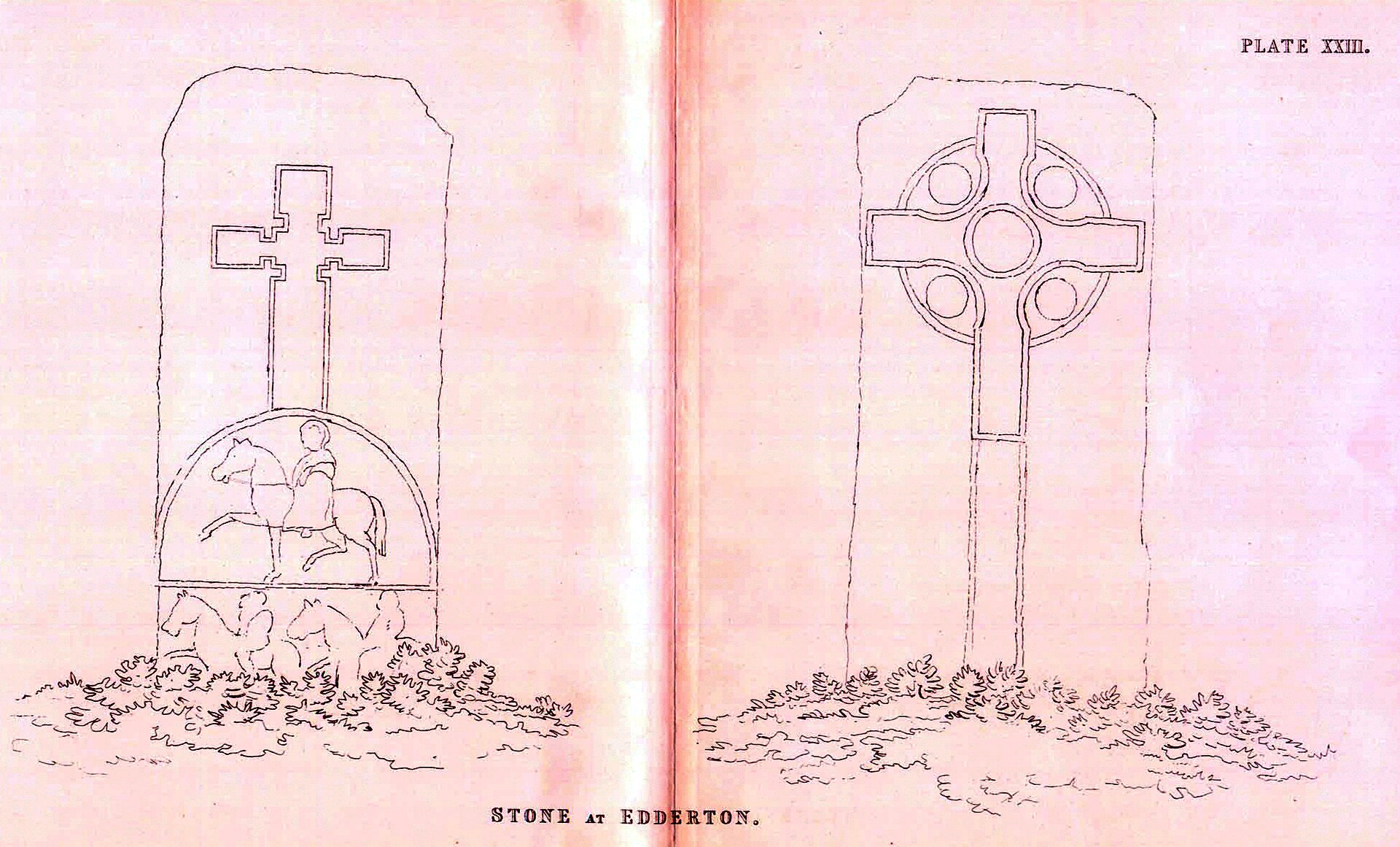
Carved stone · Pictish & early medieval
Edderton Cross Slab
Highland
One slab, two scenes: a plain ringed cross on one face, three processing horsemen beneath a cross on the other, recently raised to reveal riders bu…
- Near Edderton
- Easy path
Questions people ask
- What type of monument is Carn Ban?
- A Neolithic chambered tomb on Arran, built as a trapezoidal long cairn of the Clyde cairn type, with a forecourt leading into a long, compartmented burial chamber.
- How do you get to Carn Ban?
- It lies in southern Arran and requires a walk of about four miles (six kilometres) to reach, on a steep south-west facing slope in a forest clearing.
- What was found when Carn Ban was excavated?
- A late 19th-century excavation found only a flint flake, a fragment of unburnt human bone, and a pitchstone flake.
- How big is the burial chamber at Carn Ban?
- The chamber is about 30 metres long and 18 metres broad, divided into compartments by upright cross-slabs.
- Is Carn Ban protected?
- Yes, it has been designated a scheduled monument by Historic Environment Scotland.
Sources
- Wikipedia: Carn Ban, Arran
- Historic Environment Scotland — Canmore
Explore more: Tomb or burial places · Prehistoric · Highland
The Ancient Codex, in your pocket
Get the Pocket Codex app
Carry the directory with you — Carn Ban and thousands of ancient places across Britain and Ireland, offline, wherever you roam.