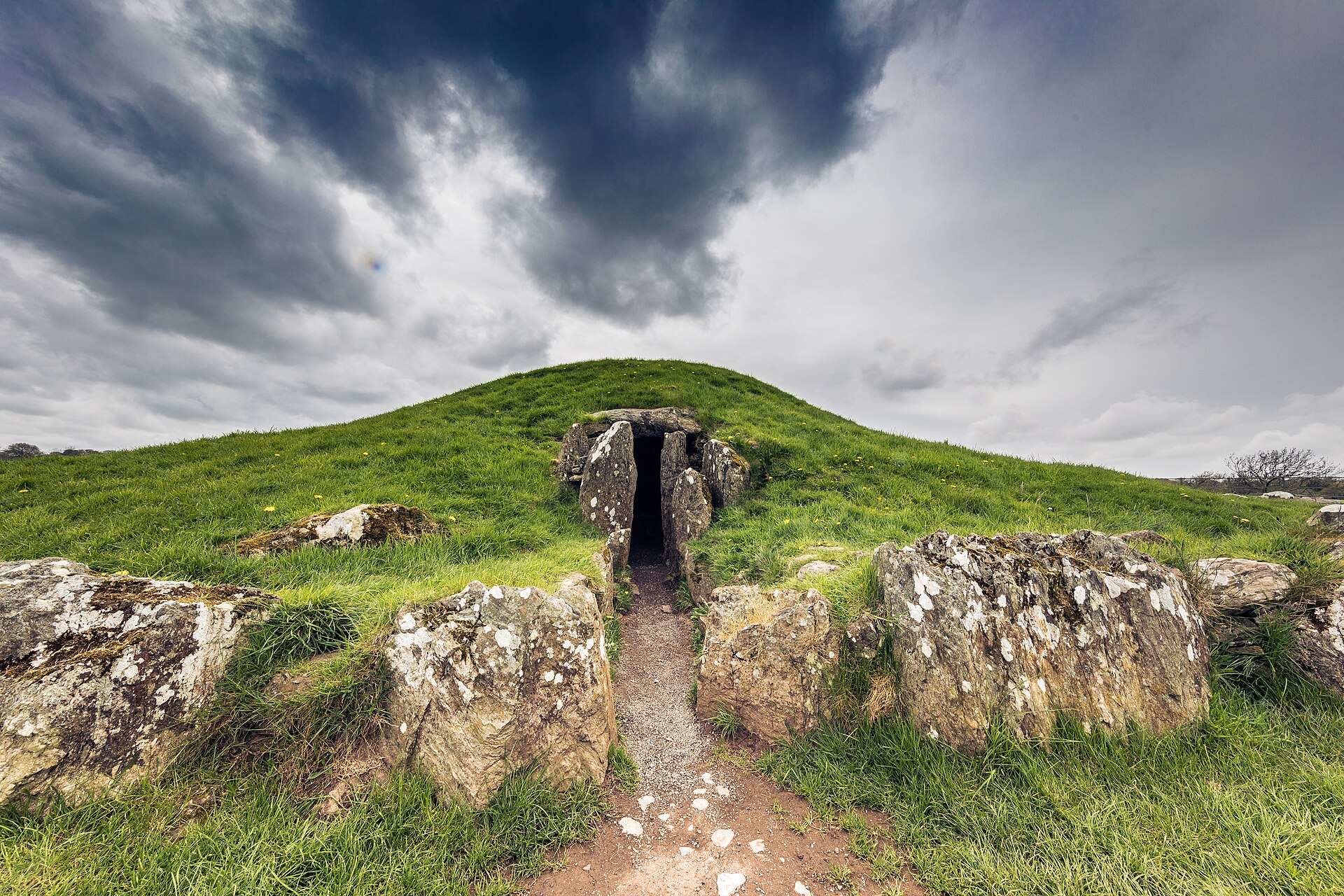
Tomb or burial place · Prehistoric
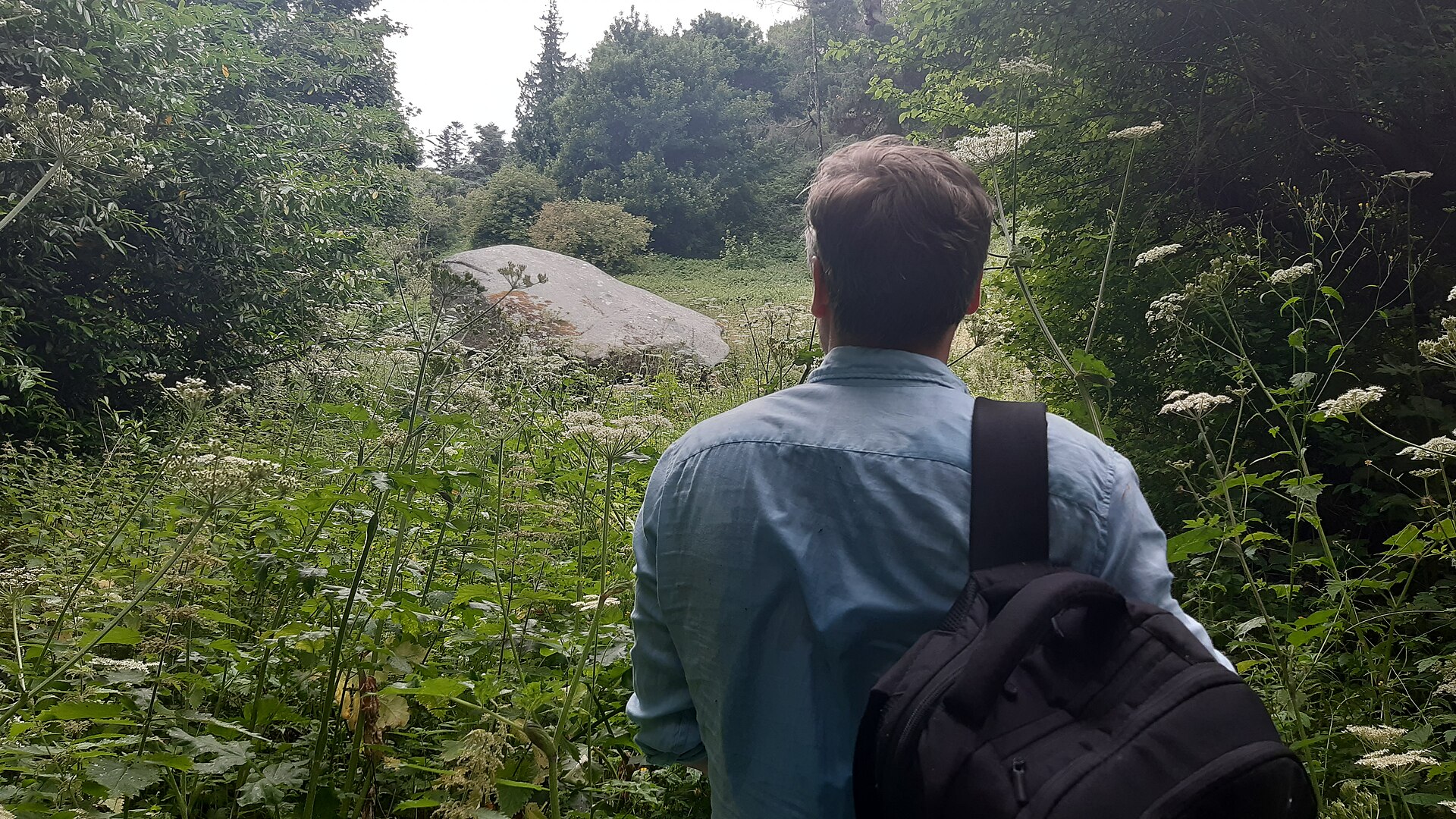
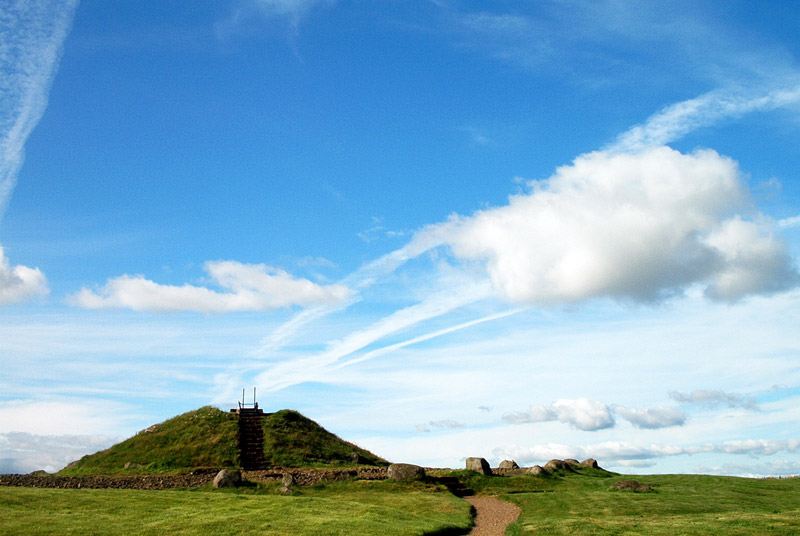
Bryn Celli Ddu
isle-of-anglesey
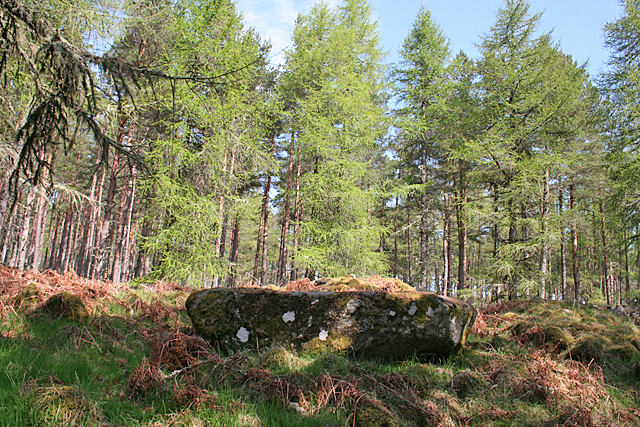
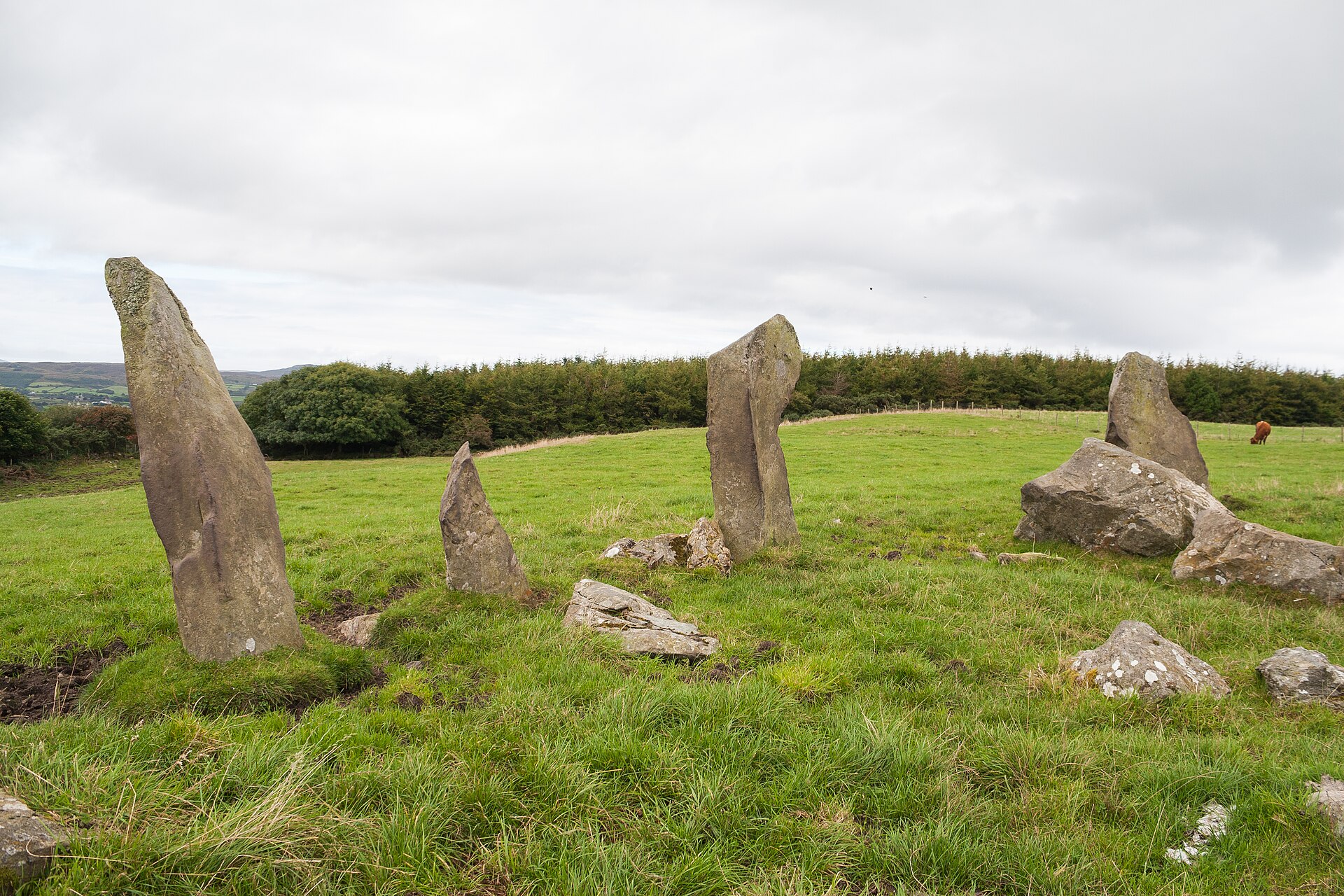
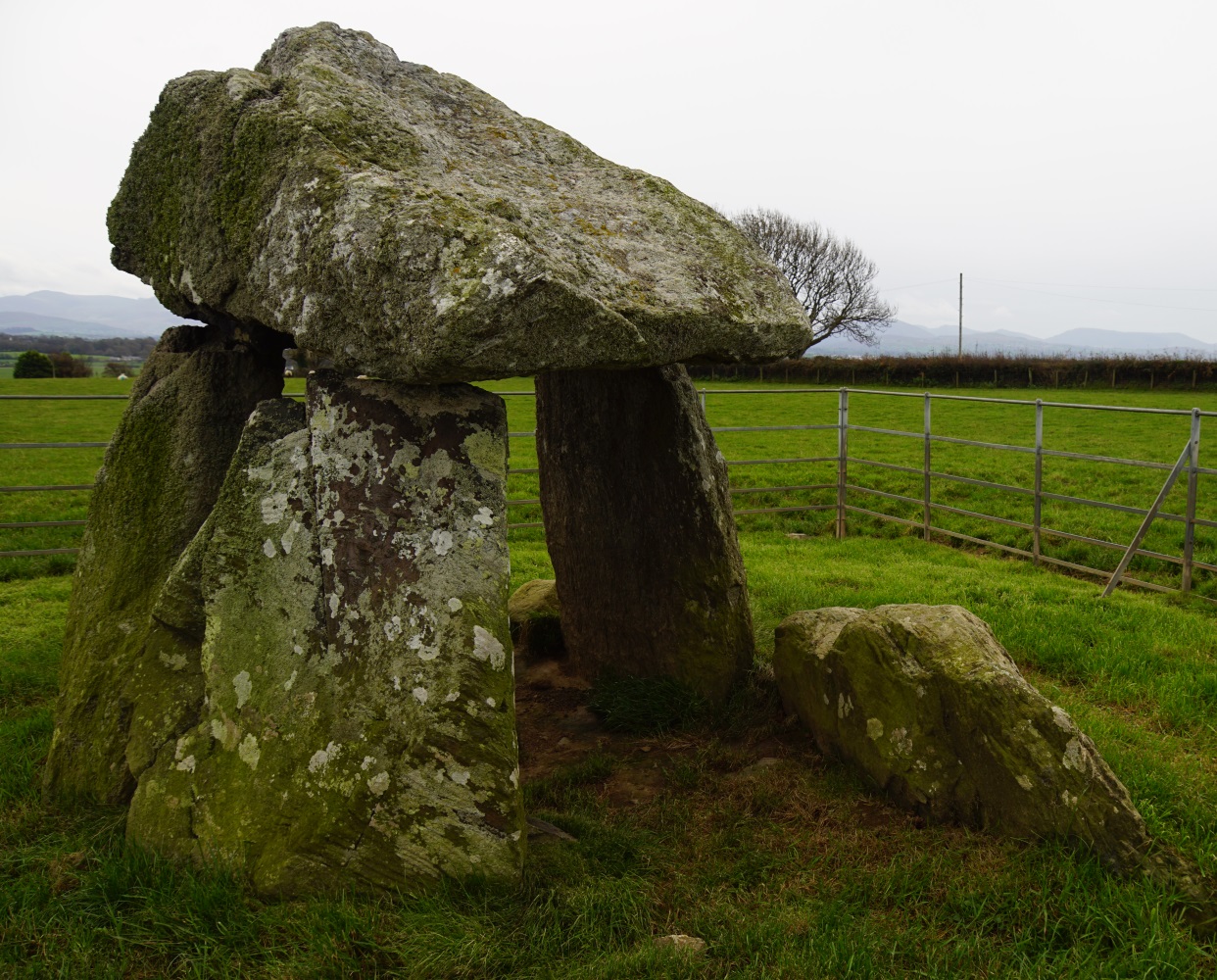
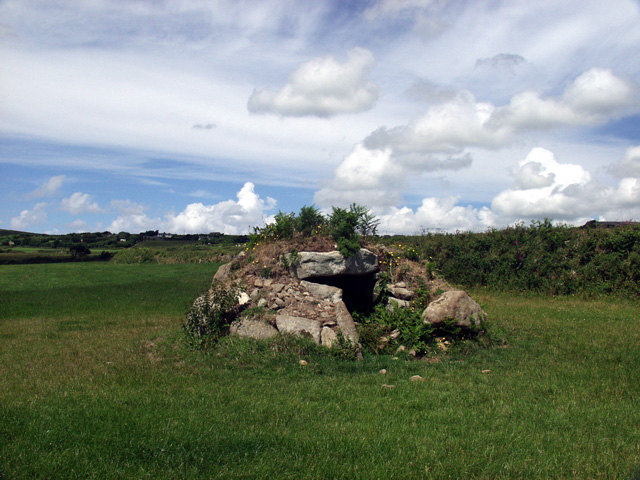
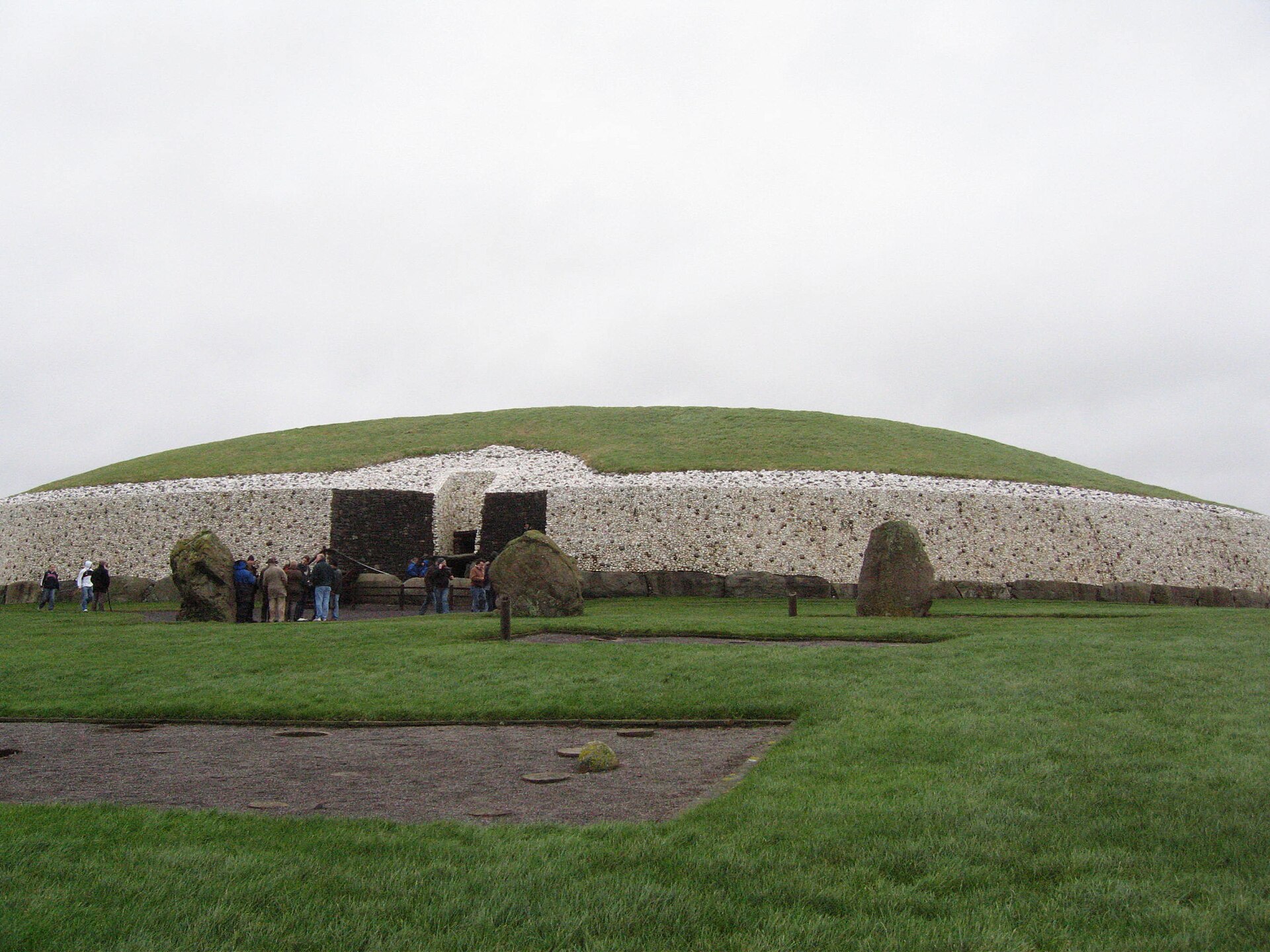
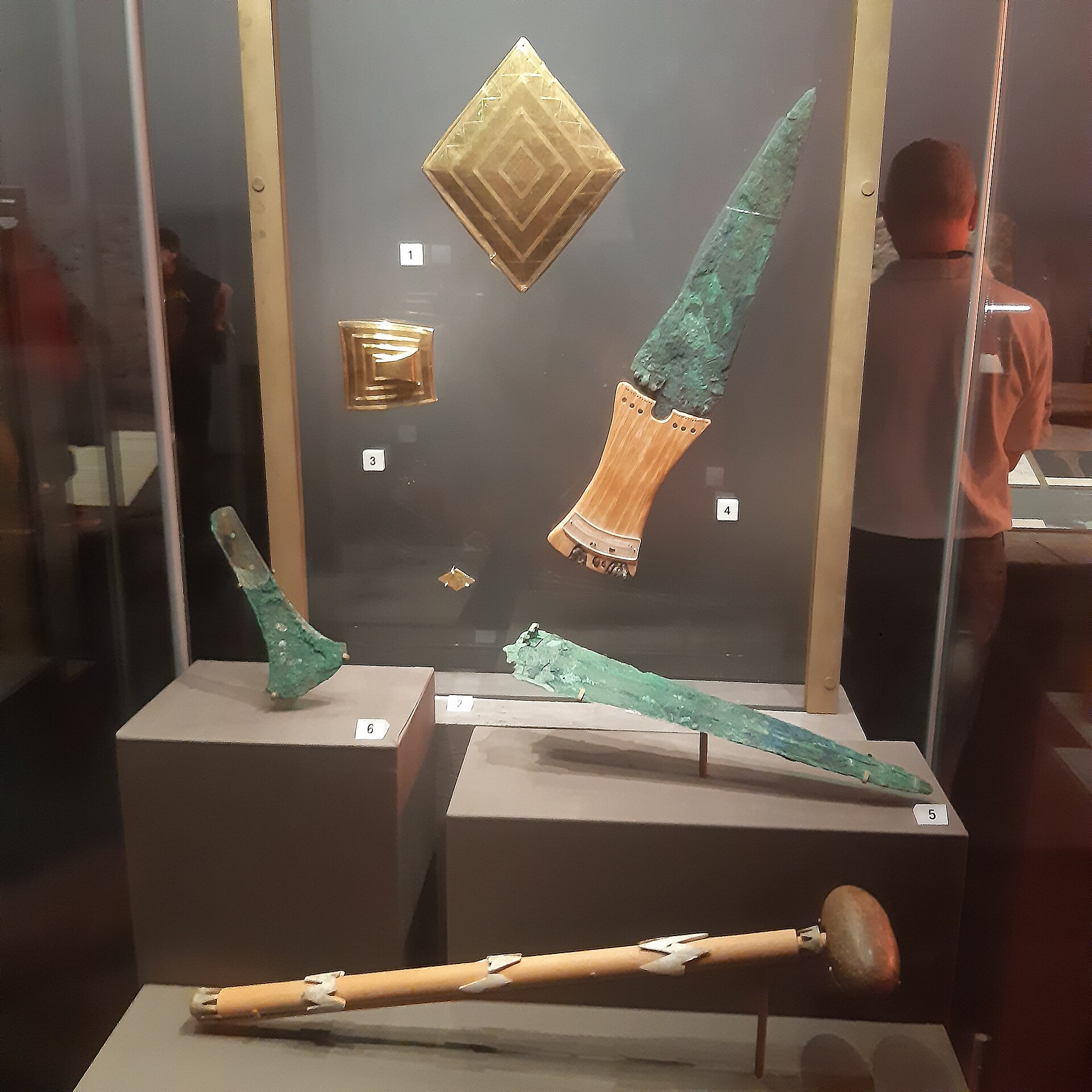
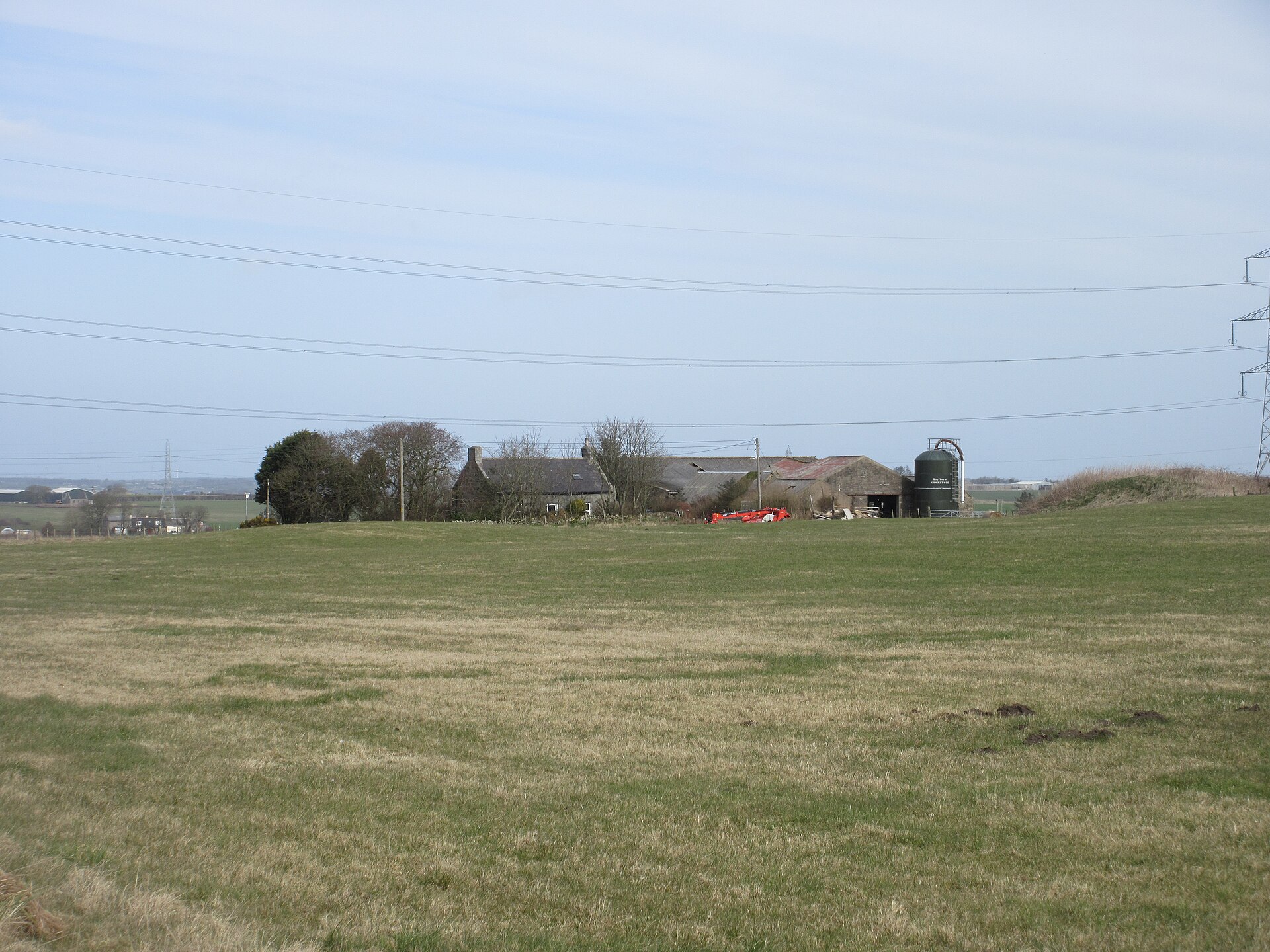
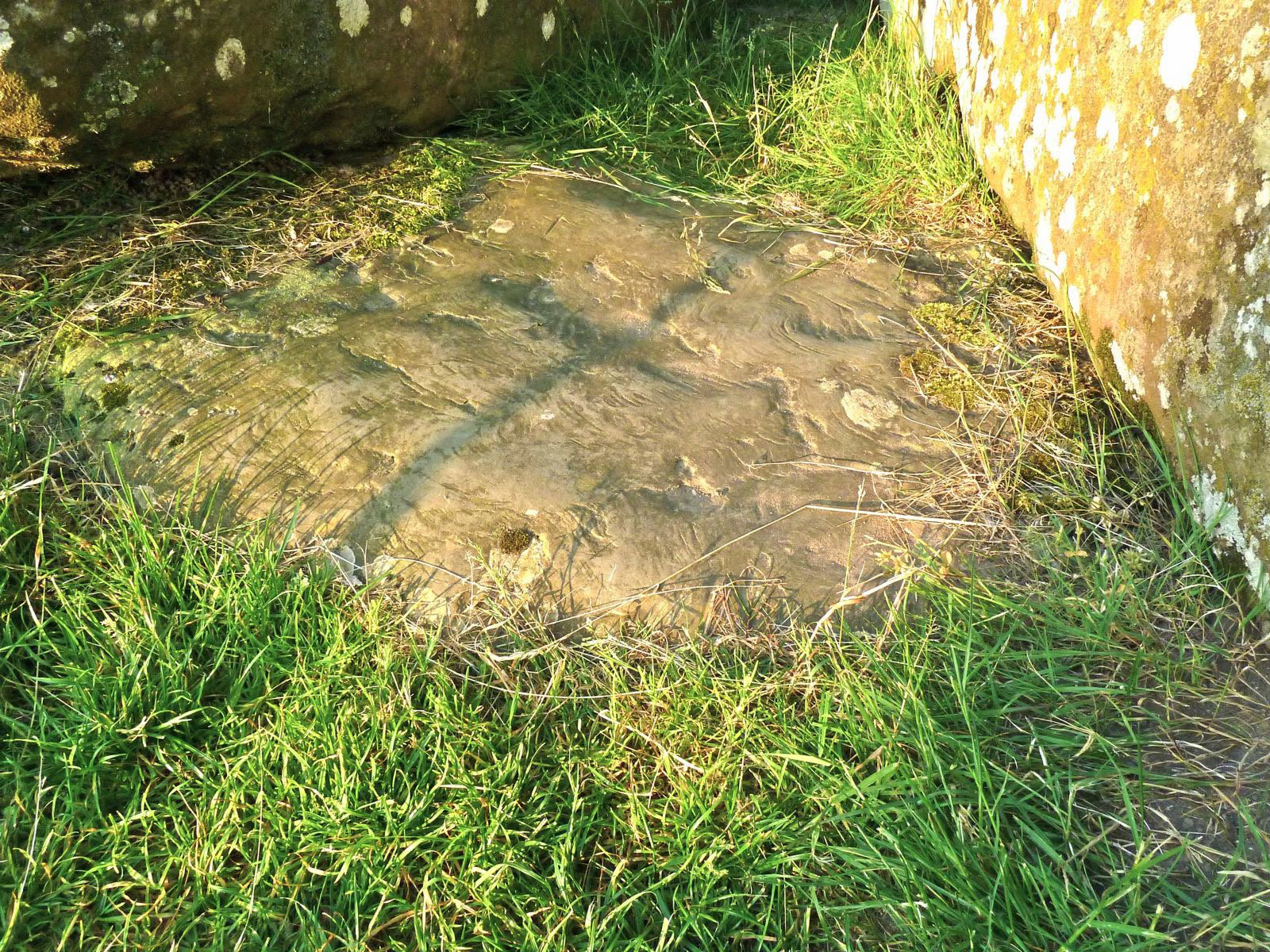
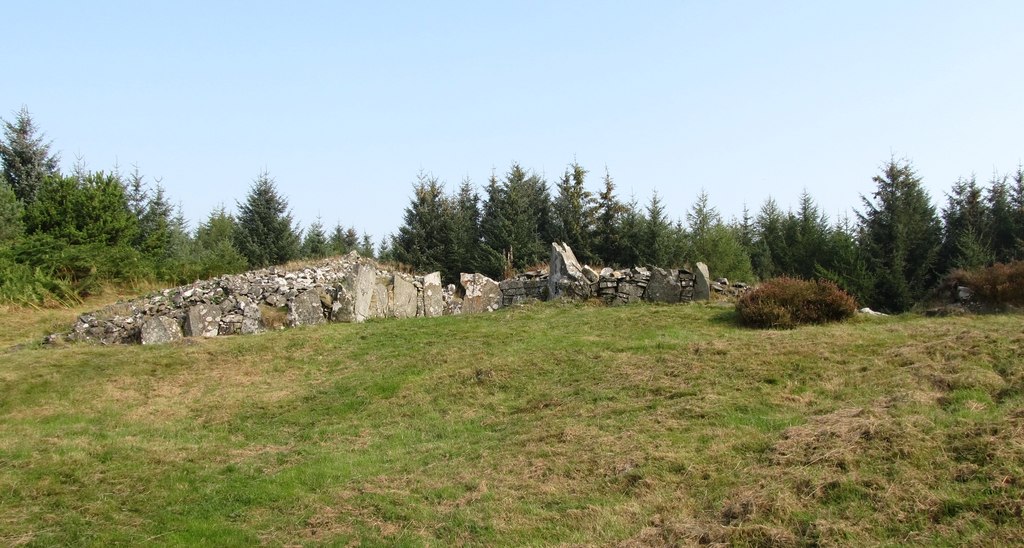
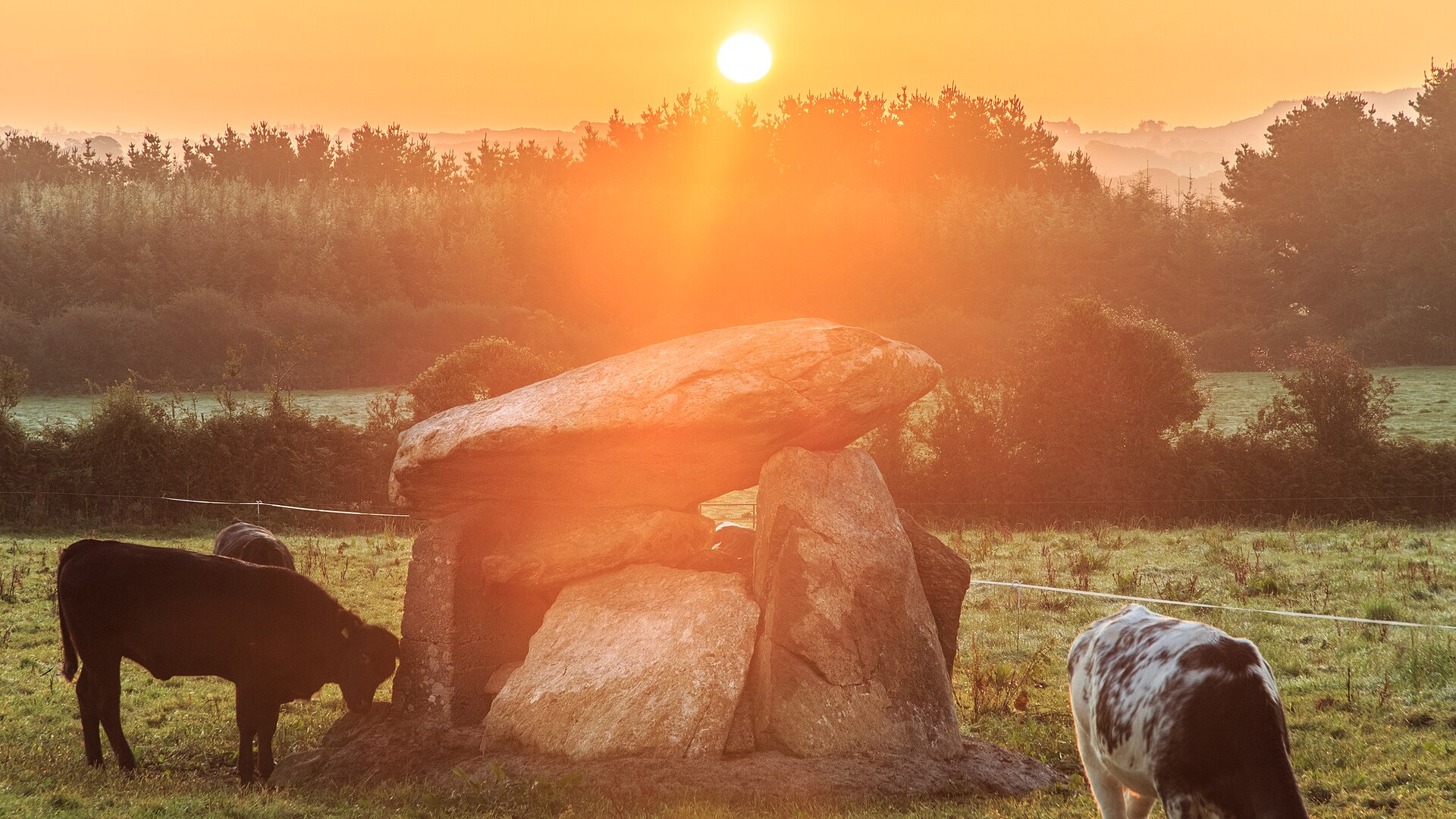
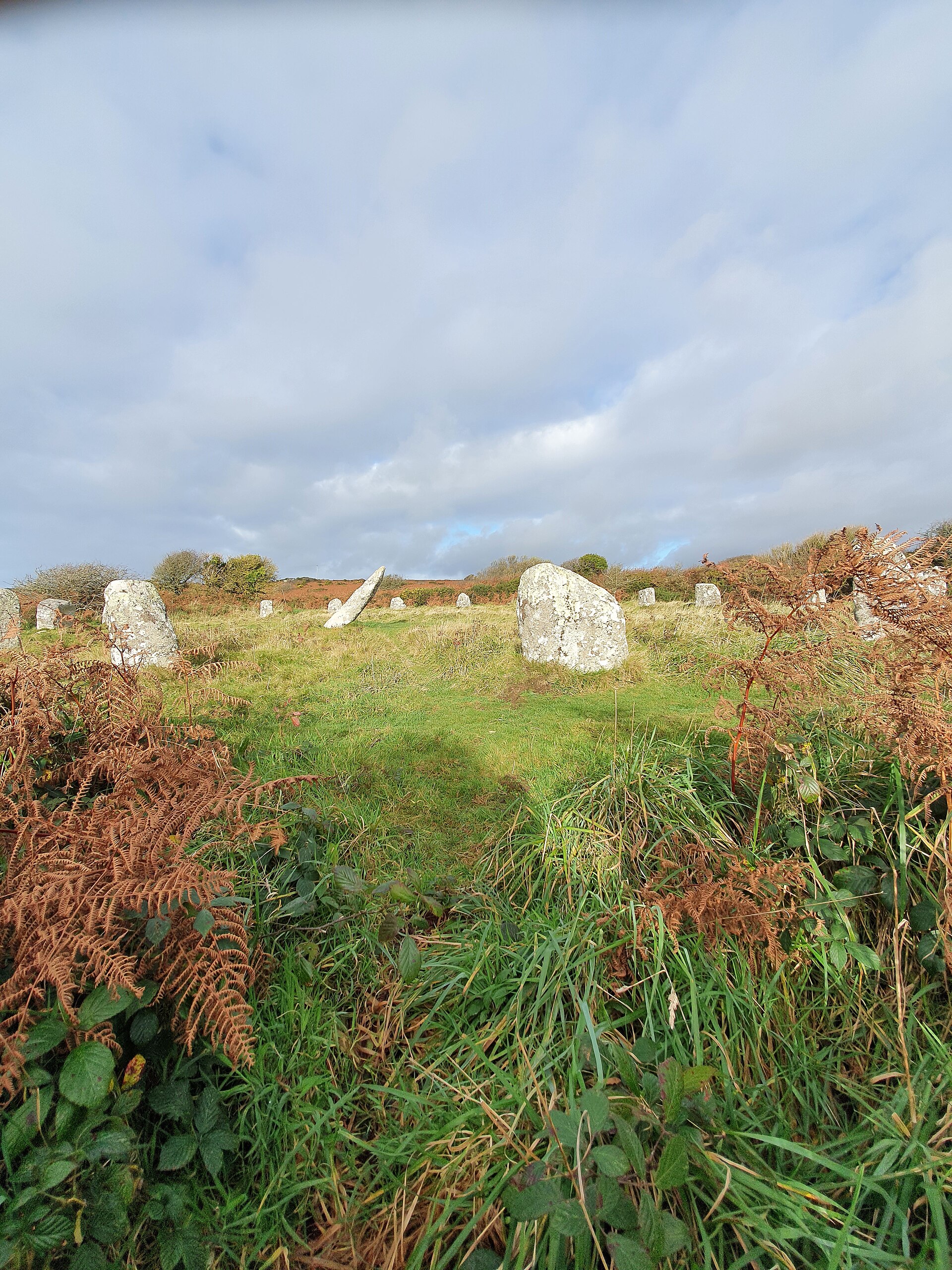
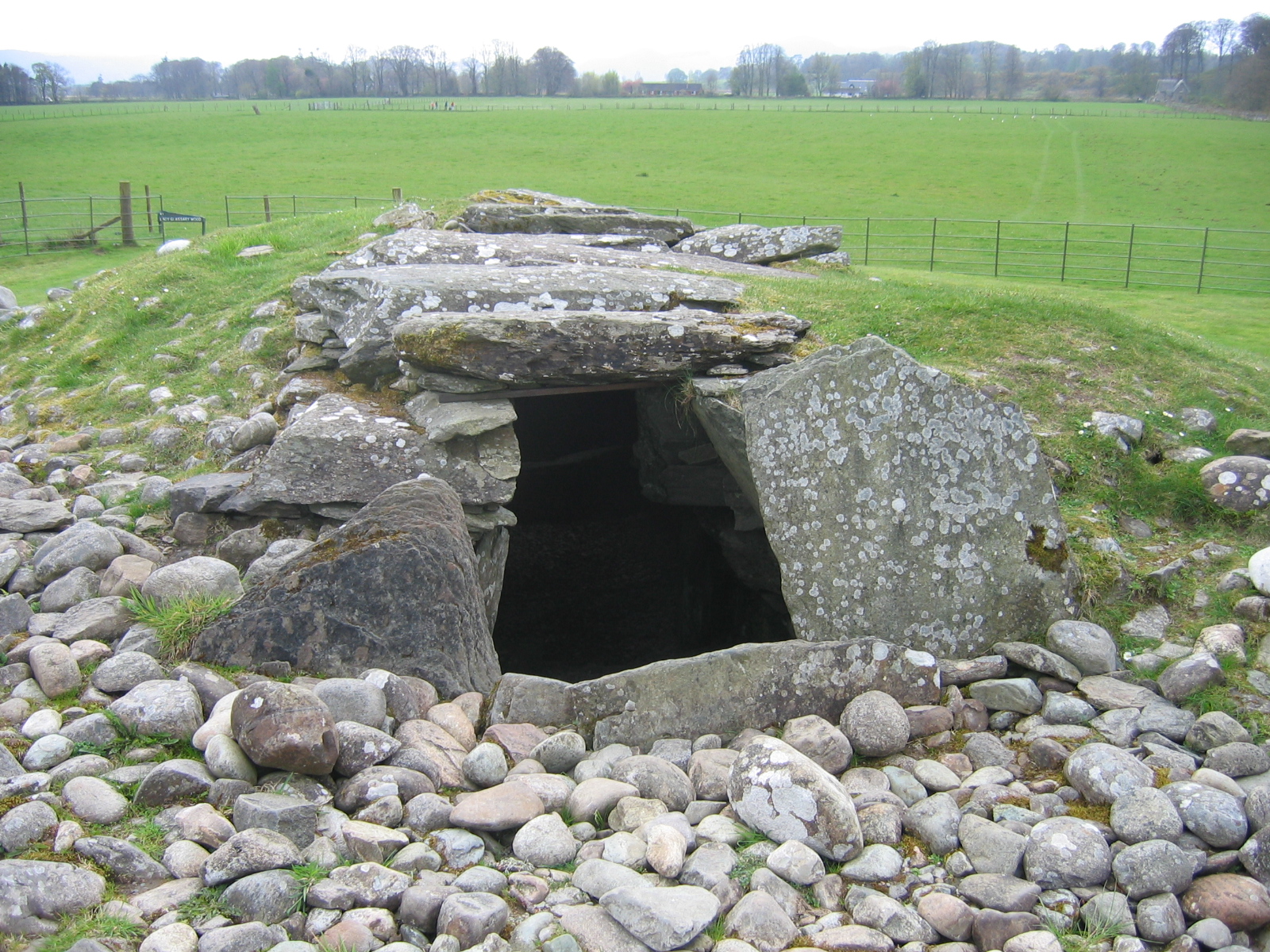
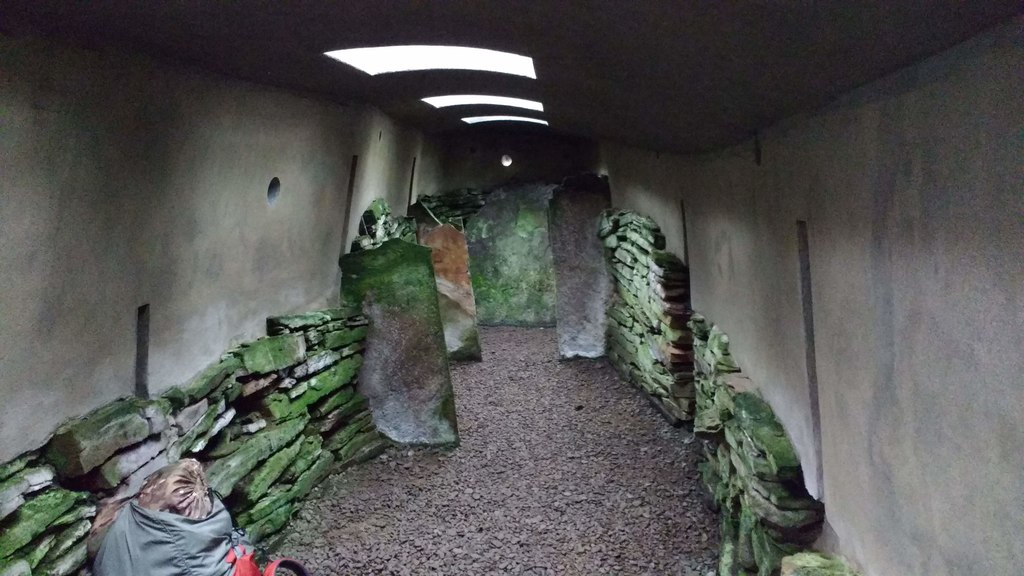
A tomb reached by a stone-lined passage, built around 2000 BC by smashing the stone circle that stood here first, and aligned so midsummer sunrise…
- Near Llanddaniel Fab
By type
Chambered cairns, passage graves, henges and the great monuments raised over the dead.
Page 1 of 5. Browsing 100 of 4619 — searching looks across all of them.
Tomb or burial place · Prehistoric
isle-of-anglesey
A tomb reached by a stone-lined passage, built around 2000 BC by smashing the stone circle that stood here first, and aligned so midsummer sunrise…
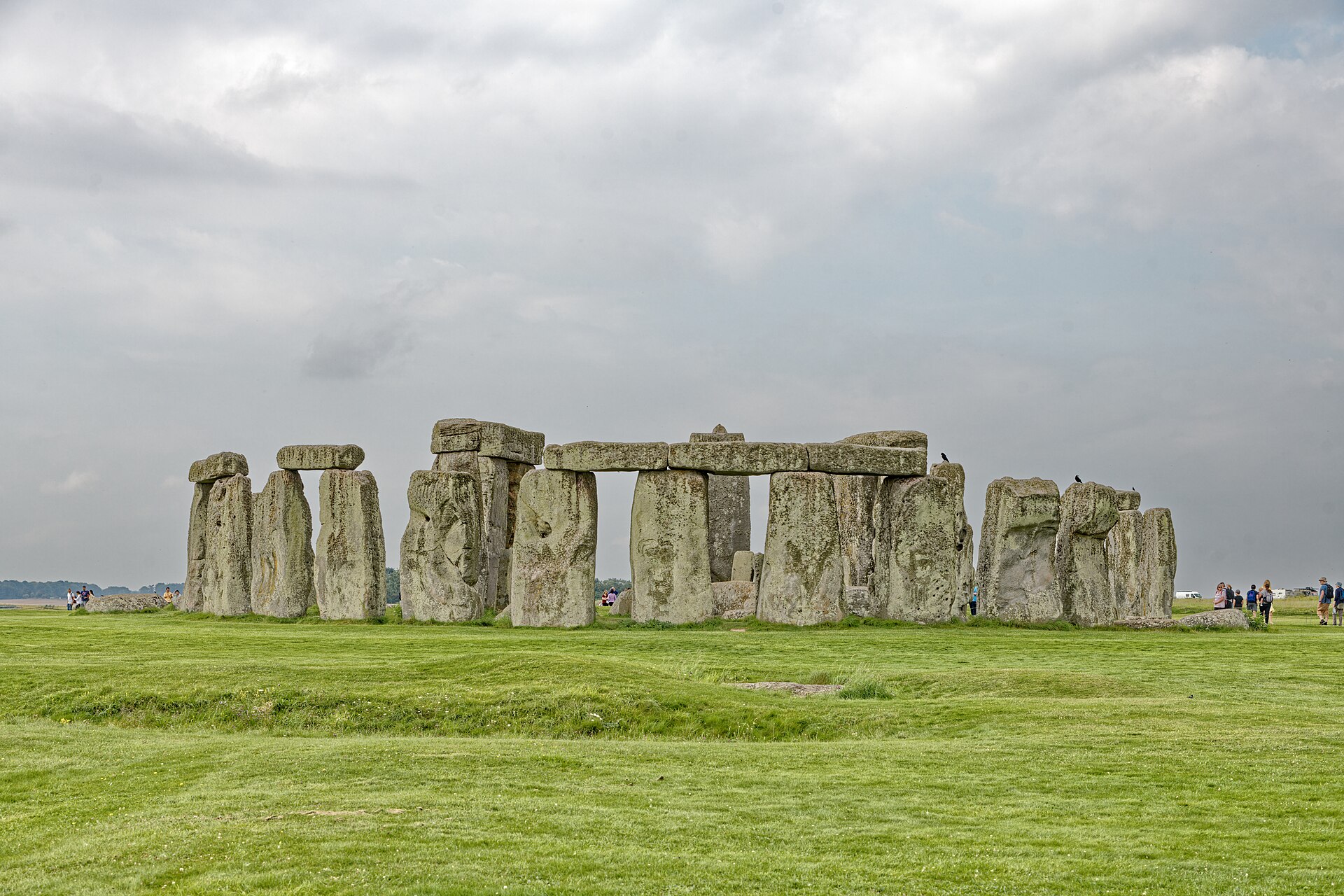
Sacred place · Prehistoric
Wiltshire
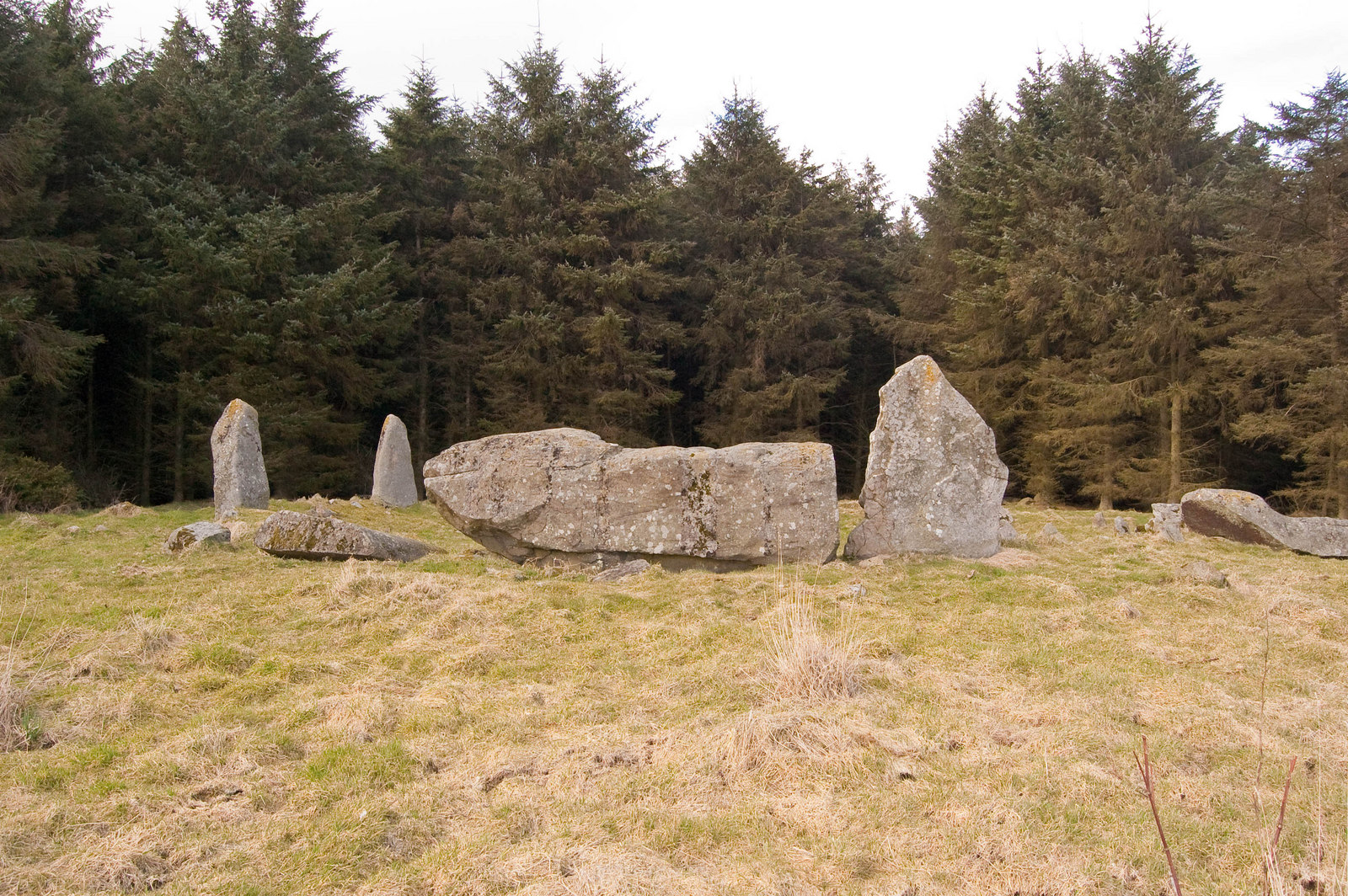
Its bluestones were hauled some 150 miles from Wales, and its Altar Stone has now been traced to Scotland, 700 km away: proof of a Neolithic (the f…
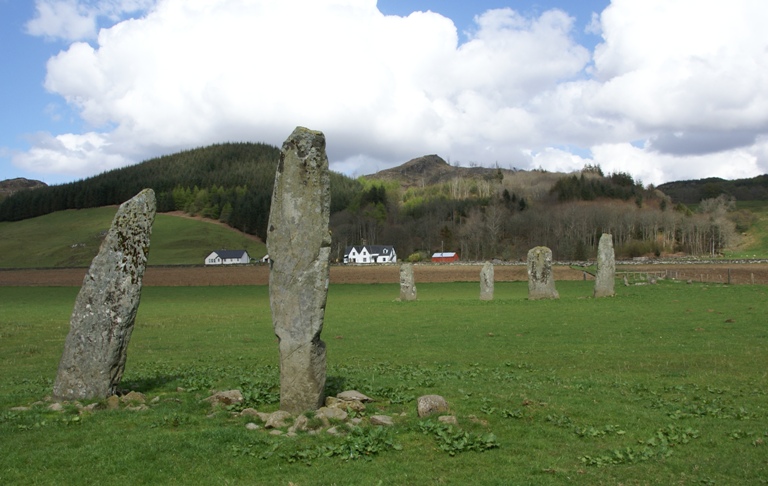
Sacred place · Prehistoric
Argyll and Bute
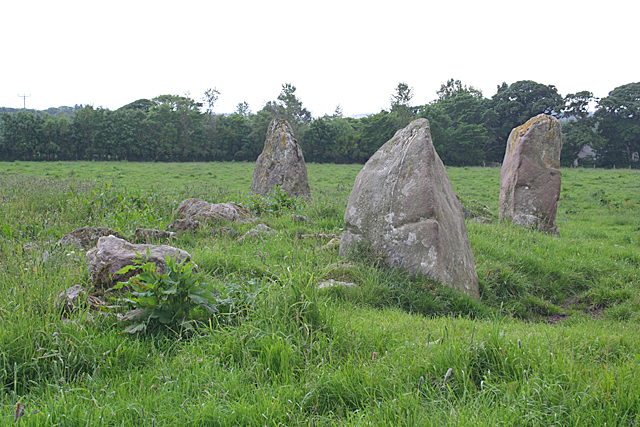
One of the few places in Kilmartin Glen where a stone avenue, a circle and a henge: a circular enclosure from before any written account of Britain…
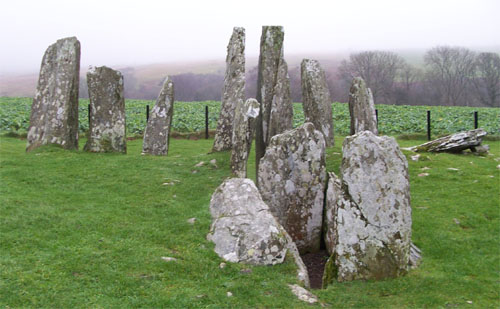
Tomb or burial place · Prehistoric
Dumfries and Galloway
Cairn (a mound of piled stones, often covering a burial) Holy is the site of two Neolithic (the first farming age, roughly 4000–2500 BC) chambered…
Sacred place · Prehistoric
West Lothian
Cairnpapple Hill, on a dominating summit 312 metres above sea level with views from coast to coast in central lowland Scotland, was used and re-use…
Tomb or burial place · Prehistoric
Highland
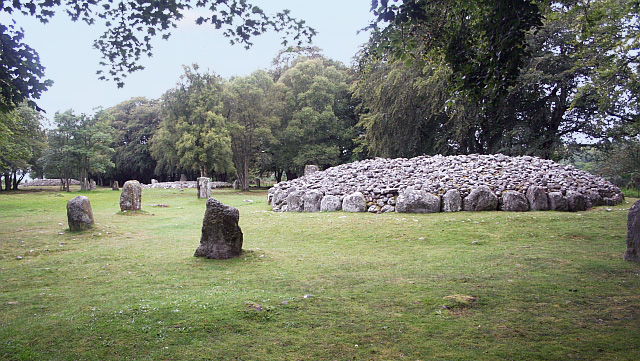
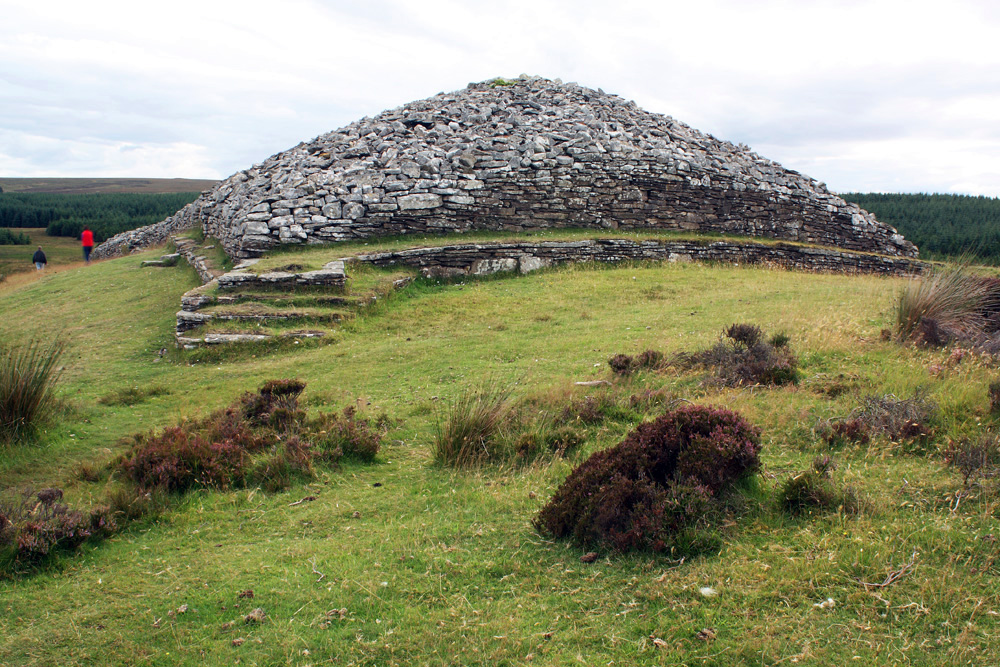
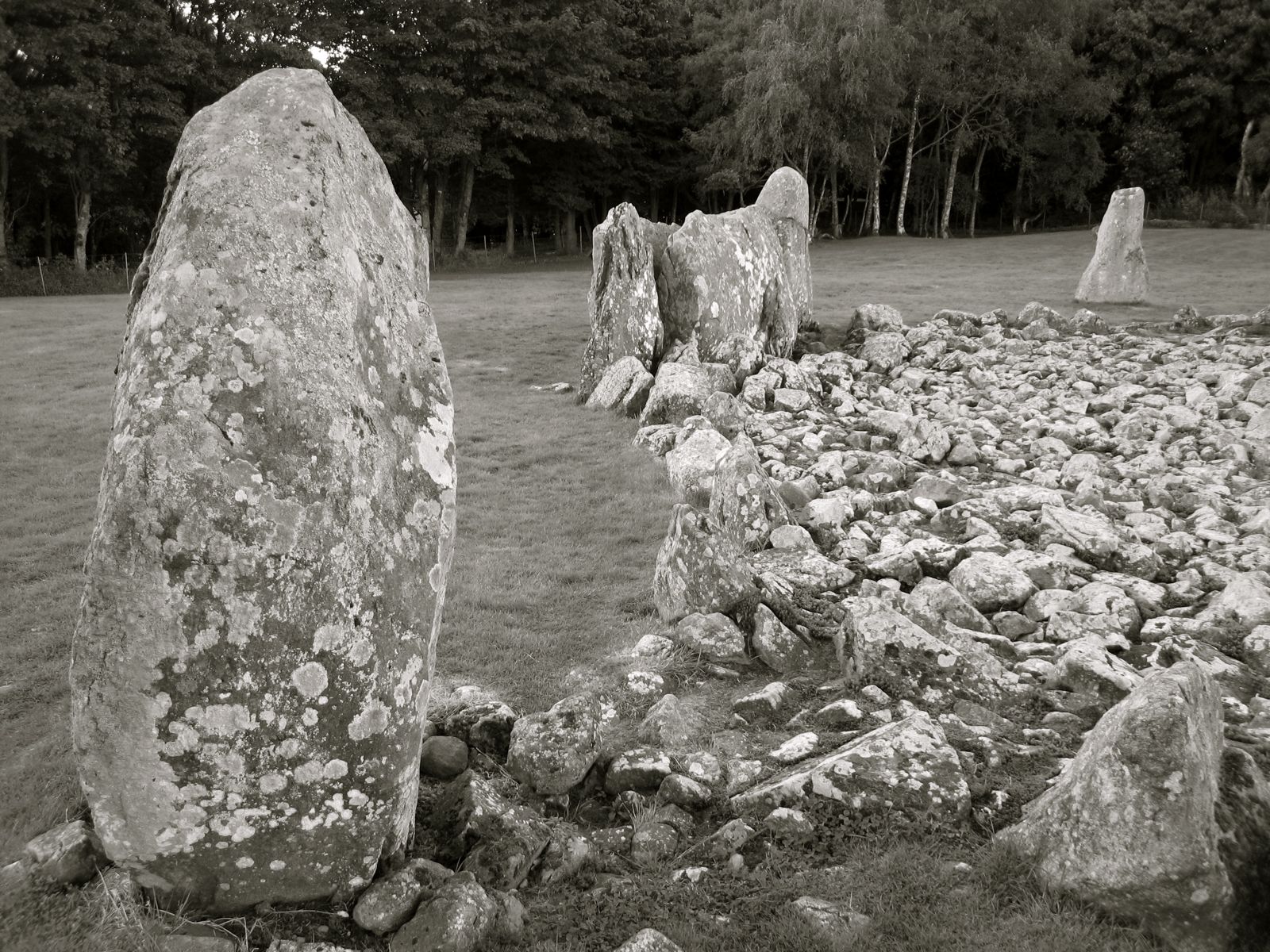
Clava’s planned arrangement of cairns and standing stones offers rare evidence of a single communal decision about burial and remembrance, rather t…
Tomb or burial place · Prehistoric
Orkney Islands
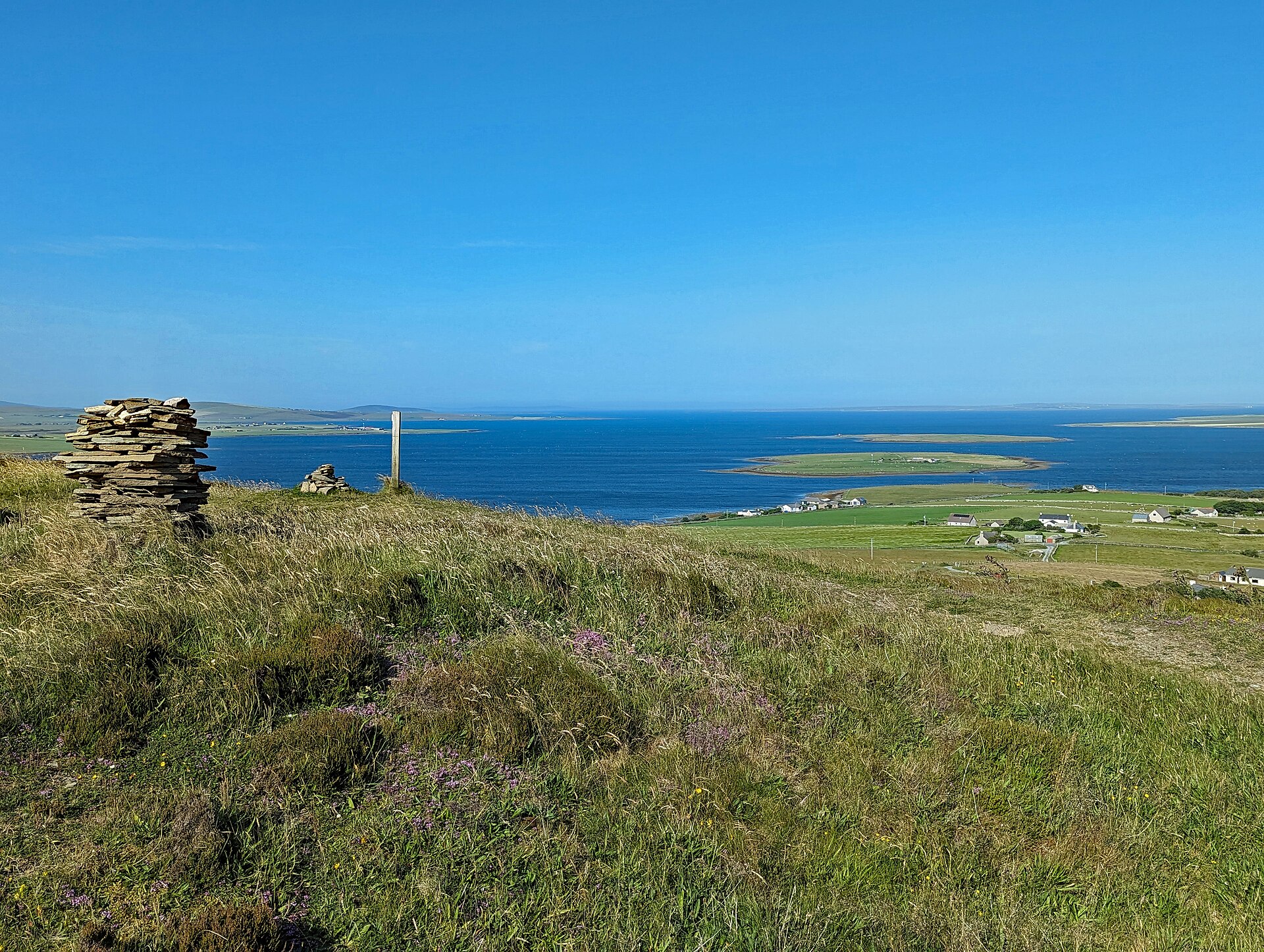
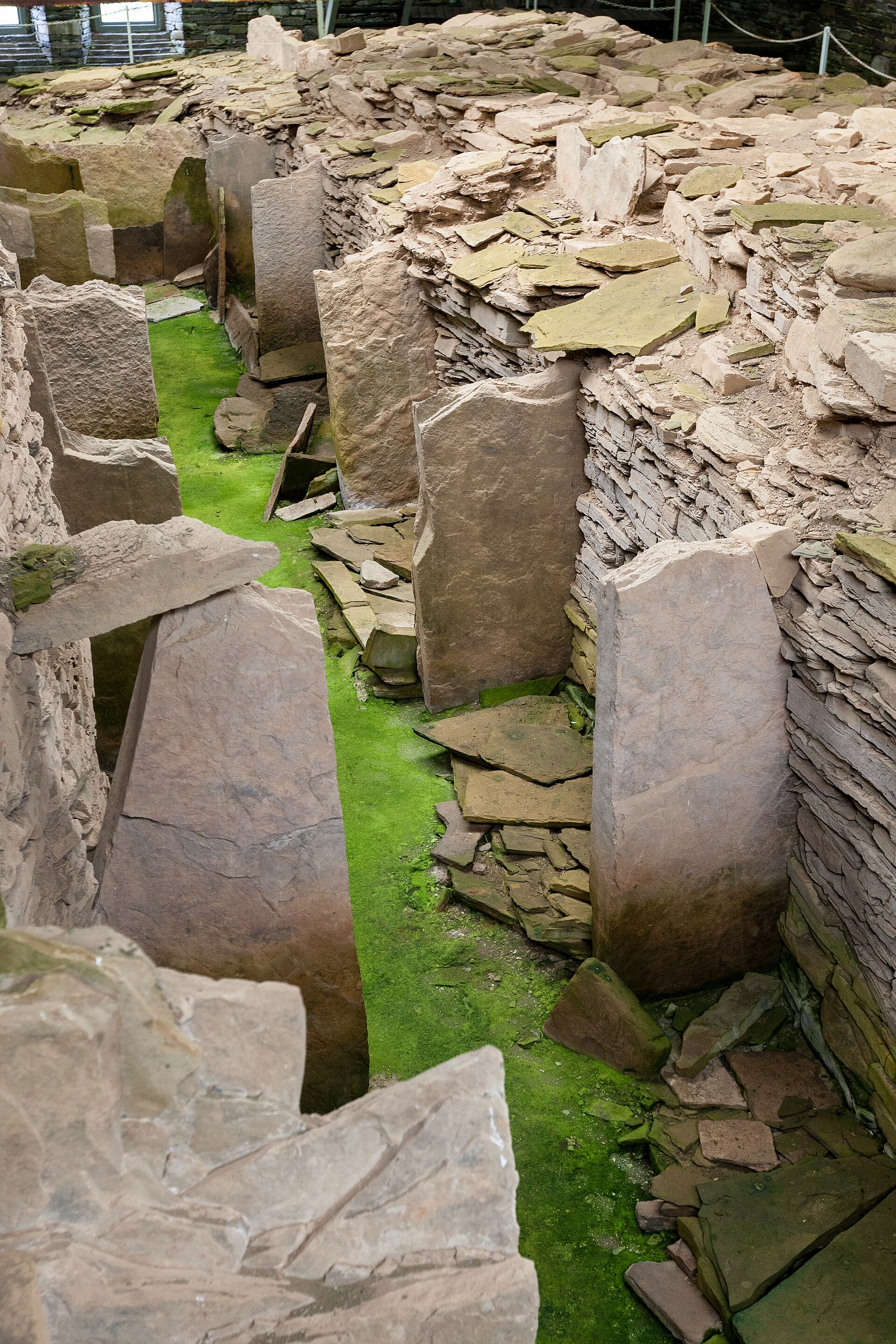
A crawl into this first-farming-age tomb leads to four side cells and the extraordinary remains of people and twenty-four dogs, evidence of a commu…
Tomb or burial place · Prehistoric
Argyll and Bute
Dunchraigaig is an Early Bronze Age round cairn, about 30 m across, set a little apart to the south-east of the famous 2 km linear cemetery of cair…
Tomb or burial place · Prehistoric
Orkney Islands
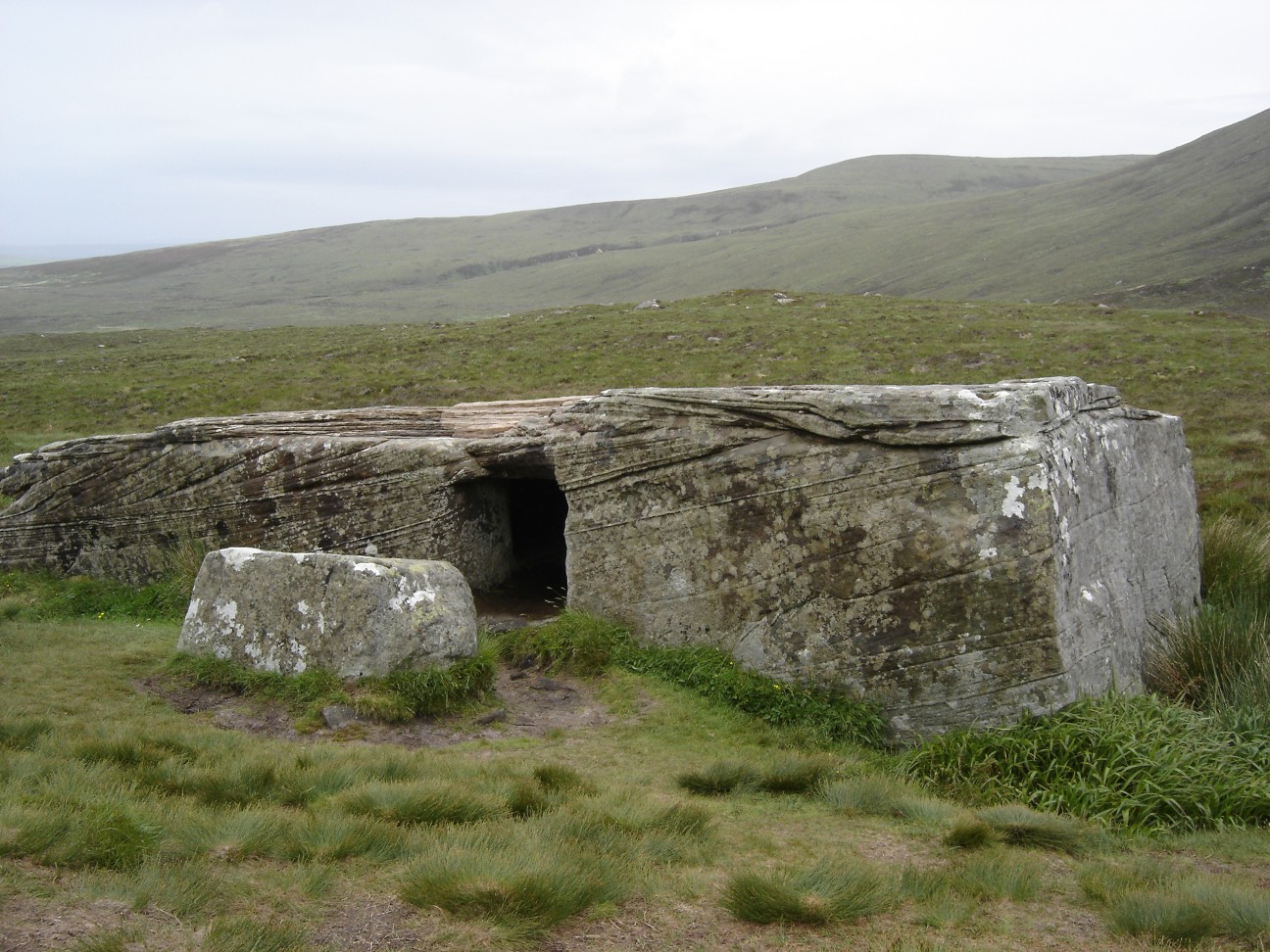
A chamber tomb carved out of a single glacial erratic of Old Red Sandstone, in a steep valley on Hoy.
Tomb or burial place · Prehistoric
Highland
Two Neolithic tombs raised on land so fertile that people farmed it: before the Bronze Age (roughly 2500–800 BC, when metal tools first spread) bur…
Tomb or burial place · Pictish & early medieval
Argyll and Bute
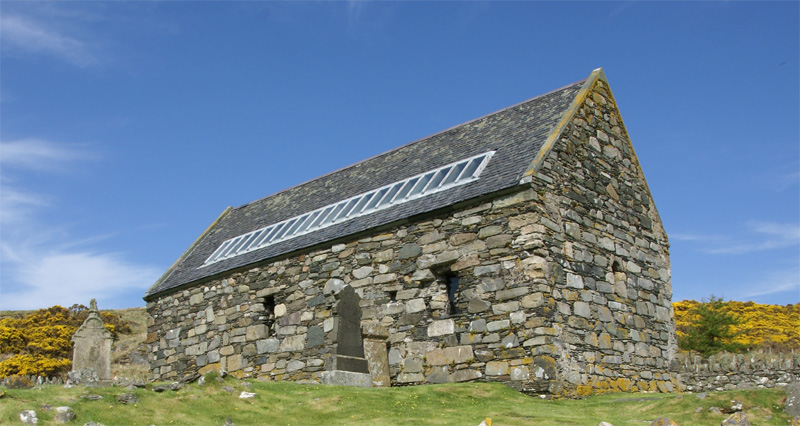
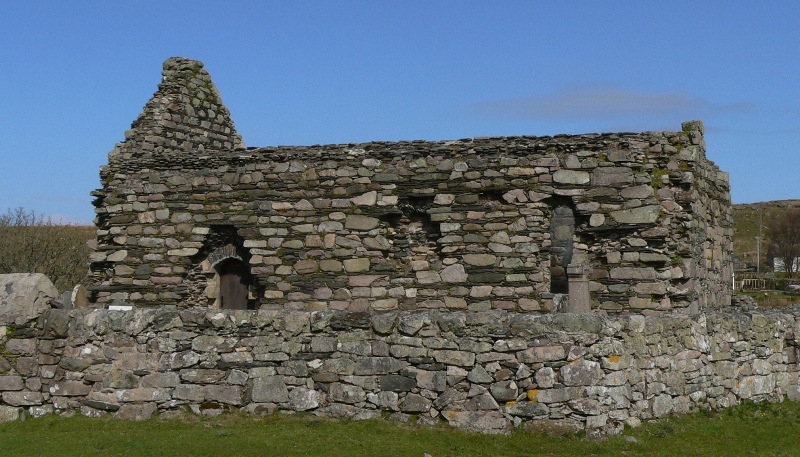
The chapel dates from the 11th century. Its now re-roofed structure houses an important collection of early stone sculpture, and the original Keill…
Tomb or burial place · Pictish & early medieval
Argyll and Bute
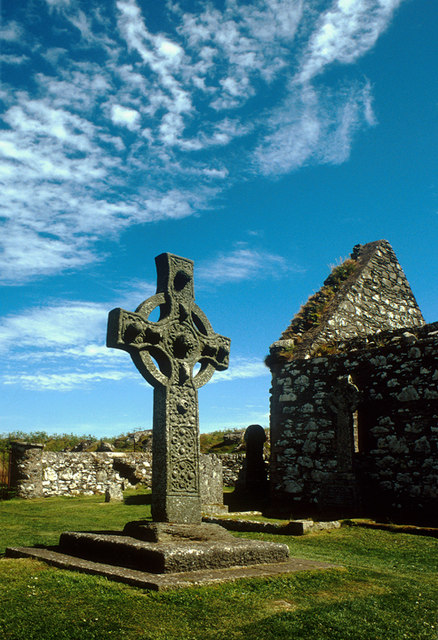
A single carved slab from around the 8th century, still standing almost undamaged in its churchyard: widely judged the finest surviving Celtic high…
Tomb or burial place · Pictish & early medieval
Argyll and Bute
Macmillan's Cross survives inside as one of the finest West Highland carvings anywhere: a clan chief and his hunting dogs cut into stone over six c…
Sacred place · Prehistoric
Aberdeenshire
One of only a handful of Aberdeenshire recumbent circles with every stone still standing, its granite ring encloses a cairn (a mound of piled stone…
Tomb or burial place · Prehistoric
Orkney Islands
The burial mound was built around 2800 BC by farming communities of central Orkney and contains a stone chamber associated with the Grooved Ware po…
Tomb or burial place · Prehistoric
Orkney Islands
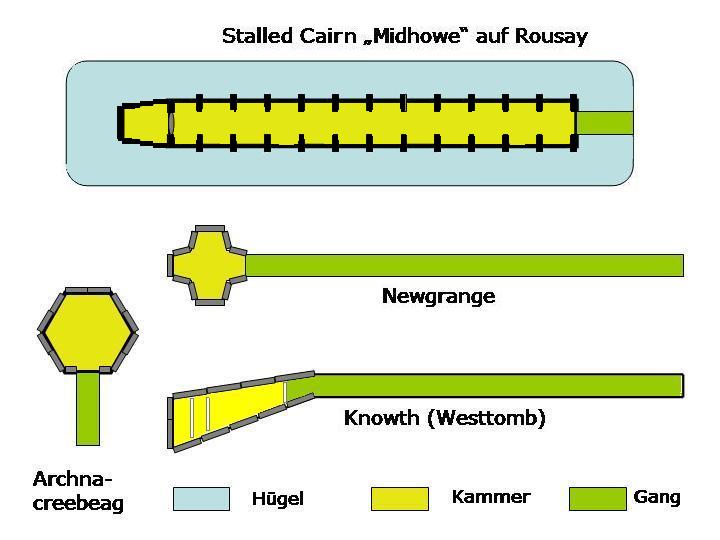
A large burial mound with an internal stone chamber on the south shore of Rousay, named after the drystone tower beside it.
Tomb or burial place · Prehistoric
Argyll and Bute
Nether Largie South is a Neolithic Clyde-type chambered cairn, a mound of piled stones often covering a burial, and the earliest monument in the Ki…
Tomb or burial place · Prehistoric
Orkney Islands
A tomb mistaken for a broch until 1867, holding at least ten adults and possibly four children in a stone-lined cist: a box grave built of slabs: w…
Tomb or burial place · Prehistoric
Argyll and Bute
The southernmost cairn (a mound of piled stones, often covering a burial) in Kilmartin Glen's five-mile chain of Bronze Age (roughly 2500–800 BC) b…
Sacred place · Prehistoric
Argyll and Bute
At the centre of the southern circle at Temple Wood lies a burial cist (a grave lined and capped with stone slabs), ringed by a smaller circle of s…
Tomb or burial place · Prehistoric
Orkney Islands
Twenty to thirty bowls were put in here, most of them already broken and already used: one sherd carried the impression of a barley grain.
Tomb or burial place · Prehistoric
Wiltshire
A long grassy mound rises on the chalk near Alton Barnes, with sarsen stones remembered as Old Adam and Little Eve near its former entrance. Adam's…
Tomb or burial place · Prehistoric
Kent
Sarsen stones cluster beside a narrow road near Addington, the battered remains of a Neolithic tomb: from the closing Stone Age, roughly 4000–2500…
Sacred place · Prehistoric
Aberdeenshire
Its 21.5-tonne recumbent stone ranks among the heaviest in Aberdeenshire, yet a 2001 dig returned a puzzling late radiocarbon date that unsettles t…
Tomb or burial place · Prehistoric
Somerset
An ancient burial mound that later became a meeting point for four Exmoor parishes, carrying its changing place-name through centuries of local bou…
Tomb or burial place · Prehistoric
County Down
A Neolithic burial chamber that doubled, centuries later, as a speaking platform for a founder of the United Irishmen: two very different gathering…
Sacred place · Prehistoric
Aberdeenshire
One of Aberdeenshire's recumbent stone circles built with two rings rather than one, its unusual forecourt and alternating stone heights have puzzl…
Sacred place · Prehistoric
Derbyshire
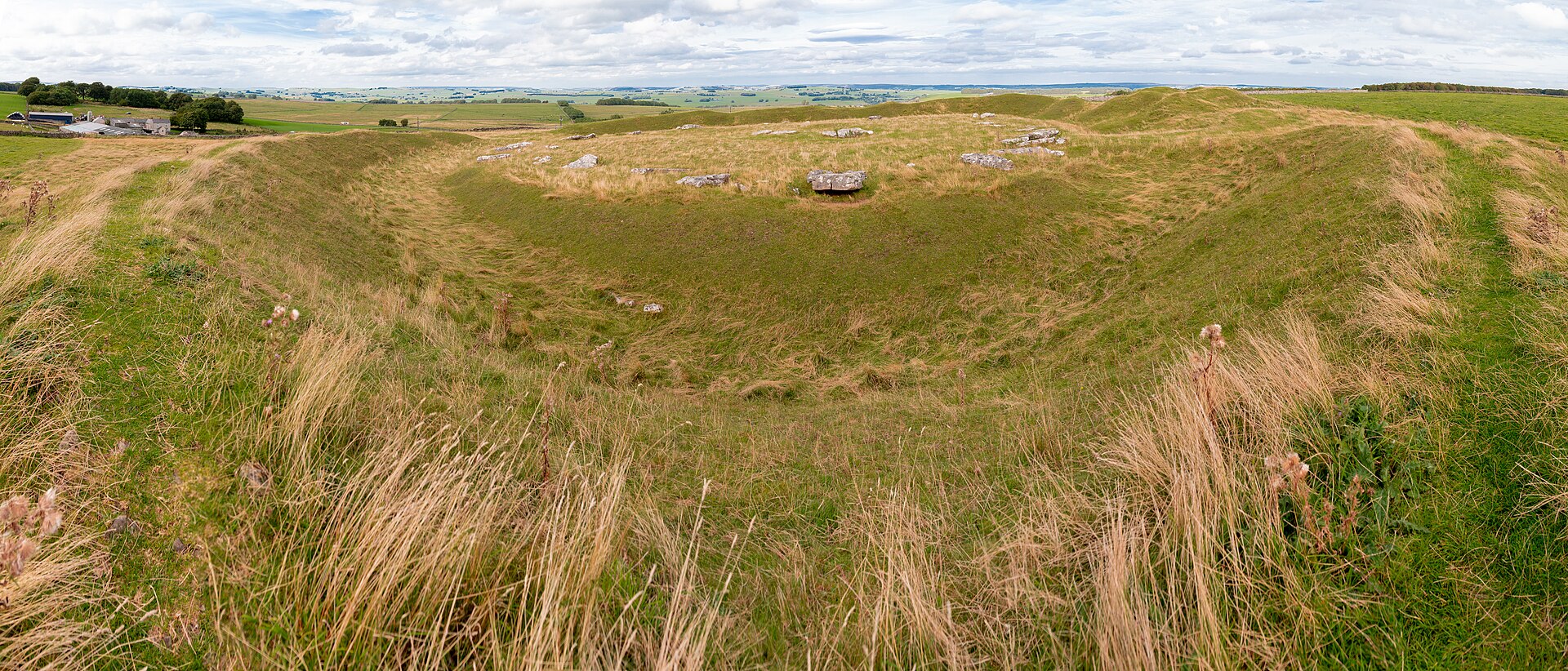
Rare among British henges for how completely its earthworks and stone circle survive together, with a linked Bronze Age, roughly 2500–800 BC, barro…
Sacred place · Prehistoric
Argyll and Bute
A field on the Cowal shore where a Neolithic tomb was read by nineteenth-century antiquarians as a Druidical altar, and by local tradition as the g…
Tomb or burial place · Prehistoric
Herefordshire
A capstone of more than 25 tonnes still balances on nine stones nearly five thousand years after burial rites began here: and storytellers have sin…
Tomb or burial place · Prehistoric
County Tipperary
Radiocarbon dating fixes a burial here at roughly 3350 BC, one of the most precisely dated Neolithic (the late Stone Age, roughly 4000–2500 BC in B…
Tomb or burial place · Pictish & early medieval
Oxfordshire
A seventh-century cremation burial yielded a Merovingian glass bottle, a silver bowl and gilded drinking-horn fittings: grave goods placing an obsc…
Tomb or burial place · Iron Age
Wiltshire
The mounds hold burials from two different ages: Bronze Age cremations reopened, centuries on, for Saxon dead: a rare double life for one small gro…
Sacred place · Prehistoric
Wiltshire
A precise ring of 56 buried pits older than Stonehenge's famous stones, and later reused as Britain's oldest known cremation cemetery.
Tomb or burial place · Prehistoric
County Down
Audleystown is Ireland’s only known double-court, double-gallery tomb: excavations recovered 34 people and rare burial evidence, while later conser…
Tomb or burial place · Prehistoric
County Londonderry
One stone row here points precisely at the moon's southernmost rising or setting point: rare physical evidence that Bronze Age (roughly 2500–800 BC…
Sacred place · Prehistoric
Aberdeenshire
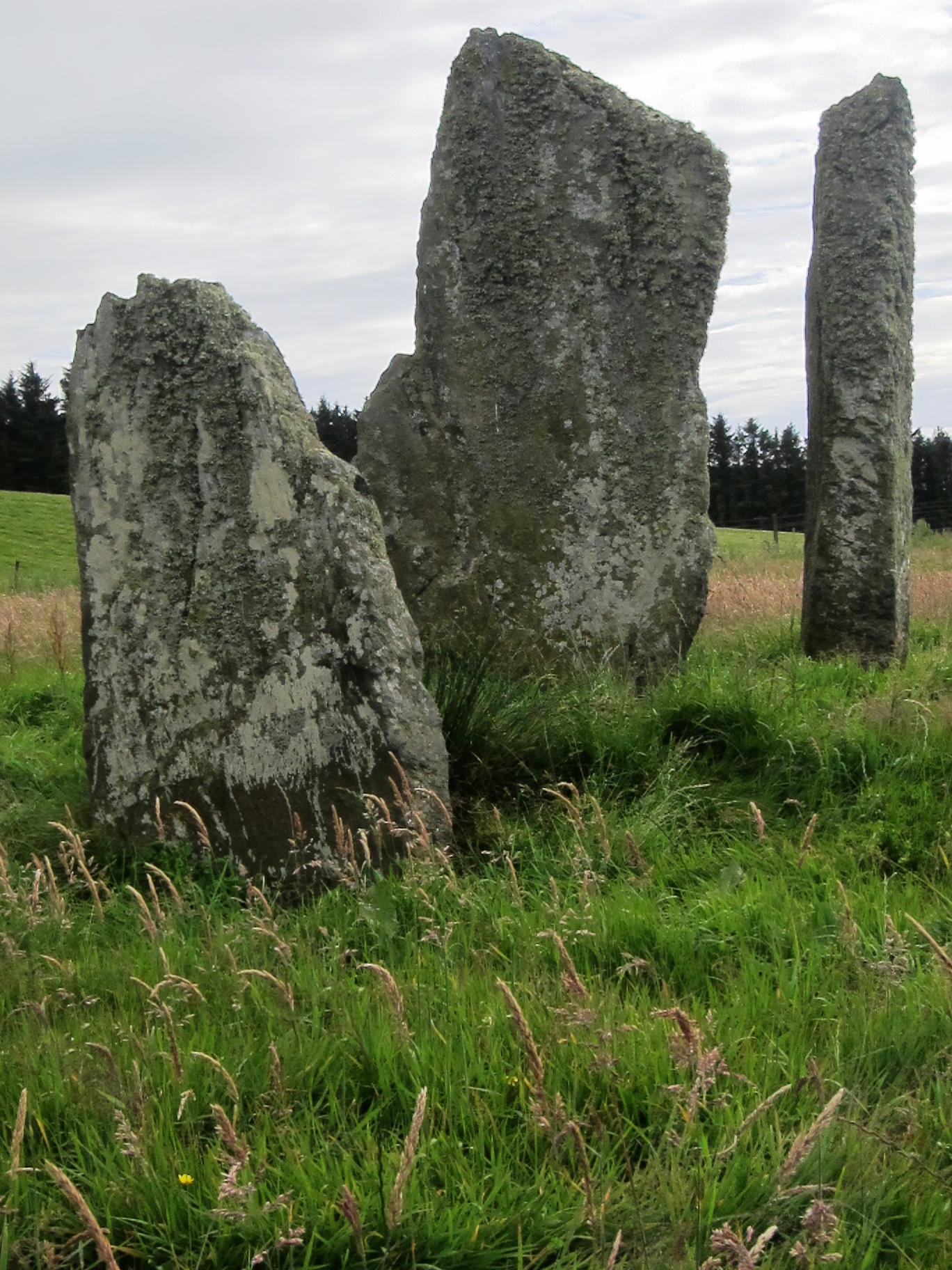
Long dismissed as a recumbent stone circle like its neighbour at Aquhorthies, modern scholarship has overturned that reading, restoring Auld Bourtr…
Sacred place · Prehistoric
Wiltshire
Huge standing stones rise among cottages, lanes and open grass, making Avebury feel less like a monument beside a village than a village caught ins…
Tomb or burial place · Prehistoric
Herefordshire
A child buried on its side in a stone-lined pit with a beaker and a flint knife, some four thousand years ago, in a gravel bed beside the River Lugg.
Sacred place · Prehistoric
Fife
A circle of which only five stones stood when excavation began in 1970, four more stumps and a tenth socket being found beneath.
Sacred place · Prehistoric
Fife
Balfarg preserves a multi-phase Neolithic (the late Stone Age, about 4000–2500 BC in Britain) ceremonial landscape within modern Glenrothes, includ…
Sacred place · Prehistoric
dundee-city
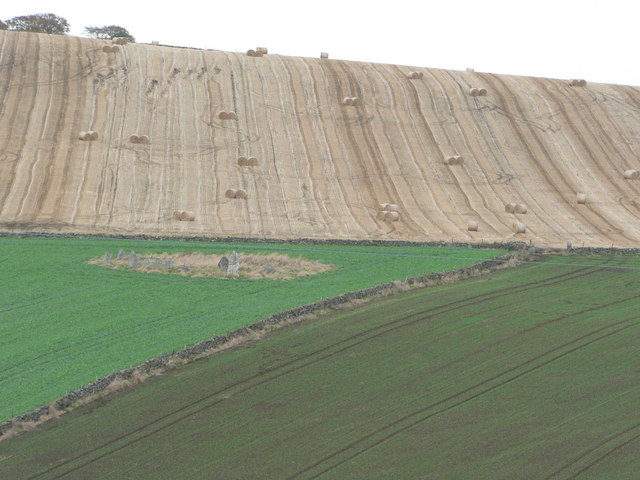
Nine stones on a circle six and a half metres across, all but one of them down, with a causeway running thirty metres east: surrounded now by the h…
Sacred place · Prehistoric
Argyll and Bute
Alexander Thom argued its central stone's flat face was cut to point exactly at sunset over a named Jura peak at the solstices: making Ballochroy o…
Tomb or burial place · Prehistoric
County Armagh
Excavation in 1963 recovered decorated Neolithic pottery, a javelin head and flint tools from a tomb whose three-metre granite capstone balances on…
Tomb or burial place · Prehistoric
County Down
Its bones vanished into a Dutch basement for 90 years before a Belfast PhD student tracked them down and brought them home in 2023.
Sacred place · Prehistoric
Aberdeenshire
A rounded hump on its ten-tonne recumbent stone echoes the outline of Mither Tap behind it, and 1980s survey work found its flanking stones deliber…
Sacred place · Prehistoric
Derbyshire
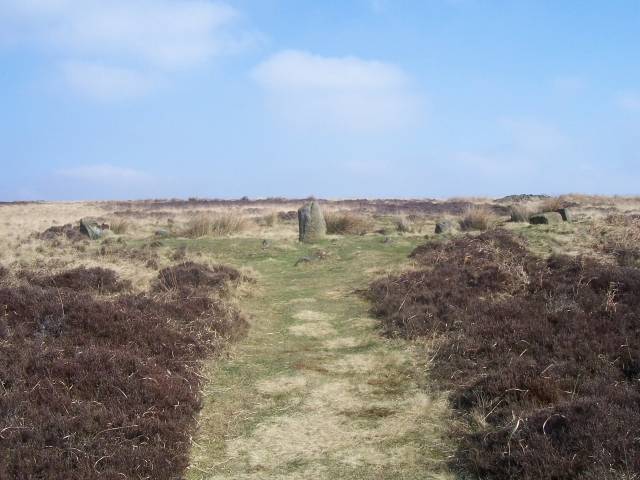
A modest ring on Ramsley Moor sits among roughly eighty prehistoric (before written records reached Britain) cairns, one of a tight cluster of ston…
Tomb or burial place · Prehistoric
Isle of Anglesey
Barclodiad y Gawres is a Neolithic: the first farming period in Britain, roughly 4000–2500 BC: cruciform passage grave, a burial chamber entered al…
Settlement · Prehistoric
Orkney Islands
A settlement of the first farming age on the shore of the Loch of Harray, close to the Standing Stones of Stenness.
Tomb or burial place · Prehistoric
Outer Hebrides
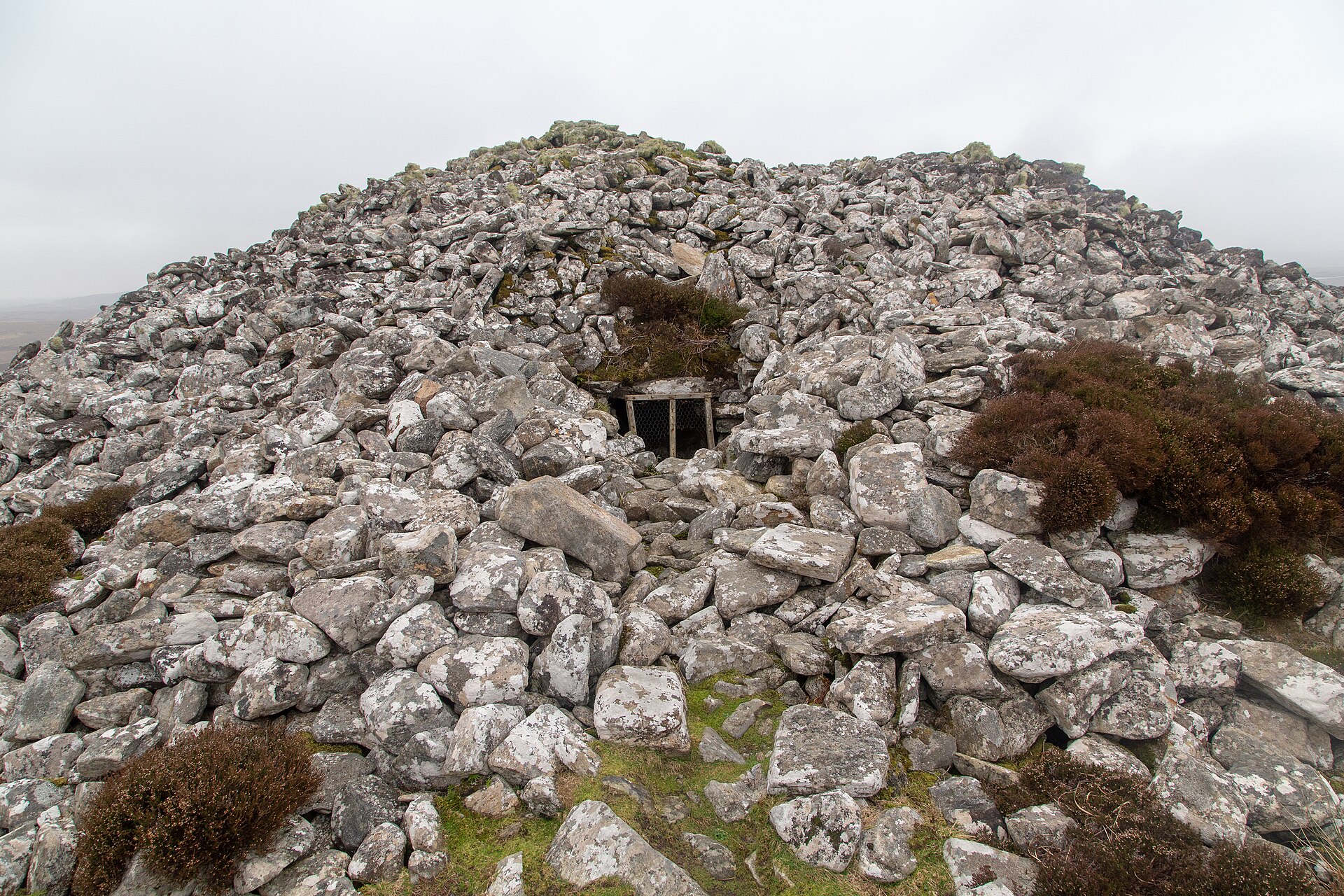
Two massive slabs form the roof of Barpa Langass, with a third slab laid on top of them, capping a stone burial mound on the Isle of North Uist tha…
Tomb or burial place · Prehistoric
Wiltshire
A single surviving Bronze Age (roughly 2500–800 BC) burial mound, reused six centuries later as an Anglo-Saxon cemetery, later excavated by soldier…
Tomb or burial place · Prehistoric
Somerset
Three round mounds and possibly a long one at Williton, excavated by George Gray in 1931.
Tomb or burial place · Prehistoric
Derbyshire
A square Bronze Age cairn holding cremated bone anchors this moor's scattered monuments: the same heather ground where a 1977 siege became one of B…
Tomb or burial place · Prehistoric
County Mayo
Its court and chamber were built with drystone walling instead of the standing stones typical of the type: a construction choice that quietly compl…
Tomb or burial place · Prehistoric
Gloucestershire
Excavations here recovered the remains of more than forty people, added to four chambers across many generations behind a grand entrance that turns…
Tomb or burial place · Prehistoric
County Donegal
One of Ireland's finest surviving stone circles, Beltany may sit atop ritual ground already sacred to Neolithic (the late Stone Age, roughly 4000–2…
Tomb or burial place · Pictish & early medieval
Derbyshire
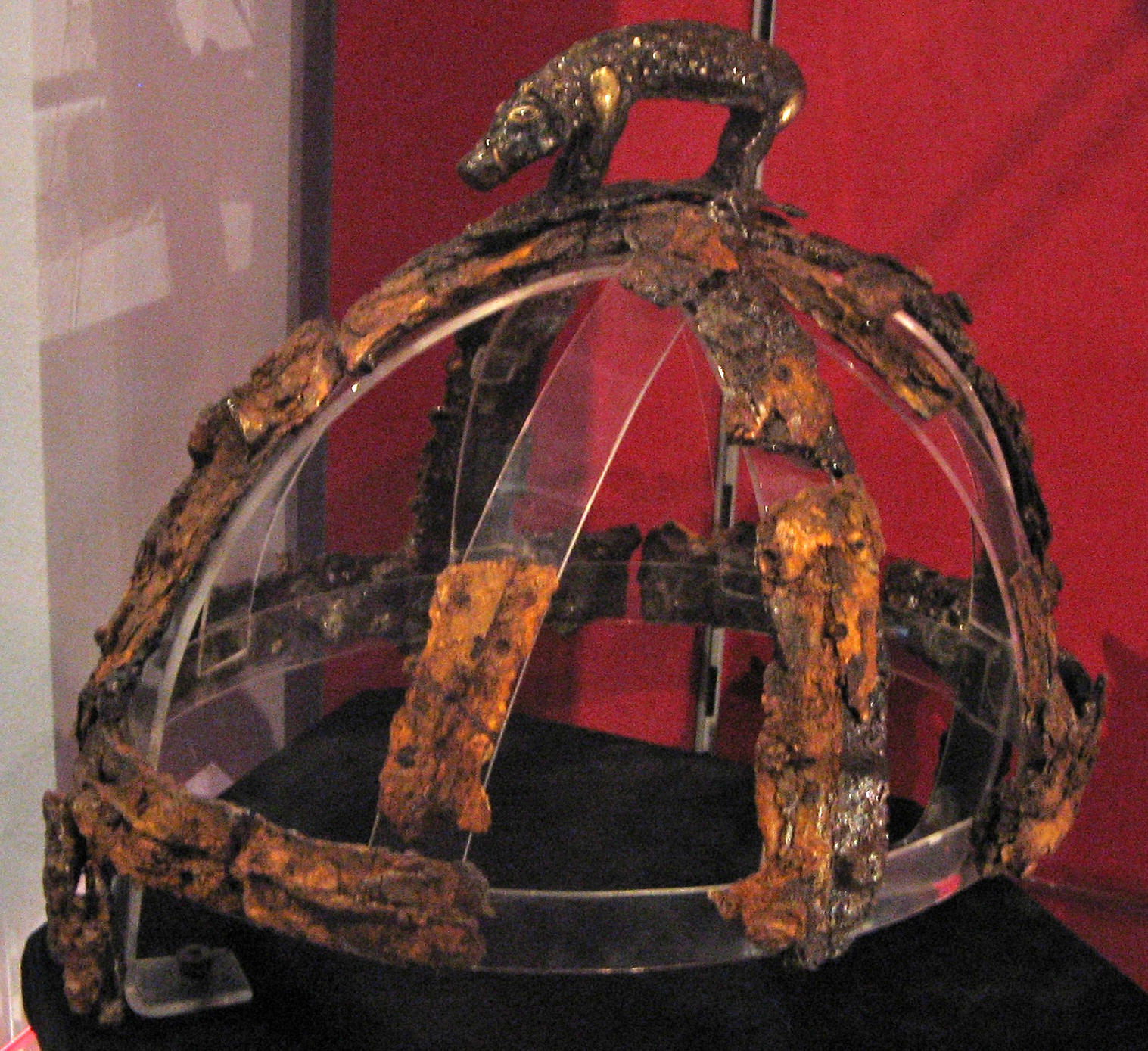
Its low mound in a Peak District field hid the first Anglo-Saxon helmet ever found: the one with a bronze boar glaring above a Christian cross.
Sacred place · Prehistoric
Cumbria
A double ring within a ring: twelve inner stones and twenty outer stones enclose a pavement that once covered five separate cremation burials.
Tomb or burial place · Prehistoric
Orkney Islands
Blackhammer Chambered Cairn preserves a Neolithic, the late Stone Age, burial monument dating from roughly 4000–2500 BC, on Rousay in Orkney.
Sacred place · Prehistoric
North Yorkshire
Four surviving stones, one now doing duty as a gatepost, may be the last fragments of a stone circle or paired alignment some seventeen metres across.
Sacred place · Prehistoric
Aberdeenshire
The recumbent slab lies squared and deliberate rather than fallen, and the stone cairn (a mound of piled stones, often covering a burial) heaped in…
Tomb or burial place · Prehistoric
County Donegal
A scattered ring of standing stones on Bocan Hill said to be lined up on a sightline running clear across the sea to Jura in Scotland.
Tomb or burial place · Prehistoric
Isle of Anglesey
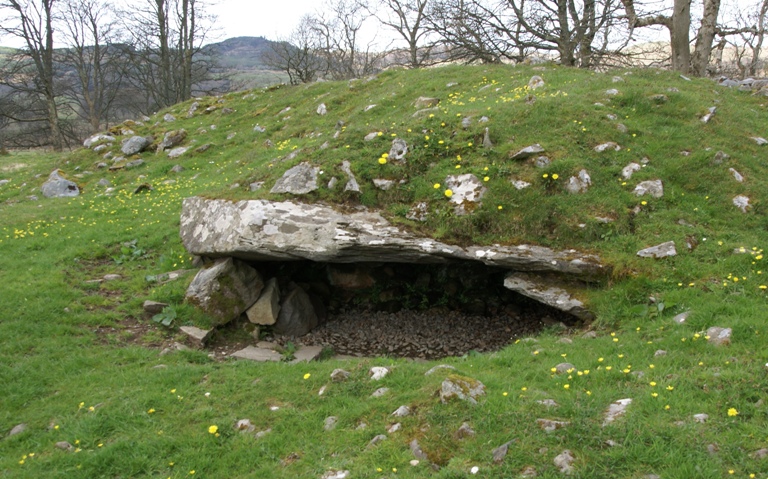
A passage-grave chamber of a form more common in Ireland than Wales, standing on flat ground with Snowdon and the Glyderau visible on the horizon.
Sacred place · Prehistoric
Cornwall
Boskednan stone circle is a partially restored late Neolithic (the first farming age, roughly 4000–2500 BC) or early Bronze Age (roughly 2500–800 B…
Tomb or burial place · Prehistoric
Cornwall
Brane Barrow is a small, well-preserved Neolithic (the late Stone Age, about 4000–2500 BC in Britain) entrance grave whose exposed chamber makes th…
Tomb or burial place · Prehistoric
County Dublin
Known locally by three different names, this megalithic burial chamber on the Carrickmines River is one of County Dublin's few surviving monuments…
Sacred place · Prehistoric
Devon
Brisworthy’s restored circle makes the loss and recovery of a Dartmoor ritual monument visible: twenty-four stones stand where perhaps forty-two on…
Sacred place · Prehistoric
Dumfries and Galloway
A Roman marching camp's ditch cuts clean through Broadlea henge: a circular enclosure formed by a bank and an inner ditch: entering by the north-we…
Tomb or burial place · Prehistoric
Devon
A Scheduled Neolithic chambered tomb above Broadsands Beach, preserving a burial chamber, cairn (a mound of piled stones, often covering a burial)…
Tomb or burial place · Prehistoric
Greater Manchester
Brown Low is a protected Bronze Age (the period from about 2500 to 800 BC) bowl barrow, a burial mound from the prehistoric: a period before writte…
Tomb or burial place · Prehistoric
County Carlow
A single granite capstone estimated at 150 metric tons rests here: reputed to be the heaviest of any dolmen in Europe.
Tomb or burial place · Prehistoric
County Meath
At least ninety monuments packed into one bend of the Boyne make this the largest and richest concentration of megalithic art anywhere in Europe.
Sacred place · Prehistoric
Gwynedd
Bryn Cader Faner is a striking late-third-millennium-BC round cairn: a mound of piled stones, often covering a burial: near Talsarnau, distinguishe…
Sacred place · Prehistoric
Isle of Anglesey
Excavation recovered the pits of five stones destroyed by treasure hunters in 1797, letting archaeologists reconstruct a Neolithic circle of eight:…
Sacred place · Prehistoric
Cumbria
Five separate rings spread across roughly a square mile make this the most extensive stone circle complex on Cumbria's western fells, each ring pai…
Tomb or burial place · Prehistoric
Wiltshire
A single Bronze Age (roughly 2500–800 BC, when metalworking spread) burial on a Wiltshire ridge produced the richest grave goods found anywhere in…
Tomb or burial place · Prehistoric
Aberdeenshire
A near-48-metre wedge of pink granite boulders on a Buchan ridge, one of north-east Scotland's longer Neolithic (the first farming age, roughly 400…
Briefer entries: recorded and worth knowing, with fuller pages to come.
Settlement · Medieval
County Antrim
Aghalislone contains both a protected rath, a farmstead enclosed by a circular bank and ditch, and barrow, a burial mound, with nearby finds reveal…
Sacred place · Medieval
County Fermanagh
Aghanaglack concentrates thousands of years of archaeology in one Boho townland: a late Stone Age burial monument, medieval cross, underground cave…
Tomb or burial place · Prehistoric
County Dublin
Its enormous, probably locally quarried capstone makes Aideen’s Grave a rare tangible test of construction in the late Stone Age, roughly 4000–2500…
Tomb or burial place · Prehistoric
County Tyrone
Altanagh’s scheduled burial mound preserves cordoned urn burials dated to 1890–1450 BC, giving a County Tyrone townland a firmly evidenced Bronze A…
Sacred place · Prehistoric
Wiltshire
The Altar Stone lies flat at the centre of Stonehenge, a slab of purplish-green micaceous sandstone measuring 4.9 metres long, 1 metre wide and hal…
Tomb or burial place · Prehistoric
County Armagh
Excavated with unusual care in the 1960s, its drystone walling and chambers survive largely undisturbed: a rare case where a tomb with an open cour…
Tomb or burial place · Prehistoric
County Antrim
Antynanum’s scheduled late Stone Age burial monument preserves a long mound of stones, court and contrasting burial galleries in County Antrim, giv…
Tomb or burial place · Prehistoric
County Carlow
Ardristan standing stones are a paired County Carlow monument whose grooved larger menhir survives on either side of a modern road near Tullow.
Sacred place · Prehistoric
North Ayrshire
Auchagallon is a fifteen-stone Arran monument whose circle and central cairn, a mound of piled stones covering a burial, preserve evidence of Stone…
Tomb or burial place · Prehistoric
County Antrim
Ault preserves a Scheduled wedge-shaped burial monument whose mound of stones, kerb and chamber reveal a carefully built ancient tomb within County…
Sacred place · Prehistoric
Argyll and Bute
A solitary standing stone raised somewhere in prehistory, its silent presence over the Kintyre shoreline outlasting any record of who put it there…
Tomb or burial place · Prehistoric
County Down
Ballinran shows how excavation recovered the plan, coastal orientation and burial deposits of a largely destroyed court tomb, a tomb built thousand…
Tomb or burial place · Prehistoric
County Antrim
A four-thousand-year-old portal tomb (a Neolithic tomb of upright stones carrying a single great capstone) stands not in a field or forest but in t…
Tomb or burial place · Prehistoric
County Waterford
A late-1930s dig found cremated bone, flint and charcoal sealed in the chamber, then a hurried 1940 rebuild fixed the ancient stones in place with…
Tomb or burial place · Prehistoric
Cornwall
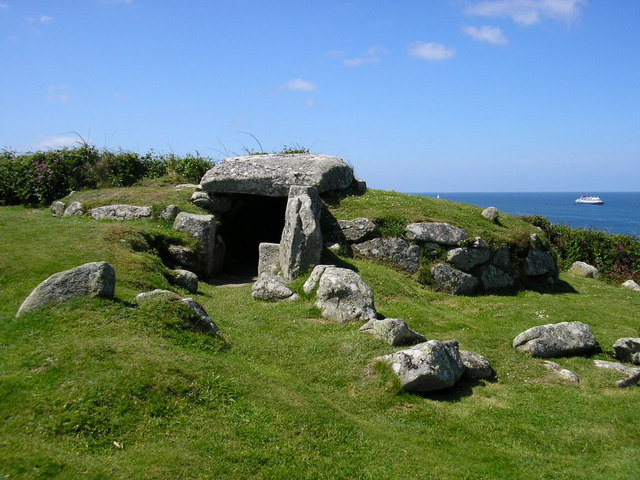
A well-preserved Bronze Age (roughly 2500–800 BC, when metalworking spread) entrance grave on St Mary's, excavated in 1900 and restored from the or…
Tomb or burial place · Prehistoric
County Cork
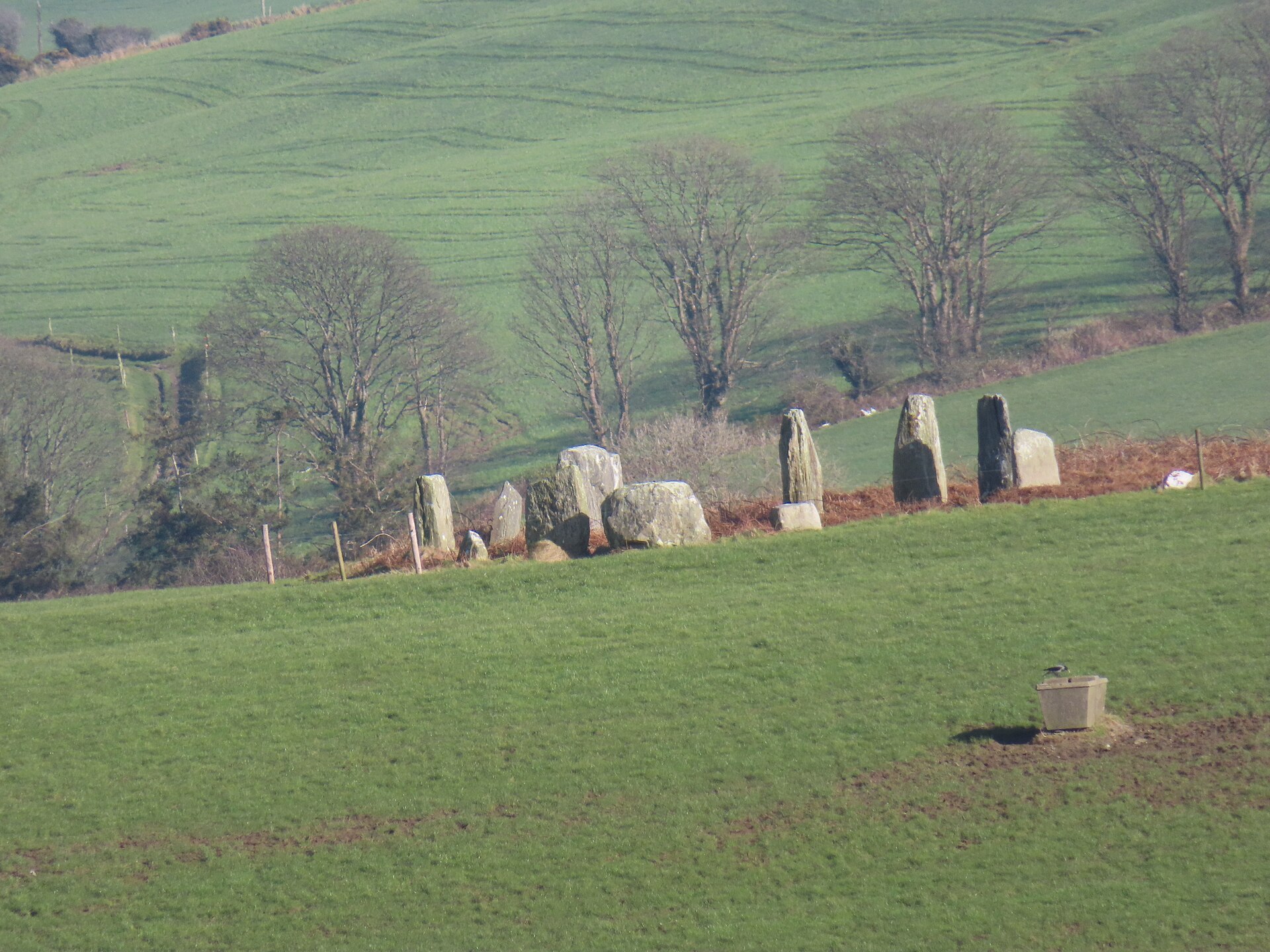
Six standing stones set out in a single line across open pasture, carrying a name that simply counts them: An Seisear, "The Six."
Ancient place · Prehistoric
Shetland Islands
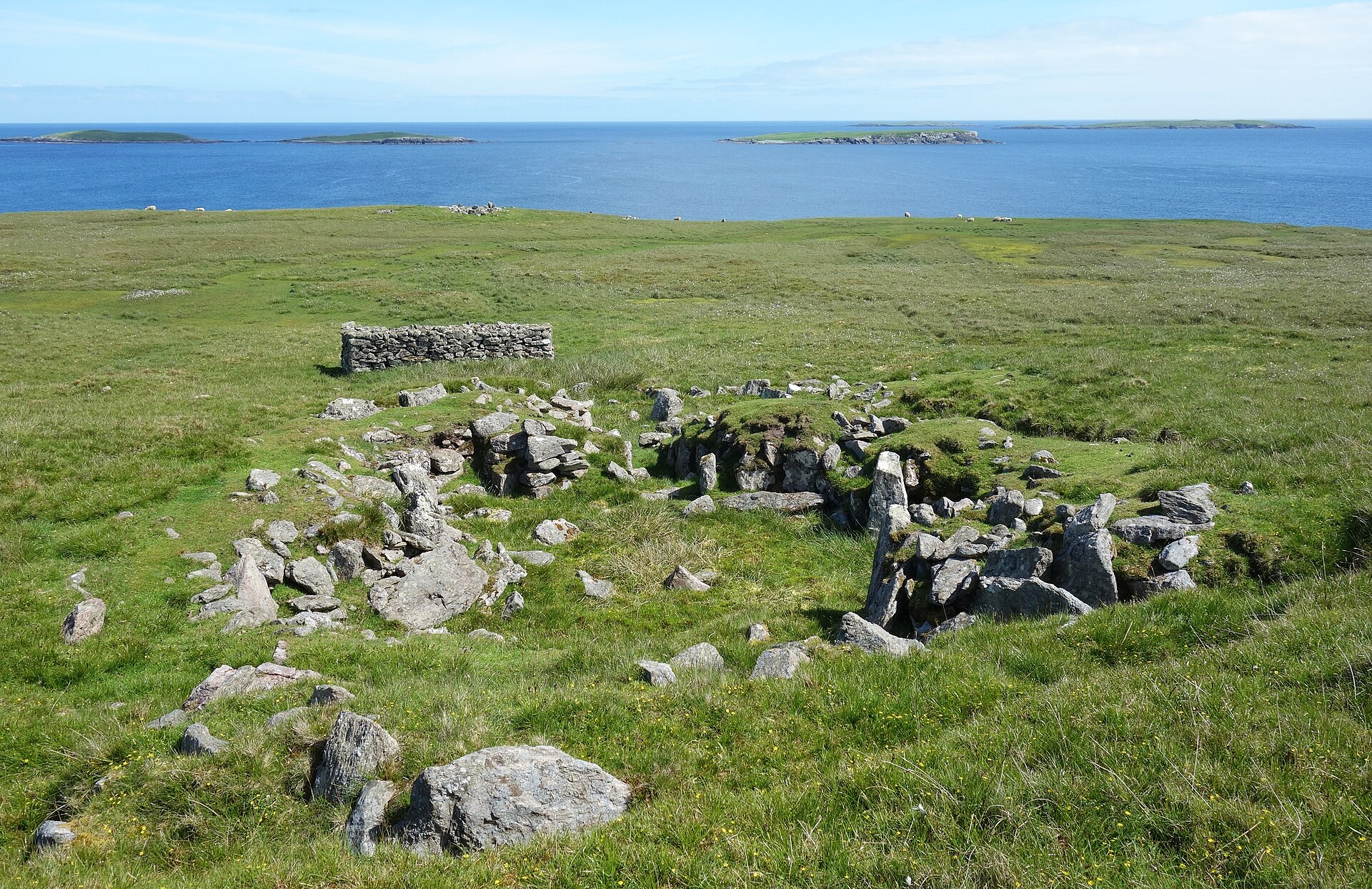
Benie Hoose lies in Nesting parish, towards the north-east of Whalsay, laid out in the unusual form of a figure of eight rather than the single rou…
Tomb or burial place · Prehistoric
County Cork
Bohonagh is a Bronze Age (roughly 2500–800 BC, when metalworking spread) axial stone circle with tall portal stones, a nearby cup-marked boulder bu…
Sacred place · Prehistoric
Cornwall
Boscawen-Ûn is a Bronze Age (roughly 2500–800 BC, when metalworking spread) stone circle whose nineteen-stone ellipse, distinctive central slab and…
Tomb or burial place · Prehistoric
Cornwall
Bosiliack Barrow is a rare Neolithic (the first farming period in Britain, roughly 4000–2500 BC) entrance grave of a form otherwise associated with…
Tomb or burial place · Prehistoric
County Cork
Breeny More is a National Monument axial stone circle with four boulder burials overlooking Bantry Bay, preserving a distinctive middle Bronze Age…
Tomb or burial place · Prehistoric
Cornwall
Cornwall's highest hill carries two cairns whose early Bronze Age (roughly 2500–800 BC, when metalworking spread) setting gives Bodmin Moor a prehi…
Tomb or burial place · Medieval
County Tyrone
Bullock Park is a Tyrone townland whose protected stone burial chamber preserves an ancient monument within a nineteenth-century rural community.
No places match those filters.


.jpg?width=800)
%2C_October_2009.JPG?width=800)

.JPG?width=800)




%2C_September_2009.JPG?width=800)




.jpg?width=800)