
A near-48-metre wedge of pink granite boulders on a Buchan ridge, one of north-east Scotland's longer Neolithic (the first farming age, roughly 4000–2500 BC) cairns, its flanks scarred by centuries of stone-robbing.
A long ridge of pink granite boulders rises from the fields south-east of Longside, in the Buchan district of Aberdeenshire, its outline narrowing steadily from a broad end to a slender, tapering point. Weather and centuries of farming have softened its edges, but the wedge-like shape of Cairn Catto is still legible on the ground, a long cairn (a Neolithic burial mound, built by early farming communities) raised on this stretch of the north-east Scottish countryside thousands of years ago.
Not all of the cairn has survived intact. Its south-western side has been heavily robbed of stone over the years, most likely quarried for dykes, drainage, or building work on the surrounding farmland, and at the mound’s south-eastern end deep holes and quarry scoops mark where boulders were dug out and hauled away. What remains still runs to around 48 metres (157 feet) in length, built entirely of pink granite boulders and aligned north-west to south-east across the ridge.
In 1885, two stone axes were recovered from the site and passed into the collection of the Arbuthnot Museum in Peterhead, where they remain today as the only artefacts publicly linked to Cairn Catto. Recognition of the cairn’s archaeological importance came later still: on 6 July 1973 it was designated a scheduled monument, a status that protects what survives of the mound from further disturbance.
What follows is drawn from published sources, with each claim labelled by how firmly it is established.
History
During the Neolithic period, farming communities in the Buchan district of Aberdeenshire raised Cairn Catto as a long, wedge-shaped mound of pink granite boulders, tapering in breadth towards its north-western end and running to roughly 48 metres (157 feet) in length, aligned north-west to south-east across a low ridge south-east of the village of Longside.
At some point after its construction, the south-western side of the cairn was heavily robbed of stone, and deep holes and quarry scoops opened at its south-eastern end where boulders were dug out and dragged away, most likely for dry-stone dykes, land drainage, or building work on the farms that came to surround the site, leaving the mound's original outline broken along one flank.
In 1885 two stone axes were recovered at Cairn Catto, tools that had lain in or near the cairn since the Neolithic period. The axes were taken to Peterhead, where they entered the collection of the Arbuthnot Museum, and they remain the only artefacts publicly recorded from the site, offering a rare direct link to the people who built or later used the cairn.
On 6 July 1973 Cairn Catto was designated a scheduled monument by what is now Historic Environment Scotland, a legal recognition that the surviving cairn, despite the loss of stone along its south-western side, retained enough of its original form and archaeological potential to justify protection from further disturbance or removal of material.
Connections
-
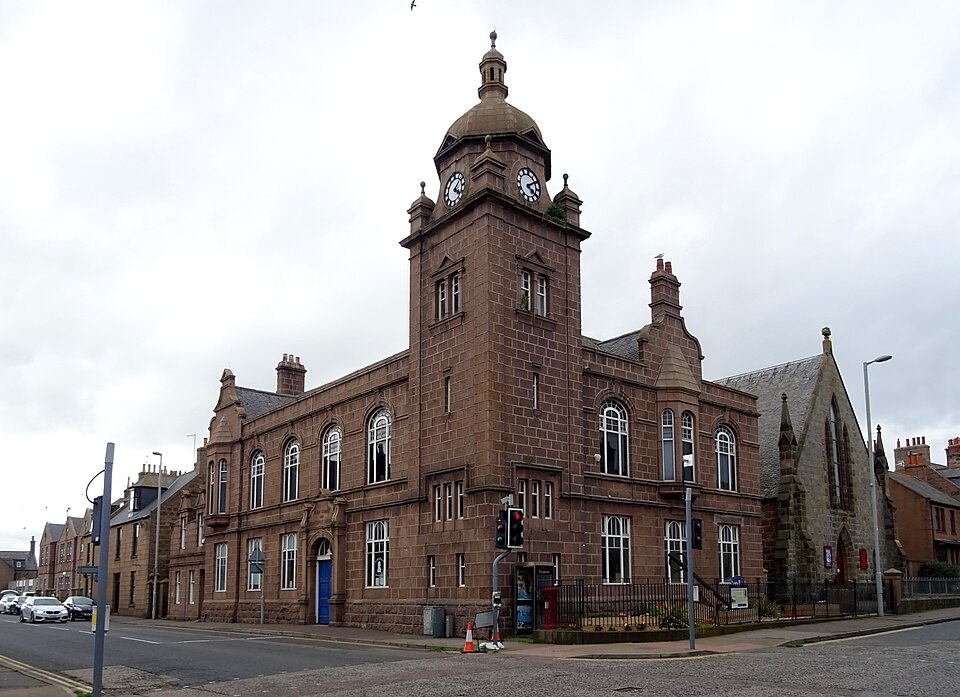
Photo: JThomas / Wikimedia Commons / CC BY-SA 2.0 Arbuthnot Museum, Peterhead
Holds the two stone axes recovered from Cairn Catto in 1885, the only artefacts publicly recorded from the site.
-
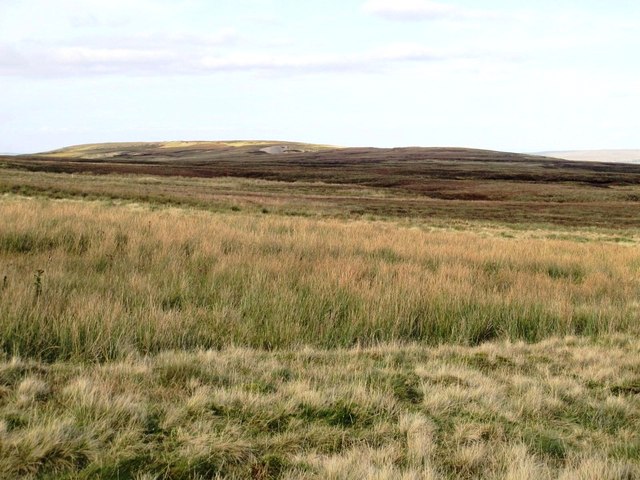
Photo: Mike Quinn / Wikimedia Commons / CC BY-SA 2.0 Longman Hill
Cairn Catto and Longman Hill are both early Neolithic long cairns in Aberdeenshire: Catto is a 48-metre pink-granite wedge cairn, while Longman is a 66-metre earthen mound with a round head and long tail.
-
Morris Wells
Morris Wells is named alongside Cairn Catto in published accounts of the prehistoric monuments of the Longside and Buchan district; no documented shared construction or use is currently identified.
-
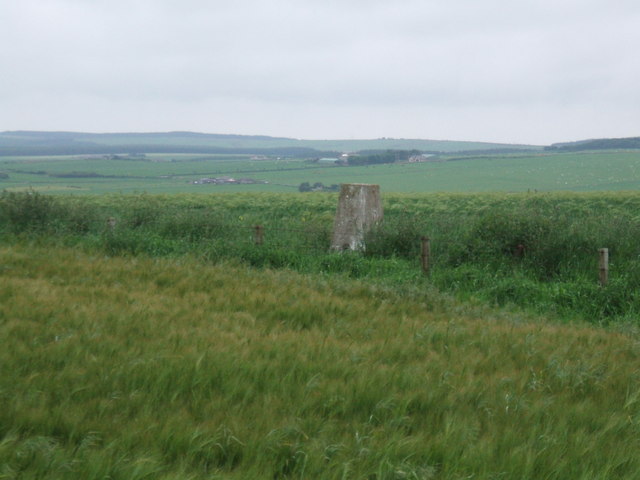
Photo: Ken Fitlike / Wikimedia Commons / CC BY-SA 2.0 Skelmuir Hill
Skelmuir Hill preserves prehistoric flint-working pits and standing stones. Together with Cairn Catto’s long cairn, it records distinct prehistoric activities in the Buchan landscape rather than a single monument complex.
Discovery & excavation
Two stone axes were found at Cairn Catto in 1885 and subsequently placed in the Arbuthnot Museum in Peterhead, where they remain the only recorded finds from the site.
Finds now held at: Arbuthnot Museum, Peterhead.
What to look for
-
The wedge-shaped profile
The cairn narrows steadily from a broader south-eastern end towards the north-west, a shape typical of long cairns of this type and still traceable along its roughly 48-metre length.
-
Pink granite boulders
The mound is built entirely of boulders of pink granite, giving it a distinctive colour against the surrounding fields.
-
Robbing scars on the south-west side
The south-western flank has been heavily robbed of stone, leaving an uneven, broken edge along that side of the mound.
-
Quarry scoops and deep holes
At the south-eastern end, deep holes and quarry scoops mark where stone was dug out and removed after the cairn was built.
Plan your visit
- Location
- 57.4694°N · 1.8780°W
- Nearest settlement
- Longside
- Access
- Open access
- Terrain
- Moderate walking
- Time needed
- About 20 minutes
- Best time
- Daylight is the most useful time to see the monument and assess the approach.
- What survives
- A 48-metre wedge-shaped long cairn of pink granite survives, though its south-west flank has been heavily robbed and quarry scoops mark the south-east end.
- Facilities
- No visitor facilities are provided at the cairn; plan for rural conditions and check access before travelling.
Opening & admission
No admission charge applies — check Historic Environment Scotland's records before visiting.
- Scheduled monument in open countryside near Longside, Aberdeenshire
- No visitor facilities are recorded
Nearby places
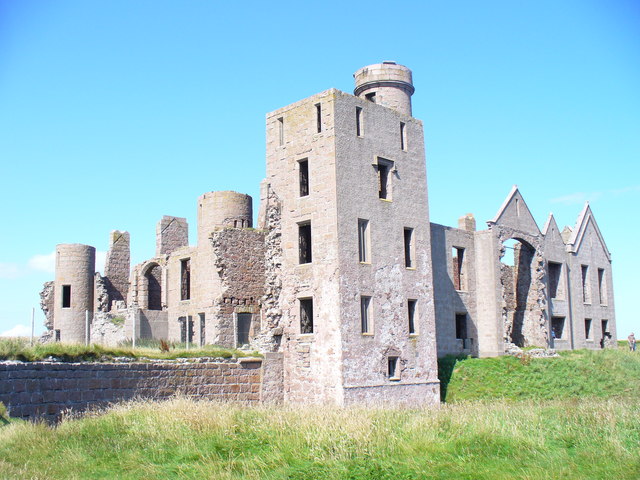
Fortified place · Medieval
New Slains Castle
Aberdeenshire
Seat of the Hay Earls of Erroll for over three centuries, its ruined halls hosted Jacobite plots, Samuel Johnson's uneasy night, and the octagonal…
- Rough ground
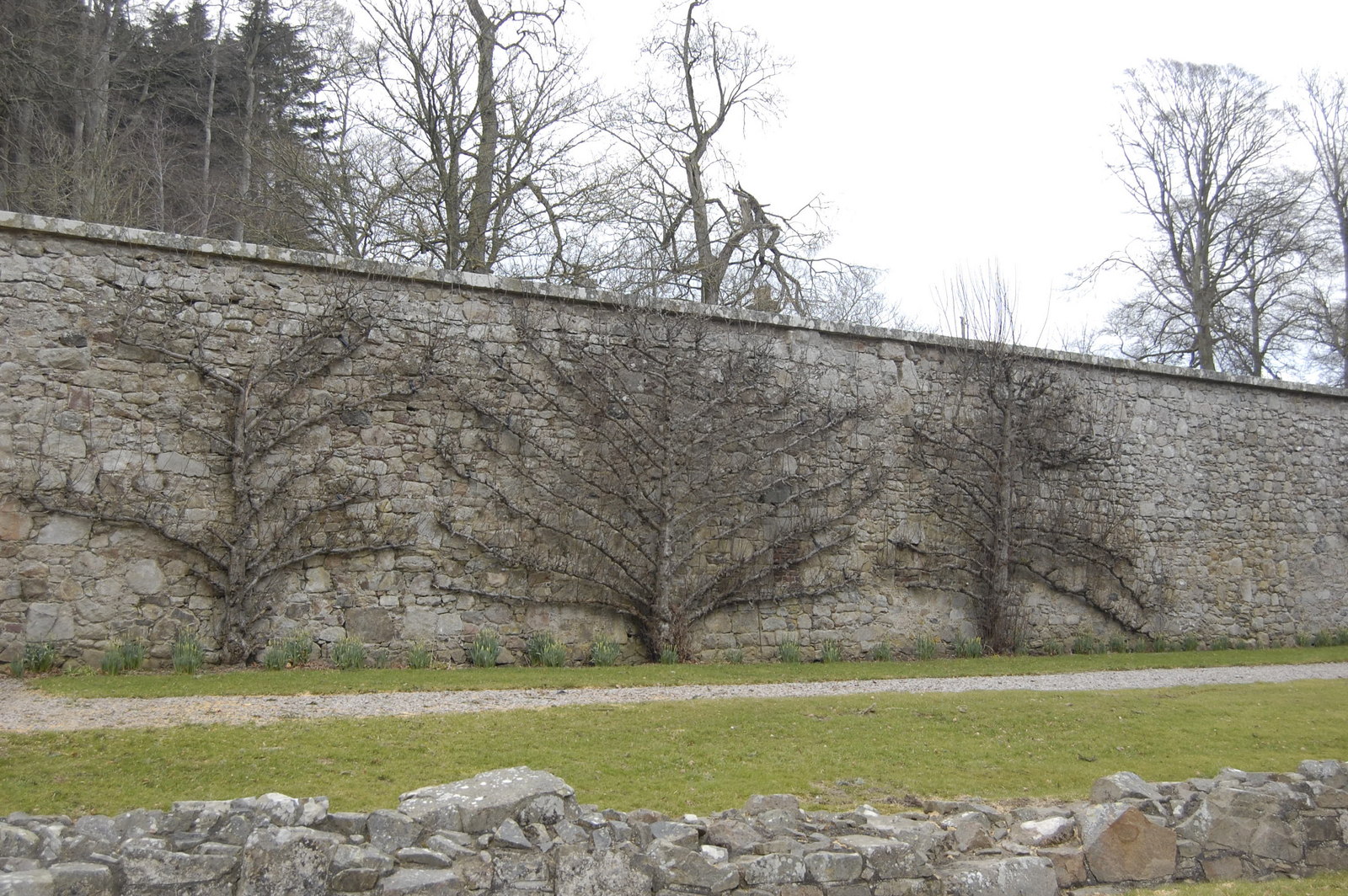
Building or ruin · Medieval
Deer Abbey
Aberdeenshire
Its earlier community is the one recorded in the margins of the Book of Deer, one of Scotland's oldest surviving manuscripts, making this ruin a ra…
- Easy path
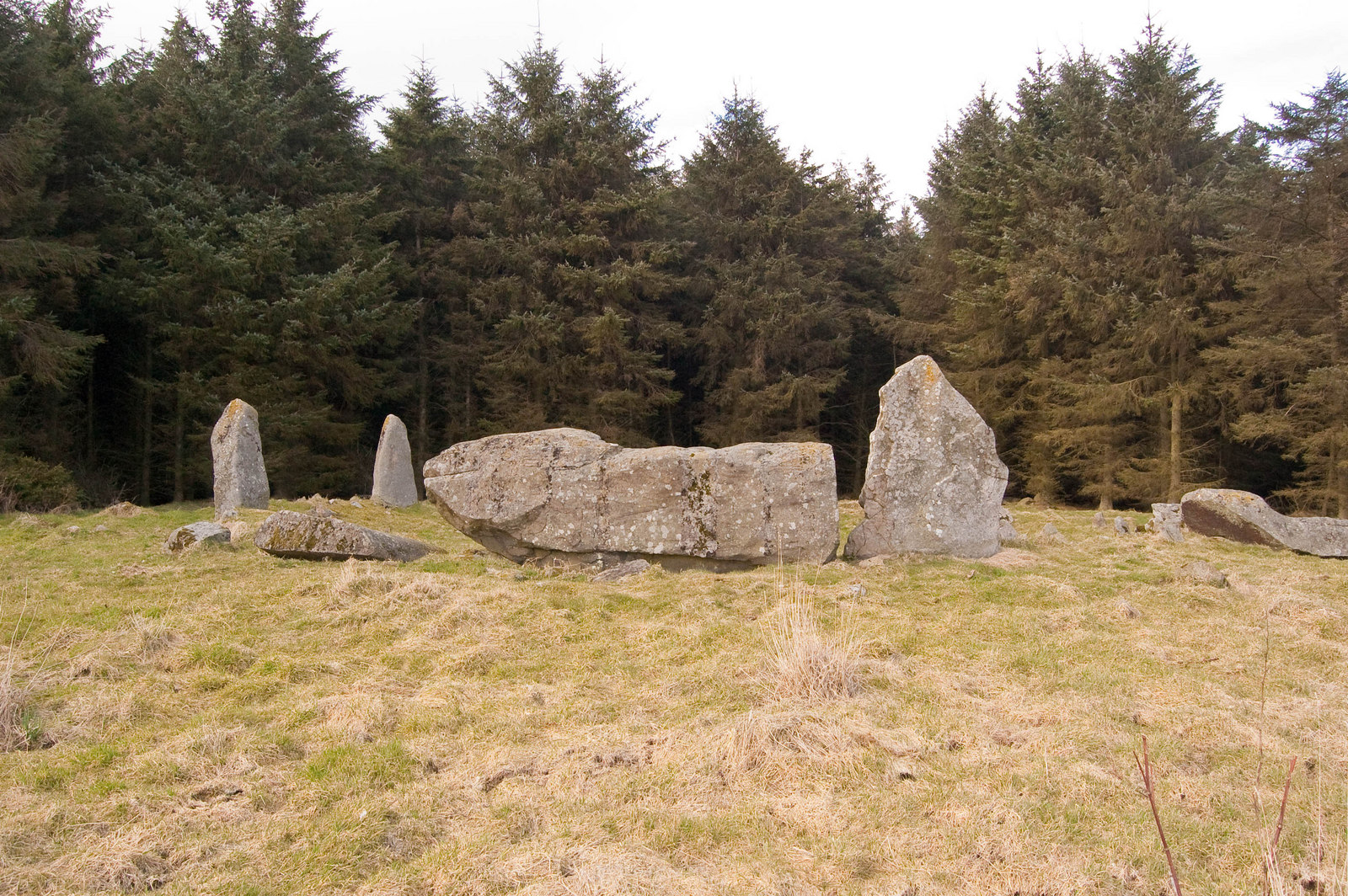
Sacred place · Prehistoric
Aikey Brae stone circle
Aberdeenshire
Its 21.5-tonne recumbent stone ranks among the heaviest in Aberdeenshire, yet a 2001 dig returned a puzzling late radiocarbon date that unsettles t…
- Near Old Deer
- Some walking
Sacred place · Prehistoric
Strichen stone circle
Aberdeenshire
Destroyed twice and rebuilt twice, Strichen is less a fixed ancient monument than a 250-year argument about where its stones truly belong.
- Some walking
The setting
Caincatto Farm in the farmland around Cairn Catto.
Photo: Andrew Wood / Wikimedia Commons / CC BY-SA 2.0
Questions people ask
- What is Cairn Catto?
- Cairn Catto is a Neolithic long cairn near Longside, Aberdeenshire, built as a wedge-shaped mound of pink granite boulders about 48 metres long.
- How old is Cairn Catto?
- It dates from the Neolithic period, the same era as Scotland's other long and chambered cairns, though no precise construction date is recorded.
- Is Cairn Catto a protected monument?
- Yes. It was designated a scheduled monument by Historic Environment Scotland on 6 July 1973, giving it legal protection from disturbance.
- What was found at Cairn Catto?
- Two stone axes were recovered from the site in 1885. They are now held at the Arbuthnot Museum in Peterhead.
- Where is Cairn Catto located?
- It lies south-east of Longside in Aberdeenshire, about four miles north-west of Cruden Bay, west of the minor road between the A952 and A950.
Sources
- Wikipedia: Cairn Catto
- Historic Environment Scotland — scheduled monument designation
- Wikidata: Cairn Catto
Explore more: Tomb or burial places · Prehistoric · Aberdeenshire
The Ancient Codex, in your pocket
Get the Pocket Codex app
Carry the directory with you — Cairn Catto and thousands of ancient places across Britain and Ireland, offline, wherever you roam.