Fortified place · Medieval
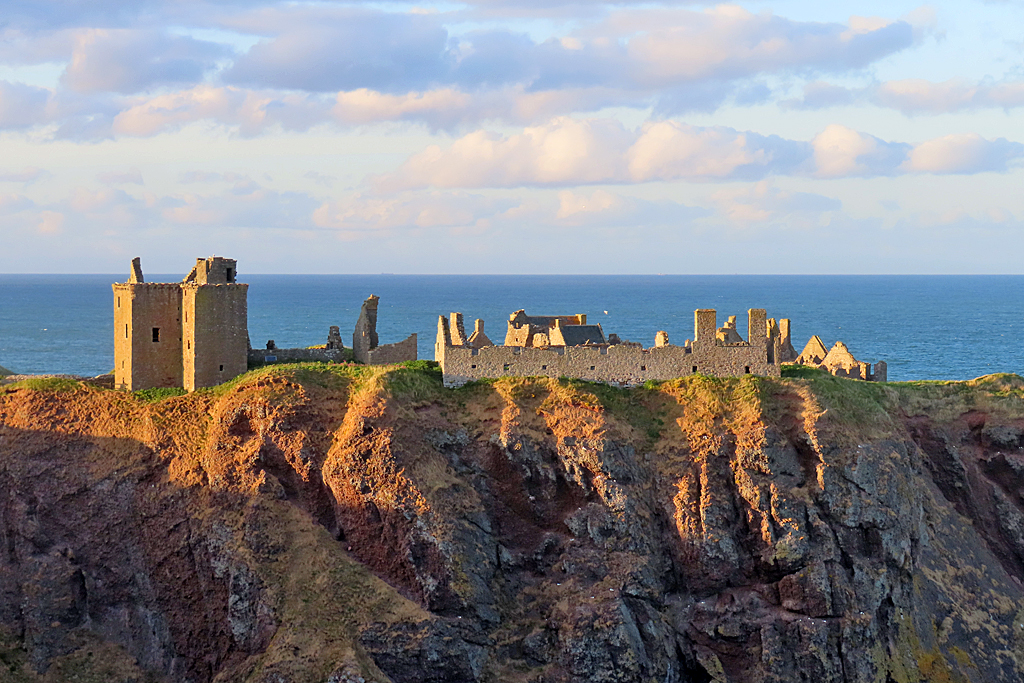
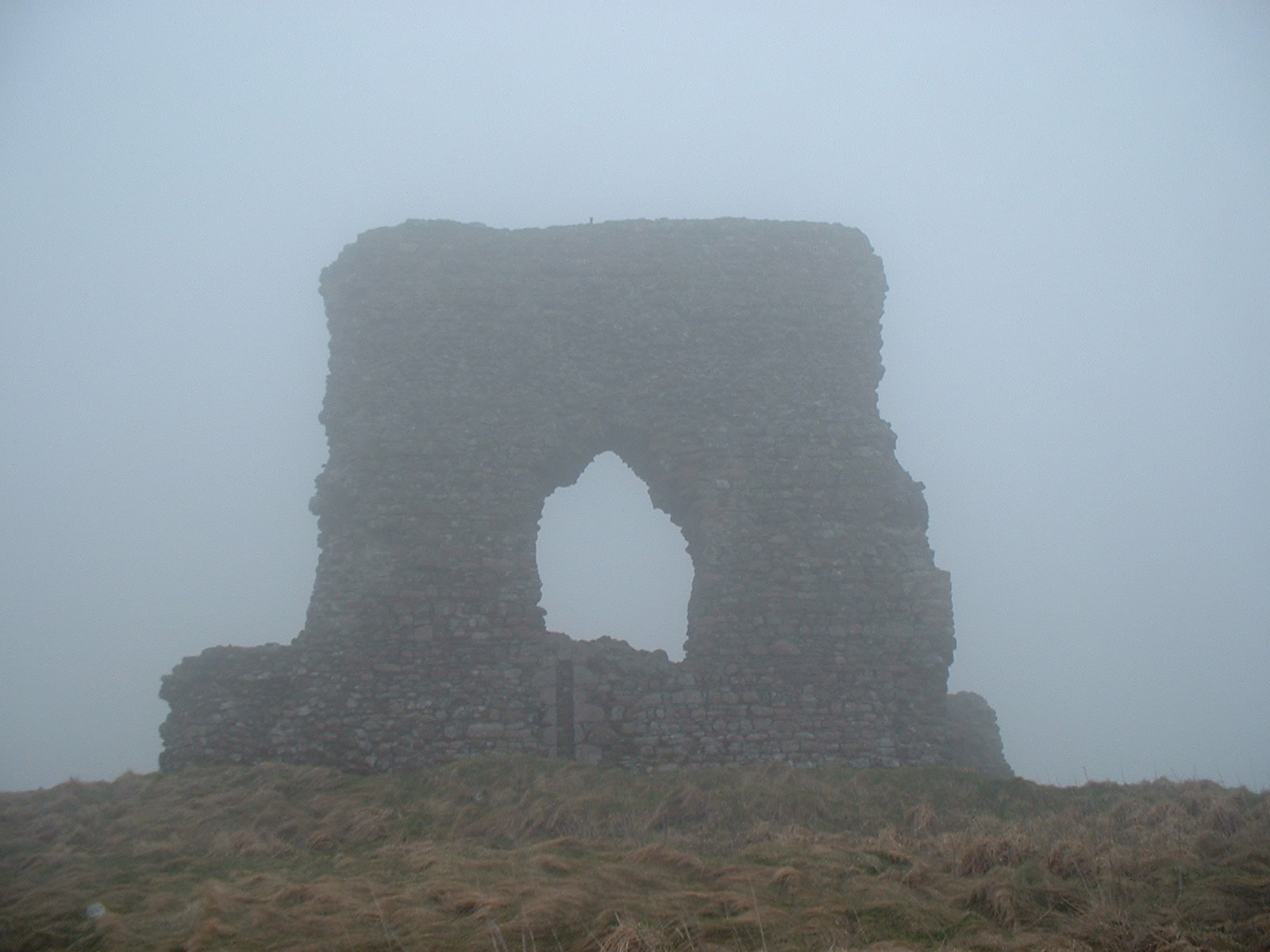
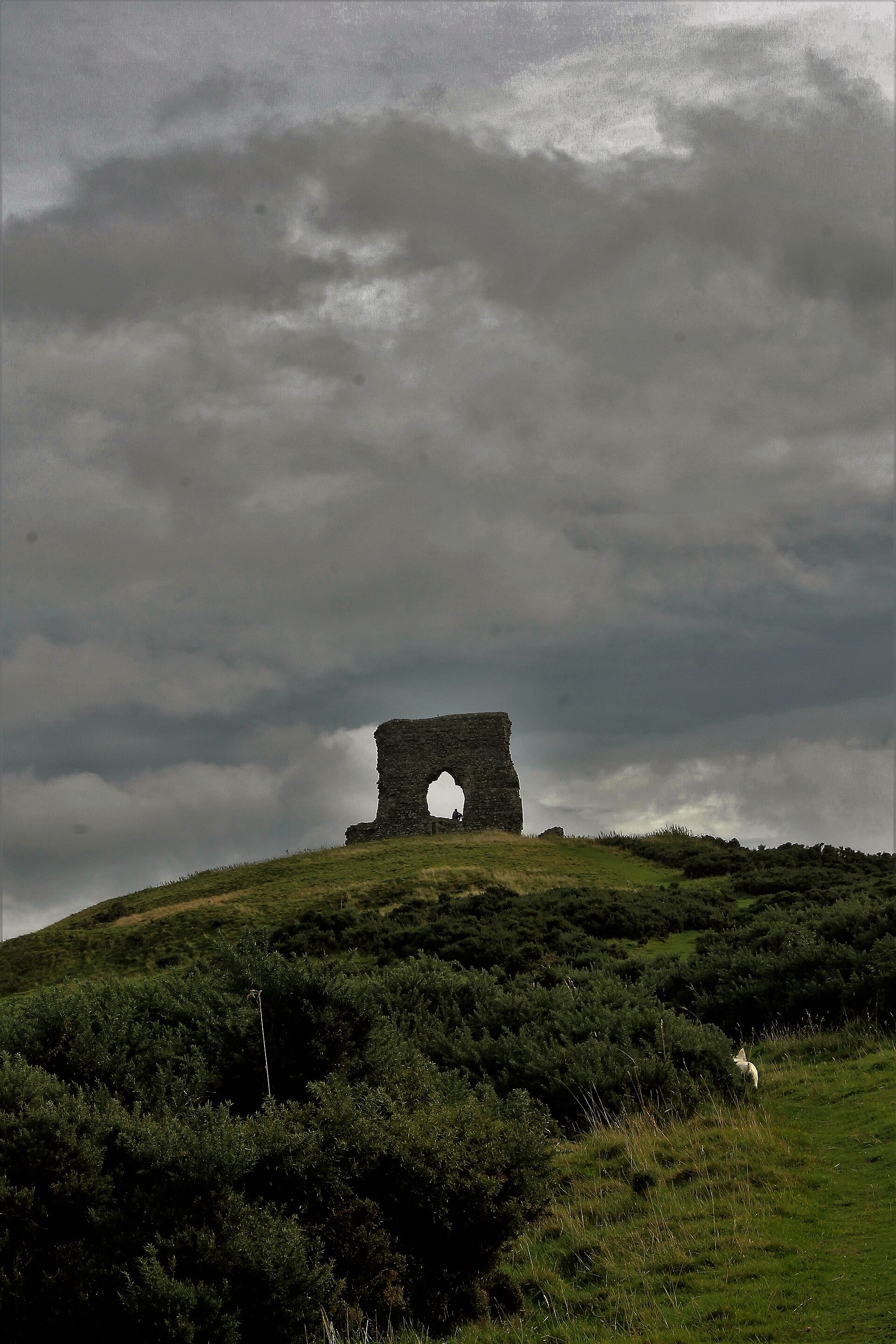
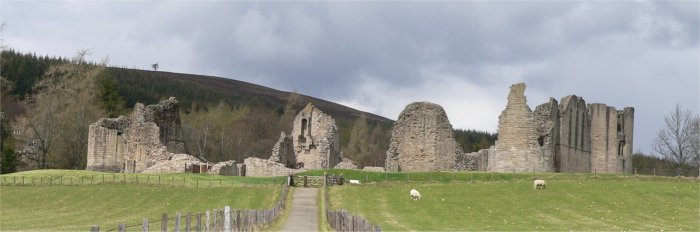
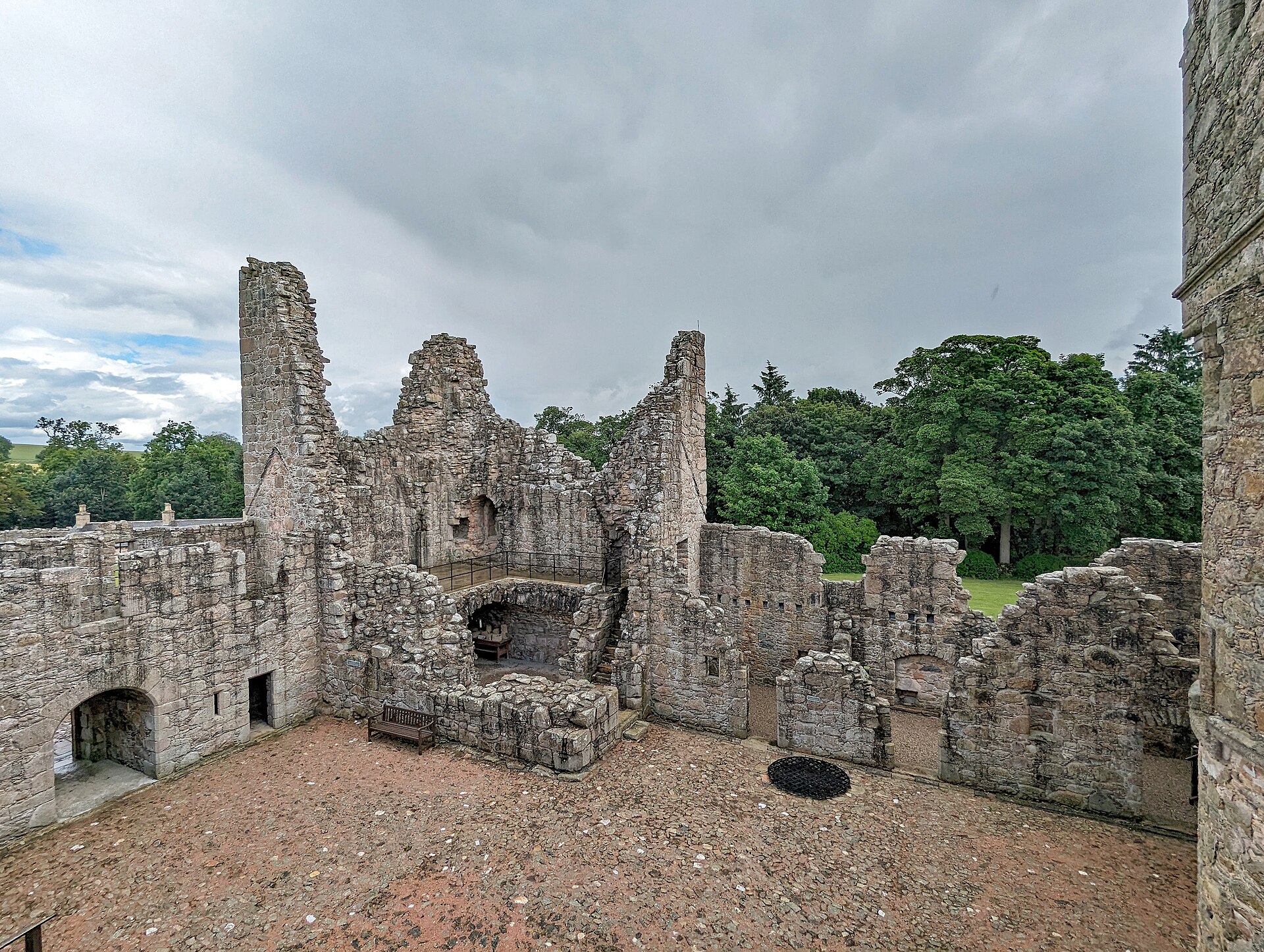
Huntly Castle
Aberdeenshire
Four successive castles rose on this one riverside site, each rebuilt by the Gordons after fire, siege or royal demolition: a single ruin holding f…
- Easy path
Scotland · Region
64 places in Aberdeenshire, from the deepest prehistory to the medieval world.
Fortified place · Medieval
Aberdeenshire
Four successive castles rose on this one riverside site, each rebuilt by the Gordons after fire, siege or royal demolition: a single ruin holding f…
Carved stone · Pictish & early medieval
Aberdeenshire
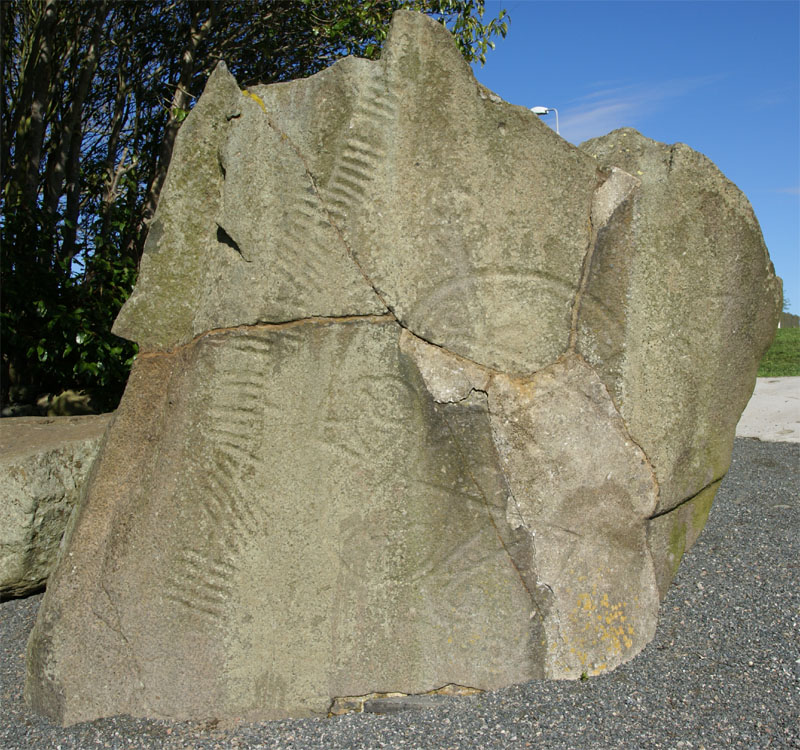
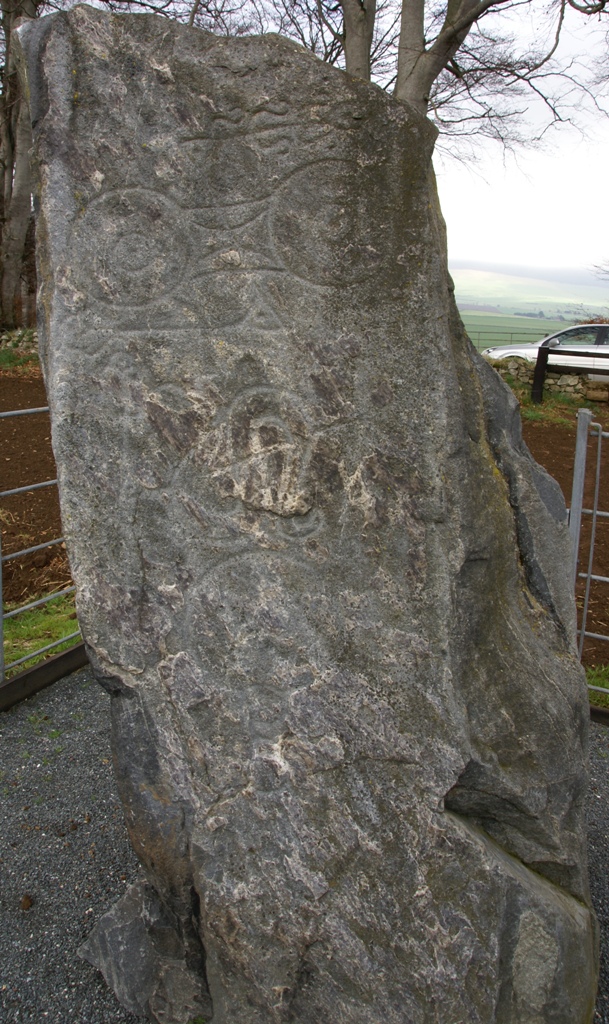
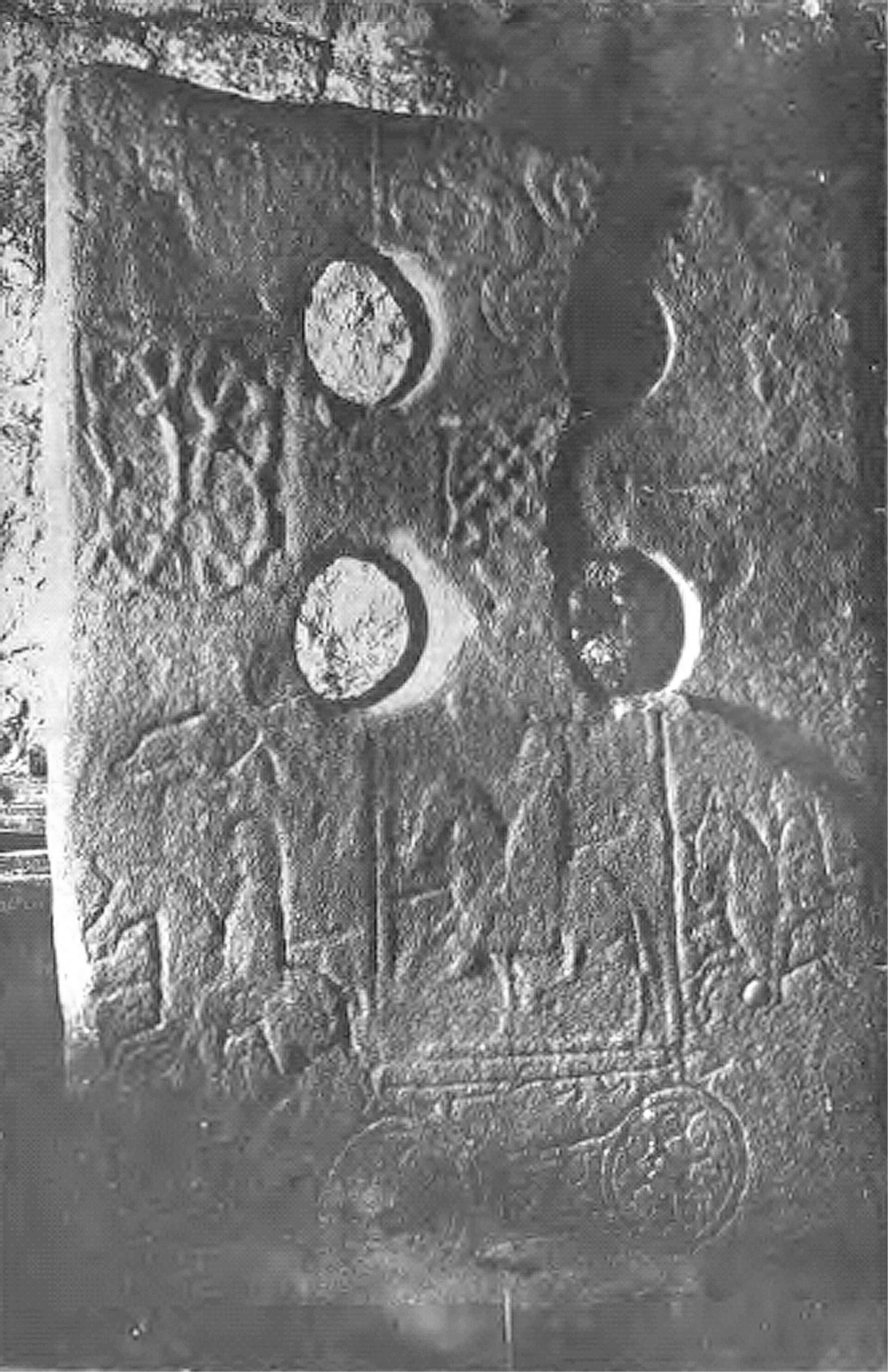
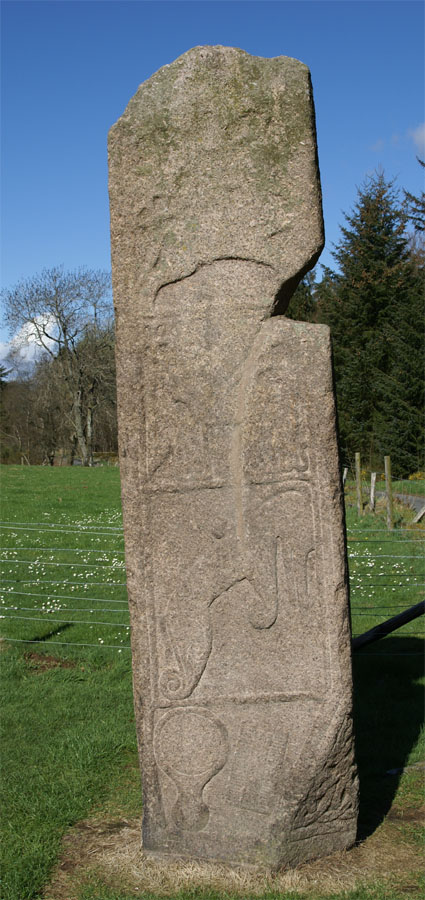
Brandsbutt preserves the symbols of the Picts, people of northern and eastern Scotland from about AD 300 to 900, beside an Ogham inscription still…
Fortified place · Medieval
Aberdeenshire
The Annals of Ulster record two sieges of 'Dún Foither' in 681 and 694, possibly the earliest written references to the site; the 681 attack has be…
Sacred place · Prehistoric
Aberdeenshire
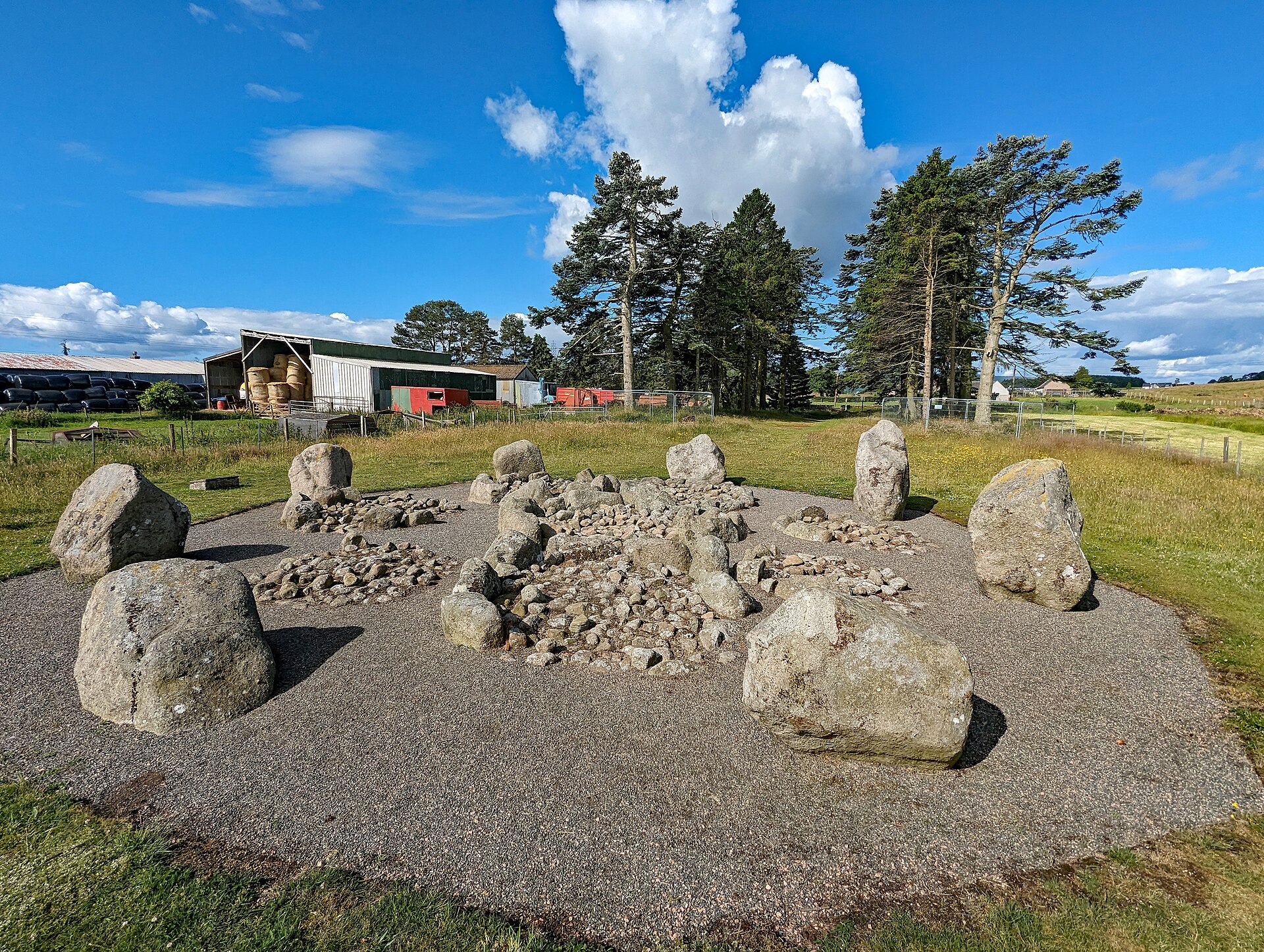
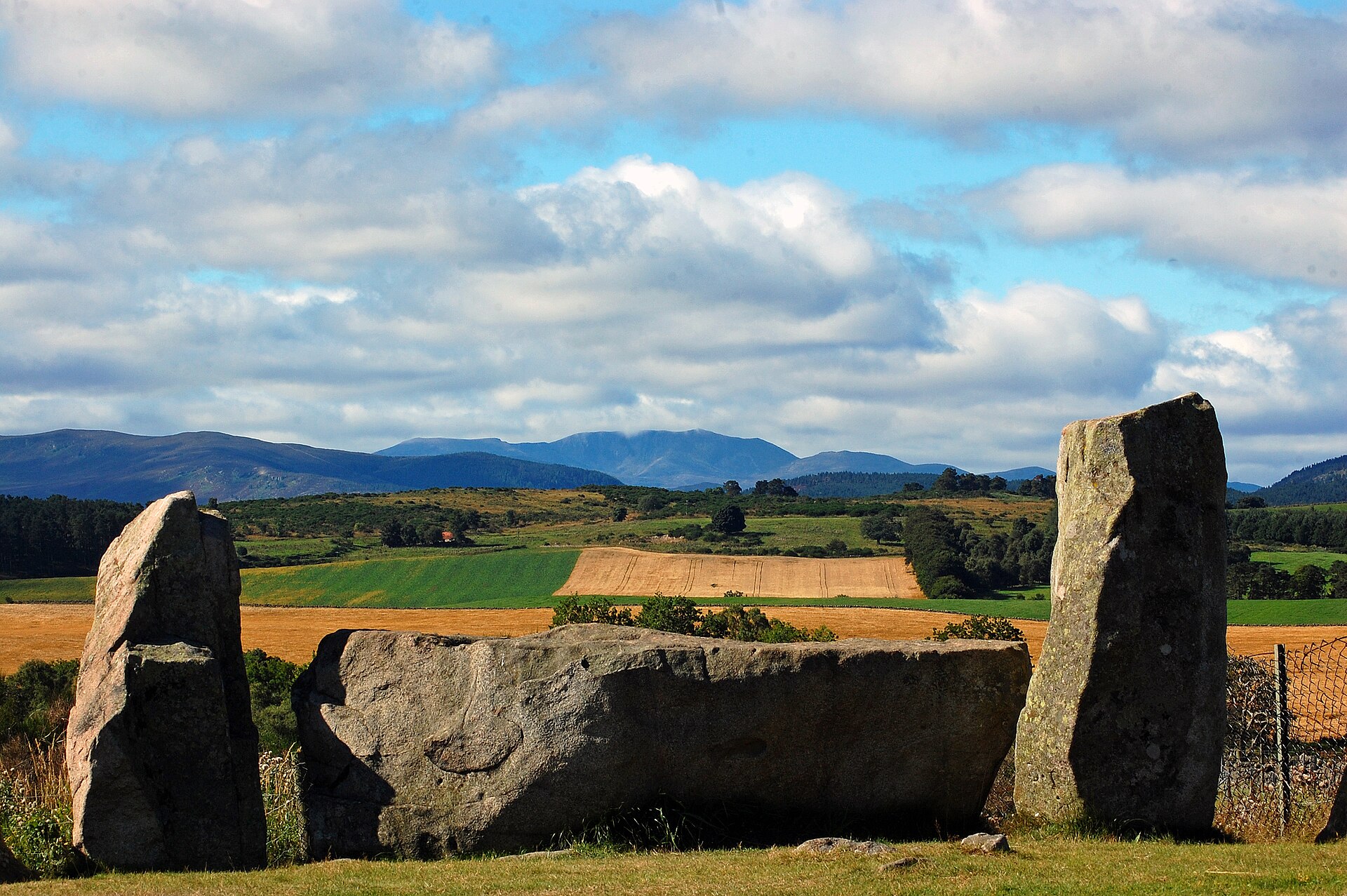
One of only a handful of Aberdeenshire recumbent circles with every stone still standing, its granite ring encloses a cairn (a mound of piled stone…
Carved stone · Pictish & early medieval
Aberdeenshire
A double-disc, a serpent and a mirror cut into whinstone around AD 600: three of the clearest Pictish (of the Picts, the people of northern and eas…
Minor monument · Medieval
Aberdeenshire
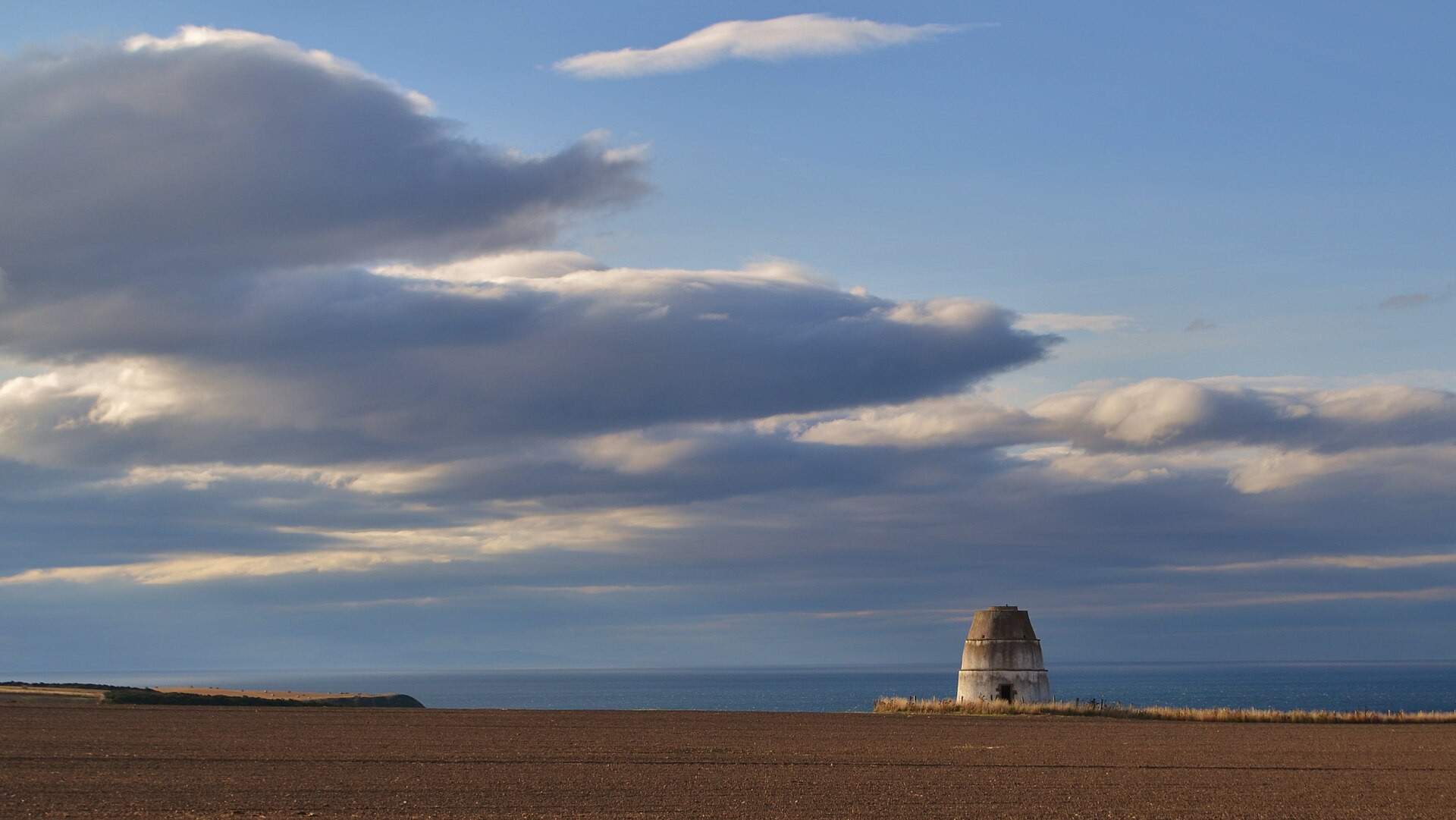
This surviving seventeenth-century pigeon house preserves Balbegno Castle’s food infrastructure, from its crowstepped roof to a projecting masonry…
Minor monument · Medieval
Aberdeenshire
Findlater’s beehive pigeon house retains about 700 nesting boxes, making an otherwise modest estate building an unusually legible record of how the…
Minor monument · Medieval
Aberdeenshire
The sixteenth-century beehive pigeon house outlasts Fetteresso Castle’s dismantling, its three rat lines preserving the working estate landscape be…
Minor monument · Medieval
Aberdeenshire
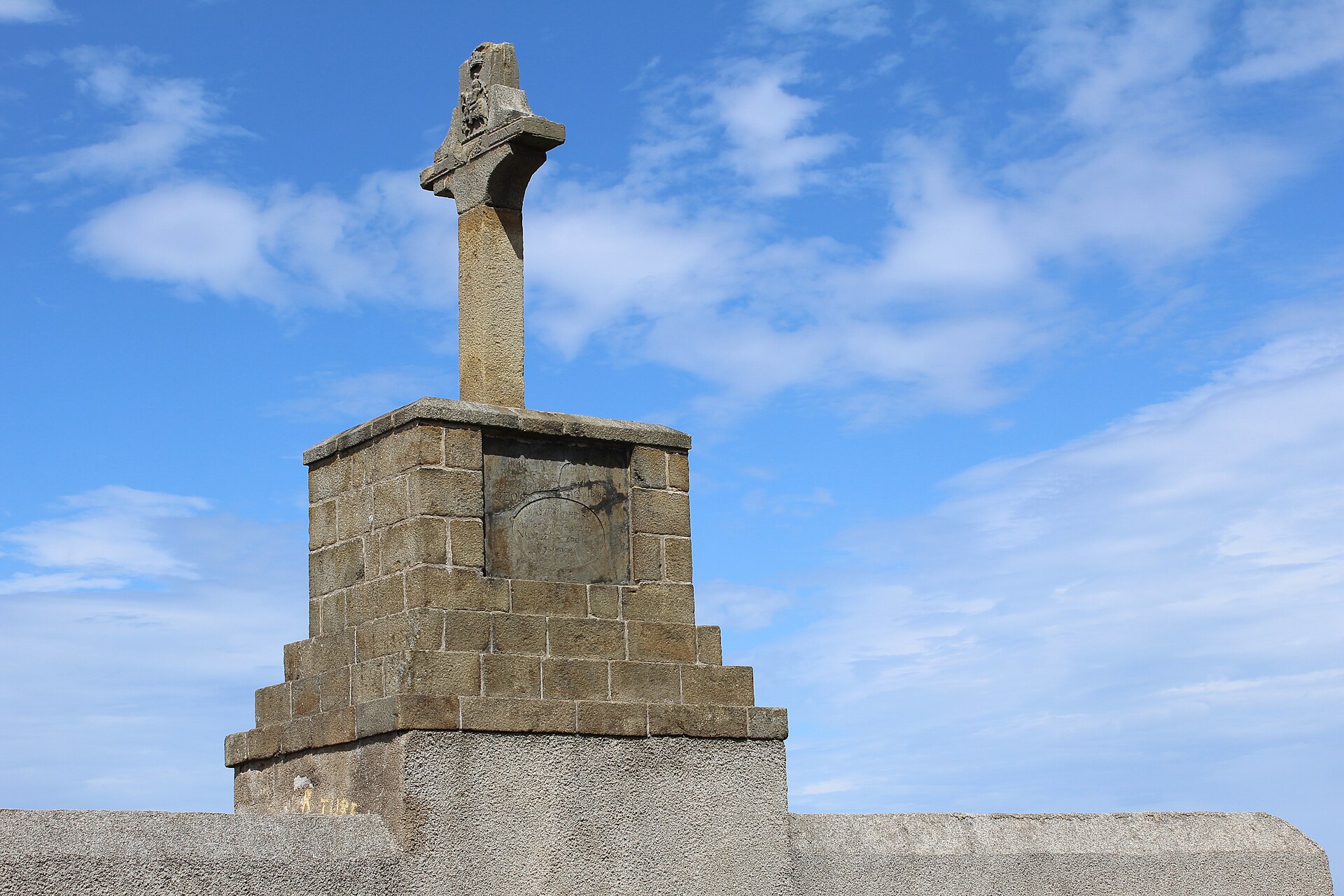
Macduff’s 1783 cross reassembled older fragments into a royal-burgh statement, its rider and inscriptions preserving the Earl of Fife’s civic ambit…
Minor monument · Medieval
Aberdeenshire
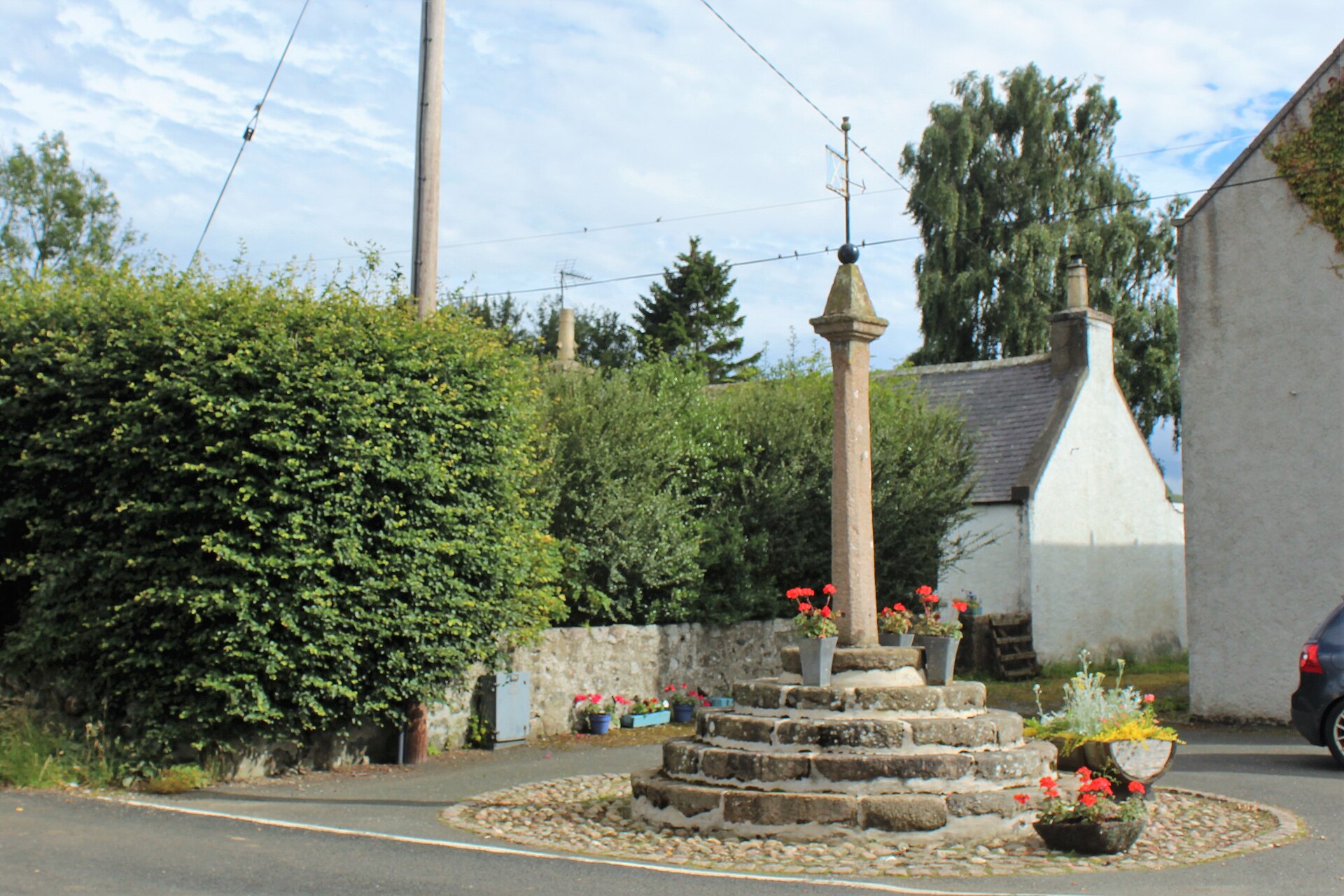
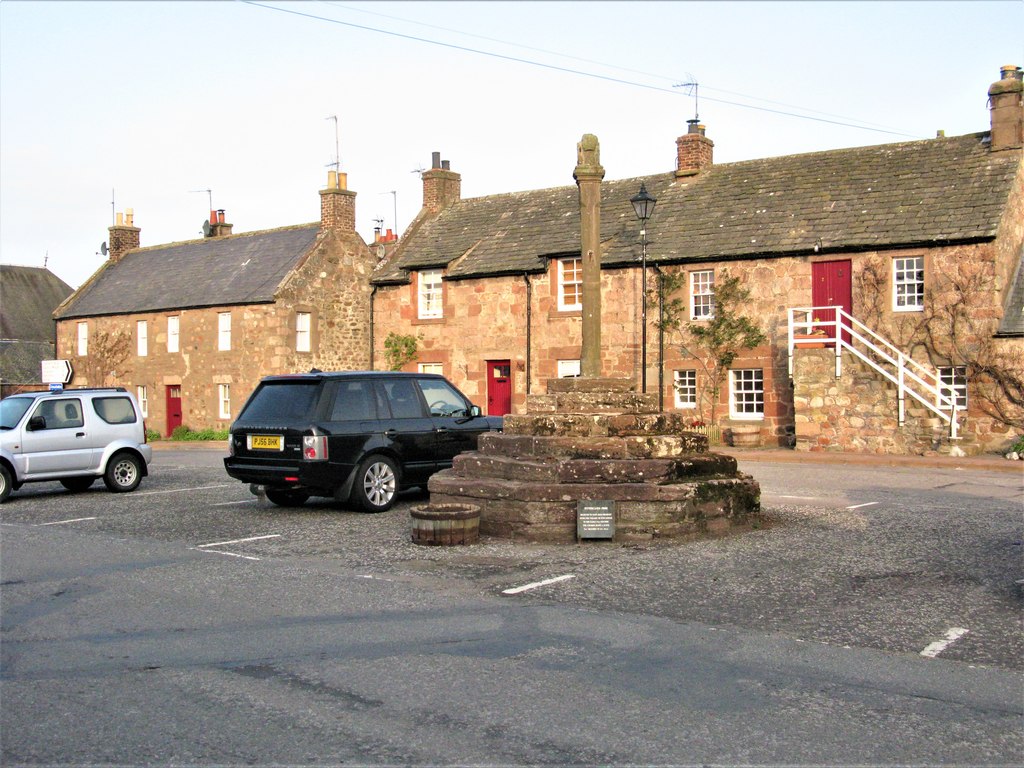
A granite market cross on five circular steps preserves Old Rayne’s status as a burgh of barony created in 1492.
Minor monument · Medieval
Aberdeenshire
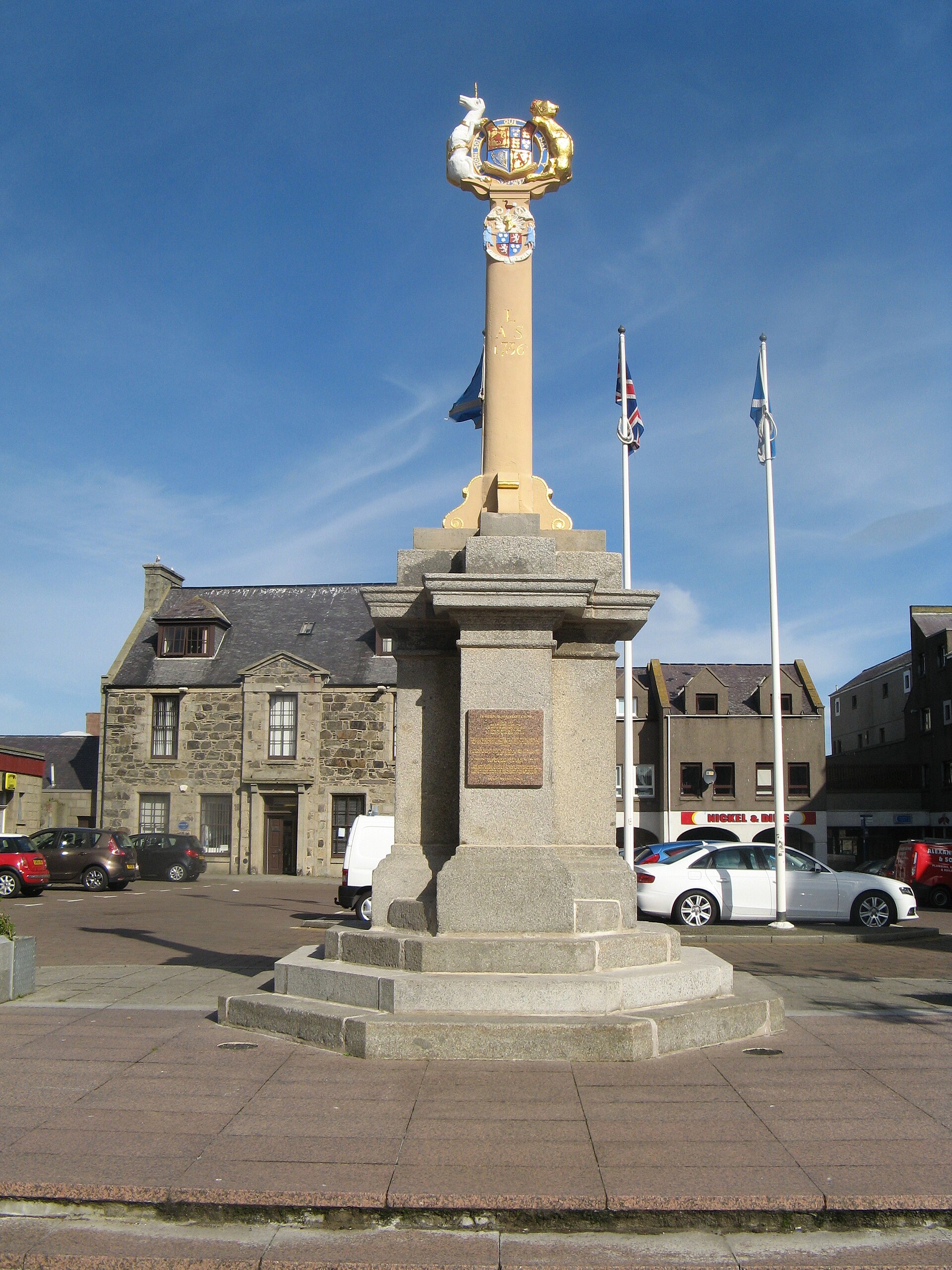
A 1736 granite market cross in Fraserburgh retains its date, oval shaft and coat of arms in the centre of Saltoun Square.
Minor monument · Medieval
Aberdeenshire
A 1670 market cross moved from Kincardine to Fettercairn in 1730 carries an ell measure, sundials and the arms of Scotland and the Earl of Middleton.
Sacred place · Prehistoric
Aberdeenshire
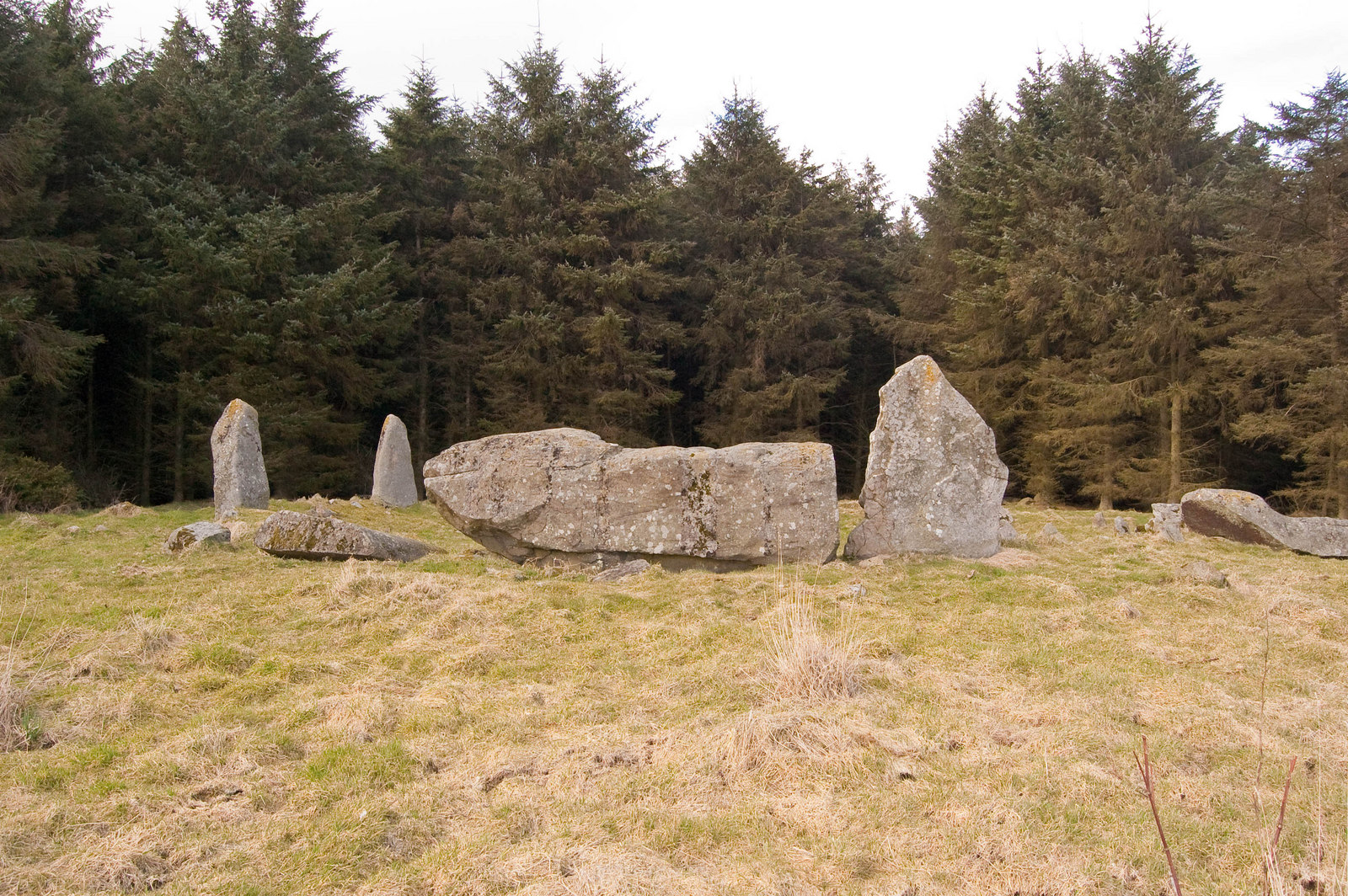
Its 21.5-tonne recumbent stone ranks among the heaviest in Aberdeenshire, yet a 2001 dig returned a puzzling late radiocarbon date that unsettles t…
Sacred place · Prehistoric
Aberdeenshire
One of Aberdeenshire's recumbent stone circles built with two rings rather than one, its unusual forecourt and alternating stone heights have puzzl…
Carved stone · Pictish & early medieval
Aberdeenshire
Carved with the Pictish beast, a tuning fork and a mirror, the stone ties this quiet Aberdeenshire field into the still-unresolved symbol tradition…
Sacred place · Prehistoric
Aberdeenshire
Long dismissed as a recumbent stone circle like its neighbour at Aquhorthies, modern scholarship has overturned that reading, restoring Auld Bourtr…
Settlement · Prehistoric
Aberdeenshire
The largest Neolithic (the late Stone Age, roughly 4000–2500 BC in Britain) long house ever excavated in Britain, its scale rivalling only a handfu…
Sacred place · Prehistoric
Aberdeenshire
A rounded hump on its ten-tonne recumbent stone echoes the outline of Mither Tap behind it, and 1980s survey work found its flanking stones deliber…
Fortified place · Medieval
Aberdeenshire
A wooden castle mound that once governed the whole lordship of the Garioch, its earthworks still holding an oak gangway and a 14th-century face-jug…
Fortified place · Iron Age
Aberdeenshire
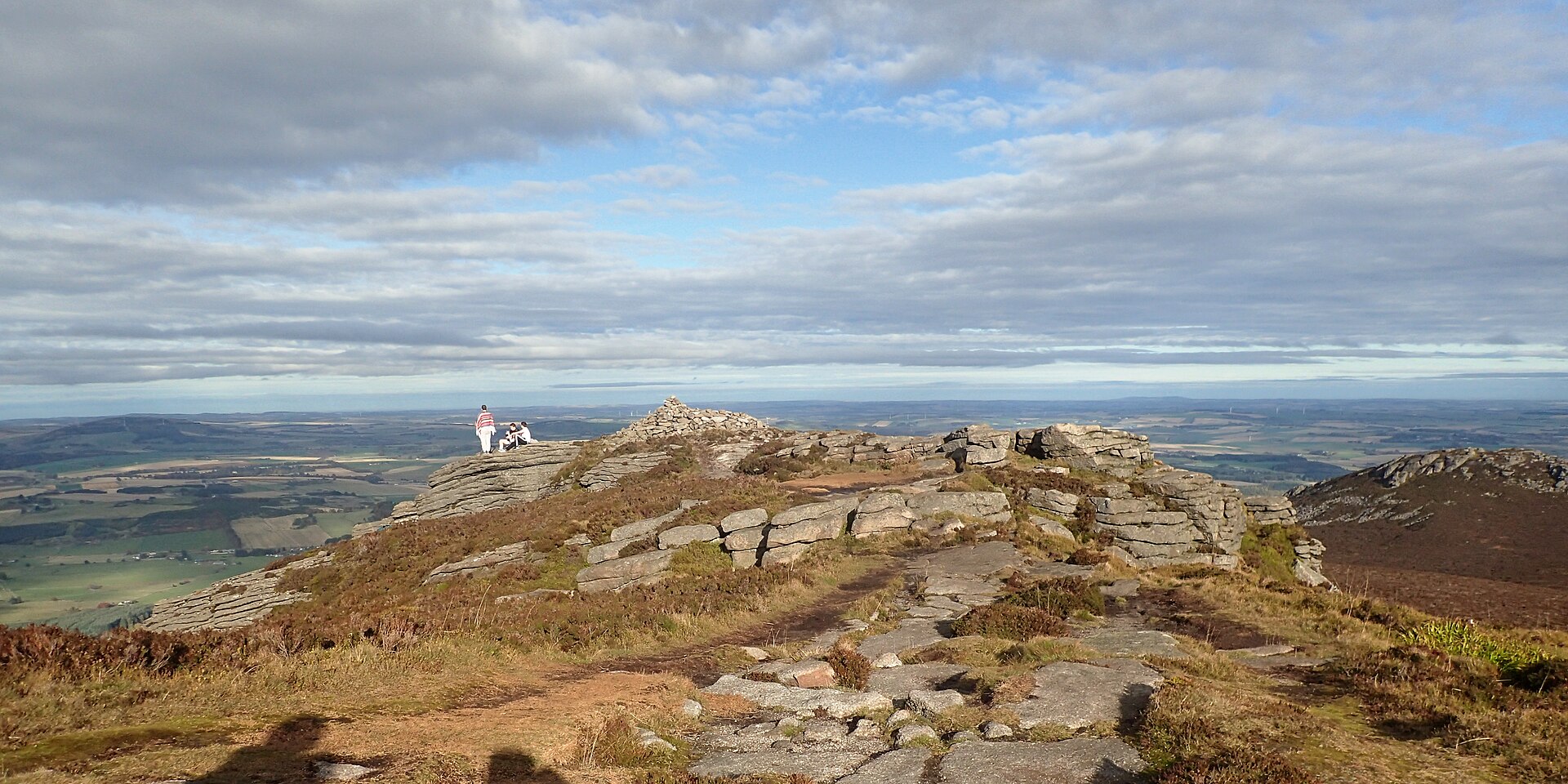
Its summit fort at Mither Tap has stone ramparts with none of the vitrification seen at other Aberdeenshire hillforts, and the hill has been floate…
Sacred place · Prehistoric
Aberdeenshire
The recumbent slab lies squared and deliberate rather than fallen, and the stone cairn (a mound of piled stones, often covering a burial) heaped in…
Fortified place · Medieval
Aberdeenshire
Built in 1628 to check the rising Farquharsons, burned by a Farquharson colonel sixty years later, and now restored and run entirely by local volun…
Fortified place · Roman
Aberdeenshire
A Roman camp so faint on the ground that only a photograph taken from the air, in 1982, proved it had ever existed at all.
Tomb or burial place · Prehistoric
Aberdeenshire
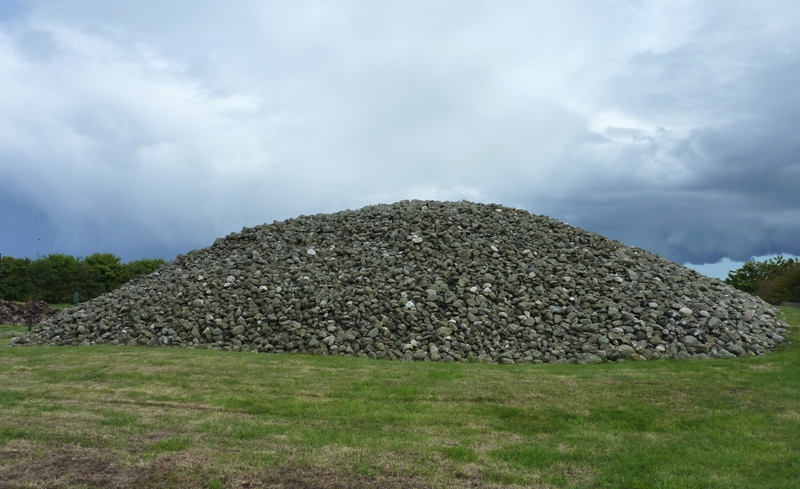
A near-48-metre wedge of pink granite boulders on a Buchan ridge, one of north-east Scotland's longer Neolithic (the first farming age, roughly 400…
Fortified place · Medieval
Aberdeenshire
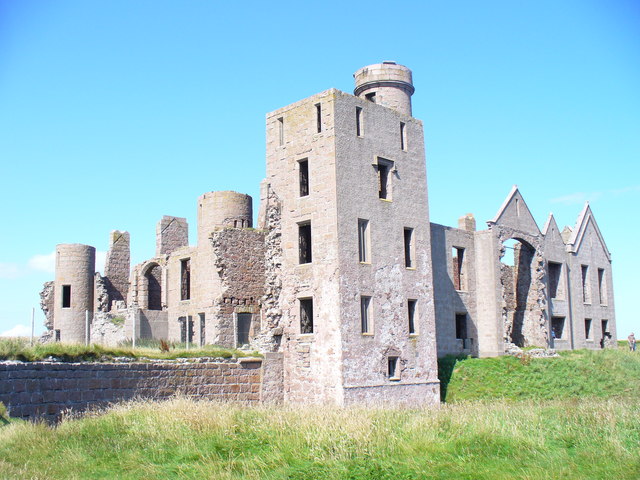
One of nine strongholds historian W. Douglas Simpson grouped as the castles of the Knuckle, Aberdeenshire's rocky north-east headland, and still he…
Carved stone · Pictish & early medieval
Aberdeenshire
Found in a field-clearance heap in 2001, its incised crescent-and-V-rod and triple disc symbols mark a seventh-century Pictish (of the Picts, the p…
Fortified place · Medieval
Aberdeenshire
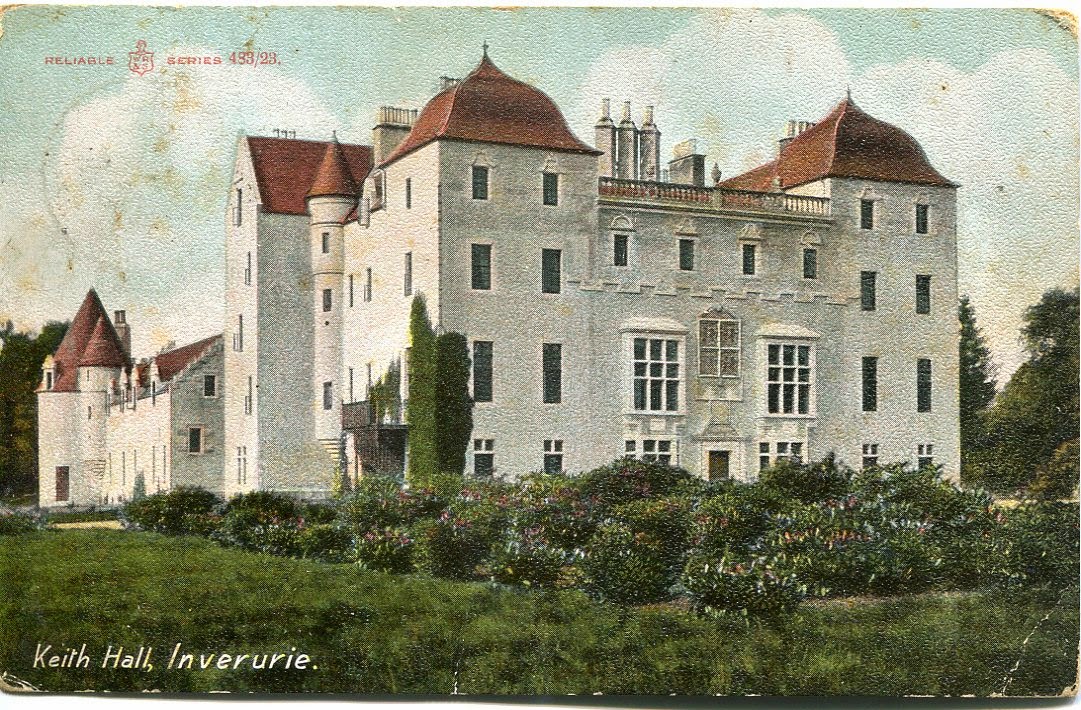
A timber tower's mound and moat still trace the outline beneath Keith Hall, a mansion that grew from Z-plan castle to Georgian seat over seven cent…
Fortified place · Medieval
Aberdeenshire
The signed mason's mark of John Bell links this tower house to the same masonic family credited with Craigievar, Crathes and Midmar, the grandest o…
Fortified place · Medieval
Aberdeenshire
Burned three times over two centuries in family feuds and Jacobite risings, the tower was finally rebuilt as a government barracks to police the pa…
Fortified place · Medieval
Aberdeenshire
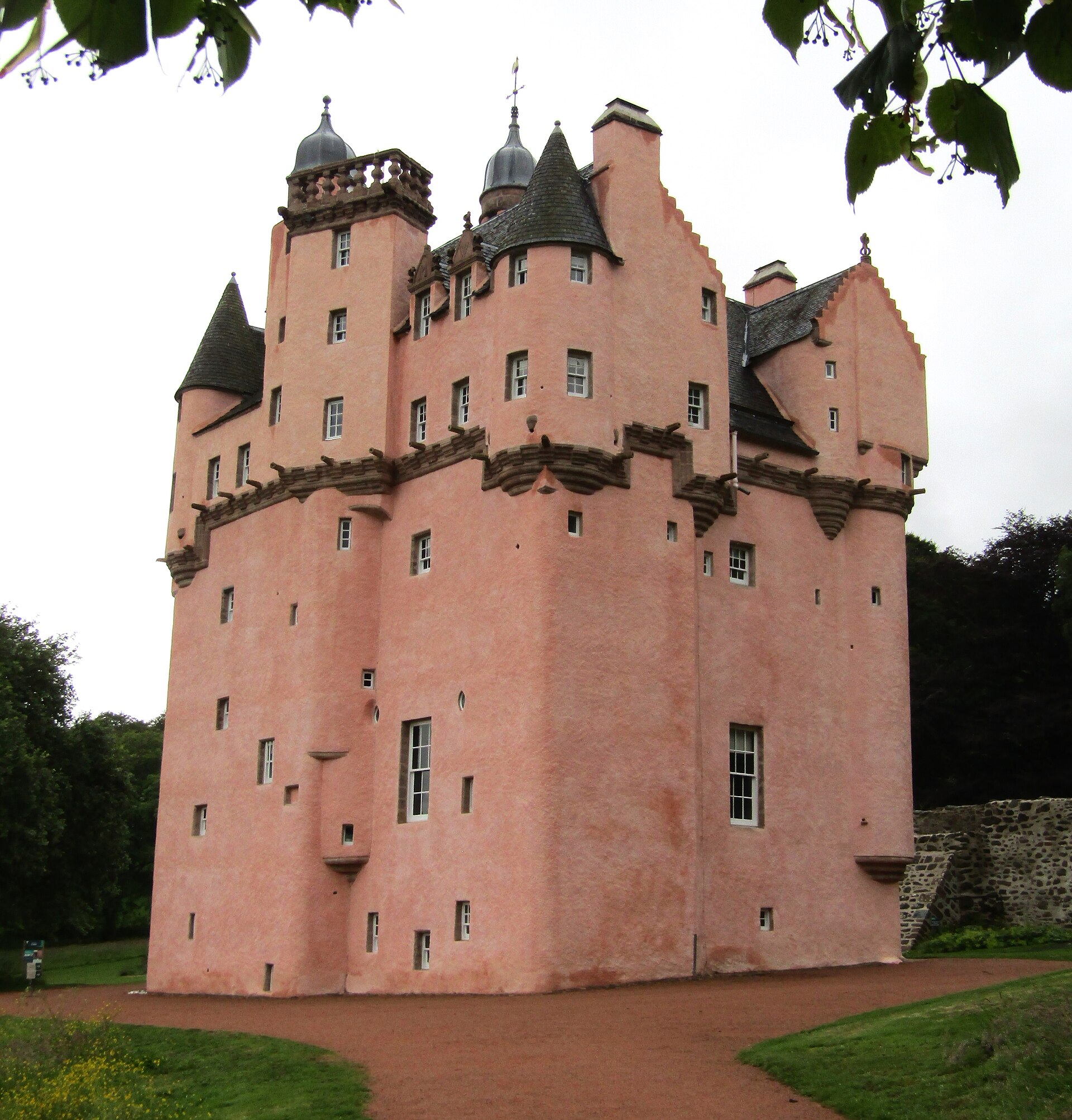
A merchant's Baltic trading fortune built a seven-storey pink tower whose plasterwork ceilings rank among Scotland's finest, and whose silhouette r…
Fortified place · Medieval
Aberdeenshire
Beneath a 16th-century Burnett tower house lies Warren Field, where pits dug some 10,000 years ago form what analysis in 2013 identified as the wor…
Sacred place · Prehistoric
Aberdeenshire
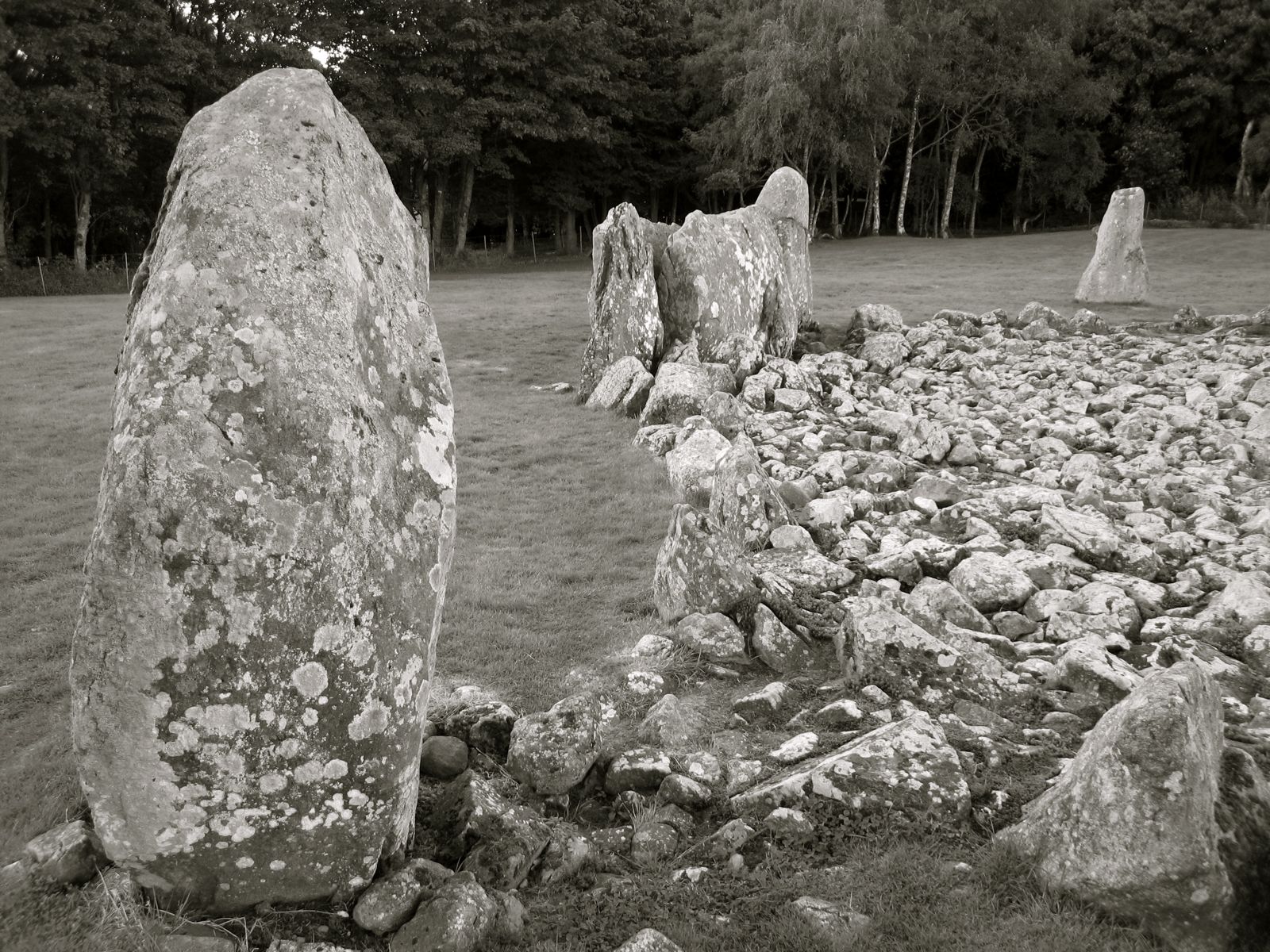
Each of its eight cairns is fenced by its own ring of kerbstones and holds cremated remains, making the circle a burial ground built inside a ring…
Building or ruin · Medieval
Aberdeenshire
Its earlier community is the one recorded in the margins of the Book of Deer, one of Scotland's oldest surviving manuscripts, making this ruin a ra…
Fortified place · Medieval
Aberdeenshire
One of only three 13th-century tower houses in Scotland to survive largely unaltered, and held unbroken by one family, the Irvines, for roughly 650…
Carved stone · Pictish & early medieval
Aberdeenshire
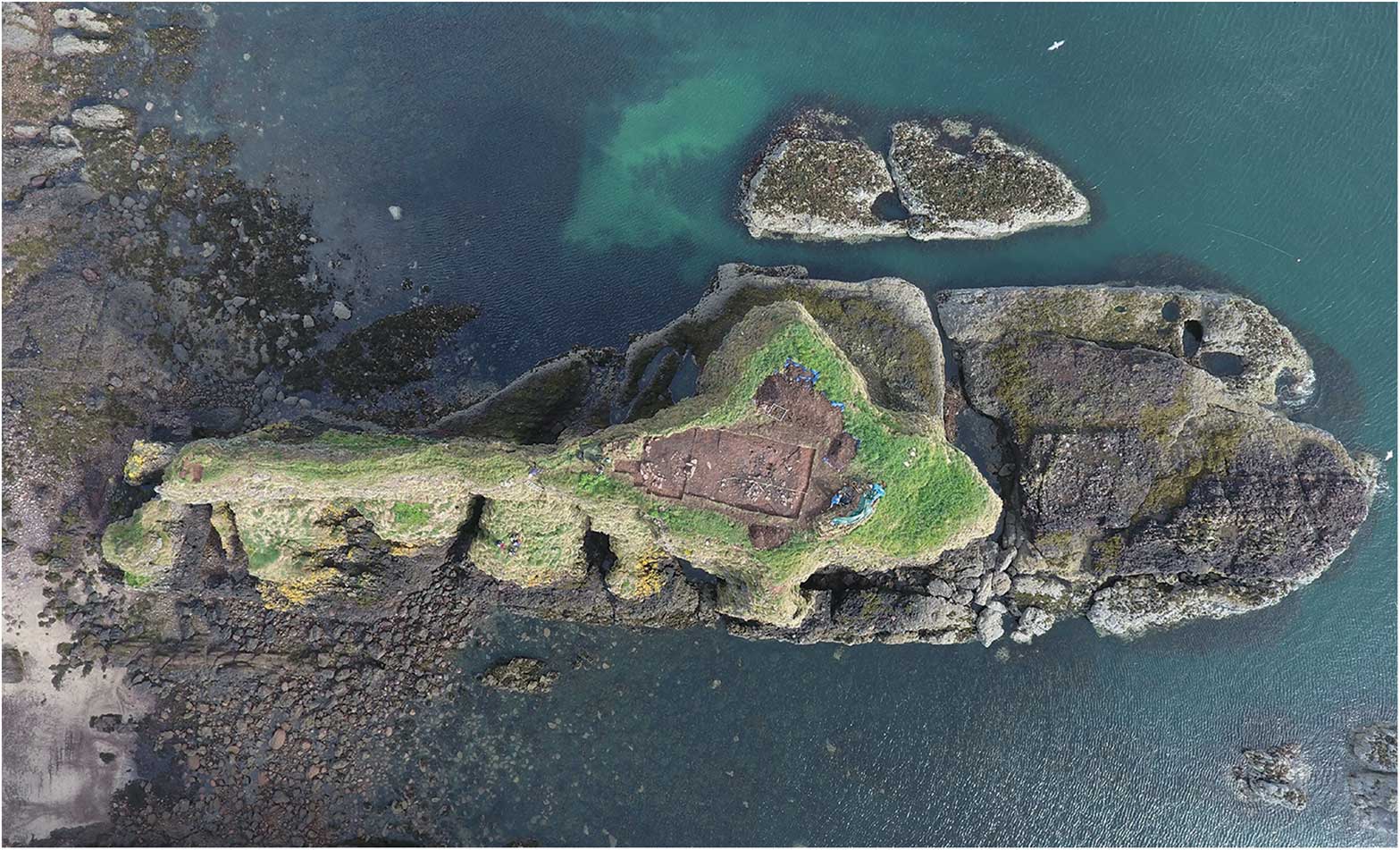
Radiocarbon-dated rampart (the raised bank thrown up around a fortified enclosure) timbers make this eroding sea stack the earliest known Pictish (…
Fortified place · Iron Age
Aberdeenshire
Its walls were quarried from a vitrified hillfort: an enclosure of the Iron Age, the centuries before Rome from about 800 BC, whose ramparts were b…
Sacred place · Prehistoric
Aberdeenshire
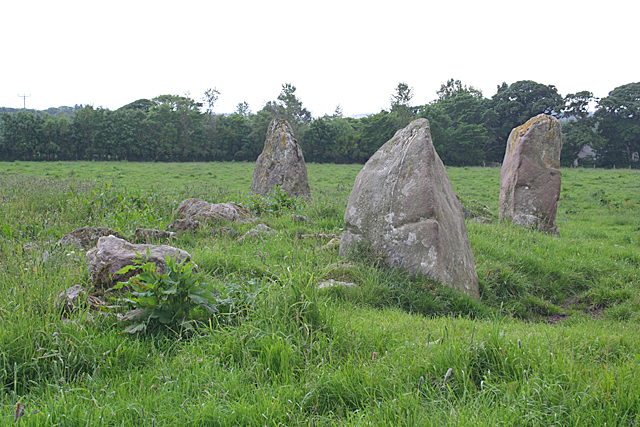
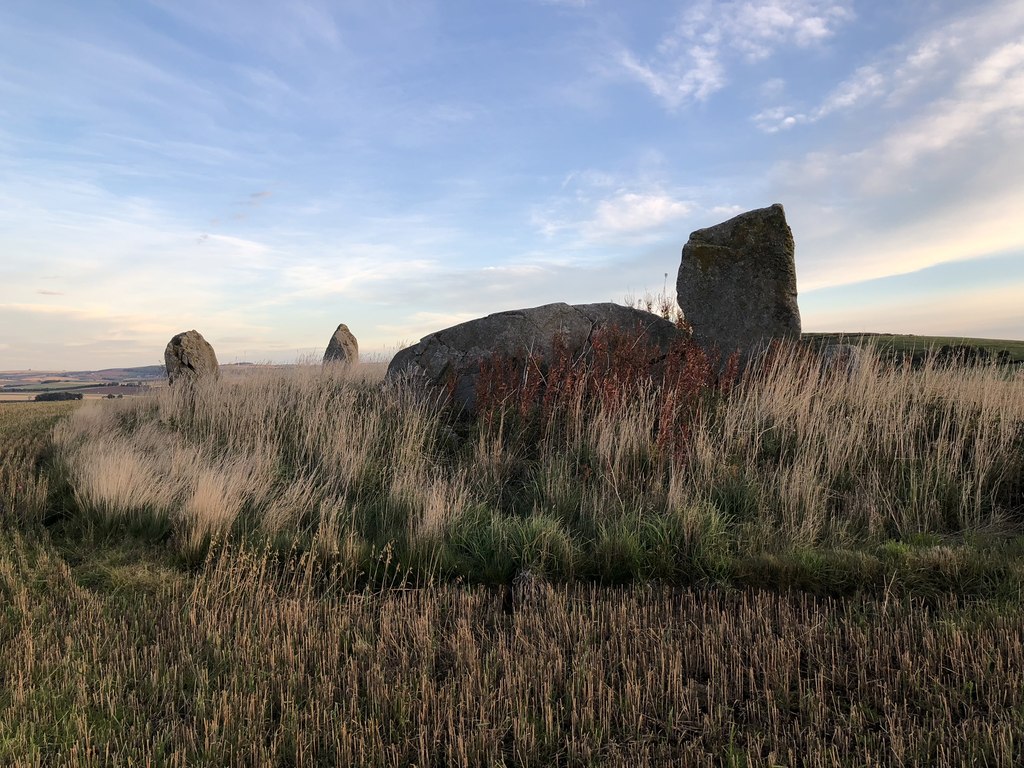
One of more than seventy recumbent stone circles once raised across lowland Aberdeenshire, its three surviving stones stand at the foot of a hillto…
Fortified place · Roman
Aberdeenshire
The largest Roman marching camp yet found north of the Antonine Wall, revealed only by a chance aerial photograph after two millennia buried beneat…
Sacred place · Prehistoric
Aberdeenshire
One of Scotland's best-preserved recumbent stone circles, and the only one where every stone still stands exactly where its Bronze Age (roughly 250…
Fortified place · Medieval
Aberdeenshire
Besieged by Norwegian invaders in the 1260s and by Mary, Queen of Scots' own army in 1562, after a family plot to imprison and displace its own lai…
Carved stone · Pictish & early medieval
Aberdeenshire
For generations the stone served as ordinary paving in the church floor, its carved face walked over underfoot before being rediscovered and stood…
Fortified place · Medieval
Aberdeenshire
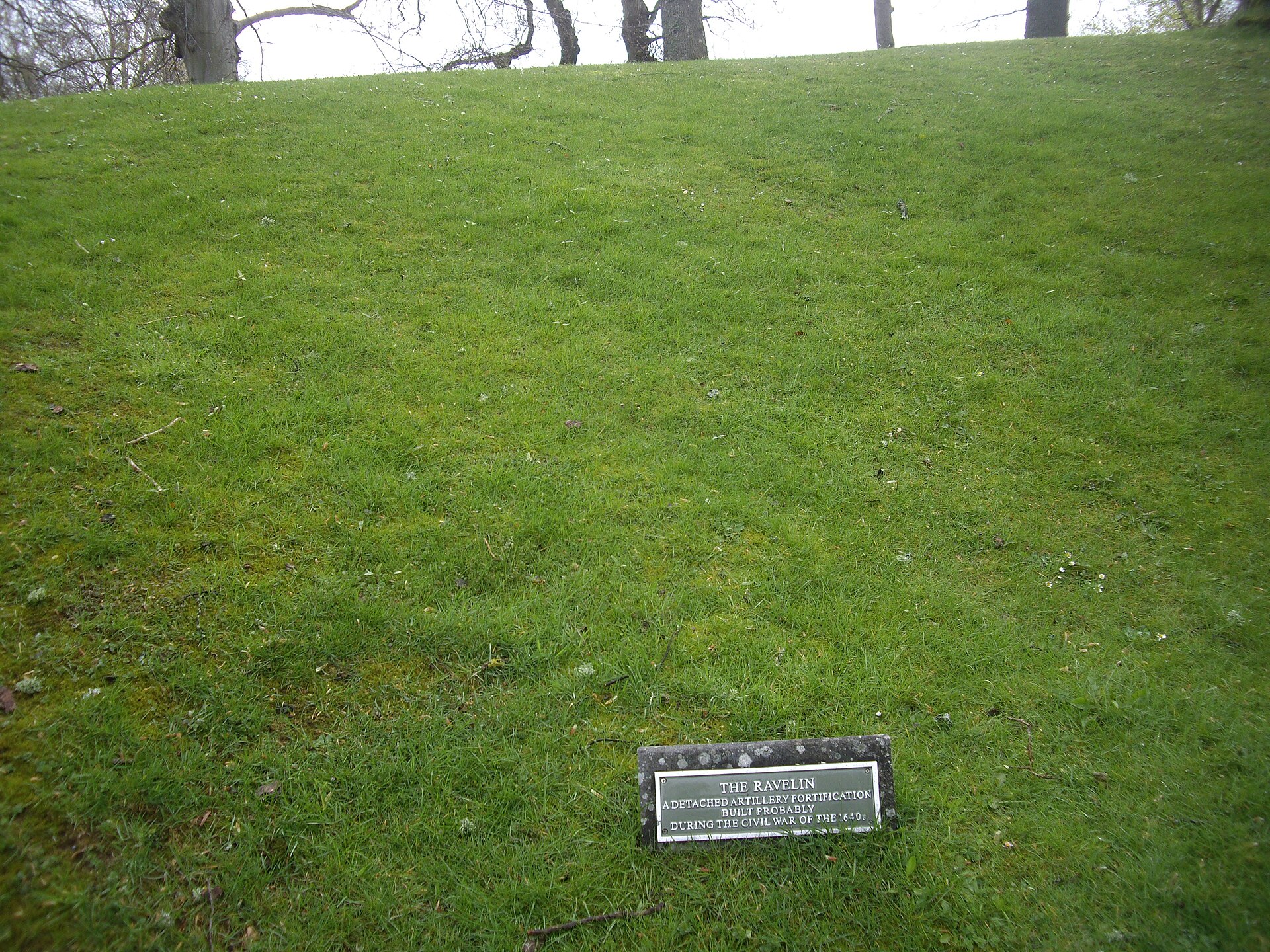
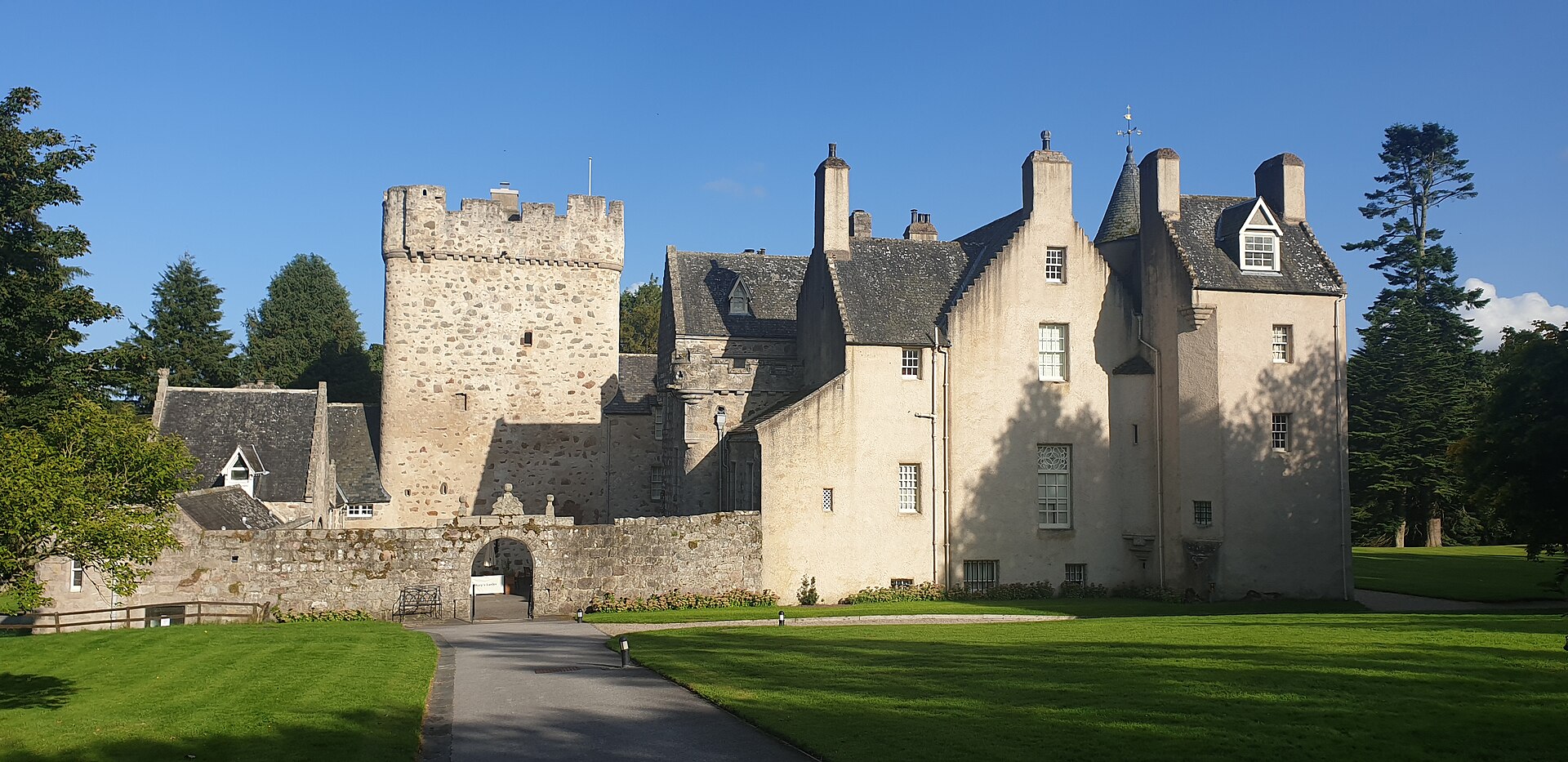
Four towers raised by five different families across six centuries turn one facade into a physical timeline - a royal courtroom, a Civil War battle…
Fortified place · Medieval
Aberdeenshire
In 1948 a local club bought the surrounding parkland just so the castle's setting would stay intact: a community rescue of a landscape, not the bui…
Sacred place · Prehistoric
Aberdeenshire
Reduced from a full stone circle to two boundary stones in a field wall, the site nonetheless carries the same legal protection as much larger monu…
Sacred place · Prehistoric
Aberdeenshire
Only three stones survive from a ring that once spanned some 27 metres: a fragment of Aberdeenshire's rare recumbent stone circle tradition, now le…
Fortified place · Medieval
Aberdeenshire
A shield-shaped fortress whose sieges shaped a kingdom: from the capture and execution of Robert the Bruce's brother in 1306 to a countess's defian…
Sacred place · Prehistoric
Aberdeenshire
Its broken recumbent stone is the longest known of its kind in Scotland: the sole survivor of what were once three stone circles in this parish.
Carved stone · Pictish & early medieval
Aberdeenshire
Carved in Ogam: an alphabet devised for Irish, not Pictish, speech: the stone has anchored more than a century of scholarly argument over how far I…
Carved stone · Pictish & early medieval
Aberdeenshire
A slab of red granite standing some three metres high, carved on every face with Christian crosses, Pictish beasts and a legend of the Devil's forf…
Tomb or burial place · Prehistoric
Aberdeenshire
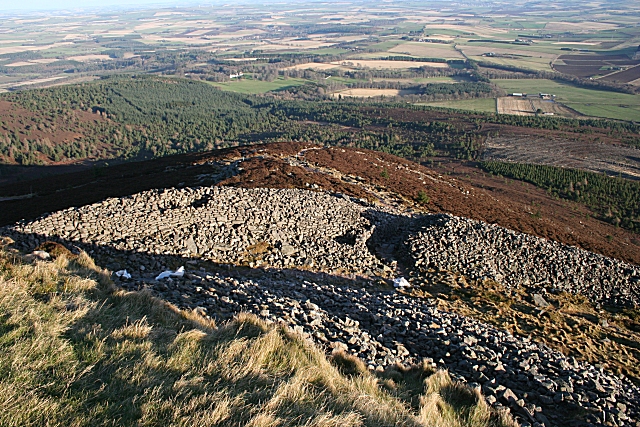
The sole survivor of a cemetery of three great Bronze Age (roughly 2500–800 BC, when metal tools first spread) cairns, its lost neighbours quarried…
Fortified place · Iron Age
Aberdeenshire
Excavation found an intact crucible and iron slag inside the ramparts: proof this granite summit was a working metalworking centre, not just a look…
Fortified place · Medieval
Aberdeenshire
Seat of the Hay Earls of Erroll for over three centuries, its ruined halls hosted Jacobite plots, Samuel Johnson's uneasy night, and the octagonal…
Fortified place · Roman
Aberdeenshire
A computer model of its roughly 93-acre rampart (an encircling bank built for defence) suggests room for three legions -- some 16,000 men -- making…
Sacred place · Prehistoric
Aberdeenshire
Long classified as a recumbent stone circle despite no recumbent stone ever being found here, Sheldon has recently had that identity questioned by…
Sacred place · Prehistoric
Aberdeenshire
Destroyed twice and rebuilt twice, Strichen is less a fixed ancient monument than a 250-year argument about where its stones truly belong.
Sacred place · Prehistoric
Aberdeenshire
A cup-marked recumbent stone facing a specific hill has drawn five generations of archaeoastronomers to this circle, from Norman Lockyer to Clive R…
Fortified place · Iron Age
Aberdeenshire
Drone and lidar surveys count as many as 800 huts inside its outer rampart: evidence, researchers say, for the largest known settlement in early-me…
Fortified place · Medieval
Aberdeenshire
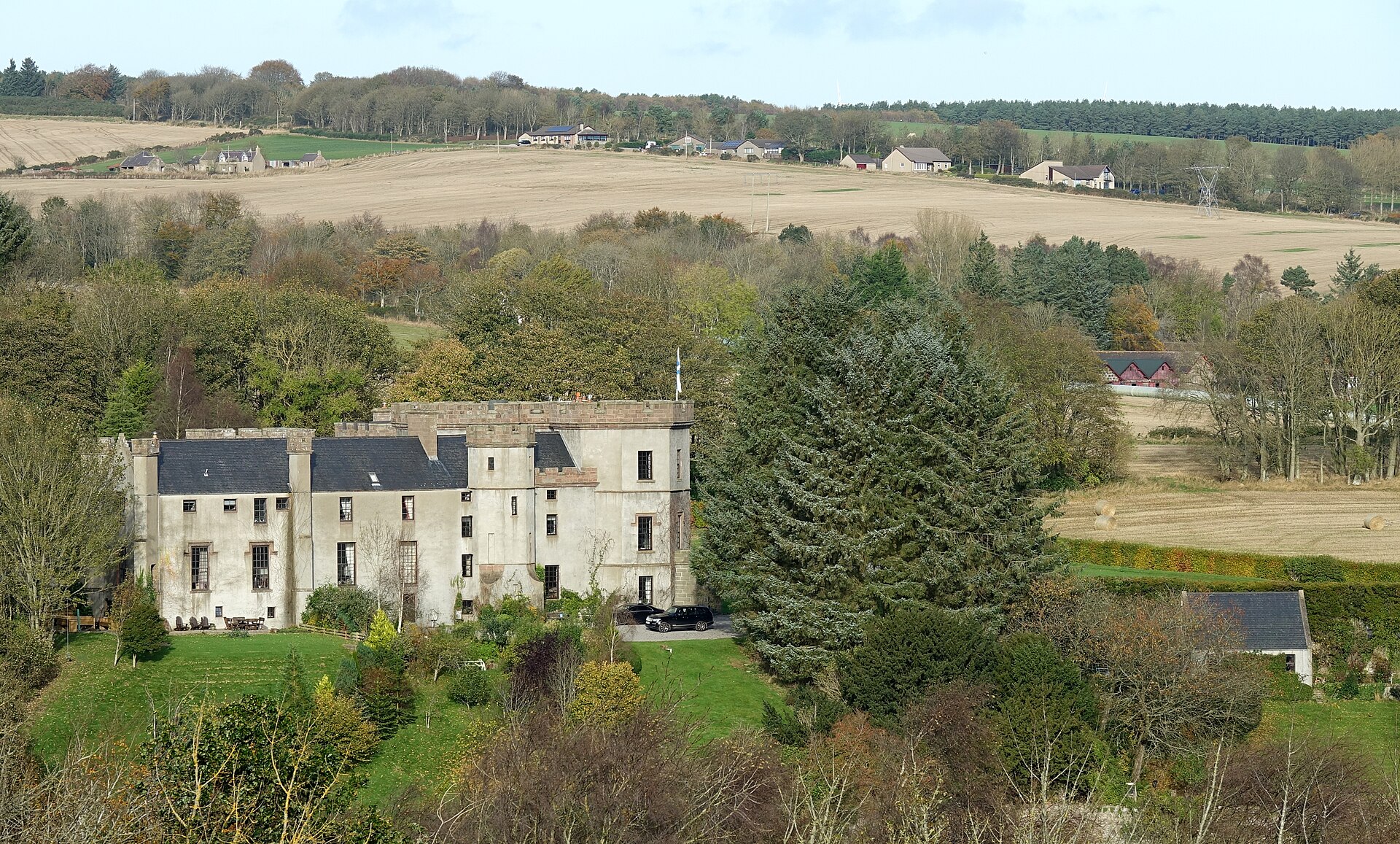
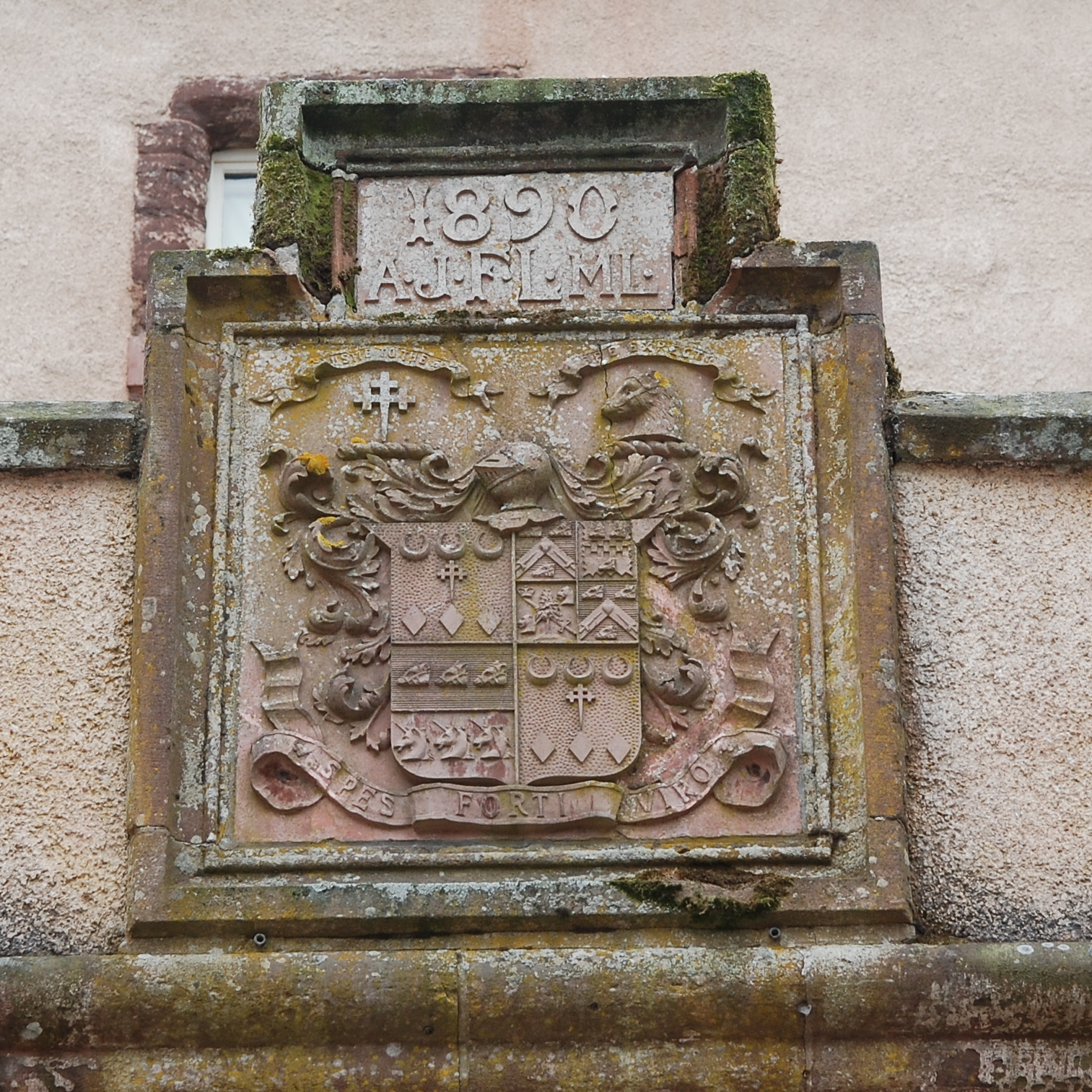
Built for show rather than defence, its gatehouse still carries the founder-laird's own inscription naming the exact day in 1589 he finished the work.
Sacred place · Prehistoric
Aberdeenshire
Excavation here overturned a long-held theory: the cairn (a mound of piled stones, often covering a burial) was built before the circle, not after,…
Sacred place · Prehistoric
Aberdeenshire
Two dating estimates over a thousand years apart - Sir Norman Lockyer's 1200 BC and Historic Environment Scotland's roughly 4500 years old - sit on…
Sacred place · Prehistoric
Aberdeenshire
An 1891 dig aimed at a supposed sheep enclosure found nothing at all: evidence that this mini-henge, a small circular enclosure from before written…
Sacred place · Prehistoric
Aberdeenshire
One of more than seventy recumbent stone circles unique to lowland Aberdeenshire, its closest architectural parallels lie not in Scotland but in so…
Fortified place · Roman
Aberdeenshire
Two marching camps of different size and date lie stacked on the same patch of ground: among the northernmost Roman camps ever built in Scotland.
Briefer entries: recorded and worth knowing, with fuller pages to come.
Carved stone · Pictish & early medieval
Aberdeenshire
A Pictish symbol stone: the Picts held northern and eastern Scotland from about AD 300 to 900: carved with the enigmatic 'beast' and crescent-and-V…
No places match those filters.


_(geograph_5555392).jpg?width=800)