
One of only three 13th-century tower houses in Scotland to survive largely unaltered, and held unbroken by one family, the Irvines, for roughly 650 years.
A squat, grey tower rises from woodland above the River Dee, its walls so thick that after seven centuries the structure remains almost exactly as first built. Drum Castle takes its name from the Gaelic druim, meaning ‘ridge’ — the raised ground the tower still commands — and for generations it stood as the seat of the chiefs of Clan Irvine, a family whose story is bound up with the building almost as tightly as its stone.
The connection began in 1323, when Robert the Bruce granted the castle and its surrounding lands to William de Irwyn, a neighbour who had served the king as armour-bearer and secretary. It was a reward that proved unusually durable: the Irvines went on to hold Drum for roughly 650 unbroken years, weathering sieges, a royal near-visit from Mary, Queen of Scots, and the upheavals of civil war, before finally passing the estate to the National Trust for Scotland in the mid-1970s.
What survives today is less a single building than three centuries stacked on top of one another. The bare medieval tower, attributed to the mason who built Aberdeen’s Brig o’ Balgownie, still stands at the core, but a substantial Jacobean wing was grafted on in 1619, and a Victorian laird added an arched entrance, an angle tower and a restored chapel in the 1870s. The result is a castle that reads, room by room, as a record of how a single family’s fortunes and tastes changed across six and a half centuries.
What follows is drawn from published sources, with each claim labelled by how firmly it is established.
The name
The name Drum comes from the Gaelic druim, meaning 'ridge' — a plain description of the raised ground above the River Dee on which the tower was built.
History
Around 1280 to 1300 the first stone tower rose on the ridge above the River Dee, a plain rectangular keep with immensely thick walls. Tradition credits the design to Richard Cementarius, the medieval mason who also built the Brig o' Balgownie over the River Don in Old Aberdeen, and the tower is reckoned one of the three oldest surviving in Scotland, remarkably unaltered since.
In 1323 Robert the Bruce granted the castle and its lands to William de Irwyn, who had served the king as armour-bearer and secretary and was also his neighbour. The Irvine family then held Drum without interruption for roughly the next six and a half centuries, one of the longest single-family tenures of any Scottish castle, until the estate finally passed out of their hands in 1975.
When Mary, Queen of Scots travelled near Aberdeen in August 1564 she sent a messenger ahead to the Laird of Drum asking him to make provisions for her, and she may have visited the castle in person. The episode places Drum briefly at the edge of national events during a turbulent period of her reign, though no detailed record of the visit itself survives.
The 9th laird added a substantial new wing in 1619, doubling the accommodation available in the old tower and reflecting the more comfortable, less defensive priorities of the Jacobean age. Further alterations followed in the Victorian era, so that the building standing today combines a bare medieval keep with domestic ranges added across more than five centuries.
In June 1636 Sir Alexander Irvine of Drum and his wife Magdalene Scrimgeour were censured for harbouring the outlaw Gilderoy, a notorious freebooter whose exploits later made him a figure of ballad and legend. The episode gives a rare glimpse of the Irvines skirting the very law they otherwise administered as lairds of the district.
Drum was drawn directly into the Covenanting Rebellion of the mid-17th century, a conflict that also touched nearby Muchalls Castle, and as a result the castle was attacked and sacked three times. The repeated assaults mark the only sustained period of violence at Drum after its founding as a stronghold three centuries earlier.
Alexander Forbes Irvine inherited the estate in 1861 and, in 1875 and 1876, restored the courtyard, adding an arched entrance and an angle tower while also funding repairs to the chapel. Drum's own railway station closed in 1951, and in 1975 the Irvine lairds' 650-year ownership ended when H. Q. Forbes Irvine transferred the estate to the National Trust for Scotland, an agreement made in 1964 that took effect in 1976.
People
-
William de Irwyn
First Irvine laird of Drum, granted the estate in 1323 by Robert the Bruce for service as the king's armour-bearer, secretary and neighbour.
-
Richard Cementarius
Medieval mason credited with building Drum's original 13th-century tower and the Brig o' Balgownie in Old Aberdeen.
-
Sir Alexander Irvine of Drum
Laird censured with his wife Magdalene Scrimgeour in 1636 for harbouring the outlaw Gilderoy.
-
Alexander Forbes Irvine of Drum
19th-century laird who inherited the estate in 1861 and restored the courtyard and chapel in 1875 and 1876.
-
H. Q. Forbes Irvine
24th Laird of Drum, who in 1964 agreed the transfer of the estate to the National Trust for Scotland.
Connections
-
Brig o' Balgownie, Old Aberdeen
Built by Richard Cementarius, the same mason credited with Drum's 13th-century tower.
-
Muchalls Castle
Also drawn into the Covenanting Rebellion of the mid-17th century, alongside Drum, during which both castles were attacked.
-
Normandykes Roman camp
Roman legions marching from Raedykes camped near here after using the Elsick Mounth trackway that Drum's own siting was chosen to watch over.
-
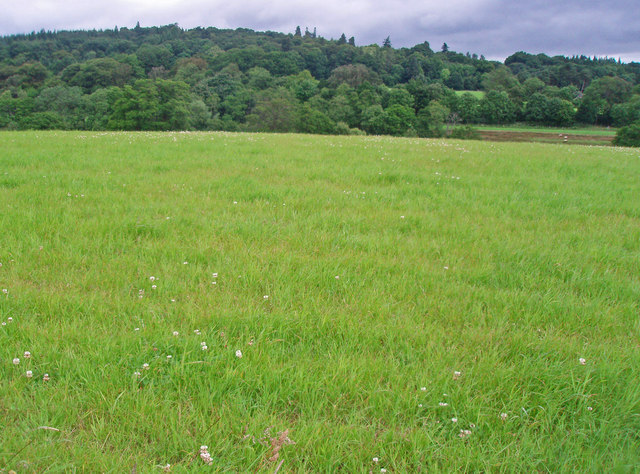
Photo: C Michael Hogan / Wikimedia Commons / CC BY-SA 2.0 Prehistoric settlement evidence in the surrounding area, showing habitation long before the castle's own 13th-century origins.
What to look for
-
The medieval tower
The original tower, built around 1280 to 1300, survives largely unaltered and is reckoned one of the three oldest tower houses standing in Scotland.
-
The Jacobean wing
Added in 1619 by the 9th laird, this wing gives Drum its distinctive combination of a bare medieval keep grafted onto a more comfortable, later mansion house.
-
The chapel
Adapted from an older church in the 1500s and 1600s and altered again in 1857, the chapel holds a stained glass window and the Augsburg silver Madonna.
-
The Victorian library
Housing more than 4,000 books, the library reflects the 19th-century restoration carried out by Alexander Forbes Irvine after he inherited the estate in 1861.
-
The courtyard entrance and angle tower
Added during the 1875 and 1876 restoration, the arched entrance and angle tower mark Alexander Forbes Irvine's Victorian remodelling of the courtyard.
-
The Garden of Historic Roses
Spread across four distinct areas of the grounds, the garden traces the history of rose cultivation and is one of the estate's principal modern attractions.
Plan your visit
- Location
- 57.0950°N · 2.3380°W
- Access
- Paid entry — managed visitor site
- Terrain
- Easy going
- Time needed
- About 60 minutes
- Best time
- Go while the castle, shop, tearoom and walled garden are open; the grounds are accessible from dawn to dusk. Check the National Trust for Scotland page for seasonal hours before travelling.
- What survives
- Drum is a maintained National Trust visitor property, combining the medieval tower, later wings, walled garden, Old Wood and Garden of Historic Roses.
- Facilities
- The site provides Mary’s Larder tearoom, shop, accessible toilet, baby-changing, bike racks, parking and children’s play areas; the Trust has a detailed accessibility guide.
Opening & admission
Run by the National Trust for Scotland with an admission charge for the castle, though the grounds may be more freely accessible — check the current visitor information before travelling.
- Castle, gardens and estate open to visitors throughout the year
- On-site shop, tearoom and playground
- Level, developed visitor site
Nearby places
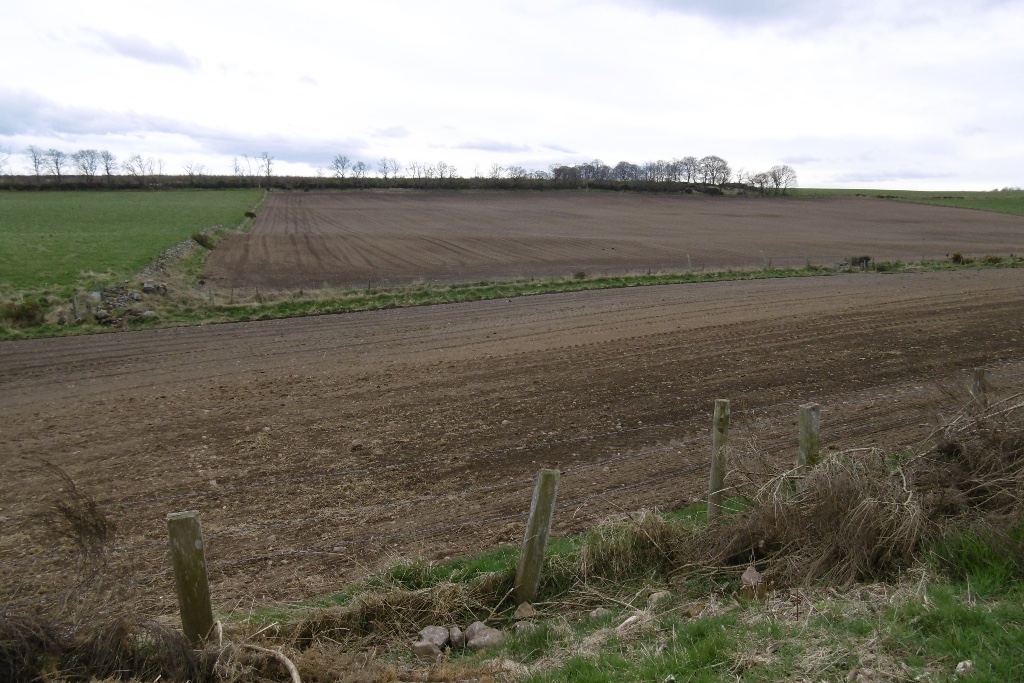
Building or ruin · Roman
Normandykes
Aberdeen City
A Roman marching camp misread for fifty years as a Danish fort, its true imperial origin restored only when its rectangular plan gave the game away.
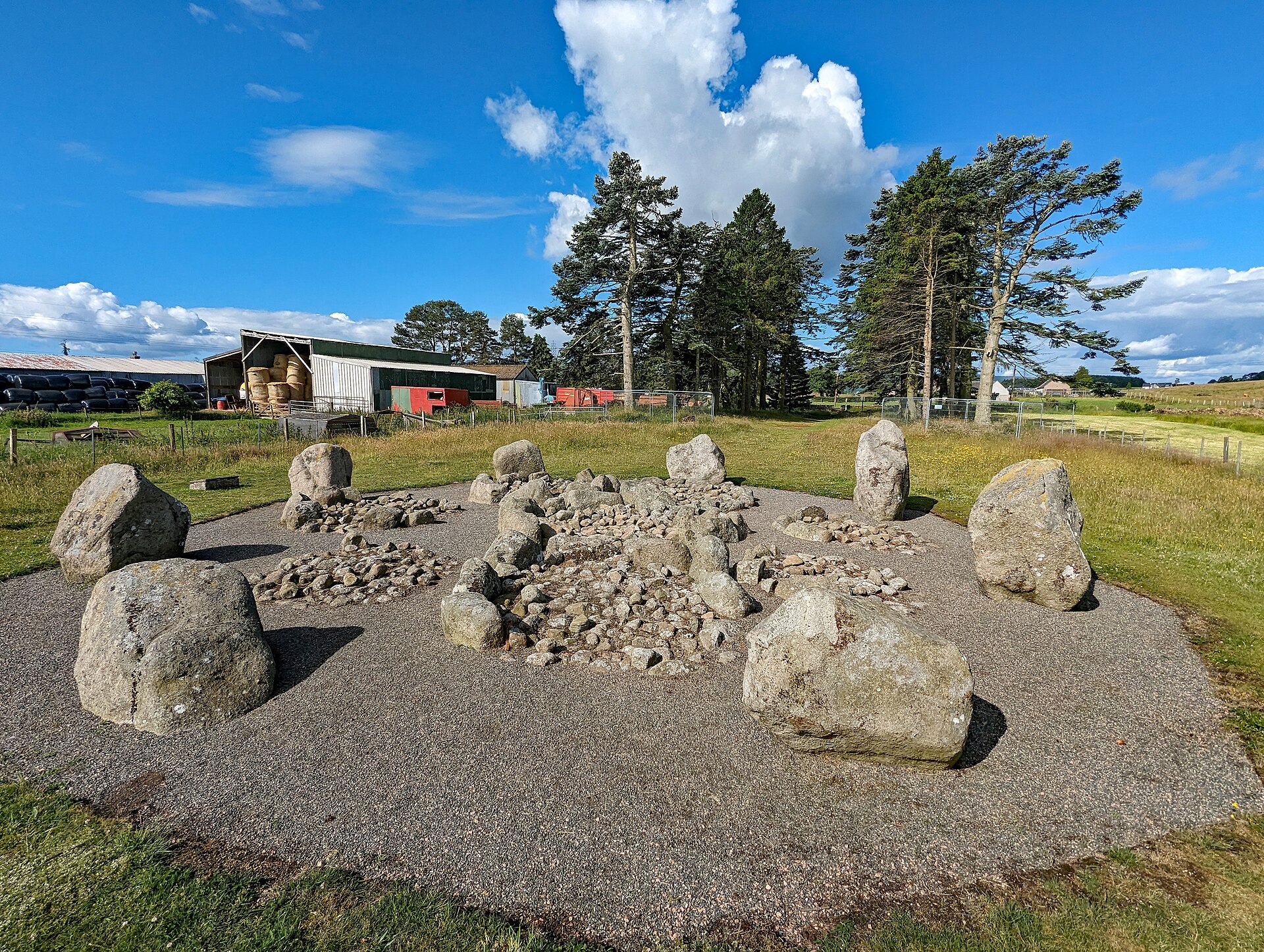
Sacred place · Prehistoric
Cullerlie stone circle
Aberdeenshire
Each of its eight cairns is fenced by its own ring of kerbstones and holds cremated remains, making the circle a burial ground built inside a ring…
- Near Echt
- Easy path
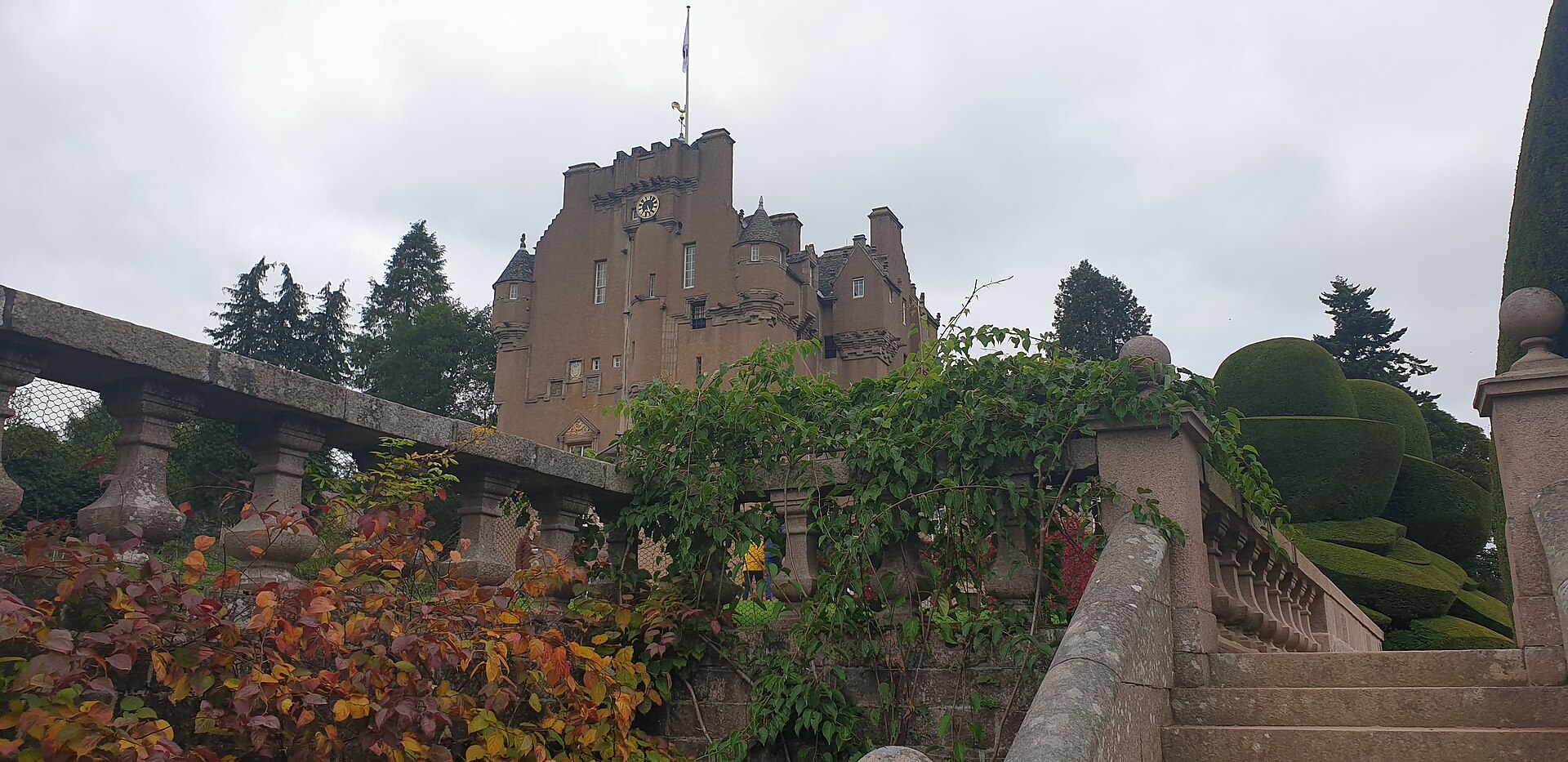
Fortified place · Medieval
Crathes Castle
Aberdeenshire
Beneath a 16th-century Burnett tower house lies Warren Field, where pits dug some 10,000 years ago form what analysis in 2013 identified as the wor…
- Easy path
Settlement · Prehistoric
Balbridie
Aberdeenshire
The largest Neolithic (the late Stone Age, roughly 4000–2500 BC in Britain) long house ever excavated in Britain, its scale rivalling only a handfu…
- Near Banchory
Questions people ask
- Who built Drum Castle's original tower?
- Tradition credits the 13th-century tower to Richard Cementarius, the medieval mason who also built the Brig o' Balgownie over the River Don in Old Aberdeen.
- How long did Clan Irvine own Drum Castle?
- The Irvine family held Drum for roughly 650 years, from William de Irwyn's grant in 1323 until the estate passed to the National Trust for Scotland in 1975/76.
- Is Drum Castle open to visitors?
- Yes. The National Trust for Scotland owns and manages Drum Castle, its chapel and gardens, which are open to visitors throughout the year.
- What happened to Drum Castle during the Covenanting Rebellion?
- Drum was attacked and sacked three times during the Covenanting Rebellion of the mid-17th century, a conflict that also affected nearby Muchalls Castle.
- Why is the castle called Drum?
- The name comes from the Gaelic druim, meaning 'ridge', describing the raised ground above the River Dee on which the tower was built.
Sources
- Wikipedia: Drum Castle
- National Trust for Scotland — Drum Castle
Explore more: Fortified places · Medieval · Aberdeenshire
The Ancient Codex, in your pocket
Get the Pocket Codex app
Carry the directory with you — Drum Castle and thousands of ancient places across Britain and Ireland, offline, wherever you roam.