
Beneath a 16th-century Burnett tower house lies Warren Field, where pits dug some 10,000 years ago form what analysis in 2013 identified as the world's oldest known lunar calendar.
Painted Renaissance ceilings survive above the harled tower house at Crathes, where later plaster once concealed the decoration. The Burnetts of Leys held the castle for close to four hundred years, and its turrets and corbelled parapets still show the form of a defended house built in stages during the later sixteenth century.
The land itself carries an older story than the stonework. Long before the tower house was begun, the family held the site as a gift from King Robert the Bruce, and in the centuries before that they had defended an artificial island built out into a nearby bog, a form of timber stronghold known as a crannog. Further back still, beneath a field a short distance from the castle, archaeologists found a row of pits cut into the ground some ten thousand years ago, since interpreted as a device for tracking the phases of the moon many thousands of years before comparable calendars appear in the historical record of the Middle East.
Crathes today is managed by the National Trust for Scotland, which took over the property in the mid-twentieth century after fire had already forced changes to parts of the house. The walled garden, its yew hedges clipped since the early eighteenth century into distinct rooms of planting, now draws as many visitors as the tower itself.
What follows is drawn from published sources, with each claim labelled by how firmly it is established.
The name
The name Crathes is not explained in the available record; it survives as the name attached to the estate and the tower house built on it.
History
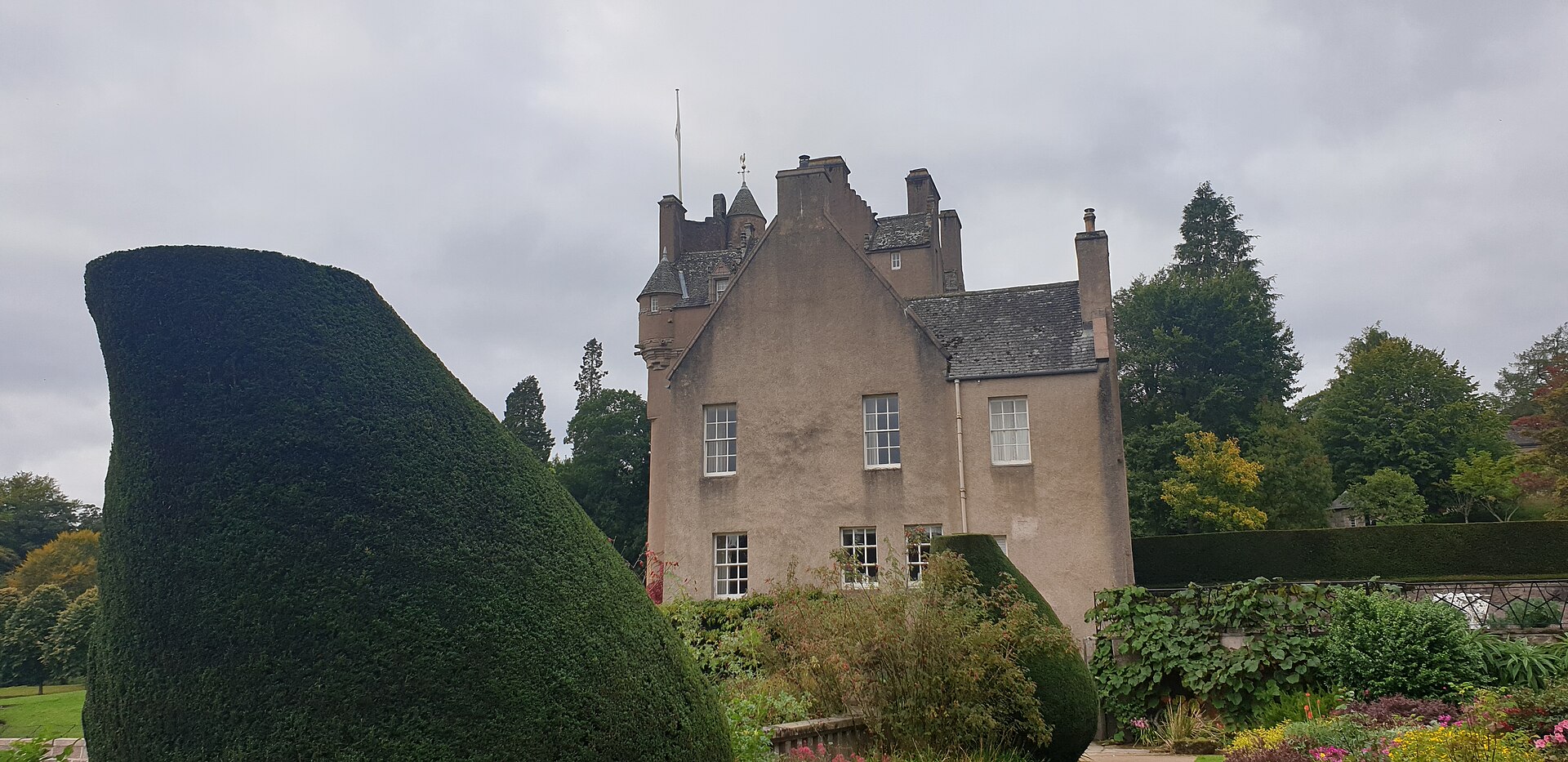
In 1323 King Robert the Bruce granted the lands at Crathes to the Burnett of Leys family, the gift that began the family's four-hundred-year tenure of the estate. During the 14th and 15th centuries the Burnetts fortified the site not with stone but with a crannog, an artificial island raised in a nearby bog and defended with a timber stronghold, a method of defence common across the Late Middle Ages before the family turned to building in stone.
Construction of the present tower house began in 1553, but the work was repeatedly delayed by the political instability surrounding the reign of Mary, Queen of Scots, and it was not completed until 1596, under Alexander Burnett of Leys. A further wing was added in the 18th century. Alexander went on to begin a new building project at nearby Muchalls Castle in the early 17th century, a reconstruction his son, Sir Thomas Burnett, would see through to completion.
In 1877 Sir Robert Burnett reworked the Great Hall, adding oak panelling and gilded leather in a deliberately antiquated style meant to convince his New York-born wife Matilda and her guests that the house was older than it was. He also bought new furnishings, mixing genuine antiques with reproductions he judged fitting. During these works, painted beam ceilings hidden beneath Georgian plasterwork were briefly uncovered and noted before being covered over again.
Those same painted ceilings, spotted but recovered in 1877, were finally re-exposed for good in 1913, revealing Scottish Renaissance decoration in several of the Jacobean rooms, among them the Chamber of the Muses and the Chamber of Nine Worthies. The rooms still display original furniture from this era, including a carved bed and two caquetoire chairs dated to 1597 and marked with the initials and heraldry of their original owners.
Crathes remained the ancestral seat of the Burnetts of Leys until 1951, when Sir James Burnett, 13th Baronet, gave the castle and its estate to the National Trust for Scotland, though the family continued to live in the house afterwards. Two years later, in 1953, the Great Hall was stripped back to its bare stone walls, removing the Victorian-era panelling and returning the room closer to its earlier appearance.
On 6 January 1966 a fire tore through part of the castle, badly damaging the Queen Anne wing and destroying entirely the quarters of Miss Jean Dodds, the Trust's on-site representative. The laird, James Cecil Burnett, was reduced to living in little more than a stump of the service wing. Architect Schomberg Scott had the Queen Anne wing rebuilt to its original two storeys while the Victorian wing was demolished, with a £65,000 insurance payout covering much of the cost.
In 2004 excavations at Warren Field, on the wider Crathes estate, uncovered a row of pits first spotted from the air as unusual crop marks. Analysis published in 2013 concluded the pits, dug some 10,000 years ago and used from around 8000 BC to 4000 BC, formed a device for tracking the lunar year, up to five thousand years older than the earliest comparable monuments recorded in Mesopotamia.
People
-
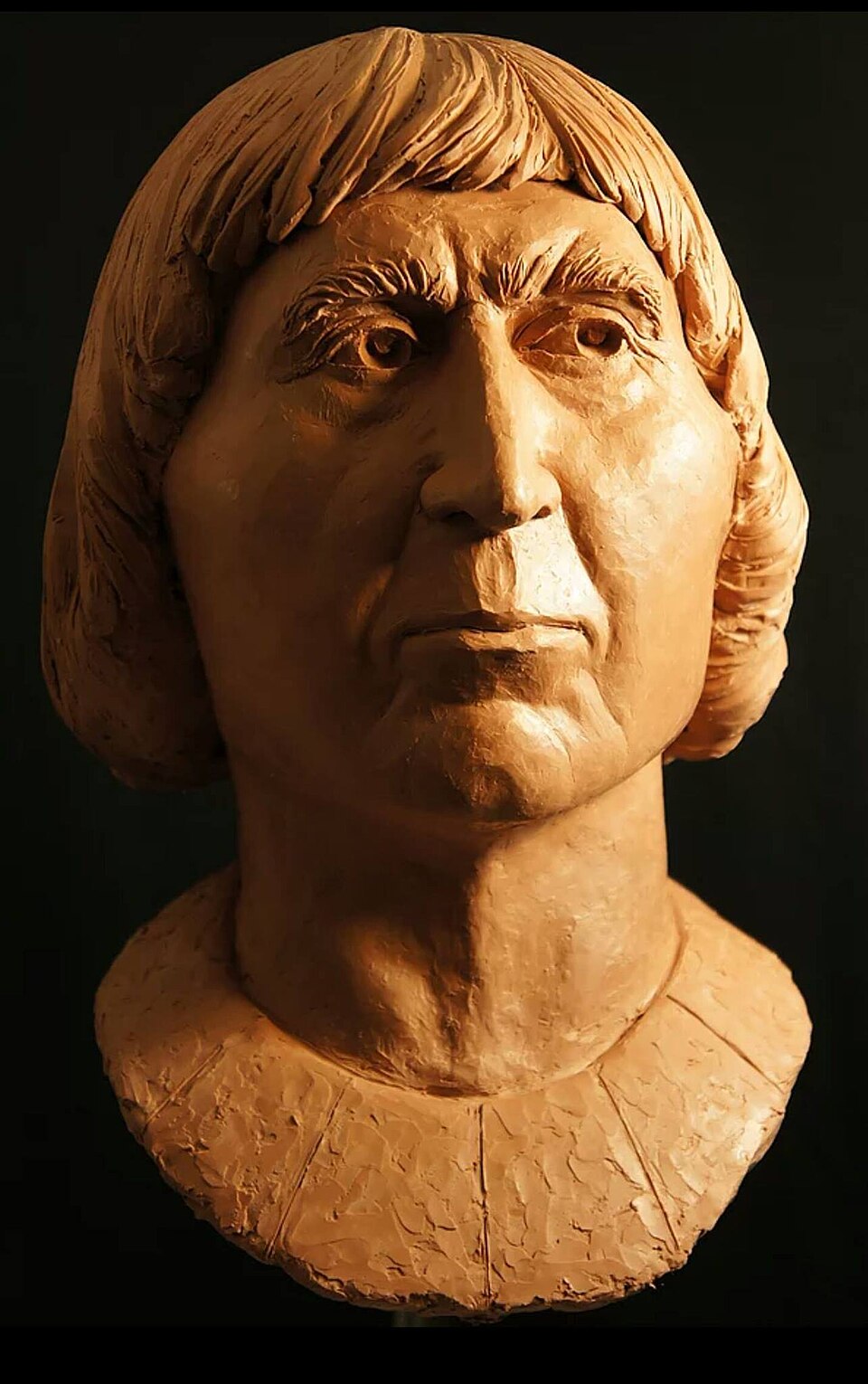
Portrait: S.A.Farabi / Wikimedia Commons / CC BY-SA 4.0 Robert the Bruce
King of Scots who granted the lands of Crathes to the Burnett of Leys family in 1323.
-
Alexander Burnett of Leys
Completed construction of the tower house in 1596 and later began the reconstruction of Muchalls Castle.
-
Sir Thomas Burnett
Son of Alexander Burnett who completed the reconstruction of Muchalls Castle that his father had begun.
-
Sir Robert Burnett
Remodelled the Great Hall in 1877 in a faux-medieval style and furnished the castle to suit his taste.
-
Sir James Burnett, 13th Baronet
Gave Crathes Castle and its estate to the National Trust for Scotland in 1951.
-
Schomberg Scott
National Trust for Scotland resident architect who directed the rebuilding of the castle after the 1966 fire.
Cultural influences
-
Renaissance Scotland and the tower house
Crathes retains the defensible shape of a Scottish tower house while incorporating Renaissance ideas about ornament, light and ceremonial interiors. Its painted ceilings and long gallery show those European influences being adapted to local building traditions.
Connections
-
Muchalls Castle
Reconstructed in the early 17th century by Alexander Burnett of Leys, the builder of Crathes' tower house, and completed by his son Sir Thomas Burnett.
-
Monboddo House
Another historically significant house in the area associated with the Burnett of Leys family.
-
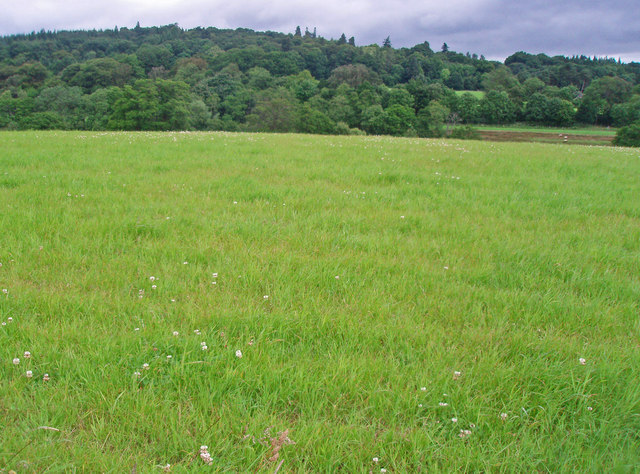
Photo: C Michael Hogan / Wikimedia Commons / CC BY-SA 2.0 A nearby site named alongside Crathes as a related place in the local historical record.
Discovery & excavation
The Warren Field pits were first identified as unusual crop marks on the wider estate. Excavation followed in 2004, and detailed analysis of the find, published in 2013, concluded the pits had been used to track the phases of the moon from roughly 8000 BC to 4000 BC, making the feature the oldest known lunar calendar yet identified.
What to look for
-
Painted Renaissance ceilings
Several upper rooms, including the Chamber of the Muses and the Chamber of Nine Worthies, retain original Scottish Renaissance painted ceilings, uncovered from beneath later plasterwork in 1913.
-
1597 furniture
A carved bed and two caquetoire chairs dating from 1597 survive in the house, each marked with the initials and heraldry of their original owners.
-
The walled garden and yew hedges
Topiary hedges of Irish yew dating from 1702 divide the walled garden into eight distinct themed areas, set among gravel paths and herbaceous borders.
-
Warren Field
A field on the wider estate where excavated pits are identified as the world's oldest known lunar calendar, dated to between roughly 8000 BC and 4000 BC.
Plan your visit
- Location
- 57.0615°N · 2.4399°W
- Access
- Paid entry — managed visitor site
- Terrain
- Easy going
- Time needed
- About 120 minutes
- Best time
- Visit while the castle, garden, shop and Café 1702 are open; the estate grounds remain open from dawn to dusk. Check the National Trust for Scotland page for the current seasonal timetable.
- What survives
- Crathes is a maintained National Trust visitor property, with the historic tower house, walled garden, waymarked estate trails and play area all forming the current visit.
- Facilities
- Facilities include Café 1702, a shop, car parking, accessible toilets, baby-changing, bike racks and the Wild Wood Adventure Play area; accessibility is limited above the castle’s ground floor.
Opening & admission
Run by the National Trust for Scotland as a visitor attraction with an admission charge — check the official site for current prices and hours.
- Castle, walled garden and wider estate grounds are open to visitors year-round
- A visitor centre, tea shop and car park are available on site
- Gravel paths run through the walled garden
Nearby places
Settlement · Prehistoric
Balbridie
Aberdeenshire
The largest Neolithic (the late Stone Age, roughly 4000–2500 BC in Britain) long house ever excavated in Britain, its scale rivalling only a handfu…
- Near Banchory
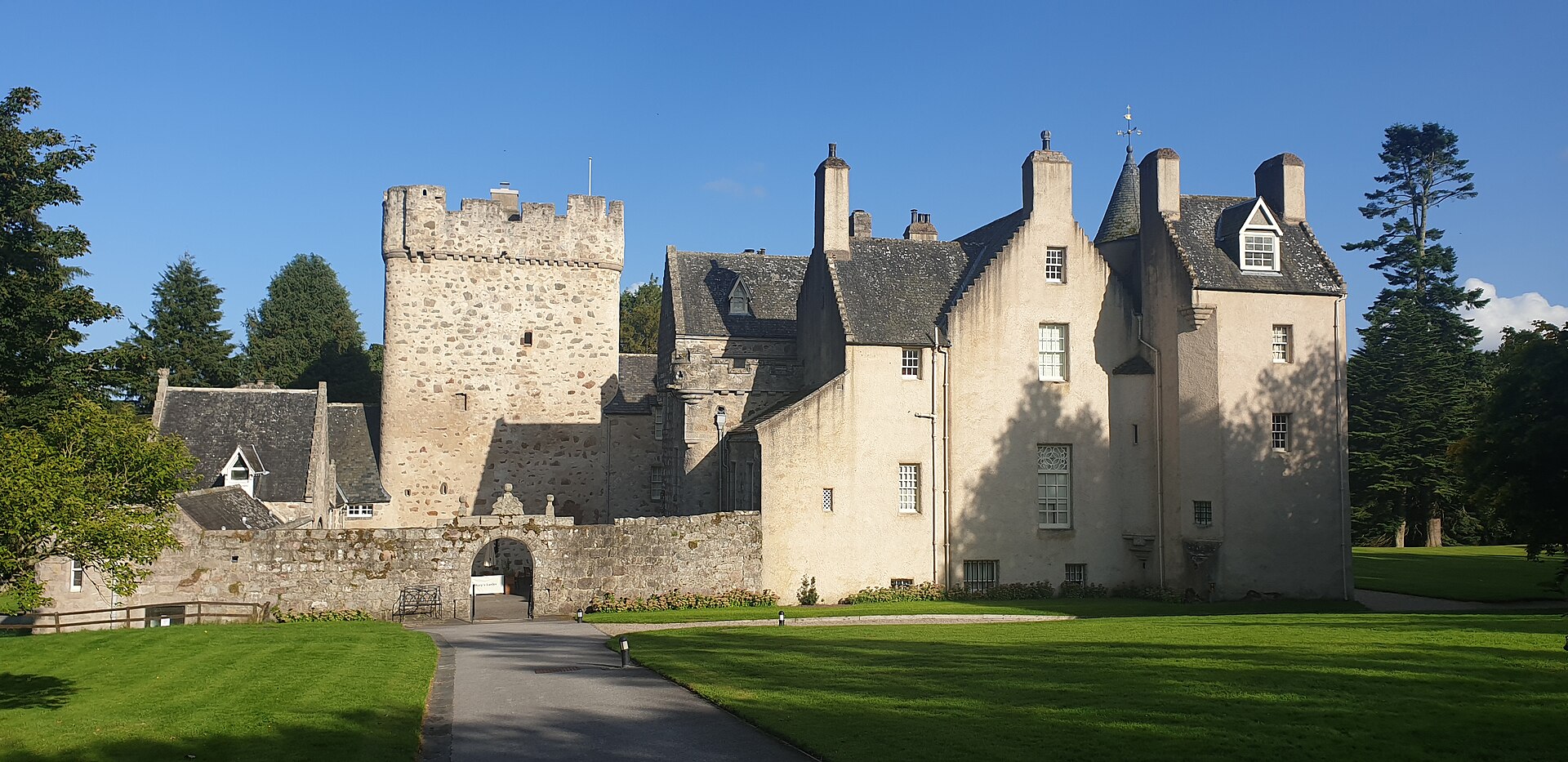
Fortified place · Medieval
Drum Castle
Aberdeenshire
One of only three 13th-century tower houses in Scotland to survive largely unaltered, and held unbroken by one family, the Irvines, for roughly 650…
- Easy path
Sacred place · Prehistoric
Cullerlie stone circle
Aberdeenshire
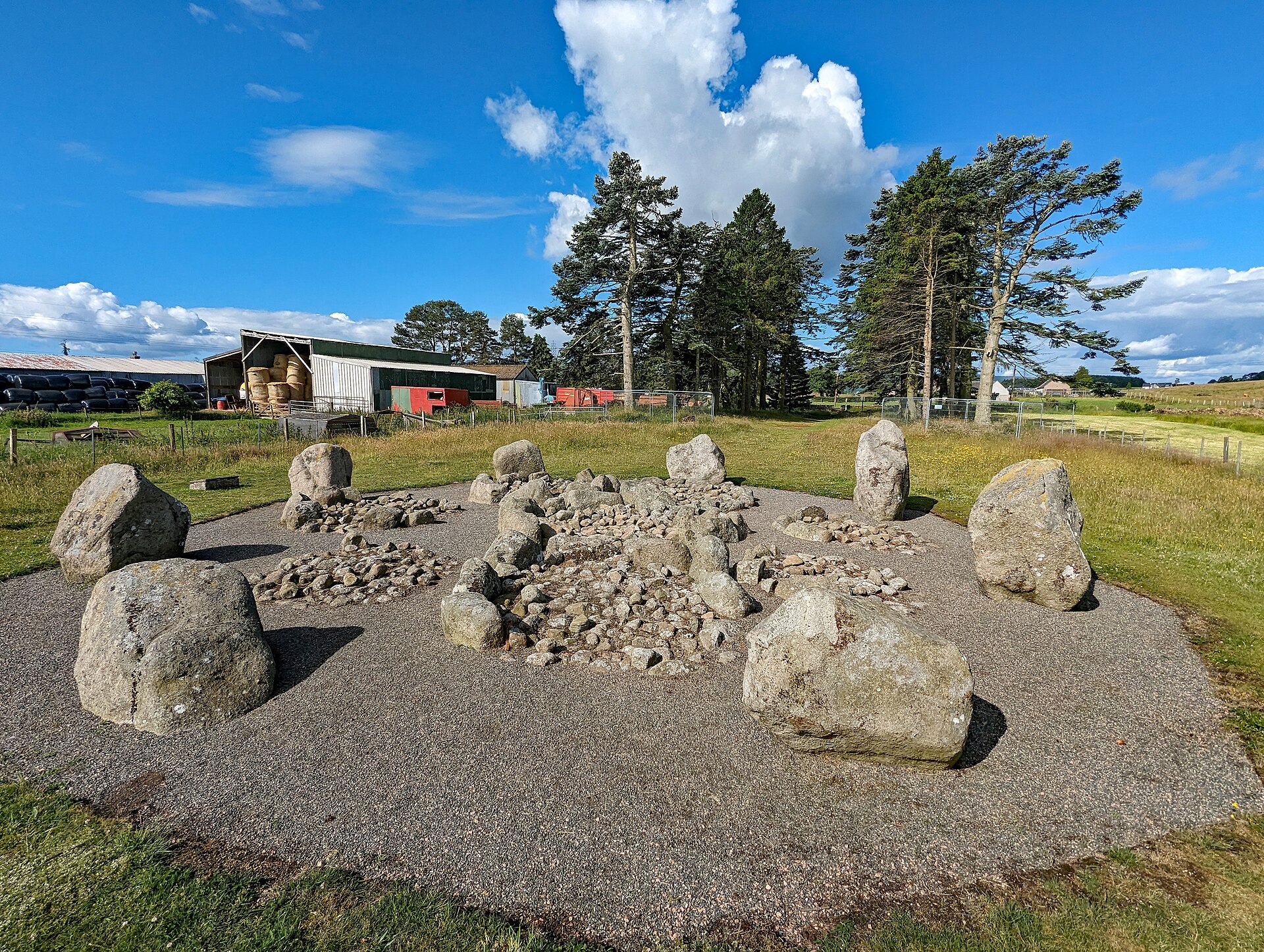
Each of its eight cairns is fenced by its own ring of kerbstones and holds cremated remains, making the circle a burial ground built inside a ring…
- Near Echt
- Easy path
Sacred place · Prehistoric
Sunhoney
Aberdeenshire
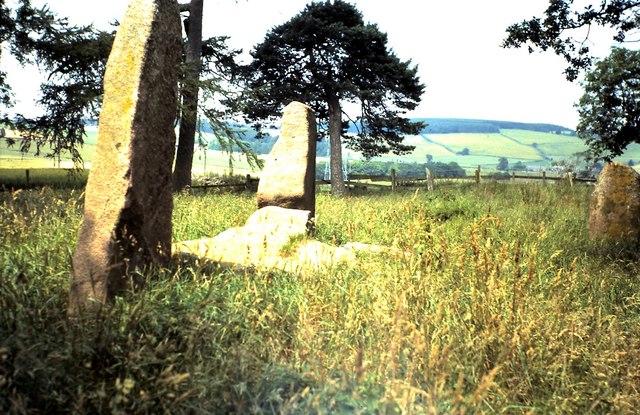
A cup-marked recumbent stone facing a specific hill has drawn five generations of archaeoastronomers to this circle, from Norman Lockyer to Clive R…
- Easy path
Questions people ask
- When was Crathes Castle built?
- Construction of the tower house began in 1553 and was completed in 1596 by Alexander Burnett of Leys, after delays caused by political unrest during the reign of Mary, Queen of Scots.
- Who owns Crathes Castle today?
- The National Trust for Scotland owns and manages the castle and its estate, following its gift by Sir James Burnett, 13th Baronet, in 1951.
- What is the Warren Field lunar calendar?
- It is a row of pits on the Crathes estate, dug around 10,000 years ago and analysed in 2013 as a device for tracking the moon, thought to be the world's oldest known lunar calendar.
- Was Crathes Castle damaged by fire?
- Yes, a fire on 6 January 1966 badly damaged the Queen Anne wing, after which it was rebuilt to its original two storeys and the Victorian wing was demolished.
- What can visitors see inside the castle?
- Original Scottish Renaissance painted ceilings, a portrait collection, and furniture including a carved bed and two chairs dated 1597 bearing the owners' initials and heraldry.
Sources
- Wikipedia: Crathes Castle
- National Trust for Scotland — Crathes Castle
- Gow, Ian — Scotland's Lost Houses (National Trust for Scotland / Aurum, 2008)
Explore more: Fortified places · Medieval · Aberdeenshire
The Ancient Codex, in your pocket
Get the Pocket Codex app
Carry the directory with you — Crathes Castle and thousands of ancient places across Britain and Ireland, offline, wherever you roam.