A merchant's Baltic trading fortune built a seven-storey pink tower whose plasterwork ceilings rank among Scotland's finest, and whose silhouette reputedly shaped Walt Disney's Cinderella castle.
Pink harling rises through seven storeys above Aberdeenshire farmland, the tower narrowing floor by floor until it gathers into a crown of turrets, conical roofs and corbelled corners. The effect looks almost fanciful, but the building began as an unfinished, unglamorous project: a part-built tower bought in 1610 from the impoverished Mortimer family by William Forbes, an Aberdonian merchant nicknamed “Danzig Willy” for the fortune he had made trading with the Baltic port of Danzig. Forbes paid to finish what the Mortimers could not, and by 1625 or 1626 the completed tower stood as one of the last and finest examples of Scottish Baronial architecture, built on the same L-shaped plan as nearby Muchalls Castle.
Inside, the building’s reputation rests on its plasterwork. Ornate ceilings run through the principal rooms, moulded with figures of the Nine Worthies and the emblems of the Forbes family, work regarded alongside that of Muchalls and Glamis as among the three finest ceiling schemes in Scotland. A heavy iron gate called a yett still guards the entrance, and of the four round towers that once studded a walled courtyard, only one survives, its arched doorway carved with the initials of William’s son, Sir Thomas Forbes.
The Forbes family, later linked by marriage to the title Lord Sempill, held the castle for roughly 350 years before the estate passed to the National Trust for Scotland in 1963. The family’s condition for the handover was that nothing inside be changed: the portraits, the panelling, the plasterwork and, notably, the absence of electric light in the historic rooms all remain as they were, so that visitors see the interior by the same daylight the Forbes household would have known.
What follows is drawn from published sources, with each claim labelled by how firmly it is established.
History
In 1610 the Aberdonian merchant William Forbes, nicknamed Danzig Willy for the fortune he made trading with the Baltic port of Danzig, bought a part-built tower on the site from the impoverished Mortimer family. He financed its completion, and by 1625 or 1626 the seven-storey tower house stood finished, an example of Scottish Baronial architecture built on the L-plan shared with nearby Muchalls Castle.
In 1630 Charles I created William Forbes's son a baronet of Nova Scotia, founding a title that descended through generations of Forbes lairds, one of whom sat as MP for Aberdeenshire. In 1884 the eighth Baronet, grandson of the fifth Baronet's marriage to Hugh Sempill's daughter, succeeded as the seventeenth Lord Sempill, uniting the two titles until his grandson's death in 1965.
By the early nineteenth century the tower had fallen into disrepair, and Sir John Forbes considered pulling it down. The Aberdeen city architect John Smith advised against this, calling it one of the finest examples of its age and style in the country, and instead led a restoration around 1826 that rebuilt the top floor, altered the entrance, and gave the harled exterior the pink tint still associated with the castle, chosen to match the colour of the granite mouldings.
For some years the Forbes family's main residence shifted to Fintray House near Inverurie, which served as a hospital for wounded Belgian soldiers during the Second World War. In 1963, after 350 years of Forbes ownership, the 19th Lord Sempill sold the Craigievar estate to the National Trust for Scotland, which has managed the castle and its grounds ever since.
Between November 2007 and 2009 the castle closed while its exterior was recoated in a traditional lime-based harl, restoring the shade of pink applied during the 1820s restoration; it reopened to visitors in April 2010, with no artificial lighting added to its upper floors so that furnishings and plasterwork are still seen by the same natural light as in earlier centuries.
The estate closed to the public during 2020 because of the COVID-19 pandemic, reopening in July for grounds-only visits. A further closure of about two years, for exterior conservation finished with a limewash coating suited to the local climate, ended when the castle reopened to visitors at the end of May 2024.
People
-
William Forbes
Aberdonian merchant nicknamed "Danzig Willy", who bought the unfinished tower in 1610 and completed it by 1625 or 1626.
-
Sir John Forbes
Nineteenth-century laird who considered demolishing the decayed tower before choosing to restore it.
-
John Smith
Aberdeen city architect who advised against demolition and led the restoration of the tower around 1826.
-
Sir Thomas Forbes
Son of William Forbes, whose carved initials survive on the doorway of the castle's one surviving round tower.
-
James Henderson
National Trust for Scotland representative who confirmed Craigievar's reputed influence on Walt Disney's castle imagery.
Cultural influences
-
Renaissance ideas in a Scottish tower house
Craigievar combines the defensive tower-house form with Renaissance ambitions for light, ornament and display. The National Trust for Scotland describes its later work as a Scottish interpretation of Renaissance architecture rather than a simple copy of a continental model.
Connections
-
Muchalls Castle
Built on the same L-plan and in the same region, and ranked alongside Craigievar among the three finest plasterwork ceilings in Scotland.
-
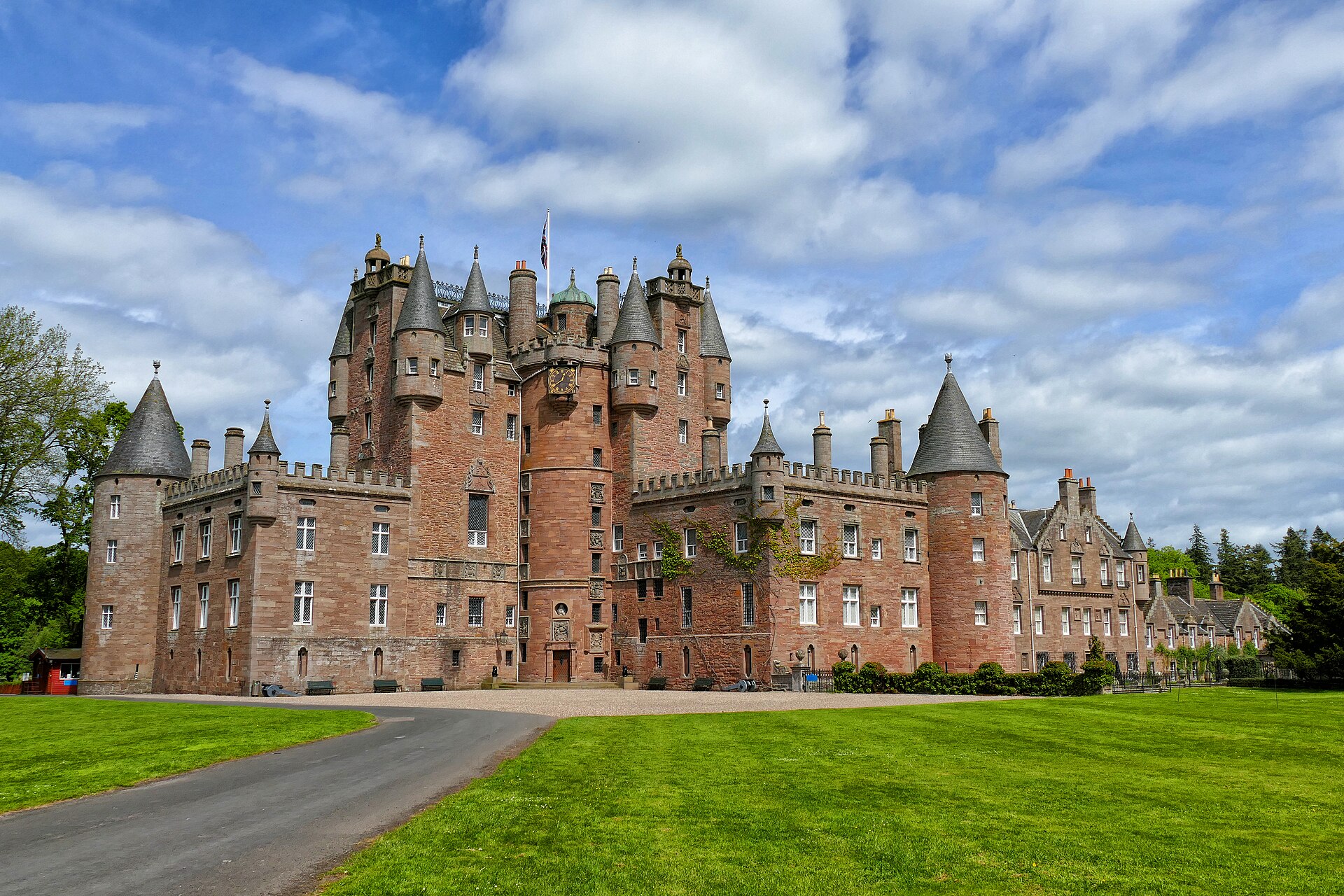
Photo: Worldfootage / Wikimedia Commons / CC BY-SA 4.0 Named together with Craigievar and Muchalls as having the three finest plasterwork ceilings in Scotland.
-
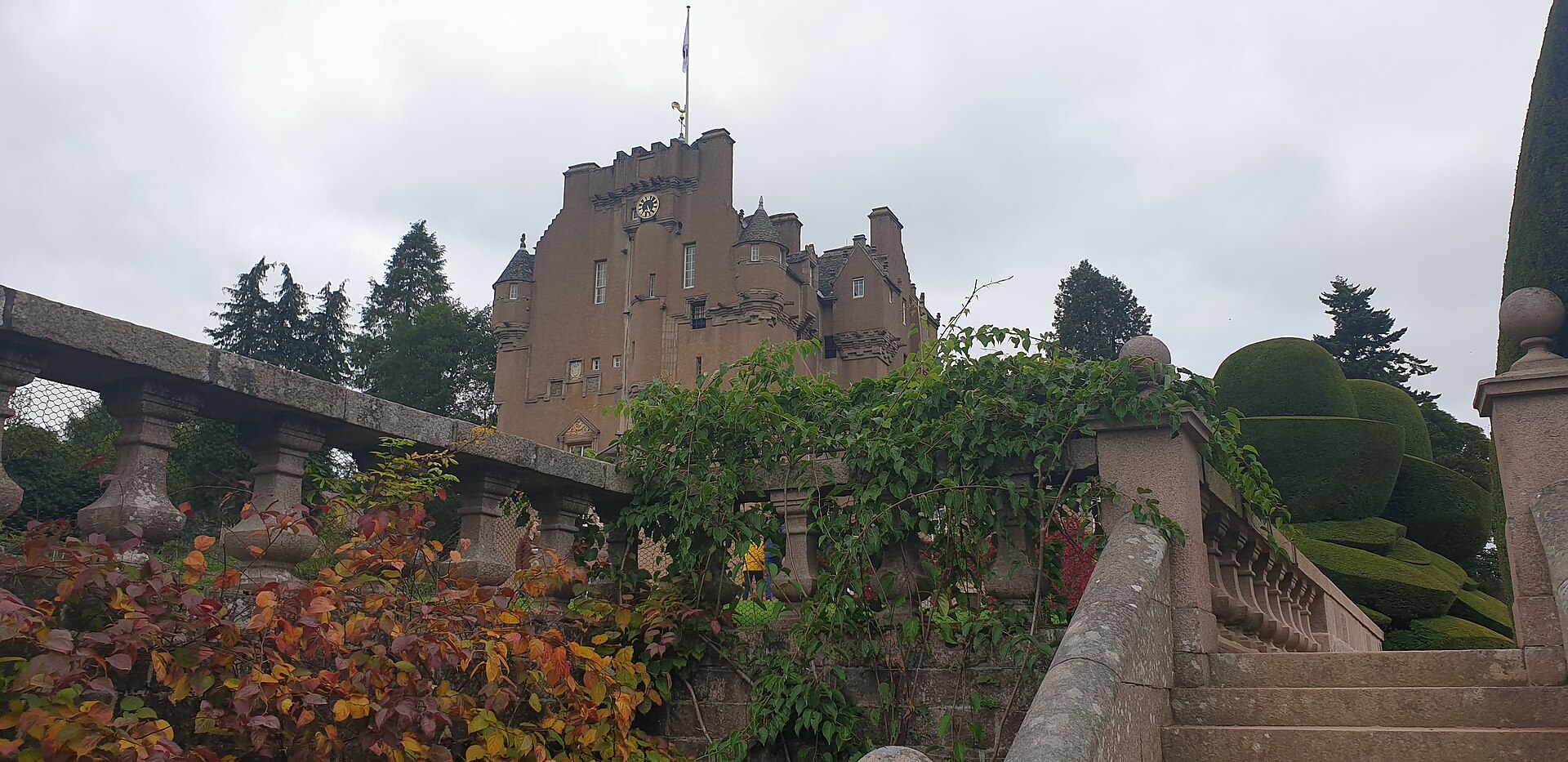
Photo: OEJUTILA / Wikimedia Commons / CC BY-SA 4.0 Built by the Clan Burnett of Leys, close friends of the Forbes family who built Craigievar.
-
Fintray House
Became the Forbes family's main residence for some years, including use as a hospital for wounded Belgian soldiers in the Second World War.
Discovery & excavation
In early 2019 a volunteer discovered what appeared to be the castle's original oak door, replaced during the 1825 restoration and long thought lost. The door was subsequently restored and put on public display, a rare recovery of a fitting believed missing for close to two centuries.
In culture
-
Inspiration for Disney's castle
Craigievar is reputed to have inspired the pink castle motif Walt Disney used for Cinderella's castle, a connection confirmed by James Henderson of the National Trust for Scotland.
What to look for
-
The surviving round tower
Of the four round towers that once studded the walled courtyard, only one survives, its arched doorway bearing the carved initials of Sir Thomas Forbes.
-
The yett
A massive iron gate known as a yett, a traditional latticed portcullis, still covers the entrance door.
-
Plasterwork ceilings
Ornate ceilings throughout the castle carry moulded plaster figures of the Nine Worthies and Forbes family emblems, ranked among the finest in Scotland.
-
The Great Hall
The Great Hall displays the Stuart Arms above the fireplace, alongside a musicians' gallery and a secret stair linking the hall to the high tower.
-
The original oak door
The castle's original oak door, missing since its replacement in 1825, was rediscovered in 2019 and is now on display.
What is said
Folklore and tradition, recorded as what is said — not as established fact.
-
The ghosts of Craigievar
Local tradition holds that the castle is haunted by one or more ghosts.
Plan your visit
- Location
- 57.1742°N · 2.7181°W
- Access
- Paid entry — managed visitor site
- Terrain
- Easy going
- Time needed
- About 60 minutes
- Best time
- Plan around the official castle opening hours; the grounds are open from dawn to dusk. The upper floors rely on natural light, so a daylight visit gives the best experience of the interiors.
- What survives
- The castle reopened after the National Trust for Scotland’s Pink Again conservation project, which renewed the harling and improved protection for the building fabric and interiors.
- Facilities
- The site has a shop and kiosk, a woodland trail and a visitor car park; the Trust publishes a separate accessibility guide for the castle and grounds.
Opening & admission
Admission charges apply for the castle tour; check the National Trust for Scotland site for current prices and opening dates.
- Castle interior is open seasonally, typically Easter/April to end of September, with guided tours on limited days
- Grounds are open to the public throughout the year
- No electric lighting inside the castle, so visits depend on natural daylight
Nearby places
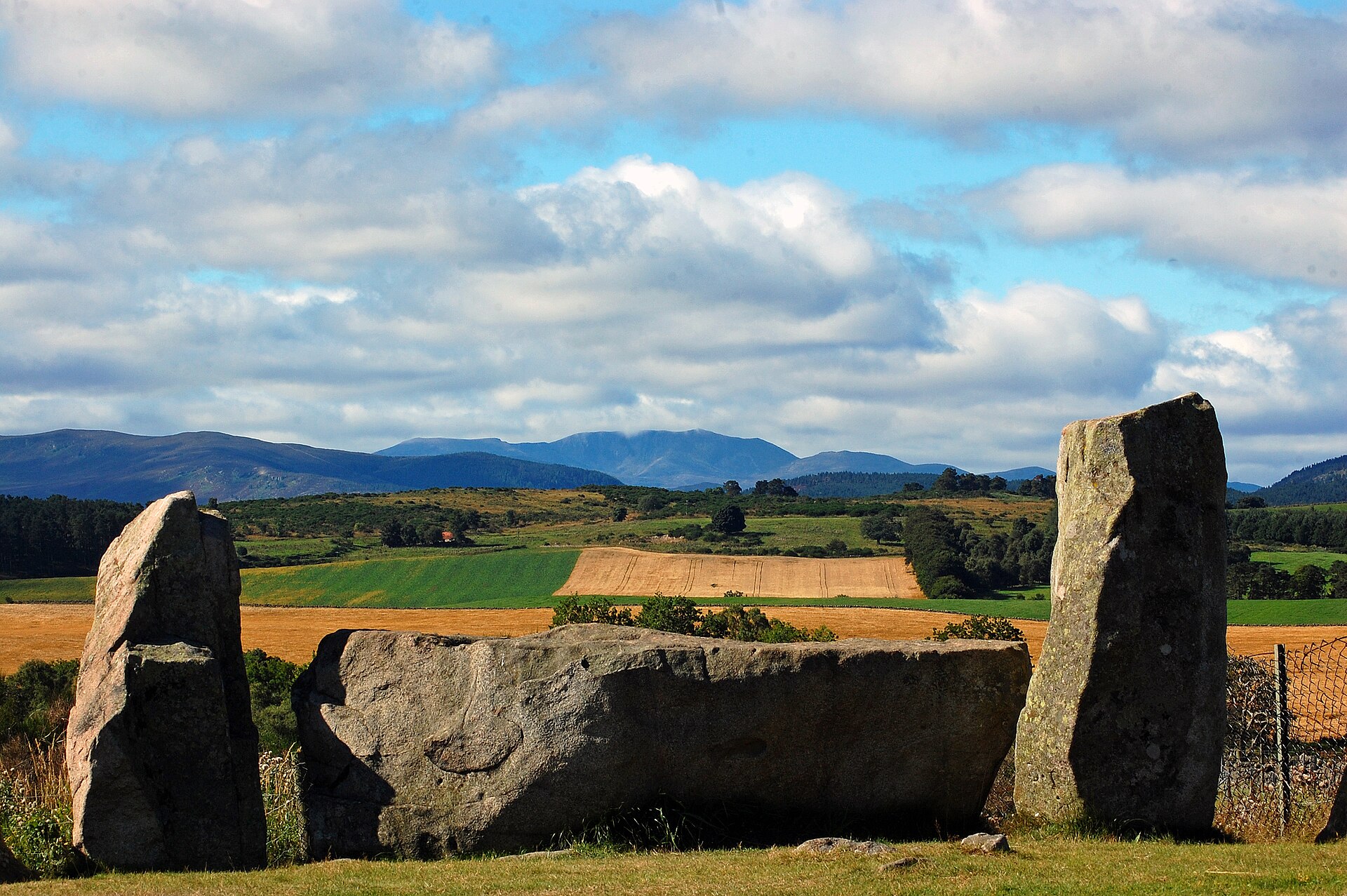
Sacred place · Prehistoric
Tomnaverie stone circle
Aberdeenshire
Excavation here overturned a long-held theory: the cairn (a mound of piled stones, often covering a burial) was built before the circle, not after,…
- Some walking
Fortified place · Medieval
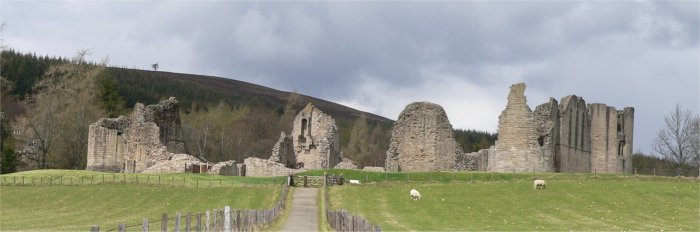
Kildrummy Castle
Aberdeenshire
A shield-shaped fortress whose sieges shaped a kingdom: from the capture and execution of Robert the Bruce's brother in 1306 to a countess's defian…
- Some walking
Sacred place · Prehistoric
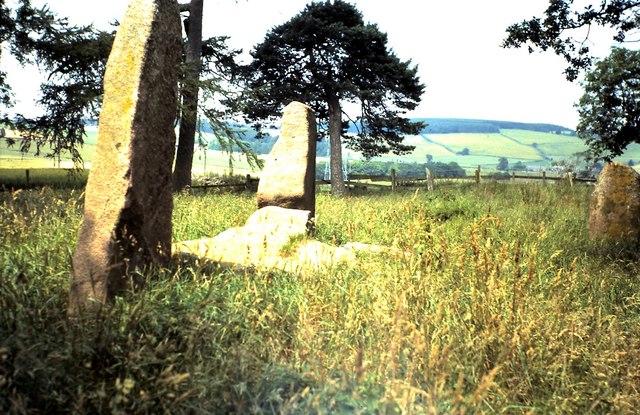
Sunhoney
Aberdeenshire
A cup-marked recumbent stone facing a specific hill has drawn five generations of archaeoastronomers to this circle, from Norman Lockyer to Clive R…
- Easy path
Fortified place · Medieval
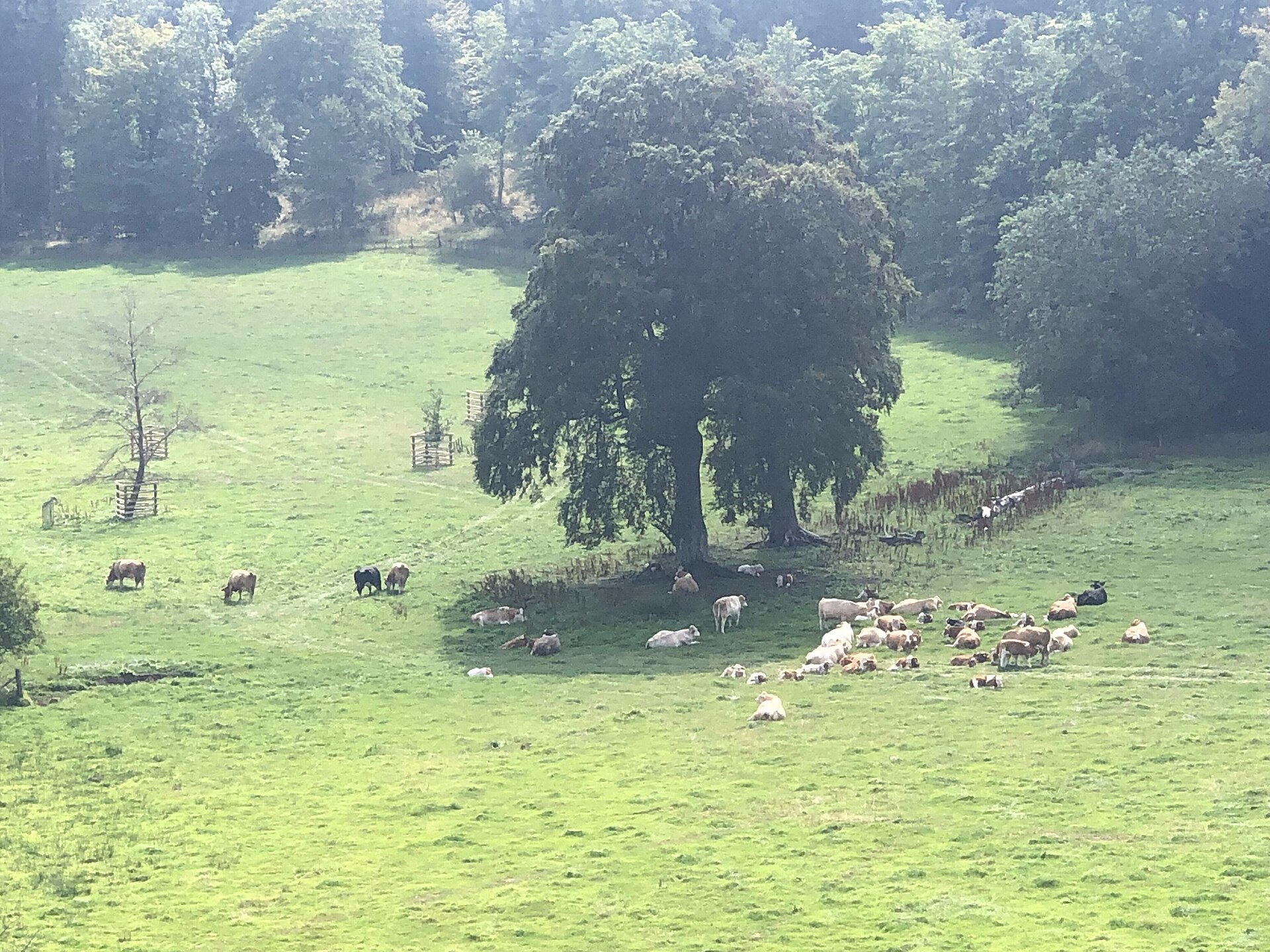
Castle Fraser
Aberdeenshire
The signed mason's mark of John Bell links this tower house to the same masonic family credited with Craigievar, Crathes and Midmar, the grandest o…
- Easy path
Questions people ask
- Who built Craigievar Castle?
- The Aberdonian merchant William Forbes, known as Danzig Willy for his trading profits from the Baltic port of Danzig, bought the part-built tower in 1610 and completed it by 1625 or 1626.
- Why is Craigievar Castle pink?
- The pink harling dates largely from an 1826 restoration by architect John Smith, chosen to match the colour of the castle's granite mouldings, and was reinstated in re-harling work in 2010 and 2024.
- Is Craigievar Castle connected to Walt Disney's castle?
- The castle is reputed to have inspired the pink castle motif of Disney's Cinderella castle, a link confirmed by James Henderson of the National Trust for Scotland.
- When did the Forbes family stop owning Craigievar?
- The Forbes family, and the linked Lord Sempill title, held Craigievar for about 350 years until 1963, when the 19th Lord Sempill sold the estate to the National Trust for Scotland.
- Does Craigievar Castle have electricity?
- No artificial lighting was ever installed on the upper floors; rooms are lit only by window light, a condition the Forbes family insisted on when the estate passed to the National Trust.
Sources
- Wikipedia: Craigievar Castle
- National Trust for Scotland — Craigievar Castle
- Tranter, Nigel — The Fortified House in Scotland, Volume IV
Explore more: Fortified places · Medieval · Aberdeenshire
The Ancient Codex, in your pocket
Get the Pocket Codex app
Carry the directory with you — Craigievar Castle and thousands of ancient places across Britain and Ireland, offline, wherever you roam.