
A shield-shaped fortress whose sieges shaped a kingdom — from the capture and execution of Robert the Bruce's brother in 1306 to a countess's defiant stand in 1335.
Walk up to the ruins and the shape reveals itself: a rough shield outline enclosing a huddle of towers, its flat edge run along the top of a steep-sided ravine and its opposite point once guarded by a pair of massive round towers forming a gatehouse. Rising above the rest is the stump of the Snow Tower, a keep built in the French fashion, echoing the great tower raised at Bothwell Castle.
Raised in the mid-13th century for Gilbert de Moravia, the castle became the principal seat of the Earls of Mar and one of the most fought-over strongholds in the north-east. Its position, guarding a crossing point on the Mounth trackways that carried travellers over the Grampians, made it worth holding through three centuries of sieges, kidnappings and forced marriages that touched the Bruce, Erskine, Elphinstone and Strathbogie families in turn.
Abandoned after the failed Jacobite rising of 1715, the castle passed eventually into state care and is now looked after by Historic Environment Scotland, its walls and towers laid bare to the foundations by excavation earlier last century. The old quarry that supplied its stone has since been planted as a garden, and a hotel built on the estate looks out over the ruin it once served.
What follows is drawn from published sources, with each claim labelled by how firmly it is established.
The name
Historic Environment Scotland gives Kildrummy’s original meaning as ‘church on the ridge’, referring to an early religious site east of the castle. Early records also use Kyndromy, interpreted as ‘headland of the ridge’, while Snowdon or Snawdoun described the high, snow-covered ground.
History
The castle was raised in the mid-13th century for Gilbert de Moravia, and historians have long argued that its position was no accident: it sits close to crossing points on the Grampian Mounth trackways, including the Elsick Mounth and Cryne Corse Mounth, ancient routes that carried travellers and armies over the mountains between Deeside and the Mearns, making the site a natural place to plant a stronghold able to watch the road.
In August and September 1306 the castle was besieged while sheltering members of Robert the Bruce's family, a defence that ended in disaster: when it fell, Nigel Bruce, the king's brother, was captured and executed along with a number of other Scots who had taken refuge inside, one of the earliest and bloodiest reversals of Bruce's fledgling campaign for the throne.
Kildrummy was besieged again in 1335, this time by David of Strathbogie, and it was a woman who held the walls: Christina Bruce, sister of the late king, kept the defence going until her husband, Sir Andrew Murray, arrived with a relieving force and drove the attackers off, a stand still remembered as one of the sterner tests the castle withstood. In the following reign of David II, Walter Maule of Panmure served as warden of the castle.
In 1403 or 1404 Alexander Stewart murdered Sir Malcolm Drummond and then forced his widow, Isabel Douglas, Countess of Mar, into marriage, using the union to seize both Kildrummy and the title of Earl of Mar for himself, a violent takeover that shows how closely control of the castle was bound up with control of the earldom itself.
The castle became a royal possession in 1435 under James I. In 1468 Henry Kinghorn, keeper for James III, spent £100 Scots on building work and repairs, and in 1507 James IV granted the keeping of Kildrummy and its lands to Alexander Elphinstone, 1st Lord Elphinstone, and his wife Elizabeth Barlow, moving the castle from direct royal control into the hands of a noble family for generations to come.
The castle saw raids and prisoners in the years that followed. In 1538 the laird of Lenturk, John Strachan, stripped it of furnishings and had a blacksmith strip the ironwork from its windows and doors, iron later beaten into horseshoes to mend ploughs at Glenbuchat. In May 1585 Margaret Haldane, wife of David Erskine, was held there in the custody of the Master of Elphinstone, and by 1645 Robert Farquharson of Invercauld kept the castle for the Earl of Mar.
The castle passed from the Elphinstone family to the Erskines before being abandoned in 1716, in the aftermath of the failed Jacobite Rising of 1715, bringing to an end more than four and a half centuries of use as a residence, garrison and seat of the earldom of Mar.
People
-
Gilbert de Moravia
Built Kildrummy Castle in the mid-13th century, establishing it as a stronghold commanding the Mounth trackway crossings.
-
Nigel Bruce
Brother of Robert the Bruce, captured when the castle fell in 1306 and executed with other defenders.
-
Christina Bruce
Sister of Robert the Bruce, held the castle against a siege in 1335 until relieved by her husband.
-
Sir Andrew Murray
Husband of Christina Bruce, who broke the 1335 siege of Kildrummy to relieve his wife.
-
Alexander Stewart
Seized Kildrummy and the earldom of Mar in 1403-4 by murdering Sir Malcolm Drummond and forcing his widow into marriage.
-
Isabel Douglas, Countess of Mar
Widow of Sir Malcolm Drummond, forced into marriage by Alexander Stewart, who used the union to claim Kildrummy and the earldom.
-
Alexander Elphinstone, 1st Lord Elphinstone
Granted the keeping of Kildrummy and its lands by James IV in 1507, bringing the castle into the Elphinstone family.
-
John Strachan
Young laird of Lenturk who raided Kildrummy in 1538, stripping ironwork from its windows and doors.
Cultural influences
-
Mounth trackway siting
Historians have suggested the castle's location was influenced by crossing points on the Grampian Mounth trackways, particularly the Elsick Mounth and Cryne Corse Mounth, ancient routes over the mountains between Deeside and the Mearns.
Connections
-

Photo: Otter / Wikimedia Commons / CC BY-SA 3.0 Kildrummy's keep, the Snow Tower, was built in the same French tower style as the great tower at Bothwell Castle.
-
Earldom of Mar
Kildrummy was the principal seat of the Earls of Mar, and control of the castle was repeatedly used to claim or contest the earldom itself.
-
Kildrummy Castle Hotel
Built on the old estate, the hotel overlooks the ruins it once formed part of.
-
Scottish Sculpture Workshop
The castle hosted the Scottish Sculpture Open, an outdoor exhibition organised by the Scottish Sculpture Workshop from 1981 to 1997.
Discovery & excavation
Archaeological excavations in 1925 uncovered decorative stone flooring within the castle and physical evidence of the battles it had withstood.
What to look for
-
The Snow Tower
The tallest surviving structure, a keep built in the French style comparable to the great tower at Bothwell Castle.
-
The shield-shaped plan
The castle's outline can still be traced on the ground: a flat side along the ravine's edge and a pointed end where a twin-towered gatehouse once stood.
-
Earthworks and dry moat
Extensive earthworks, including a dry moat, supplement the natural defence of the ravine on the exposed sides of the castle.
-
The garden in the old quarry
The quarry once used to cut stone for the castle has since been laid out as a garden, included in the Inventory of Gardens and Designed Landscapes in Scotland.
What is said
Folklore and tradition, recorded as what is said — not as established fact.
-
Snawdoun and Arthurian associations
The older name Snowdon or Snawdoun was linked to the castle’s high ground and echoed Arthurian associations. Historic Environment Scotland presents this as part of the name’s legendary resonance rather than evidence for an Arthurian event at Kildrummy.
Plan your visit
- Location
- 57.2348°N · 2.9046°W
- Access
- Paid entry — managed visitor site
- Terrain
- Moderate walking
- Time needed
- About 90 minutes
- Best time
- Visit during the April-to-September opening season, ideally in daylight to appreciate the ruined towers, chapel windows and surrounding landscape. Check the current timetable before travelling.
- What survives
- Kildrummy survives as extensive atmospheric ruins, dominated by the chapel’s three tall lancet windows and the remains of the Snow Tower, within a landscaped medieval stronghold.
- Facilities
- Facilities include parking, coach parking, accessible toilets, toilets, a shop, bicycle rack, picnic area, water-bottle refill and a visitor centre; dogs are welcome in outdoor areas.
Opening & admission
Kildrummy Castle is ticketed; book online in advance for the best price.
- It opens seasonally from 1 April to 30 September, with current visiting days and hours published by Historic Environment Scotland.
- Last entry is 30 minutes before closing. The site is closed from 1 October to 31 March.
Nearby places
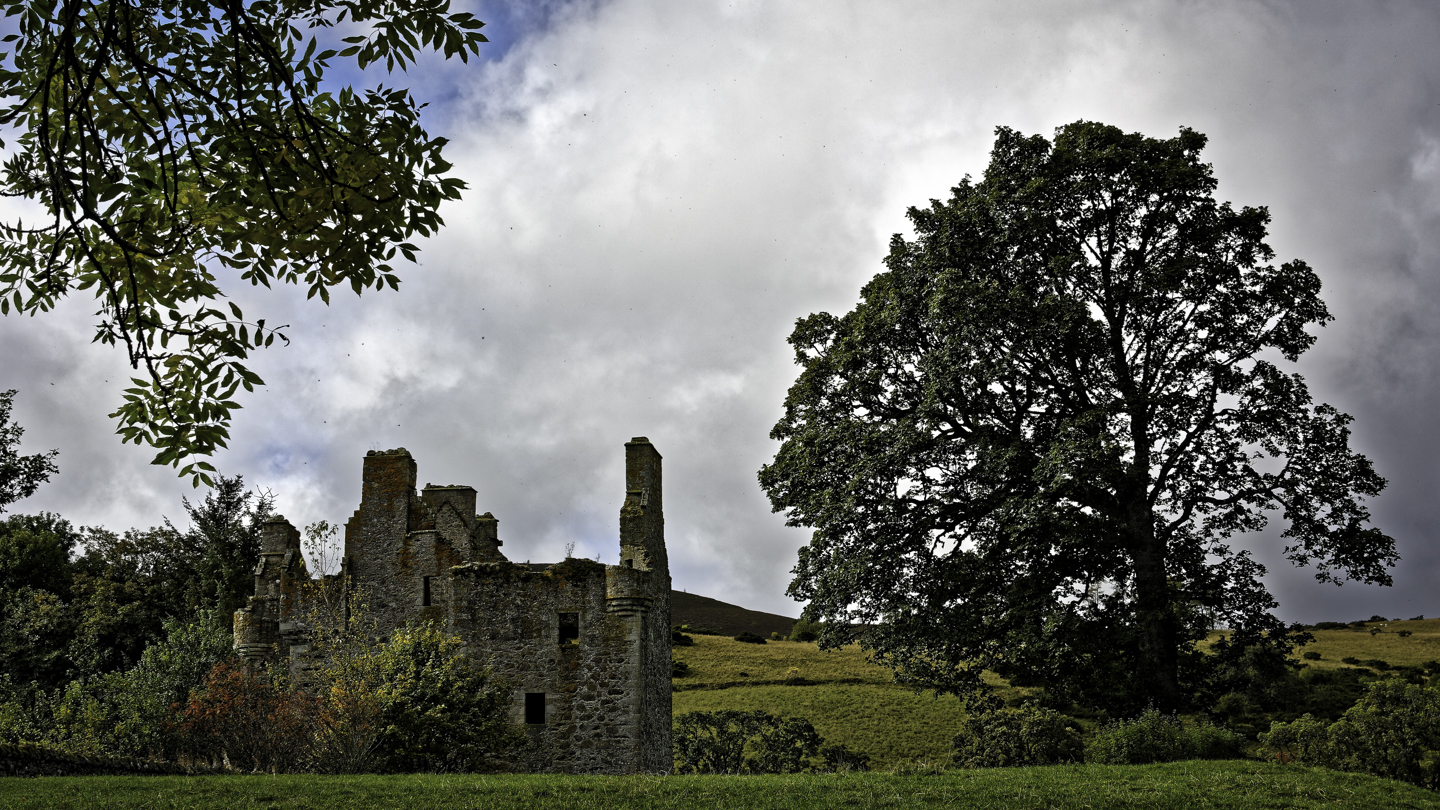
Fortified place · Medieval
Glenbuchat Castle
Aberdeenshire
In 1948 a local club bought the surrounding parkland just so the castle's setting would stay intact: a community rescue of a landscape, not the bui…
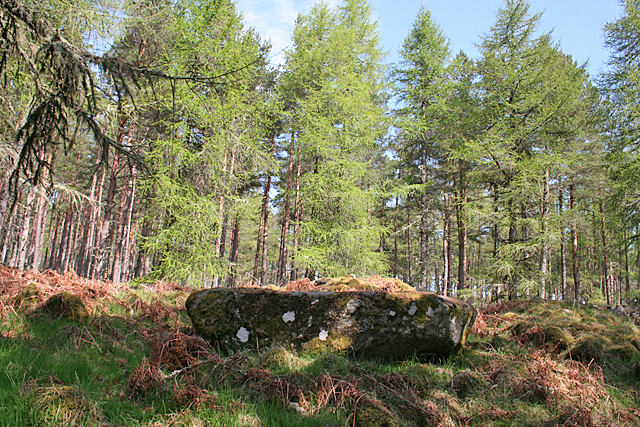
Sacred place · Prehistoric
Blue cairn circle
Aberdeenshire
The recumbent slab lies squared and deliberate rather than fallen, and the stone cairn (a mound of piled stones, often covering a burial) heaped in…
- Near Logie Coldstone
- Rough ground
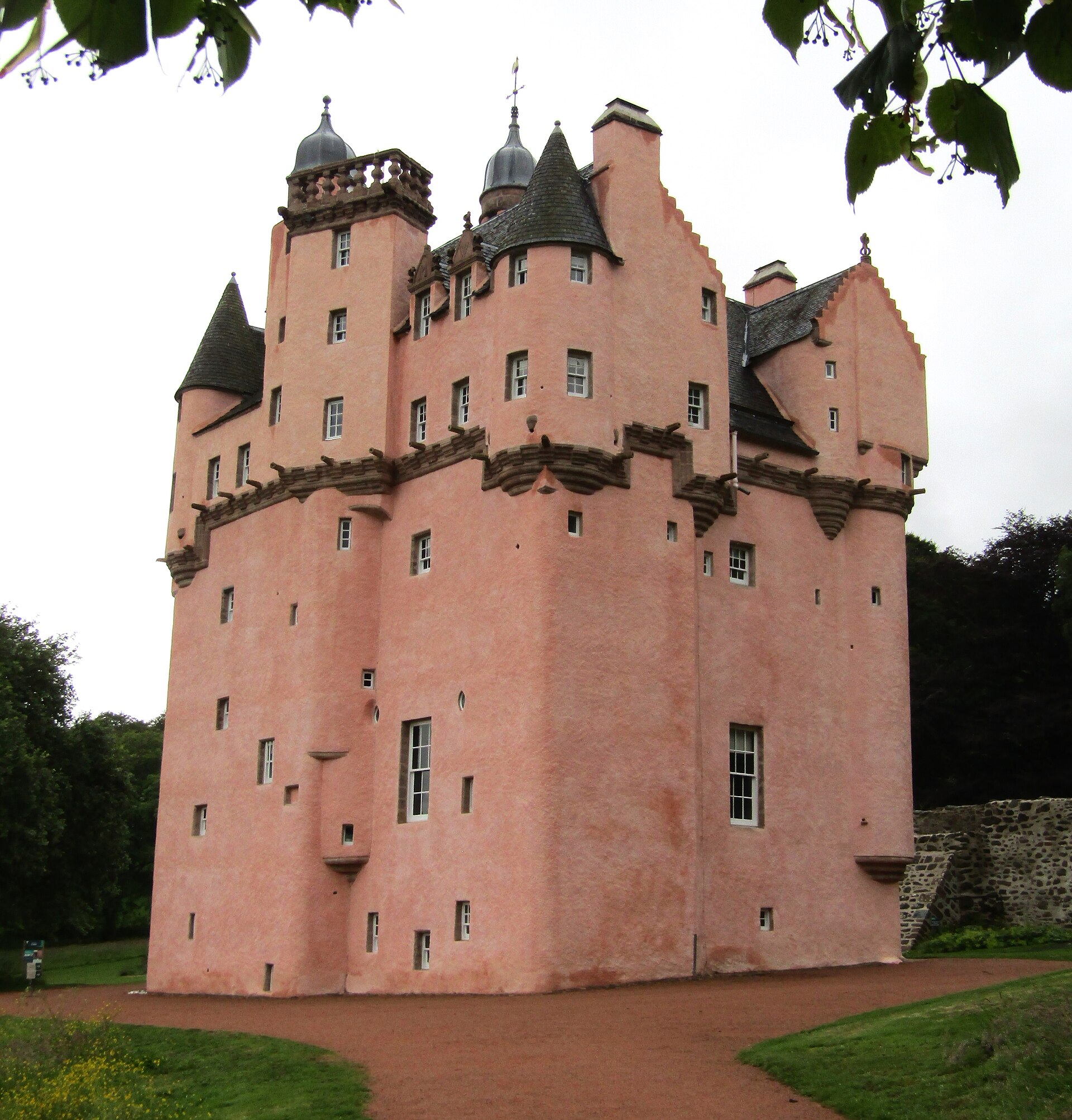
Fortified place · Medieval
Craigievar Castle
Aberdeenshire
A merchant's Baltic trading fortune built a seven-storey pink tower whose plasterwork ceilings rank among Scotland's finest, and whose silhouette r…
- Easy path
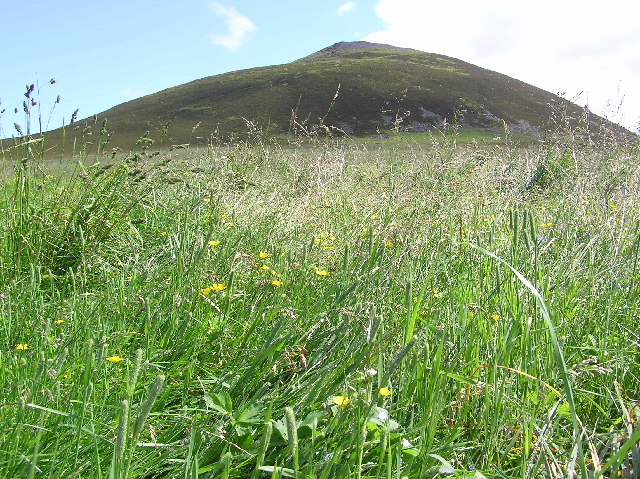
Fortified place · Iron Age
Tap o' Noth
Aberdeenshire
Drone and lidar surveys count as many as 800 huts inside its outer rampart: evidence, researchers say, for the largest known settlement in early-me…
- Near Rhynie
- 50 min walk from car park
- Rough ground
Questions people ask
- Who built Kildrummy Castle?
- It was raised in the mid-13th century for Gilbert de Moravia, probably sited to command crossing points on the Grampian Mounth trackways.
- Why is Kildrummy Castle significant?
- It is one of the most extensive 13th-century castles surviving in eastern Scotland and was the principal seat of the Earls of Mar for centuries.
- What happened at Kildrummy Castle in 1306?
- It was besieged while sheltering Robert the Bruce's family; when it fell, his brother Nigel Bruce was captured and executed.
- Who owns Kildrummy Castle today?
- It is owned by Historic Environment Scotland and open to the public as a scheduled monument, along with its gardens.
- When was Kildrummy Castle abandoned?
- It was abandoned in 1716, after passing from the Elphinstone family to the Erskines and following the failed Jacobite Rising of 1715.
Sources
- Wikipedia: Kildrummy Castle
- Historic Environment Scotland — Visitor guide
- Inventory of Gardens and Designed Landscapes in Scotland
Explore more: Fortified places · Medieval · Aberdeenshire
The Ancient Codex, in your pocket
Get the Pocket Codex app
Carry the directory with you — Kildrummy Castle and thousands of ancient places across Britain and Ireland, offline, wherever you roam.