Built in 1628 to check the rising Farquharsons, burned by a Farquharson colonel sixty years later, and now restored and run entirely by local volunteers.
Iron grilles still cover many of the windows at Braemar Castle, and the main door hangs on its original yett, a hinged iron grating built to stop both fire and forced entry. These are not decorative flourishes; they are working defences from a building raised in 1628 by John Erskine, Earl of Mar, as both a hunting lodge for his family and a statement of power against the increasingly assertive Farquharson clan nearby.
That rivalry did not stay symbolic for long. In 1689, during the Jacobite rising, John Farquharson, known as the Black Colonel of Inverey, burned the castle rather than let government troops use it as a garrison. The building spent decades in ruins before it was patched up and leased to the Crown in 1748 as barracks for Hanoverian soldiers, and it was, in time, Farquharson money that bought the castle outright and eventually returned it to family use.
Today the star-shaped walls and turreted tower stand not as a private residence but as a community project. Since 2006 the castle has been run by local volunteers under a charitable lease, restoring room by room a building whose history has swung between rival clans, government garrisons and, now, the village that overlooks it.
What follows is drawn from published sources, with each claim labelled by how firmly it is established.
History
During the 11th century AD a fortification known as Kindrochit Castle stood on a site nearby, its position chosen for the strategic river crossings of the Grampian Mounth that carried travellers between the Highlands and lowland Scotland. From the Late Middle Ages the site anchored a stronghold of the Earls of Mar, and by the time that older building fell out of use, the location itself had already proven far more durable than any single structure raised on it.
In 1628 John Erskine, Earl of Mar, replaced the old stronghold with the castle that still stands today, raising it as a hunting lodge for his family while also asserting authority over the increasingly powerful Farquharsons nearby. The star-shaped curtain wall of six sharp-angled salients and the turreted central tower built at this time were as much a display of dominance as a defensive measure, a deliberate answer to a rival clan's rise.
That rivalry turned violent in 1689, when John Farquharson, known as the Black Colonel of Inverey, attacked and burned the castle during the Jacobite rising rather than allow government troops to garrison it there. The Earl of Mar's own leadership of the 1715 Jacobite rising brought a further consequence: in 1716 the castle and its lands were forfeited to the Crown, leaving the burned shell in Crown hands for decades to come.
The ruined castle was bought by John Farquharson, 9th Laird of Invercauld, but stood empty until 1748, when it was leased to the government at a fee of £14 a year and rebuilt under John Adam, Master Mason to the Board of Ordnance, to serve as a garrison for Hanoverian troops. Between 1760 and 1806 the wider estate was given over to forestry on an extraordinary scale, with James Farquharson of Invercauld planting some sixteen million fir trees and two million larch.
The military garrison was withdrawn in 1831 and the castle returned to the Farquharson clan, beginning a period of restoration to make it a family home once again under the 12th Laird of Invercauld. It was in this era that Queen Victoria was entertained at the castle during her attendance at the Braemar Gatherings held in its grounds, a royal visit that marked the building's transformation from barracks back into a residence of standing.
Since 2006 the castle has been leased to the local community and run by the charity Braemar Community Ltd, staffed by local volunteers who have carried out an ambitious restoration programme. It reopened to the public in 2008, closing a cycle that began with a private hunting lodge and a Crown garrison and ended with a building held, for the first time, in trust for the village around it.
People
-

Portrait: John Smith, after Sir Godfrey Kneller, Bt / Wikimedia Commons / CC BY 3.0 John Erskine, Earl of Mar
Built the present castle in 1628 as a hunting lodge and a check on the rising power of the Farquharsons.
-
John Farquharson, the Black Colonel of Inverey
Attacked and burned the castle in 1689 to prevent it being used as a government garrison.
-
John Farquharson, 9th Laird of Invercauld
Purchased the ruined castle and its lands after their forfeiture to the Crown.
-
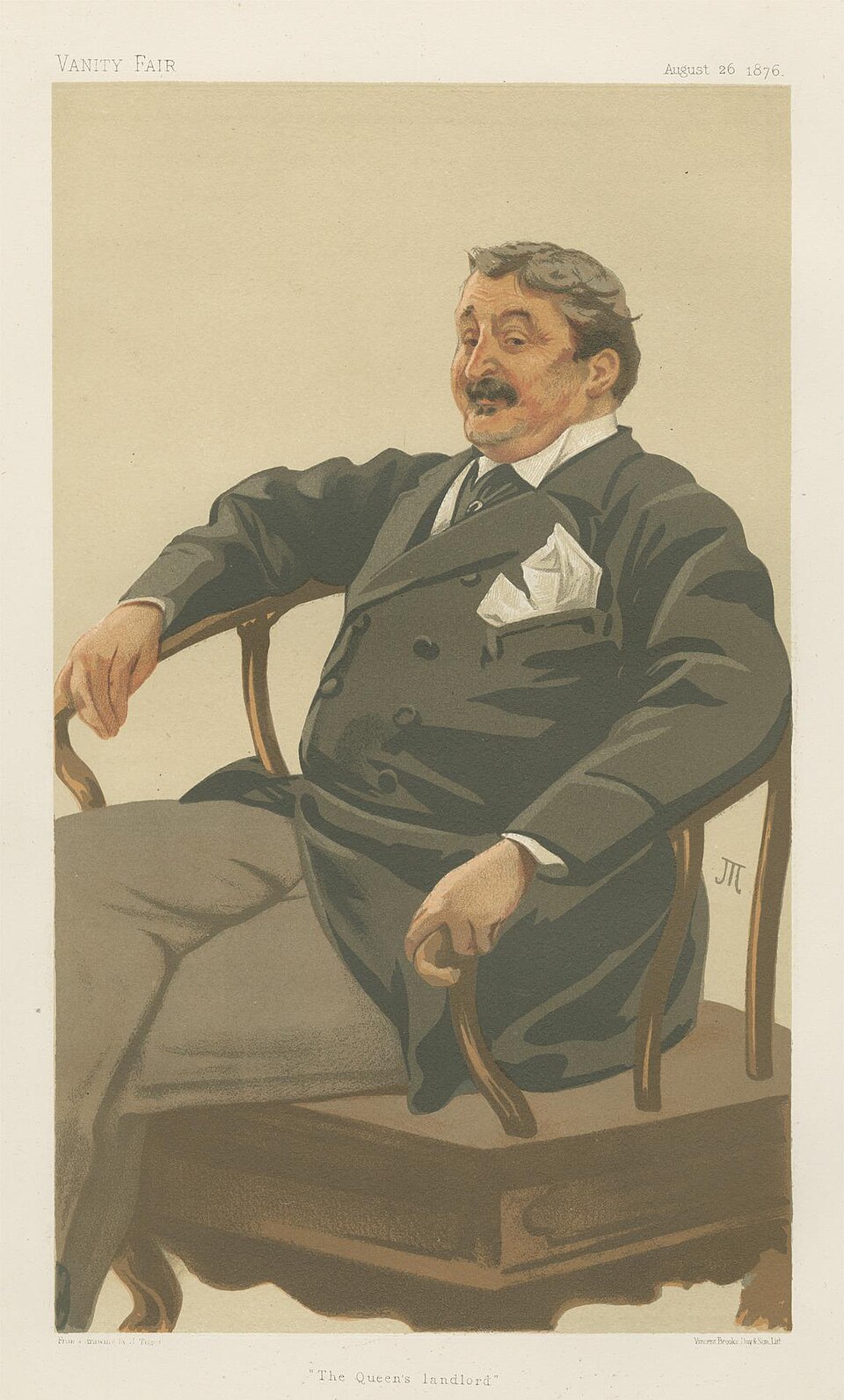
Portrait: James Tissot / Wikimedia Commons / CC0 James Farquharson of Invercauld
Planted around sixteen million fir trees and two million larch on the estate between 1760 and 1806.
-
John Adam
Master Mason to the Board of Ordnance who directed the castle's rebuilding as a Hanoverian garrison.
-
The 12th Laird of Invercauld
Began restoring the castle as a family home after 1831 and entertained Queen Victoria there.
Connections
-
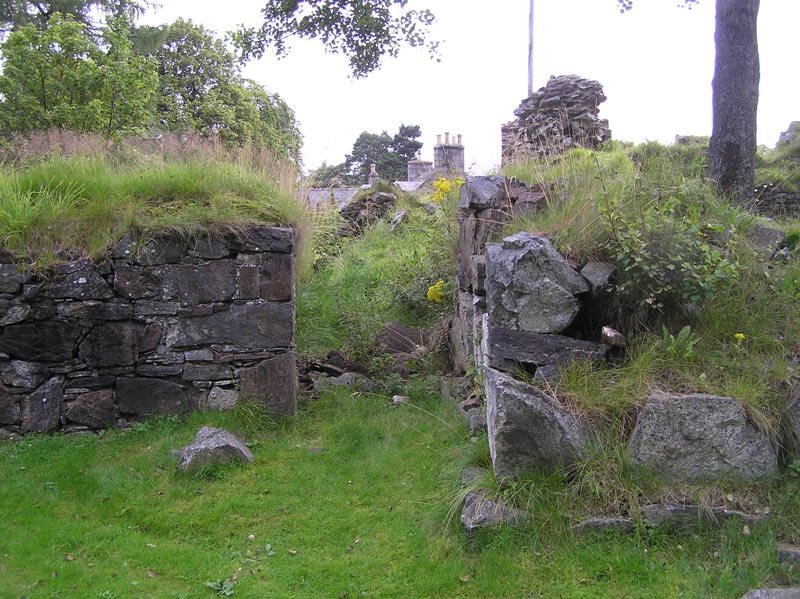
Photo: TheCreator / Wikimedia Commons / Public domain Kindrochit Castle
An 11th-century stronghold on the same strategic site, whose successor building was replaced by the present Braemar Castle in 1628.
-
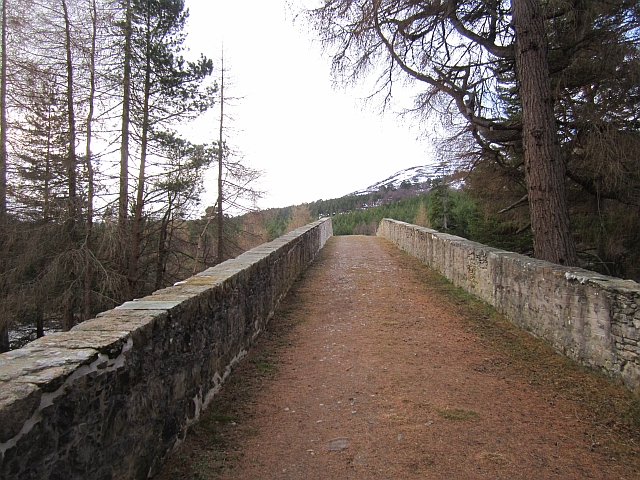
Photo: Richard Webb / Wikimedia Commons / CC BY-SA 2.0 Invercauld
Seat of the Farquharson lairds of Invercauld, who bought the ruined castle after 1716 and later restored it as a family home.
-
Braemar Gatherings
Highland games held in the castle grounds, attended by Queen Victoria during the Farquharson family's 19th-century occupation.
In culture
-
A Scottish Soldier
The castle featured in the music video for Andy Stewart's song "A Scottish Soldier".
What to look for
-
The original iron yett
The main entrance retains its original yett, a hinged iron gate built to resist both fire and forced entry.
-
Star-shaped curtain wall
A curtain wall of six sharp-angled salients gives the castle its star-shaped plan, punctuated by three-storey angle turrets.
-
The Laird's Pit
An iron grille set into a passage floor opens onto the Laird's Pit, a dark hole below that was used as a dungeon.
-
1797 soldier's graffiti
In the Drawing Room, graffiti incised into a window shutter by a government soldier reads "John Chestnut, Sergeant, 1797".
-
The Laird's Day Room
A curved door leads into the Laird's Day Room, opposite the Rose Room, with a small bathroom installed between them in 1901.
Plan your visit
- Location
- 57.0148°N · 3.3915°W
- Nearest settlement
- Braemar
- Access
- Paid entry — managed visitor site
- Time needed
- About 90 minutes
- Best time
- April to October, when the castle is open; the grounds are open daily throughout the year.
- What survives
- The castle and grounds reopened in May 2024 after a conservation and redevelopment project.
- Facilities
- Visitor Wi‑Fi and toilets are available.
Opening & admission
An admission charge applies for entry into the castle; check the official Braemar Castle website for current prices and opening times.
- Run by local volunteers as a visitor attraction with an ongoing restoration programme
- Reopened to the public in 2008
Nearby places
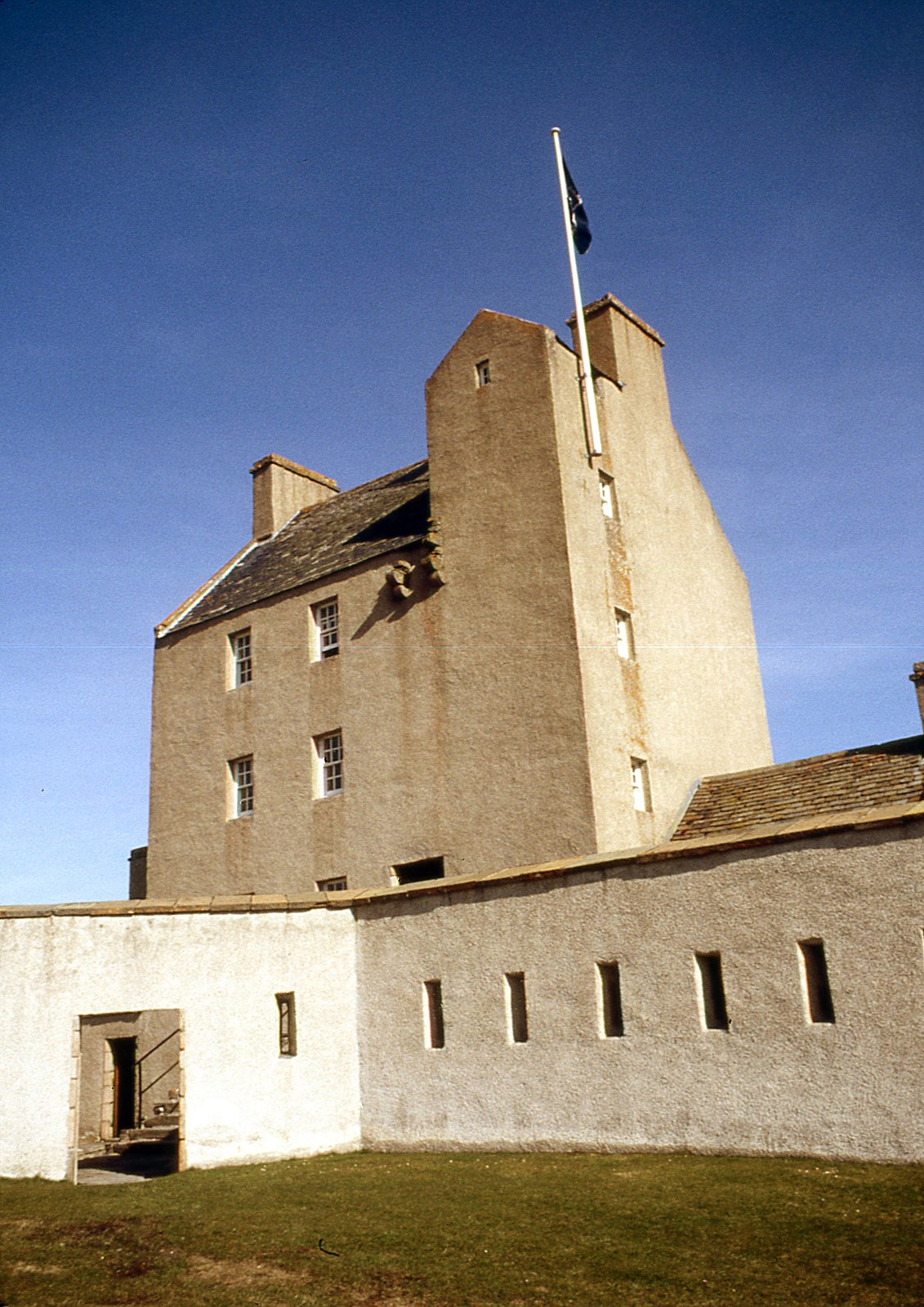
Fortified place · Medieval
Corgarff Castle
Aberdeenshire
Burned three times over two centuries in family feuds and Jacobite risings, the tower was finally rebuilt as a government barracks to police the pa…
- Near Corgarff
- Easy path
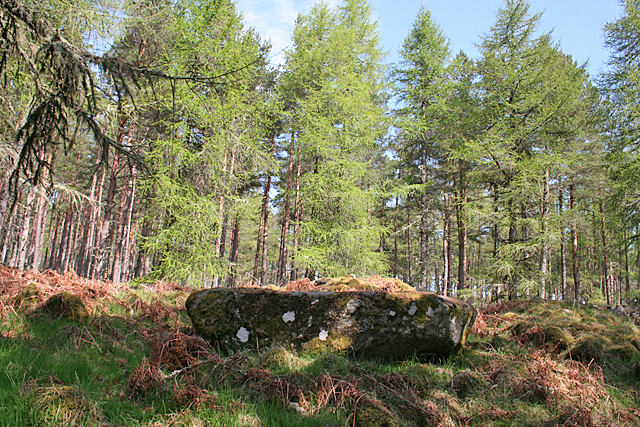
Sacred place · Prehistoric
Blue cairn circle
Aberdeenshire
The recumbent slab lies squared and deliberate rather than fallen, and the stone cairn (a mound of piled stones, often covering a burial) heaped in…
- Near Logie Coldstone
- Rough ground
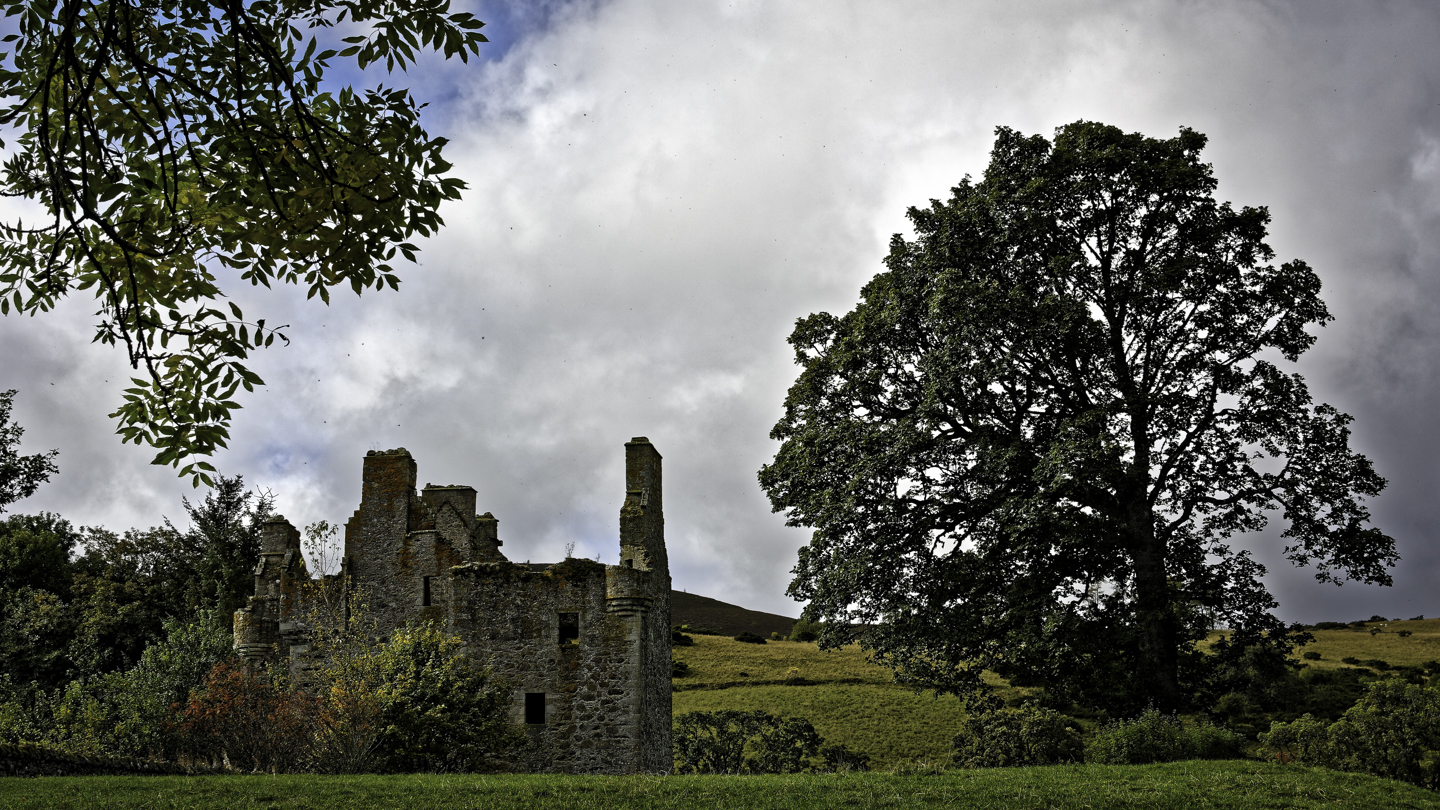
Fortified place · Medieval
Glenbuchat Castle
Aberdeenshire
In 1948 a local club bought the surrounding parkland just so the castle's setting would stay intact: a community rescue of a landscape, not the bui…

Tomb or burial place · Prehistoric
Clava cairns of Aviemore
Highland
These three damaged circles preserve unusually detailed evidence for how field clearance, railway construction and housing altered an interconnecte…
- Near Aviemore
- Some walking
Questions people ask
- When was Braemar Castle built?
- The present castle was built in 1628 by John Erskine, Earl of Mar, replacing an earlier stronghold on a site used since at least the 11th century.
- Why was Braemar Castle burned?
- In 1689 John Farquharson, the Black Colonel of Inverey, burned the castle during the Jacobite rising to stop government troops using it as a garrison.
- Who owns Braemar Castle today?
- It remains the property of the chief of Clan Farquharson but has been leased since 2006 to a local charity, Braemar Community Ltd, run by volunteers.
- Can visitors go inside Braemar Castle?
- Yes. The castle reopened to the public in 2008 after a community-led restoration and remains open for visits today.
- What is the Laird's Pit at Braemar Castle?
- The Laird's Pit is a dark hole beneath a passage floor, reached through an iron grille, that was used as the castle's dungeon.
Sources
- Wikipedia: Braemar Castle
- Historic Environment Scotland — Canmore
- Braemar Castle official website
Explore more: Fortified places · Medieval · Aberdeenshire
The Ancient Codex, in your pocket
Get the Pocket Codex app
Carry the directory with you — Braemar Castle and thousands of ancient places across Britain and Ireland, offline, wherever you roam.