Burned three times over two centuries in family feuds and Jacobite risings, the tower was finally rebuilt as a government barracks to police the pass and, later, illicit whisky stills.
On a night in 1571, flames swallowed the tower at Corgarff with Margaret Campbell, Lady Forbes, her children, and the rest of the household still inside. Twenty-six people died in the fire, set by a raiding party under Adam Gordon of Auchindoun in a feud between the Forbes and Gordon families. The horror of it was severe enough that it likely gave rise to the ballad Edom o Gordon, a piece of oral verse that has outlived almost everything else about the incident.
That fire was only one chapter in a much longer run of seizures and changes of hand. Built around 1530 by the Elphinstone family and leased out to the Forbes of Towie, the tower was fought over for two centuries: stormed with hammers and battering rams in 1607 by a party that included a piper, passed to the Earl of Mar in the 1620s, used as a mustering point for the Marquis of Montrose’s forces, and burned twice more during the Jacobite risings.
What stands today is largely the result of a different kind of occupation. Bought by the British government in 1748 after the Forbes family lost it through forfeiture, the tower was rebuilt and extended into a barracks for troops policing the military road between Braemar and Fort George. Soldiers gave way in time to excisemen chasing illegal whisky stills, and the castle eventually passed into state care, where it now stands open to visitors as a scheduled monument.
What follows is drawn from published sources, with each claim labelled by how firmly it is established.
History
Around 1530 the Elphinstone family built a tower at Corgarff to hold the ground where the Lecht road climbs through the pass between Strathdon and Tomintoul, then leased the stronghold to the Forbes of Towie. That tenancy placed a Forbes household in a building that stood exposed to the family's long-running feud with the Gordons, a rivalry that would shortly turn the tower into a scene of mass killing rather than simple shelter.
In 1571 the feud reached Corgarff directly when Adam Gordon of Auchindoun led a raiding party against the tower and set it alight while Margaret Campbell, Lady Forbes, her children, and members of the household were still inside. Twenty-six people died in the fire, a toll severe enough that the episode probably gave rise to the ballad Edom o Gordon, which carried the memory of the killing long after the details of the feud itself had faded from record.
In May 1607 the castle changed hands again, this time by force, when Alexander Forbes of Towie led companions, including a piper named George McRobie, in breaking down the gate with hammers and battering rams to seize it from Alexander, 4th Lord Elphinstone. Having taken the tower, the Forbes party garrisoned it with men the record brands as "Highland thieves and limmers", turning a private feud into an armed occupation of the pass itself.
The Earl of Mar acquired Corgarff in 1626, bringing the tower under a new landholding that would carry it through the mid-seventeenth-century wars. In 1645 it served as an assembly point for the troops of the Marquis of Montrose during his campaigns for the Royalist cause, a use that shows how the castle's value lay less in comfort than in its command of the routes through the surrounding hills.
Corgarff was burned twice more in the decades that followed, in 1689 and again in 1716, both times by Jacobite supporters during the risings that repeatedly drew the north-east of Scotland into national conflict. The Forbes family resettled the site in 1745, but their renewed Jacobite sympathies cost them the property outright, and the castle was forfeited to the government in the aftermath of the rising.
In 1748 the British government bought the forfeited castle and rebuilt and extended it as a barracks, stationing a detachment of troops there to watch over the military road running from Braemar Castle to Fort George at Inverness. Soldiers held the post into the nineteenth century, with military use continuing as late as 1831, by which point the wider task of policing the Highlands had shifted from suppressing rebellion to enforcing the law on the ground.
After the troops left, the tower took on a quieter role suppressing illegal whisky distilling in the surrounding hills, before passing into private ownership as part of the Delnadamph estate held by the Stockdale family. In 1961 the Stockdales placed the castle into state care and gave ownership to the Lonach Highland and Friendly Society; it is now looked after by Historic Environment Scotland, open to visitors for seasonal periods, and protected as a scheduled monument.
People
-
Margaret Campbell, Lady Forbes
Died with her children and household in the 1571 fire set by Adam Gordon of Auchindoun.
-
Adam Gordon of Auchindoun
Led the 1571 raid and fire that killed twenty-six people at Corgarff, an act probably commemorated in the ballad Edom o Gordon.
-
Alexander Forbes of Towie
Led the party that broke into Corgarff by force in May 1607 to seize it from Alexander, 4th Lord Elphinstone.
-
George McRobie
A piper who took part in the 1607 armed seizure of the castle alongside Alexander Forbes of Towie.
-
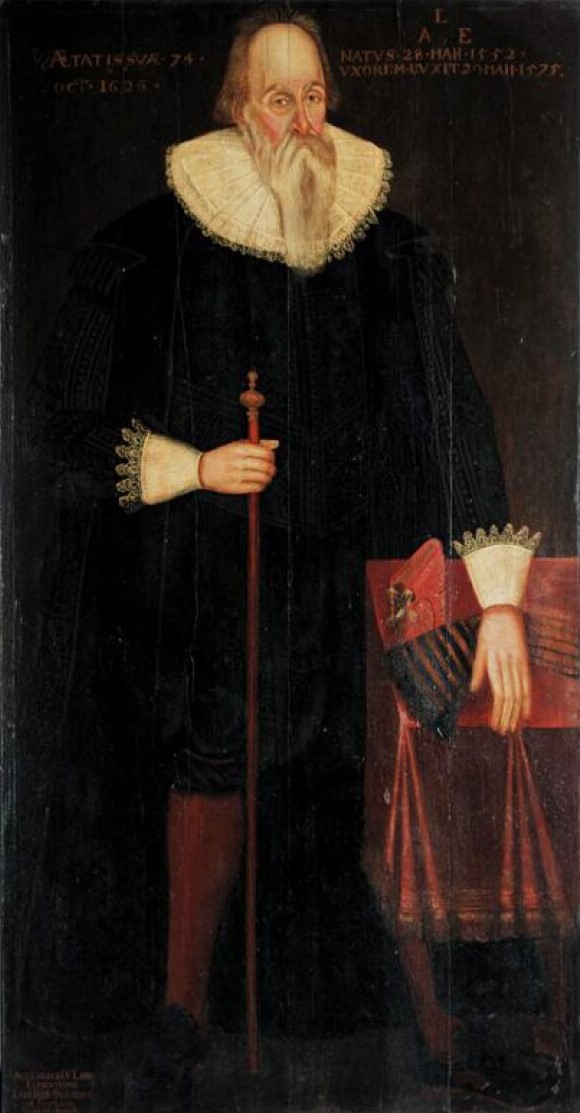
Portrait: Scottish School, c. 1626 / Wikimedia Commons / Public domain Alexander, 4th Lord Elphinstone
Held the castle until it was taken from him by force in May 1607.
Connections
-
Forbes of Towie
Leased Corgarff from the Elphinstone family in the 1530s and lost members of the household in the 1571 fire; later retook the castle by force in 1607 and resettled it in 1745.
-
_(14592152240).jpg?width=320)
Photo: Internet Archive Book Images / Wikimedia Commons / No restrictions Elphinstone family
Built Corgarff around 1530 and held it until Alexander, 4th Lord Elphinstone lost the castle by force to the Forbes in 1607.
-
Earl of Mar
Acquired Corgarff in 1626, bringing it into the Mar landholdings that carried the castle through the mid-seventeenth century.
-
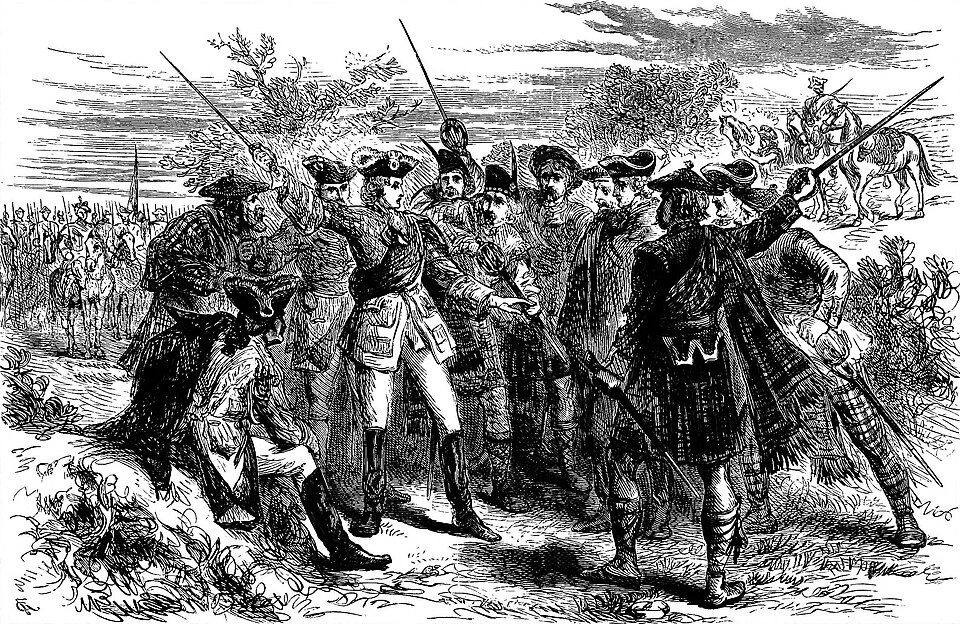
Photo: Unknown author / Wikimedia Commons / Public domain Marquis of Montrose
Used Corgarff as an assembly point for his troops in 1645 during his Royalist campaigns.
-
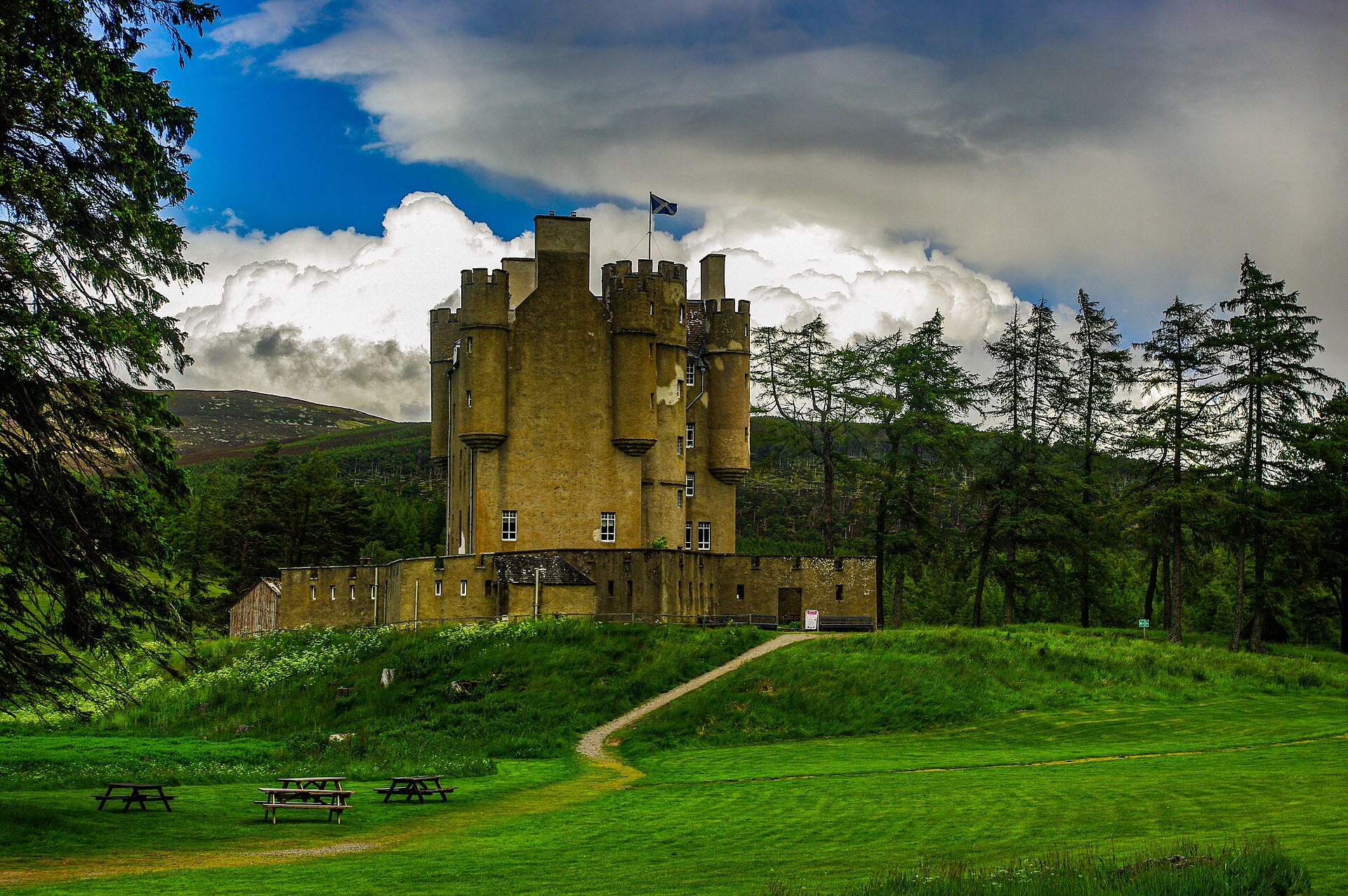
Photo: Landscapes and Aviation / Wikimedia Commons / CC BY 2.0 Corgarff's post-1748 garrison stood on the military road running between Braemar Castle and Fort George at Inverness.
In culture
-
Edom o Gordon
The 1571 burning of Corgarff probably gave rise to the traditional ballad Edom o Gordon, which preserves the episode in song.
What to look for
-
The tower on the Lecht road
The castle stands just west of the village of Corgarff, positioned to command the pass on the Lecht road where it crosses between Strathdon and Tomintoul.
-
The 1748 barracks conversion
The fabric of the building reflects its rebuilding and extension in 1748 into a government barracks, laid out to house a garrison rather than a single household.
Plan your visit
- Location
- 57.1628°N · 3.2342°W
- Nearest settlement
- Corgarff
- Access
- Paid entry — managed visitor site
- Terrain
- Easy going
- Parking
- A level tarmac car park is available; the castle is 350 metres away along a loose gravel path up a 1:5 slope.
- Time needed
- About 90 minutes
- Best time
- Visit during Historic Environment Scotland’s advertised open season; current hours and admission should be checked before travelling.
- What survives
- A restored mid-sixteenth-century tower, rebuilt as an eighteenth-century barracks, survives with reconstructed interiors and defensive walls.
- Facilities
- Car parking and a visitor centre are available. There are no toilets at the castle.
- Start point
- Corgarff Castle car park, near Strathdon, Aberdeenshire AB36 8YP
Opening & admission
An admission charge applies during the open season — check the managing body's site for current prices and opening times before travelling.
- Open to the public for seasonal periods only
- A scheduled monument, so entry may be restricted outside the season
Nearby places
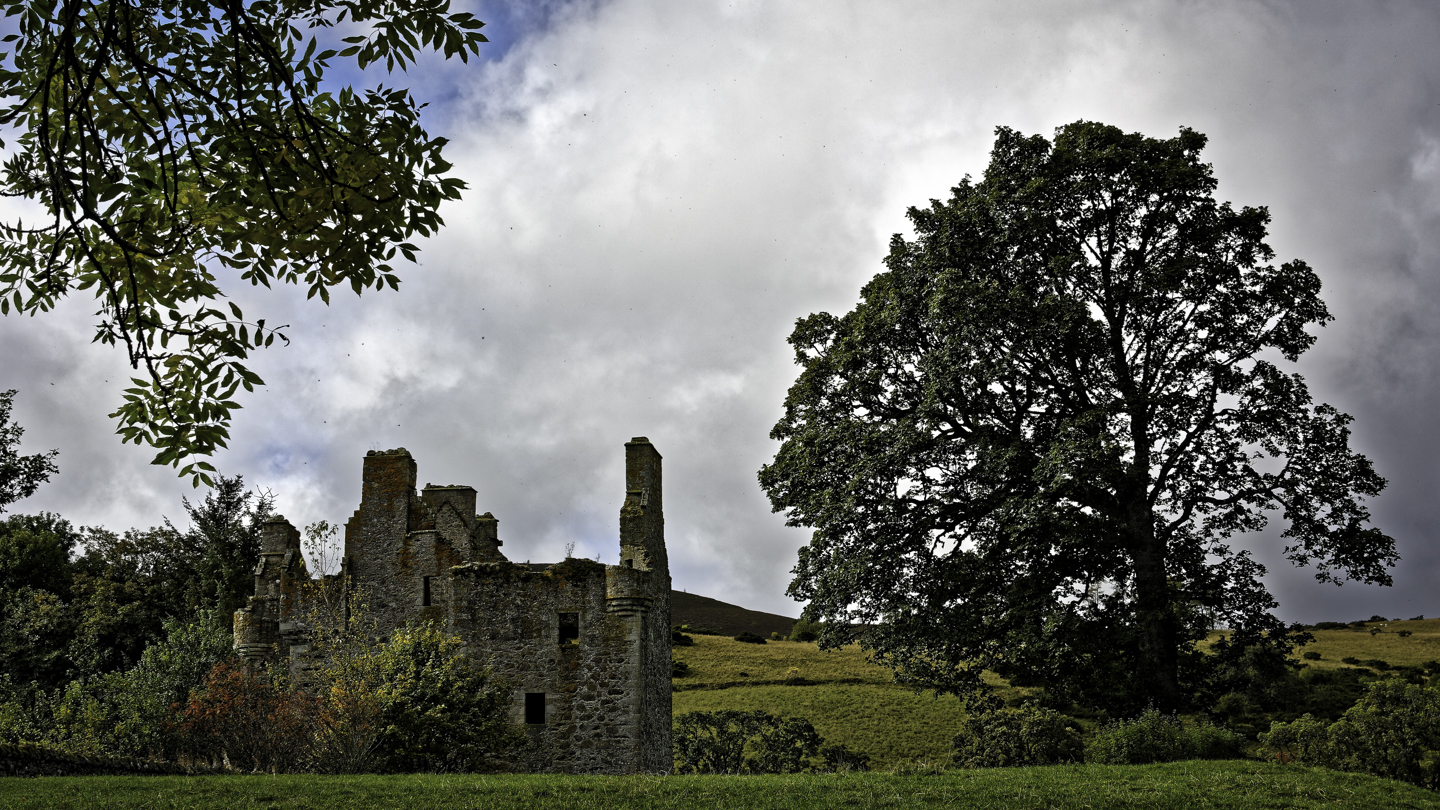
Fortified place · Medieval
Glenbuchat Castle
Aberdeenshire
In 1948 a local club bought the surrounding parkland just so the castle's setting would stay intact: a community rescue of a landscape, not the bui…
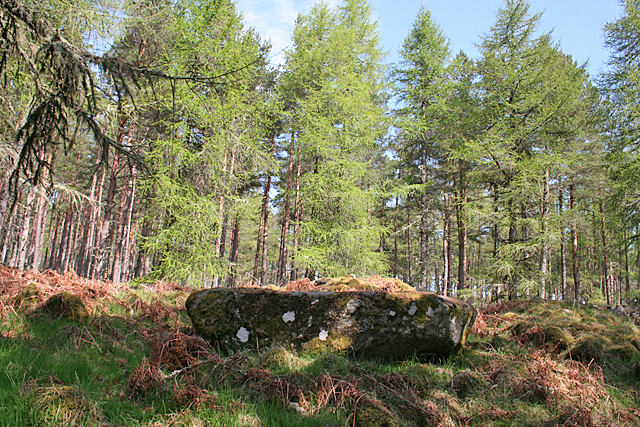
Sacred place · Prehistoric
Blue cairn circle
Aberdeenshire
The recumbent slab lies squared and deliberate rather than fallen, and the stone cairn (a mound of piled stones, often covering a burial) heaped in…
- Near Logie Coldstone
- Rough ground
Fortified place · Medieval
Braemar Castle
Aberdeenshire
Built in 1628 to check the rising Farquharsons, burned by a Farquharson colonel sixty years later, and now restored and run entirely by local volun…
- Near Braemar
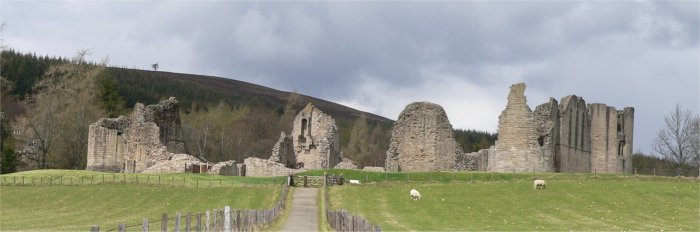
Fortified place · Medieval
Kildrummy Castle
Aberdeenshire
A shield-shaped fortress whose sieges shaped a kingdom: from the capture and execution of Robert the Bruce's brother in 1306 to a countess's defian…
- Some walking
Questions people ask
- When was Corgarff Castle built?
- It was built around 1530 by the Elphinstone family, who leased it to the Forbes of Towie.
- What happened at Corgarff Castle in 1571?
- Adam Gordon of Auchindoun burned the tower, killing Margaret Campbell, Lady Forbes, her children, and others, twenty-six in total.
- Is Corgarff Castle linked to a ballad?
- The 1571 fire and killings probably gave rise to the ballad Edom o Gordon.
- Why was Corgarff Castle turned into a barracks?
- The government bought it in 1748 after Jacobite forfeiture and rebuilt it to garrison troops on the military road from Braemar to Fort George.
- Who looks after Corgarff Castle today?
- Historic Environment Scotland cares for it as a scheduled monument, open to visitors for seasonal periods.
Sources
- Wikipedia: Corgarff Castle
- Historic Environment Scotland — Visitor guide
- Simpson, W. Douglas, "Corgarff Castle, Aberdeenshire", Proceedings of the Society of Antiquaries of Scotland, vol. 61 (1927)
Explore more: Fortified places · Medieval · Aberdeenshire
The Ancient Codex, in your pocket
Get the Pocket Codex app
Carry the directory with you — Corgarff Castle and thousands of ancient places across Britain and Ireland, offline, wherever you roam.