
Two dating estimates over a thousand years apart - Sir Norman Lockyer's 1200 BC and Historic Environment Scotland's roughly 4500 years old - sit on the same ring of stones, unresolved.
The B9025 passes a stand of trees between Bogton and Laithers, and within the wood a ring of standing stones survives under the canopy. The monument is prehistoric — from from the era before writing arrived in these islands — and the trees that now conceal it are much younger than Aberdeenshire’s megalithic circle.
Just how old the circle is depends on whom is asked. Sir Norman Lockyer, working from his study of stone circles across Britain, concluded that Whitehill Wood and the other circles of Aberdeenshire were raised around 1200 BC. Historic Environment Scotland takes a longer view, placing its construction at roughly 4500 years ago - squarely within the late Neolithic to early Bronze Age, well over a thousand years earlier than Lockyer’s figure.
Whatever its true age, the circle now carries legal protection as a scheduled monument, a status that recognises its national importance and restricts disturbance to the stones and the ground around them.
What follows is drawn from published sources, with each claim labelled by how firmly it is established.
History
Long before Whitehill Wood existed as trees, communities in this part of Aberdeenshire raised a ring of standing stones on the site, joining a wider prehistoric tradition of stone circle building found across the region. Historic Environment Scotland places this act of construction at roughly 4500 years ago, within the late Neolithic to early Bronze Age, when such rings served as gathering places and markers on the land.
One assessment of Whitehill Wood's age comes from Sir Norman Lockyer, who studied the site alongside the other Aberdeenshire circles and concluded they were built around 1200 BC. This figure treats the ring as a comparatively late prehistoric monument, built well within the Bronze Age rather than the Neolithic period that produced Scotland's earliest stone circles.
Historic Environment Scotland takes a very different view of the circle's age, describing it as roughly 4500 years old rather than the 1200 BC proposed by Lockyer. That estimate pushes construction back into the late Neolithic to early Bronze Age, more than a thousand years earlier than Lockyer's calculated date, leaving the two figures for Whitehill Wood's origin still unreconciled.
At some point Whitehill Wood was designated a scheduled monument, the legal status Scotland gives to sites judged nationally important. The designation protects both the standing stones and the ground immediately around them from disturbance, formally recognising the circle's place among the protected megalithic monuments of Aberdeenshire regardless of which construction date is accepted.
People
-
Sir Norman Lockyer
Credited with dating Whitehill Wood and the other Aberdeenshire stone circles to around 1200 BC, an estimate that differs sharply from Historic Environment Scotland's later assessment.
Cultural influences
-
Aberdeenshire stone-circle tradition
Whitehill Wood belongs to the wider prehistoric tradition of stone-circle building in Aberdeenshire, although its construction date remains debated.
Connections
-
The Aberdeenshire stone circles
Whitehill Wood is counted among this wider regional group of megalithic rings, sharing their broad construction era and the prehistoric tradition of circle-building found across the county.
What to look for
-
The standing stones within the trees
The ring of megalithic stones stands inside the trees of Whitehill Wood, an unusual survival of a prehistoric monument enclosed by woodland rather than left in open moor or field.
-
Its quiet roadside setting
The circle lies just off the B9025, in the gap between the hamlets of Bogton and Laithers on the route between Aberchirder and Turriff, a reminder that many prehistoric monuments survive because the ground around them was never brought into intensive use.
Plan your visit
- Location
- 57.5436°N · 2.5394°W
- Nearest settlement
- Aberchirder
- Access
- Open access
- Terrain
- Rough ground — reasonable boots advised
- Time needed
- About 30 minutes
- Best time
- Dry daylight, when the stones can be seen clearly within the woodland.
- What survives
- A prehistoric stone circle survives within Whitehill Wood, close to the B9025.
Opening & admission
No admission charge is recorded; check the managing body's site before travelling.
- Scheduled monument in a wood off the B9025, between Aberchirder and Turriff
Nearby places
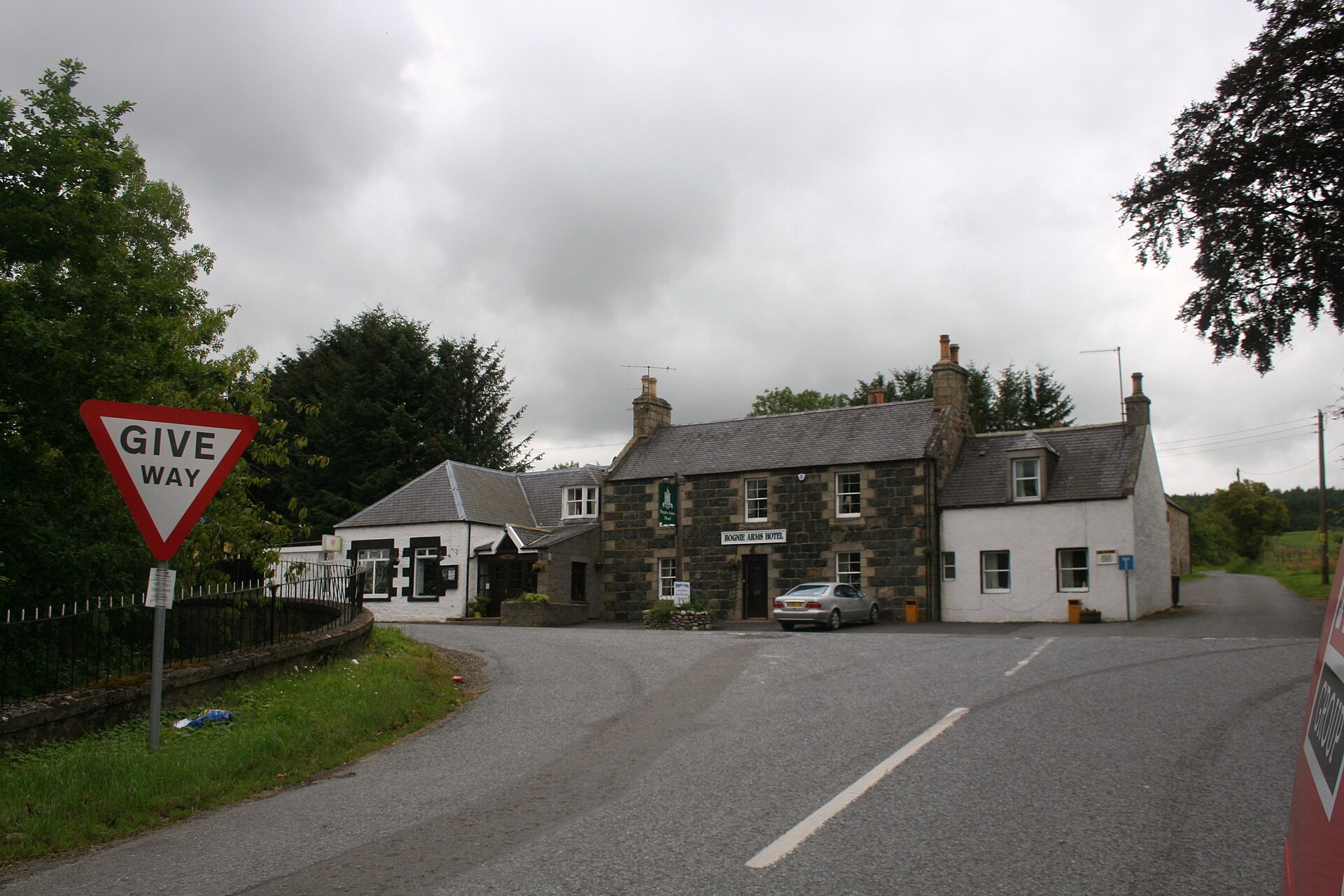
Sacred place · Prehistoric
Yonder Bognie
Aberdeenshire
One of more than seventy recumbent stone circles unique to lowland Aberdeenshire, its closest architectural parallels lie not in Scotland but in so…
- Near Huntly
- Easy path
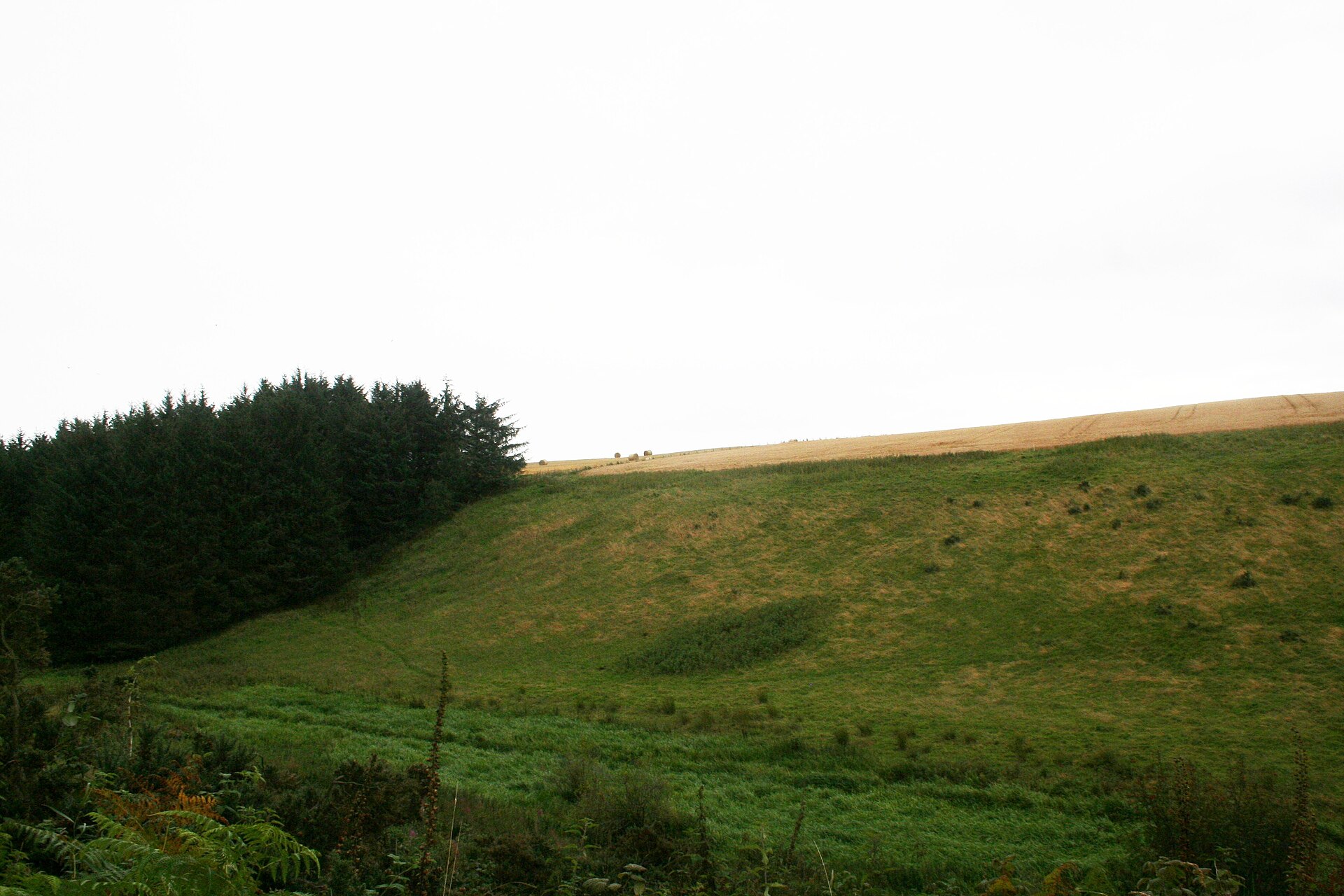
Fortified place · Roman
Ythan Wells
Aberdeenshire
Two marching camps of different size and date lie stacked on the same patch of ground: among the northernmost Roman camps ever built in Scotland.
- Near Huntly
- Easy path
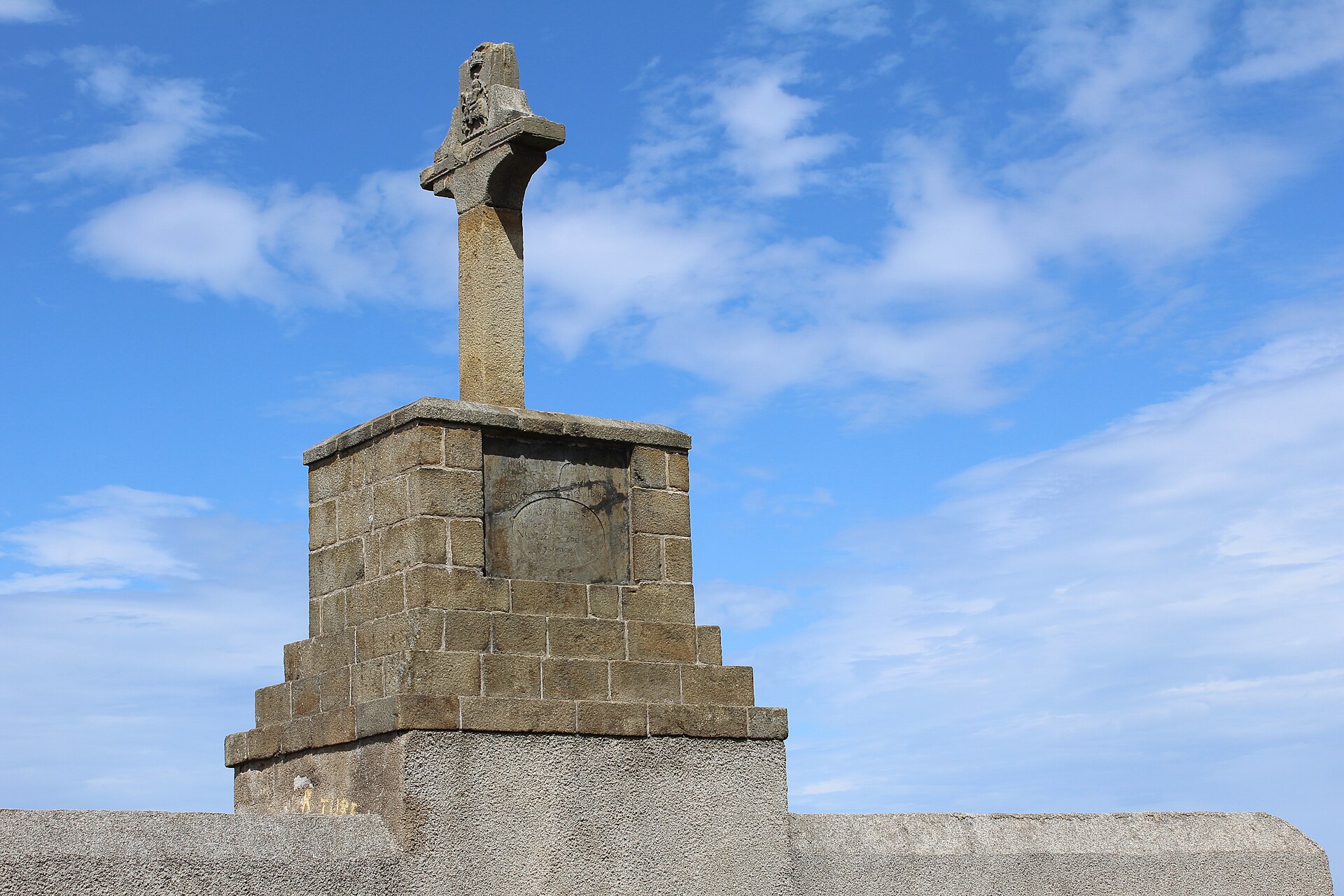
Minor monument · Medieval
Market Cross, Church Street, Macduff
Aberdeenshire
Macduff’s 1783 cross reassembled older fragments into a royal-burgh statement, its rider and inscriptions preserving the Earl of Fife’s civic ambit…
- Easy path
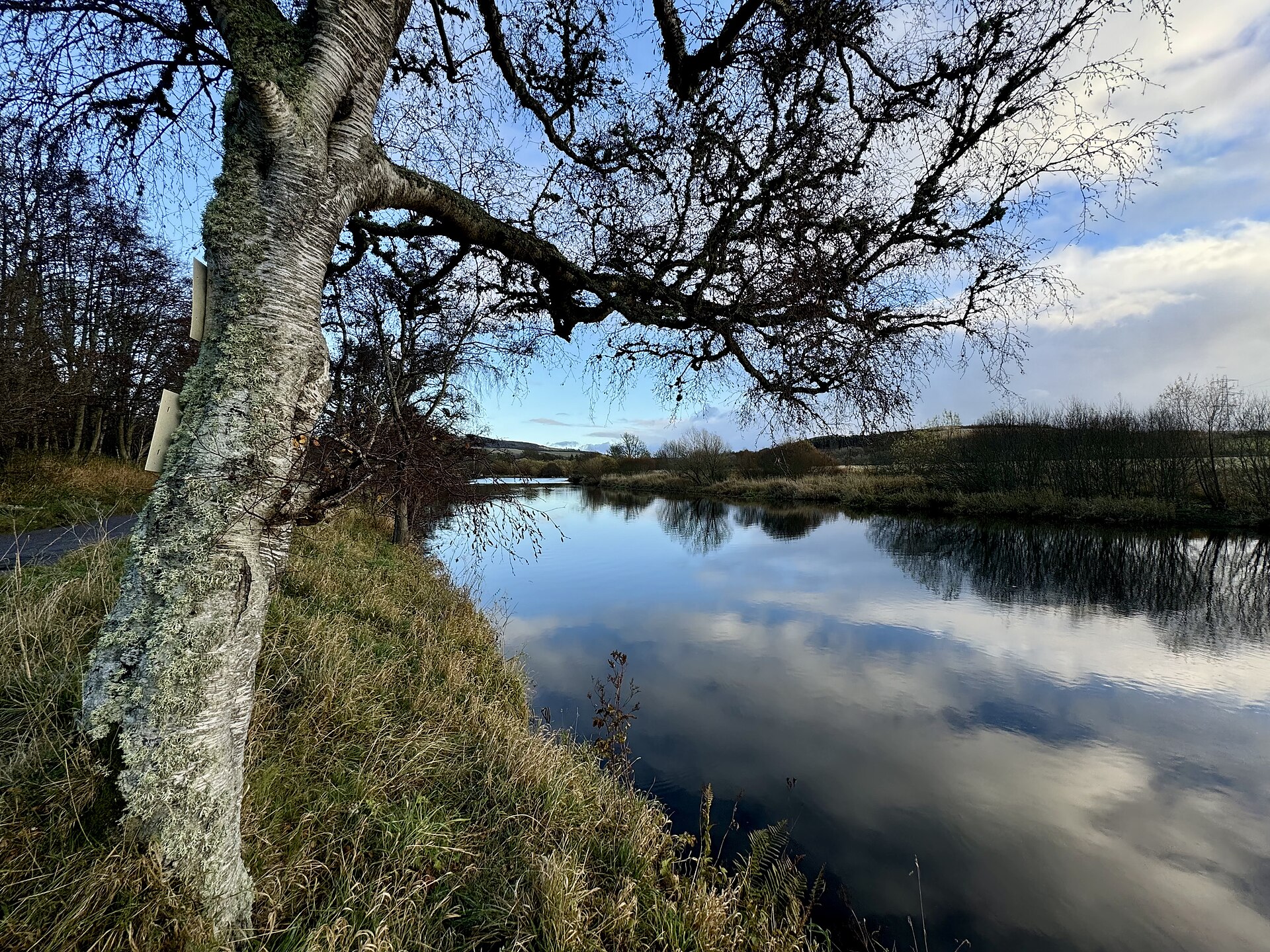
Fortified place · Roman
Burnfield
Aberdeenshire
A Roman camp so faint on the ground that only a photograph taken from the air, in 1982, proved it had ever existed at all.
- Near Milltown of Rothiemay
- Easy path
Questions people ask
- How old is Whitehill Wood stone circle?
- Estimates differ: Sir Norman Lockyer dated it to around 1200 BC, while Historic Environment Scotland places it at roughly 4500 years old, in the late Neolithic to early Bronze Age.
- Where is Whitehill Wood stone circle?
- It stands off the B9025 between Aberchirder and Turriff, in the gap between the hamlets of Bogton and Laithers, in Aberdeenshire, Scotland.
- Is Whitehill Wood stone circle protected?
- Yes. It is designated a scheduled monument, giving it legal protection under Scotland's heritage law.
- What kind of monument is Whitehill Wood?
- It is a megalithic stone circle, one of the group of prehistoric stone circles found across Aberdeenshire.
- Who proposed the 1200 BC date for the circle?
- Sir Norman Lockyer, who studied the circle alongside the other Aberdeenshire circles, proposed this date for the group.
Sources
- Wikipedia: Whitehill Wood, Aberdeenshire
- Historic Environment Scotland — Scheduled Monument record
- Wikidata: Whitehill Wood, Aberdeenshire (Q7996061)
Explore more: Sacred places · Prehistoric · Aberdeenshire
The Ancient Codex, in your pocket
Get the Pocket Codex app
Carry the directory with you — Whitehill Wood, Aberdeenshire and thousands of ancient places across Britain and Ireland, offline, wherever you roam.