
A wooden castle mound that once governed the whole lordship of the Garioch, its earthworks still holding an oak gangway and a 14th-century face-jug unearthed within them.
Rising abruptly from level ground within Inverurie Cemetery, a steep, round-topped mound of earth marks where a timber castle once kept watch over the roads and river crossings of the Garioch. Scarped sides and a surrounding ditch, cut by the hands that raised it, still hold their shape long after the buildings that stood on top have gone. Beside it, a second, lower mound known as the Little Bass marks the outer enclosure, or bailey, where the household and garrison of the castle would have lived and worked.
The motte itself, a natural rise reshaped by digging and heaping earth, now stands about 12 metres high with a summit some 18 metres across; the Little Bass beside it covers a smaller, oval footprint roughly 30 by 23 metres and rises about 5 metres above the surrounding ground. Together the two mounds are what survive of the castle of Inverurie, the seat from which the Garioch, one of medieval Scotland’s great lordships, was governed through the 12th and 13th centuries.
The castle’s hereditary constables were drawn from the De Lesselyn family, a name that survives today as Leslie. Nineteenth-century digging into the mound and its ditch turned up a wooden gangway of oak and broken medieval pottery, including part of a 14th-century jug moulded with a face, small physical traces of the life once lived on top of earthworks that remain the site’s only visible history.
What follows is drawn from published sources, with each claim labelled by how firmly it is established.
History
In the 12th century a natural mound at Inverurie was reshaped into a motte, its sides cut back and steepened and a ditch dug around its base, to carry a timber castle commanding routes through the Garioch. Beside it a second, oval mound was raised to serve as the bailey, later known as the Little Bass, where subsidiary buildings and activity around the lord's household would have taken place.
Throughout the 12th and 13th centuries, the castle of Inverurie functioned as the administrative and judicial centre of the Garioch, one of the great medieval lordships of northern Scotland. From its motte-and-bailey earthworks, officials oversaw the surrounding lands, making the site a seat of real regional authority rather than merely a fortified lookout post above the town.
The constableship of the castle was held on a hereditary basis by the De Lesselyn family, whose surname survives into the present as Leslie. Their long tenure of the office tied one of Scotland's most enduring noble names to this single earthwork mound above Inverurie, long before the family's descendants rose to wider prominence elsewhere in the country.
Excavations carried out in the 19th century into the motte and its surrounding ditch recovered the timber remains of an oaken gangway that had once given access onto the mound, along with fragments of medieval pottery. Among the pottery was part of a 14th-century jug moulded with a face, a small but vivid trace of everyday life on a site otherwise reduced to bare earthworks.
The Bass and the Little Bass are together protected today as a scheduled monument, reference SM99, in recognition of their surviving earthworks and the archaeological evidence recovered from them. The site now stands within Inverurie Cemetery, a quiet setting for what remains of a once-powerful seat of lordship.
People
-
De Lesselyn (Leslie) family
The family held the hereditary constableship of the castle, tying its later, better-known name of Leslie to this early seat of lordship.
Connections
-
Lordship of the Garioch
The castle of Inverurie, of which the Bass and Little Bass are the surviving earthworks, served as the administrative and judicial centre of the Garioch in the 12th and 13th centuries.
-
Inverurie Cemetery
The Bass and Little Bass now stand within Inverurie Cemetery, where later burials surround the medieval earthworks. This modern setting preserves the mounds as visible landmarks while contrasting sharply with their former role as the regional centre of lordship and justice.
Discovery & excavation
Excavation of the motte and its surrounding ditch in the 19th century uncovered the timber remains of an oaken gangway on the mound itself, together with fragments of medieval pottery, including part of a 14th-century jug moulded with a face.
In culture
-
Reconstruction illustration
An artist's reconstruction depicting how the castle may have appeared in the Middle Ages has been produced, giving a visual impression of the timber buildings once raised on the surviving earthworks.
What to look for
-
The Bass (motte)
The main mound, about 12 metres high with a summit some 18 metres across, its sides scarped steeply and a ditch cut around its base - the earthwork base of the castle's timber keep and the clearest surviving sign of Inverurie's medieval lordship.
-
The Little Bass (bailey)
An oval mound to the east of the Bass, roughly 30 metres by 23 metres and about 5 metres high, marking the site of the castle\x27s outer enclosure; together the two mounds preserve the basic motte-and-bailey plan.
-
Setting within Inverurie Cemetery
Both mounds stand inside the grounds of Inverurie Cemetery, where later burials now surround the medieval earthworks.
Plan your visit
- Location
- 57.2755°N · 2.3646°W
- Access
- Open access
- Terrain
- Easy going
- Time needed
- About 30 minutes
Opening & admission
No admission is charged; check the local council for any cemetery access hours before visiting.
- Located within Inverurie Cemetery, so it is freely reachable during cemetery opening hours
- A scheduled monument on a grassy mound with no significant climbing involved
Nearby places
_(geograph_5555392).jpg?width=800)
Carved stone · Pictish & early medieval
Broomend of Crichie stone
Aberdeenshire
A Pictish symbol stone: the Picts held northern and eastern Scotland from about AD 300 to 900: carved with the enigmatic 'beast' and crescent-and-V…
- Near Port Elphinstone
- Easy path
Fortified place · Medieval
Caskieben
Aberdeenshire
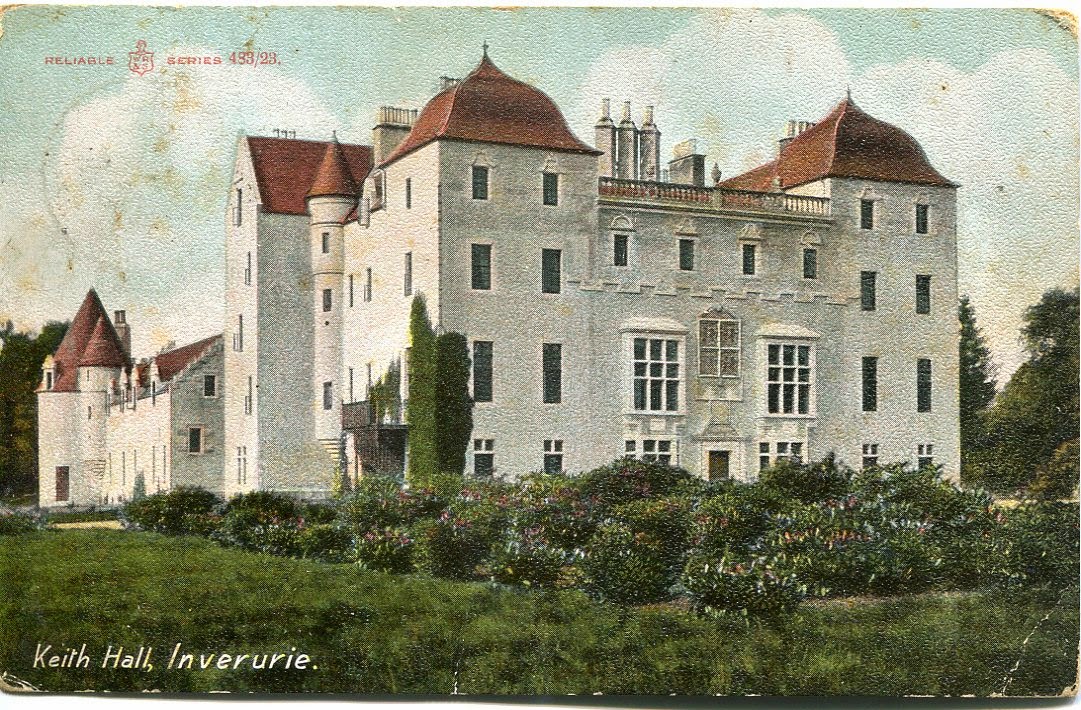
A timber tower's mound and moat still trace the outline beneath Keith Hall, a mansion that grew from Z-plan castle to Georgian seat over seven cent…
- Easy path
Carved stone · Pictish & early medieval
Brandsbutt Stone
Aberdeenshire
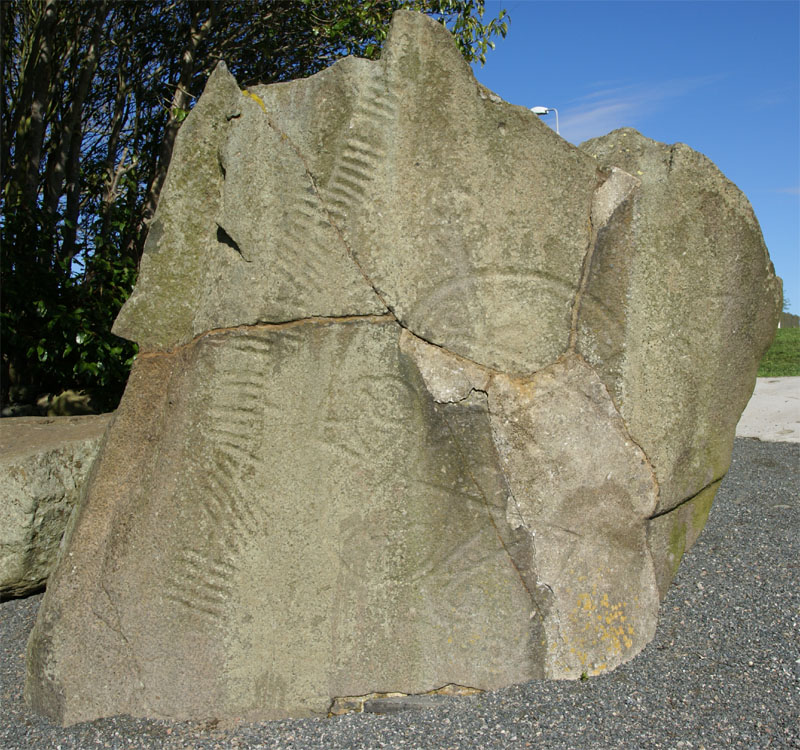
Brandsbutt preserves the symbols of the Picts, people of northern and eastern Scotland from about AD 300 to 900, beside an Ogham inscription still…
- Near Inverurie
- 1 min walk from car park
- Easy path
Sacred place · Prehistoric
Kirkton of Bourtie stone circle
Aberdeenshire
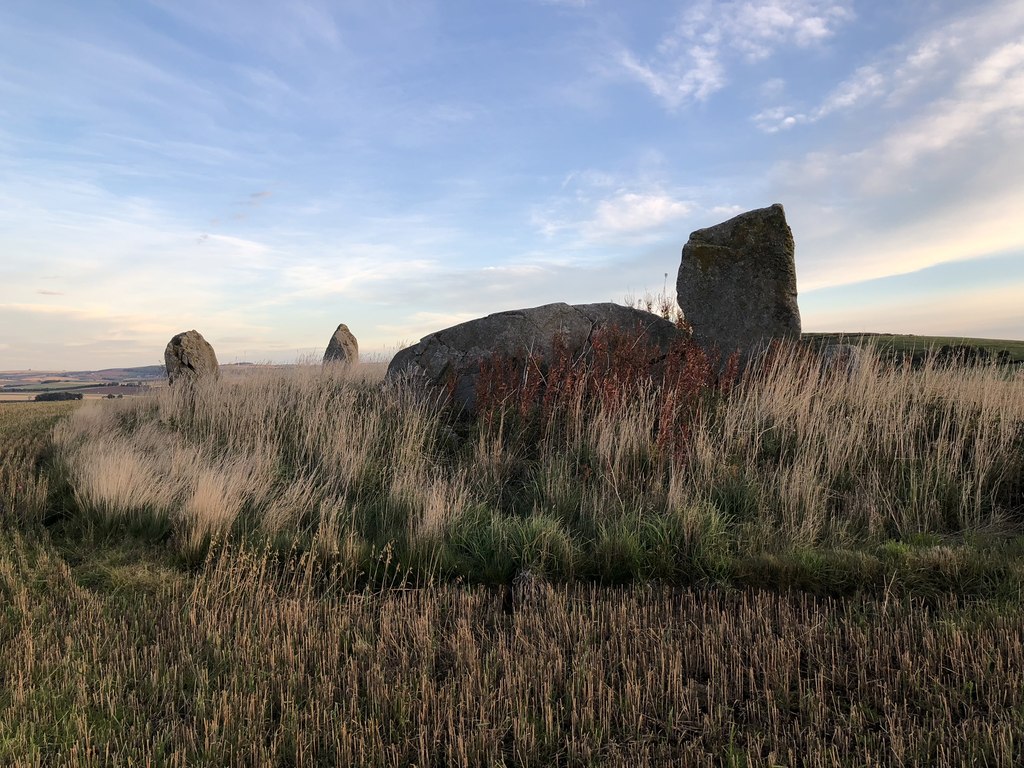
Its broken recumbent stone is the longest known of its kind in Scotland: the sole survivor of what were once three stone circles in this parish.
- Near Inverurie
- Easy path
The setting
Path between the cemetery mounds at the Bass of Inverurie.
Photo: Stanley Howe / Wikimedia Commons / CC BY-SA 2.0
The Little Bass mound within Inverurie Cemetery, beside the larger Bass.
Photo: Anne Burgess / Wikimedia Commons / CC BY-SA 2.0
The cemetery landscape around the Bass of Inverurie mounds.
Photo: Anne Burgess / Wikimedia Commons / CC BY-SA 2.0
Questions people ask
- What is the Bass of Inverurie?
- It is the earthwork remains of a motte-and-bailey castle in Inverurie, Aberdeenshire, consisting of a mound (the Bass) and its former bailey (the Little Bass).
- How big is the motte?
- The main mound stands about 12 metres high with a summit roughly 18 metres across, its sides scarped and surrounded by a ditch.
- Who held the castle?
- Hereditary constables from the De Lesselyn (Leslie) family administered the castle, which served as the seat of the lordship of the Garioch in the 12th and 13th centuries.
- What have excavations found?
- Nineteenth-century digging uncovered an oaken gangway on the motte and medieval pottery in the ditch, including part of a 14th-century face-mask jug.
- Is the site protected?
- Yes. The Bass and Little Bass are designated a scheduled monument, reference SM99, reflecting their national archaeological importance.
Sources
- Wikipedia: Bass of Inverurie
- Historic Environment Scotland — Scheduled Monument SM99
Explore more: Fortified places · Medieval · Aberdeenshire
The Ancient Codex, in your pocket
Get the Pocket Codex app
Carry the directory with you — Bass of Inverurie and thousands of ancient places across Britain and Ireland, offline, wherever you roam.