
The sole survivor of a cemetery of three great Bronze Age (roughly 2500–800 BC, when metal tools first spread) cairns, its lost neighbours quarried away stone by stone for field walls.
A low mound of heaped stone rises from farmland near Fraserburgh, the last standing remnant of what was once a cemetery of three great cairns. Diggers who broke into it before 1780 found human bone lying at its centre, and stones scorched so fiercely by fire that they had turned almost to glass — a trace of rites carried out at the graveside long before anyone thought to write down who lay there or why.
What came out of the ground over the following century built up a fuller picture. In 1790 a stone-lined burial box, a flint dart-head and a block of flint were recovered from one of the large cairns, and in 1827 a further haul — an urn of burnt bone, several human skulls and an iron short sword still in its wooden scabbard — was handed over to what is now the National Museum of Scotland. The sword itself has since gone missing and may not survive at all.
Of the three cairns measured in 1723, each recorded at some 30 metres across and 12 metres high, only this one still stands; the other two were pulled apart, their stone very likely built into the field walls that still cross the surrounding land. A house-building project nearby in 2022 turned up postholes, a hearth, a pit and worked flint and quartz, evidence that people were living and working around the site long before, and long after, the cairn itself was raised.
What follows is drawn from published sources, with each claim labelled by how firmly it is established.
History
In 1723 surveyors recorded the cemetery at Memsie in detail, describing three large cairns spaced roughly 100 metres apart, each standing about 30 metres in diameter and 12 metres high, with a scatter of smaller cairns around them. That measurement is the only surviving picture of the monument at close to its original scale, taken long before quarrying reduced the group to the single mound that survives today.
Sometime before 1780 one of the cairns was dug into, and the diggers found human bones lying at its centre. Several of the surrounding stones had been burnt so intensely that they were almost vitrified, turned glassy by heat, a sign of fires lit at the graveside long before any written record survived to explain who was buried there or why the burning took place.
In 1790 further digging into one of the large cairns turned up a stone cist, a stone-lined burial box, together with a flint dart-head and a separate block of flint. The find added a burial with grave goods to what had until then been known mainly from the earlier report of scorched stone and disturbed human bone, filling out the picture of how the dead here had been treated.
In 1827 a further group of finds from one of the cairns was donated to what is now the National Museum of Scotland: an urn holding calcined bone, several human skulls, and an iron short sword still resting in its wooden scabbard. The sword has since been lost track of and may no longer exist, but the rest of the group remains the single fullest record of what the cemetery once held.
In the years that followed, two of the three great cairns recorded in 1723 disappeared entirely, their stone very likely carted off to build the field boundary walls that still cross the surrounding farmland. Memsie Cairn itself did not escape the same treatment, shrinking well below its recorded size until only a single reduced mound remained standing of what had been a cemetery of three.
In June 2022 an excavation carried out ahead of building a new house nearby uncovered four postholes, a hearth or fire-pit, a further pit, sherds of prehistoric pottery, and pieces of struck quartz and flint. The finds showed that people had been living and working in the immediate area both before and after the cairn was raised, well beyond the burials at its centre.
Connections
-
National Museum of Scotland (formerly the National Museum of Antiquities of Scotland), Edinburgh
Holds the urn of calcined bone, human skulls and other material donated from one of the Memsie cairns in 1827.
-
The two destroyed cairns of the Cairns of Memsie cemetery
Stood alongside Memsie Cairn as part of the same group of three large cairns, measured together in 1723, before being dismantled for building stone.
-
House of Memsie
A neighbouring historic property in the same parish, recorded alongside the cairn among Historic Environment Scotland's listed sites for the area.
Discovery & excavation
No single formal excavation of Memsie Cairn itself is recorded; what is known comes from a run of casual discoveries — bones found when a cairn was dug into before 1780, a cist and flint tools in 1790, and an urn, skulls and sword handed to Edinburgh's national collection in 1827. A separate, development-led excavation in June 2022 examined ground next to the cairn rather than the monument itself, adding evidence of nearby prehistoric activity.
Finds now held at: National Museum of Scotland, Edinburgh.
What to look for
-
The surviving cairn mound
A single mound of piled stone still stands today, all that remains visible of the three large cairns recorded in 1723 — much reduced from its original diameter and height by long stone-robbing.
-
Field boundary walls
The walls crossing the surrounding farmland are thought to include stone taken from the two destroyed cairns, a visible trace of how the rest of the cemetery was dismantled.
What is said
Folklore and tradition, recorded as what is said — not as established fact.
-
The Danish battle tradition
A local tradition says that Danish raiders were defeated at Memsie and that three fallen leaders were buried beneath the cairns. The story also links later fighting sites to the retreat, but it is a recorded tradition rather than archaeological evidence for the cairns’ origin.
Plan your visit
- Location
- 57.6483°N · 2.0409°W
- Access
- Open access
- Terrain
- Easy going
- Time needed
- About 45 minutes
Opening & admission
No admission charge is recorded; check Historic Environment Scotland's site for current visitor information.
- A scheduled monument in open ground near Fraserburgh
Nearby places
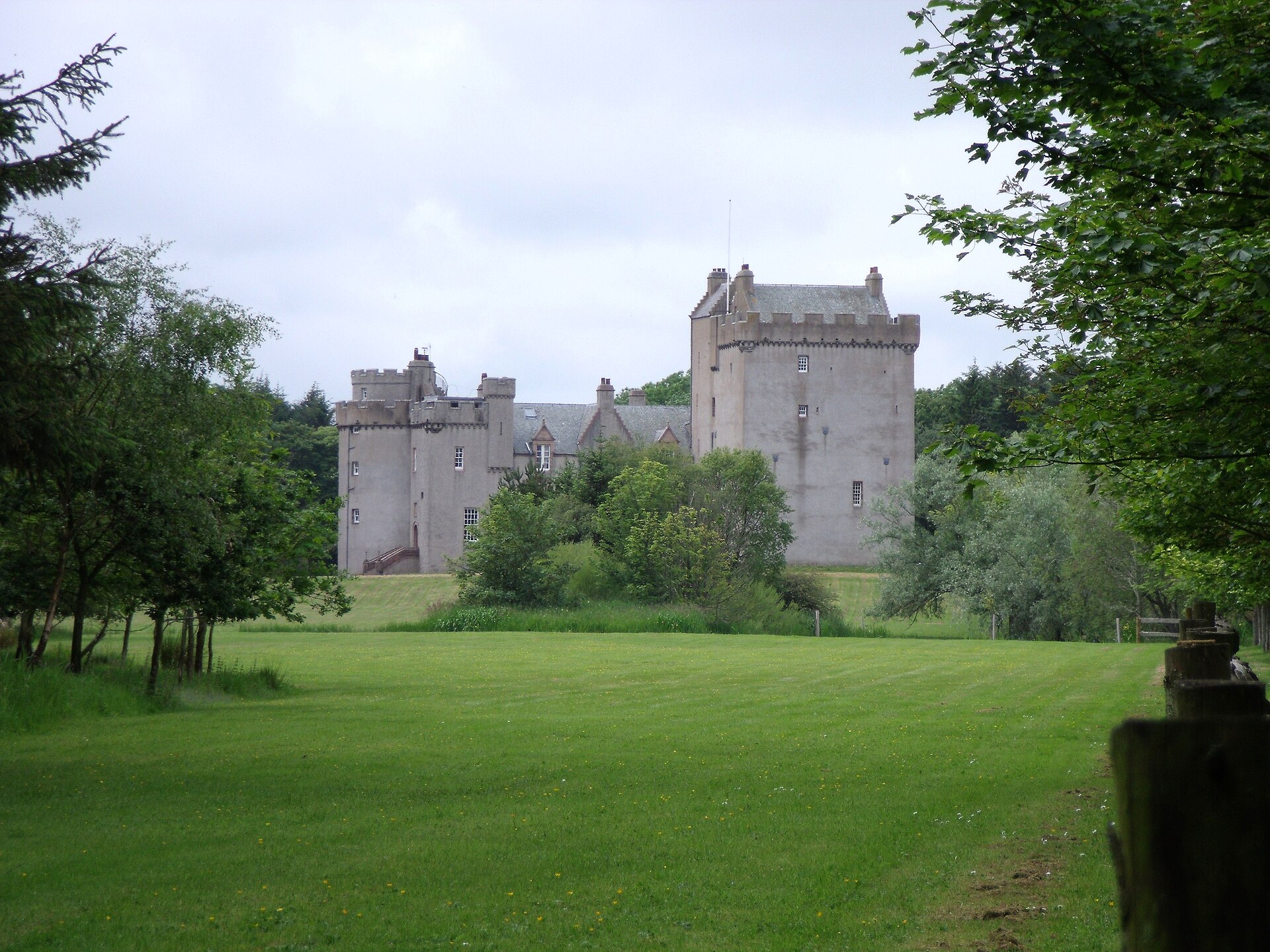
Fortified place · Medieval
Cairnbulg Castle
Aberdeenshire
One of nine strongholds historian W. Douglas Simpson grouped as the castles of the Knuckle, Aberdeenshire's rocky north-east headland, and still he…
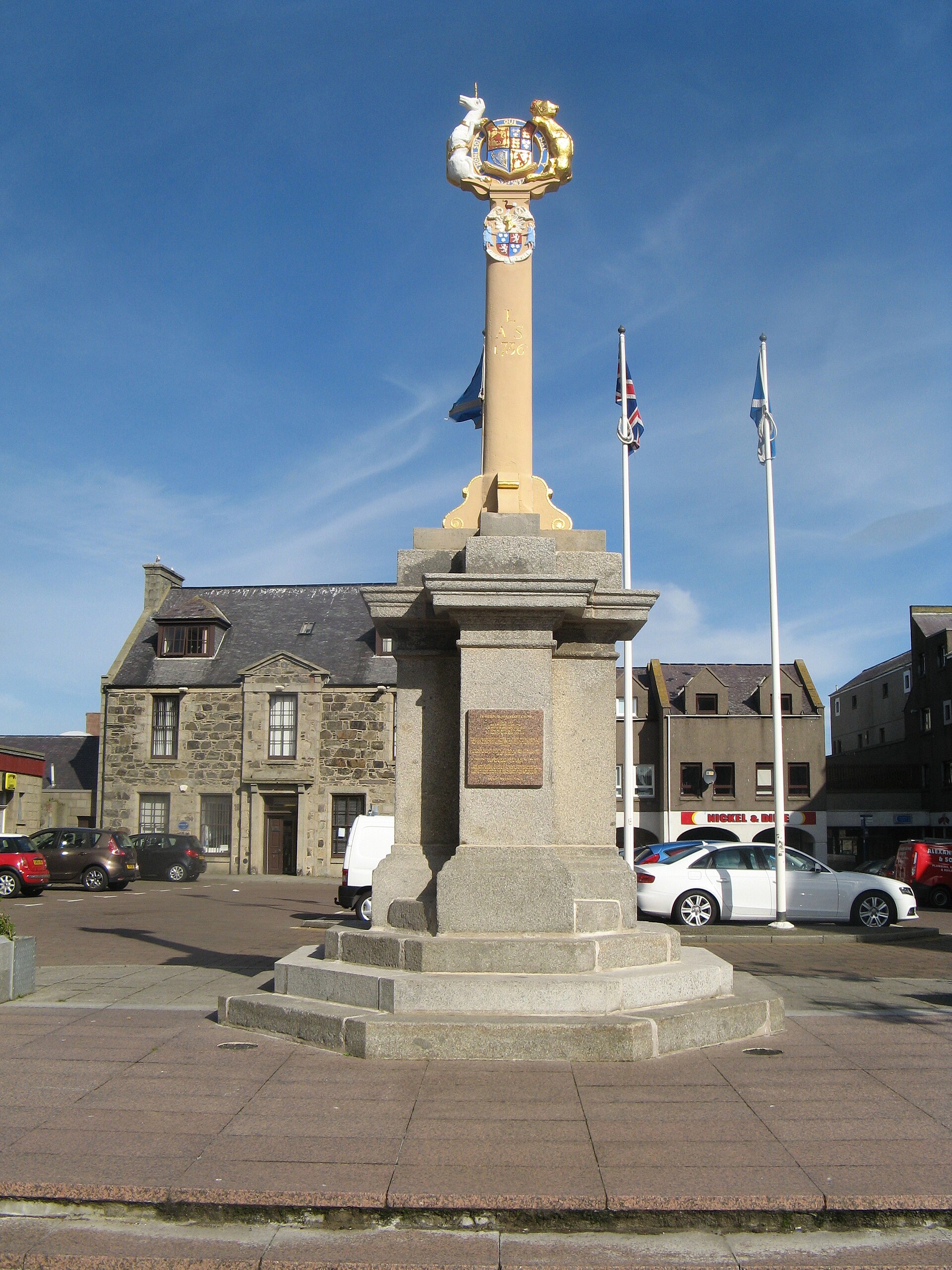
Minor monument · Medieval
Market Cross, Saltoun Square, Fraserburgh
Aberdeenshire
A 1736 granite market cross in Fraserburgh retains its date, oval shaft and coat of arms in the centre of Saltoun Square.
- Easy path
Sacred place · Prehistoric
Strichen stone circle
Aberdeenshire
Destroyed twice and rebuilt twice, Strichen is less a fixed ancient monument than a 250-year argument about where its stones truly belong.
- Some walking
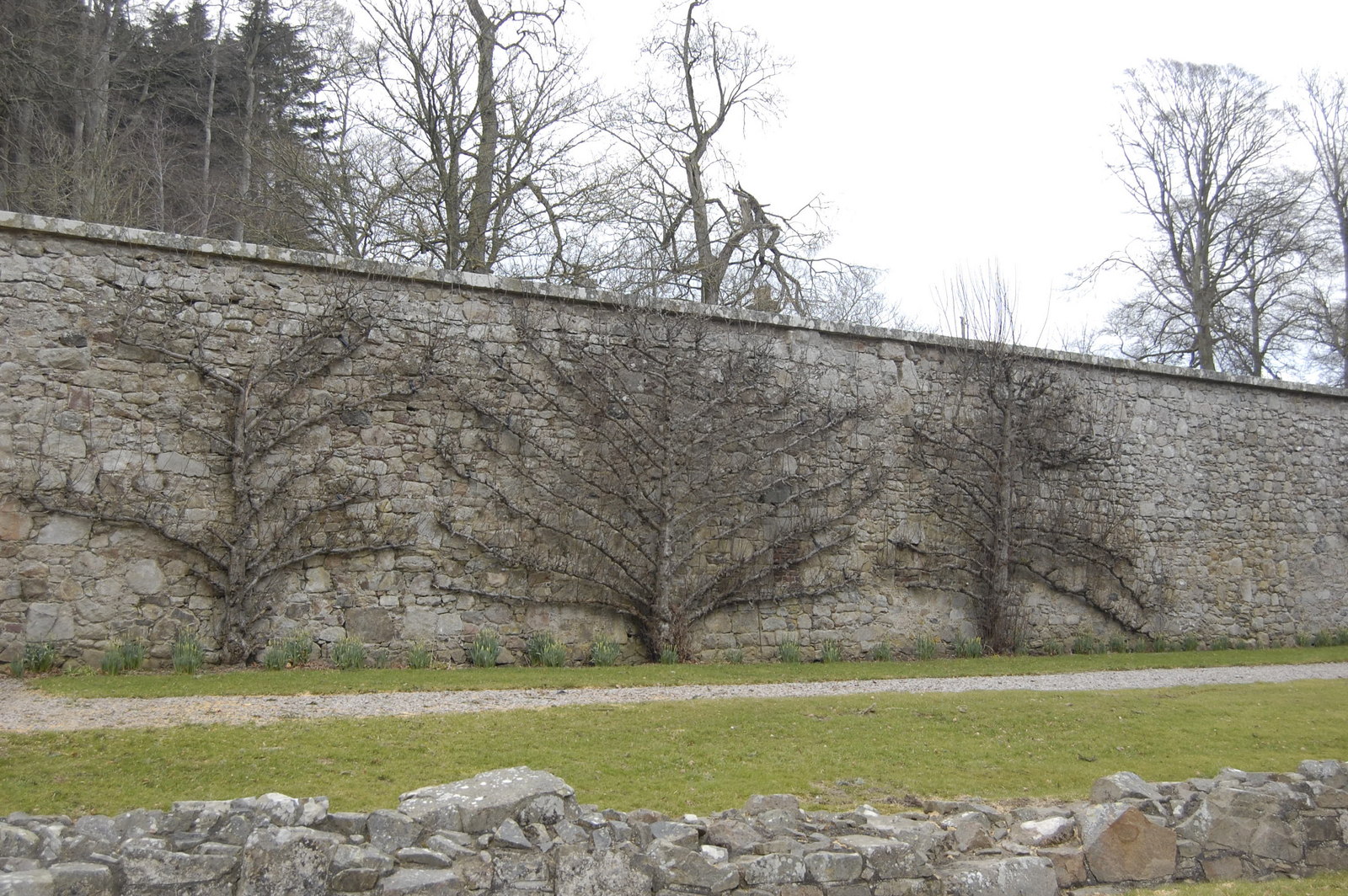
Building or ruin · Medieval
Deer Abbey
Aberdeenshire
Its earlier community is the one recorded in the margins of the Book of Deer, one of Scotland's oldest surviving manuscripts, making this ruin a ra…
- Easy path
Questions people ask
- What is Memsie Cairn?
- A Bronze Age burial cairn near Fraserburgh in Aberdeenshire, the last survivor of a cemetery of three large cairns. It is a scheduled monument managed by Historic Environment Scotland.
- How big were the original cairns?
- In 1723 each of the three large cairns was measured at around 30 metres in diameter and 12 metres high, spaced roughly 100 metres apart across the cemetery.
- What happened to the other two cairns?
- They were destroyed over time, with the stone likely reused to build the field boundary walls that still cross the surrounding farmland.
- What finds have come from the site?
- Human bone, a stone cist, a flint dart-head, an urn of calcined bone, several skulls and an iron short sword, donated to Edinburgh's national museum in 1827.
- What did the 2022 excavation find?
- Work ahead of house-building nearby uncovered postholes, a hearth, a pit, prehistoric pottery sherds, and worked quartz and flint.
Sources
- Wikipedia: Memsie Cairn
- Historic Environment Scotland — scheduled monument record
- National Museums Scotland
Explore more: Tomb or burial places · Prehistoric · Aberdeenshire
The Ancient Codex, in your pocket
Get the Pocket Codex app
Carry the directory with you — Memsie Cairn and thousands of ancient places across Britain and Ireland, offline, wherever you roam.