Four towers raised by five different families across six centuries turn one facade into a physical timeline - a royal courtroom, a Civil War battlefield, and now a National Trust property.
Look along the main facade of Fyvie Castle and four distinct towers come into view, each raised by a different family across five centuries - a stone reminder that this was never built to a single design but assembled, generation by generation, by whoever owned it next. The oldest, the Preston Tower at the far right, may stand on foundations reaching back to the 13th century, when the site is said to have first been fortified under William the Lion.
That patchwork reflects a long run of owners - Preston, Meldrum, Seton, Gordon and Forbes-Leith - who took possession after Fyvie stopped serving the crown directly. Robert the Bruce once held an open-air court within its grounds, and a young Charles I spent part of his childhood there, but its royal role ended after the Battle of Otterburn in 1388, when Robert III handed the castle to Henry Preston instead. Each family that followed added not just a tower but a layer of history: Alexander Seton’s wheel staircase, a pitched battle against the Covenanting army in 1644, and the eighteenth-century landscaping of Fyvie Lake by Colonel William Gordon.
The Scottish industrialist Alexander Leith bought the castle in 1885, and his family held it until 1984, when it passed to the National Trust for Scotland, which still opens it to visitors each year between April and October. Alongside its architecture and portraits by artists including Henry Raeburn and Thomas Gainsborough, Fyvie has built a reputation for ghost stories - curses, a Green Lady, and a Grey Lady - that now draw nearly as many visitors as its stonework.
What follows is drawn from published sources, with each claim labelled by how firmly it is established.
The name
Fyvie is recorded in historical name-books as Fyvyn and is generally derived from Gaelic Fia Chein, interpreted as ‘deer-hill’. The name belongs to the settlement and landscape around the castle rather than to a later building phase.
History
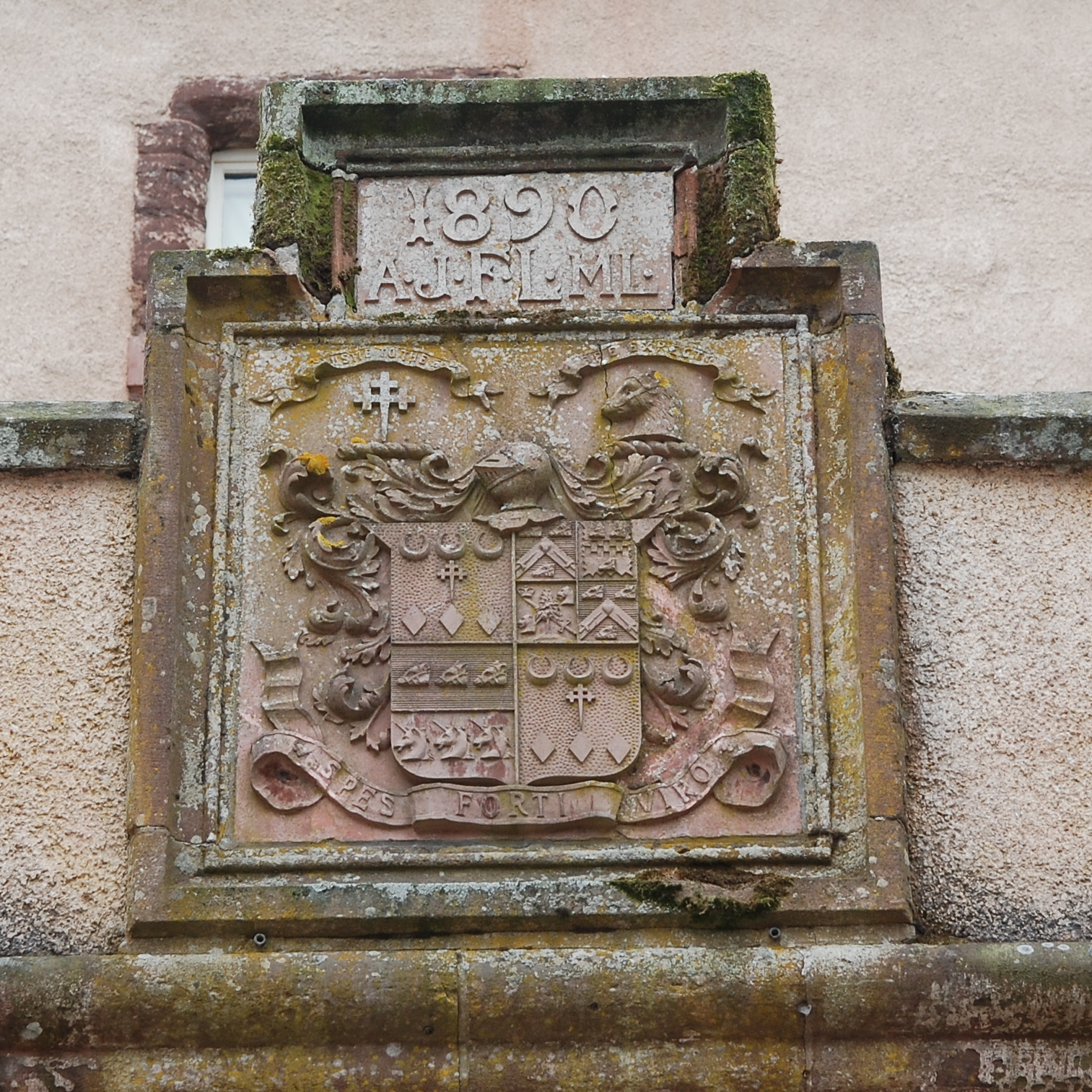
Some sources place the founding of Fyvie Castle in 1211 under William the Lion, though the earliest surviving fabric is generally dated only to the 13th century. In its early years the castle served the Scottish crown directly: Robert the Bruce held an open-air court there, and Charles I spent part of his childhood within its walls before the castle's royal role ended abruptly after the Battle of Otterburn in 1388, when Robert III granted the property to Henry Preston instead.
Following Preston's acquisition, the castle passed through five successive families - Preston, Meldrum, Seton, Gordon and Forbes-Leith - each of whom left a mark by adding a tower to the growing structure. The Preston Tower, at the far right of the main facade, is the oldest of these, raised between 1390 and 1433. Alexander Seton built the entrance tower in 1599 and later commissioned the wheel staircase that remains one of the castle's defining features.
Later generations continued the pattern of dynastic building: the Gordon Tower was completed in 1777, and the Leith Tower followed more than a century afterwards in 1890, giving the castle its present, layered profile of at least four distinct building phases. Inside, the wheel stair leads through rooms holding original arms and armour alongside portraits by Henry Raeburn, Pompeo Batoni and Thomas Gainsborough, evidence of the wealth each owning family brought into the house.
On 28 October 1644 the castle grounds were the scene of fighting between forces under Manus O'Cahan and Montrose and the Covenanting army, an engagement significant enough that the battlefield was added to the Inventory of Historic Battlefields in Scotland in 2011. Six years afterwards, Anne Halkett stayed at Fyvie with the Countess of Dunfermline from 1650 to 1652, treating wounded soldiers and negotiating with an English Commonwealth major and three colonels - Lilburne, Fitts and Overton.
During the 18th century, Colonel William Gordon landscaped the grounds and the adjoining Fyvie Lake, reshaping the setting around the castle into parkland still recognisable today. Walled gardens were laid out at various points across the estate: one to the east continues to grow Scottish fruit varieties, while evidence survives of two further walled gardens closer to the castle itself, to the west and south, the western one recorded on an estate plan dated 1768.
The Scottish industrialist Alexander Leith, later ennobled as Baron Leith of Fyvie, bought the castle in 1885, and his family added the final tower, the Leith Tower, in 1890. His descendants retained the property until 1984, when it was sold to the National Trust for Scotland, which has owned and managed Fyvie Castle ever since, opening it to visitors each year between April and October.
People
-
William the Lion
Credited by some sources with founding Fyvie Castle in 1211.
-
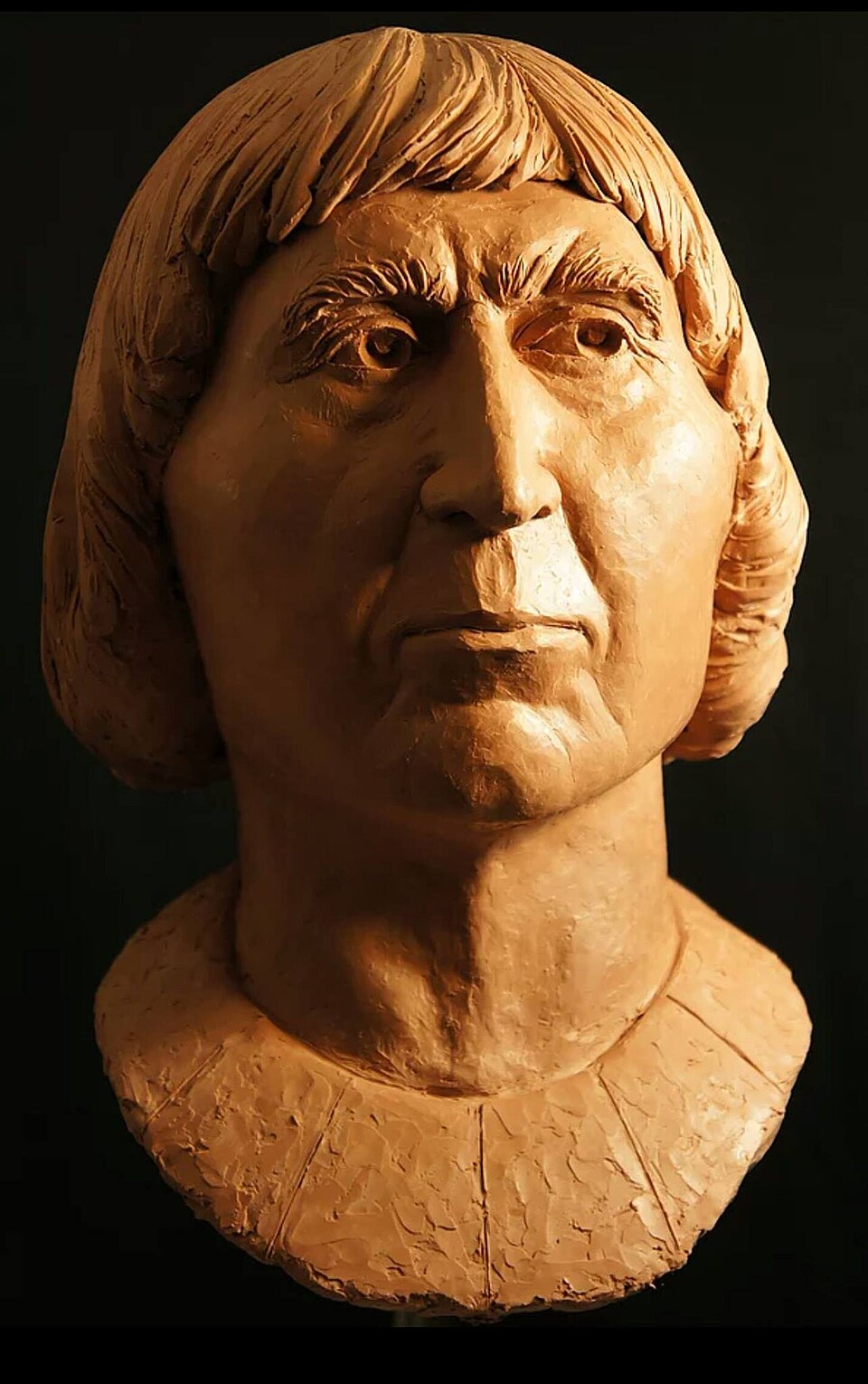
Portrait: S.A.Farabi / Wikimedia Commons / CC BY-SA 4.0 Robert the Bruce
Held an open-air court at Fyvie Castle.
-
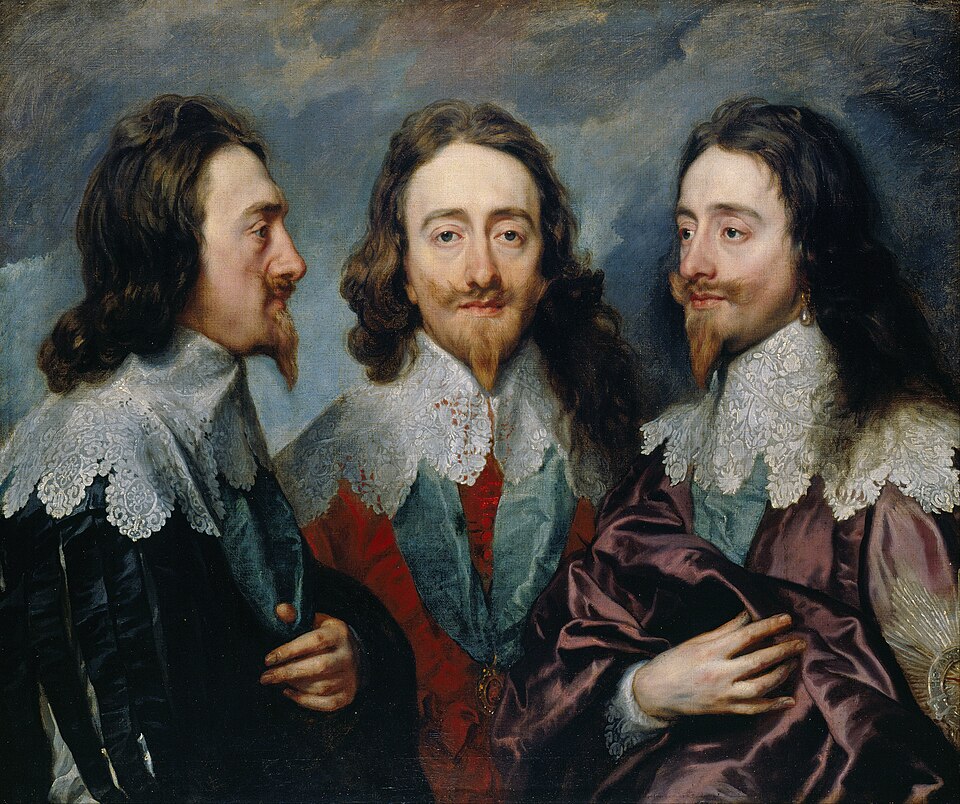
Portrait: Sir Anthony Van Dyck (1599 - 1641) Details on Google Art Project / Wikimedia Commons / Public domain Charles I
Spent part of his childhood living at Fyvie Castle.
-
Henry Preston
Received Fyvie Castle from Robert III after the Battle of Otterburn in 1388, ending its role as a royal stronghold.
-
Alexander Seton
Built the entrance tower in 1599 and later commissioned the castle's wheel staircase.
-
Manus O'Cahan
Fought alongside Montrose against the Covenanting army at Fyvie Castle in 1644.
-
Anne Halkett
Stayed at the castle from 1650 to 1652, treating wounded soldiers and negotiating with Commonwealth officers.
-
Colonel William Gordon
Landscaped the castle grounds and Fyvie Lake during the 18th century.
-
Alexander Leith, Baron Leith of Fyvie
Bought the castle in 1885, the last private owner before its transfer to the National Trust for Scotland.
-
Lilias Drummond
Wife of Alexander Seton, identified in tradition as the castle's 'Green Lady' ghost.
Cultural influences
-
The flowering of Scots Baronial architecture
Fyvie’s medieval core was repeatedly extended by successive owners, and its towers make the castle a particularly rich example of Scots Baronial architecture. The Seton family’s remodelling brought wealth and courtly ambition to the building, while later families added their own distinct towers rather than imposing a single uniform design.
Connections
-
Inventory of Historic Battlefields in Scotland
The 1644 battle fought in the castle grounds between Royalist and Covenanting forces was added to this national register in 2011.
-
Battle of Otterburn (1388)
Fyvie's defeat in this battle's aftermath led Robert III to grant the castle to Henry Preston, ending its role as a royal stronghold.
Discovery & excavation
In the late 1920s, a woman's skeleton was discovered built into a wall within the castle. Local press reported that the remains were subsequently reinterred elsewhere on the estate.
In culture
-
Most Haunted
Fyvie Castle featured in series 6 of Living TV's paranormal investigation series Most Haunted.
-
Castles of Scotland
STV included Fyvie Castle in its documentary series Castles of Scotland.
-
Spook Squad
In 2004 the castle grounds hosted the CBBC children's gameshow Spook Squad.
-
The Time-Tailor and the Fyvie Castle Witch Trials
Author Deborah Leslie set her 2009 children's fantasy novel around the castle.
-
Castle Ghosts of Scotland
This BBC documentary, narrated by Robert Hardy, featured Fyvie among Scotland's reputedly haunted castles.
-
Fyvie Live
The castle grounds have hosted an annual Fyvie Live music festival, with headline acts including Beverley Knight (2011), Sophie Ellis-Bextor (2012), The Shires (2017) and Ward Thomas (2018).
What to look for
-
The Wheel Stair
A stone spiral staircase commissioned by Alexander Seton after he built the entrance tower in 1599, still one of the castle's principal internal routes.
-
Preston Tower
The oldest of the castle's four towers, raised between 1390 and 1433 and visible at the far right of the main facade.
-
Arms, armour and portraits
Original arms and armour displayed alongside portraits by Henry Raeburn, Pompeo Batoni and Thomas Gainsborough.
-
The Charter Room
Home to one of the three stones said to be linked to the Curse of the Weeping Stones.
-
The walled garden
An eastern walled garden still cultivating Scottish fruit varieties, with evidence of two further, no-longer-active walled gardens closer to the castle.
What is said
Folklore and tradition, recorded as what is said — not as established fact.
-
The Dungeon Curse
Tradition holds that a sealed medieval dungeon at the castle carries a curse said to bring death to any intruder and blindness to his wife.
-
The Curse of the Weeping Stones
Local legend attributes a curse to the 13th-century seer Thomas the Rhymer, said to explain why eldest sons of the families owning Fyvie repeatedly failed to inherit the estate; one of the three stones said to be involved is displayed in the Charter Room.
-
The Green Lady
The castle is said to be haunted by a 'Green Lady', identified with Lilias Drummond, whose name is reputed to have been carved into a stone windowsill on the night of her husband Alexander Seton's remarriage, with her ghost said to have been sighted within the castle since.
-
The Grey Lady
Local tradition holds that sightings of a 'Grey Lady' followed the removal of a woman's skeleton discovered within a castle wall in the late 1920s.
Plan your visit
- Location
- 57.4435°N · 2.3950°W
- Access
- Paid entry — managed visitor site
- Terrain
- Easy going
- Time needed
- About 120 minutes
- Best time
- Visit during the National Trust for Scotland season, currently April to October, when the castle and grounds are open.
- What survives
- The castle survives as a furnished multi-towered residence with later towers, landscaped grounds and walled gardens.
- Facilities
- The National Trust for Scotland presents Fyvie as a staffed visitor property with grounds and seasonal visitor facilities; check the official page for current details.
Opening & admission
Run by the National Trust for Scotland with seasonal opening and an admission charge — check the official site for current times and prices.
- Open to visitors between April and October
- Also used as a wedding venue
Nearby places
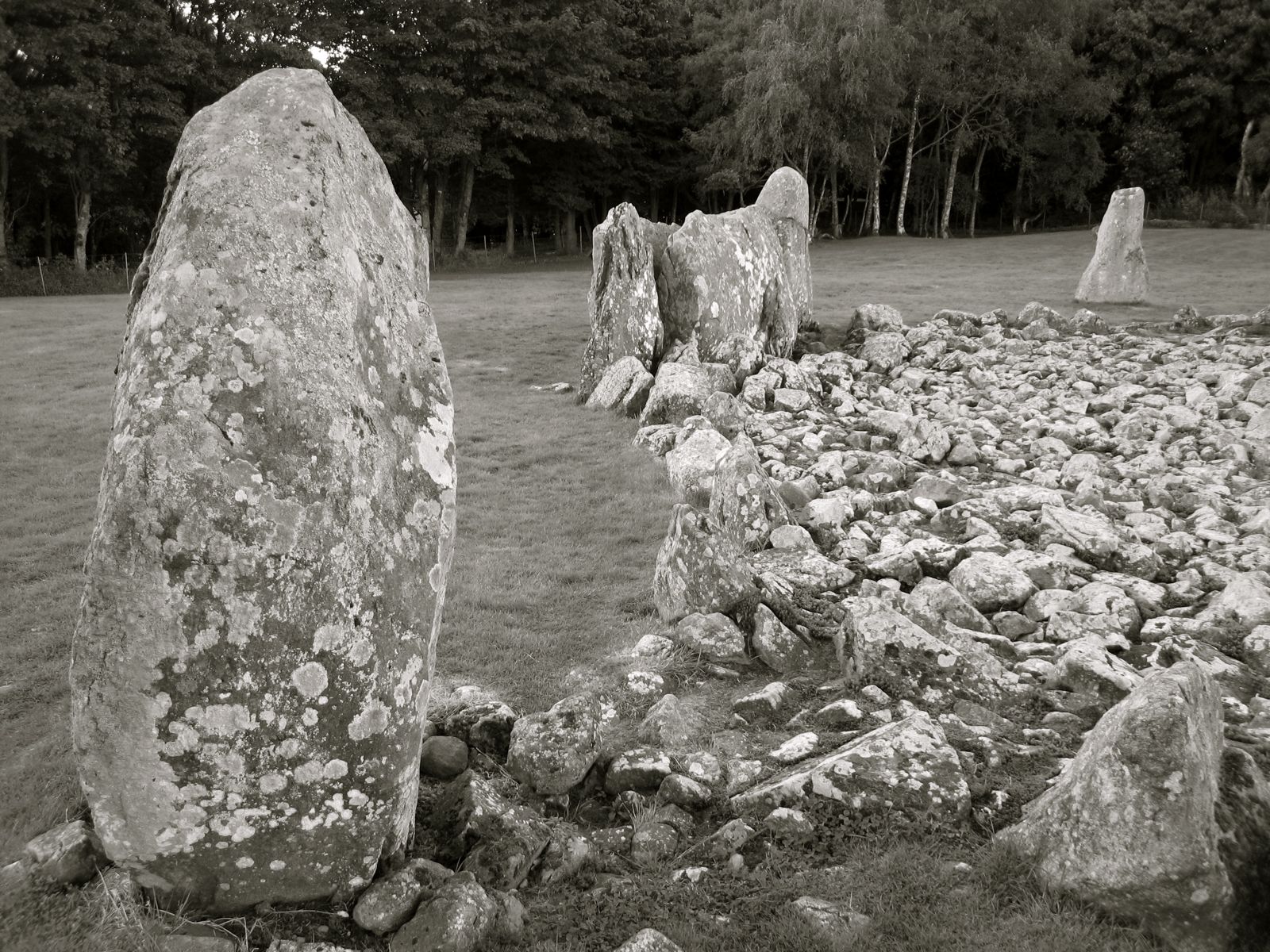
Sacred place · Prehistoric
Loanhead of Daviot Stone Circle
Aberdeenshire
One of only a handful of Aberdeenshire recumbent circles with every stone still standing, its granite ring encloses a cairn (a mound of piled stone…
- Near Daviot
- 3 min walk from car park
- Easy path
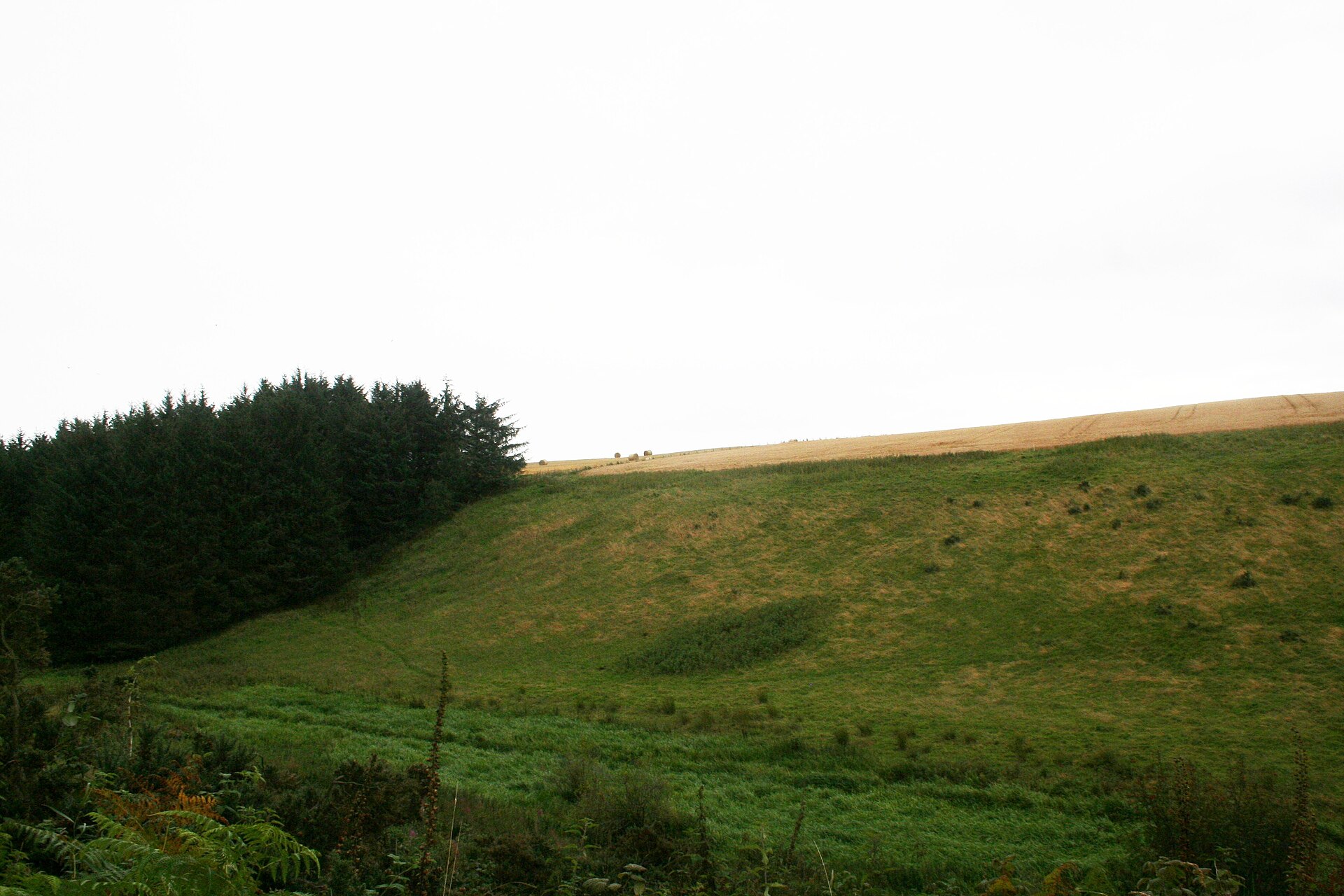
Fortified place · Roman
Ythan Wells
Aberdeenshire
Two marching camps of different size and date lie stacked on the same patch of ground: among the northernmost Roman camps ever built in Scotland.
- Near Huntly
- Easy path
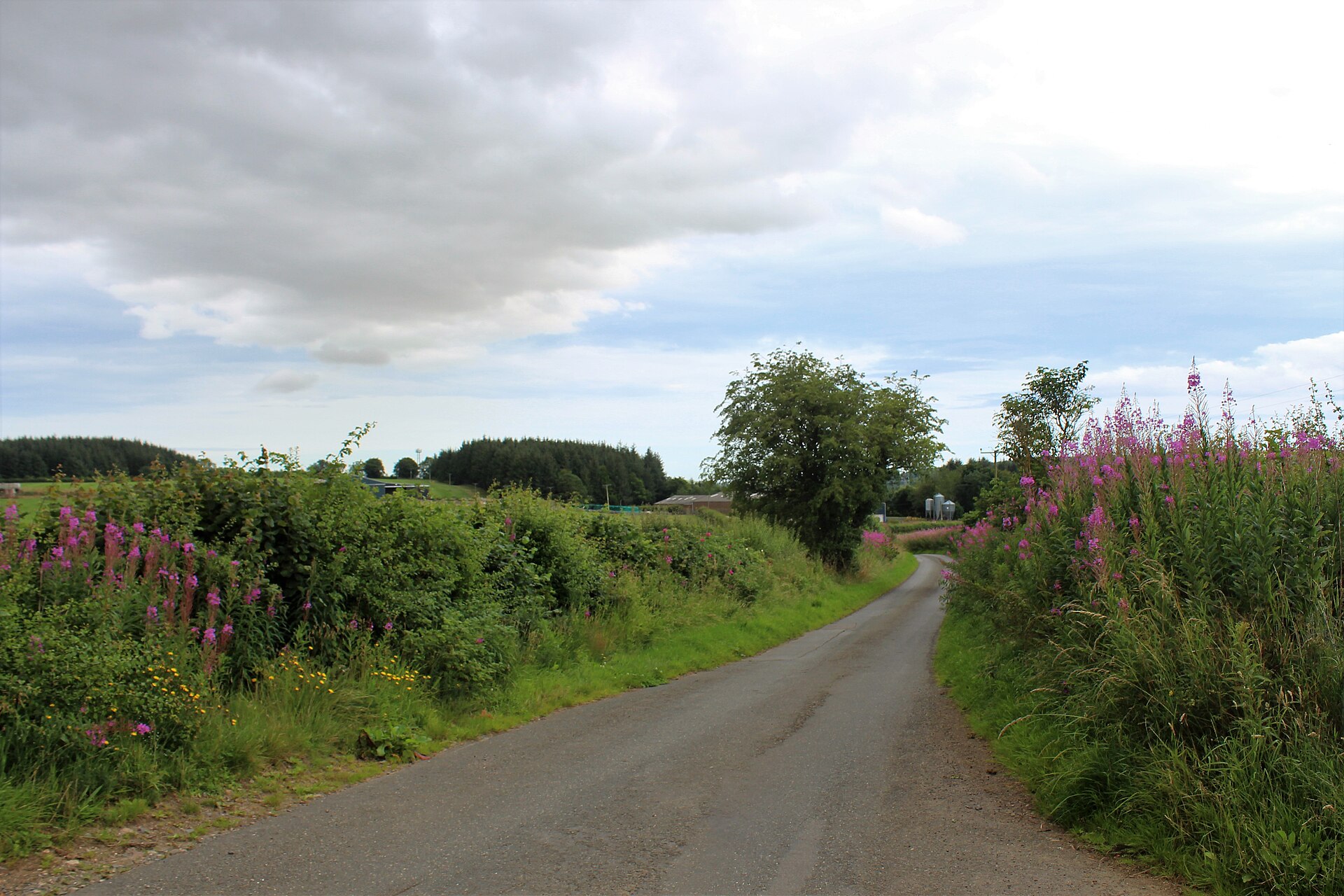
Fortified place · Roman
Durno
Aberdeenshire
The largest Roman marching camp yet found north of the Antonine Wall, revealed only by a chance aerial photograph after two millennia buried beneat…
- Near Inverurie
- Easy path
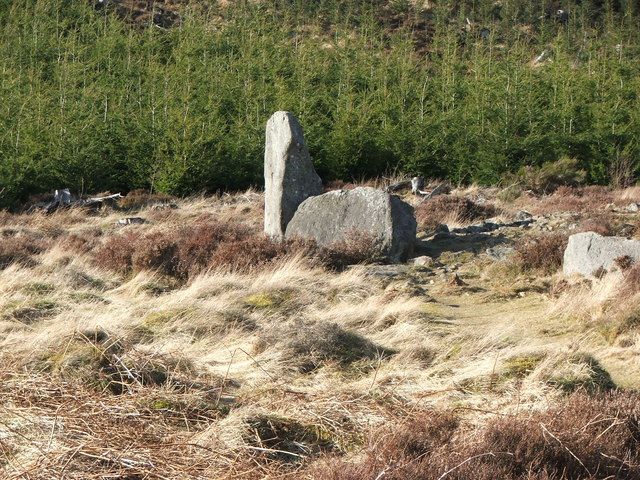
Sacred place · Prehistoric
Whitehill Wood, Aberdeenshire
Aberdeenshire
Two dating estimates over a thousand years apart - Sir Norman Lockyer's 1200 BC and Historic Environment Scotland's roughly 4500 years old - sit on…
- Near Aberchirder
- Rough ground
Questions people ask
- When was Fyvie Castle first built?
- Some sources date its founding to 1211 under William the Lion, though the earliest surviving stonework is generally placed in the 13th century.
- Why does Fyvie Castle have four different towers?
- Five families owned Fyvie in succession after 1388 - Preston, Meldrum, Seton, Gordon and Forbes-Leith - and four of them each added their own tower between the 1390s and 1890.
- What happened at Fyvie Castle in 1644?
- Royalist forces under Manus O'Cahan and Montrose fought the Covenanting army at Fyvie on 28 October 1644; the battlefield was added to Scotland's Inventory of Historic Battlefields in 2011.
- Who owns Fyvie Castle today?
- The National Trust for Scotland has owned and managed Fyvie Castle since 1984, when the Forbes-Leith family sold the estate; it opens to visitors between April and October.
- What is the story behind Fyvie Castle's Green Lady?
- Tradition identifies the Green Lady as Lilias Drummond, wife of Alexander Seton, said to haunt the castle after her name was carved into a windowsill on his remarriage night.
Sources
- Wikipedia: Fyvie Castle
- National Trust for Scotland — Fyvie Castle
- Inventory of Historic Battlefields in Scotland
- Deborah Leslie, The Time-Tailor and the Fyvie Castle Witch Trials (2009)
Explore more: Fortified places · Medieval · Aberdeenshire
The Ancient Codex, in your pocket
Get the Pocket Codex app
Carry the directory with you — Fyvie Castle and thousands of ancient places across Britain and Ireland, offline, wherever you roam.