
Reduced from a full stone circle to two boundary stones in a field wall, the site nonetheless carries the same legal protection as much larger monuments, as a scheduled monument (legally protected as a site of national archaeological importance).
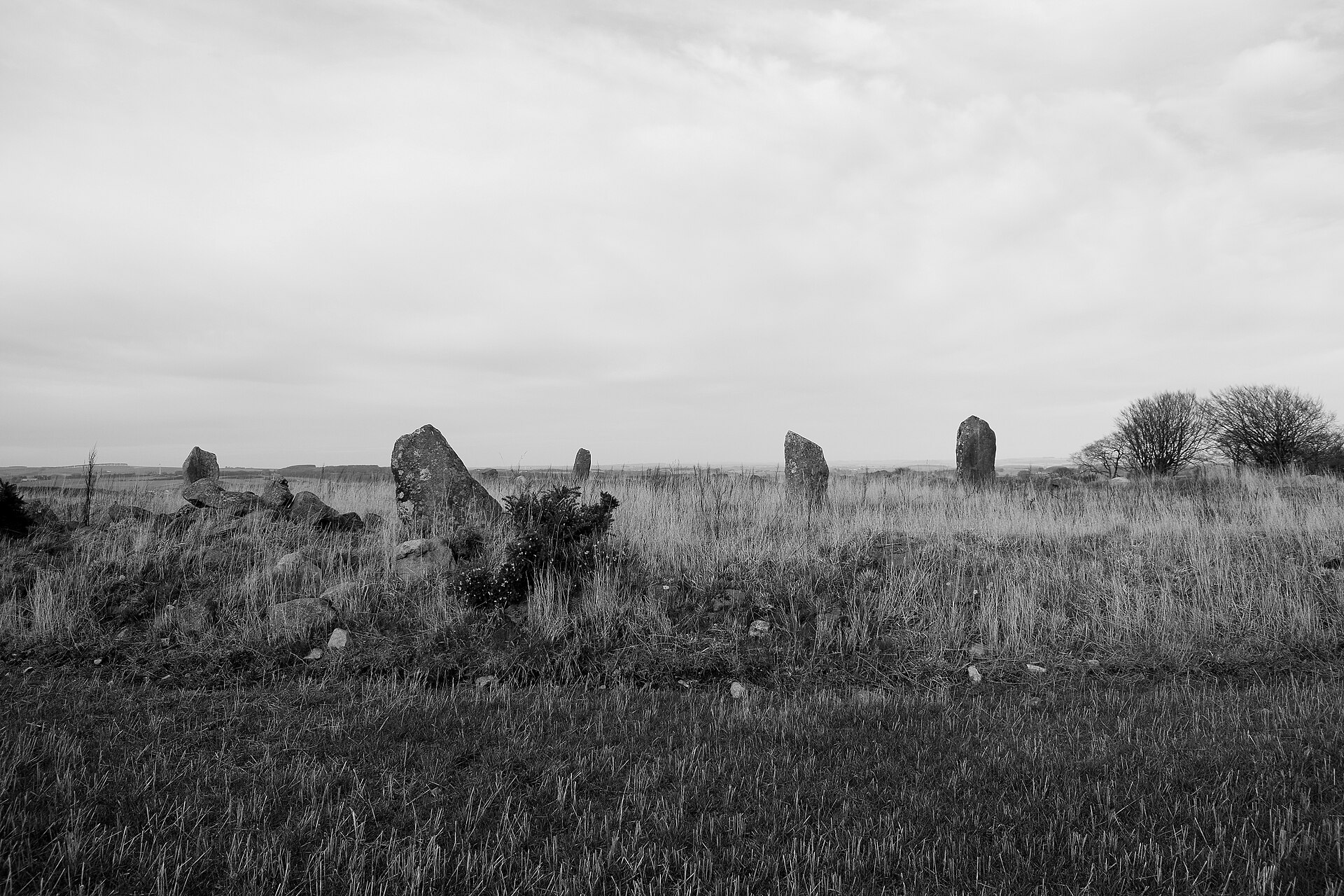
A field wall on rising ground near Ellon carries an unexpected weight of history. Built into its line are two stones that once belonged to a much larger prehistoric (from the era before writing arrived in these islands) monument: a broad, flat block laid on its side, known as the recumbent stone, and a single upright stone that stood on the circle’s western arc. Everything else that once ringed them is gone, its stones presumably taken for other work over the generations, leaving only this pair to mark where the circle stood.
What survives suggests the original ring measured around 14 metres (46 feet) across, of a kind known as a recumbent stone circle for the way its principal stone was deliberately laid flat rather than stood upright. No more detail of its original form is recorded, and the ring itself has not survived above ground beyond these two stones — yet what remains is significant enough to carry statutory protection today as a scheduled monument.
The same patch of ground carries an entirely separate history from three centuries later. A castle or tower house known as the Old House of Fiddes once stood nearby, the seat of the Forbes family, with a cluster of lower service buildings — a kitchen, a brewhouse, a stable, a schoolhouse and more — arranged around a gated yard. In July 1624 the laird’s tenants were required to re-roof these buildings as part of their traditional rent in kind, with only the north side finished in costly slate and the rest thatched; one tenant, Arthur Forbes, was assigned to roof half of the castle’s own kitchen and brewery himself.
What follows is drawn from published sources, with each claim labelled by how firmly it is established.
History
Long before any written record, a community working in this part of Aberdeenshire raised a ring of standing stones on rising ground near what is now Ellon. The circle measured roughly 14 metres (46 feet) across and followed a design known today as a recumbent stone circle, built around one large stone deliberately laid on its side rather than stood upright.
Over an unrecorded span of time, the ring above Ellon was dismantled almost entirely. Only the recumbent stone itself and a single upright stone from its western side survived being cleared away, and both were eventually built into a field wall, where they still stand today, doing quiet duty as boundary stones rather than as a monument.
By the early 17th century a castle or tower house known as the Old House of Fiddes stood on the estate, the seat of the Forbes family. Around it, arranged behind a gated yard, stood a set of lower service buildings called the laich biggins: a kitchen, an oven house, a brewhouse known as a geilhouse, a stable, a former grain store used as an ale store, a womanhouse for textile work, a schoolhouse, and a corner room called a neuk chamber.
In July 1624 the laird's tenant farmers and tack holders, or leaseholders, were required to re-roof the laich buildings as part of their plow silver, a due traditionally paid in kind rather than coin. Only the buildings on the north side of the yard were finished in slate; the rest were theaked, covered instead in thatch or turf, a clear hierarchy of expense across the estate's working buildings.
One tenant, Arthur Forbes of Hill of Fiddes farm, was assigned a specific share of that 1624 work: roofing half of the castle's own kitchen and brewery. The estate chapel at Hill of Fiddes was reroofed in the same campaign, tying the upkeep of a place of worship to the same system of tenant labour that maintained the laird's domestic buildings. The Old House of Fiddes was eventually demolished and no longer stands, while the two surviving stones of the older circle nearby are now protected as a scheduled monument, preserving what little remains above ground of a site that carried both prehistoric and estate history.
People
-
Arthur Forbes
Tenant farmer at Hill of Fiddes required in 1624 to roof half of the Old House of Fiddes's kitchen and brewery as part of the estate's re-roofing works.
-
Forbes family
Owners of the Old House of Fiddes and the surrounding Fiddes estate in the early 17th century.
Cultural influences
-
Recumbent-circle tradition
The two stones are remains of Aberdeenshire’s recumbent stone-circle tradition, whose complete form can be understood at better-preserved circles such as Easter Aquhorthies and Loanhead of Daviot.
Connections
-

Photo: ED McIntosh / Wikimedia Commons / CC BY-SA 3.0 Easter Aquhorthies stone circle
One of the best-preserved recumbent circles in the same Aberdeenshire tradition, and the clearest illustration of the complete form that Hill of Fiddes has been reduced from.
-
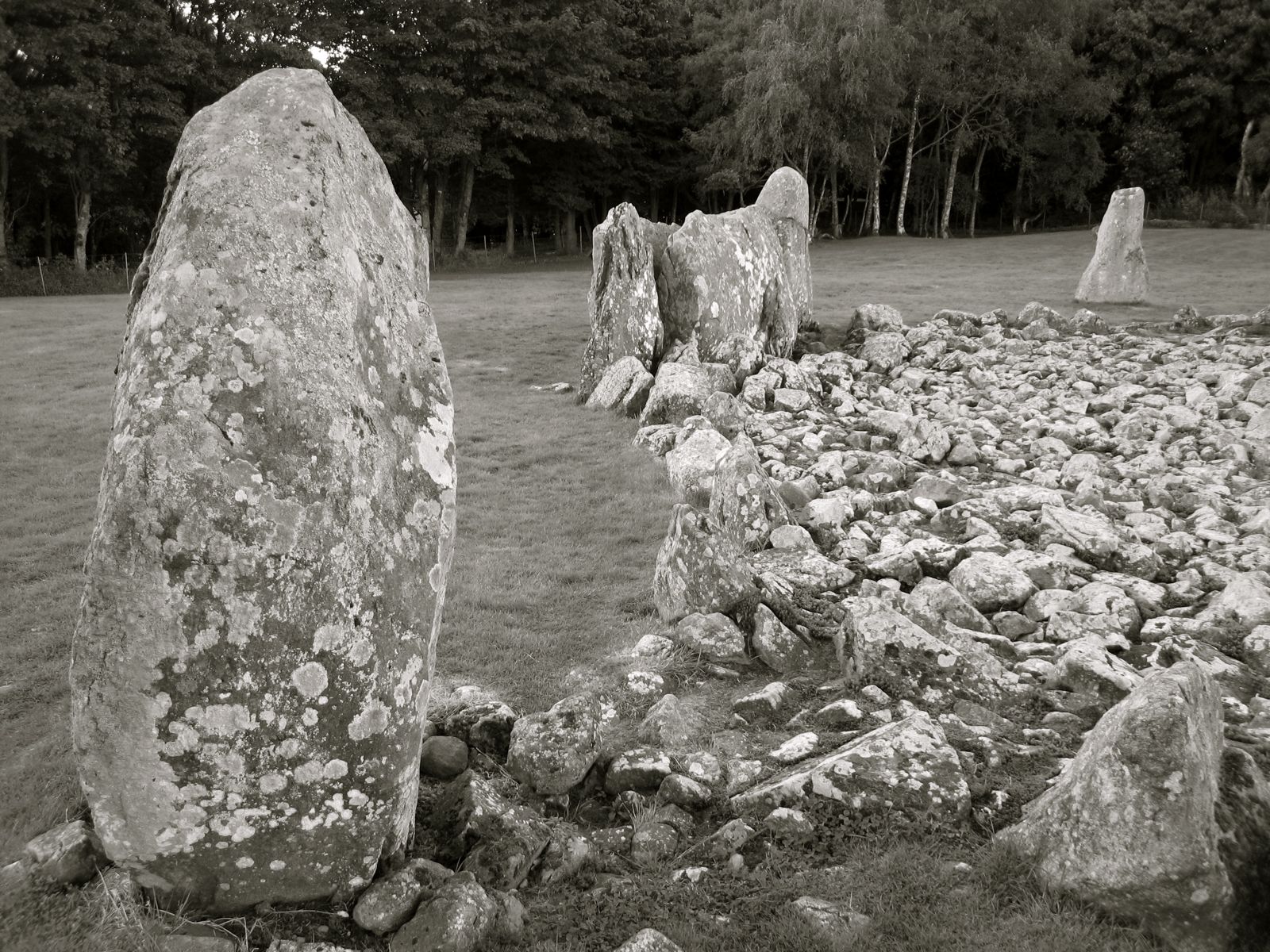
Photo: Martyn Gorman / Wikimedia Commons / CC BY-SA 2.0 Loanhead of Daviot stone circle
Another recumbent circle within the same north-east group, excavated and left legible, where the arrangement Hill of Fiddes has lost can still be read on the ground.
-
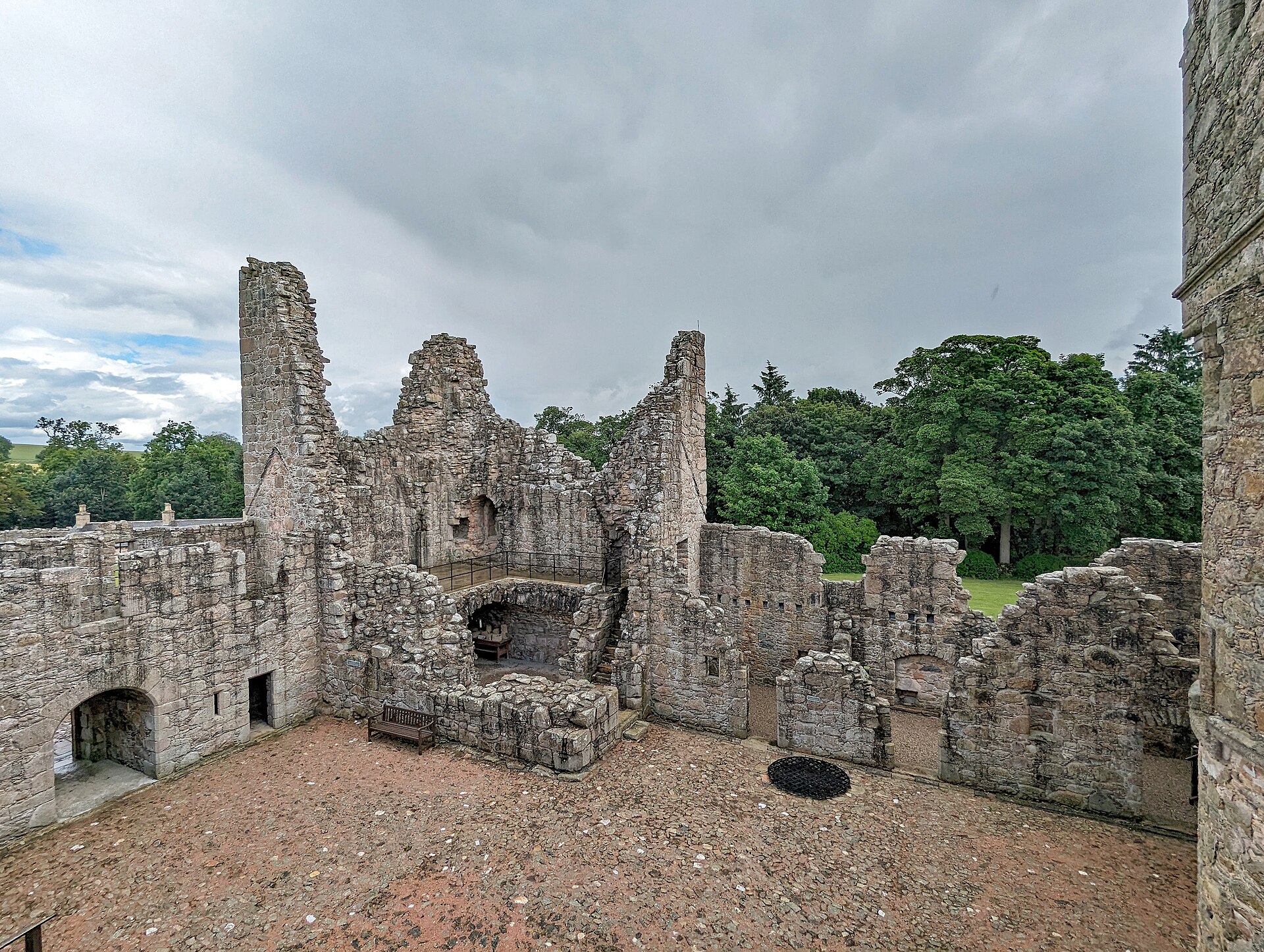
Photo: PaulT (Gunther Tschuch) / Wikimedia Commons / CC BY-SA 4.0 The nearest recorded monument of the directory to the circle, a few kilometres off in the same stretch of Formartine countryside.
-
Ellon
The town the circle stands near, the local point of reference for a monument now embedded in a field boundary.
-
Old House of Fiddes
The demolished Forbes tower house on the same ground, whose 1624 accounts of kitchens, brewhouse and thatched outbuildings record what the estate around the circle later became.
What to look for
-
The recumbent stone
A large stone laid flat on its side, the recumbent stone that gives this class of monument its name, marking where the western arc of the vanished circle once stood.
-
The surviving upright stone
A single upright stone from the circle's western side stands near the recumbent stone, the last visible trace of a ring that would once have measured some 14 metres (46 feet) across.
-
Stones built into a field wall
Both surviving stones now form part of a working field wall, a reminder of how many prehistoric monuments across the region were absorbed into everyday farm boundaries rather than deliberately preserved.
Plan your visit
- Location
- 57.3094°N · 2.1095°W
- Nearest settlement
- Ellon
- Access
- Open access
- Terrain
- Easy going
- Time needed
- About 20 minutes
- Best time
- Dry daylight, when the stones in their field-wall setting are easiest to examine.
- What survives
- Only the recumbent stone and one upright survive, both incorporated into a working field wall.
- Facilities
- No visitor facilities are recorded at this farmland site.
Opening & admission
Free to view as an outdoor scheduled monument, but check current access before visiting.
- Only two stones survive, now built into a field wall
- Located on farmland near Ellon, Aberdeenshire
Nearby places
Fortified place · Medieval
Tolquhon Castle
Aberdeenshire
Built for show rather than defence, its gatehouse still carries the founder-laird's own inscription naming the exact day in 1589 he finished the work.
- Near Tarves
Carved stone · Pictish & early medieval
Cairnton stone
Aberdeenshire
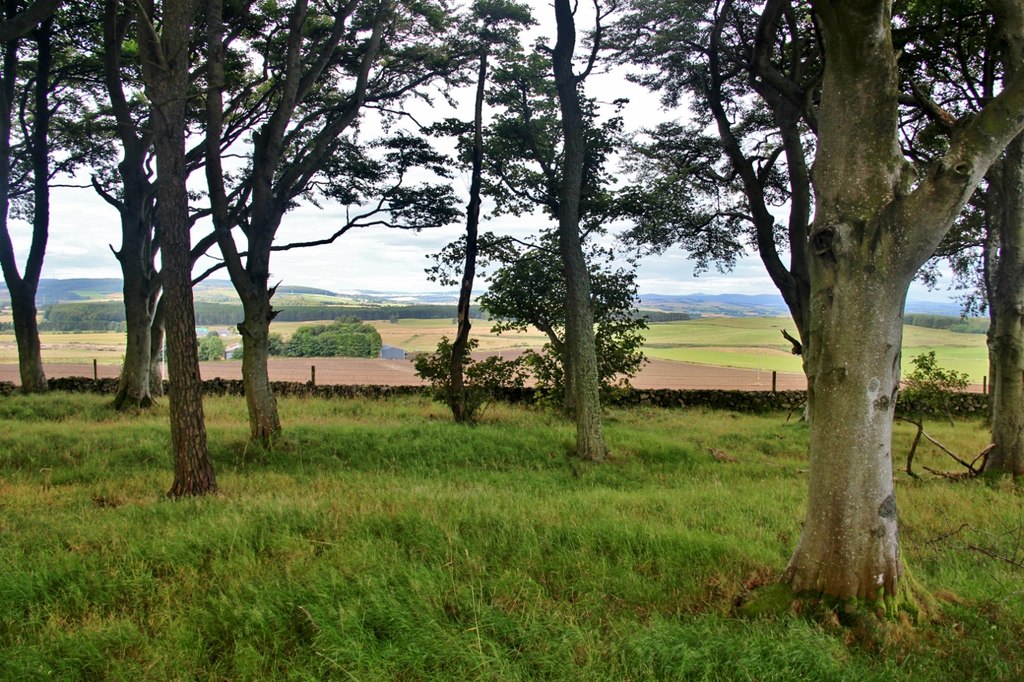
Found in a field-clearance heap in 2001, its incised crescent-and-V-rod and triple disc symbols mark a seventh-century Pictish (of the Picts, the p…
- Near Newmachar
- Easy path
Carved stone · Pictish & early medieval
Dyce Symbol Stones
Aberdeen City
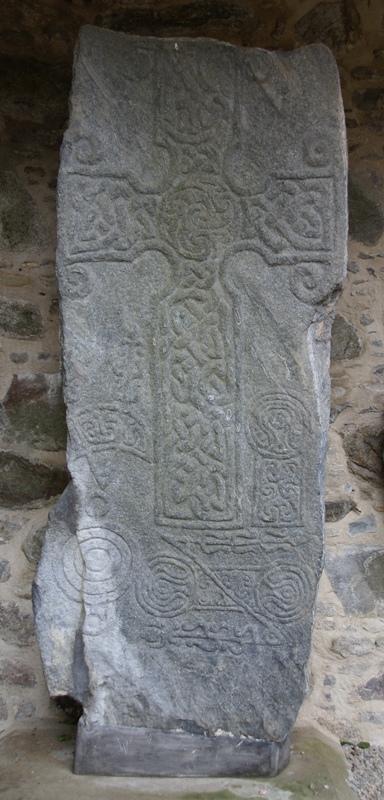
A rare survival: an incised pagan-era stone and a Christian cross-slab stand side by side under one roof, one still carrying an ogham inscription n…
- Near Dyce
- 1 min walk from car park
- Easy path
Sacred place · Prehistoric
Sheldon stone circle
Aberdeenshire
Long classified as a recumbent stone circle despite no recumbent stone ever being found here, Sheldon has recently had that identity questioned by…
- Near Oldmeldrum
- Some walking
The setting
Farm track and houses at Hill of Fiddes; the stone circle is not visible.
Photo: Richard Webb / Wikimedia Commons / CC BY-SA 2.0
Bothy and steading at Hill of Fiddes, part of the surrounding farm setting.
Photo: Richard Webb / Wikimedia Commons / CC BY-SA 2.0
Questions people ask
- How much of the Hill of Fiddes stone circle survives?
- Only two stones remain — the recumbent stone and one upright stone from its western side — now built into a field wall. The rest of the circle has disappeared.
- How big was the original stone circle?
- The circle is estimated to have been about 14 metres (46 feet) in diameter, based on the position of the two surviving stones.
- What is a recumbent stone circle?
- A stone circle built around one large stone deliberately laid on its side, rather than stood upright, as survives at Hill of Fiddes.
- What was the Old House of Fiddes?
- A now-demolished castle or tower house on the Fiddes estate, owned by the Forbes family, with an elaborate range of service buildings around its yard.
- Is Hill of Fiddes stone circle protected today?
- Yes. The surviving remains are a scheduled monument, giving them statutory legal protection in Scotland.
Sources
The Ancient Codex, in your pocket
Get the Pocket Codex app
Carry the directory with you — Hill of Fiddes stone circle and thousands of ancient places across Britain and Ireland, offline, wherever you roam.