
Long classified as a recumbent stone circle despite no recumbent stone ever being found here, Sheldon has recently had that identity questioned by Historic Environment Scotland itself.
Sheldon farm’s low knoll south of Oldmeldrum holds five weathered stones in a broken ring. They are the surviving uprights of a prehistoric monument — from from the era before writing arrived in these islands — raised on this Aberdeenshire farmland.
The circle has gone by several names over the years — Sheildon, Shelden, Shieldon, Sheldon of Bourtie and Sheldon of Bourtree — spellings that shift depending on which antiquarian or estate map recorded them. Today it measures twenty-four metres across, with five stones remaining in position and two further outliers set apart from the main ring, and the whole site is protected as a scheduled ancient monument.
For much of the twentieth century Sheldon was filed alongside Aberdeenshire’s recumbent stone circles — a distinctive regional type built around one large stone laid on its side (the “recumbent”) and flanked by two uprights — even though no such stone survives here, and it is unclear whether one ever stood. That inherited label has since been revisited: recent assessment by Historic Environment Scotland concludes the circle was probably never built as a recumbent type at all, a small but telling correction to how the monument is understood.
What follows is drawn from published sources, with each claim labelled by how firmly it is established.
History
During the prehistoric period, on a knoll south of what is now Oldmeldrum, a ring of stones was raised on the farmland later known as Sheldon. Five stones remain standing today, together with two further outliers set apart from the circle, and the whole arrangement spans twenty-four metres across — a modest survival of what was likely once a more complete monument.
In the early twentieth century the archaeologist Alexander Keiller, known for his systematic study of the stone circles of north-east Scotland, classified Sheldon among the region's recumbent stone circles — a distinctive local form built around one large stone laid on its side and flanked by two uprights. Researchers who followed his lead did so despite the fact that no recumbent stone survives at Sheldon, and it remains uncertain whether one ever stood there.
More recently, Historic Environment Scotland has re-examined the evidence and suggested that Sheldon was probably not built as a recumbent stone circle at all, overturning the classification repeated since Keiller's day. The site remains protected as a scheduled ancient monument, its five stones and two outliers still marking the knoll south of Oldmeldrum.
People
-
Alexander Keiller
Archaeologist who classified Sheldon among Aberdeenshire's recumbent stone circles in the early twentieth century, despite no recumbent stone surviving at the site.
Cultural influences
-
Changing monument classification
Sheldon was long interpreted through the regional recumbent-circle tradition, but Historic Environment Scotland’s reassessment finds that it was probably not built as a recumbent circle at all.
Connections
-
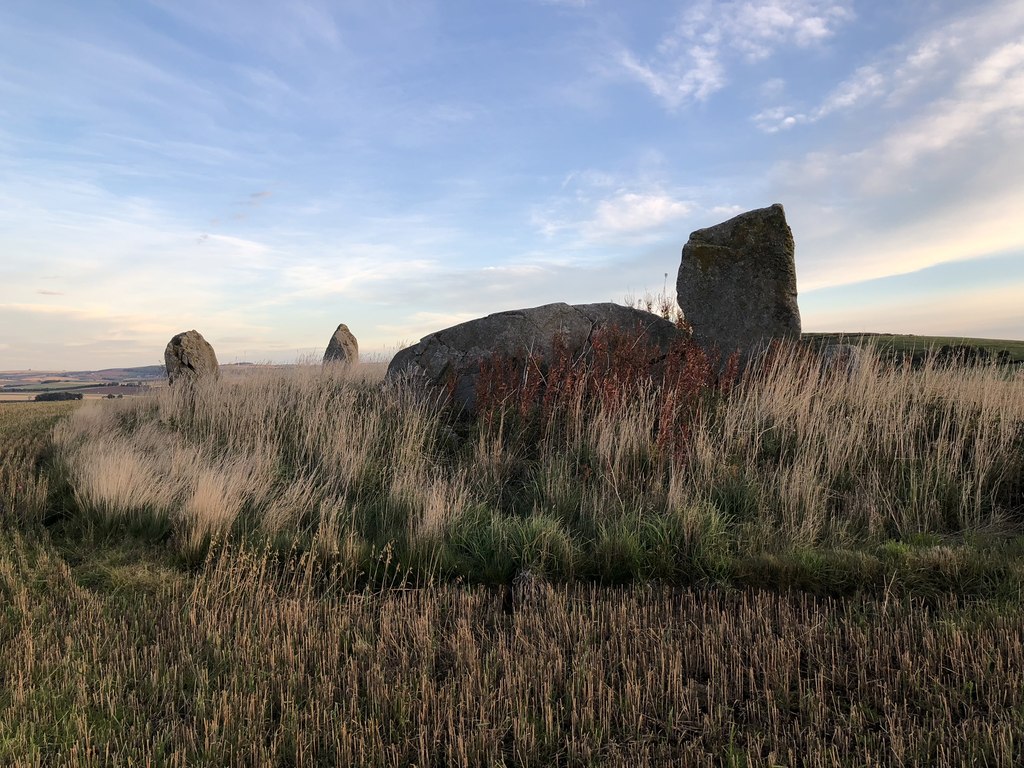
Photo: David Robinson / Wikimedia Commons / CC BY-SA 2.0 Kirkton of Bourtie stone circle
Another stone circle in the Bourtie area of Aberdeenshire, listed alongside Sheldon (itself recorded historically as Sheldon of Bourtie) as a related monument in the same district.
What to look for
-
The five standing stones
Five stones remain in position around the circle, arranged across a diameter of twenty-four metres on the knoll south of Oldmeldrum.
-
The two outliers
Two further stones stand apart from the main ring as outliers, a feature noted in surveys of the site.
-
The knoll setting
The circle occupies a low knoll on farmland north of Sheldon farm, a position typical of many Aberdeenshire stone circles.
-
The absent recumbent
Unlike the classic recumbent stone circles of the region, Sheldon has no large stone lying on its side among its survivors — the detail at the heart of its recent reclassification.
Plan your visit
- Location
- 57.3147°N · 2.2957°W
- Nearest settlement
- Oldmeldrum
- Access
- Open access
- Terrain
- Moderate walking
- Time needed
- About 30 minutes
- Best time
- Dry daylight, when the stones and their knoll setting can be examined.
- What survives
- Five stones and two outliers survive on a farmland knoll; no recumbent stone is present.
- Facilities
- No visitor facilities are recorded at the farmland site.
Opening & admission
No current admission details are recorded — check the managing body's site before travelling.
- The circle sits on a knoll near farmland, with no public access route documented.
Nearby places
Sacred place · Prehistoric
Kirkton of Bourtie stone circle
Aberdeenshire
Its broken recumbent stone is the longest known of its kind in Scotland: the sole survivor of what were once three stone circles in this parish.
- Near Inverurie
- Easy path
Fortified place · Medieval
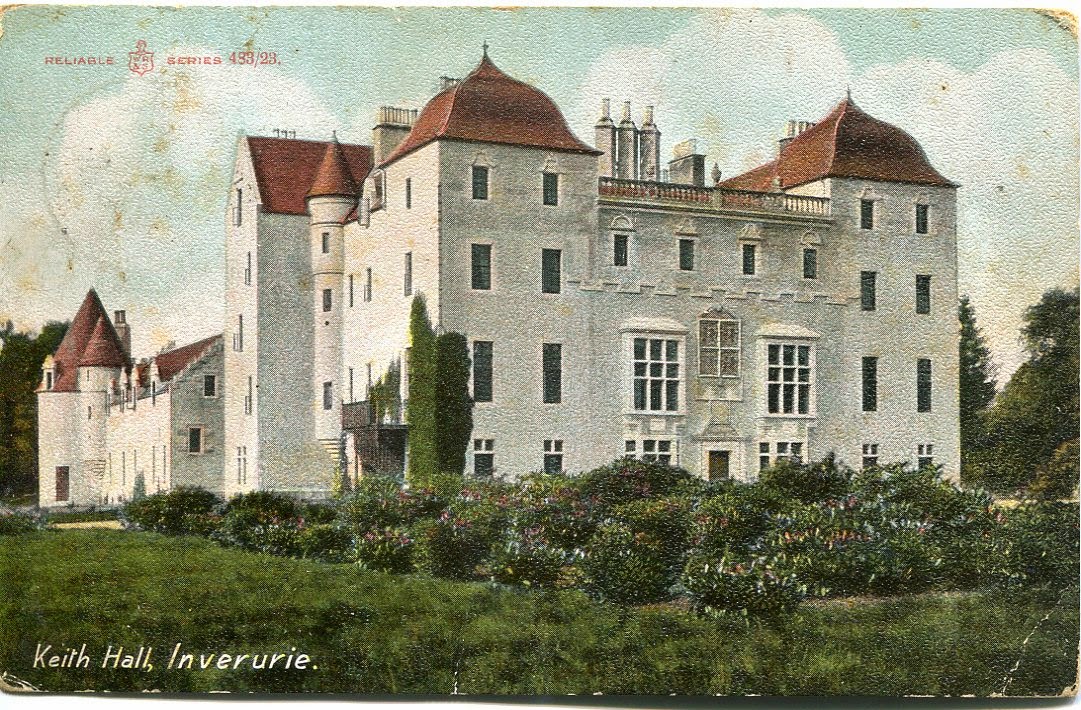
Caskieben
Aberdeenshire
A timber tower's mound and moat still trace the outline beneath Keith Hall, a mansion that grew from Z-plan castle to Georgian seat over seven cent…
- Easy path
Fortified place · Medieval
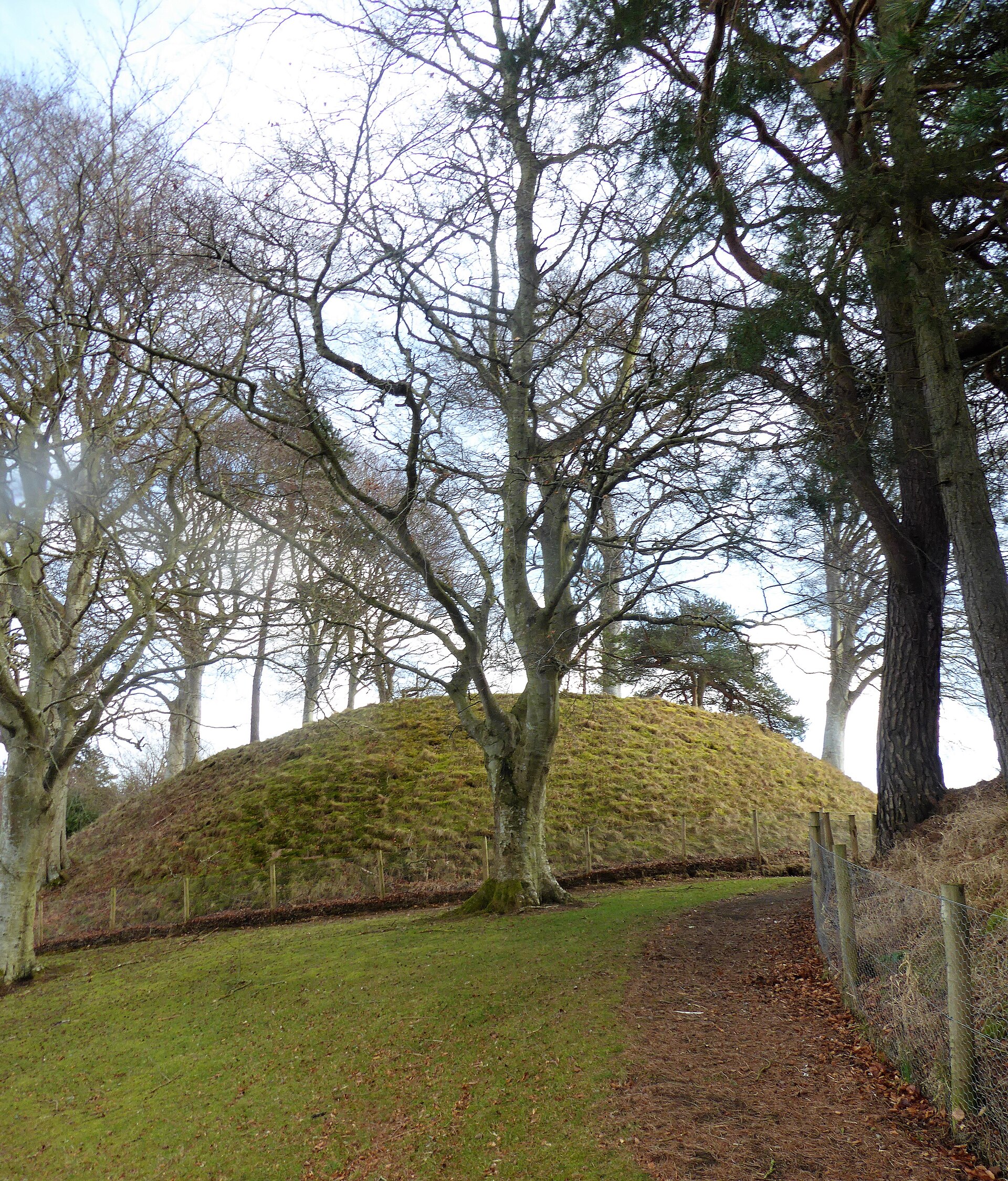
Bass of Inverurie
Aberdeenshire
A wooden castle mound that once governed the whole lordship of the Garioch, its earthworks still holding an oak gangway and a 14th-century face-jug…
- Easy path
Fortified place · Medieval
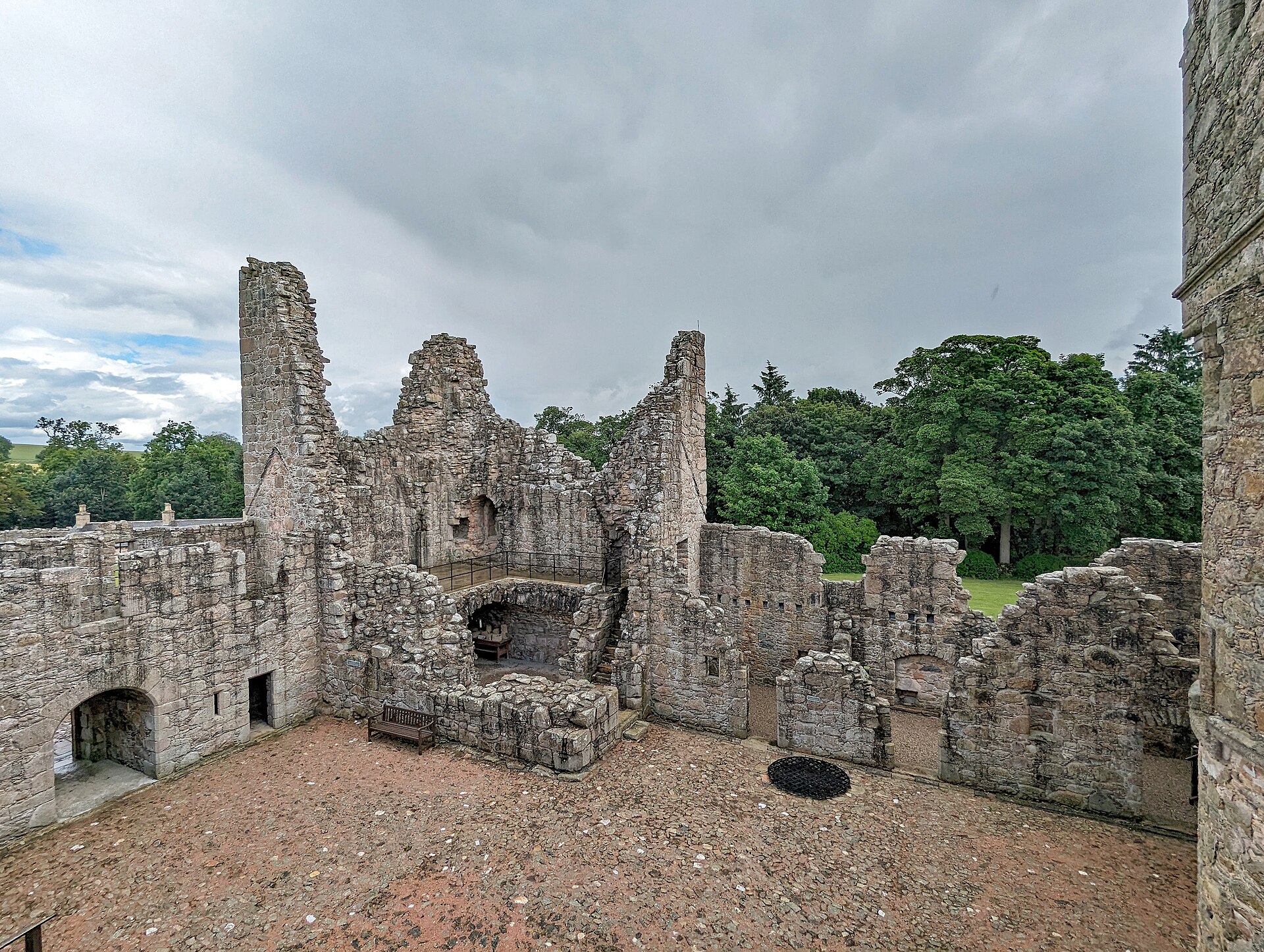
Tolquhon Castle
Aberdeenshire
Built for show rather than defence, its gatehouse still carries the founder-laird's own inscription naming the exact day in 1589 he finished the work.
- Near Tarves
Questions people ask
- What is Sheldon stone circle?
- A prehistoric stone circle on a knoll south of Oldmeldrum, Aberdeenshire, with five standing stones and two outliers spanning twenty-four metres, protected as a scheduled ancient monument.
- How many stones survive at Sheldon?
- Five stones remain in the circle itself, with two further stones standing apart as outliers.
- Is Sheldon a recumbent stone circle?
- It was long classified as one, following archaeologist Alexander Keiller, but no recumbent stone survives there and recent Historic Environment Scotland research suggests it probably wasn't one.
- Where is Sheldon stone circle?
- It stands north of Sheldon farm, south of Oldmeldrum, in Aberdeenshire, Scotland.
- Is Sheldon stone circle protected?
- Yes. It has scheduled ancient-monument status, which protects the ring and its setting from disturbance.
Sources
- Wikipedia: Sheldon stone circle
- Historic Environment Scotland — Canmore
- Megalithic Portal: Sheldon
- The Modern Antiquarian: Shieldon
Explore more: Sacred places · Prehistoric · Aberdeenshire
The Ancient Codex, in your pocket
Get the Pocket Codex app
Carry the directory with you — Sheldon stone circle and thousands of ancient places across Britain and Ireland, offline, wherever you roam.