
A 1670 market cross moved from Kincardine to Fettercairn in 1730 carries an ell measure, sundials and the arms of Scotland and the Earl of Middleton.
Five steps carry Fettercairn’s stop-chamfered market cross, whose square shaft ends in a moulded capital and cubical head. Scottish and aristocratic arms share its faces with sundials, the date 1670 and an ell measure, preserving both civic display and a standard for trade.
The cross was made in 1670 and brought from Kincardine to Fettercairn in 1730. Its movement gives the stone a double civic history: an earlier setting and a later role at the heart of the settlement it now marks.
The surviving carved details make the monument unusually readable. Measurement, timekeeping, heraldry and market tradition remain concentrated in one small structure.
What follows is drawn from published sources, with each claim labelled by how firmly it is established.
The name
Fettercairn comes from Gaelic Fothair Chàrdainn, usually interpreted as ‘slope by a thicket’ or ‘shelving slope at the copse’. The second element preserves the older Pictish carden, ‘copse’, which also appears in nearby Kincardine.
History
The cross was made in 1670, when its square stop-chamfered shaft, moulded capital and cubical head were created. Arms of Scotland and the Earl of Middleton made authority visible, while the form kept the monument legible as a public market structure. At an earlier stage the cross stood at Kincardine. In 1730 it was brought to Fettercairn, where the relocated monument acquired a new relationship with the town’s square and became part of the settlement’s own civic landscape. Its relocation remains part of the cross's recorded history.
An ell measure was incorporated into the shaft, providing a standard for trading lengths. Sundials and the carved date added time and measurement to the monument’s functions, so the cross served as more than a symbolic marker in the marketplace. The shaft still carries these practical details. The cross remains on a five-step base with a built plinth. Its survival preserves both the physical evidence of seventeenth-century carving and the later act of relocation that transferred an older civic object into Fettercairn. The five-step setting records that later civic use.
The Aberdeenshire Historic Environment Record links the cross to Fettercairn’s market rights: a licence to hold markets and erect a cross was granted in 1504 and renewed for the Earl of Middleton in 1670. It describes the octagonal shaft as probably older than the capital, and treats the popular story of a 1730 removal from Old Kincardine with care: no documentary record has been found for that transfer. The surviving jougs fixed to the cross are another reminder that a market centre could also be a place of public discipline.
Connections
-
Kincardine
The cross originally stood at Kincardine before being brought to Fettercairn in 1730.
-
Earl of Middleton
The cubical head is carved with the Earl of Middleton’s arms, preserving the noble heraldry built into the market cross.
What to look for
-
Ell measure
The carved ell measure records the cross’s practical market function, providing a standard length for local trade in the square.
Plan your visit
- Location
- 56.8520°N · 2.5746°W
- Access
- Visible from a public way
- Terrain
- Easy going
- Time needed
- About 20 minutes
- Best time
- Daylight is the most useful time to see the carved stonework from the public way.
- What survives
- The historic market cross survives as a visible civic monument in the settlement.
- Facilities
- No dedicated visitor facilities are identified in the cited listed-building source; use the settlement facilities nearby.
Opening & admission
Free to view from the public street or square; no admission arrangement is recorded.
- The cross is a civic street monument in the settlement centre and should be viewed from the public way.
Nearby places
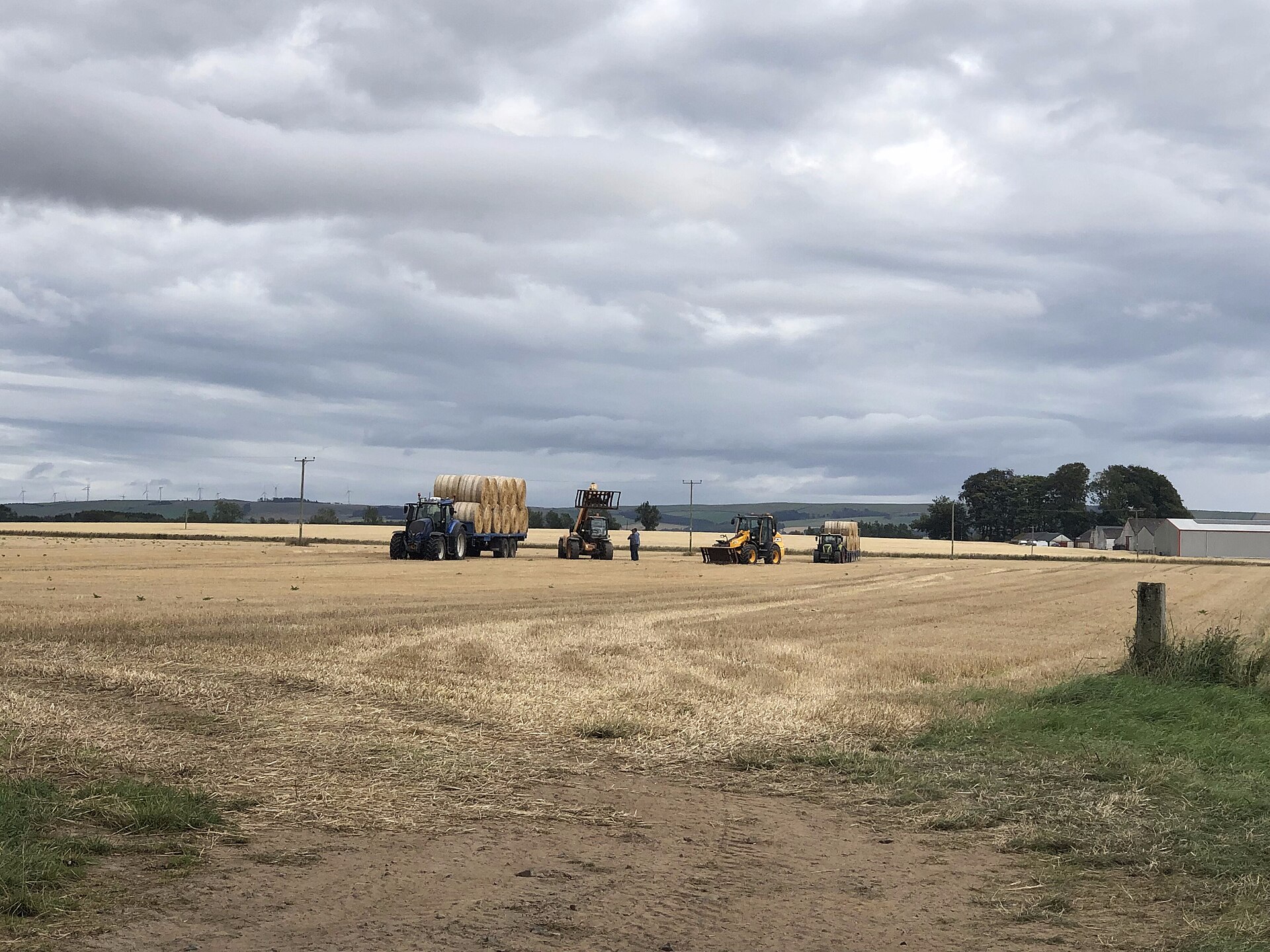
Minor monument · Medieval
Dovecot, Balbegno Castle
Aberdeenshire
This surviving seventeenth-century pigeon house preserves Balbegno Castle’s food infrastructure, from its crowstepped roof to a projecting masonry…
- Near Fettercairn
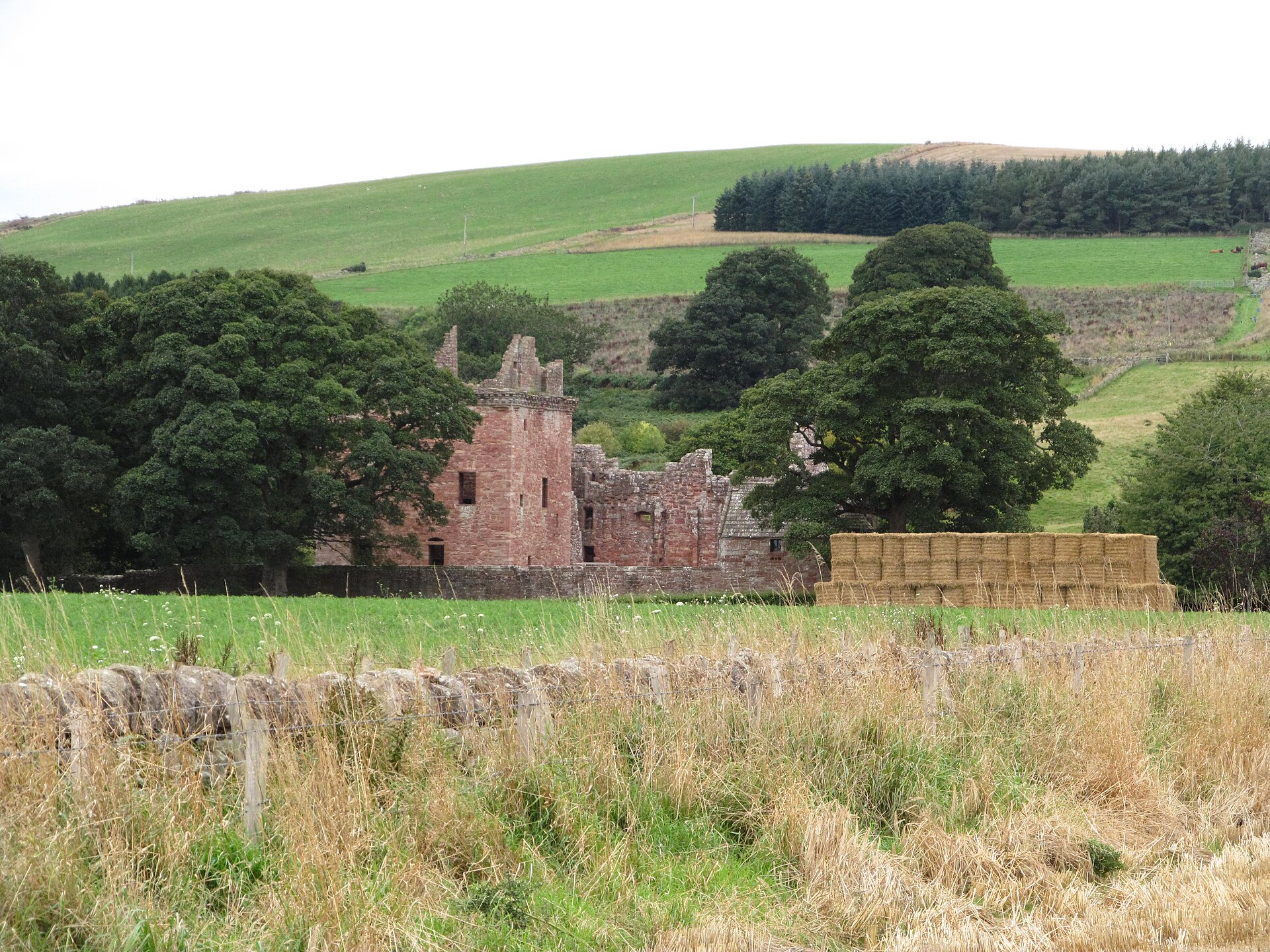
Minor monument · Medieval
Dovecot, Mains Of Edzell
Angus
Edzell’s square pigeon house, with diagonally opposed turrets and a later ruined extension, makes the working architecture and changing needs of th…
- Near Edzell
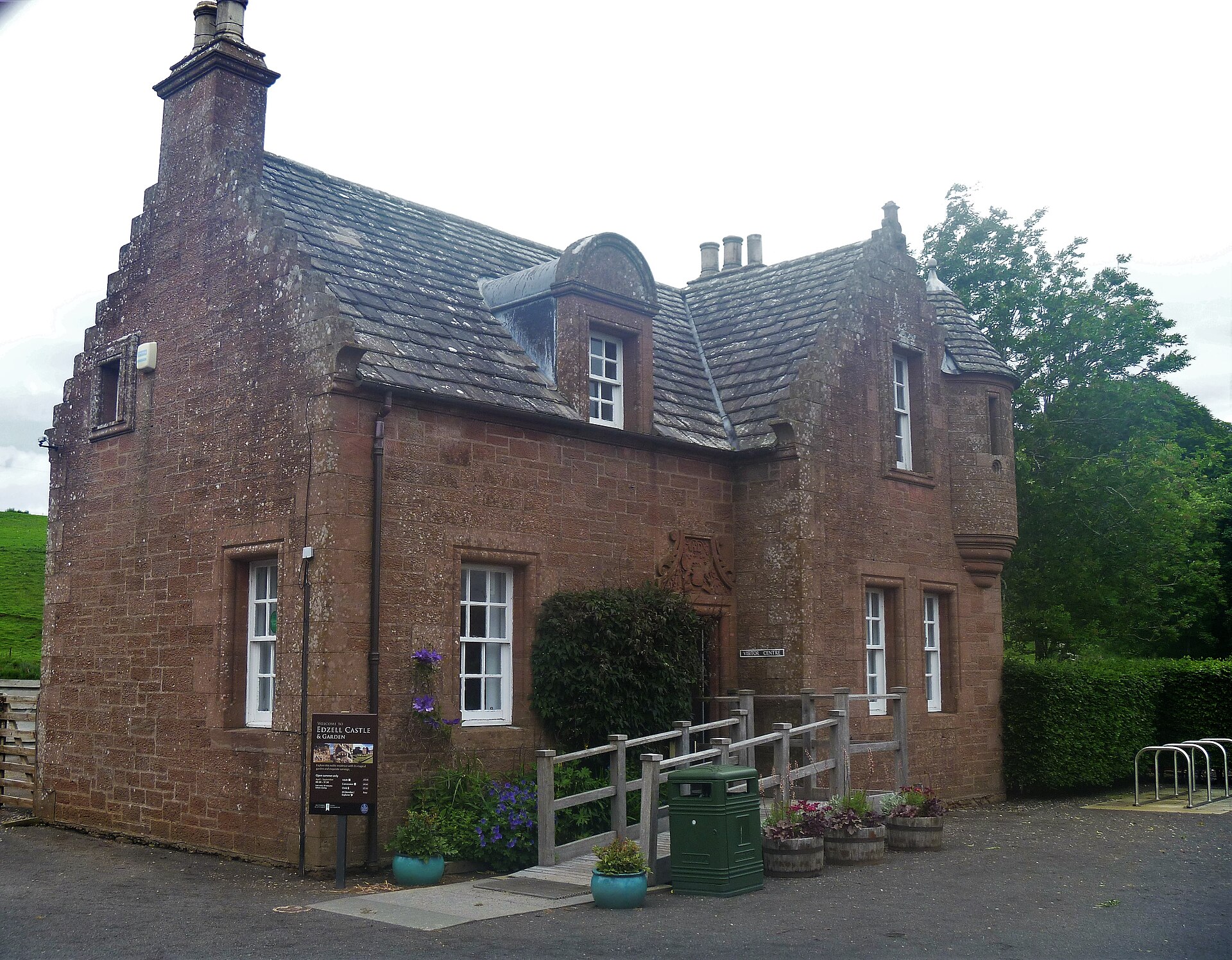
Fortified place · Medieval
Edzell Castle and Garden
Angus
Its walled garden is carved with the only known Scottish set of relief panels depicting planetary deities and the liberal arts, a Renaissance survi…
- Easy path
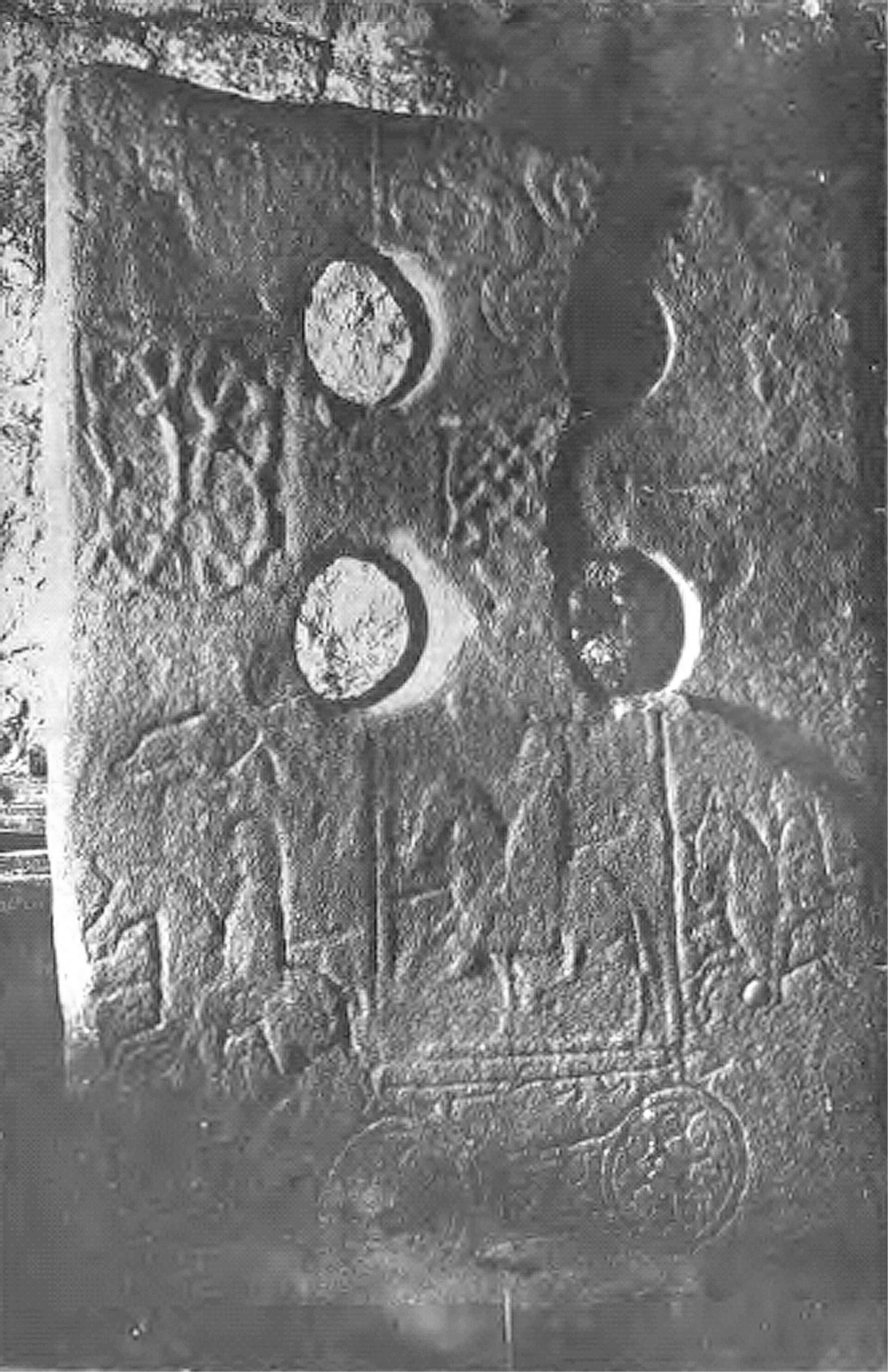
Carved stone · Pictish & early medieval
Fordoun Stone
Aberdeenshire
For generations the stone served as ordinary paving in the church floor, its carved face walked over underfoot before being rediscovered and stood…
- Near Auchenblae
- Easy path
The setting
Shopfront and street scene in Fettercairn, near the market cross.
Photo: Richard Webb / Wikimedia Commons / CC BY-SA 2.0
Main Street through Fettercairn, in the town setting around the market cross.
Photo: Peter Wood / Wikimedia Commons / CC BY-SA 2.0
Questions people ask
- When was it made?
- The cross is dated 1670.
- Where did it come from?
- It was brought from Kincardine to Fettercairn in 1730.
- What practical detail survives?
- An ell measure and sundials are carved into the monument.
Sources
- Historic Environment Scotland — Market Cross of Fettercairn
- John Small, Scottish Market Crosses
- Aberdeenshire Historic Environment Record — Fettercairn Cross (MAB39491)
Explore more: Minor monuments · Medieval · Aberdeenshire
The Ancient Codex, in your pocket
Get the Pocket Codex app
Carry the directory with you — Market Cross, The Square, Fettercairn and thousands of ancient places across Britain and Ireland, offline, wherever you roam.