
Minor monument · Medieval
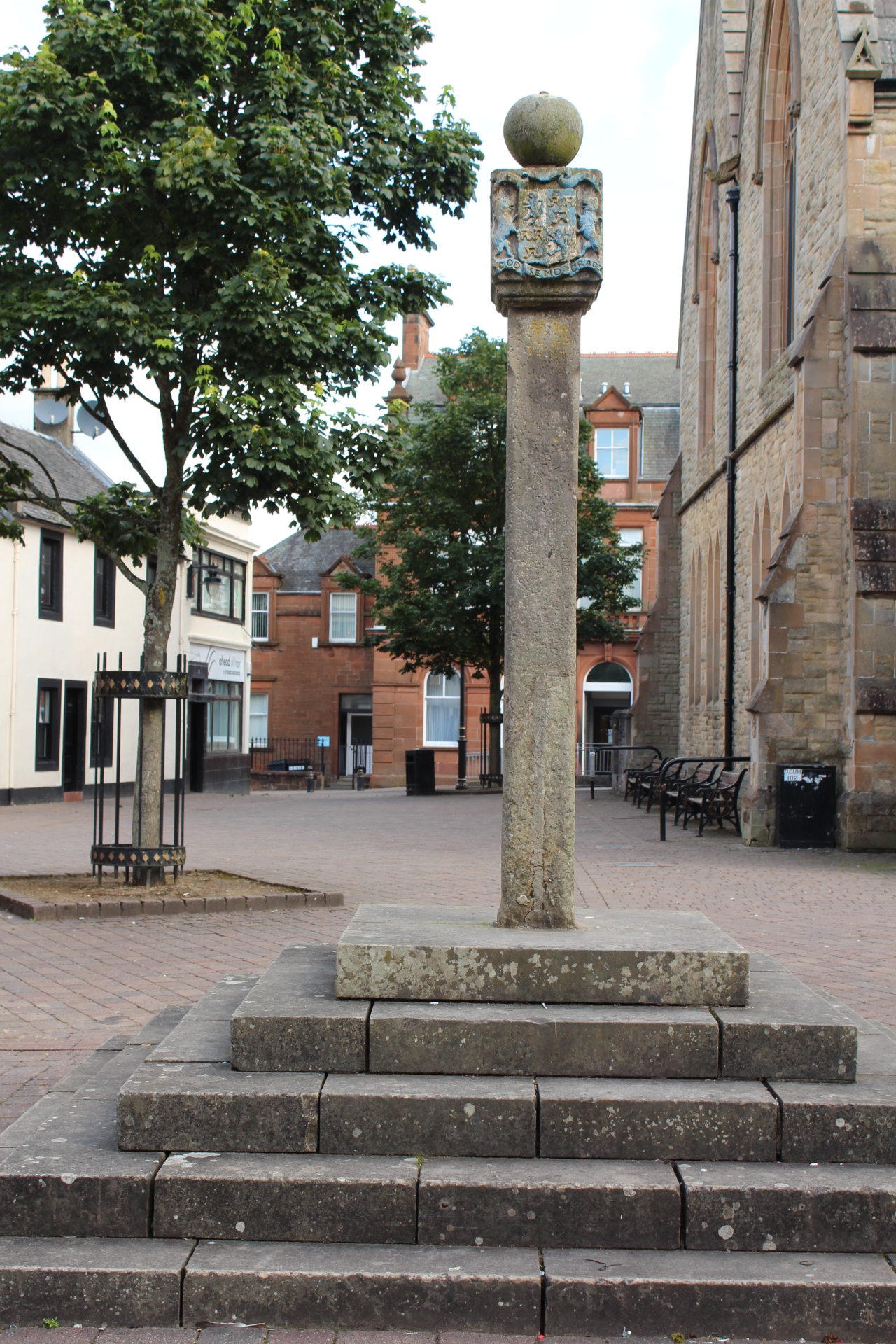
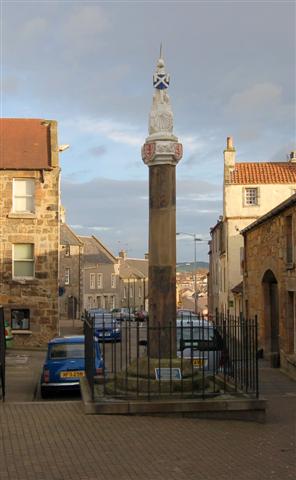
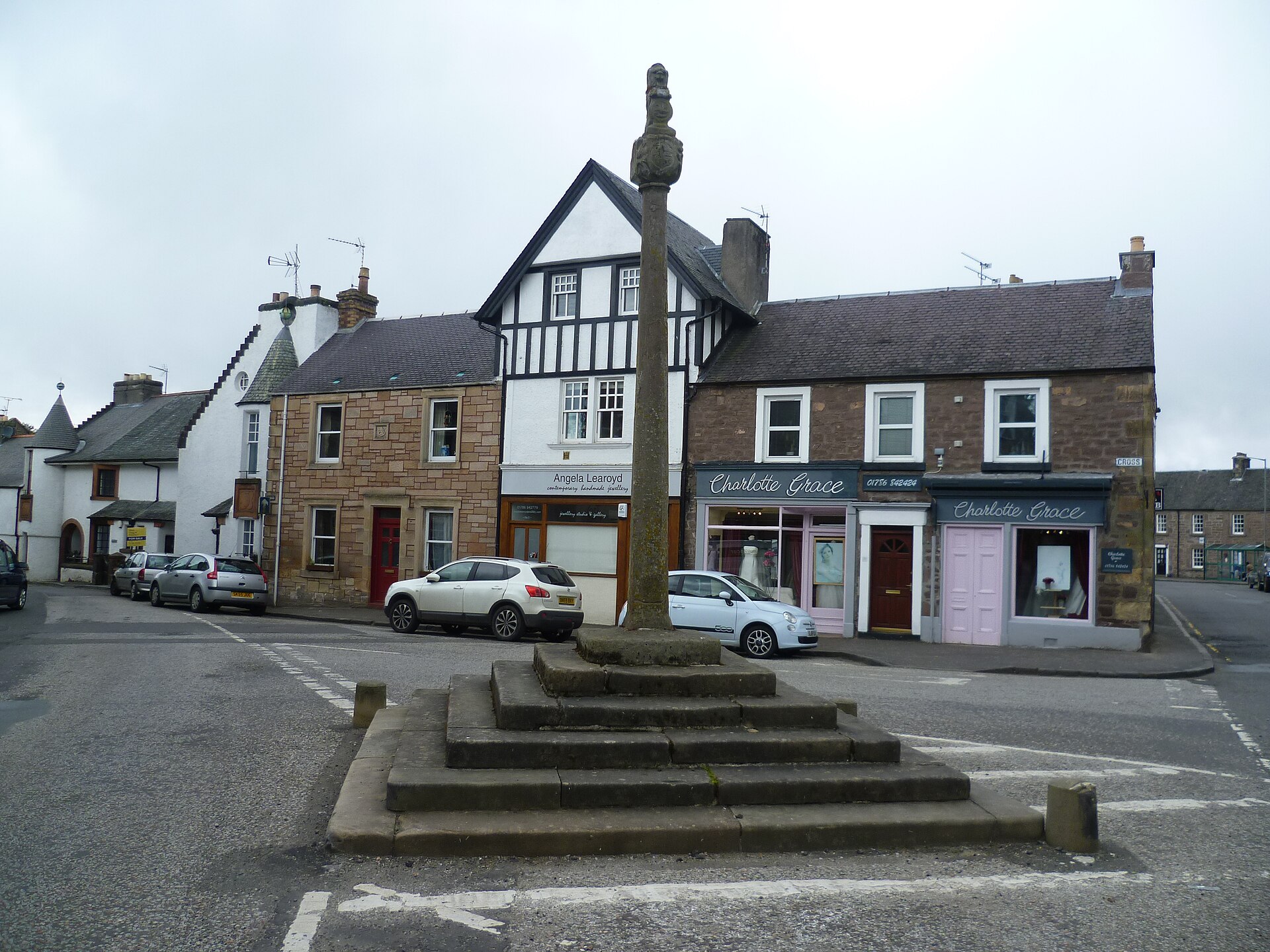
Clackmannan Mercat Cross
Clackmannanshire
Clackmannan’s early market cross stands beside a town court building and the Clackmannan Stone, a rare civic group tied to the town’s origins.
- Near Alloa
- Easy path
By type
Mercat crosses, holy wells, boundary stones and the smaller marks that shaped daily life.
Page 1 of 1. Browsing 41 of 4619 — searching looks across all of them.
Minor monument · Medieval
Clackmannanshire
Clackmannan’s early market cross stands beside a town court building and the Clackmannan Stone, a rare civic group tied to the town’s origins.
Minor monument · Medieval
Aberdeenshire
This surviving seventeenth-century pigeon house preserves Balbegno Castle’s food infrastructure, from its crowstepped roof to a projecting masonry…
Minor monument · Medieval
Aberdeenshire
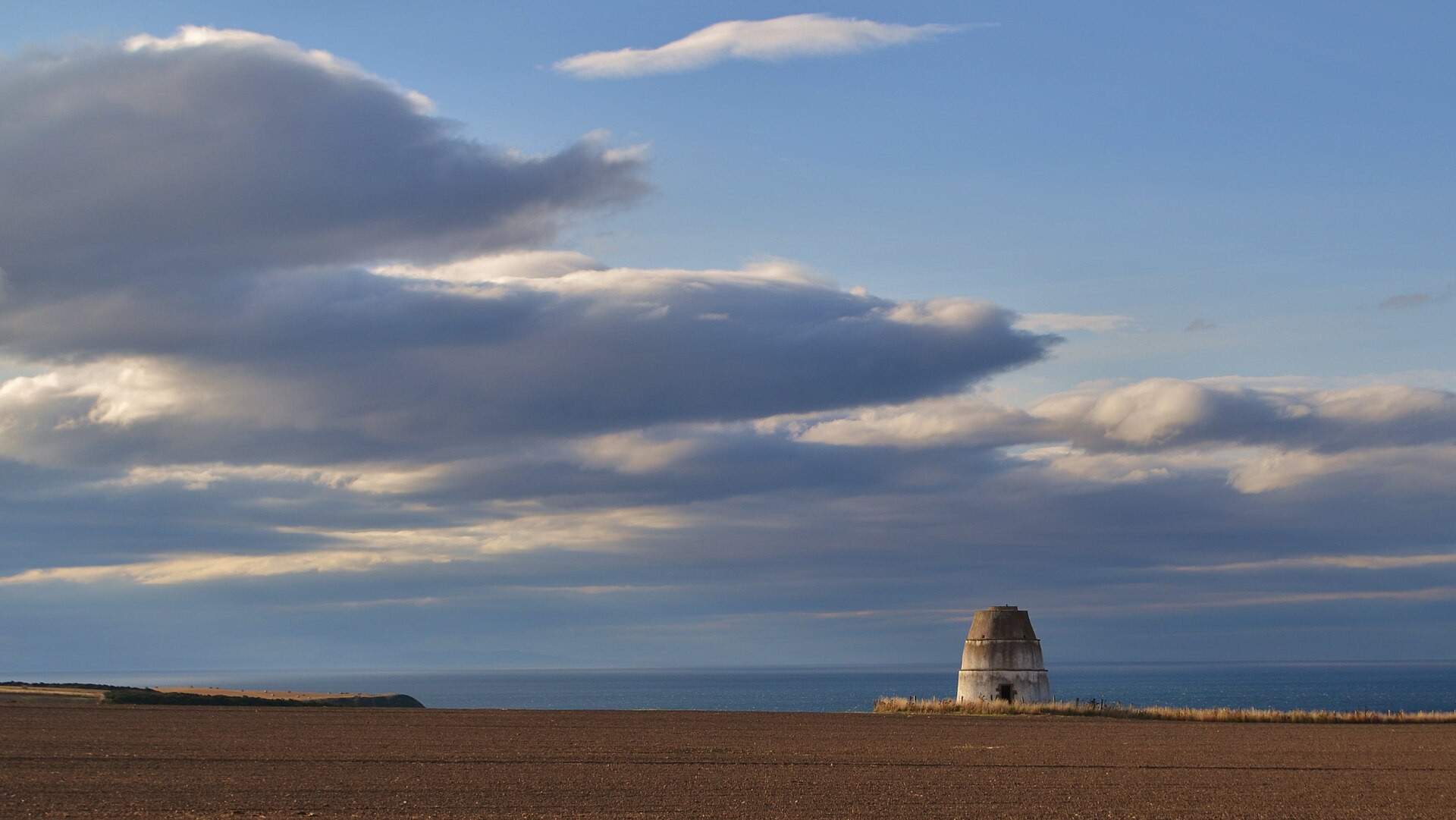
Findlater’s beehive pigeon house retains about 700 nesting boxes, making an otherwise modest estate building an unusually legible record of how the…
Minor monument · Medieval
Fife
Creich’s 1723 pigeon house is an unusually formal castle lean-to, where twin chambers, rat-proofing and dormer entries make estate food production…
Minor monument · Medieval
Dumfries and Galloway
Denbie’s dated 1775 pigeon house turns estate food supply into architectural display, combining an octagonal lantern, J C datestone and nesting box…
Minor monument · Medieval
Aberdeenshire
The sixteenth-century beehive pigeon house outlasts Fetteresso Castle’s dismantling, its three rat lines preserving the working estate landscape be…
Minor monument · Medieval
Highland
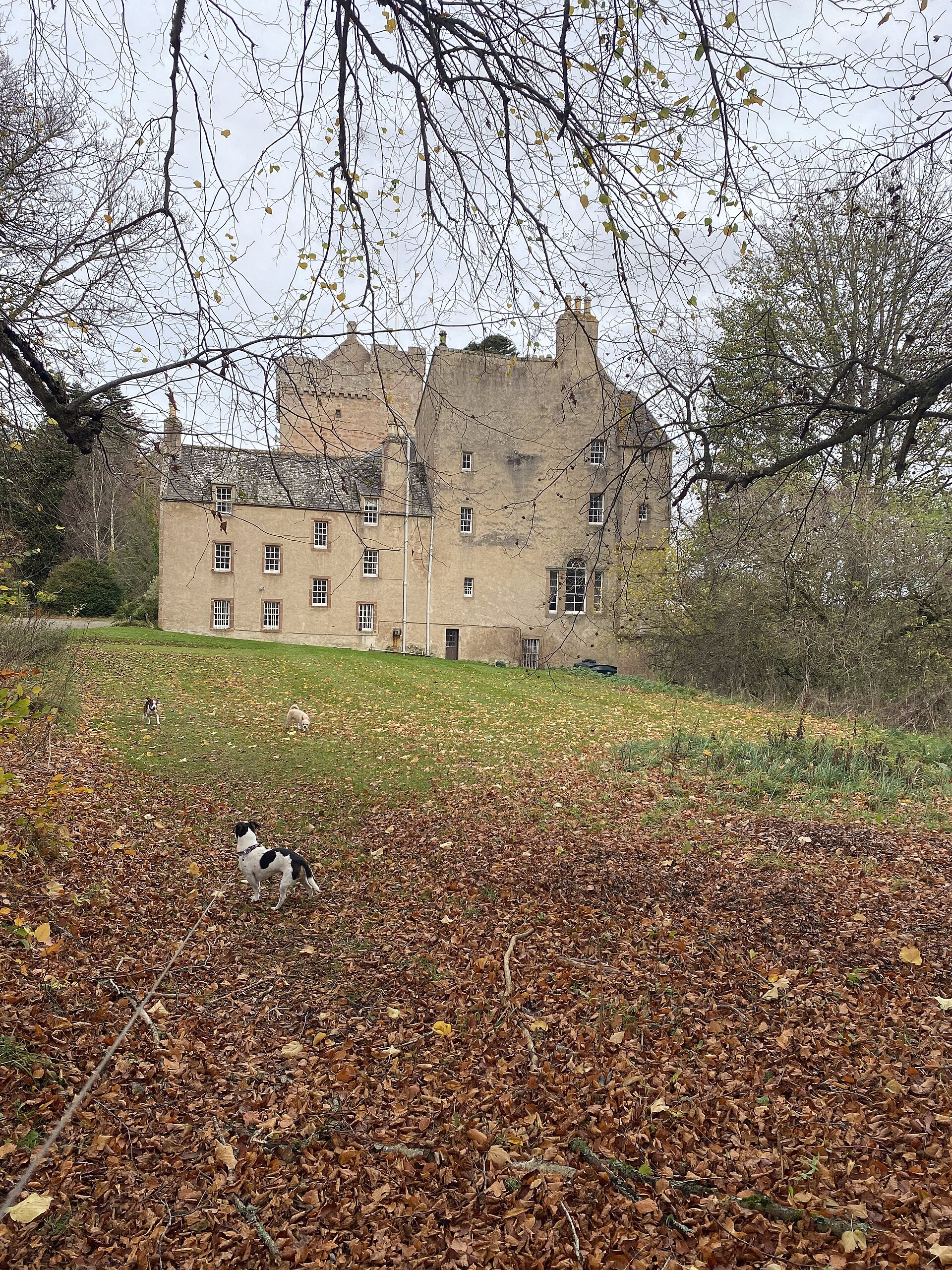
Kilravock’s pigeon house, built to keep birds for winter meat, makes the estate’s long-running economy tangible within a building altered from medi…
Minor monument · Medieval
Scottish Borders
Three hundred and eighty-two nesting boxes in sixteen circular rows, inside a dovecot: a purpose-built pigeon house: that once served the home of D…
Minor monument · Medieval
Angus
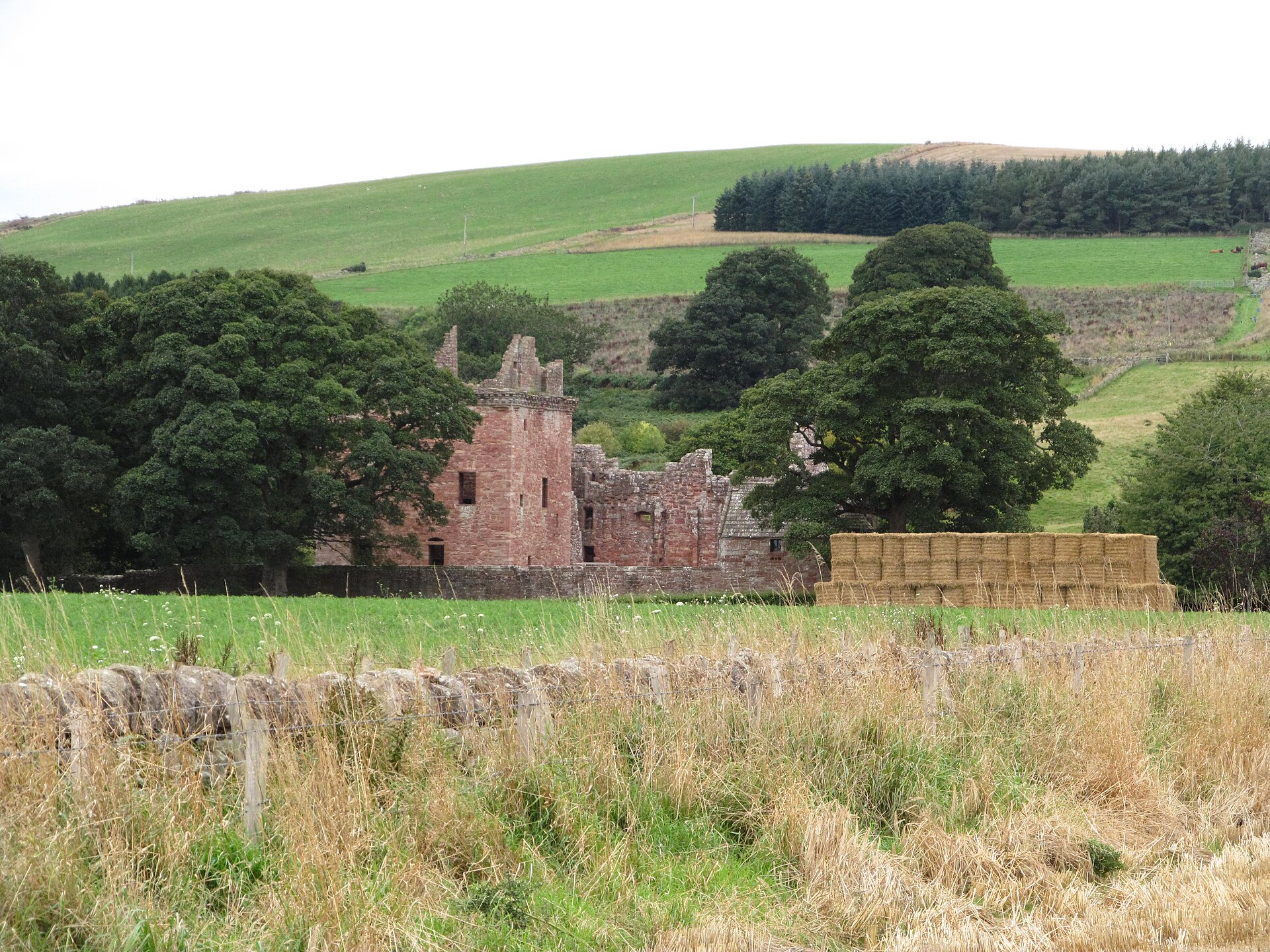
Edzell’s square pigeon house, with diagonally opposed turrets and a later ruined extension, makes the working architecture and changing needs of th…
Minor monument · Medieval
Fife
Wormiston’s early-seventeenth-century pigeon house preserves a more ambitious estate structure than most Fife doocots, with twin chambers, a vaulte…
Minor monument · Medieval
Fife
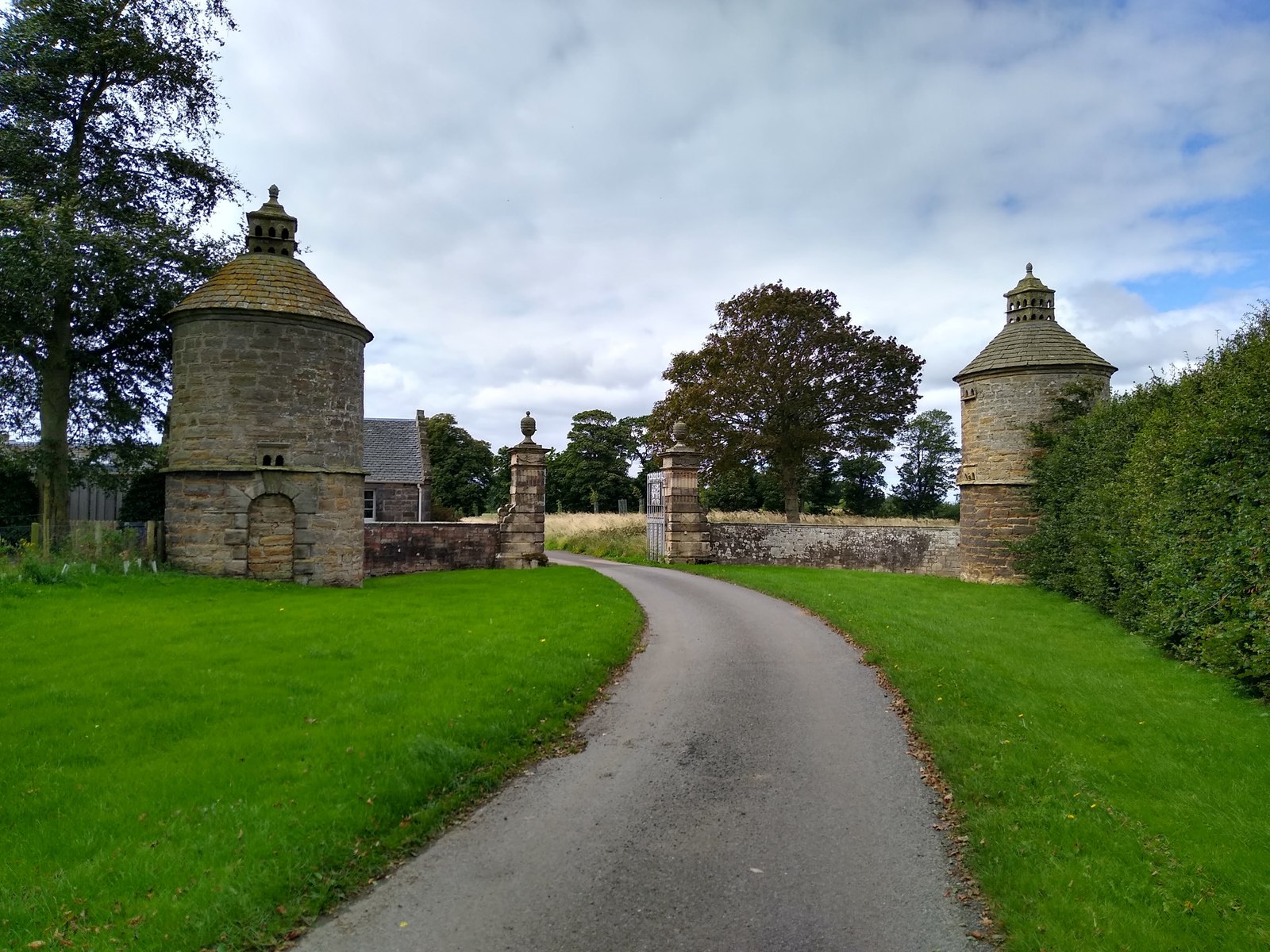
Balcaskie’s paired dovecots turn an estate entrance into architecture, combining 1714–45 gate piers, bird houses and later Lorimer ironwork in one…
Minor monument · Medieval
Dumfries and Galloway
A plain sandstone cross marks the lost village of Preston, whose population fell from a settled community to one inhabitant by 1844.
Minor monument · Medieval
Fife
Inverkeithing’s market cross, the stone cross marking a burgh’s right to hold a market, carries centuries of civic self-image: royal heraldry and a…
Minor monument · Medieval
Aberdeenshire
Macduff’s 1783 cross reassembled older fragments into a royal-burgh statement, its rider and inscriptions preserving the Earl of Fife’s civic ambit…
Minor monument · Medieval
Perth and Kinross
Removed to the grounds of Castle Huntly at the end of the eighteenth century, and not put back on Main Street until 1989.
Minor monument · Medieval
Scottish Borders
Melrose’s 1645 market cross combines a restored seventeenth-century shaft with a nineteenth-century base and a weathered unicorn finial carrying th…
Minor monument · Medieval
Aberdeenshire
A granite market cross on five circular steps preserves Old Rayne’s status as a burgh of barony created in 1492.
Minor monument · Medieval
Aberdeenshire
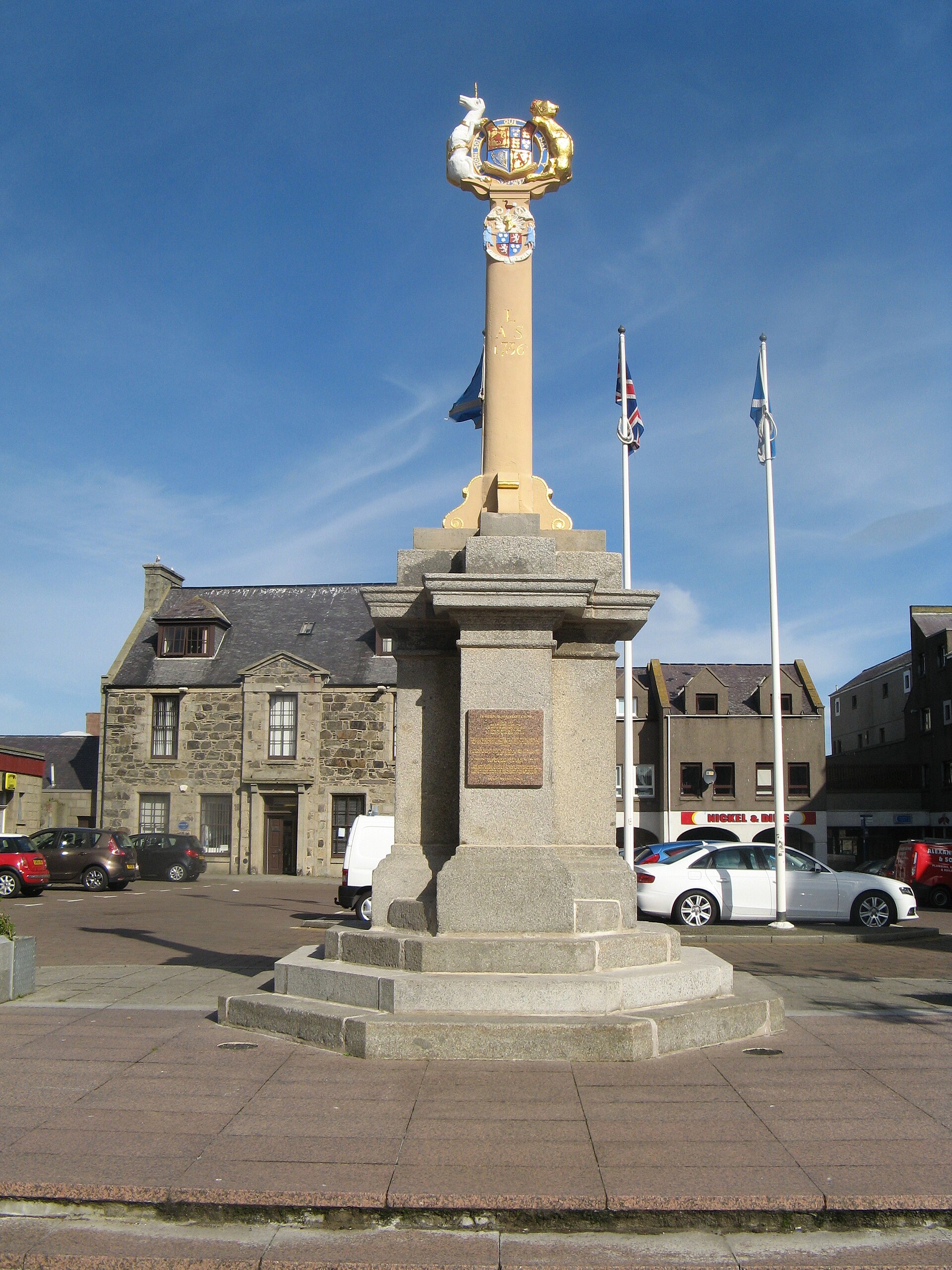
A 1736 granite market cross in Fraserburgh retains its date, oval shaft and coat of arms in the centre of Saltoun Square.
Minor monument · Medieval
Fife
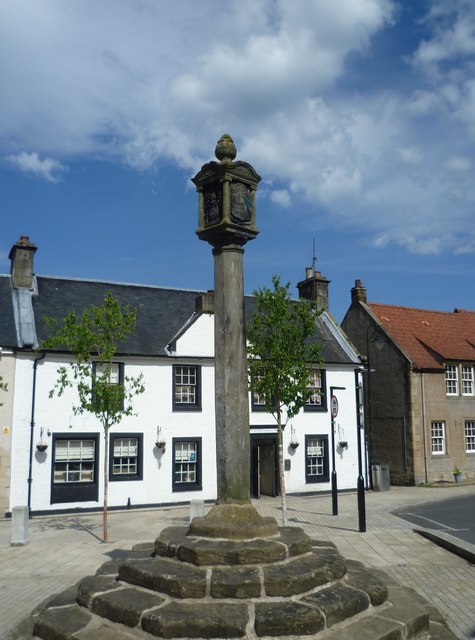
Culross’s market cross visibly joins a 1588 trading privilege to Edwardian civic revival, its original stepped base supporting a 1902 shaft, arms a…
Minor monument · Medieval
Stirling
The capital carries the arms of Moray and Campbell, two sundials and a lion: a good deal of information packed onto the top of one shaft.
Minor monument · Medieval
Aberdeenshire
A 1670 market cross moved from Kincardine to Fettercairn in 1730 carries an ell measure, sundials and the arms of Scotland and the Earl of Middleton.
Minor monument · Medieval
Perth and Kinross
A stump of medieval shaft, two feet three inches high, with a font from before the Reformation set on top of it: two separate objects made into one…
Minor monument · Medieval
Moray
An incised hammer mark and a hole probably cut for the jougs: the iron collar in which offenders were chained: survive on a cross now standing in a…
Minor monument · Medieval
Perth and Kinross
A cross assembled out of loose window tracery, standing beside a font carried here from Kinnaird: both given nineteenth-century dates that the ston…
Minor monument · Medieval
Scottish Borders
Said to have been put up on the Market Green in 1609. It is now set against the west side of the church, off the green entirely.
Sacred place · Medieval
Cornwall
Dupath Well is a nearly intact late-medieval holy well house where a granite chapel-like structure protects a spring once associated with healing.
Minor monument · Medieval
North Yorkshire
Giggleswick Market Cross preserves the village’s late-medieval market status and, through later relocation and competing local traditions, captures…
Minor monument · Medieval
Cheshire
One of England's few surviving duck decoys still holding its original form: five pipes radiating from a central pond in a pentagon shape used to tr…
Sacred place · Medieval
Cheshire
St Plegmund's Well is a scheduled Cheshire holy well whose documentary history, stone-lined structure and continuing well-dressing tradition preser…
Minor monument · Prehistoric
Buckinghamshire
A vast chalk cross cut into a Buckinghamshire hillside whose age and purpose have never been established: one of England's few hill figures with no…
Minor monument · Prehistoric
Cheshire
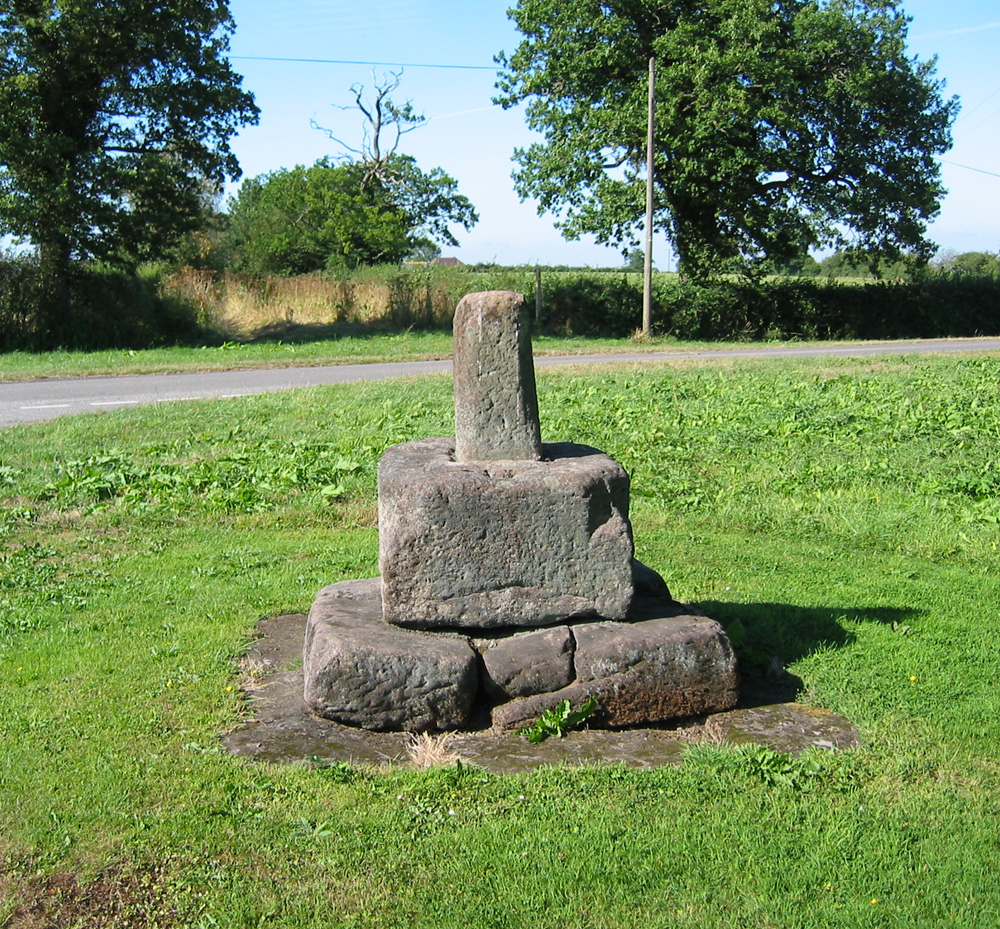
Woodhey Cross is a rare surviving late-medieval stepped cross that remains in its original Cheshire roadside position, preserving a small but subst…
Briefer entries: recorded and worth knowing, with fuller pages to come.
Minor monument · Medieval
Scottish Borders
A dated panel above the door reads 1745, or possibly 1743: inserted, it seems, to mark the completion of repairs to the 653 nesting boxes inside.
Minor monument · Medieval
Argyll and Bute
The Carloonan dovecot: a stone house for pigeons, kept for winter meat: survives within the designed estate landscape of Inveraray Castle.
Minor monument · Medieval
Perth and Kinross
The weathervane on top is a model of the East Indiaman General Elliot, which Captain Robert Drummond commanded from her launch in 1783: at the age…
Minor monument · Medieval
Aberdeen City
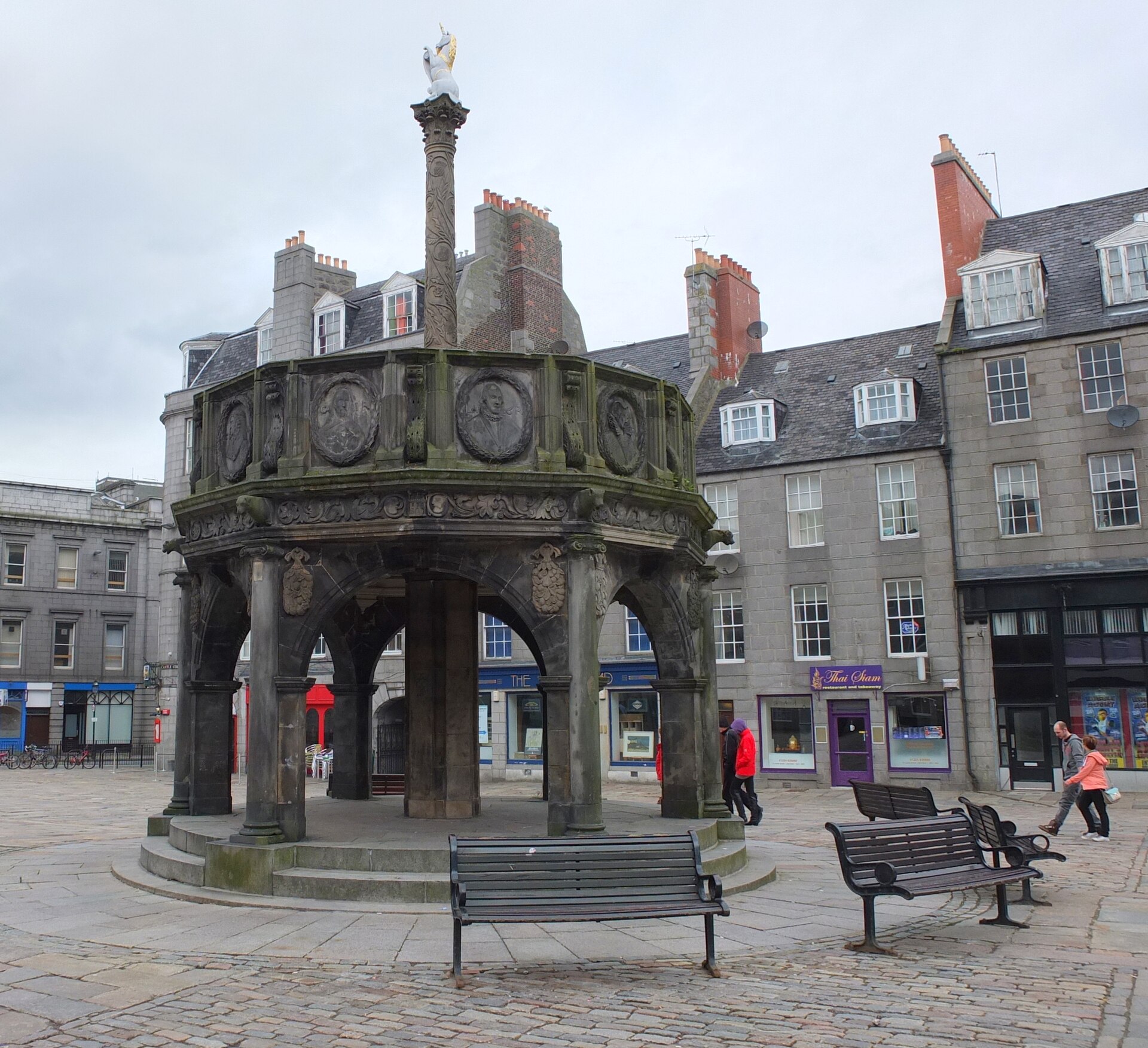
Aberdeen’s 1686 market cross combines royal and civic carving with a gilt unicorn, preserving the burgh’s public trading and ceremonial centre thro…
Minor monument · Medieval
Highland
Cromarty’s market cross, the stone cross marking a burgh’s right to hold a market, preserves a rare civic document in stone: its 1578 shaft and Geo…
Minor monument · Medieval
Dumfries and Galloway
Thornhill’s 1714 Pegasus-topped cross was planned with the village road, making its column a surviving civic centre despite relocation and later re…
Minor monument · Medieval
Falkirk
Airth Mercat Cross is a 1697 market marker in the High Street, protected through Category A listing after its former scheduled-monument designation…
Minor monument · Medieval
South Ayrshire
The cross carries its own admission that it is not original: the inscription reads 'Rebuilt 1777'.
Minor monument · Medieval
East Ayrshire
Cumnock’s 1703 market cross combines burgh ceremony, a working sundial and Crighton heraldry, with repairs showing its civic role endured for three…
Minor monument · Medieval
Perth and Kinross
Two lions and two unicorns share the top of this cross, holding up a ball finial between them.
No places match those filters.


.jpg?width=800)

_Cross_03.jpg?width=800)
.jpg?width=800)
.jpg?width=800)