
Cumnock’s 1703 market cross combines burgh ceremony, a working sundial and Crighton heraldry, with repairs showing its civic role endured for three centuries.
A square shaft with splayed angles rises from five steps in Cumnock’s Square, carrying a stone sundial and ball finial. It has stood in one part of the town or another for more than three hundred years.
The cross is dated 1703, was repaired in 1778 and 1944, and was originally sited at Townhead. The 1703 date is firm, and so are the repairs of 1778 and 1944, but what prompted the move from Townhead is not recorded.
The monument is a scheduled ancient monument, preserving a small civic structure whose heraldry and sundial connect public authority with daily town life. A sundial and a set of arms on a shaft in the middle of a square is public authority and daily use in one object — somewhere to tell the time and somewhere to be told who governs.
What follows is drawn from published sources, with each claim labelled by how firmly it is established.
History
The Cumnock market cross is dated 1703 and originally stood at Townhead rather than in the Square. Its five-step base and square shaft give it the raised form that goes with a burgh market, where the cross was the fixed point a market gathered around. The shaft has splayed angles stopped by a moulded termination, and above it sits a square stone sundial finished with a ball finial, so a practical timekeeping device carries the formal appearance of a civic monument.
Two sides of the sundial are sculptured with the arms of the Crightons and with dates, putting the presence of local authority directly onto the structure that marked the market place. Repairs were carried out in 1778 and again in 1944, and the sequence of interventions shows that the cross went on mattering to Cumnock across more than two centuries while keeping its early-eighteenth-century form.
Cultural influences
-
The 1703 cross made a fixed civic focus for Cumnock’s market, combining a raised market monument with a sundial carrying Crighton arms.
Connections
-
Townhead
The cross stood at Townhead until its later preservation in the Square, carrying Cumnock’s 1703 civic market marker from one historic focus to another.
Discovery & excavation
The cross preserves its five-step base, splayed square shaft and sundial despite repairs in 1778 and 1944 and its move from Townhead.
What to look for
-
Stone sundial
The square stone sundial carries Crighton arms and dates on two sides.
Plan your visit
- Location
- 55.4540°N · 4.2662°W
- Nearest settlement
- Cumnock
- Access
- Visible from a public way
- Terrain
- Easy going
- Time needed
- About 20 minutes
- Best time
- Visit in daylight and dry conditions, when the market cross and surrounding town setting can be viewed safely.
- What survives
- The 1703 market cross survives with its stepped base, square shaft, sculptured sundial and ball finial.
- Facilities
- No dedicated visitor facilities are documented at the cross; plan to use facilities in Cumnock.
Opening & admission
The market cross stands in Cumnock’s public square and can be viewed freely from the surrounding public pavement at any time.
- It is an outdoor listed monument with no staffed visitor opening arrangement.
Nearby places
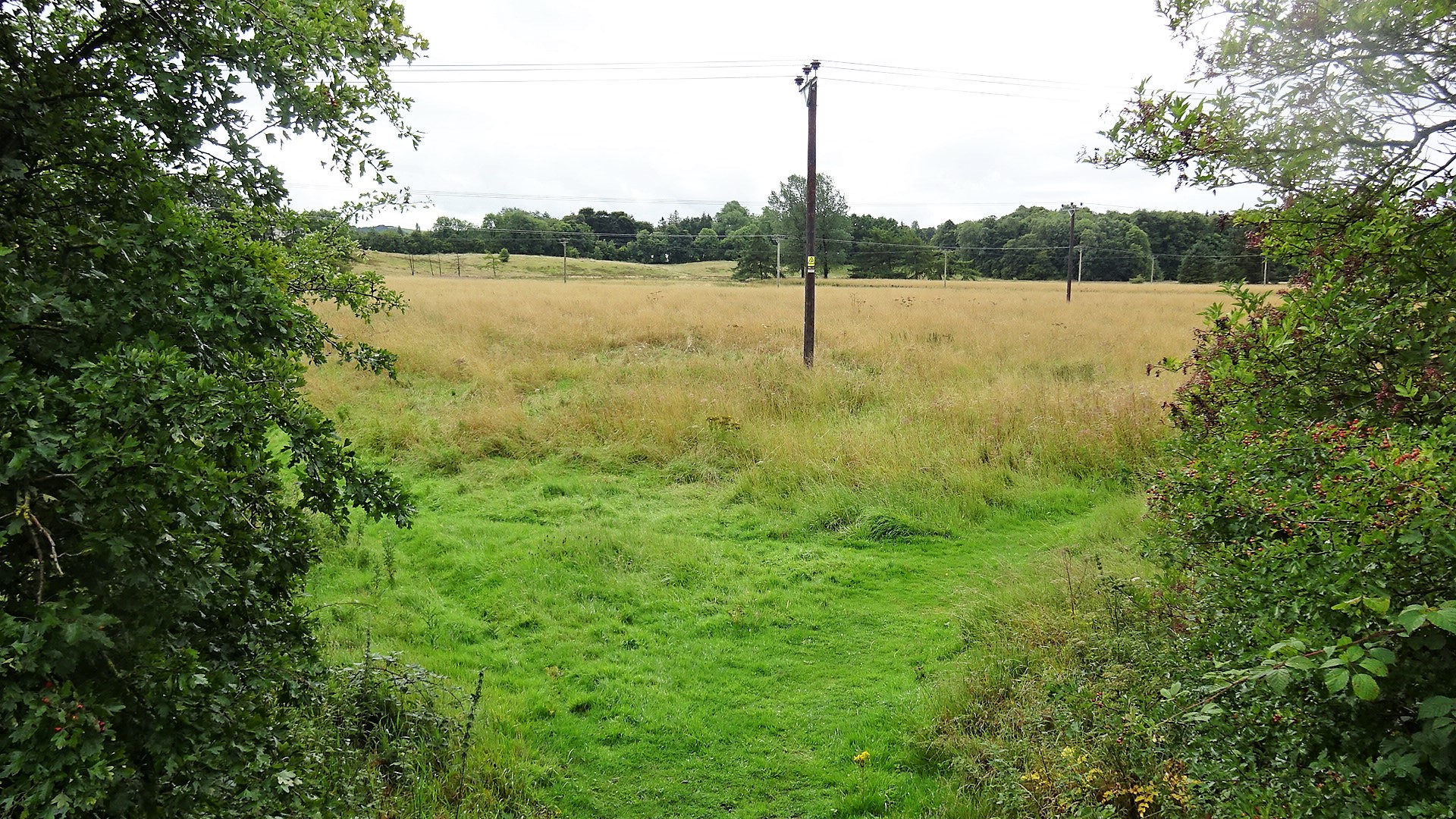
Ancient tree · Medieval
Bickering Bush
East Ayrshire
Bickering Bush preserves the memory of a named hawthorn, its lost site tied to Caprington Castle lands and Wallace tradition.
- Near East Ayrshire
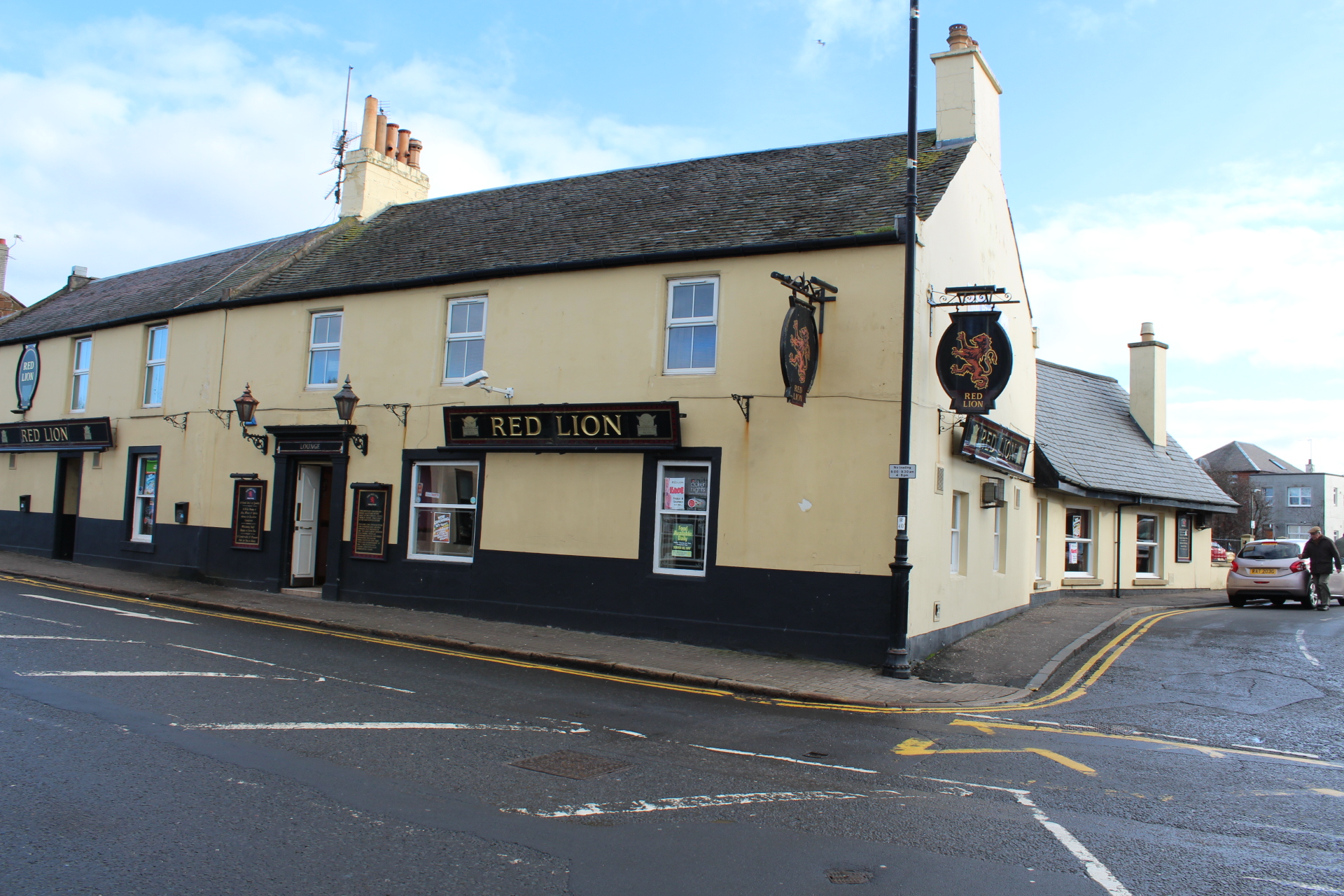
Minor monument · Medieval
Market Cross, Prestwick
South Ayrshire
The cross carries its own admission that it is not original: the inscription reads 'Rebuilt 1777'.
- Near Prestwick
- Easy path
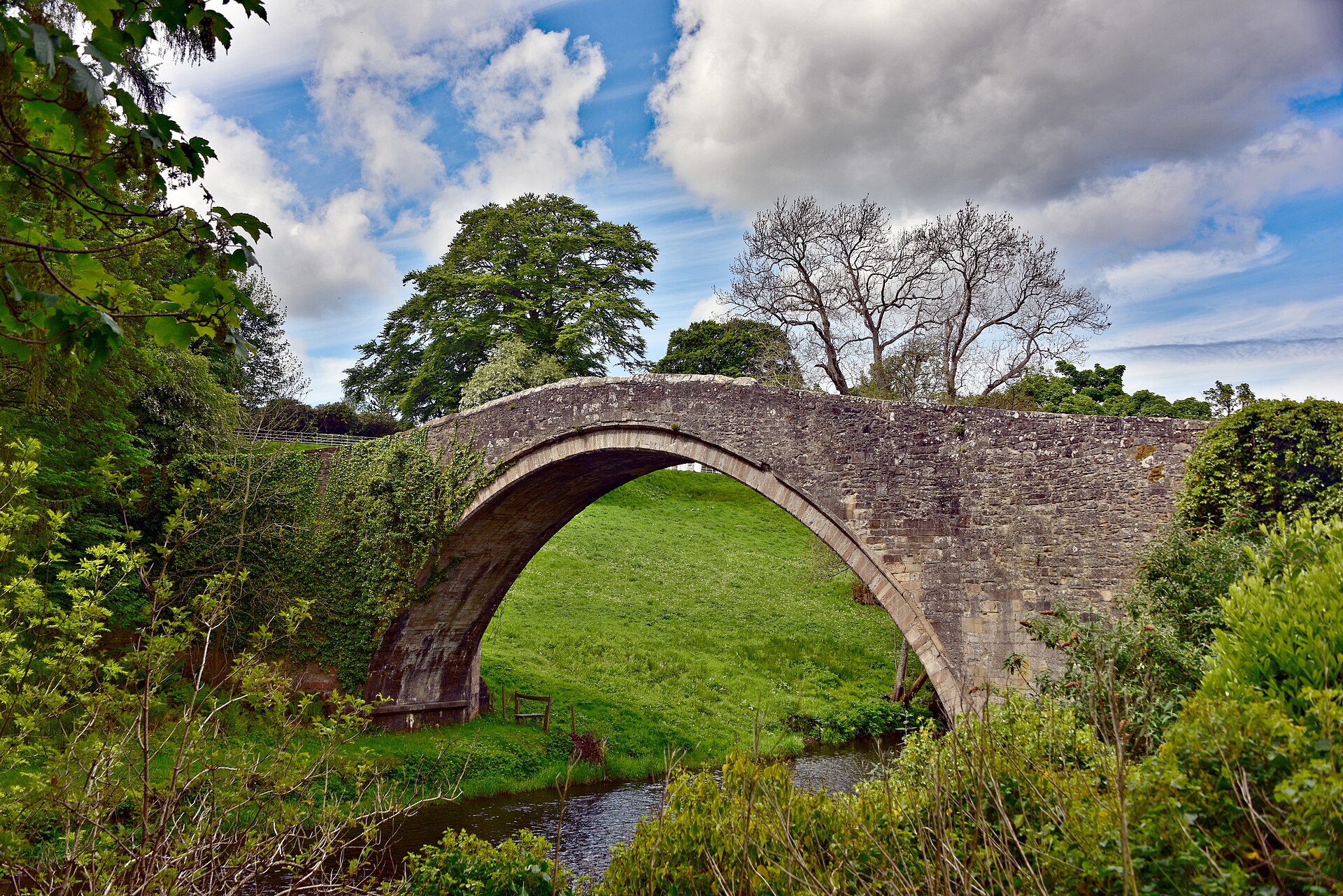
Building or ruin · Medieval
Brig o' Doon
South Ayrshire
Sold as a quarry to the builders of its replacement, then bought back before they could take it apart.
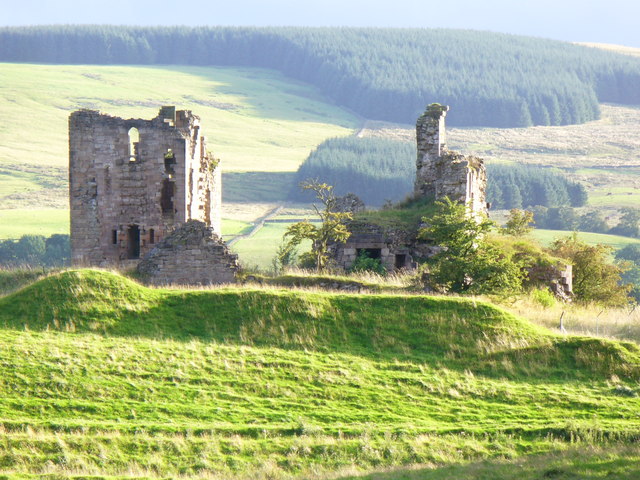
Fortified place · Medieval
Sanquhar Castle
Dumfries and Galloway
Sanquhar Castle is a thirteenth-century Nith Valley stronghold whose Crichton ownership, ruinous decline and incomplete nineteenth-century restorat…
The setting
Cumnock Old Church beside the mercat cross in the Square.
Photo: Billy McCrorie / Wikimedia Commons / CC BY-SA 2.0
Questions people ask
- When was it made?
- It is dated 1703.
- When was it repaired?
- Repairs are recorded in 1778 and 1944.
- What is carved on it?
- The sundial carries the arms of the Crightons and dates.
Sources
- Historic Environment Scotland — Mercat Cross, The Square, Cumnock
- J W Small, Scottish Market Crosses
Explore more: Minor monuments · Medieval · East Ayrshire
The Ancient Codex, in your pocket
Get the Pocket Codex app
Carry the directory with you — Market Cross, The Square, Cumnock and thousands of ancient places across Britain and Ireland, offline, wherever you roam.