
Sanquhar Castle is a thirteenth-century Nith Valley stronghold whose Crichton ownership, ruinous decline and incomplete nineteenth-century restoration visibly combine medieval fabric with later rebuilding.
A mixed ruin of old and rebuilt stone stands above the River Nith at Sanquhar, on the southern approach to the former royal burgh. Its defensive position is bounded by river, burn and a deep ditch.
The Ross family built the castle in the thirteenth century, and the Crichtons held it from the fourteenth. Their lavish reception for James VI and I in 1617 became one of the most famous episodes in its history.
Sold to the Duke of Queensberry in the mid seventeenth century, the castle declined into ruin. A restoration begun in 1895 stopped with the third Marquess of Bute’s death, leaving the unfinished blend visible today.
What follows is drawn from published sources, with each claim labelled by how firmly it is established.
History
Sanquhar Castle was built by the Ross family in the thirteenth century and later passed to the Crichton family in the fourteenth. It occupies a naturally strong position near the River Nith: the river protects its west side, a burn lies to the north and a deep ditch defended the remaining boundary. The castle stands on the southern approach to the former royal burgh of Sanquhar and on the route of the Southern Upland Way.
In July 1617, James VI and I visited Sanquhar Castle while travelling to Glasgow. The Crichton family received him with a display so extravagant that it bankrupted them. It also shows that the castle retained enough status in the early seventeenth century to host a royal progress despite the costs this imposed on its owners.
The Crichtons sold Sanquhar Castle in the mid seventeenth century to Sir William Douglas, first Duke of Queensberry, who established Drumlanrig Castle about ten miles south near Thornhill. From that point, Sanquhar steadily crumbled into ruin. The transfer shifted the family’s principal architectural investment away from the older Nith-side stronghold toward the new pink-sandstone residence at Drumlanrig.
In 1895, John Crichton-Stuart, third Marquess of Bute, bought Sanquhar Castle and attempted to restore his ancestral home after successful projects at Cardiff Castle and Castell Coch. Architect Robert Weir Schultz rebuilt the squarer and structurally sounder sections. Work ended when Bute died in 1900, leaving the castle far from complete. The surviving ruin is therefore a mixture of original stonework and identifiable late-nineteenth-century restoration. It is protected as a scheduled monument.
People
-
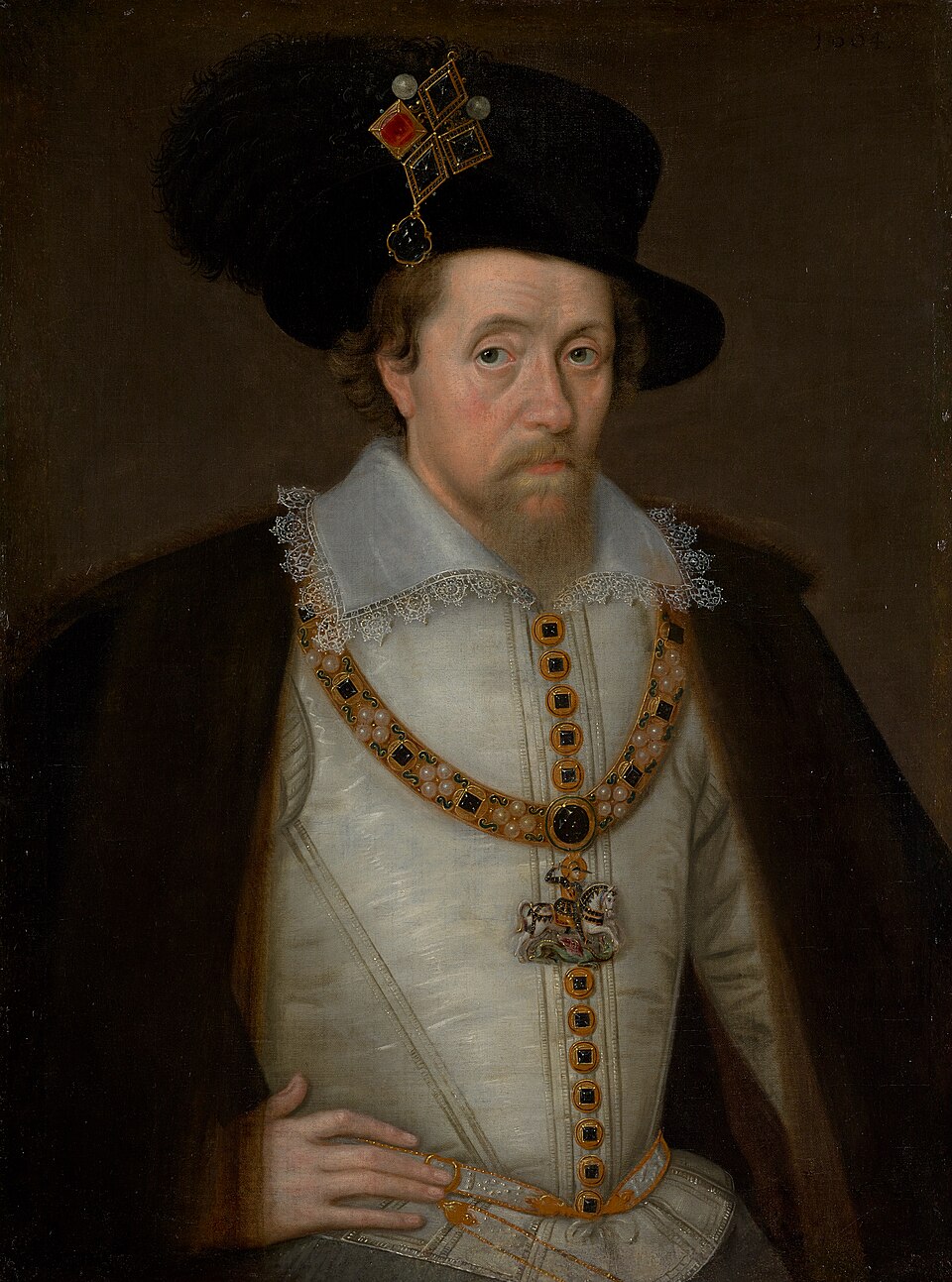
Portrait: John de Critz / Wikimedia Commons / Public domain James VI and I
Visited Sanquhar during his 1617 journey to Glasgow, when the Crichton family’s extravagant reception reportedly bankrupted the owners.
-
Sir William Douglas, 1st Duke of Queensberry
Bought Sanquhar in the mid seventeenth century, shifting his principal architectural investment to the new residence at Drumlanrig.
-

Portrait: Unknown author / Wikimedia Commons / Public domain John Crichton-Stuart, 3rd Marquess of Bute
Bought the ruin in 1895 and initiated restoration, but died in 1900 before the ambitious project could be completed.
-

Portrait: Emeterius / Wikimedia Commons / CC BY-SA 4.0 Robert Weir Schultz
Rebuilt the structurally sounder, squarer sections during the late-nineteenth-century restoration, leaving visible contrast with the original medieval fabric.
Cultural influences
-
The River Nith, a northern burn and a defensive ditch shaped Sanquhar’s naturally strong position on the southern approach to the burgh.
Connections
-

Photo: Doc Searls from Santa Barbara, USA / Wikimedia Commons / CC BY-SA 2.0 River Nith
The castle’s western boundary is protected by this river.
-
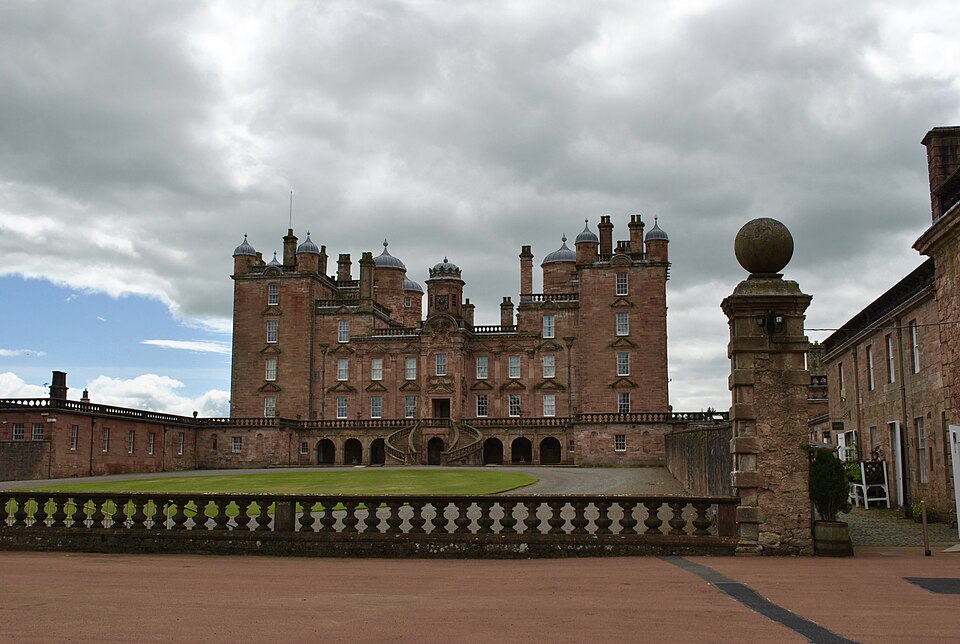
Photo: Fotis Constantinidis / Wikimedia Commons / CC BY-SA 4.0 The Duke of Queensberry established this new residence after acquiring Sanquhar.
-
Southern Upland Way
The castle lies on the route of this long-distance path.
-

Photo: Jonathan Billinger / Wikimedia Commons / CC BY-SA 2.0 Sanquhar
The ruin stands on the southern approach to this former royal burgh.
What to look for
-
River and ditch defences
The River Nith protects the western boundary, while a northern burn and deep ditch defended the other approaches to the thirteenth-century castle.
-
Mixed restoration fabric
Original medieval ruins stand beside the squarer stonework rebuilt for the third Marquess of Bute’s unfinished restoration between 1895 and 1900.
-
Southern Upland Way setting
The Southern Upland Way passes the ruin on Sanquhar’s southern approach, the same naturally strong position once guarded above the River Nith.
Plan your visit
- Location
- 55.3622°N · 3.9183°W
- Access
- Reached on a public path
- Time needed
- About 30 minutes
Opening & admission
Reached from the Southern Upland Way; confirm current route and land-management guidance before travelling, and do not enter the ruin or adjacent private land without permission.
Nearby places
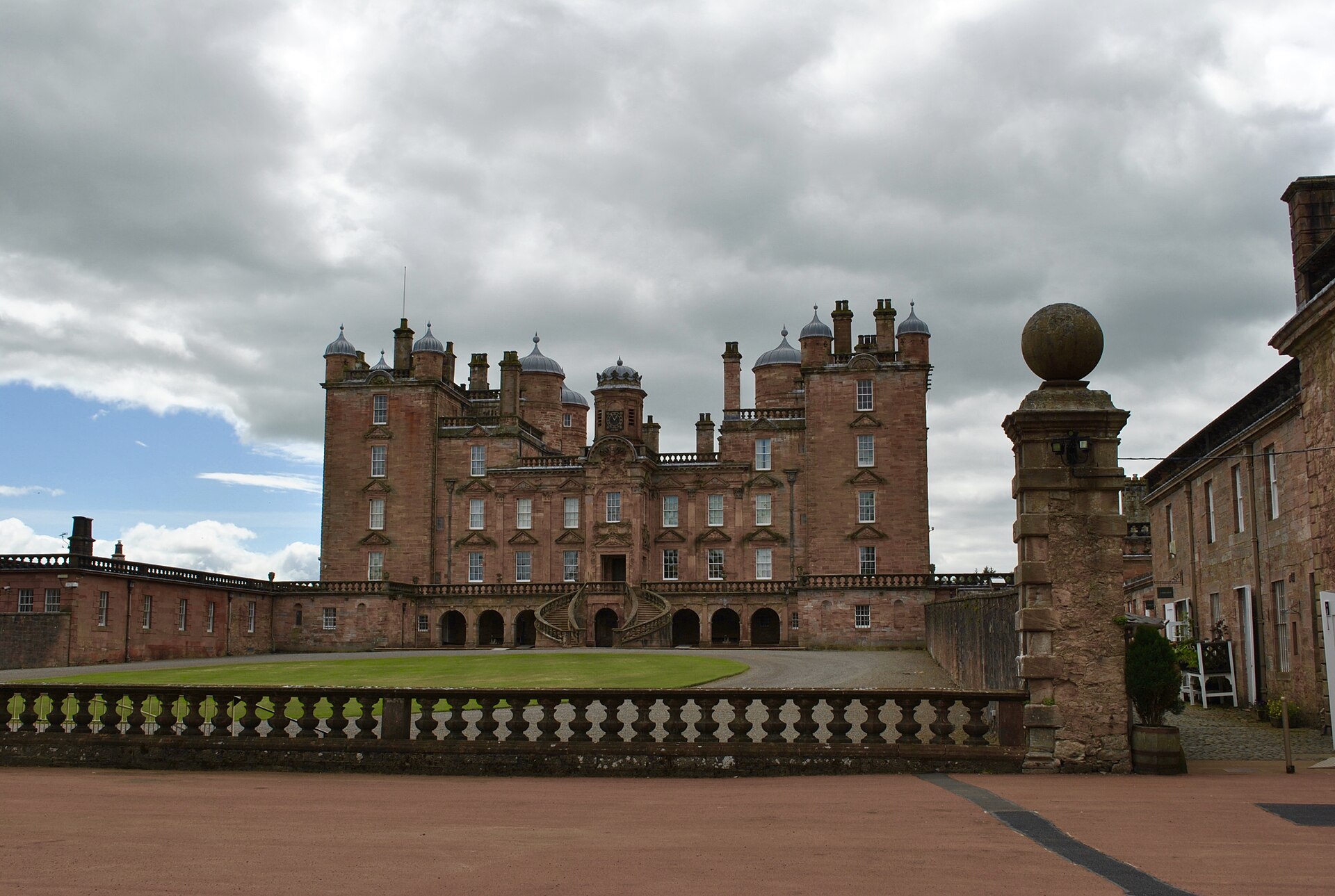
Building or ruin · Medieval
Drumlanrig Castle
Dumfries and Galloway
Drumlanrig Castle is a major late-seventeenth-century Scottish Renaissance house whose pink sandstone architecture, designed landscape, art collect…
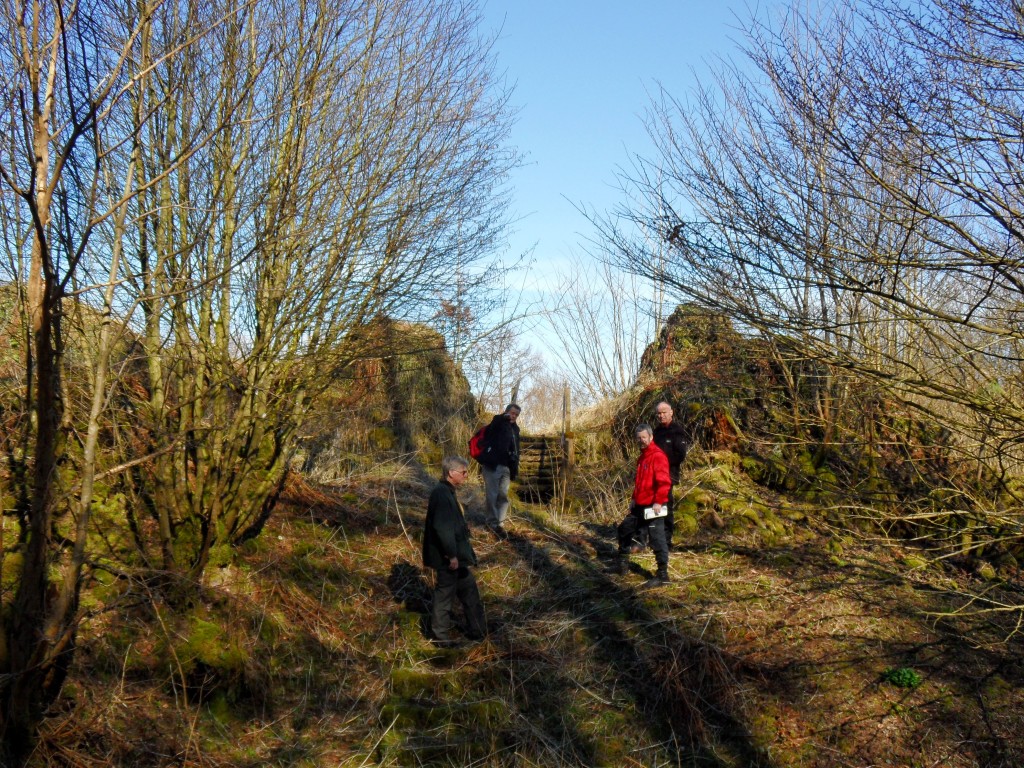
Fortified place · Medieval
Tibbers Castle
Dumfries and Galloway
Tibbers Castle preserves a rare Scottish example of a timber earthwork (banks and ditches raised from the earth rather than quarried stone) castle…
- Near Newton Stewart
Fortified place · Medieval
Morton Castle
Dumfries and Galloway
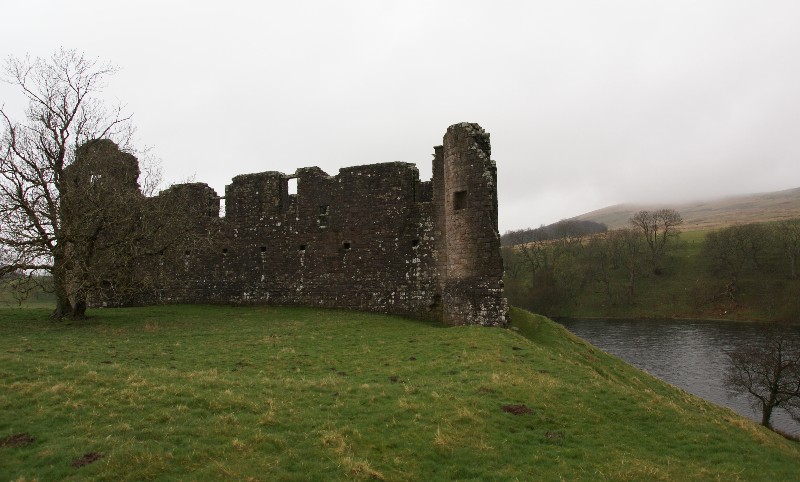
Morton combines a fortified Nith Valley promontory with the comforts of a later hunting lodge, now dramatically isolated by an eighteenth-century a…
Fortified place · Iron Age
Grennan Hill
Dumfries and Galloway
Grennan Hill rises outside the village of Penpont in Dumfries and Galloway, and it carries on its summit the remains of an Iron Age (from about 800…
- Some walking
Questions people ask
- When was Sanquhar Castle built?
- The Ross family built it in the thirteenth century.
- Why did the Crichtons lose Sanquhar Castle?
- Their lavish 1617 reception for James VI and I reportedly bankrupted them, and they sold it in the mid seventeenth century.
- Why does Sanquhar Castle look partly rebuilt?
- The third Marquess of Bute began restoration in 1895, but work ended after his death in 1900.
Sources
The Ancient Codex, in your pocket
Get the Pocket Codex app
Carry the directory with you — Sanquhar Castle and thousands of ancient places across Britain and Ireland, offline, wherever you roam.