
Drumlanrig Castle is a major late-seventeenth-century Scottish Renaissance house whose pink sandstone architecture, designed landscape, art collection and nearby Roman fort connect aristocratic display with a much older Nith Valley history.
Pink sandstone towers rise above the Nith Valley at Drumlanrig Castle, known as the Pink Palace. Built for the first Duke of Queensberry, it occupies the site of an earlier Douglas stronghold.
The late seventeenth-century house has 120 rooms, seventeen turrets and four towers. Formal gardens, waterworks and later landscape features extended its ambition across the Queensberry Estate.
Aerial photography revealed a Roman fort close to the castle in 1984, while the house holds part of the Buccleuch art collection. The building remains the Dumfriesshire home of the Duke of Buccleuch and Queensberry.
What follows is drawn from published sources, with each claim labelled by how firmly it is established.
The name
The earliest surviving record of the name comes from 1374, where it is spelled Drumlangryg. Its first element is a ridge either way, but which language supplied it is unsettled. One reading takes the whole name from Cumbric, the Brittonic speech of southern Scotland, combining drum, a ridge, with lanerc, a small clearing in woodland. Another takes the first element as Gaelic druim, also a ridge, attached either to an existing Cumbric name or to the Scots lang-rigg, a long ridge. All three readings describe the same piece of ground, which is the long spur above the Nith that the castle was later built along.
History
Drumlanrig Castle was built between 1679 and 1689 for William Douglas, first Duke of Queensberry, on the site of an ancient Douglas stronghold overlooking the Nith Valley. Constructed in distinctive pink sandstone, it is an example of late seventeenth-century Renaissance architecture. The house has 120 rooms, seventeen turrets and four towers, giving its ‘Pink Palace’ nickname a clear architectural basis. What the Douglases had held on the ridge before him is not described anywhere in the surviving record, so the documented history of the place effectively begins with the building that replaced it.
A formal garden was created between 1675 and 1697 according to principles associated with Sir William Bruce. Stone walls enclosed the gardens, which had six pavilions with lead ogee roofs, water features and a ‘clanging clock’. Later gardeners and designers, including Cornelius van Nerven and Sir John Clerk of Penicuik, developed summer houses, cascades and landscape features. By 1810 the formal gardens were to be removed after a period of reduced maintenance, showing how even a highly designed estate landscape was repeatedly altered over time.
In 1984 aerial photography revealed the outline of a substantial Roman fort about 320 metres south-east of Drumlanrig Castle. The Time Team television programme partially excavated the fort in 2004. This discovery places Roman-period archaeology close to the later castle, but it does not establish a direct historical connection between the fort and the Douglas residence. Its importance lies in showing that the Nith Valley site carries a much older archaeological layer than the visible seventeenth-century house and gardens.
Drumlanrig contains part of the Buccleuch art collection, including Rembrandt’s An Old Woman Reading and Leonardo da Vinci’s Madonna of the Yarnwinder. The Leonardo was stolen in 2003 and recovered in Glasgow in 2007; it is currently on loan to the Scottish National Gallery. The castle is category A listed and remains the Dumfriesshire home of the Duke of Buccleuch and Queensberry. The house itself opens to visitors only at very limited times of the year, while the stableyard, the playground and the walking, cycling and hiking routes across the estate stay open for far longer.
The garden the first duke laid out was walled in stone and punctuated by six pavilions, each roofed in lead with the same ogee curve as the main house, so that the enclosure read as an extension of the architecture rather than a separate space. Among its water features was a device recorded only as a clanging clock. The plan followed principles associated with Sir William Bruce and resembled his schemes for Kinross House and Balcaskie, placing Drumlanrig inside a recognisable Scottish tradition of formal garden design rather than at the end of an English one.
In 1695 the second duke inherited the estate and set about staffing its garden properly. He employed James Wood, son of Hew Wood of Hamilton, and in 1696 sent him to London for further training at the duke's expense. Wood did not come back. In his place the duke engaged a Dutch gardener, Cornelius van Nerven, and in 1698 a summer house and a set of water cascades were added to the grounds. The episode is a small illustration of how a Scottish estate garden of the period was built, which is by importing skill from wherever it could be found and paying to keep it.
The third duke employed David Low as head gardener from 1714 until 1747, and it was during those three decades that the designed landscape reached its fullest extent. More features were added, among them a bowling green early enough to be notable, and between 1728 and 1732 Sir John Clerk of Penicuik designed the water cascades that ran through the grounds. Low's tenure represents the point at which the garden was at once most elaborate and most expensive to keep.
Low died in 1747, and the estate did not replace him on the same terms. The number of gardeners was cut to between eight and ten men and the incoming head gardener was paid less than his predecessor had been. The formal grounds were allowed to slip, and by 1810 the decision had been taken to remove them altogether. A landscape that had taken a century and three dukes to assemble was undone within two generations of one man's death, largely as a matter of wages.
Tibbers Castle, a twelfth-century motte-and-bailey, stands within the Drumlanrig estate, so the ground holds at least three separate phases of fortification and residence beyond the Roman fort. The estate's more recent history has been shaped by weather as much as by design. Storm Arwen inflicted enough damage in 2021 to close routes across the property, and the walking, cycling and hiking paths now open across the estate are described as subject to closure when conditions require it.
People
-
William Douglas, 1st Duke of Queensberry
Built Drumlanrig between 1679 and 1689, creating the pink-sandstone ducal house that remains the estate’s architectural centrepiece.
-
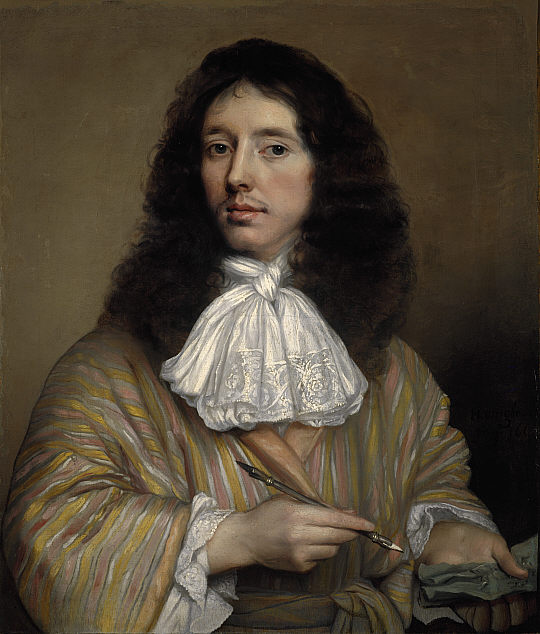
Portrait: John Michael Wright / Wikimedia Commons / Public domain Sir William Bruce
The formal gardens followed principles associated with Bruce’s late-seventeenth-century Scottish country-house designs, linking the grounds to contemporary courtly landscape practice.
-
Cornelius van Nerven
A Dutch gardener employed on the estate in the late seventeenth century, contributing Continental expertise to Drumlanrig’s developing formal grounds.
-

Portrait: William Aikman / Wikimedia Commons / Public domain Sir John Clerk of Penicuik
Designed the water-cascade scheme rebuilt between 1728 and 1732, giving the gardens a documented early-eighteenth-century waterwork sequence.
-
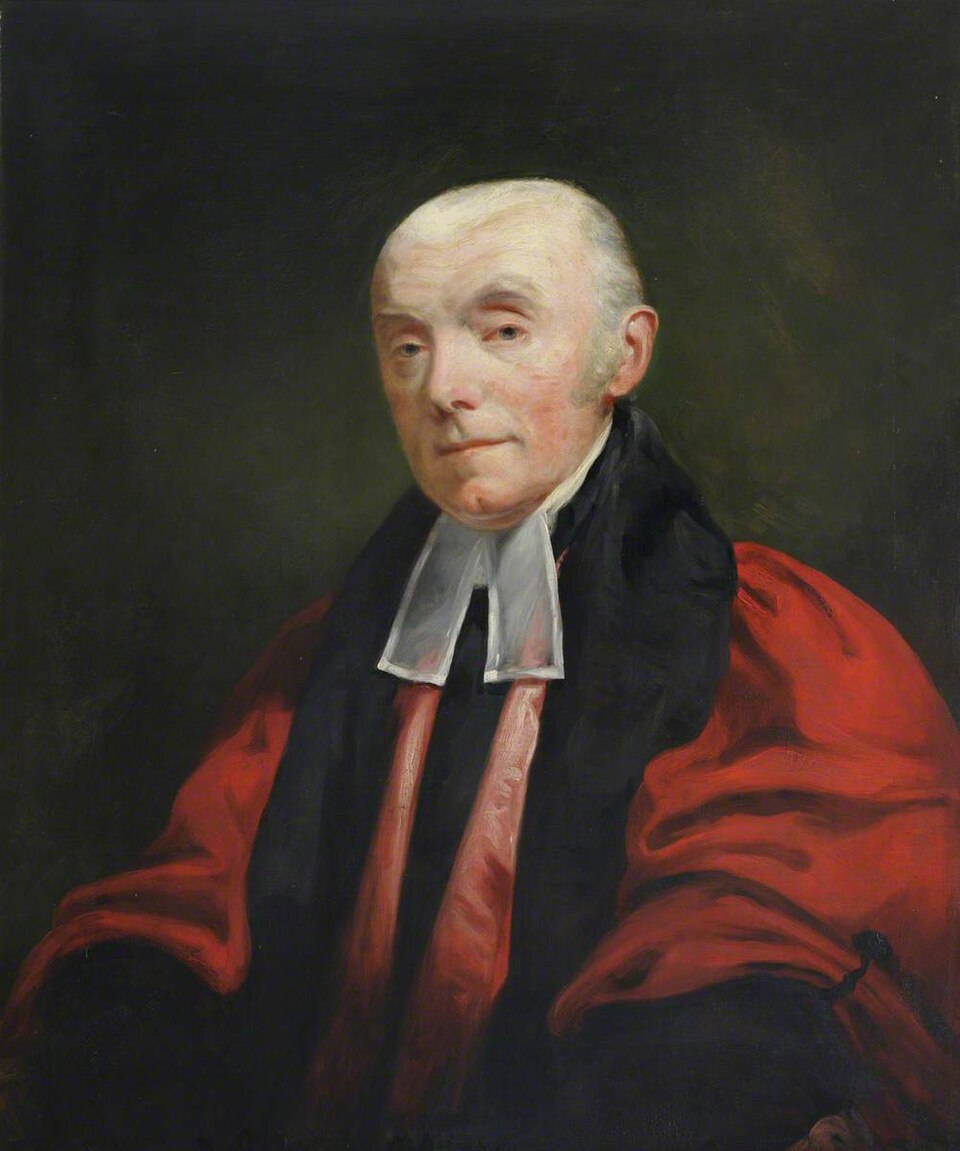
Portrait: After John Jackson / Wikimedia Commons / Public domain James Wood
Engaged by the second duke in 1695 and sent to London for training in 1696, then returned to apply that experience at Drumlanrig.
-
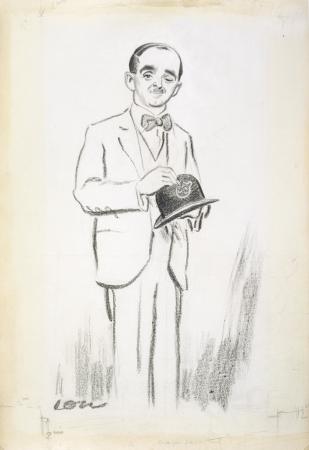
Portrait: David Low / Wikimedia Commons / Public domain David Low
Head gardener from 1714 to 1747, when the designed landscape reached its fullest early-eighteenth-century form under the Queensberry estate.
Cultural influences
-
Drumlanrig belongs to the Scottish late-seventeenth-century Renaissance tradition, with formal gardens following principles associated with Sir William Bruce and later designers.
Connections
-
Nith Valley
Drumlanrig commands a position above the Nith Valley, whose surrounding hills and parkland form the designed landscape seen from the castle.
-
Queensberry Estate
The castle, gardens and surrounding grounds form the historic Queensberry Estate, developed by successive dukes as an integrated country-seat landscape.
-
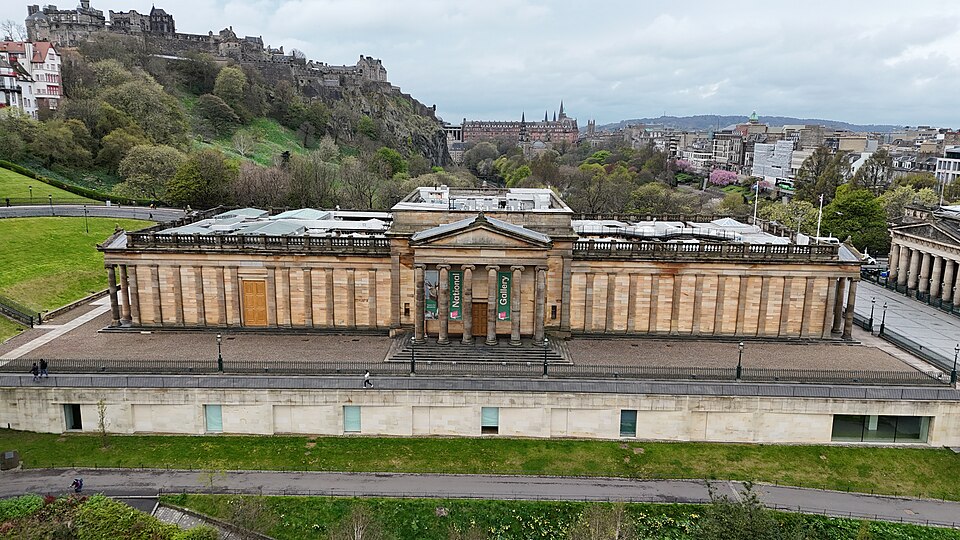
Photo: 瑞丽江的河水 / Wikimedia Commons / CC BY-SA 4.0 Scottish National Gallery
The Scottish National Gallery has displayed Leonardo da Vinci’s Madonna of the Yarnwinder, a painting associated with the Drumlanrig collection.
-
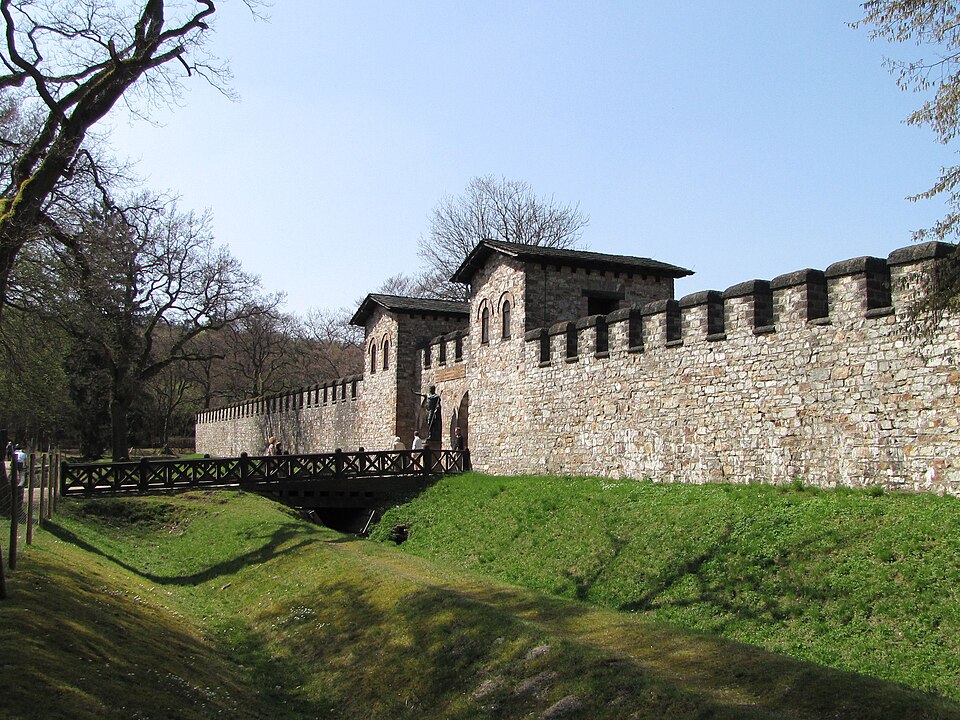
Photo: Holger Weinandt / Wikimedia Commons / CC BY-SA 3.0 de Roman fort
A substantial Roman fort lies about 320 metres south-east of Drumlanrig, known from aerial photographs rather than surviving above-ground structures.
Discovery & excavation
Aerial photography in 1984 revealed a substantial Roman fort about 320 metres south-east of the castle; Time Team partially excavated it in 2004.
In culture
-
Time Team excavation
The programme partially excavated the nearby Roman fort in 2004.
What to look for
-
Pink sandstone façade
The castle’s distinctive stone gives it the name Pink Palace.
-
Turrets and towers
The Renaissance house has seventeen turrets and four towers.
-
Estate gardens
The grounds retain a long history of formal waterworks and later landscape design.
-
The garden pavilions
Six stone pavilions stood within the walled garden, each finished with a lead ogee roof echoing the curve of the roofs on the house itself.
-
The water cascades
Cascades were added to the grounds from 1698 and redesigned between 1728 and 1732 to a scheme by Sir John Clerk of Penicuik.
-
The Roman fort
About 320 metres south-east of the house lies a substantial Roman fort, invisible on the ground and known only from aerial photography taken in 1984.
-
The stableyard
The former stable yard now holds the Stableyard Studios, a tearoom and a range of local businesses, and stays open far longer in the year than the house does.
Plan your visit
- Location
- 55.2737°N · 3.8087°W
- Time needed
- About 120 minutes
- Best time
- Visit during published castle, garden or estate opening periods and check current arrangements before travelling.
- What survives
- Drumlanrig survives as a substantial, maintained pink-sandstone country house with its symmetrical towered façade, formal grounds and estate visitor facilities in active use.
- Facilities
- Visitor facilities depend on the current estate operation; check the official information before travelling.
Opening & admission
Estate walks and trails are open daily year-round; gardens and playground are seasonal, while castle access is by timed guided tour on published dates. Check and book through the official page before travelling.
- In 2026 the gardens are open daily 28 February–31 October, 9.30am–4.30pm; castle-tour dates and temporary estate closures vary.
Nearby places
Fortified place · Medieval
Tibbers Castle
Dumfries and Galloway
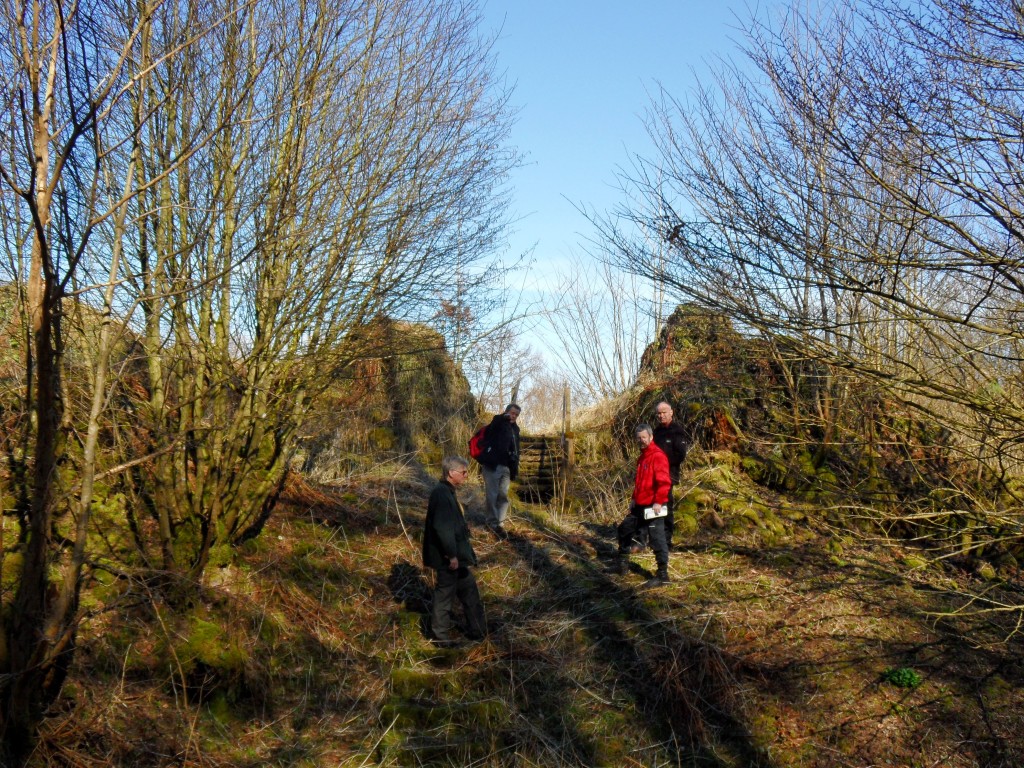
Tibbers Castle preserves a rare Scottish example of a timber earthwork (banks and ditches raised from the earth rather than quarried stone) castle…
- Near Newton Stewart
Fortified place · Medieval
Morton Castle
Dumfries and Galloway
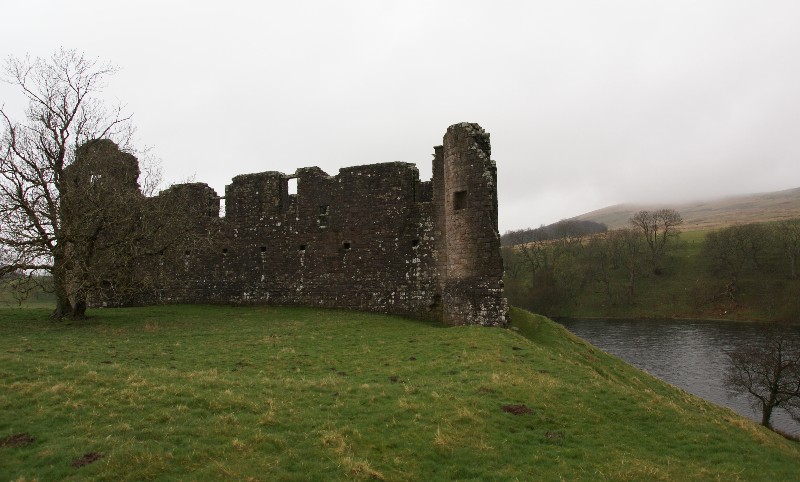
Morton combines a fortified Nith Valley promontory with the comforts of a later hunting lodge, now dramatically isolated by an eighteenth-century a…
Minor monument · Medieval
Market Cross, Drumlanrig Street, Thornhill
Dumfries and Galloway
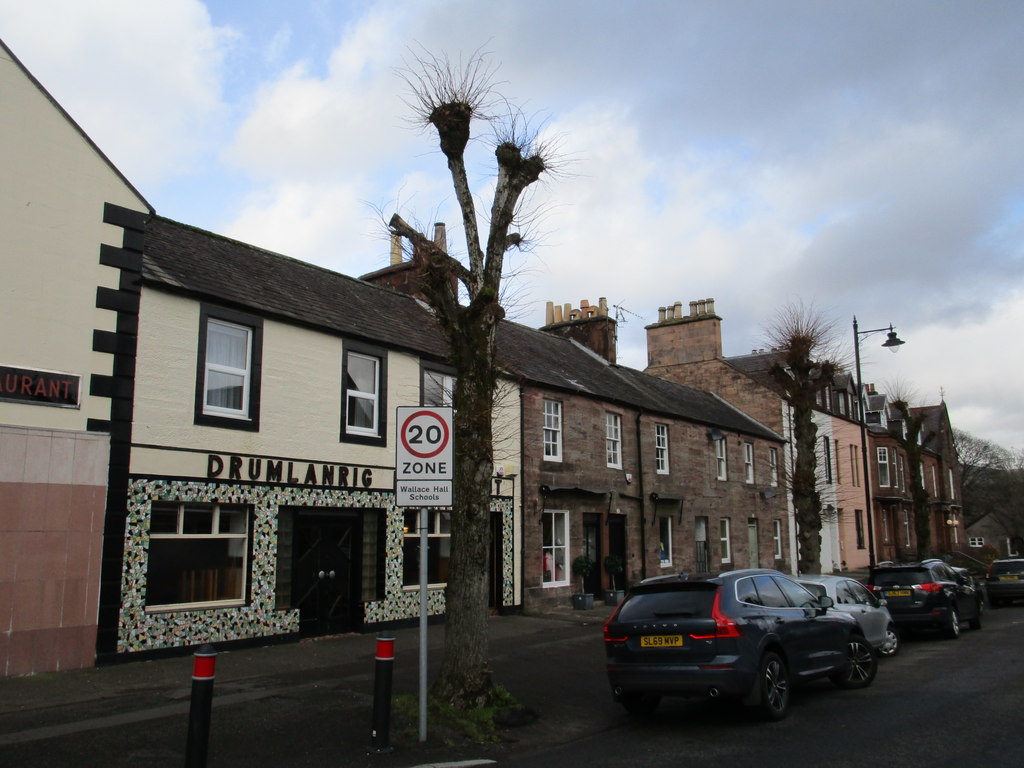
Thornhill’s 1714 Pegasus-topped cross was planned with the village road, making its column a surviving civic centre despite relocation and later re…
- Near Thornhill
- Easy path
Fortified place · Iron Age
Grennan Hill
Dumfries and Galloway
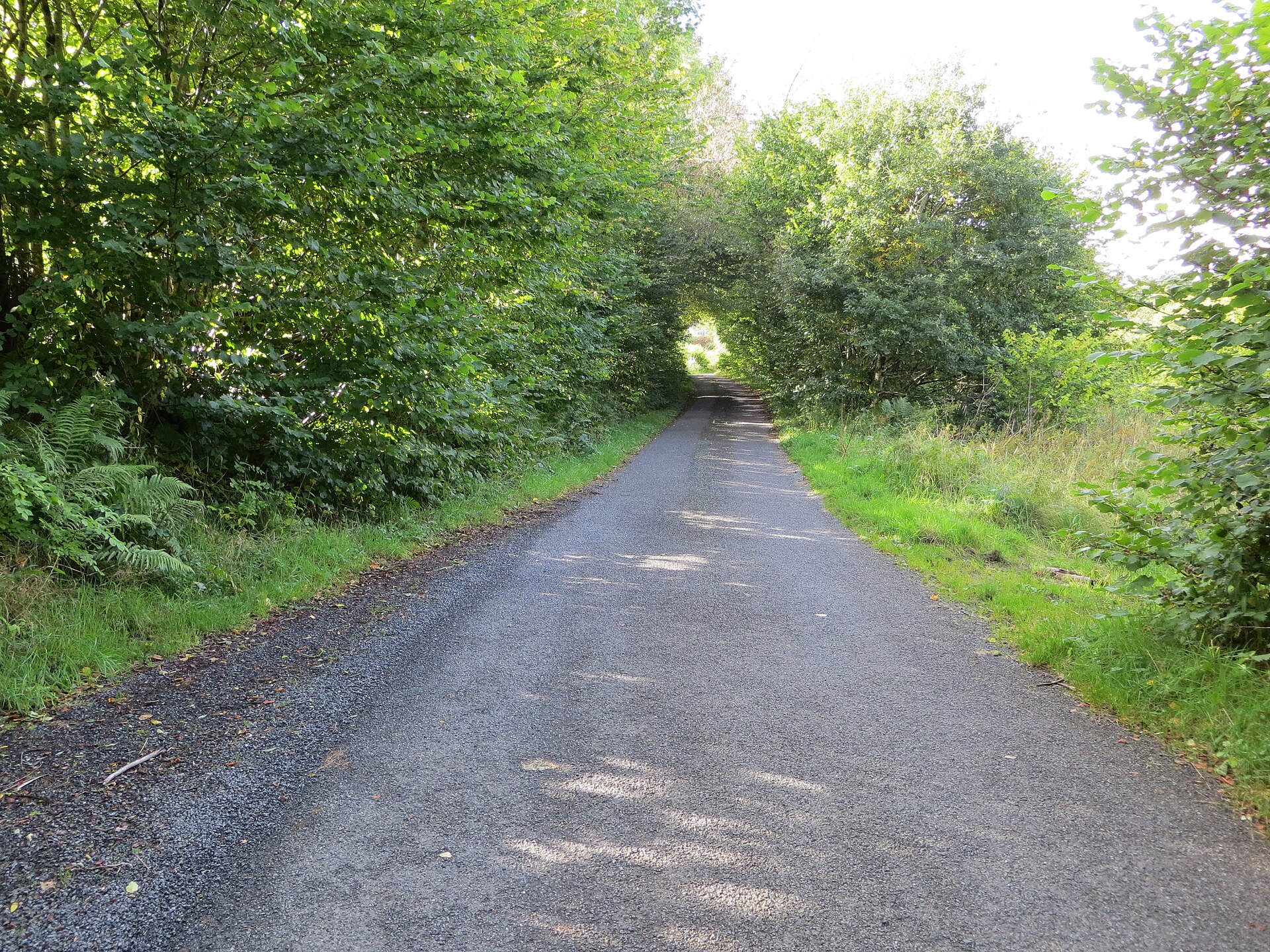
Grennan Hill rises outside the village of Penpont in Dumfries and Galloway, and it carries on its summit the remains of an Iron Age (from about 800…
- Some walking
Questions people ask
- When was Drumlanrig Castle built?
- William Douglas, first Duke of Queensberry, built it between 1679 and 1689.
- Why is Drumlanrig called the Pink Palace?
- It was built from distinctive pink sandstone.
- Is there Roman archaeology near Drumlanrig?
- Yes. A substantial Roman fort about 320 metres south-east was identified in 1984 and partly excavated in 2004.
- What does the name Drumlanrig mean?
- It appears in 1374 as Drumlangryg, and every proposed derivation means a ridge. The readings offered are Cumbric drum with lanerc, a woodland clearing, or Gaelic druim joined to a Cumbric name or to Scots lang-rigg, a long ridge.
- What happened to the formal gardens?
- They were laid out between 1675 and 1697 and elaborated until 1747, when the head gardener David Low died. Staff numbers were then cut to eight or ten men, maintenance declined, and by 1810 the decision had been taken to remove the formal gardens entirely.
- Which paintings are at Drumlanrig?
- The castle holds part of the Buccleuch art collection, including Rembrandt's An Old Woman Reading and Leonardo da Vinci's Madonna of the Yarnwinder. The Leonardo was stolen in 2003 and recovered in Glasgow in 2007, and is currently on loan to the Scottish National Gallery.
Sources
The Ancient Codex, in your pocket
Get the Pocket Codex app
Carry the directory with you — Drumlanrig Castle and thousands of ancient places across Britain and Ireland, offline, wherever you roam.