
Thornhill’s 1714 Pegasus-topped cross was planned with the village road, making its column a surviving civic centre despite relocation and later repair.
A fluted Ionic column rises from a panelled octagonal drum and stepped plinth, carrying a lead Pegasus above the centre of Thornhill. It has been the fixed point of the village since before the village finished being laid out.
The red-dressed stone cross was erected in 1714, possibly to a design by James Smith, when the new road through the village was built. The attribution to Smith is probable rather than proven, and stretches of the monument’s later history are not recorded at all.
Its later movement from beside the inn and courthouse to the present site records the planned development of Thornhill. A Pegasus in lead on an Ionic column is an unusually grand thing for a Dumfriesshire village street, and it was put there deliberately, as part of designing the street itself.
What follows is drawn from published sources, with each claim labelled by how firmly it is established.
History
The Thornhill cross went up in 1714, at the same time as the new line of road through the village was being laid out, so the monument and the street were planned together rather than one being fitted round the other. Its red ashlar, fluted Ionic column and lead Pegasus gave the planned settlement a formal public centre from the outset, rather than one that accumulated. The column was probably designed by James Smith, though the attribution has never been confirmed and rests on style rather than on any document. A swagged capital carries the Pegasus, while the column itself rises from a panelled octagonal drum and a stepped plinth.
The cross first stood some way south of where it is now, in the gap between the inn and the courthouse, at what was then the working centre of the village. The courthouse has since been demolished, but a plan of 1742 records where it all once stood. The monument was probably shifted around 1772, when plans were drawn up to develop the village further, and it was certainly standing on the present site by about 1790. An account of 1744 records work done to secure it when it was in danger of coming down.
People
-
James Smith
Probable designer of the 1714 Pegasus-topped market cross, attributed on stylistic grounds rather than by surviving documentary evidence.
Cultural influences
-
The cross was planned with Thornhill’s new street in 1714, giving the village a formal civic centre marked by its Pegasus-topped column.
Connections
-

Photo: Raysonho @ Open Grid Scheduler / Grid Engine / Wikimedia Commons / CC0 Thornhill village
The cross was designed as part of Thornhill’s road and village planning, not as an isolated monument.
Discovery & excavation
The 1714 column remains in its later position on Drumlanrig Street, where the fluted Ionic shaft and lead Pegasus retain the original planned character.
What to look for
-
Lead Pegasus
A lead Pegasus crowns the fluted Ionic column, making the 1714 market cross the distinctive formal focus of planned Drumlanrig Street.
Plan your visit
- Location
- 55.2407°N · 3.7649°W
- Nearest settlement
- Thornhill
- Access
- Visible from a public way
- Terrain
- Easy going
- Time needed
- About 20 minutes
- Best time
- Visit in daylight and dry conditions, when the market cross and surrounding historic streets can be viewed safely.
- What survives
- The red-ashlar cross retains its octagonal drum, fluted Ionic column, panelled plinth and distinctive lead Pegasus.
- Facilities
- No dedicated visitor facilities are documented at the cross; plan to use facilities in Thornhill.
Opening & admission
The market cross stands in Drumlanrig Street in Thornhill.
Nearby places
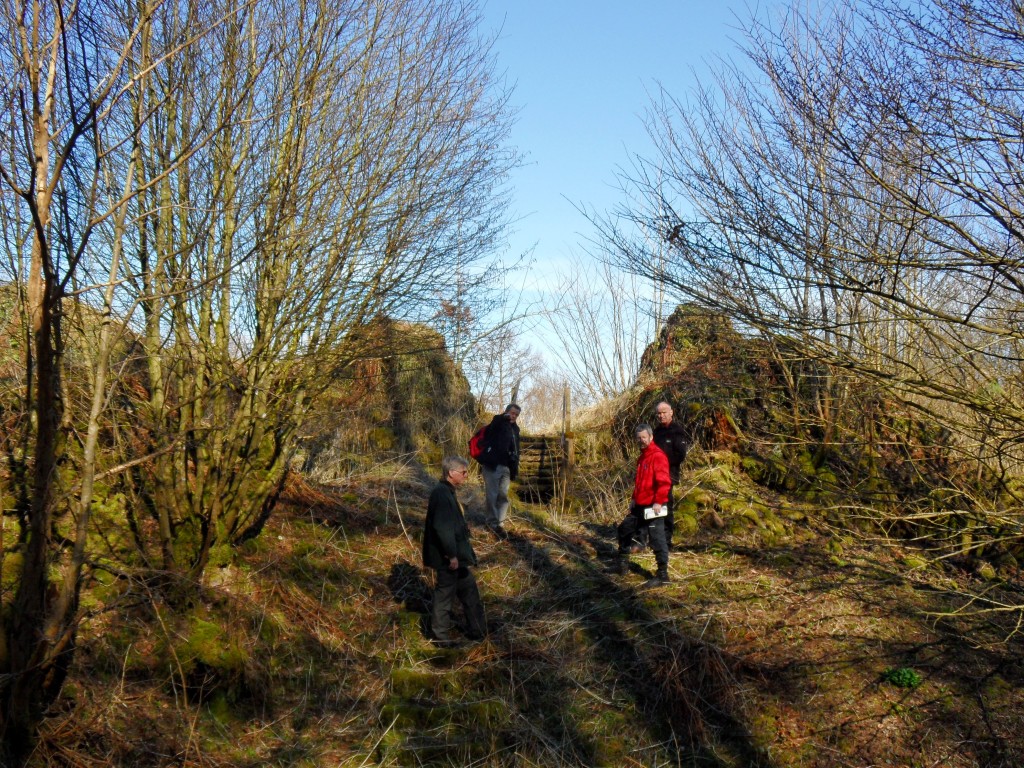
Fortified place · Medieval
Tibbers Castle
Dumfries and Galloway
Tibbers Castle preserves a rare Scottish example of a timber earthwork (banks and ditches raised from the earth rather than quarried stone) castle…
- Near Newton Stewart
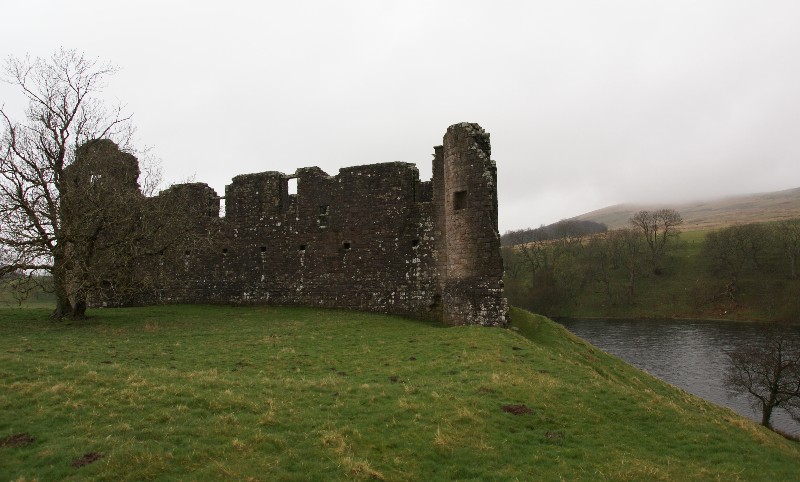
Fortified place · Medieval
Morton Castle
Dumfries and Galloway
Morton combines a fortified Nith Valley promontory with the comforts of a later hunting lodge, now dramatically isolated by an eighteenth-century a…
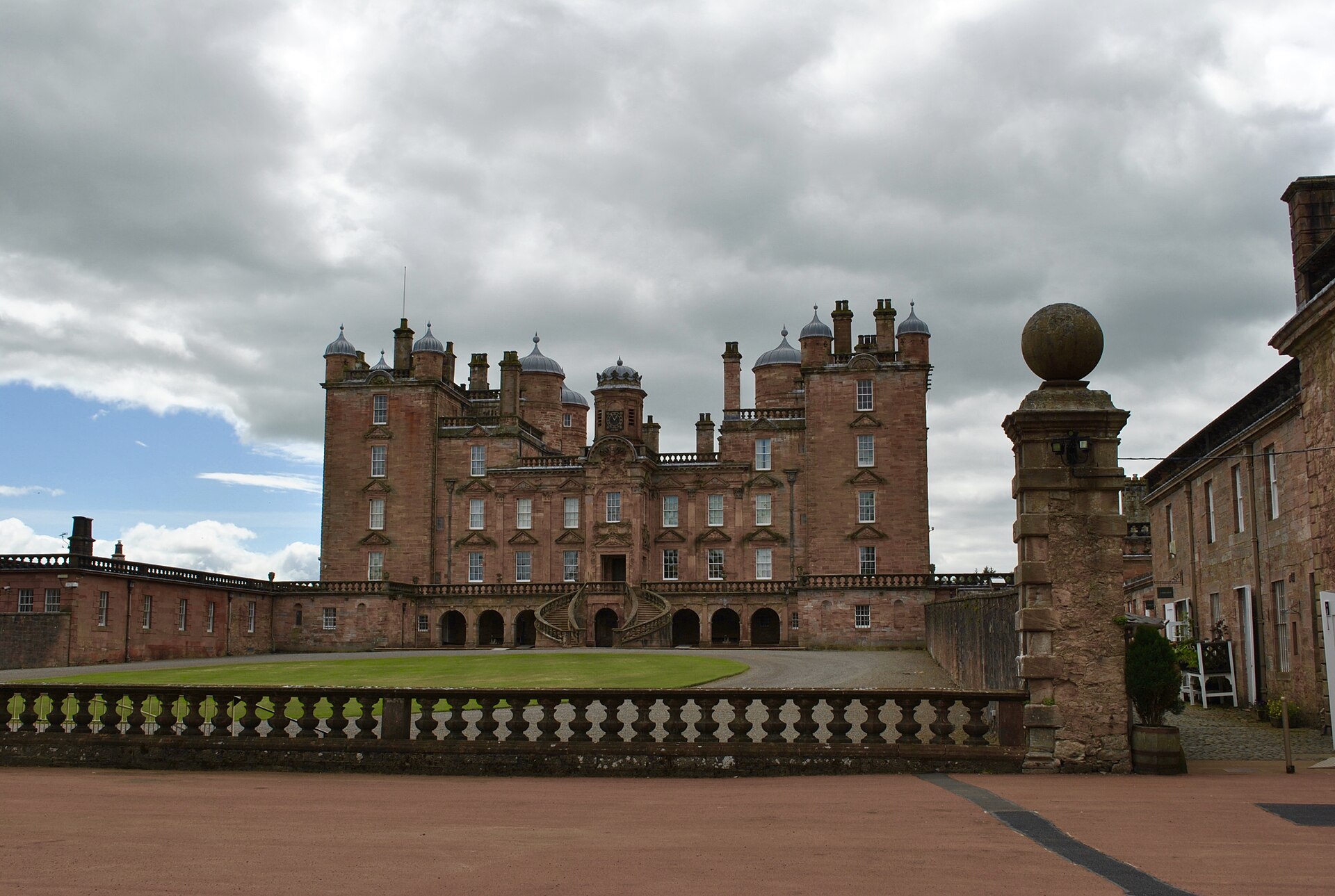
Building or ruin · Medieval
Drumlanrig Castle
Dumfries and Galloway
Drumlanrig Castle is a major late-seventeenth-century Scottish Renaissance house whose pink sandstone architecture, designed landscape, art collect…
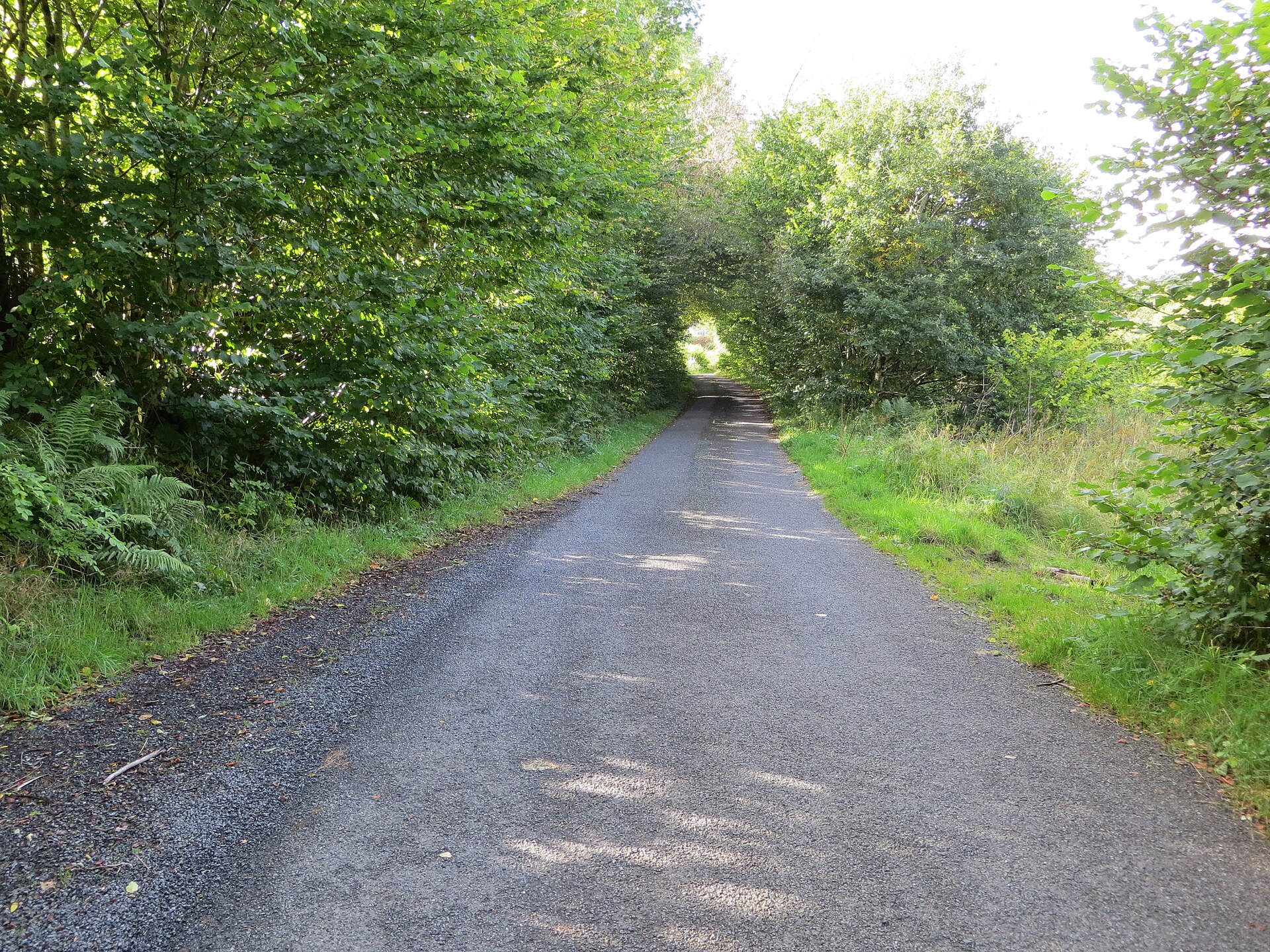
Fortified place · Iron Age
Grennan Hill
Dumfries and Galloway
Grennan Hill rises outside the village of Penpont in Dumfries and Galloway, and it carries on its summit the remains of an Iron Age (from about 800…
- Some walking
The setting
East Morton Street near the Thornhill market cross; retained as a contextual town view.
Photo: Jonathan Thacker / Wikimedia Commons / CC BY-SA 2.0
Questions people ask
- When was the cross erected?
- It was erected in 1714.
- Why was it built?
- It was erected when the new road through Thornhill was built.
- What stands at the top?
- A lead Pegasus rests on the fluted Ionic column.
Sources
- Historic Environment Scotland — Thornhill Village, The Cross
- C T Ramage, Drumlanrig & the Douglases
Explore more: Minor monuments · Medieval · Dumfries and Galloway
The Ancient Codex, in your pocket
Get the Pocket Codex app
Carry the directory with you — Market Cross, Drumlanrig Street, Thornhill and thousands of ancient places across Britain and Ireland, offline, wherever you roam.