Aberdeen’s 1686 market cross combines royal and civic carving with a gilt unicorn, preserving the burgh’s public trading and ceremonial centre through later rebuilding.
A gilt unicorn rises above a tall carved column, while twelve panels circle the sandstone parapet below. The Market Cross stands in Aberdeen’s Castlegate as a compact civic monument whose carving carries the arms of the Crown and city alongside Stuart royal portraits.
The cross was made in 1686 by mason John Montgomery of Old Rayne. Its base was altered in 1821 to make one large booth, and the monument was moved slightly west to its present position in 1842. The column seen today is a 1995–96 replacement; the original is held in the town court building museum.
Market crosses marked a burgh’s right to trade and served as places for public announcements and punishments. This example remains an unusually elaborate physical symbol of Aberdeen’s civic heart.
What follows is drawn from published sources, with each claim labelled by how firmly it is established.
History
From the 12th century, market crosses became the recognised symbols of Scottish burghs’ rights to trade, and they also provided a stage for announcements and public punishments. Aberdeen’s later cross therefore belongs to a long civic tradition rather than being merely an ornamental street feature. In 1686 mason John Montgomery of Old Rayne built the Aberdeen cross in sandstone. Its hexagonal base, carved parapet and slender central column created an unusually elaborate monument for the market centre, with royal and civic imagery woven into the stonework.
The base was altered in 1821–22 by John Small, replacing several smaller booths with one large booth. The change shows that the structure was still part of the working commercial town, not simply a historic relic, while retaining its ceremonial role in the Castlegate. In 1841 Lord Cockburn described the monument as the finest thing of its kind in Scotland. The cross was moved slightly west into its present position in 1842, preserving the landmark while changing its exact relationship with the surrounding streets.
During 1995–96 the slender central column was replaced and carved with thistles and roses. The original seventeenth-century column was retained and is now held in the Tolbooth museum, leaving the monument with both a visible modern intervention and a preserved historic component.
People
-
John Montgomery of Old Rayne
Mason who built Aberdeen’s market cross in 1686.
-
John Small
Altered the base in 1821–22, replacing several smaller booths with a single larger one.
-

Photo: The original uploader was David Lauder at English Wikipedia. / Wikimedia Commons / Public domain Lord Cockburn
Described the cross in 1841 as the finest monument of its kind in Scotland.
Cultural influences
-
Scottish burgh market-cross tradition
The cross belongs to the civic tradition in which a burgh’s market cross marked trading rights and served as a public setting for proclamations and punishments.
Connections
-
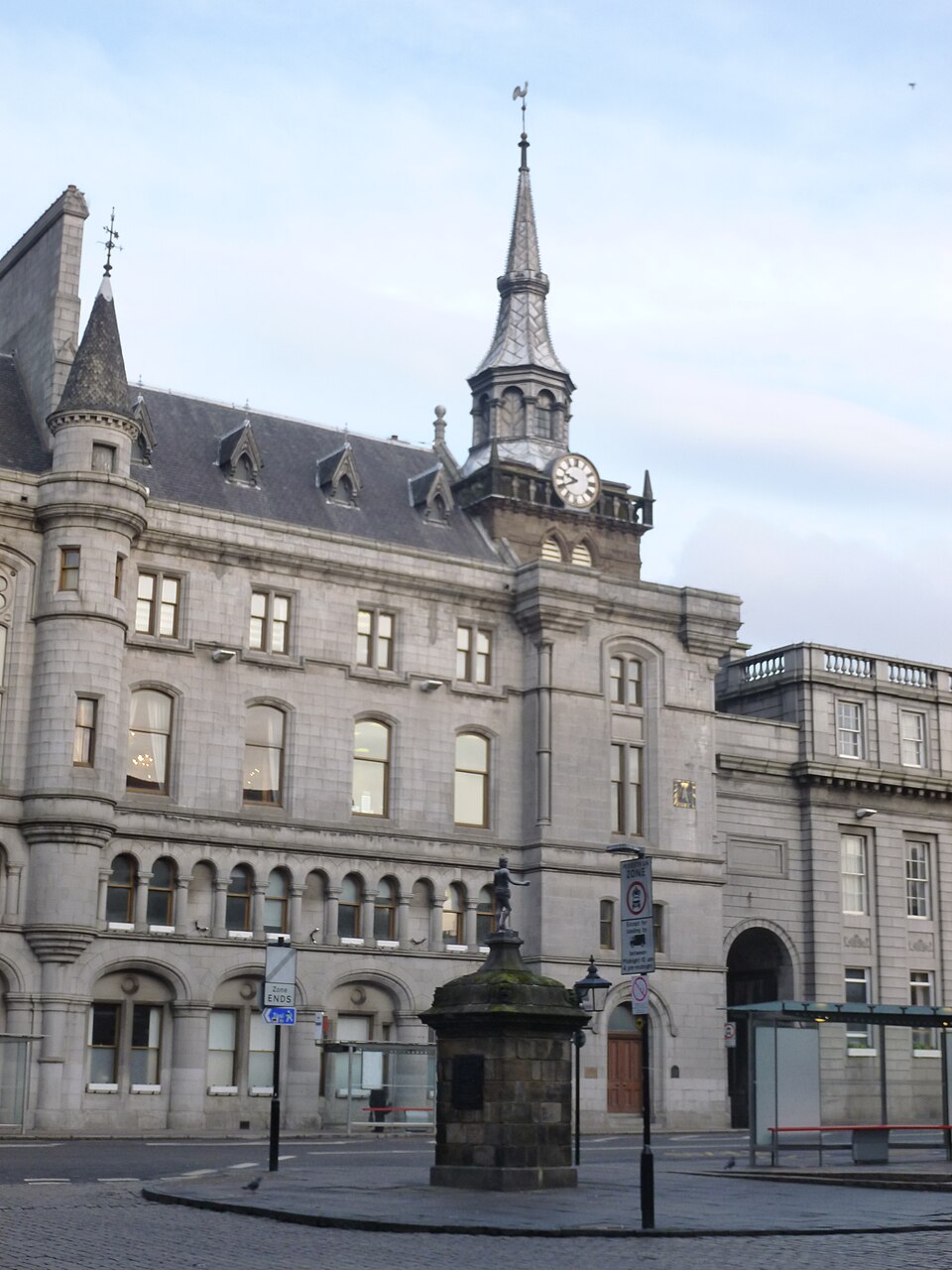
Photo: Ragazzi99 / Wikimedia Commons / CC BY-SA 3.0 Tolbooth museum
The original seventeenth-century column, replaced in 1995–96, is held in the Tolbooth museum.
-

Photo: Colin Smith / Wikimedia Commons / CC BY-SA 2.0 Castlegate
The cross stands in Aberdeen’s historic Castlegate, the civic and market setting for which it was made.
What to look for
-
The carved parapet
The twelve panels include royal and civic arms and oval-framed Stuart monarchs; the central column carries later thistles and roses.
Plan your visit
- Location
- 57.1483°N · 2.0926°W
- Nearest settlement
- Aberdeen
- Access
- Visible from a public way
- Terrain
- Easy going
- Time needed
- About 10 minutes
- Best time
- Daylight is the most useful time to see the carved parapet and royal panels from the street.
- What survives
- The 1686 mercat cross survives in the centre of the Castlegate, with its carved parapet and a column replaced in 1995–96.
- Facilities
- No dedicated visitor facilities are identified in the cited listing; use the city-centre facilities around the Castlegate.
Opening & admission
Free to view from the public street at any time; there is no admission arrangement for the street-side monument.
- The cross stands in the Castlegate and is visible from the public way.
Nearby places
Sacred place · Prehistoric
Lang Stane, Aberdeen
Aberdeen City
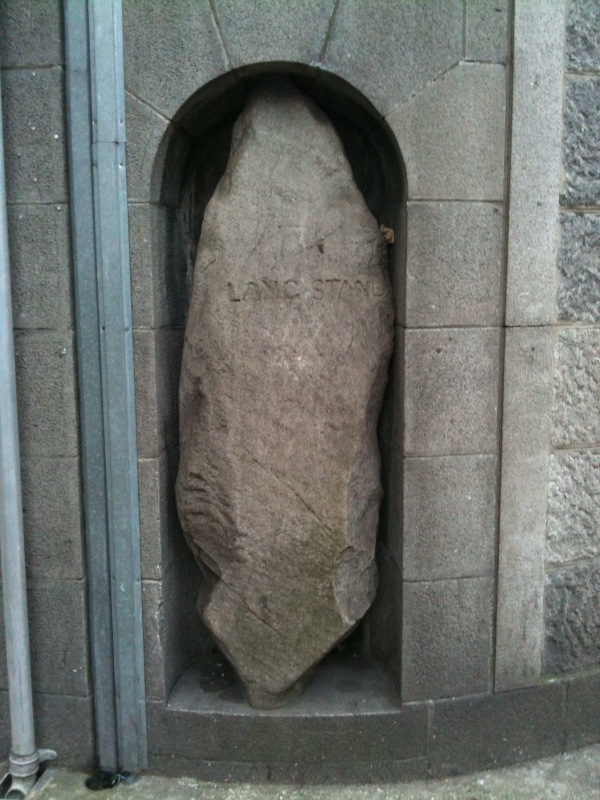
A keel-shaped base ties this Union Street stone to Aberdeenshire's recumbent circles: raised around 3000 BC, before writing reached Britain: long b…
- Near Aberdeen
- Step-free
Building or ruin · Medieval
St Machar's Cathedral
Aberdeen City
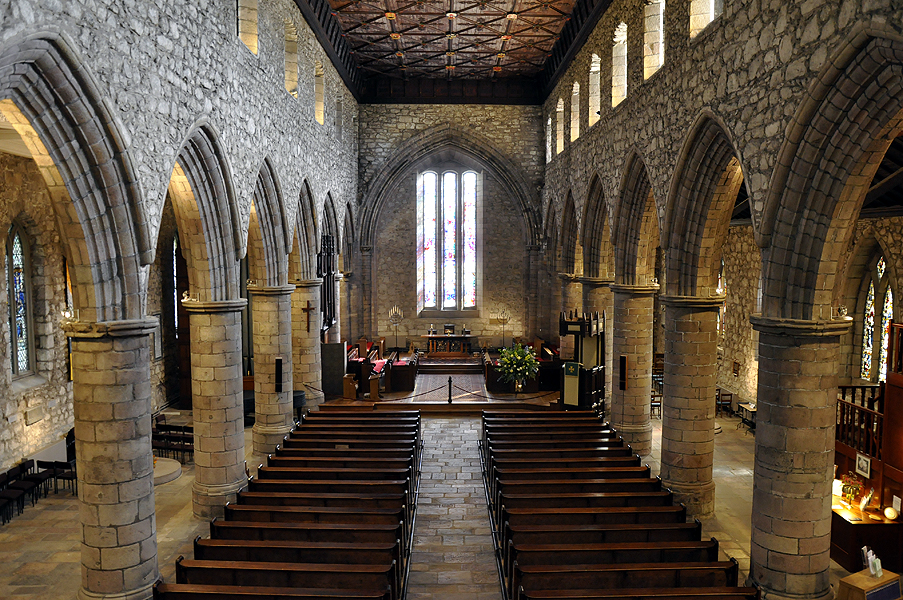
A working Church of Scotland kirk that still keeps William Wallace's quartered remains in its walls and a ceiling of 48 royal and episcopal coats o…
- Easy path
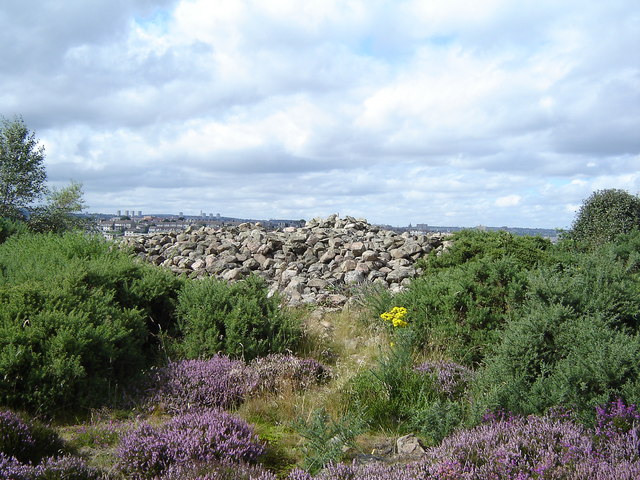
Tomb or burial place · Prehistoric
Tullos Cairn
Aberdeen City
One of four stone burial mounds sharing Tullos Hill, raised in the Bronze Age: roughly 2500 to 800 BC, when metal tools first spread: and still out…
- Near Aberdeen
- Easy path
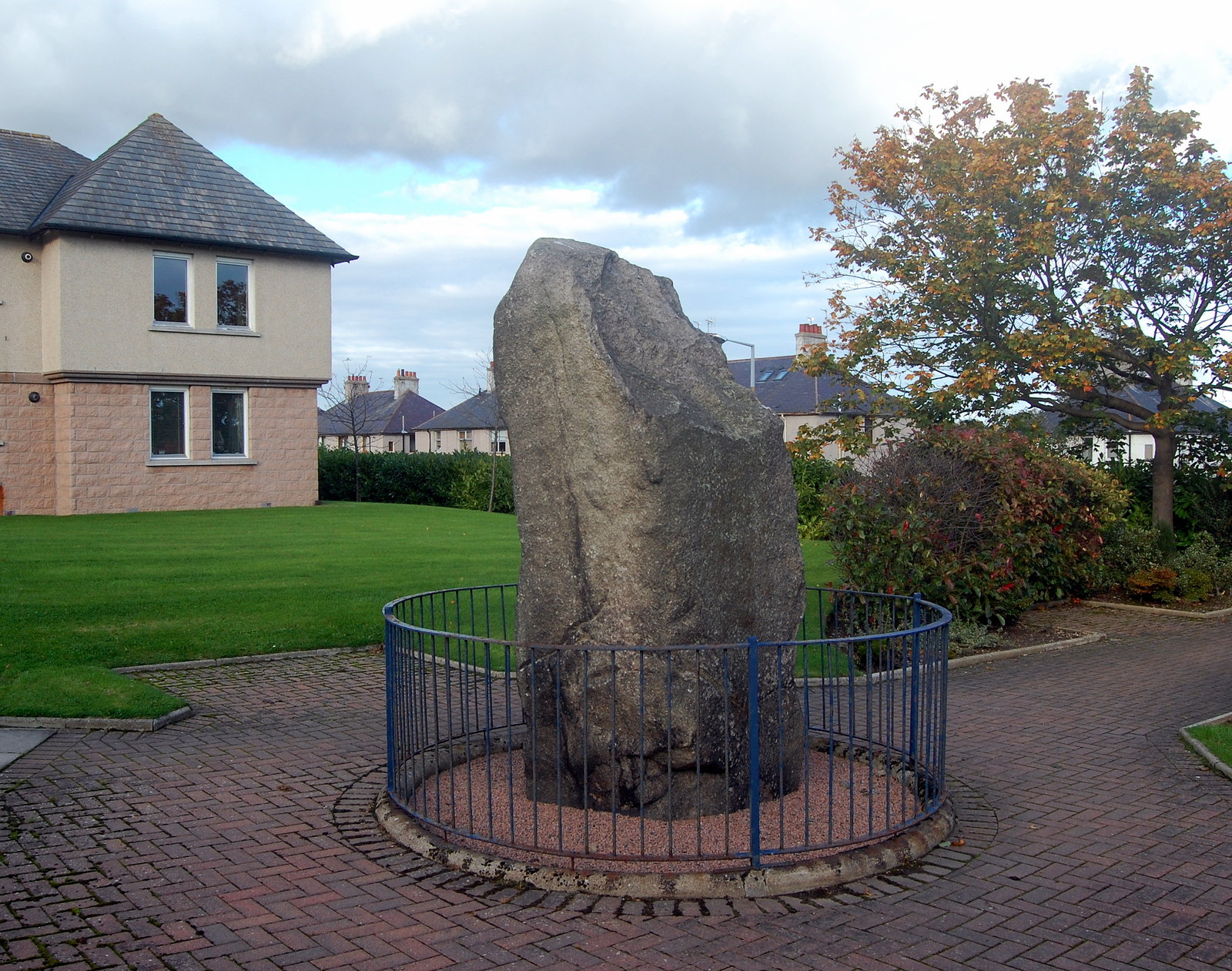
Sacred place · Prehistoric
Lang Stane of Hilton
Aberdeen City
A granite monolith nearly three metres tall standing in Hilton, one of several Aberdeen stones sharing the name Lang Stane: Scots for long stone.
- Near Aberdeen
- Easy path
Questions people ask
- When was Aberdeen’s Market Cross made?
- Mason John Montgomery of Old Rayne built it in 1686.
- What is shown on the cross?
- The parapet carries the arms of the Crown and city and bas-reliefs of Stuart monarchs from James I to James VII.
- Has the cross been moved?
- It was moved to its present position in 1842.
- Where is the original column?
- The original seventeenth-century column is held in the Tolbooth museum.
Sources
- Historic Environment Scotland — Market Cross, Castle Street, Aberdeen
- W A Brogden, Aberdeen, An Illustrated Architectural Guide
Explore more: Minor monuments · Medieval · Aberdeen City
The Ancient Codex, in your pocket
Get the Pocket Codex app
Carry the directory with you — Market Cross, Castle Street, Aberdeen and thousands of ancient places across Britain and Ireland, offline, wherever you roam.