
A working Church of Scotland kirk that still keeps William Wallace's quartered remains in its walls and a ceiling of 48 royal and episcopal coats of arms overhead.
A fourteenth-century story tells how St Machar, a travelling companion of St Columba, was instructed by God — or by Columba himself — to build his church wherever a river bent into the shape of a bishop’s crosier before meeting the sea. The River Don still curves that way just below the site north of Aberdeen’s city centre, and tradition dates the first foundation there to around the year 580, in what is now Old Aberdeen.
Little of that early church remains, and even its Norman successor, raised in 1131 after David I moved the bishopric from Mortlach, has almost entirely vanished; the current building is largely the product of two centuries of rebuilding after the Wars of Independence, capped by twin battlemented towers and a flat, brightly painted ceiling of heraldic shields. Granite is the building material throughout, giving the cathedral its distinctive grey bulk, and its fortress-like towers are thought to echo the tower of St John’s Kirk in Perth.
The building has not been a true cathedral — a bishop’s seat — since 1690; it now serves as a high kirk (a principal Scottish parish church) of the Church of Scotland. Its walls are said to hold a fragment of William Wallace, quartered after his execution in 1305, and its graveyard holds figures ranging from an astronomer to a Malawi missionary, alongside the ruined transepts where a run of medieval bishops lie under modern canopies.
What follows is drawn from published sources, with each claim labelled by how firmly it is established.
The name
The cathedral is named for Machar, remembered in tradition as a saint who travelled with St Columba toward Iona before being sent to found a church of his own. A fourteenth-century legend explains the choice of site: Machar was told to build wherever a river bent into the shape of a bishop's crosier before reaching the sea, a bend the River Don still makes just below the present building.
History
According to a fourteenth-century legend, St Machar — said to have accompanied St Columba on his journey toward Iona — was told by God, or by Columba himself, to found a church where a river bent into the shape of a bishop's crosier before reaching the sea. The River Don still curves that way below the present building, and tradition places Machar's original foundation on this site at Old Aberdeen around the year 580.
In 1131, shortly after David I transferred the bishopric from Mortlach to Aberdeen, a Norman cathedral rose on the site, superseding Machar's early church. Almost nothing of that Norman building survives above ground; a single lozenge-decorated capital base, once part of an archway, is preserved today in the Charter Room of the present church.
After William Wallace was executed in 1305, his body was quartered and the pieces dispatched to different corners of the country as a warning to other rebels. His left quarter was sent to Aberdeen and is said to have been buried within the walls of the cathedral, a grim relic of the wars fought over Scotland's crown.
At the close of the thirteenth century Bishop Henry Cheyne began enlarging the church, but the work stalled during the Wars of Independence; his surviving crossing piers, carved with red sandstone capitals, rank among the finest stone carving of their date in Scotland. Bishop Alexander Kininmund II later demolished the Norman cathedral in the late fourteenth century and began the granite nave and western towers, which Bishop Henry Lichtoun completed along with the west front and northern transept.
Bishop Ingram Lindsay finished the roof and paving in the later fifteenth century, and over the following fifty years Thomas Spens, William Elphinstone and Gavin Dunbar carried the work further still; Dunbar is credited with the heraldic ceiling and the cathedral's two western spires.
The chancel was pulled down in 1560 during the Scottish Reformation, and its bells and roof lead were shipped off to be sold in Holland — only for the vessel carrying them to sink near Girdle Ness. In 1688 a storm brought down the central tower and spire, destroying the choir and transepts; the west arch of the crossing was walled up and worship has continued in the nave alone ever since.
Restoration has continued into the present day: in 1987 bells salvaged from the deconsecrated St Stephen's Church in Ealing were restored by Eayre & Smith and installed at St Machar's, giving it one of Scotland's few sets of bells designed for change ringing, and in 2020 a £1.85 million project re-slated the roof, cleaned the heraldic ceiling and repaired stained glass windows.
People
-
St Machar
Legendary founder said to have accompanied St Columba, credited by tradition with establishing the first church on the site around the year 580.
-
William Wallace
Scottish resistance leader whose quartered remains, following his execution in 1305, are said to be buried within the cathedral walls.
-
Henry Cheyne
Bishop of Aberdeen who began extending the church at the end of the thirteenth century, work halted by the Wars of Independence.
-
Alexander Kininmund II
Bishop of Aberdeen who demolished the Norman cathedral in the late fourteenth century and began the present granite nave and western towers.
-
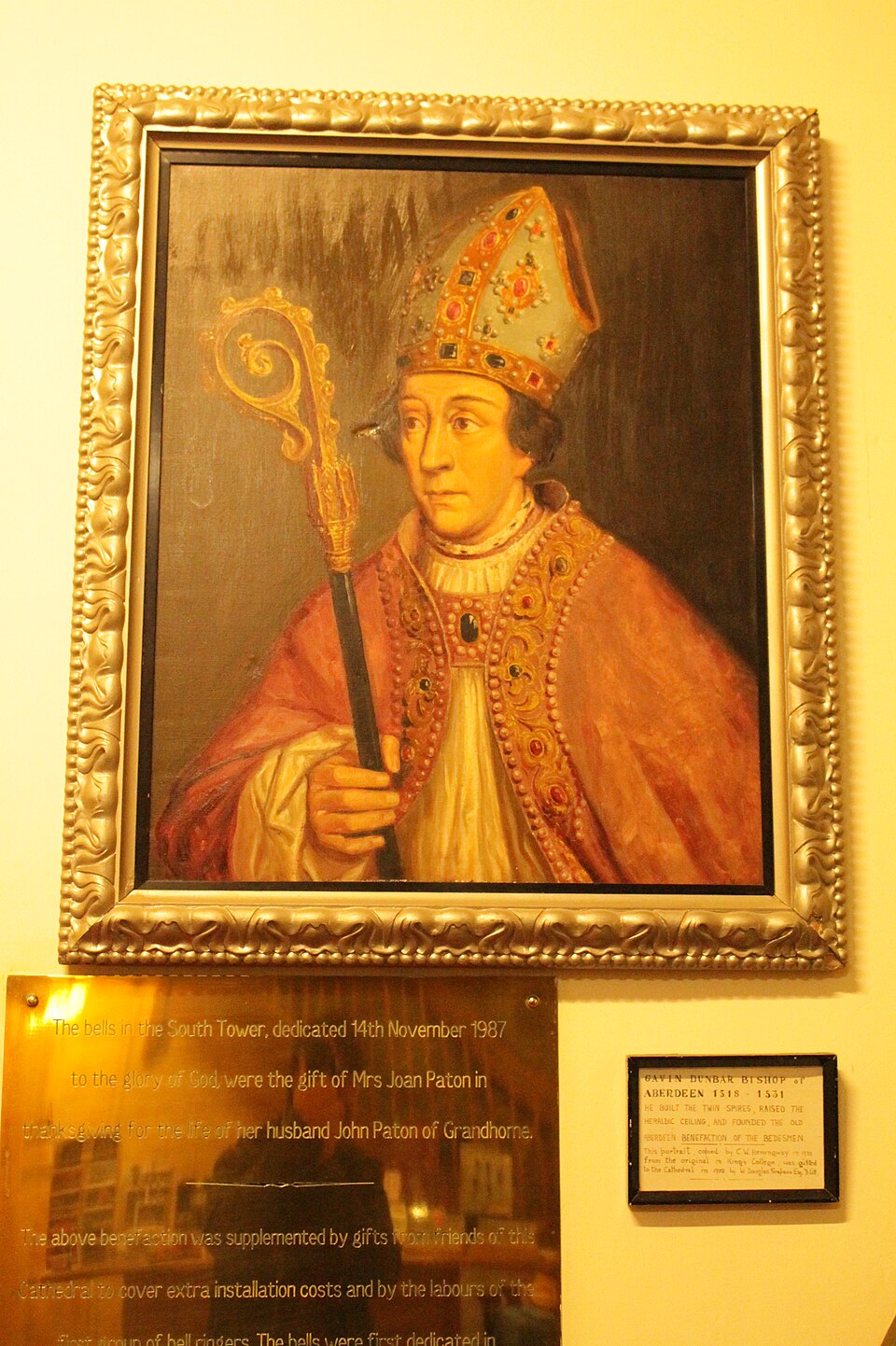
Portrait: Stephencdickson / Wikimedia Commons / CC BY-SA 4.0 Gavin Dunbar
Bishop of Aberdeen from 1518/19 to 1532, credited with the heraldic ceiling and the cathedral's two western spires.
-
David Gill
Astronomer buried in the cathedral's external burial ground.
Cultural influences
-
St John's Kirk, Perth
The cathedral's fortified twin towers are believed to have been inspired by the central tower of St John's Kirk in Perth, built in the manner of fourteenth-century Scottish tower houses.
Connections
-
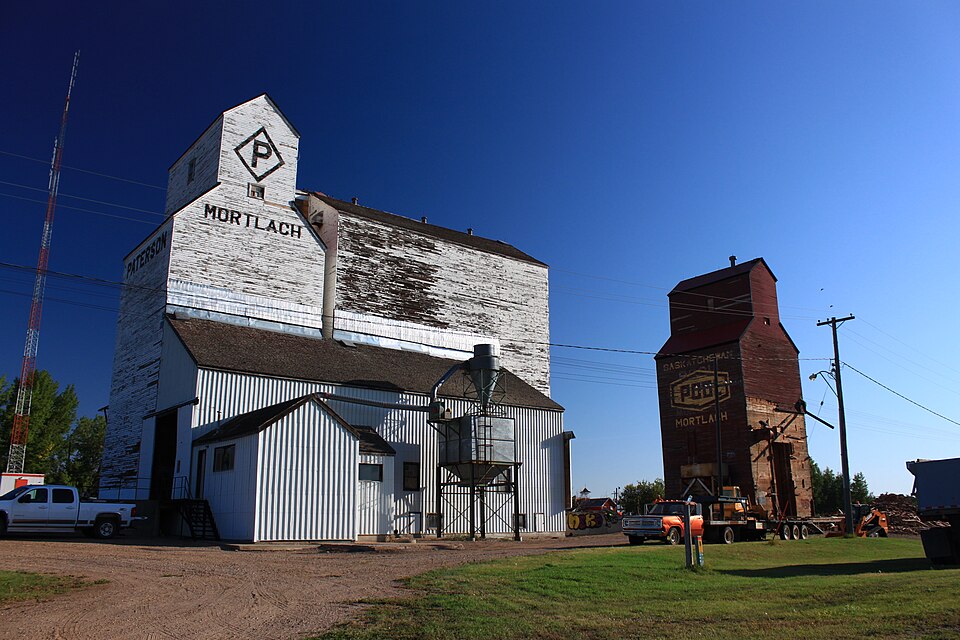
Photo: Canadaadanac / Wikimedia Commons / CC BY-SA 4.0 Mortlach
The bishopric was transferred from Mortlach to Aberdeen by David I in 1131, moving the cathedral seat to the site where St Machar's now stands.
-
King's College, University of Aberdeen
Several ministers of St Machar's, including Alexander Arbuthnot and Alexander Middleton, also served as Principal of King's College, whose shield appears on the cathedral's heraldic ceiling.
-
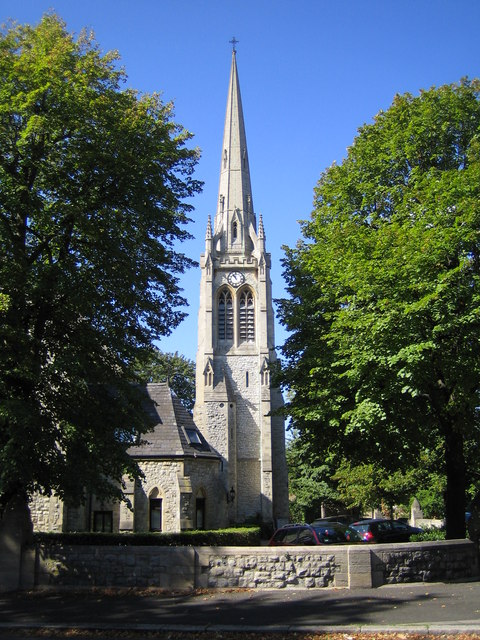
Photo: Nigel Cox / Wikimedia Commons / CC BY-SA 2.0 St Stephen's Church, Ealing
This deconsecrated London church supplied the bells that were restored by Eayre & Smith and installed at St Machar's in 1987.
-
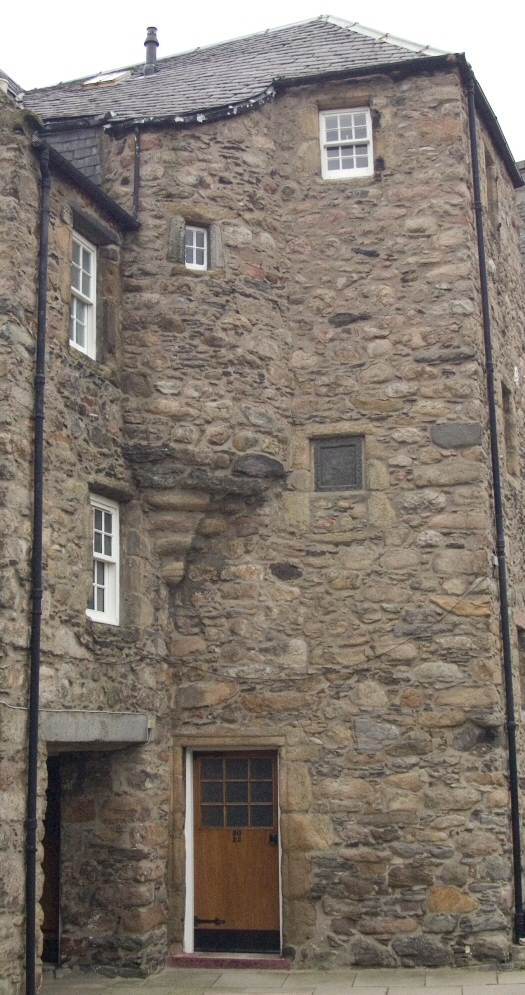
Photo: Ray_Oaks (talk) (Uploads) / Wikimedia Commons / Public domain Bede House, Old Aberdeen
A neighbouring historic building in Old Aberdeen, grouped with the cathedral among the burgh's notable historic sites.
In culture
-
Songs of Praise
St Machar's Cathedral has been featured on BBC television's long-running hymn programme Songs of Praise.
-
The Brus, by John Barbour
A carved wooden triptych inside the cathedral commemorates John Barbour, archdeacon of Aberdeen, who died in 1395 and wrote The Brus, an early narrative poem about Robert the Bruce.
What to look for
-
Twin west towers
The battlemented and spired west towers give the cathedral its fortress-like silhouette; their thick walls conceal spiral staircases leading to the upper floors.
-
The heraldic ceiling
The flat panelled nave ceiling, painted in the first half of the sixteenth century, displays 48 coats of arms in three rows of sixteen, running from Pope Leo X at the centre to the arms of Aberdeen and local noble families.
-
Red sandstone crossing capitals
At the east end, weathered red sandstone capitals from Bishop Cheyne's thirteenth-century crossing piers survive as some of the finest carved stonework of their date in Scotland.
-
Stained glass windows
None of the surviving stained glass predates 1866; the nave's north and south aisles carry windows by Douglas Strachan, Clayton and Bell, Daniel Cottier, Marjorie Kemp and Margaret Chilton, among others.
-
The Seaton cross-slab and sanctuary cross-head
A possibly seventh- or eighth-century cross-slab from Seaton and a rare twelfth-century sanctuary cross-head are displayed inside; the cross-slab is the only surviving evidence of early Christian activity in Aberdeen at that date.
-
The ruined transepts and bishops' tombs
The roofless transepts and crossing, cared for by Historic Environment Scotland, shelter a group of late medieval bishops' tombs protected by modern canopies.
What is said
Folklore and tradition, recorded as what is said — not as established fact.
-
The river-bend prophecy
A fourteenth-century legend holds that St Machar was told by God, or by St Columba, to found his church where a river curved into the shape of a bishop's crosier before meeting the sea; tradition identifies the bend of the River Don below the cathedral as the spot, with the founding placed around the year 580.
Plan your visit
- Location
- 57.1698°N · 2.1024°W
- Access
- Open access
- Terrain
- Easy going
- Time needed
- About 60 minutes
Opening & admission
Free to visit as a working church; check the church or Historic Environment Scotland site for current opening arrangements.
- Ruined transepts and crossing are under Historic Environment Scotland's care with protective modern canopies over the medieval tombs
- Located in Old Aberdeen, north of the city centre
Nearby places
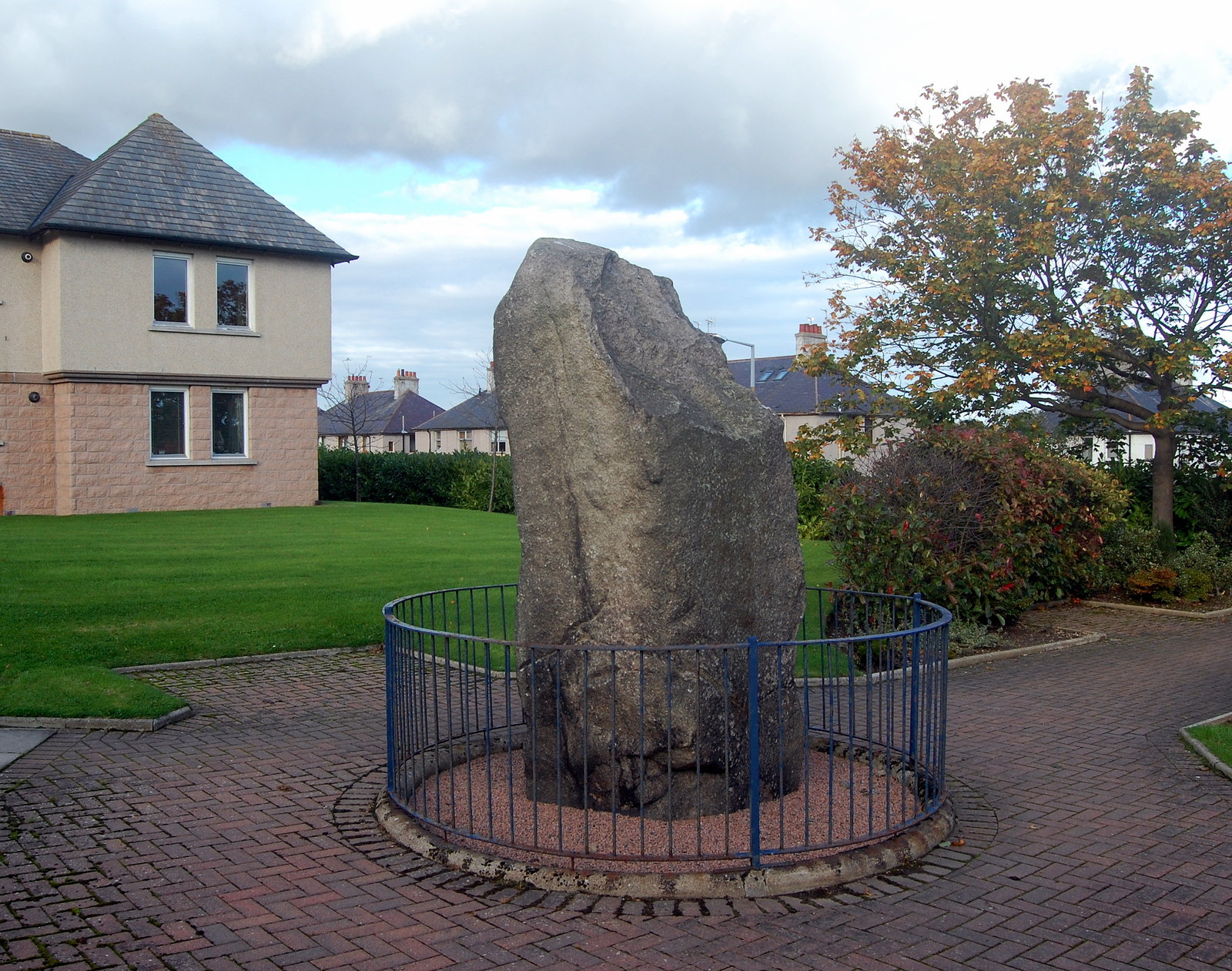
Sacred place · Prehistoric
Lang Stane of Hilton
Aberdeen City
A granite monolith nearly three metres tall standing in Hilton, one of several Aberdeen stones sharing the name Lang Stane: Scots for long stone.
- Near Aberdeen
- Easy path
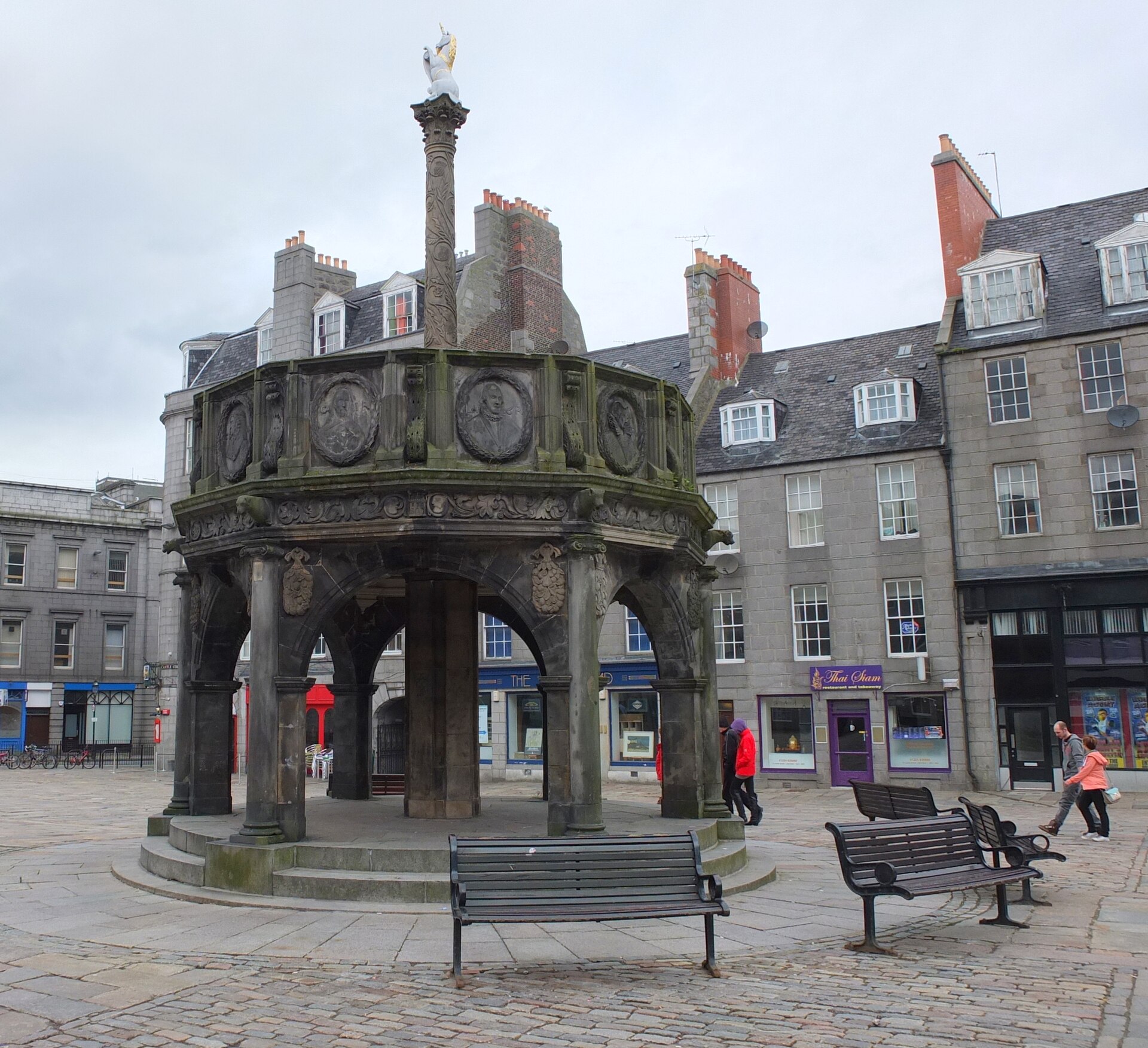
Minor monument · Medieval
Market Cross, Castle Street, Aberdeen
Aberdeen City
Aberdeen’s 1686 market cross combines royal and civic carving with a gilt unicorn, preserving the burgh’s public trading and ceremonial centre thro…
- Near Aberdeen
- Easy path
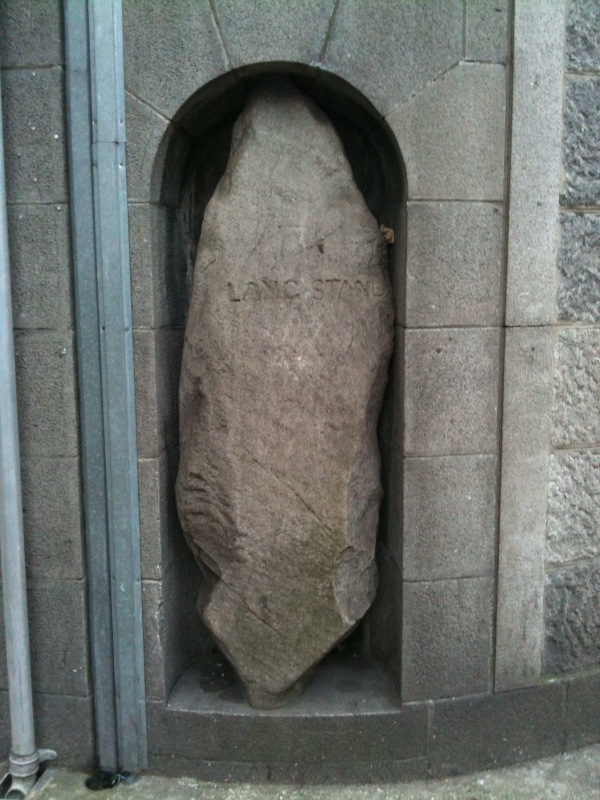
Sacred place · Prehistoric
Lang Stane, Aberdeen
Aberdeen City
A keel-shaped base ties this Union Street stone to Aberdeenshire's recumbent circles: raised around 3000 BC, before writing reached Britain: long b…
- Near Aberdeen
- Step-free
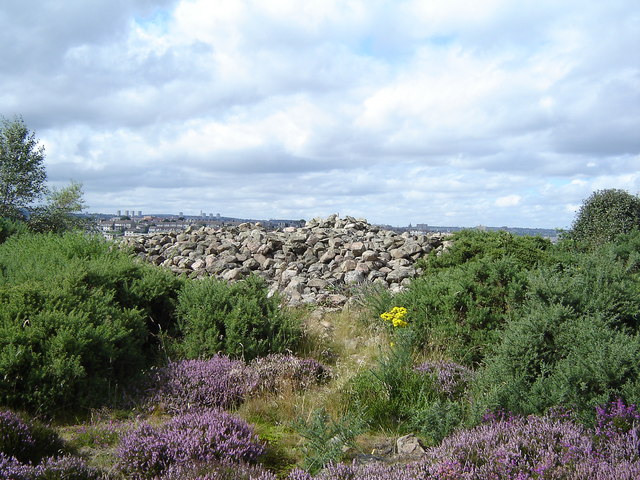
Tomb or burial place · Prehistoric
Tullos Cairn
Aberdeen City
One of four stone burial mounds sharing Tullos Hill, raised in the Bronze Age: roughly 2500 to 800 BC, when metal tools first spread: and still out…
- Near Aberdeen
- Easy path
Questions people ask
- Is St Machar's still a cathedral?
- Not officially. It has been a high kirk of the Church of Scotland since 1690, when it ceased to be a bishop's seat, though the historic name has remained in use.
- Why is William Wallace connected to the cathedral?
- After his execution in 1305, Wallace's quartered body was sent to different parts of the country as a warning; his left quarter was sent to Aberdeen and is said to be buried within the cathedral walls.
- What happened to the cathedral's central tower?
- It collapsed in a storm in 1688, destroying the choir and transepts; the crossing arch was then walled up, and worship has continued in the nave alone ever since.
- What is depicted on the cathedral's ceiling?
- The nave ceiling carries 48 painted coats of arms, including those of Pope Leo X, Scottish bishops and monarchs, Henry VIII, James V and the Holy Roman Emperor Charles V.
- Who looks after the ruined parts of the cathedral?
- The roofless transepts and crossing, which hold a group of late medieval bishops' tombs, are cared for by Historic Environment Scotland.
Sources
- Wikipedia: St Machar's Cathedral
- Historic Environment Scotland
- Ray McAleese, Bishop Gavin Dunbar: Nobleman, Statesman, Catholic Bishop, Administrator and Philanthropist (Friends of St Machar, 2013)
Explore more: Building or ruins · Medieval · Aberdeen City
The Ancient Codex, in your pocket
Get the Pocket Codex app
Carry the directory with you — St Machar's Cathedral and thousands of ancient places across Britain and Ireland, offline, wherever you roam.